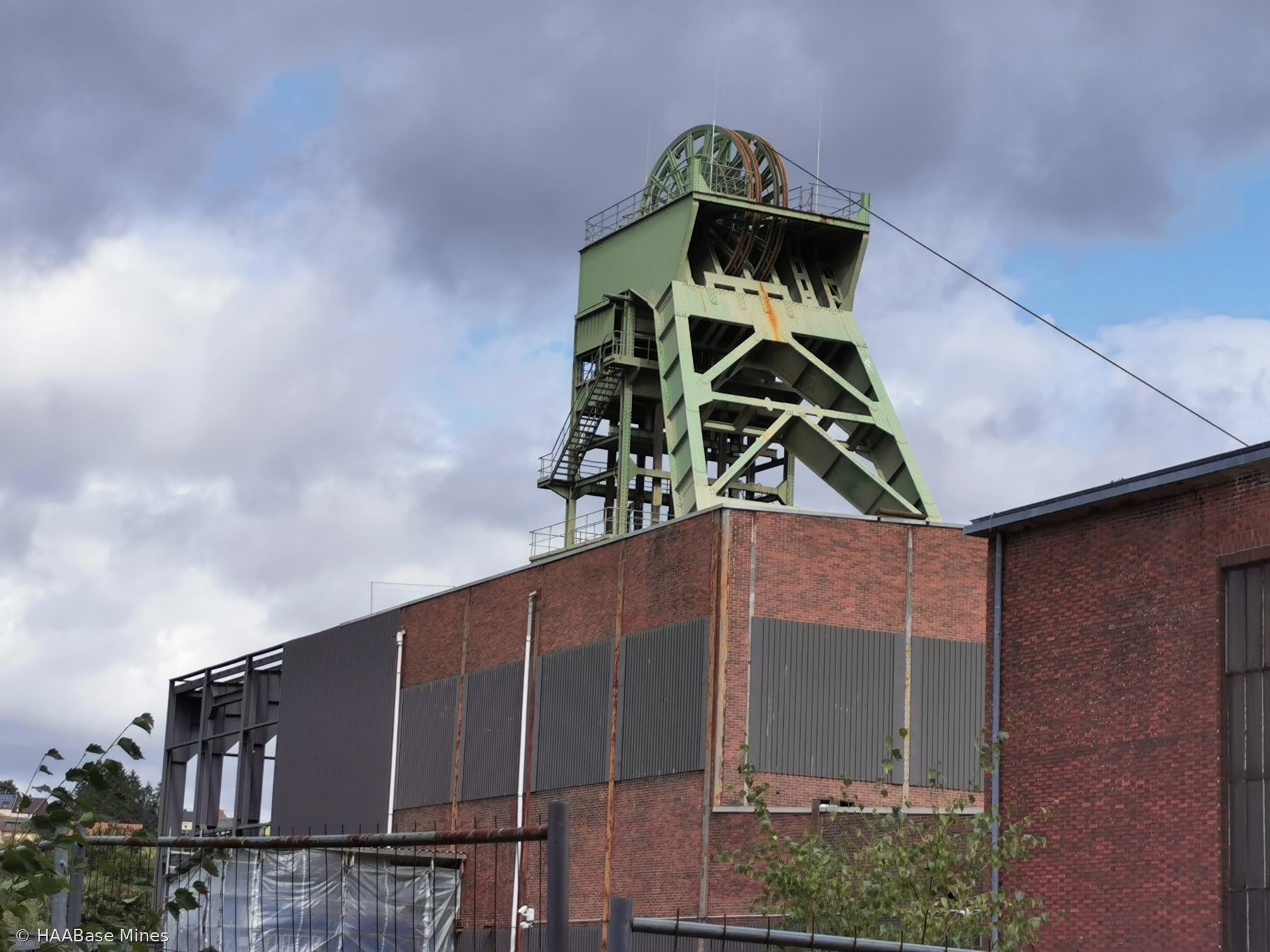
1846
Sinking of Schacht Reden I
Schacht Reden I was sunk as an operational part of Grube Heinitz, initiating underground development at the site.
Former Saarland hard coal mine, now a listed leisure and cultural destination with surviving headframes and pithead buildings.
This record is based on the research currently available to HAABase Mines. It has not yet completed the site's formal source-by-source fact-checking process, so the history and timeline should be regarded as a well-researched provisional account and may be refined as further evidence is reviewed.
Grube Reden is a former hard coal mine in the Landsweiler-Reden district of Schiffweiler in the Saarland, Germany. The first shaft was sunk in 1846 as a dependency of Grube Heinitz, and the mine became independent in 1850. It was named after the Prussian mining minister Friedrich Wilhelm von Reden.
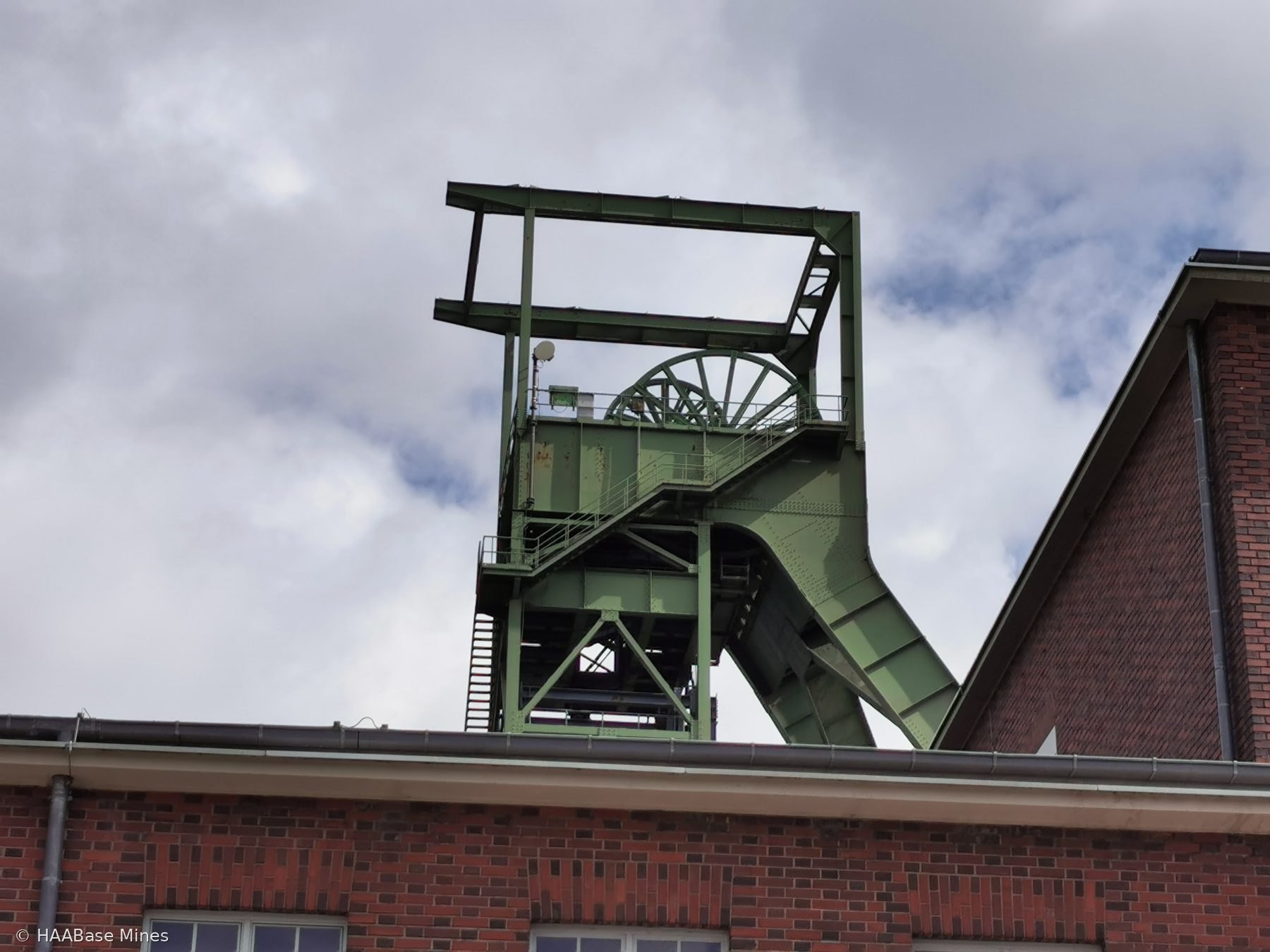
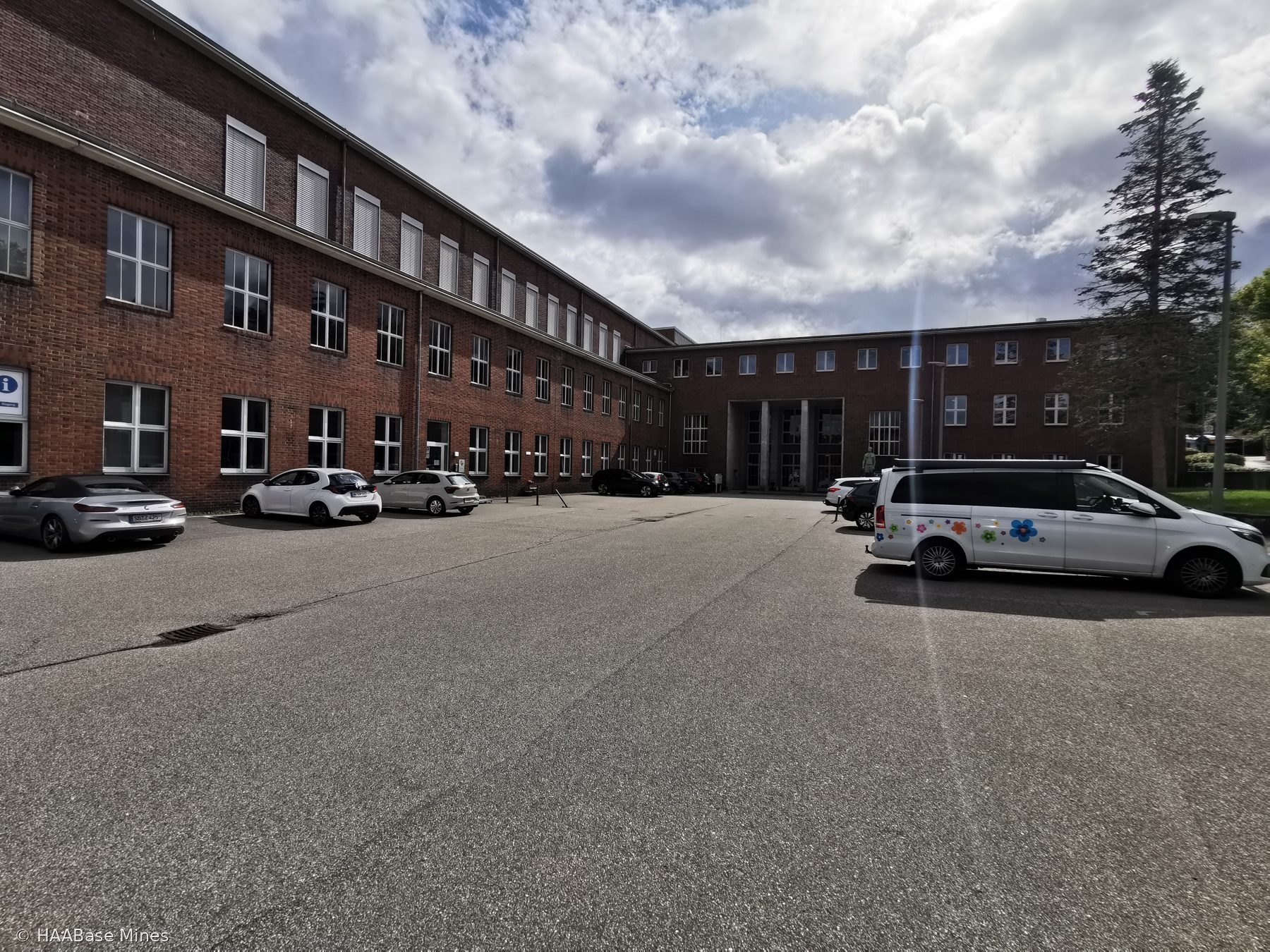
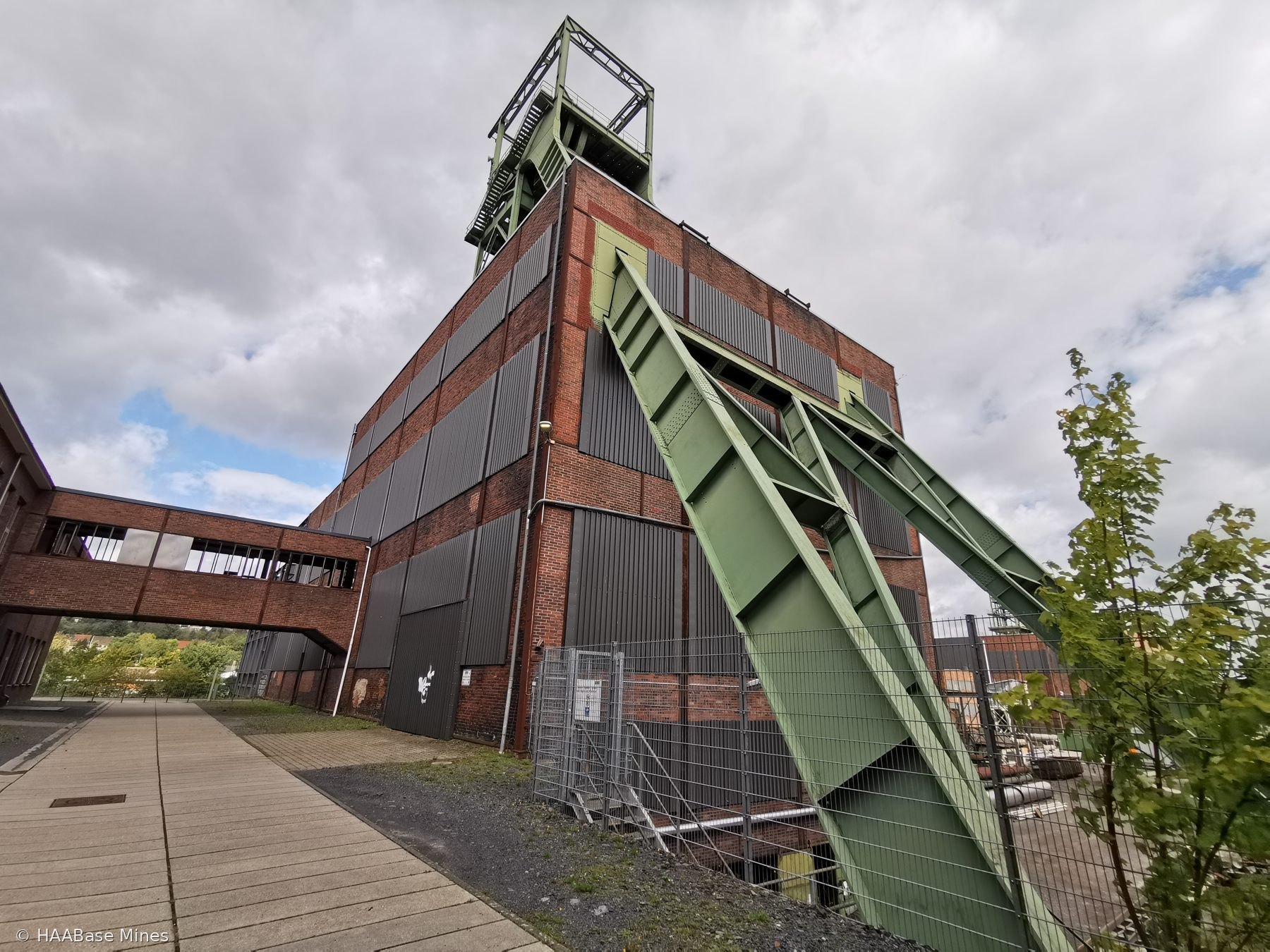
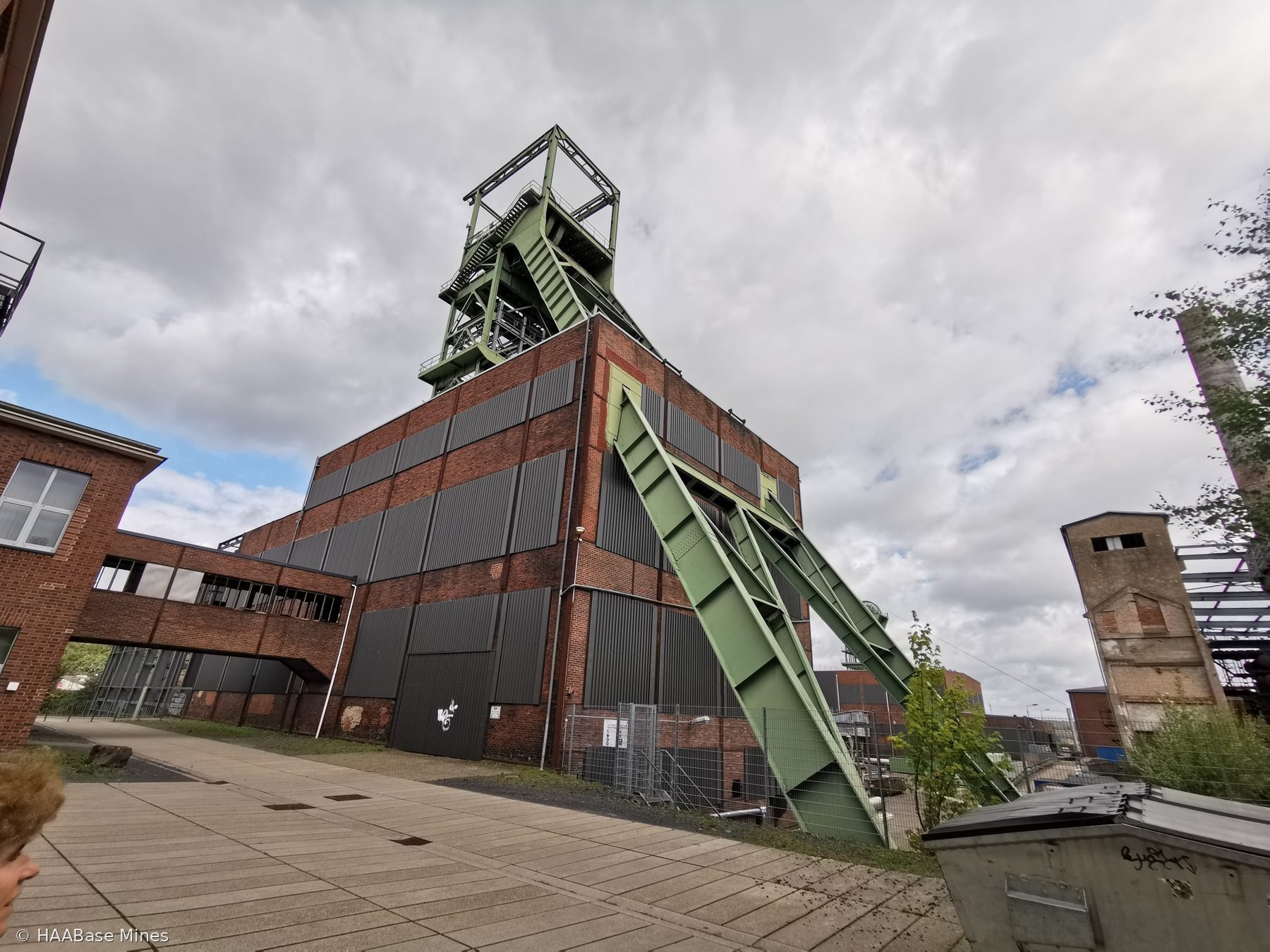
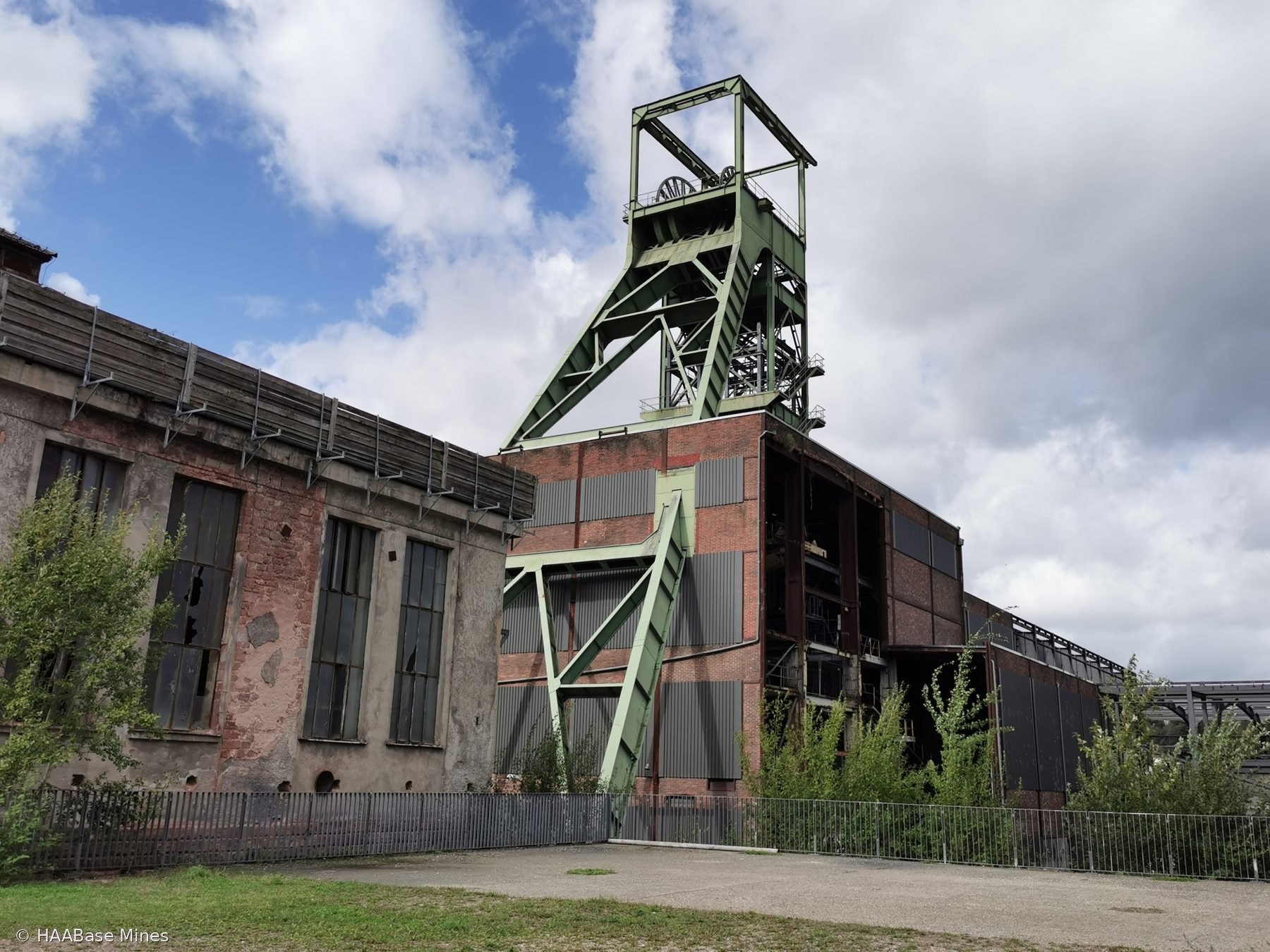
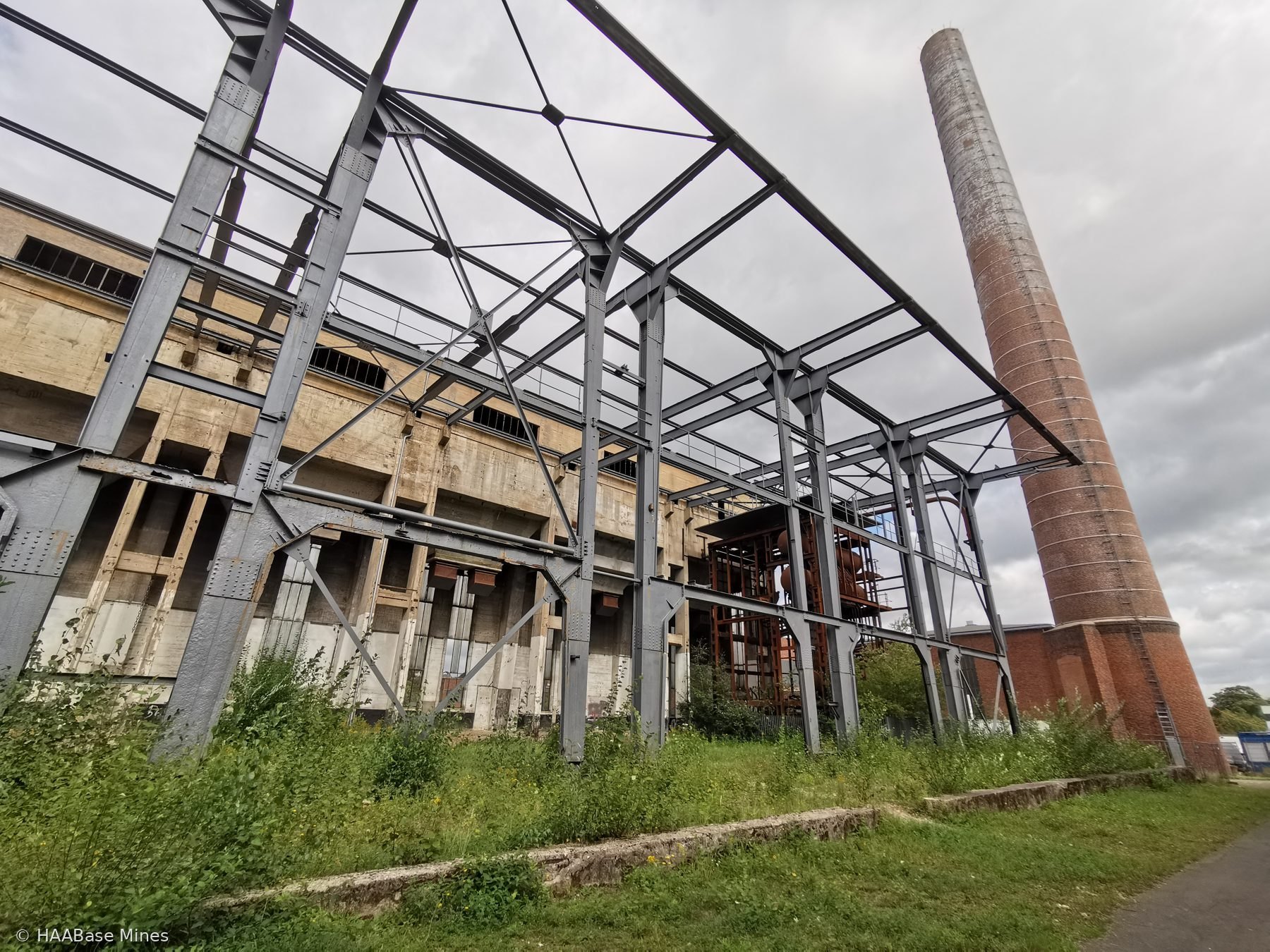
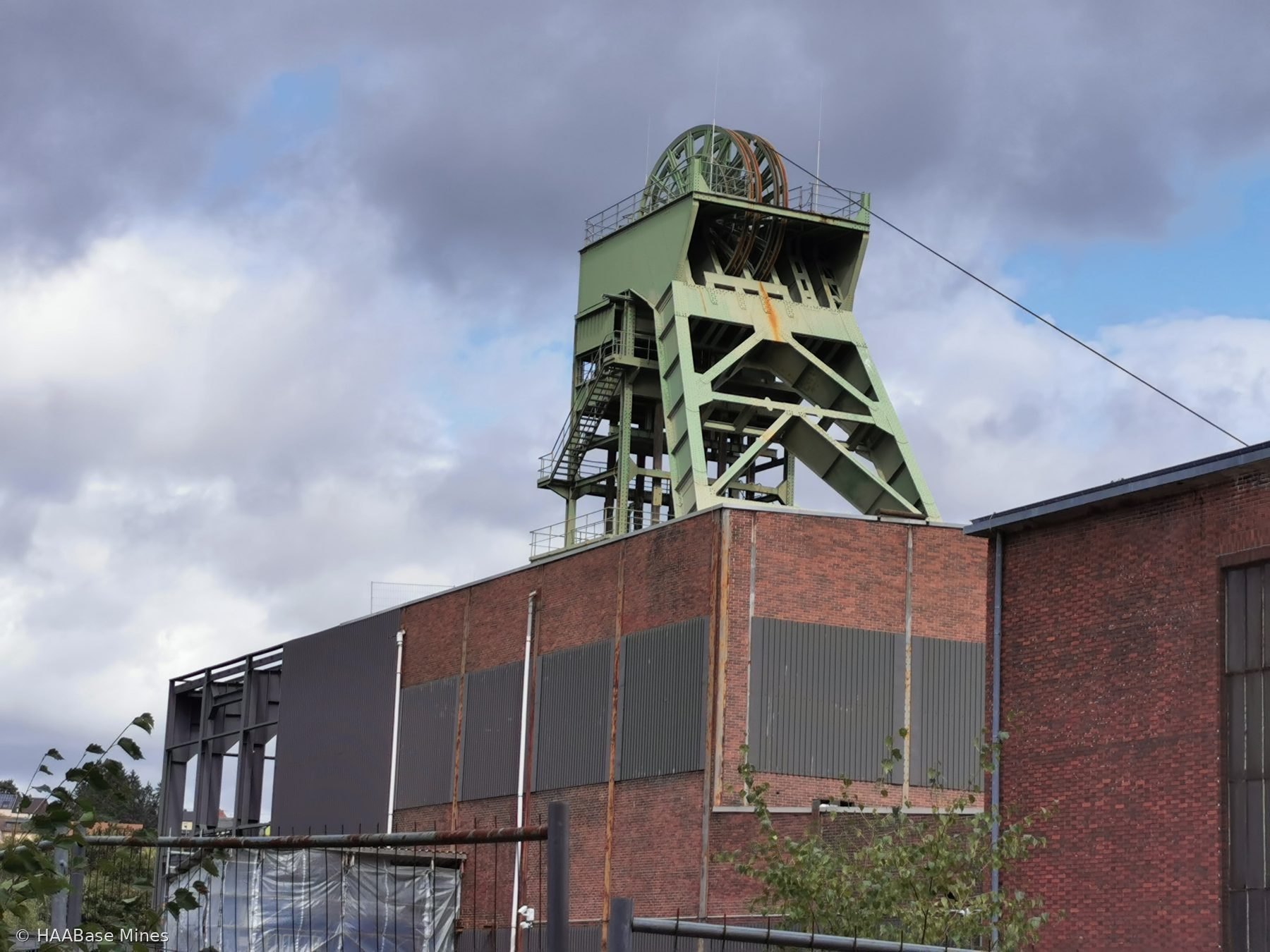
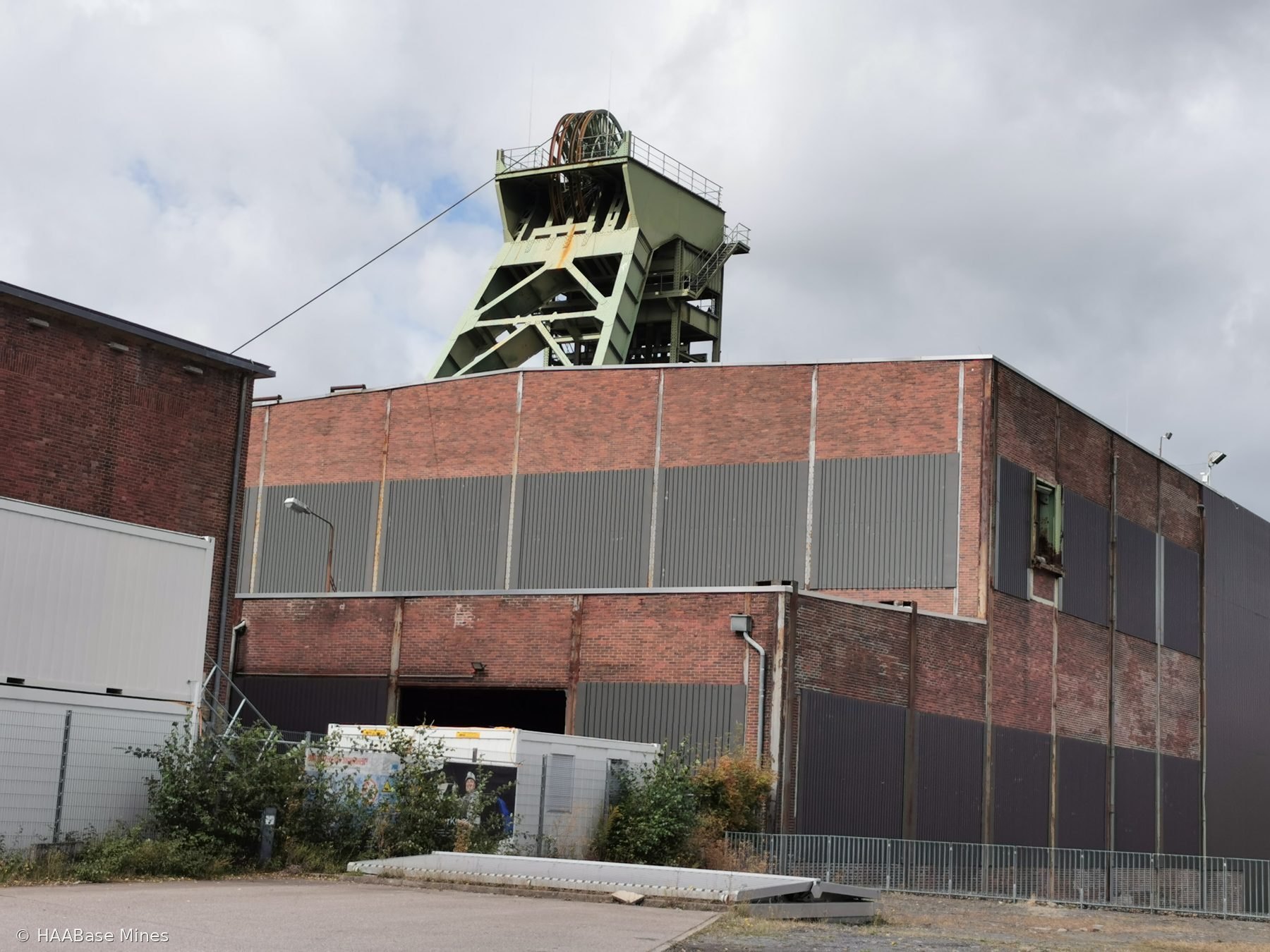
By the mid-twentieth century it had grown into one of the largest collieries in Germany, employing over 8,000 miners. Coal extraction ended in 1995 and the site has since been transformed into the Erlebnisort Reden, a leisure, tourism and cultural destination. The surviving complex — including the headframes over shafts IV and V, the monumental Zechenhaus of 1936–38, pithead buildings, machine house, compressor hall, and colliery railway infrastructure — is protected as a listed monument and recognised as one of the most significant surviving testimonies to Saarland hard coal mining.
The former spoil heap has been reshaped as a landscape park.
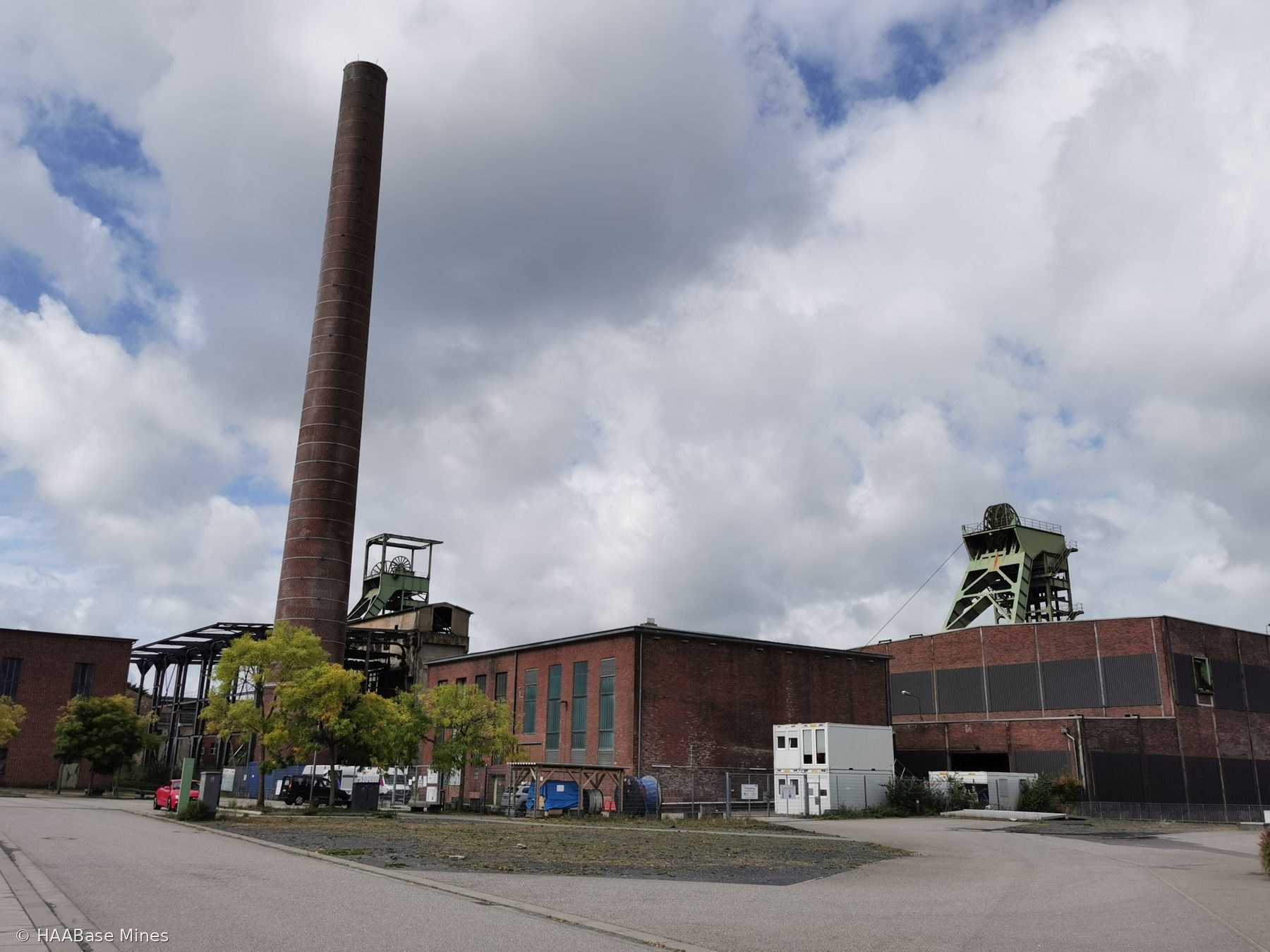
The site that became Grube Reden had its origins in 1846, when Schacht Reden I was sunk as an operational part of the neighbouring Grube Heinitz. In 1850 the mine was established as an independent colliery and a second shaft was commenced. The mine was named in honour of Friedrich Wilhelm von Reden, the Prussian minister responsible for mining. A first Zechenhaus was erected in 1848–49. In 1851 the Saarbrücken–Neunkirchen railway was opened immediately adjacent to the site, providing the direct transport link that would sustain the mine's growth; Grube Reden was accordingly classed among the so-called Eisenbahngruben, the railway collieries of the Saar. A smithy, workshops and a coal preparation facility were added in the following years.
In 1856 the third shaft was sunk to a depth of 607 metres, and a further haulage connection was established with Grube Itzenplitz at Heiligenwald. The third shaft subsequently became the principal production shaft. On 20 October 1864 a firedamp explosion in Flöz Kallenberg killed 35 miners. In 1887 the fourth shaft was sunk. A further, more catastrophic disaster struck on 28 January 1907, when a firedamp explosion followed by a coal dust explosion in Flöz Thiele killed 150 miners, one of the worst accidents in the history of German hard coal mining. Despite the disaster, production continued and new coal reserves were opened up, with additional ventilation shafts sunk in the same period. A coal washing plant was under construction at that time. The double shaft Reden 5 was commenced after 1907 and was eventually deepened to 936 metres. The machine house for shaft 5 was constructed in 1916–17.
Following the Saar plebiscite of 1935 and the reintegration of the Saarland into the German Reich, control of Grube Reden reverted to German administration on 1 March 1935. In November 1935 Reichsminister Hermann Göring visited the mine and announced its expansion into a large-scale model colliery. From 1936 onwards the surface installations were comprehensively rebuilt. Shaft V was extended to 936 metres, the timber underground support was replaced with iron props, new conveyors and screening equipment were installed, the haulage track system was renewed, ventilation was improved, a new processing plant for fat and flame coal was erected, and the underground workings of the Itzenplitz shafts were connected to the main Reden mine. A new Sieberei (screening plant), a compressor house, a new headframe and shaft hall for shaft IV, and the monumental new Zechenhaus and bath-house were all built during this period. The Zechenhaus, inaugurated on 10 July 1938, is a major surviving structure. The new coking plant was put into operation in 1941. By 1943 the workforce included Russian and Italian prisoners of war.
After the end of the Second World War a joint American and French control commission managed the Saar collieries until 1947. On 1 January 1948 the French mining authority Régie des Mines de la Sarre assumed responsibility. Under French administration a new large headframe was erected over shaft V in 1949 and further mechanisation was carried out. At the time of the reversion of the Saarland to the Federal Republic of Germany in 1957, when the Saarbergwerke AG took over the collieries, Grube Reden employed more than 8,000 underground workers and approximately 450 personnel on the coking plant. In the mid-1950s the total workforce reached 8,200. During the years that followed, a number of smaller surrounding collieries — including those at Sulzbach, St. Ingbert and Bexbach — were closed and incorporated into Reden's working area. A partial closure of the Reden site began in 1960. Itzenplitz was shut as a production shaft and Reden 5 became the central winding shaft.
In the late 1980s Grube Reden, Camphausen and Göttelborn were merged to form the Verbundbergwerk Ost. Camphausen was closed in 1990 and continued as a subsidiary installation. In 1991 the 148-year history of Grube Reden as an independent colliery formally ended. Coal production at the Reden site ceased in 1995. Shaft III was filled in 1998. Two shafts, each 886 metres deep, were retained for mine water management of the Saar coalfield. In 2021 shaft V was converted to groundwater pumping, with the upper 200 metres of the shaft filled with concrete.
The former site has been progressively transformed into the Erlebnisort Reden, a destination for leisure, tourism and culture, under the leadership of the Landesgesellschaft Industriekultur Saar GmbH. From 2003 an energy garden was created on the former settling pond. The site was developed into a landscape park with residential areas, sports facilities and cultural spaces by 2006. The Gondwana – Das Praehistorium experience museum opened in 2007–08. The Wassergärten, a water garden of approximately 30,000 square metres, opened in 2012. The Zechenhaus, housing various state authorities and an exhibition, the Zentrum für Biodokumentation, and the Bergamt Saarbrücken are among the institutional presences on the site. The surviving headframes over shafts IV and V, the Zechenhaus of 1936–38, the machine house, compressor hall, the shaft hall ensemble, and the adjacent miners' housing settlements are all under heritage protection. The entire complex is designated as a listed monument and is described in the heritage record as a markantes, sehr aussagefähiges Architekturzeugnis des Saar-Bergbaus. It is one of three designated centres of industrial heritage in the Saarland. The former spoil heap has been converted into an experience landscape park with walking and skating paths and a summit event area.