Site overview

Penrhyn Quarry lies near Bethesda in Gwynedd and was one of the leading slate quarries of North Wales. As the quarry deepened during the 19th century, increasingly elaborate haulage systems were needed to move slate from lower working levels to processing and transport levels. The water-balance lift system used gravity and water rather than steam or electric power.

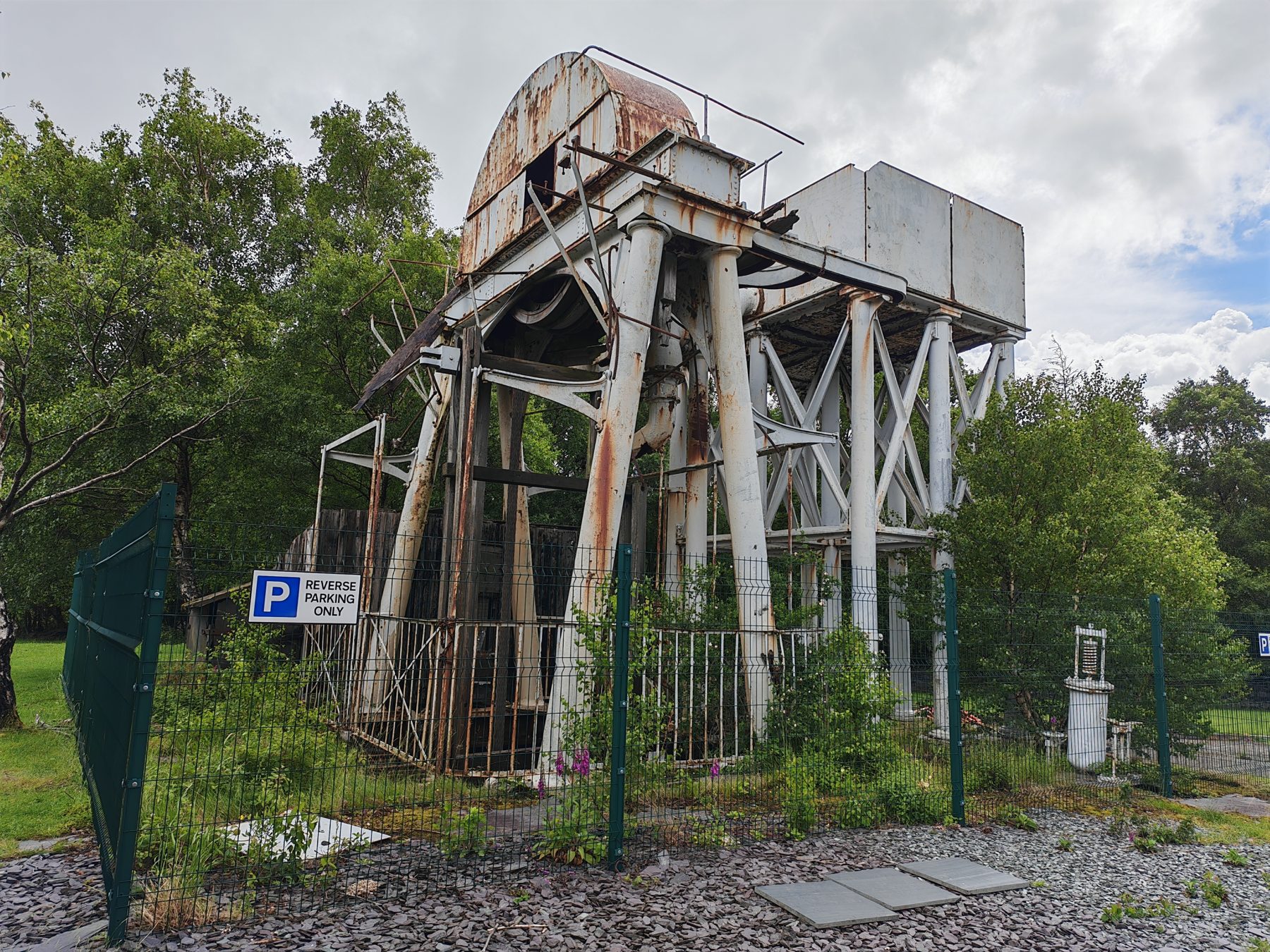
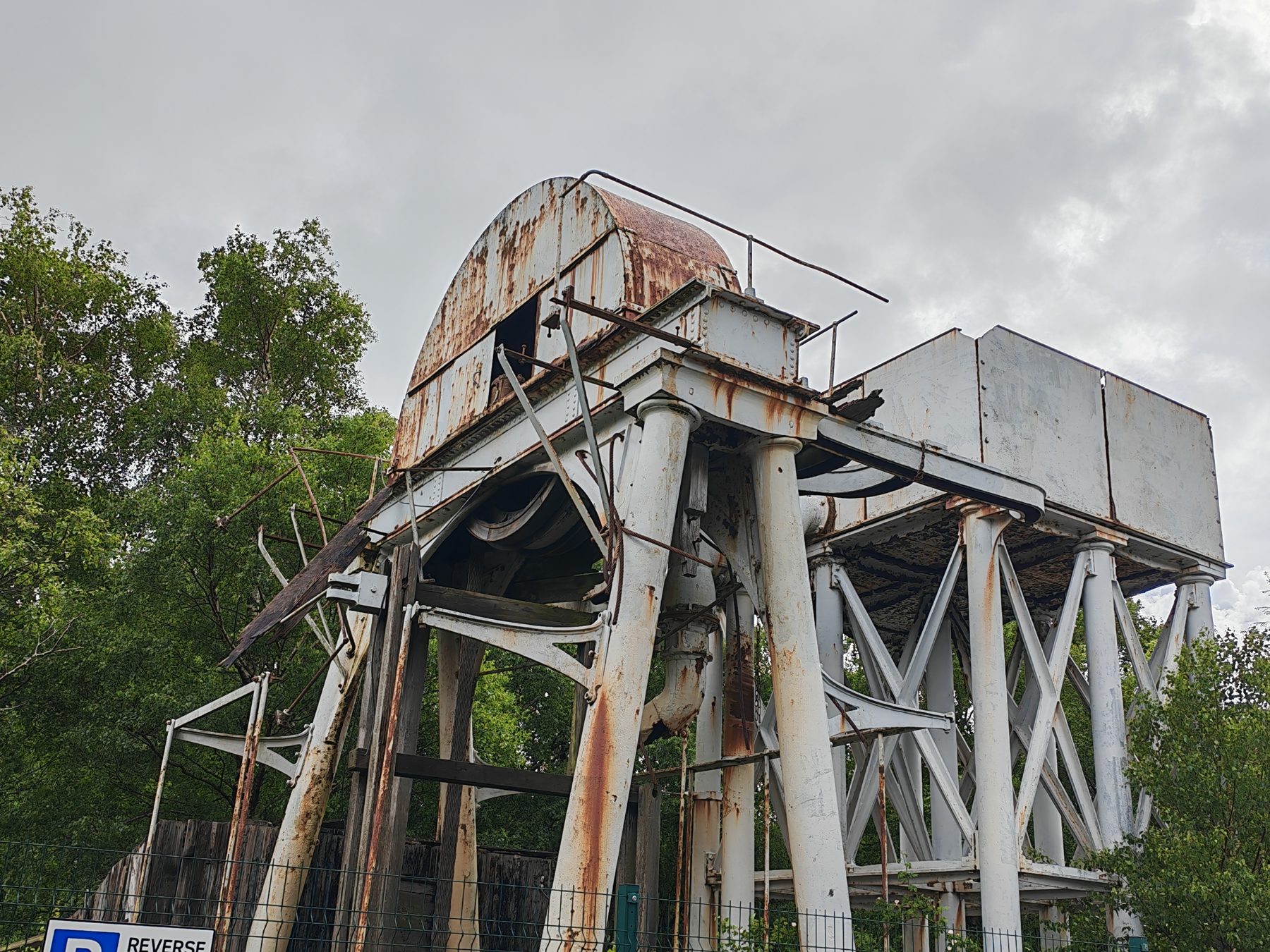
The surviving Lord water-balance tower is therefore significant as a rare headframe-like survival from the industrial archaeology of slate quarrying.

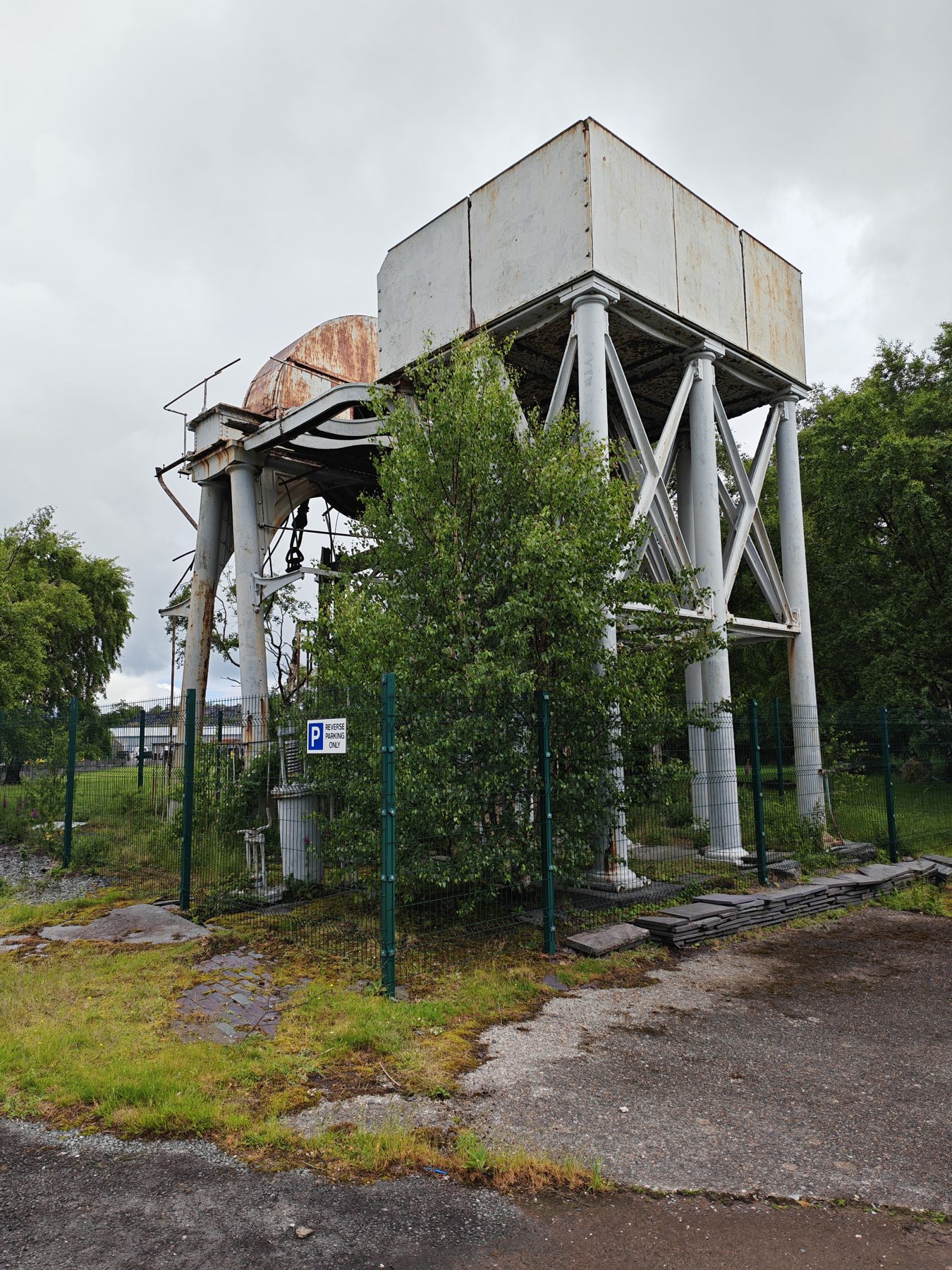
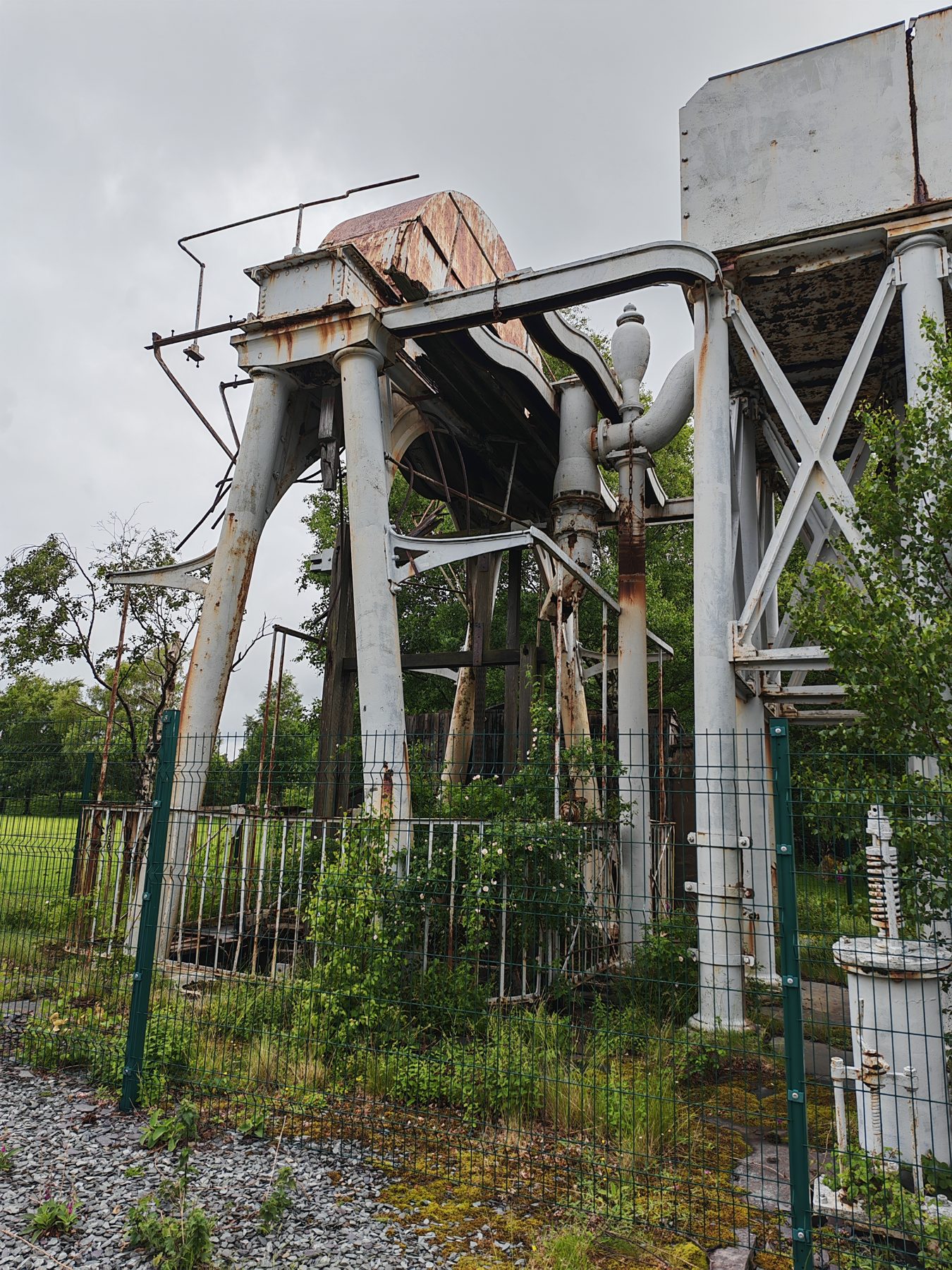
Historic slate quarry water-balance lift headframe within the Penrhyn Quarry complex near Bethesda, Gwynedd. The structure formed part of the quarry's vertical water-powered haulage system, used to move slate wagons between lower quarry levels and processing/haulage levels.

Map & photo

Penrhyn Quarry: Lord Water Balance Lift mine headframe or winding tower site
Map markers and directions links are provided for location reference only and do not indicate public access or permission to enter a site.

History

Penrhyn Quarry is 16th-century in origin, but large-scale exploitation began in 1782 under Richard Pennant, the first Lord Penrhyn. Under later estate management, including Benjamin Wyatt from 1799, the quarry pioneered gallery working and expanded into one of the great industrial landscapes of the North Wales slate industry.

By the end of the 19th century Penrhyn was a vast quarrying operation with extensive galleries, processing areas, inclines, rail systems, underground haulage levels, drainage works and waste tips. The increasing depth of the quarry pit created a major haulage problem. Penrhyn addressed this through a complex system that included vertical water-balance shafts. These used the weight of water to raise loaded slate wagons from lower quarry levels.

The Lord water-balance lift, recorded by Coflein as NPRN 33616, represents this specialised form of quarry engineering. In principle, the system used paired platforms or cages with water tanks. A tank on the descending side was filled with water, making it heavy enough to raise the opposing cage or platform carrying a loaded wagon. At the bottom, the water was discharged and the cycle could be repeated.

This makes the site important for HAAmines because it is a surviving vertical haulage headframe, even though it belongs to the slate quarrying tradition rather than deep coal or metal mining. It should therefore be classified clearly as a quarry water-balance lift headframe. The wider Penrhyn Quarry scheduled monument, CN416, includes underground haulage and drainage levels, water-balance shafts and rare surviving water-balance headframes.
Timeline

1500–1599

Early slate working at Penrhyn

Penrhyn Quarry is recorded as having 16th-century origins, before its later expansion into one of the major slate quarries of North Wales.
1782

Major exploitation begins under Richard Pennant

Large-scale exploitation of Penrhyn Quarry began under Richard Pennant, the first Lord Penrhyn.
1799

Benjamin Wyatt becomes estate manager

Benjamin Wyatt became estate manager and Penrhyn developed pioneering gallery working as the quarry expanded.
1845–1849

Drainage adit driven from the quarry

A drainage adit was driven between the quarry hole and Tan Ysgafell. This formed part of the infrastructure that later enabled the water-balance shaft system.
1852

First Penrhyn water balance installed

Coflein records that Penrhyn had eight water balances and that the first, named Lord, was installed in June 1852.
1858

Sebastopol water-balance headframe constructed

The Sebastopol water-balance headframe was constructed and supplied by DeWinton's Union Ironworks of Caernarfon.
1890–1899

Penrhyn reaches peak industrial scale

By the end of the 19th century, Penrhyn Quarry was producing more than 100,000 tonnes of slate per year and employing nearly 3,000 men.
1895

Princess May water-balance headframe constructed

The Princess May water-balance headframe was built by Radcliffe's of Hawarden.
1914

OS mapping records extensive quarry infrastructure

The Ordnance Survey third edition map showed galleries, blast shelters, working levels, gwaliau, counterbalance inclines, internal rail systems and tipping areas.
2021

Penrhyn Quarry scheduled as CN416

Penrhyn Quarry: relict areas, quarry hospital and underground levels was designated as Scheduled Monument CN416. The scheduled area includes underground drainage and haulage levels, water-balance shafts and headframes.

Sources and records

Coflein NPRN 33616: https://coflein.gov.uk/en/sites/33616
Cadw Scheduled Monument CN416 full report: https://cadwpublic-api.azurewebsites.net/reports/sam/FullReport?lang=&id=4428
Facebook narrow gauge discussion supplied by user: https://www.facebook.com/groups/narrowgauge/posts/2483738464971500/
This researched site record is part of the HAABase Mines database. Normal personal research and browsing is welcome. Automated bulk extraction, republication, or harvesting of site text and images is not permitted without written consent.