The iron ore of Aumetz has been exploited since antiquity, drawn from surface deposits of oolithic minette lorraine near the lieu-dit known as la Borne de fer. In 1410 the ore from Aumetz was already cited in a lease contract for a furnace and forge at Ottange. A haut-fourneau and forge were established at Fontoy at the end of the sixteenth century using ore from the Aumetz deposits.
Open-cast extraction grew steadily through the early nineteenth century; the forges of Hayange-Moyeuvre, Villerupt, Ottange, and Herserange were among the principal consumers. By 1846 demand was such that two further hectares were allocated to exploitants. In 1857 more than 17,000 tonnes were extracted from the Aumetz surface workings.
The apogee of open-cast extraction was reached around 1860, when 19,000 tonnes were raised in a single year; some twenty washing installations, including mobile ones, were in operation. During the period of German annexation following 1871, the growing industrialisation of Saarland and German Lorraine led operators to prospect for deeper deposits. It was in this context that the Lothringer Hüttenverein Aumetz-Friede (also referred to in sources as the Société Lorraine des Hauts-Fourneaux de Aumetz-La Paix and as the société germano-belge Aumetz Friede) sank the puits d'Aumetz from 1897.
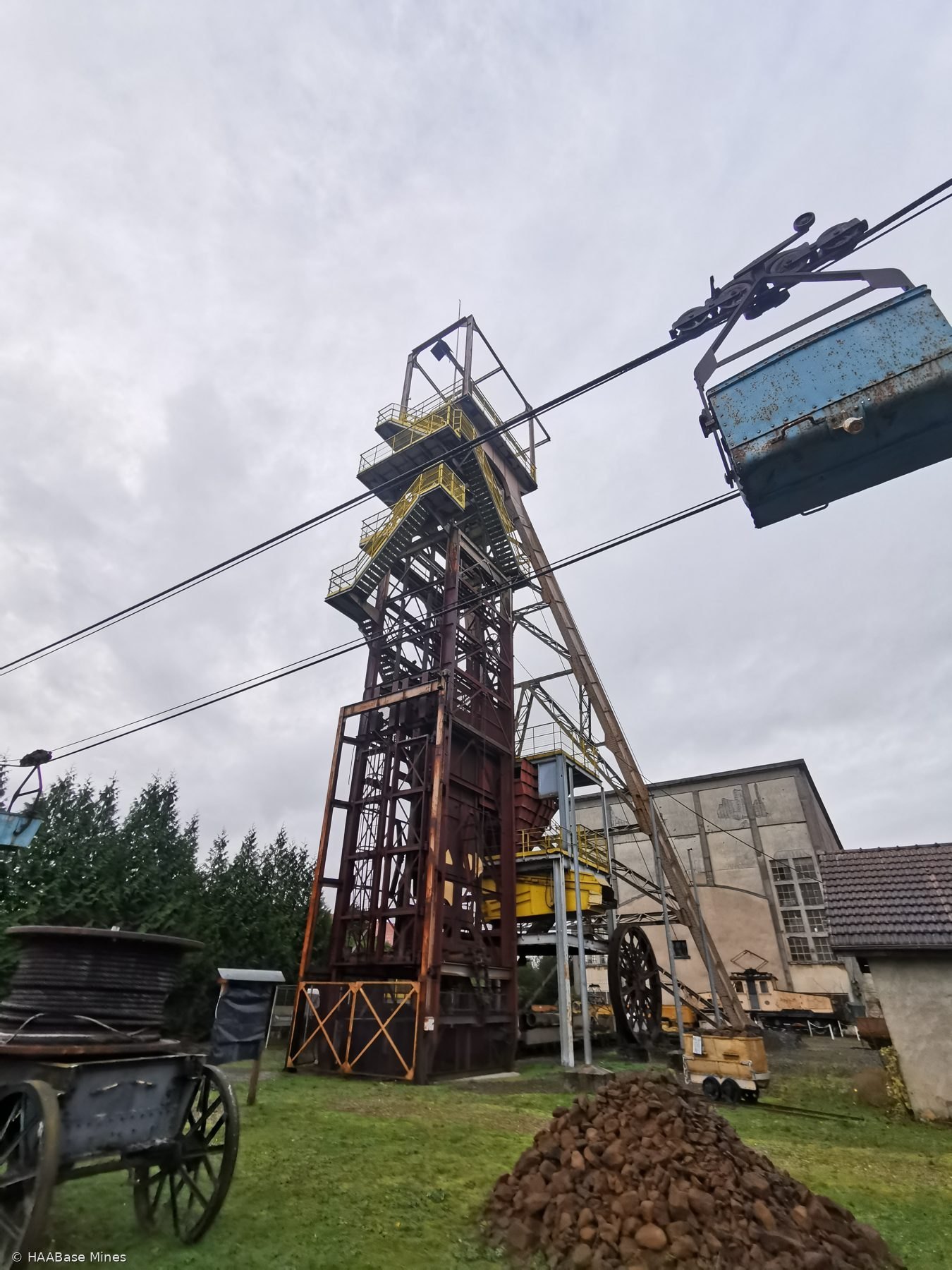
The first berline of iron ore was raised in 1900. The mine at its opening employed 800 workers. The ore was initially crushed in a concasseur at the steelworks of Knutange and transported there by an aerial ropeway 11 kilometres in length.
Two steam winding engines equipped the headframe; ore was stored in silos of 5,800-tonne capacity each before dispatch to Knutange. In the space of a few years production grew from 50,000 to more than 600,000 tonnes. The mine worked two ore seams: the couche grise (calcareous iron ore) and the couche brune (siliceous iron ore).
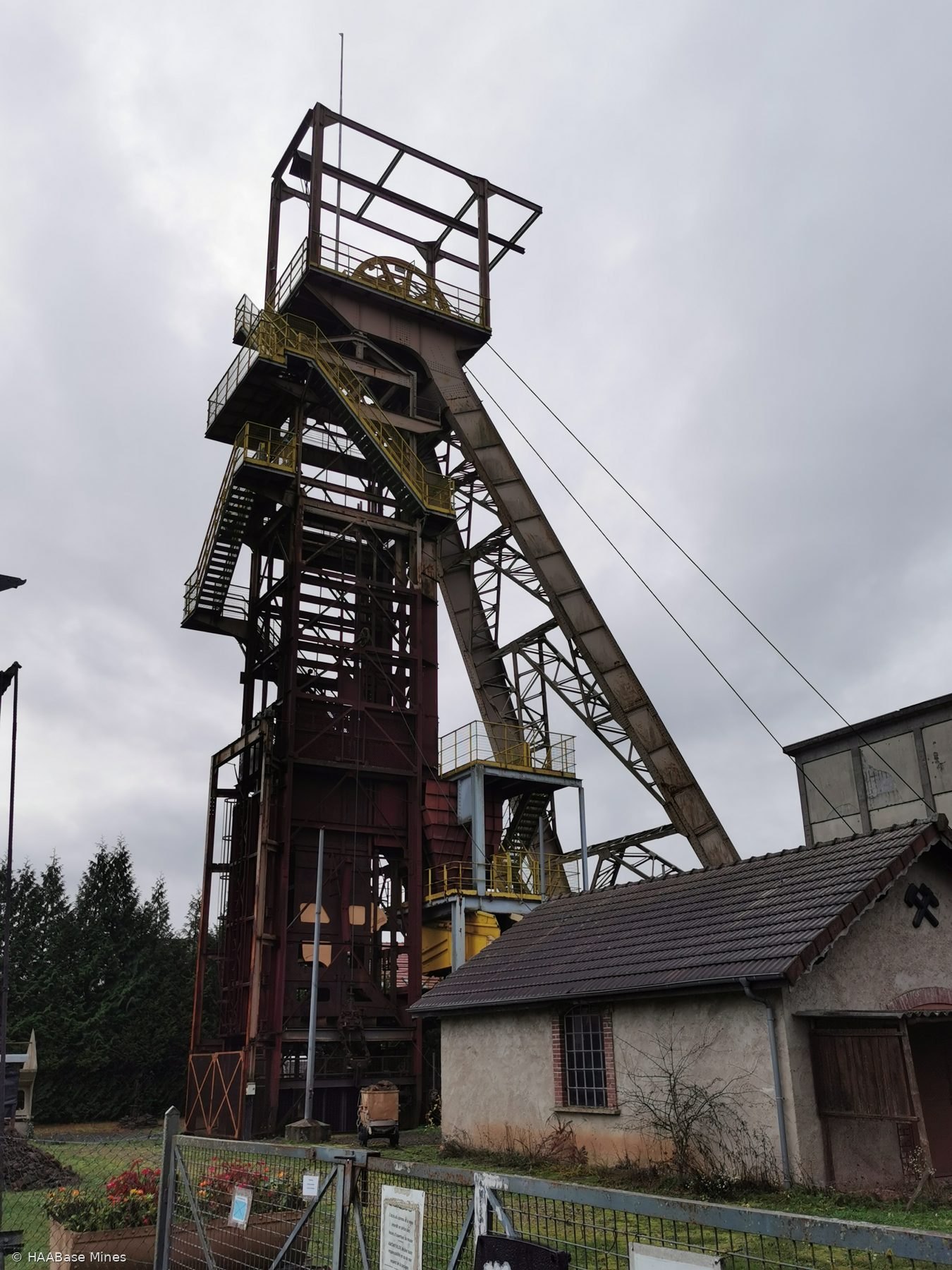
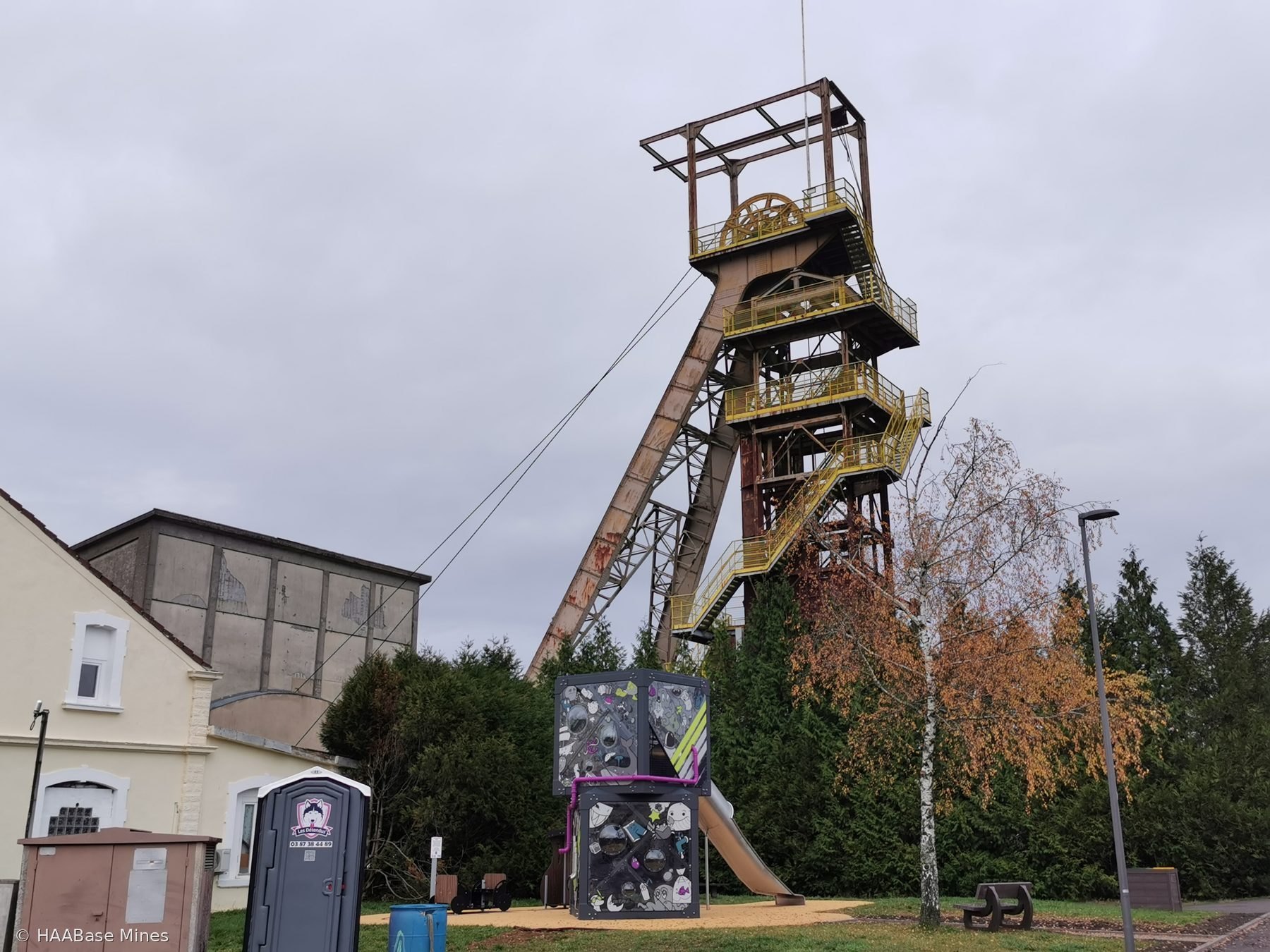
After the First World War and the return of Lorraine to France, the mine was placed under provisional sequester before being taken over by the Société Métallurgique de Knutange (SMK), which undertook significant modernisation; the use of compressed air in the workings became widespread, and production reached 800,000 tonnes in 1938. At the outbreak of the Second World War in 1940 the French army dynamited the chevalement and the winding engines to prevent them falling into enemy hands. The site was seized by the German occupier and brought back into production within less than two years: in 1941–42 a new lattice-girder headframe was erected by Klöckner Werke S.A. and a new bicylindroconical drum winding engine was installed.
New sheave wheels were fitted in 1946. After the liberation the mine was modernised successively and the workings were heavily mechanised, requiring a corps of specialist maintenance engineers. Peak production of 1,050,000 tonnes was reached in 1960 with an effective strength of approximately 350 workers.
In 1963 a new reinforced-concrete winding-engine building was constructed. In 1965 the 1942 winding engine was replaced by a machine recovered from the mine of Chazé-Henry in the Loire country. In 1966 the mines of Boulange and Aumetz were merged to take the operational name of mine Bassompierre.
The mine joined the Wendel-Sidelor group in 1968. In 1970 Bassompierre fused with the mine de la Paix at Knutange to form the mine Bassompierre-La Paix, subsequently attached to the Société des Mines de Sacilor-Lormines. The mine de Boulange was definitively closed on 30 September 1969.
From 1970 Aumetz became a 'mine pilote' and was equipped with a 'mineur continu' (a continuous miner machine of 65 tonnes), though this was abandoned by the end of the 1970s in favour of nitrate-fuel and loader-transporters. The final production at Aumetz ceased in 1983; the shaft then served exhaure pumping until 2008. With the support of the Établissement Public Foncier de Lorraine, several hangars, accumulator rooms, and railway and ropeway installations were dismantled from 1986.
Buildings deemed reusable were preserved and a zone artisanale was established on part of the site. The chevalement and the winding-engine building were ceded by the last owner, Lormines, to AMOMFERLOR, which had been founded in 1984 by former iron ore miners. From 1985 this association, with the support of the commune of Aumetz, converted the former carreau into a museum.
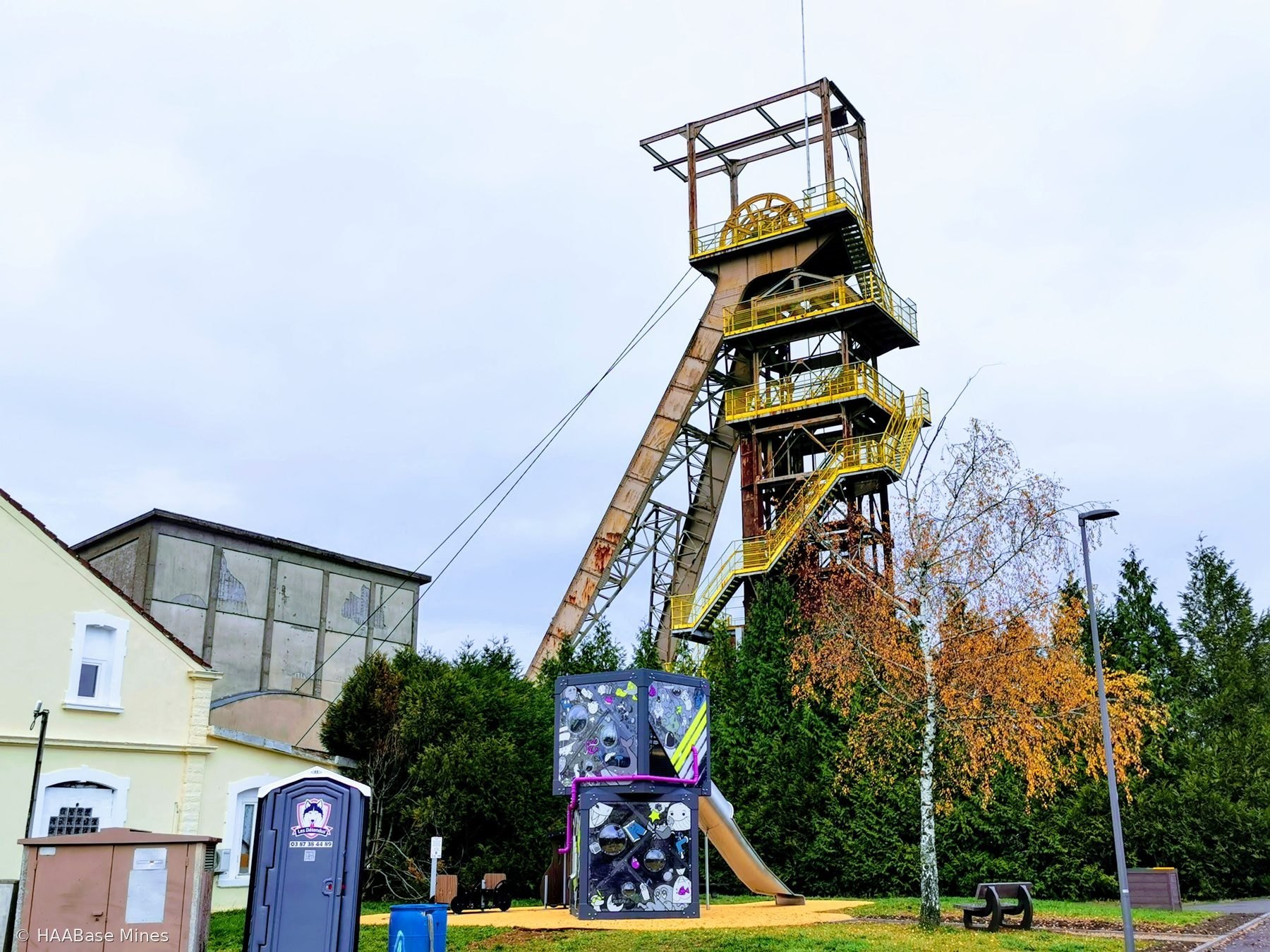
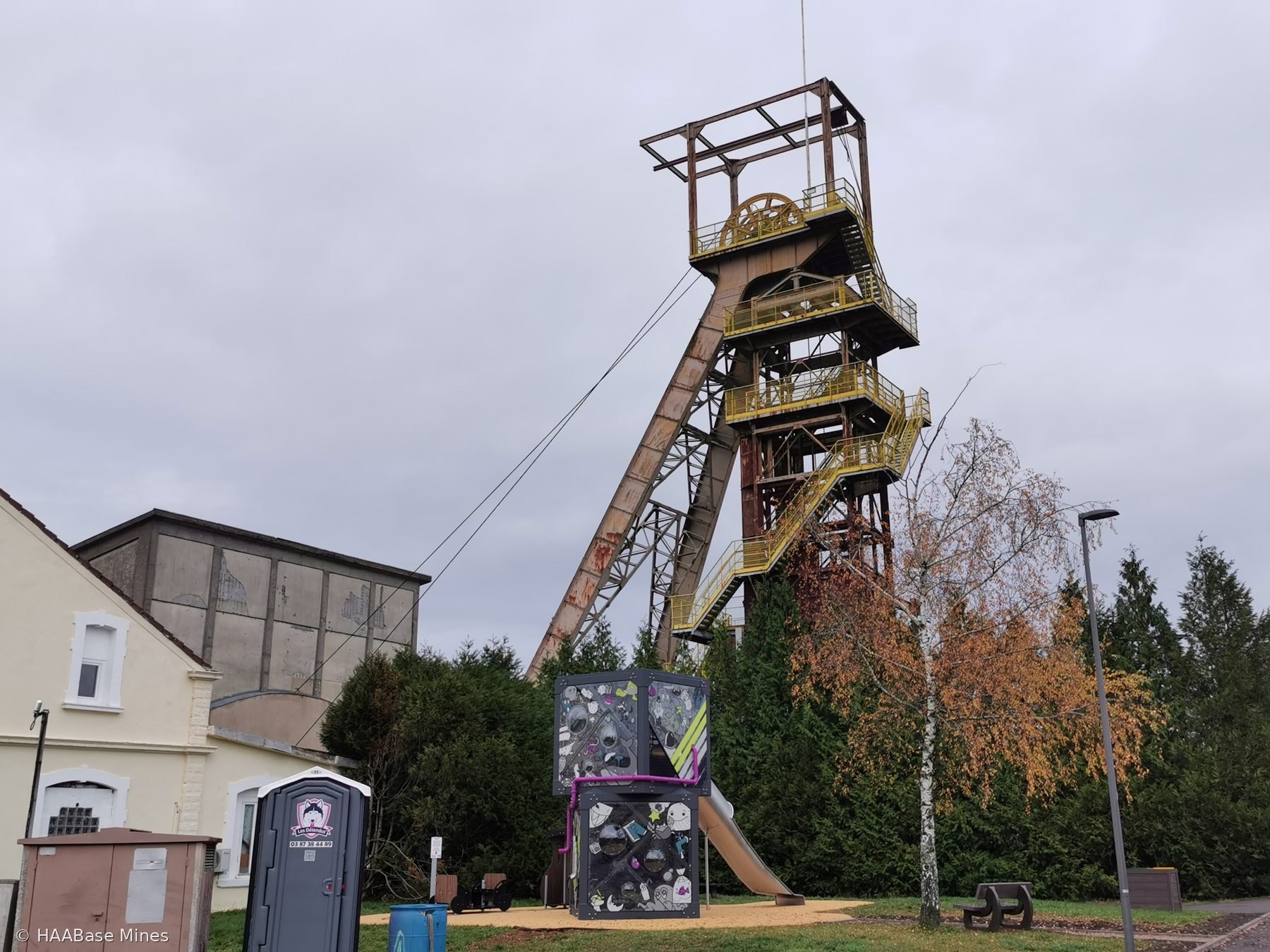
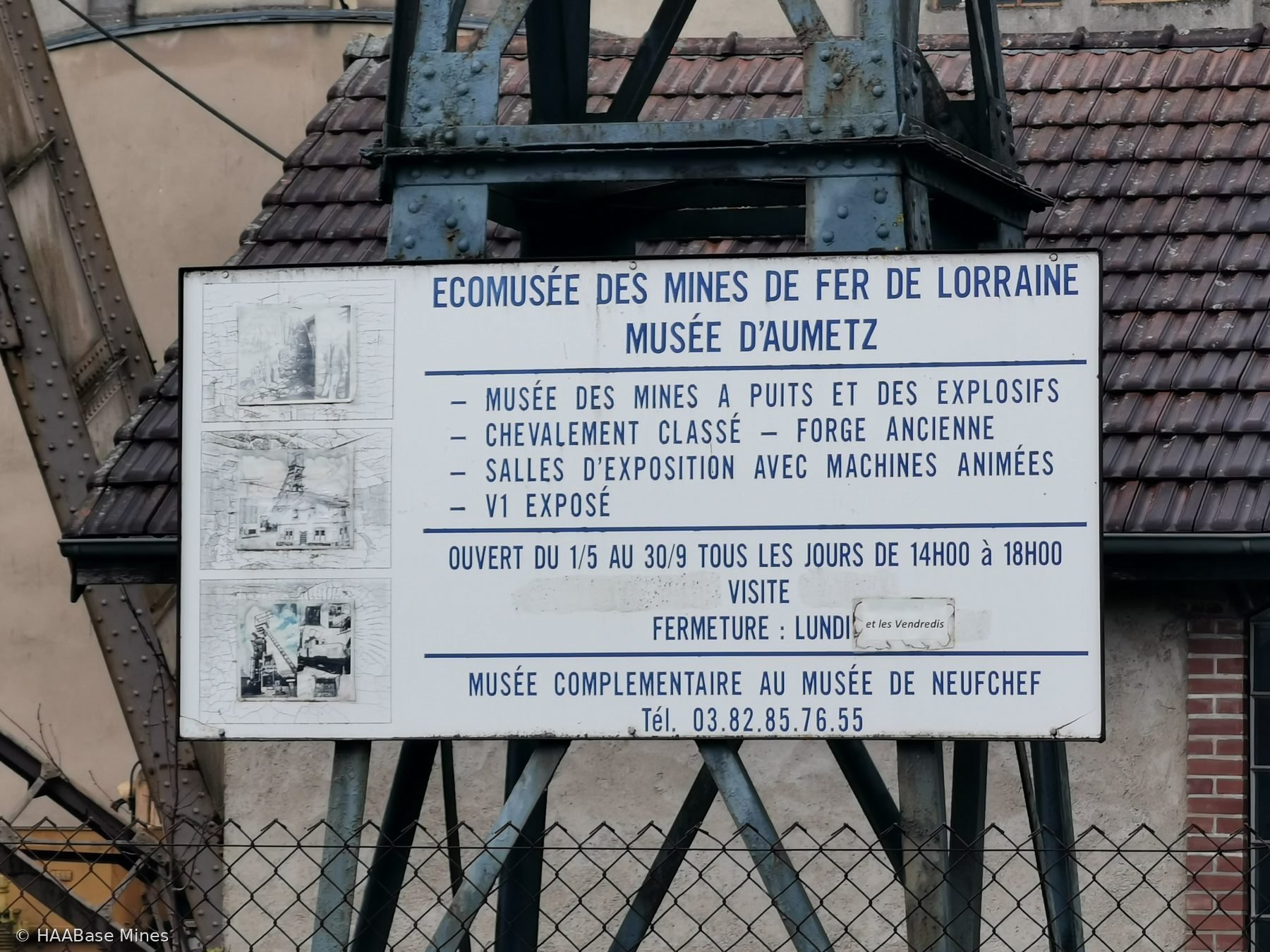
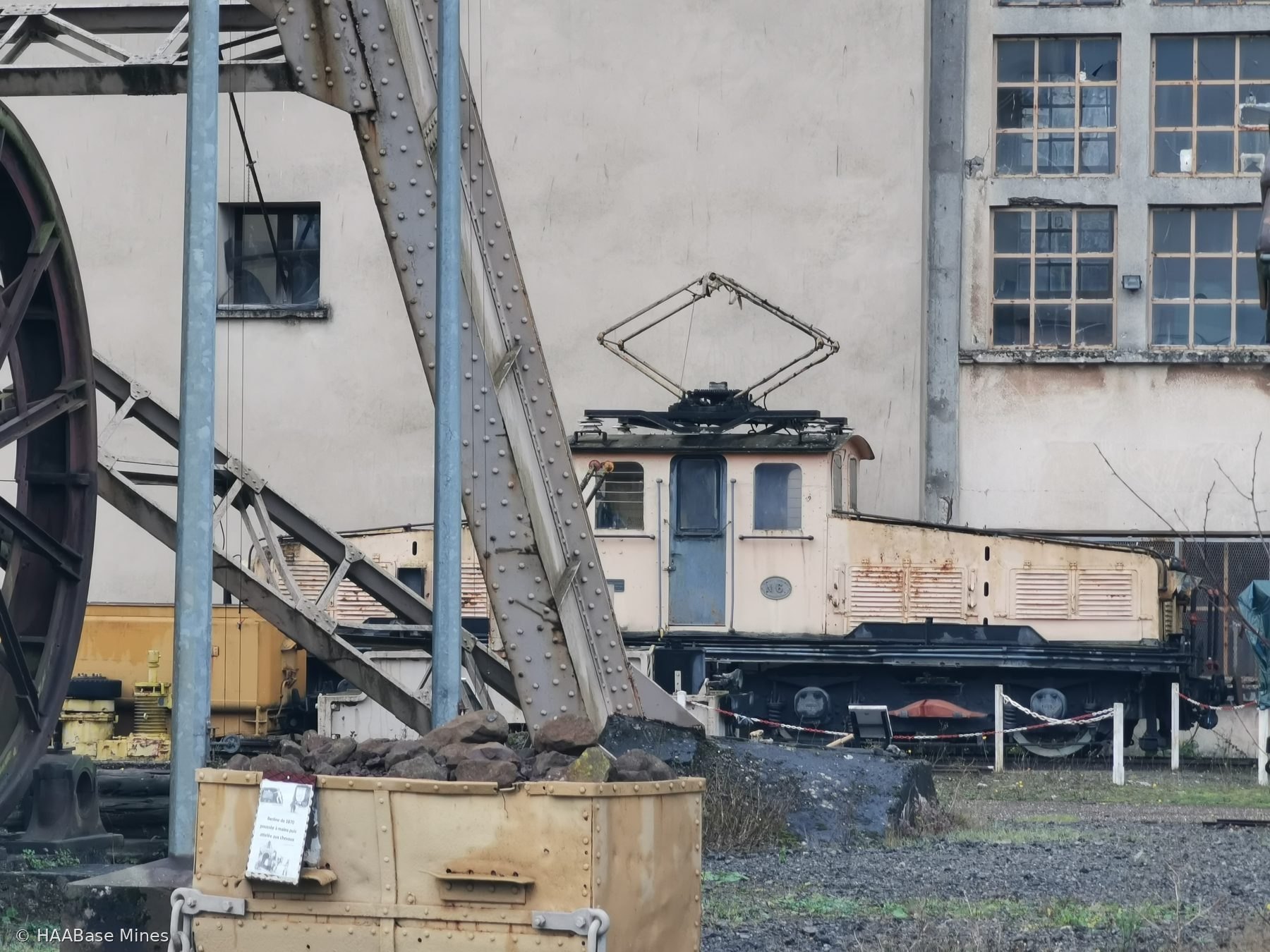
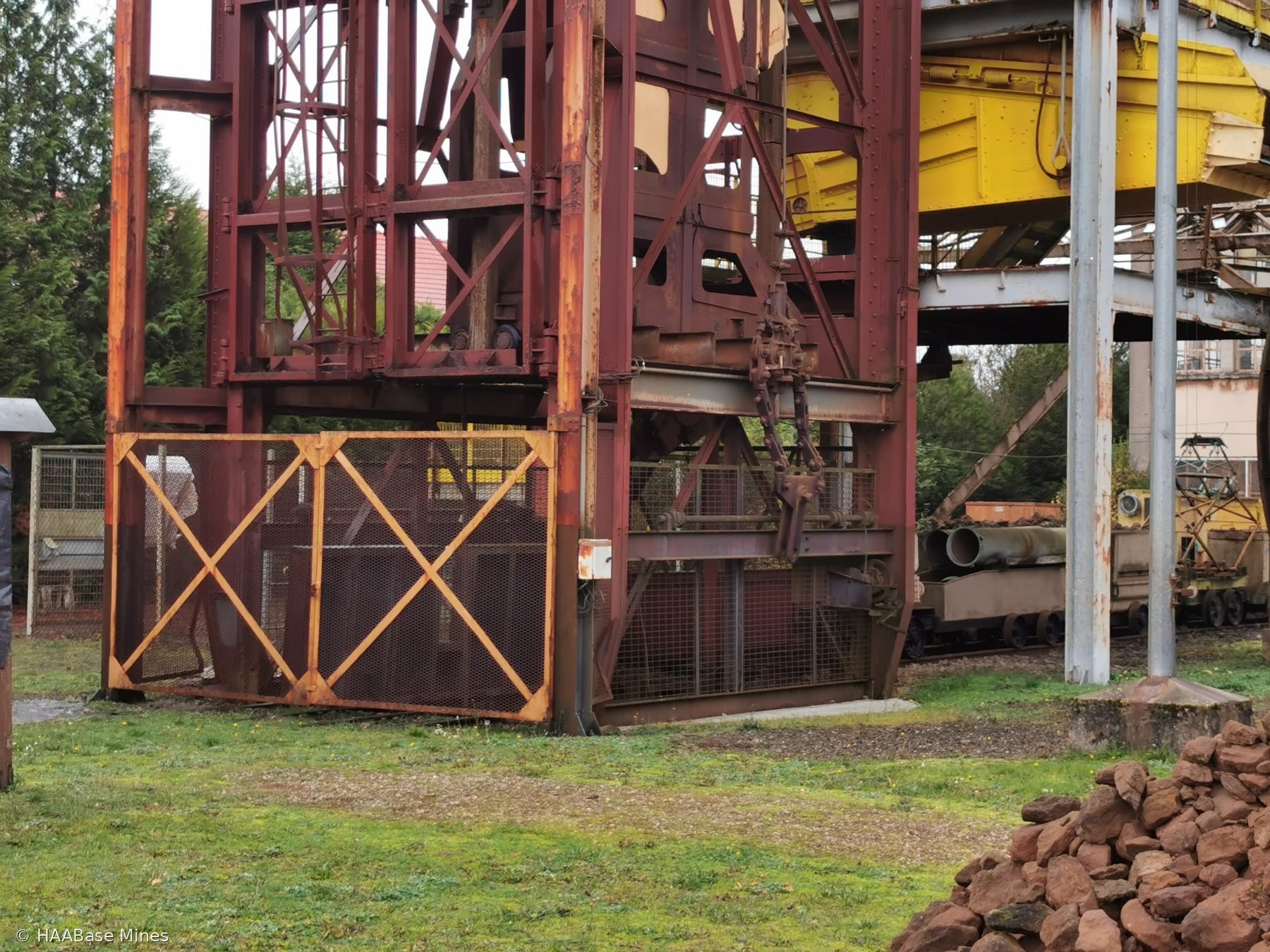
The Écomusée des mines de fer de Lorraine, comprising both the Aumetz surface-installation site and the underground gallery site at Neufchef, was inaugurated on 30 June 1989. The Aumetz site presents the authentic winding engine, compressors, explosives manufacturing chain, and forge in their original condition. The 40-metre chevalement, accessible to visitors, offers a 360-degree panorama of the Pays-Haut.
The chevalement and the winding-engine building were inscribed on the Inventaire supplémentaire des monuments historiques by arrêté of 4 April 1995. The museum holds the Musée de France label and forms part of the Grands Sites de Moselle network.