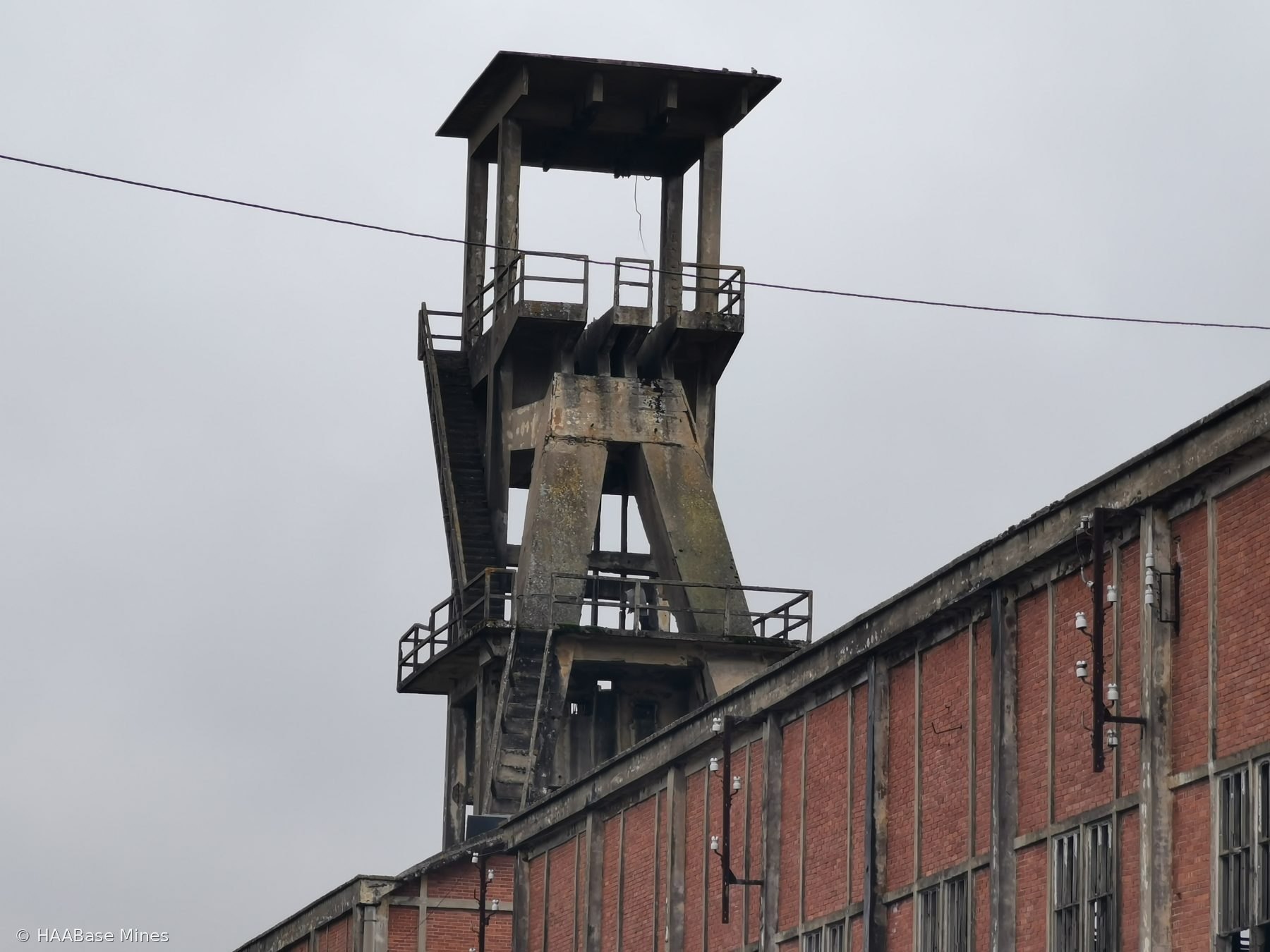
Site overview

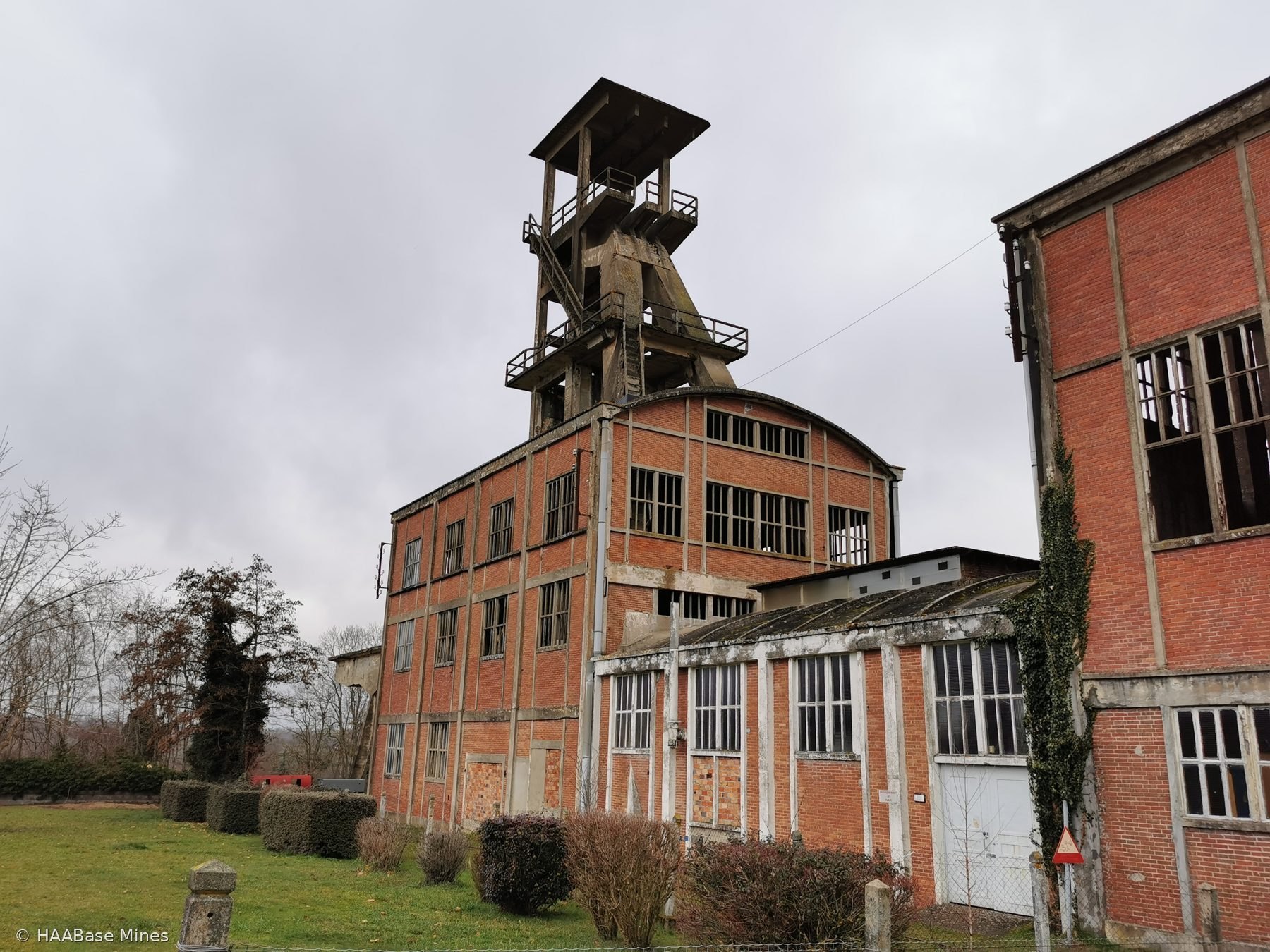
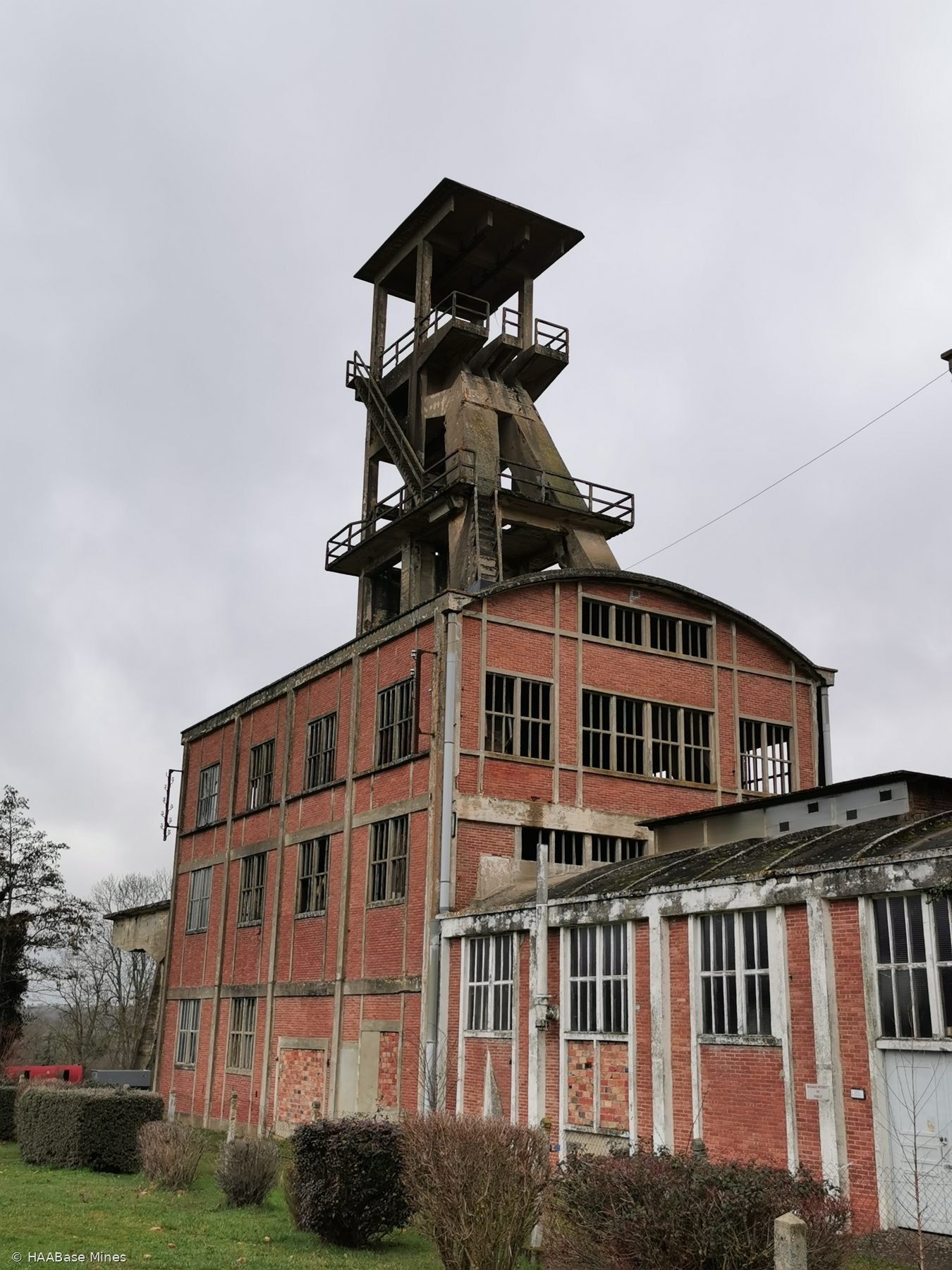
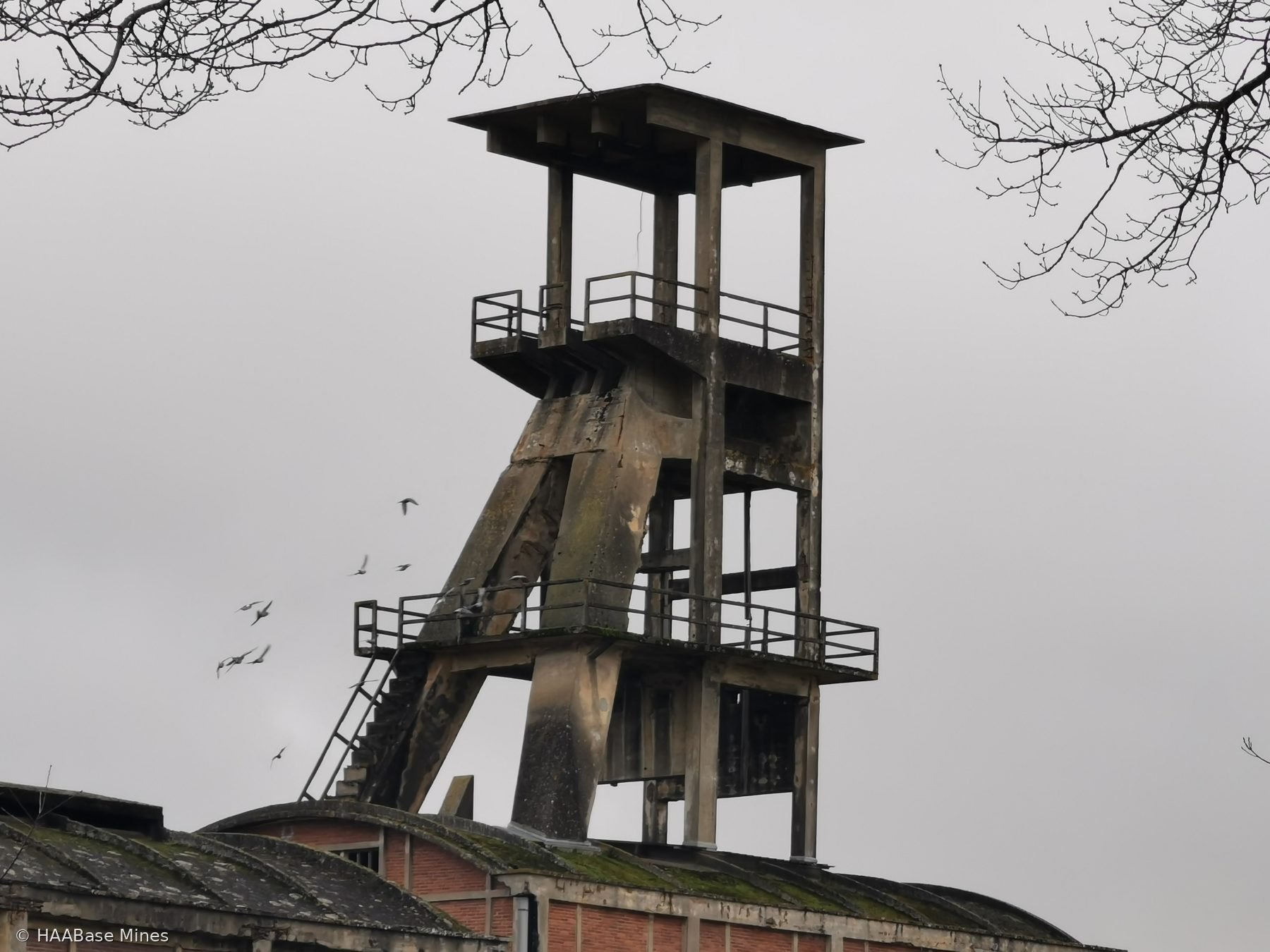
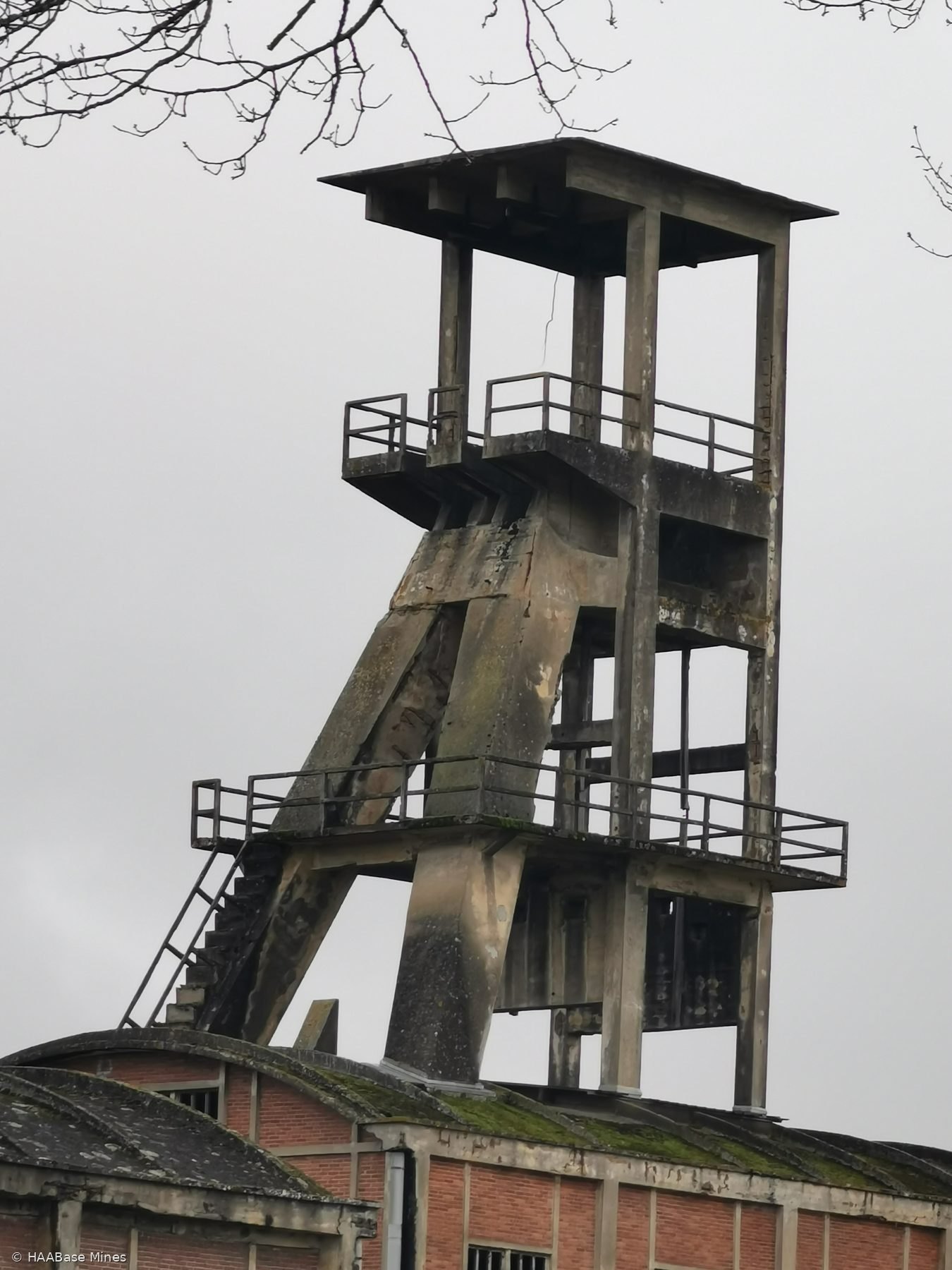
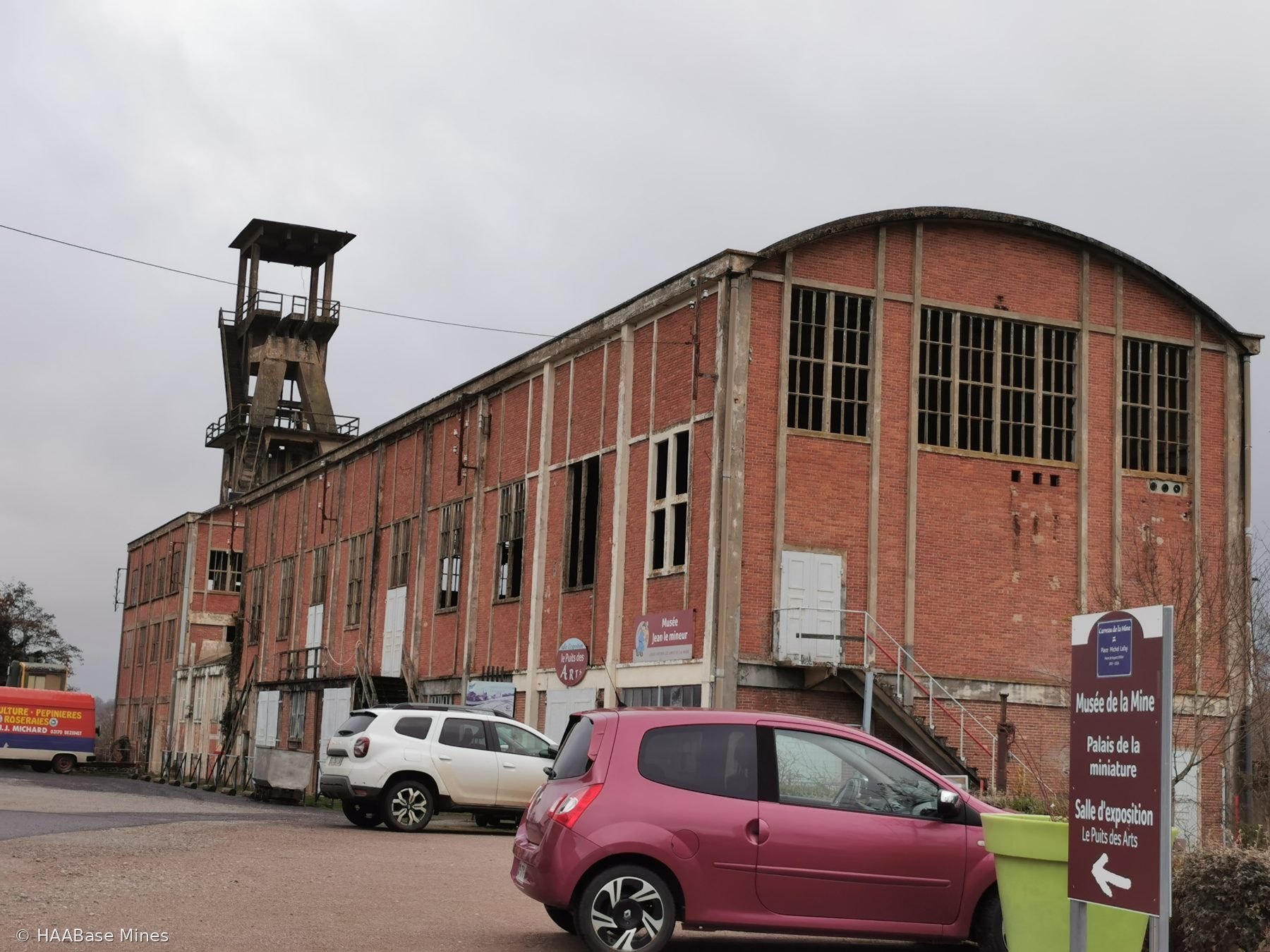
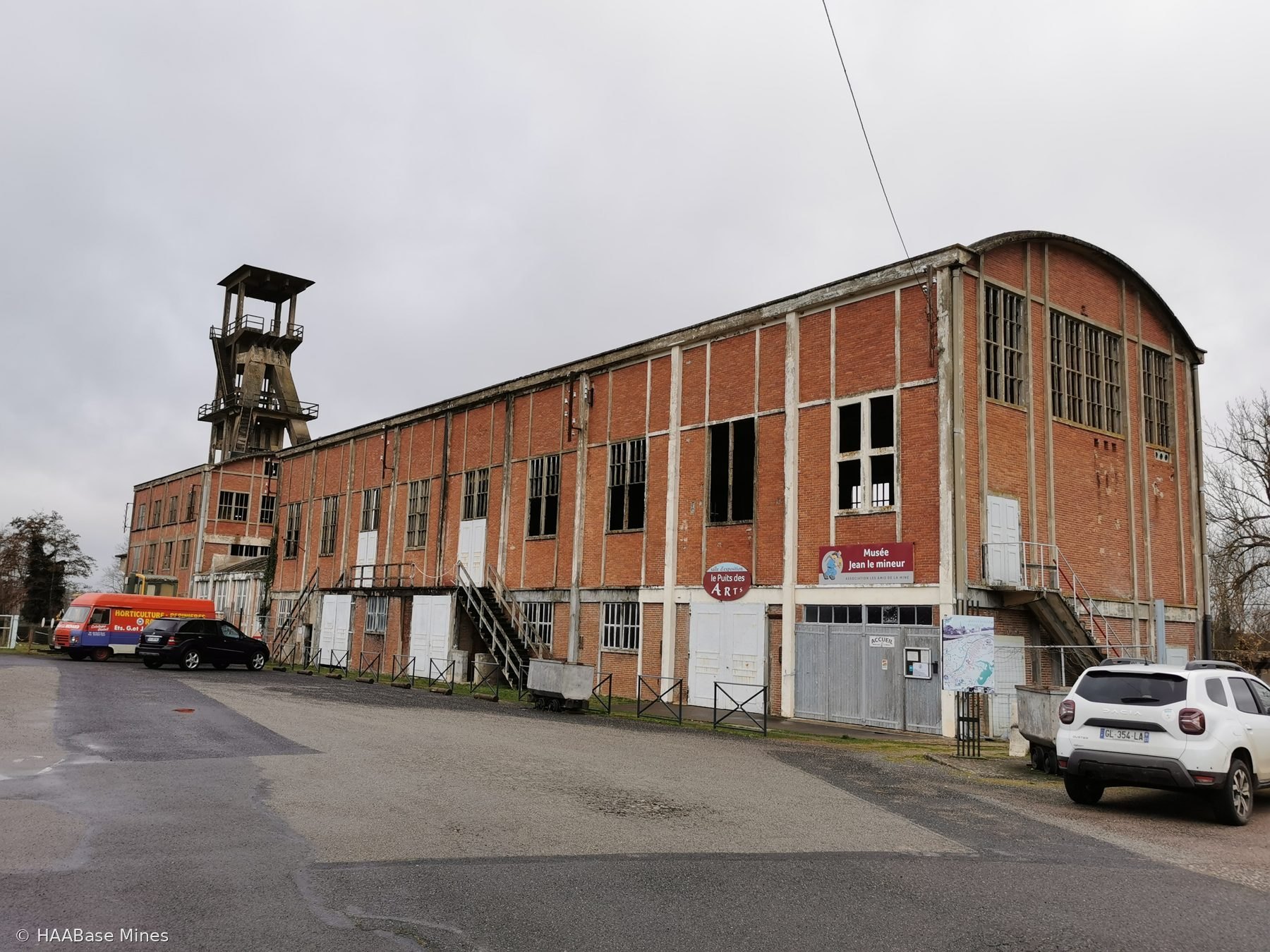
The mine at Noyant-d'Allier exploited the bassin de la Queune coalfield, whose coal, known since the sixteenth century, had been extracted from approximately twenty shafts in the vicinity by the eighteenth century. The central puits, 4 metres in diameter and 420 metres deep, was worked by the Compagnie de Châtillon Commentry et Neuves Maisons. The surface buildings, including the headframe and the main mining structure, were designed by engineer Eugène Freyssinet and constructed from 1920 to 1922; they were among the earliest mine buildings of this type constructed in France.

The central puits opened in 1924 and closed in December 1943, just before nationalisation. After closure all machinery was removed but the buildings remained intact. The commune of Noyant-d'Allier owns the site.

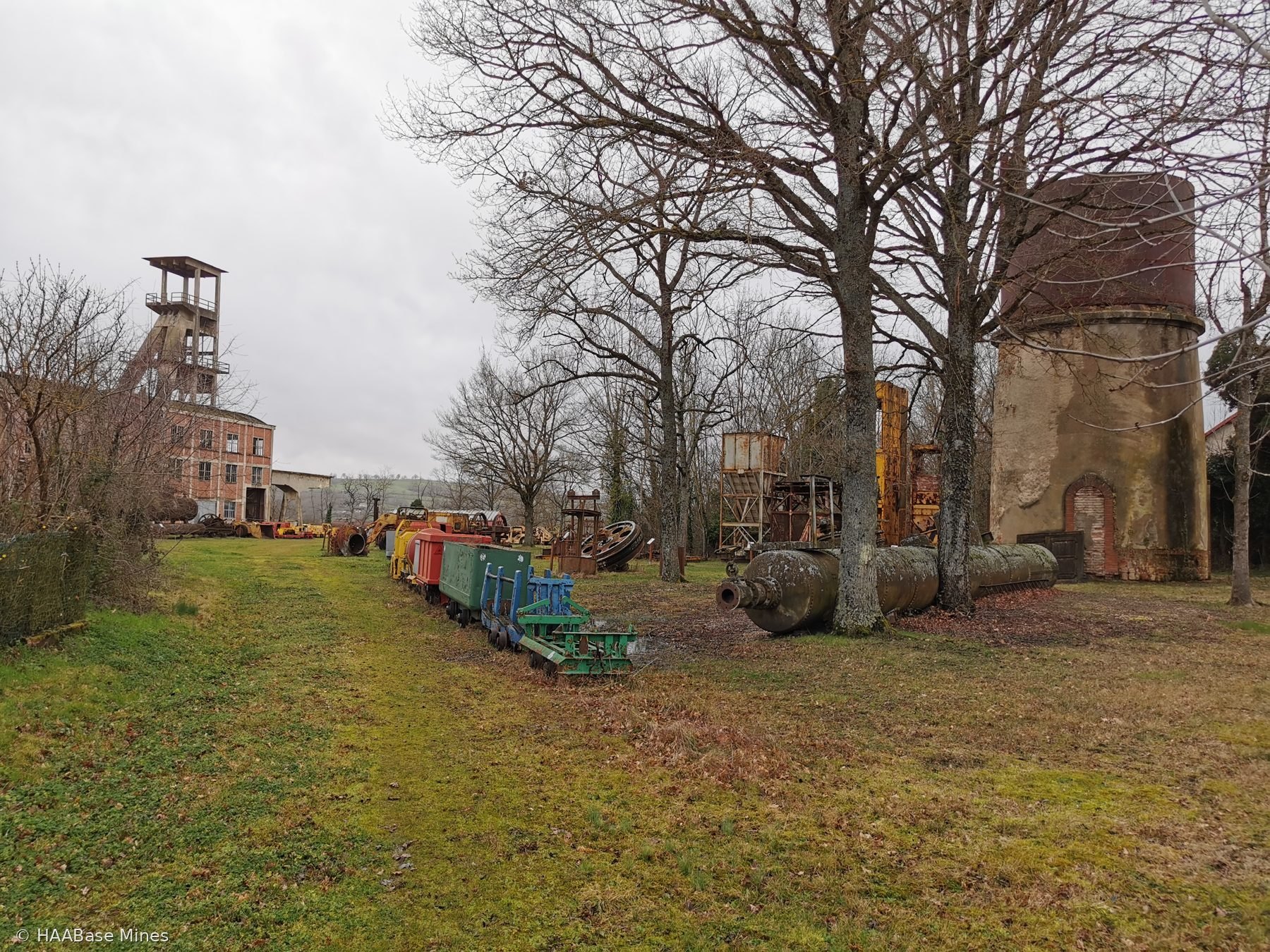
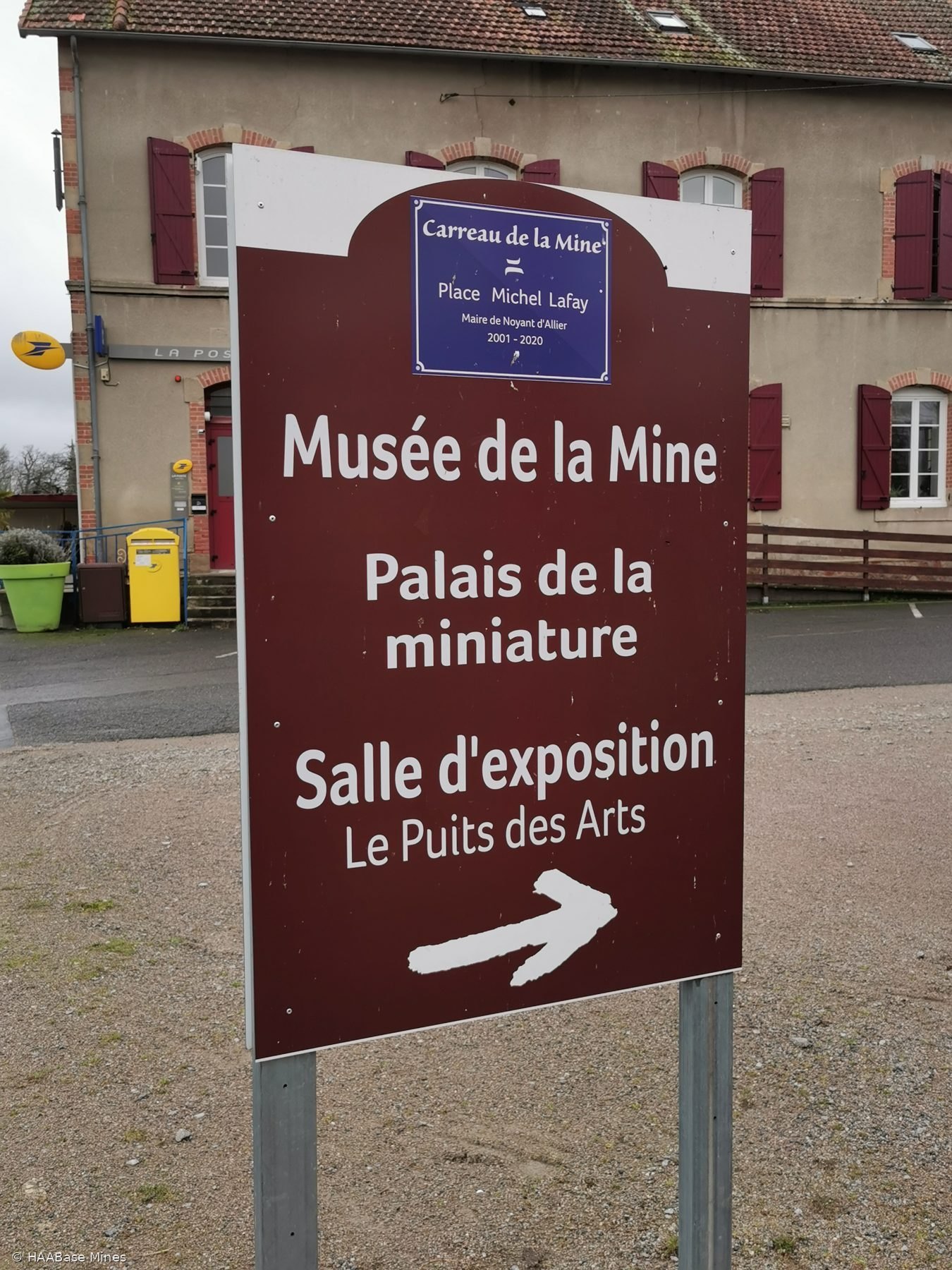
In 1988 the Association des Amis de la Mine began collecting mining equipment and establishing a museum on the site. The museum fell dormant but was revived in 2002. It now operates as the Musée Jean le Mineur, with guided tours, reconstructed galleries, and an operating 600 mm Decauville narrow-gauge tourist railway of 1,800 metres.

The Freyssinet headframe and buildings are labelled an ensemble industriel remarquable by Patrimoine Aurhalpin.

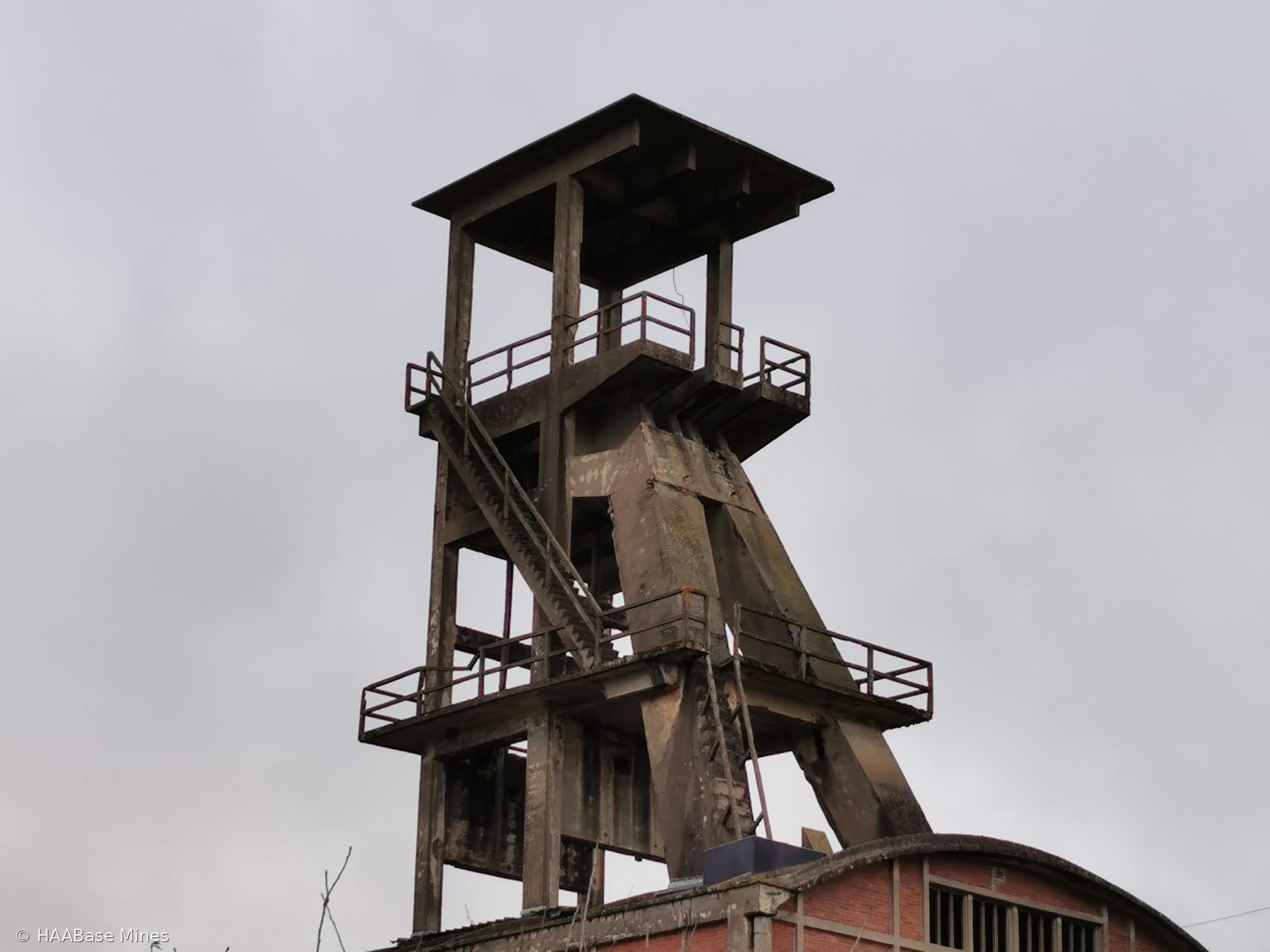
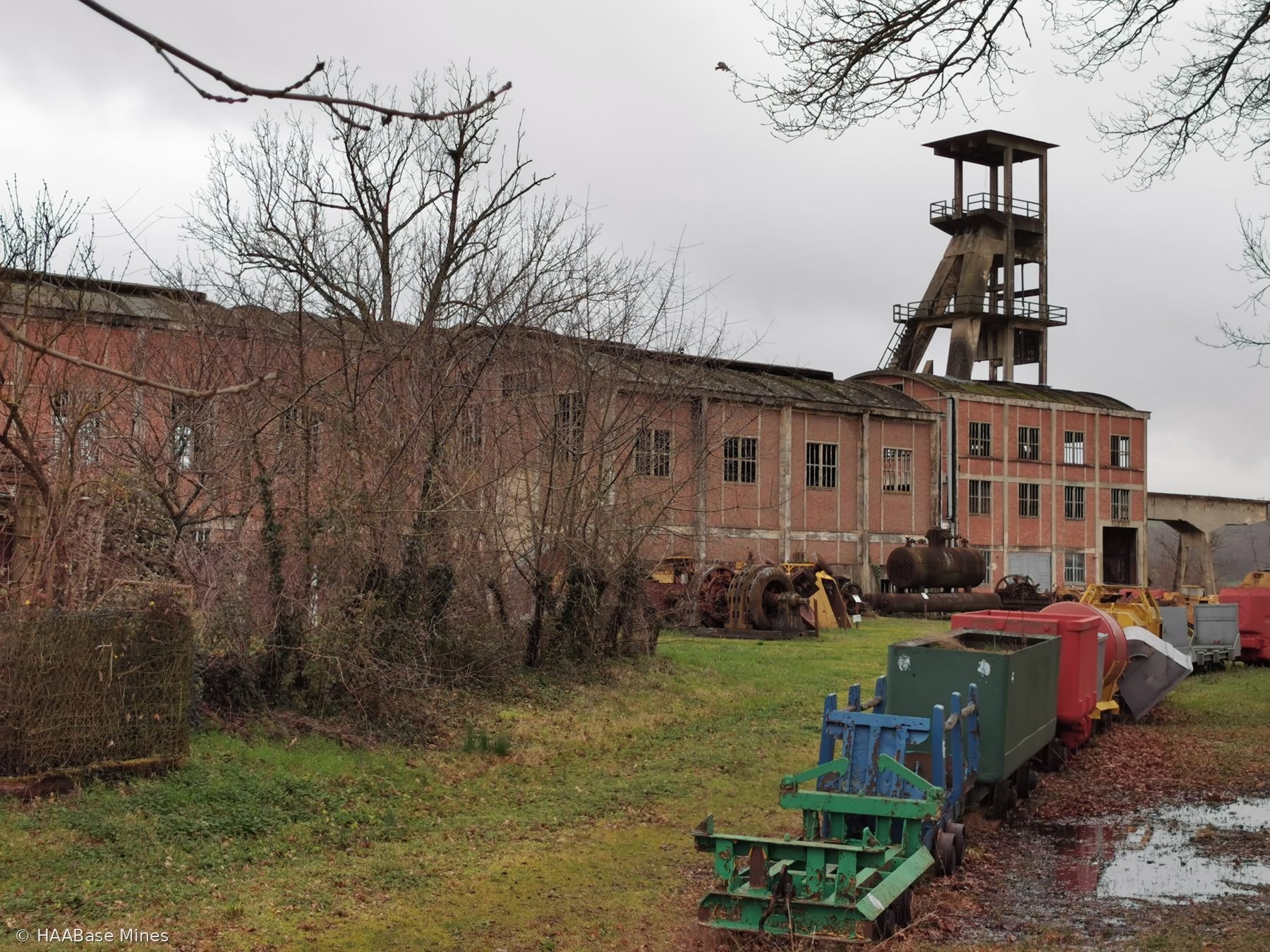
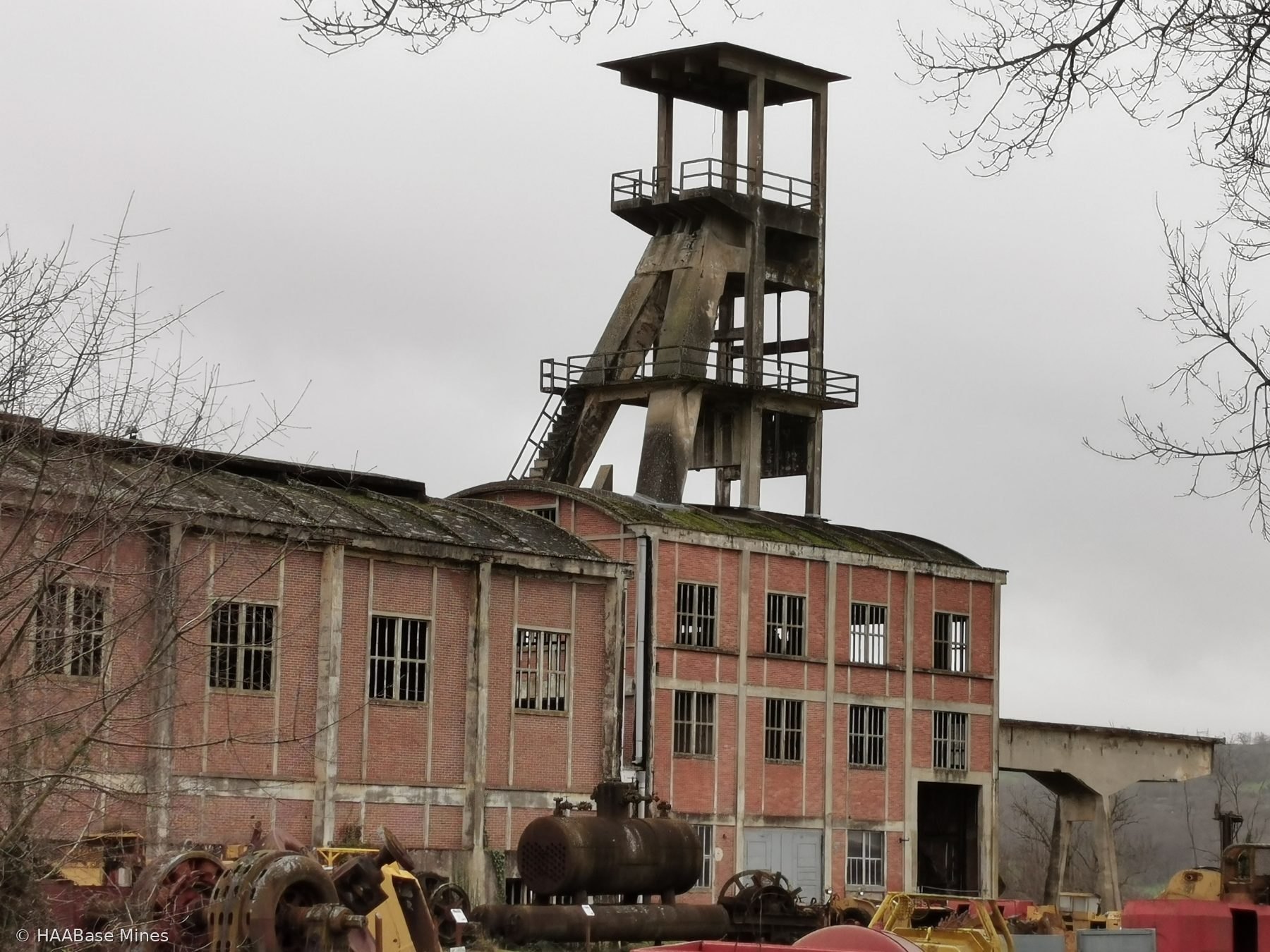
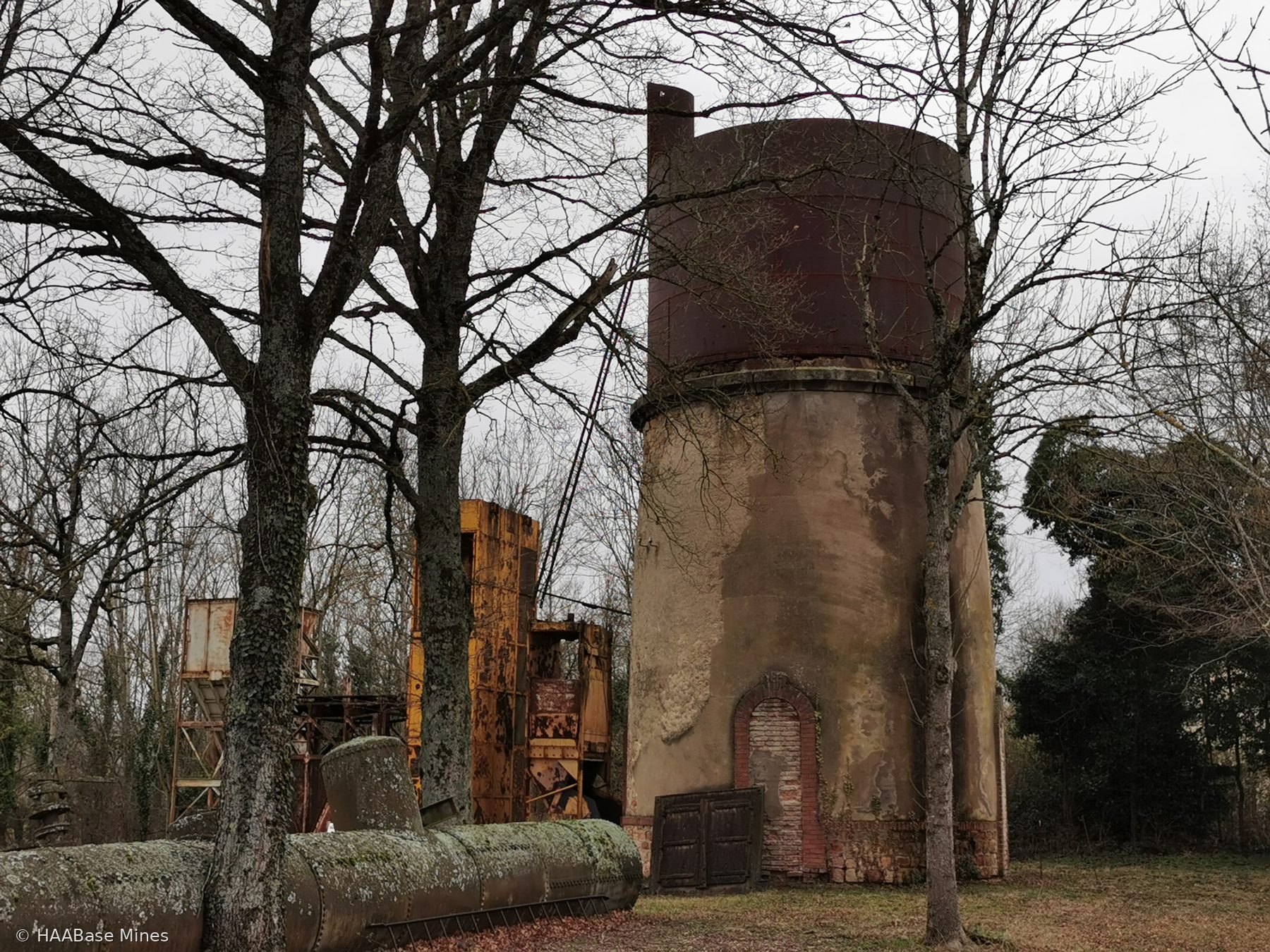
Set within a small village landscape, the surviving headframe and concrete mining buildings form a compact and clearly defined historic group on the edge of the settlement.

Map & photo

Mine de Noyant mine headframe or winding tower site
Photograph taken: 17 February 2026
Map markers and directions links are provided for location reference only and do not indicate public access or permission to enter a site.

History

Coal from the bassin de la Queune had been exploited since the sixteenth century and was transported by road to Moulins and then by water to Paris and Nantes. By the eighteenth century around twenty shafts were working in the area around Noyant-d'Allier. The basin follows the Queune river through several communes and contains four seams in a synclinal structure divided by two faults.

Coal from the Noyant deposits fed the Verrerie de Souvigny and supplied the lime kilns of Saint-Menoux, demonstrating its regional economic importance. The central puits at Noyant was operated by the Compagnie de Châtillon Commentry et Neuves Maisons. The puits had a working diameter of 4 metres and a depth of 420 metres (some sources give 430 metres).

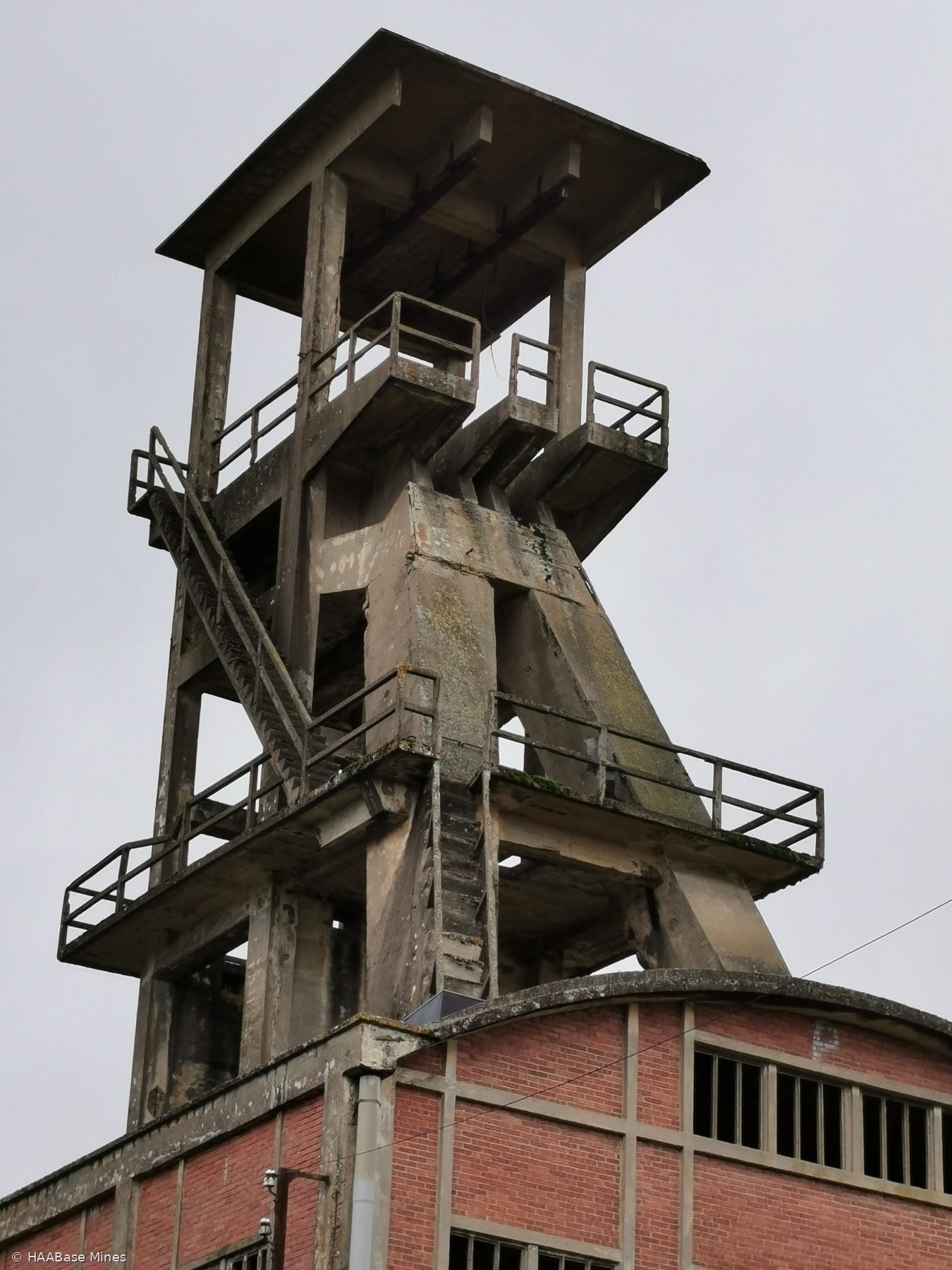
An additional puits, named the puits Darcy, was also present at the site. The surface buildings and the headframe were designed by Eugène Freyssinet (1879–1962), one of the pioneers of reinforced concrete in civil engineering and the inventor of prestressed concrete. Construction took place between 1920 and 1922.

The chevalement, built in reinforced concrete, was one of the first of its kind constructed in France; it is considered unique in France. Approximately thirty reinforced-concrete headframes were built nationally during this period and very few survive. The main buildings associate a reinforced-concrete load-bearing structure with carefully laid brickwork infill.

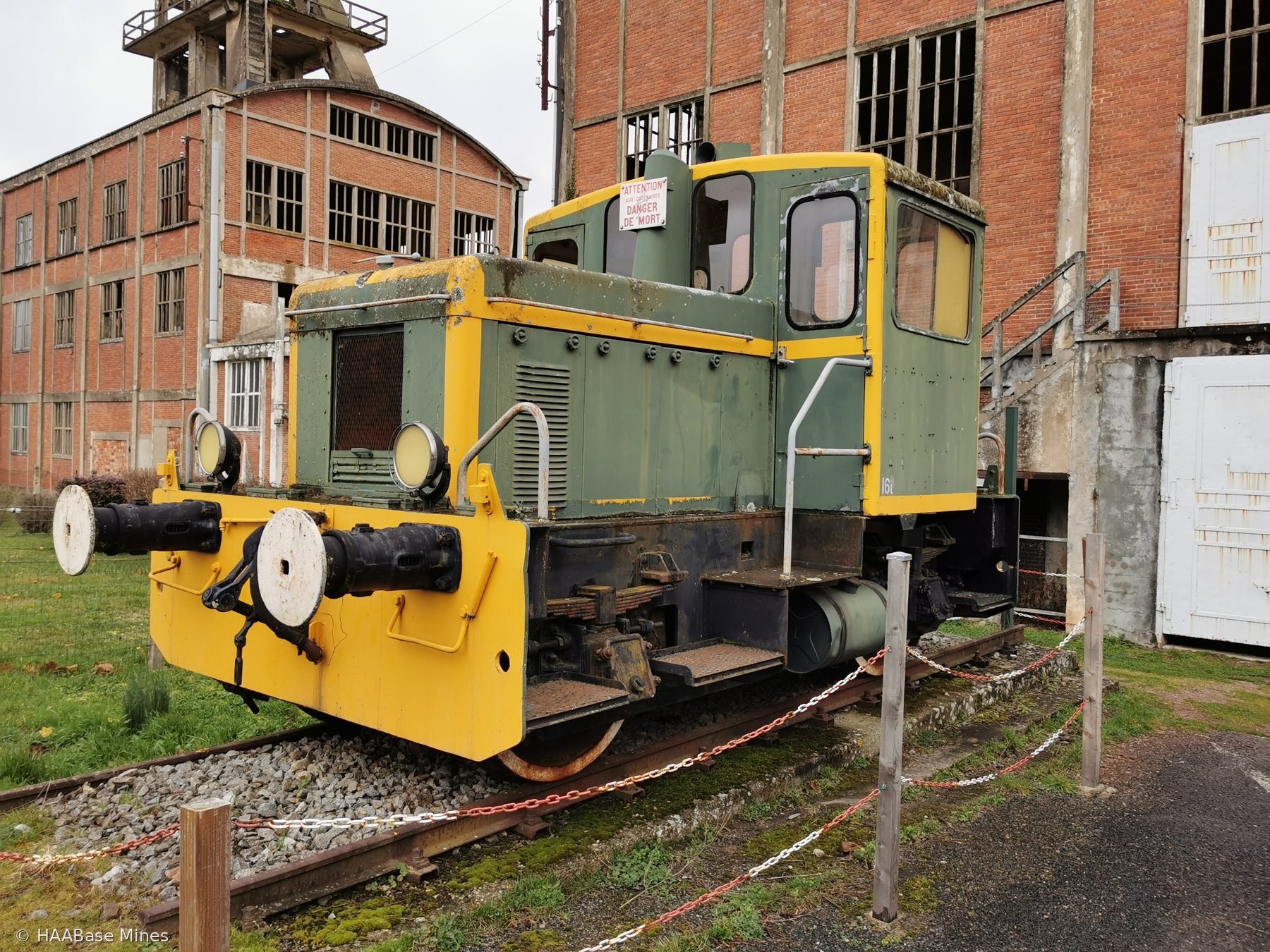
The thin-shell roofing, spanning 14 metres in a single bay, is likewise in reinforced concrete, stiffened by external ribs and internal tie-rods. The main building is approximately 45 metres long and 14 metres wide, extended to the north by a hall measuring approximately 20 by 14 metres. At the start of the twentieth century a Decauville O20T steam locomotive operated between the various shafts and spoil tips, using a line close to the Commentry–Moulins-sur-Allier railway of the Compagnie du Chemin de fer de Paris à Orléans.

The central puits entered production in 1924, a date indicated by one puits IRSP inventory source, although one source describes an opening in 1917 for the site puits more broadly. Extraction from the central puits ceased in December 1943, shortly before the nationalisation of French coal mines. Upon closure all machinery and tools were removed, but the buildings were left in their original condition.

The corons housing miners — up to 400 to 450 workers, many of Polish and Ukrainian origin — consisted of 242 dwellings. After the closure the vacant corons were subsequently used from 1954 to house French repatriates from Indochina, adding a Vietnamese community to the existing Polish and Ukrainian communities. The commune of Noyant-d'Allier now owns all the former mining buildings and the carreau.

In 1988 the Association des Amis de la Mine began recovering mining equipment from closing mines across France and establishing the museum. After a period of dormancy, a revival was led in 2002 at the initiative of the mayor of Noyant-d'Allier, and the museum was reopened under the name Musée Jean le Mineur, with the Decauville railway restored to operation. The museum offers guided tours including a film, a circuit by the narrow-gauge train around the carreau, visits to reconstructed underground galleries, and an exhibition in the former chambre chaude.

The Freyssinet headframe and associated buildings are labelled as an ensemble industriel remarquable by Patrimoine Aurhalpin. The site forms part of the Musées Bourbonnais network.
Timeline

Heritage

Freyssinet headframe and buildings labelled ensemble industriel remarquable by Patrimoine Aurhalpin

The Freyssinet headframe and the associated mining buildings were labelled as an ensemble industriel remarquable by Patrimoine Aurhalpin, recognising their architectural and industrial heritage significance.
1920–1922
Construction

Surface buildings and reinforced-concrete headframe designed by Eugène Freyssinet constructed

Between 1920 and 1922 the surface buildings and the reinforced-concrete headframe of the mine central at Noyant-d'Allier were constructed to designs by Eugène Freyssinet. They were among the first mining buildings of this type in France. The main building is approximately 45 by 14 metres; the headframe was one of the first reinforced-concrete headframes built in France.
1924
Operation

Central puits enters production

The central puits at Noyant-d'Allier, 4 metres in diameter and 420 metres deep, entered production in 1924 for the Compagnie de Châtillon Commentry et Neuves Maisons.
1943
Closure

Central puits closes December 1943

The central puits at Noyant-d'Allier closed in December 1943, shortly before the nationalisation of French coal mines. All machinery and tools were subsequently removed, but the buildings remained in place.
1988
Heritage

Association des Amis de la Mine established; museum development begins

In 1988 the Association des Amis de la Mine was created and began recovering mining equipment from closing mines across France to build a collection at Noyant-d'Allier. The association established reconstructed galleries and a Decauville railway circuit before entering a period of dormancy.
2002
Heritage

Museum revived and reopened as Musée Jean le Mineur

In 2002, at the initiative of the mayor of Noyant-d'Allier, a small group of volunteers relaunched the museum. The Musée Jean le Mineur was reopened and the 1,800-metre Decauville narrow-gauge tourist railway was restored to operation.

Sources and records

Patrimoine Aurhalpin: Mines de Noyant record
Label-Industrie.fr: Le Carreau de la Mine de Noyant d'Allier
Patrimoine-minier.fr: Auvergne – Noyant d'Allier section
Train touristique du musée de la mine de Noyant-d'Allier (French Wikipedia)
Musées Bourbonnais: Mine Museum (Jean le Mineur) – English page
Allier Auvergne Tourisme: Musée de la Mine, Noyant-d'Allier
Inventaires ferroviaires IRSP: Noyant-d'Allier – Puits Central et Puits Darcy (no. 03202.1)
Exxplore.fr: Houillères d'Auvergne – Noyant section
Aubertrain.com: Mine de Noyant
Noyant-d'Allier commune website: Musée de la Mine
This researched site record is part of the HAABase Mines database. Normal personal research and browsing is welcome. Automated bulk extraction, republication, or harvesting of site text and images is not permitted without written consent.