History
The origins of the Zeche Sophia-Jacoba lie in the exploratory work of Friedrich Honigmann, a Dürener mining entrepreneur, who from 1885 undertook test borings in the area around Hückelhoven, Millich and Schaufenberg. He acted against the prevailing view of the Aachener Bergamt, which held that the coal-bearing strata of the Aachen coalfield could not be found east of the Rur valley, a geological graben. By 1899 Honigmann had obtained concessions over 29 fields in the area. Economic development was delayed until the opening of a railway connection; the Baal–Hückelhoven–Dalheim line opened in 1911, making shaft sinking practicable.
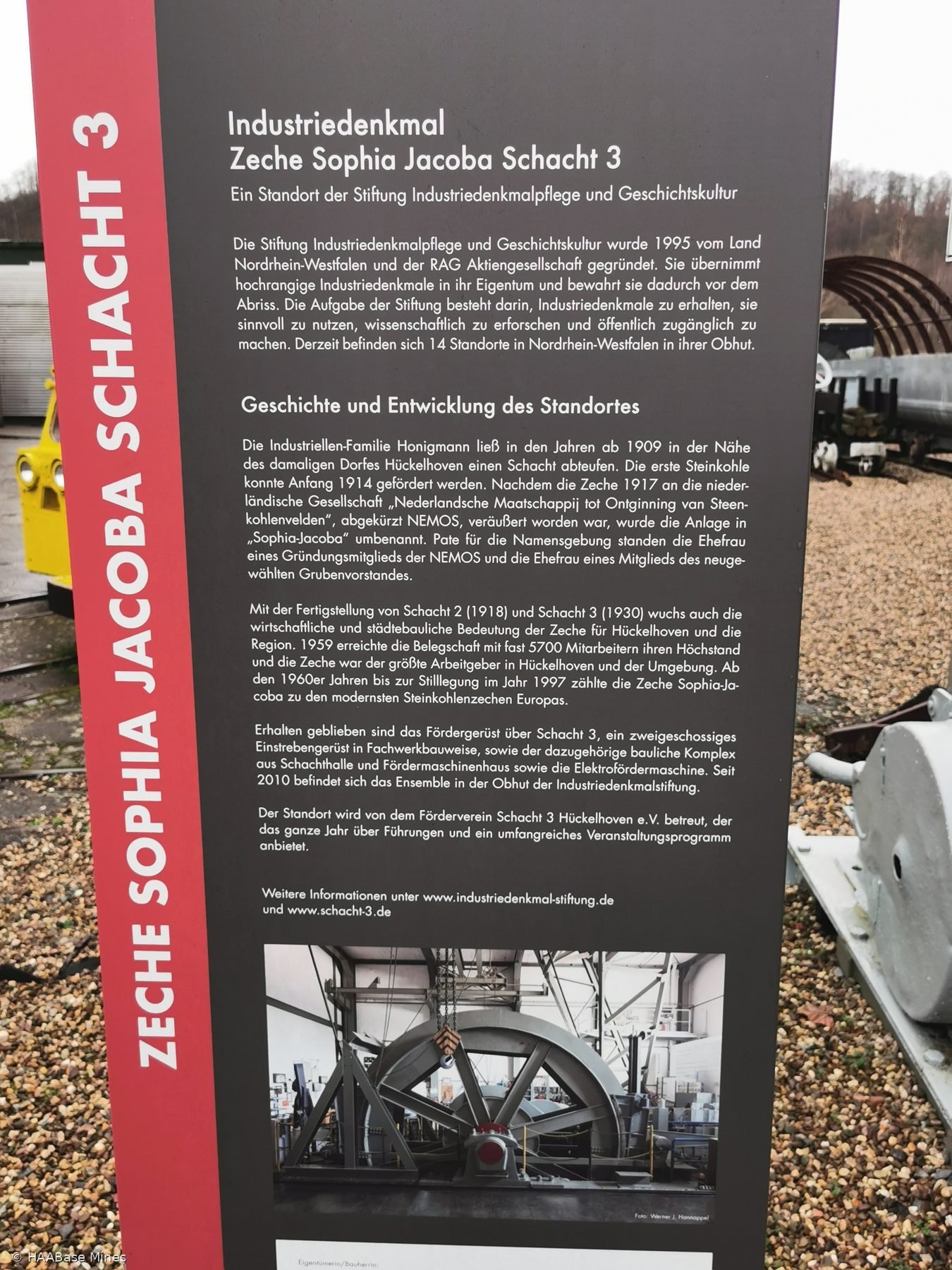
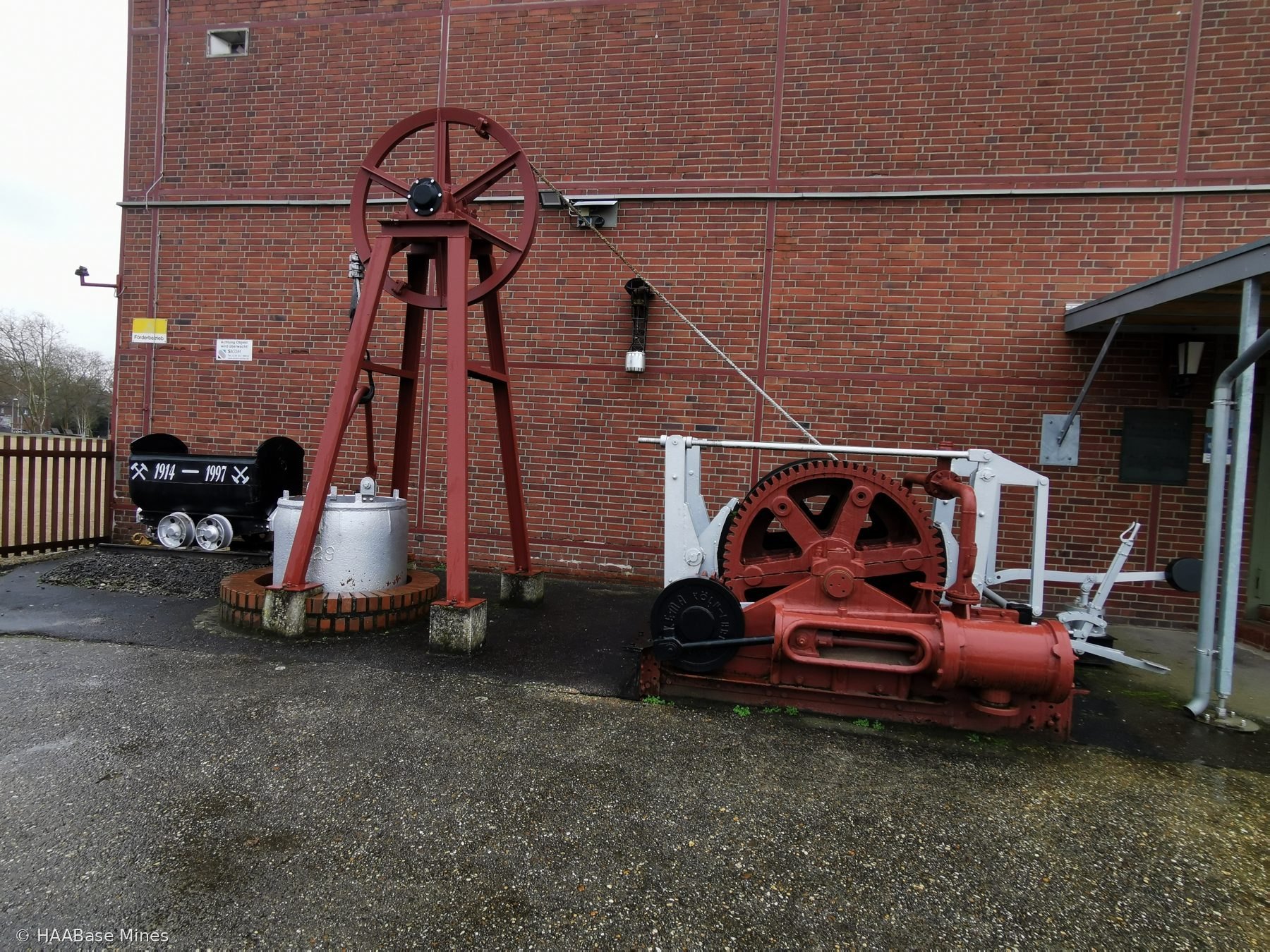
Schacht 1 was commenced in 1909, reached the coal-bearing strata in 1912, and came into production in 1914, initially with only eight miners. Schacht 2 sinking began in parallel and was completed in 1919. Friedrich Honigmann died in 1913 and did not live to see production begin. His son died in 1916 on the Western Front, and the family sold the unfinished mine to the largest Dutch coal import company. Between 1916 and 1920 the NEMOS (Nederlandsche Maatschappij tot Ontginning van de Steenkolenvelden) acquired all the interests of the Honigmann heirs. In 1917 the mine was renamed Gewerkschaft Sophia-Jacoba, after the wives of the NEMOS director Fentener van Vlissingen and the pit board chairman Pieter de Vooys.
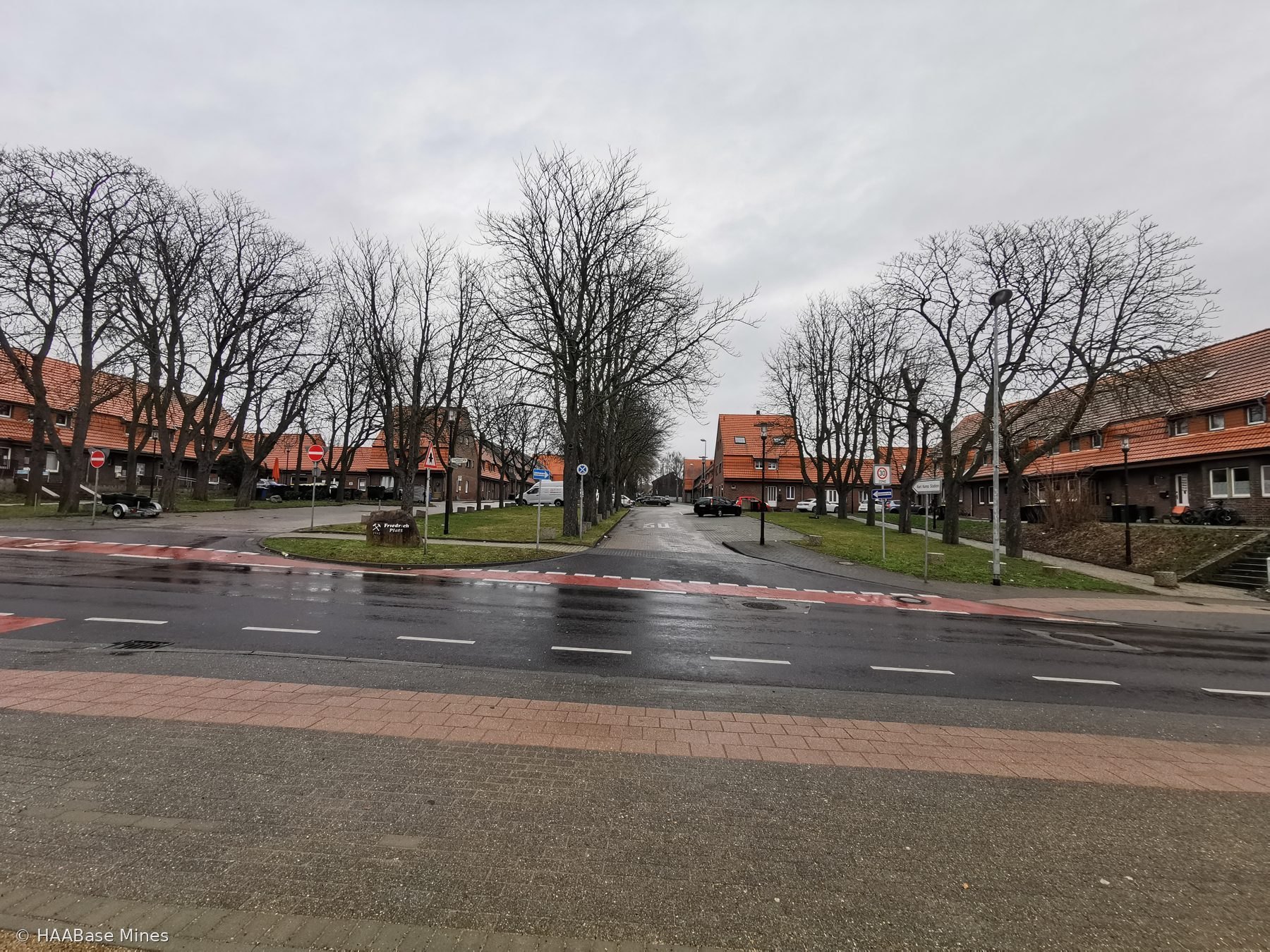
During the period of Dutch ownership the surface installations at shafts 1–3 were laid out between 1917 and 1924 under the technical direction of engineer Paul Kesten and the architectural supervision of Baudirektor Strasser. Workers' settlements were constructed at Hückelhoven and Schaufenberg between 1919 and 1925 under the Dutch architect Emil Emanuel Strasser, providing housing for the growing workforce. A mining vocational school opened in 1929. By 1926 the workforce numbered 2,161, rising to 3,395 by 1933, and to approximately 4,500 by 1936. The Siedlung Schaufenberg was founded to meet the growing demand for housing.
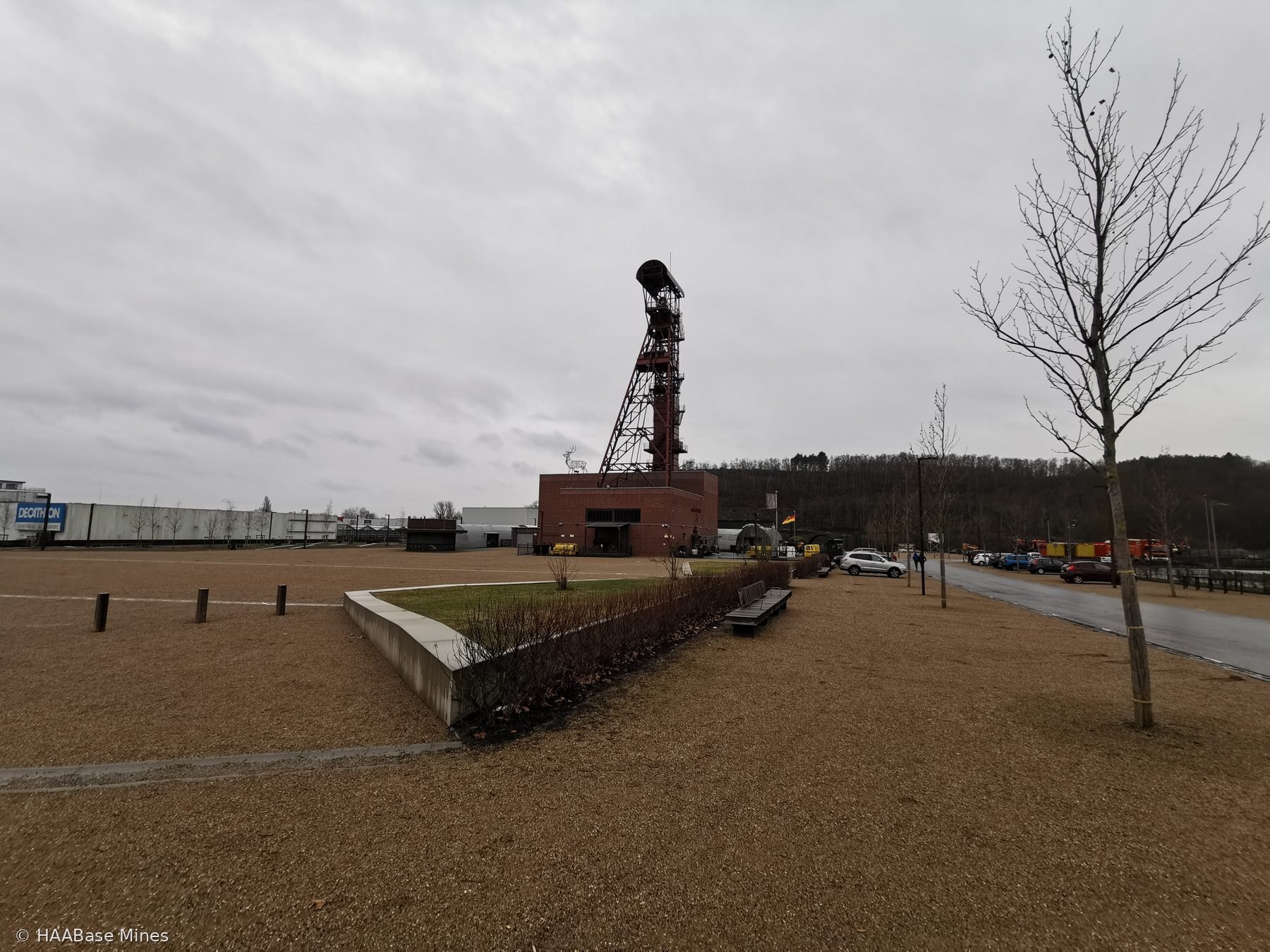
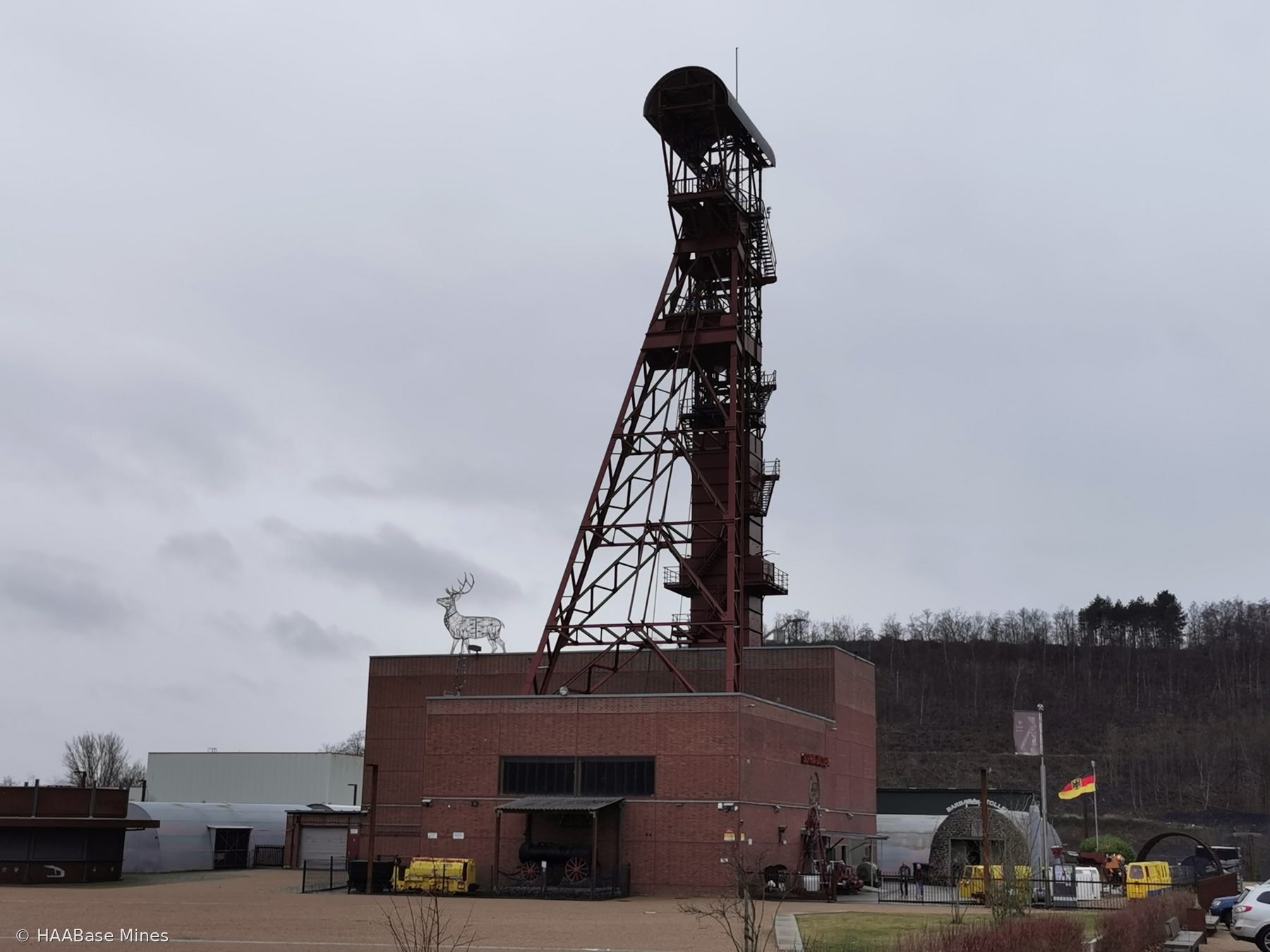
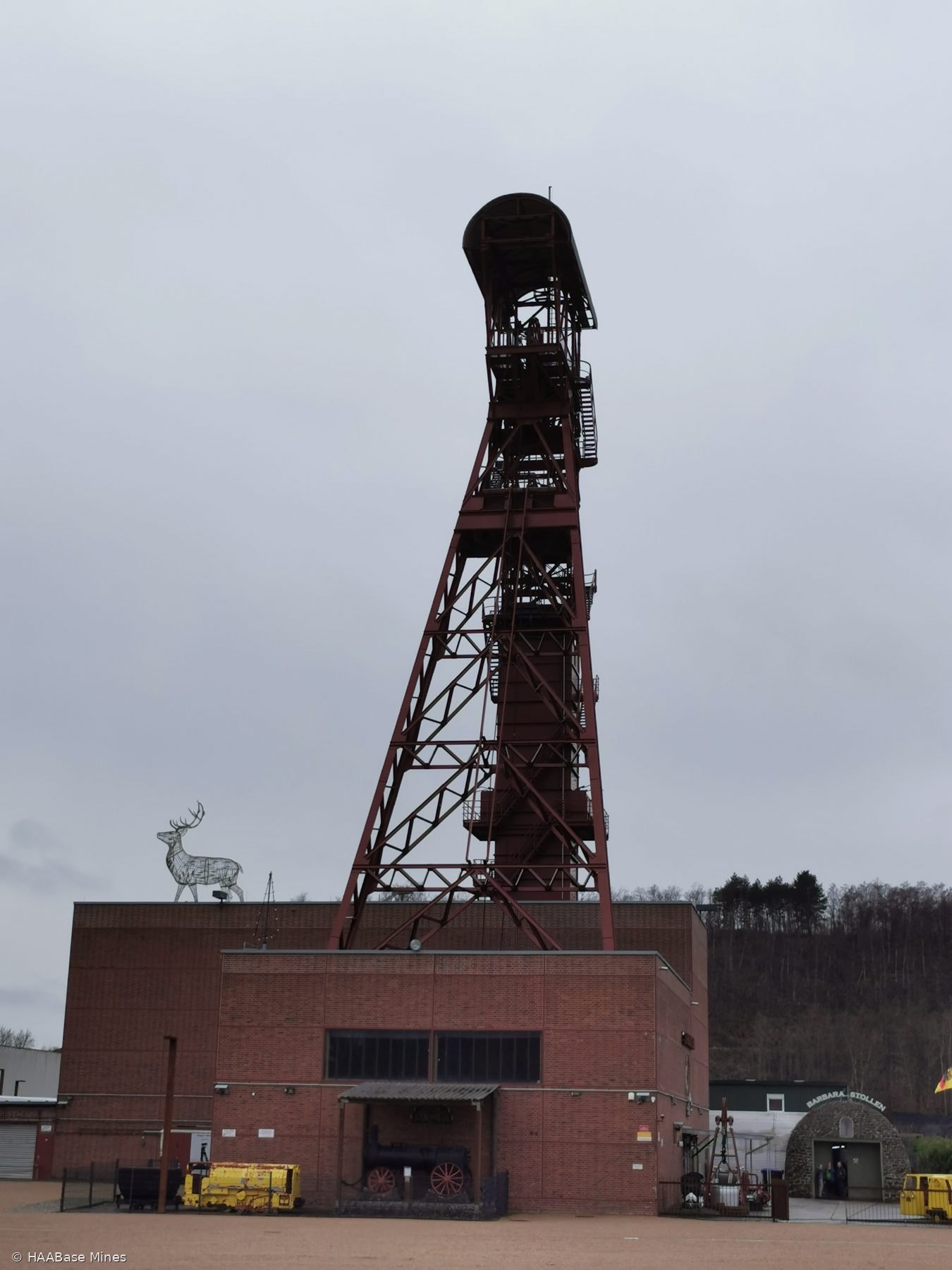
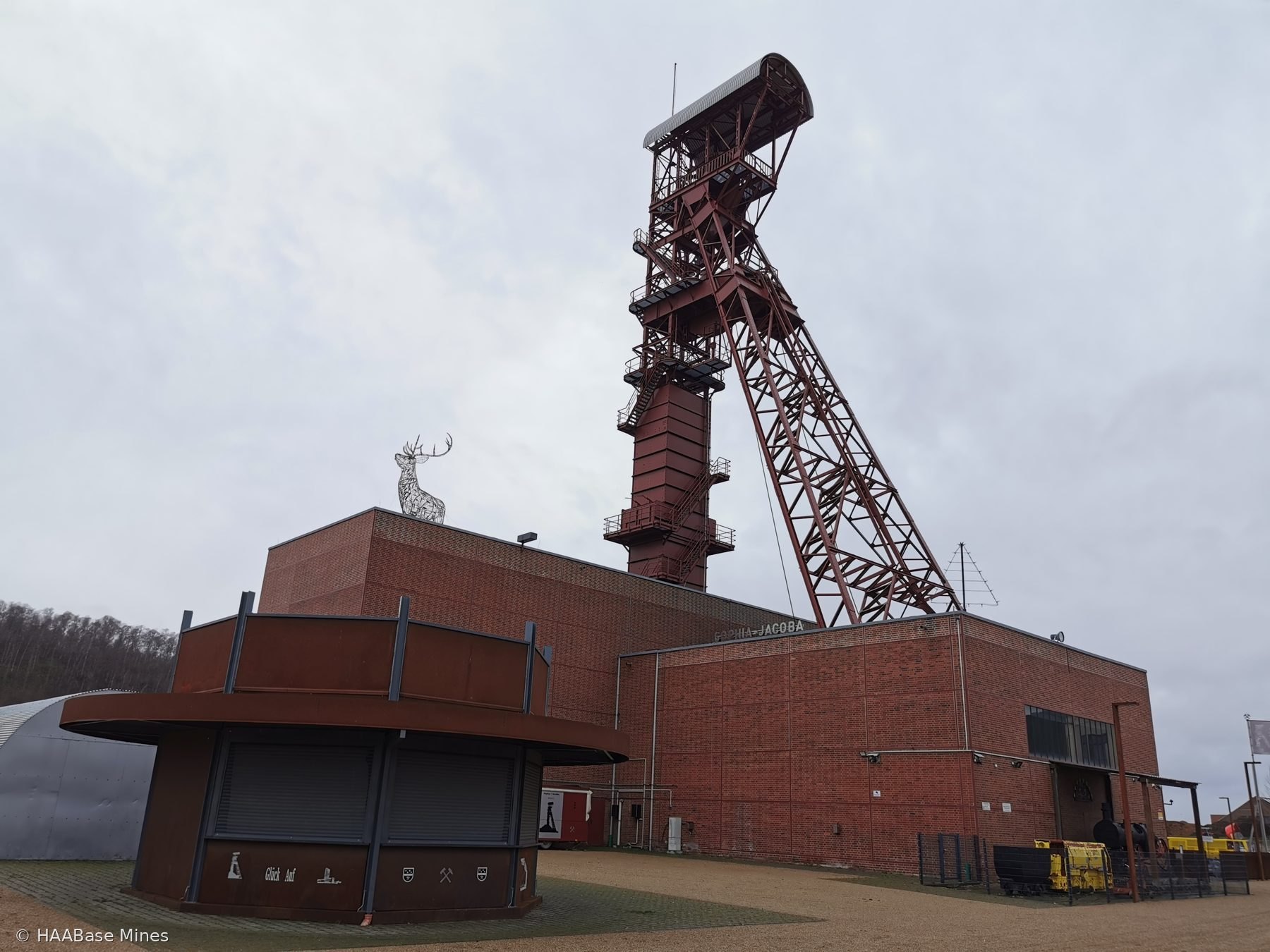
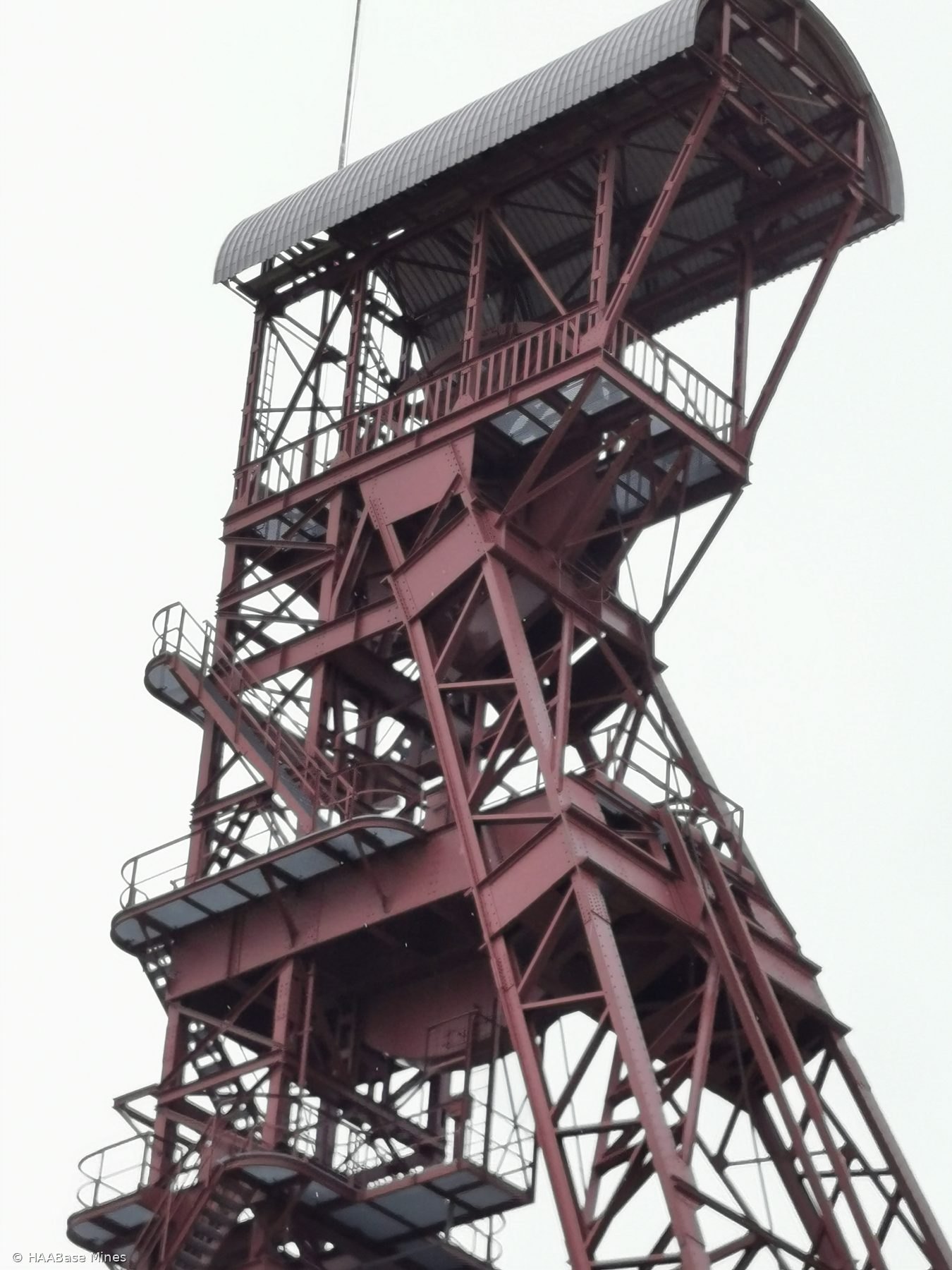
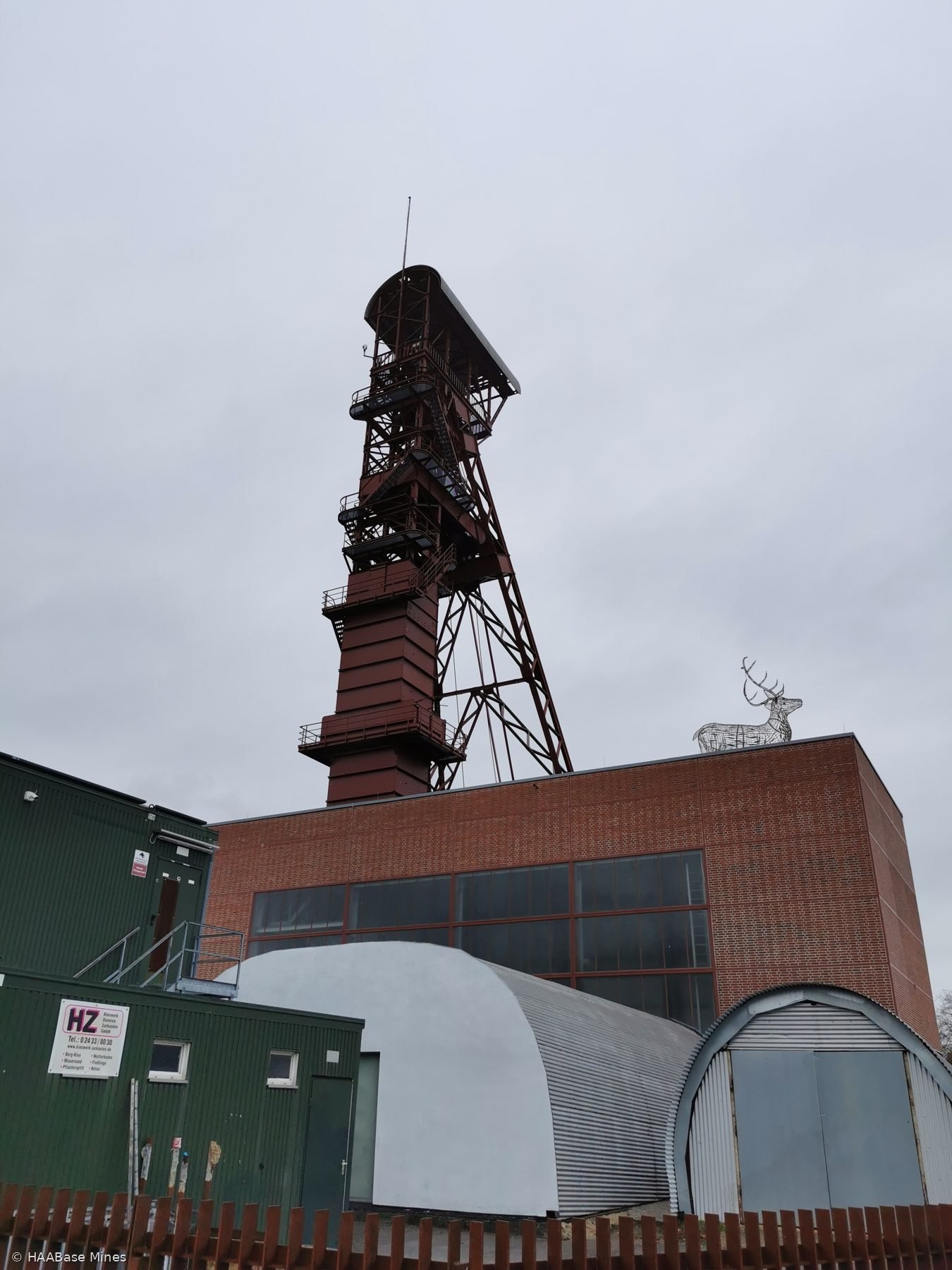
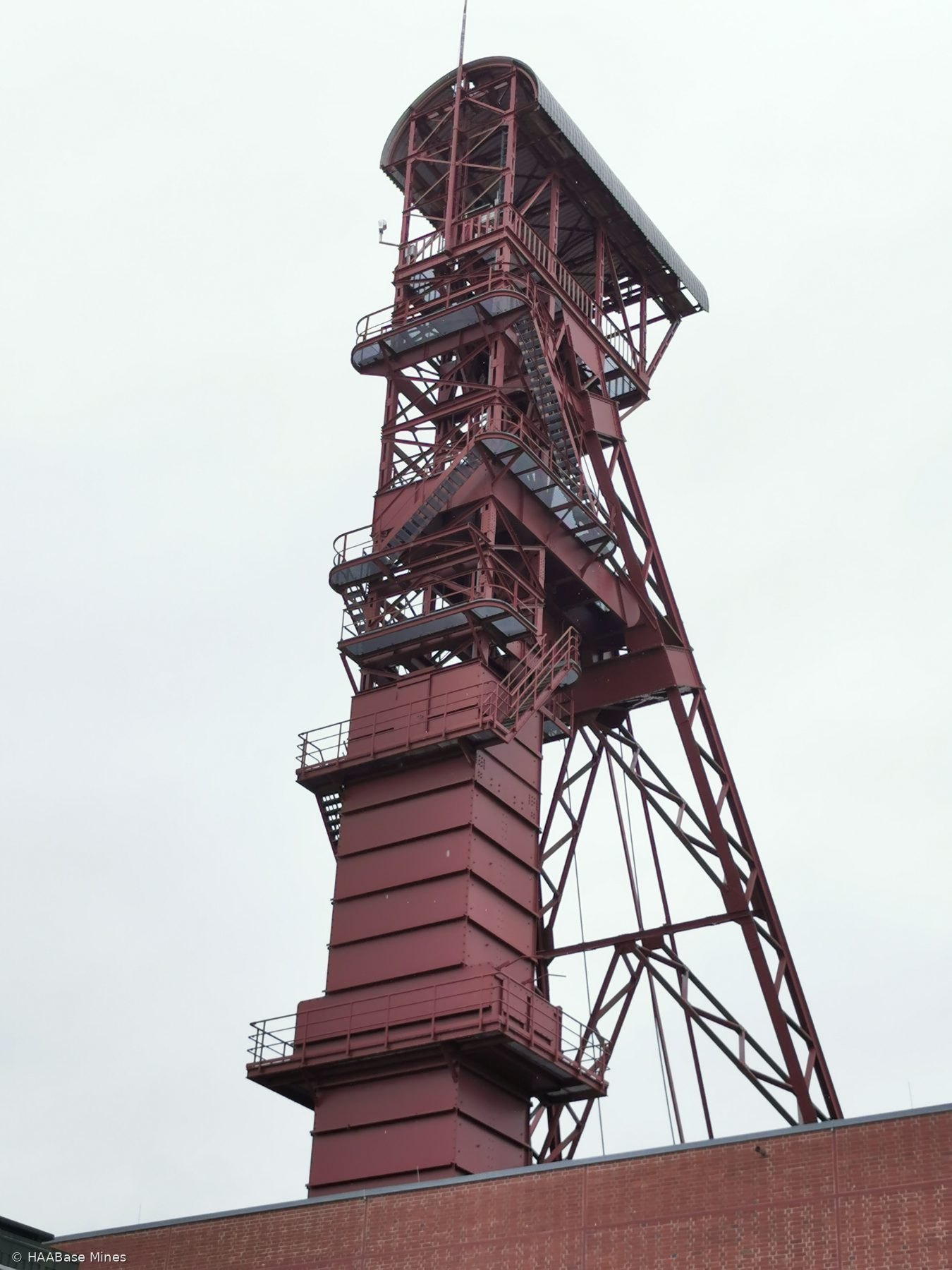
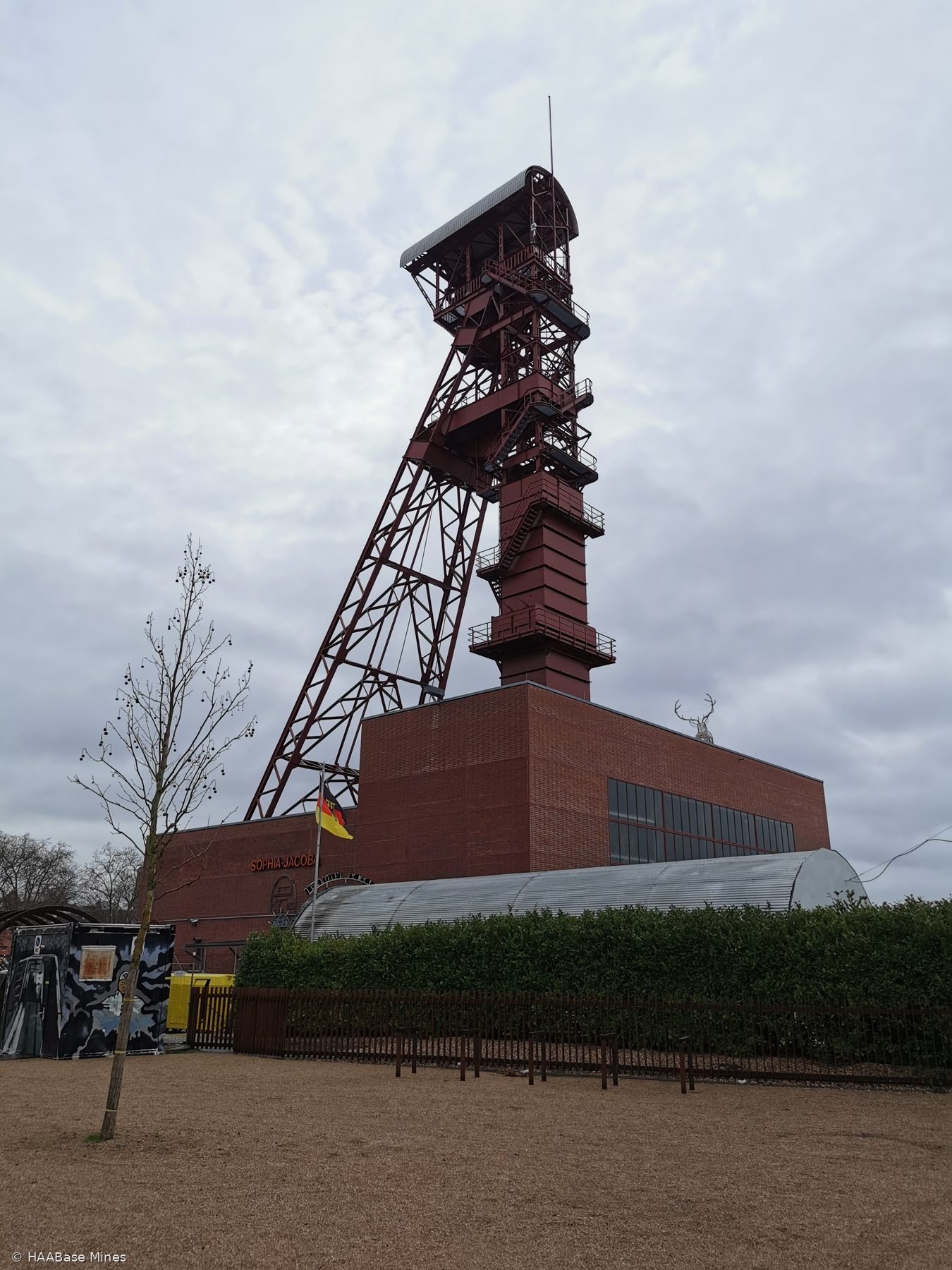
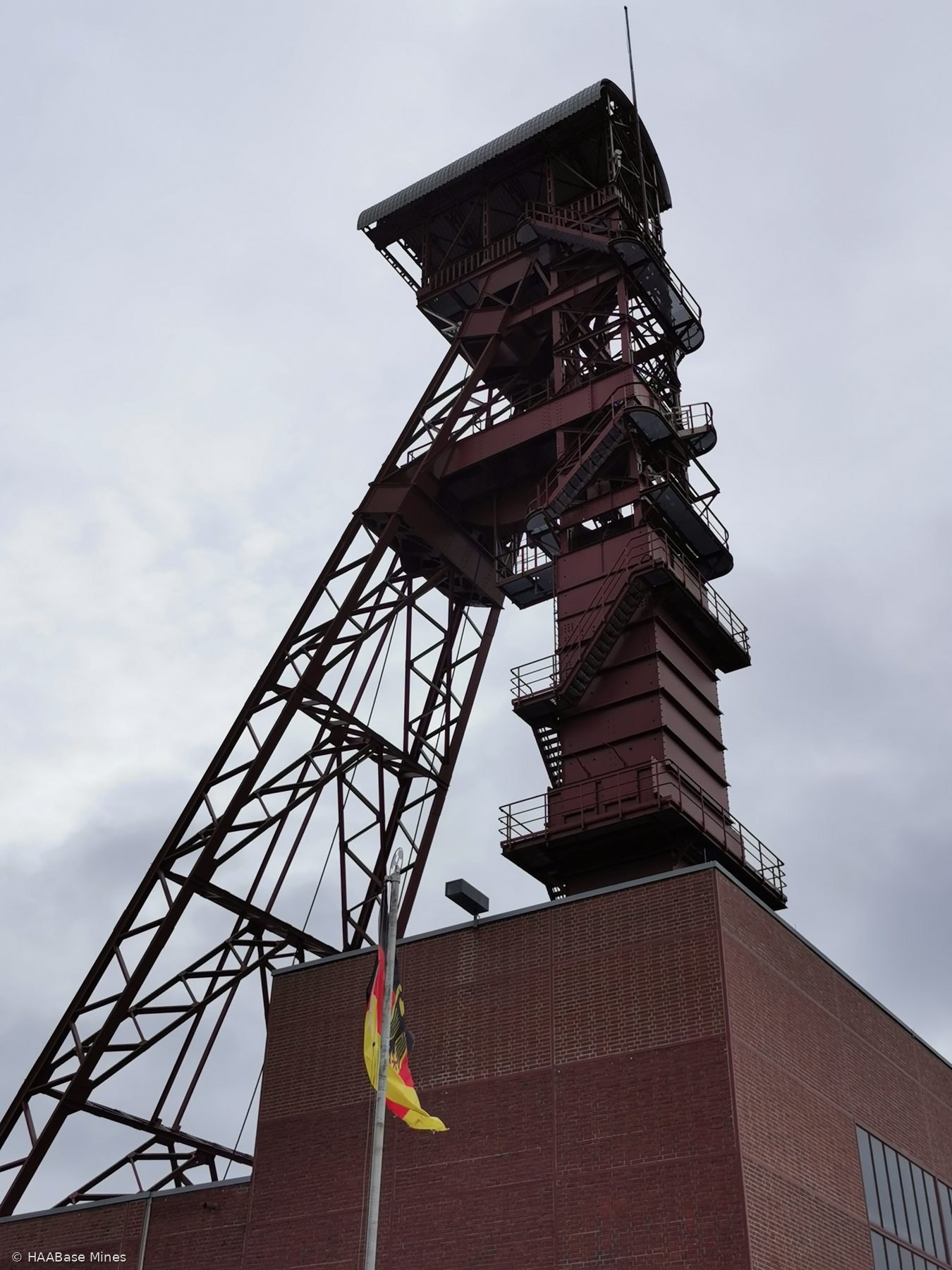
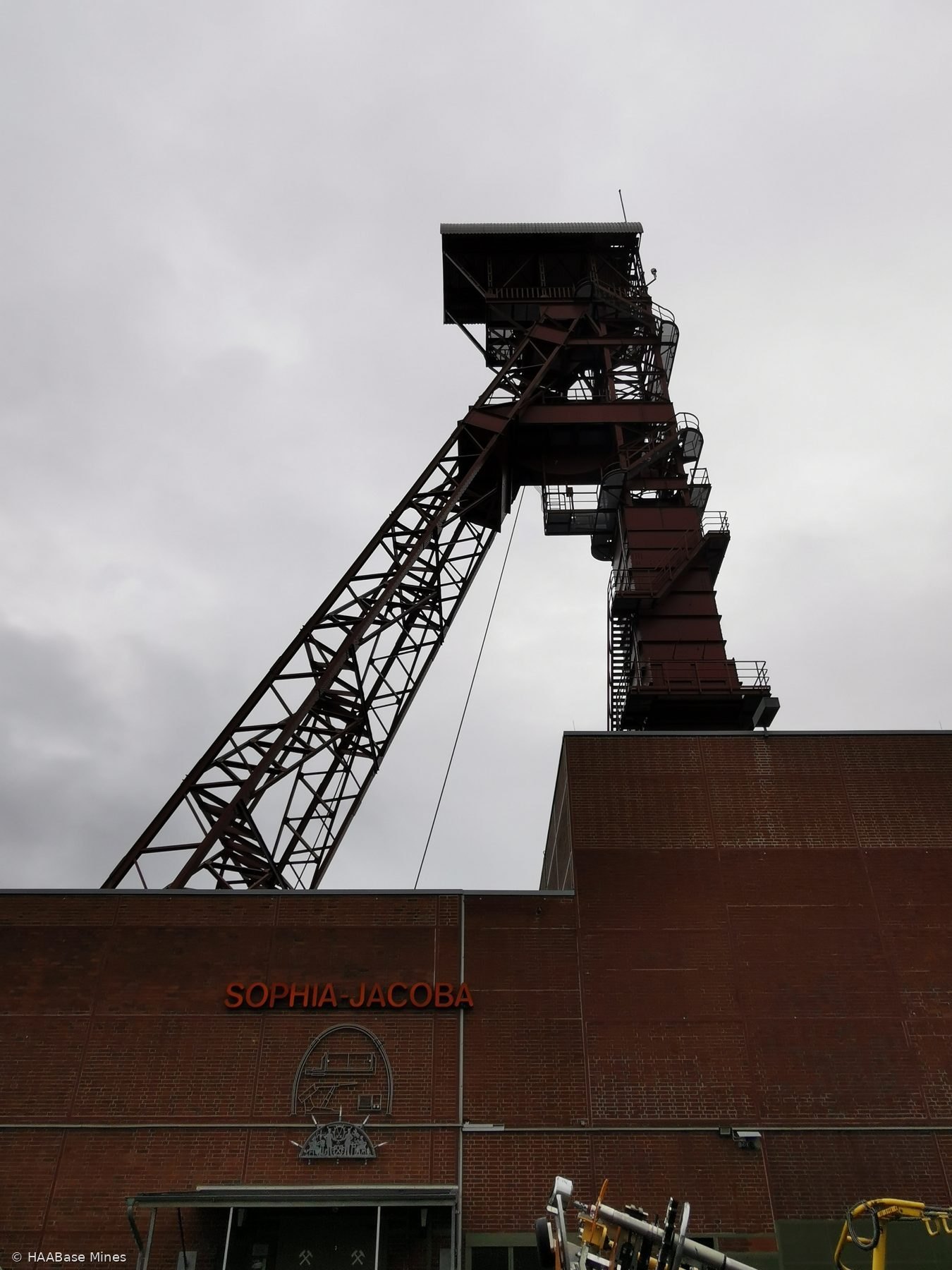
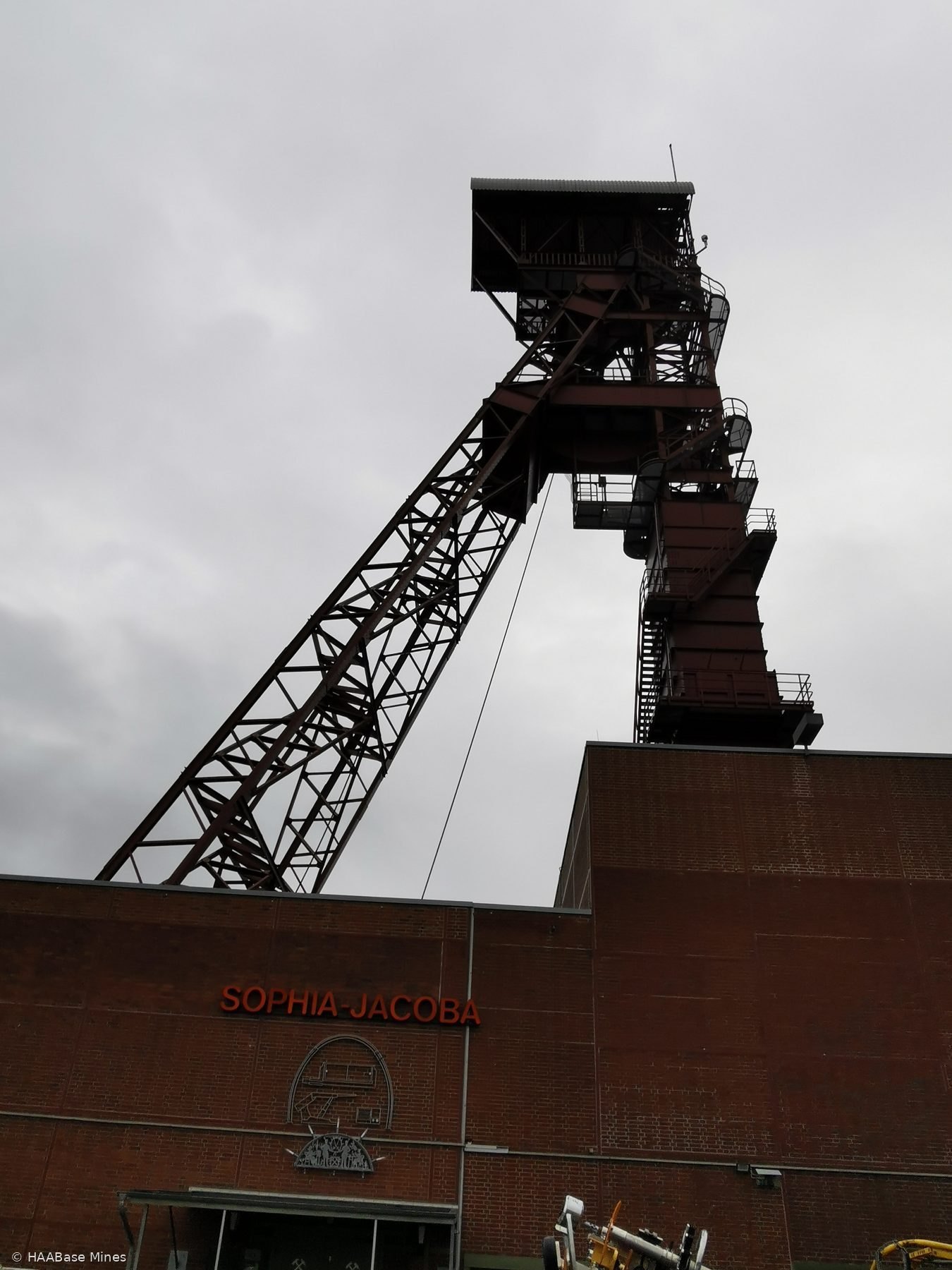
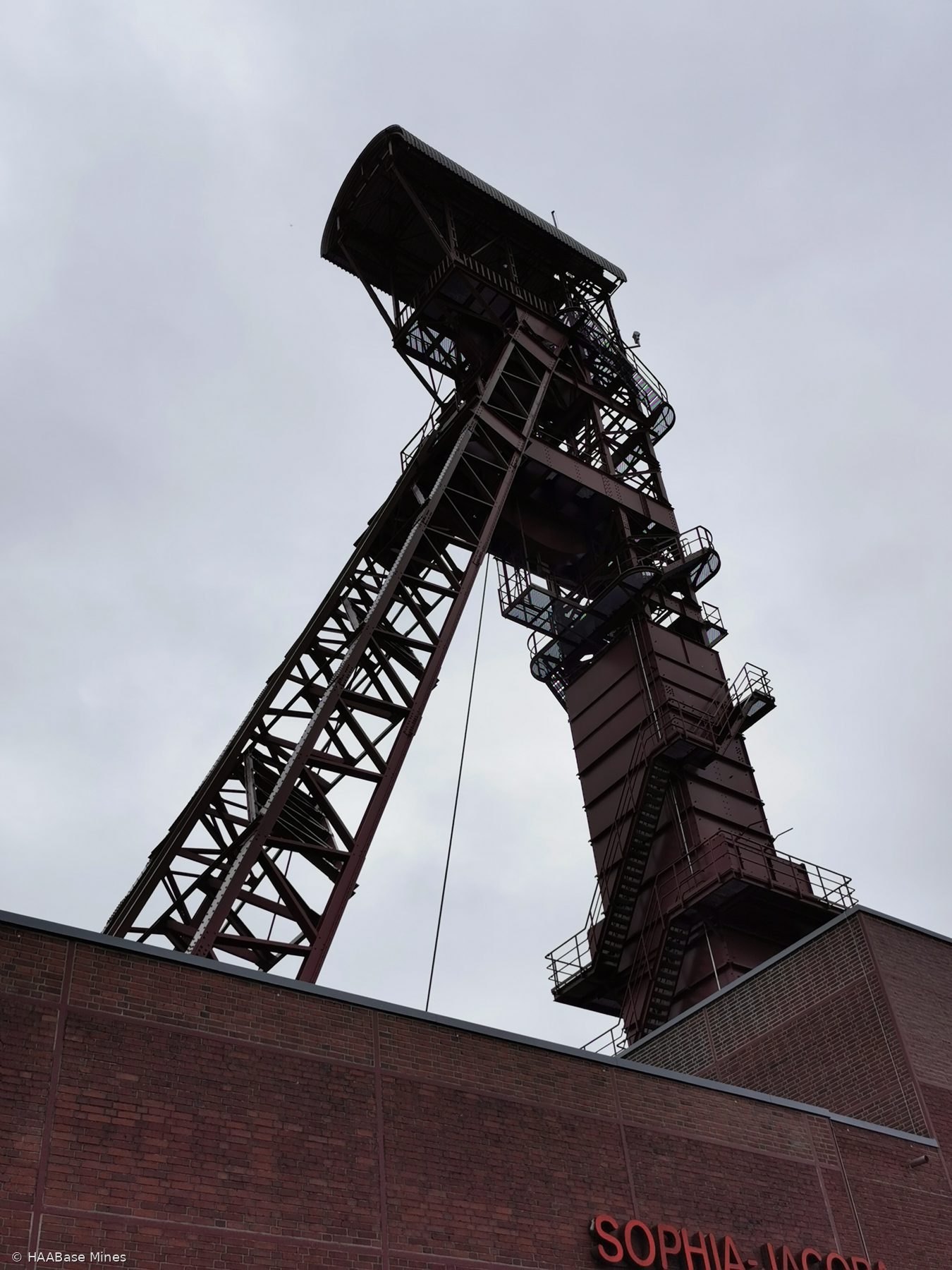
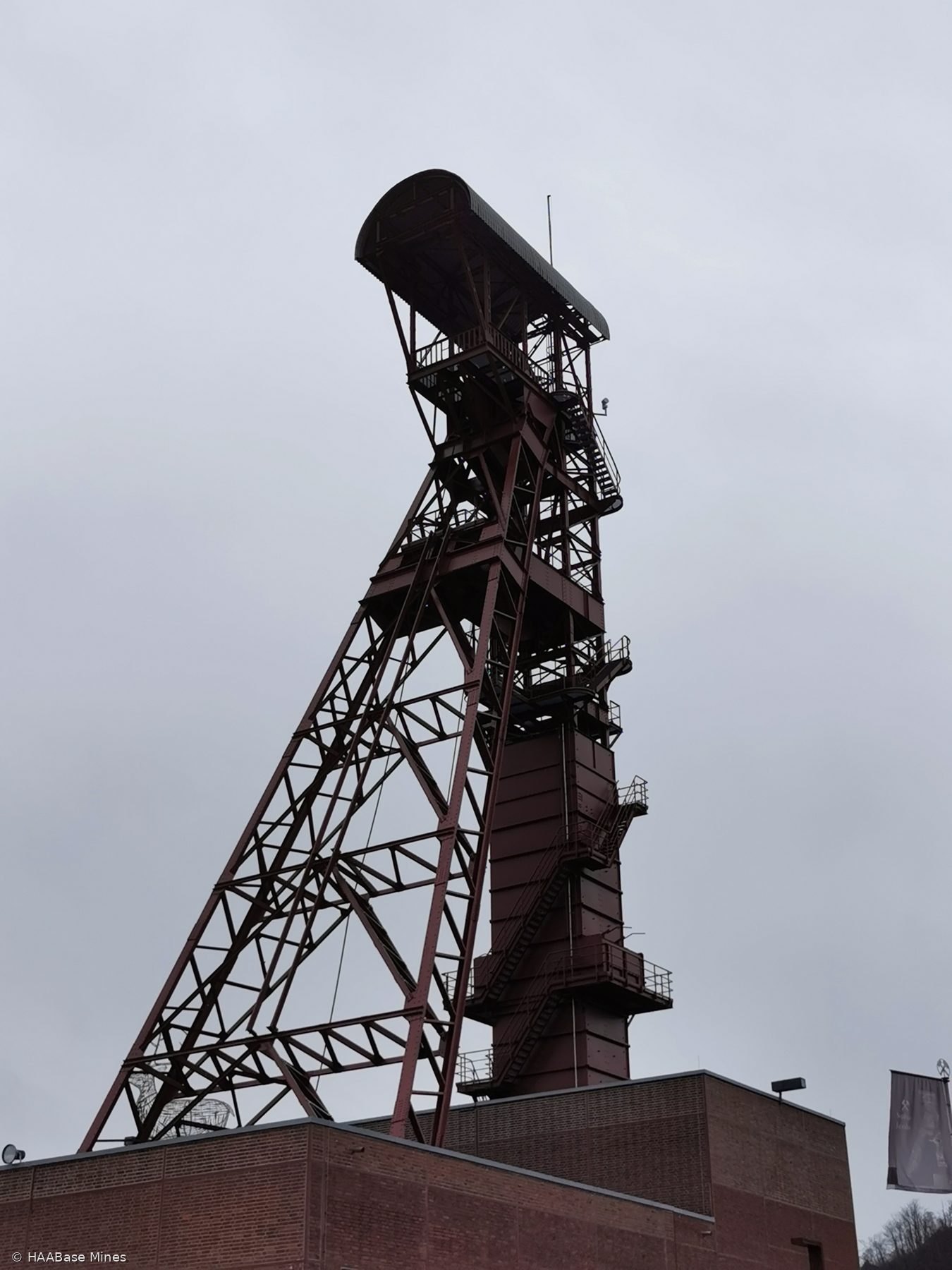
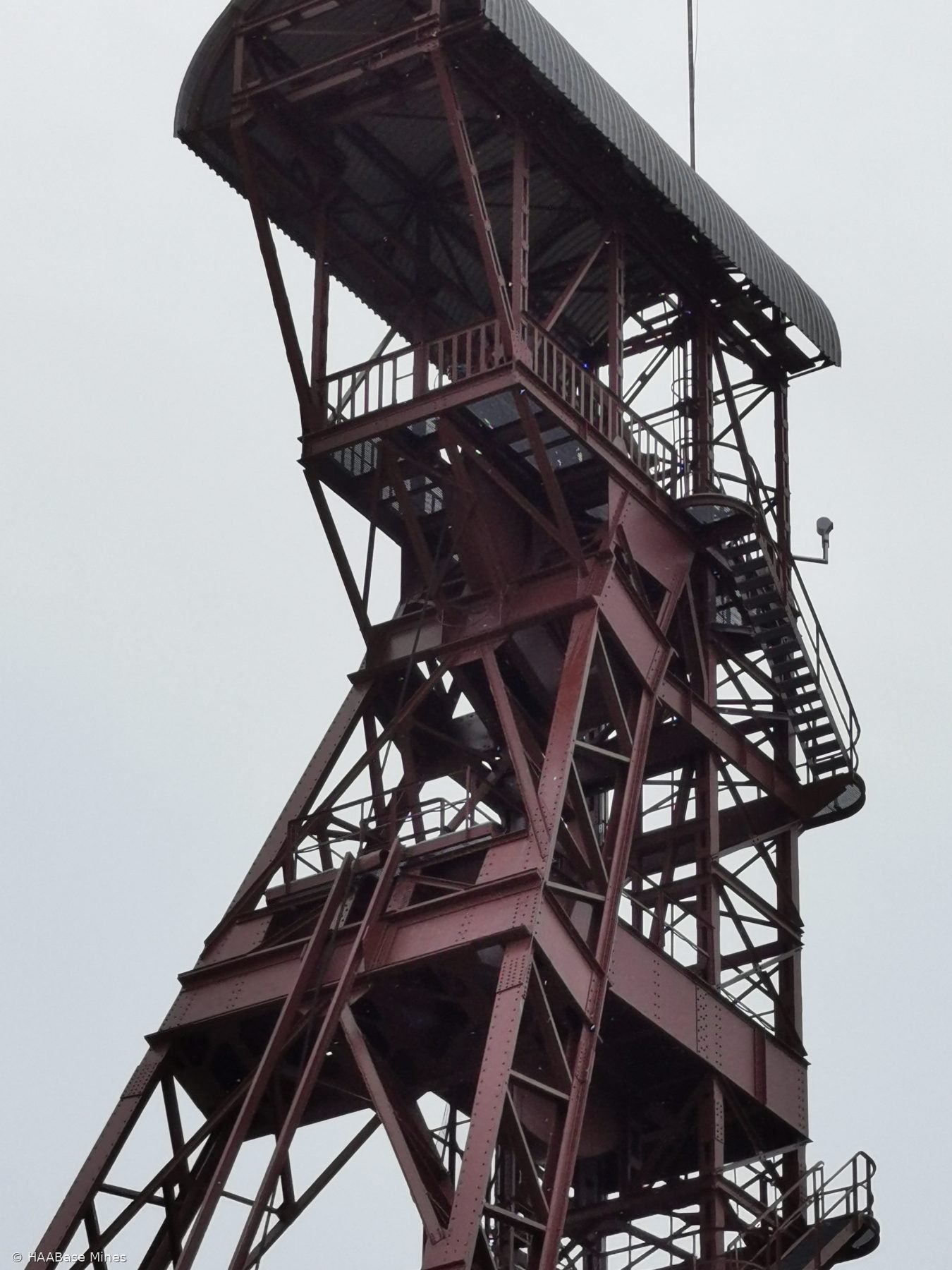
Sinking of Schacht 3 began in 1927 and the prominent lattice headframe, 48 metres high with two superimposed rope sheaves, was erected over it by 1934. Schacht 4 at Ratheim was also brought into service in 1934, initially as a ventilation and materials shaft. In the same period the mine adopted diesel locomotives underground; ponies were not withdrawn until 1951. Between the wars the Zeche Sophia-Jacoba was considered the fastest-growing enterprise in the Aachen coalfield. During the Second World War the Dutch owners lost control between 1939 and 1945, and production was largely suspended from 11 September 1944 until 27 June 1945.
In the postwar period the mine expanded significantly. A new underground transport connection between Schacht 3 at Hückelhoven and Schacht 4 at Ratheim opened in 1957. Between 1957 and 1964 the shaft complex at Ratheim was developed as one of the most powerful and modern colliery installations in Europe, to designs by industrial architect Fritz Schupp. Schacht 6 at Ratheim was inaugurated in 1964, equipped with what was at the time the most powerful electric winding machine in service, rated at 5,800 kW, and constructed as a modern concrete winding tower. By 1959 the workforce had reached approximately 5,700. From 1960 until the final closure the mine was regarded as the most modern hard coal colliery in Europe.
The mine's main market was domestic heating coal, and the first significant crisis came in 1967 following an exceptionally mild winter, when falling household coal demand forced the redundancy of 500 miners. By the late 1960s approximately 80 per cent of output went to the domestic heating market. A brickette factory was developed and new brickette products including Extracit briketts were launched in 1972, with substantial commercial success. In 1973 ownership passed to the Dutch holding company Robeco N.V. In 1975 a severe sand incursion flooded mine roadways for a length of 15 kilometres. In 1976 coal production in shafts 1 to 3 at Hückelhoven was terminated due to exhaustion of those workings.
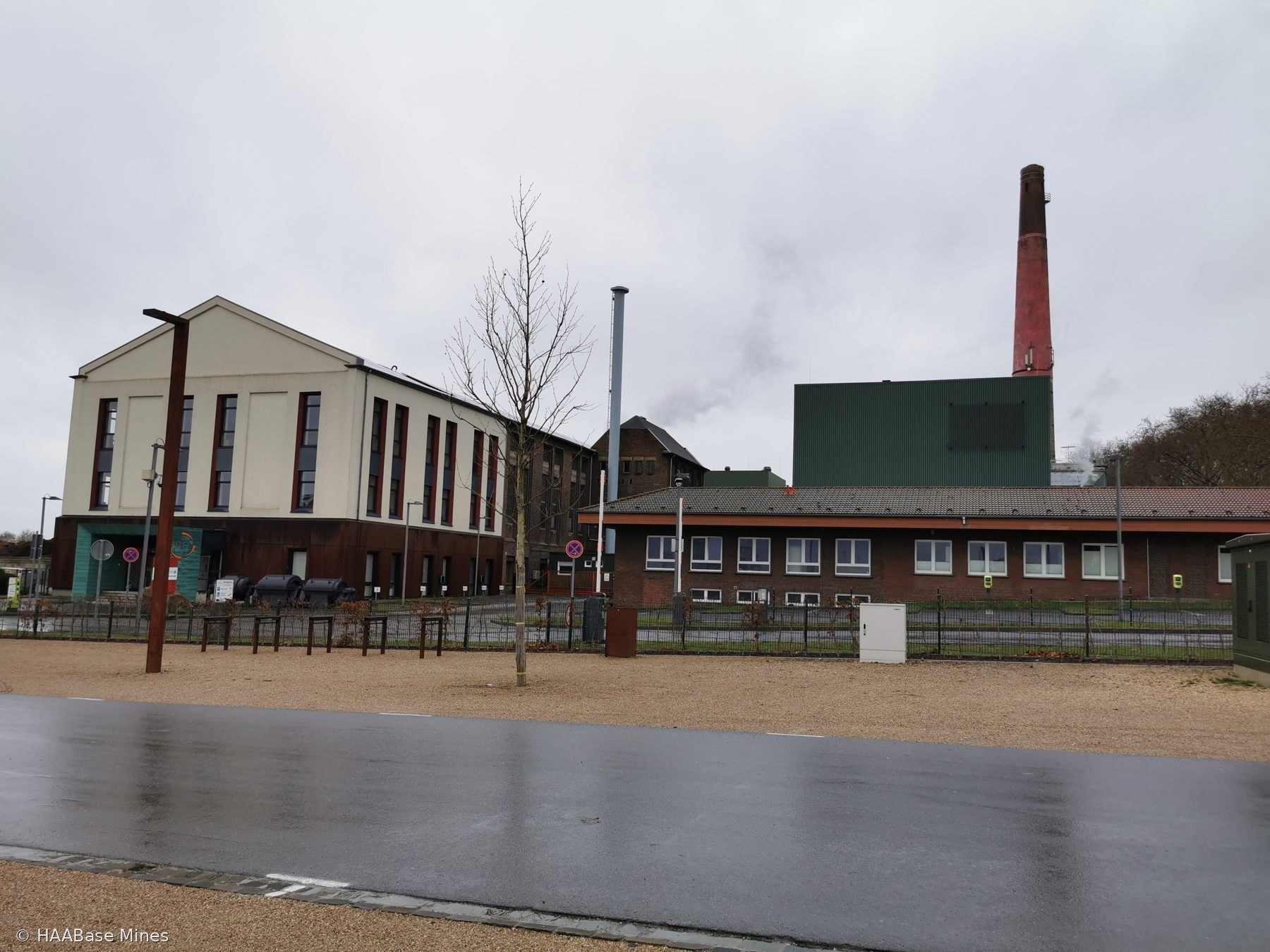
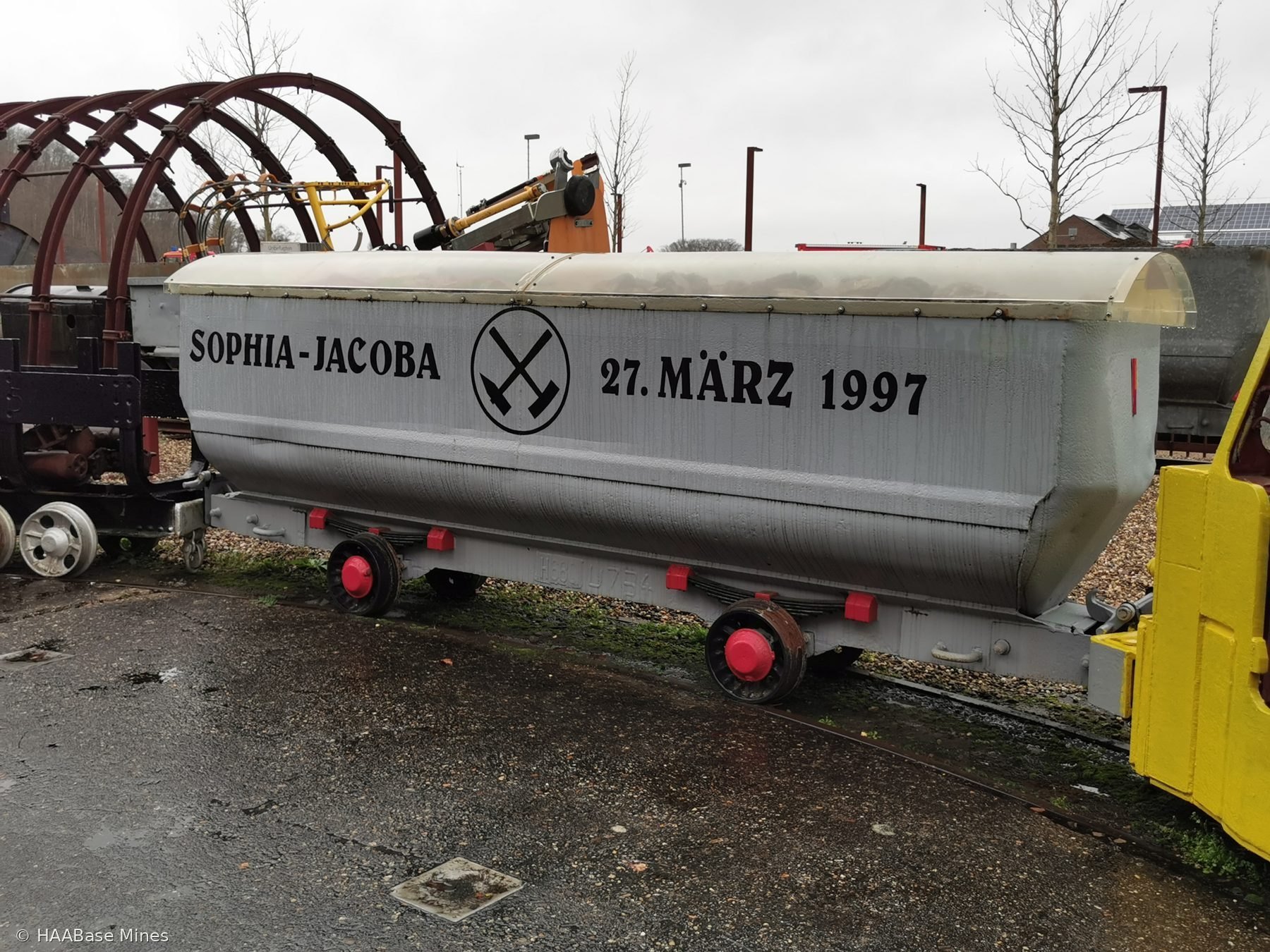
In May 1990 Robeco N.V. sold the mine retrospectively with effect from 1 January 1990 to Ruhrkohle AG (RAG). Competition from cheap imported coal made continued operation increasingly difficult. In October 1991 approximately 1,000 miners staged a week-long sit-in strike underground to protest against federal coal subsidy policy. Despite the modern equipment at the mine, production costs could not match import prices. Coal production ceased finally on 27 March 1997. The brikette factory, the last operating component of the colliery, was sold separately in 1997 and the last German hard coal brikette factory at the site closed on 31 March 2008; its building was demolished by controlled explosion in February 2009.
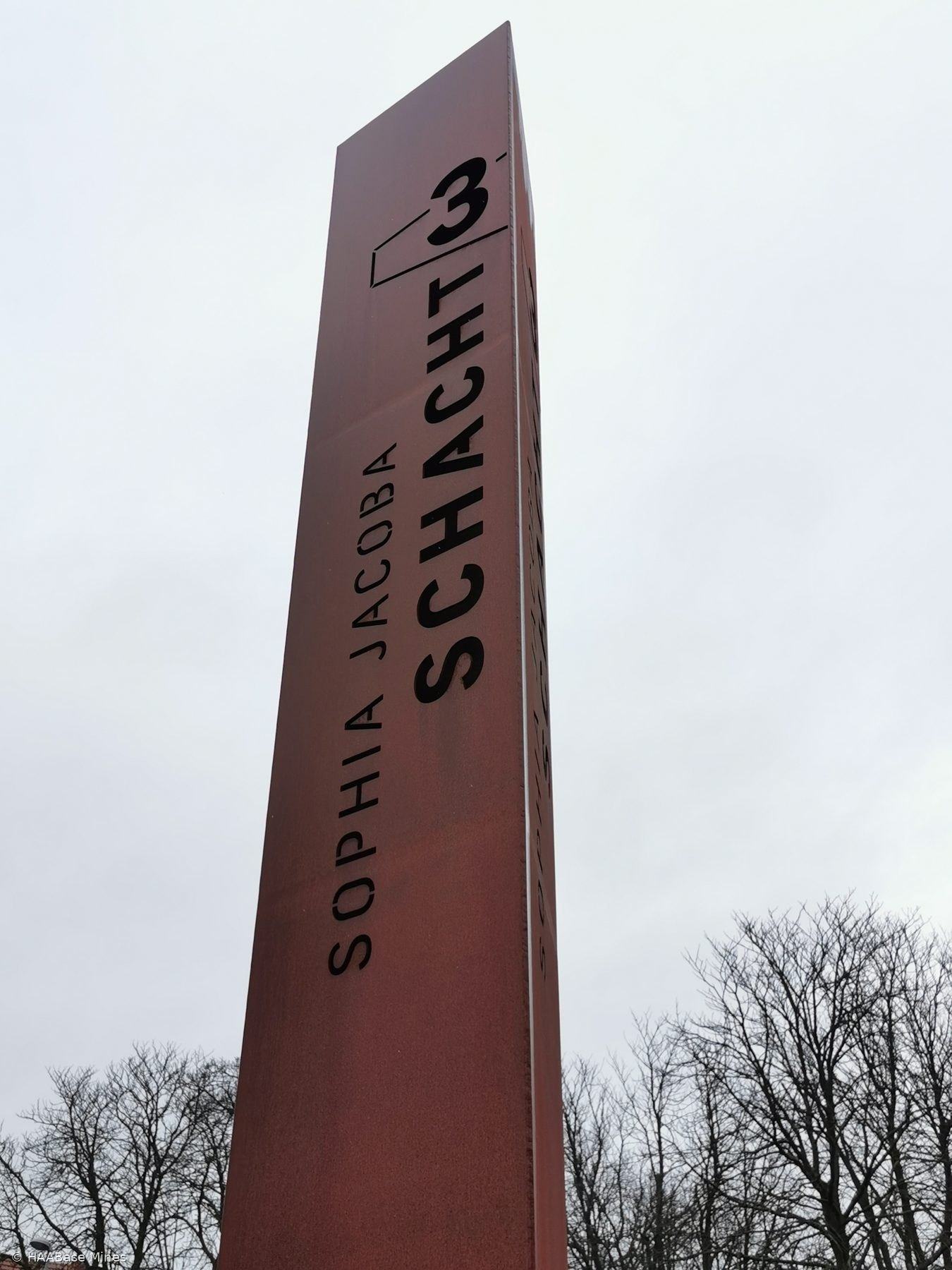
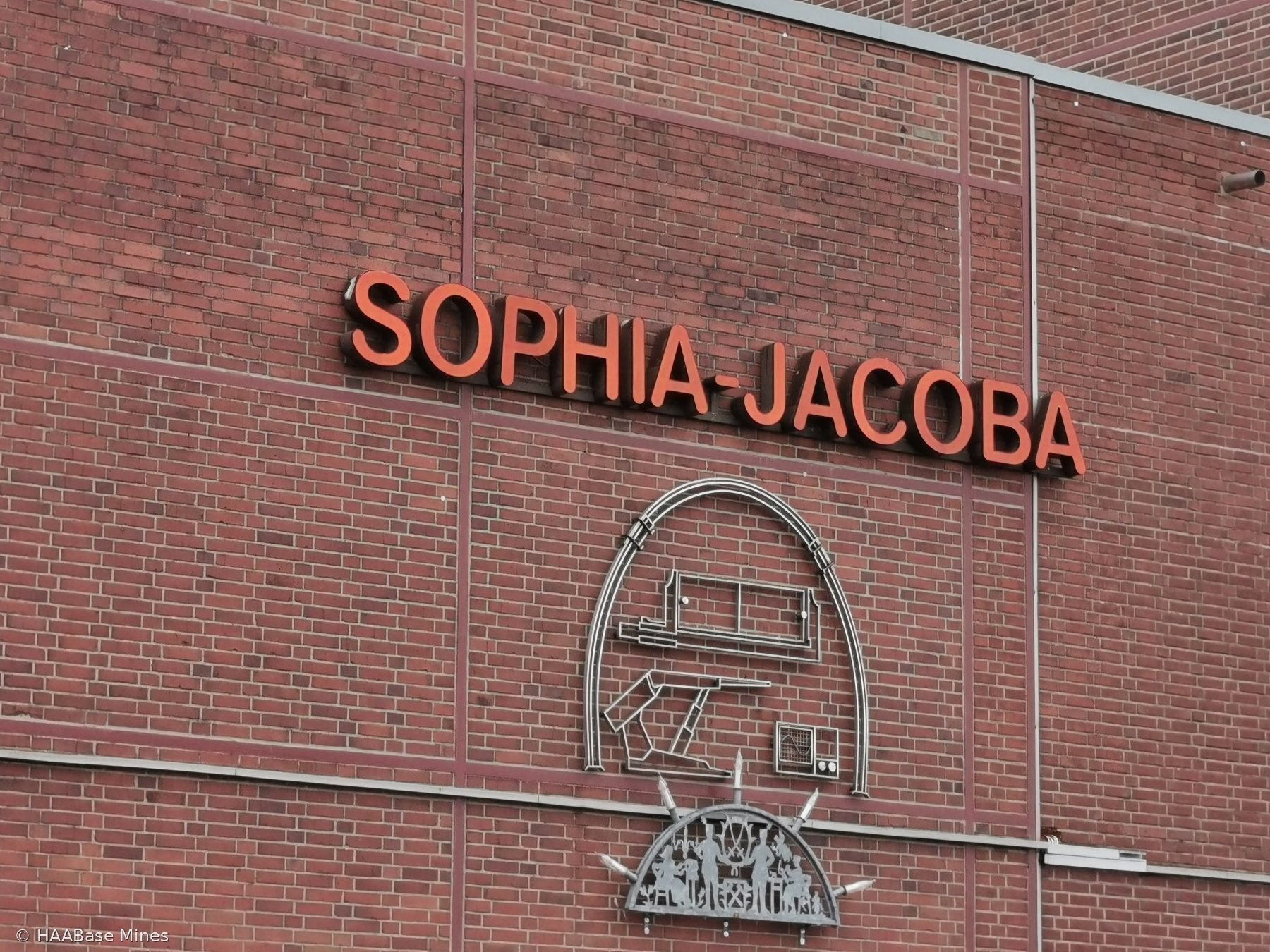
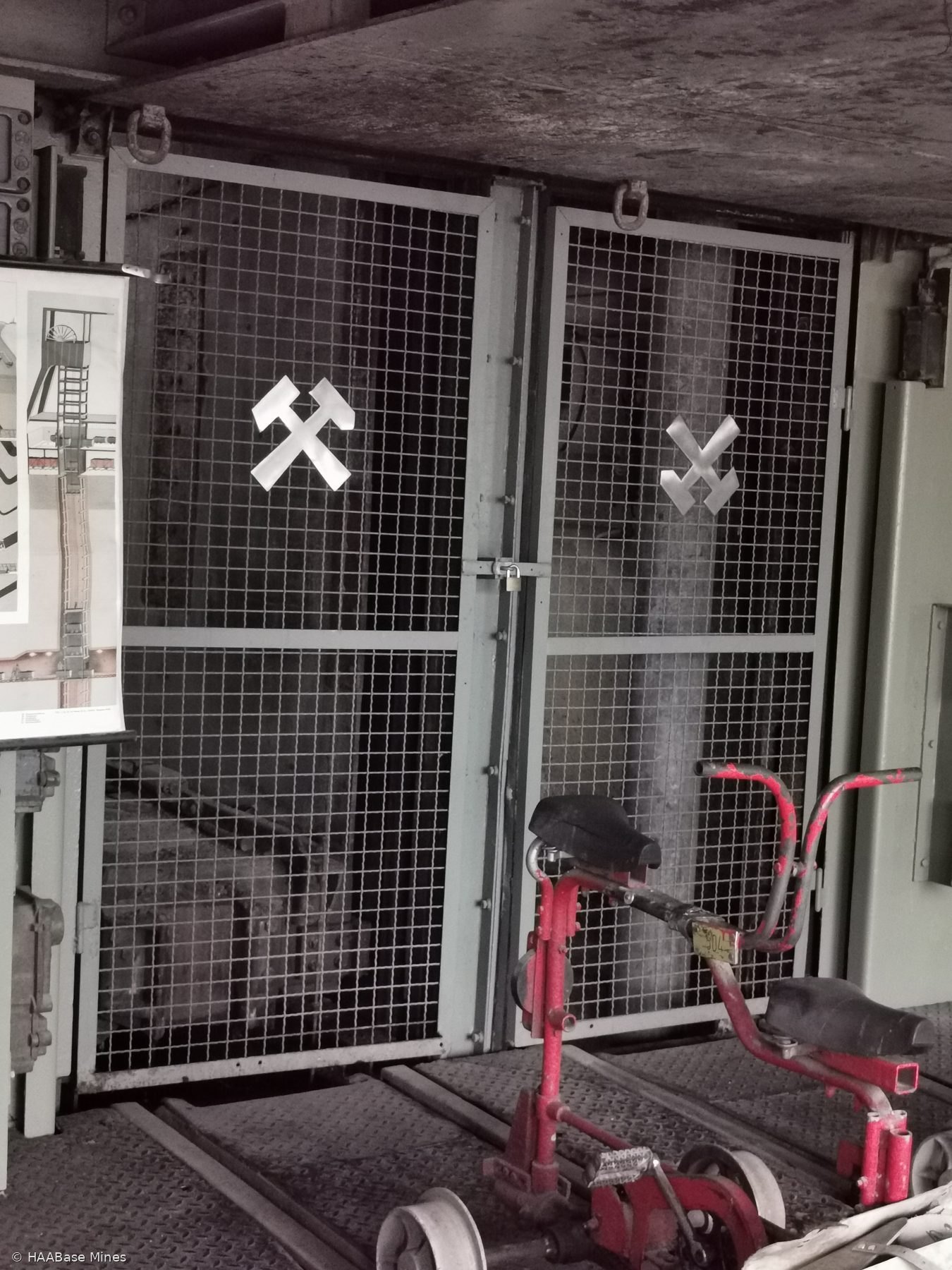
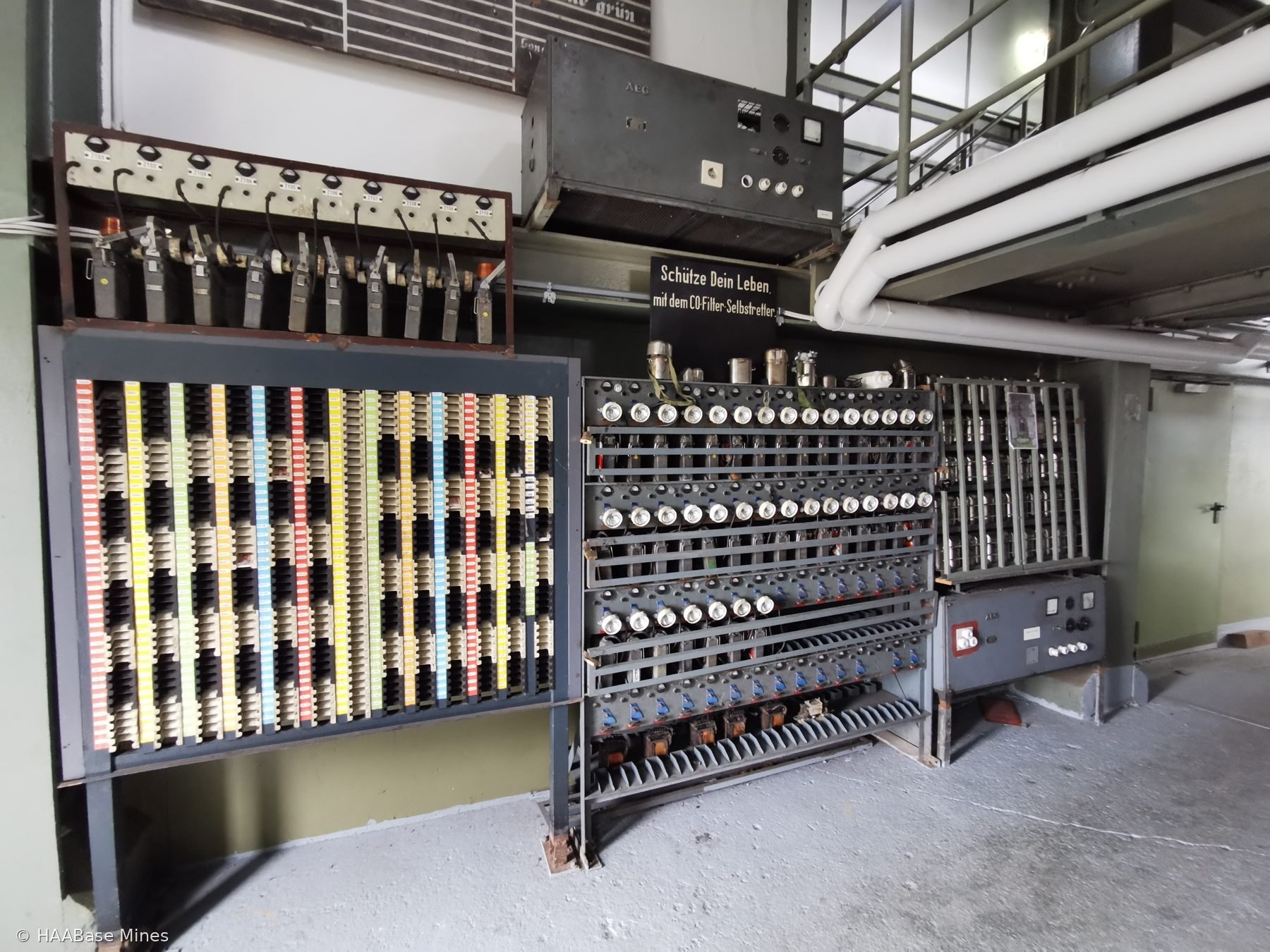
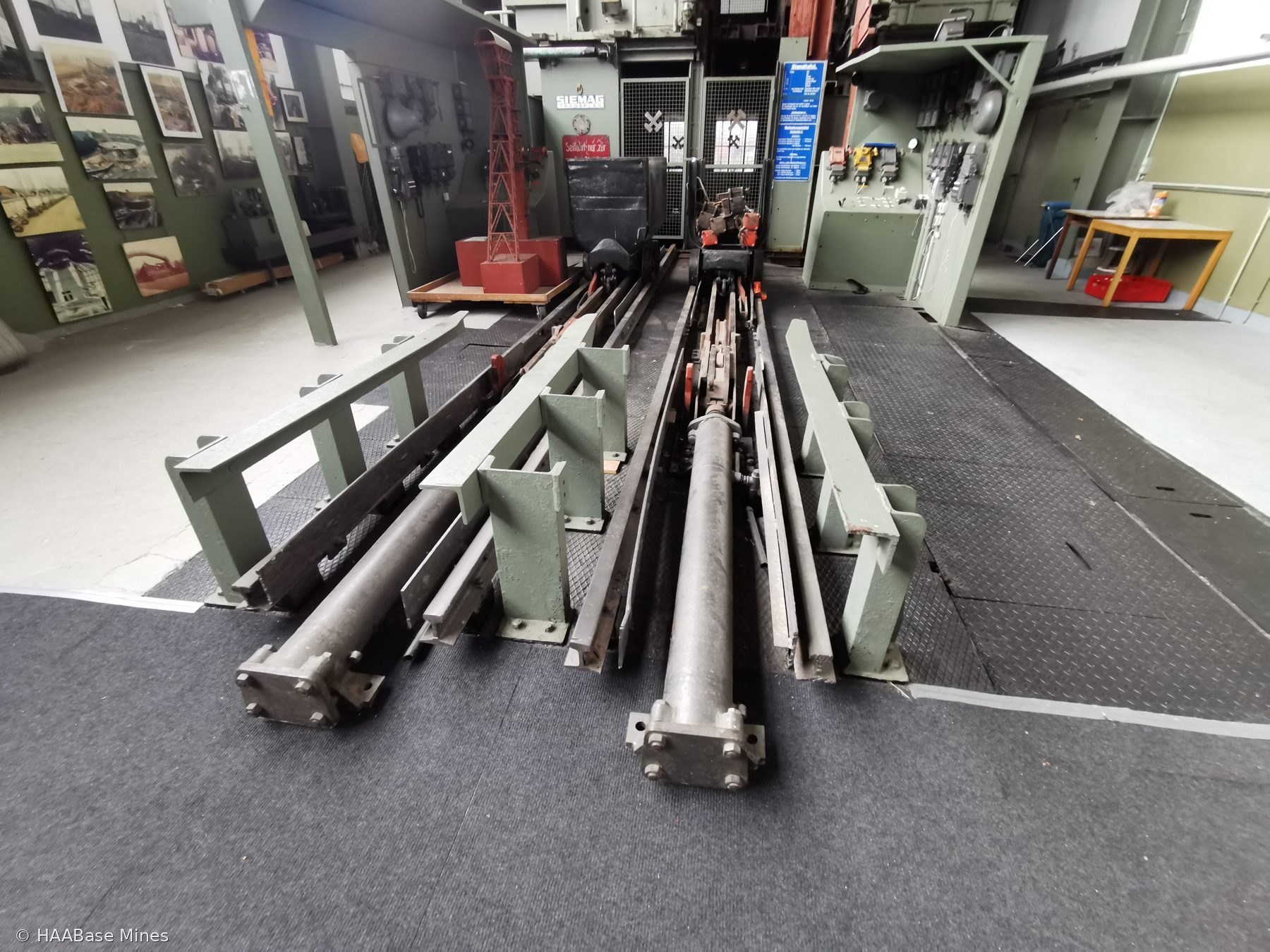
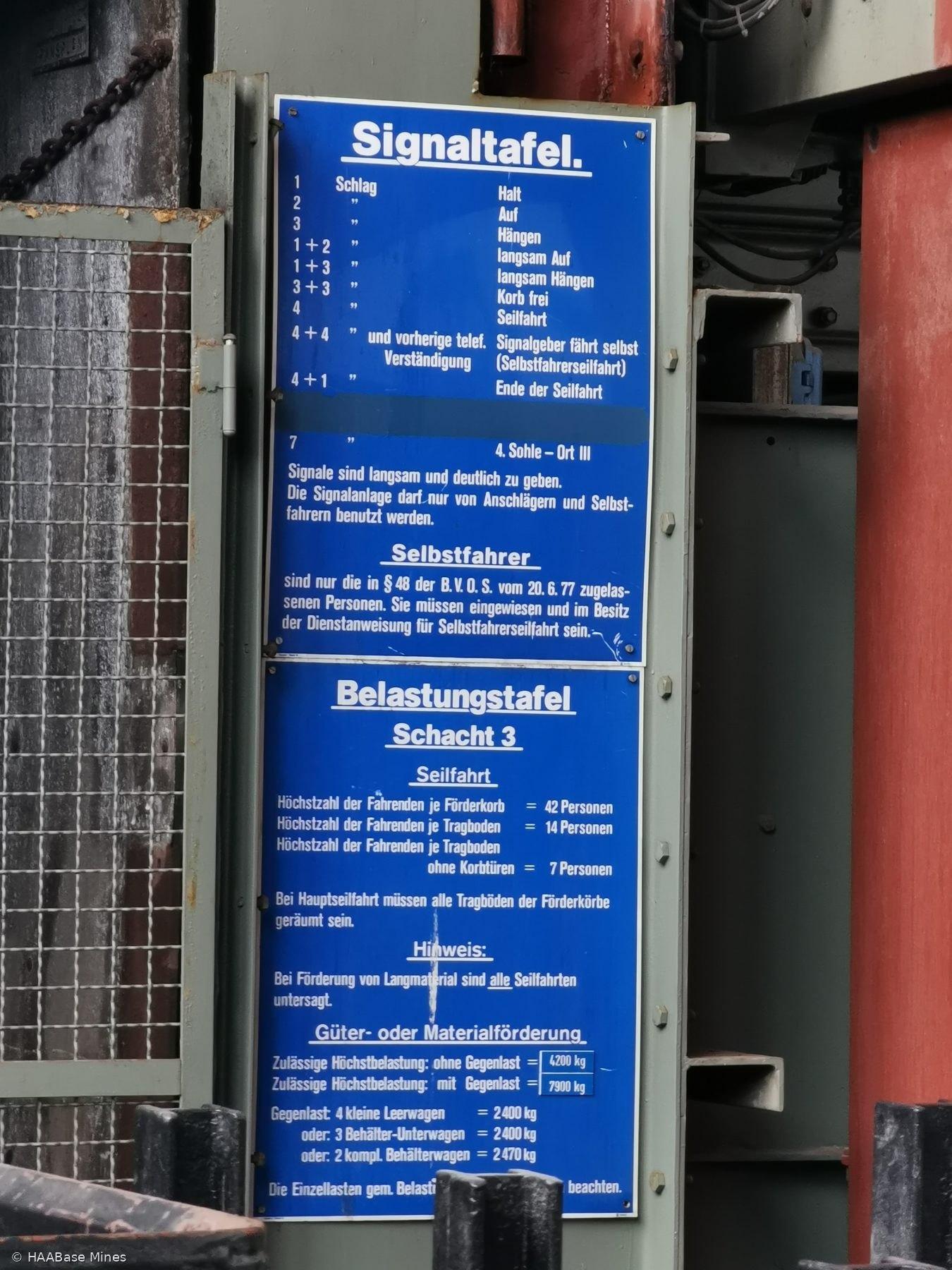
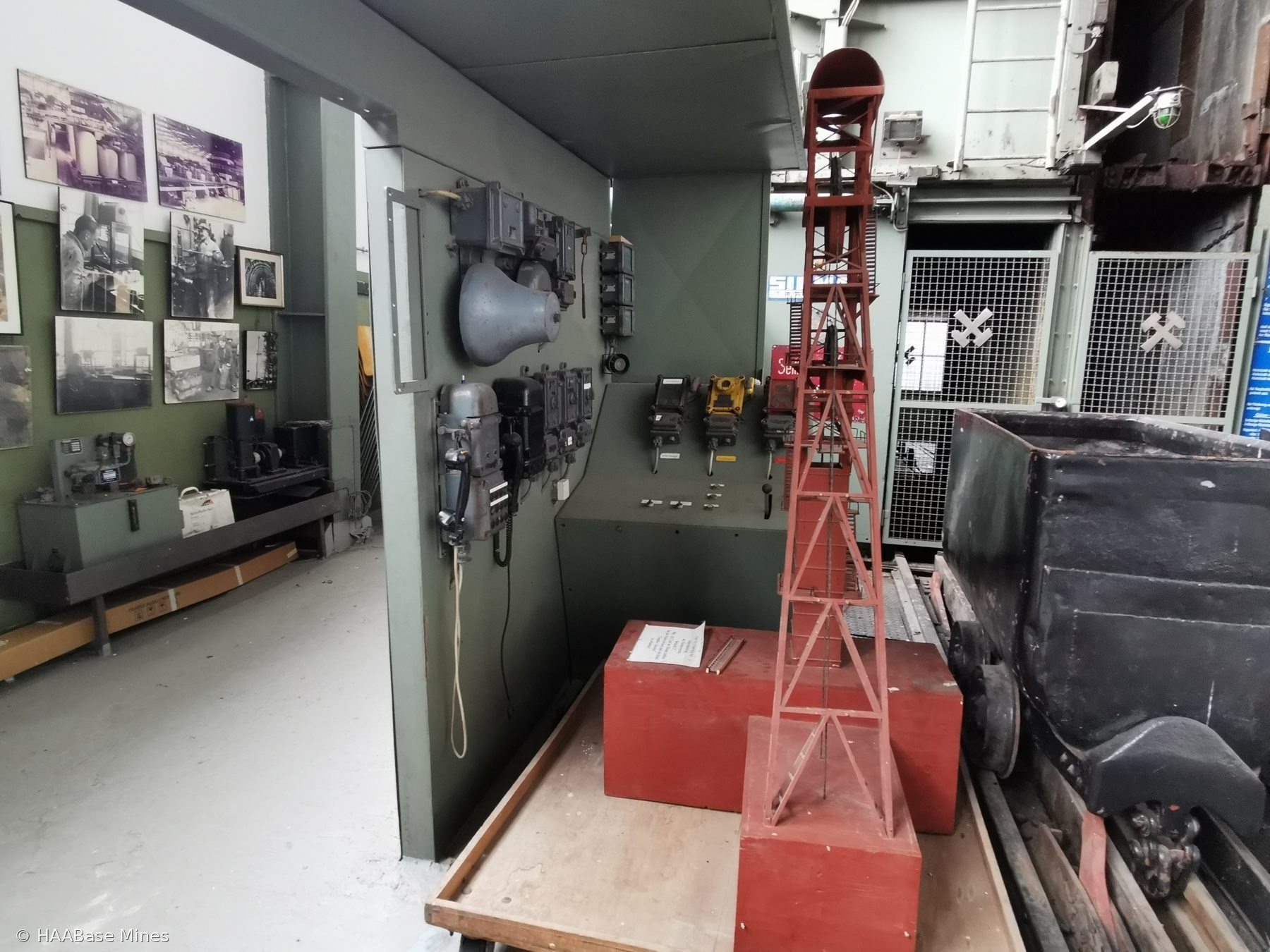
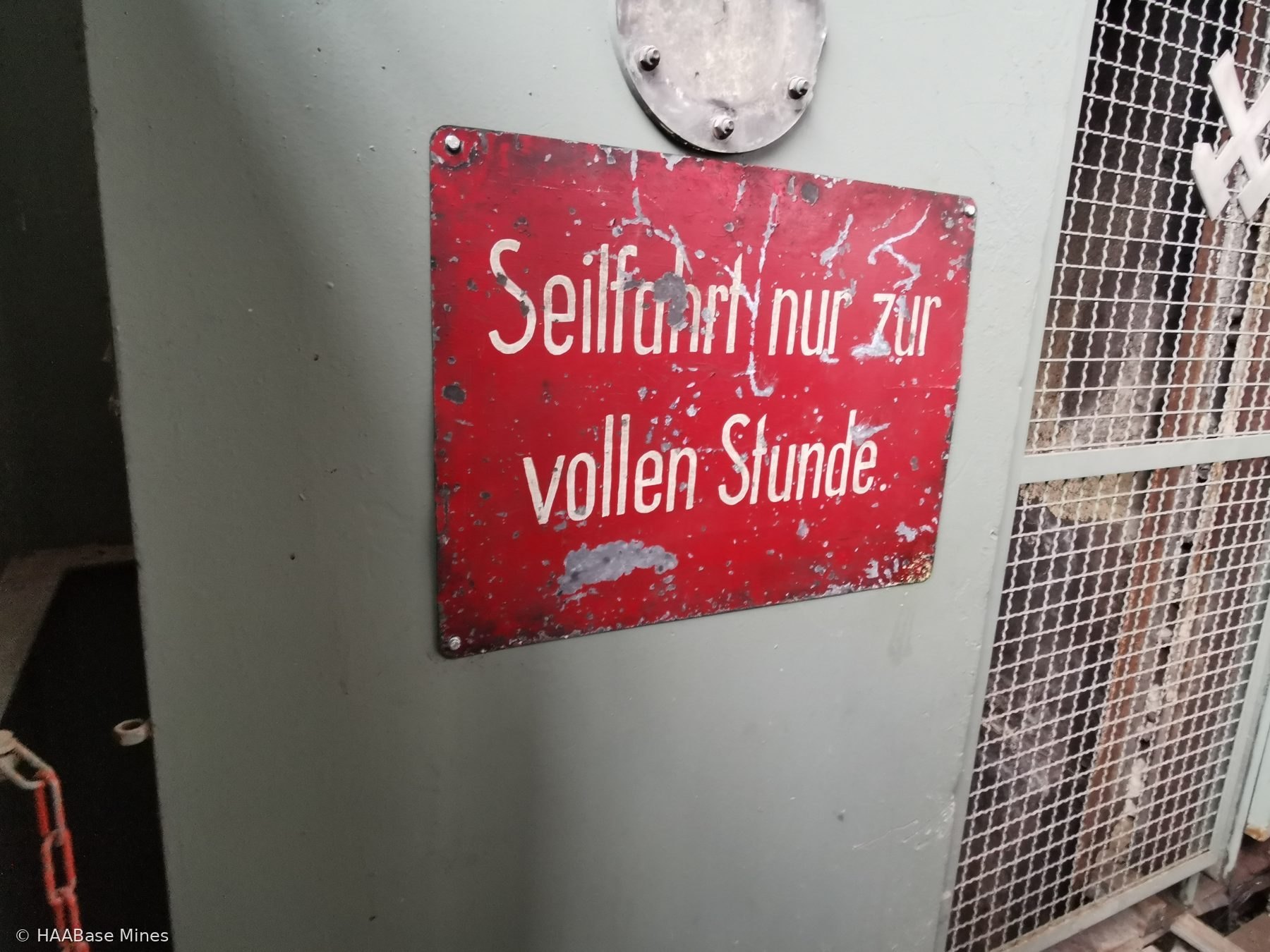
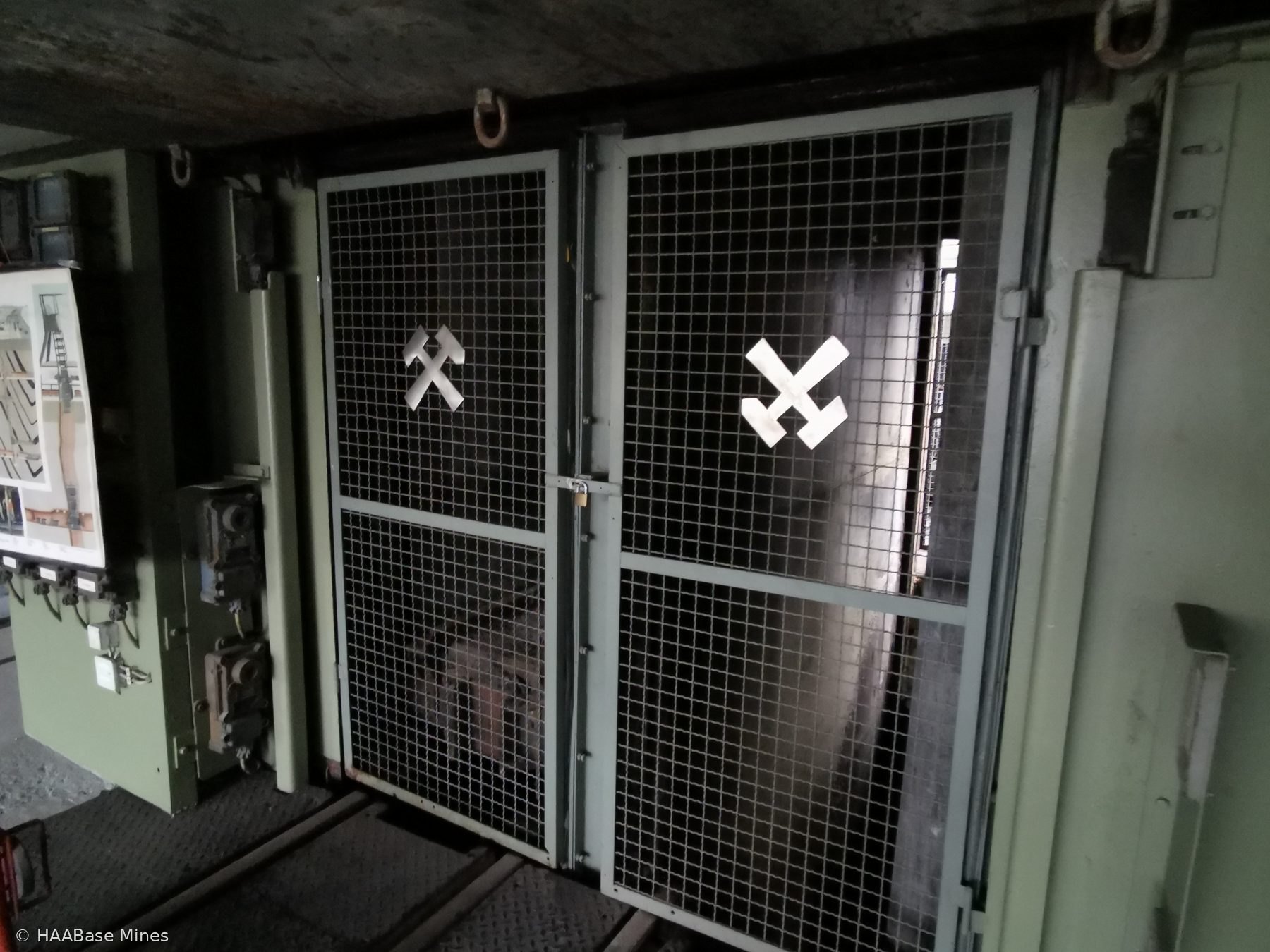
The listed administrative buildings at the Hückelhoven site had to be demolished in the winter of 2006–07 due to mining subsidence damage. The Schacht 3 headframe of 1934 — a two-storey single-strut lattice steel structure 48 metres tall — together with the shaft hall, machine house and electric winding machine, was entered on the monument list in 1996 and 2001. In 2010 the Schacht 3 site passed to the Stiftung Industriedenkmalpflege und Geschichtskultur, which carried out conservation and restoration works. On 20 October 2022 the monument was formally transferred to the city of Hückelhoven. The site is now managed by Förderverein Schacht 3 Hückelhoven e.V. as a visitor mine and industrial monument, with regular public guided tours, a Barbarastollen demonstration heading, a visitors' coalface exhibit, and an associated mining museum.