History
The Burgstätter Gangzug in the area of Clausthal had been intensively mined for silver-bearing lead and zinc ores since at least the sixteenth century. By the second half of the nineteenth century the working levels had descended to great depth and the existing Hauptförderschacht Herzog Georg-Wilhelm, operating at 756 metres, had reached the limits of its capacity; its Kehrradförderung (reverse-wheel hoisting system) was also technologically outdated. In 1880 sinking of the new Kaiser-Wilhelm-Schacht was commenced on the Burgstätter Gangzug.
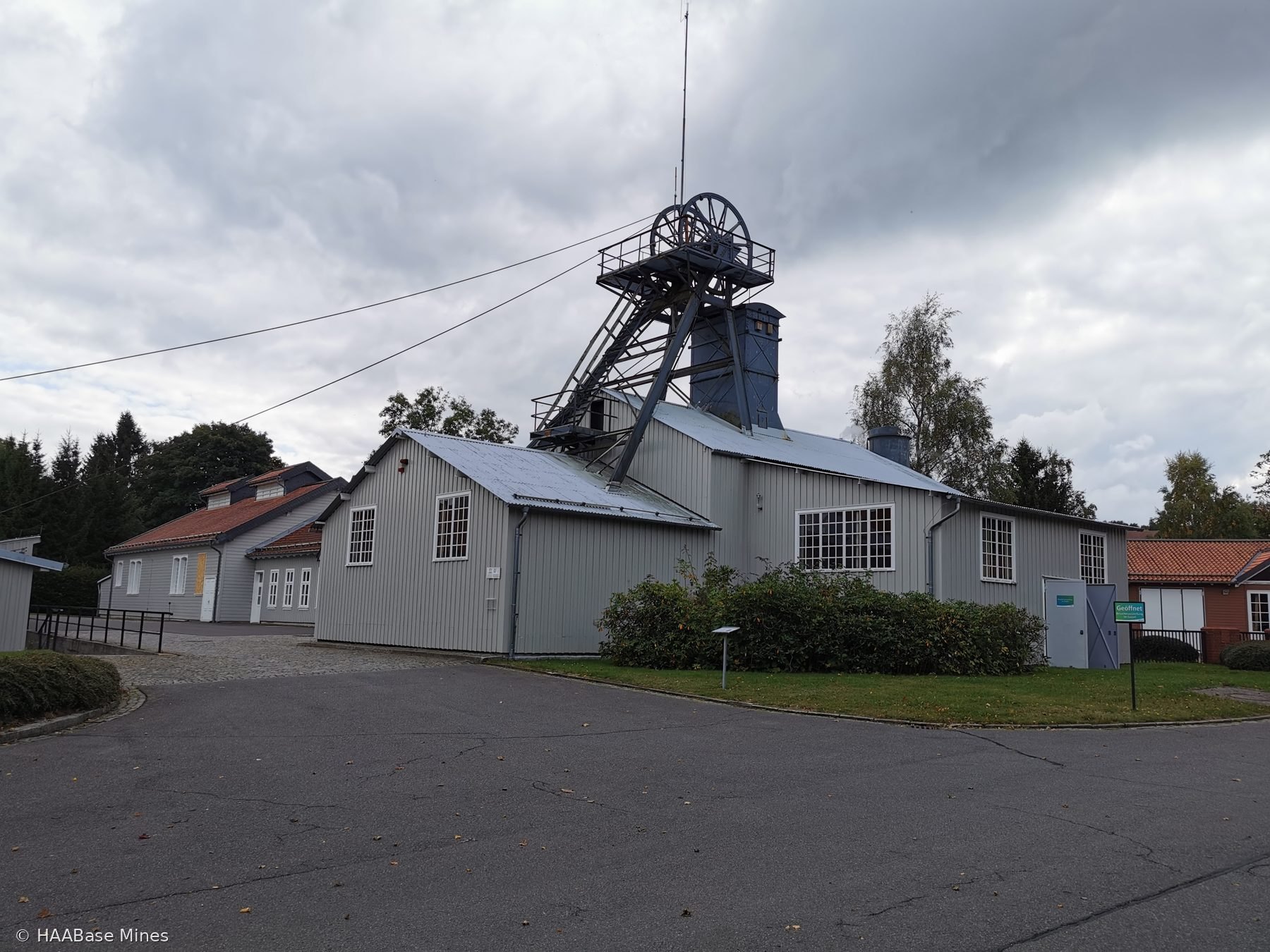
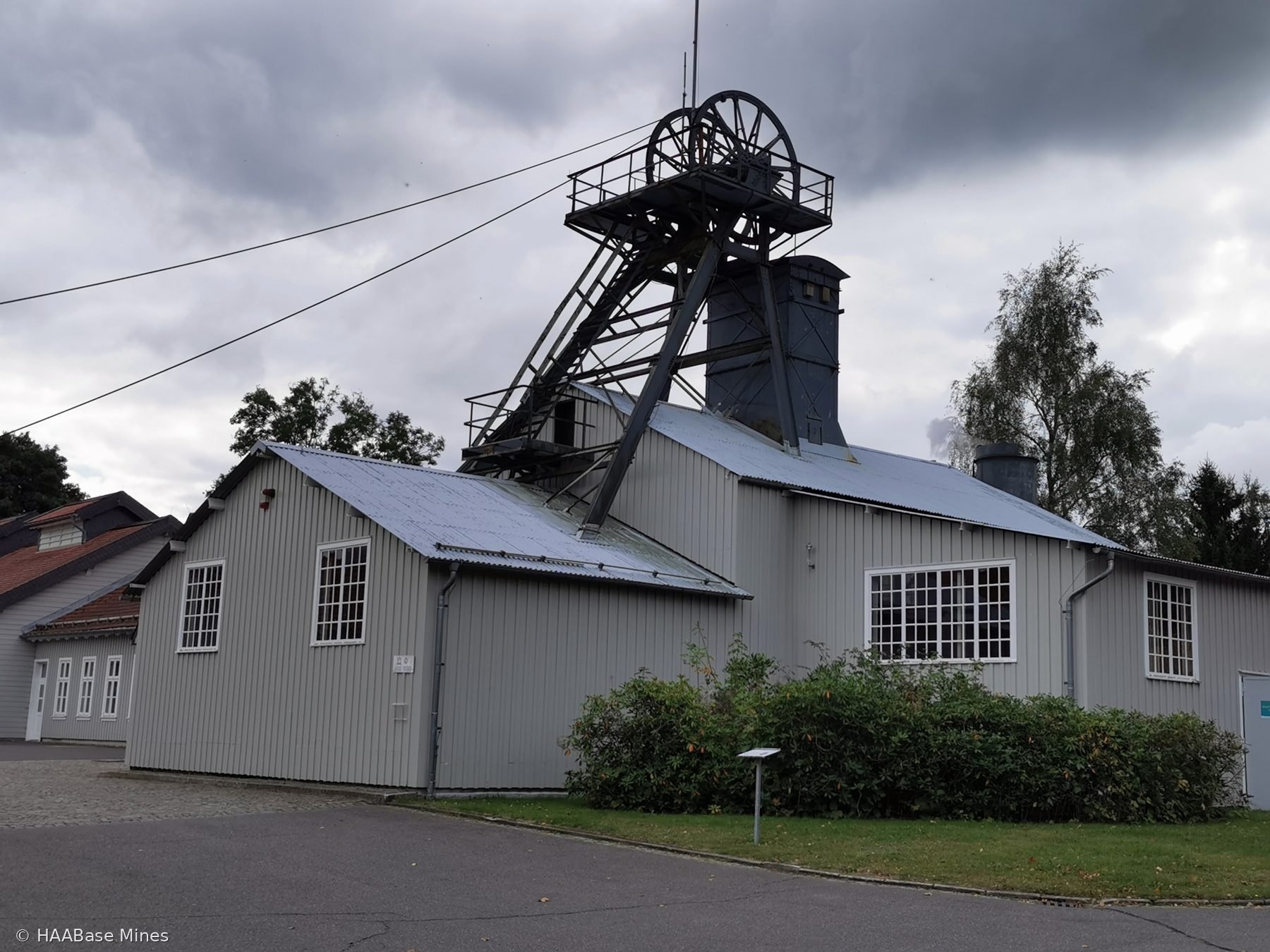
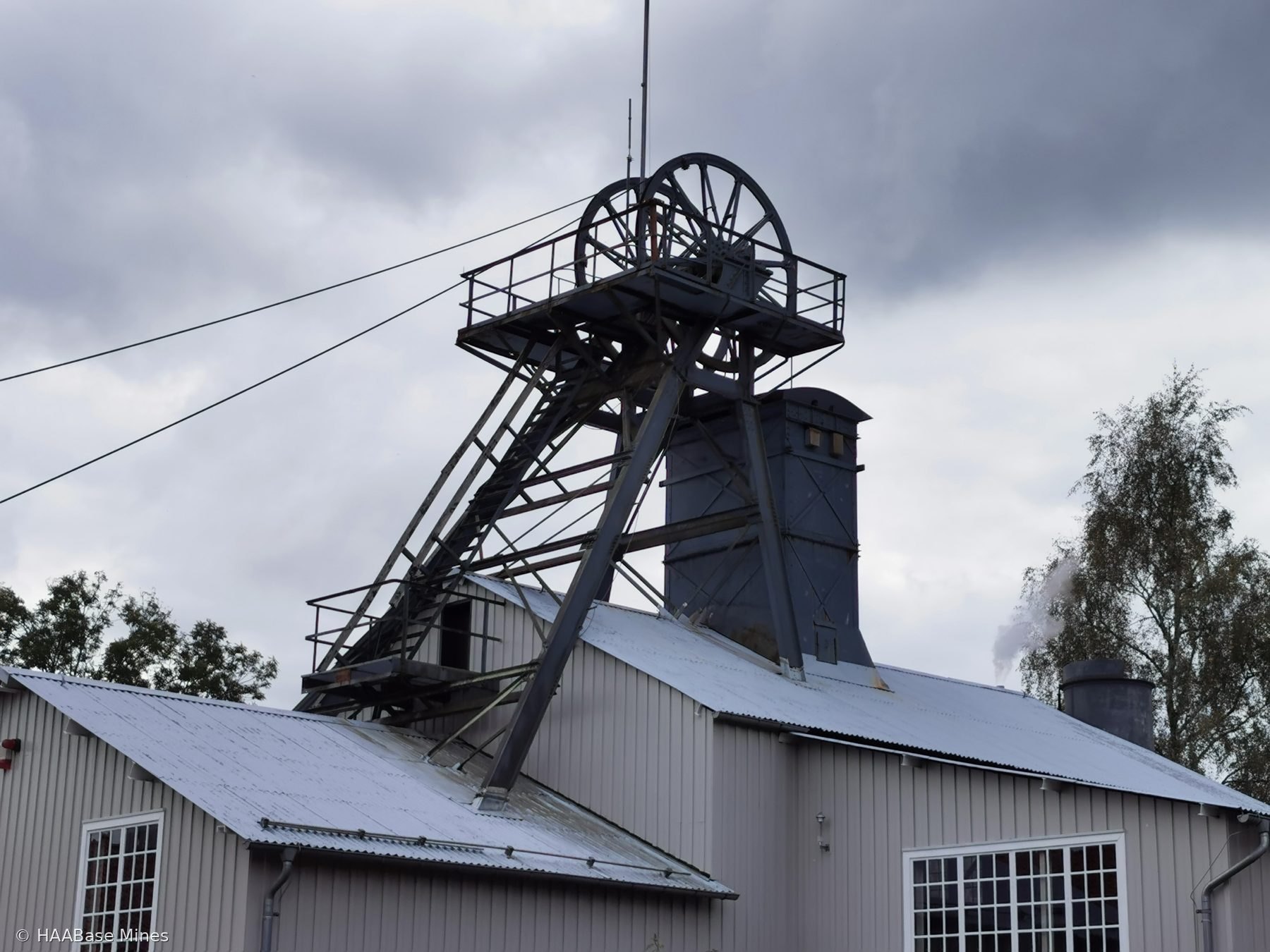
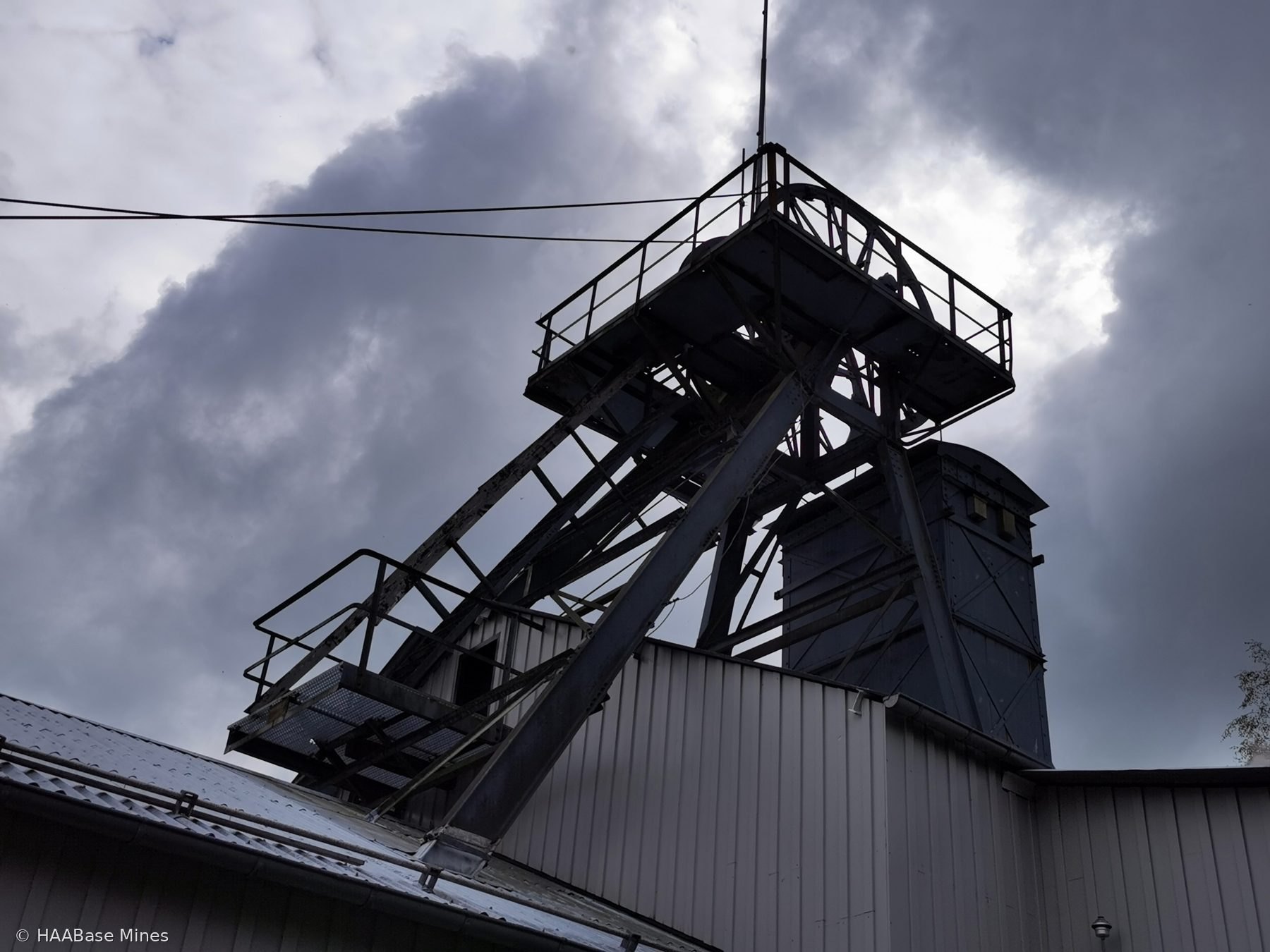
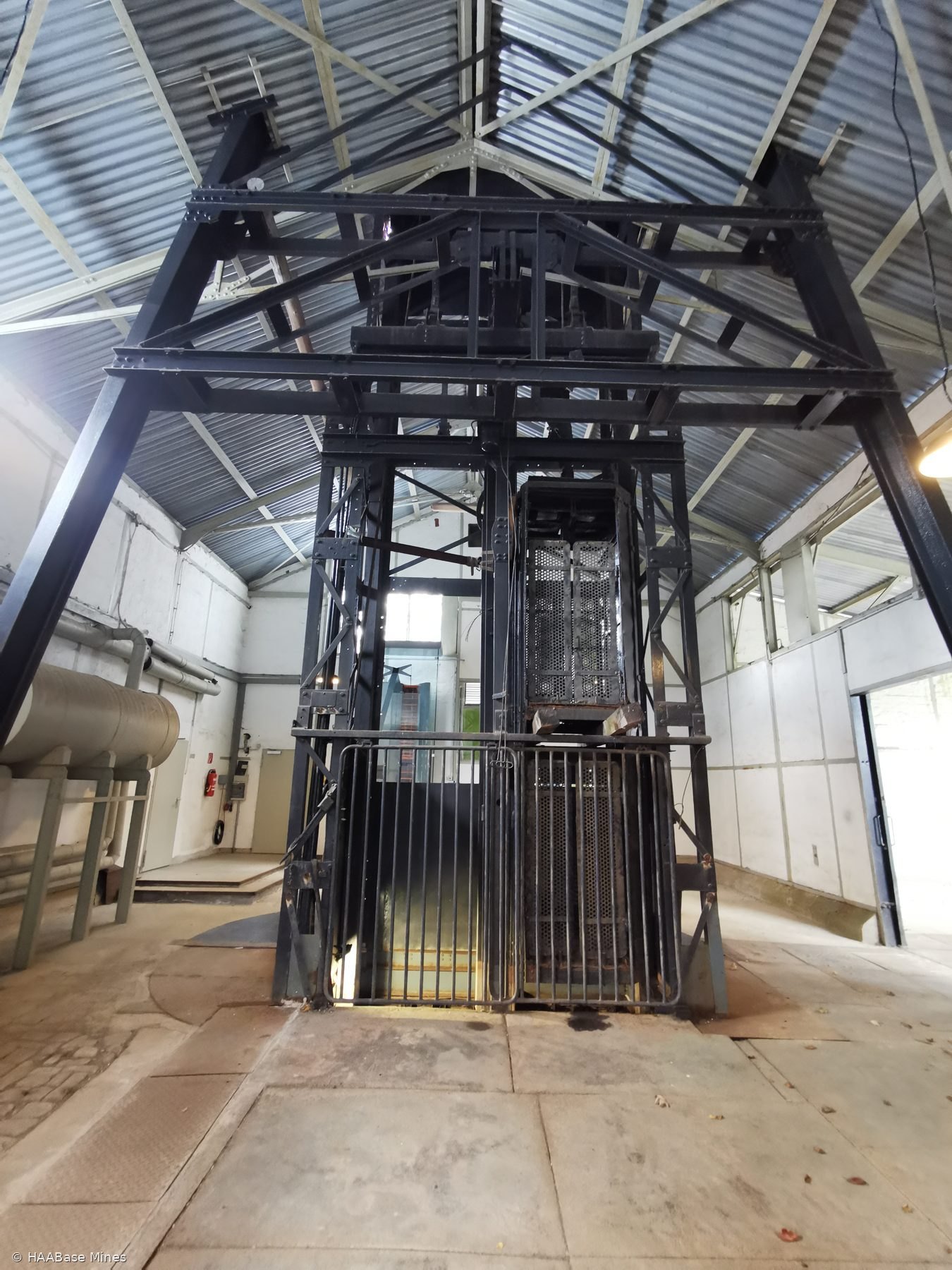
Construction took over ten years; the 15.6-metre steel headframe was erected by the Nordhäuser Maschinenfabrik Schmidt, Kranz & Co. The shaft was formally inaugurated on 1 or 2 October 1892, by which time it had reached a depth of approximately 864 metres; it was named Kaiser Wilhelm II at the express wish of the more than one thousand workers employed there. The shaft was equipped with a steam winding machine built in 1882, and with Wassersäulenmaschinen (water-column machines) installed underground in 1894 and 1895, which used the falling pressure of a water column to power pumps and hoisting. From the deepest working level, ore was initially transported as far as the Tiefe Wasserstrecke (the Ernst-August-Stollen at approximately 360 metres depth) and there loaded onto barges for underwater transport to the Ottiliae-Schacht.
In 1900 a provisional above-ground railway was brought into operation, enabling surface transport of ore from the Kaiser-Wilhelm-Schacht to the ore preparation works near the Ottiliae-Schacht. The shaft was subsequently deepened to its final depth of 1,023 metres on 23 working levels; its final working level, the twenty-third Sohle, was at approximately 1,050 metres depth. In 1923 the Preussag (Preußische Bergwerks- und Hütten-Aktiengesellschaft) assumed ownership of the state mines.
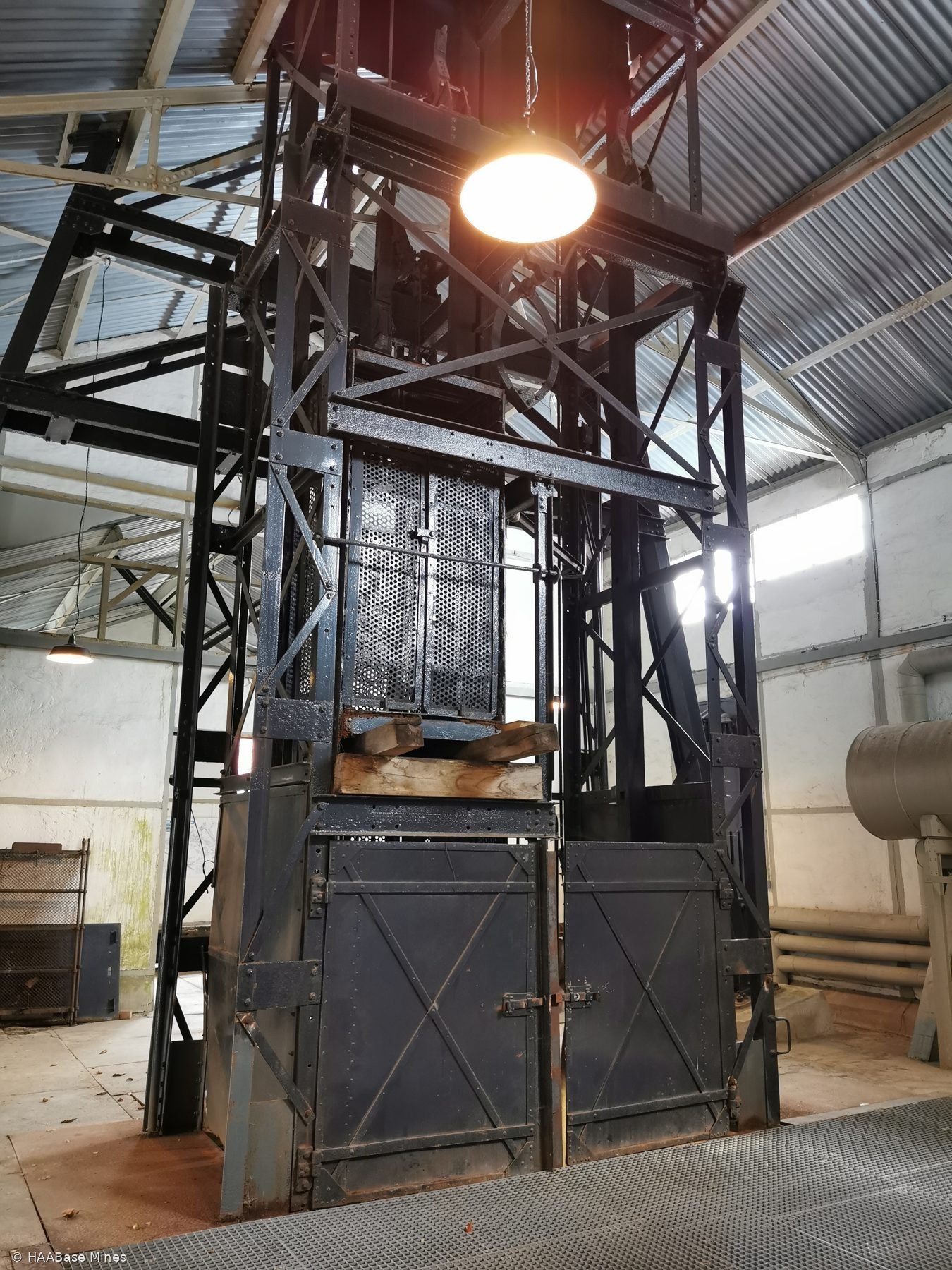
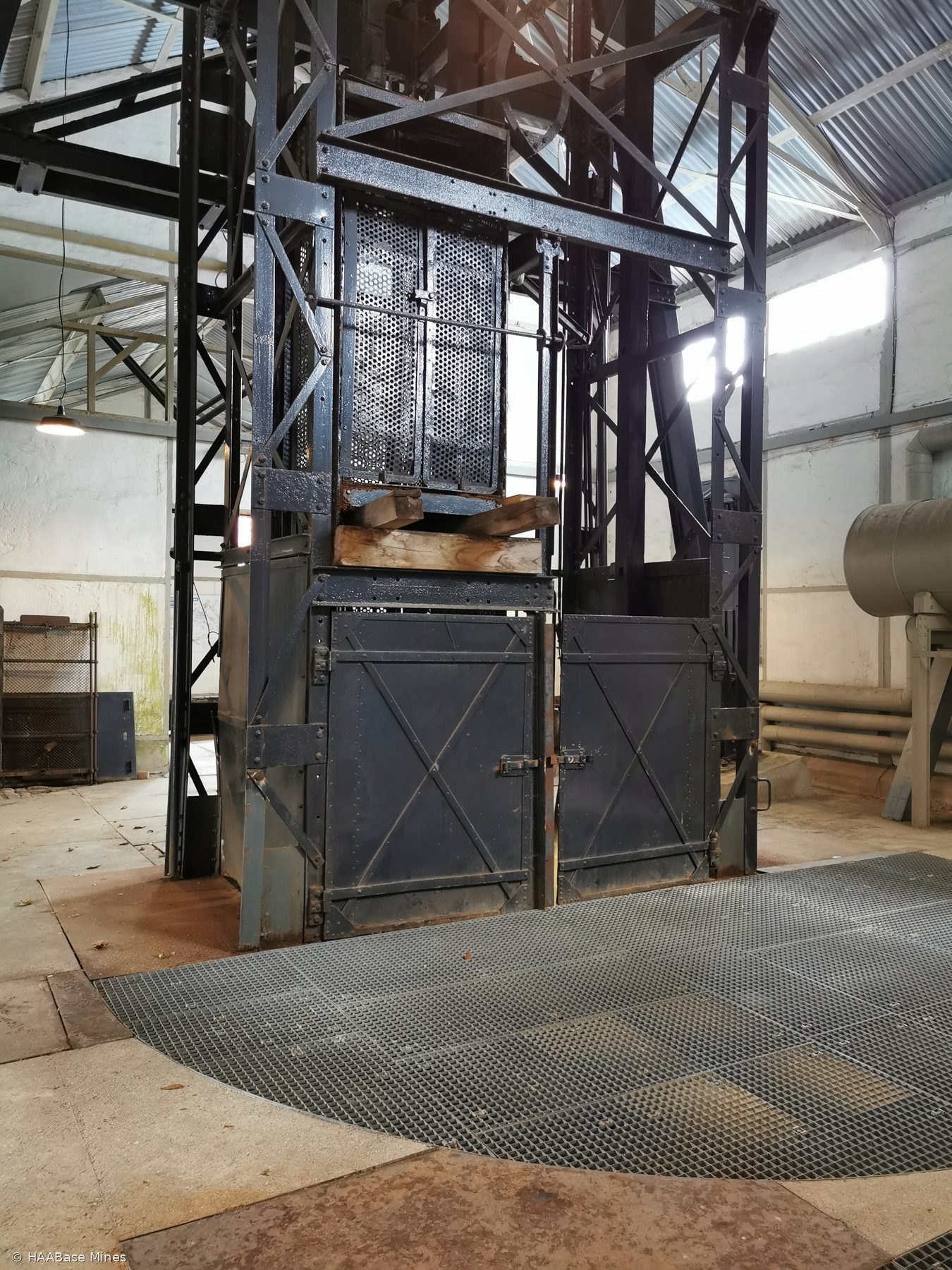
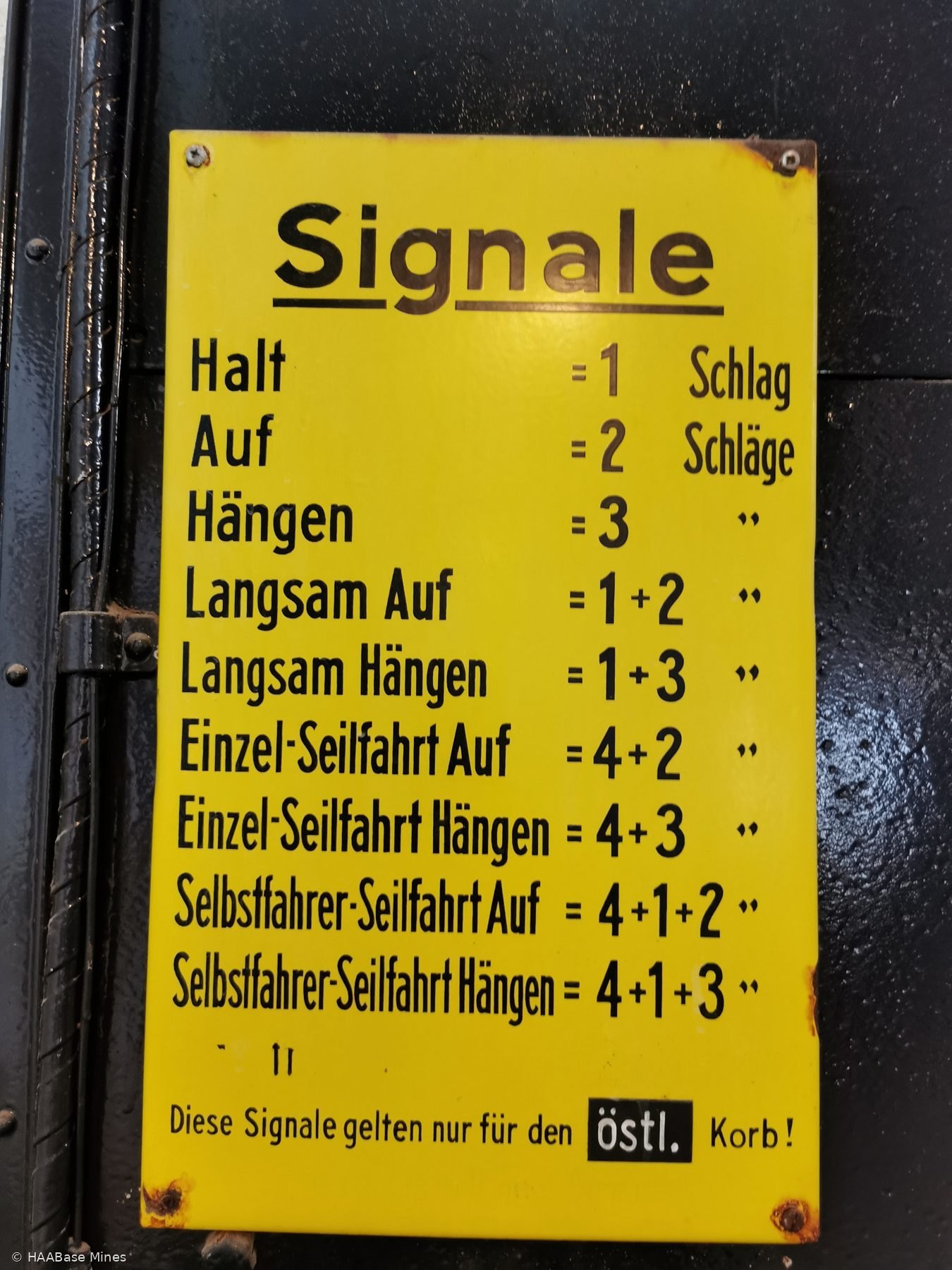
In 1924 the surface winding machine was converted from steam to electric drive, and the Fahrkunst (man-engine for transporting miners up and down) was taken out of service; thereafter miners descended and ascended in the winding cage. The global economic crisis and the persistent decline of world metal prices led the Preussag to close the Erzbergwerk Clausthal in 1930. Following the cessation of mining, the existing water-power infrastructure was expanded.
From a 33-square-kilometre catchment area, water was led via the reservoirs and channels of the Oberharzer Wasserregal into the shaft, falling to the level of the Ernst-August-Stollen at approximately 360 metres depth, where six Peltonturbinen generated electrical power; the water then drained away via the Ernst-August-Stollen. This hydroelectric operation continued until 1980, supplying power to the PREUSSAG operations at Bad Grund, Oker, and the Rammelsberg. In 1985 the shaft was sealed with a concrete plug to a depth of approximately 8 metres.
The remaining surface buildings — the Maschinenhaus with its 1882 steam winding machine, the Schachthalle, and the former Kaue — were retained. The Kaue was subsequently converted into an exhibition space covering the Oberharzer Wasserregal water management system. The Werkstattgebäude serve the Harzwasserwerke GmbH as operational buildings.
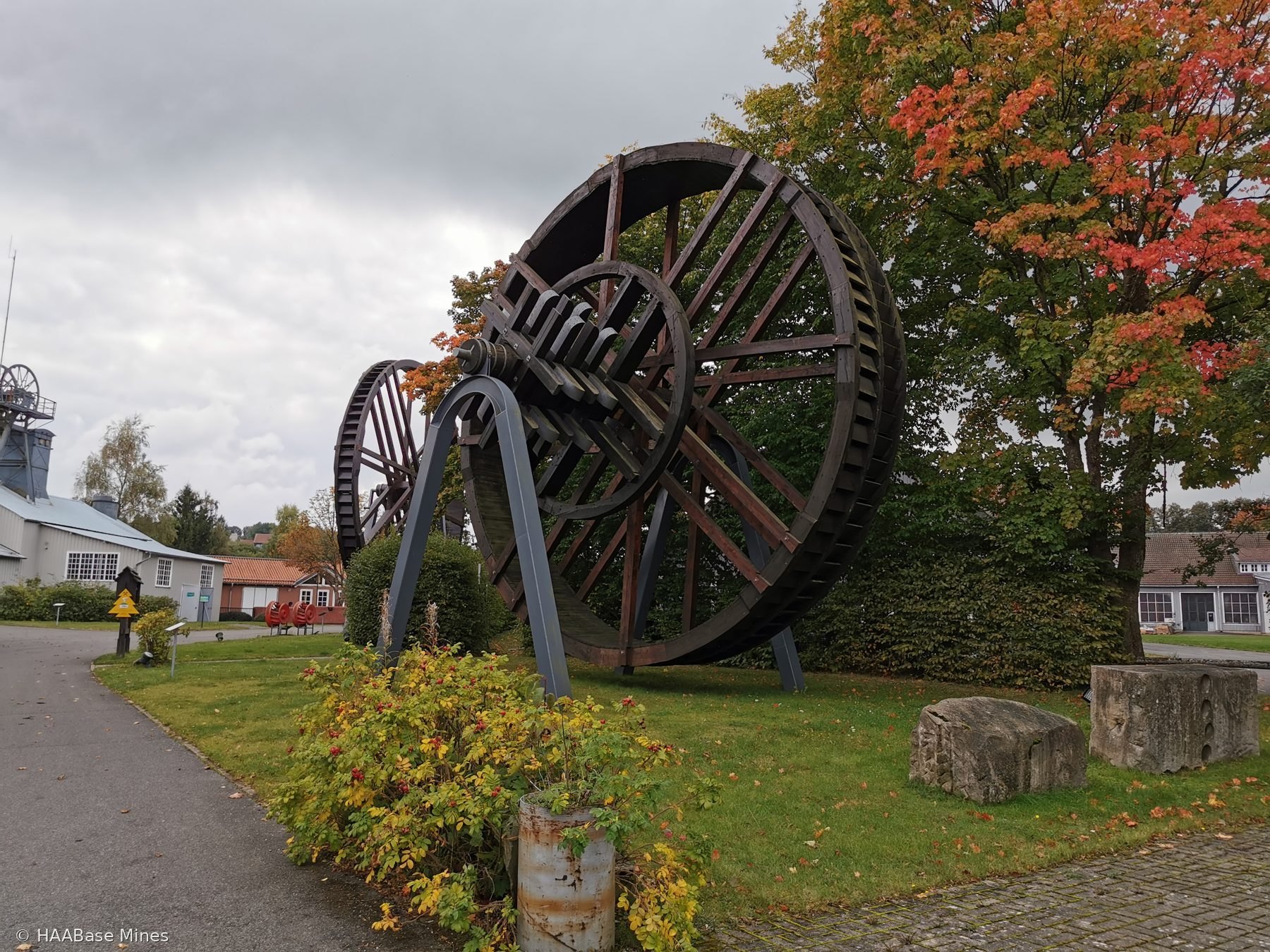
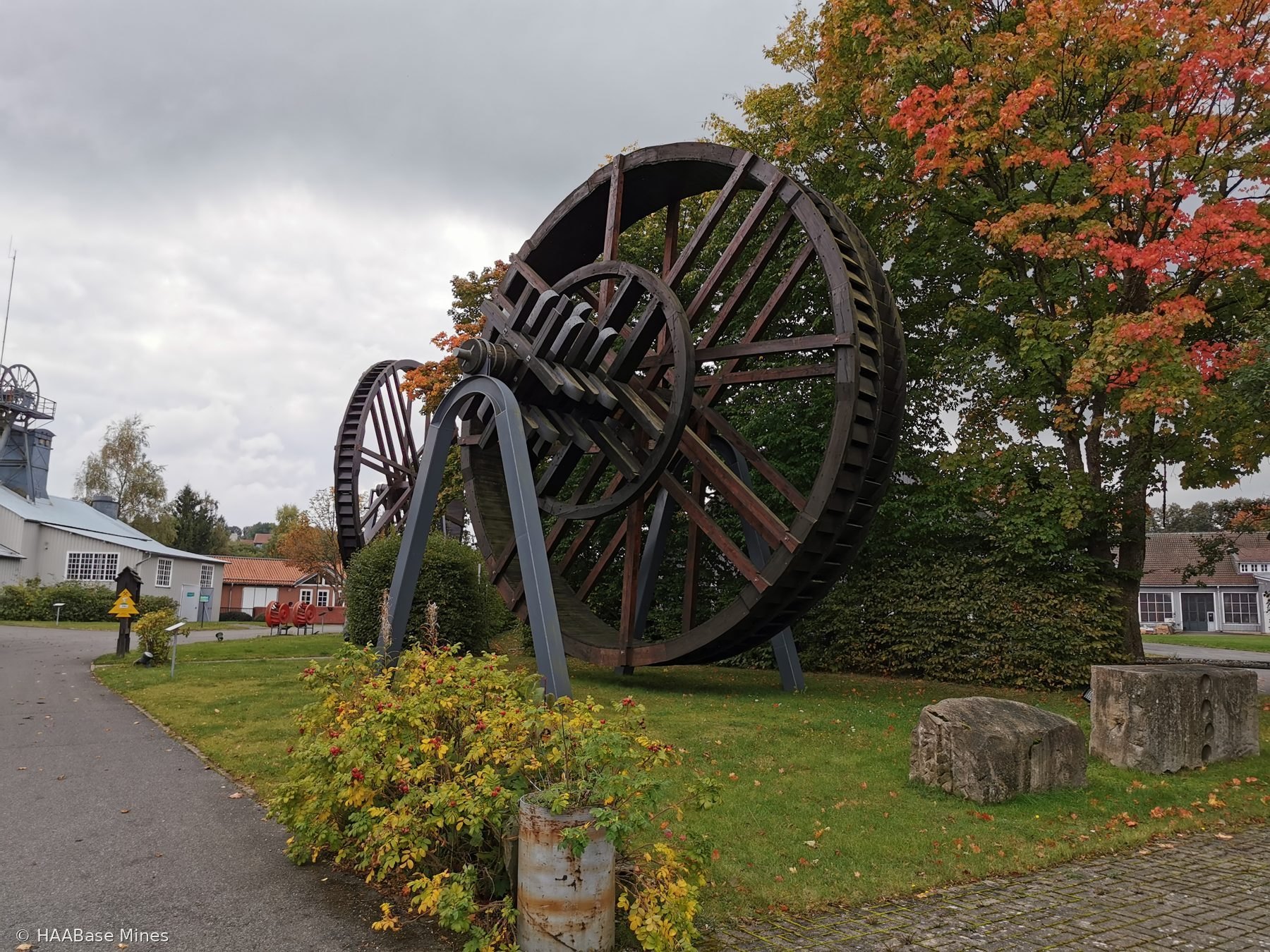
In the open-air area, replica water-wheels — a Kunstrad and a Kehrrad, both built to original historical dimensions following Henning Calvör's descriptions — were erected as interpretive installations. The site, located in the Erzstraße in Clausthal near the Bergbauinstitut of the Technische Universität Clausthal, is managed by the Harzwasserwerke GmbH and is freely accessible. Schachthalle and Fördermaschinenhaus are formally co-administered by the Oberharzer Bergwerksmuseum.
The Kaiser-Wilhelm-Schacht is part of the UNESCO World Heritage Site Bergwerk Rammelsberg, Altstadt von Goslar und Oberharzer Wasserwirtschaft, inscribed in 2010, and forms Station 6 on the Welterbe-Route im Harz.