1731
Earliest documented coal working in the Luisenthal area
Surface coal extraction from outcropping seams in the area of the present Luisenthal is first documented for 1731.
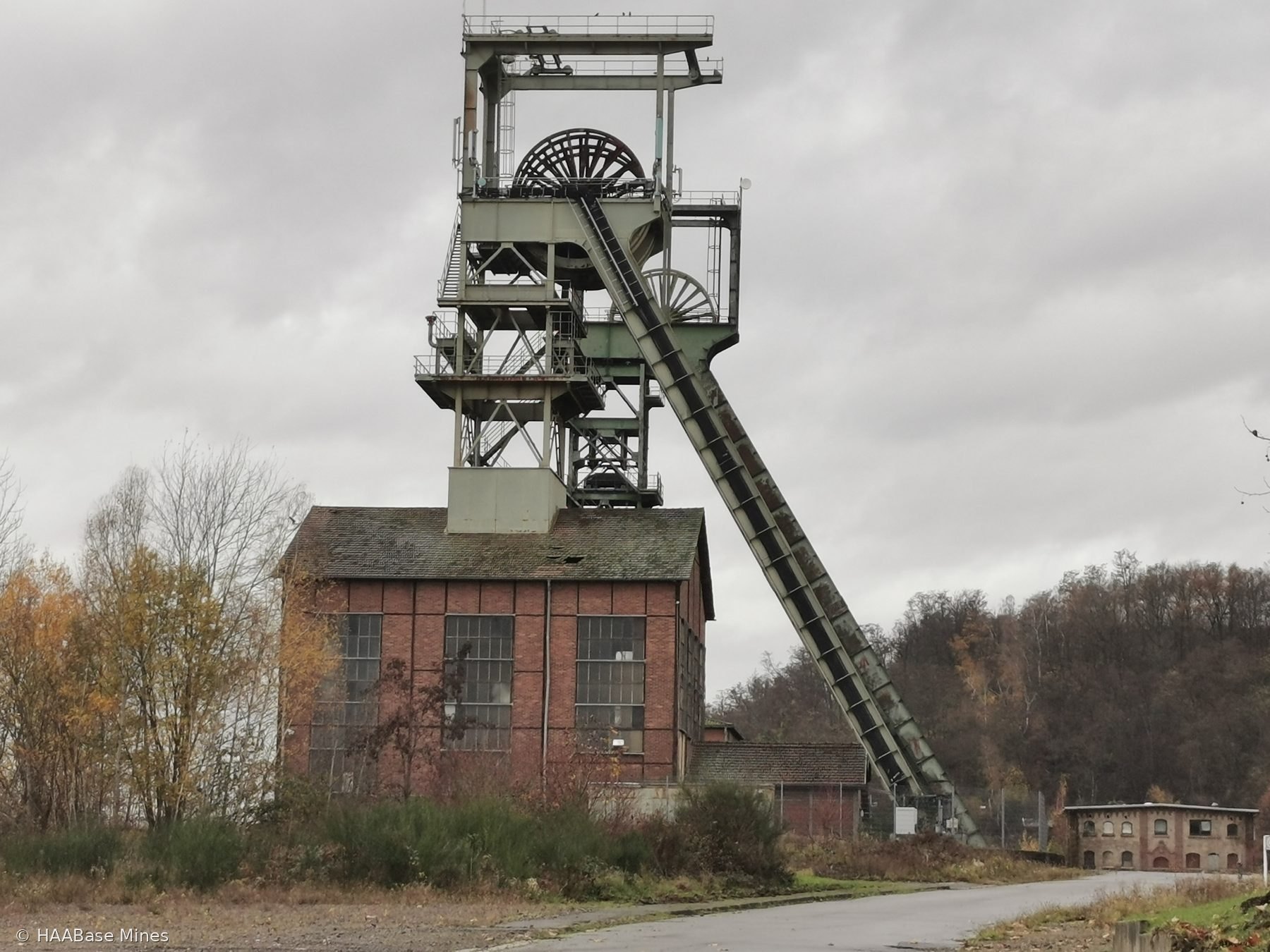
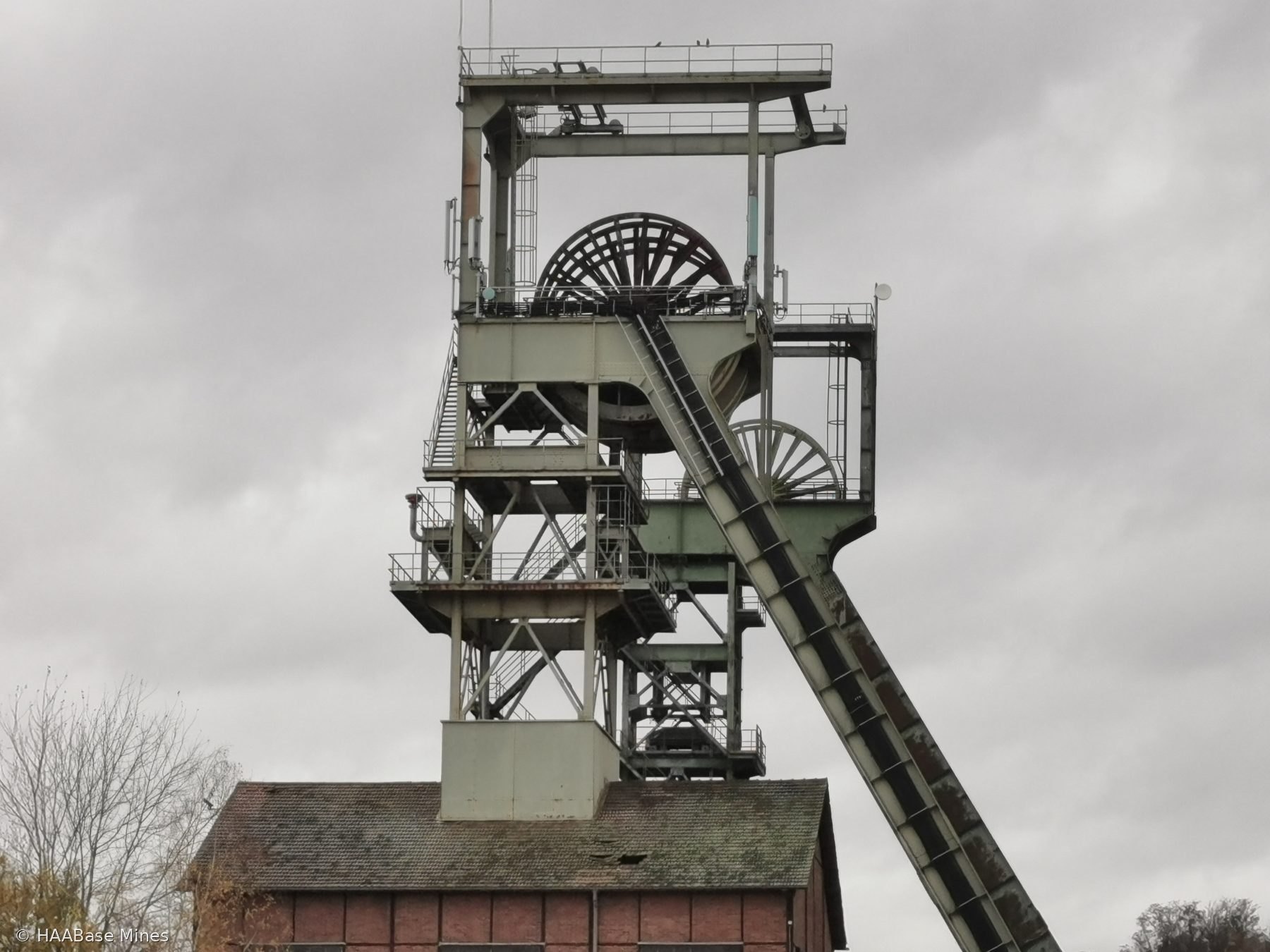
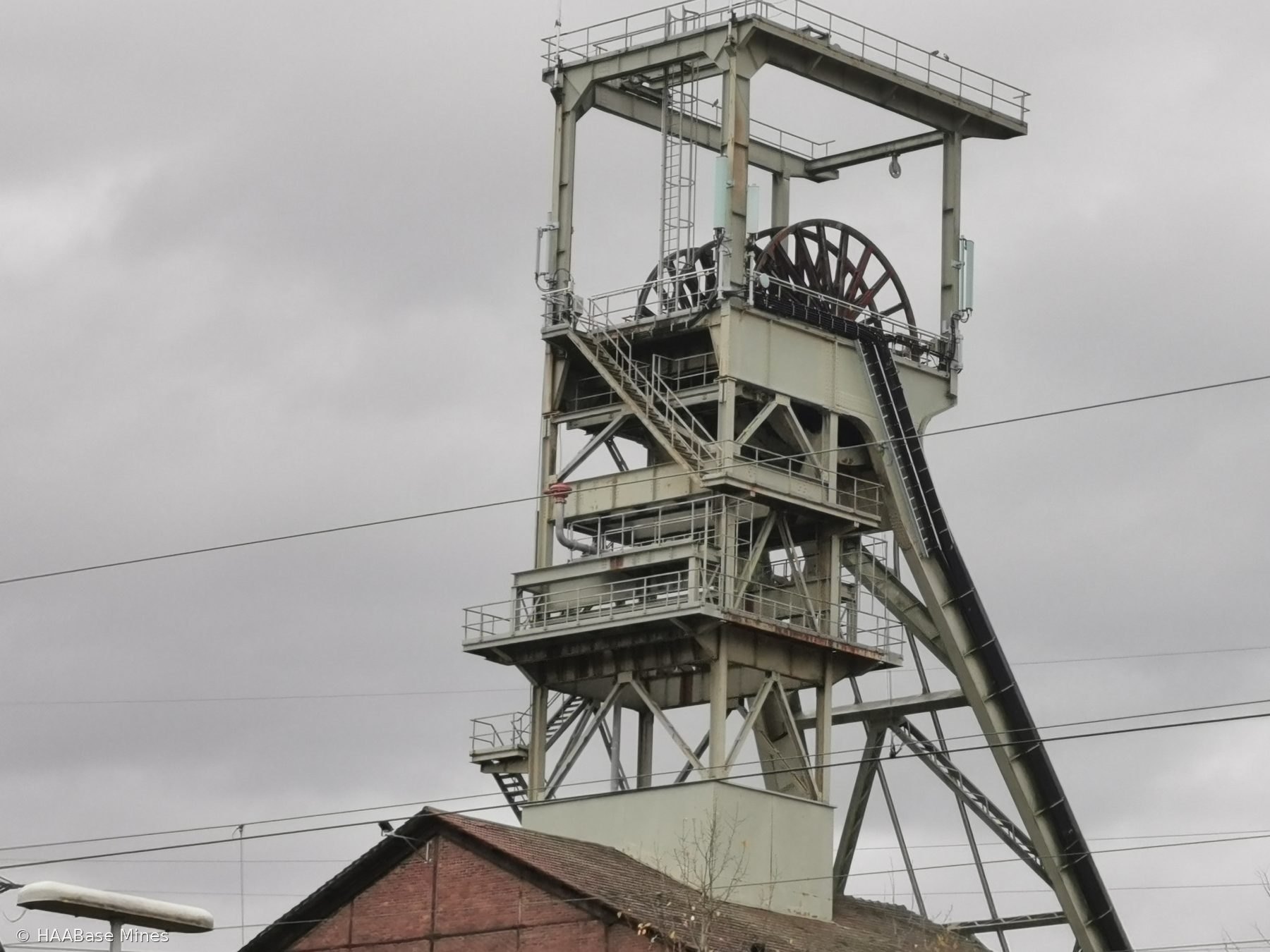
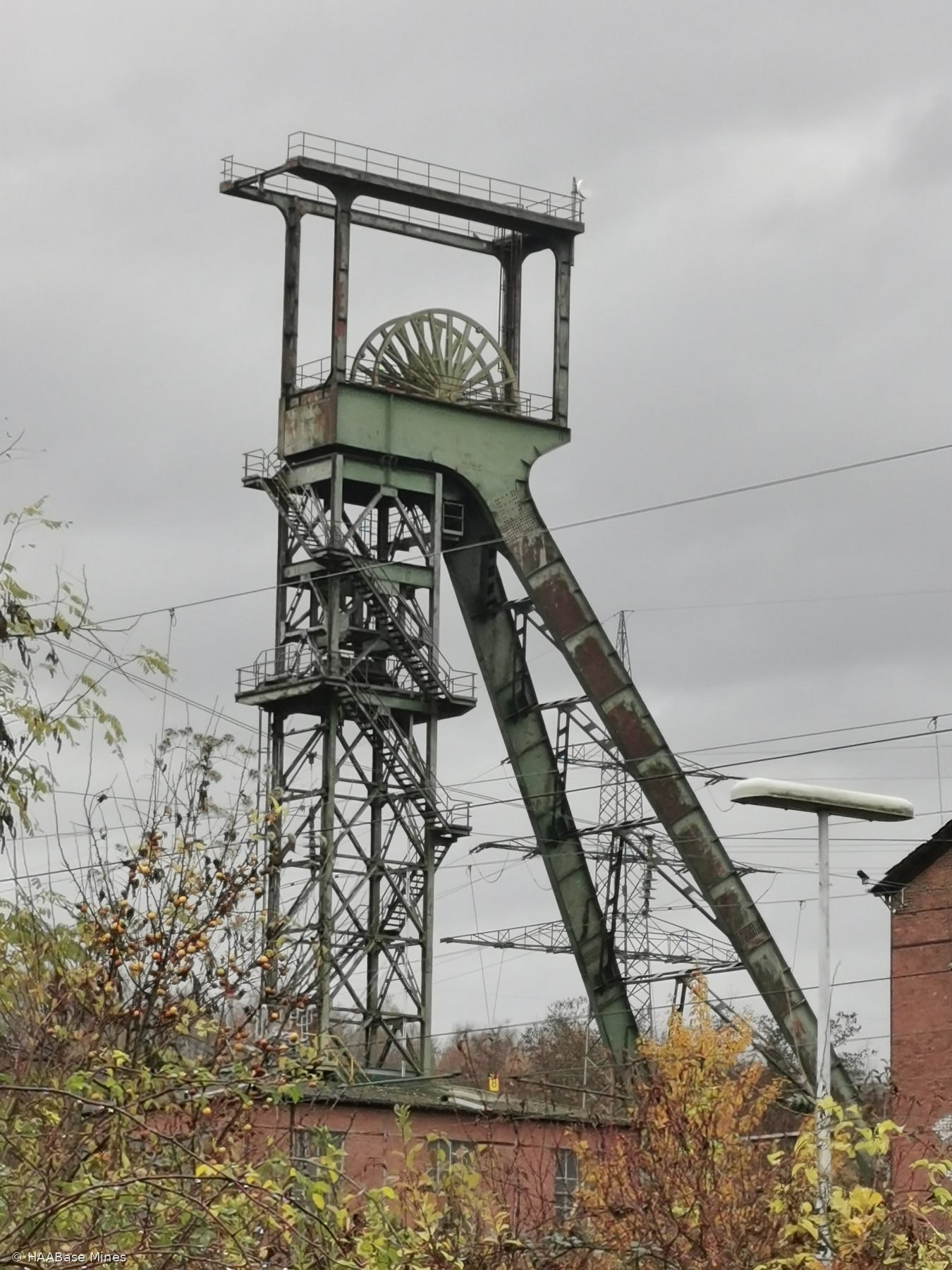
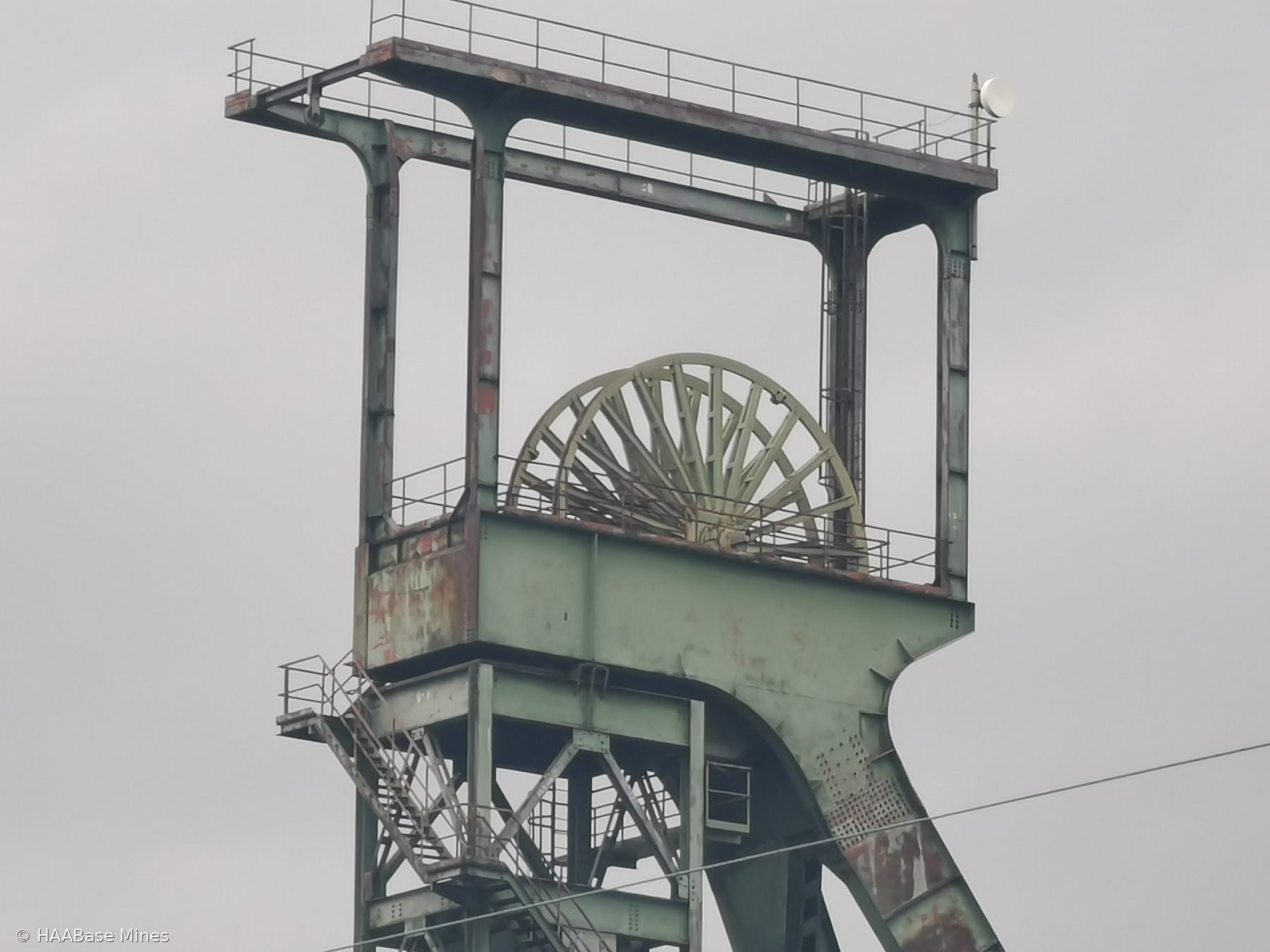
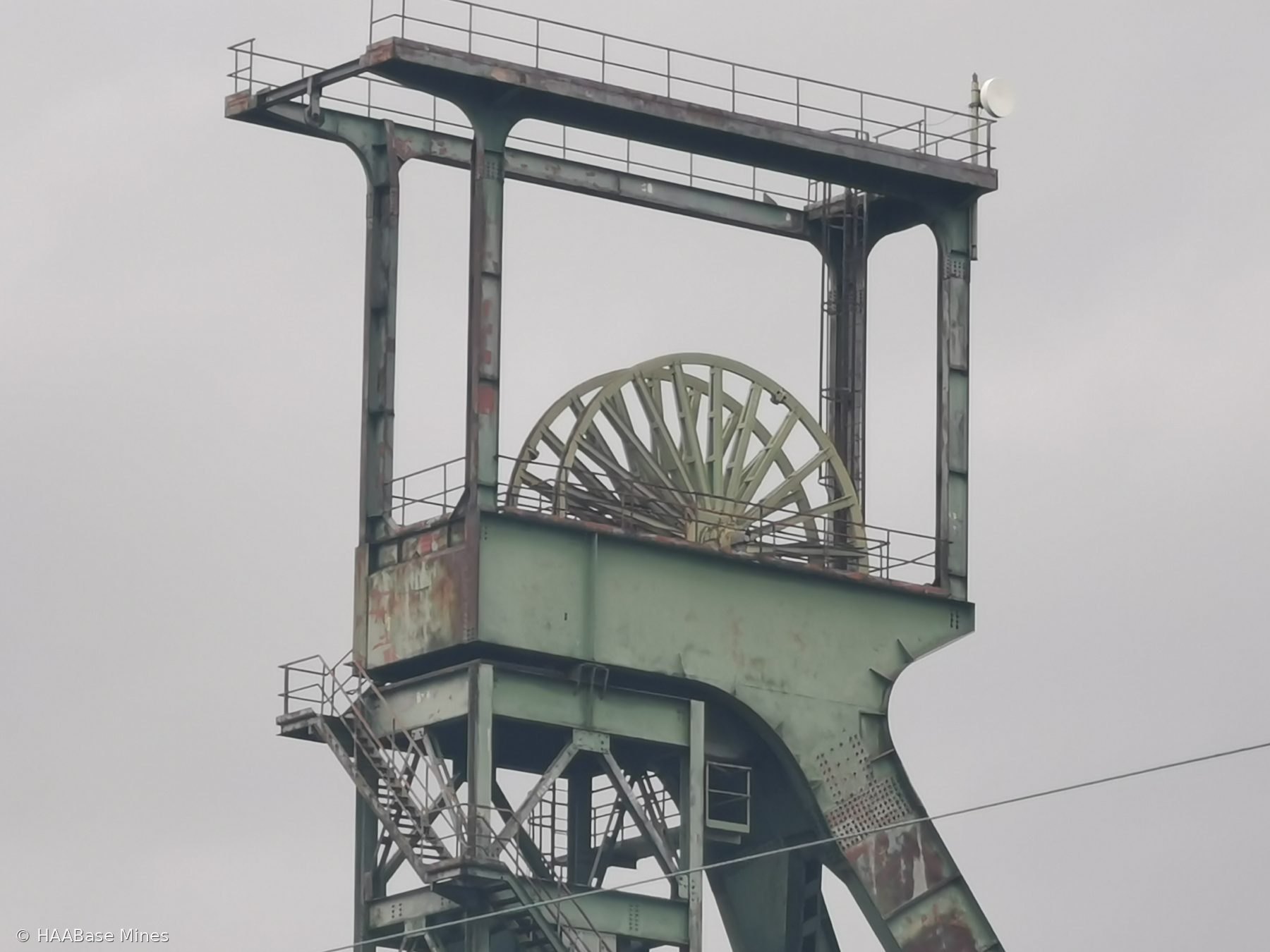
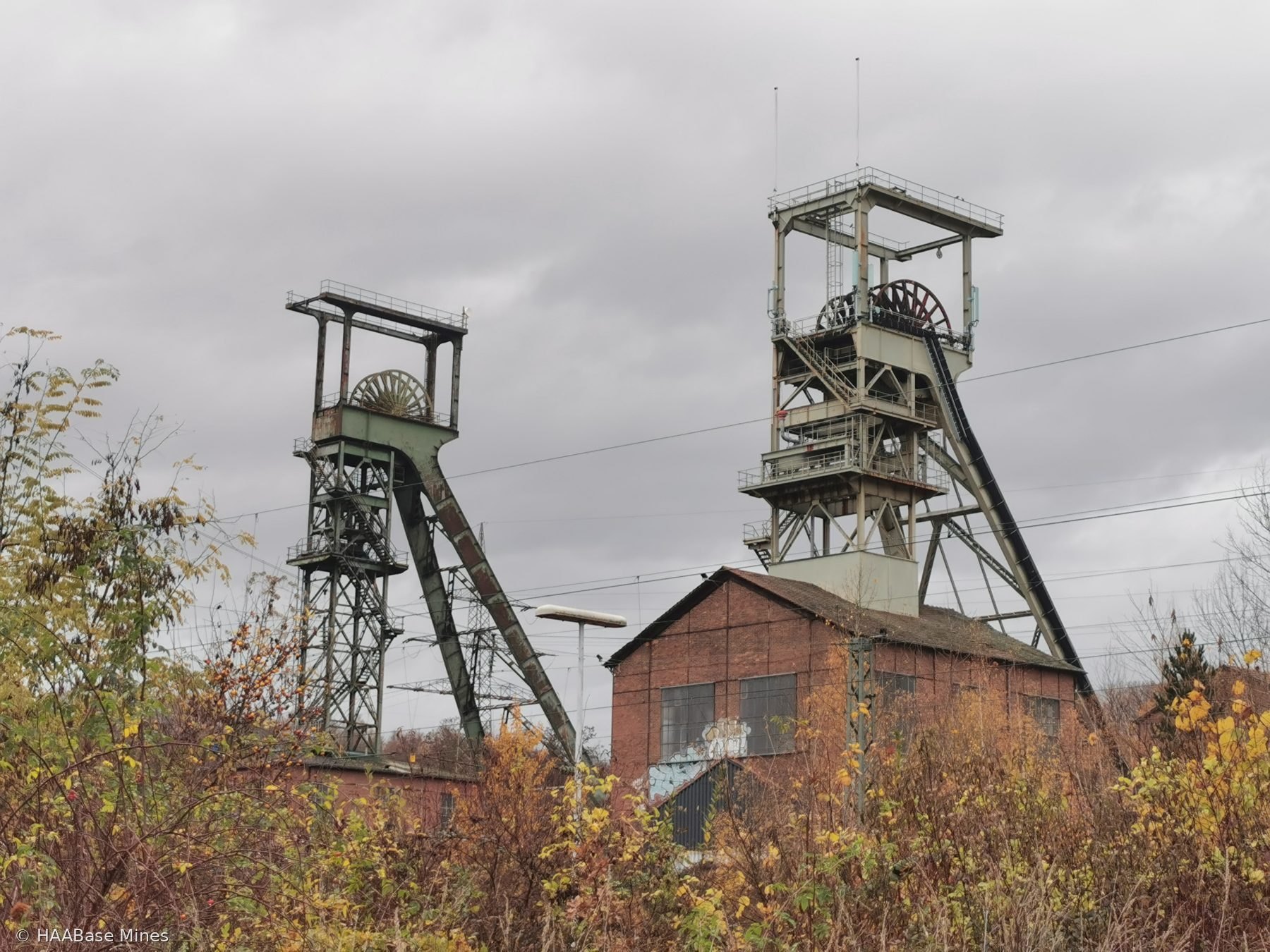
Former Saar coalfield colliery at Völklingen-Luisenthal, closed 2005, with two surviving headframes standing as landmark structures in the Saar valley.
This record is based on the research currently available to HAABase Mines. It has not yet completed the site's formal source-by-source fact-checking process, so the history and timeline should be regarded as a well-researched provisional account and may be refined as further evidence is reviewed.
Bergwerk Luisenthal was a hard coal colliery in the Völklinger district of Luisenthal with roots traceable to 1731. Organised state mining began in 1820 with the consolidation of the Bauernwald and Großwald workings, renamed Grube Gerhard in 1821. The Veltheim-Stollen was driven in 1837 to allow coal transport to the Saar.
Tiefbau began with the sinking of the Albertschacht in 1862; the Rosselschacht (later Richardschacht I) was sunk from 1899 and Richardschacht II was begun in 1912. The mine gained notoriety through the gravest mining disaster in the history of the Federal Republic, when a firedamp explosion on 7 February 1962 killed 299 miners. From the 1970s Luisenthal formed successive compound mines — first with Grube Camphausen, then with Grube Warndt as Bergwerk Warndt/Luisenthal.
Coal extraction at the Luisenthal site ended on 23 December 1994; the wider Warndt/Luisenthal operation finally ceased on 17 June 2005. Both Richardschächte were backfilled to 97 metres depth by June 2012. The two surviving headframes of Richardschacht I (1962) and Richardschacht II (1952) remain as landmark structures visible from the Saar valley.
Surface coal working in the Luisenthal area is documented from 1731. In 1820 the Preußische Bergfiskus combined the existing Bauernwald and Großwald workings into a single enterprise, Grube Bauernwald-Großwald, renamed in 1821 Grube Gerhard after the then Oberberghauptmann Johann Carl Ludewig Gerhard. The 3,705-metre Veltheim-Stollen was driven in 1837 to allow coal transport to the Saar and later connected Luisenthal with the Grube Viktoria at Püttlingen.
Tiefbau commenced in 1862 with the sinking of the Albertschacht, the first deep shaft. Boreholes in 1897 and 1898 identified a substantial fat coal (Fettkohle) seam on both sides of the Saar, 500 to 600 metres thick. On 13 February 1899 sinking of the Luisenthaler Schacht, the principal production shaft, was begun; in 1904 it was renamed Richardschacht in honour of the Bergrat Richard Althans.
On 1 April 1899 the Clarenthalschacht was also sunk as a ventilation shaft on the left bank of the Saar at Klarenthal; in 1907 it was renamed Delbrückschacht I. The parent mine of the new shaft installation was the Prussian state mine Gerhard, with its existing Josephaschacht, Albertschacht, and Viktoria shaft installations. In 1903 working levels were opened at 600 and 666 metres depth. In 1904 a coal fire broke out during development work and the mine was flooded for three months to extinguish it.
On 1 April 1905 a second ventilation shaft was sunk at Klarenthal; both Klarenthal shafts received the names Delbrückschacht I and II in 1907. The Ostschacht at Ottenhausen was begun on 27 May 1910; from 1920 it was known as the Calmeletschacht and later as the Klarenthalschacht. Richardschacht II, intended to serve the Nordfeld from a level at 830 metres depth, was begun in 1912.
In October 1914 a further coal fire led to the complete flooding of the mine. From the early 1920s the mine operated under French administration following France's assumption of control over the Saargebiet; after repeated failed attempts to dewater the deeper sections, it proved possible only in 1923 to reopen the mine partially, with the sections below the 600-metre level remaining flooded as evidence of continued underground burning. Due to further fires and difficult economic conditions it was not until 1935 that regular production resumed.
In 1938 Richardschacht II was deepened further. The mine was shut down on two occasions during the Second World War — at the outbreak in December 1939 and again between December 1944 and May 1945. A mining accident on 16 July 1941 killed 31 people underground.
Between 1904 and 1954 the mine experienced 20 fires and explosions. By 1959 approximately 3,800 miners were employed at Luisenthal. On 7 February 1962, at 07:50, an explosion in the Alsbachfeld killed 299 miners — the most deadly mining disaster in the history of the Federal Republic.
The explosion, which originated in a weakly ventilated cross-heading where methane had accumulated, triggered a series of coal dust explosions. Of 664 workers underground at the time, 433 were in the explosion zone; only 61 escaped uninjured. As a direct consequence of this disaster, binding regulations requiring dust suppression methods and the use of water trough barriers were introduced across German hard coal mining.
A memorial with a statue of Saint Barbara and three arched windows by the artist Ferdinand Selgrad was installed in 1964 at the Bergwerksdirektion building in Saarbrücken. The 1952 headframe of Richardschacht II, a German braced lattice frame (Strebengerüst) built from solid-section profiles and typical of post-war construction, was erected in that year. The 1962 headframe of Richardschacht I was erected in that year.
In 1966 Luisenthal took over workings from the then-closed Grube Viktoria at Püttlingen and the Amelung field from Grube Von der Heydt. Between 1965 and 1967 the 5.5-kilometre Ludwigsstollen was driven as a joint haulage road to the Grube Jägersfreude, and from 1967 it served as a conveyor route for coal from Camphausen to Luisenthal, overcoming a height difference of 733 metres. From the 1970s Luisenthal formed a compound operation with Grube Camphausen.
By the 1990s the mine had been merged with Grube Warndt to form Bergwerk Warndt/Luisenthal. Work on a 3.2-kilometre underground connection between the Warndt and Luisenthal fields was begun in 1992; the breakthrough was achieved on 18 July 1994, with the connection running at 1,100 metres depth. An underground link to the Verbundbergwerk West was formally established in 1995.
From November 1994 Luisenthaler coal was transported to the surface via the Warndt shaft. Coal extraction at the Luisenthal site ended on 23 December 1994, though the Richardschächte continued to be used for material transport and manriding. On 17 June 2005 the wider Bergwerk Warndt/Luisenthal operation definitively ceased coal production.
In 2006 the Warndtschacht was filled with concrete. The Richardschächte were retained for some time for coalbed methane extraction. By June 2012 both Richardschächte had been backfilled to 97 metres depth.
Groundwater management now operates on a pumping well basis. Over its lifetime the mine produced a total of approximately 58 million tonnes of coal. The two surviving headframes of Richardschacht I (erected 1962) and Richardschacht II (erected 1952) stand as prominent landmarks visible from the Saar valley.