Site overview

The Domaniale Mijn in Kerkrade was the oldest industrial coal mine in the Netherlands, tracing its origins to the abbey mines of Kloosterrade (Abdij Rolduc), for which records of coal digging date to at least 1113. Organised industrial exploitation on a state basis began in 1815 when the mine passed to the Kingdom of the Netherlands after the Congress of Vienna. The mine produced lean (anthracitic) coal and operated under successive arrangements before coming under the Aken-Maastrichtsche Spoorweg-Maatschappij in 1845, which was restructured as the Domaniale Mijn Maatschappij N.V. in 1925.

The mine had six shafts at the time of closure, the deepest of which, Schacht Willem II, reached 802 metres below surface. Total production over the state operational period of 1815 to 1969 was 37,990,000 tonnes of lean coal. In December 1965 the decision to close all Dutch mines was announced, and the last coal was raised on 29 August 1969.

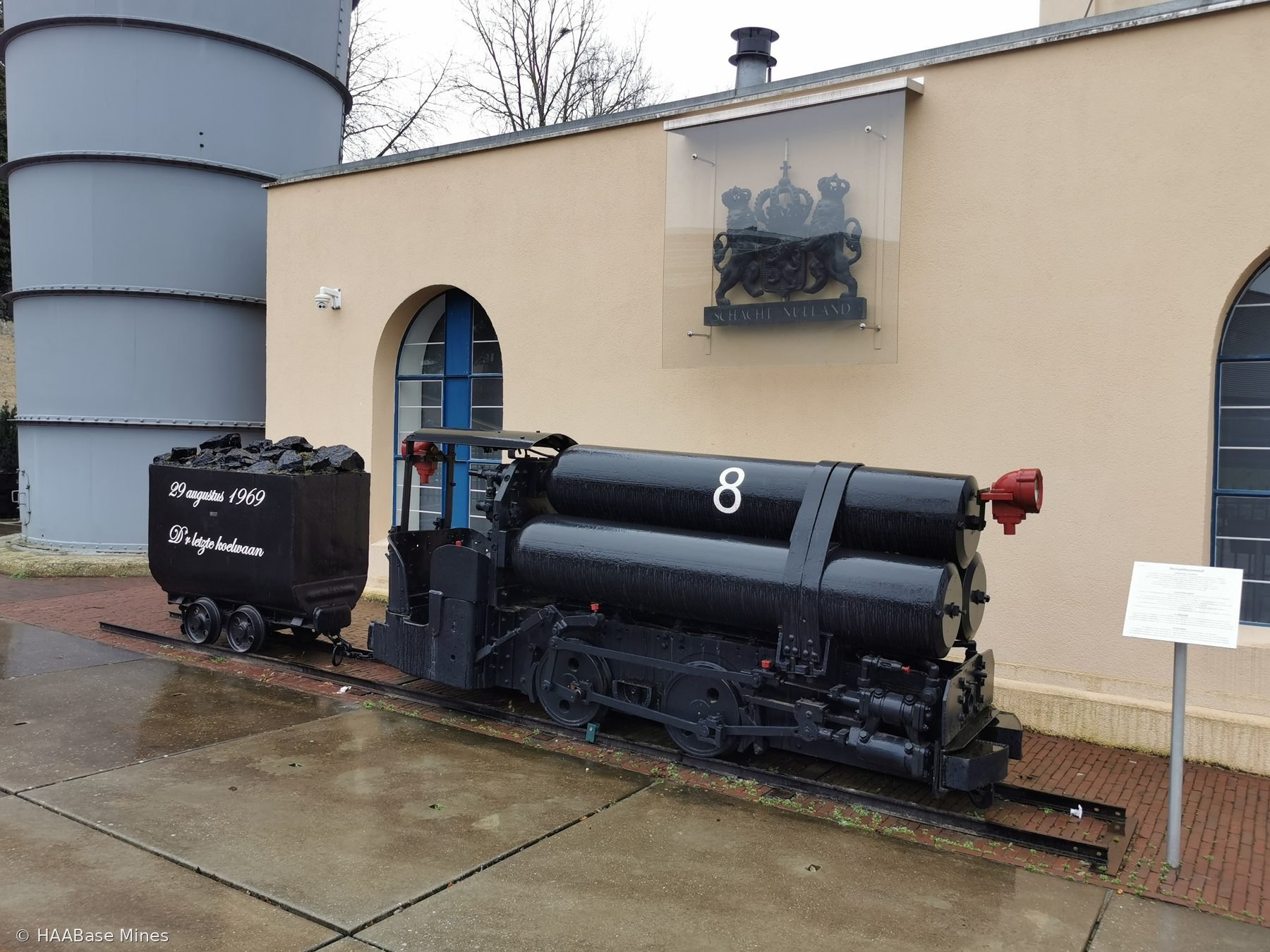
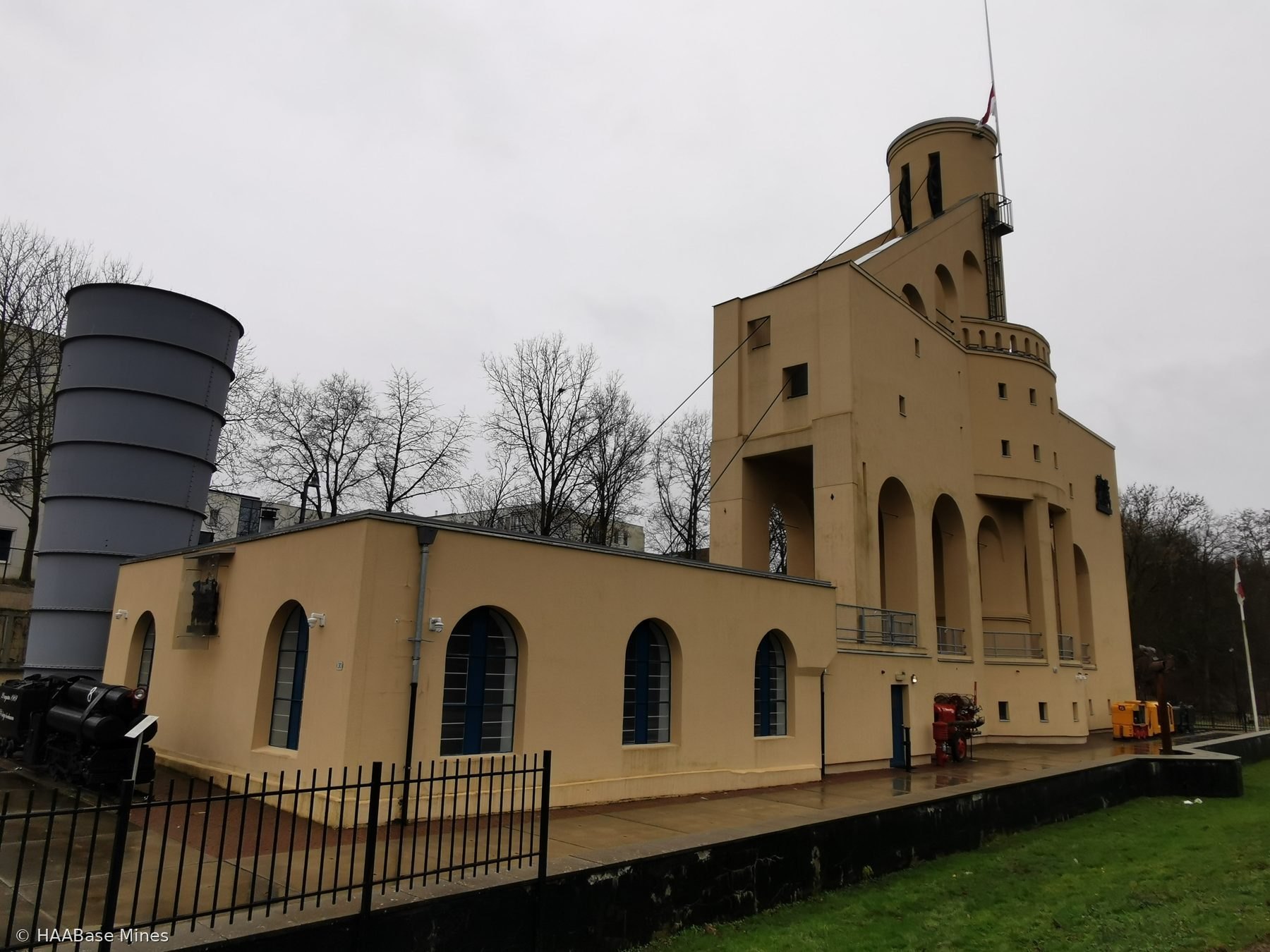
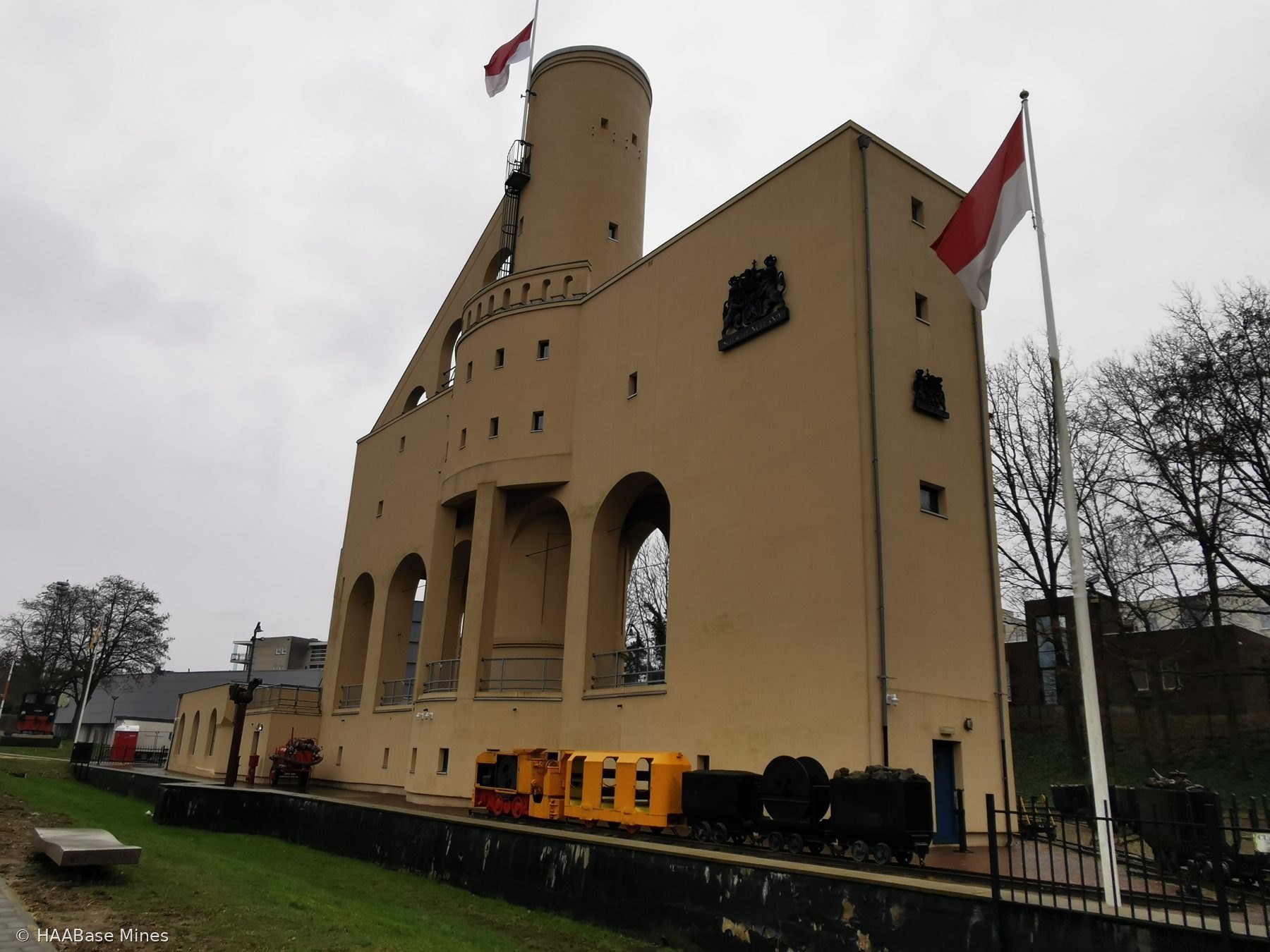
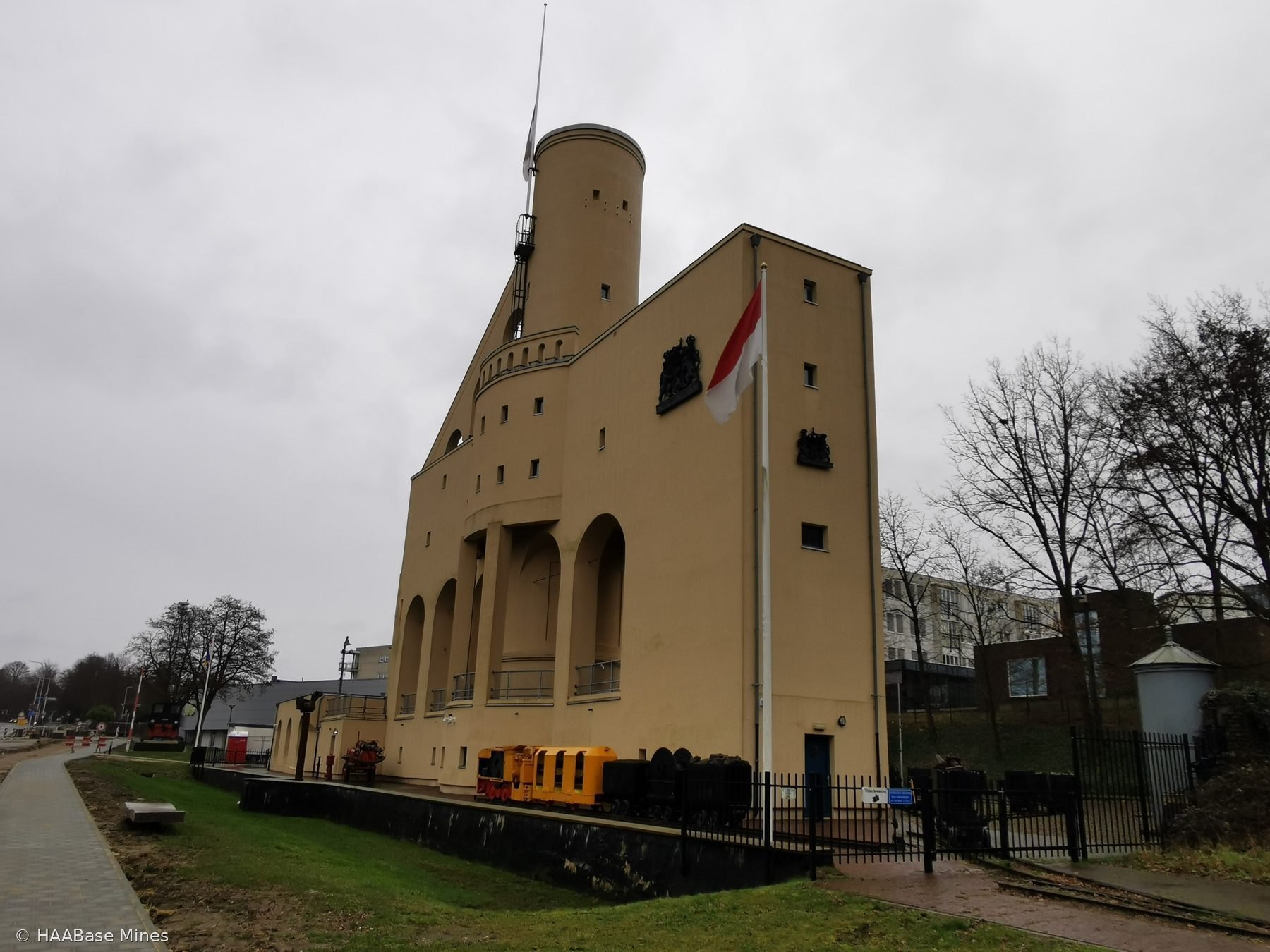
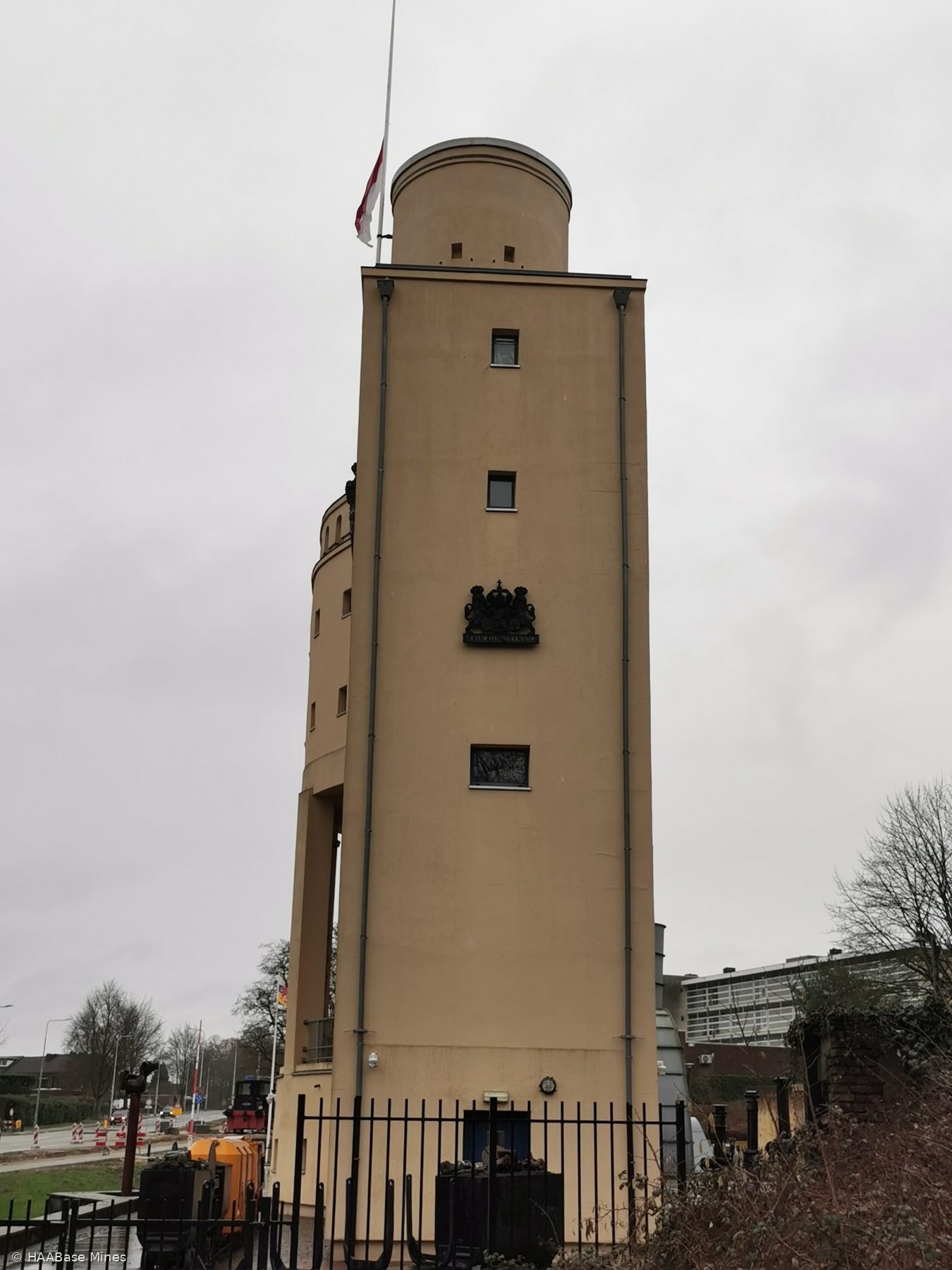
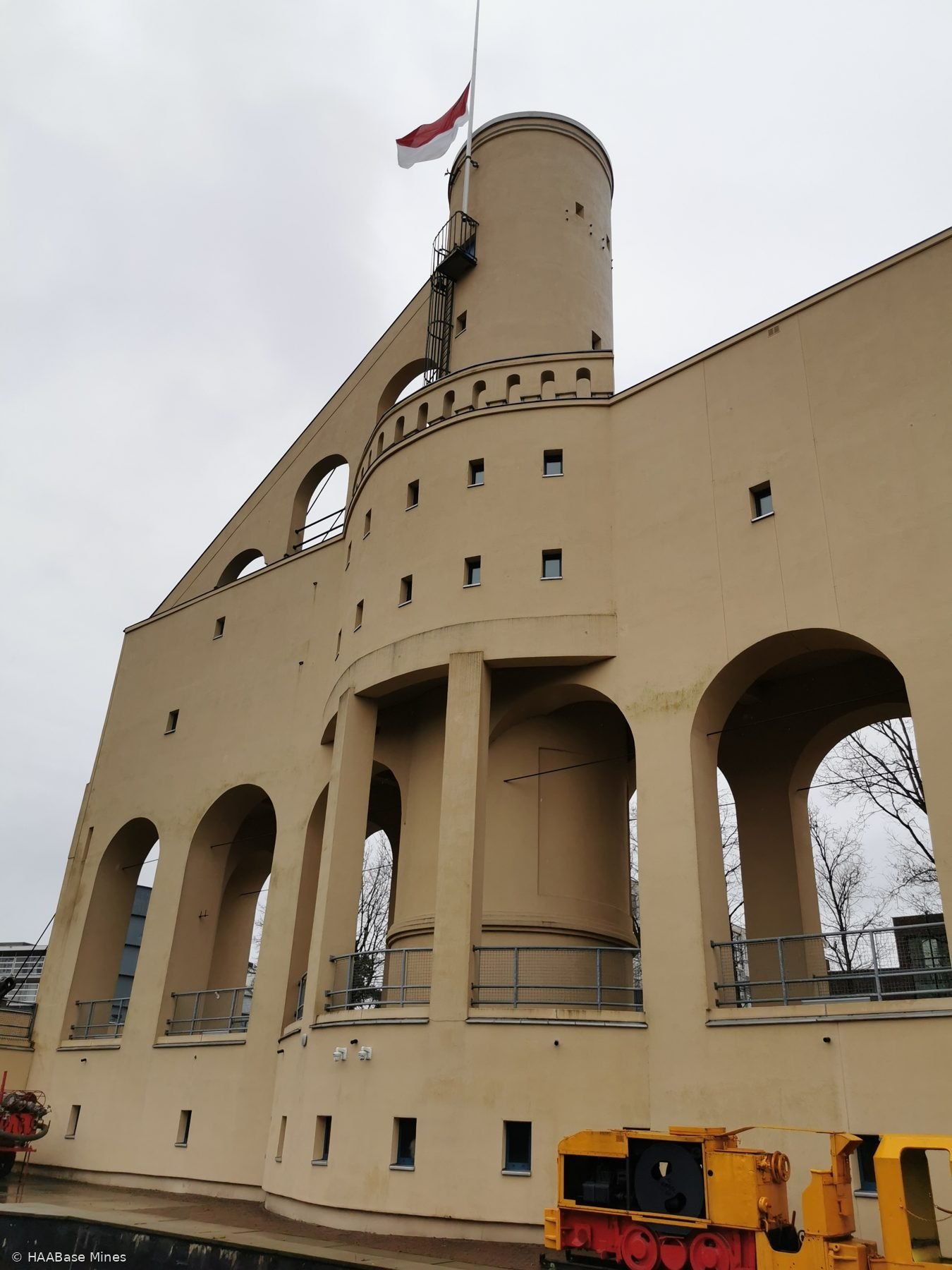
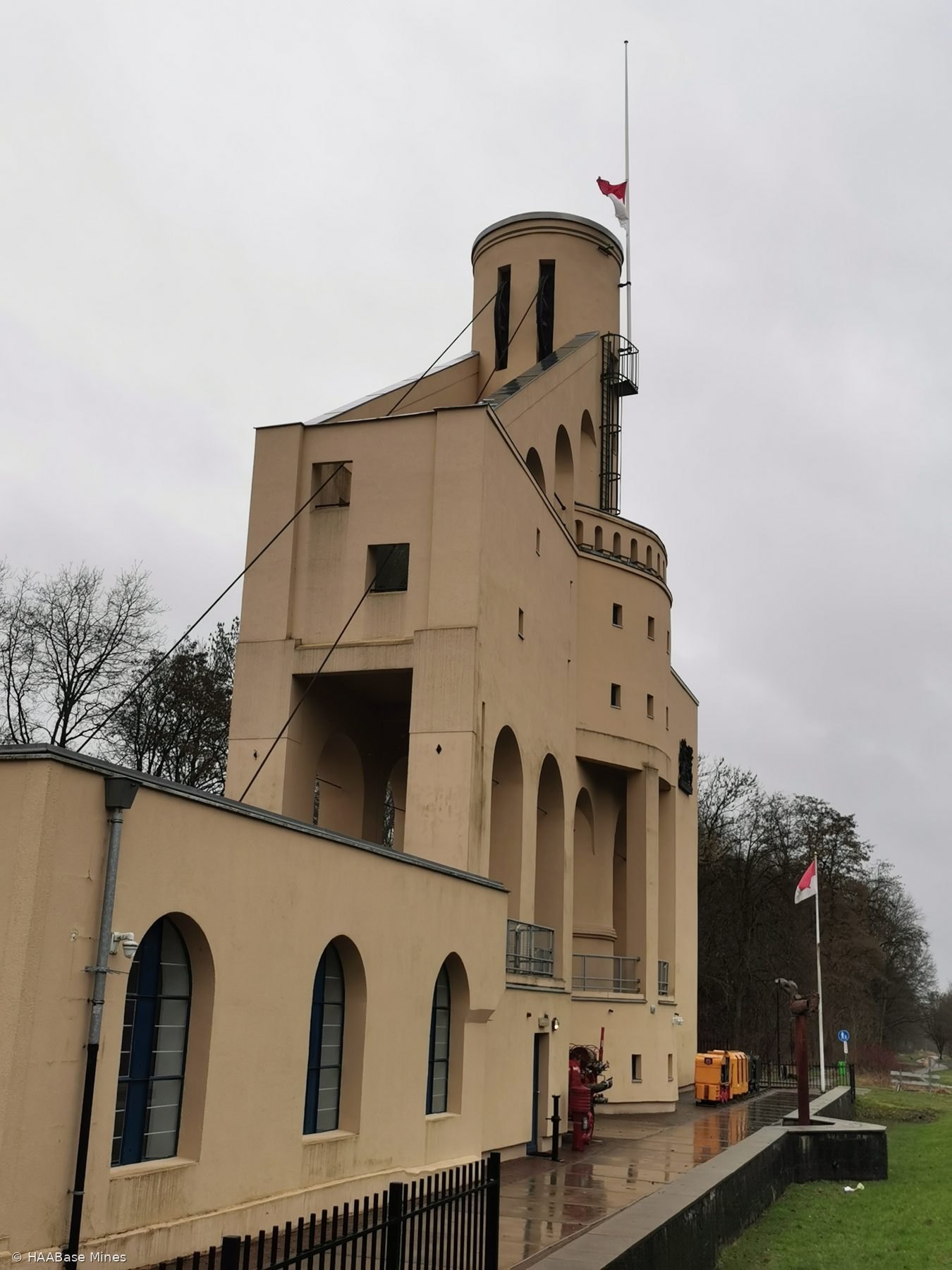
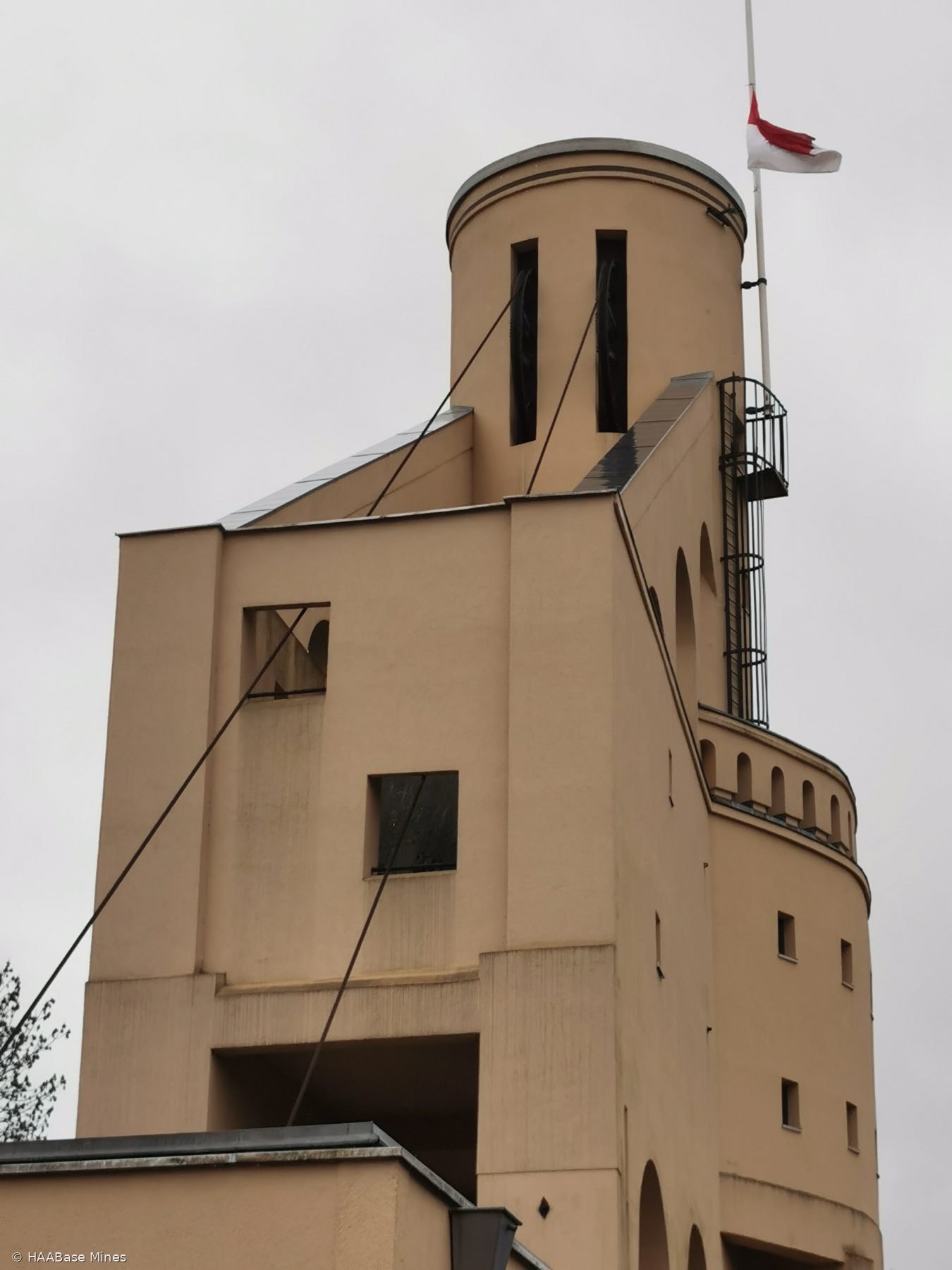
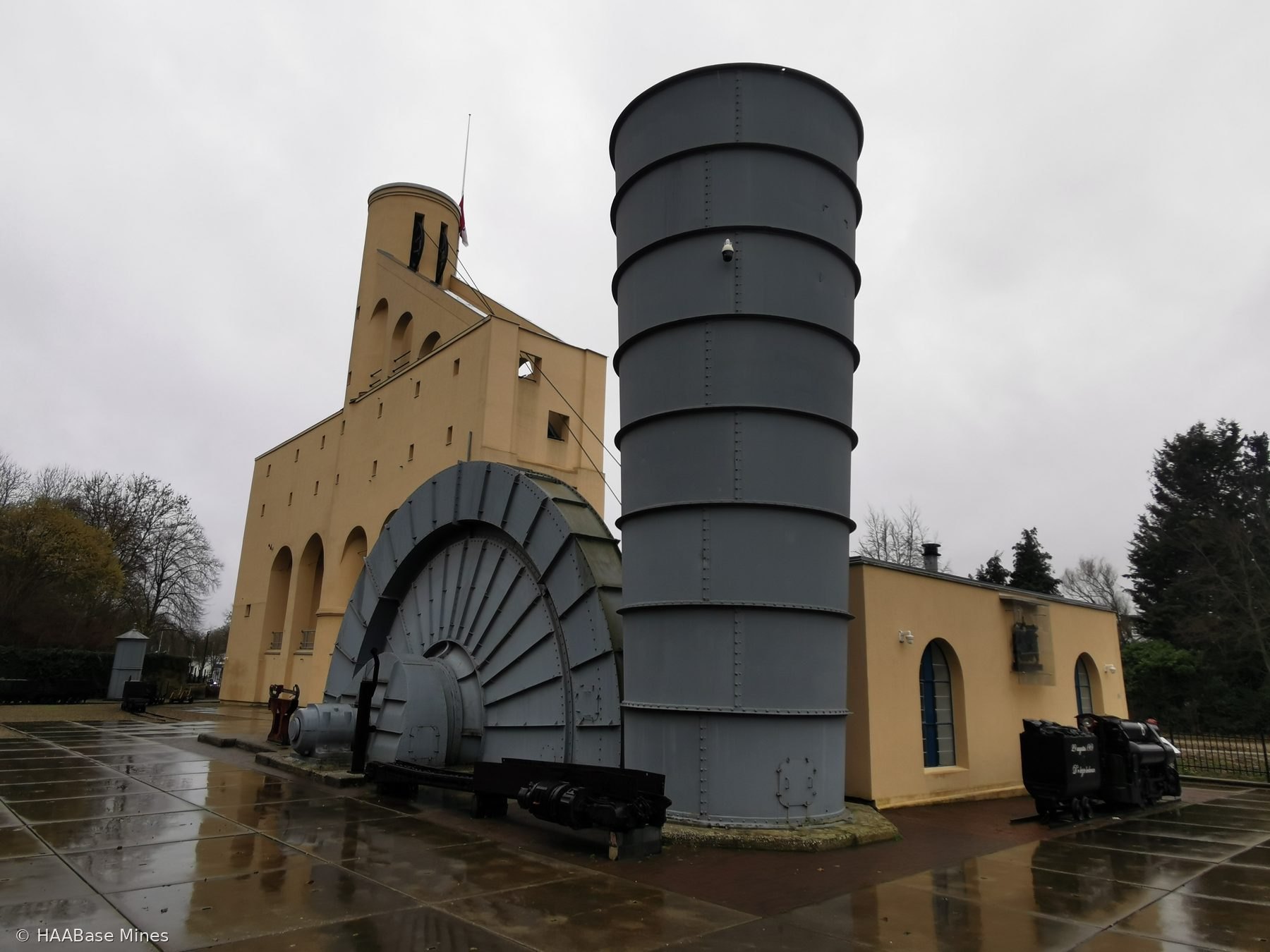
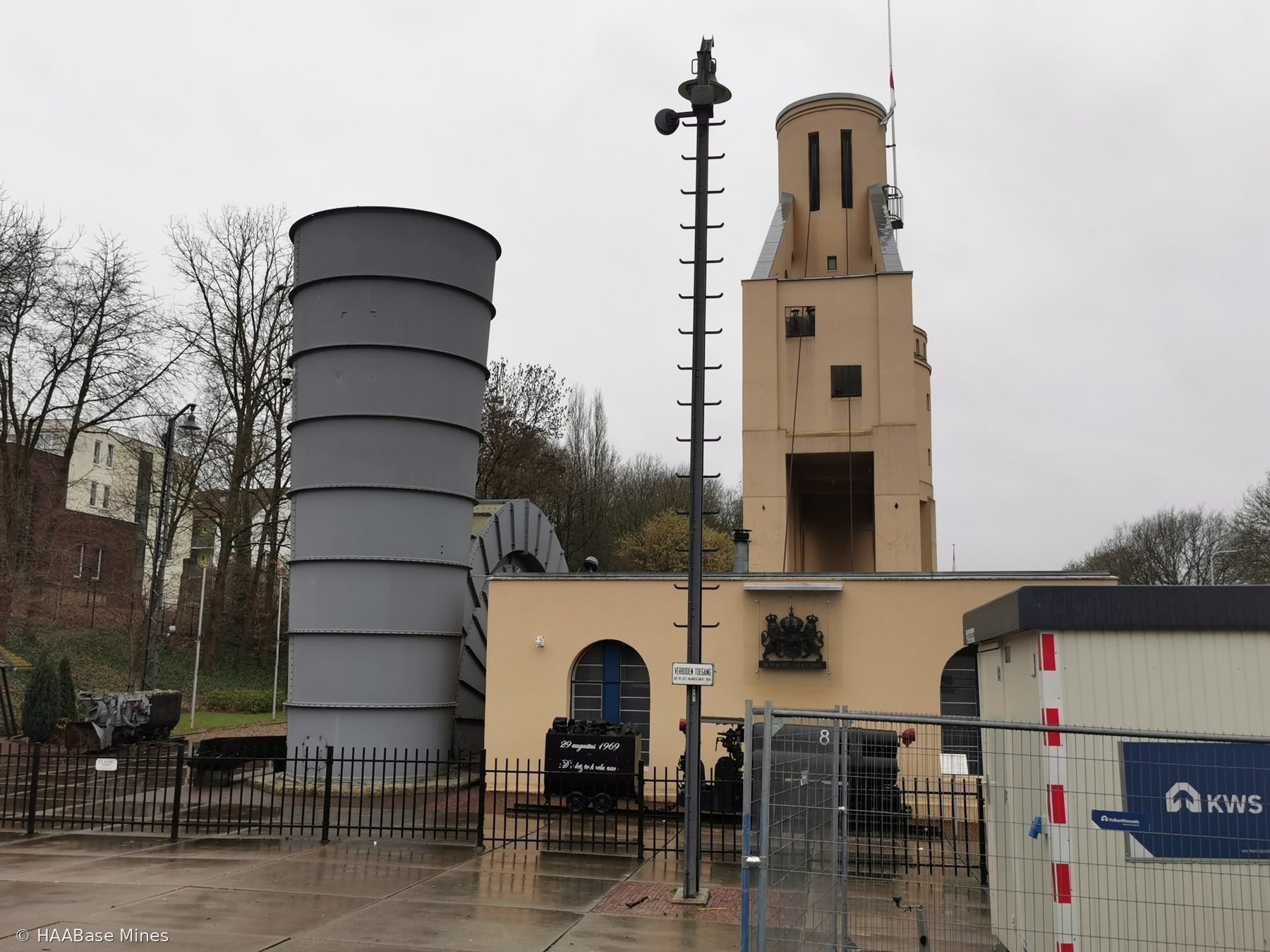
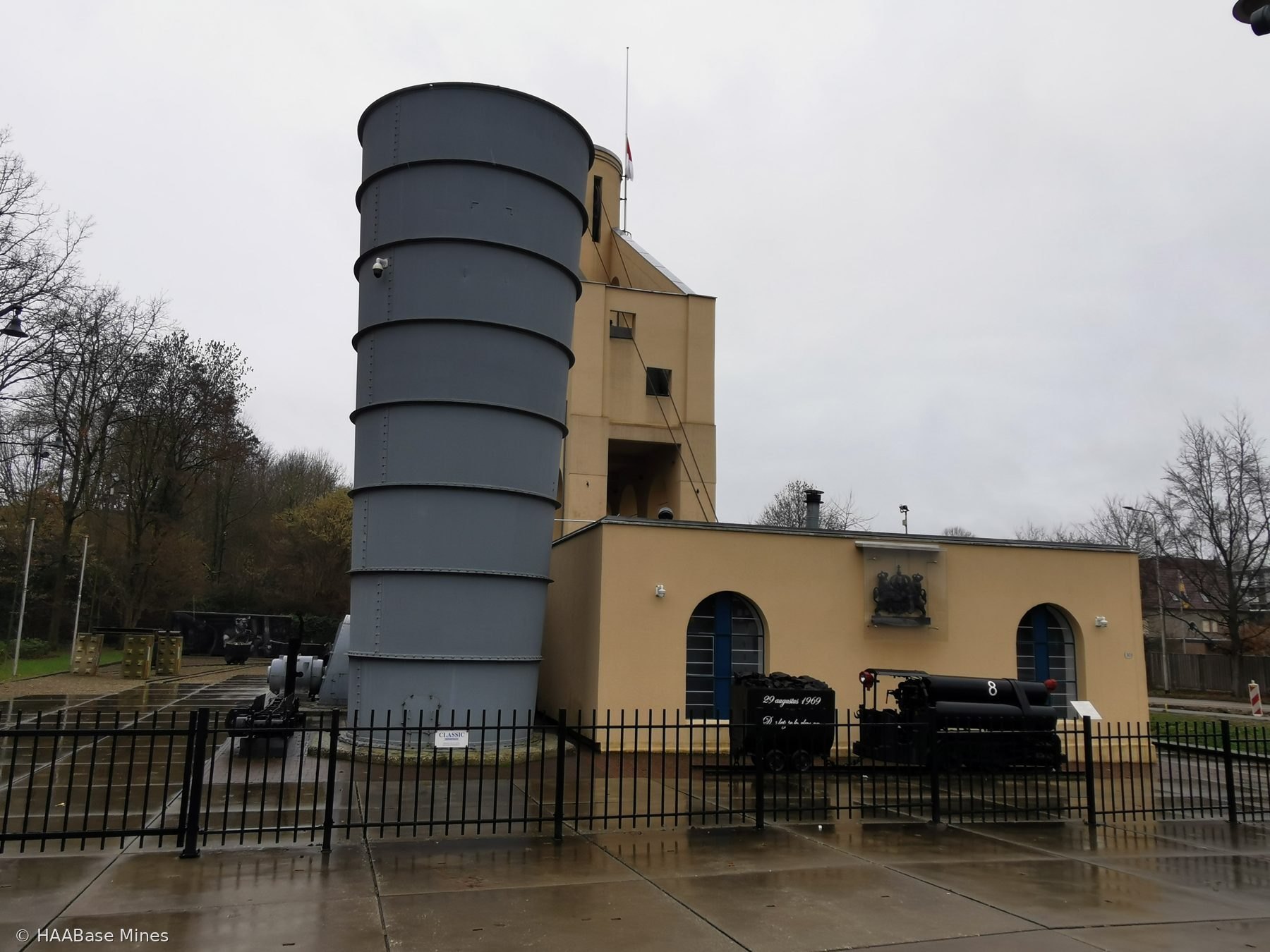
All mine buildings were demolished by 1971 except for the Schacht Nulland tower, which was restored and designated a heritage monument in the mid-1970s. It is now a museum run by former miners of the Domaniale and is the only original mine shaft structure in the Netherlands remaining in its original location.

Set within settled urban surroundings at Kerkrade, the surviving shaft tower stands as an isolated but prominent remnant of the former mine within a densely developed landscape.

Map & photo

Domaniale Mijn — Schacht Nulland mine headframe or winding tower site
Photograph taken: 21 February 2026
Map markers and directions links are provided for location reference only and do not indicate public access or permission to enter a site.

History

The coal deposits around Kerkrade have been exploited since at least the early medieval period. The annals of the Abdij Rolduc (Kloosterrade) refer in the year 1113 to a donation near the kalculen, interpreted as coal pits, which represents the oldest written reference to coal mining in Europe according to some local sources. From the fourteenth century as open-cast workings became exhausted, underground extraction developed in the valley of the Worm. From the sixteenth century deeper shafts were sunk, sometimes to 40 metres. By the end of the sixteenth century hundreds of small mines operated in the area. From the early seventeenth century the abbey of Kloosterrade became involved in mining activity, and in 1741–1742 the Abdij Rolduc took direct control of coal extraction. An exploitation privilege was granted by Empress Maria Theresia in 1766. Around 1780 the mines employed approximately 400 workers and extracted coal to depths of 300 metres.

In 1794 the duchy of Limburg was occupied by France and incorporated into the French republic. The mines were nationalised by the French in 1796 under the name Mines Domaniales, the origin of the mine's Dutch name. From 1797 production on the slopes of the Worm valley ceased and a new shaft was sunk on the Plateau of Kerkrade at Holz. Following the defeat of France, the Congress of Vienna in 1815 assigned the mine to the Kingdom of the Netherlands under the name Domaniale Mijn. A border treaty of 26 July 1816 allowed the mine to continue working its 173-hectare concession area lying under Prussian territory, with the coal brought to the surface on Dutch ground. The first steam engine was placed in the state mine in 1823. During the Belgian Uprising of 1830 the mines were briefly occupied by insurgents on 9 October 1830; they were returned to the Netherlands in 1839 after the separation treaty between the Netherlands and Belgium.

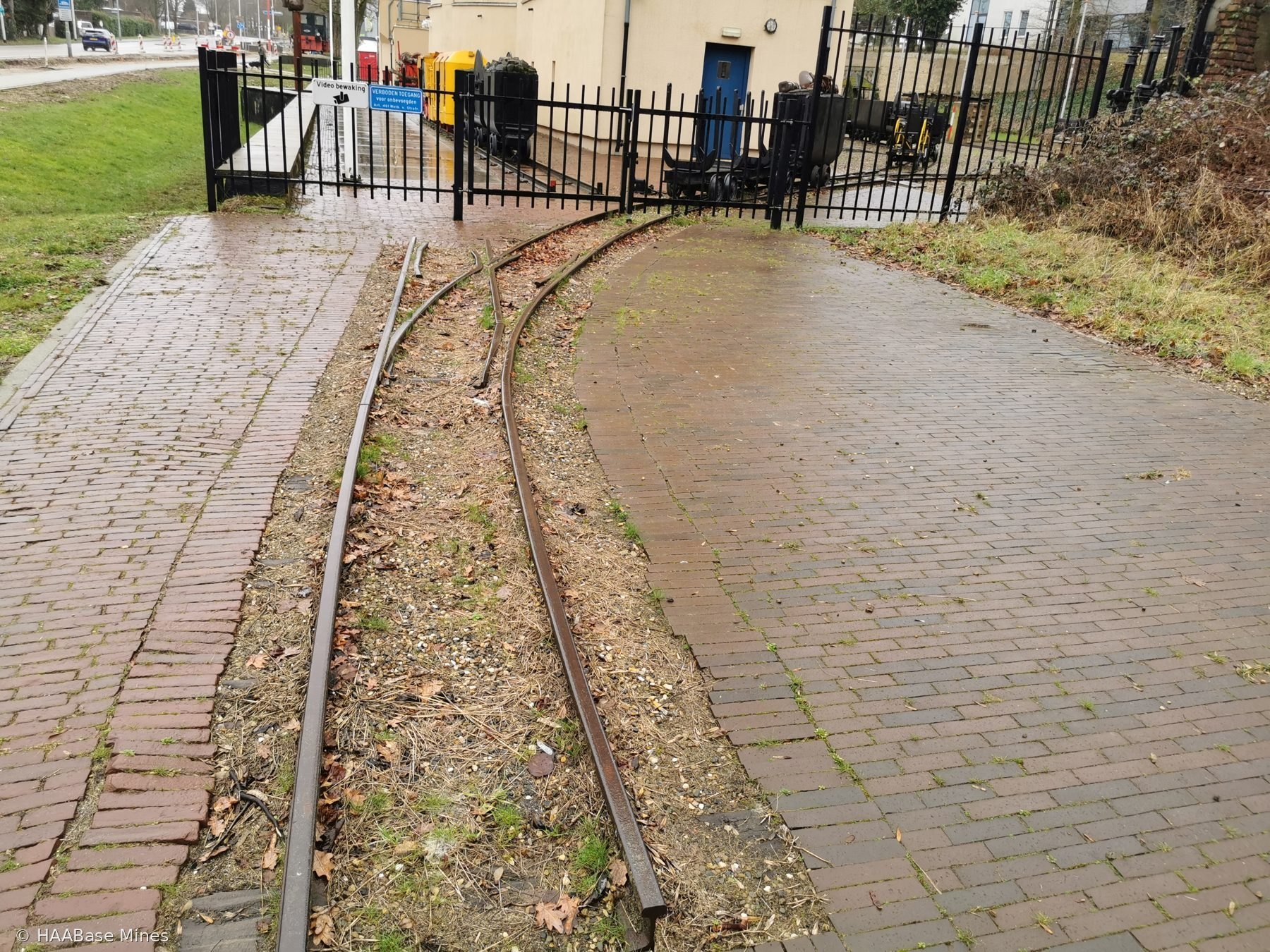
In 1845 the concession was transferred for 99 years to the Aken-Maastrichtsche Spoorweg-Maatschappij (Aachen-Mastrichter Eisenbahn-Gesellschaft), which had already ceased railway operation in 1867. The company modernised the mine equipment and the steam pump of 1828 was replaced by a new one in 1868. In 1875 the concession was enlarged by 250 hectares. A rail siding from the Miljoenenlijn to the mine was completed in 1880; prior to this, coal went by horse-drawn cart to Kohlscheid in Germany and thence by rail through Aachen back to the Netherlands. The production restrictions on price and output, in force since 1846, were lifted in 1880 under a new agreement running to 31 December 1952. From 1900 to 1914 annual production grew from 125,000 tonnes to 445,000 tonnes. From 1931 to 1933 production peaked at approximately 1,000,000 tonnes per year before declining. In 1921 the company underwent a loss year leading to wage cuts and a strike.

In 1925 the Aken-Maastrichtsche Spoorweg-Maatschappij was restructured as the Domaniale Mijn Maatschappij N.V., a wholly Dutch company. In 1958 the mine employed 3,000 workers and produced 481,000 tonnes annually. A decision was made to expand by acquiring the Neuprick concession; Schacht Baamstraat was sunk in 1960 for this purpose. In 1966 the Dutch state purchased a majority shareholding.

The mine's six shafts at the time of closure were Schacht Willem I (226 metres), Schacht Willem II (deepened to 802 metres, the deepest shaft), Schacht Beerenbosch I, Schacht Beerenbosch II, Schacht Nulland, and Schacht Baamstraat. Total production between 1815 and 1969 was 37,990,000 tonnes of lean coal.

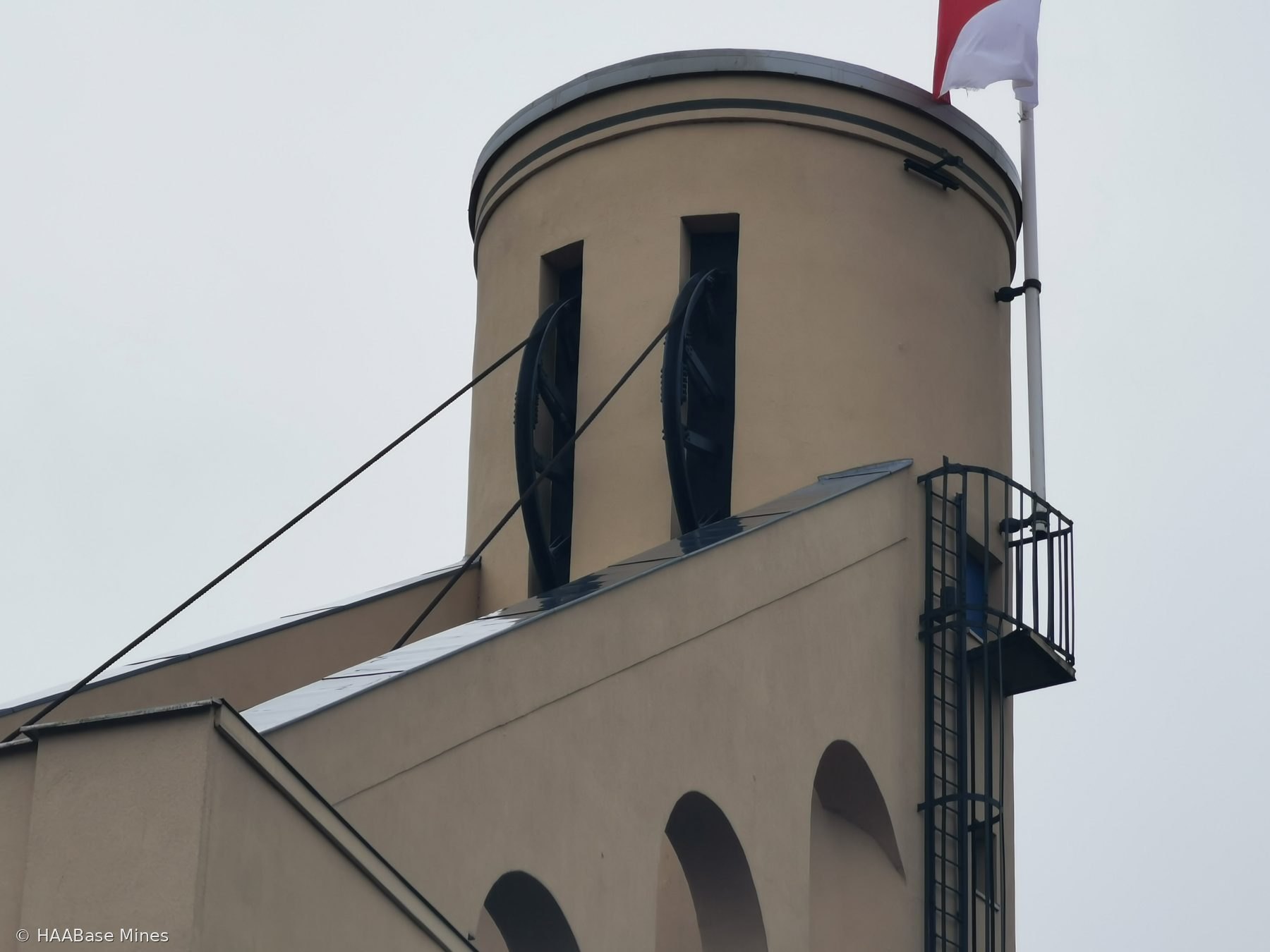
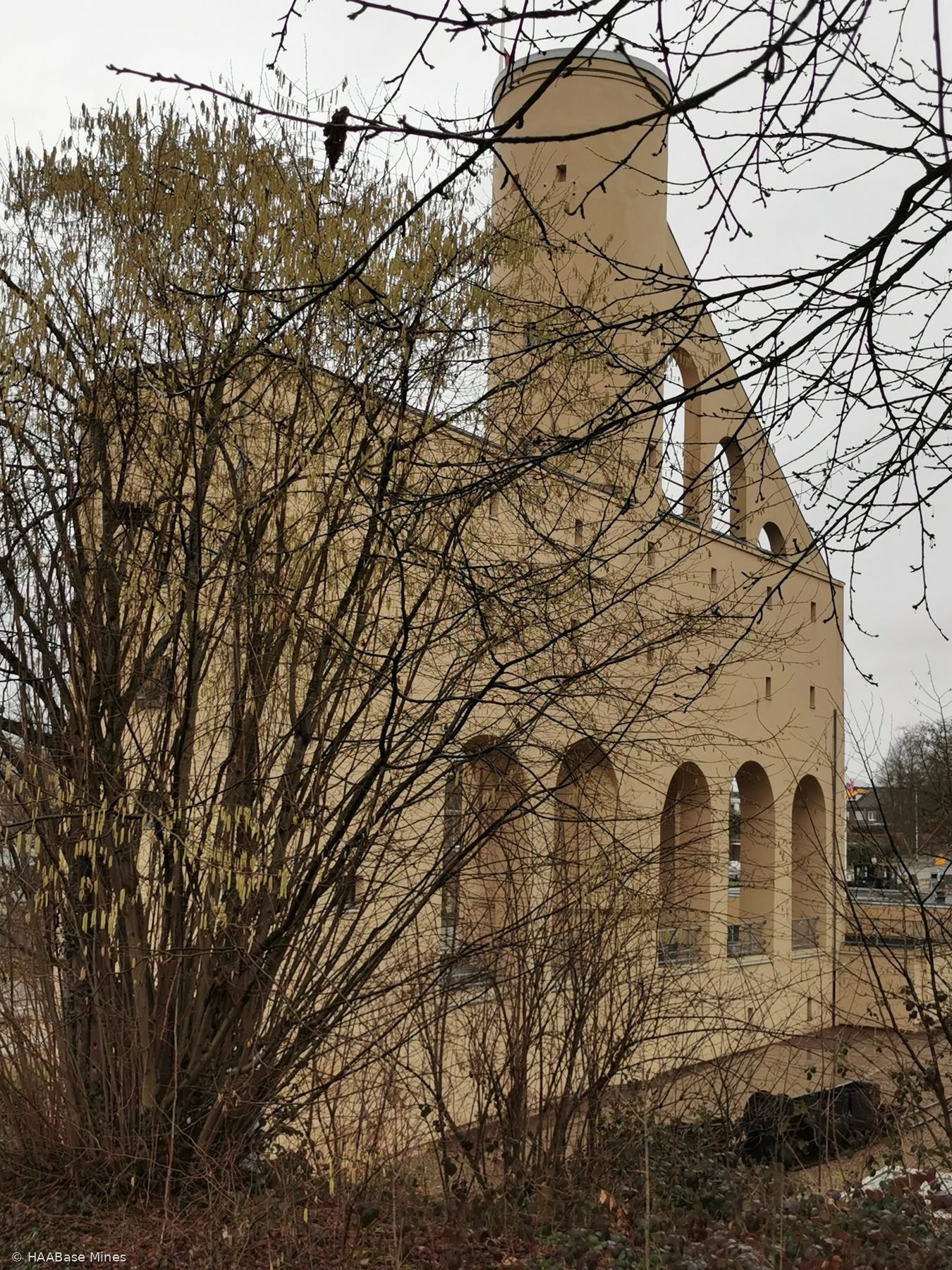
Schacht Nulland, the most prominent surviving structure, was begun in 1907 to the design of engineer Ir. Th. H. Fr. Wilhelm Husmann. Initial construction was as a ventilation-only shaft, building upwards from the surface and simultaneously from the existing underground workings at the 150-metre level. By 1909 the shaft had reached 150 metres; by 1913 it had been deepened to 200 metres. In 1915 steam boilers were placed on the surface. In 1919 the mine decided to adapt Schacht Nulland for personnel and materials transport; a winding machine was installed and surface facilities including baths, lamp room, and a foreman's building were provided. In 1921 the tower was raised and fitted with buttress arches to bear the traction forces of the winding machine, becoming in effect a production shaft. In 1966 it was deepened further to 370 metres.

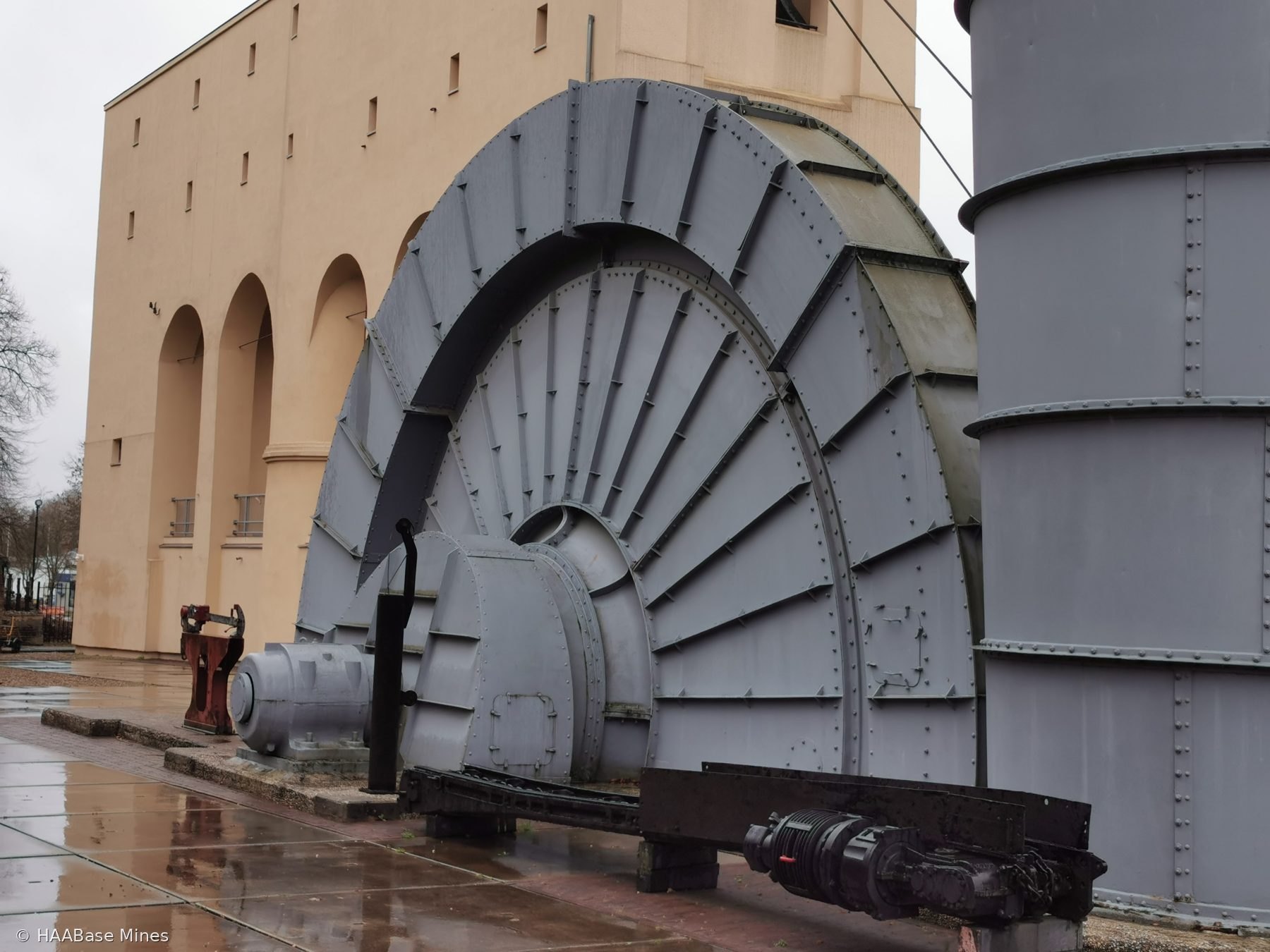
In December 1965 the decision to close all Dutch mines was announced. The last coal from the Domaniale Mijn was raised on 29 August 1969 at 15:00. In 1970 the shaft was filled with concrete from the 63-metre level to the surface. In 1971 all buildings around the shaft were demolished with the exception of the shaft tower itself. In 1975–1976 Schacht Nulland was restored, incorporating at that time a ventilator from the Oranje-Nassau I mine in Heerlen. The restored shaft received heritage monument status in the mid-1970s. It is a rijksmonument and is the only mine shaft in the Netherlands remaining in its original location with its original building fabric intact. From 1985 the artist Rob Thalen used the tower as a studio and exhibition space. From 2006 it was associated with the museum Industrion (later Continium / Discovery Center Continium). From 2013 former miners of the Domaniale Mijn, operating as Stichting De Koempels van de Domaniale, have run guided tours of the monument for schools, families, and groups. The building is currently open to visitors on Wednesday mornings and by appointment.
Timeline

1113
Exploration

Earliest written reference to coal in the area

The annals of the Abdij Rolduc contain a reference to a donation near the kalculen (interpreted as coal pits) in the year 1113, the oldest written reference to coal in the region.
1741–1742
Legislation

Abdij Rolduc takes direct control of coal extraction

In 1741–1742 the Abdij Rolduc took direct control of coal extraction in the area. An exploitation privilege was granted by Empress Maria Theresia in 1766.
1796
Legislation

French nationalisation; mine named Mines Domaniales

The mines were nationalised by the French in 1796 under the name Mines Domaniales, the origin of the Dutch name Domaniale Mijn. From 1797 a new shaft was sunk on the Plateau of Kerkrade.
1815
Legislation

Mine assigned to Kingdom of the Netherlands

By decisions at the Congress of Vienna in 1815, the Domaniale Mijn passed to the Kingdom of the Netherlands. Industrial production continued under Dutch state ownership.
1823
Construction

First steam engine installed

The first steam engine was placed in the mine in 1823.
1845
Legislation

Concession transferred to Aken-Maastrichtsche Spoorweg-Maatschappij

On 11 May 1846 the Domaniale concession was formally transferred to the Aken-Maastrichtsche Spoorweg-Maatschappij for 99 years. The company modernised the mine over subsequent decades.
1907
Construction

Schacht Nulland begun

Construction of Schacht Nulland began in 1907, designed by engineer Ir. Th. H. Fr. Wilhelm Husmann. It was built initially as a ventilation shaft, working from the surface and from the existing underground workings at the 150-metre level simultaneously.
1919
Construction

Schacht Nulland converted to personnel and materials shaft

In 1919 the mine decided to adapt Schacht Nulland for personnel and materials transport, adding a winding machine and surface facilities. In 1921 the tower was raised and fitted with buttress arches.
1925
Legislation

Restructured as Domaniale Mijn Maatschappij N.V.

In June 1925 the Aken-Maastrichtsche Spoorweg-Maatschappij was restructured as the Domaniale Mijn Maatschappij N.V., a wholly Dutch company headquartered in Kerkrade.
1931–1933
Operation

Peak production period: up to 1,000,000 tonnes per year

From 1931 to 1933 annual production rose to approximately 1,000,000 tonnes, the highest in the mine's history.
1958
Operation

Peak employment: 3,000 workers

In 1958 the mine employed 3,000 workers and produced 481,000 tonnes annually. A decision was made to expand the concession with the Neuprick field.
1966
Closure

Dutch state acquires majority shareholding; closure process begins

In 1966 the Dutch state purchased a majority of shares in the Domaniale Mijn Maatschappij N.V. and initiated the process of closure. Schacht Nulland was deepened to 370 metres in the same year.
1969
Closure

Final closure

The last coal from the Domaniale Mijn was raised on 29 August 1969 at 15:00. Total production between 1815 and 1969 was 37,990,000 tonnes of lean coal. For safety reasons the mine shafts were sealed with a 630 m³ concrete plug.
1970–1971
Closure

Shafts sealed and all buildings demolished except Schacht Nulland

In 1970 Schacht Nulland was filled with concrete from the 63-metre level to the surface. In 1971 all buildings around the shaft were demolished, leaving only the shaft tower itself.
1975–1976
Heritage

Schacht Nulland restored and designated a heritage monument

Schacht Nulland was restored in 1975–1976, incorporating a ventilator from the Oranje-Nassau I mine in Heerlen. The restored shaft received the status of mijnmonument (mine monument). It is a rijksmonument and the only mine shaft in the Netherlands remaining in its original location with its original building fabric.
1985
Redevelopment

Schacht Nulland used as artist's studio and exhibition space

From 1985 artist Rob Thalen used the shaft tower as an atelier and exhibition space.
2006
Heritage

Schacht Nulland becomes museum satellite of Industrion / Continium

From 2006 Schacht Nulland was associated with museum Industrion (subsequently Continium, Discovery Center Continium) as a dependance for changing exhibitions.
2013
Heritage

Stichting De Koempels van de Domaniale begins guided tours

From 2013 former miners of the Domaniale Mijn, operating as Stichting De Koempels van de Domaniale, have run guided tours of the monument for schools, families, and groups.

Sources and records

Dutch Wikipedia article: Domaniale mijn KerkradeWiki: Domaniale Mijn Schachtnulland.nl: official heritage museum website De Mijnstreek website: De Domaniale mijn; Schacht Nulland DeMijnen.nl: Domaniale Mijn record; Schacht Nulland article Gluckauf.nl: Particuliere Mijn Domaniale Skyline24media.com: Historie (Schacht Nulland) Vakantieinlimburg.nl: Schacht Nulland Kerkrade Maand van de Geschiedenis: Het dagelijks leven van de mijnwerker Carre-1711.nl: Historie het mijnverleden De Mijnstreek website: 1900-1975
This researched site record is part of the HAABase Mines database. Normal personal research and browsing is welcome. Automated bulk extraction, republication, or harvesting of site text and images is not permitted without written consent.