1906
Concession Sainte-Barbe granted
The concession Sainte-Barbe of 2,170 hectares was granted on 29 November 1906.
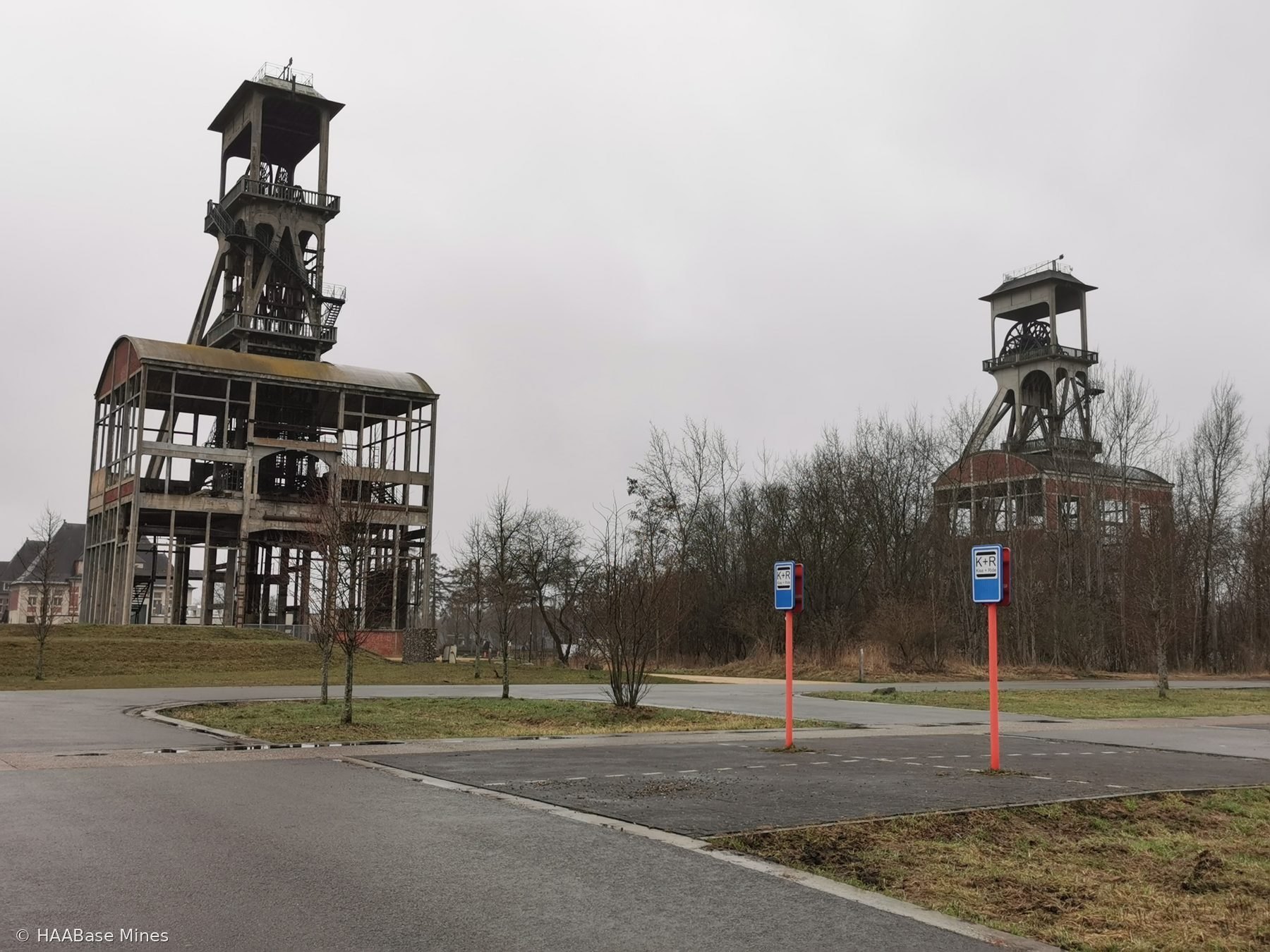
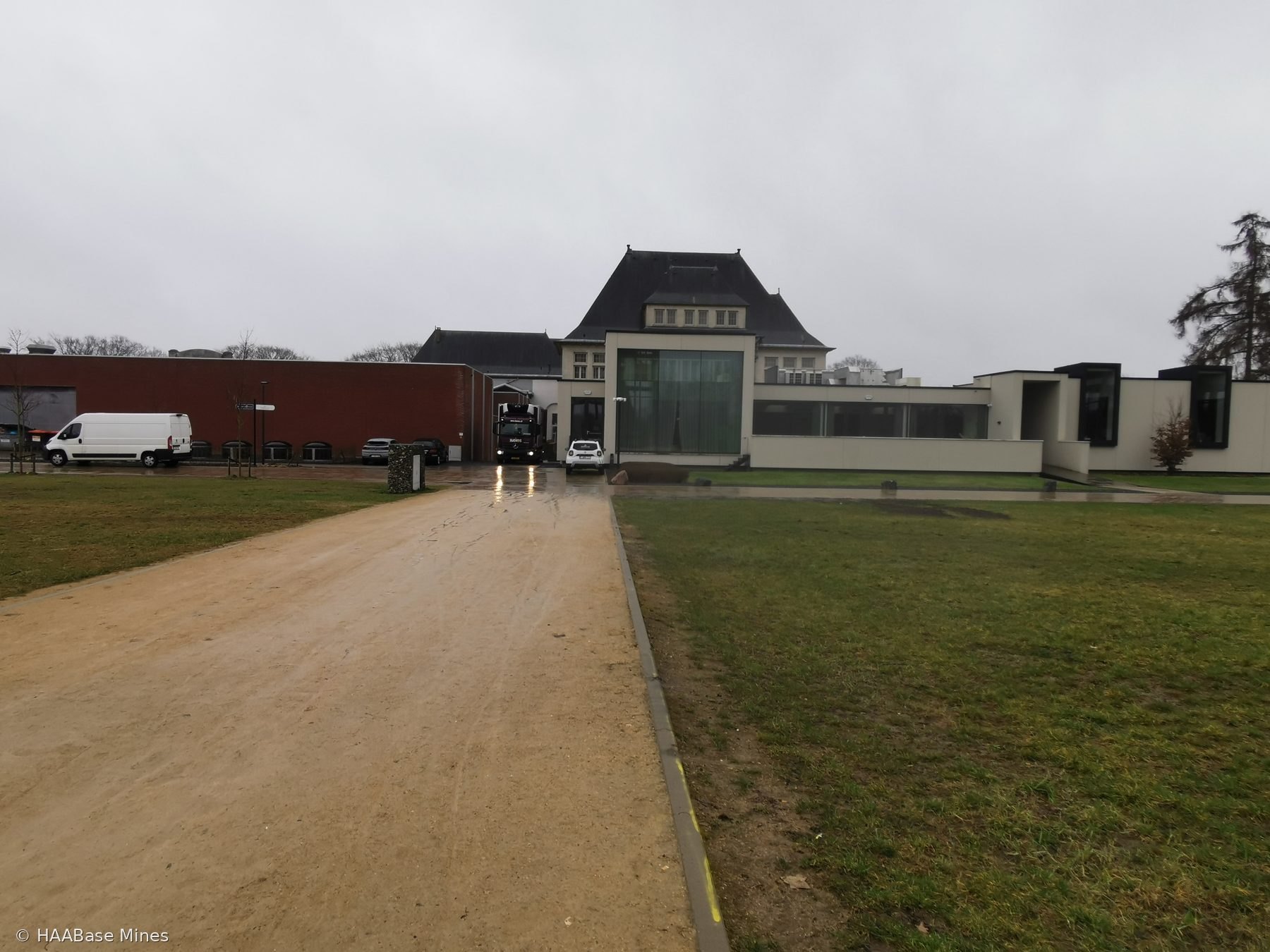
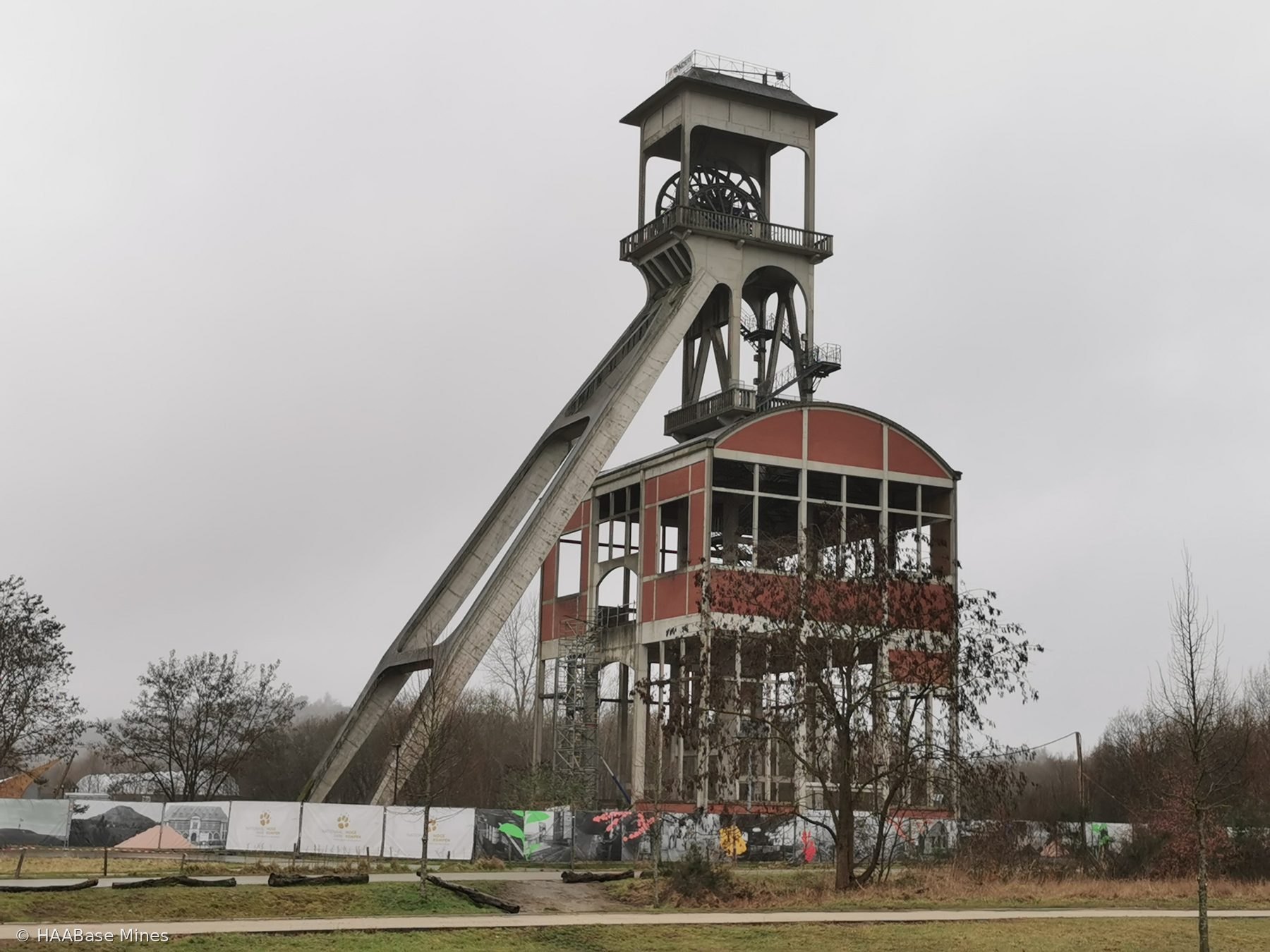
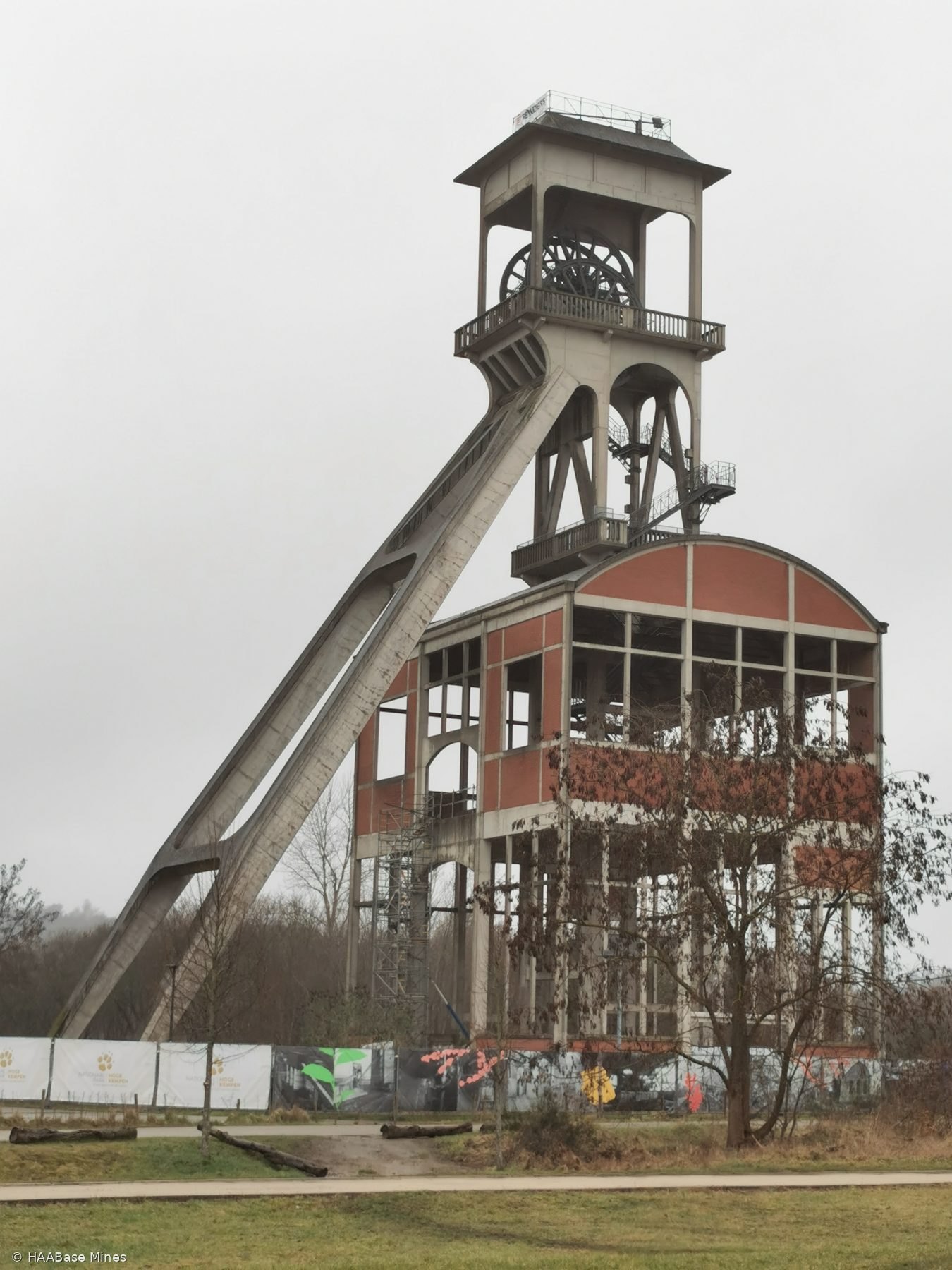
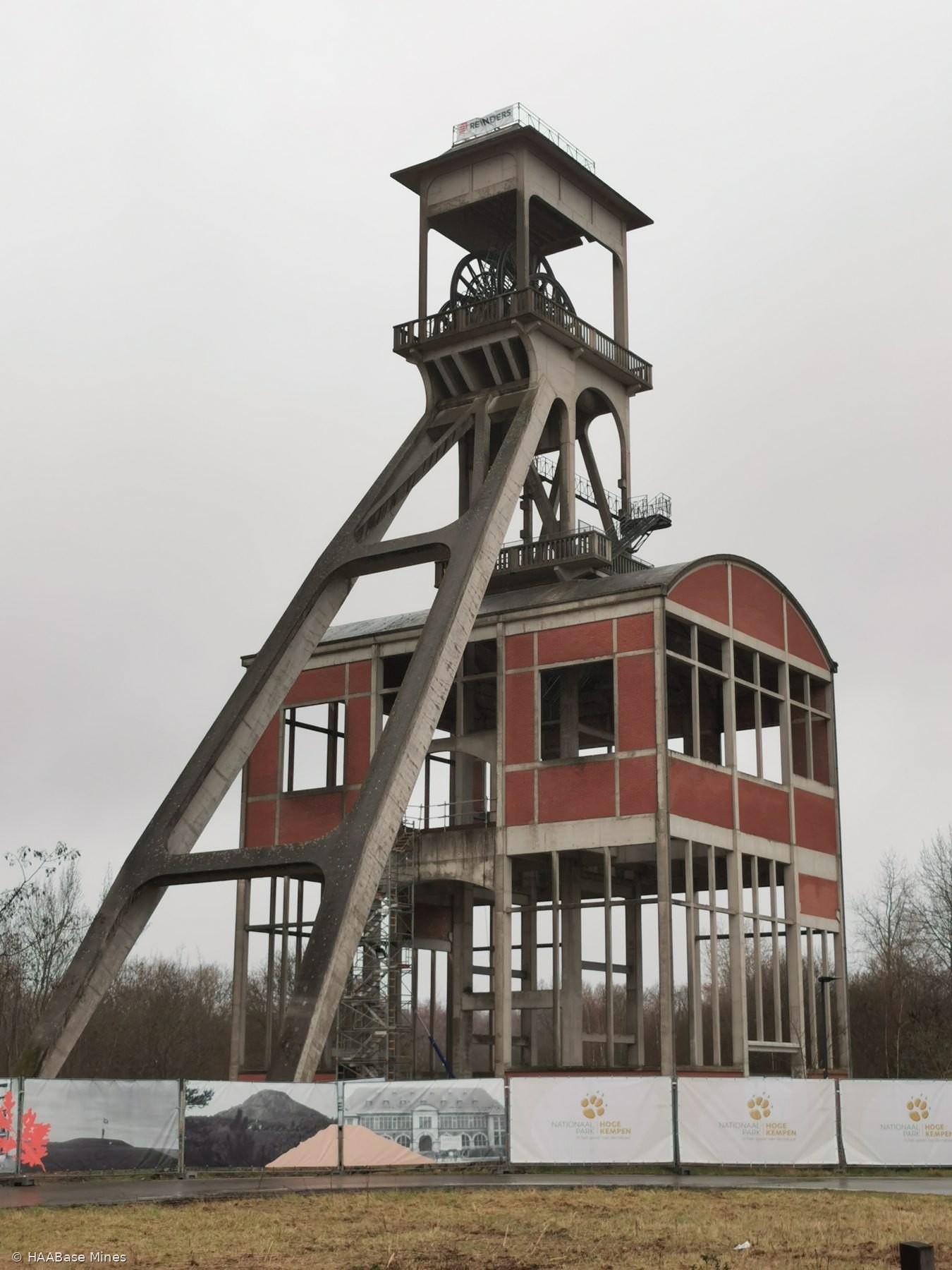
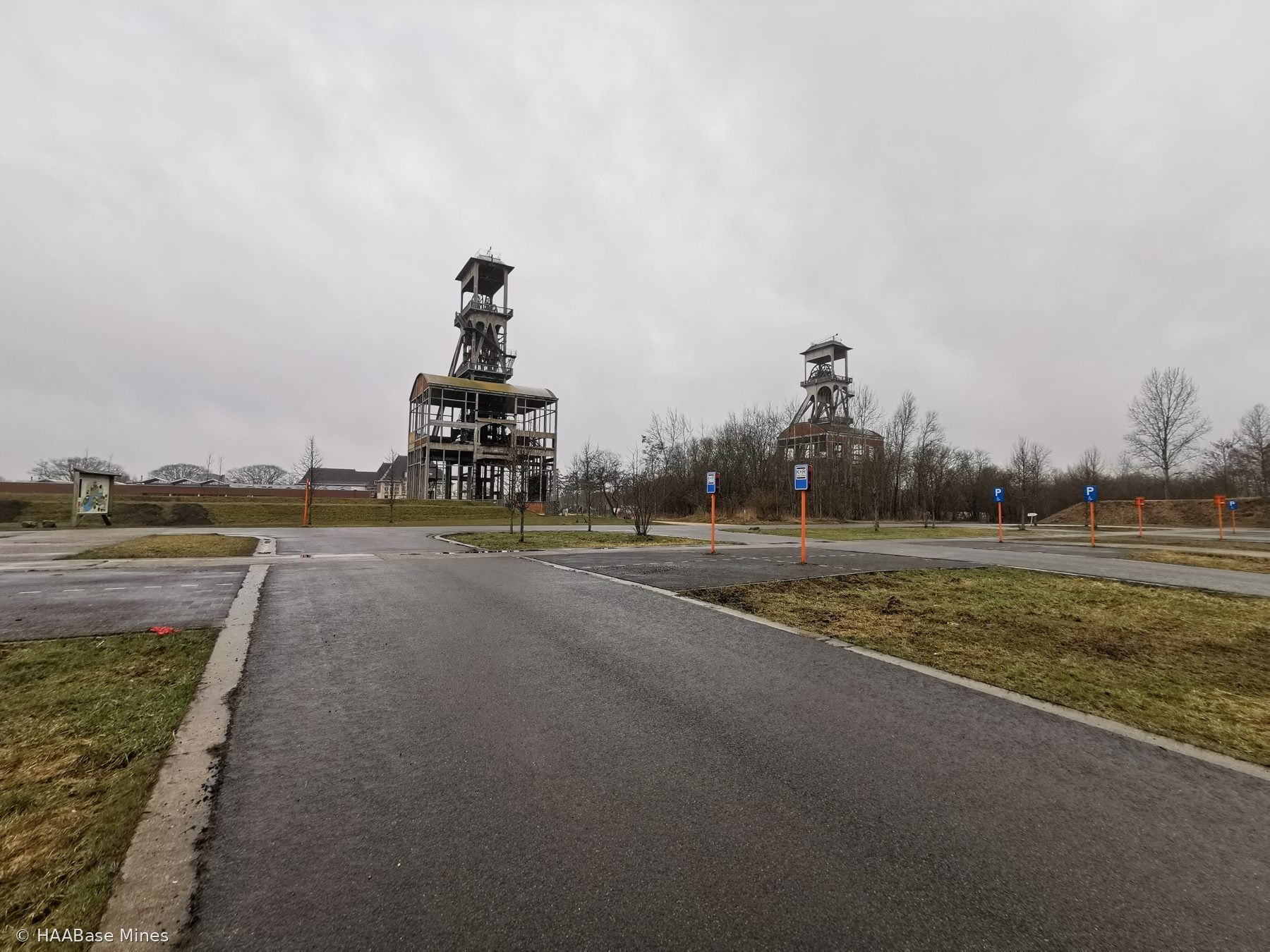
Former Kempen coal mine at Eisden, Maasmechelen, now partially redeveloped as Maasmechelen Village outlet centre with two surviving concrete headframes and the Connecterra national park gateway.
This record is based on the research currently available to HAABase Mines. It has not yet completed the site's formal source-by-source fact-checking process, so the history and timeline should be regarded as a well-researched provisional account and may be refined as further evidence is reviewed.
The Steenkoolmijn van Eisden was the easternmost of the seven Kempen collieries, located at Eisden in what is now the commune of Maasmechelen in the province of Limburg. The concession Sainte-Barbe of 2,170 hectares was granted on 29 November 1906, and the Société Anonyme des Charbonnages Limbourg-Meuse was founded in 1907. The two concessions were united in 1919 to form a 5,408-hectare concession, known as Limburg-Maas.
Production began in 1923. Both shafts reached depths of 730 and 812 metres respectively, connected underground at 590 metres in 1922. Working levels were at 600, 700, and 780 metres, later reaching 900 metres.
Peak employment was 7,340 workers in 1955, and peak annual production of 1,883,420 tonnes was achieved in 1957. Total production reached 73,191,000 tonnes. The mine closed on 18 December 1987.
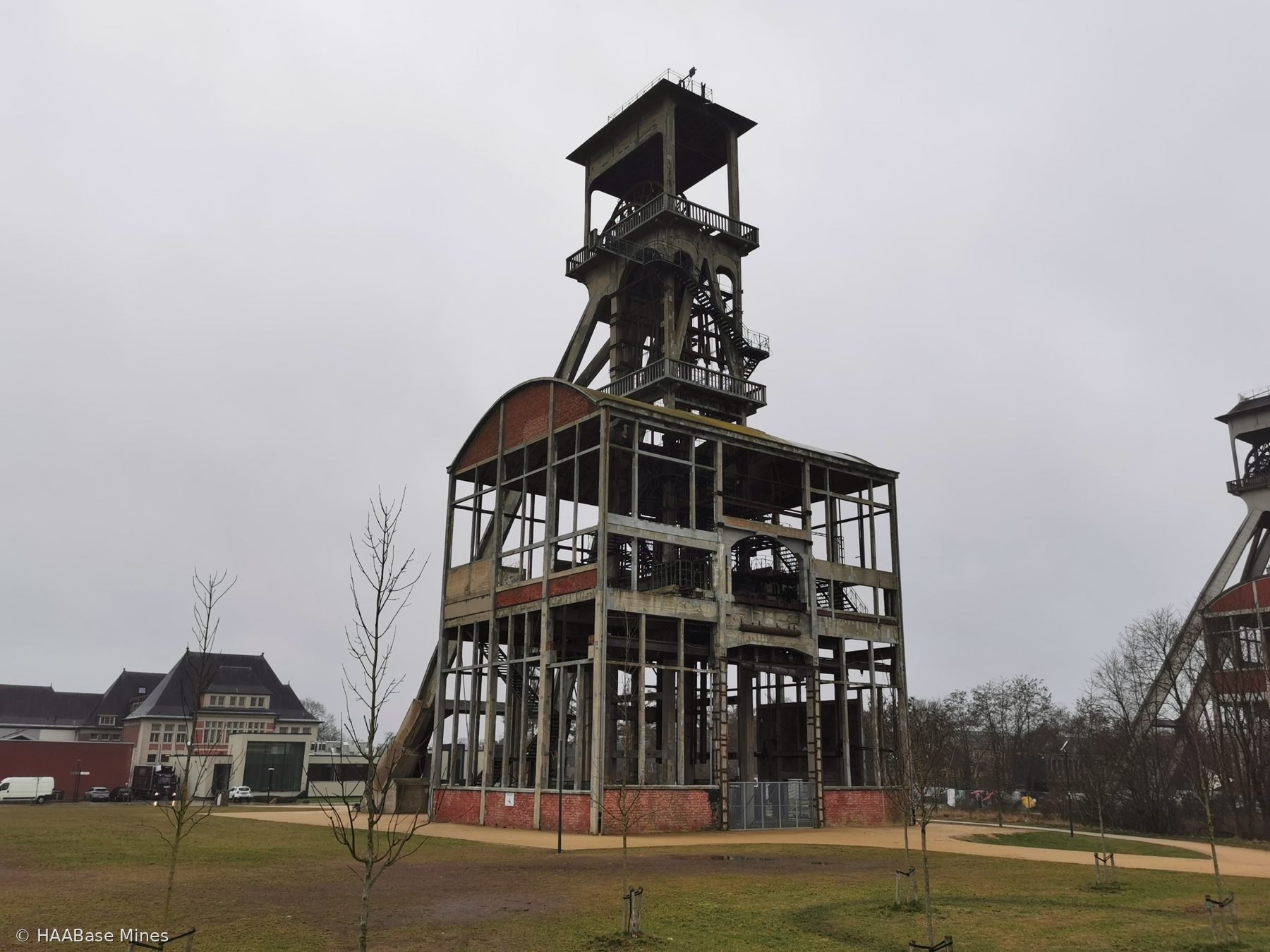
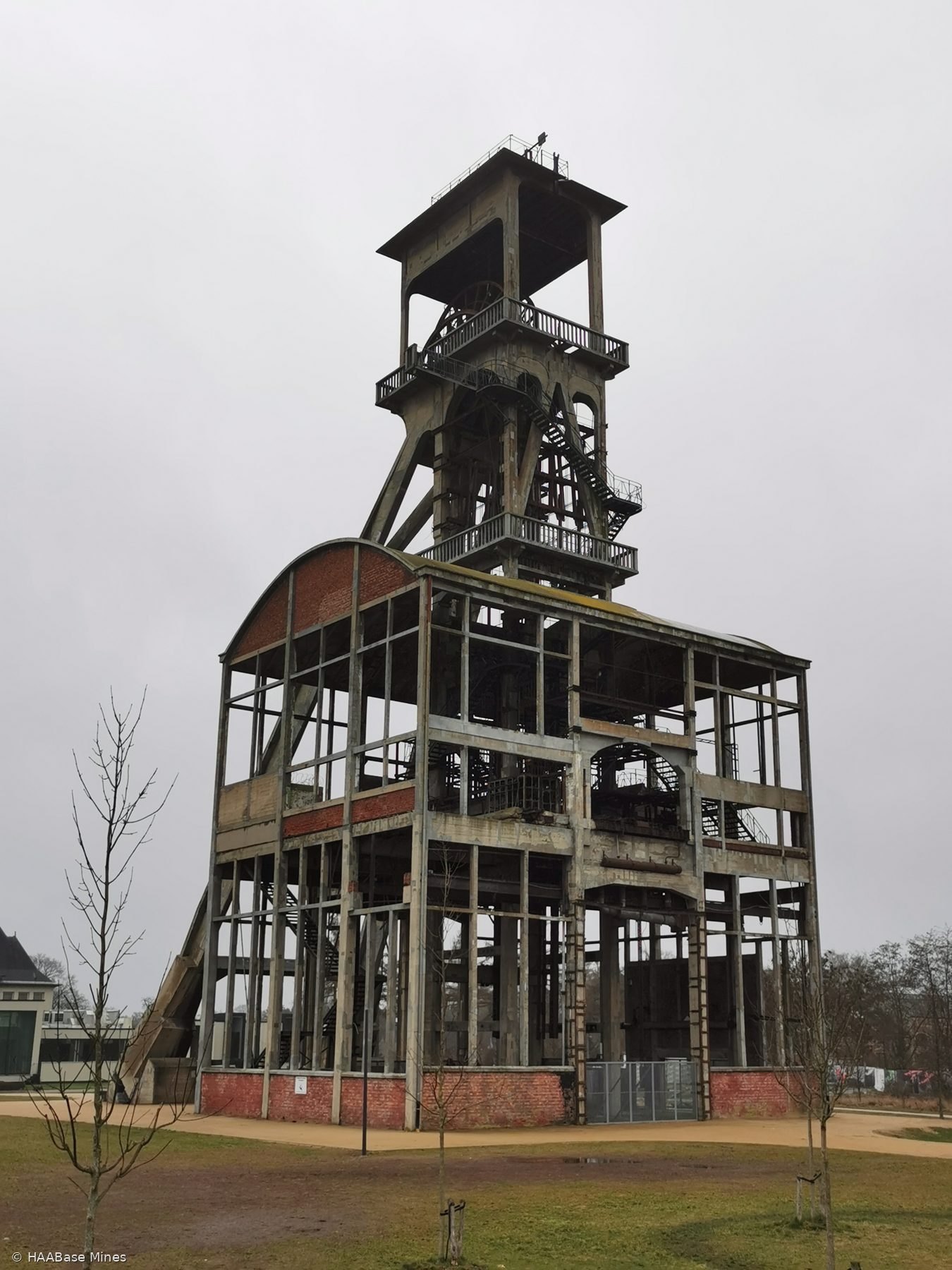
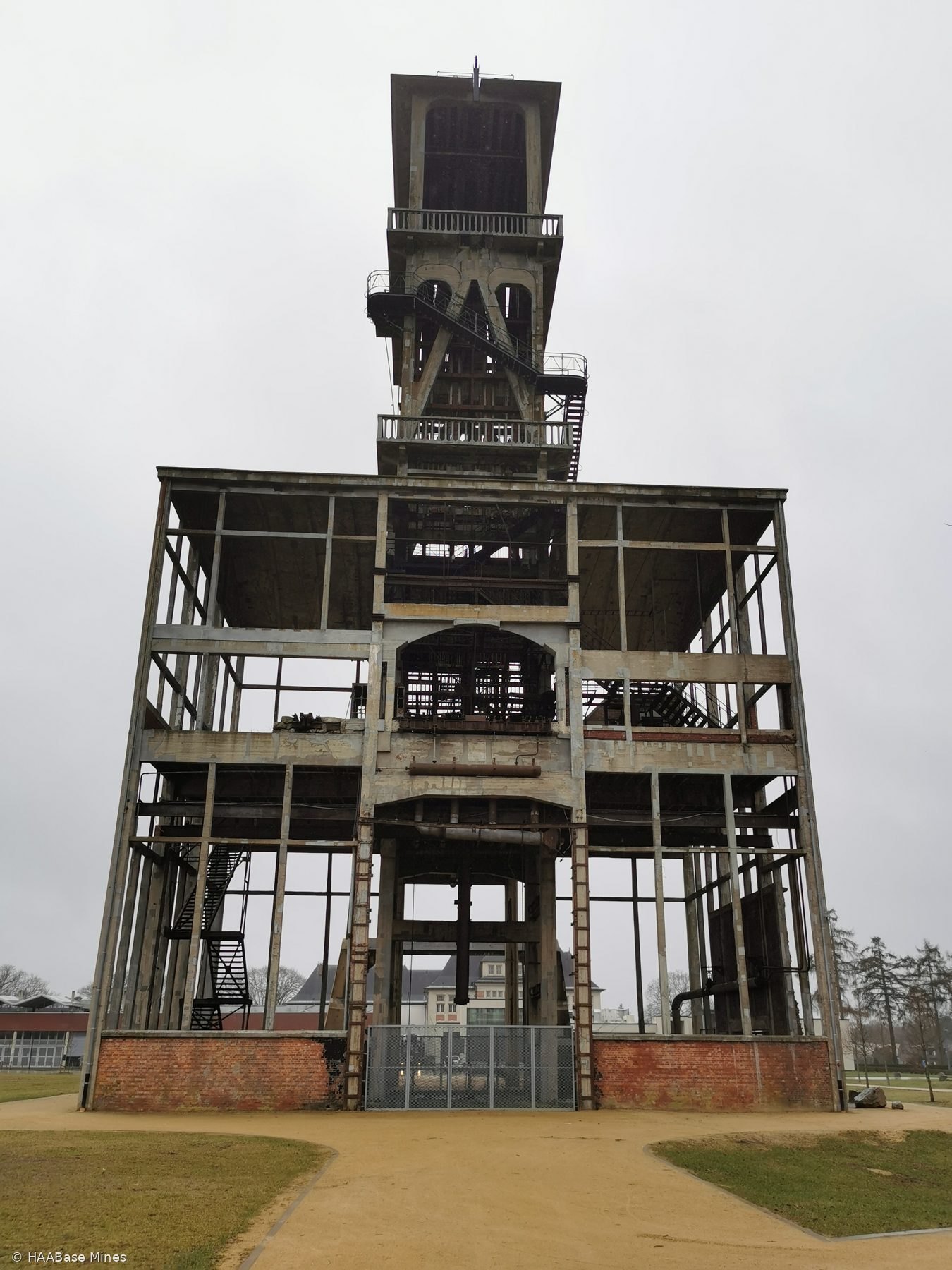
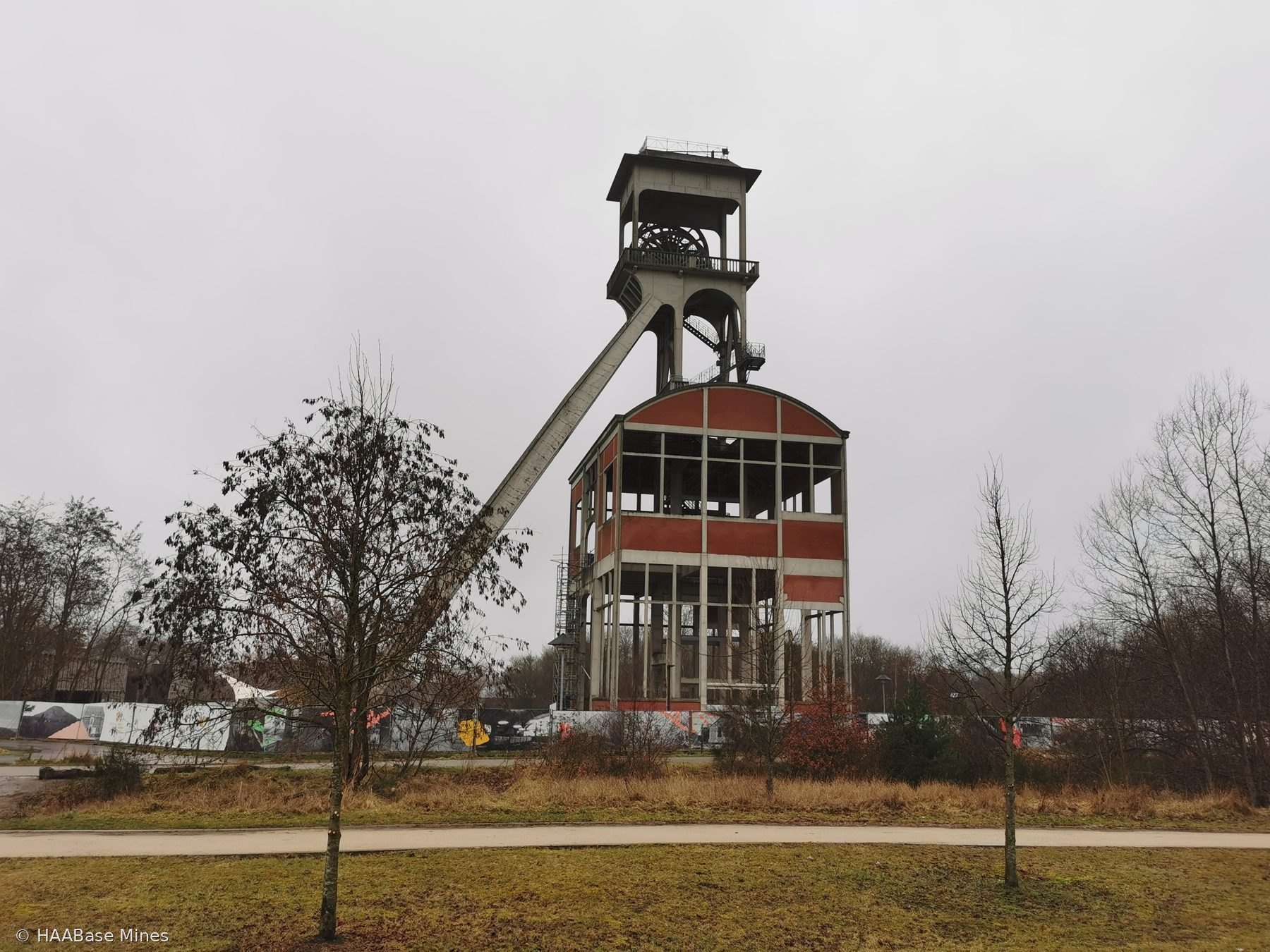
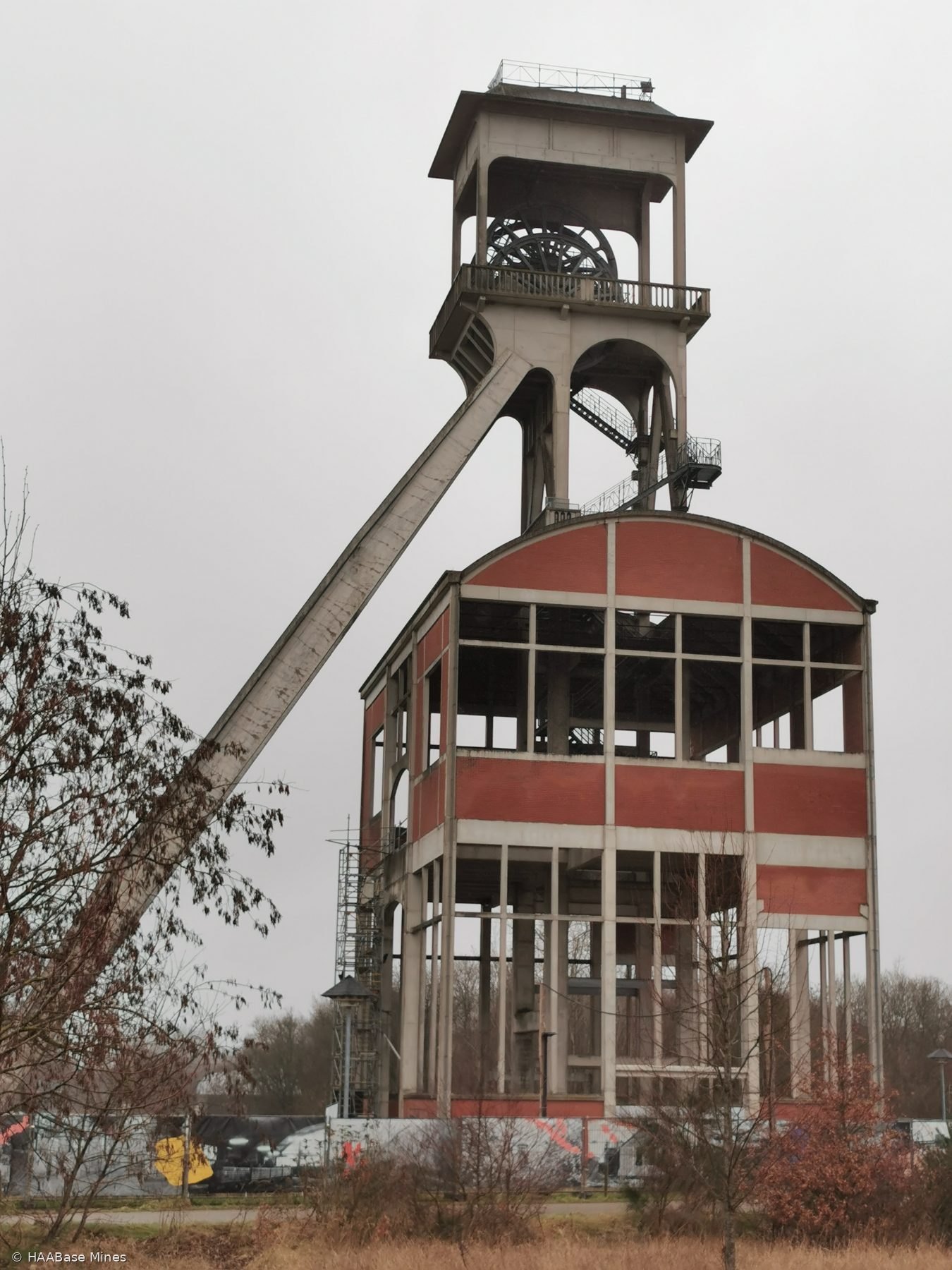
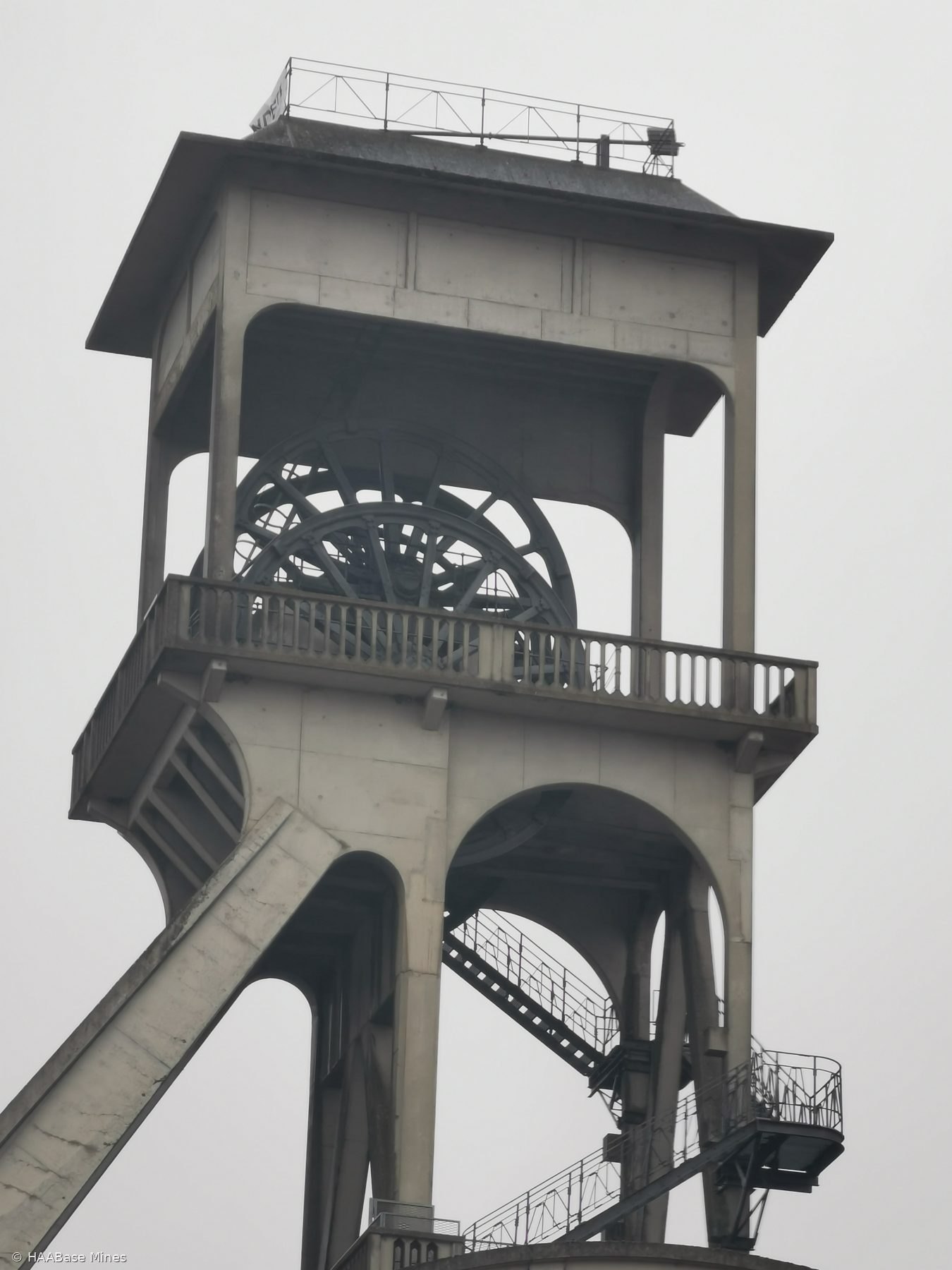
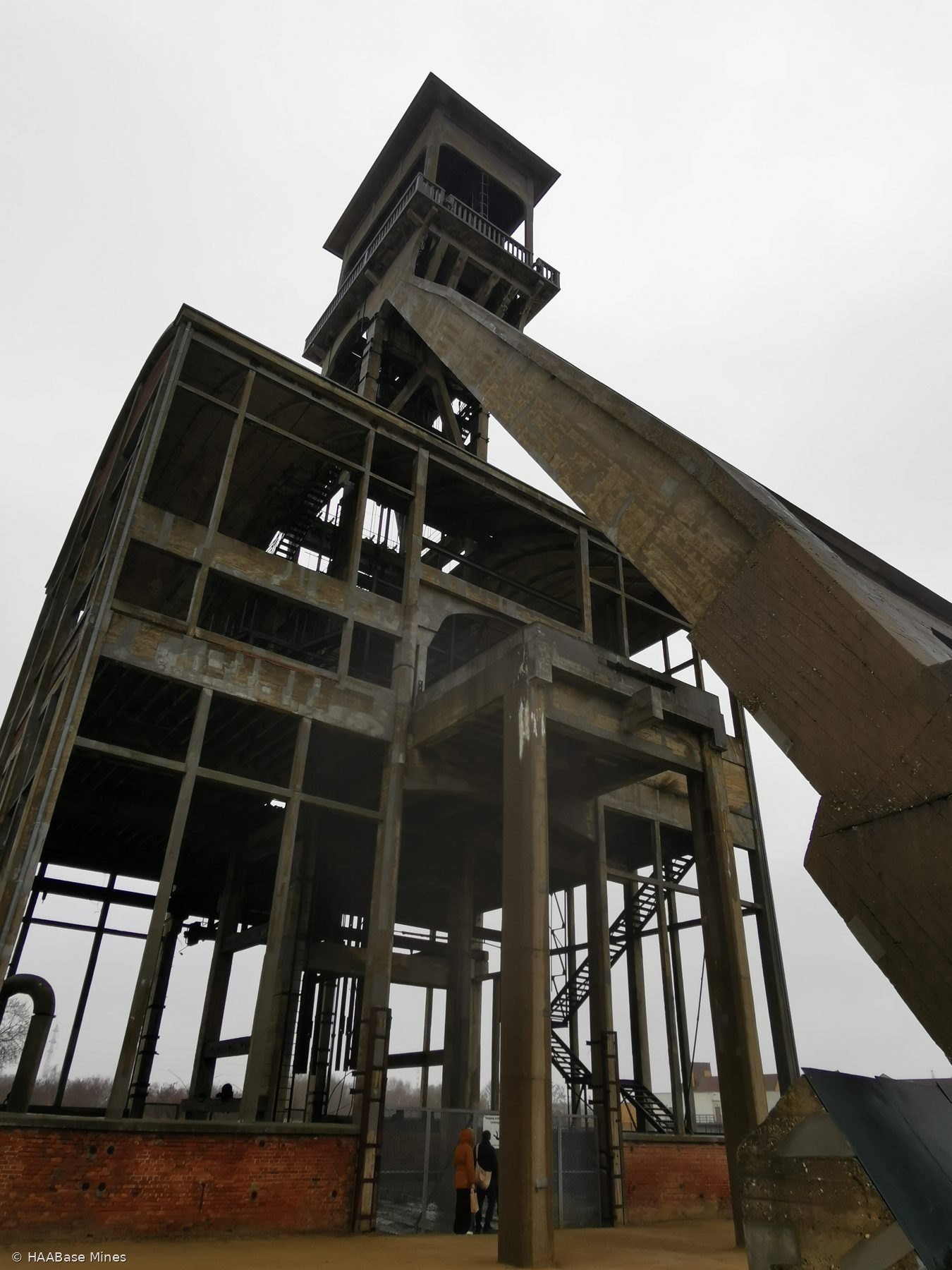
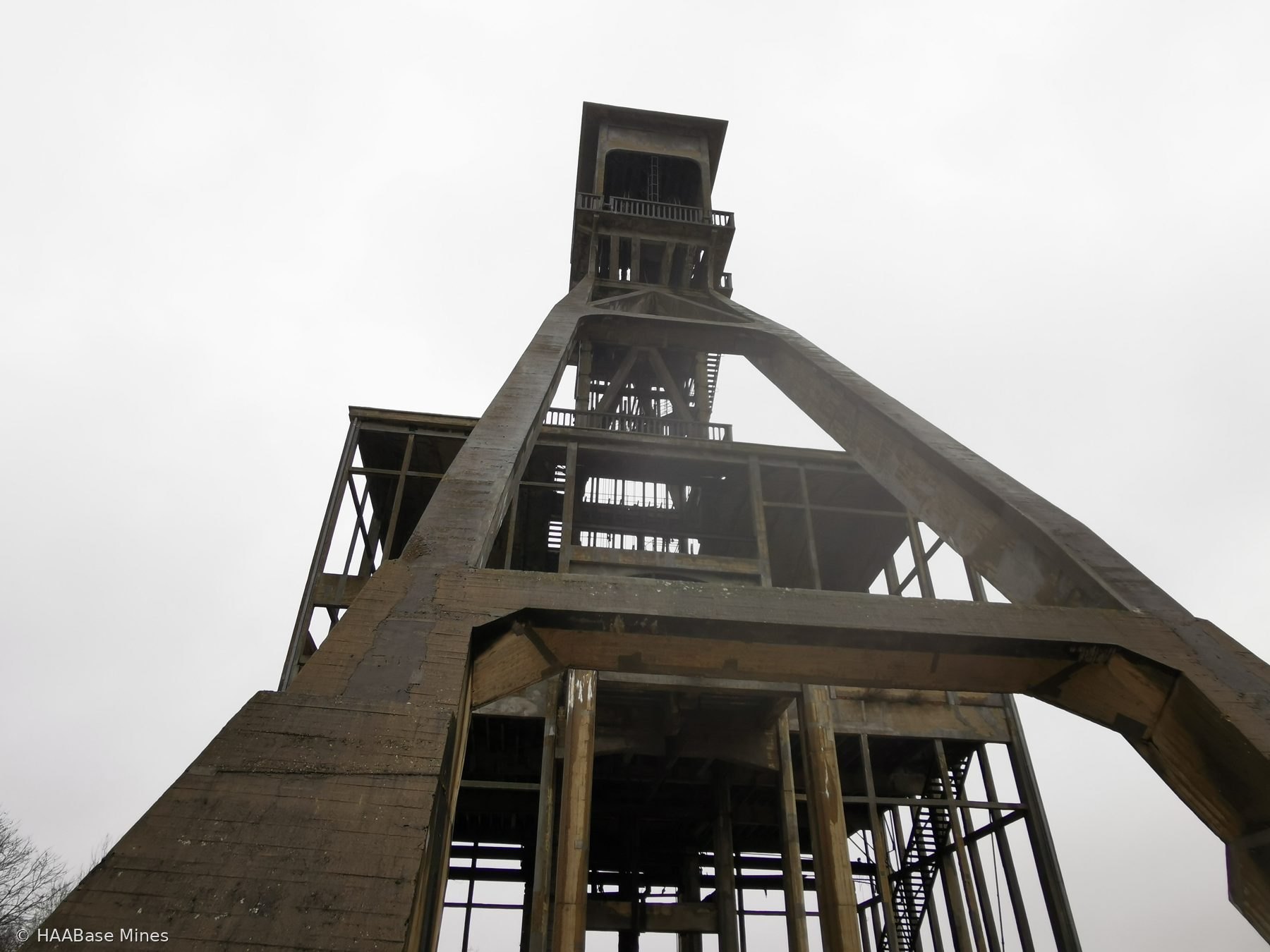
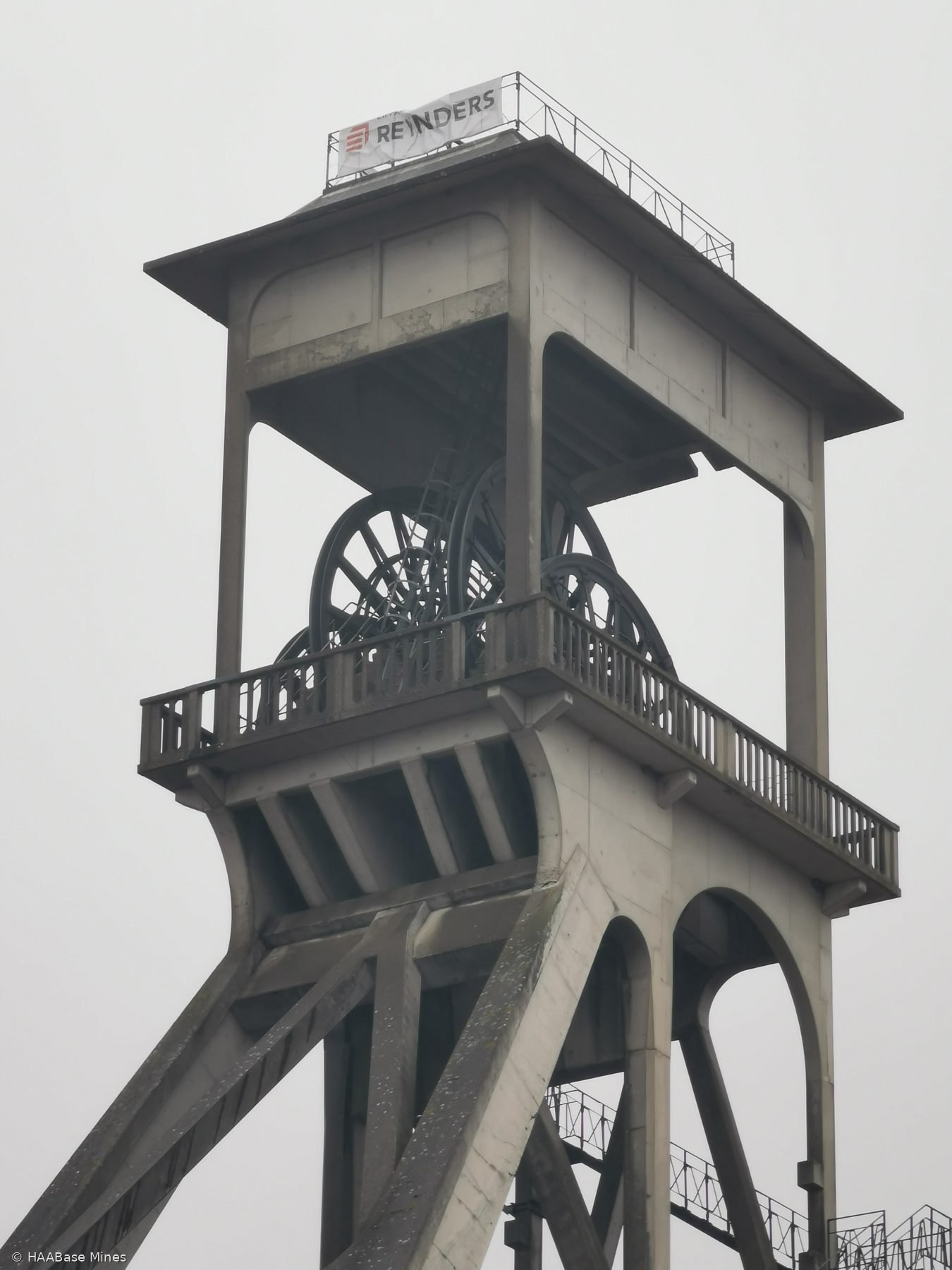
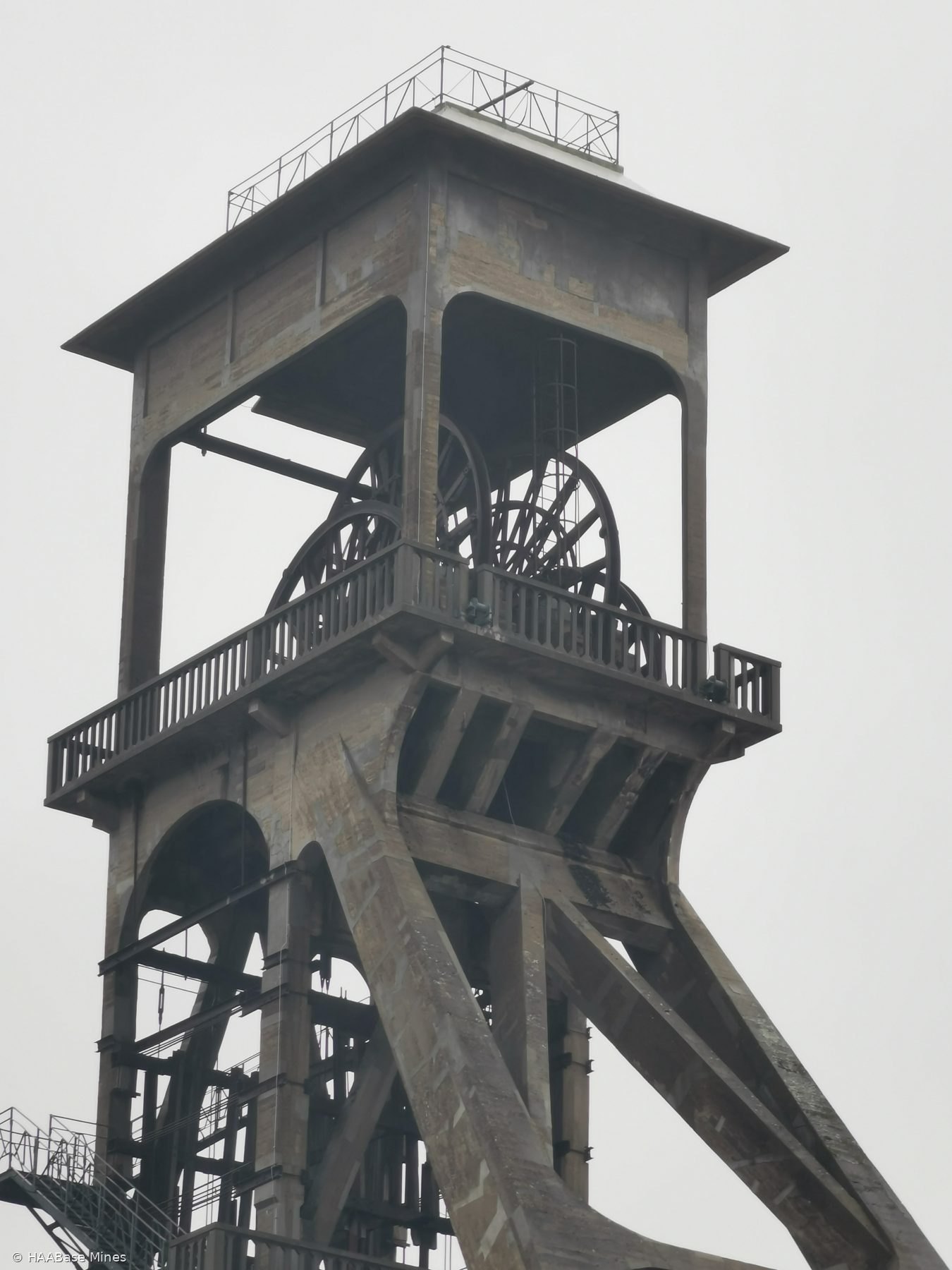
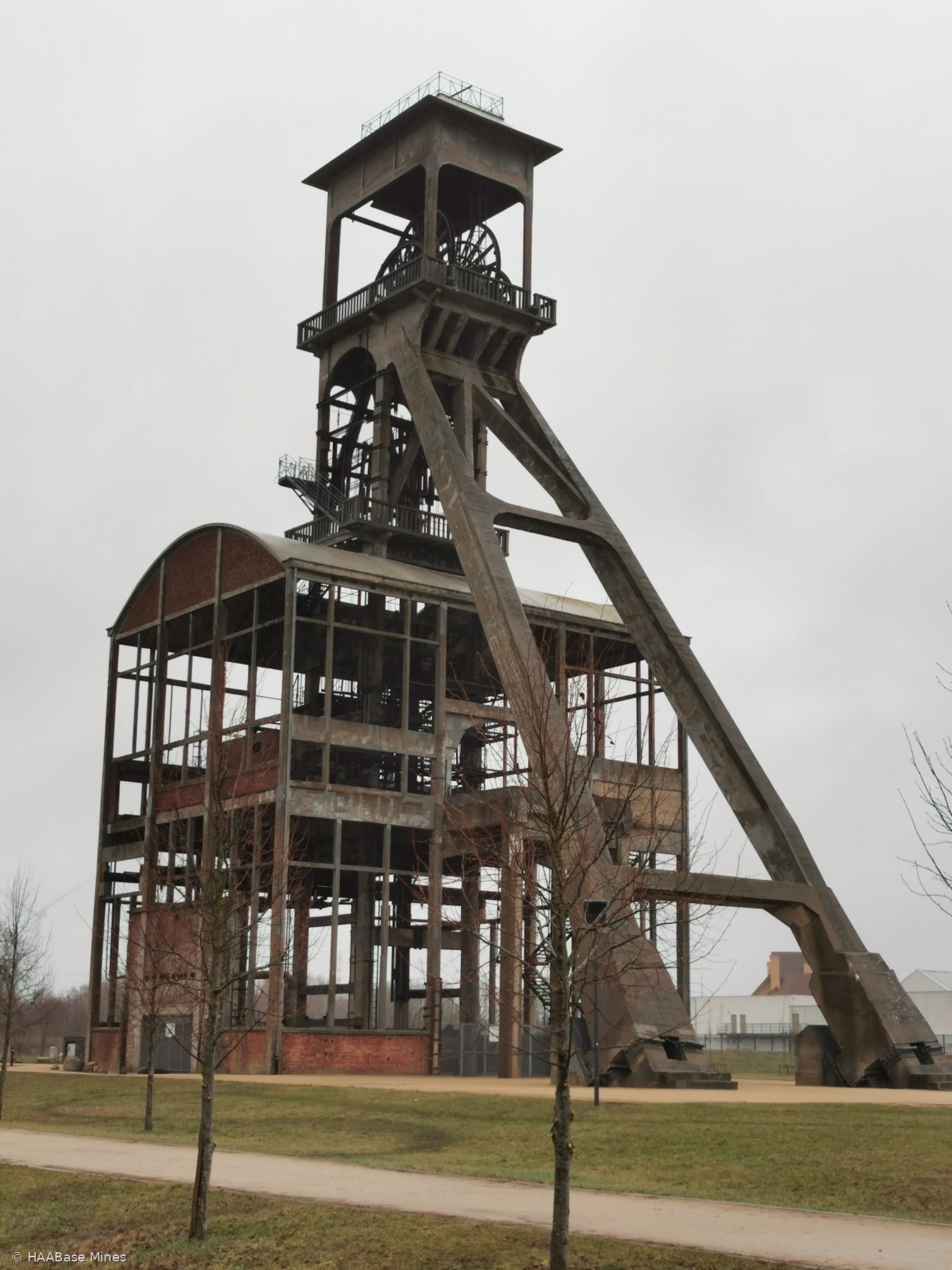
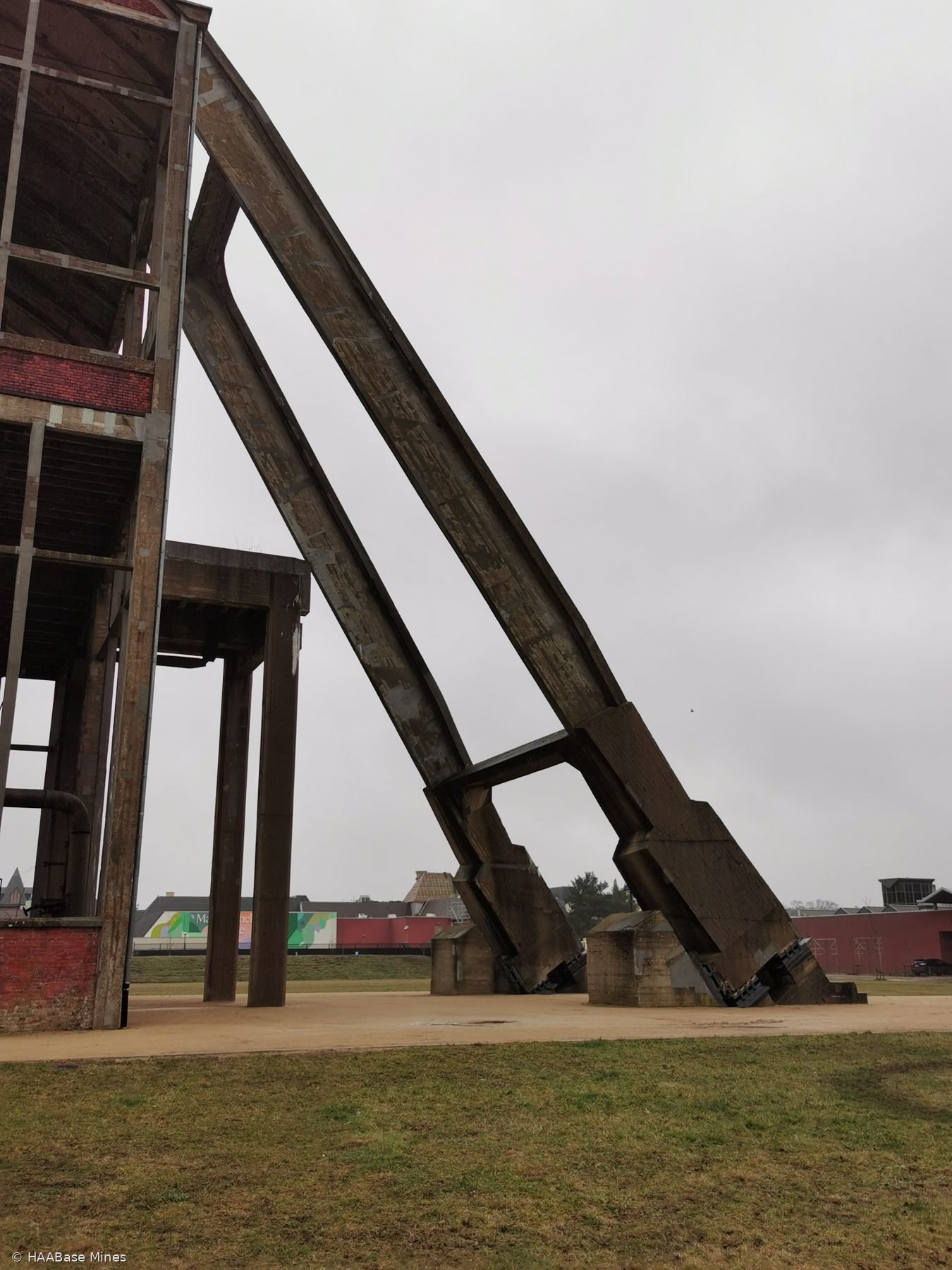
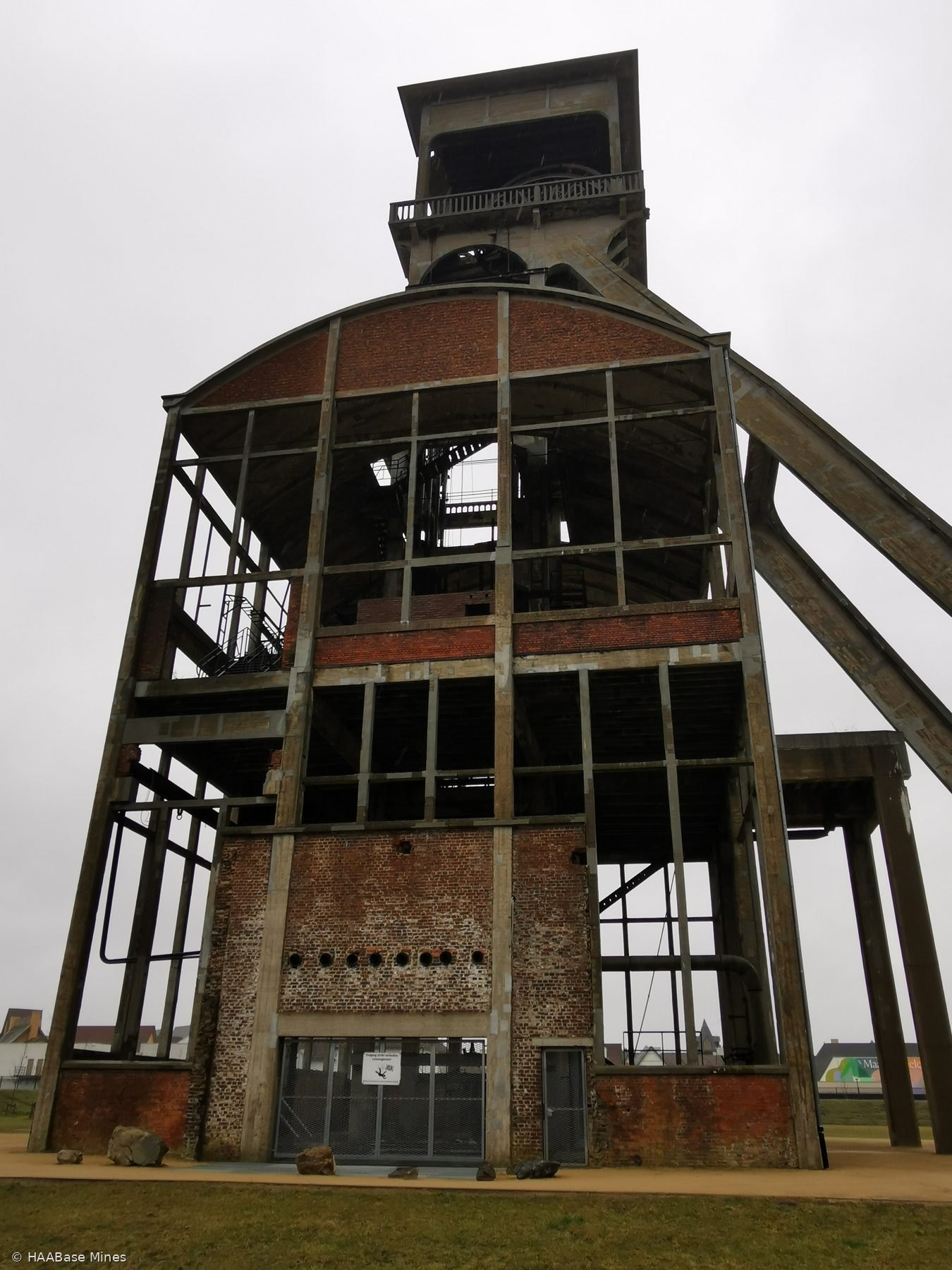
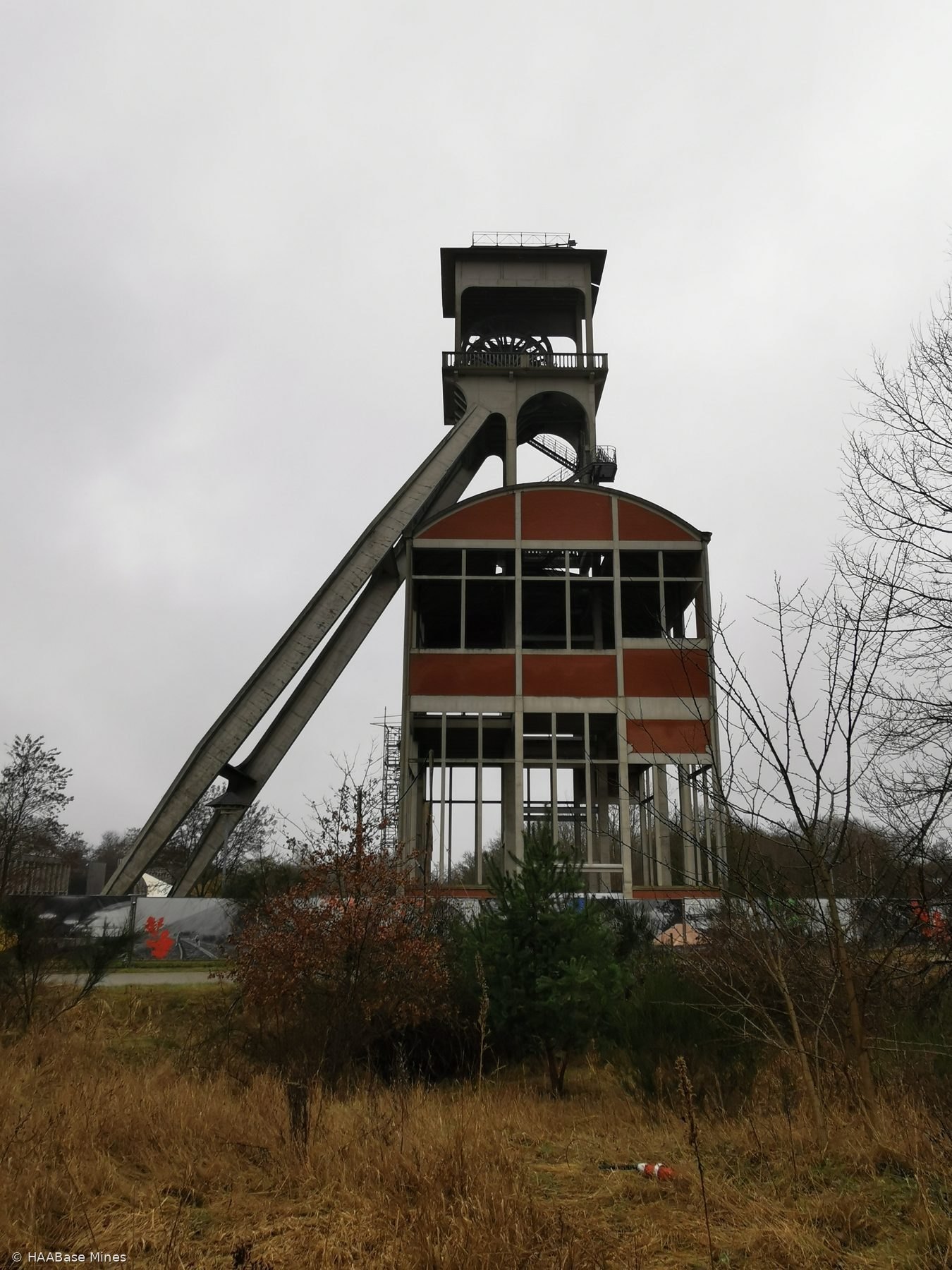
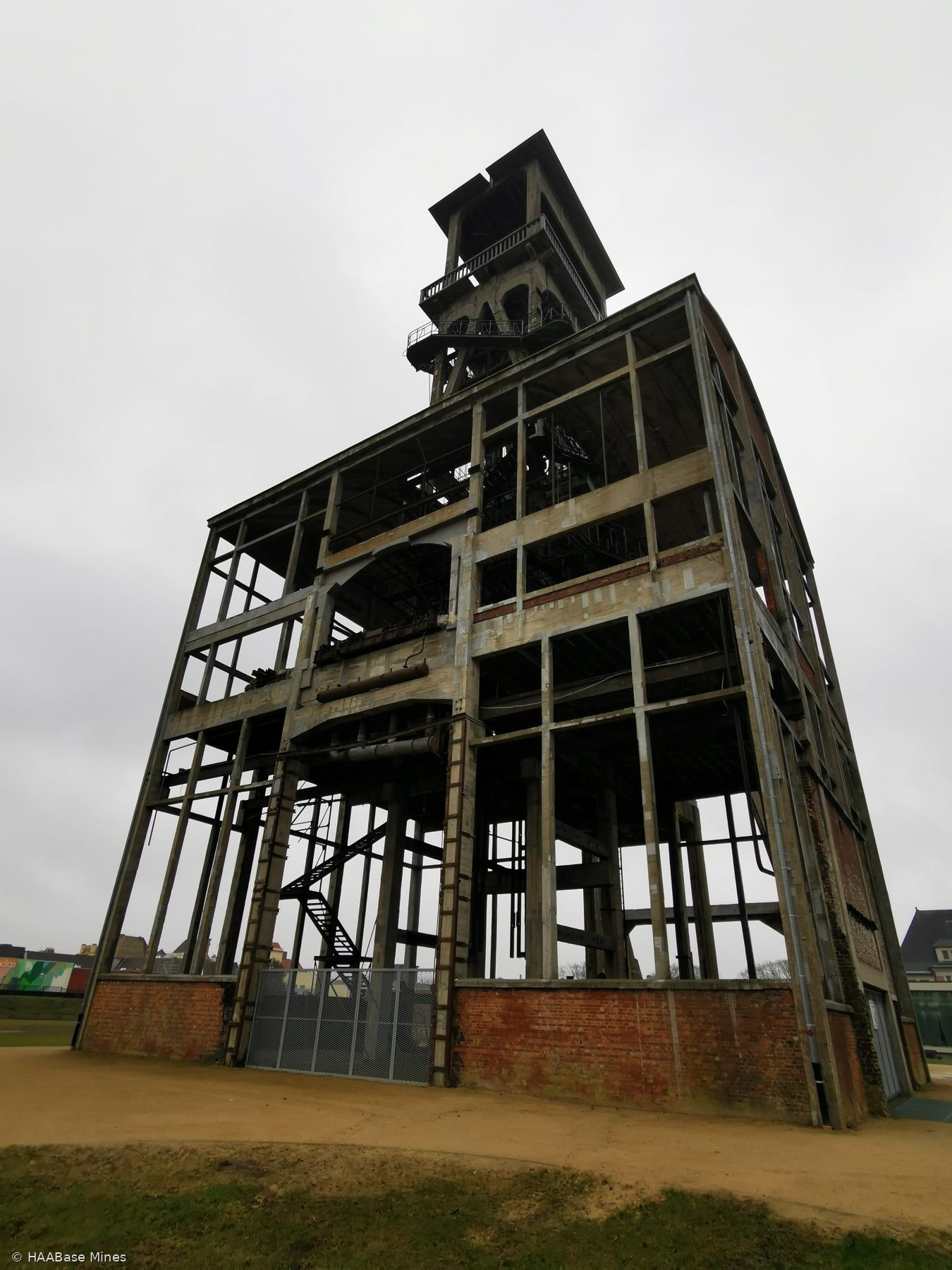
The site was notable as the only Kempen colliery with two concrete headframes, built by the Monnoyer brothers in reinforced concrete. Schachtbok II was demolished in 1997 but a reconstruction was erected in 1998. Schachtbok I, known as the Puits de la Reine, was protected as a monument in 1993; Schachtbok II in 2002.
The coal washing plant and power station were replaced by the Maasmechelen Village outlet centre. The site now hosts the Connecterra gateway to the Nationaal Park Hoge Kempen.
The steenkoolmijn van Eisden had its origins in the discovery by André Dumont of coal at As in 1901. The concession Sainte-Barbe, covering 2,170 hectares, was granted on 29 November 1906. The Société Anonyme des Charbonnages Limbourg-Meuse was founded in 1907 and began purchasing land in Eisden from 1908. Garden suburb construction for workers' housing commenced immediately, with the first completed dwellings occupied in 1911. By royal decree of 15 November 1910 the company received authorisation to expropriate land for a light rail connection. The first phase of housing construction covered 1911 to 1913.
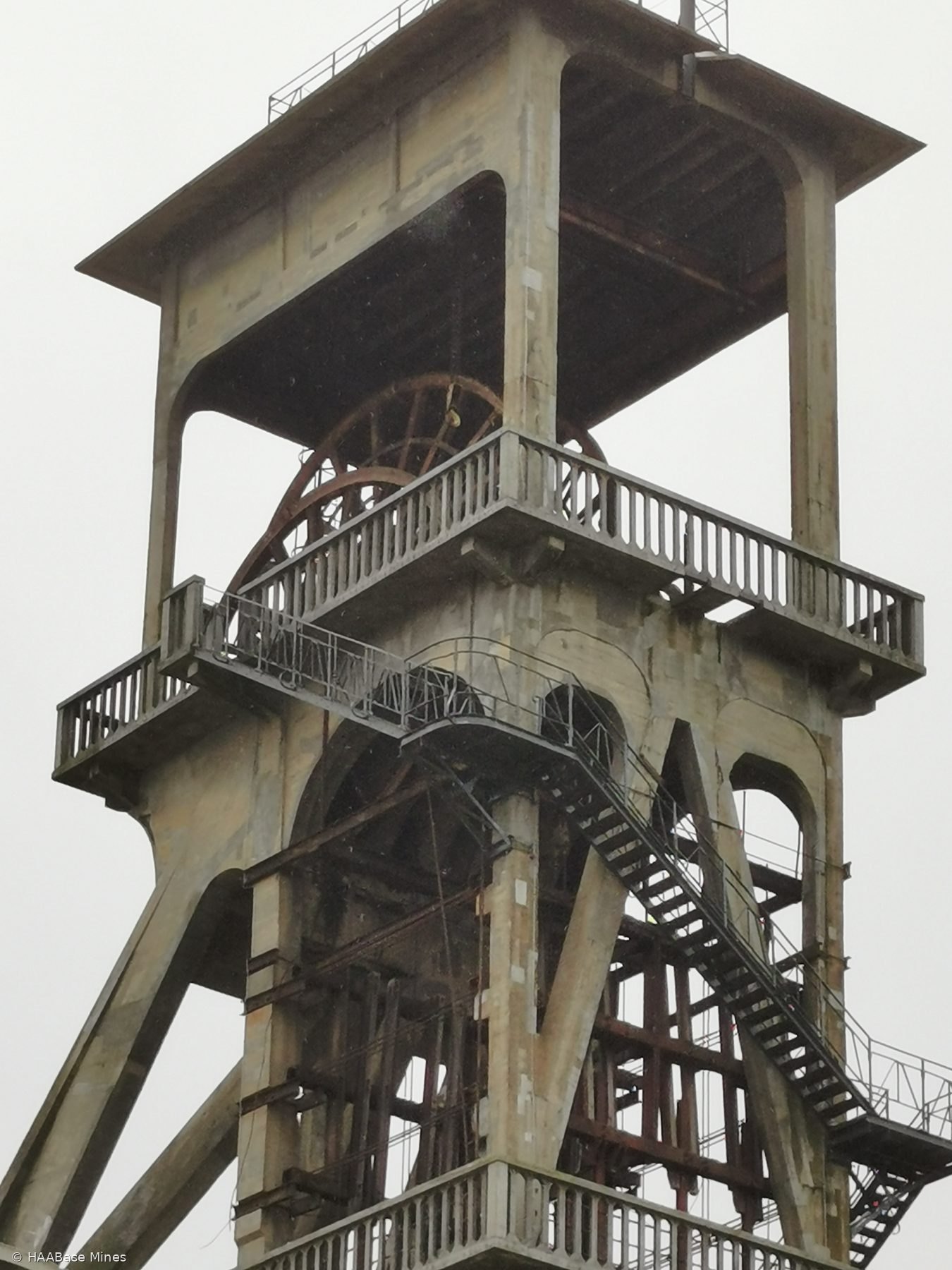
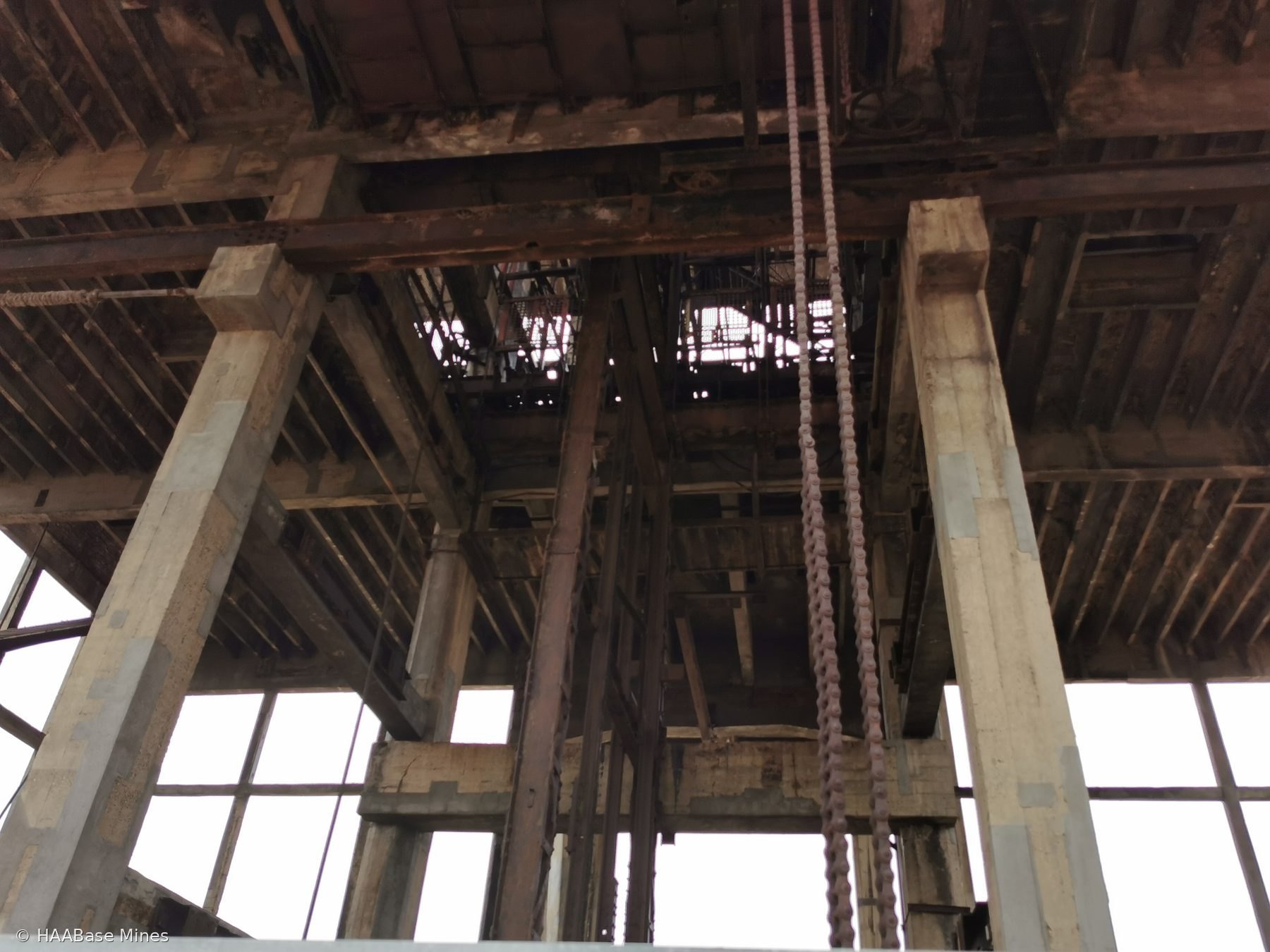
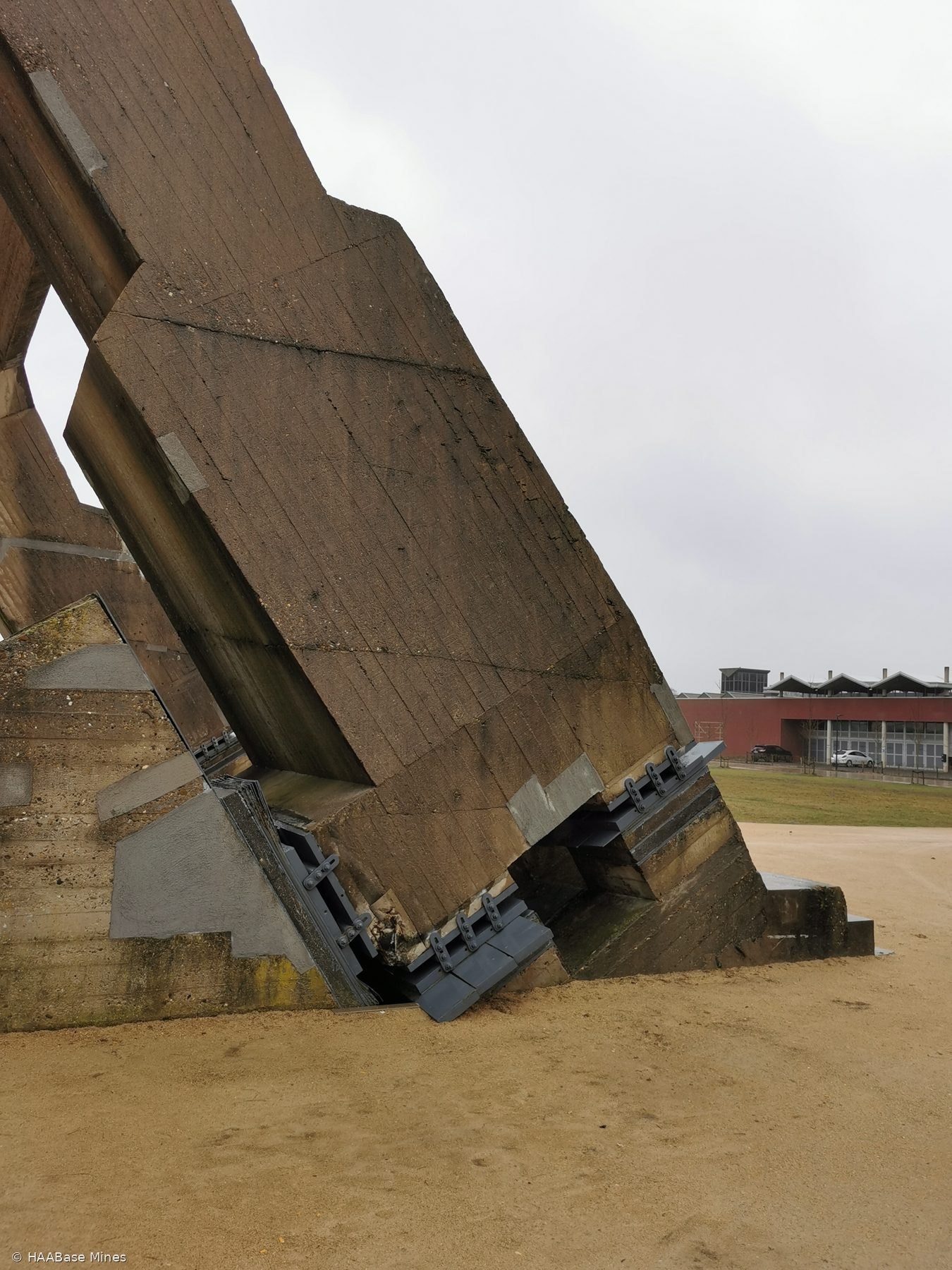
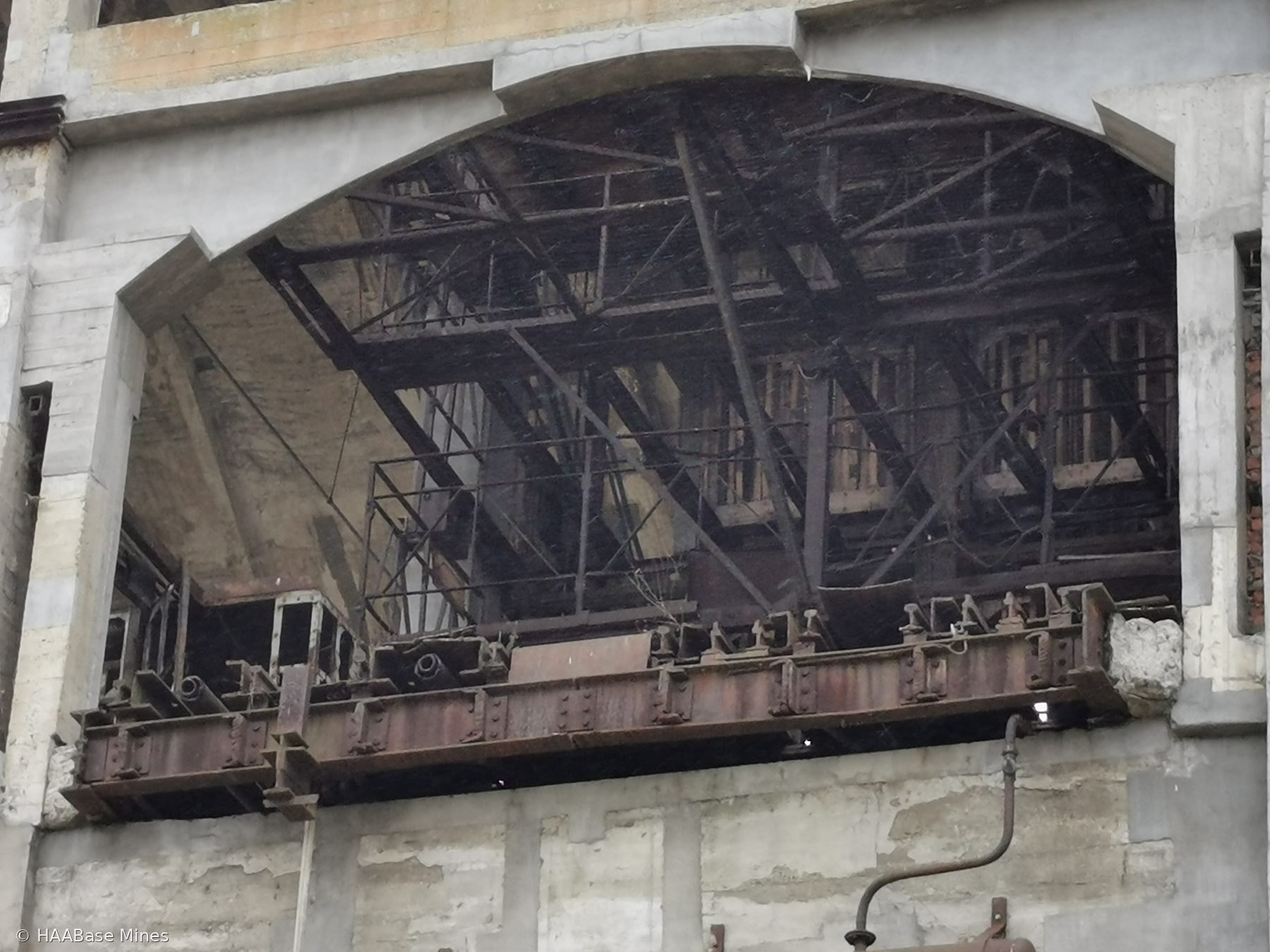
On 12 August 1911 boring of the freeze holes for the shafts began. Cementation of the tuff layers to stem the greatest water inflows was attempted via four diagonal borings. On 4 March 1914 the ice wall was complete and shaft sinking began. Work was halted in August 1914 by the war; it resumed in 1915 under German supervision. The French firm Entreprises Générales de Fonçages des Puits et Travaux de Mines de Paris broke its contract with the N.V. Limbourg-Meuse, and the Belgian firm Henricot of Saint-Etienne was engaged for the shaft lining. In contrast to the metal headframes of the other Kempen collieries, the two headframes at Eisden were built in reinforced concrete by the Monnoyer brothers. The concrete construction allowed a more slender structure at lower cost, though it proved less adaptable to underground subsidence in later decades. Schachtbok I, above what became known as the Puits de la Reine, was completed in 1921 and stands 45 metres tall, with the cable sheave at 34.5 metres height. The loading floor installation around this shaft was developed from late 1922. Schachtbok II was completed in 1926. Each headframe was provided with two stacked loading floors in concrete skeleton with metal structures attached.
On 30 August 1917, Schacht I reached the first coal seam; at the end of the war the lining works had reached 519 metres. Schacht II's freeze holes were bored before the First World War but freezing could only begin on 1 December 1918 for lack of coal and coolant during the conflict. Schacht I was ultimately deepened to 730 metres, Schacht II to 812 metres depth. Both shafts were connected underground at 590 metres depth in 1922. In 1923 Eisden became the third Kempen mine to begin commercial production, after Winterslag and Beringen. From 1923 to 1950 coal was extracted between 500 and 600 metres depth; from 1950 to 1965 between 600 and 700 metres; from the early 1970s working extended below 780 metres, reaching 900 metres via inclined galleries.
From 1912 a 170-metre concrete quay wall was built on the western bank of the Zuid-Willemsvaart canal to establish the mine's own coal loading harbour. In 1934 a connection via Neerharen to the Albertkanaal, ten kilometres south of Eisden, was completed. A portal crane loaded the barges. The mine had the highest proportion of foreign workers among the seven Kempen collieries. Following the post-war bilateral labour agreements, Polish, Slovenian, Italian, Moroccan, Spanish, Greek, and Turkish workers came to Eisden in succession. The magnificent garden suburb of Eisden-Tuinwijk, modelled on the English garden city concept, was developed from 1911 with curved streets, hedges, and various house types for different staff grades, in the opinion of many commentators the finest garden suburb in the Kempen. Queen Elisabeth visited the mine in 1922; the main highway through the suburb was named the Koninginnelaan in her honour, and a park with a life-sized marble statue of the queen was laid out.
The prestigious office complex, built in 1931 in a neo-classical Baroque style reflecting the French character of the principal shareholders (including the Brufina holding company of Paul Auguste Cyrille de Launoit and from 1930 the Evence Coppée group), faces a French-style garden. The main building of 1913, the oldest in the Kempen coalfield, served successively as stables, locomotive shed, garage, carpentry workshop, works office, and magazine before being restored and converted into the municipal arts and music academy of Eisden. Peak employment was 7,340 workers in 1955. Peak annual production of 1,883,420 tonnes was achieved in 1957. Total production over the mine's life reached 73,191,000 tonnes. During 64 years of operation 282 miners were killed by accident. A plan to close the mine in 1971 was abandoned following the oil crisis.
The mine closed on 18 December 1987, with the formal winding down of the site completed in 1988 and 1989. Heritage proposals emerged immediately after closure, given the exceptional architectural character of the concrete headframes. Several buildings were saved from demolition. In 1993, the principal mine buildings — including the main offices, main warehouse, Schachtbok II with its winding machine room and compressed-air hall — received monument protection. The bath house side elevation and the extension of the main offices received protection in May 1997. Schachtbok I, the Puits de la Reine and the oldest concrete headframe in the Kempen, received protection in December 2002. Schachtbok II had been demolished in 1997 but was reconstructed in 1998. In 2001 the Maasmechelen Village outlet centre opened on the former mine terrain in the area previously occupied by the coal washing plant and power station, which had both been demolished. In 1995 a museum of the miner's house (Museum van de Mijnwerkerswoning) opened in one of the double houses in the cité. From mid-2013 the mine site, renamed Connecterra, became the prestige gateway to the Nationaal Park Hoge Kempen. In 2025 the reconstructed Schachtbok was being fitted out as the new reception building for the national park.