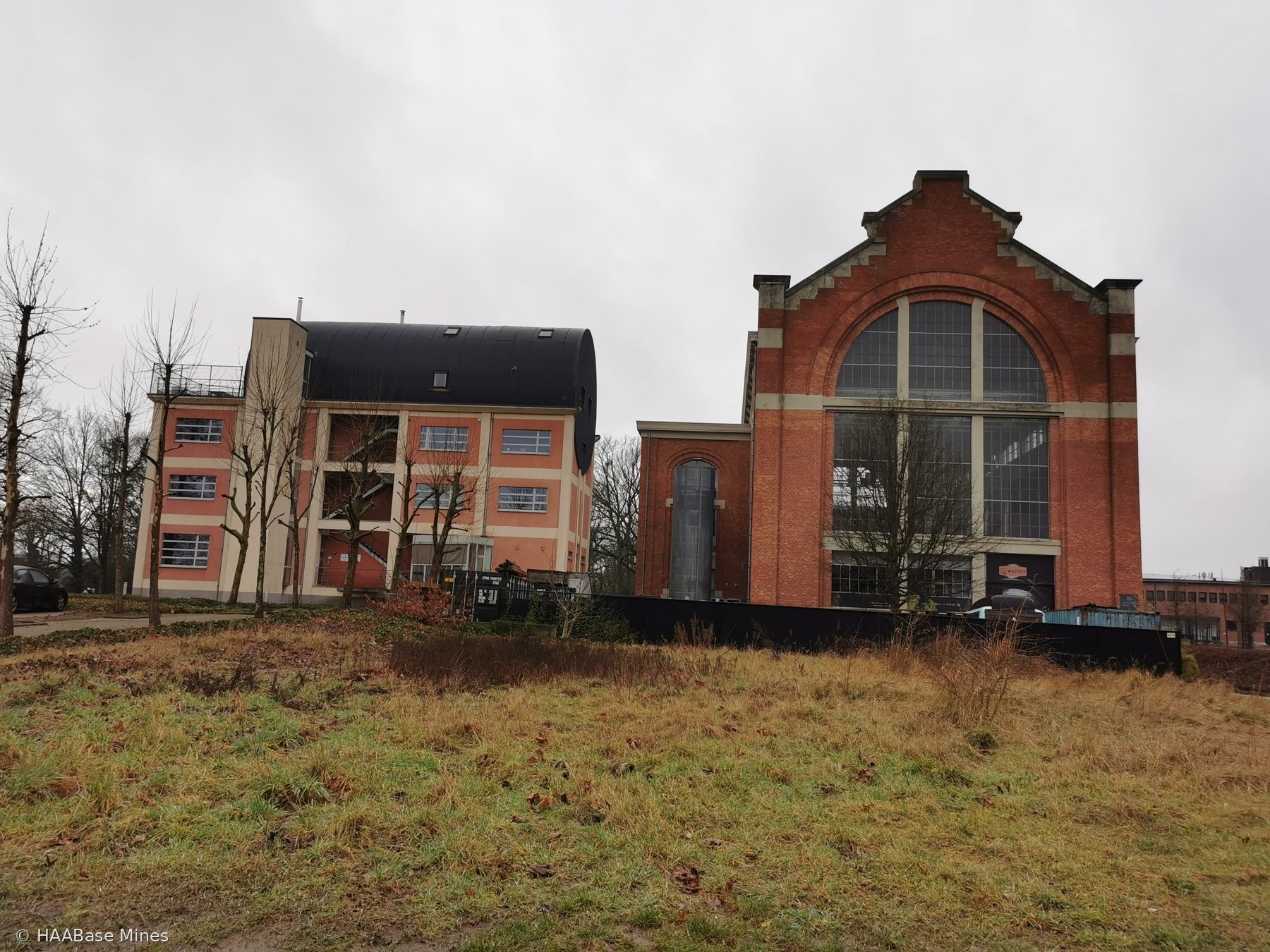
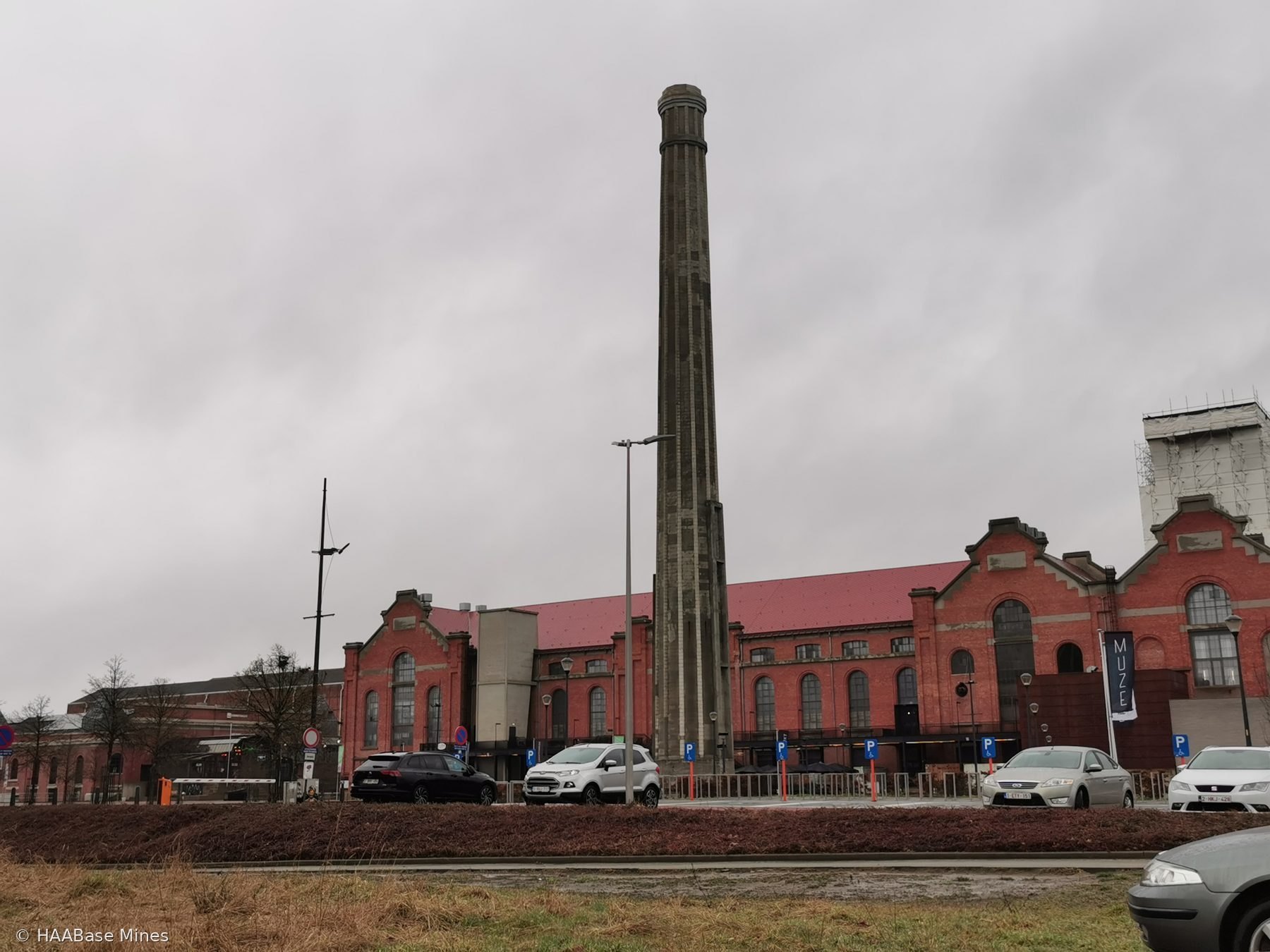
The coal concessions Zolder and Helchteren, the largest in the entire Kempen coalfield, were granted by royal decree on 25 October 1906. They covered the territories of the communes Koersel, Heusden, Zolder, Helchteren, Houthalen, and Zonhoven, comprising a combined area of 7,060 hectares. The Société anonyme Charbonnages d'Helchteren et Zolder was founded on 26 January 1907. Principal shareholders included the steel groups ARBED (Aciéries Réunies de Burbach-Esch-Dudelange), Usines de la Providence, Maiemont-Bascoup (the Warocqué group), Compagnie de Belgique pour l'Industrie, La Providence-Nord, Solvay, and the barons Lambert and Boël.
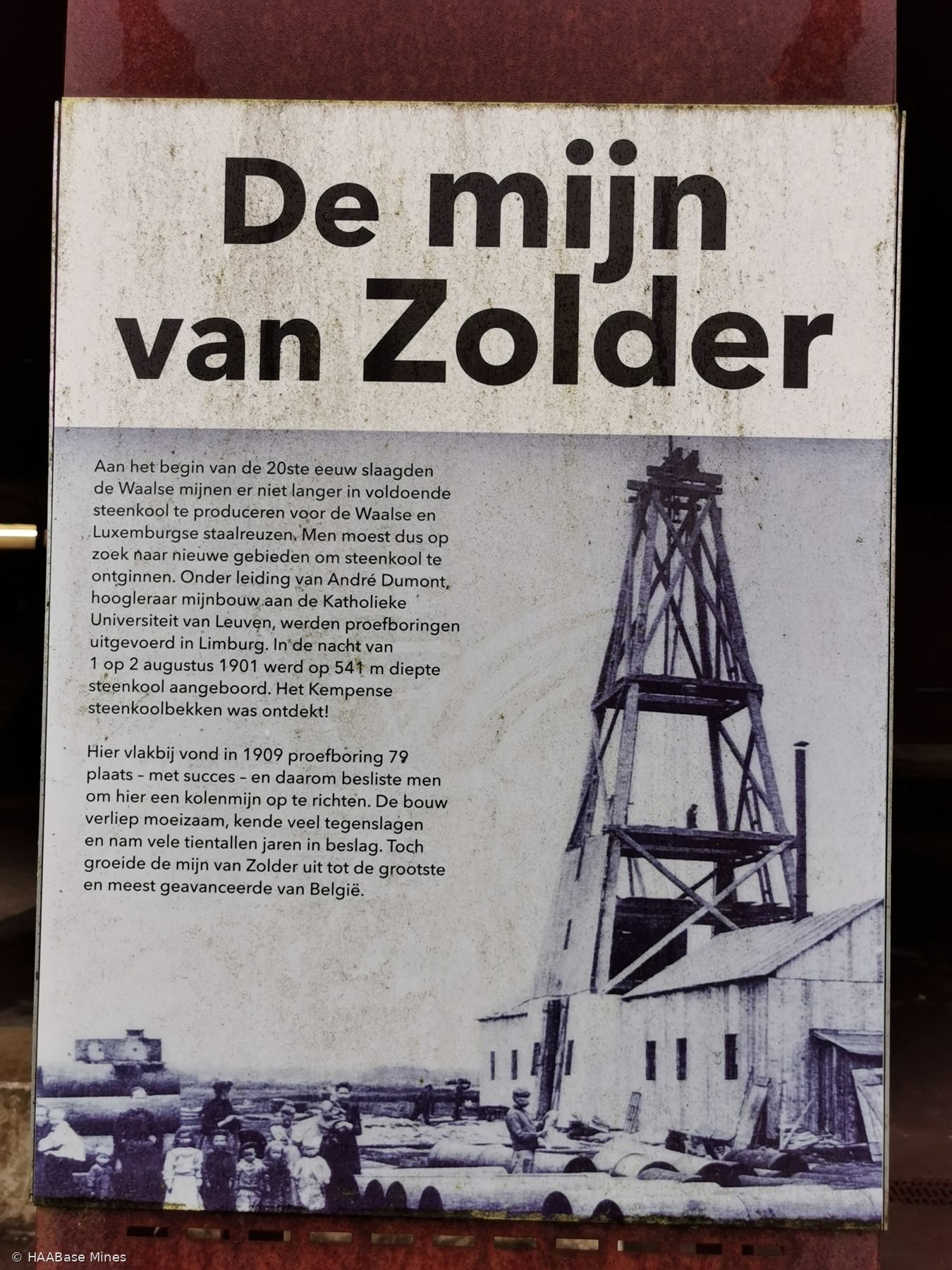
The company resolved to site the extraction pit at Voort, a hamlet of Zolder. Preparatory probe borings were conducted between 1907 and 1910, including a boring at Zolder-Voort to 1,333 metres. An additional probe bore at Wijvenheide in 1921 reached 1,912 metres, establishing a pre-war Belgian depth record. Ground purchase in the area was conducted during 1909 to 1911 and preparations for shaft sinking followed from 1912. From the very beginning the preparatory works endured an exceptional sequence of difficulties. The initial choice not to use the freezing method employed at other Kempen mines, but instead an integral boring method, proved problematic. During the First World War, the occupying German forces confiscated machines, the freezing installation, and approximately 1,700 tonnes of cast-iron lining elements, halting all work. In 1921 a section of the freeze wall of Schacht I collapsed, flooding the shaft. In 1922 the same happened to Schacht II. In May 1925 a further water breakthrough occurred. In June 1925 a fire destroyed the wooden sinking towers and the steel headframes that were under construction.
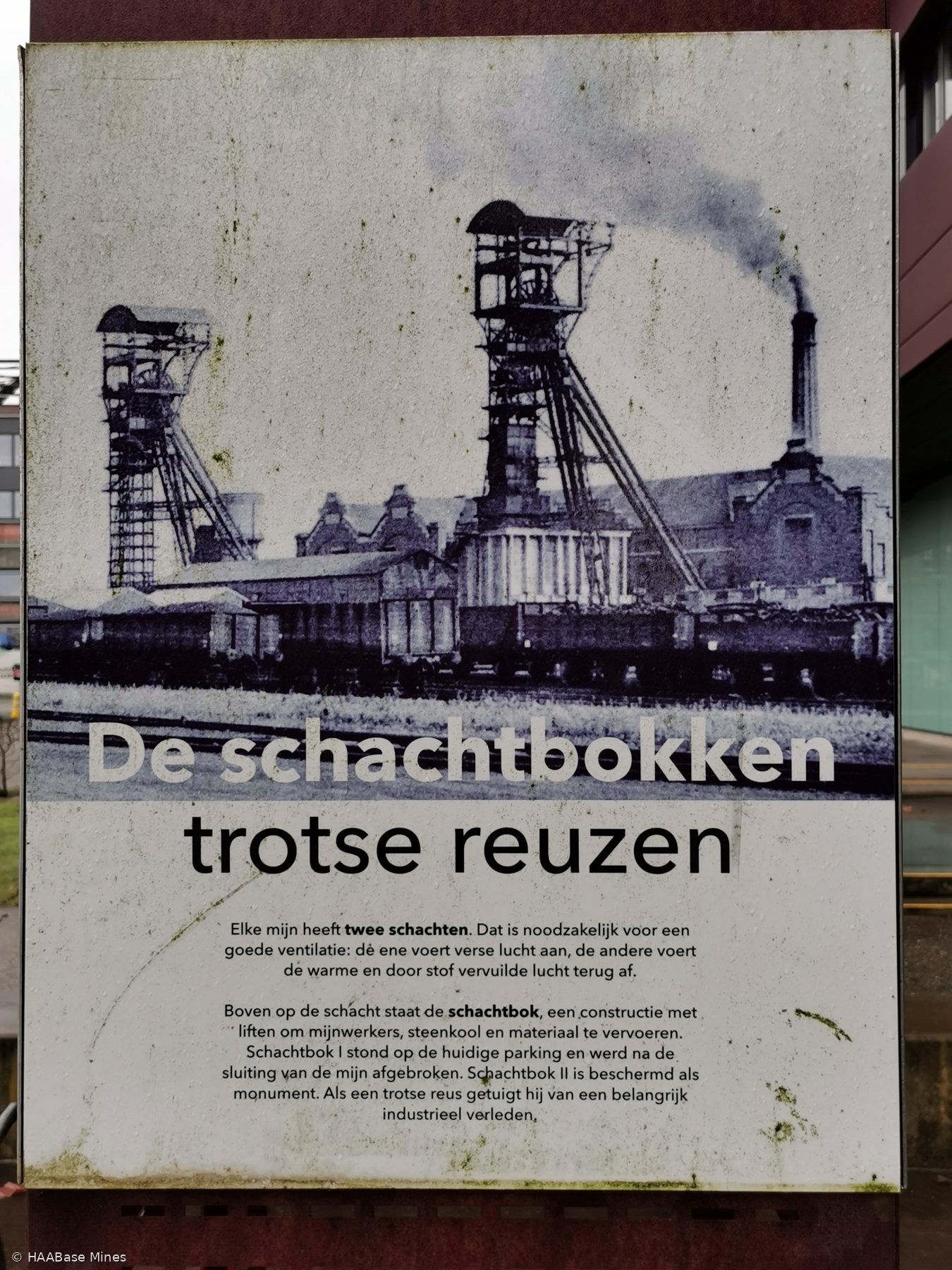
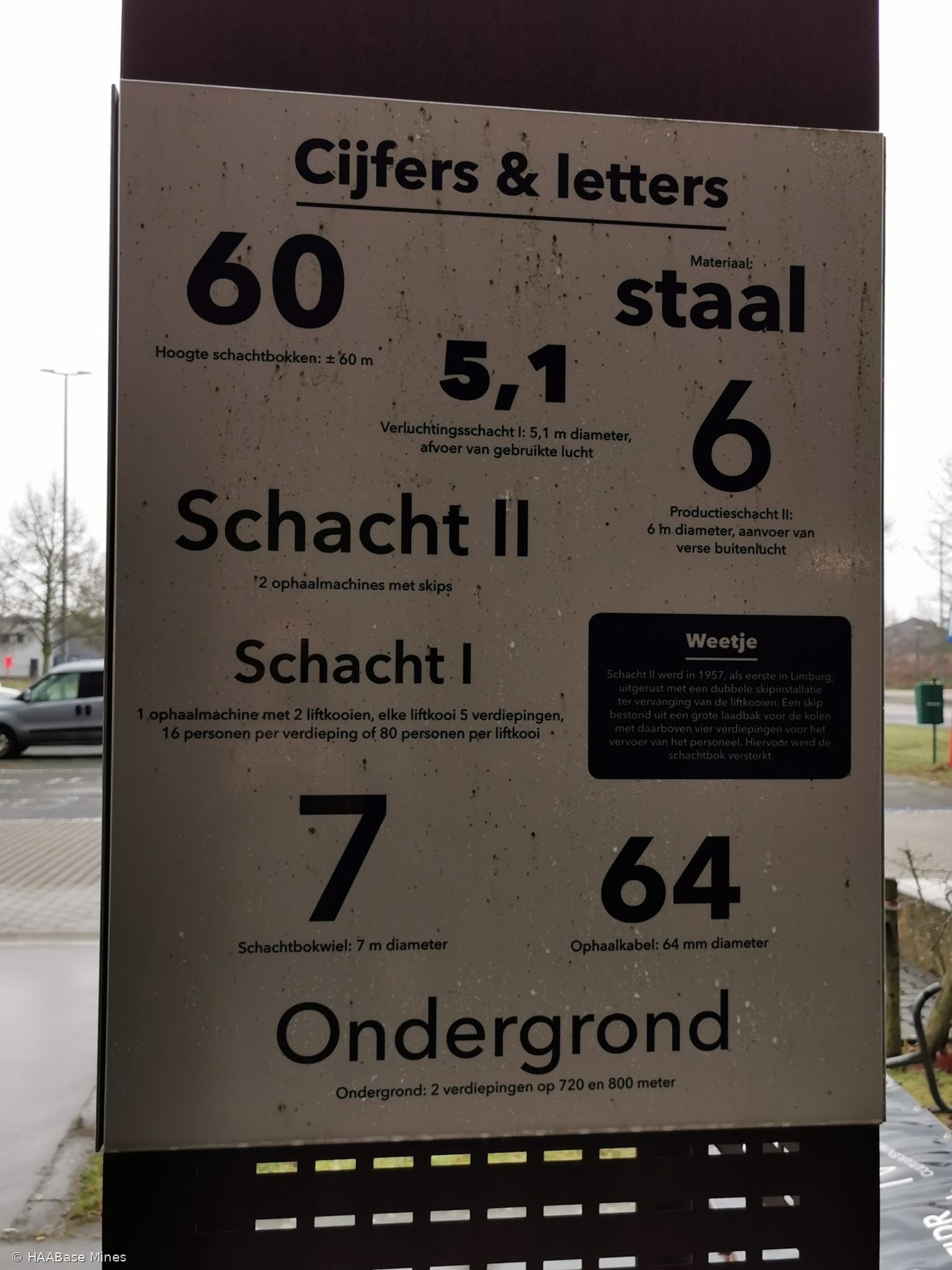
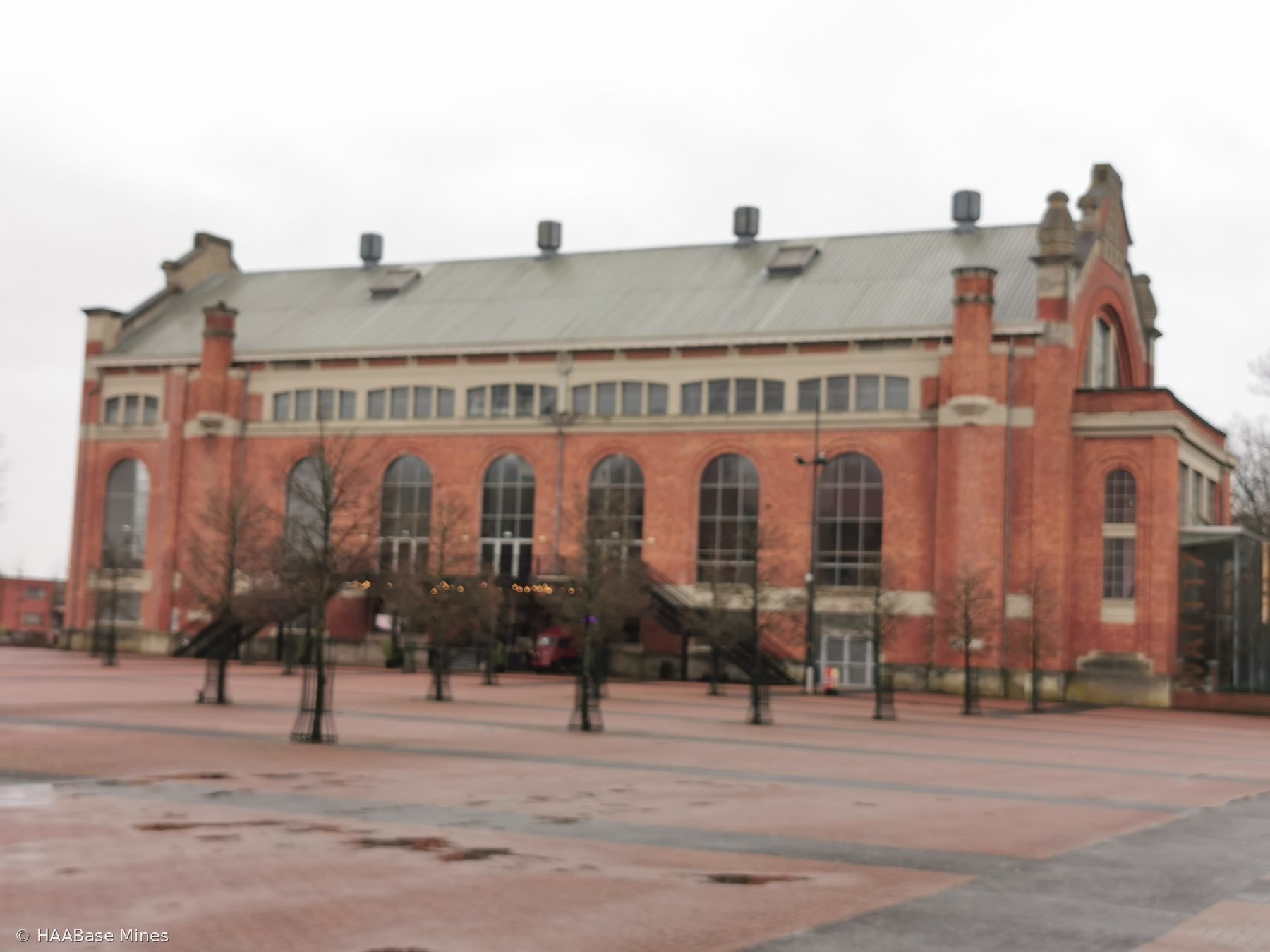
Despite all these setbacks, Schacht I eventually reached a depth of 850 metres and Schacht II 850 metres, the latter with a diameter of six metres serving as the production shaft and the former with a diameter of five metres for ventilation and materials. The two steel headframes were designed by Lemaire of Châtelineau and built by the Luxemburgse constructiefirma Wurth, erected from 1924 (Schacht I) and 1925 (Schacht II). The electric power station, to the design of architect Dewandre, was completed in 1924. The office building was built in a functional style in 1937. The first coal was raised on 15 April 1930. Working levels were established at 720, 800, and 900 metres. In 1931 the mine raised 781 tonnes of fat coal per day; by 1939 this had risen to 2,868 tonnes. In 1957, skip hoisting equipment was installed in the production shaft Schacht II, allowing 1,200 tonnes per hour to be raised.
Housing for mine workers was planned as early as 1913 in the form of the Cité Berkenbos project with over a thousand dwellings, but the long pre-production period absorbed much capital and increased costs meant the full plan was never executed. Between 1913 and 1958, approximately 700 dwellings were built in several phases in the nearby hamlets Berkenbos and Lindeman.
Peak production before the merger with Houthalen was 1,600,000 tonnes in 1955. Peak employment before the merger was 6,118 miners in 1975, with the absolute record of 9,379 workers in 1964 following the merger with the Steenkoolmijn van Houthalen on 29 May 1964, which brought both collieries under a single administration. After the merger, total production peaked at 2,377,000 tonnes in 1967. Total net production over the combined operational life reached approximately 87,911,000 tonnes, of which around 13,000,000 tonnes came from the Houthalen concession.
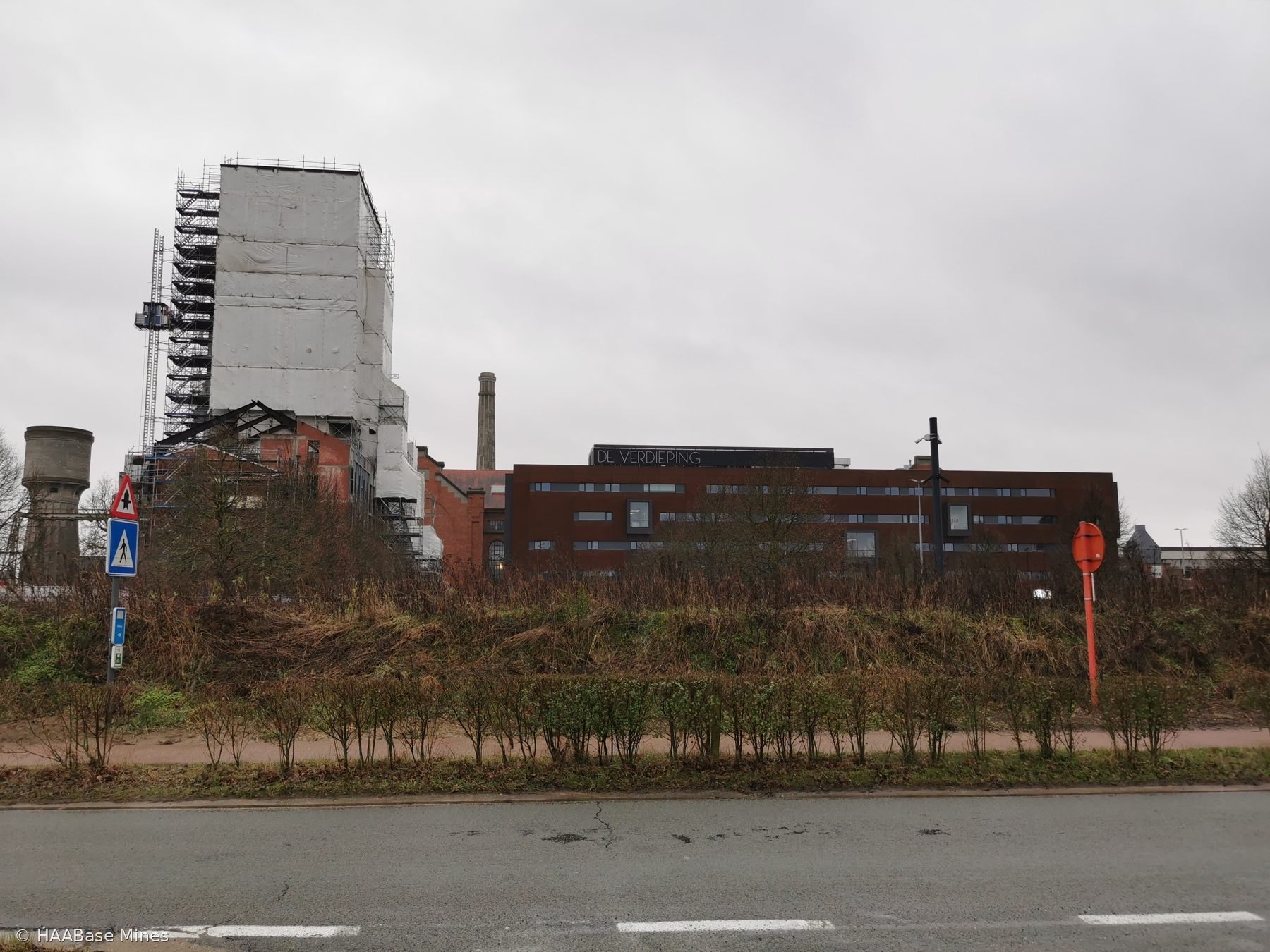
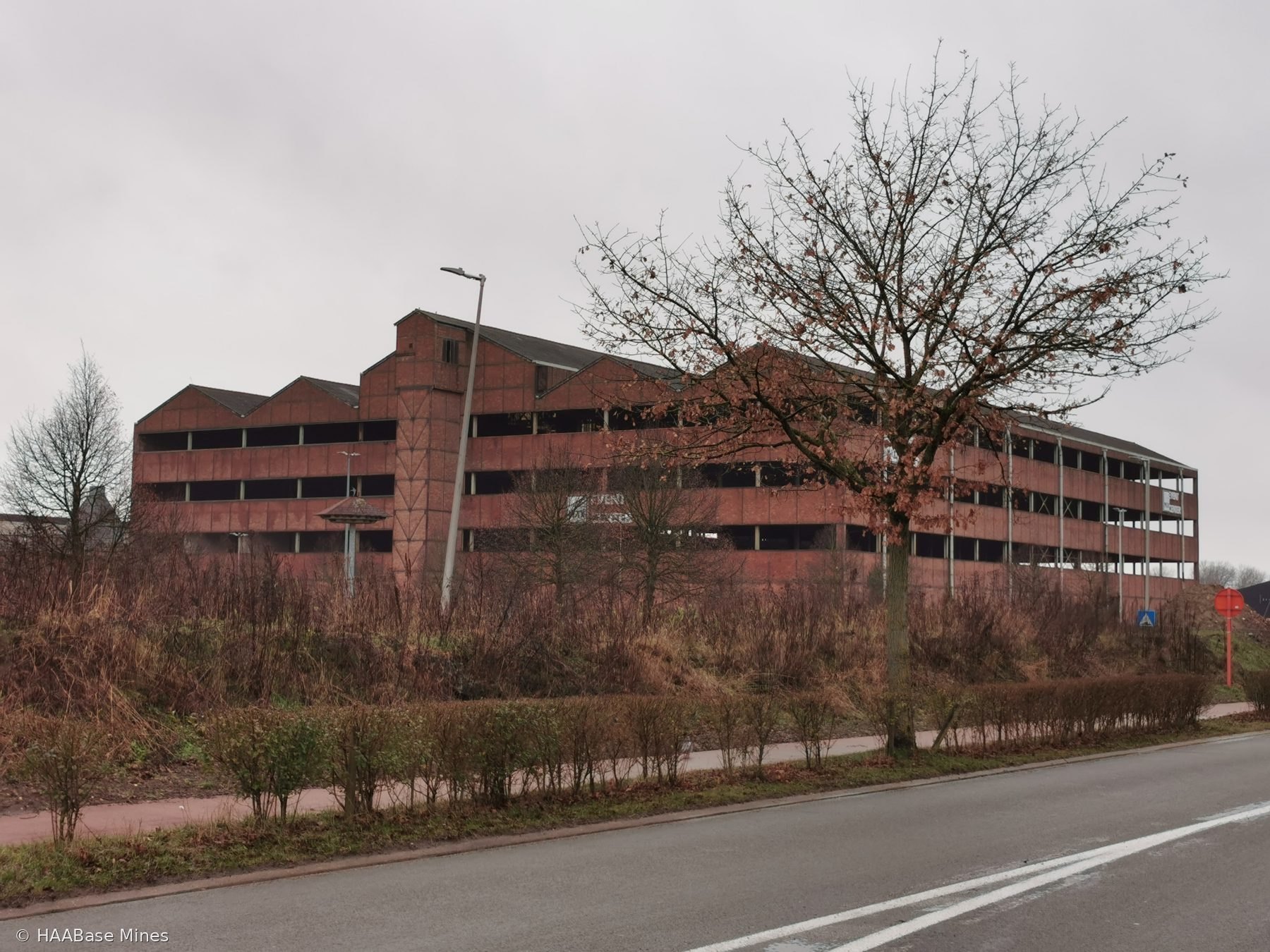
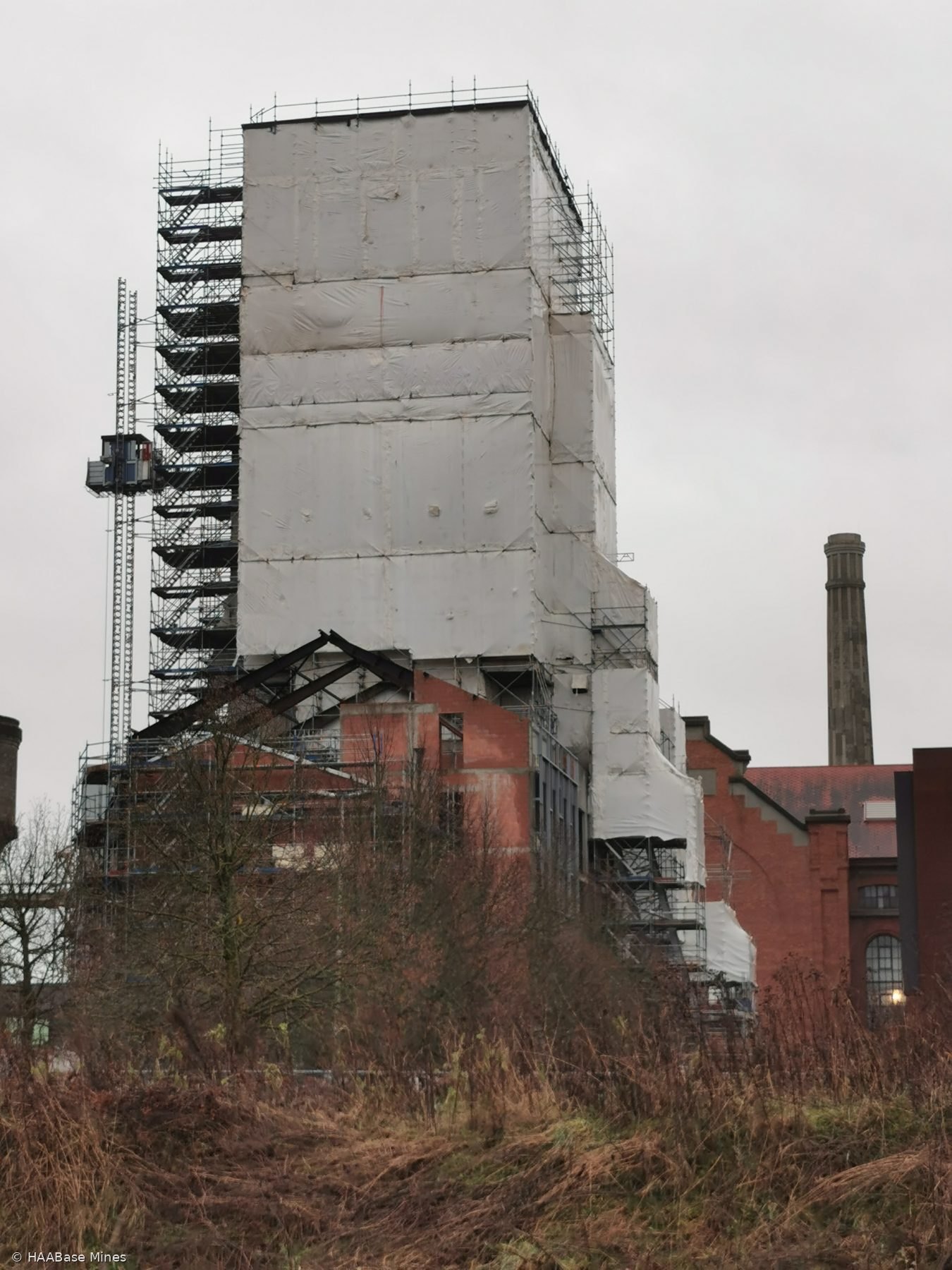
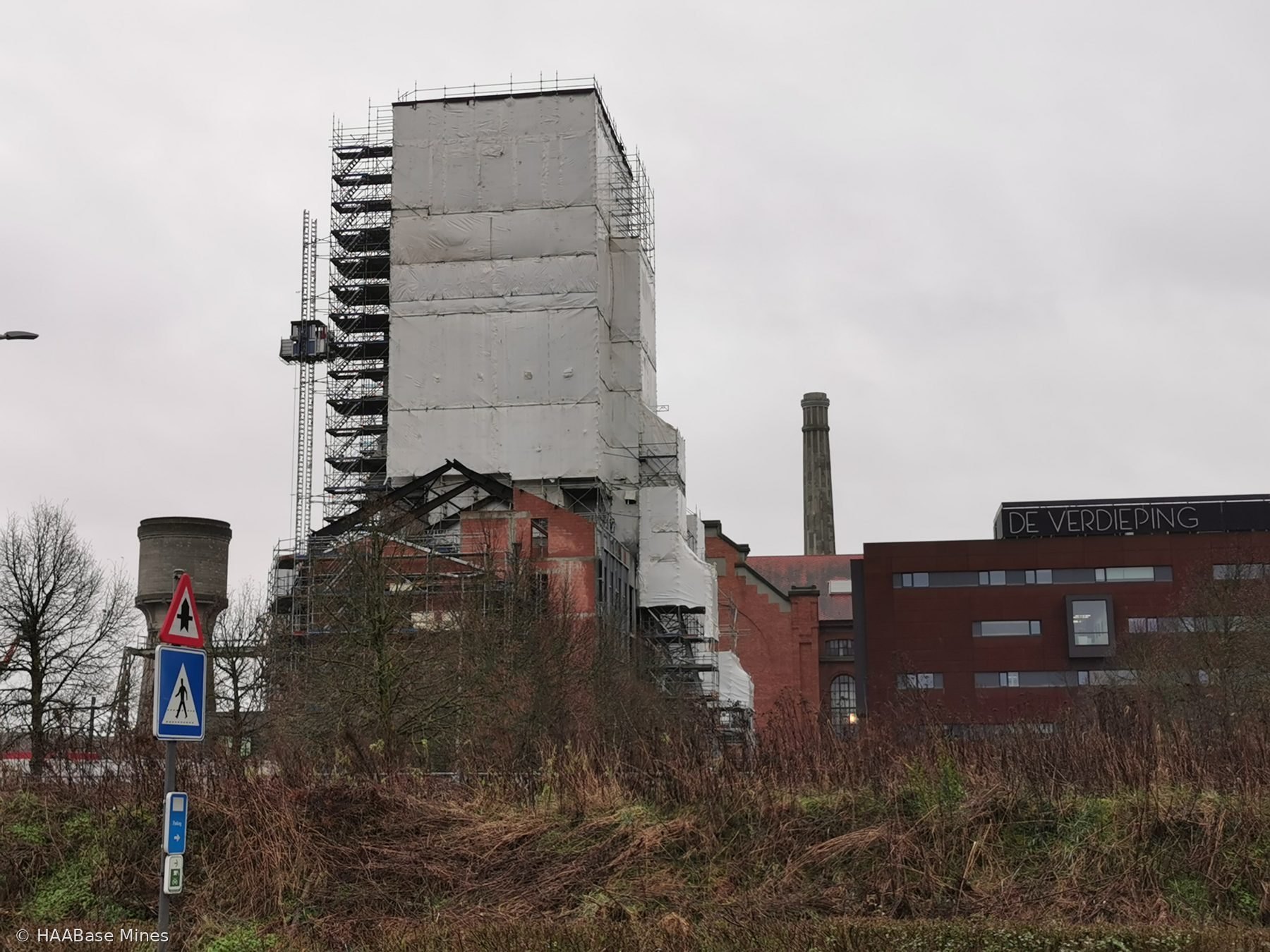
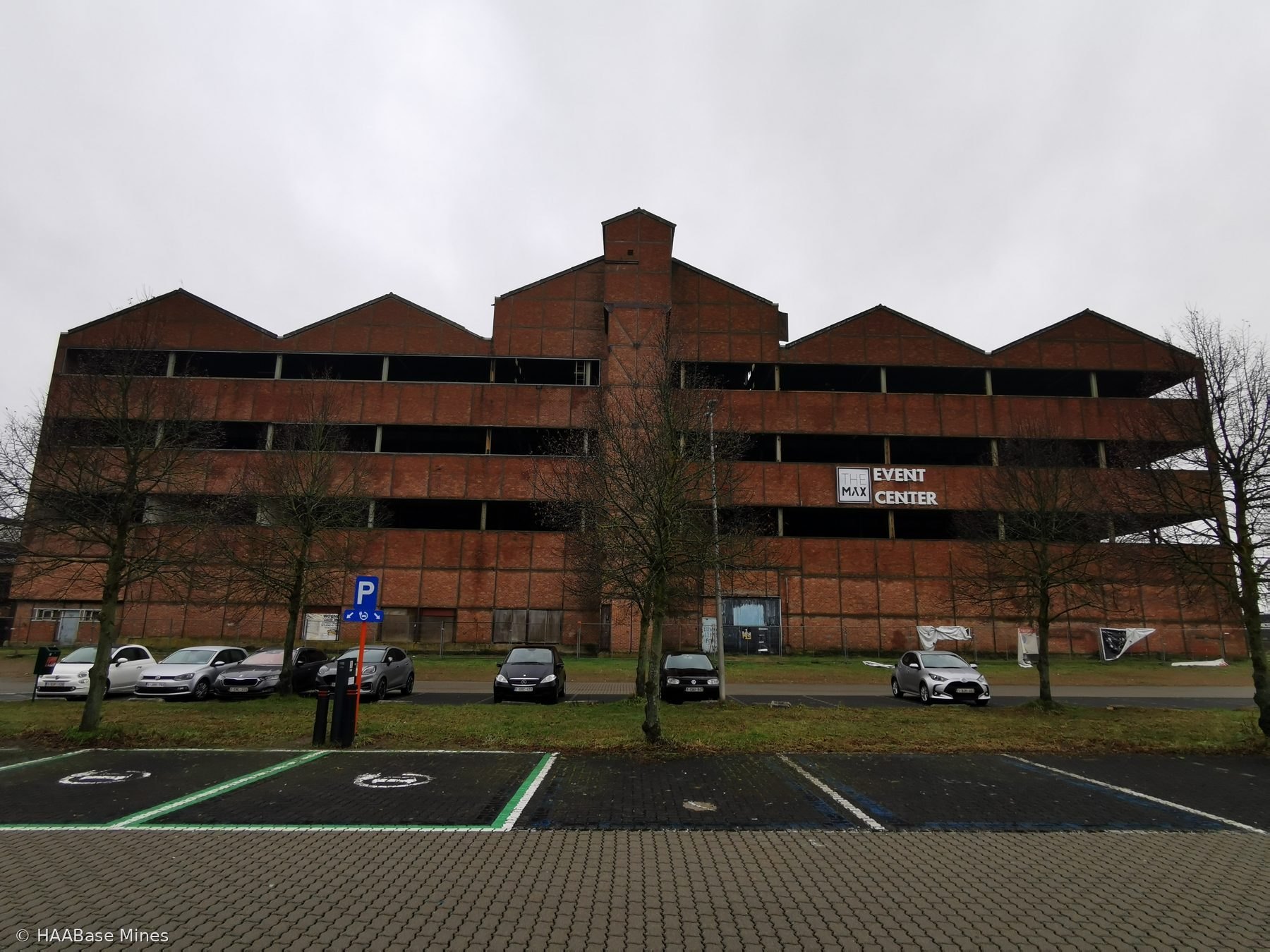
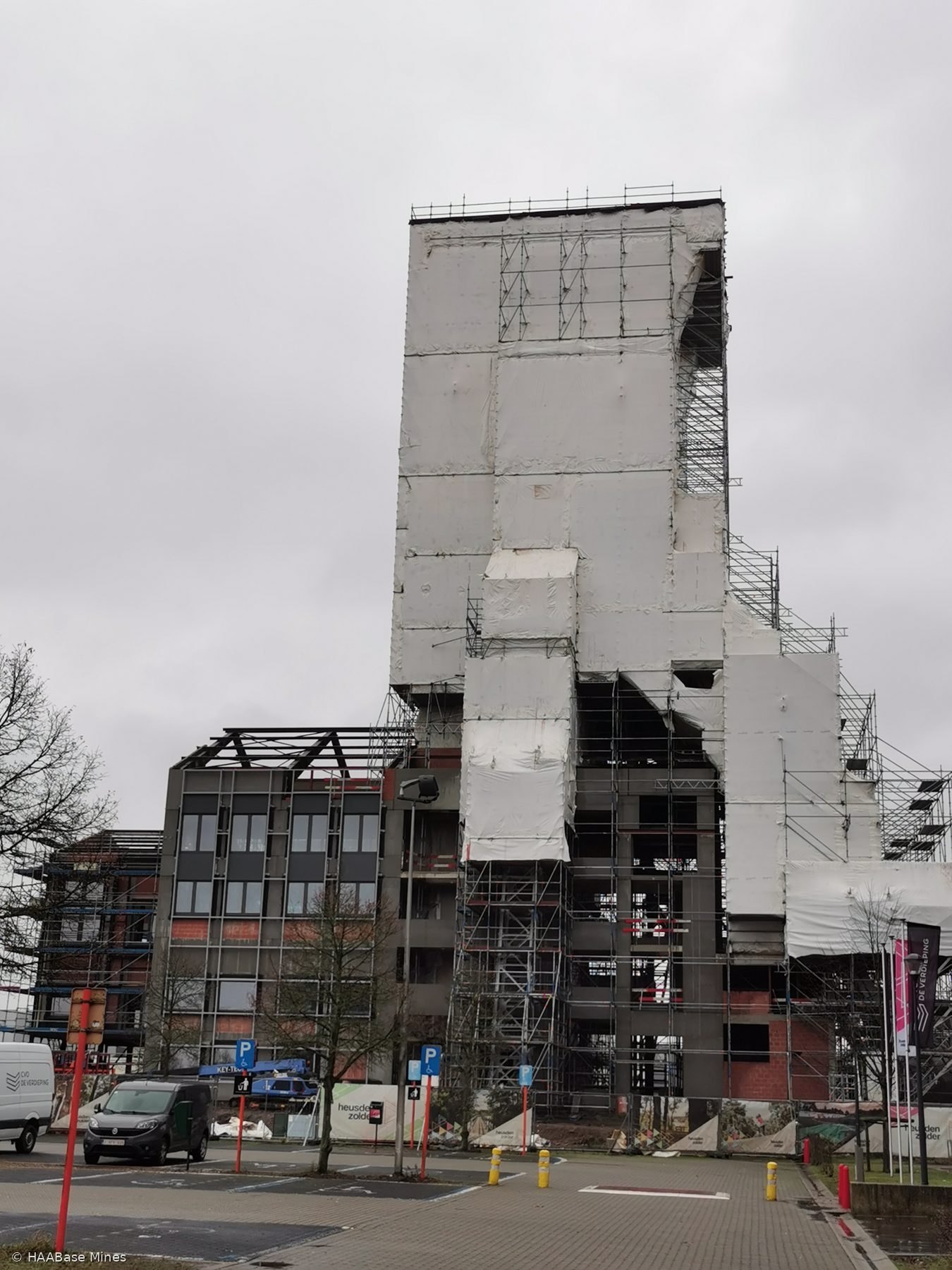
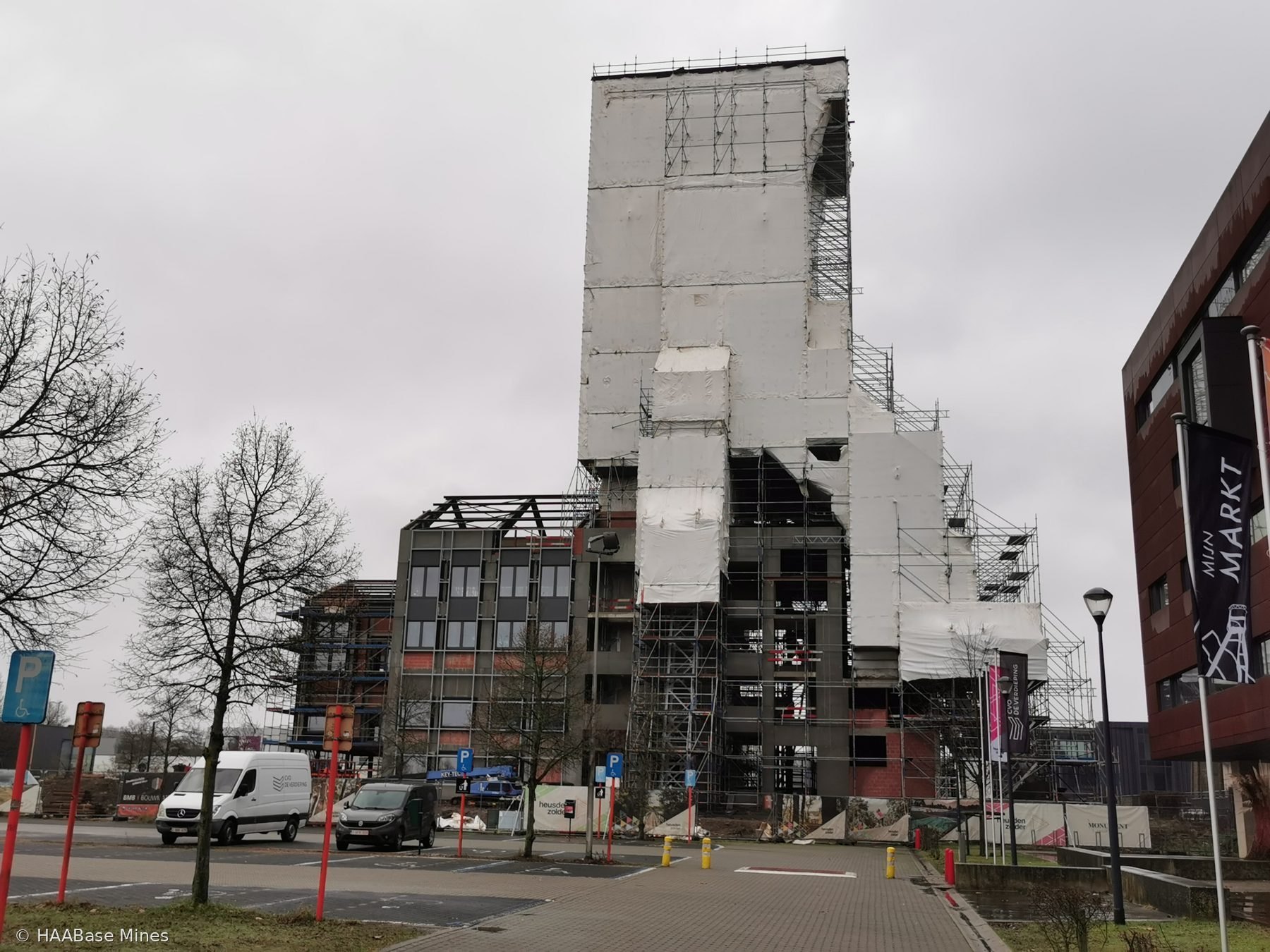
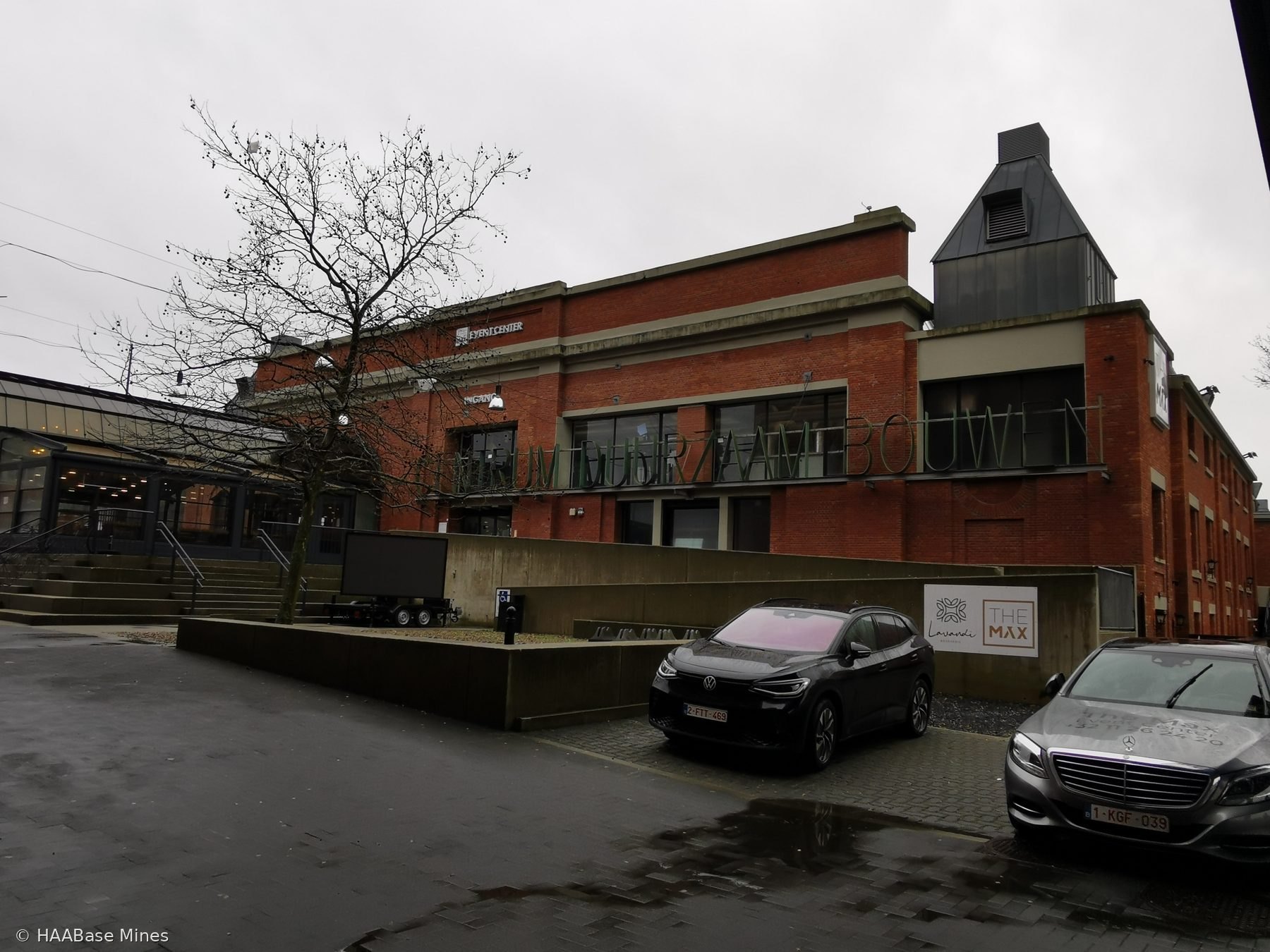
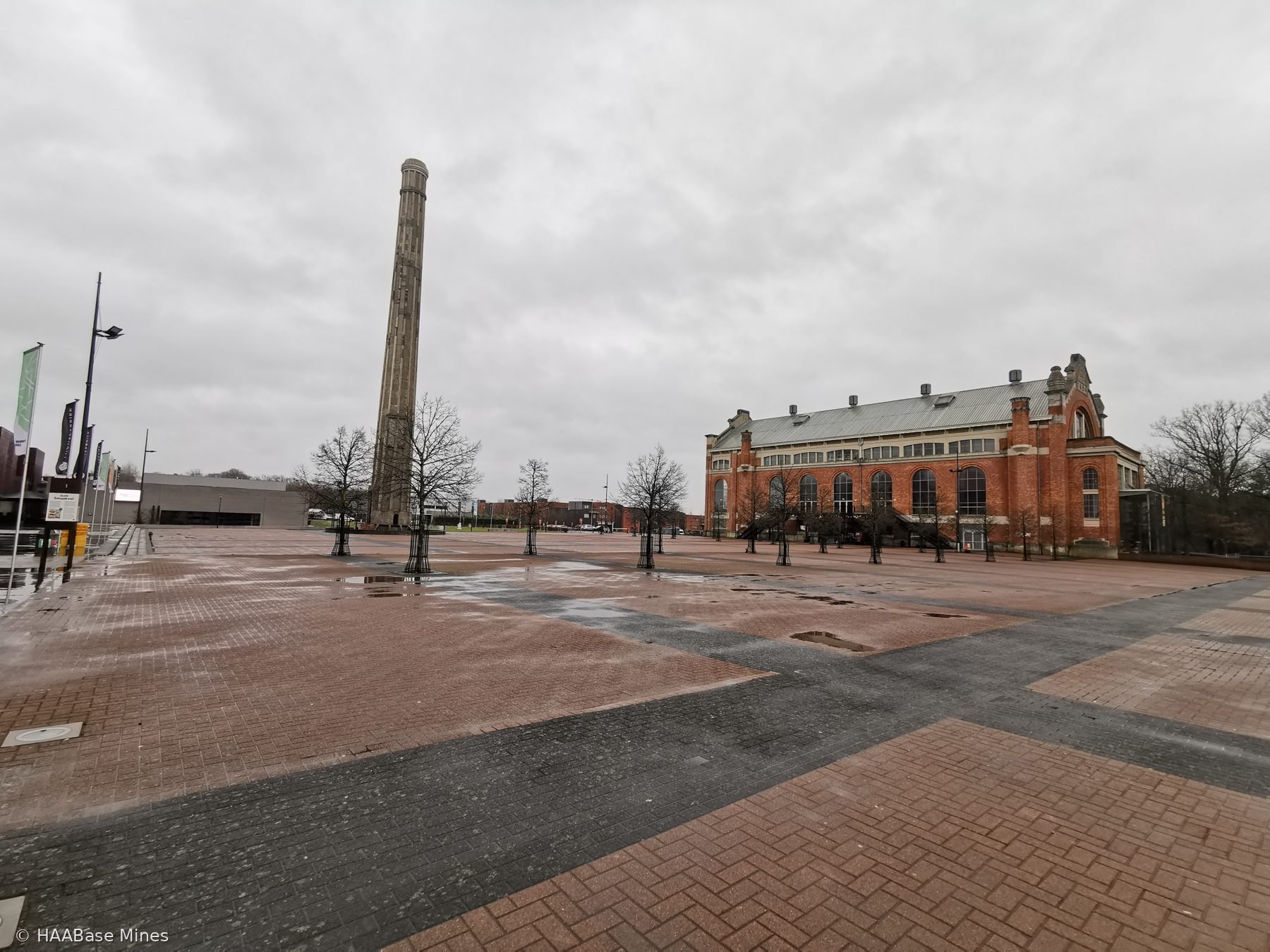
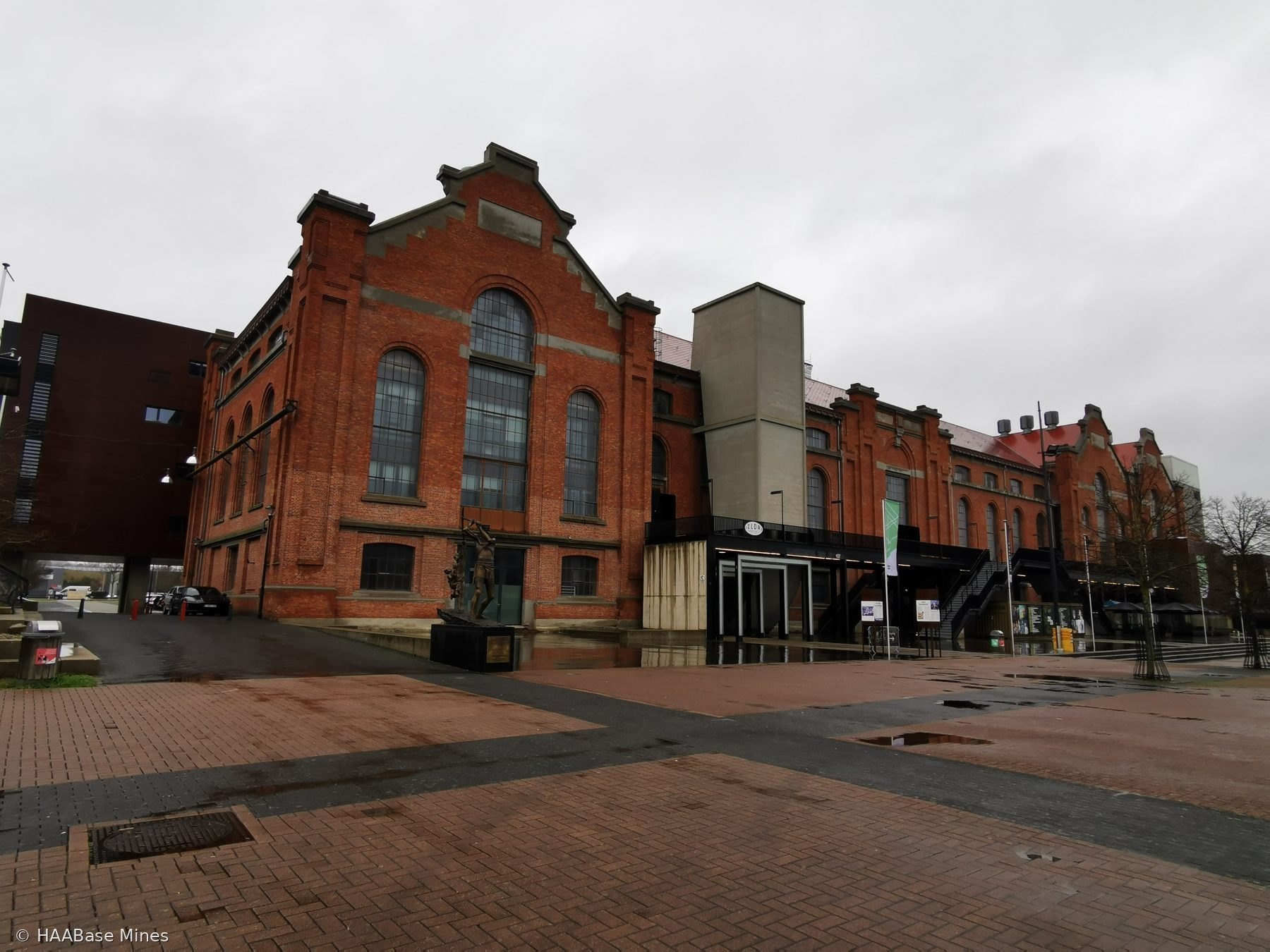
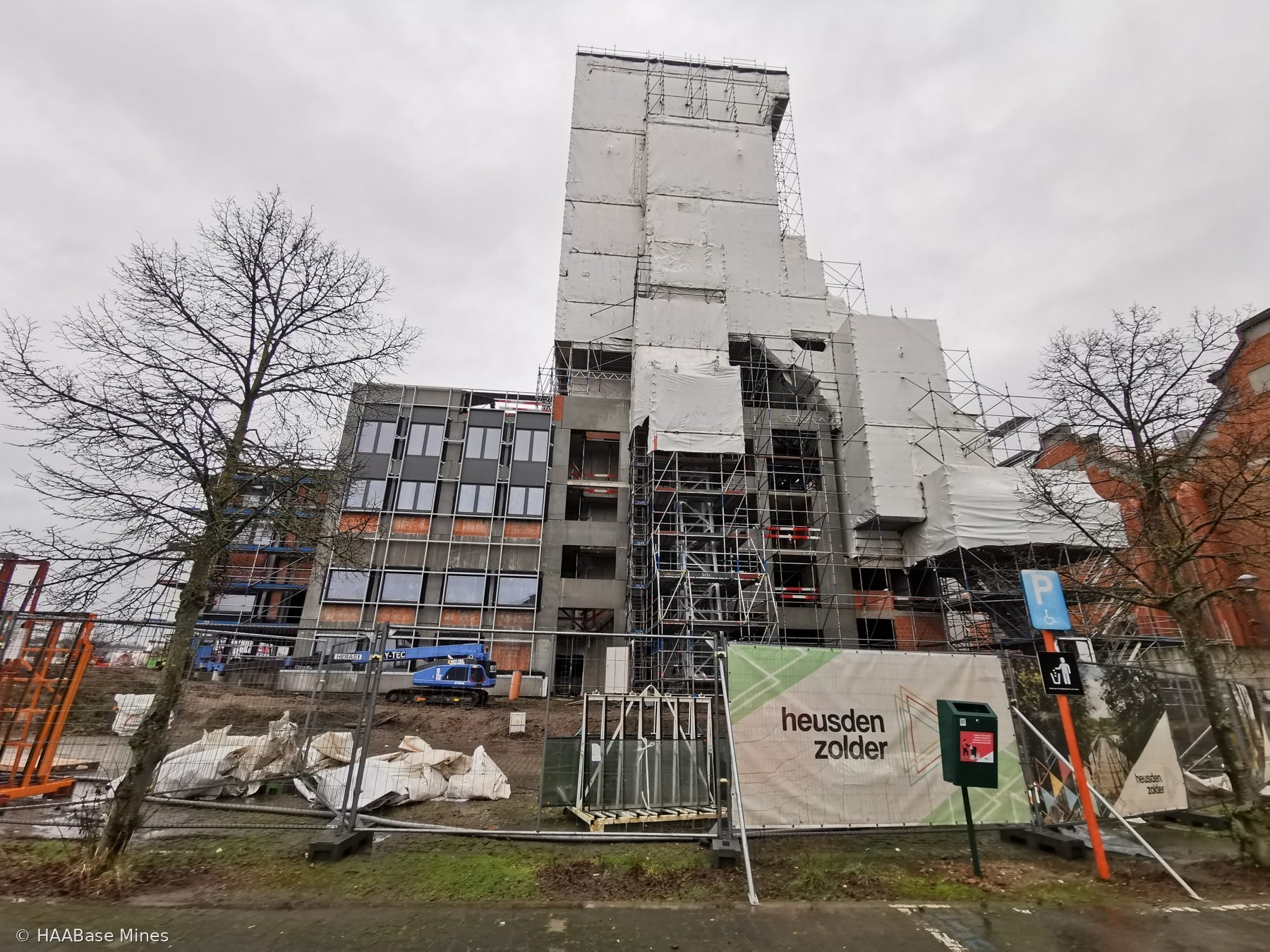
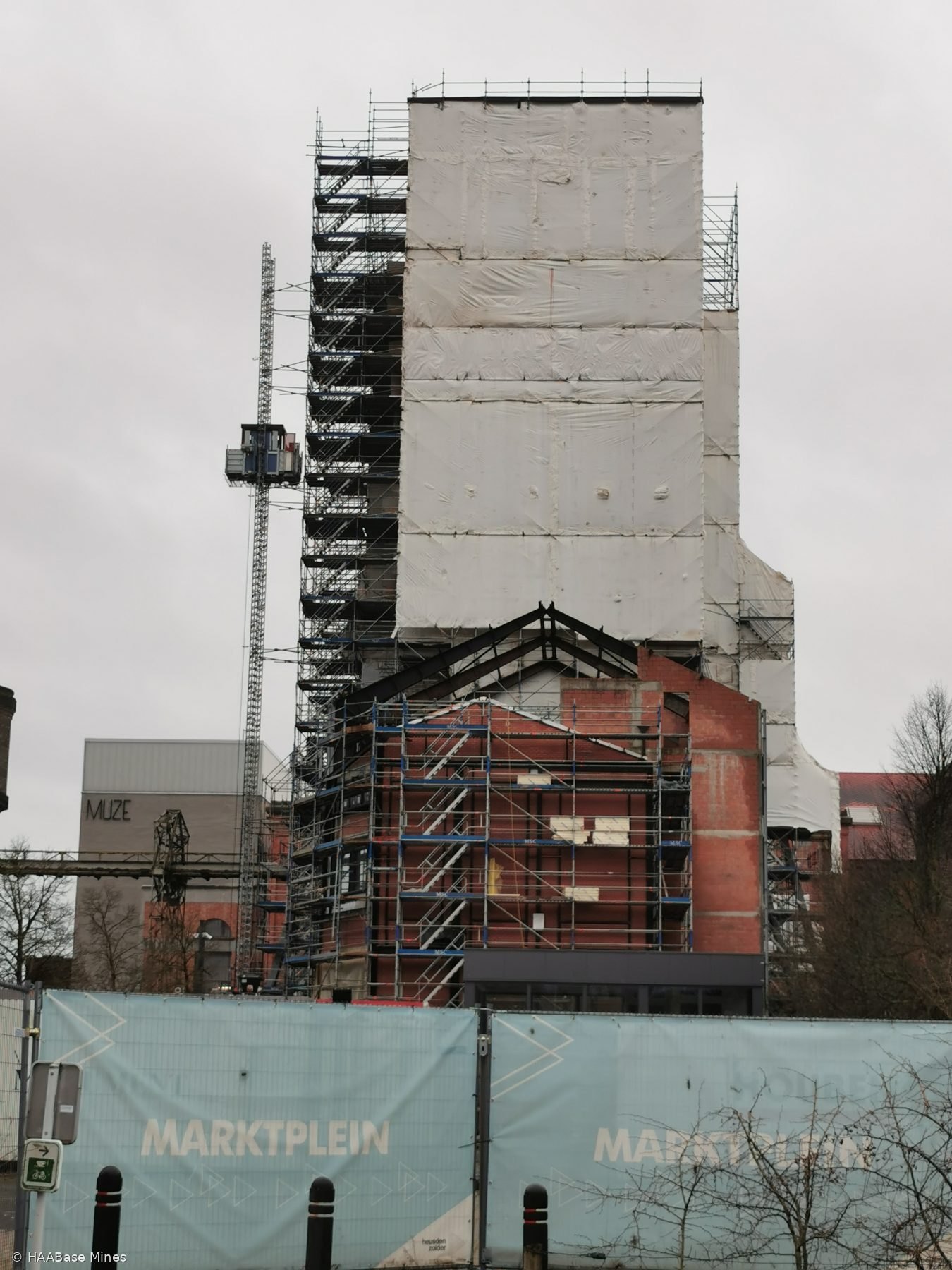
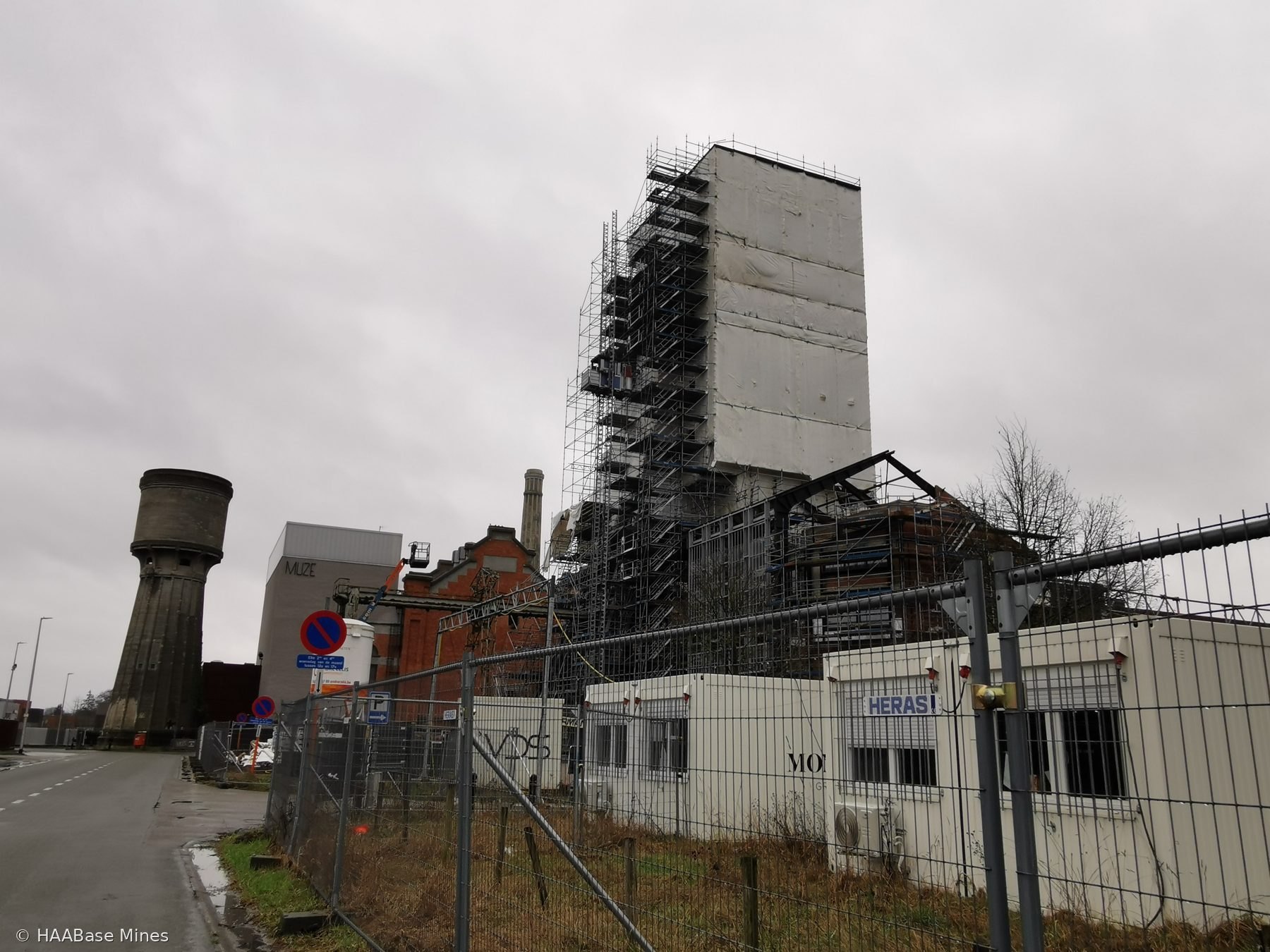
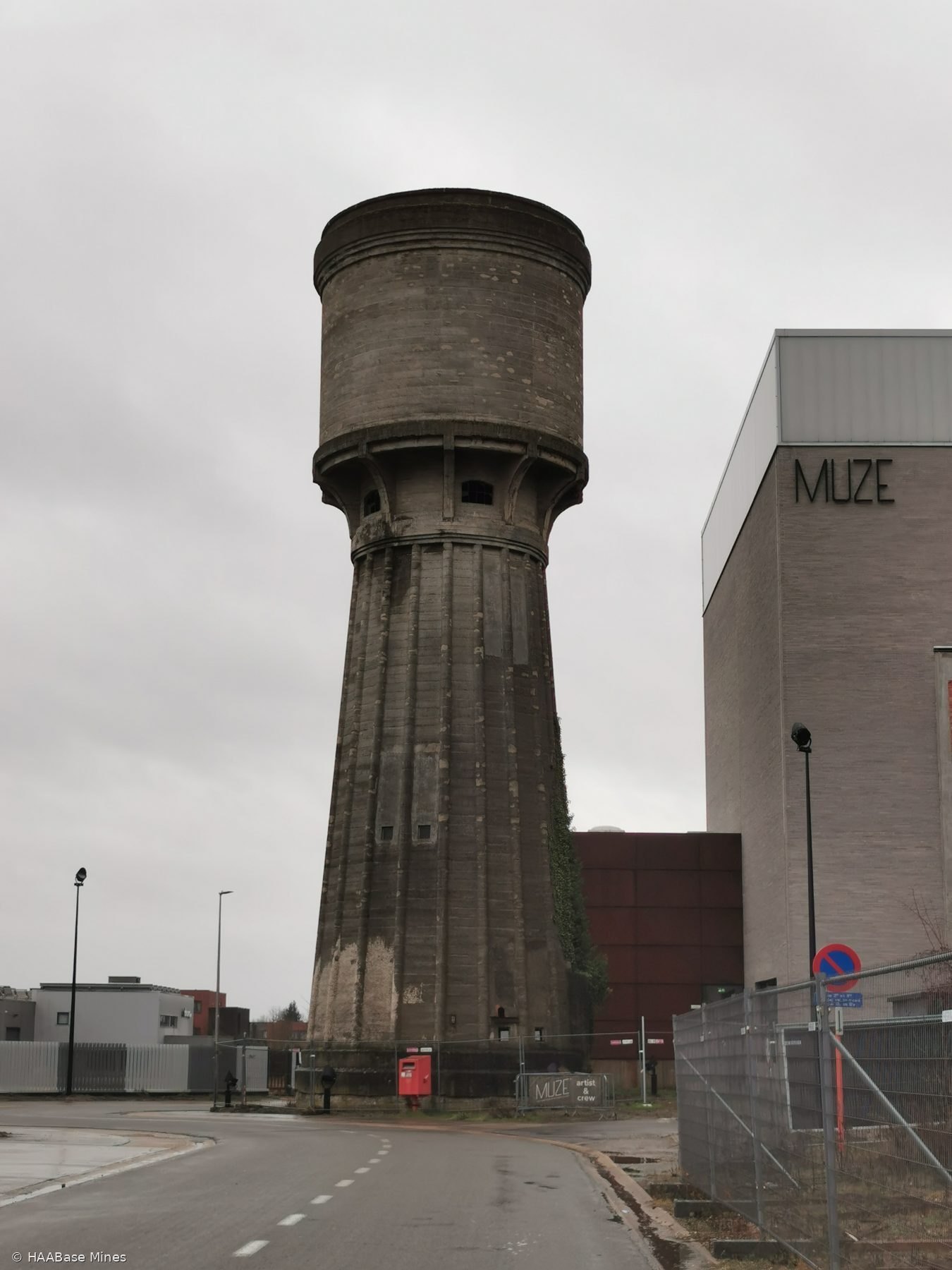
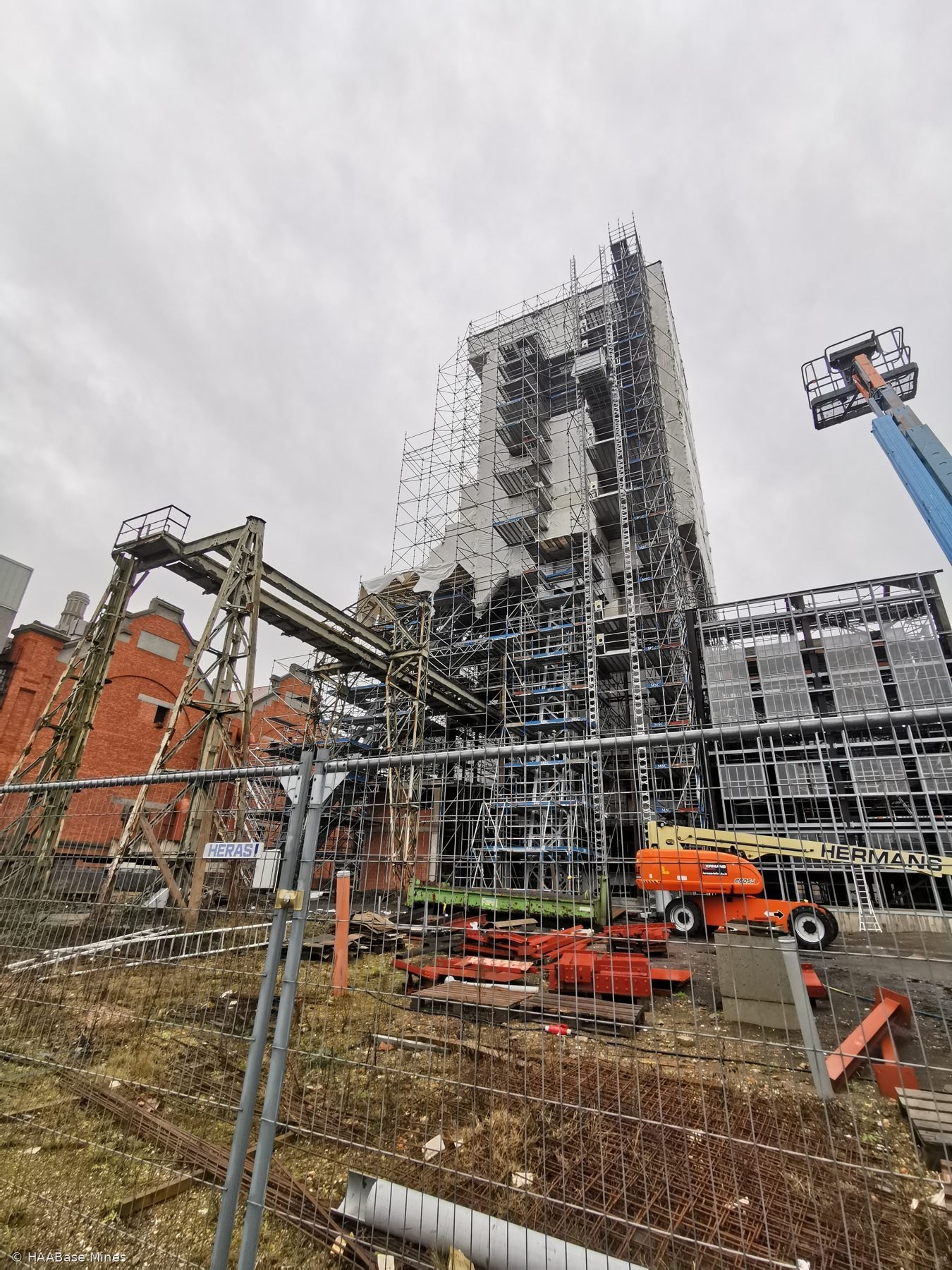
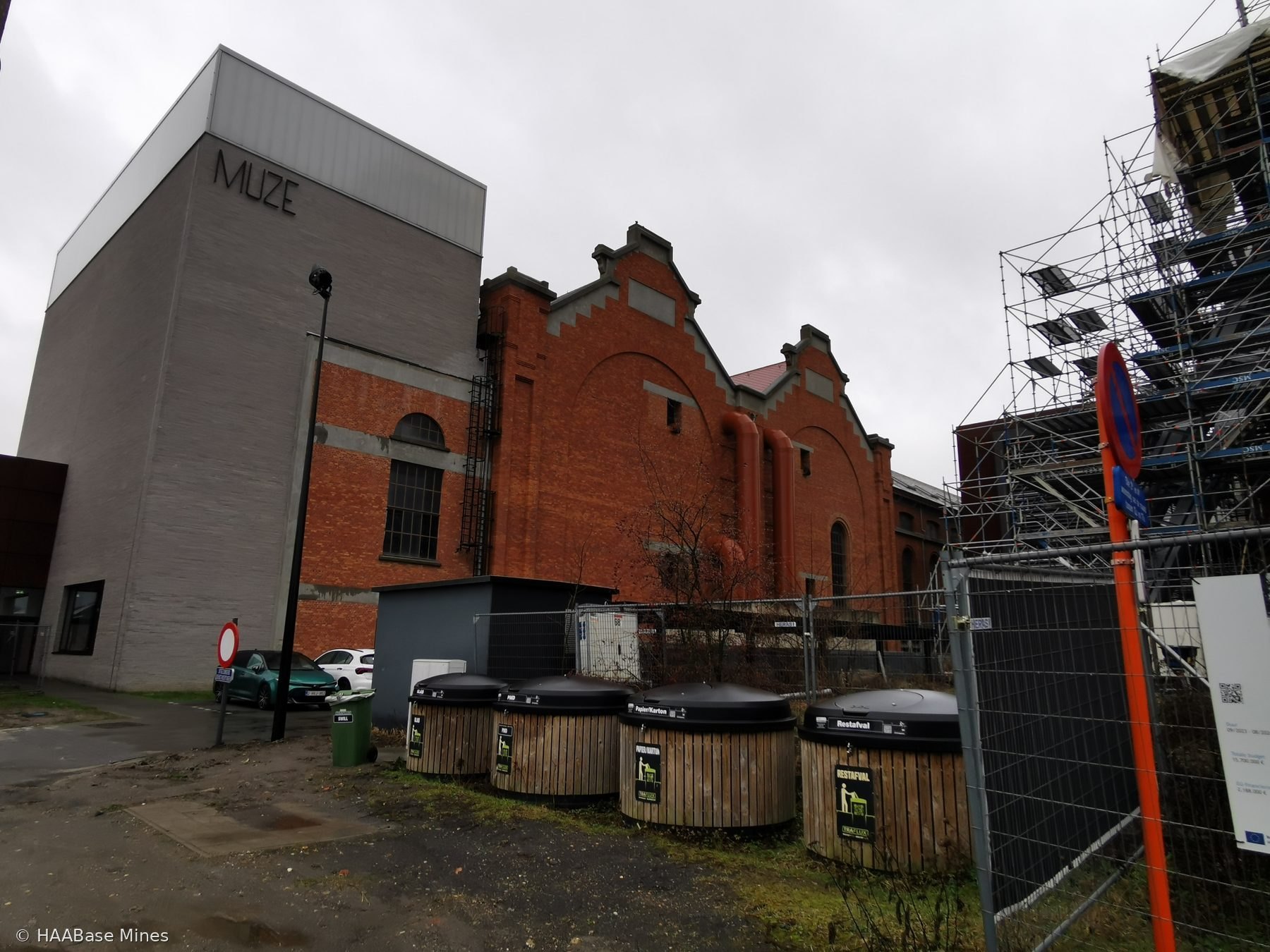
The mine commune of Heusden-Zolder acquired the mine terrain in 1999. One of the two headframes was demolished after closure. Schachtbok II survived. The principal mine buildings — the office building, the former electric power station, the synoptic board of the coal washing plant, the electric switchboard in the boilerhouse, Schachtbok II with its reception building, and the Monnoyer-type water tower — were protected as monuments on 22 December 1993. The winding machine building with its machines and the chimney stack received monument protection on 1 March 1995. Several remaining buildings on the site were adapted for reuse: the former baths and showers became a restaurant and event space, the former electric power station was converted to house a compressed-air machinery collection and a visitor centre called ZLDR Luchtfabriek. The Schachtbok II, the last protected monument on the mine site, is being restored and converted into an XR innovation and competence centre named de Skip. Restoration works started in February 2024 with an estimated cost of 16,000,000 euros, supported by EFRO funds, the Agentschap Onroerend Erfgoed, and LRM. Opening of the Skip was projected for early 2026.