Site overview

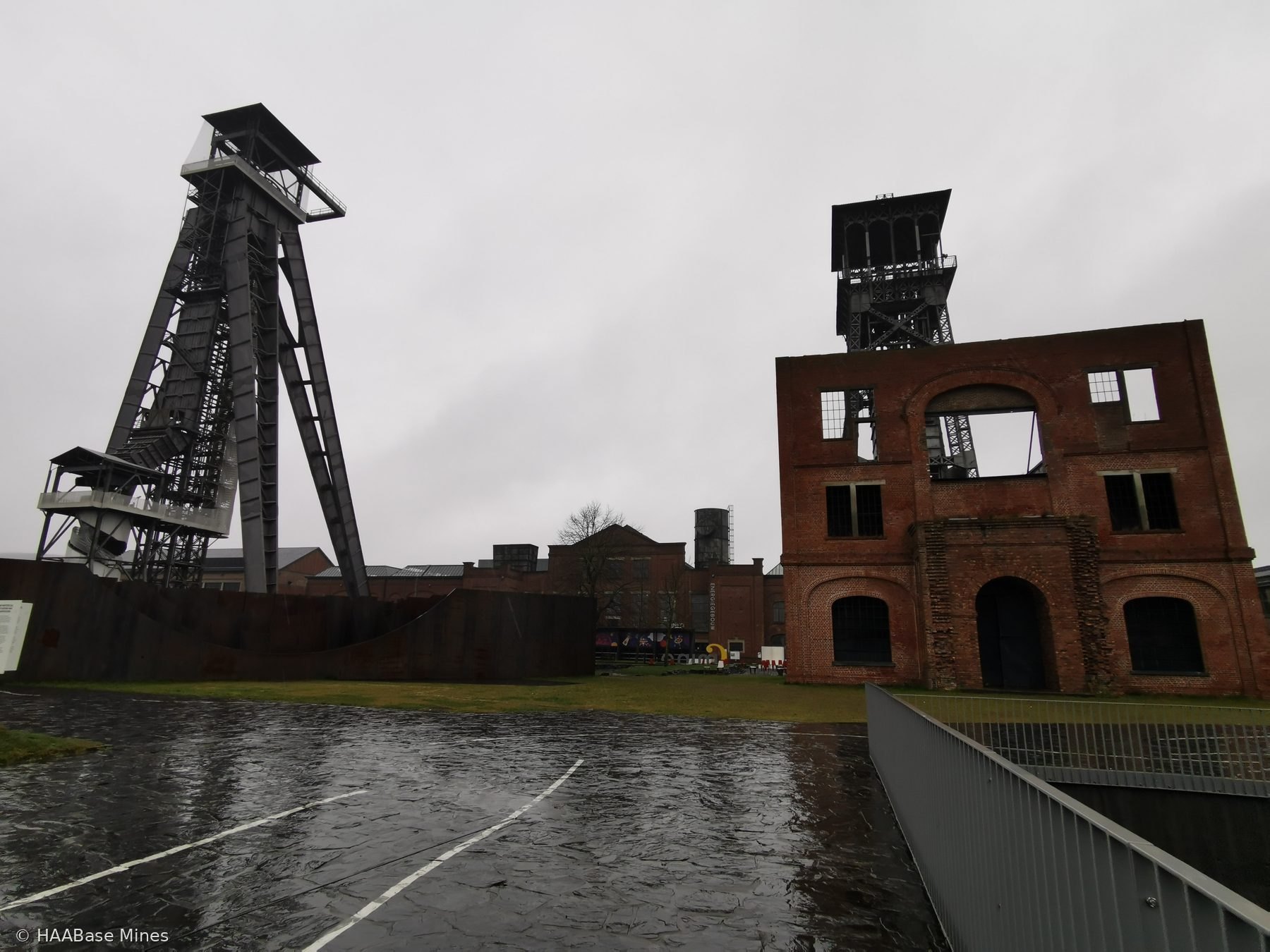
The Steenkoolmijn van Winterslag was the first coal mine in the Belgian Kempen to enter production, located in the Winterslag district of Genk in the province of Limburg. The concession Genck-Sutendael of 3,963 hectares was granted by royal decree on 3 November 1906 to groups associated with the Charbonnages de Ressaix and the Société Limbourgeoise de Recherches et d'Exploitations. The S.A. Charbonnages de Winterslag was founded on 30 November 1912, bringing in the French metallurgical group Schneider et Compagnie as a partner.

Shaft sinking proceeded without the flooding difficulties encountered elsewhere in the Kempen. On 28 July 1914, the first coal was raised from Schacht I, and by 1917 the mine entered full commercial production. Working levels were established at 600, 650, 735, and 850 metres, with the two shafts reaching 600 and 850 metres respectively in initial operation.

Peak employment of 6,250 miners was reached in 1953 and peak annual production of 1,635,514 tonnes in 1967. Total production reached approximately 66,593,000 tonnes. The mine closed on 31 March 1988.

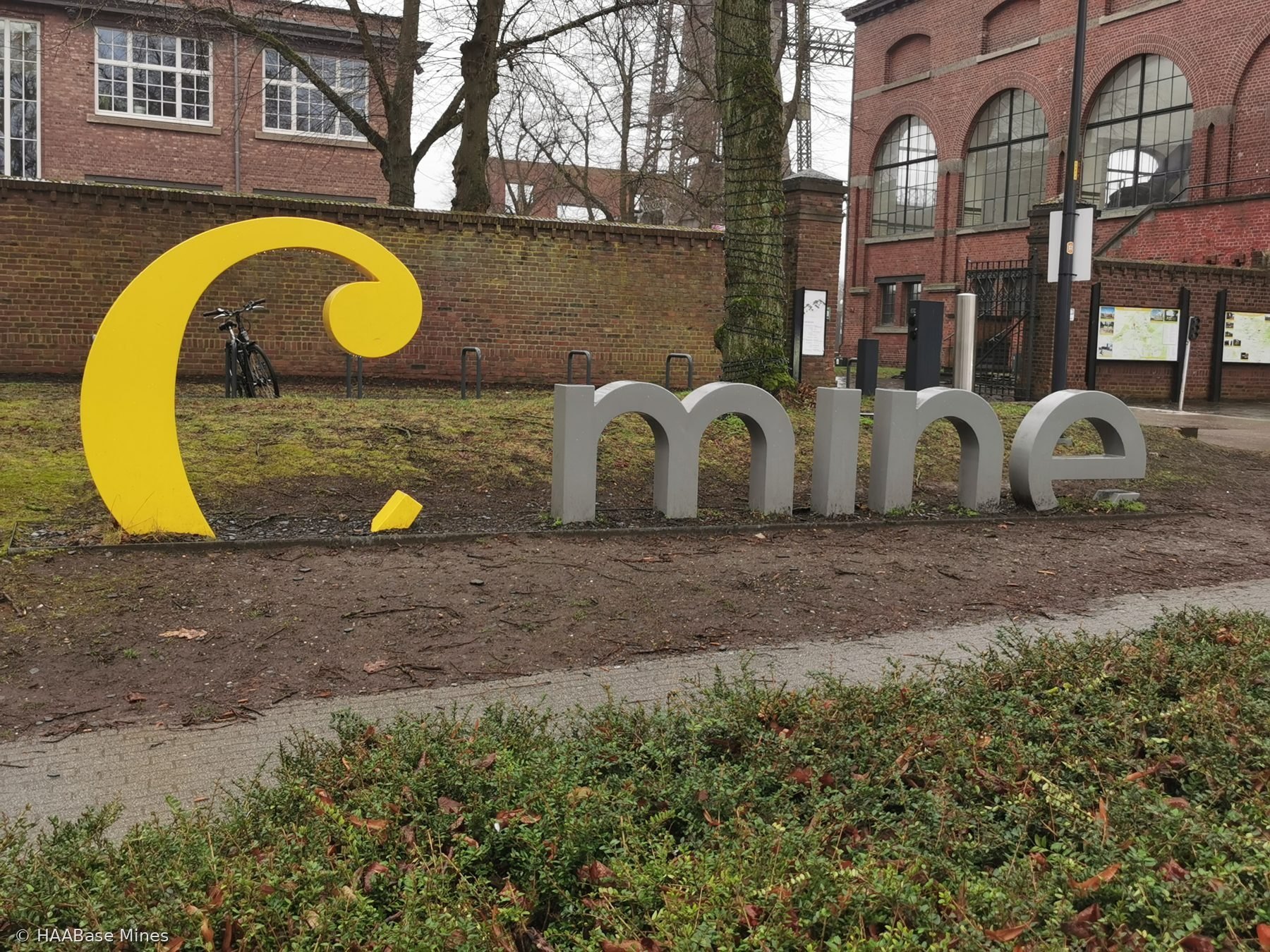
The main building and principal installations were protected as monuments in 1993. The site was acquired by the city of Genk in 2001 and redeveloped as C-mine, a creative and cultural campus that opened progressively from 2005.

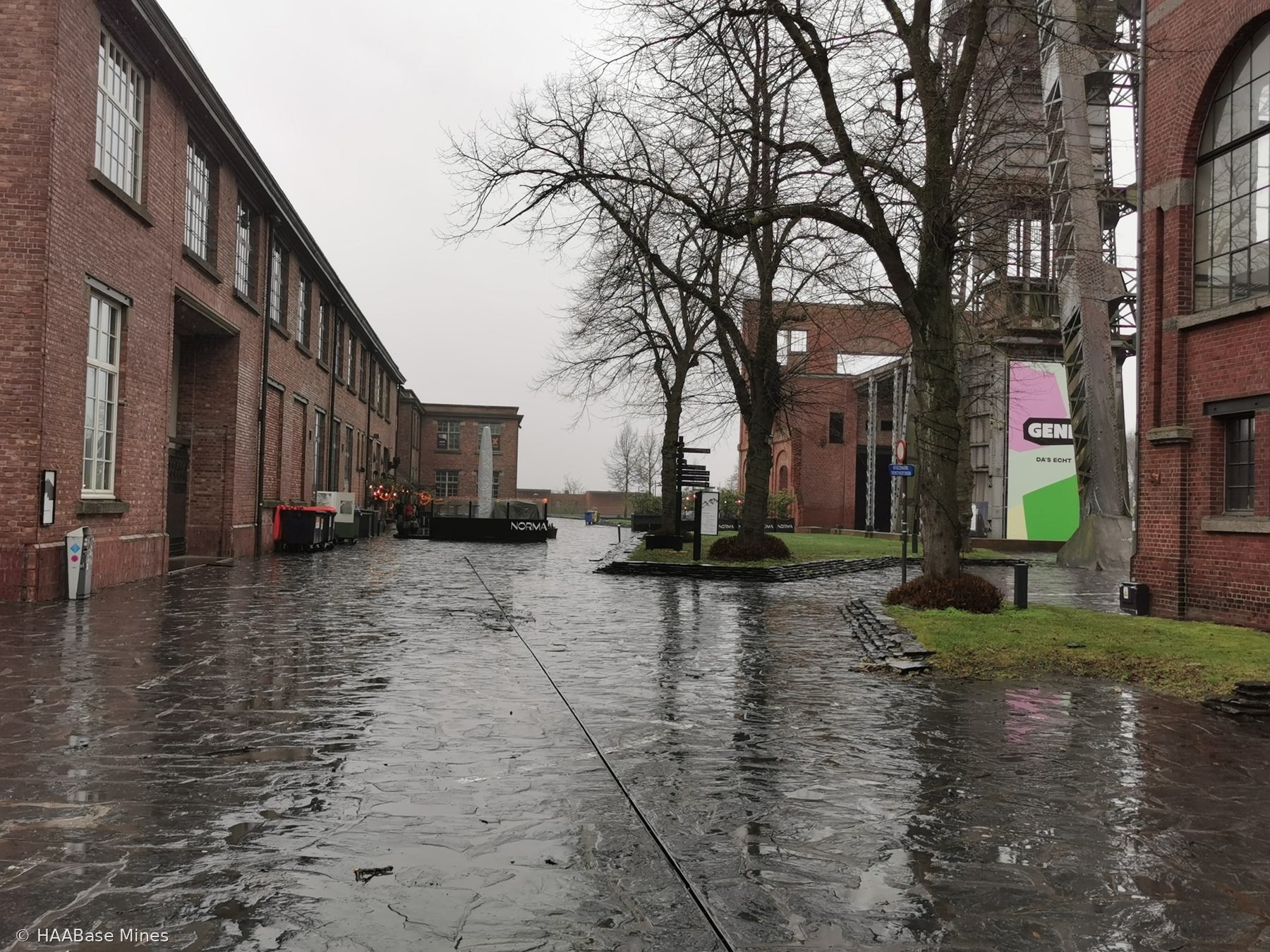
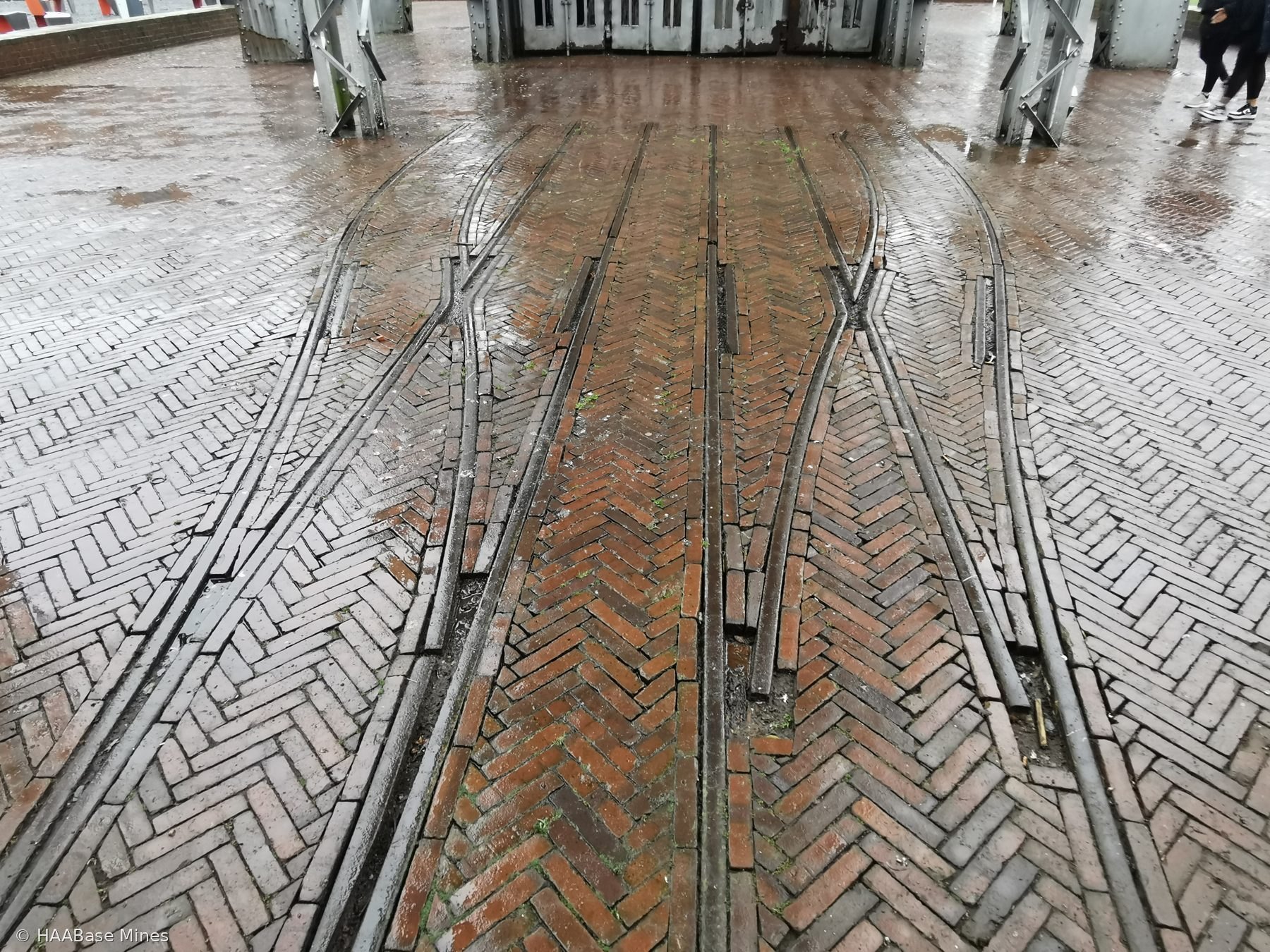
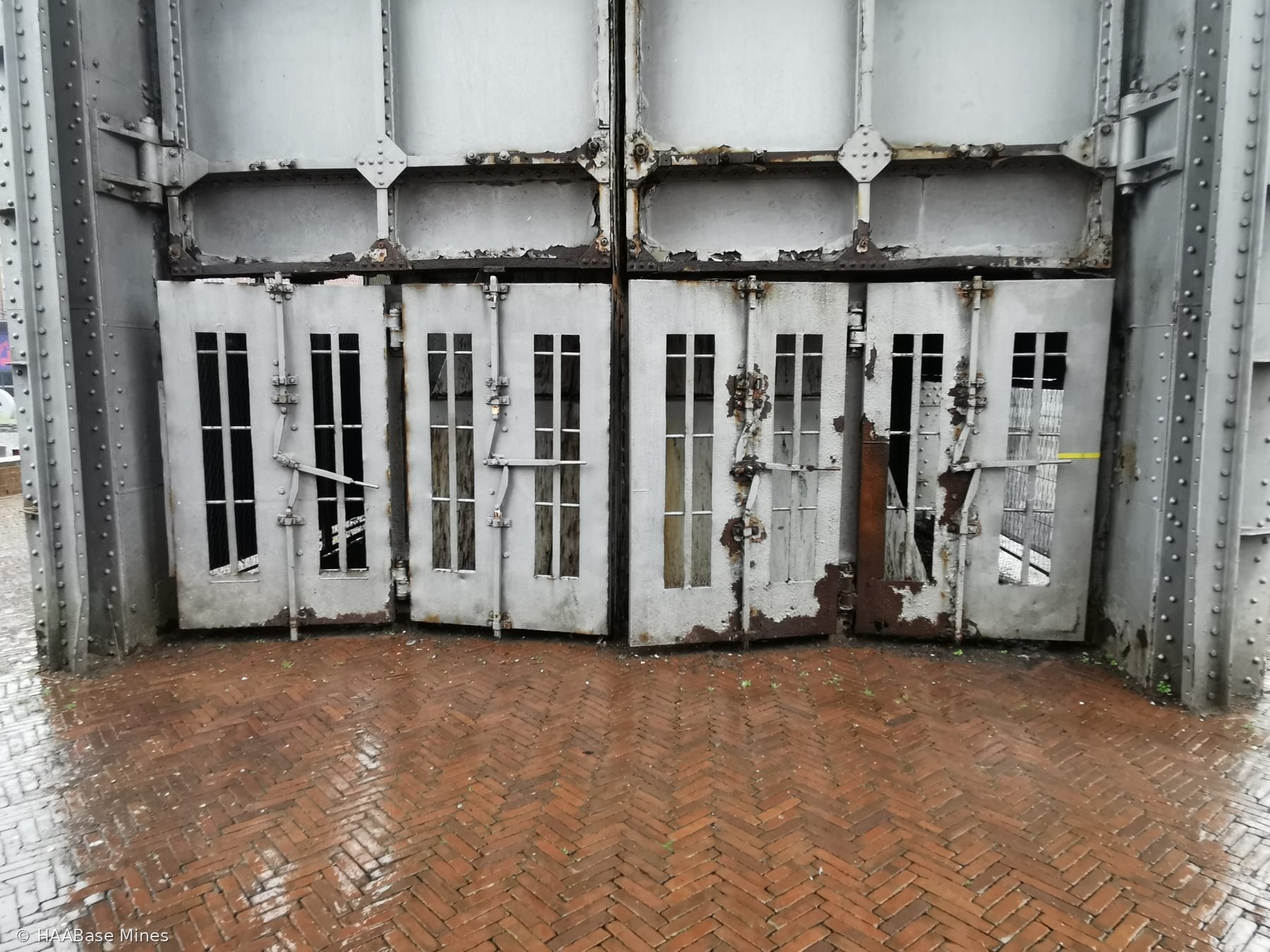
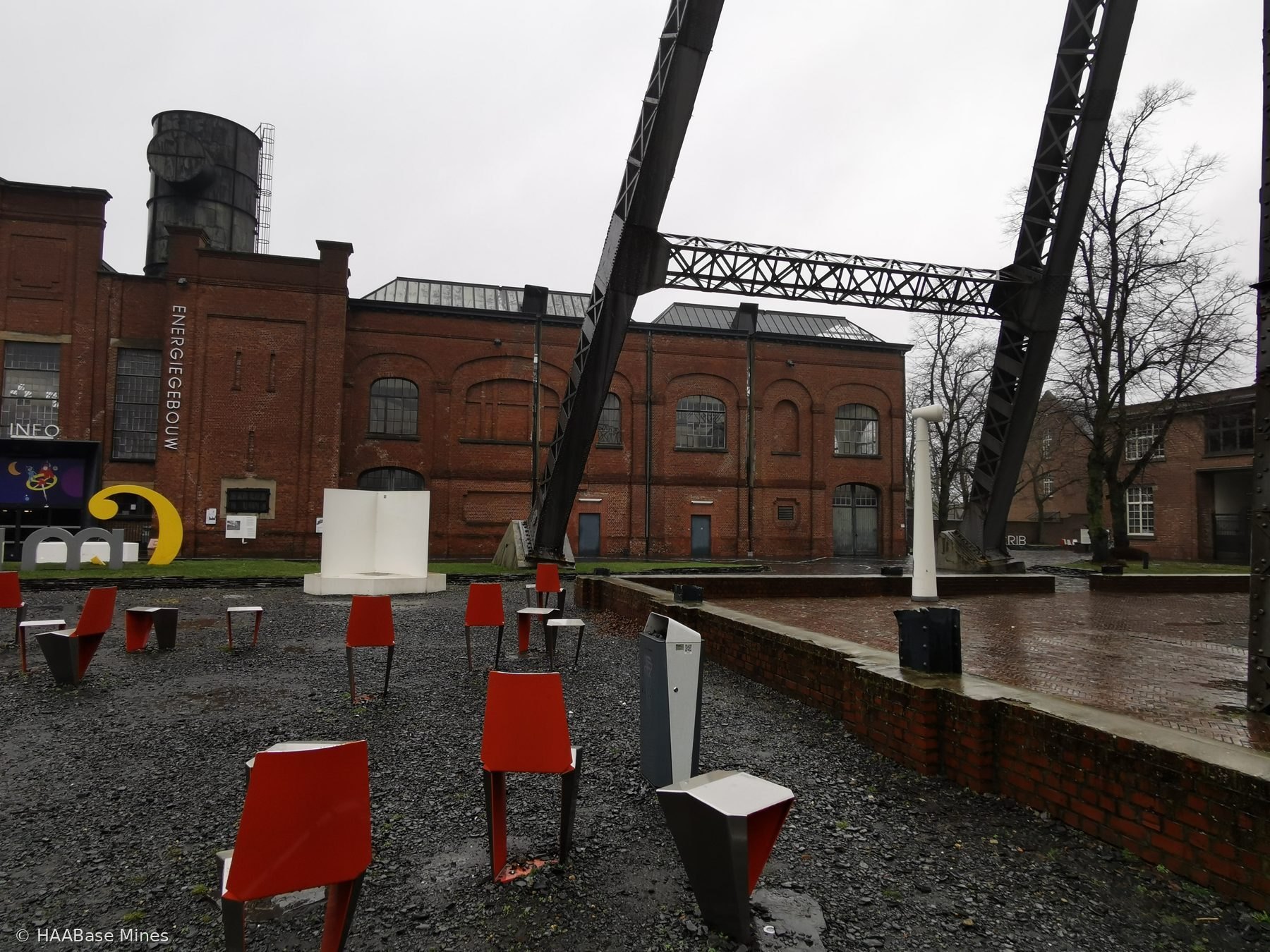
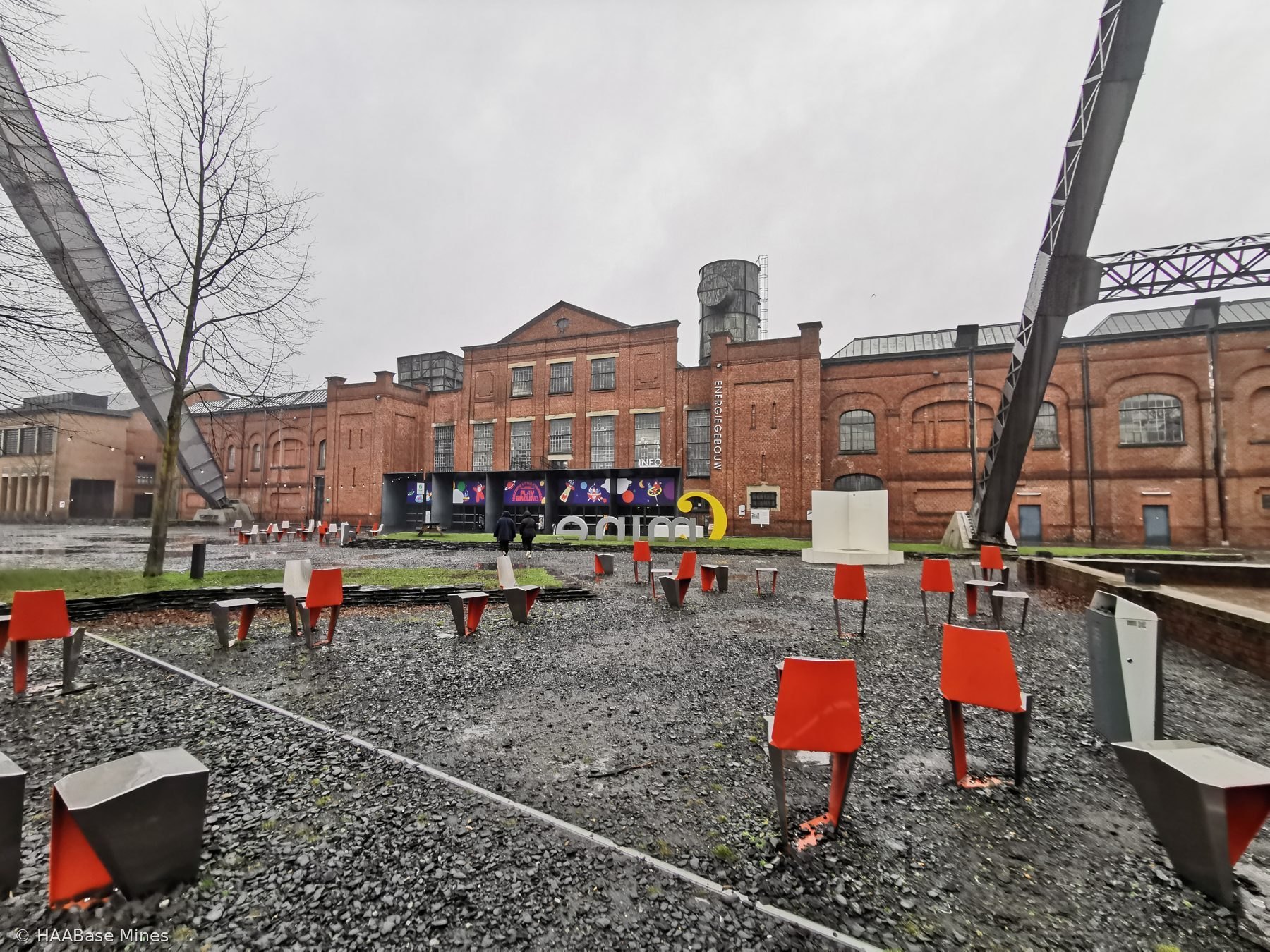
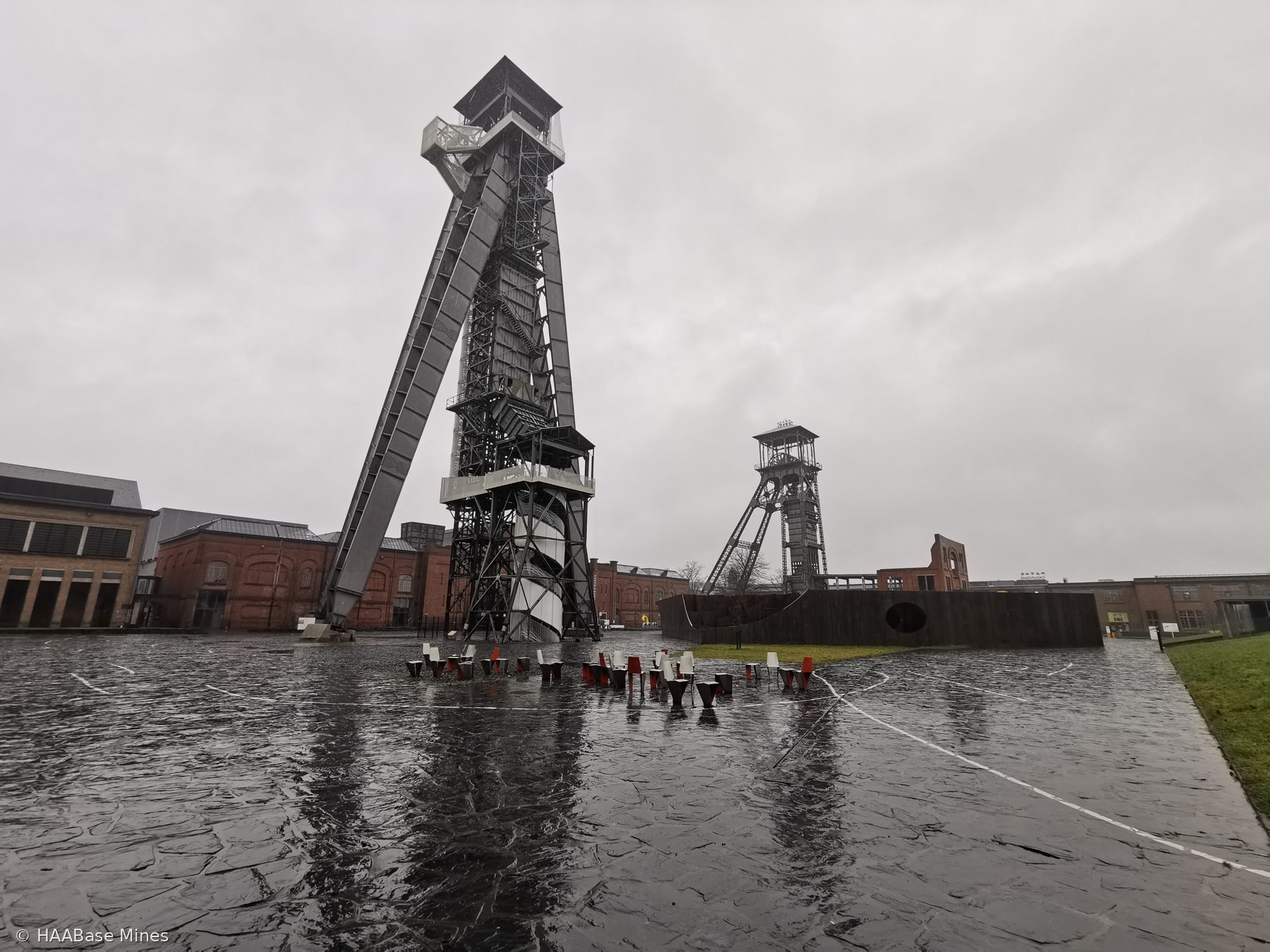
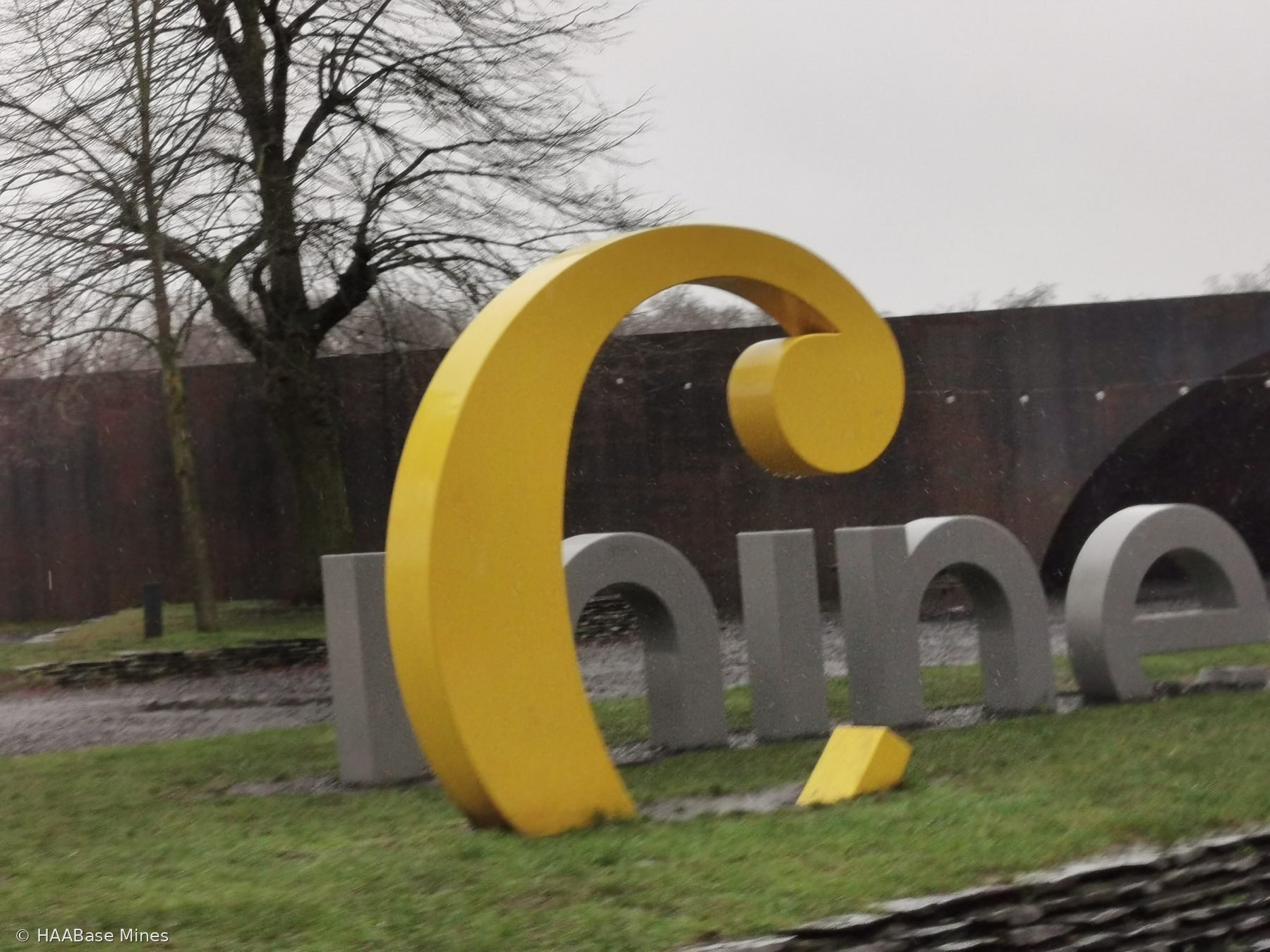
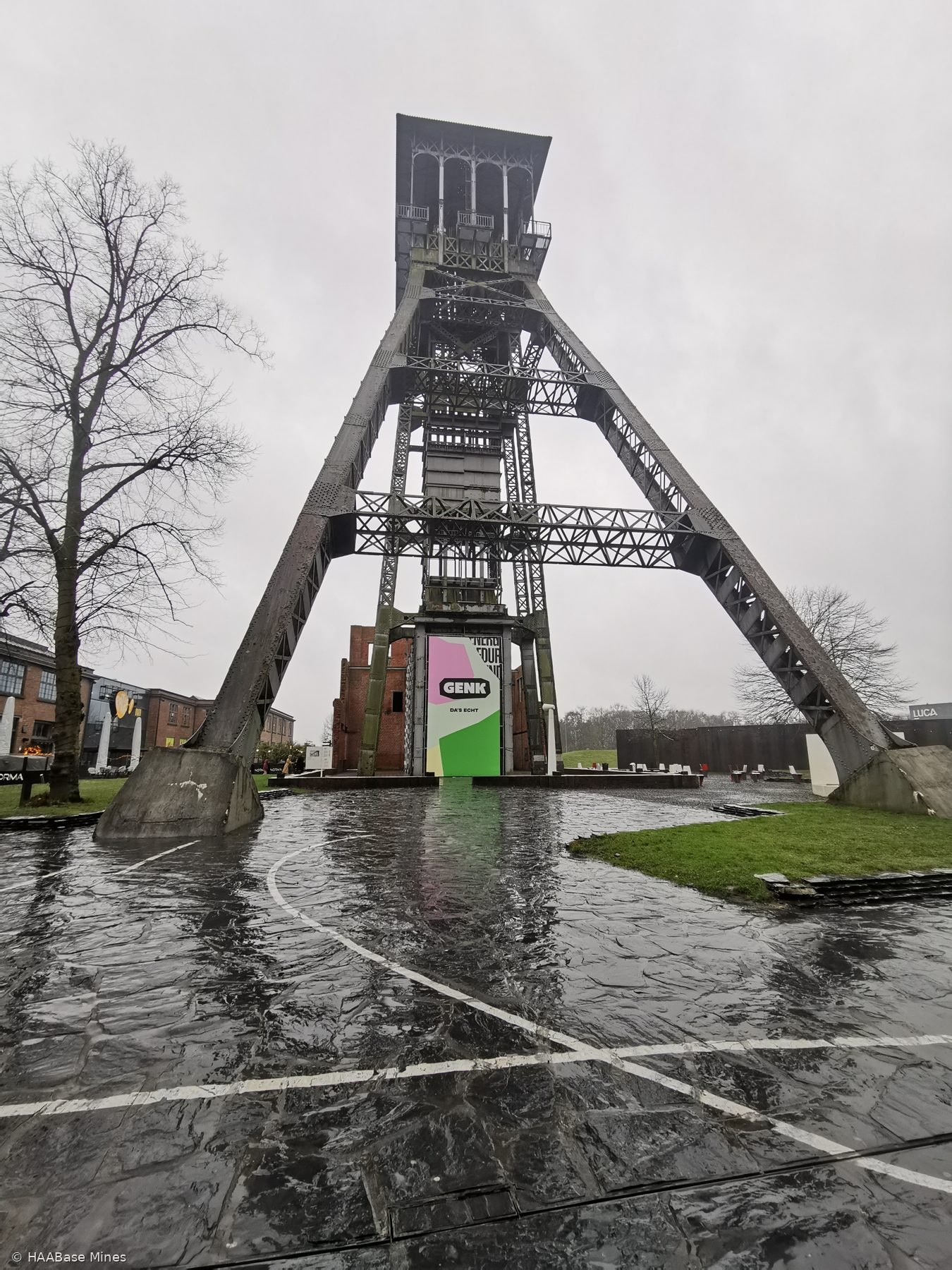
Set within the urban fabric of Genk, the surviving buildings stand as a substantial and clearly legible historic complex within a landscape of cultural and commercial reuse.

Map & photo

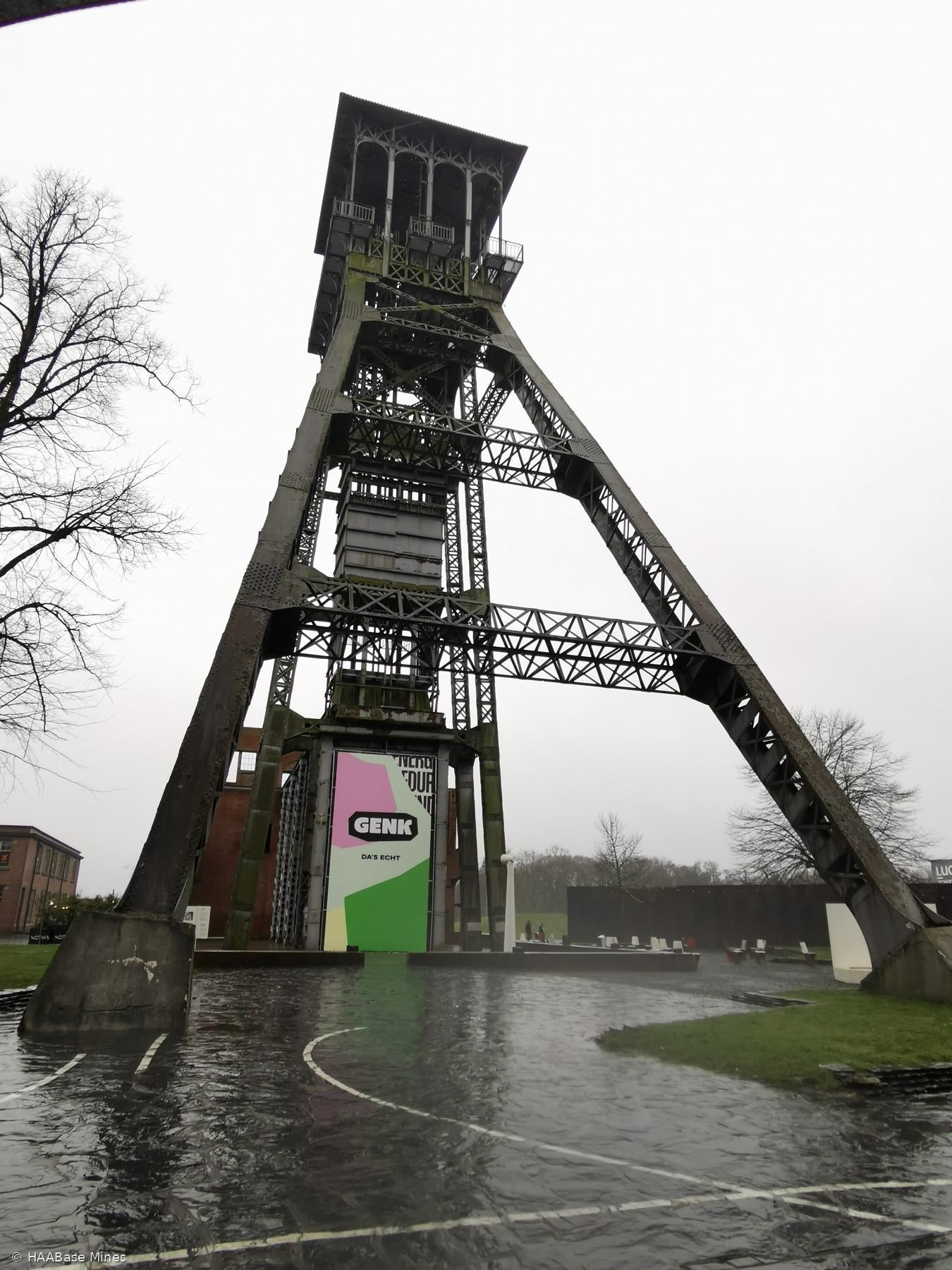
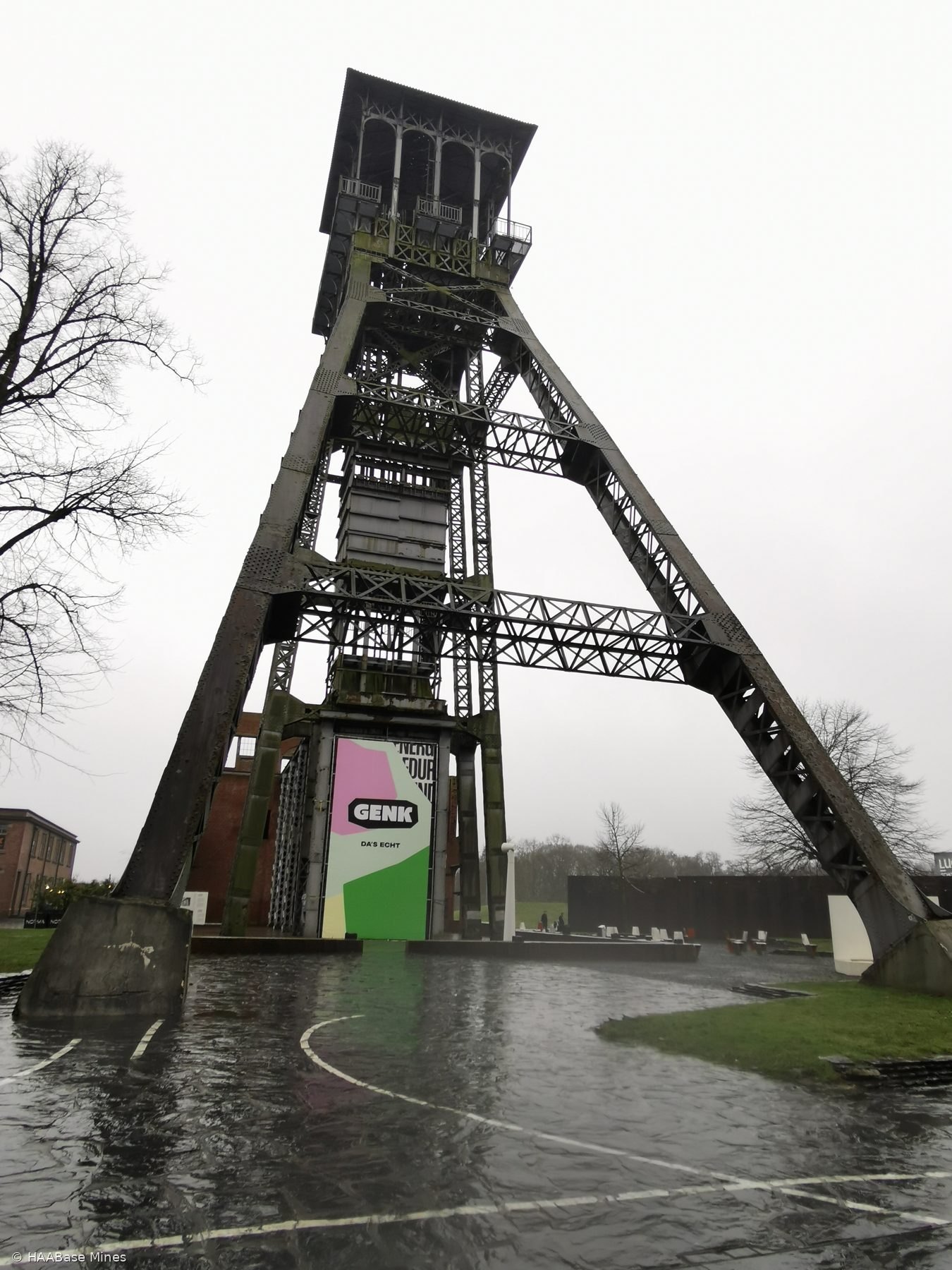
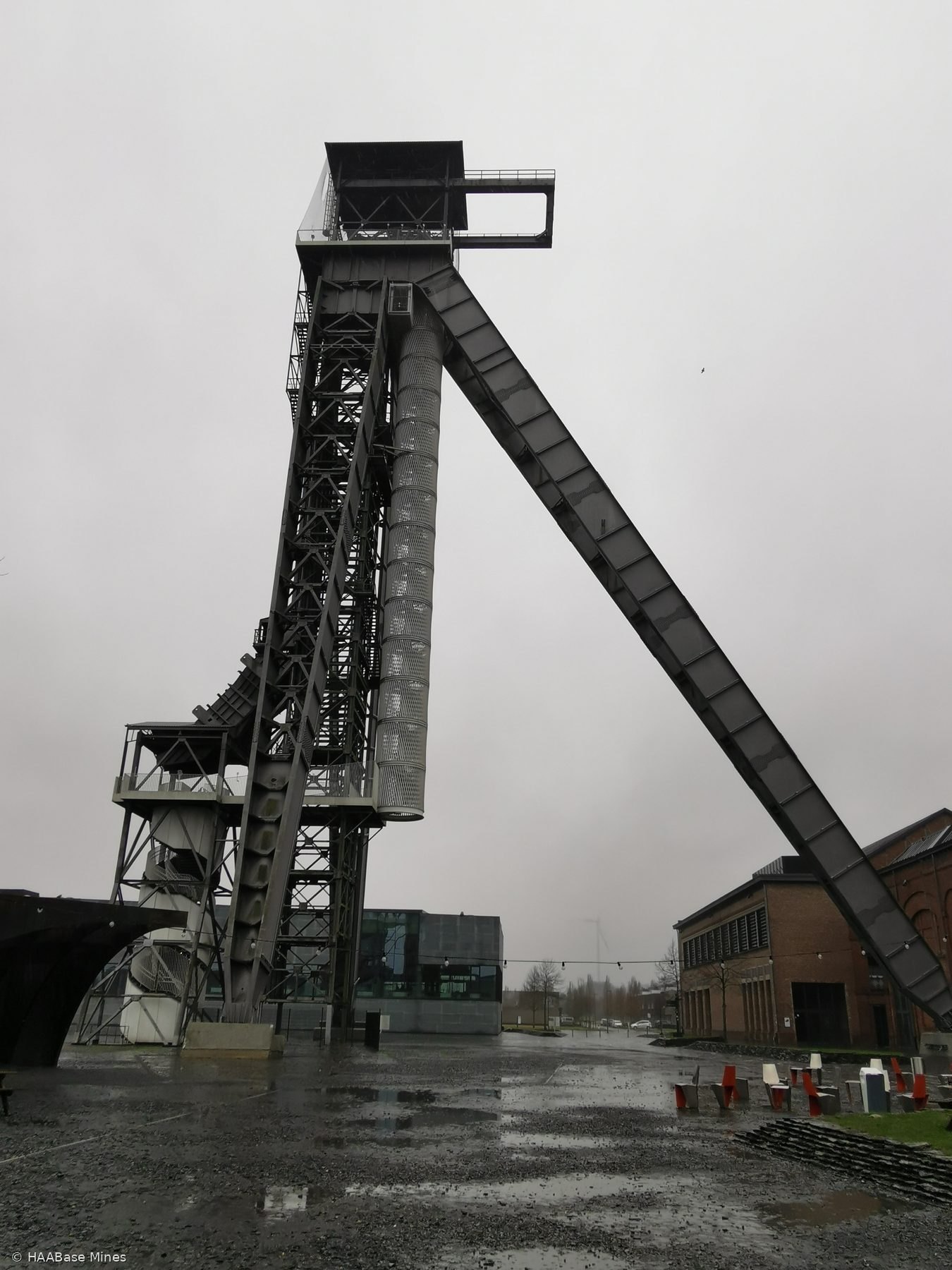
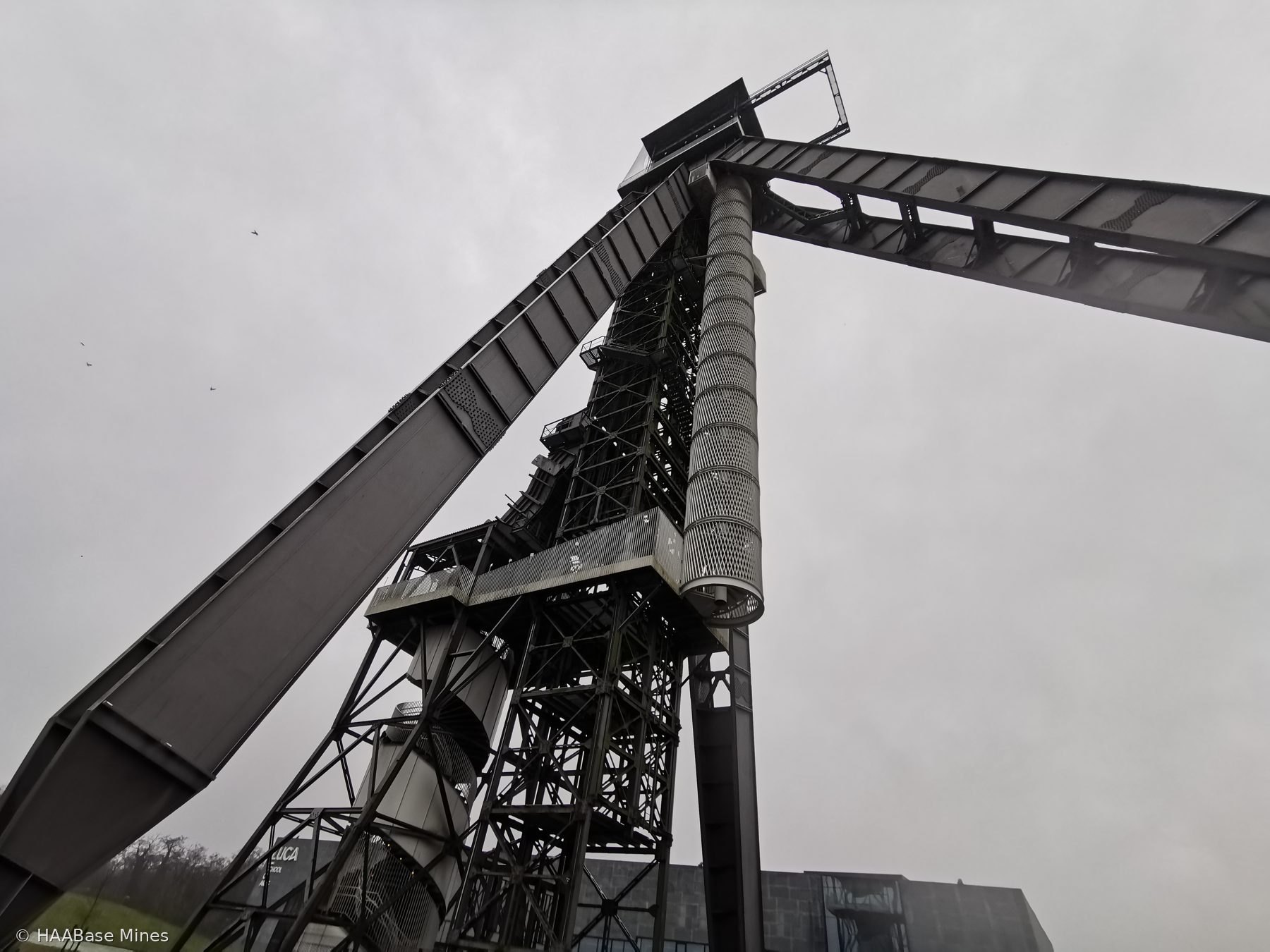
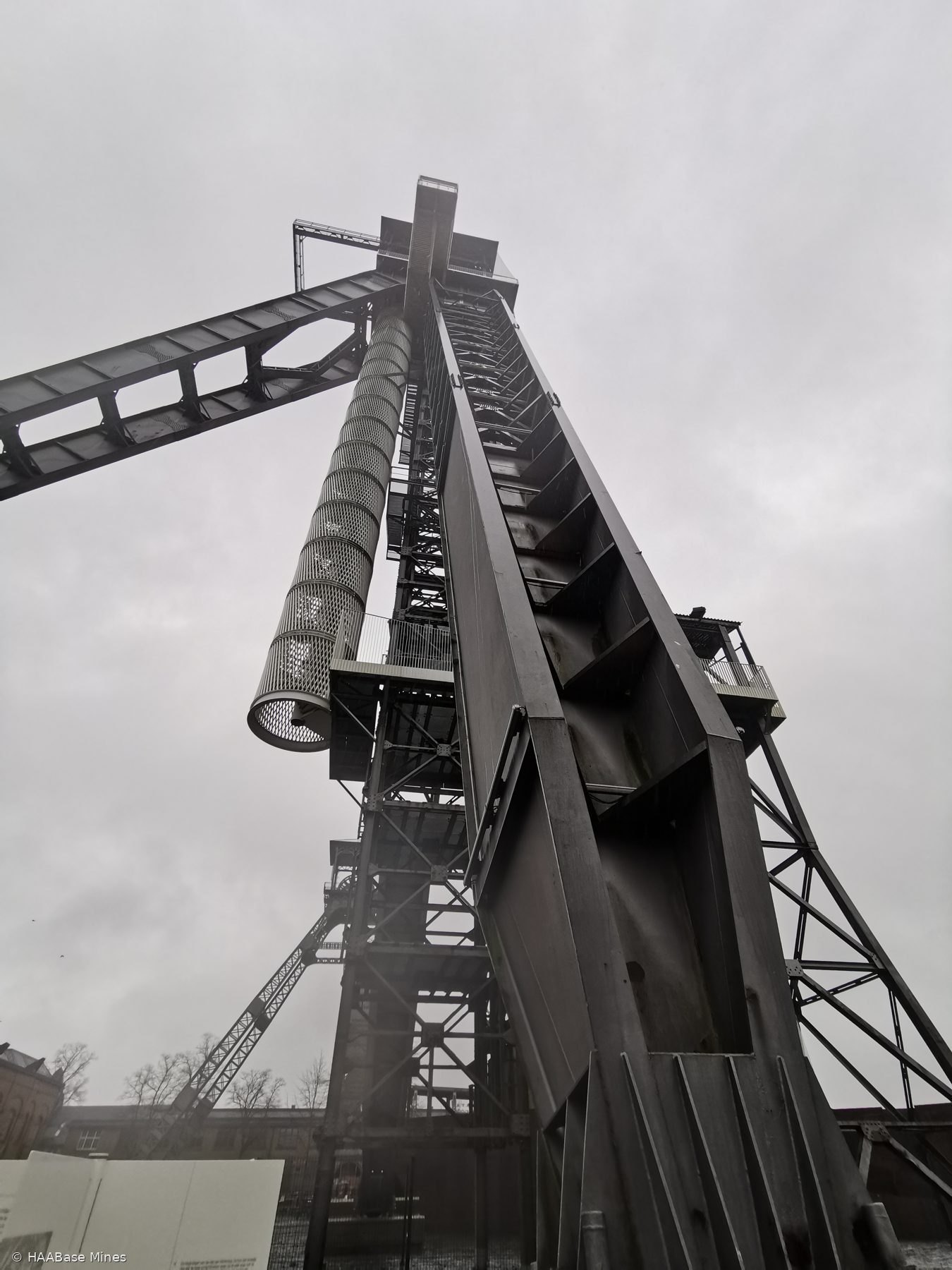
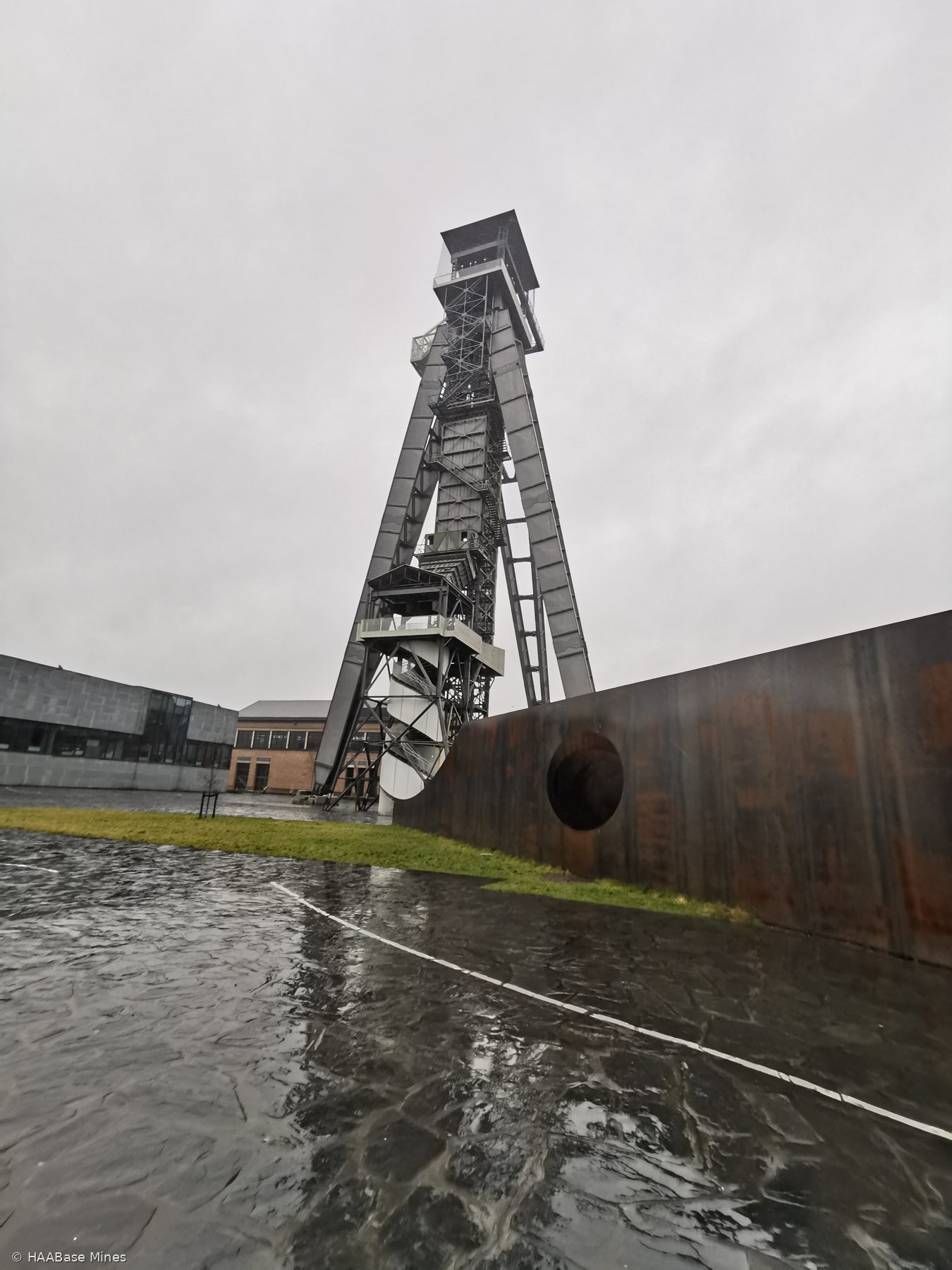
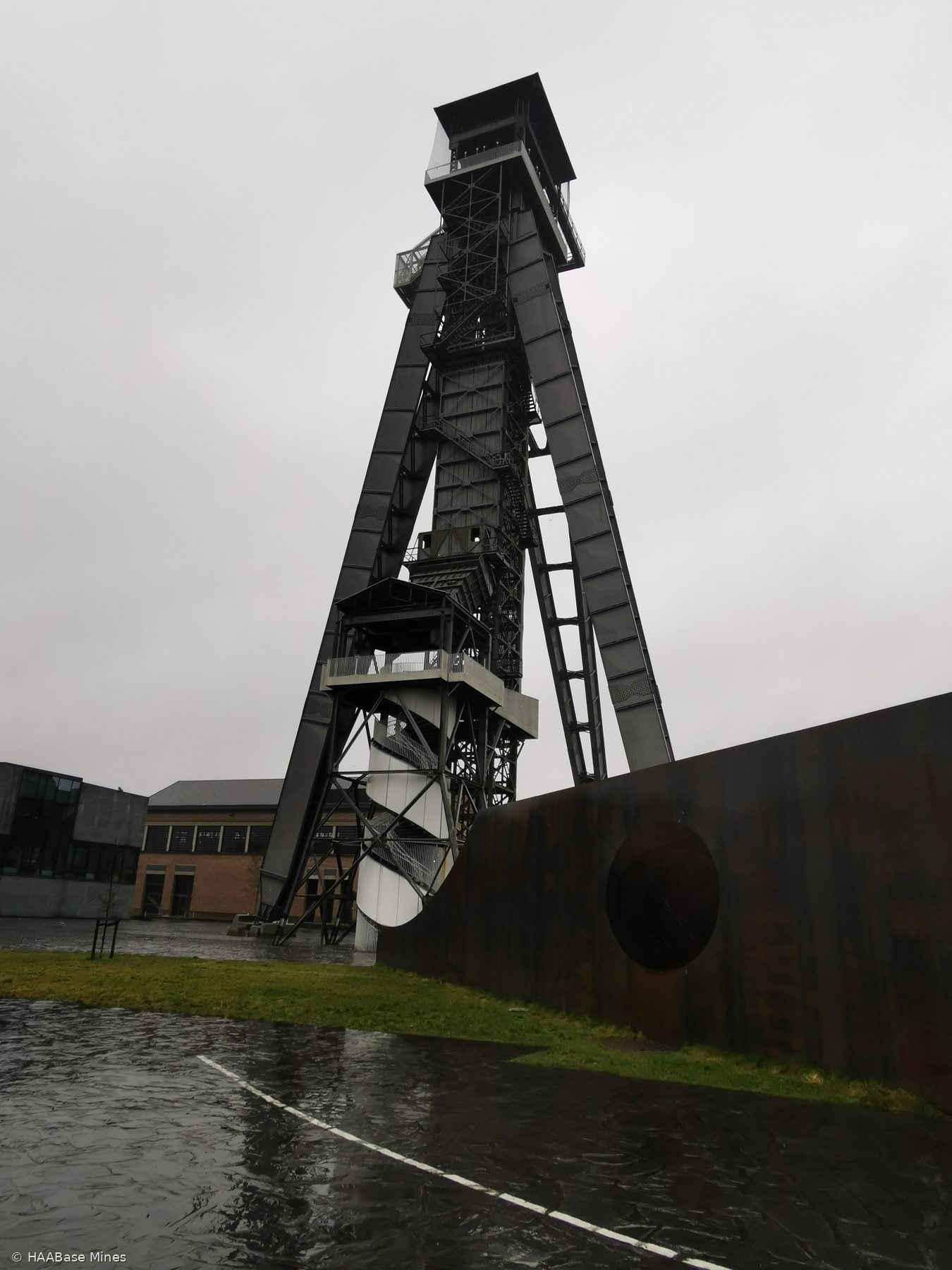
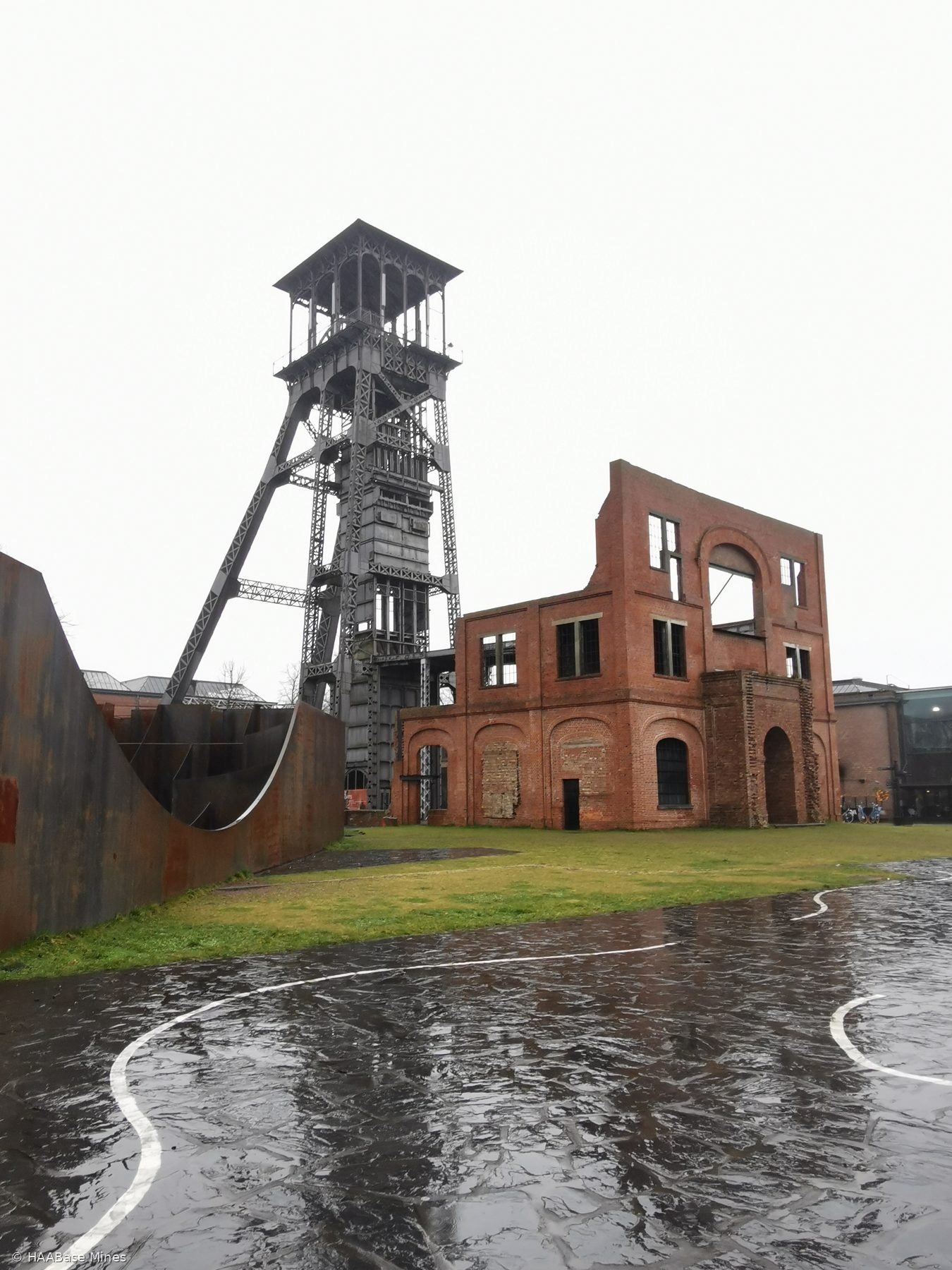
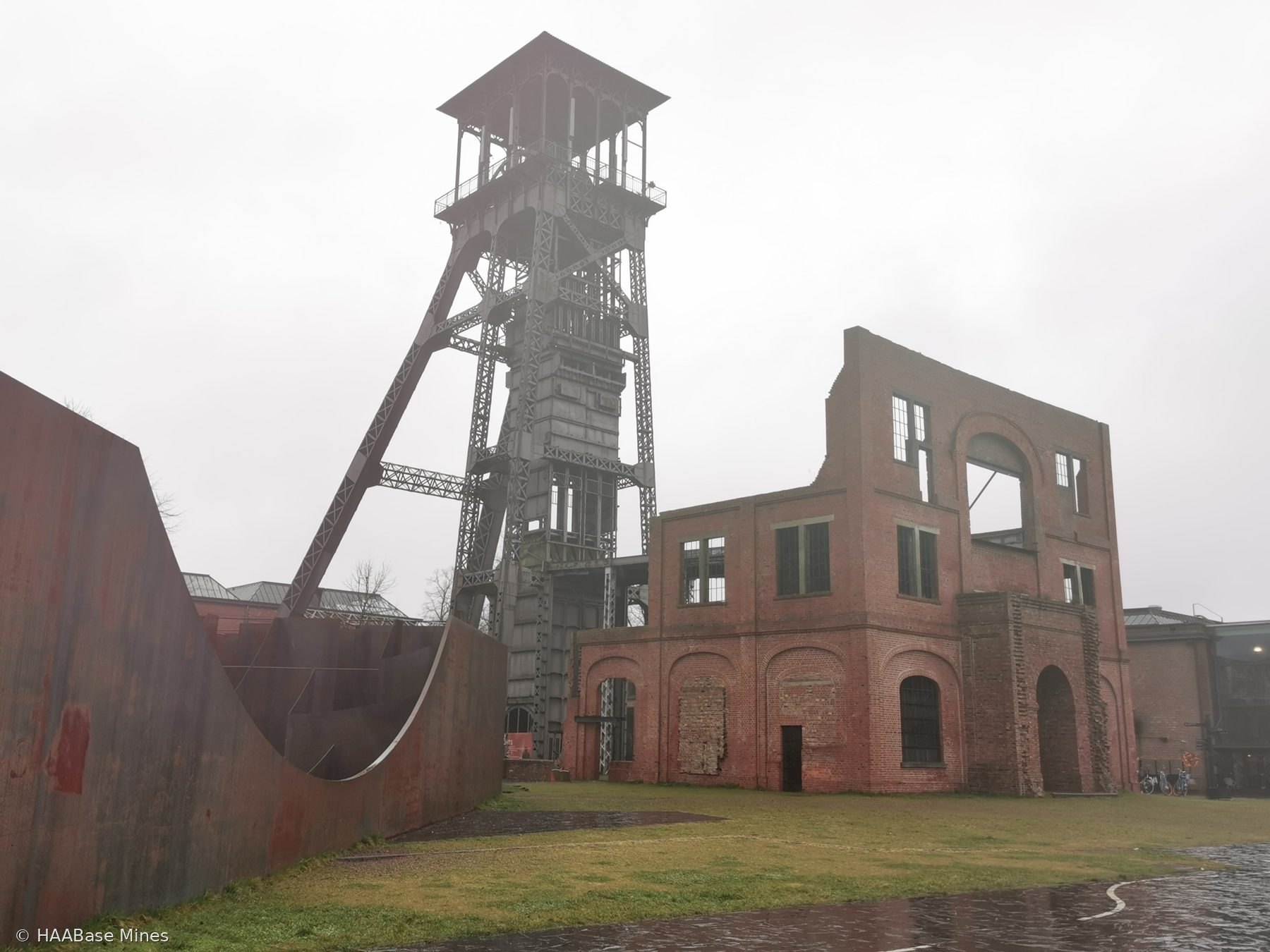
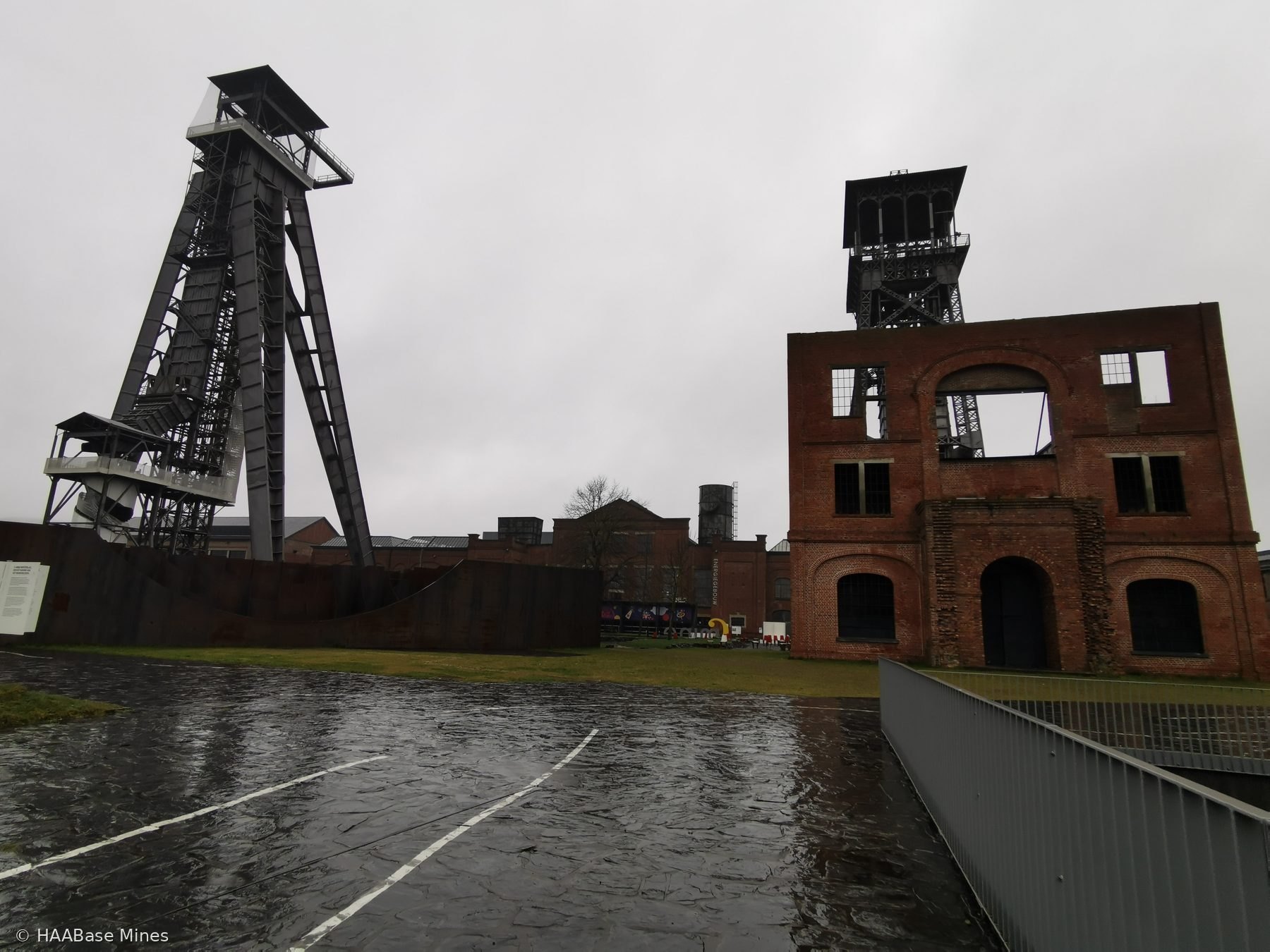
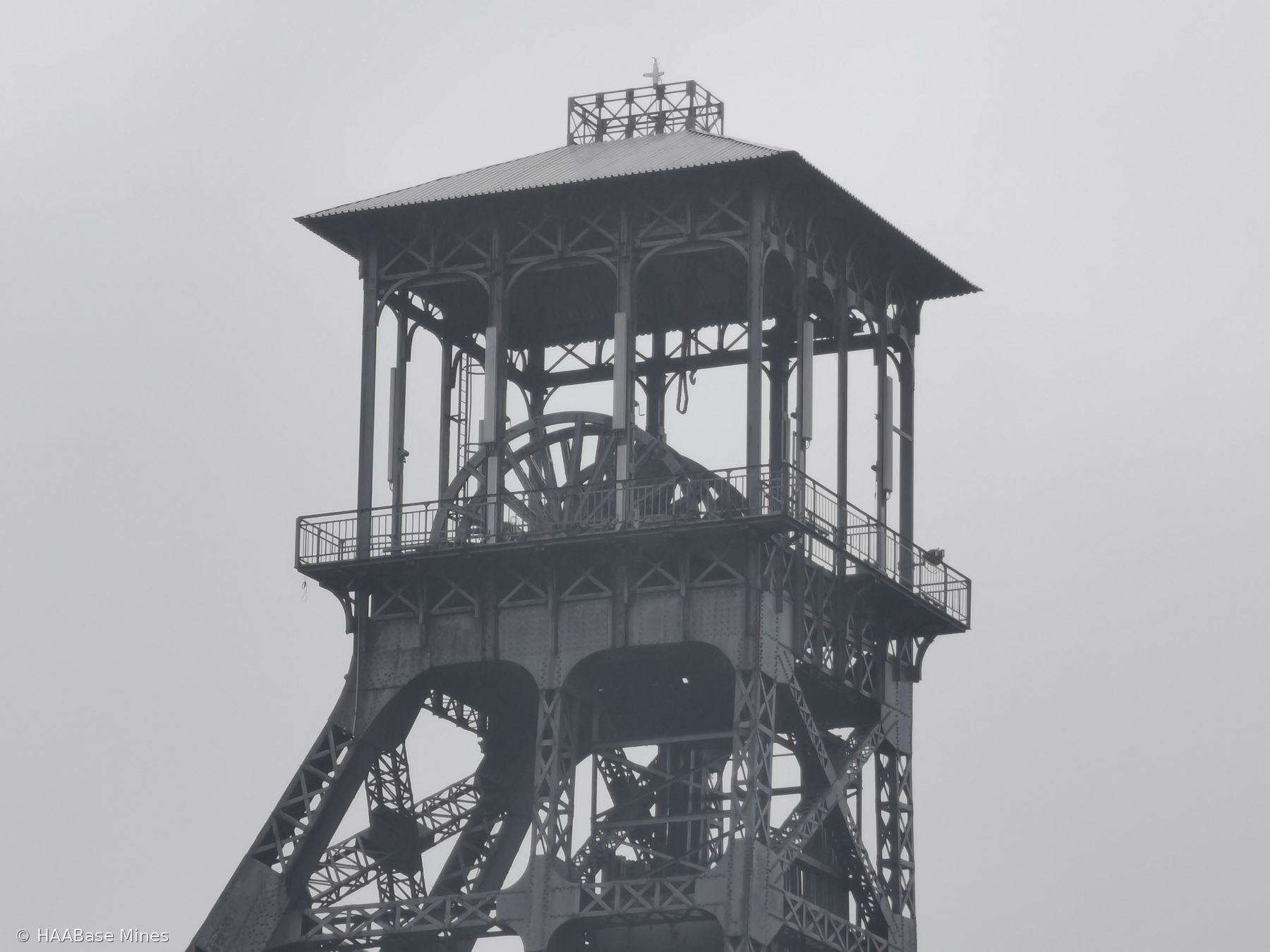
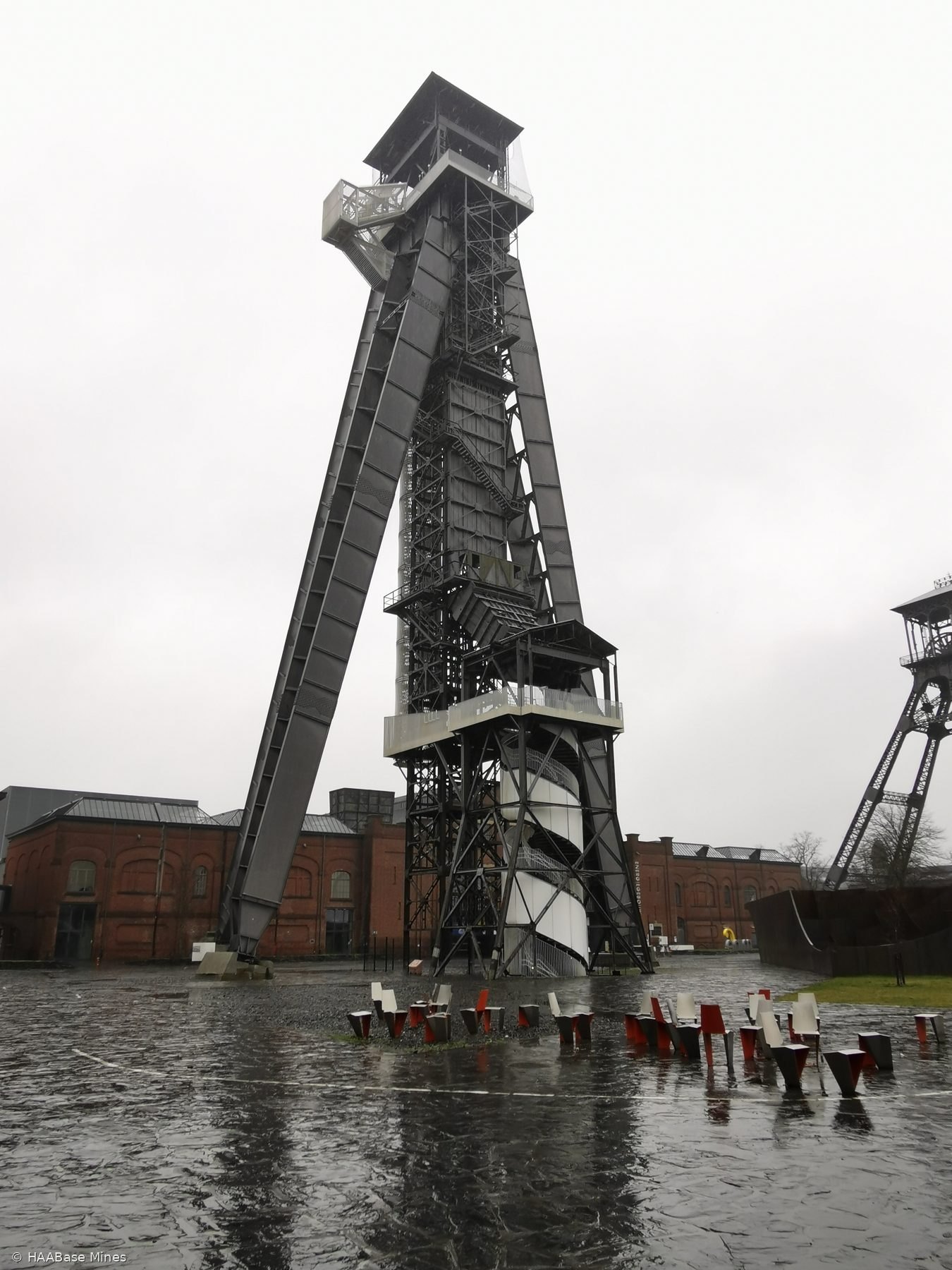
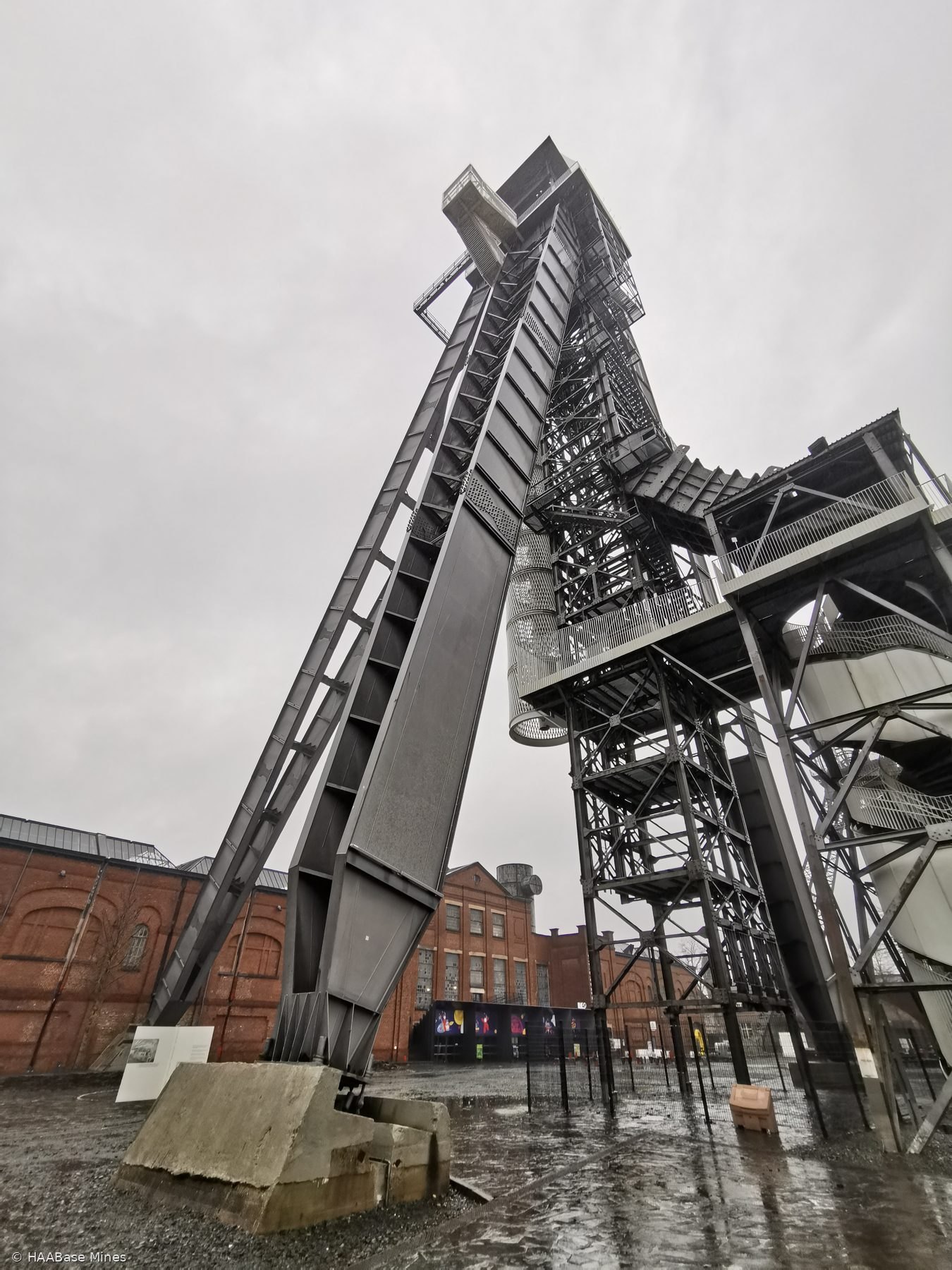
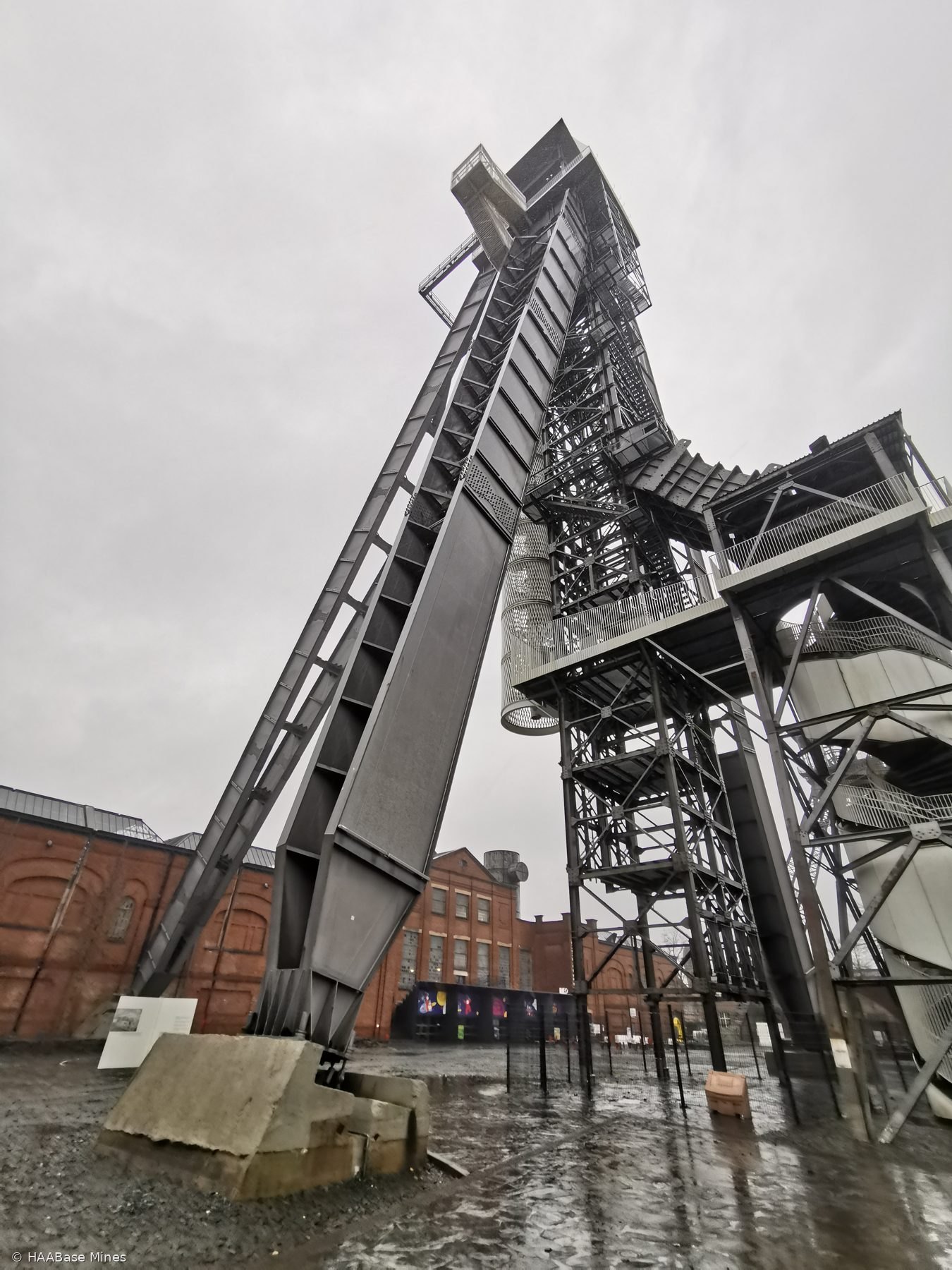
Steenkoolmijn van Winterslag mine headframe or winding tower site
Photograph taken: 21 February 2026
Map markers and directions links are provided for location reference only and do not indicate public access or permission to enter a site.

History

Winterslag was established on heathland in the commune of Genk following the confirmation of coal in Belgian Limburg by André Dumont in 1901. Initial survey borings in 1901 and 1902 by the Société Limbourgeoise de Recherches et d'Exploitation at Gelieren and Winterslag, and by the Société La Campine at Zutendaal, were followed by more systematic Foraky probing in 1908 and 1909, including borehole Genk 69 (= Winterslag) to a depth of 1,050 metres. These established the character of the overburden and the position of the coal platform.

The concession Genck-Sutendael of 3,963 hectares, covering the communes of Genk, As, Mechelen-aan-de-Maas, Opgrimbie, and Zutendaal, was granted by royal decree on 3 November 1906. It was assigned to two associated groups: on one side the Charbonnages de Ressaix together with the Société Limbourgeoise de Recherches et d'Exploitations, and on the other the Charbonnages de Ressaix together with the Société Minière de Pitteurs-Hiegaerts. These groups entrusted the exploitation to the Charbonnages de Ressaix, which in turn brought its concession rights into a consortium named S.A. des Charbonnages de Ressaix, Leval, Péronnes, Ste-Aldegonde et Genck. A royal decree of 23 November 1912 separated a sub-concession named Winterslag of 960 hectares from the original Genk-Zutendaal concession; the remainder stayed with the Ressaix group. For the exploitation of Winterslag, the Charbonnages de Ressaix consortium associated itself with the Parisian commandite firm of Schneider et Compagnie. The S.A. Charbonnages de Winterslag was founded on 30 November 1912, with the Walloon mines contributing the land, installations, and a number of workers' houses, and Schneider providing capital. Schneider, through its Creusot metallurgical operations, was a large consumer of the fat coal that Winterslag would produce. The key shareholders were the Charbonnages de Ressaix group associated with Evence Coppée, and the Schneider group.

In Winterslag the engineers did not encounter the treacherous quicksand layers that caused flooding and delay at other Kempen collieries. Freezing borings for Schacht I started on 19 March 1910, executed by the Maatschappij Foraky and the S.A. Entreprise Générale de Fonçage de Puits from Paris. Whereas the freezing method had previously only been applied to depths of around 200 metres for shafts of four metres diameter, at Winterslag it was applied to 430 metres. Both shafts have a useful diameter of six metres, lined largely with original cast-iron tubbing. On 28 July 1914, just before the outbreak of the First World War, the first piece of coal was raised from Schacht I. Under the German occupation the development of the mine was able to continue with relative continuity, and in 1917 Winterslag became the first of the Kempen mines to enter commercial production, making it the oldest producing colliery in Belgian Limburg.

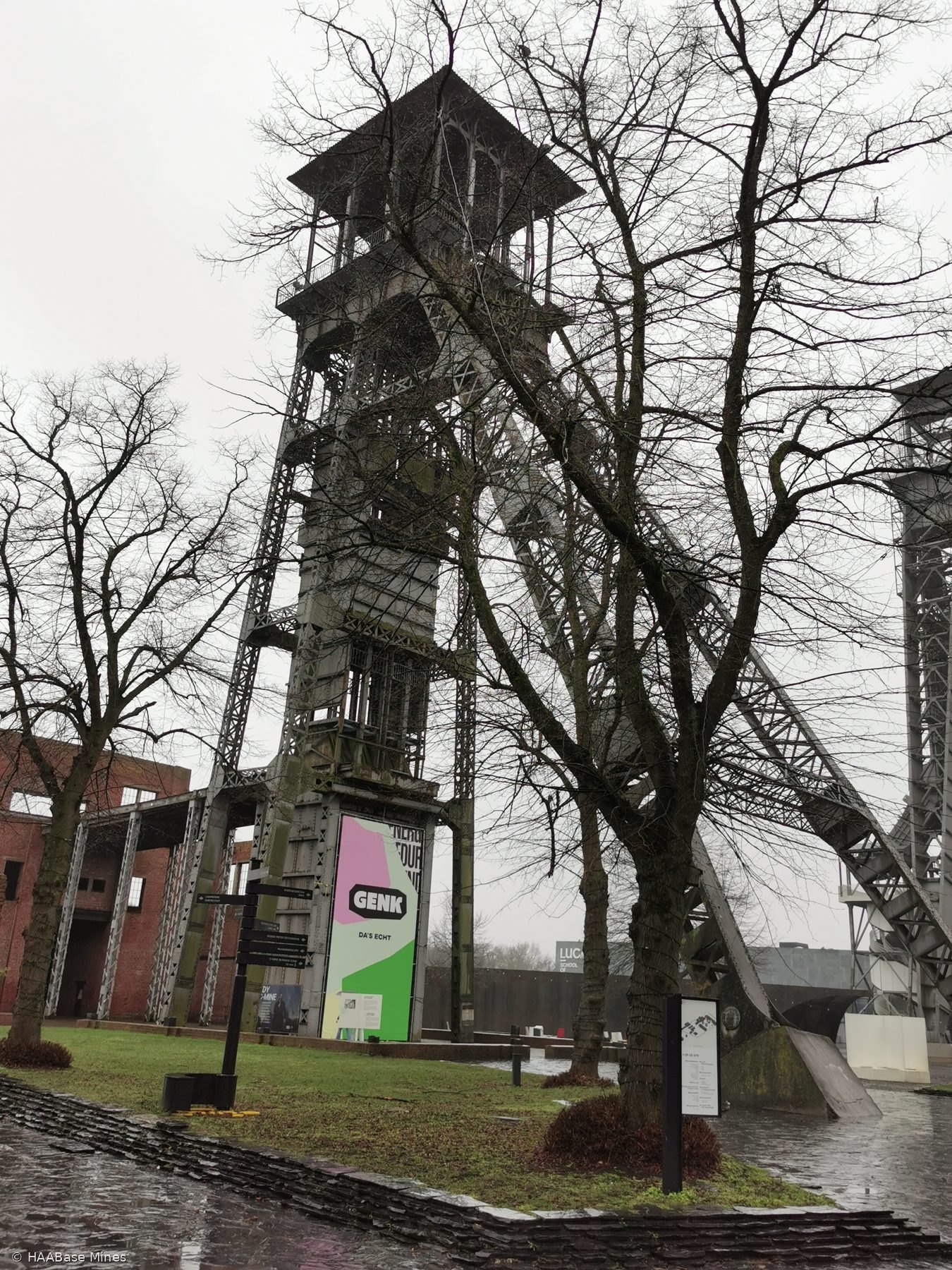
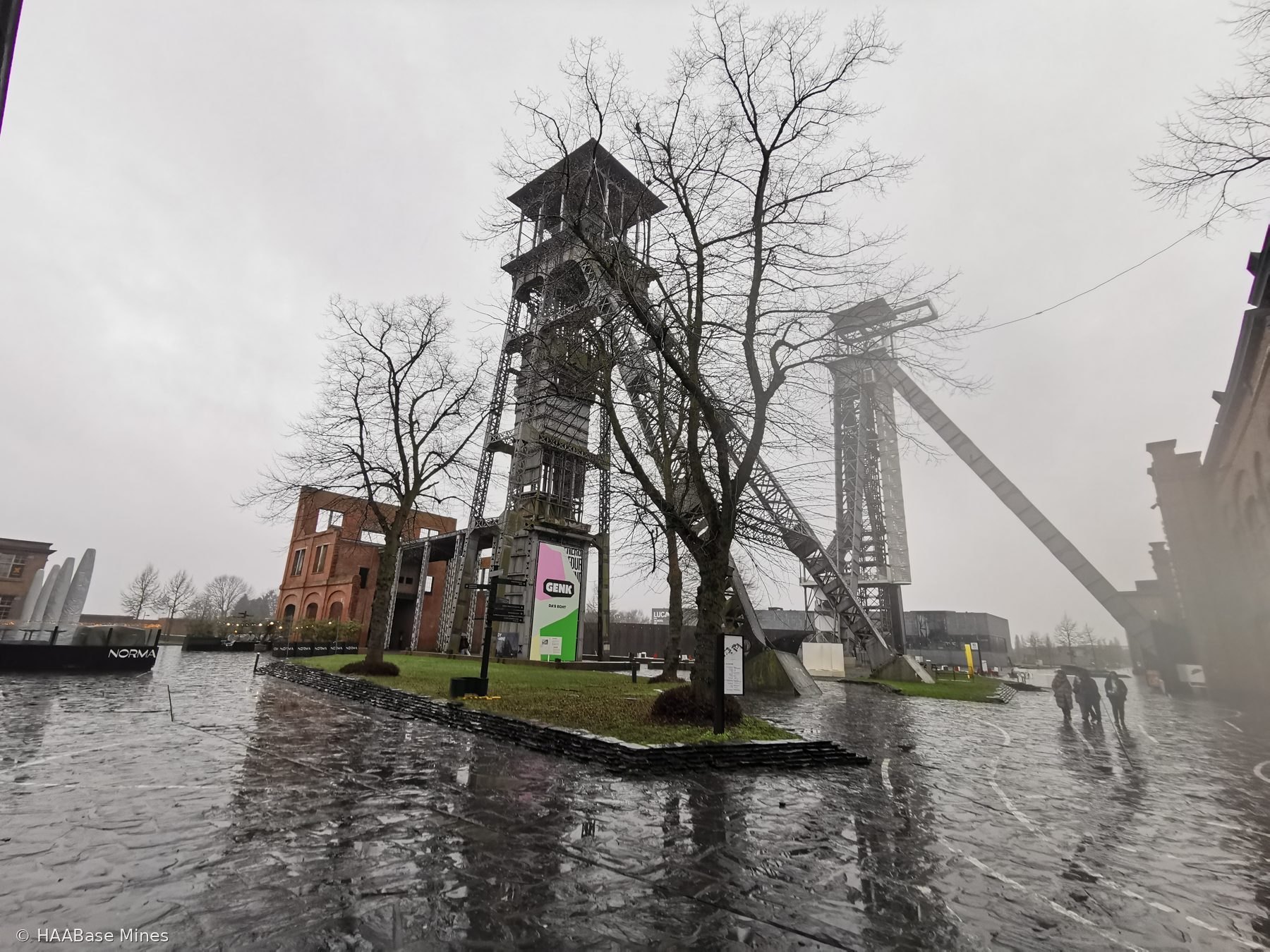
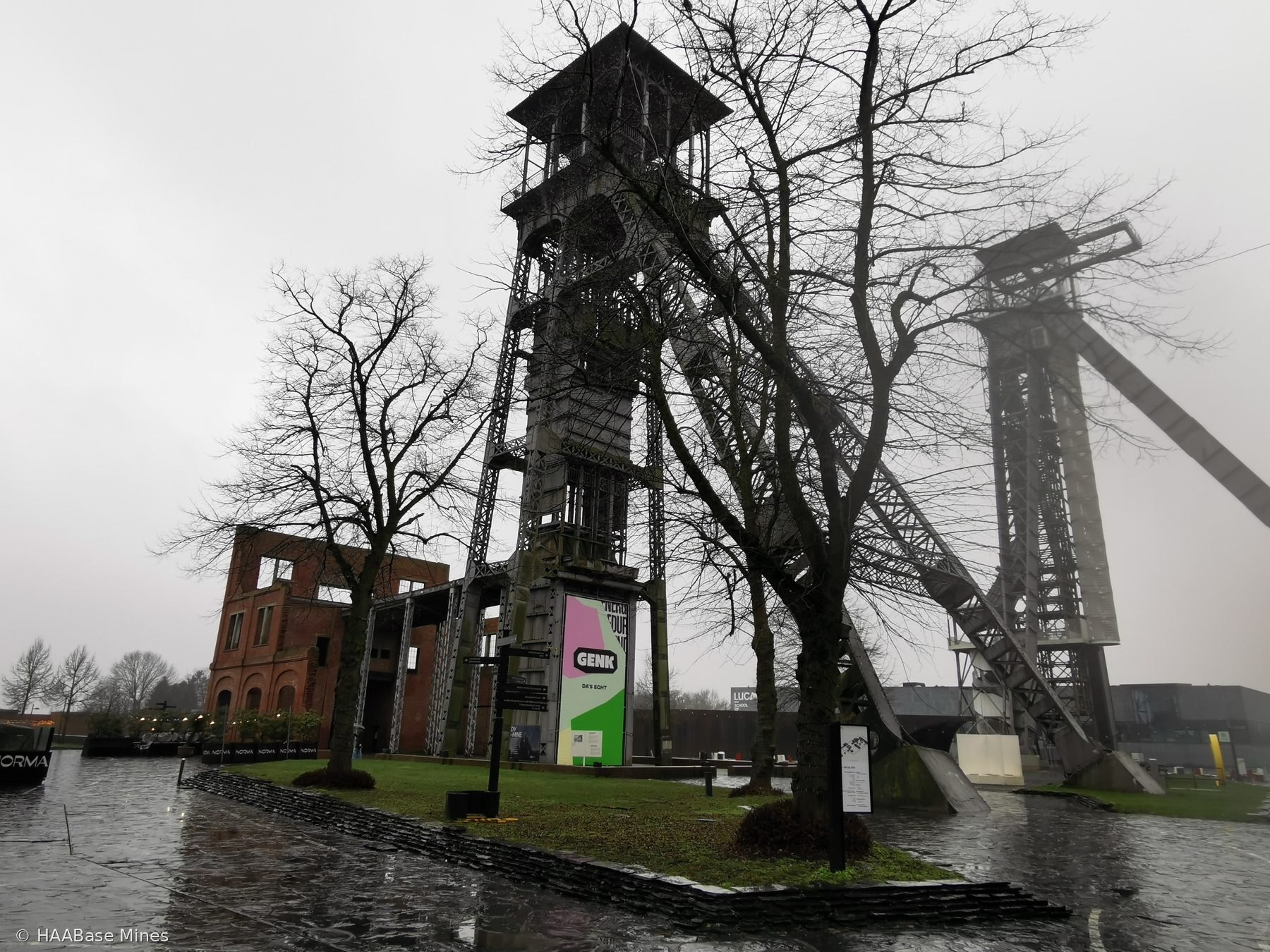
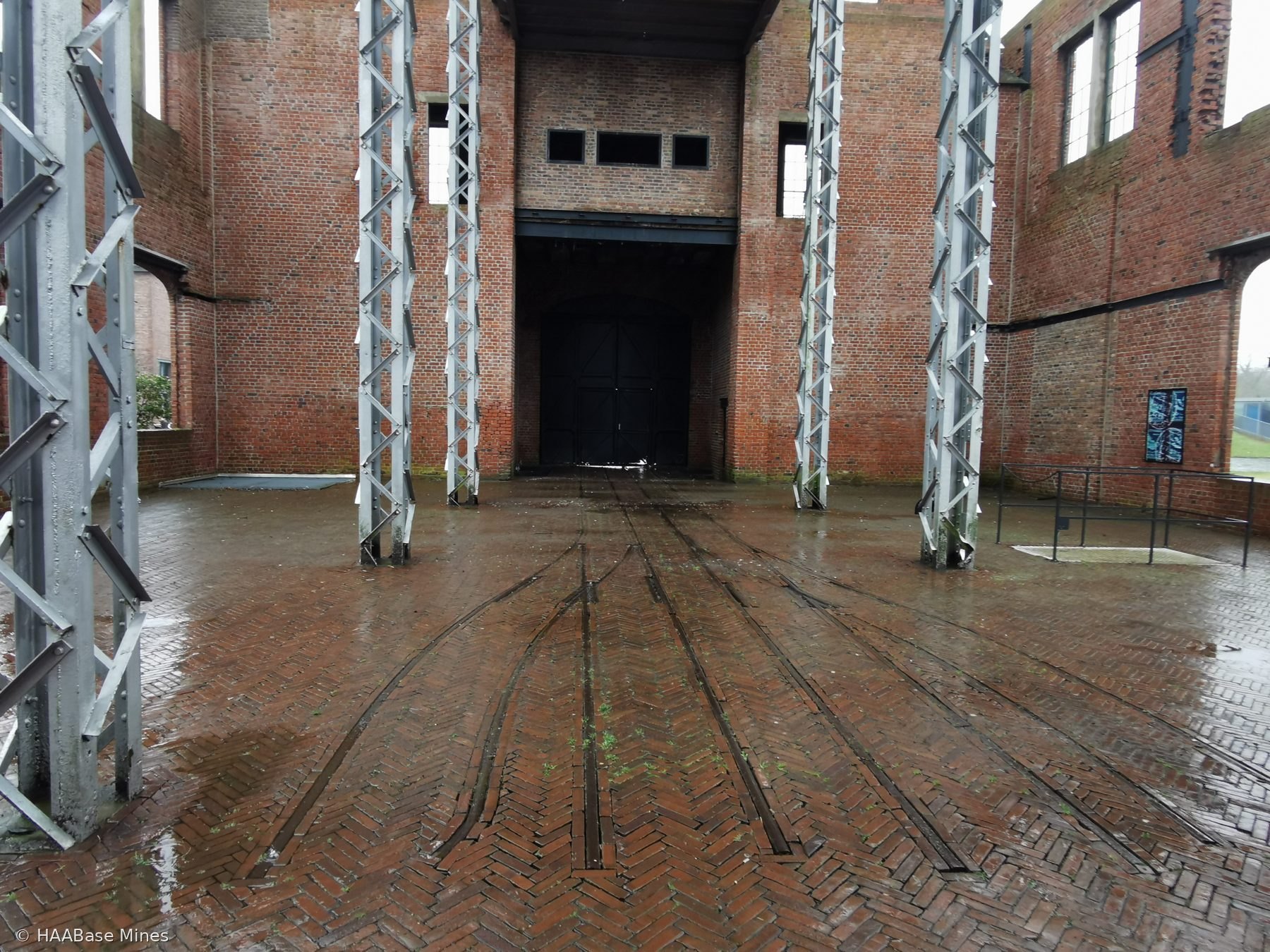
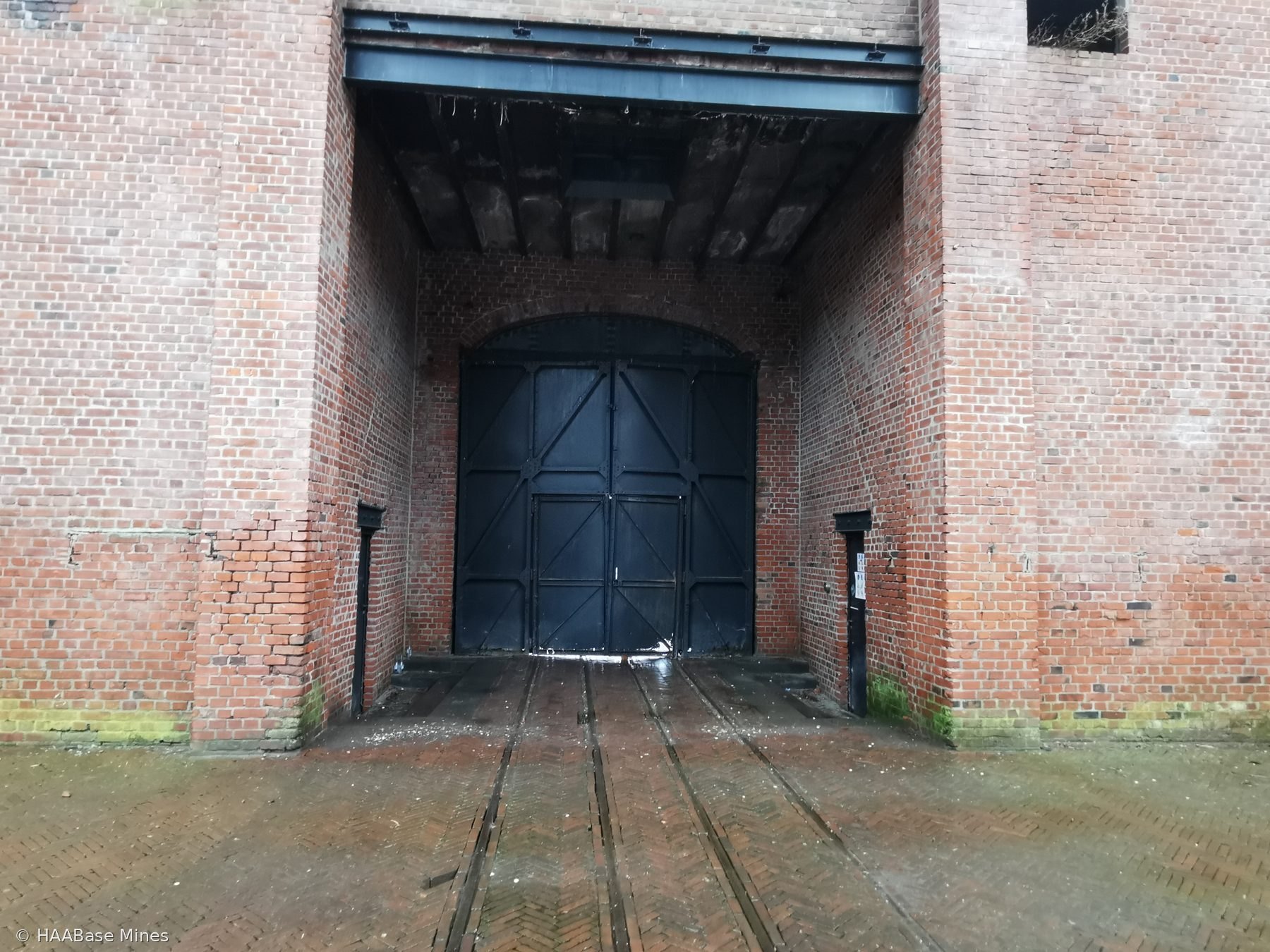
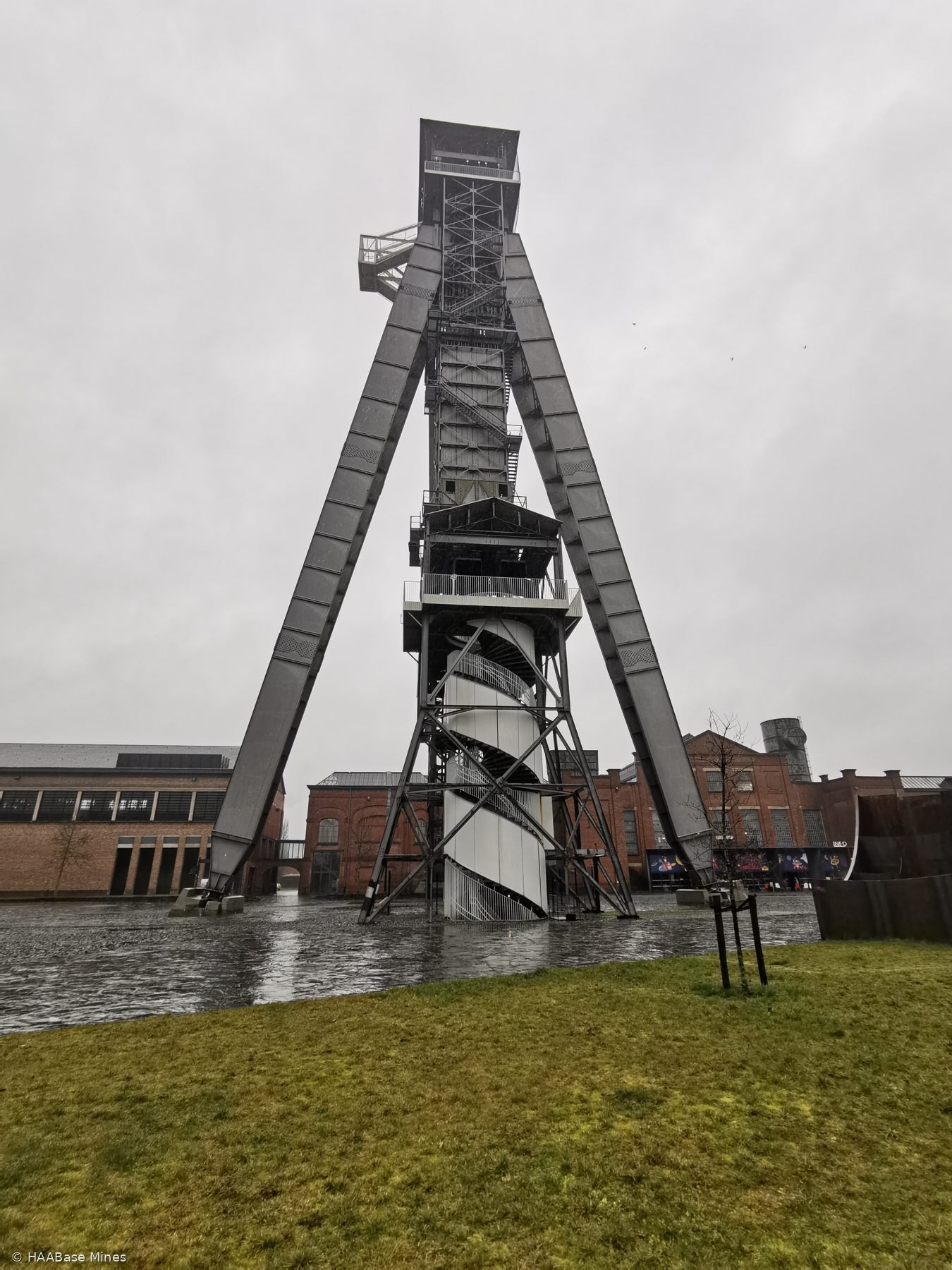
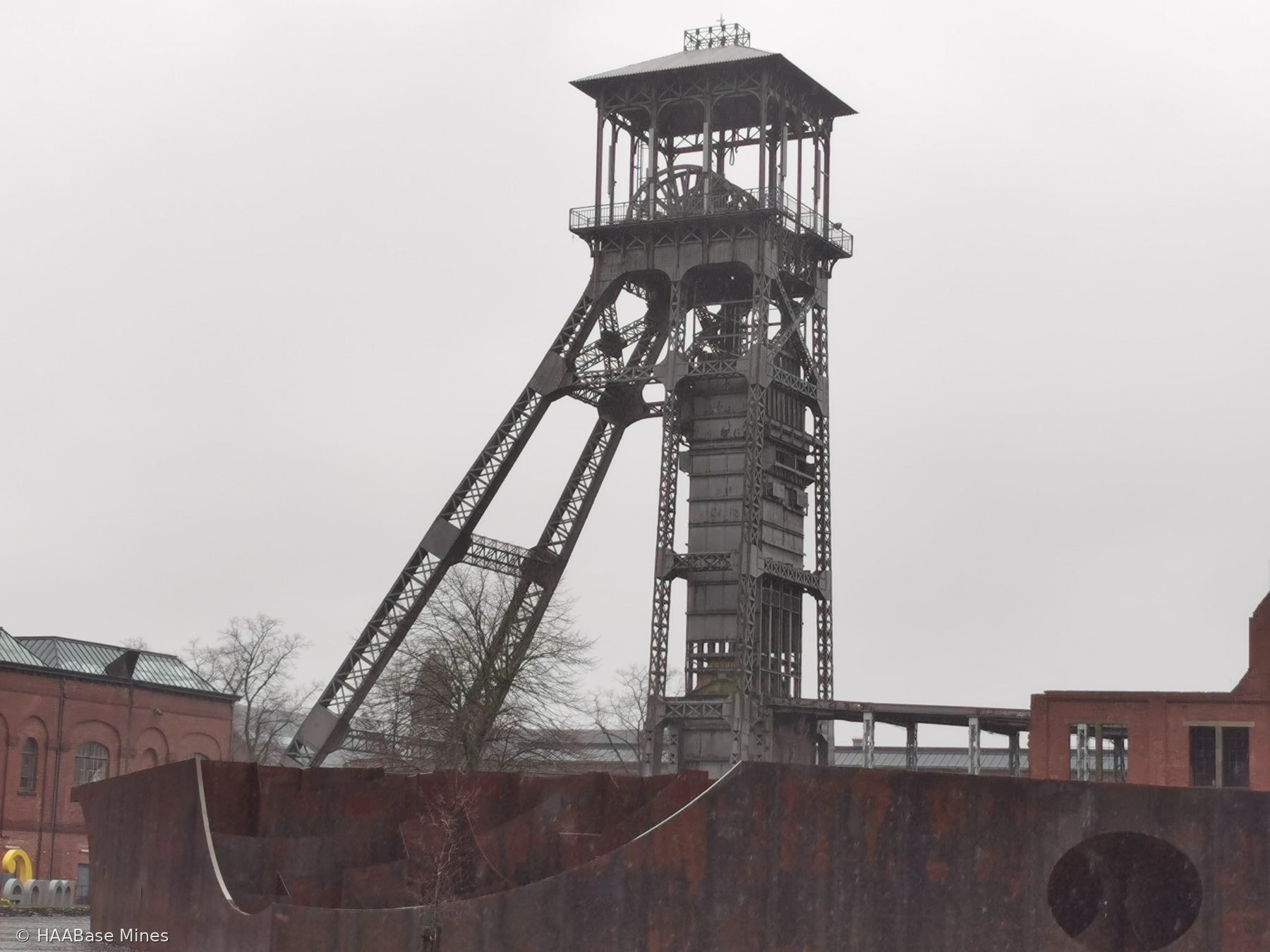
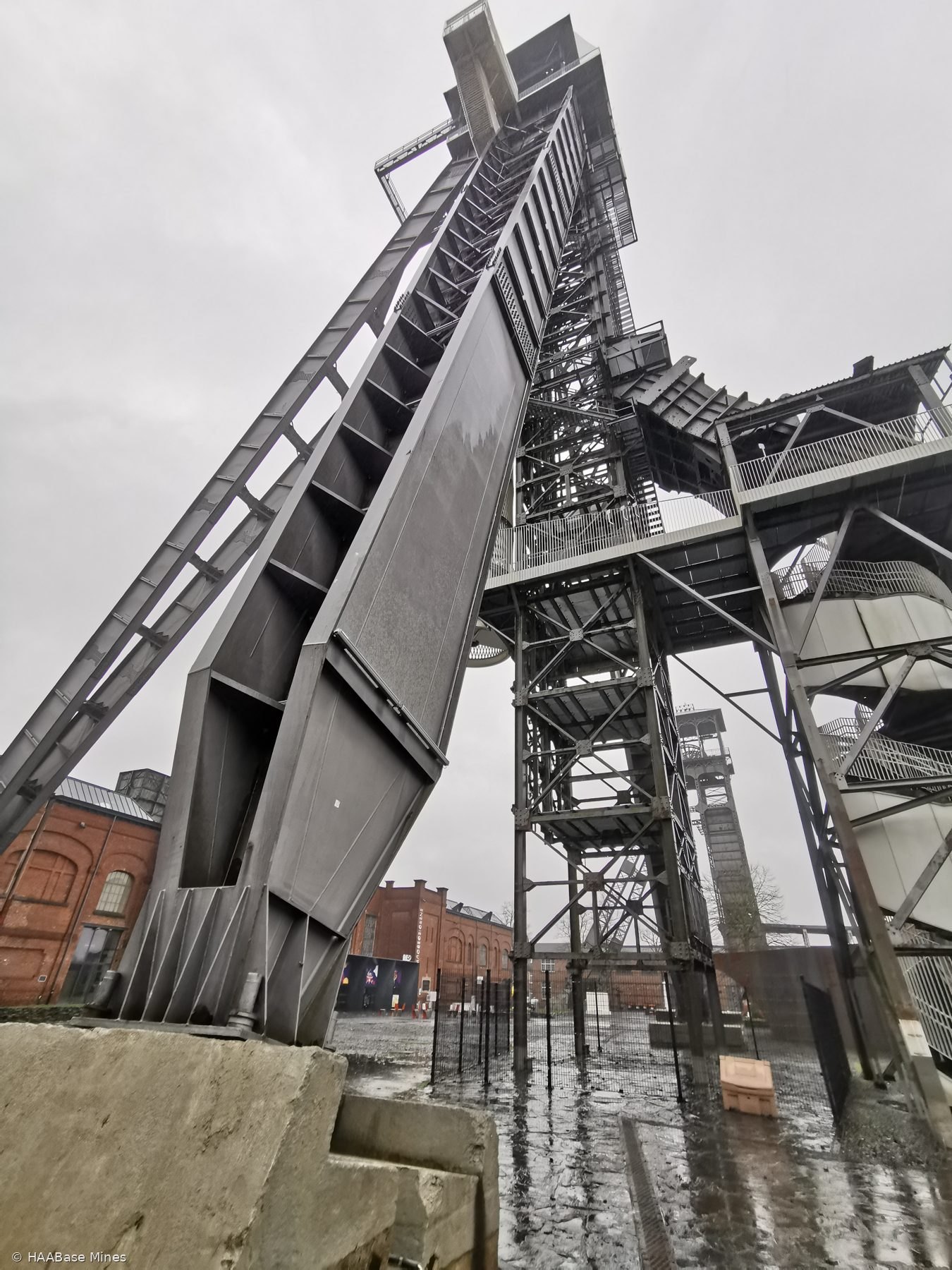
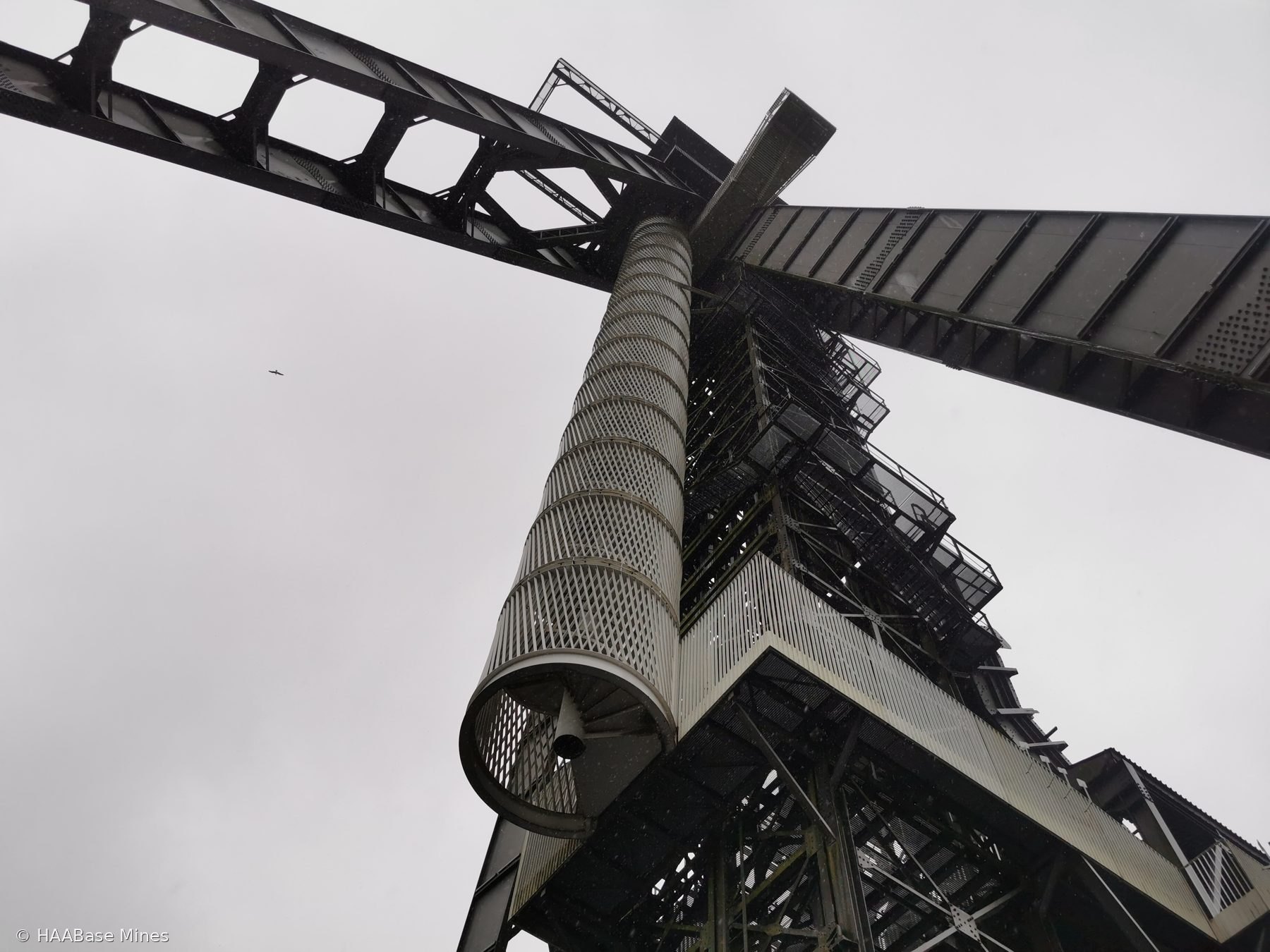
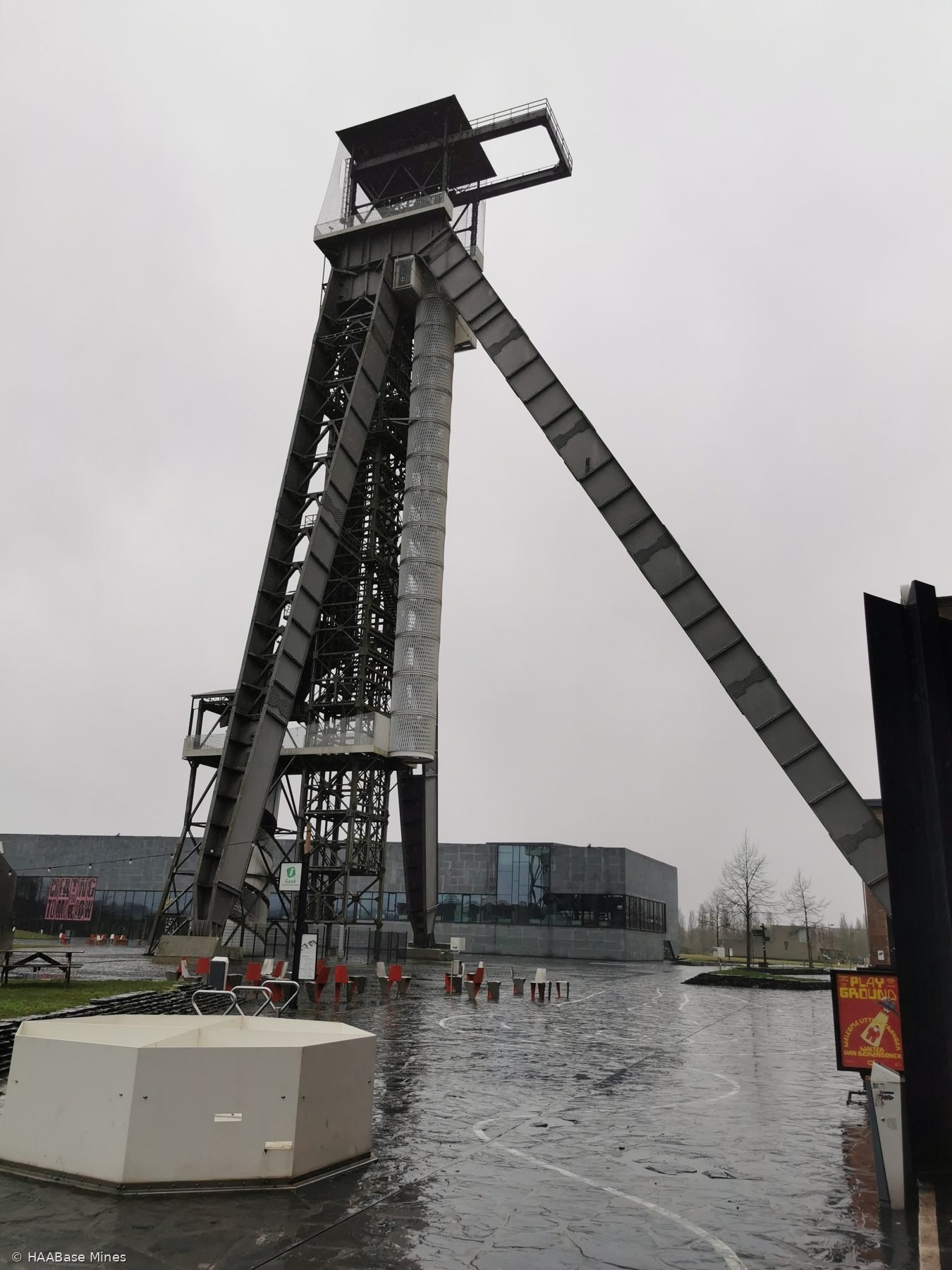
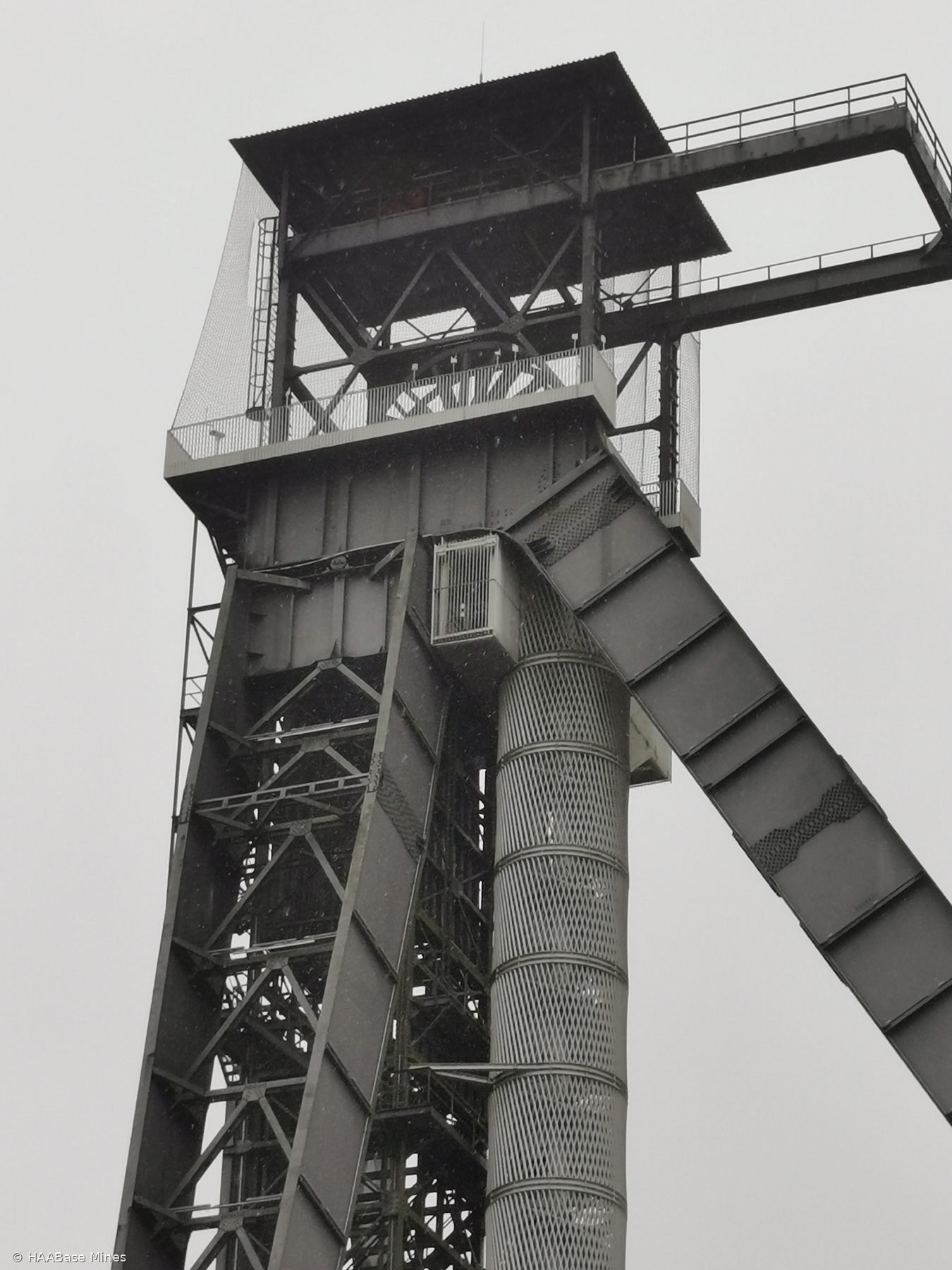
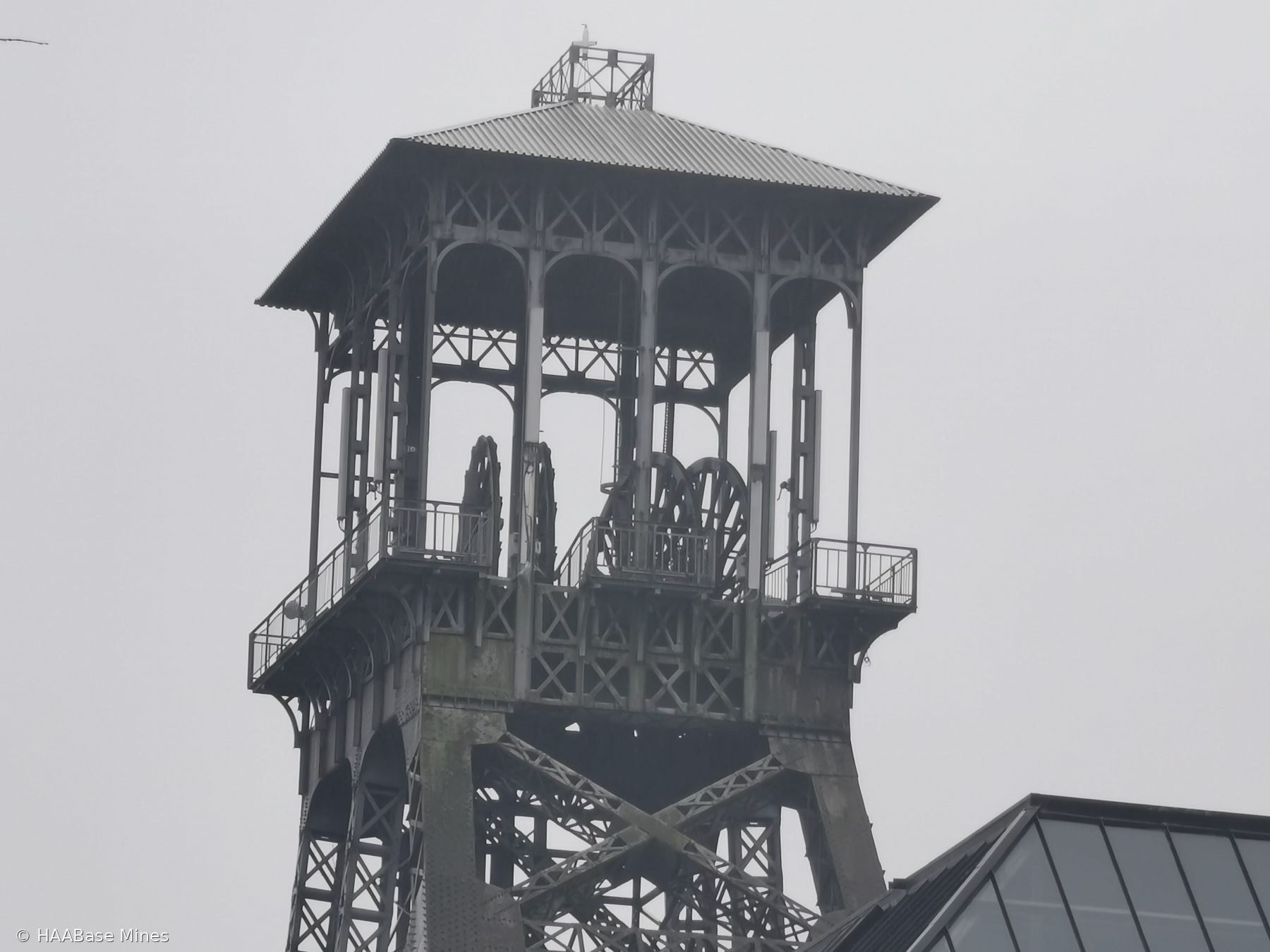
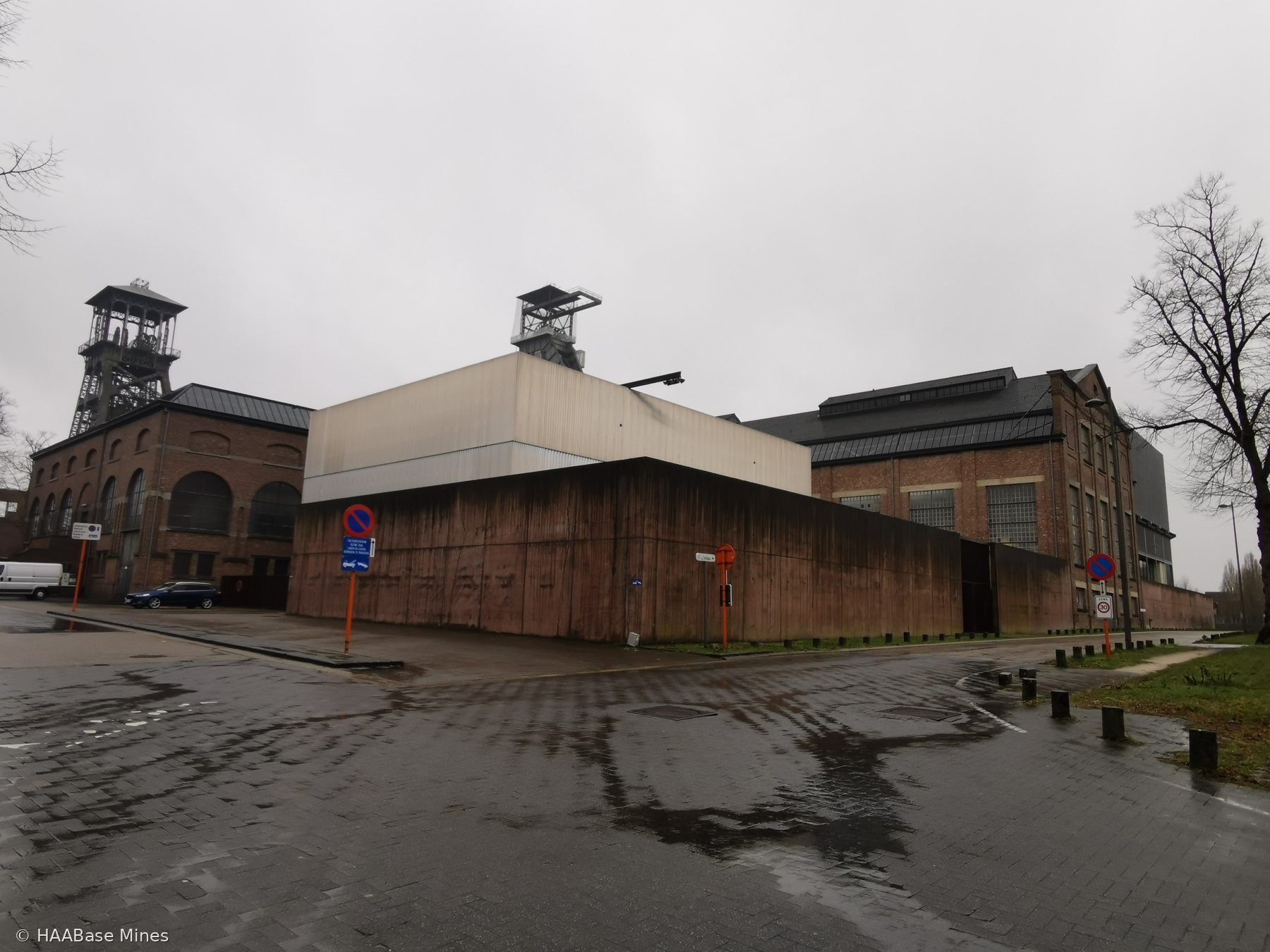
Schacht II's headframe, standing 45 metres tall, was designed and built by the Société de la Meuse of Liège in 1915, and is the oldest headframe in the Kempen coalfield. The reception building for Schacht II was constructed from 1916 to 1917. Schacht I's headframe was later renewed for a fully automatic Koeppe skip system. The two winding houses each accommodate two separate machine rooms; the winding machines of Schacht I are the oldest extraction machines in all the Kempen mines. An electric power station was developed from 1919, with its original switchboards and control panels surviving in situ. Working levels were initially installed at 600 and 650 metres, and from 1949, in the framework of the post-war modernisation plan, a new working level was developed at 850 metres. The Eerste Cité, the first workers' housing estate, was laid out from 1912 to a garden suburb design by Adrien Blomme, intended for engineers, senior staff, office workers, and skilled labourers, with boarding houses for single men and communal facilities including a church and schools. A second cité followed between 1922 and 1928 for Eastern European workers, and further housing was built into the 1930s and through the post-war Kolenslag period.

In the first years of production, Winterslag had a poor safety record with many fatal accidents. Peak employment of 6,250 miners was reached in 1953. Peak annual production of 1,635,514 tonnes was achieved in 1967, and total production over the mine's life amounted to approximately 66,593,000 tonnes. In 1929 the concession on the unapened Genk-Zutendaal portion was formally entrusted to the Charbonnages de Winterslag, and a royal decree of 5 October 1931 reunited both concessions into a single holding, enlarged in 1949 by division of coal reserve B to 5,633 hectares. After the war Winterslag was associated with the Walloon steelmakers Espérance Longdoz and Cockerill before being absorbed into the KS: Kempische Steenkoolmijnen, the consolidated Kempen mining company.

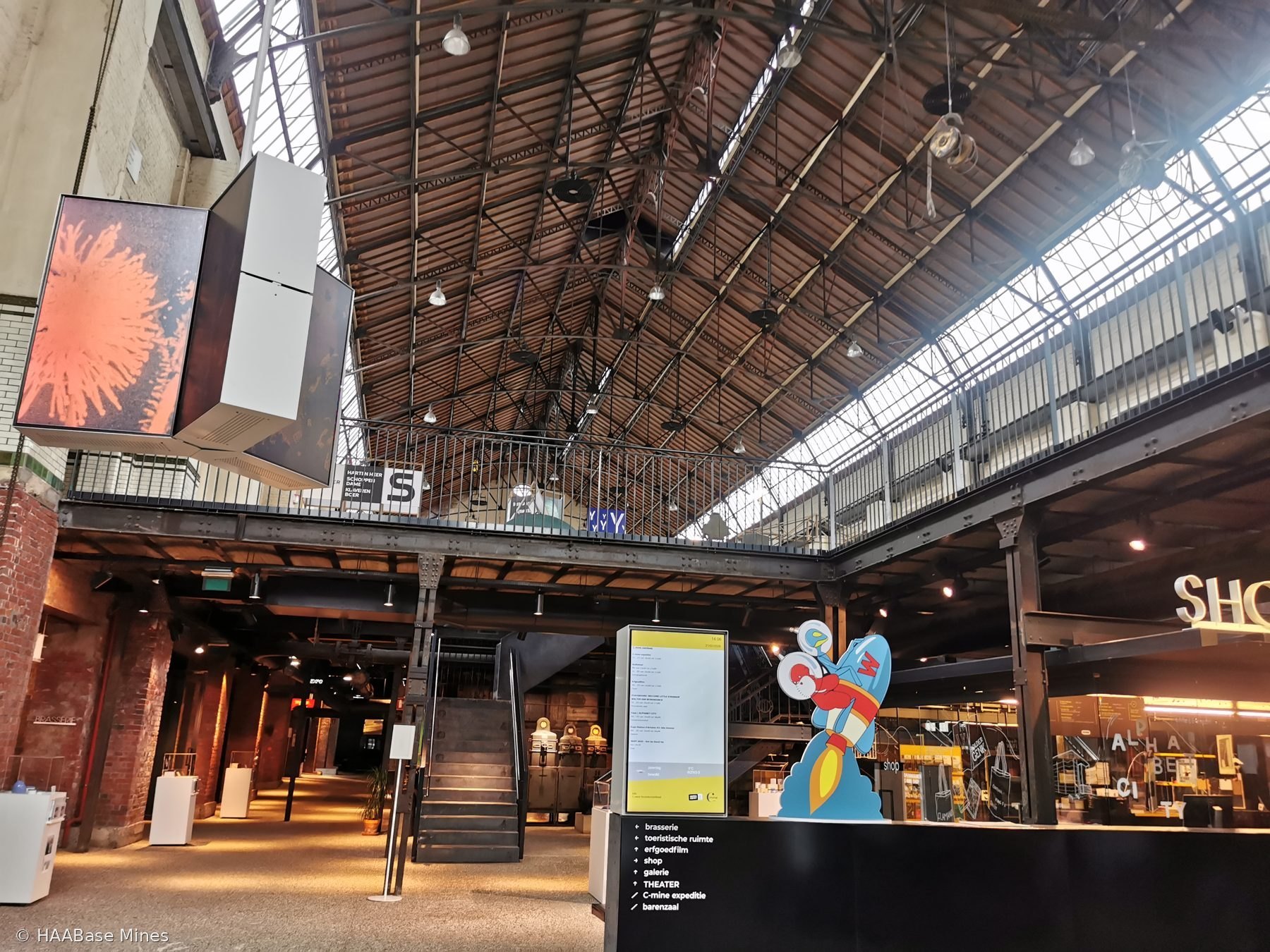
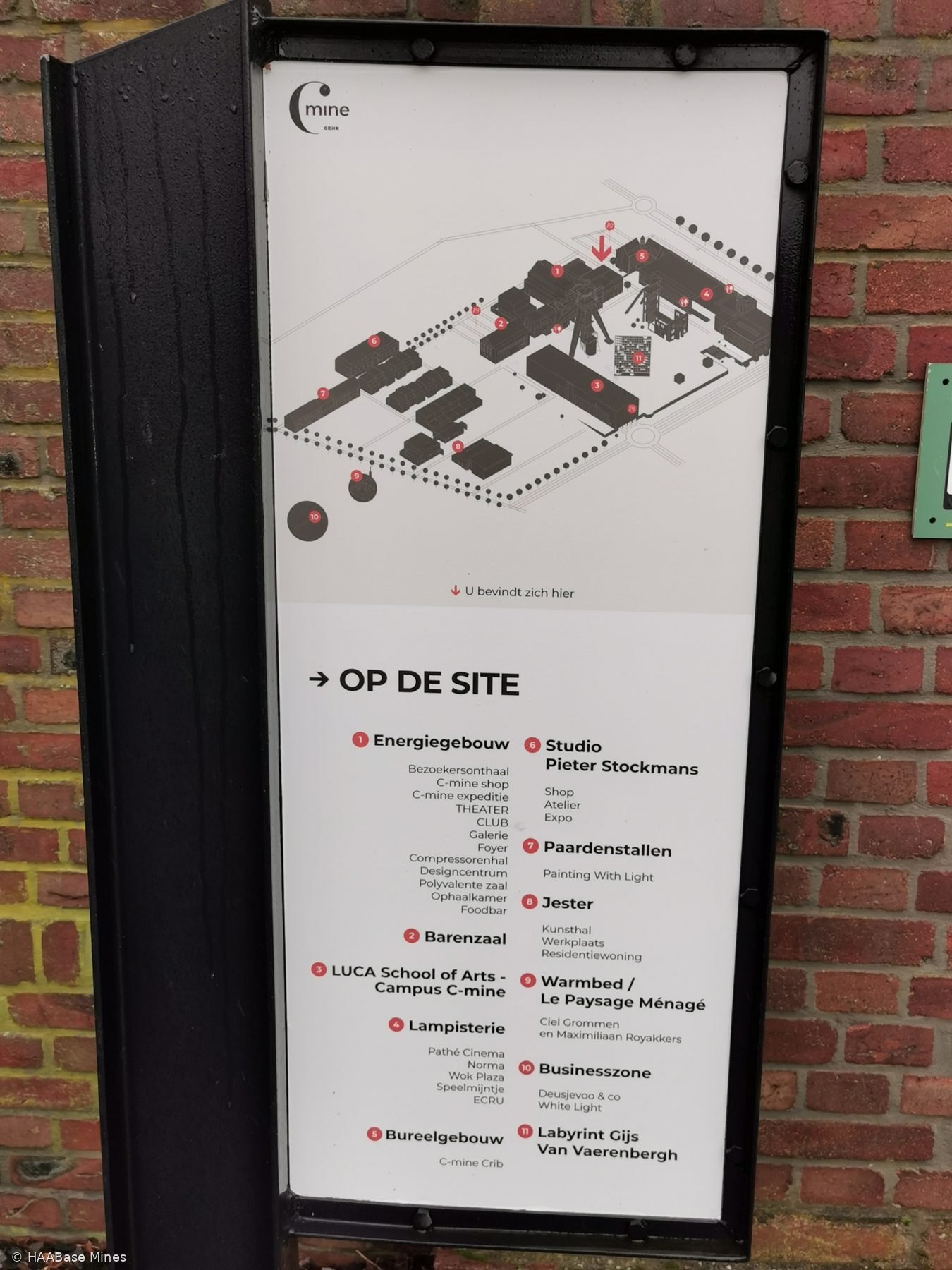
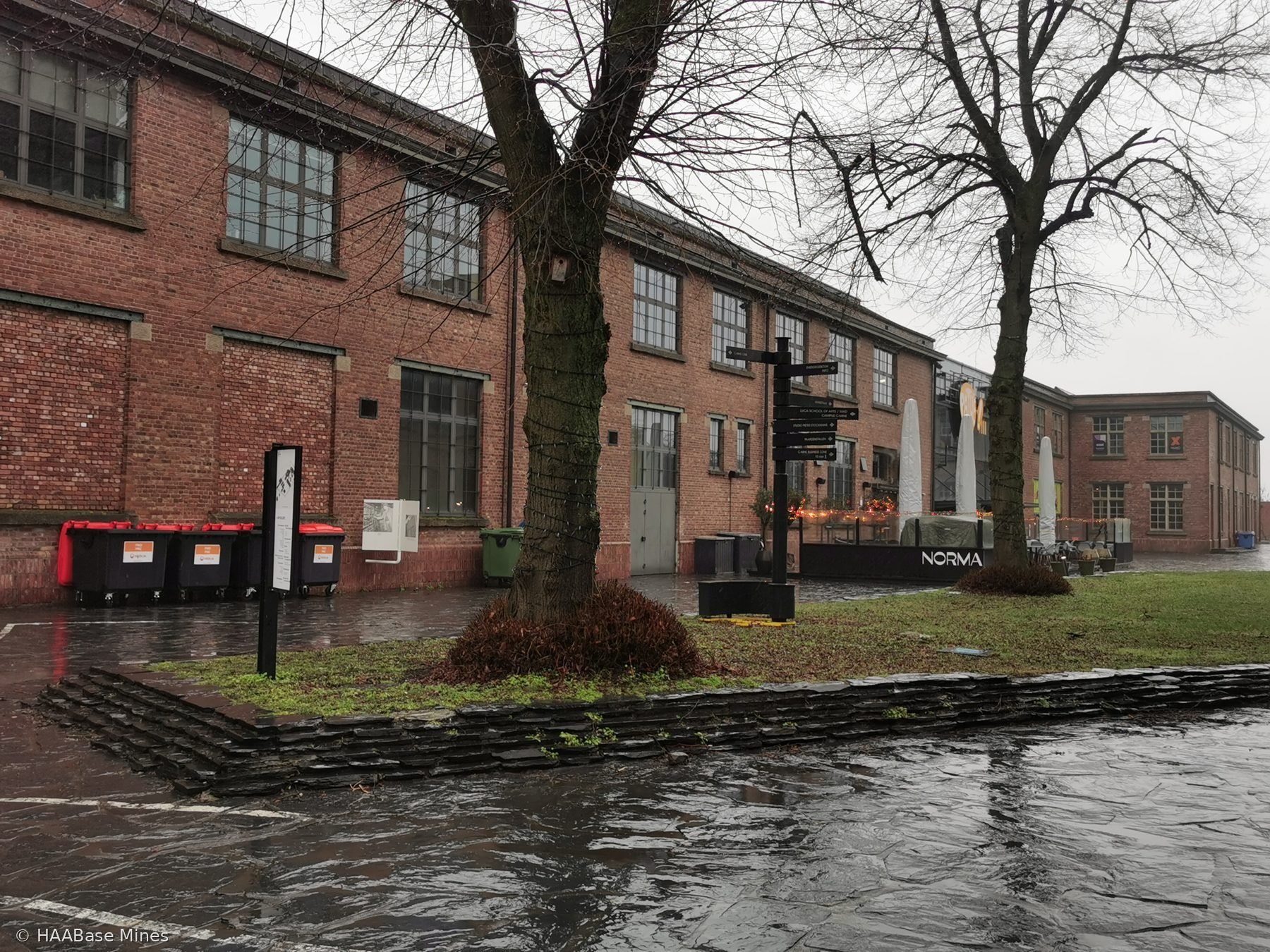
The mine closed on 31 March 1988. Several months before closure the colliery had recorded its highest ever single-day production. After closure the coal washing plant, brick works, workshops, and cooling towers were demolished. The winding house, the lamp room and showers building, and the directorate building were retained. The complex received monument protection in 1993. In 2001 the city of Genk acquired the site from LRM (Limburgse Reconversie Maatschappij). In 2005 the name C-mine was inaugurated for the creative and cultural campus taking shape on the former mine site. In 2008 Euroscoop took over the former lamp room and shower halls to build a cinema complex. In 2010 the city of Genk resolved to locate its cultural centre on the site. The energy building became a reception and conference space with a theatre and smaller auditorium in its flanks. The former stables function as business premises. Porcelain artist Pieter Stockmans made the former warehouse into his studio and living space. The LUCA School of Arts built a campus adjacent to the site. The spoil heap, 163 metres high, was converted into a public walking area. The C-mine Expeditie, an interactive underground experience trail through a former air passage of the mine, was established as the mining heritage attraction on the site. Visitors can climb the surviving 60-metre headframe for panoramic views.
Timeline

1901–1902
Exploration

Initial survey borings at Winterslag and Gelieren

In 1901 and 1902 the Société Limbourgeoise de Recherches et d'Exploitation conducted survey borings at Gelieren and Winterslag, and the Société La Campine bored a coal seam at Zutendaal. These established the presence of coal beneath the area.
1906
Legislation

Concession Genck-Sutendael granted

The concession Genck-Sutendael of 3,963 hectares was granted by royal decree on 3 November 1906, covering Genk, As, Mechelen-aan-de-Maas, Opgrimbie, and Zutendaal.
1910
Construction

Freezing borings for Schacht I commenced

Freezing borings for Schacht I started on 19 March 1910, executed by the Maatschappij Foraky and S.A. Entreprise Générale de Fonçage de Puits from Paris. The freezing method was applied to 430 metres depth, surpassing previous applications of this technique.
1912
Legislation

S.A. Charbonnages de Winterslag founded

The S.A. Charbonnages de Winterslag was founded on 30 November 1912, associating the Ressaix-Coppée group with the French firm Schneider et Compagnie for the exploitation of the 960-hectare Winterslag sub-concession.
1914
Operation

First coal raised from Schacht I

On 28 July 1914, just before the outbreak of the First World War, the first coal was raised from Schacht I, marking the earliest coal extraction in the Kempen Basin.
1915
Construction

Schacht II headframe erected — oldest in the Kempen

The headframe above Schacht II, standing 45 metres tall, was designed and built by the Société de la Meuse of Liège in 1915. It is the oldest surviving headframe in the Kempen coalfield.
1917
Operation

Commercial production begins; first Kempen mine in production

In 1917 Winterslag became the first of the seven Kempen mines to enter commercial production. Working levels were initially established at 600 and 650 metres depth.
1931
Legislation

Concessions reunited; total area enlarged

A royal decree of 5 October 1931 reunited the Winterslag and Genk-Zutendaal concessions into a single holding. In 1949 a division of coal reserve B enlarged the total concession to 5,633 hectares.
1949
Construction

New working level at 850 metres

In the framework of the post-war modernisation plan, a new working level at 850 metres was developed from 1949.
1953
Operation

Peak employment of 6,250 miners

Peak employment of 6,250 miners was recorded in 1953.
1967
Operation

Peak annual production of 1,635,514 tonnes

Annual production reached its maximum of 1,635,514 tonnes in 1967.
1988
Closure

Final closure

The Steenkoolmijn van Winterslag closed permanently on 31 March 1988. Total production over the operational life of the mine reached approximately 66,593,000 tonnes. After closure the coal washing plant, brick works, workshops, and cooling towers were demolished.
1993
Heritage

Principal mining buildings receive monument protection

The main building and principal installations of the Steenkoolmijn van Winterslag received the status of protected monument in 1993.
2001
Redevelopment

City of Genk acquires the site

In 2001 the city of Genk acquired the Winterslag mine site from LRM (Limburgse Reconversie Maatschappij), with the intention of developing it as a creative and cultural campus.
2005
Redevelopment

C-mine name inaugurated

The name C-mine was inaugurated in 2005 for the creative and cultural campus being developed on the former Winterslag mine site. The C stands for creativity.
2008
Redevelopment

Former lamp room and shower halls converted to cinema complex

In 2008 Euroscoop took over the former lamp room and shower halls to install a cinema complex, providing the financial return that enabled further investment in the site.
2010
Redevelopment

City cultural centre located on site; further buildings reused

In 2010 the city of Genk resolved to locate its cultural centre on the C-mine site. The energy building became a reception and event space with theatre and auditorium. The LUCA School of Arts built a campus adjacent to the site.

Sources and records

Dutch Wikipedia article: Steenkoolmijn van Winterslag
Inventaris Onroerend Erfgoed record: Steenkoolmijn van Winterslag (erfgoedobjecten/122123)
Inventaris Onroerend Erfgoed record: Steenkoolmijn Winterslag, fase 1 (aanduidingsobjecten/2391)
C-mine official website: History page
Verleden Week / Ugent: C-mine herbestemming article
De Lage Landen: C-mine Expeditie article
Visit Limburg: Winterslag colliery
Belgischesteenkoolmijnen.be: Winterslag
Fabriekofiel.com: Genk
Wikipedia (Dutch): Winterslag
This researched site record is part of the HAABase Mines database. Normal personal research and browsing is welcome. Automated bulk extraction, republication, or harvesting of site text and images is not permitted without written consent.