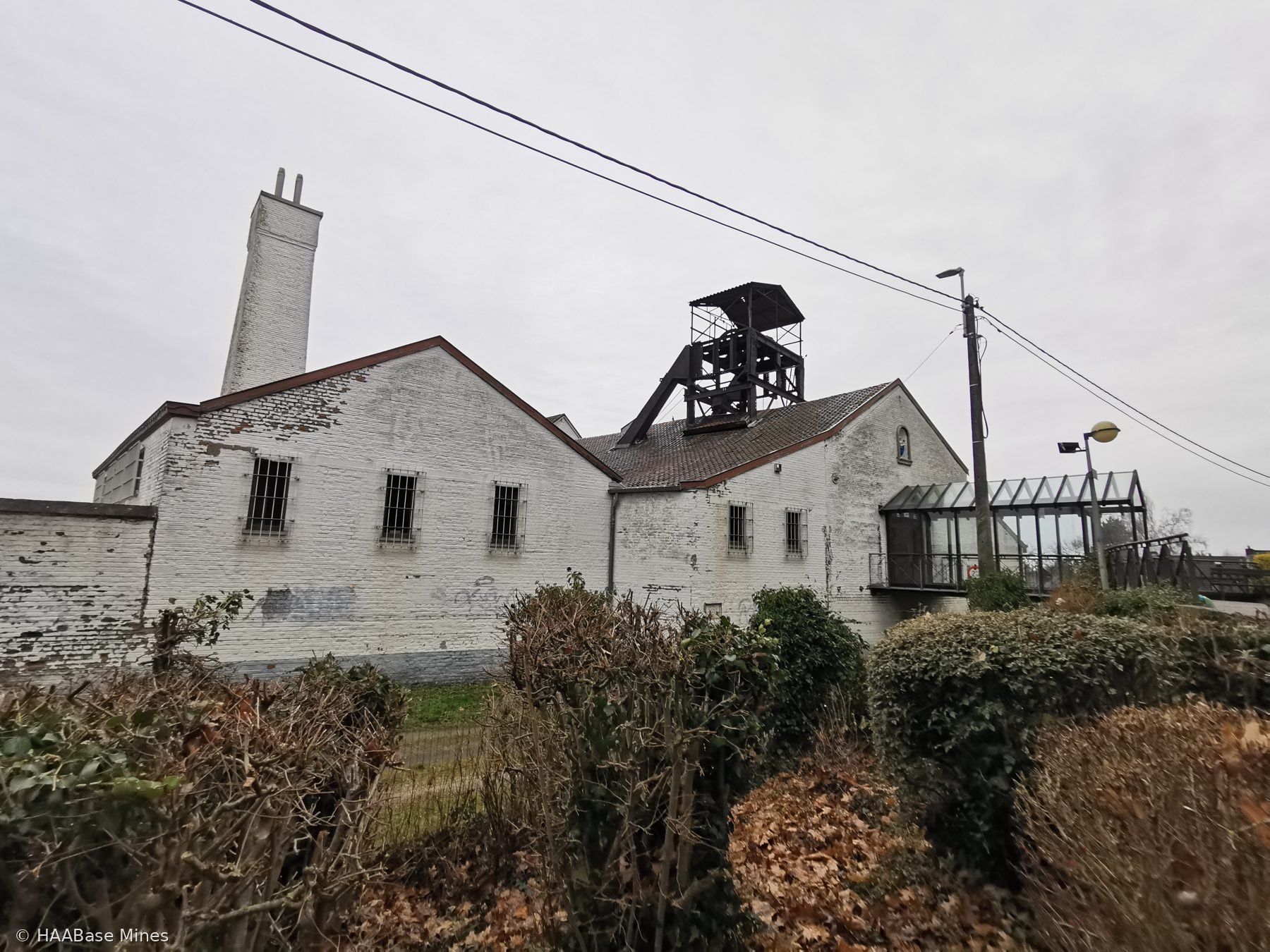
The exploitation of coal at Trembleur and Blegny reaches back to the fifteenth century, when the monks of the Abbaye du Val-Dieu began to work surface-outcropping coal seams on their own lands. Active but small-scale extraction continued over several centuries until the first industrial concession was formally constituted.
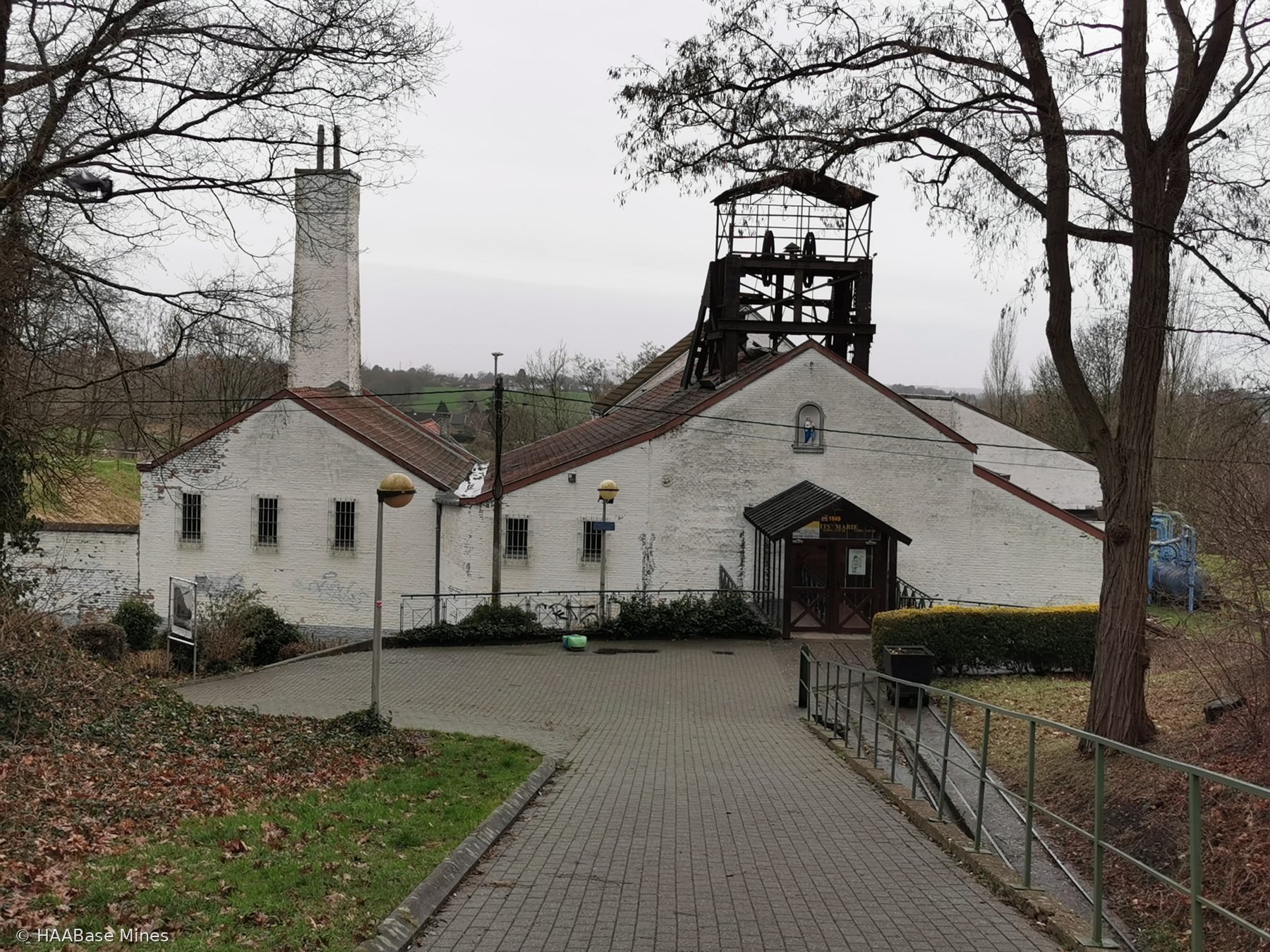
The first industrial concession, named Trembleur, was accorded in 1779 to Gaspard Corbesier. His descendants subsequently acquired the neighbouring Argenteau concession. The Corbesier family thus held both concessions, covering together 879 hectares. The puits Marie was constructed in 1849 but was slow to be brought into full service. Following the death of Urbain Corbesier in 1867, the exploitation slowed and the houillère Marie fell into abandonment around 1872, being placed in reserve the following year. A revival was attempted and on 23 February 1882 the Société anonyme des charbonnages d'Argenteau-Trembleur was constituted, with Gaspard Corbesier, also bourgmestre of Argenteau, as president. In 1883, the puits Marie was again enlarged to install new boilers, a tipper, a 50 CV extraction machine, and a headframe transferred from the Cheratte colliery. The same year saw the formal reunion of the two concessions under the name Argenteau-Trembleur and the establishment of railway connections. Despite these investments, production remained very limited, and the company was put into liquidation in 1887. All activity ceased for nearly thirty years.
At the conclusion of the First World War, the coal exploitation had been arrested for nearly twenty years in the Trembleur region. Charles de Ponthière, former administrator of the S.A. des charbonnages d'Argenteau-Trembleur and owner of the colliery and its concession, associated himself with Alexandre Ausselet, an entrepreneur from Charleroi already owning two other collieries at Tamines and Villers-le-Bouillet. On 27 October 1919 these two associates, joined by a group of industrialists, founded in Brussels the Société anonyme des Charbonnages d'Argenteau. From 1920, extensive first-establishment works were carried out, including the refurbishment of the puits Marie, the creation of new working levels, and the construction of cage landing structures. Puits n°1, the main extraction shaft, was sunk during this period and production commenced, with the headframe over puits n°1 erected and the coal washing plant built.
The quality of the anthracite extracted allowed the company to withstand the effects of the depression of 1929. By 1931 annual production had already reached 84,000 tonnes, compared with approximately 10,000 tonnes before the earlier closure. The colliery at this time was producing a notably high-quality anthracite.
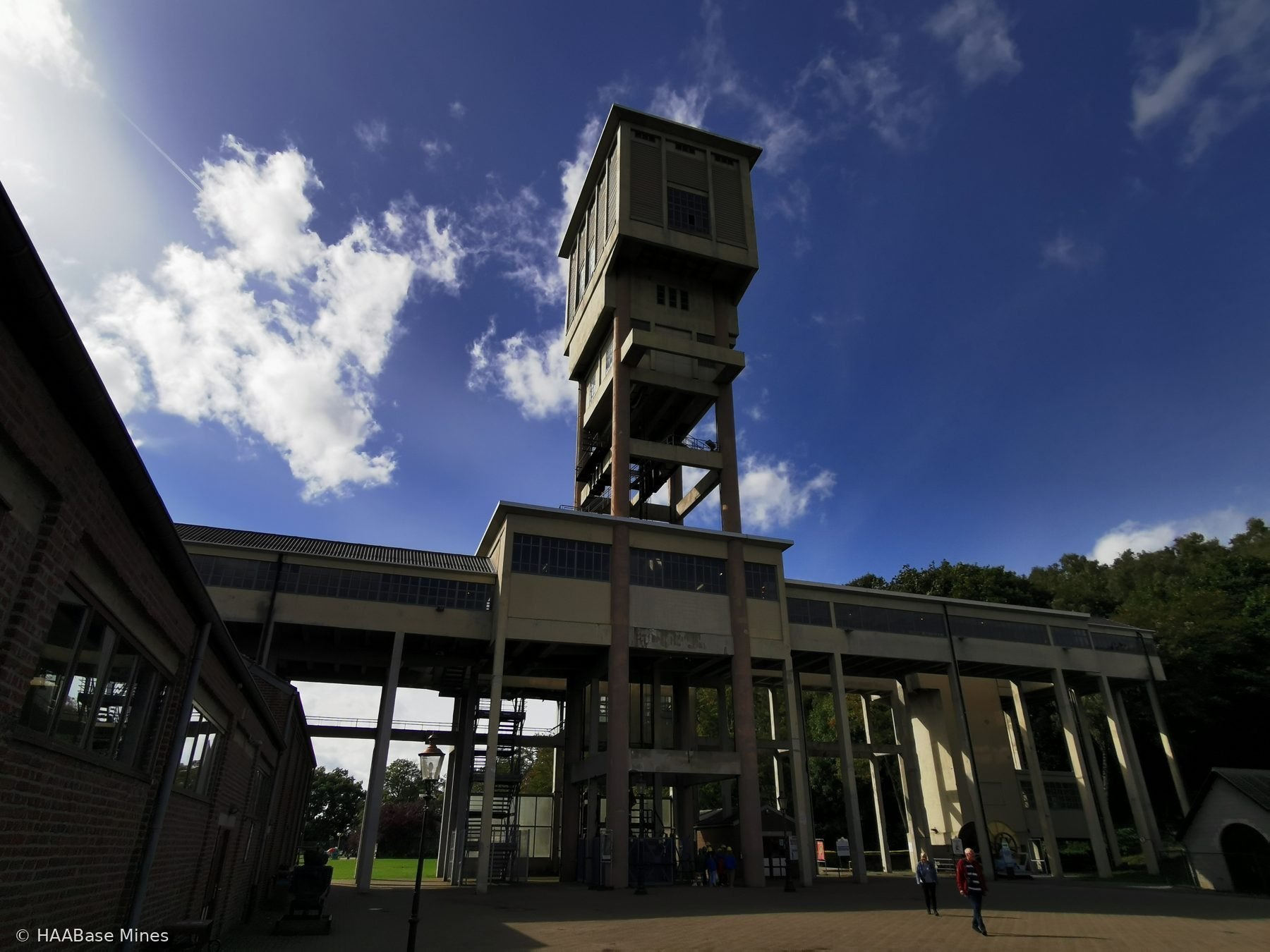
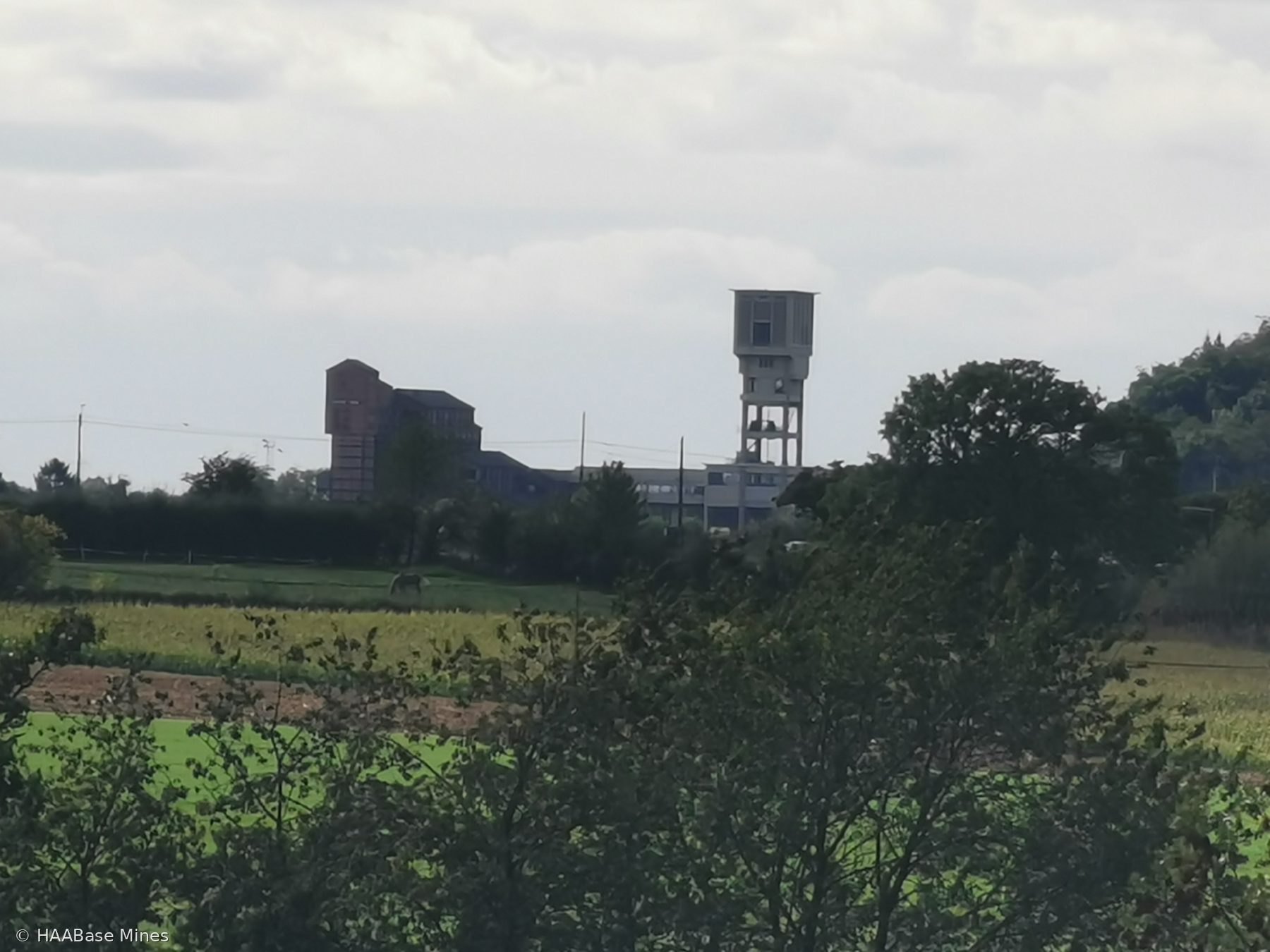
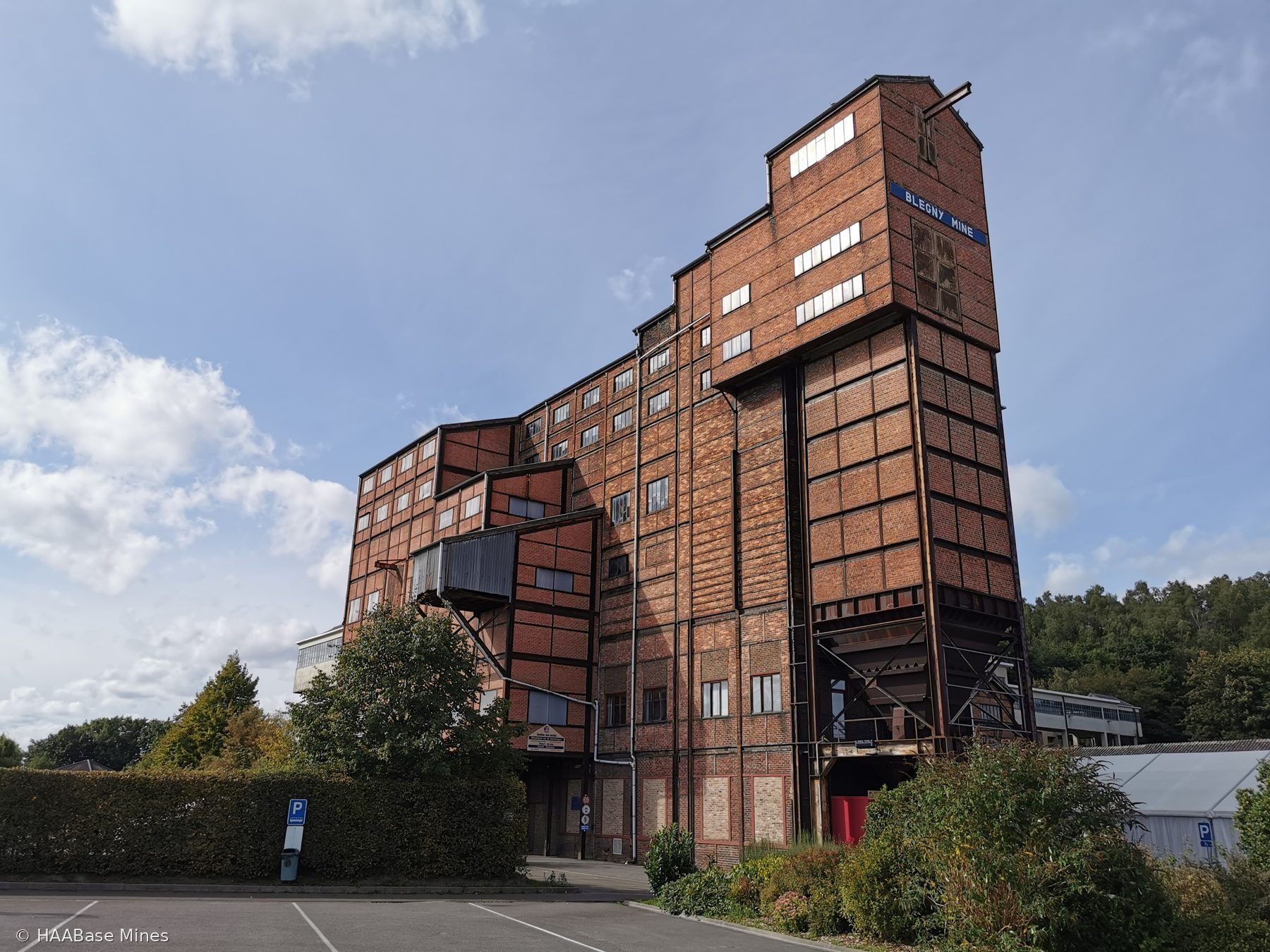
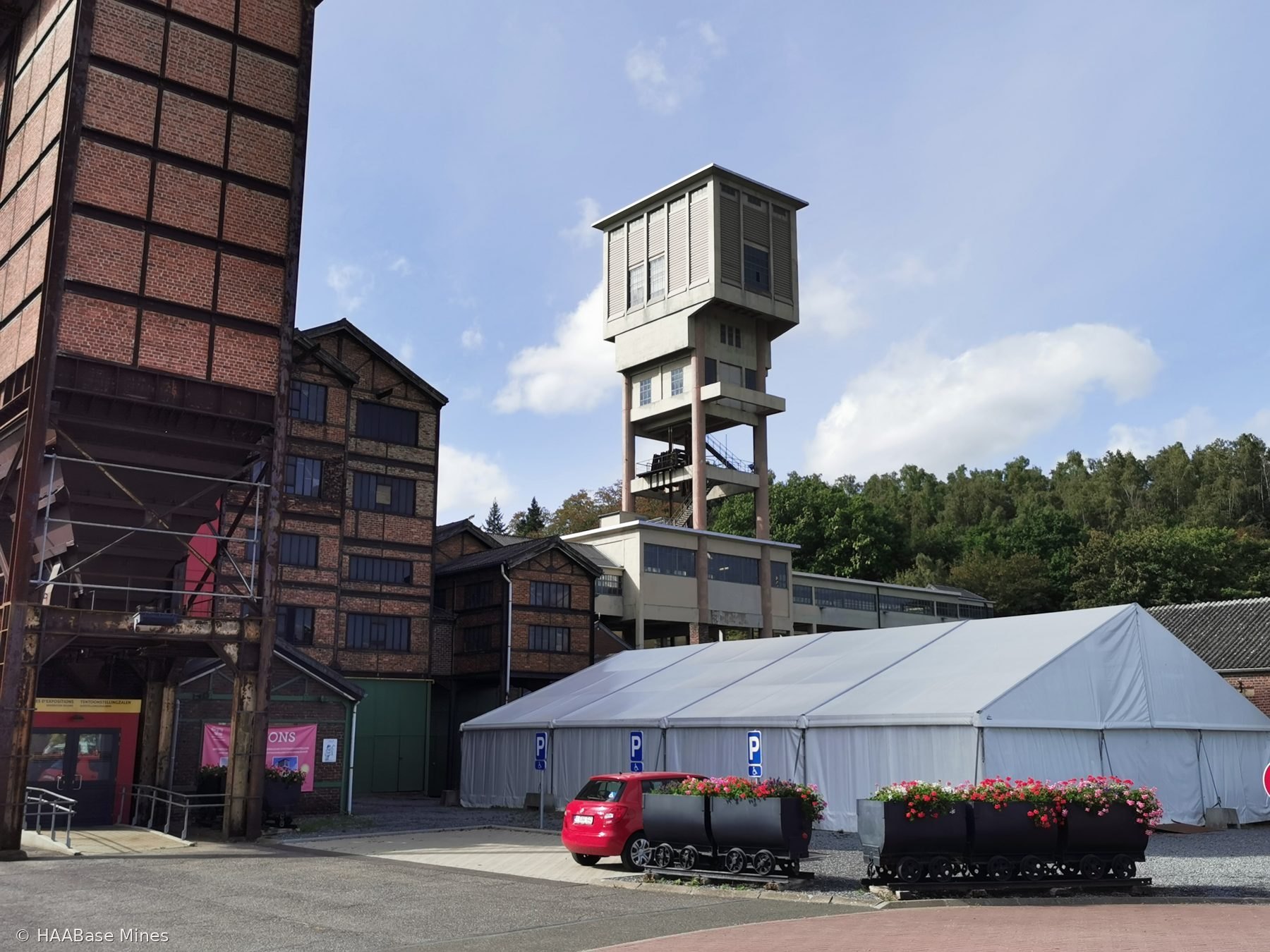
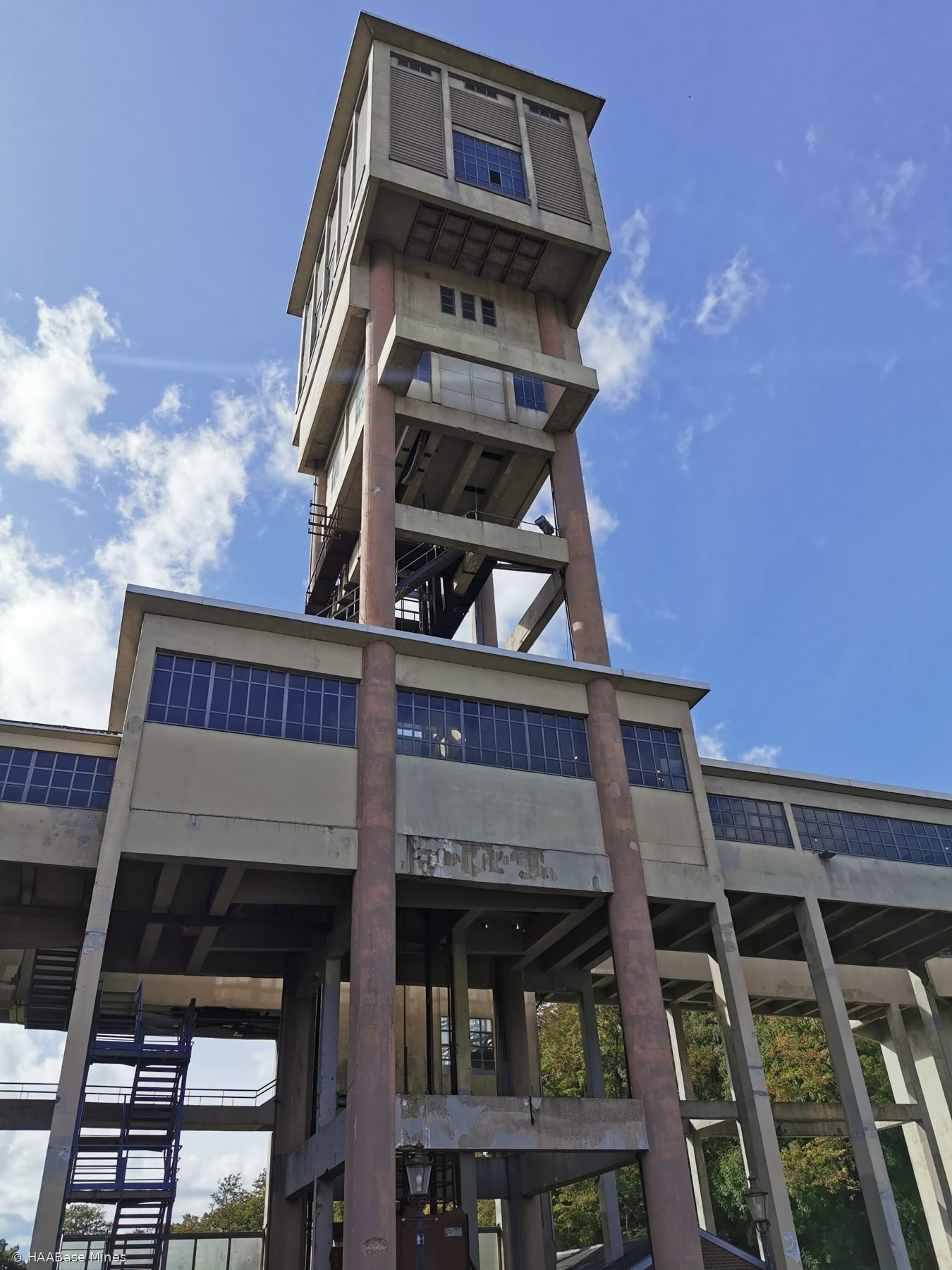
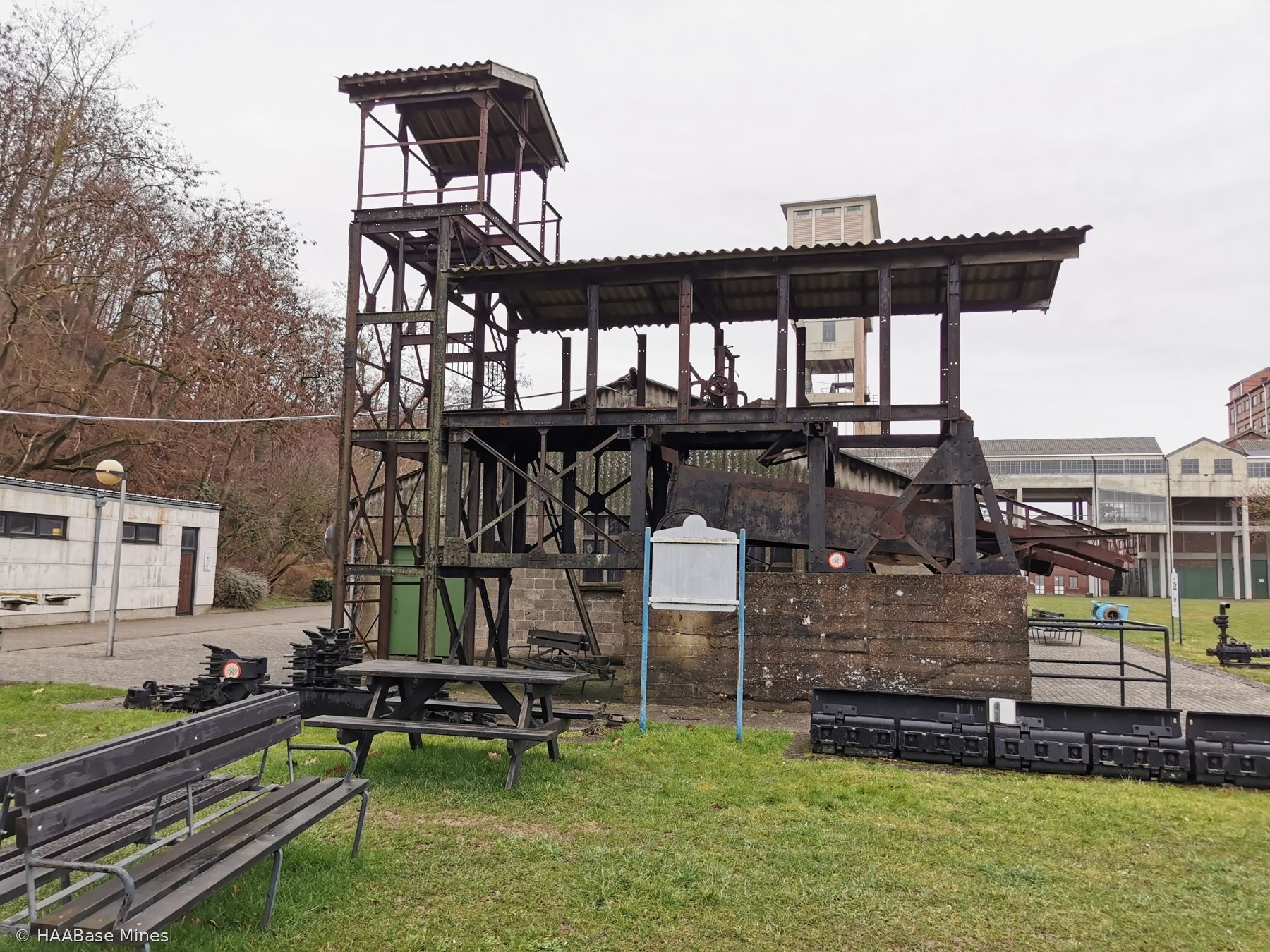
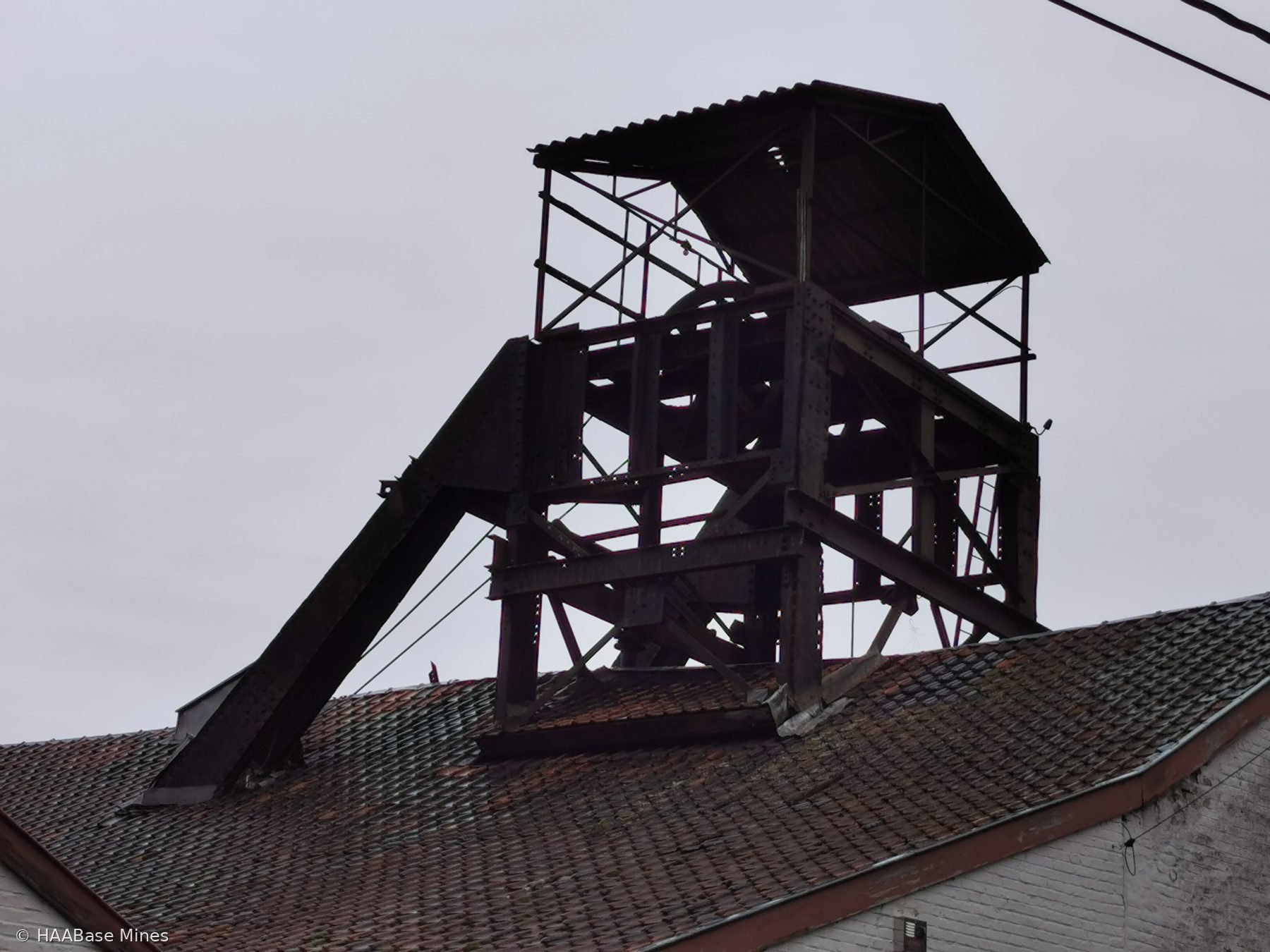
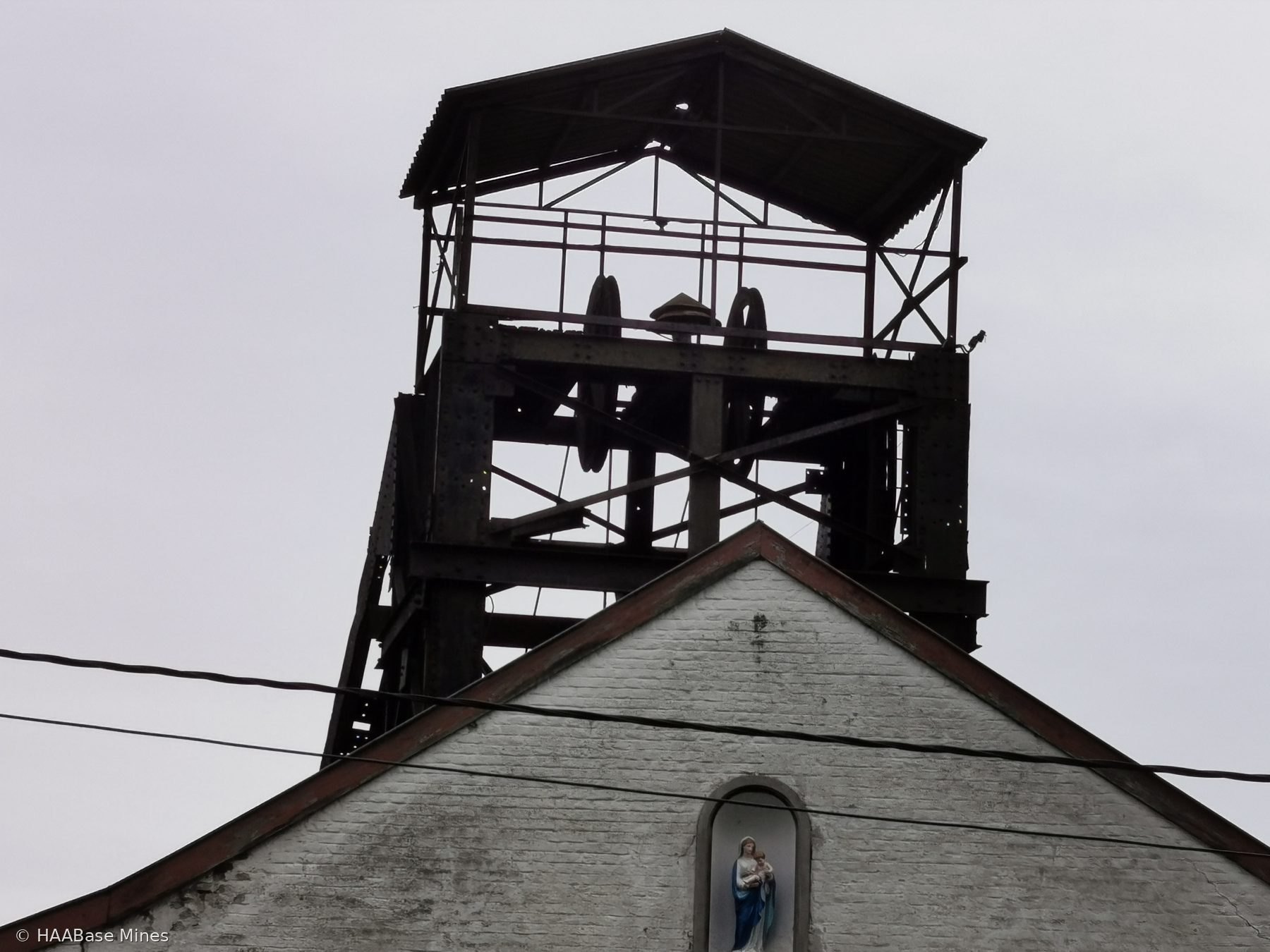
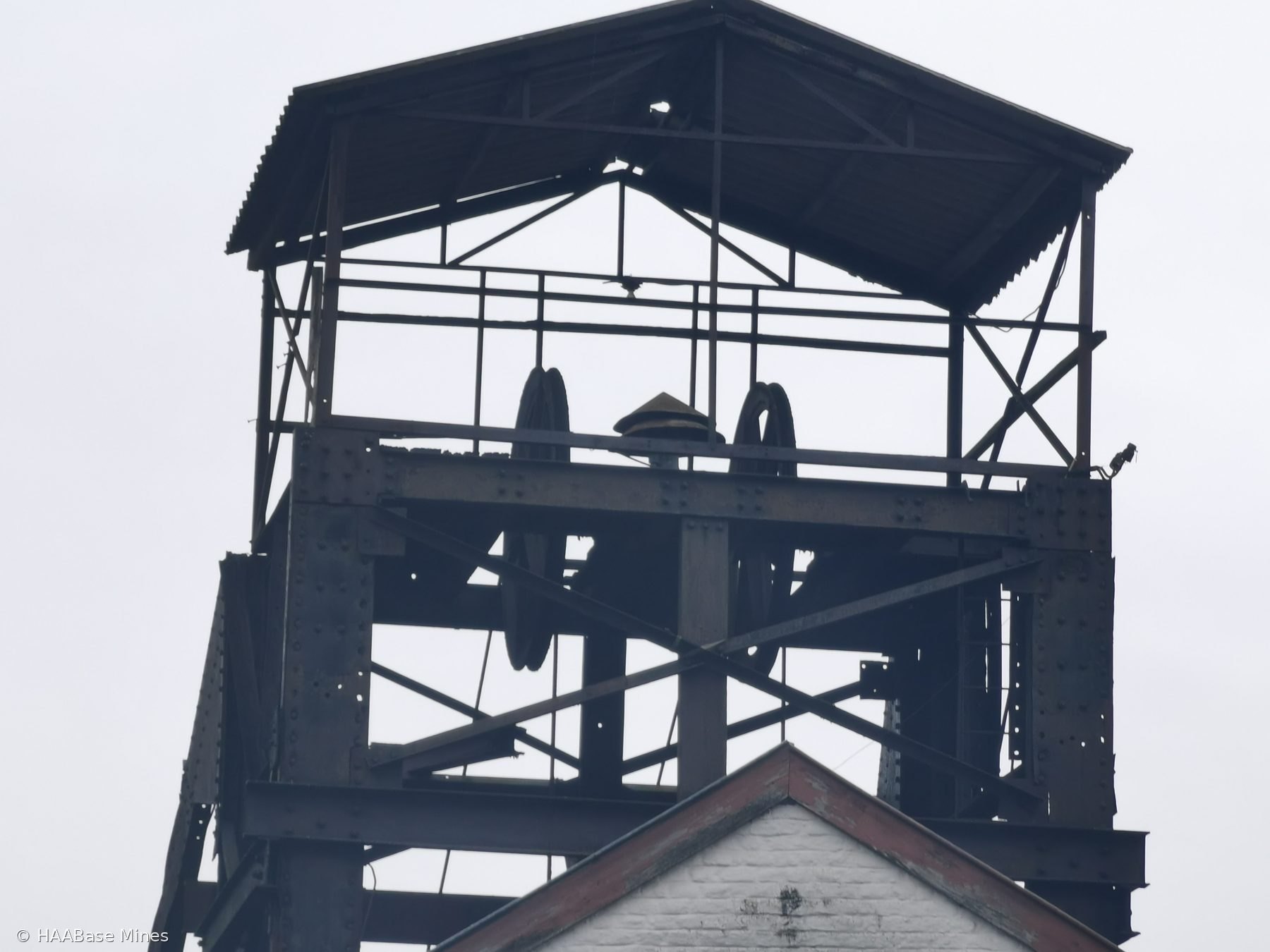
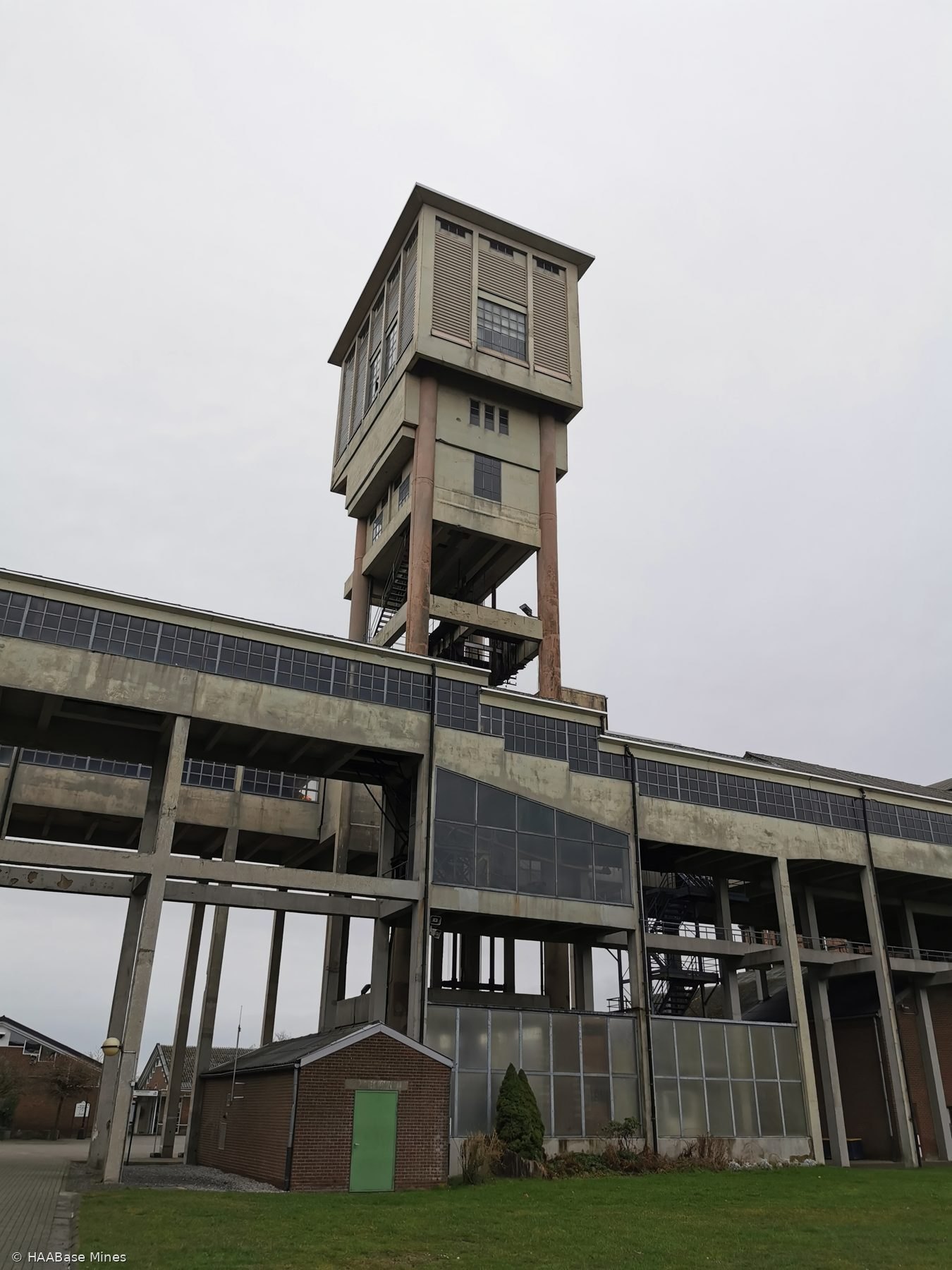
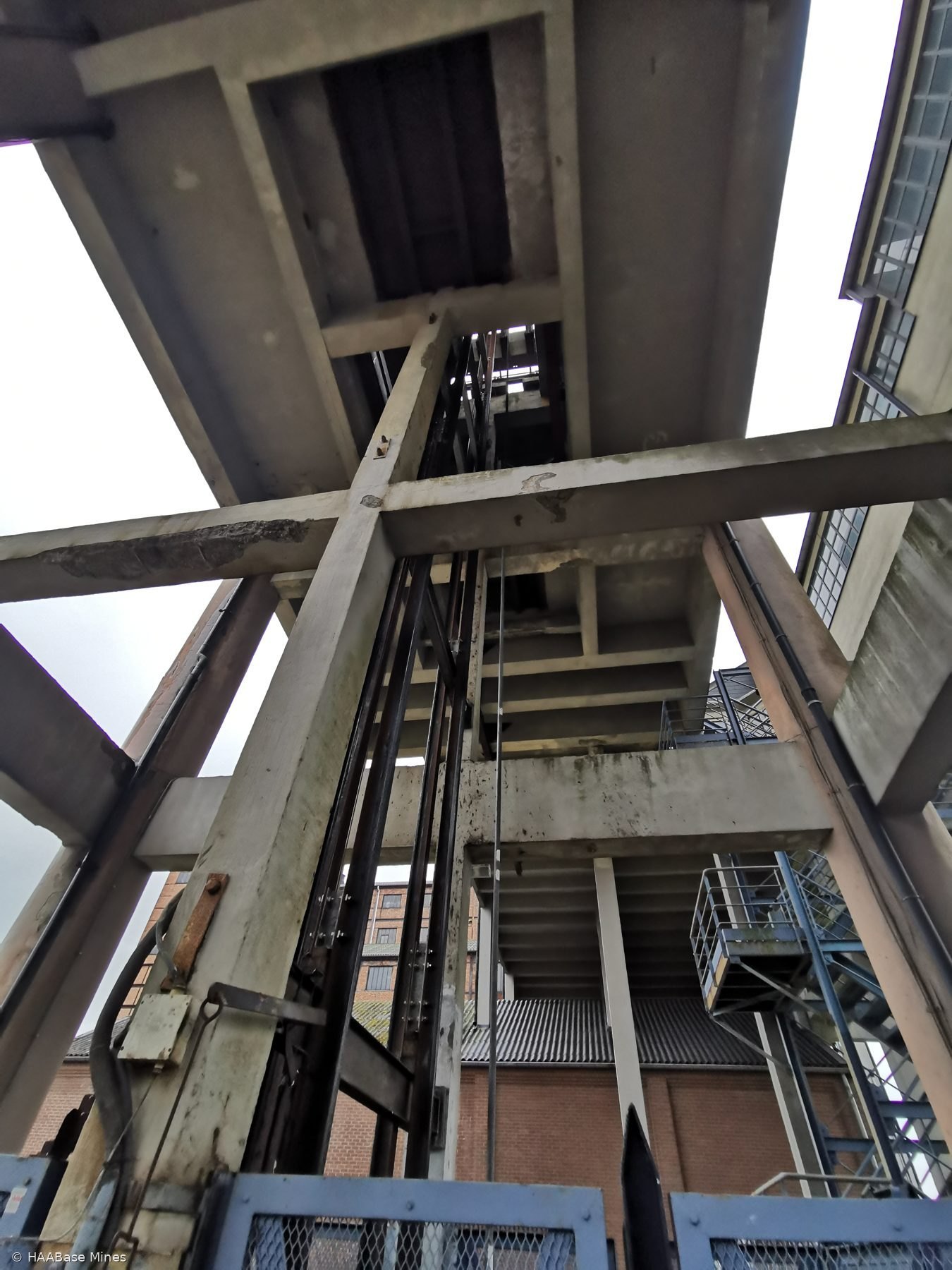
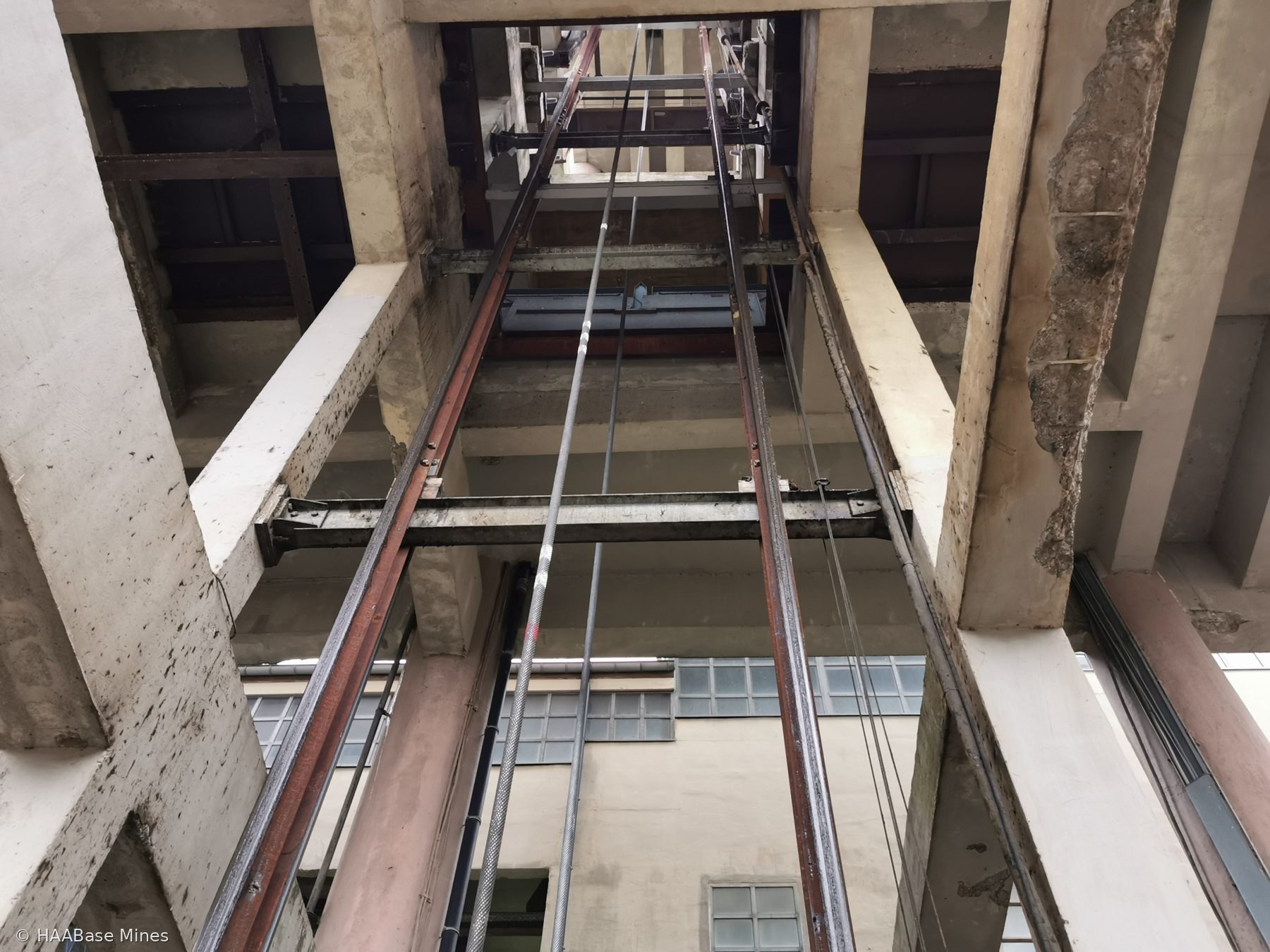
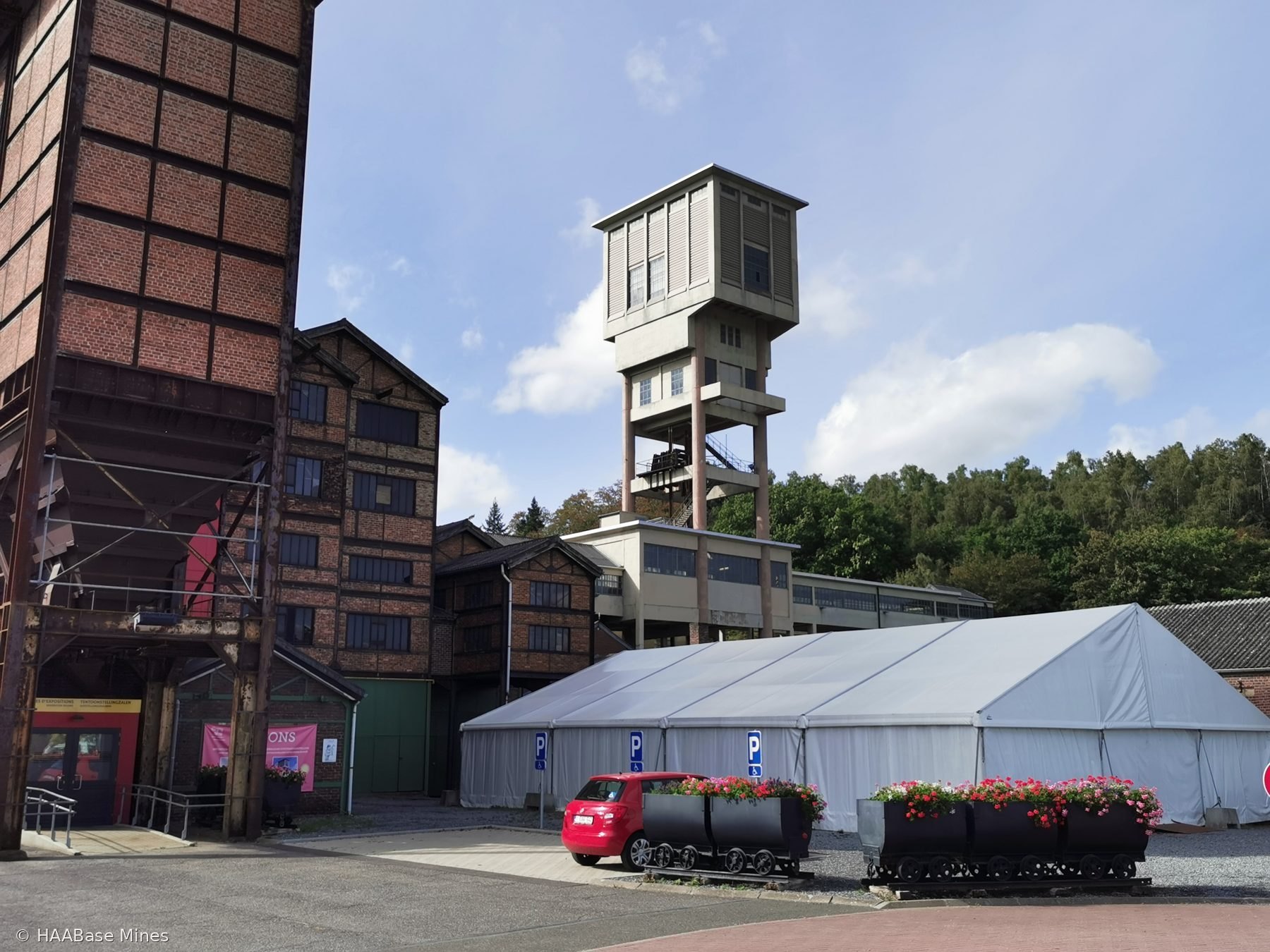
In 1940, at the outbreak of the Second World War, the Belgian Army destroyed the headframe over puits n°1 and the coal washing plant, fearing that the tower could serve as an observation point for German forces. The loss of electrical power for pumping allowed underground workings to flood. The puits Marie was reassigned as the primary extraction shaft for the duration, though at a markedly reduced rate, deliberately restricted to avoid supplying the occupying forces. Extra workers were retained to prevent deportation to farms in the Reich. Between 1942 and 1948 the puits n°1 headframe and the triage-lavoir were reconstructed. The new headframe above puits n°1 is a concrete structure 45 metres tall, entirely rebuilt on the site of the former tower. The triage-lavoir, constructed in brick and steel frame between 1942 and 1946 to the Evence Coppée system, is one of the distinctive features of the surviving complex. The puits Marie retains a steel headframe in the tradition of nineteenth-century installations.
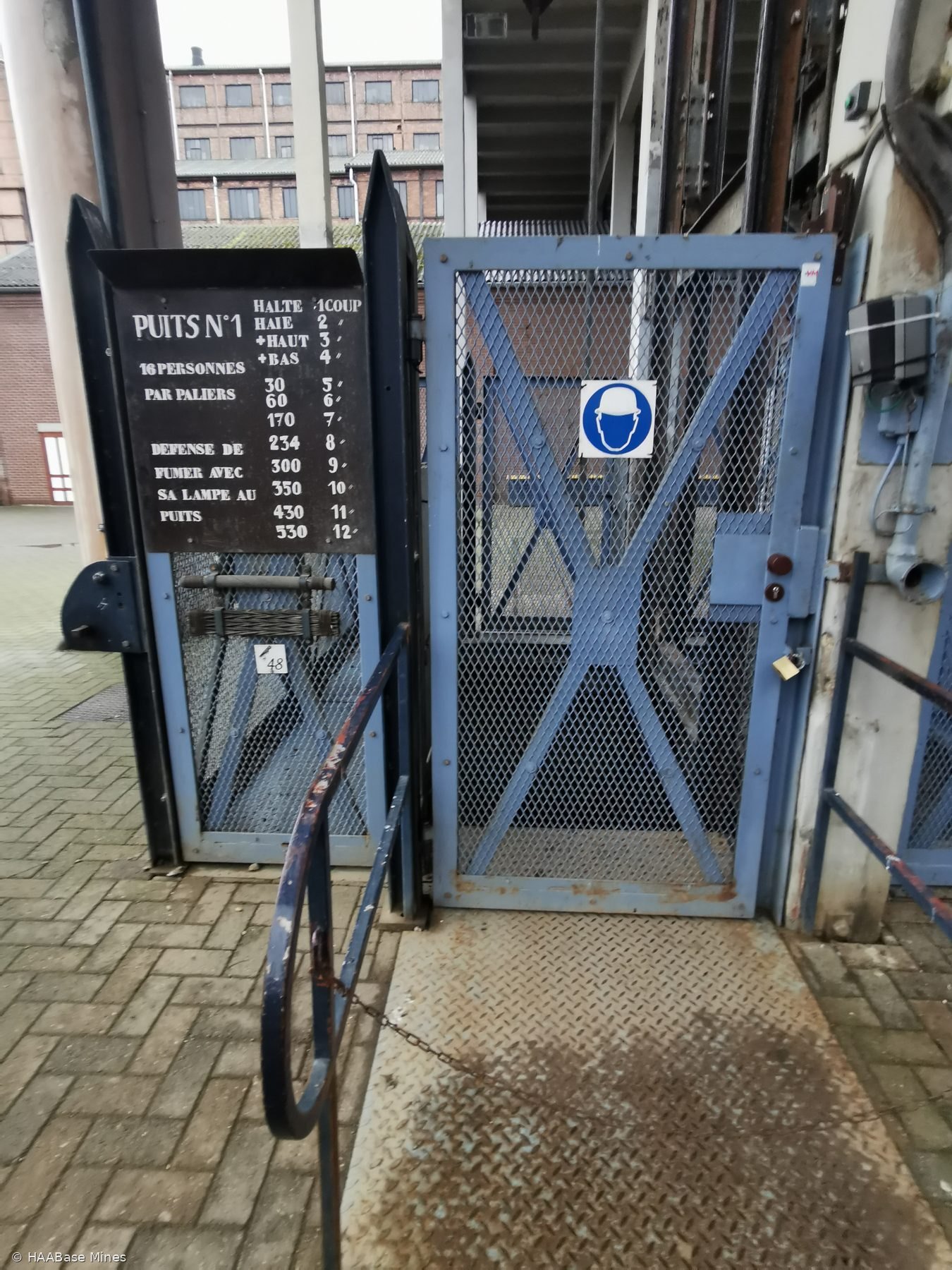
Production continued to grow in the post-war period. Italian workers were recruited under the bilateral labour agreement of 1946 between Belgium and Italy, though they did not form the dominant workforce at Argenteau-Trembleur as they did at some other Liège collieries; Turkish workers were also employed in significant numbers. Production reached its historical maximum in 1970 at 232,000 tonnes, with an employed workforce of approximately 680 persons. Working levels were spread over seven floors, the deepest at 530 metres, served by two shafts: the puits Marie at 234 metres depth and puits n°1 at 760 metres depth.
In 1975, the Comité Ministériel de Coordination Économique et Sociale decided to withdraw state subsidies from the Walloon collieries with effect from 31 March 1980. Discussions about reconversion of the site were begun as early as 1978, with the Province de Liège and the Province's Governor Gilbert Mottard playing a leading role in preserving the site as a tourist and memorial complex. Jean Defer, director of works, had already advocated for a tourist reconversion. The last berline of Liège coal was raised at the puits Marie on 31 March 1980, making Argenteau-Trembleur the last colliery to close in the Liège basin.
The first visitors descended underground in June 1980, only two months after extraction ceased. Large underground drainage problems soon threatened the viability of the project; in 1983 the Communauté Française resolved these by investing in the raising of the underground circuit. The Province de Liège and successively the Communauté Française and later the Région Wallonne supported the progressive development of the site with the Commissariat Général au Tourisme and FEDER funds from 1990 accelerating the development of visitor facilities. Annual visitor numbers reached approximately 50,000 and subsequently rose considerably after the UNESCO inscription. In a typical year the site now receives approximately 160,000 visitors.
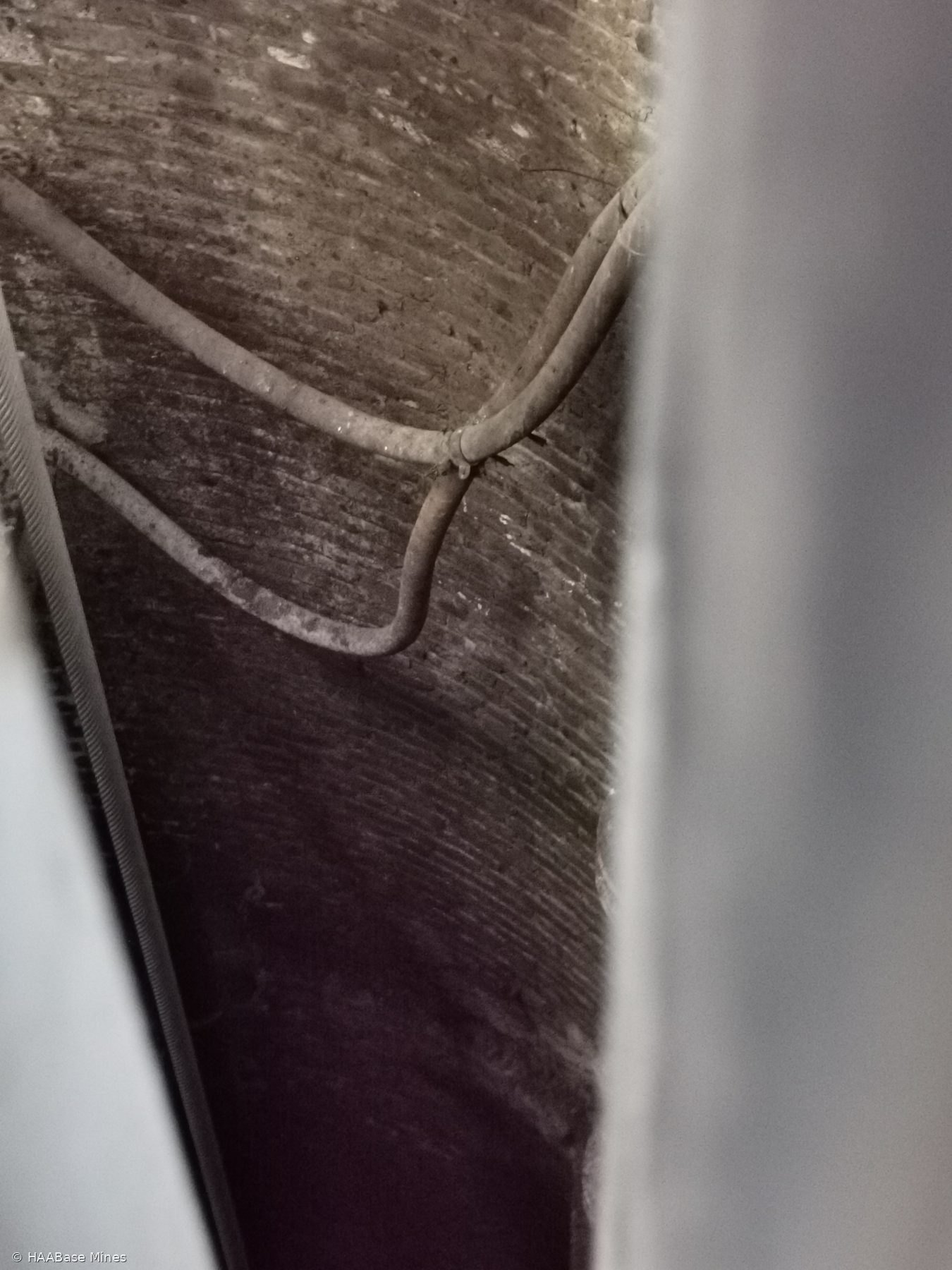
Blegny-Mine was inscribed on the UNESCO World Heritage List in July 2012 as one of the four Major Mining Sites of Wallonia, alongside the Grand-Hornu, the Bois-du-Luc, and the Bois du Cazier. It is today one of only four coal mines in Europe where the public can descend underground via the original shaft to depths of 30 and 60 metres.