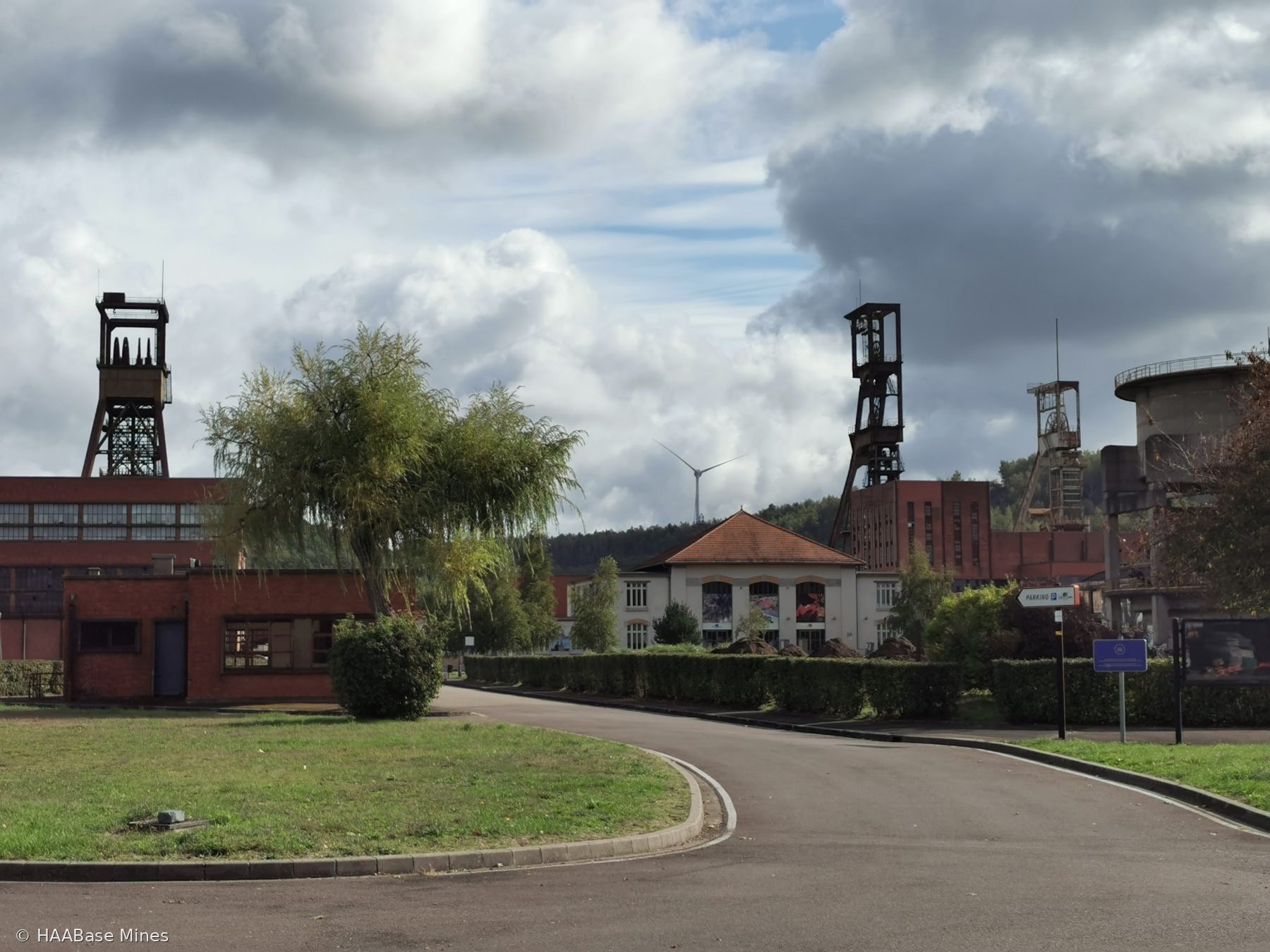
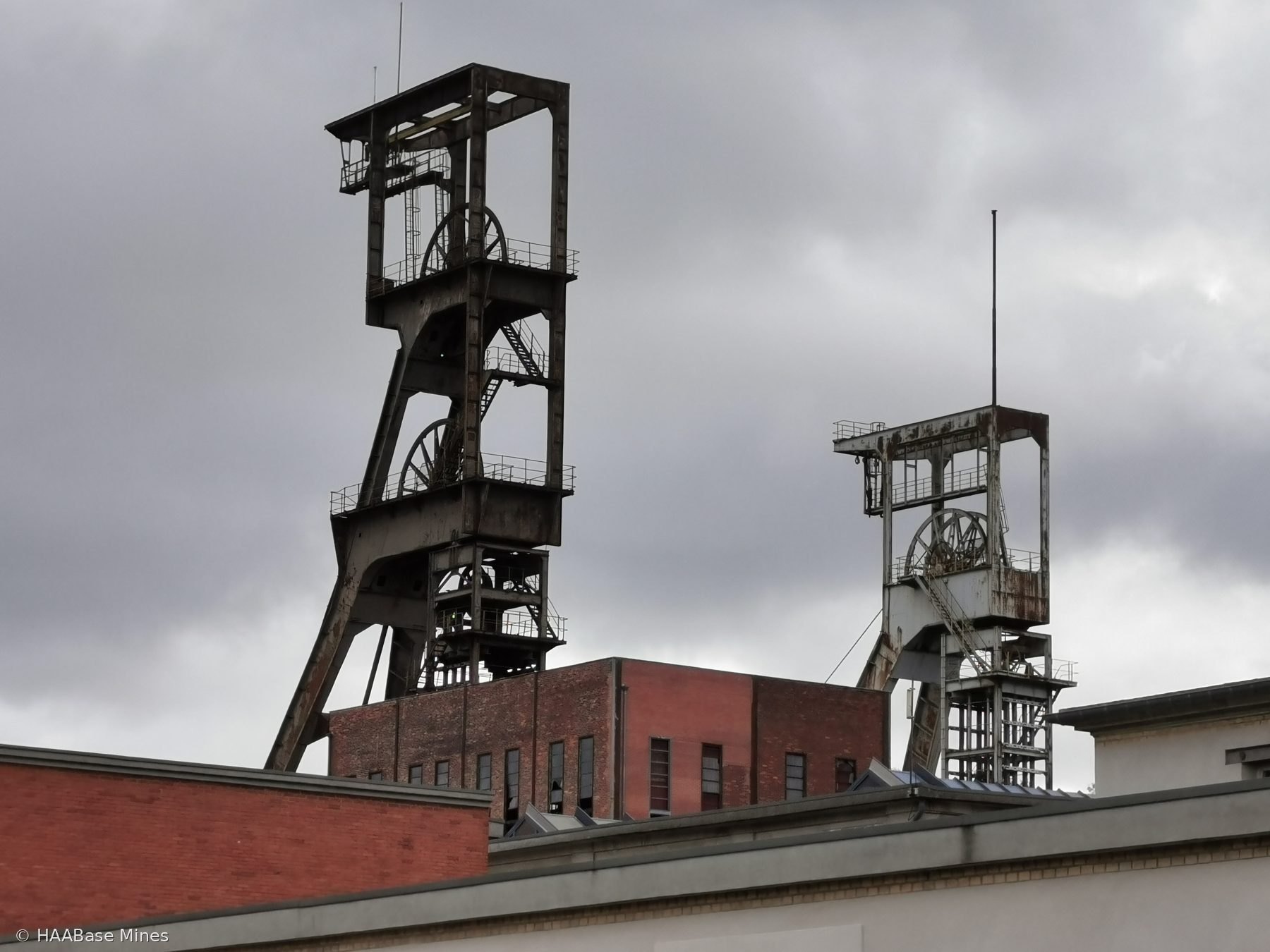
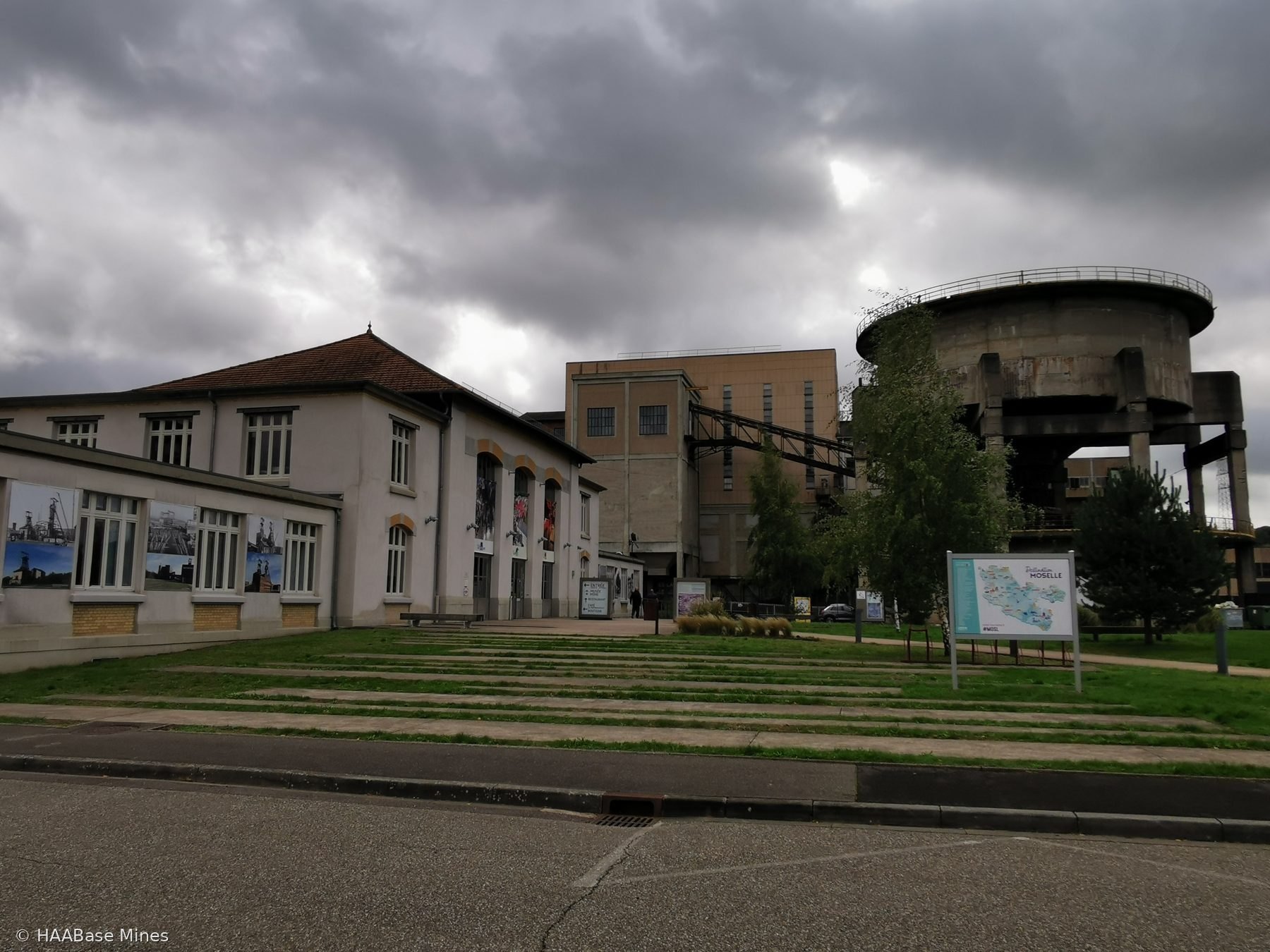
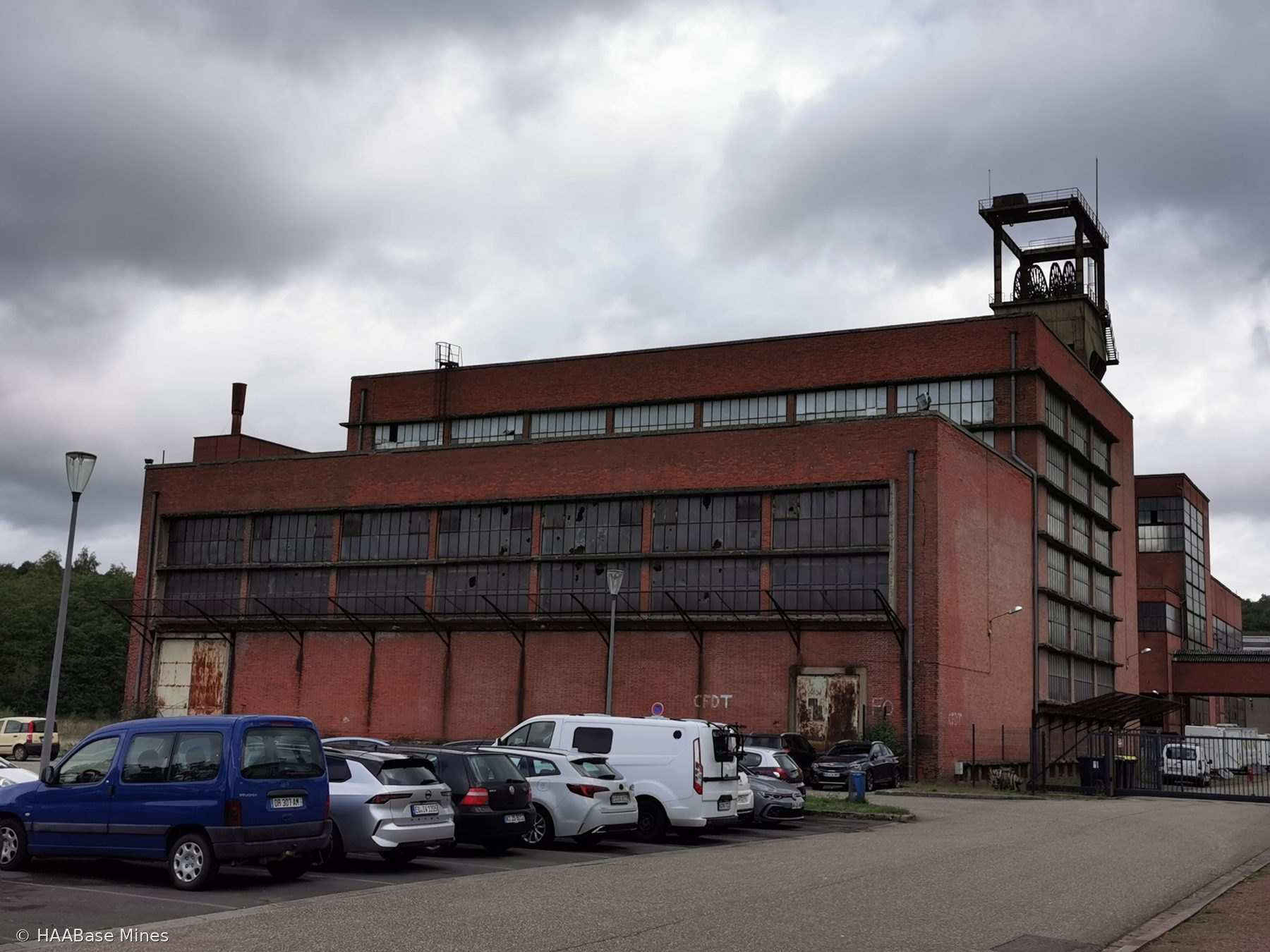
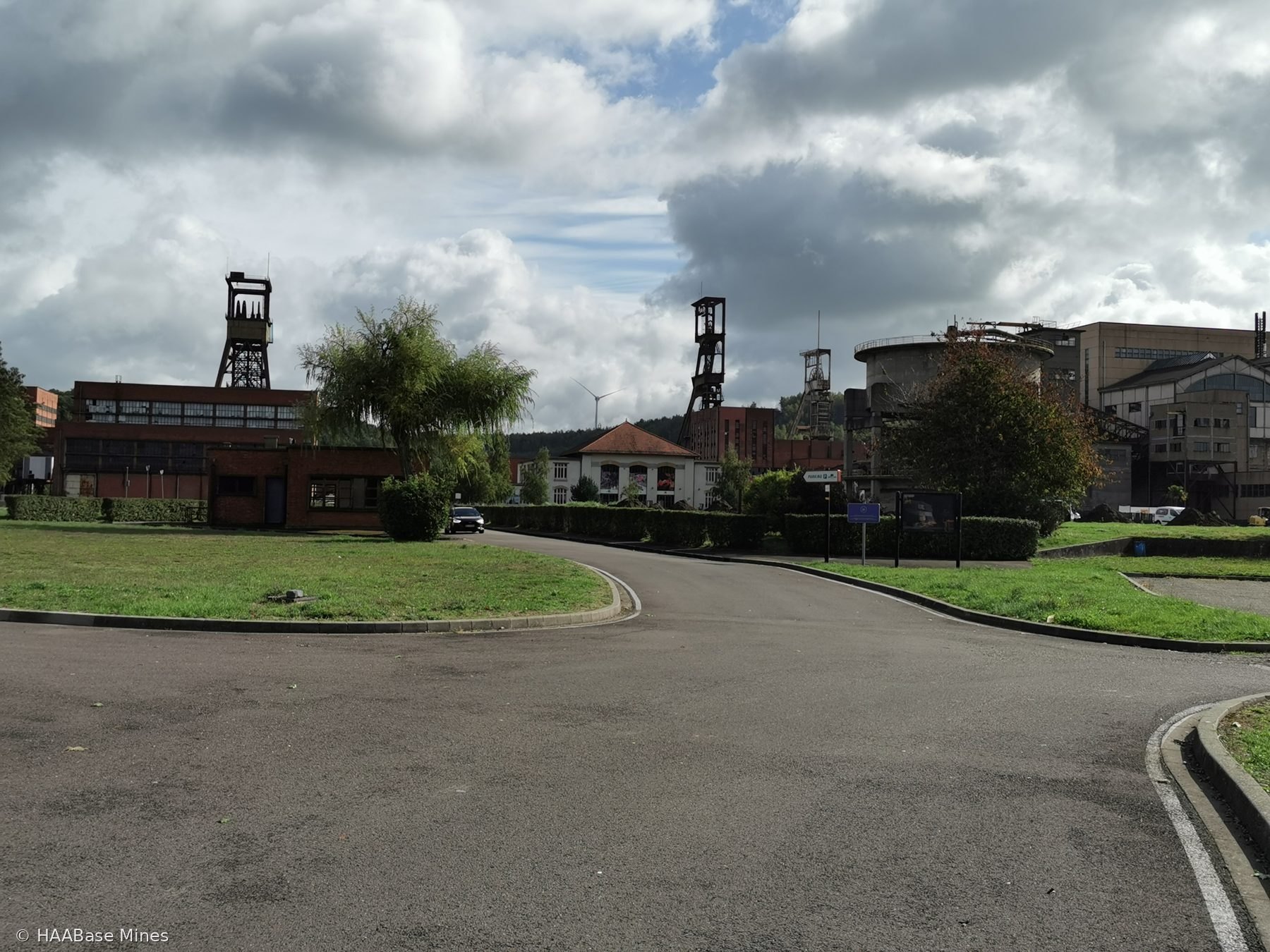
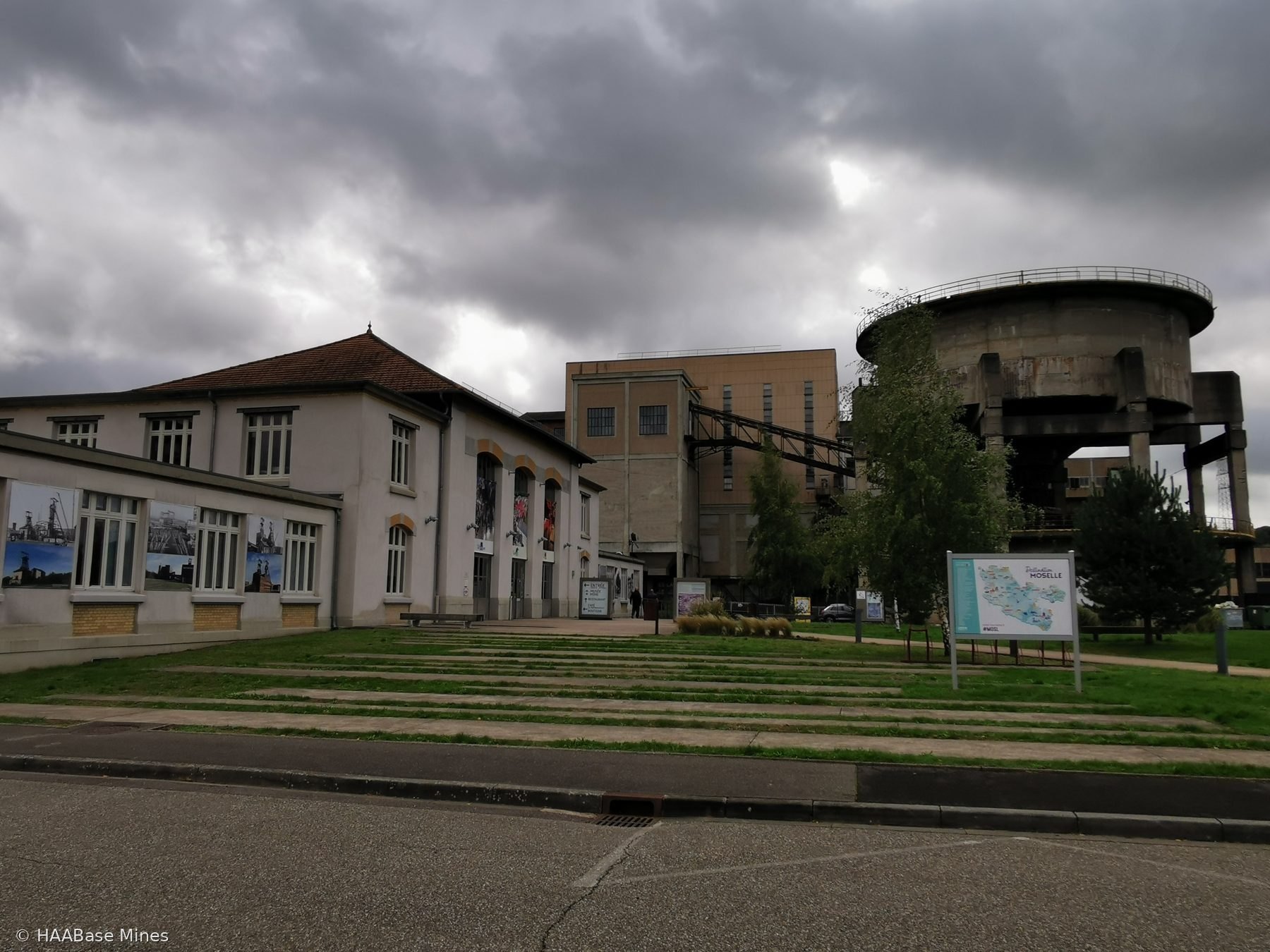
Site overview

The carreau Wendel at Petite-Rosselle in Moselle stands as the largest preserved coal mining complex in France. The Saar-Lorraine coal seam was first tapped on the French side at Petite-Rosselle in June 1856 at the puits Saint-Charles, under a concession held by Charles de Wendel and Georges Tom Hainguerlot. The Urselsbrunn research shaft, sunk between 1862 and 1864, led directly to the sinking of puits Wendel n°1 and n°2 from 1865 and of puits Vuillemin n°1 from 1867.

These two adjacent sites — the carreaux Wendel and Vuillemin — exploited separate seams divided by a geological fault, and before nationalisation both belonged to the Compagnie des Houillères de Petite-Rosselle. Following nationalisation in 1946, the complex passed to the Houillères du Bassin de Lorraine and a major modernisation programme followed. At its peak in 1960 the site extracted up to 10,000 tonnes daily with 5,000 miners.

Extraction ended progressively from 1986 to 1989 and the last shaft closed in 2001. The site was transferred to the Établissement Public Foncier de Lorraine and from 2006 opened as the Musée La Mine Wendel and Musée Les Mineurs Wendel, collectively known as the Parc Explor Wendel.

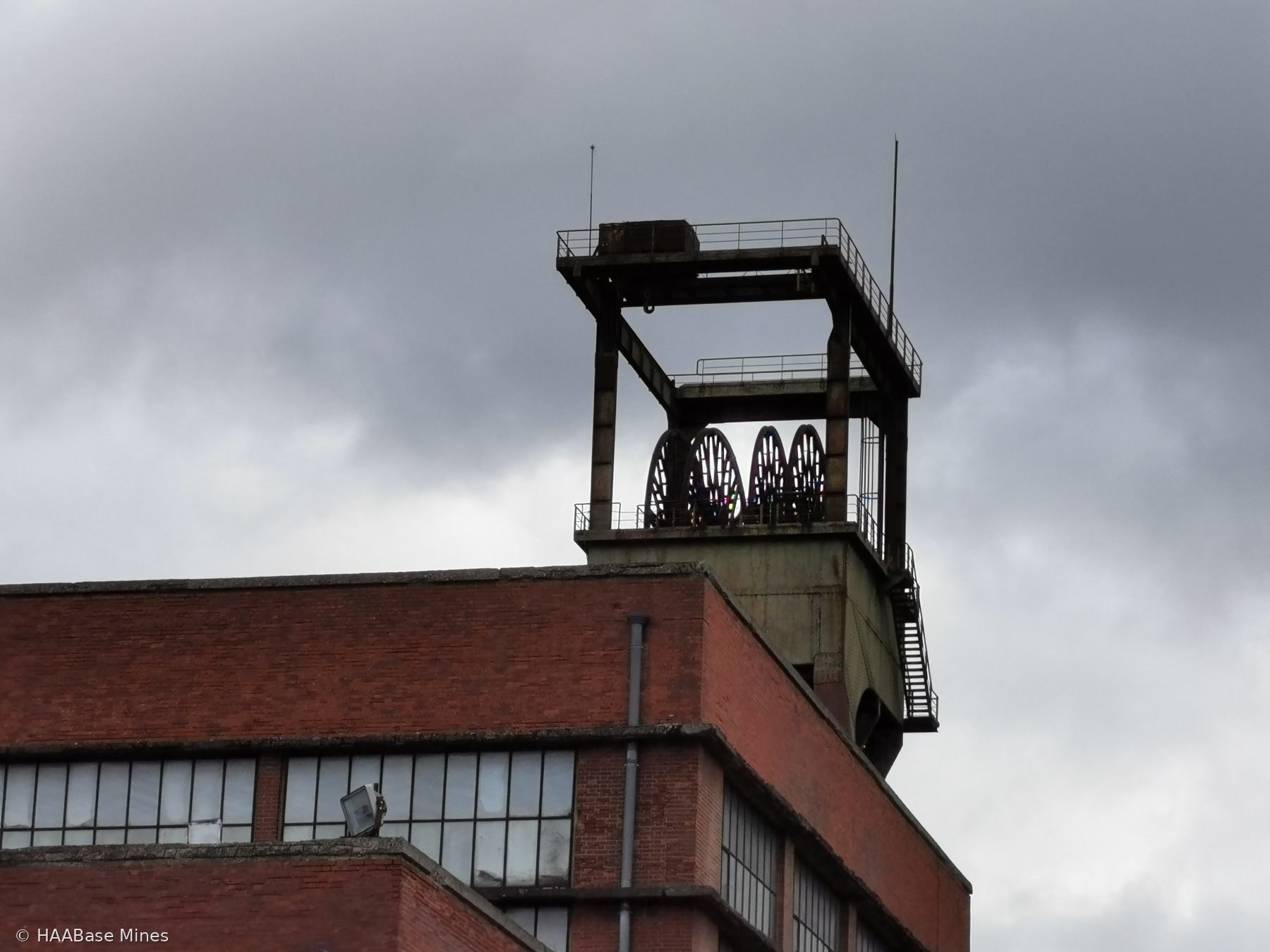
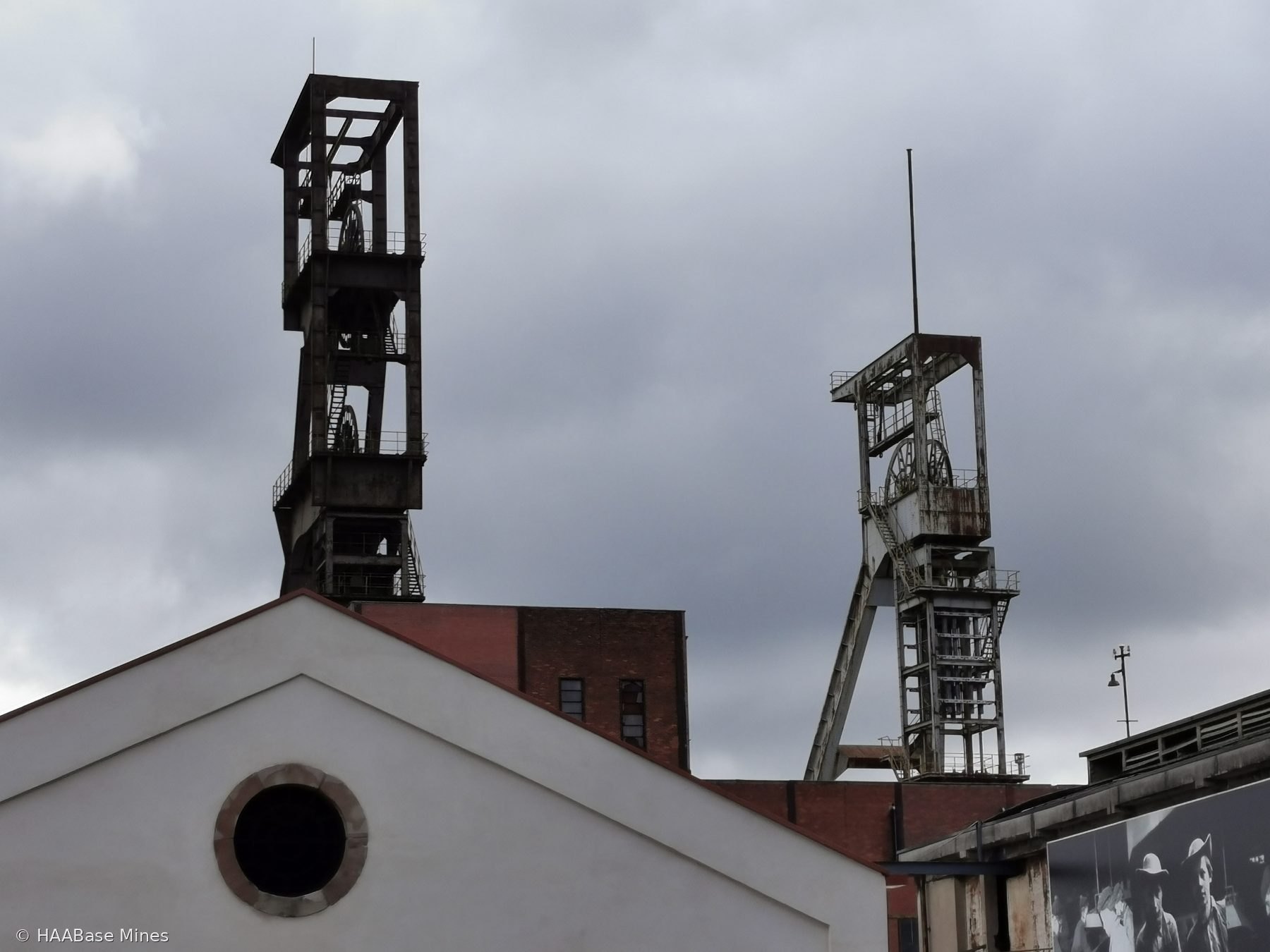
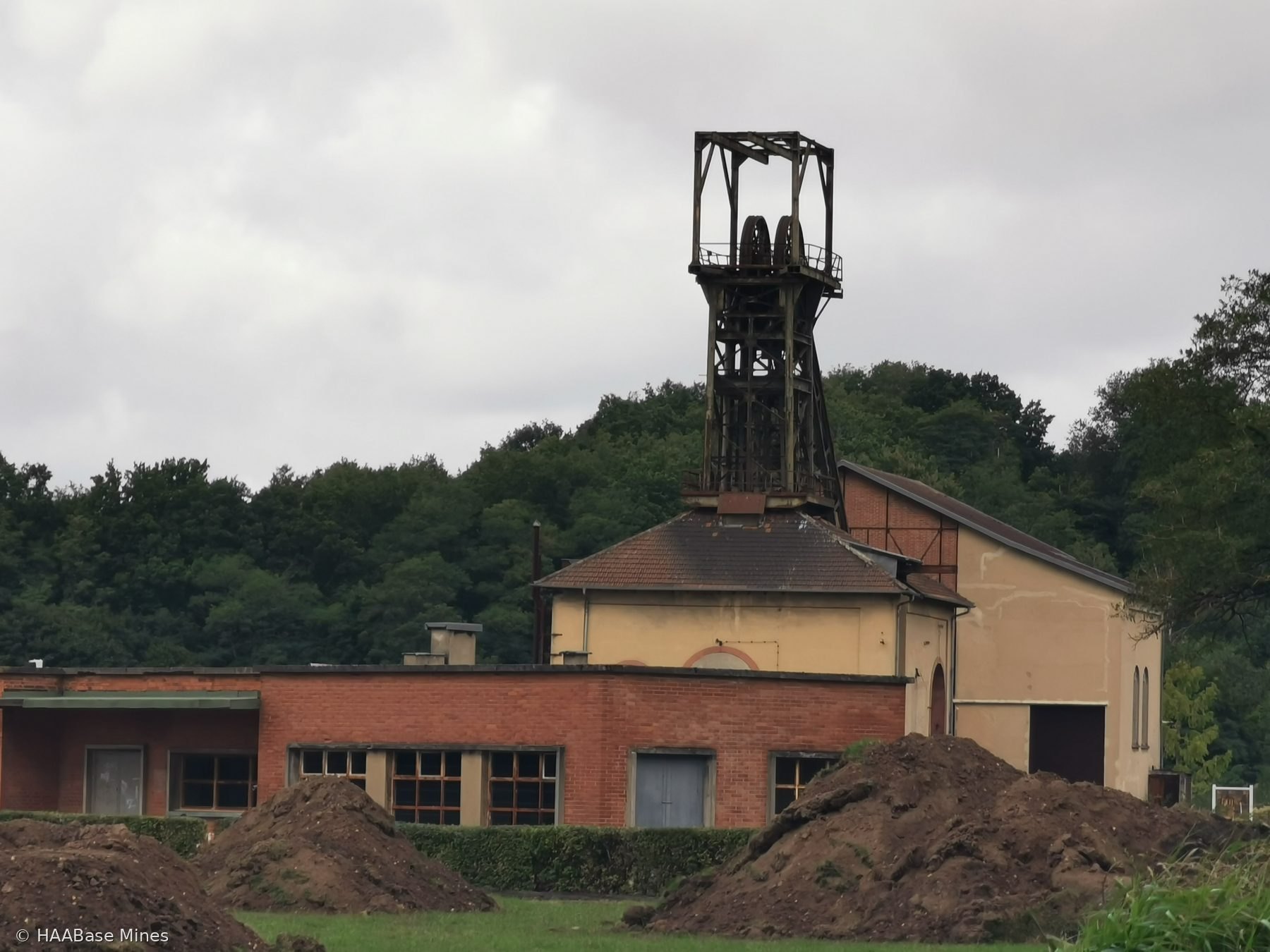
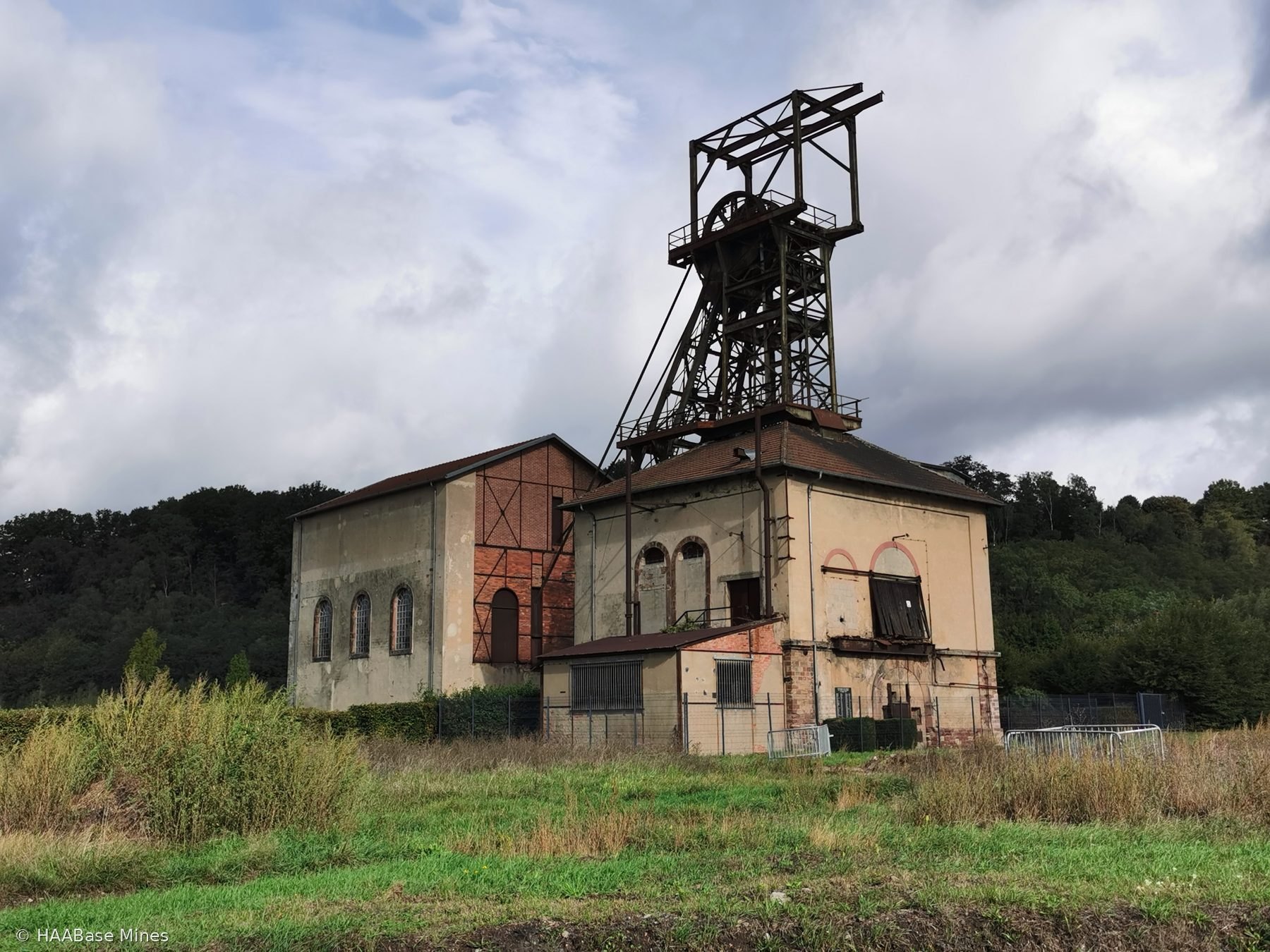
The site occupies a broad valley-floor setting close to the urban edge, where extensive surviving buildings still read as a major and coherent historic mining complex.

Map & photo

Carreau Wendel mine headframe or winding tower site
Photograph taken: 16 September 2025
Map markers and directions links are provided for location reference only and do not indicate public access or permission to enter a site.

History

The Saar-Lorraine coal seam, initially discovered in the Saar, was exploited on the French side for the first time when the puits Saint-Charles at Petite-Rosselle produced its first coal in June 1856. The exploitation was conducted under the Compagnie Anonyme des Mines de Stiring, controlled by Charles de Wendel and Georges Tom Hainguerlot; the engineer Émile Vuillemin served as a consultant. In 1853 the company had become the Compagnie des Houillères de Stiring before eventually passing entirely into the hands of the de Wendel family and being reorganised in 1889 as the Compagnie des Houillères de Petite-Rosselle.

A borehole sunk in 1856 close to the site of the future puits Wendel n°2 prompted the decision to sink a research shaft. The puits de l'Urselsbrunn was sunk from 1862 and reached 138 metres depth in 1864, proving coal at 55 metres. At the end of 1865 the board of directors voted to sink a full extraction shaft in the Urselsbrunn valley, to be named after the founder of the company.

Sinking of puits Wendel n°1 began in January 1866 and it was put into service on 1 January 1869. In 1868 the Urselsbrunn research shaft was enlarged and deepened at the same time that sinking of puits Wendel n°2 began; the latter reached 218 metres in October 1871 and thereafter served ventilation. Sinking of puits Vuillemin n°1 commenced in 1867 and the shaft entered exploitation in 1876.

On 26 November 1876 a violent underground fire broke out in the veine Henri at the Wendel seat, requiring the sealing of the affected workings; the fire was not extinguished until three years later. Sinking of puits Vuillemin n°2 took place between 1881 and 1889. In 1889 the Compagnie des Houillères de Stiring was dissolved and its assets passed to the Société des Petits-fils de François de Wendel et Cie, which founded the Compagnie des Houillères de Petite-Rosselle to manage the collieries.

By 1910 the combined production of the Petite-Rosselle seats had reached 2,210,000 tonnes per year. During the First World War the site remained active. After the return of Alsace-Lorraine to France the mines were placed under provisional sequester before being restored to their French owners.

In 1925 deep borings by the sièges Saint-Charles, Saint-Joseph, and Vuillemin revealed a deposit of fat coal (charbon gras) at considerable depth. In 1928 the Saar mines accepted an amodiation (lease) of the Warndt deposit, enabling the Vuillemin shaft to extend its working. The decision to sink a third Wendel shaft was taken in 1935 following the discovery of this deep fat-coal seam.

Sinking of puits Wendel n°3 began in 1939 but was interrupted by the German occupation. During the Second World War the Moselle was annexed and the collieries came under German management. The region was liberated in February 1945 during Operation Nordwind.

Following the nationalisation of the French coal industry in 1946, the carreau Wendel was integrated into the Houillères du Bassin de Lorraine. Sinking of puits Wendel n°3 resumed in 1947 and was completed in 1952 at a depth of 902 metres. Puits Vuillemin n°1 and puits Wendel n°1 were deepened and modernised between 1950 and 1955, receiving new metallic headframes and new bicylindroconical drum winding engines built by Venot, driven by ALSTHOM motors of 3,160 horsepower.

Puits Wendel n°2 was similarly modernised but with a Koepe pulley and a 10.5-tonne skip for coal raising. Puits Wendel n°3 entered service in 1953 equipped with a headframe carrying four sheave wheels, two 13-tonne skips, and two four-deck cages, driven by two ALSTHOM Koepe-pulley winding engines of 3,800 horsepower. In 1955 a modern lavoir with schlamm flotation was installed.

In 1956 the sièges Wendel and Vuillemin were merged to form the siège Wendel-Vuillemin. In 1957 the merged siège declared production of 1,449,581 tonnes. In 1958 lavoir n°3 was completed and brought into service.

By 1960 the site could extract up to 10,000 tonnes of coal per day with an effective strength of 5,000 miners; workers were housed in hierarchically arranged cités minières including Urselsbach, Wendel Nord, Wendel Sud, Saint-Charles Bas, and Saint-Charles Haut. The lavoir n°1-2 was modernised in 1961–62, adding a new volume above the original structure. Extraction ceased at the Vuillemin shafts in 1962; puits Vuillemin n°1 and n°2 then served as ventilation shafts.

The cylindrical decanter was added to the lavoir in 1966. The carreau Wendel ceased its main extraction activities in 1986, though part of the site's infrastructure continued to serve other shafts in the Wendel concession still in operation until 1989. The headframe of puits Wendel n°1 was dismantled in November 1990.

Puits Wendel n°1 closed definitively in 1989, puits Wendel n°2 in 1992, and puits Wendel n°3 in 2001. The headframe of puits Vuillemin n°2 — the oldest surviving metallic headframe in the Lorraine basin, built in 1884 — was retained; it was listed as a monument historique in 1998 (sources vary between 1991 and 1998). In 1985 the Centre de Culture Scientifique, Technique et Industrielle du Bassin Houiller Lorrain (CCSTI) was established, bringing together private individuals, heritage conservation associations, and DRAC representatives.

In 1988 the houillères transferred the carreau Vuillemin-Wendel to the CCSTI. The decision to create the museum on this site was taken in 1991. The Établissement Public Foncier de Lorraine acquired the site in 1991.

From 1993 gradual renovation of the installations permitted progressive public access. The Syndicat Mixte du Musée de la Mine was formed to carry the partial rehabilitation of the Lavoir 1-2, entrusted to architect Philippe Jean and inaugurated in 2000. In 2006 the Musée La Mine Wendel opened, offering visitors an immersive recreation of underground galleries with mining equipment in situ.

In 2012 the Musée Les Mineurs Wendel opened in the former miners' administrative building, presenting 1,800 square metres of displays on the history of Lorraine coal mining and the daily life of miners, with 160 objects, 25 audiovisual documents, and audio testimony points. The two museums operate together as the Parc Explor Wendel, which also incorporates cycling tracks and walking routes. The complex forms one of the largest and most complete sets of coal mining buildings in Europe and is an anchor point on the European Route of Industrial Heritage.

Timeline

1856
Operation

First coal raised at puits Saint-Charles, Petite-Rosselle

In June 1856 the first coal was raised at the puits Saint-Charles at Petite-Rosselle, under the Compagnie Anonyme des Mines de Stiring, controlled by Charles de Wendel and Georges Tom Hainguerlot. This was the first industrial coal production from the French side of the Saar-Lorraine seam.
1862–1864
Exploration

Puits de l'Urselsbrunn research shaft sunk to 138 metres

From 1862 to 1864 the puits de l'Urselsbrunn was sunk on the site of an 1856 borehole as a research shaft, proving coal at 55 metres and reaching 138 metres depth. It became the basis for the subsequent extraction shafts.
1866–1869
Construction

Sinking of puits Wendel n°1 begins; shaft enters service

Sinking of puits Wendel n°1 began in January 1866 and the shaft was put into service on 1 January 1869.
1867–1876
Construction

Puits Vuillemin n°1 sunk and enters exploitation

Sinking of puits Vuillemin n°1 commenced in 1867 and the shaft entered exploitation in 1876.
1868–1871
Construction

Puits Wendel n°2 sunk; completed to 218 metres for ventilation

Sinking of puits Wendel n°2 began in 1868 on the site of the enlarged Urselsbrunn shaft and was completed at 218 metres in October 1871, thereafter serving ventilation of the workings.
1876–1879
Operation

Underground fire in veine Henri at siège Wendel; workings sealed

On 26 November 1876 a violent fire broke out in the veine Henri at the Wendel seat. The affected workings were sealed. The fire was not extinguished until three years later.
1881–1889
Construction

Puits Vuillemin n°2 sunk

Puits Vuillemin n°2 was sunk between 1881 and 1889. Its headframe, built in 1884, is the oldest surviving metallic headframe in the Lorraine coal basin.
1889
Operation

Compagnie des Houillères de Stiring dissolved; assets pass to Compagnie des Houillères de Petite-Rosselle

In 1889 the Compagnie des Houillères de Stiring was dissolved and its assets passed to the Société des Petits-fils de François de Wendel et Cie, which founded the Compagnie des Houillères de Petite-Rosselle to manage the collieries.
1935
Exploration

Deep fat-coal seam discovered; decision to sink puits Wendel n°3

In 1935 the discovery of a deposit of charbon gras at considerable depth led to the decision to sink puits Wendel n°3. Sinking began in 1939 but was interrupted by the German occupation.
1946
Legislation

Nationalisation; carreau Wendel integrated into Houillères du Bassin de Lorraine

Following the nationalisation of the French coal industry in 1946, the Compagnie des Houillères de Petite-Rosselle was integrated into the public company Houillères du Bassin de Lorraine.
1947–1952
Construction

Sinking of puits Wendel n°3 resumed and completed at 902 metres

Sinking of puits Wendel n°3, interrupted during the war, resumed in 1947 and was completed in 1952 at a depth of 902 metres.
1950–1955
Construction

Major post-war modernisation of puits Vuillemin n°1, Wendel n°1 and n°2

Puits Vuillemin n°1 and Wendel n°1 were deepened and modernised from 1950 to 1955 with new metallic headframes and ALSTHOM-powered Venot bicylindroconical drum winding engines. Puits Wendel n°2 received a Koepe pulley installation and 10.5-tonne skip.
1953
Operation

Puits Wendel n°3 enters service with Koepe extraction and four-sheave headframe

Puits Wendel n°3 entered service in 1953, equipped with a headframe carrying four sheave wheels, two 13-tonne skips, two four-deck cages, and two ALSTHOM Koepe-pulley winding engines of 3,800 horsepower.
1956
Operation

Sièges Wendel and Vuillemin merged to form siège Wendel-Vuillemin

In 1956 the two adjacent sièges were merged into a single production unit, the siège Wendel-Vuillemin. Combined production in 1957 was declared at 1,449,581 tonnes.
1960
Operation

Peak production: up to 10,000 tonnes per day with 5,000 miners

By 1960 the siège Wendel could extract up to 10,000 tonnes of coal per day with an effective strength of 5,000 miners.
1962
Closure

Extraction ceases at puits Vuillemin n°1 and n°2; shafts converted to ventilation

Extraction at the Vuillemin shafts ceased in 1962. Puits Vuillemin n°1 and n°2 were thereafter used as ventilation shafts.
1985
Heritage

CCSTI du Bassin Houiller Lorrain established; heritage preservation process begins

In 1985 the Centre de Culture Scientifique, Technique et Industrielle du Bassin Houiller Lorrain (CCSTI) was established, bringing together individuals, heritage associations, and DRAC representatives. In 1988 the houillères transferred the carreau Vuillemin-Wendel to the CCSTI. The decision to create the museum on the site was taken in 1991.
1986
Closure

Main extraction ceases at siège Wendel

The carreau Wendel ceased its central extraction activities in 1986. Part of the site infrastructure continued to serve other active shafts in the Wendel concession until 1989.
1989
Closure

Puits Wendel n°1 closed; headframe demolished November 1990

Puits Wendel n°1 closed definitively in 1989. Its headframe was dismantled in November 1990.
1991
Heritage

Puits Vuillemin n°2 headframe listed as monument historique; site acquired by EPFL

The headframe of puits Vuillemin n°2 — the oldest surviving metallic headframe in the Lorraine basin — was listed as a monument historique. The Établissement Public Foncier de Lorraine acquired the site in 1991 to carry the heritage redevelopment programme.
1992
Closure

Puits Wendel n°2 closed

Puits Wendel n°2 closed definitively in 1992.
2000
Redevelopment

Lavoir 1-2 rehabilitation inaugurated by architect Philippe Jean

Rehabilitation of the Lavoir 1-2, entrusted to architect Philippe Jean, was inaugurated in 2000, converting the main wash house volume into an exhibition space.
2001
Closure

Puits Wendel n°3 closed — final shaft of the site

Puits Wendel n°3 closed definitively in 2001, marking the end of all mine activity at the site.
2006
Heritage

Musée La Mine Wendel opens

In 2006 the Musée La Mine Wendel opened, offering visitors an immersive experience of underground galleries with mining equipment in situ, descending by cage as miners once did.
2012
Heritage

Musée Les Mineurs Wendel opens; Parc Explor Wendel inaugurated

On 17 September 2012 the Musée Les Mineurs Wendel opened in the former miners' administrative building, with 1,800 square metres of displays, 160 objects and models, and 25 audiovisual documents. The two museums together form the Parc Explor Wendel.

Sources and records

French Wikipedia: La Mine, musée du carreau Wendel
English Wikipedia: Carreau Wendel Museum
Patrimoine-minier.fr: Carreau Wendel
Parc Explor Wendel official website: history of the site
Apphim.fr: Historique des Sièges Wendel et Vuillemin
Nicau.be: La Compagnie des Houillères de Petite-Rosselle
Subterranologie.com: L'histoire du carreau Wendel
Exxplore.fr: Houillères de Lorraine
Itinéraires d'architecture: La Mine Wendel
Musées Grand Est: Musée Les Mineurs Wendel
Mairie de Petite-Rosselle: Musée les Mineurs Wendel
Houillères de Lorraine (French Wikipedia)
Pays de Forbach tourism office: Parc Explor Wendel
This researched site record is part of the HAABase Mines database. Normal personal research and browsing is welcome. Automated bulk extraction, republication, or harvesting of site text and images is not permitted without written consent.