Site overview

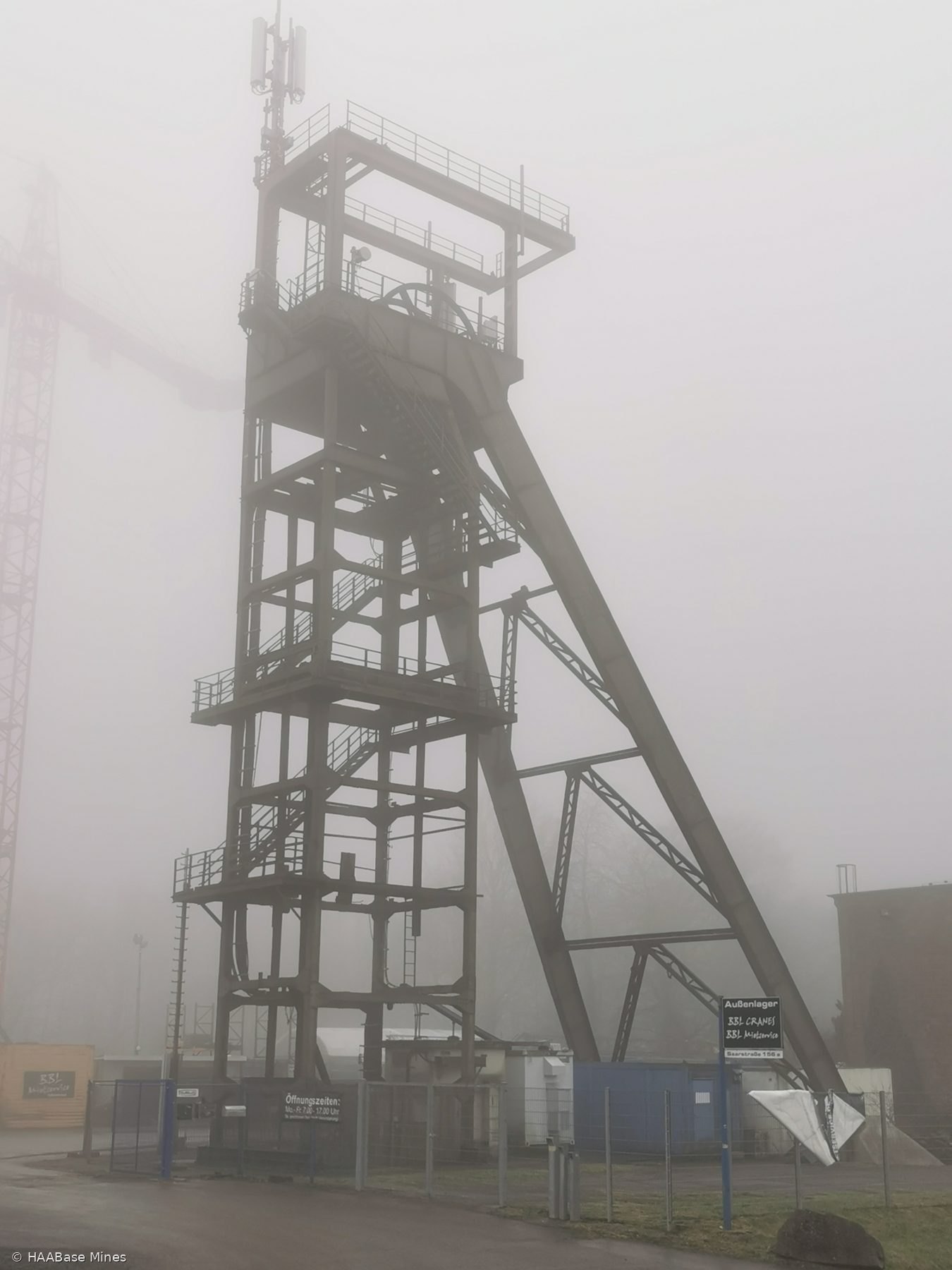
The Schachtanlage Holz in the Ortsteil Holz of Heusweiler was sunk from 1912 as an outer access and ventilation shaft for the Westfeld of the Grube Göttelborn. In 1906 miners had to travel to the main Göttelborn complex and then walk underground to reach the Westfeld; the Prussian Bergverwaltung resolved the problem in 1912 by sinking the new Schacht Holz. The shaft was completed in 1915 at a depth of 143 metres and equipped with a headframe.

The underground advance of the Westfeld working faces required three successive deepenings: to 443 metres in 1937, when the surviving headframe was erected; to 594 metres in 1962, when a larger winding machine was installed; and with the installation of ventilators at some point in the 1940s–60s period. Personenfahrt was discontinued in 1967; the ventilators and their machine house were demolished in 1991. The shaft was filled in 1994 following the closure of the Schacht Holz site by the Saarbergwerke AG.

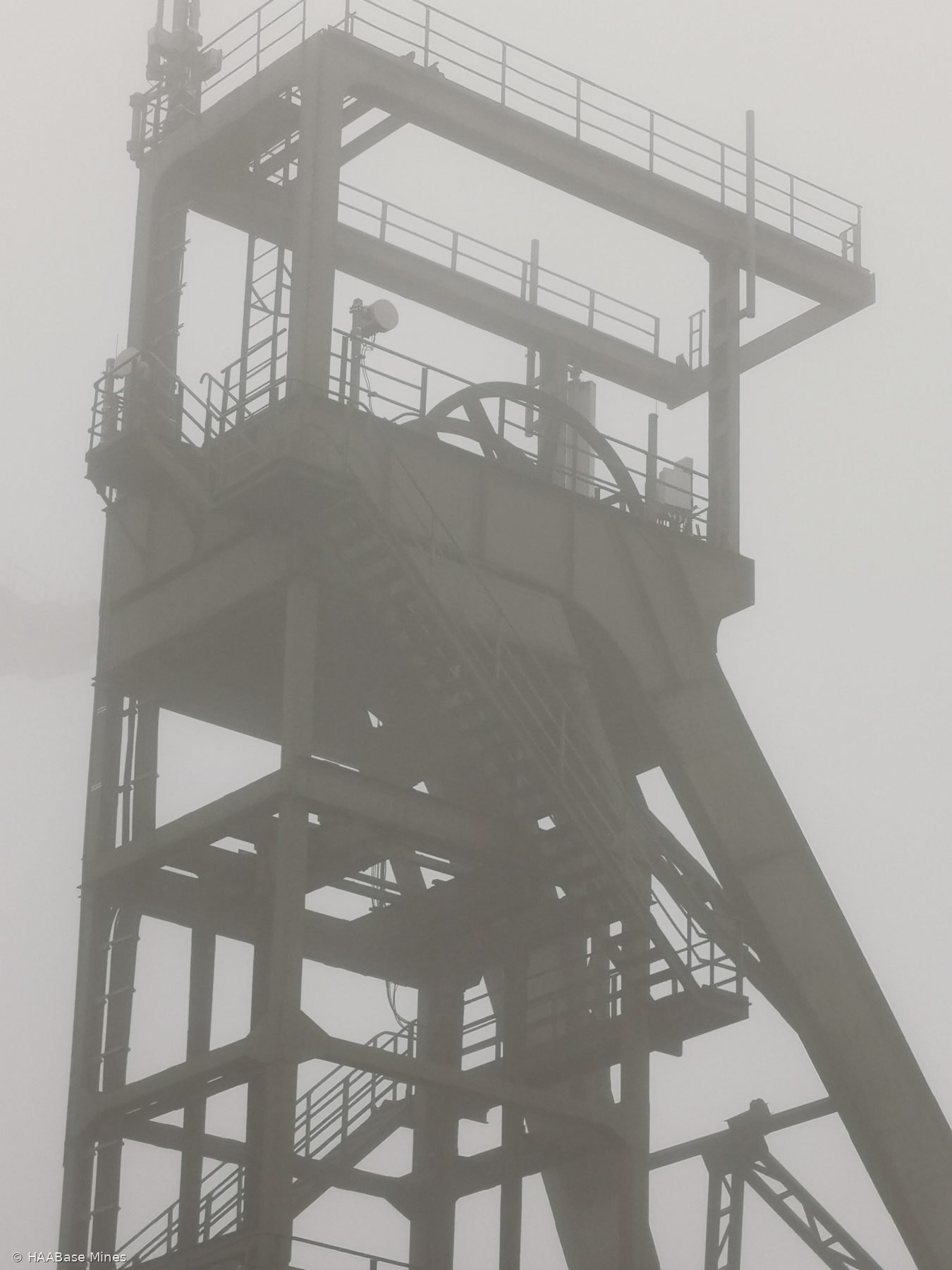
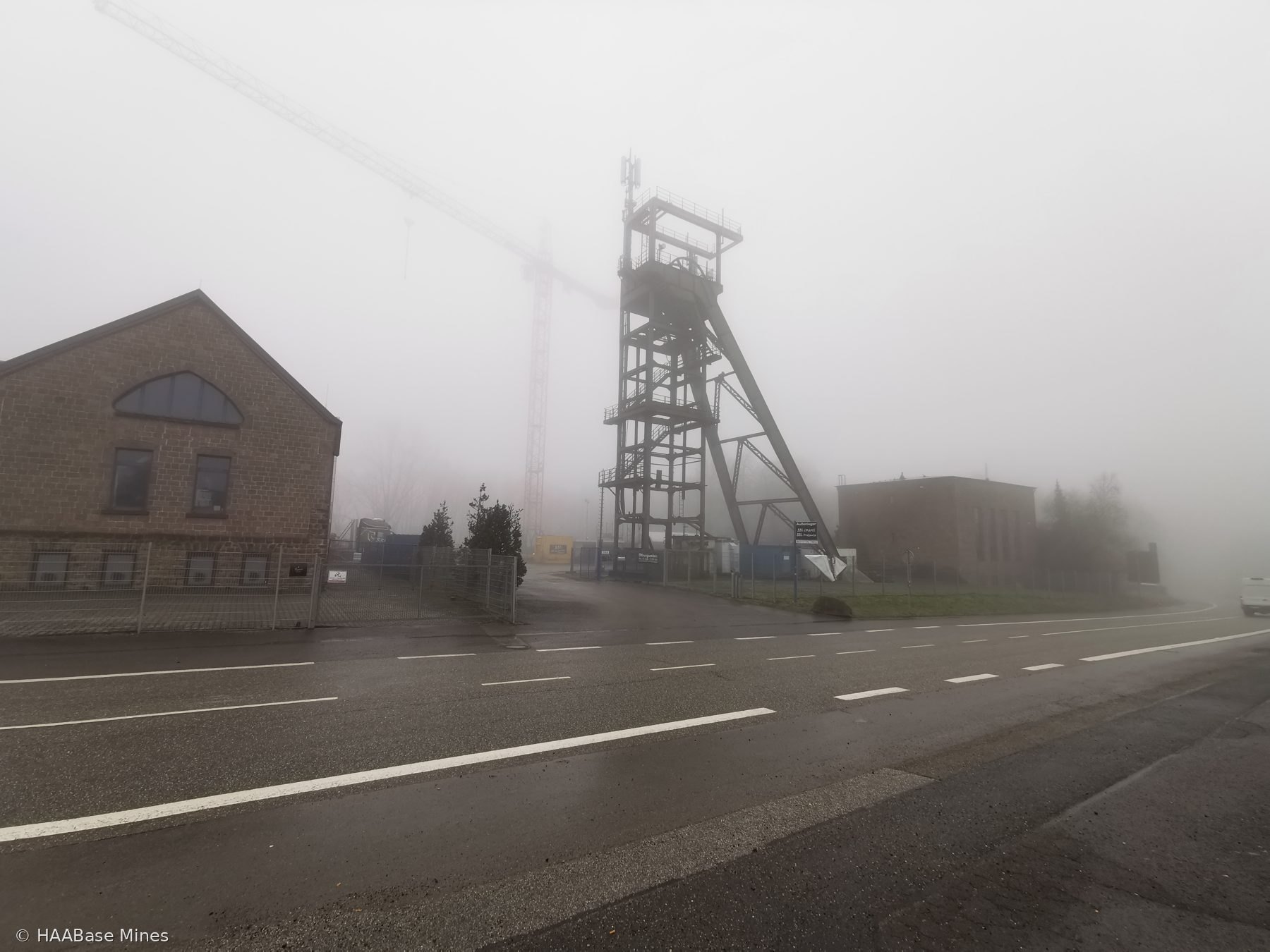
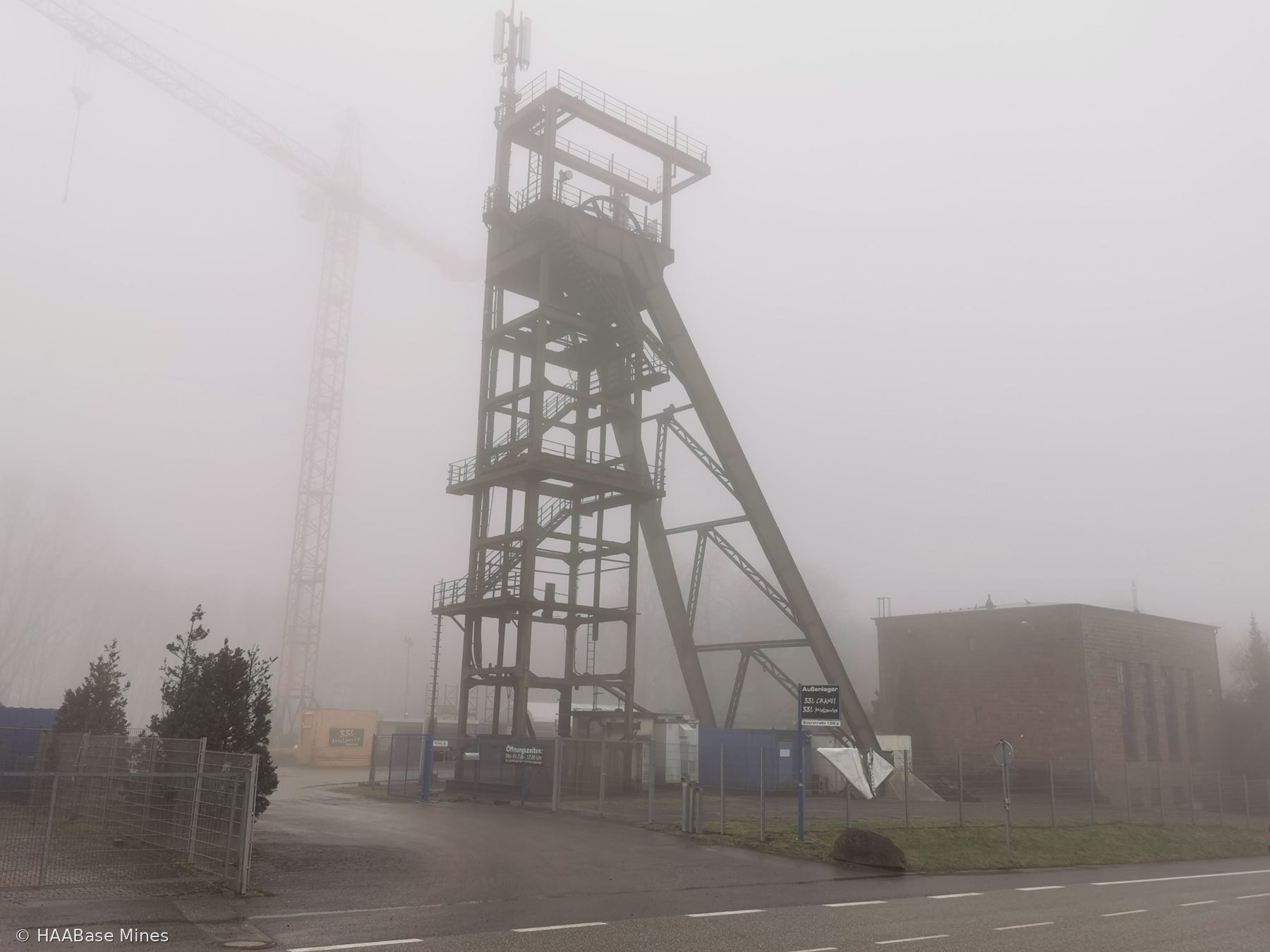
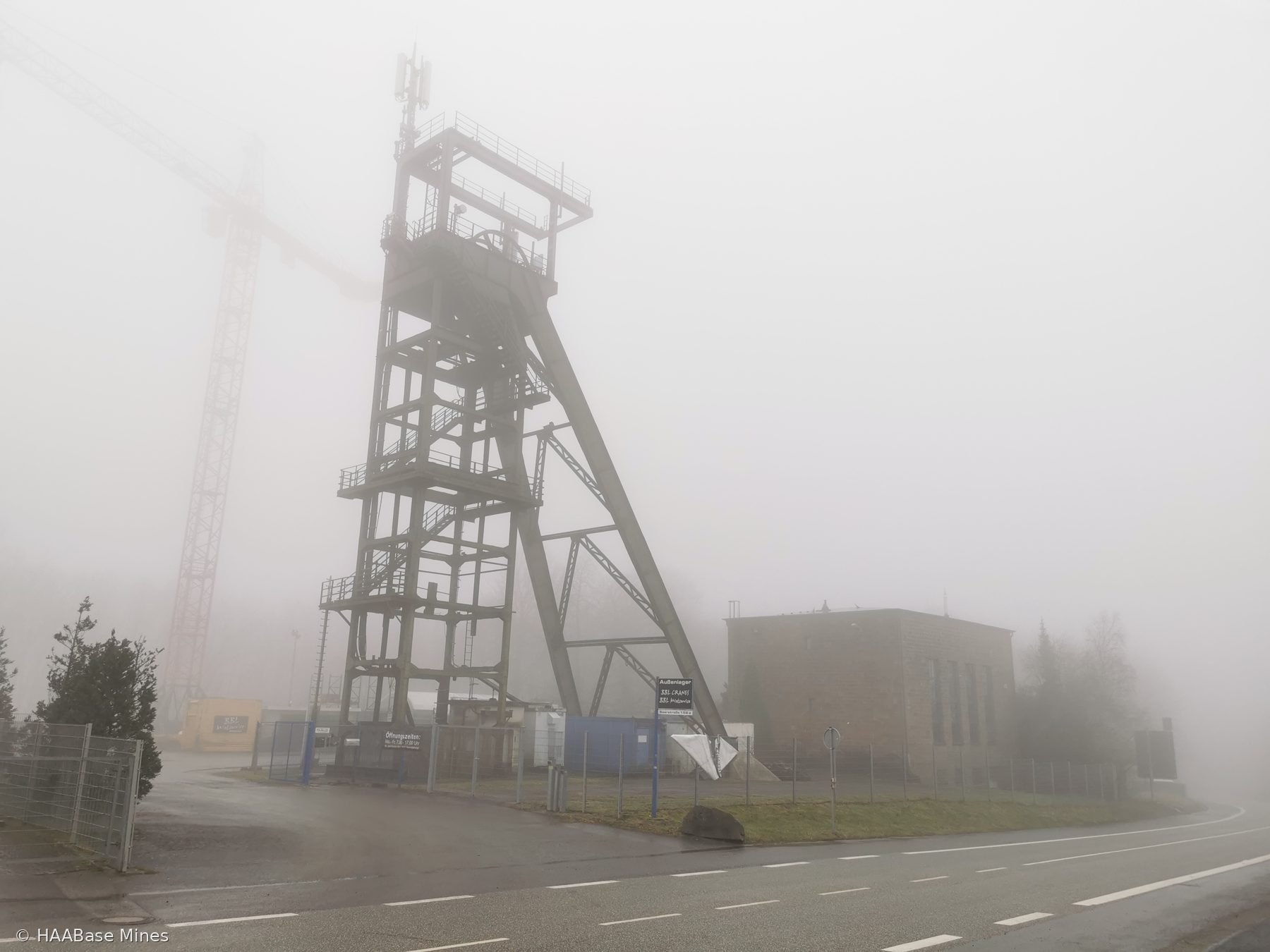
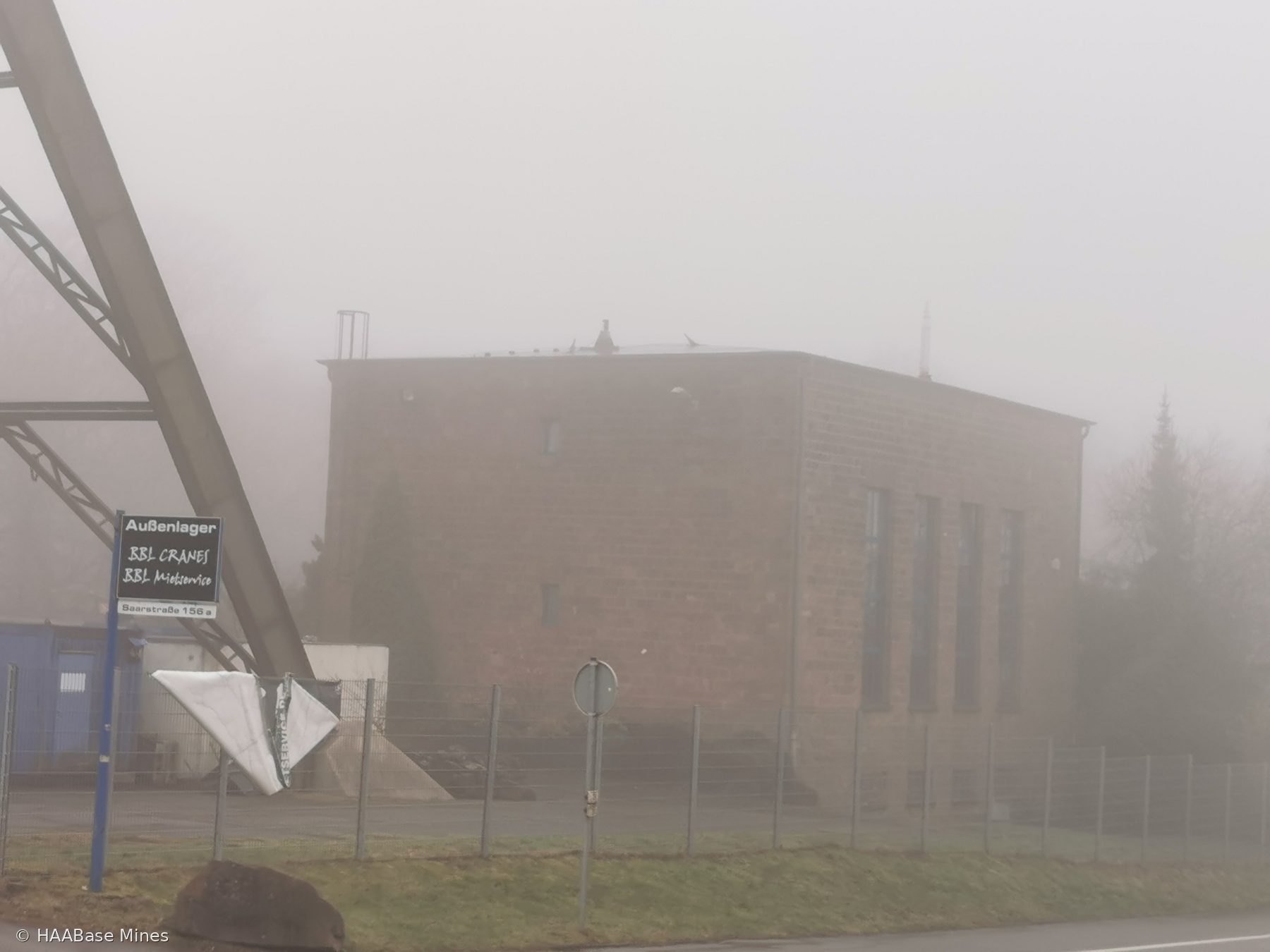
In 1997 a private entrepreneur acquired the headframe and Fördermaschinenhaus; the latter was converted into a two-storey office building. The headframe serves as a mobile phone transmitter mast. The Schachtanlage Holz is a listed ensemble described by the Landesdenkmalamt as 'kleine Tagesanlage von hoher architektonischer Bedeutung'.

The shaft stands within a settled suburban landscape at Holz, where the headframe and reused buildings read as a compact surviving fragment of the former mine.

Map & photo

Grube Göttelborn — Schacht Holz mine headframe or winding tower site
Photograph taken: 20 February 2026
Map markers and directions links are provided for location reference only and do not indicate public access or permission to enter a site.

History

In 1906 the Ausgang of the Tagesstrecke in the Flöz Eilerts lay east of the later Schacht Holz at Göttelborn. Miners were required to travel to the main Göttelborn complex and then traverse the underground Westfeld Strecke on foot, reducing the time available for coal extraction. To address this, in 1912 the Prussian Bergverwaltung resolved to sink a new outer shaft in the Westfeld, located at the present-day Gewerbegebiet Am Wasserturm in Holz.

Teufarbeiten began in 1912. The shaft was completed in 1915 at a depth of 143 metres, equipping it with a headframe. In 1937 the further advance of the Westfeld made it necessary to deepen Schacht Holz to the 3. Sohle at 443 metres depth. This deepening required a new headframe, which was duly mounted; the headframe standing today at the Schachtanlage Holz dates from this 1937 deepening. Ventilators were also installed at this time. In 1962 the shaft was deepened a final time, reaching 594 metres, and a larger Fördermaschine was installed to handle the greater depth. Personenfahrt (Seilfahrt for miners) was completely discontinued in 1967. In 1991 the Ventilatoren and the associated Maschinenhaus were demolished. In 1994 the Saarbergwerke AG placed the Schachtanlage Holz in Stilllegung; in the same year the shaft was verfüllt.

In 1997 a private entrepreneur purchased part of the Gewerbegebiet site, including the Förderturm and the Fördermaschinenhaus. The Fördermaschinenhaus was then saniert and converted into a two-storey office building. The Förderturm (headframe) is used by various mobile phone operators as a Sendeanlage. The denkmalgeschützte Ensemble 'Schachtanlage Holz' is described by the Saarland Landesdenkmalamt as a kleine Tagesanlage von hoher architektonischer Bedeutung; it comprises the Zechenhaus, the Fördermaschinenhaus, and the Fördergestell (headframe) as Einzeldenkmäler.
Timeline

Heritage

Schachtanlage Holz listed as denkmalgeschütztes Ensemble

The Schachtanlage Holz — comprising the Zechenhaus, Fördermaschinenhaus, and Fördergestell as Einzeldenkmäler — was placed under Denkmalschutz. The Saarland Landesdenkmalamt classified it as a 'kleine Tagesanlage von hoher architektonischer Bedeutung'.
1912–1915
Construction

Schacht Holz sunk to 143 metres as Westfeld Seilfahrtsschacht for Grube Göttelborn

Teufarbeiten began in 1912 in the Ortsteil Holz of Heusweiler. The shaft was completed in 1915 at 143 metres depth and equipped with a headframe, reducing travel time for miners working in the Westfeld of the Grube Göttelborn.
1937
Construction

Schacht Holz deepened to 443 metres; surviving headframe erected; ventilators installed

In 1937 the shaft was deepened from 143 metres to 443 metres (3. Sohle). A new headframe was erected, which is the surviving structure at the site. Ventilators were installed at the same time.
1962
Construction

Schacht Holz deepened to final depth of 594 metres; larger winding machine installed

The shaft was deepened for the last time in 1962 to 594 metres and equipped with a larger Fördermaschine.
1967
Operation

Personenfahrt at Schacht Holz completely discontinued

In 1967 Seilfahrt for miners was completely discontinued at the Schacht Holz. The shaft thereafter served only for ventilation.
1991
Closure

Ventilators and associated Maschinenhaus demolished

In 1991 the ventilators and their machine house were demolished at the Schacht Holz site.
1994
Closure

Schacht Holz closed and shaft filled

In 1994 the Saarbergwerke AG placed the Schacht Holz in Stilllegung and the shaft was verfüllt in the same year.
1997
Redevelopment

Headframe and Fördermaschinenhaus sold to private entrepreneur; machine house converted to office; headframe used as mobile mast

In 1997 a private entrepreneur acquired part of the Gewerbegebiet site including the headframe and Fördermaschinenhaus. The Fördermaschinenhaus was saniert and converted into a two-storey office building. The headframe is used by mobile phone operators as a Sendeanlage.

Sources and records

German Wikipedia article: Schachtanlage Holz
Der Landgraph: Zechen im Saarland (Grube Göttelborn / Schacht Holz section)
German Wikipedia article: Grube Göttelborn
Industriedenkmal.de: Grube Göttelborn
Rodena.org: Grube Göttelborn (shaft inventory)
This researched site record is part of the HAABase Mines database. Normal personal research and browsing is welcome. Automated bulk extraction, republication, or harvesting of site text and images is not permitted without written consent.