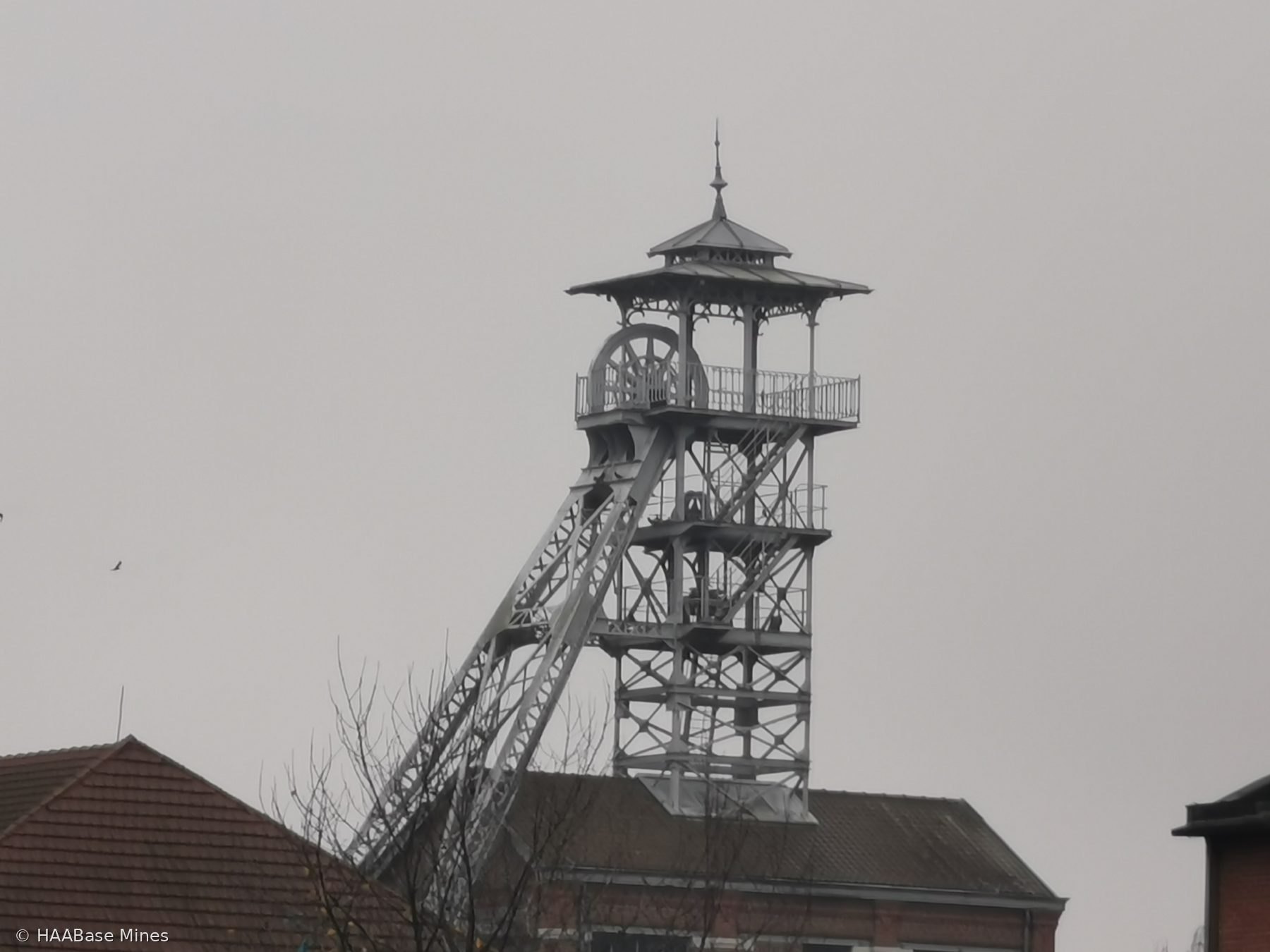
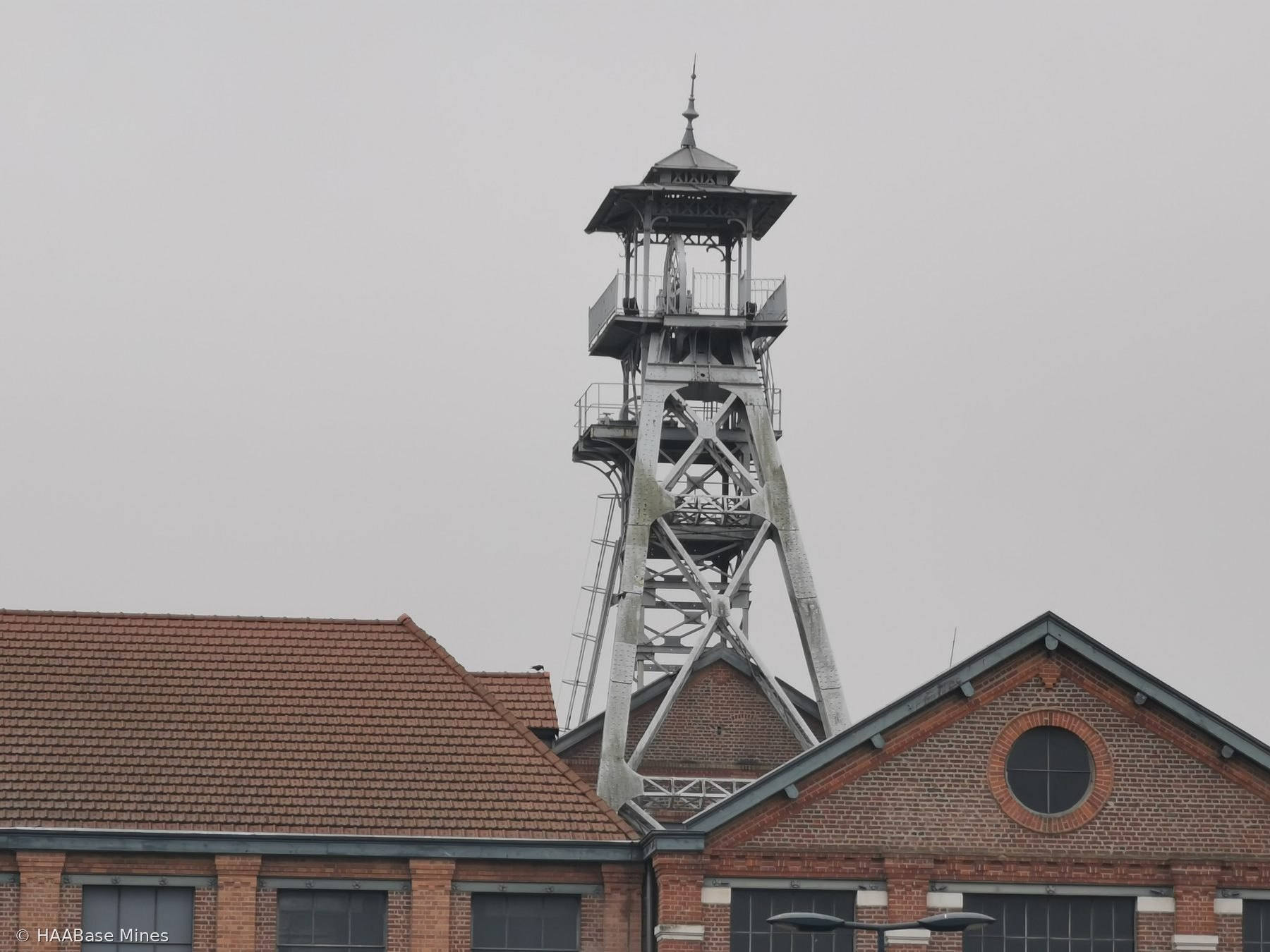
The Compagnie des mines d'Anzin first requested authorisation to open a fosse at Wallers in 1873; the necessary authorisation was granted by prefectoral order on 3 January 1876. Exploratory borings to confirm the deposit were carried out in 1898. The two founding shafts — puits n°1, five metres in diameter and intended for extraction, and puits n°2, 3.65 metres in diameter and intended for ventilation — were sunk in 1900 using the méthode de la Trousse Coupante.
The fosse was named Auguste d'Arenberg in honour of Auguste Louis Albéric d'Arenberg, then a member of the board of directors of the Compagnie des mines d'Anzin. Extraction began in June 1903, the first seam exploited being the veine Alix, from a deposit of charbon maigre. The fosse rapidly became one of the most important in the company, producing 218,915 tonnes in 1906, 302,000 tonnes in 1925, and 452,630 tonnes in 1930.
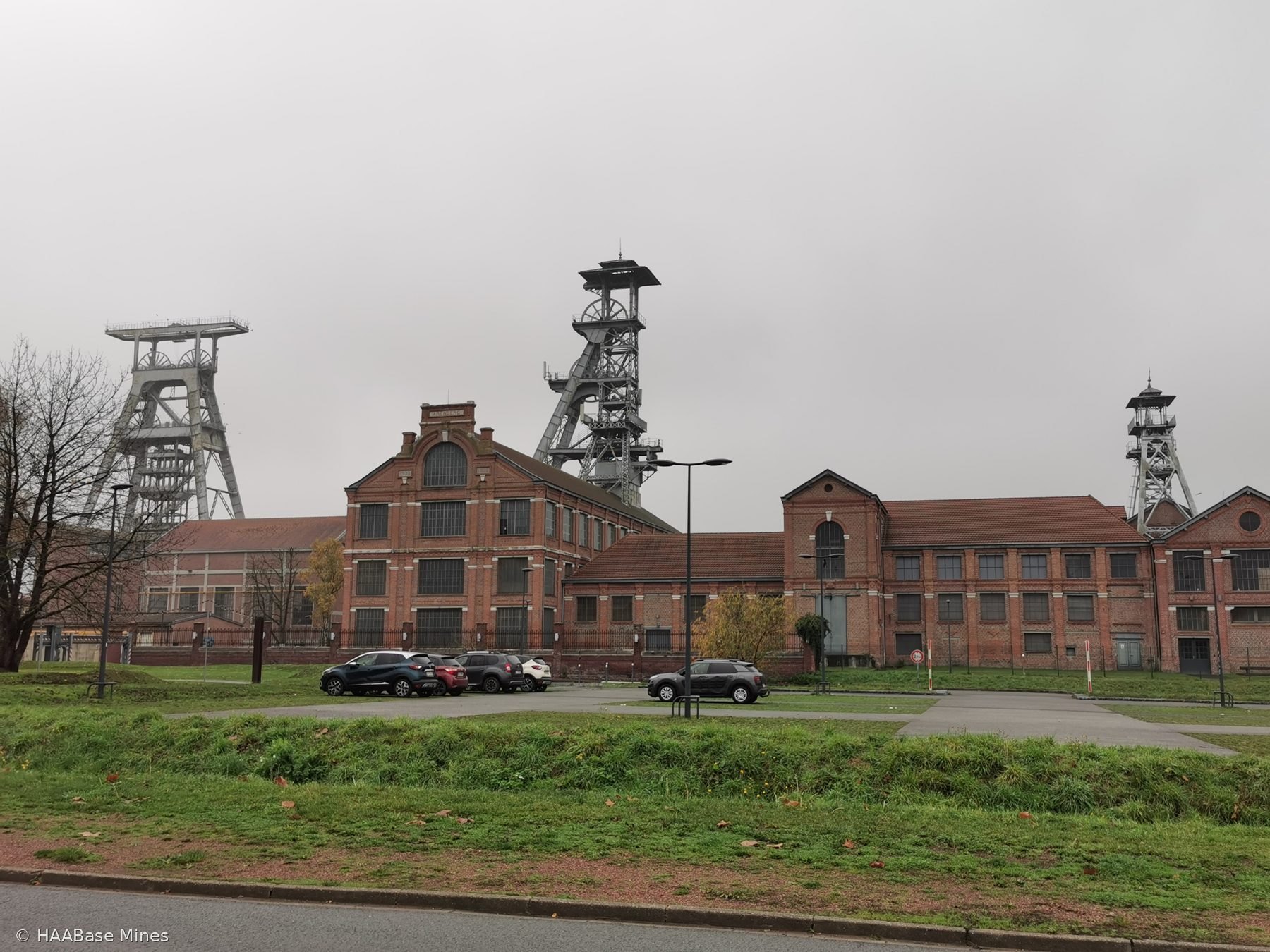
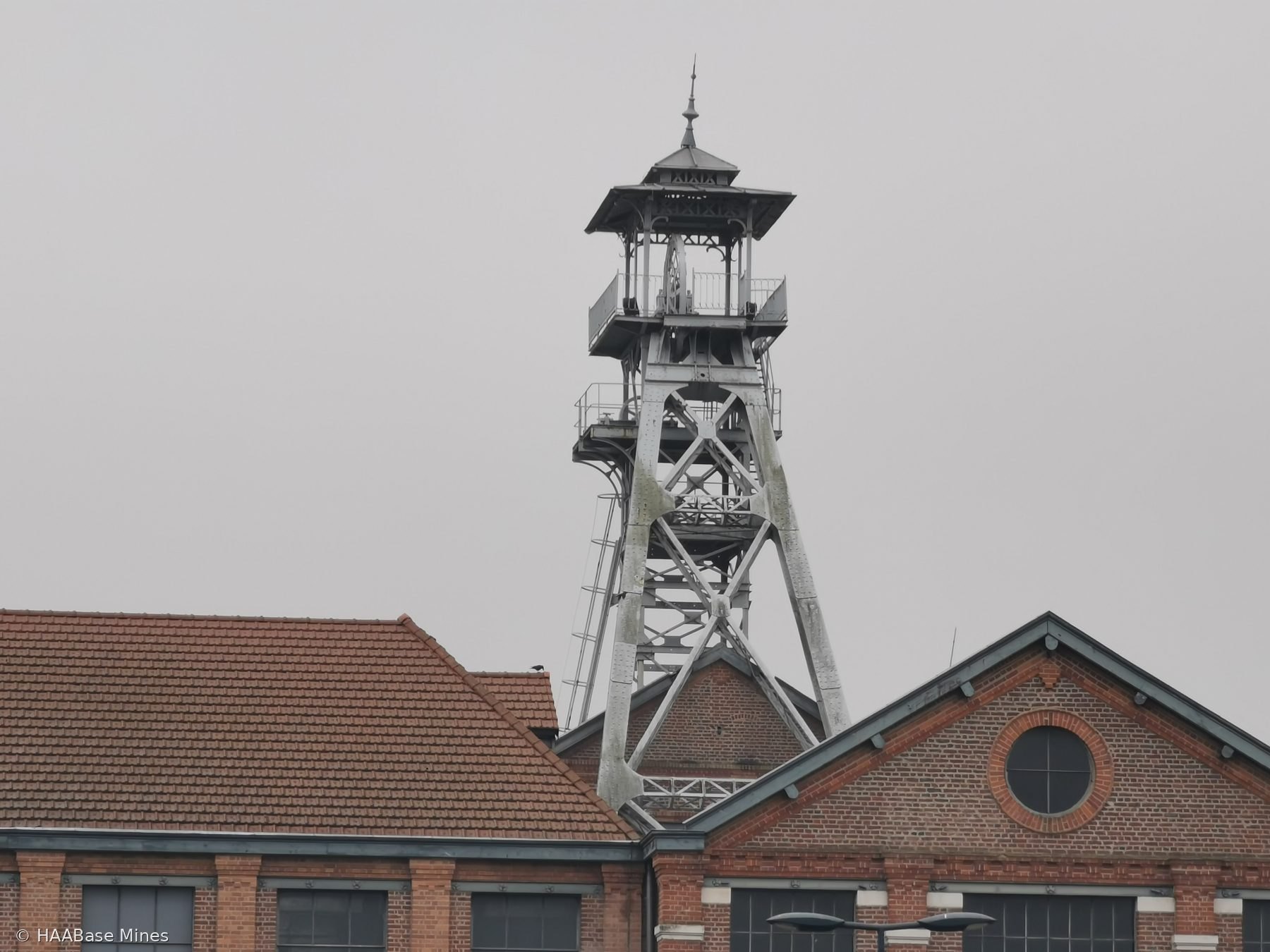
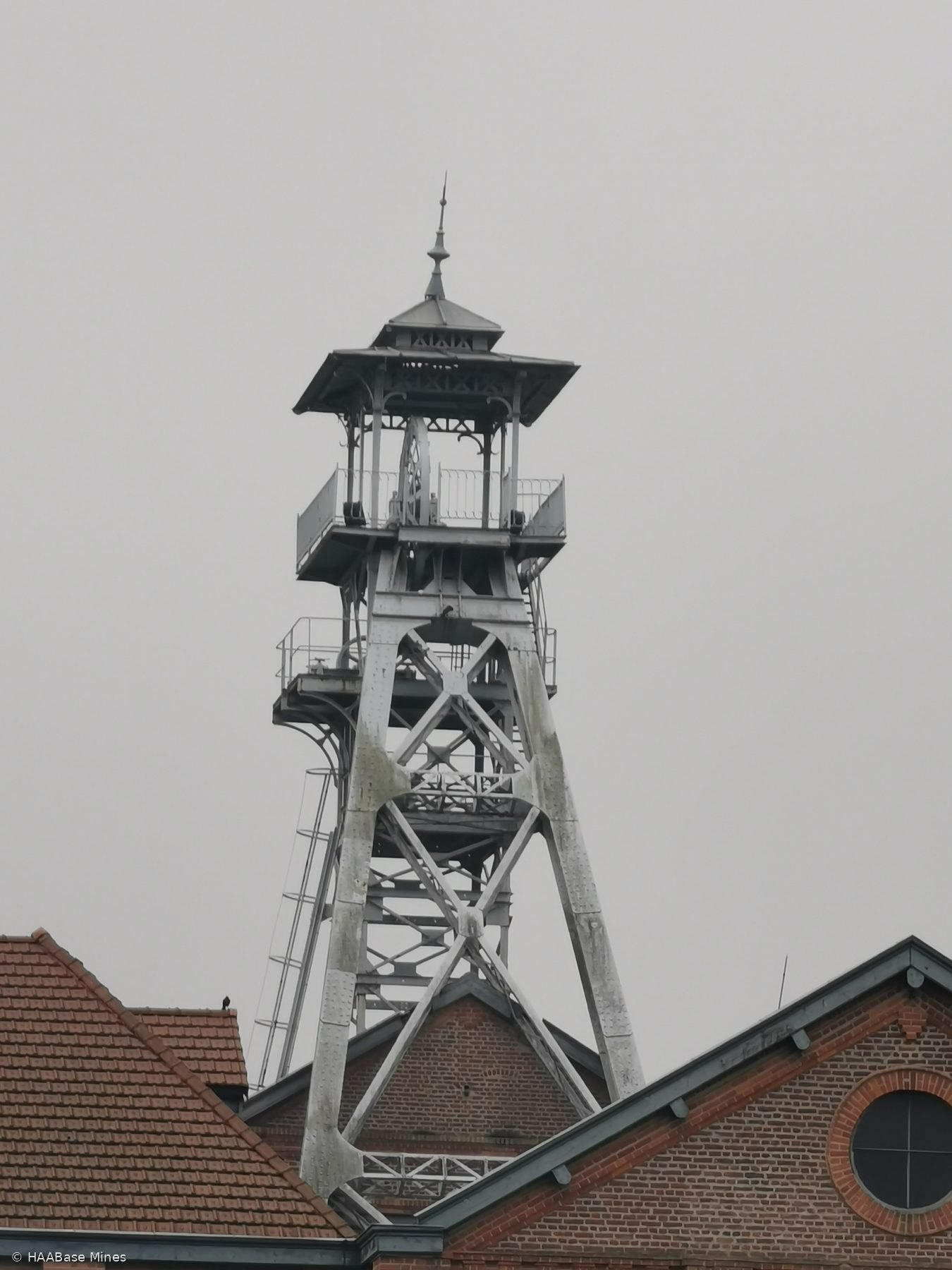
Workers' cités were built around the fosse from 1900, including the cité de corons d'Arenberg and the cité pavillonnaire de Bellaing, along with schools, an école ménagère, a church, and a salle des fêtes. In 1936 a new headframe was installed above puits n°1, its superimposed sheave wheels coiffing the original structure. A new salle des machines was built at 90 degrees to the old one, and the extraction machine was converted to a Koepe pulley system.
Following the nationalisation of the mines in 1946, the Compagnie des mines d'Anzin was absorbed into the Groupe de Valenciennes. Under the Houillères du Bassin du Nord et du Pas-de-Calais (HBNPC), the fosse was transformed into a powerful concentration seat. In 1954 the fonçage of the double-compartment puits n°3-4 was begun; this shaft had a diameter of 6.50 metres and was developed to the extraction level of 334 metres depth.
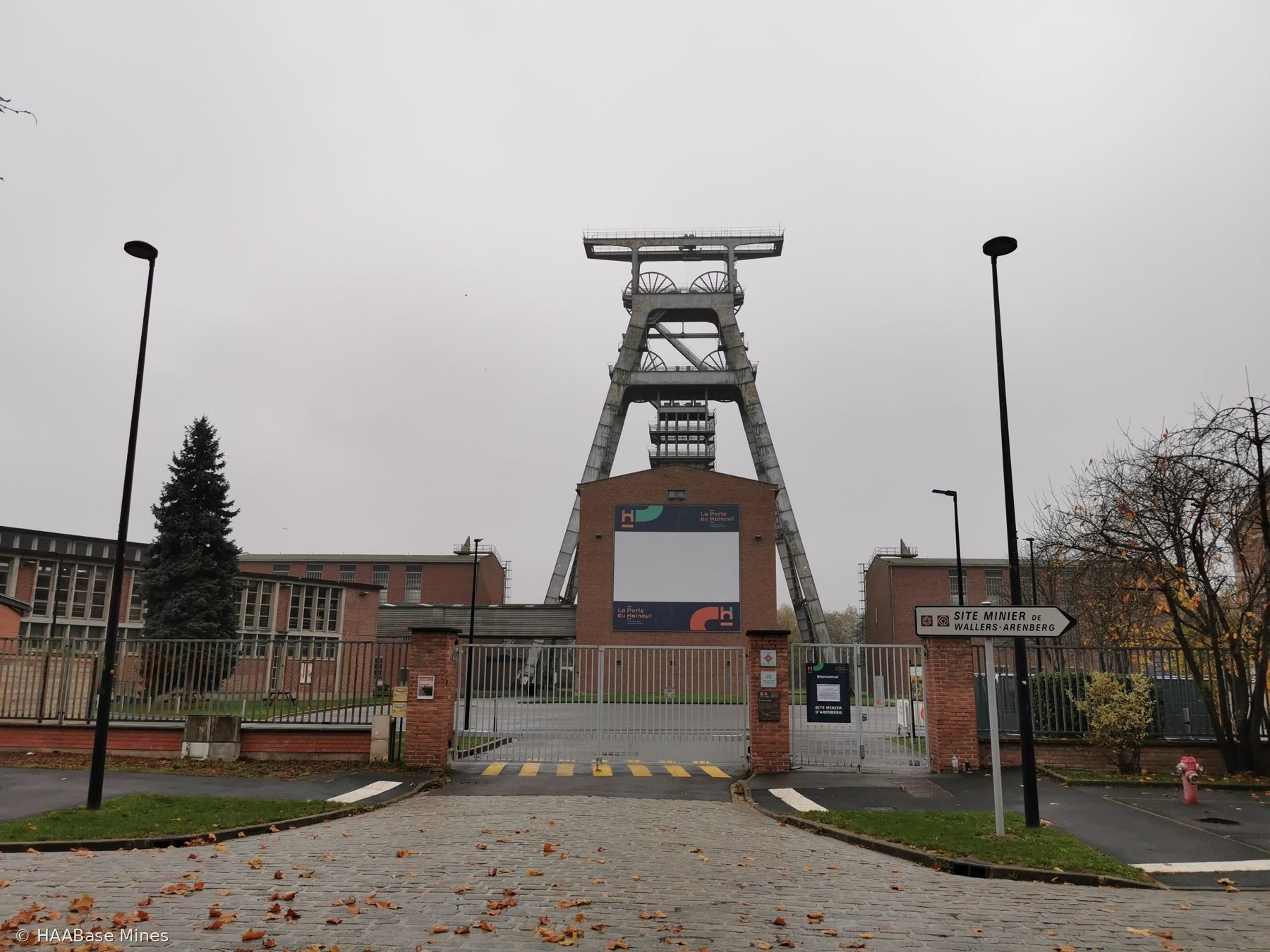
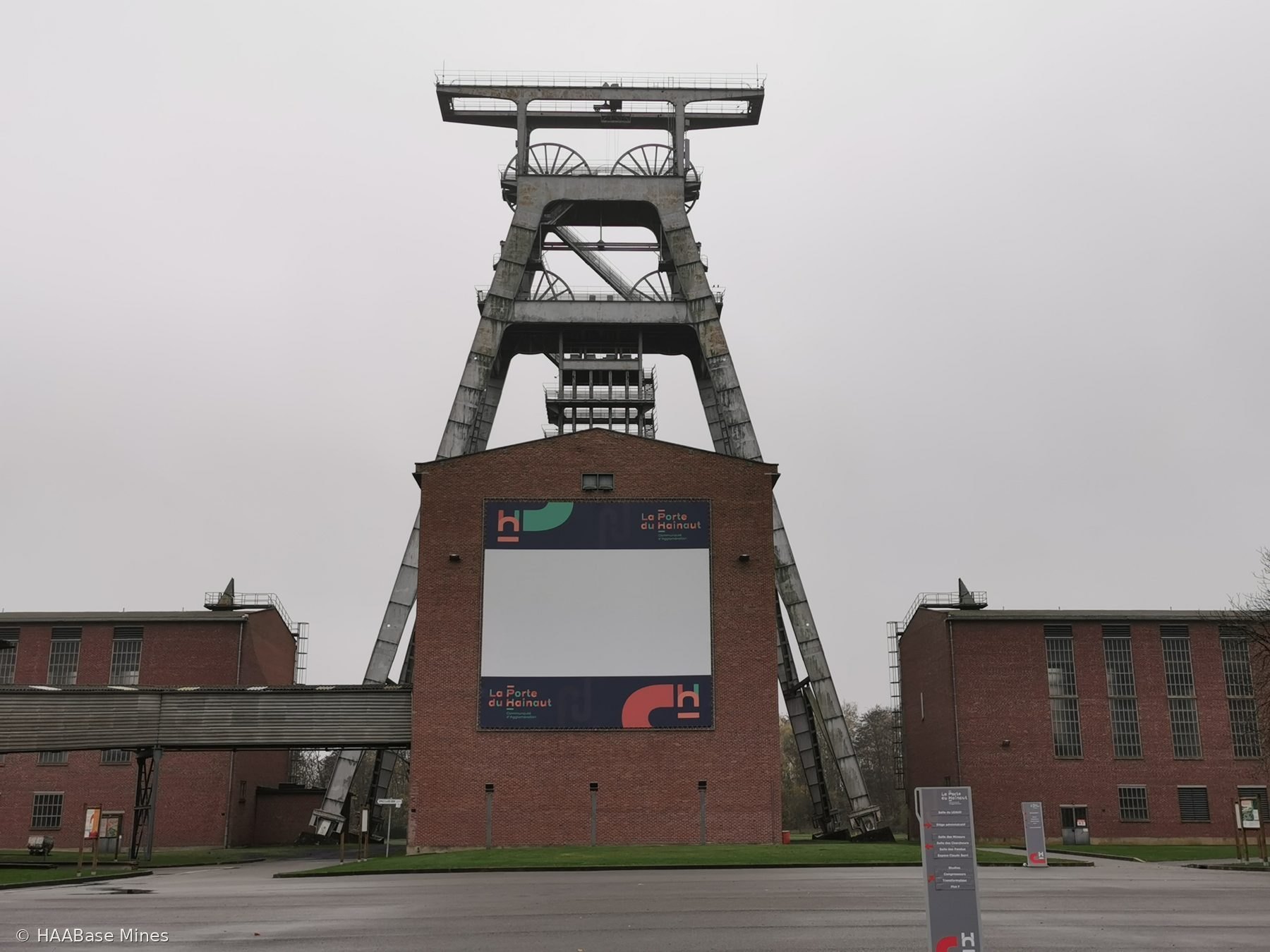
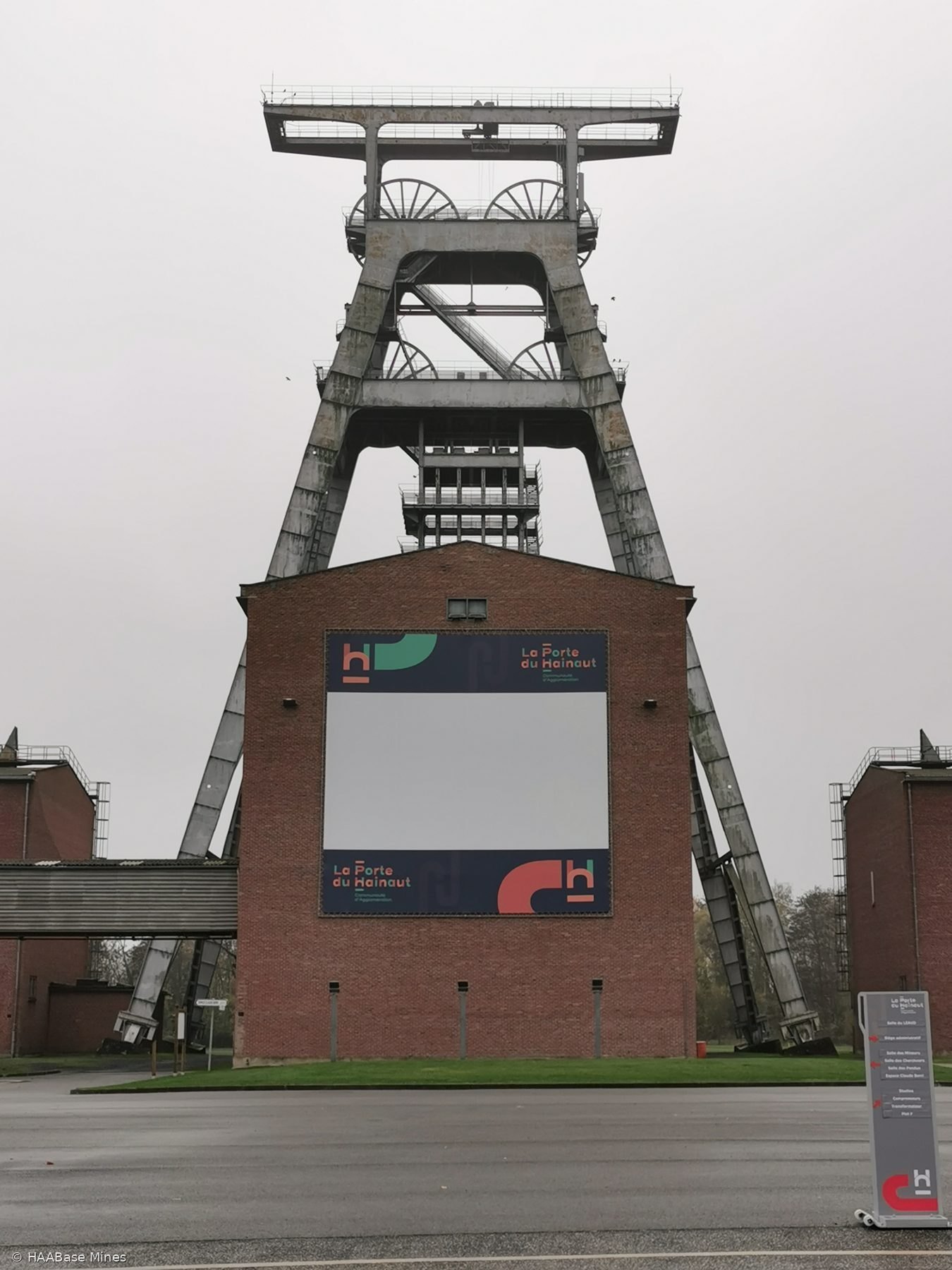
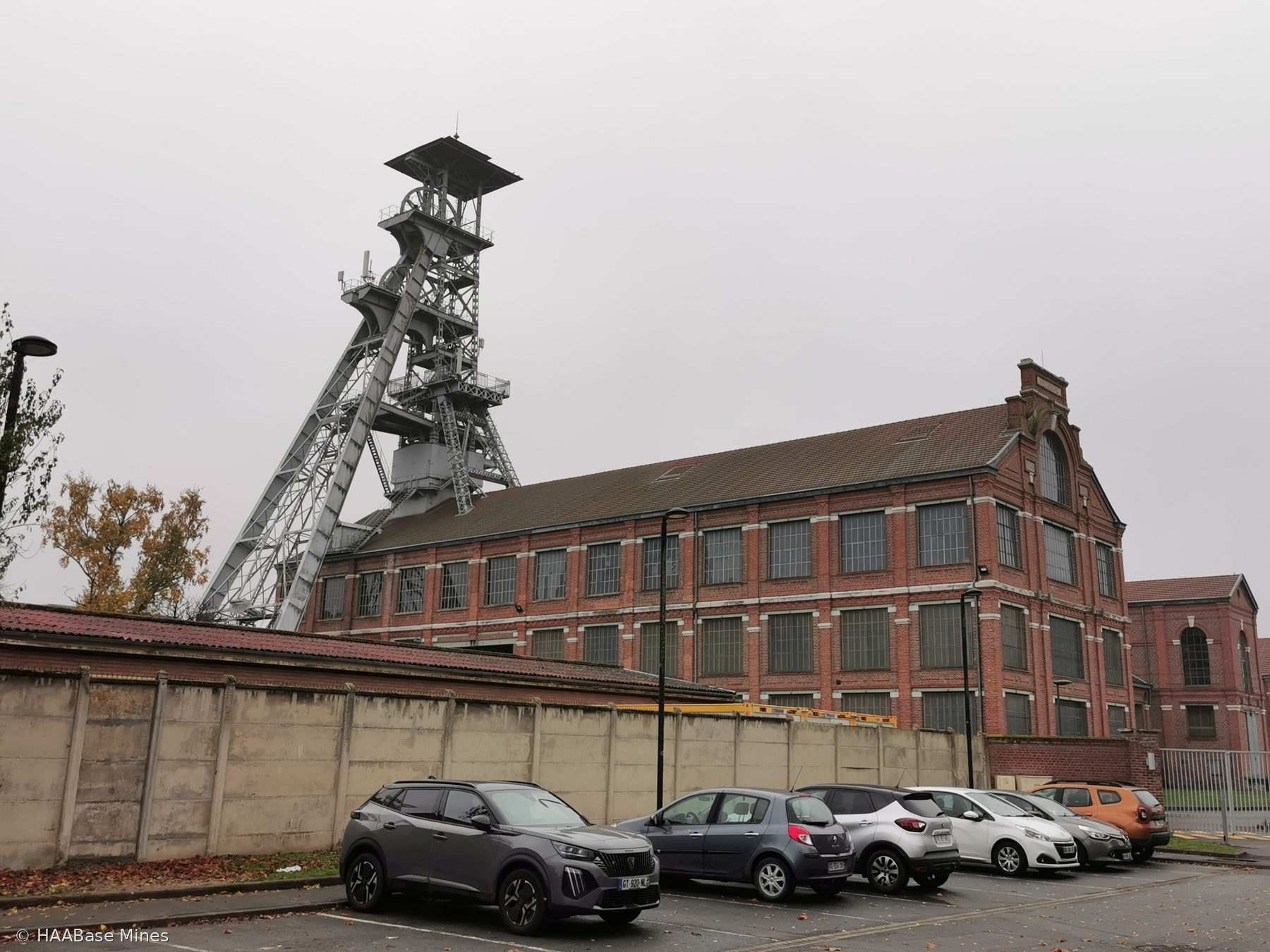
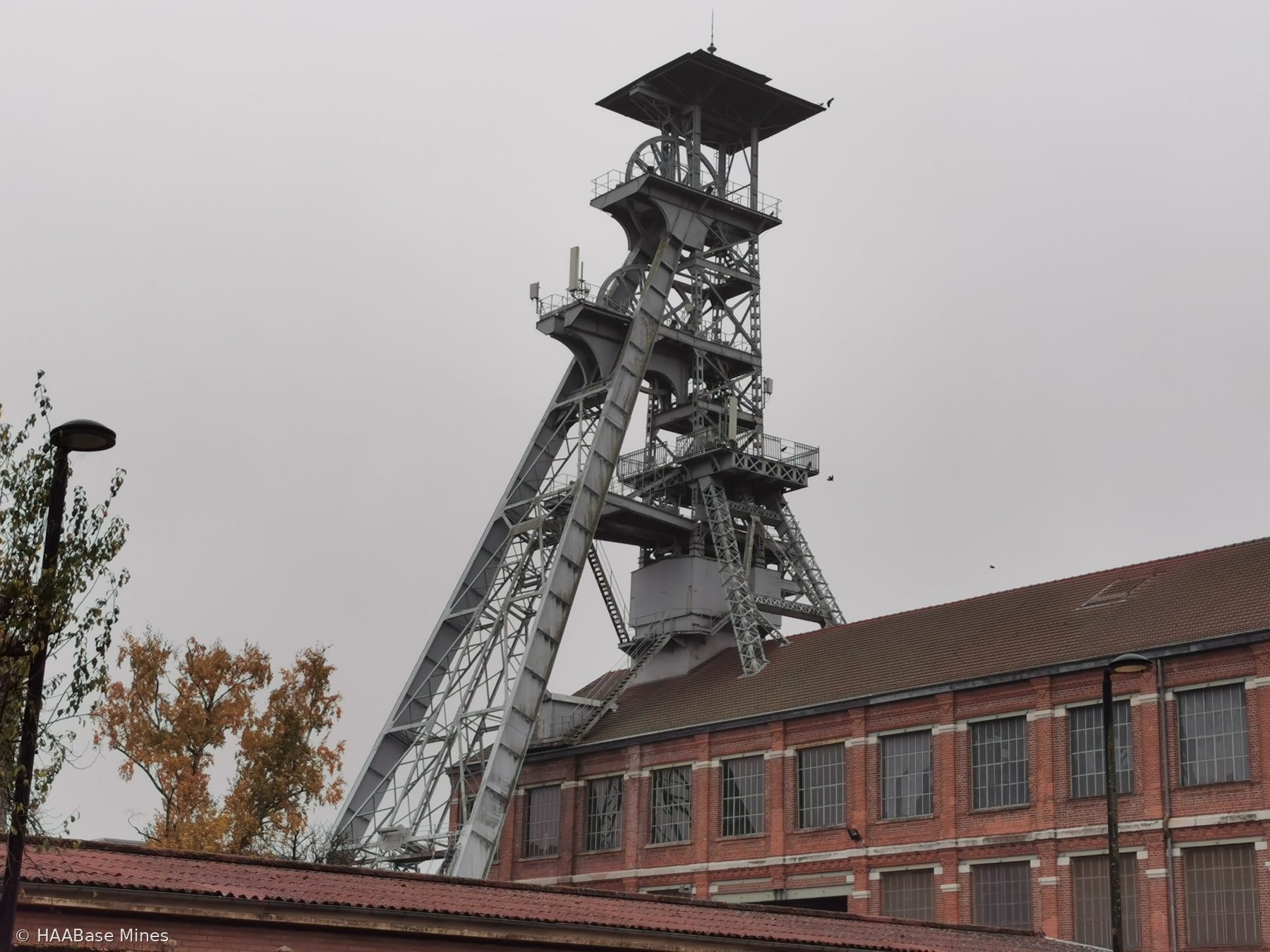
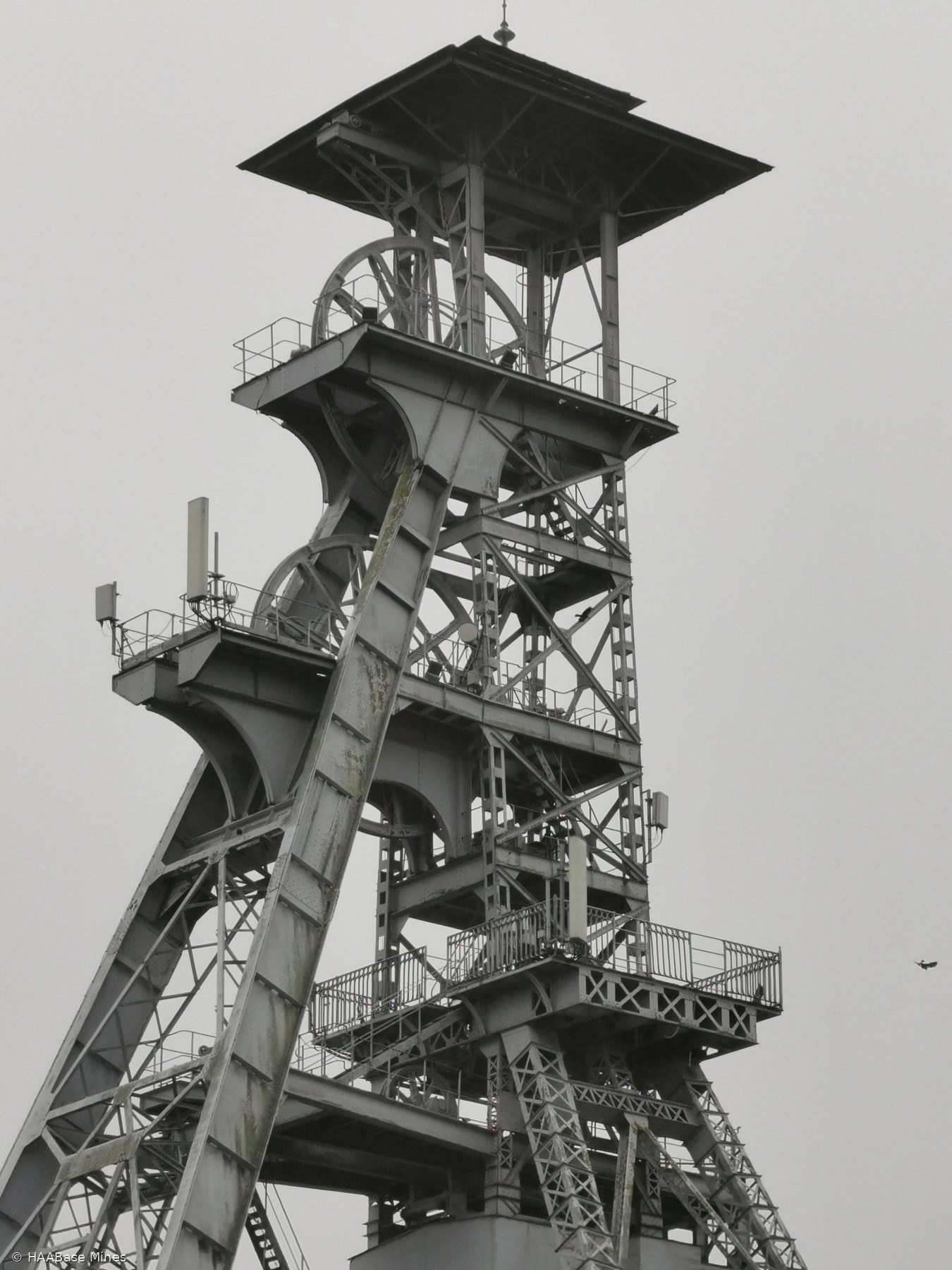
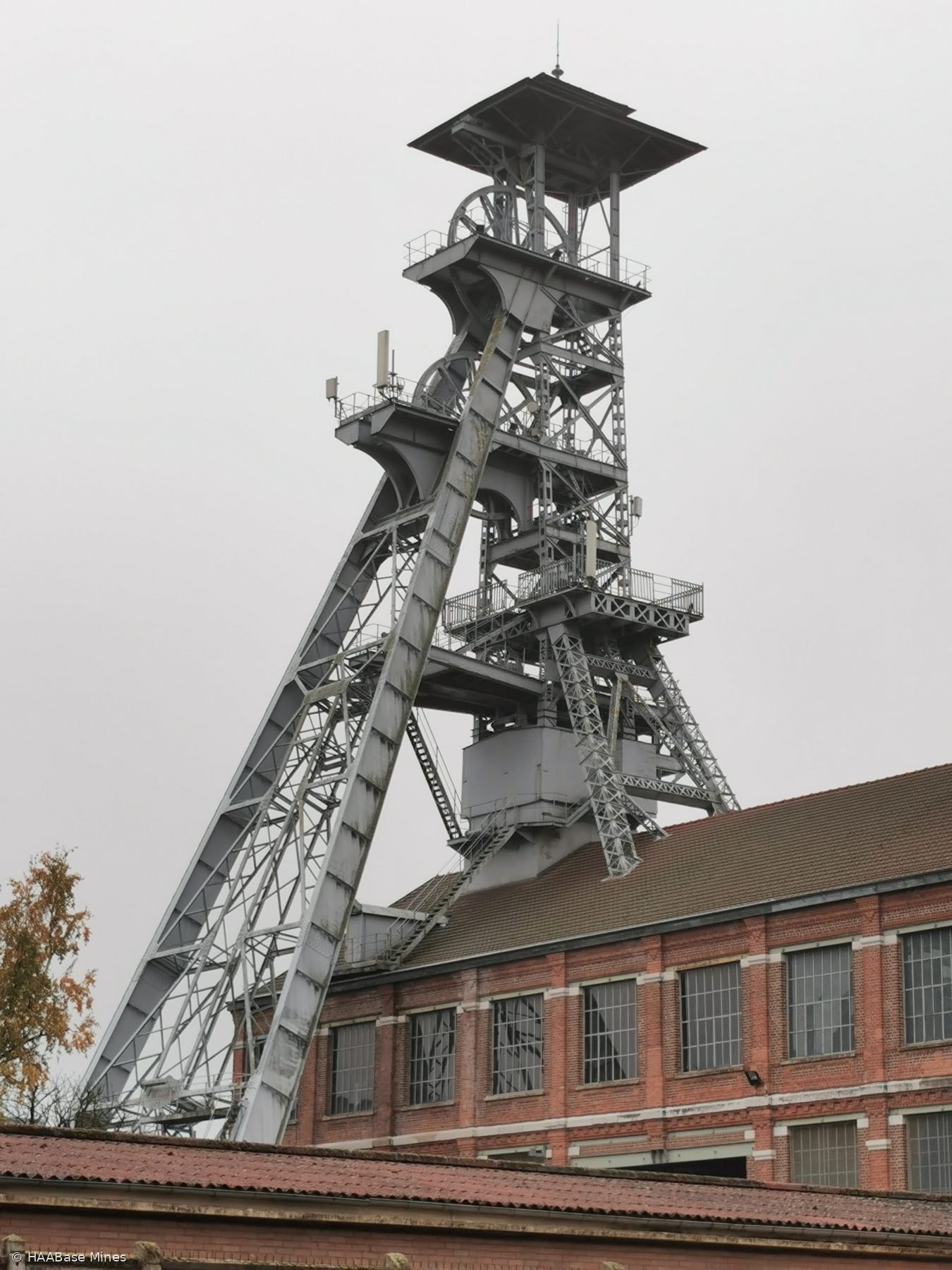
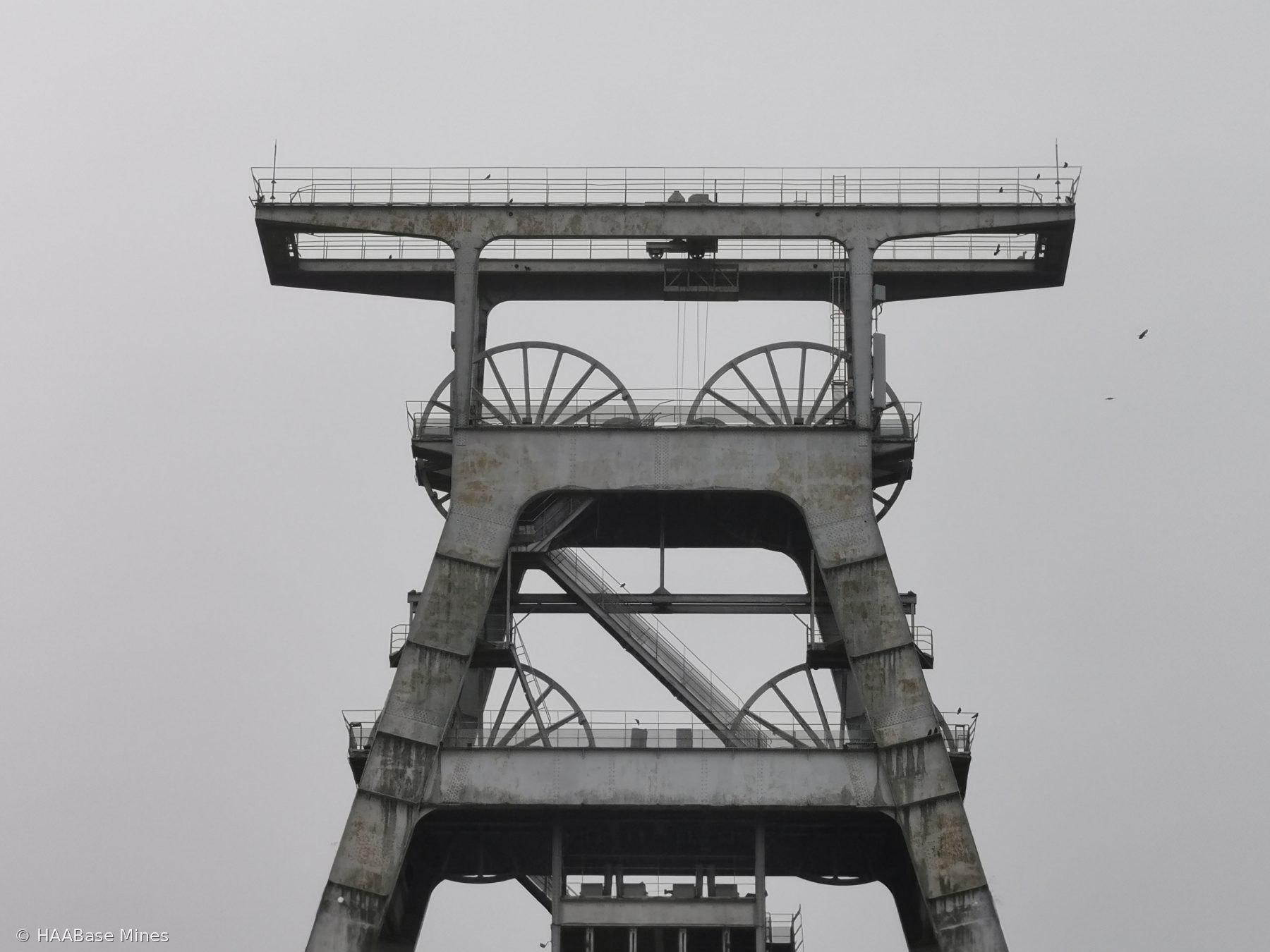
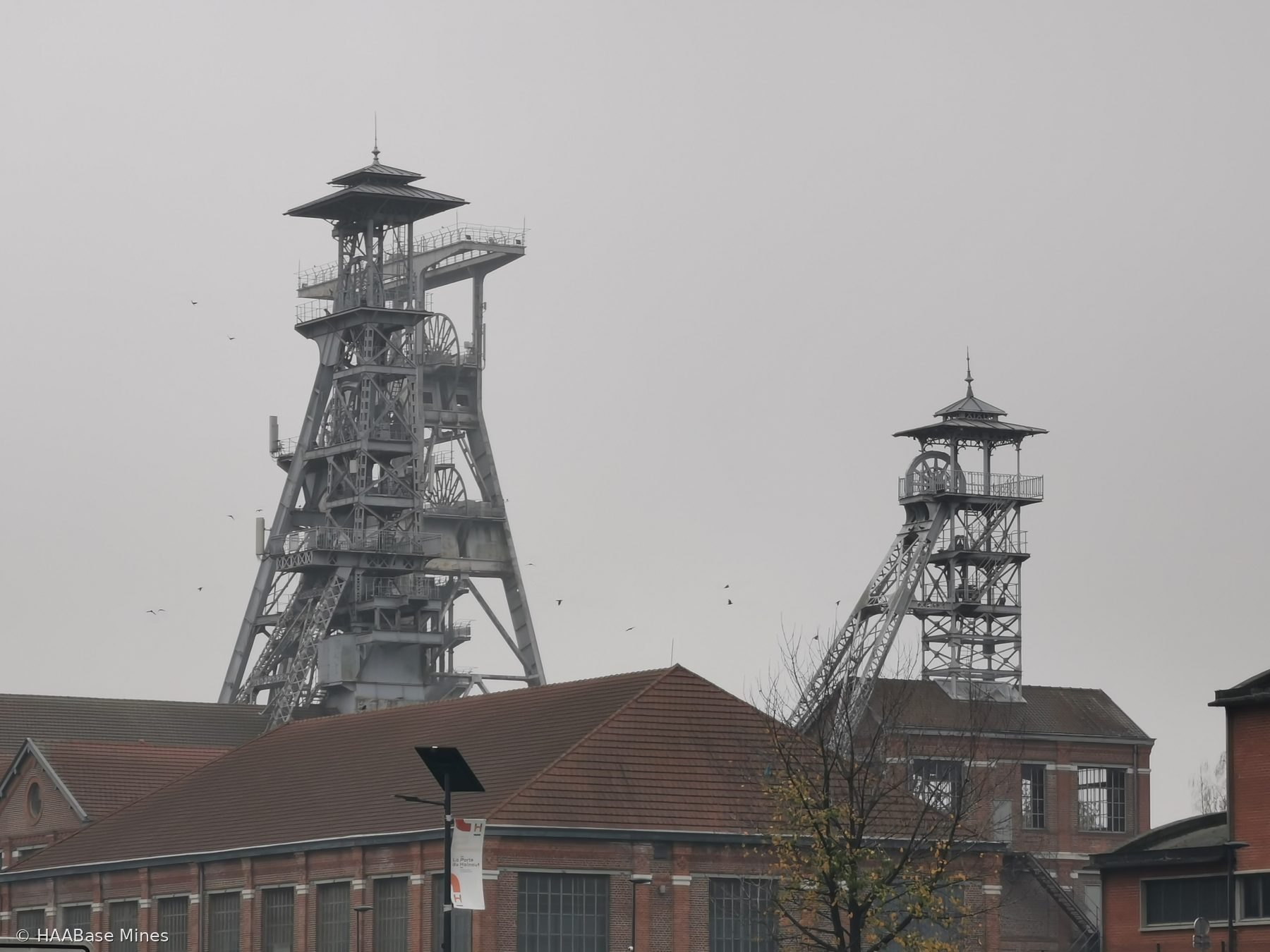
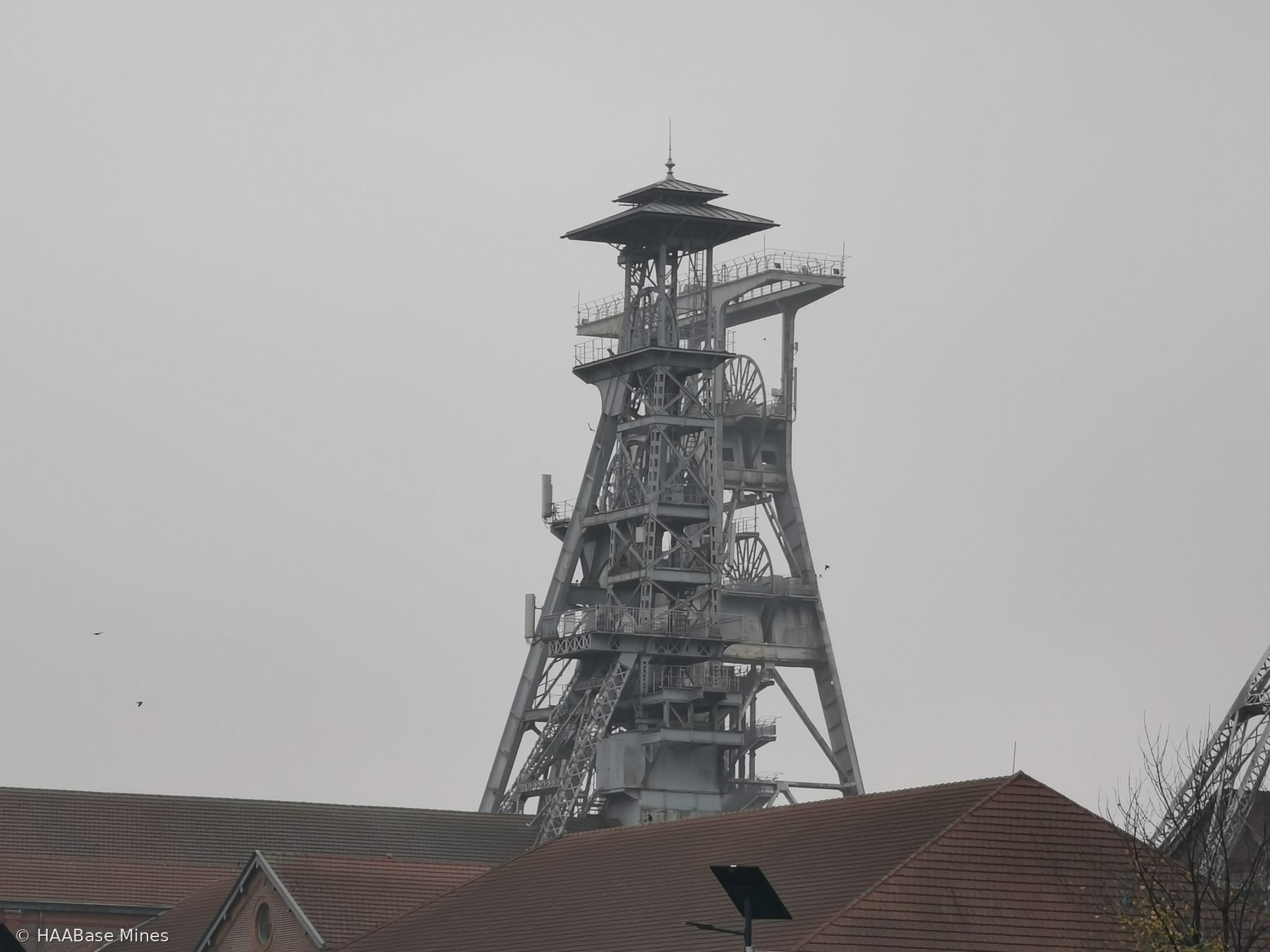
Its headframe — a portique type with four superimposed sheave wheels, 73 metres high and the tallest then constructed in the coalfield — was brought into service on 28 August 1961, drawing coal in four three-storey cages carrying berlines of 3,000 litres. Each compartment was independently numbered as puits n°3 and puits n°4. From 1961, puits n°1 ceased extraction and became a service shaft for personnel and materials, while puits n°2 served for remblayage via a pipe in the shaft and both served for air return.
A modern grain washery capable of processing 3,000 net tonnes per day entered service in 1961 alongside the new shaft. The lavoir was halted on 1 July 1977 after treating twenty million tonnes of raw coal from Arenberg and, from 1968 to 1972, from the fosses Saint Mark and Agache. During the 1960s over 2,000 miners worked on the site, and production records were set in 1966–1967 at 3,000 tonnes per day.
The conical terril n°160, Arenberg, reached a height of one hundred metres and was sold for shale exploitation from 1980, only its base remaining. From 1957 waste was also tipped in the Forêt domaniale de Raismes-Saint-Amand-Wallers to form the flat terril n°171, Mare à Goriaux, which extends for nearly two kilometres and was entirely preserved. A tunnelling machine was commissioned on 9 January 1984 partly for boring bowettes and partly for trials connected to the prospective Channel Tunnel.
Puits n°1 reached a final depth of 606 metres, puits n°2 416 metres, and puits n°3-4 689 metres. Extraction ceased at the end of March 1989, the last berline being wound on 31 March 1989. The total production over the fosse's ninety years of activity was 31,845,000 tonnes.
118 miners lost their lives at the fosse over the course of its operation. The three shafts were backfilled at the end of 1989. The site was threatened with complete demolition until the filming of Claude Berri's Germinal in 1992 accelerated the first protection measures.
On 27 January 1990, fewer than ten months after closure, tourist activity began at Wallers-Arenberg with the inauguration of the tourist railway of the Hainaut, which operated until 1994 and carried some 20,000 visitors. The site was listed as a monument historique in 1992 during the Germinal filming. At the start of the twenty-first century, Charbonnages de France capped the wellheads of puits n°1, n°2, and n°3-4 and installed firedamp vents; the BRGM has carried out annual inspections.
The Communauté d'agglomération de la Porte du Hainaut installed its headquarters at the site in 2001 and undertook a comprehensive renovation of the entire carreau de fosse from 2005. The salle des fêtes and the école ménagère were listed as monuments historiques in December 2009. The fosse itself was classified as a monument historique on 22 February 2010, a few years after its complete renovation.
On 30 June 2012 the fosse, along with the flat terril n°171, the cités d'Arenberg, de Bellaing, du Nouveau Monde, de la Drève and du Bosquet, the salle des fêtes, the école ménagère, the église Sainte-Barbe, the school, and the dispensaire, were inscribed on the UNESCO World Heritage List as components of the Bassin minier Nord-Pas-de-Calais, forming part of site n°15. Arenberg Creative Mine was inaugurated on 25 September 2015 in the presence of director Costa Gavras and his wife, producer Michèle Ray-Gavras. The conversion, costing 21.1 million euros financed by Europe, the State, the Région, the Département, and the Communauté d'agglomération, created a regional excellence centre in image and digital media.
The LEAUD (Laboratoire Expérimental pour les Audiences et les Usages de Demain), a purpose-built building, includes a 300-seat projection room, a motion-capture television studio, a sound studio, and research facilities for the Université de Valenciennes DeVisu laboratory. The compressor hall was converted into a testing hall associated with video and sound studios. The ancient carreau de fosse and its three surviving headframes — those of puits n°1 (with its original and 1936 chevalements), puits n°2, and puits n°3-4 — remain intact and open to visitors.