History
Lead has been mined in the Ashover district of North East Derbyshire since at least the seventeenth century. The Overton Mine is part of the wider Gregory Mine complex centred on Overton Hall, whose workings were formally organised from 1734 when the Nether Sough Company was formed to exploit the vein originally associated with the Gregory family of Ravens Nest Farm. The minerals were leased from Sir Joseph Banks of Overton Hall, a prominent naturalist who had sailed with Captain Cook and was a regular visitor to his Derbyshire estate.
During the peak years of the Gregory Mine between 1758 and 1803, the complex yielded an average of 1,511 tons of lead ore annually and generated shareholder profits exceeding £100,000 after costs. Output topped 1,000 tons in 1767, generating profits of £15,024 in that year alone. Several steam engines were installed by the Thompson family to combat flooding, including a first pumping engine erected in 1768 and a more powerful replacement erected above Cocking Tor by 1779. Shafts reached substantial depths: the shaft north-west of Ravens Nest House descended to 120 yards and the New Engine shaft west of Cocking Tor reached 365 yards. Despite a further shaft commenced in 1790 and a new vein discovered in 1797, the enterprise was wound down and the Gregory Mine formally closed in 1803.
The Overton workings, identified as part of the broader Gregory complex, continued to be associated with the estate as it passed through successive owners. The Clay Cross Company purchased the Overton Hall estate in 1918, interested primarily in the mineral resources of the approximately one thousand acres of grounds, which contained fluorspar, barytes, and limestone. To transport these products to Clay Cross, the Ashover Light Railway was constructed, running directly in front of cottages on the Overton Hall estate.
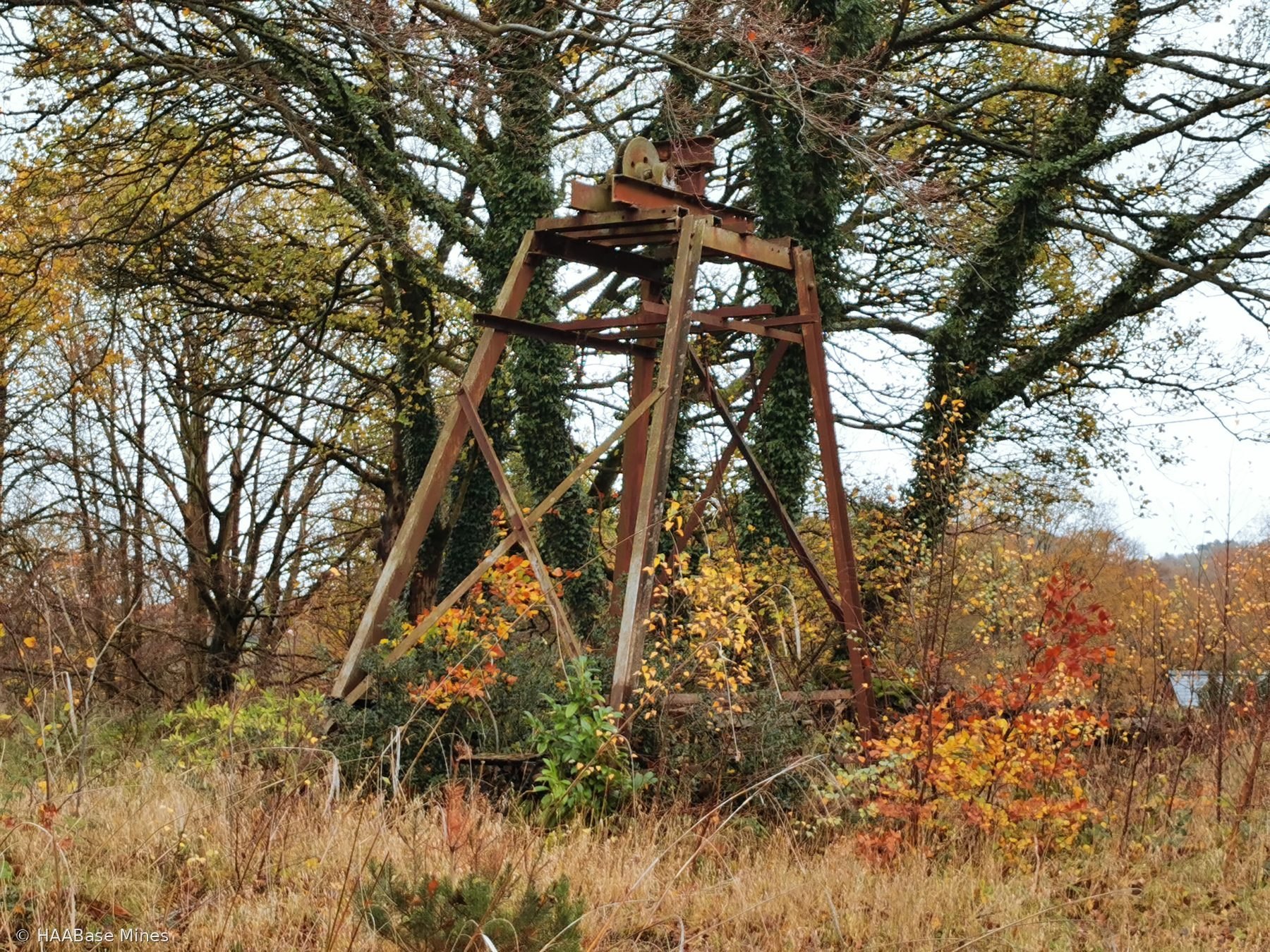
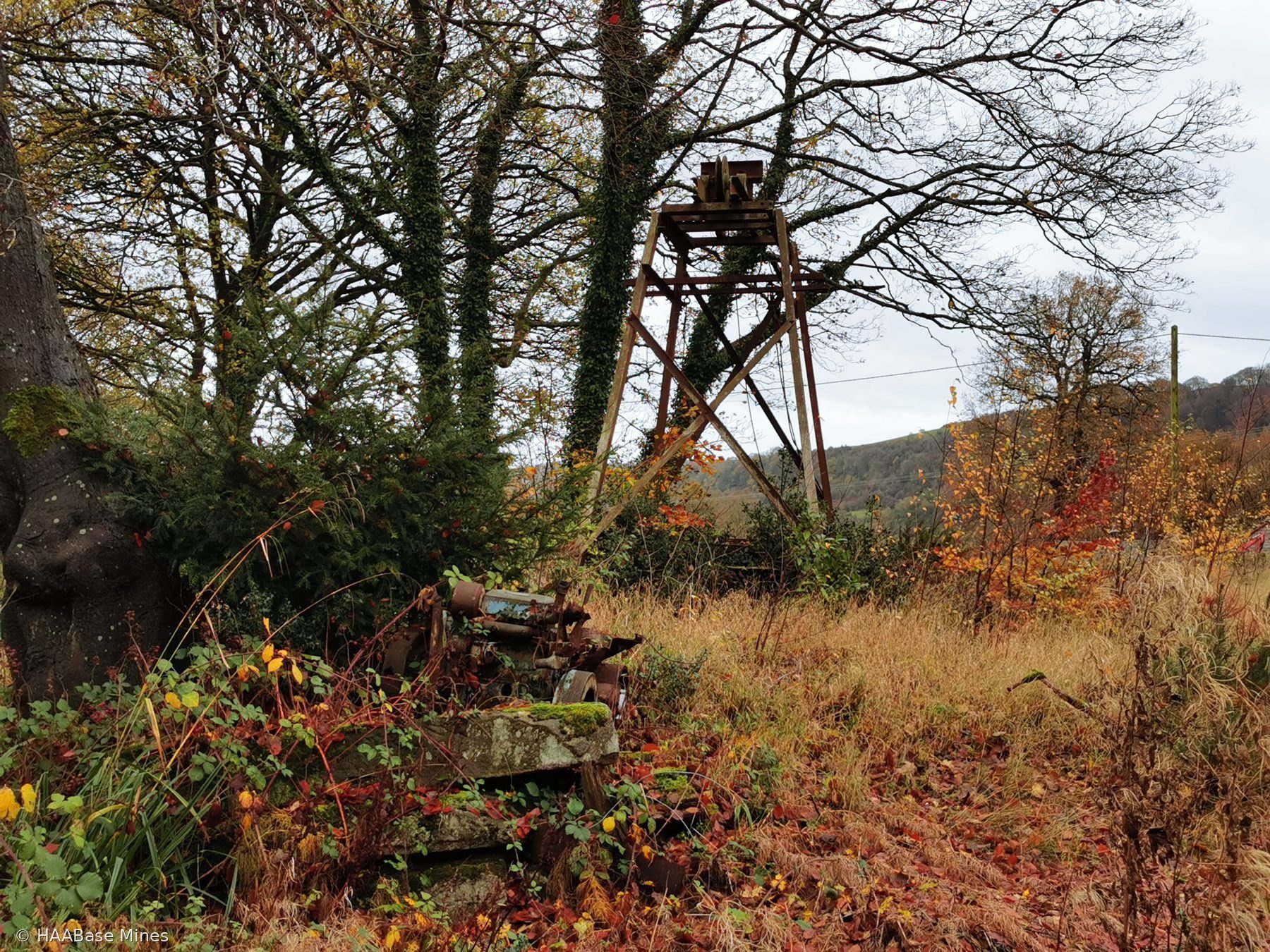
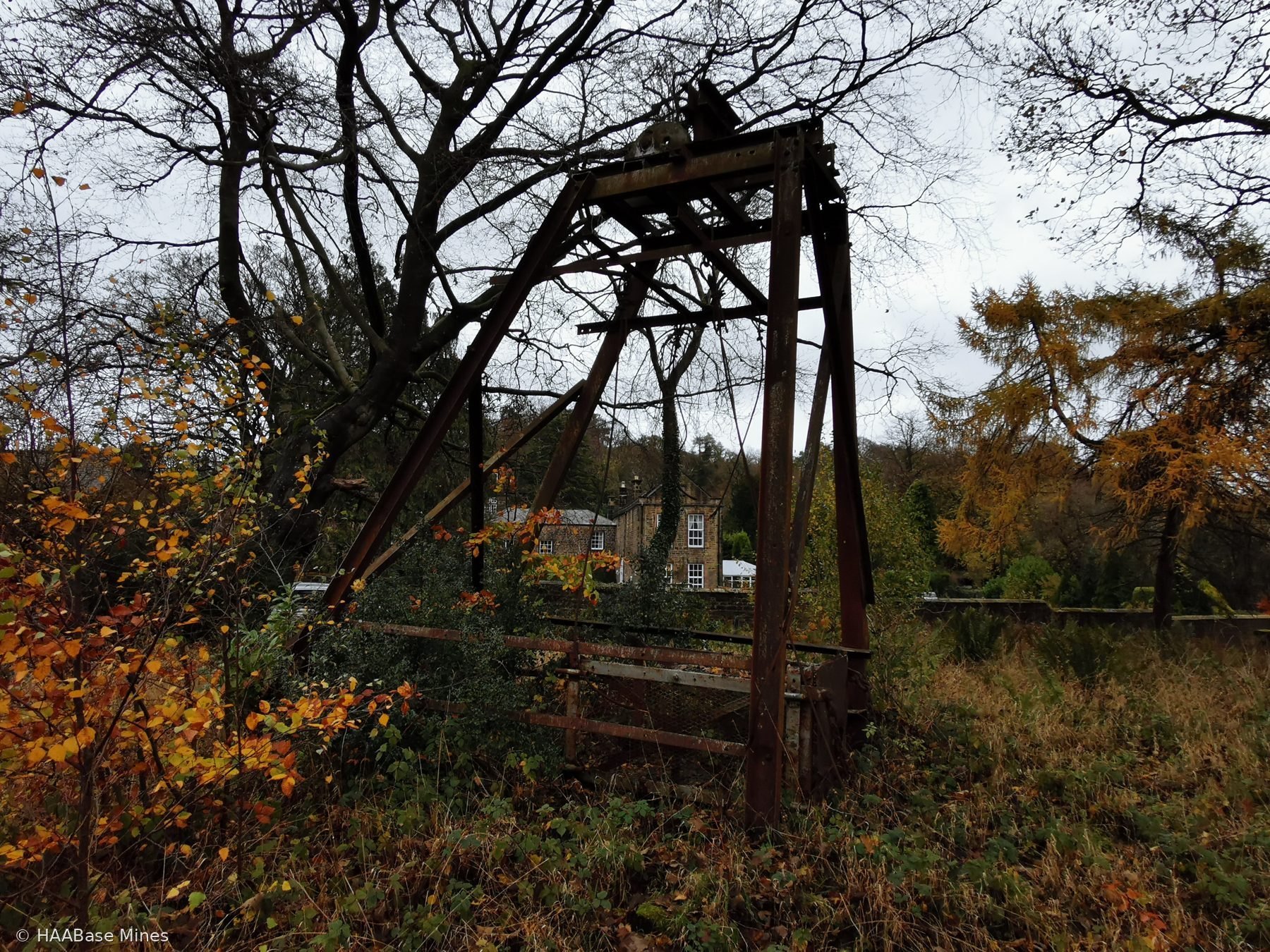
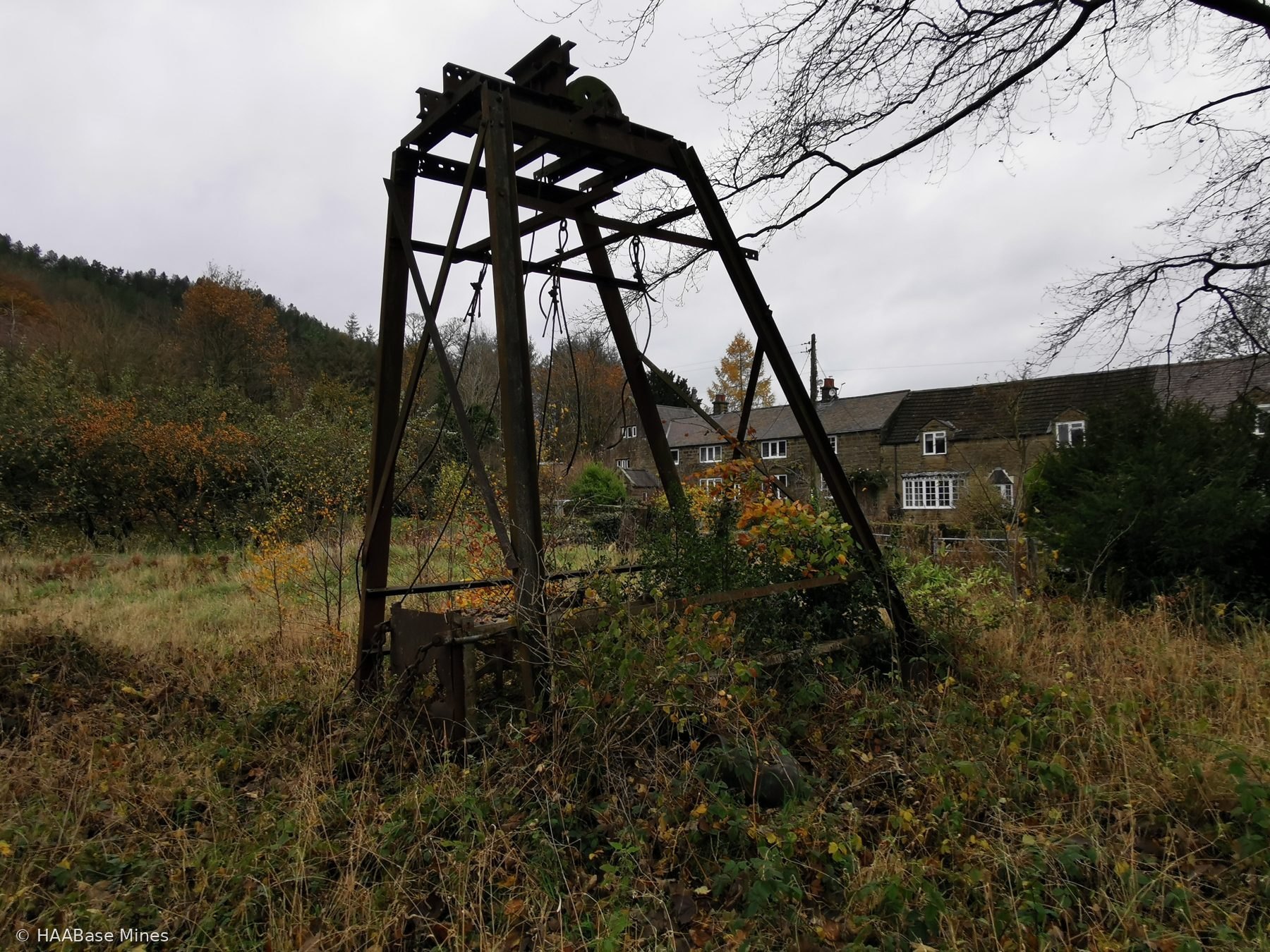
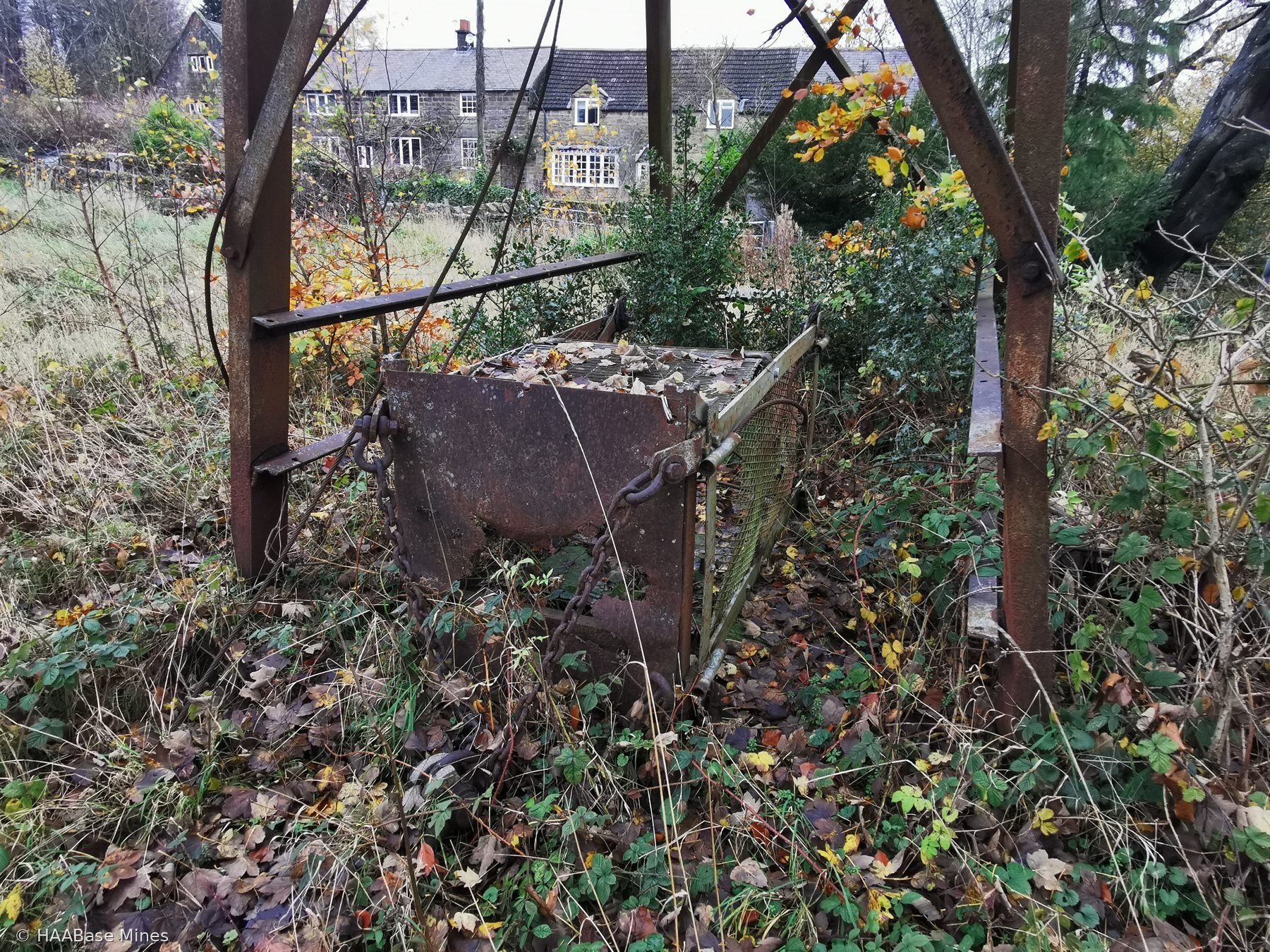
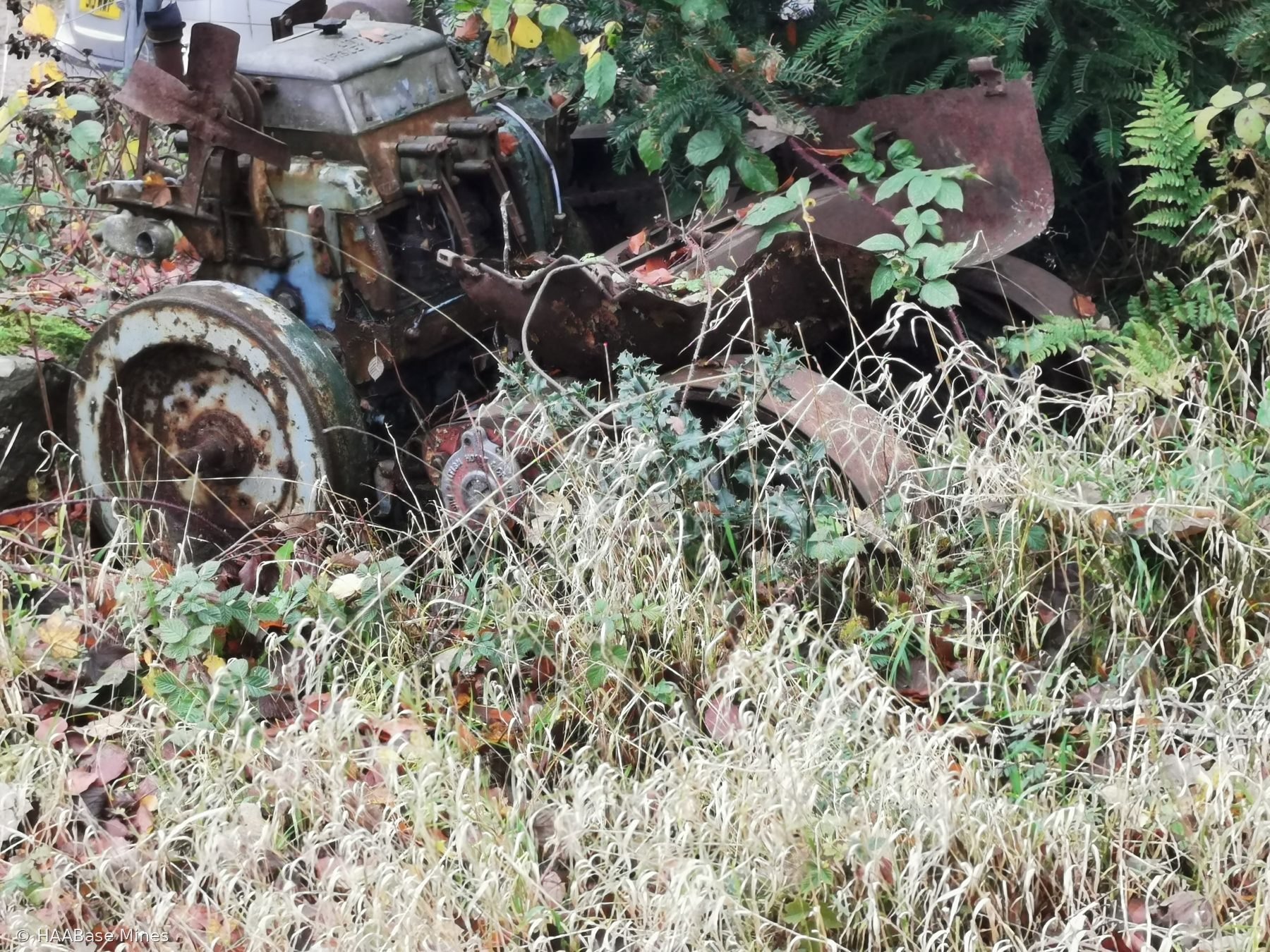
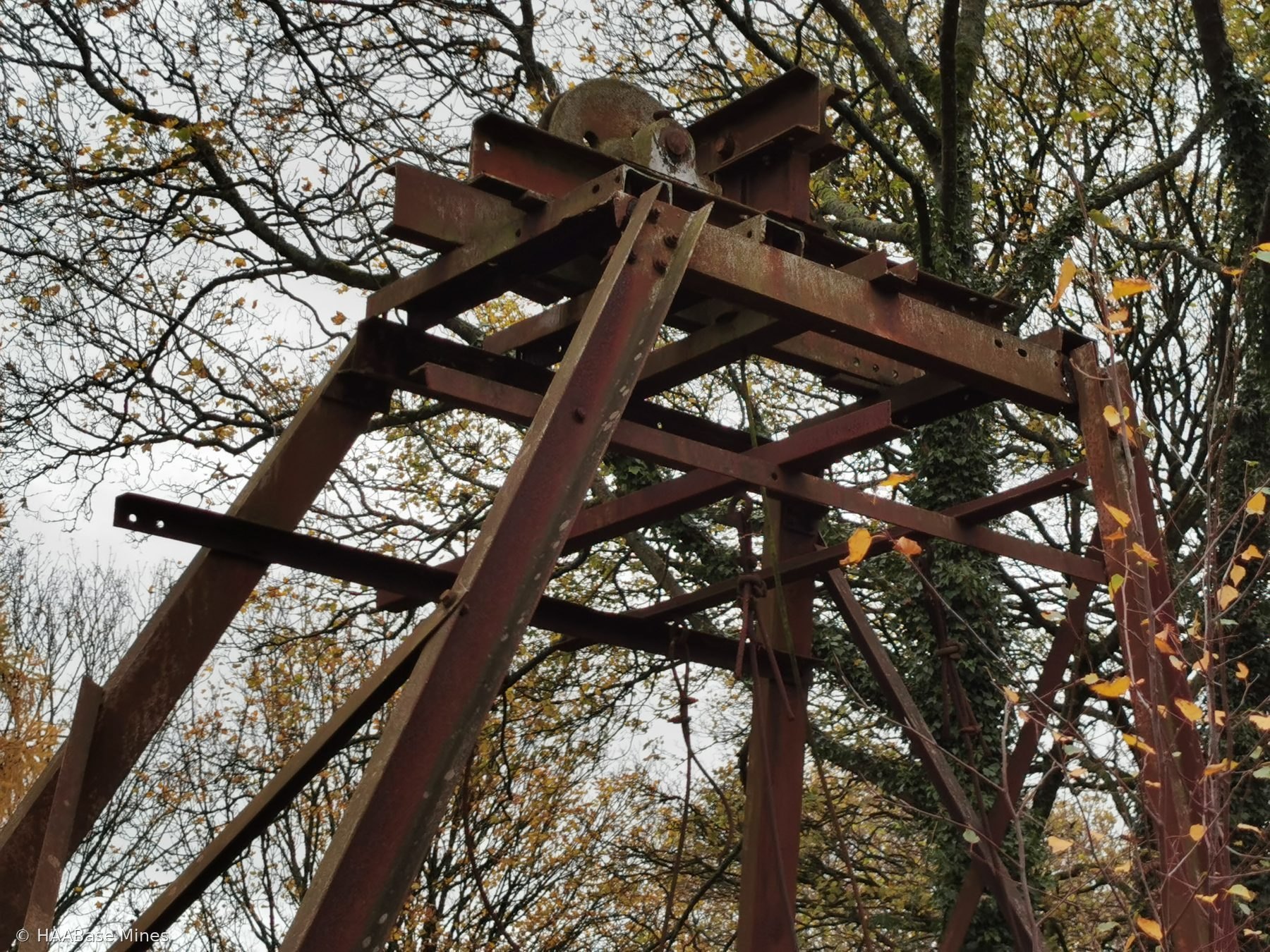
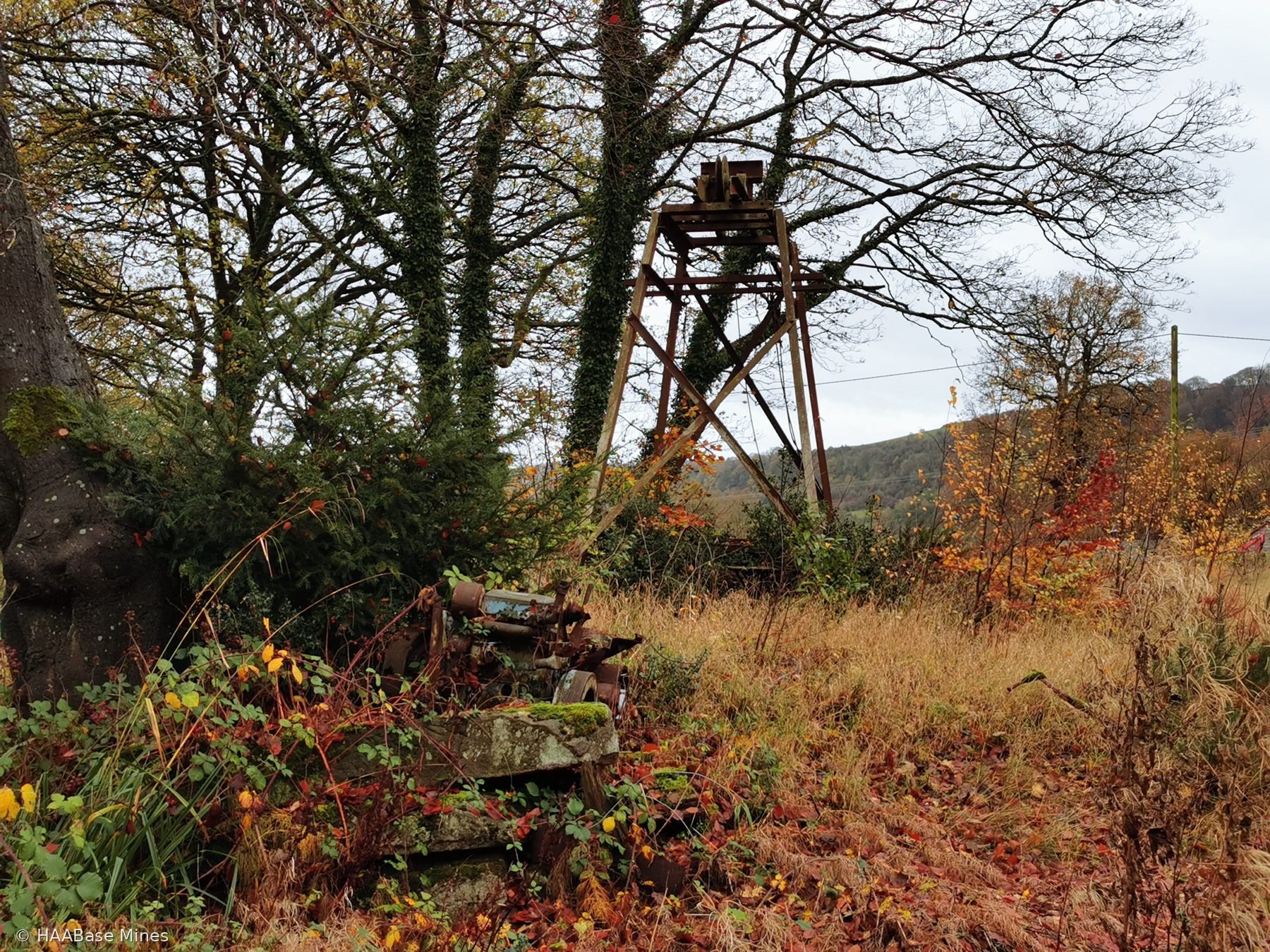
Mining at the Overton Mine site itself had closed by 1806 according to one source account, with geological and flooding problems being decisive. The site was reopened in the 1960s as a small private venture for fluorspar extraction. The fluorspar worked during this phase had originally been discarded as waste by earlier lead miners, and was recovered from the mine floor, bagged, and hauled to the surface. The operation employed an eighty-foot shaft fitted with headstocks, a winder, and a cage. When the fluorspar venture ceased — the precise date is not recorded in the consulted sources — the headstocks, winder, and cage remained in situ, described by a 2020 observer as a surviving headframe with the winder and cage still in place, noted as a rare industrial survivor. Former fluorspar workers were recorded on film revisiting the site more than thirty years after their employment there. The mine shaft was accessible to explorers via the private property of the mine owners at the time of the documentary recording.