Site overview

Overton Mine at Ashover in North East Derbyshire is a former lead and fluorspar working situated on the Overton Hall estate, whose mineral history extends back at least to the seventeenth century. Lead was mined at Overton as part of the workings associated with the once highly profitable Gregory Mine, with the deposits leased from Sir Joseph Banks of Overton Hall. Following the closure of the Gregory Mine complex in 1806 due to geological and flooding difficulties, the Overton workings lay dormant until the 1960s, when a small private venture reopened the site for fluorspar extraction.

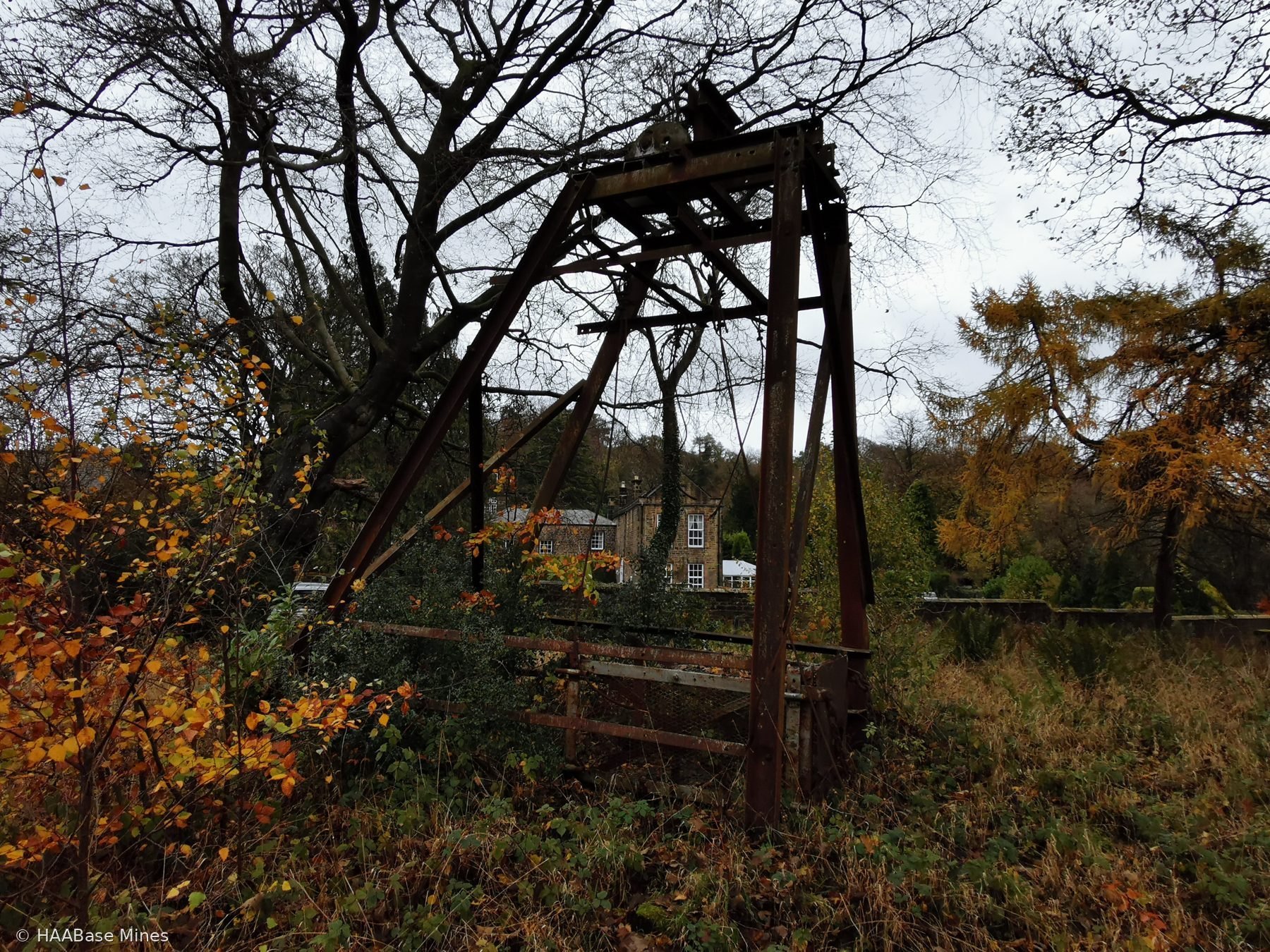
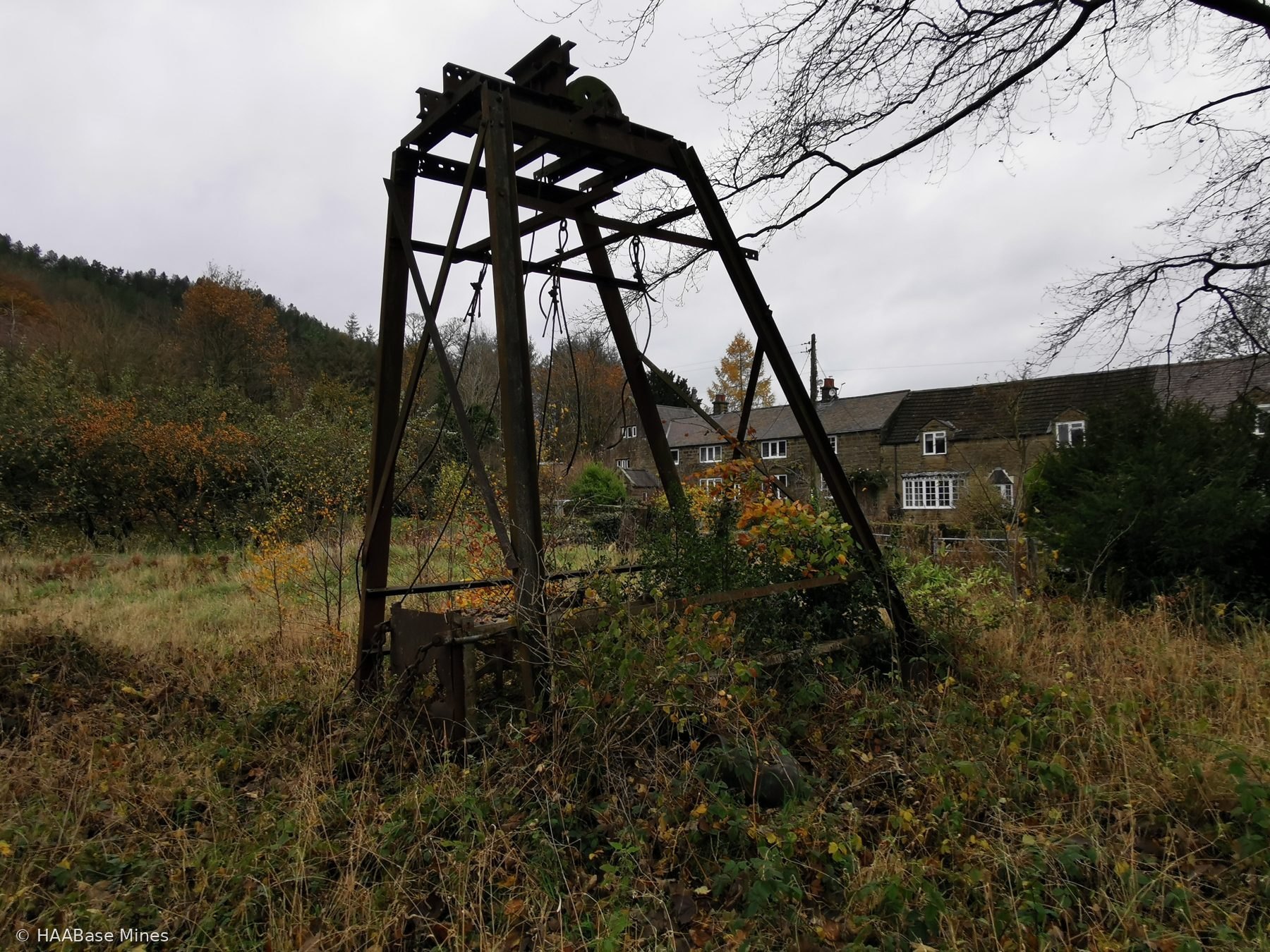
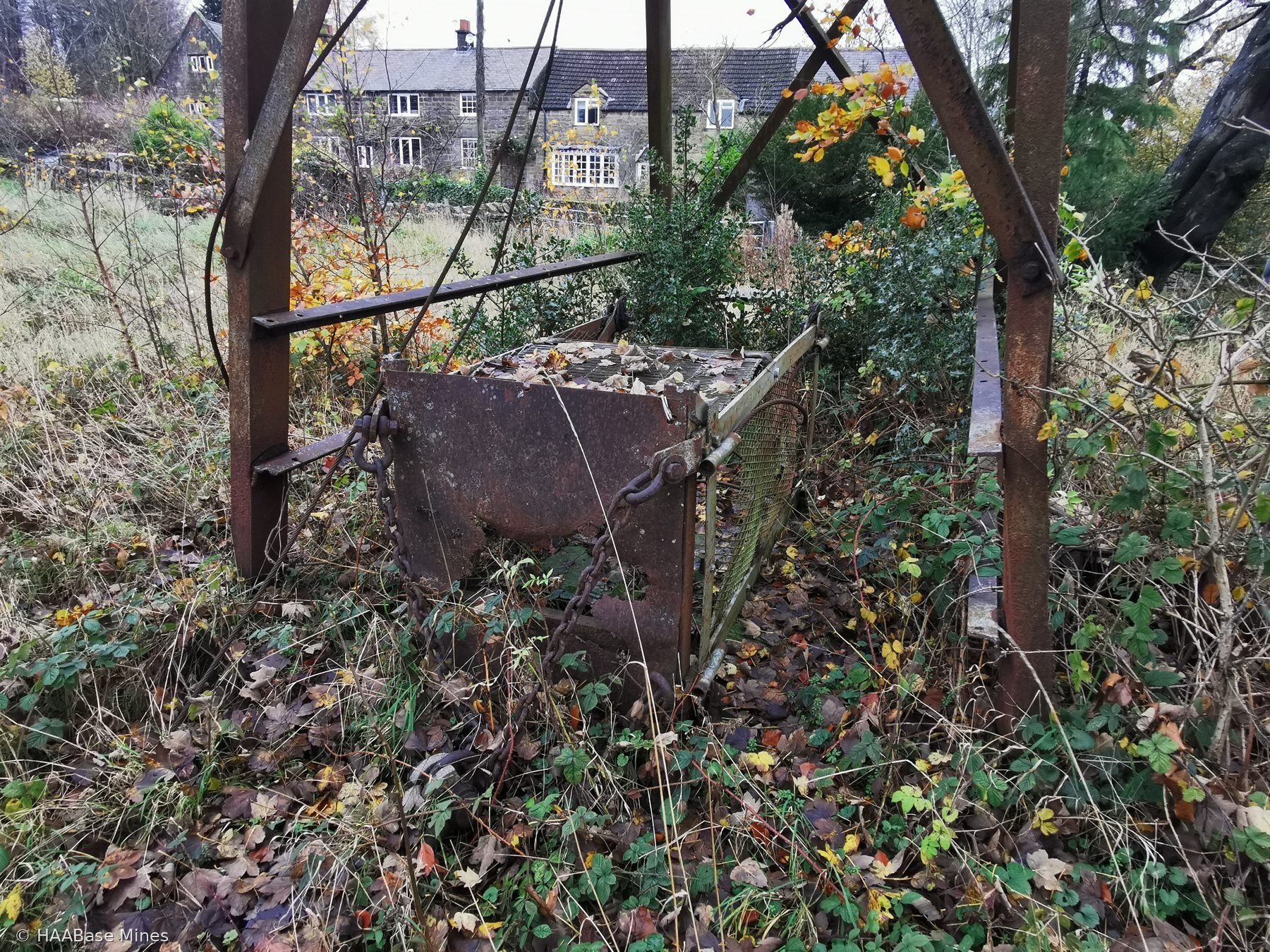
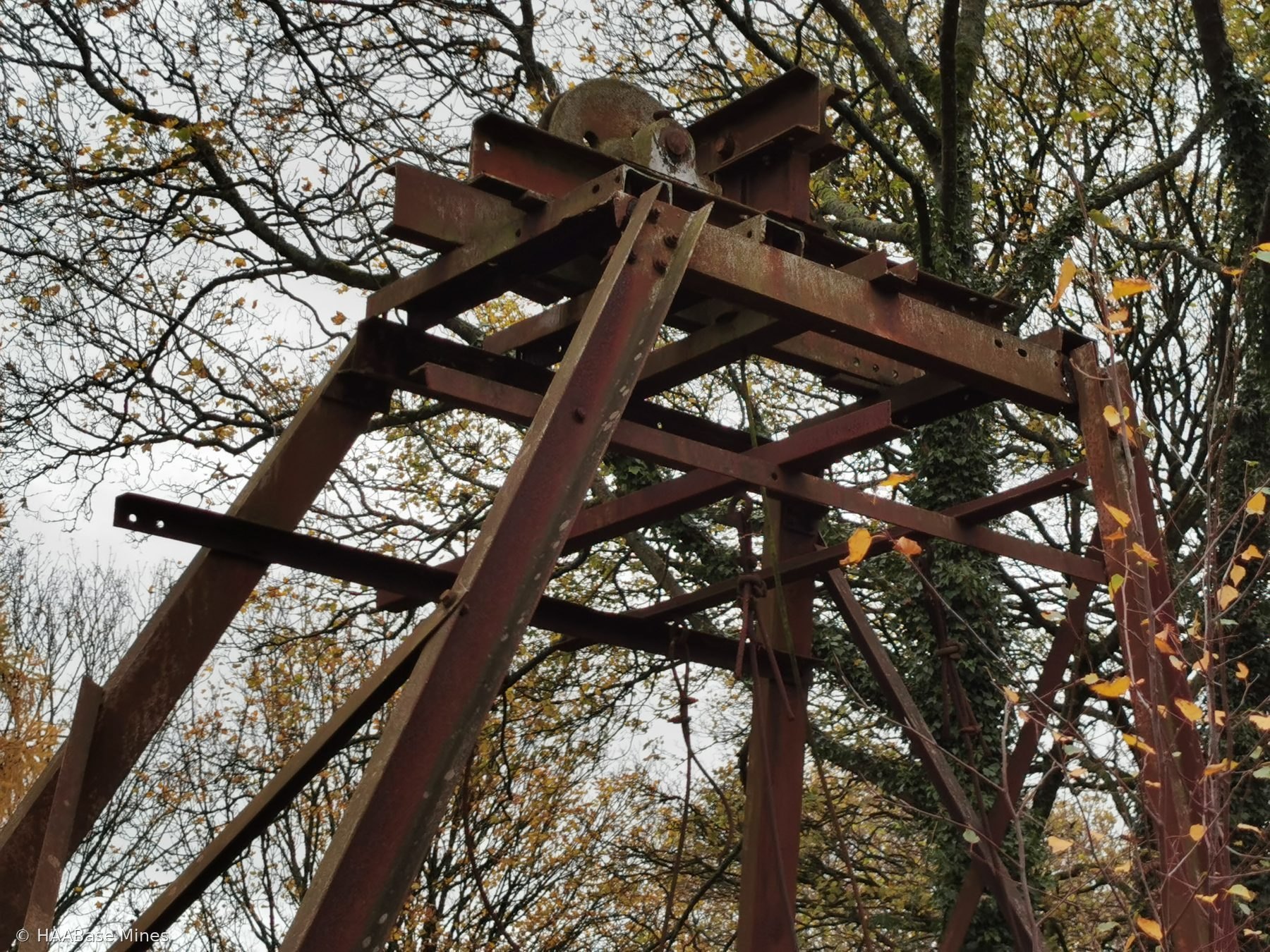
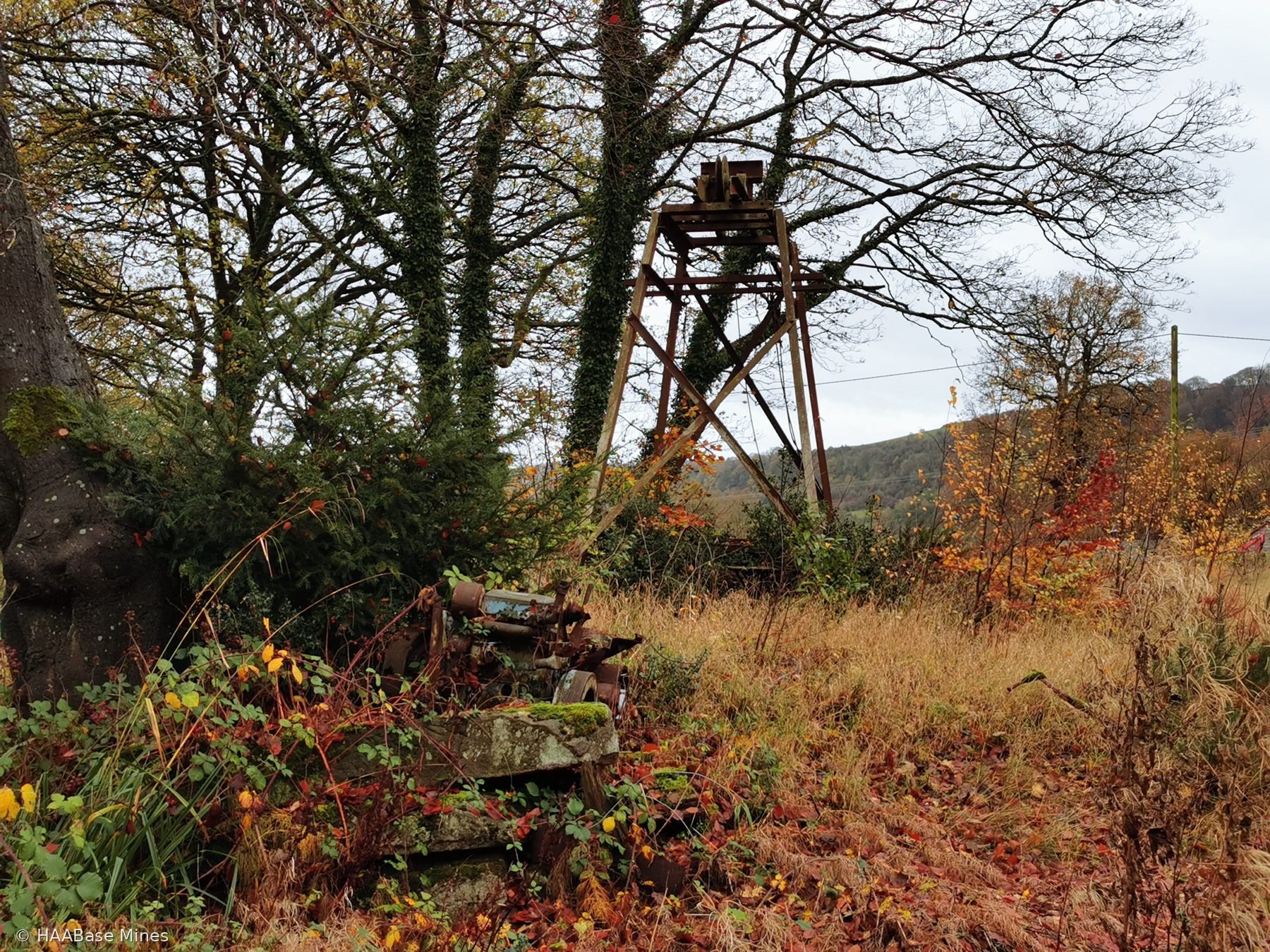
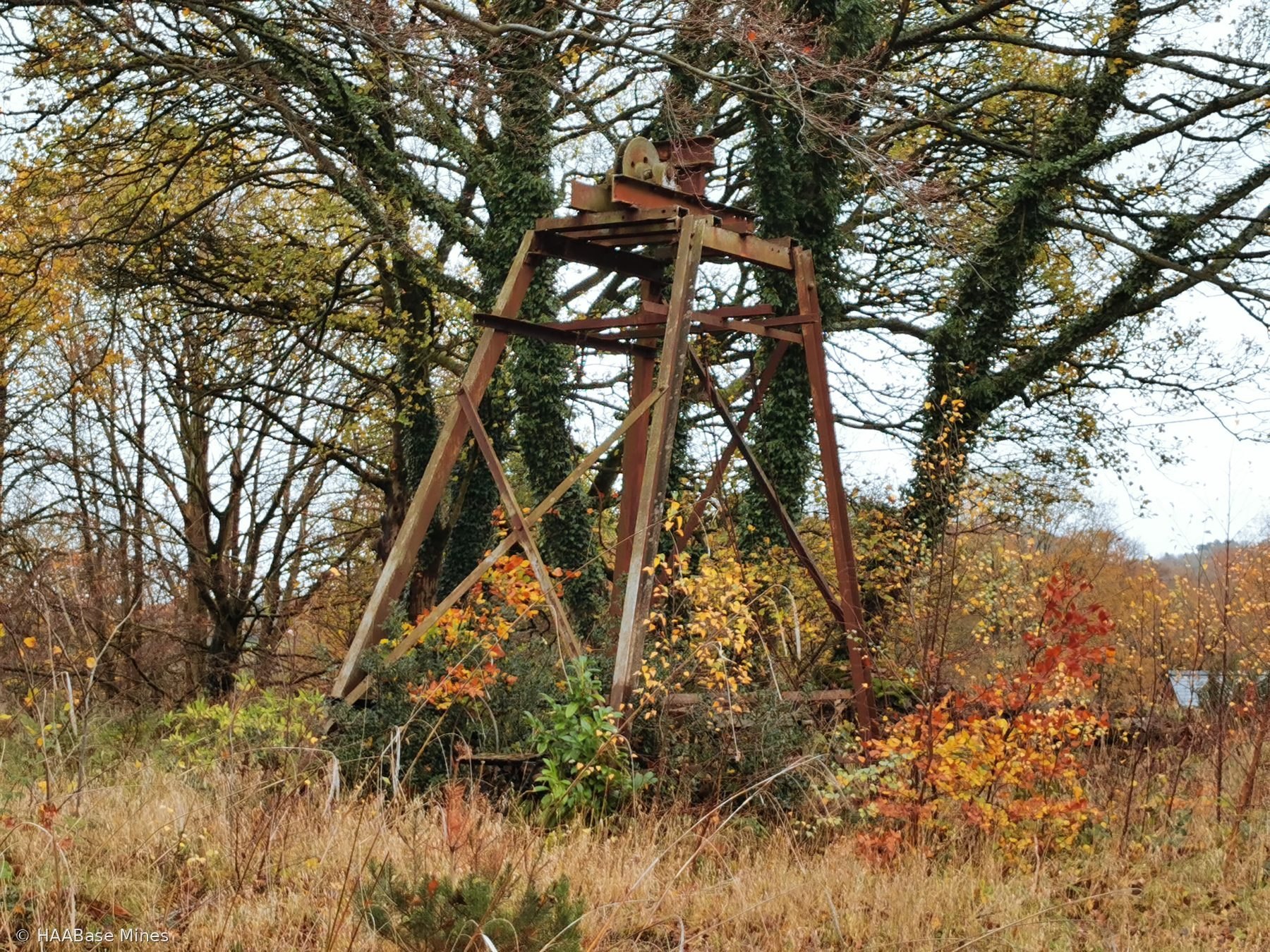
The fluorspar, originally discarded as waste by earlier lead miners, was collected from the mine floor, bagged, and hauled to the surface for processing. This twentieth-century operation employed a shaft of approximately eighty feet depth with headstocks, a winder, and a cage, which remained in situ after the venture ceased. Three former workers were interviewed on record revisiting the rusting headstocks more than thirty years after their working days there.

The site remained accessible to mine explorers via the shaft in the property of the mine owners.

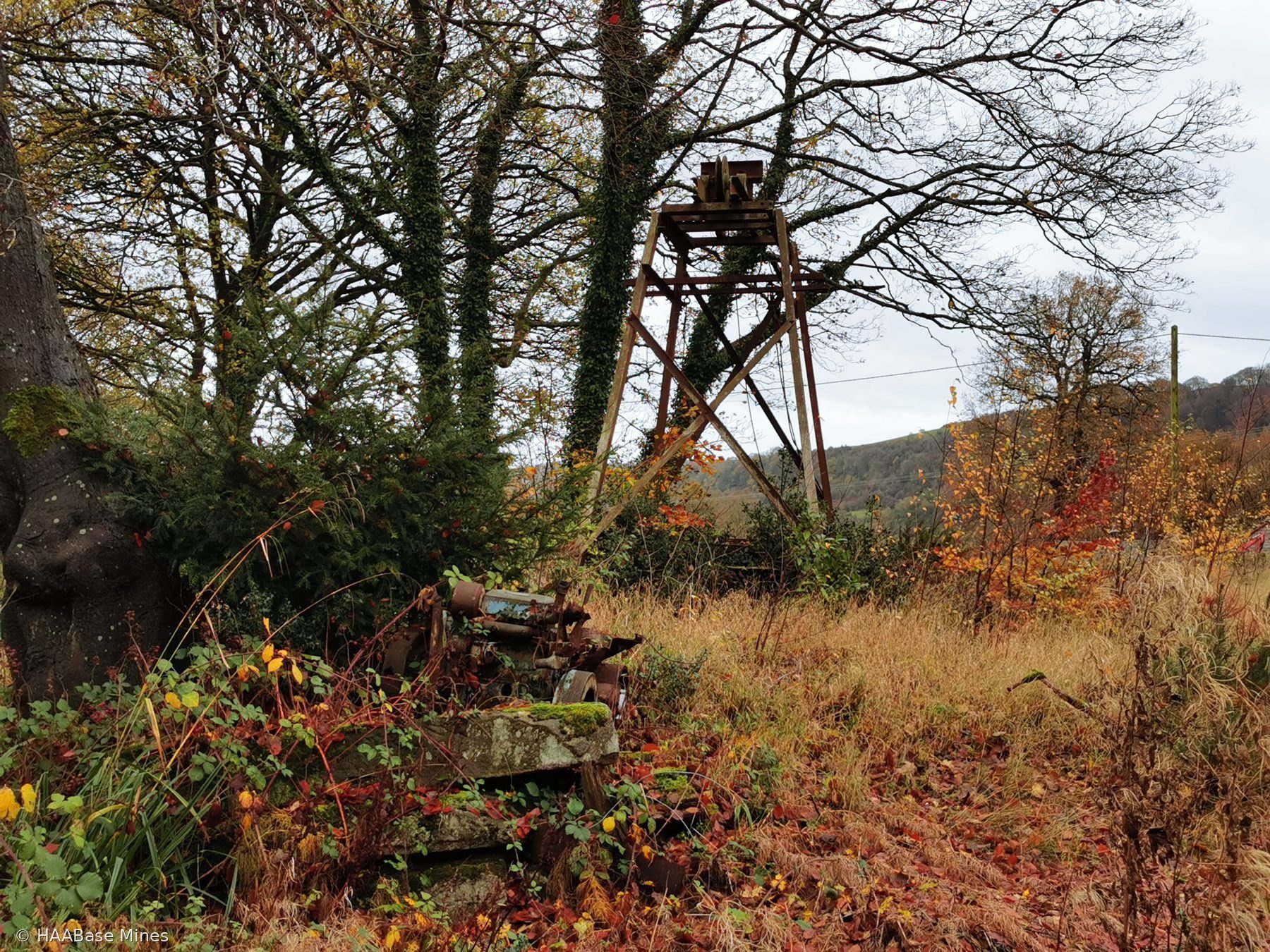
Set in open countryside on an estate landscape, the surviving headstocks read as a small and isolated remnant within a quiet rural setting.

Map & photo

Overton Mine mine headframe or winding tower site
Photograph taken: 11 November 2025
Map markers and directions links are provided for location reference only and do not indicate public access or permission to enter a site.

History

Lead has been mined in the Ashover district of North East Derbyshire since at least the seventeenth century. The Overton Mine is part of the wider Gregory Mine complex centred on Overton Hall, whose workings were formally organised from 1734 when the Nether Sough Company was formed to exploit the vein originally associated with the Gregory family of Ravens Nest Farm. The minerals were leased from Sir Joseph Banks of Overton Hall, a prominent naturalist who had sailed with Captain Cook and was a regular visitor to his Derbyshire estate.

During the peak years of the Gregory Mine between 1758 and 1803, the complex yielded an average of 1,511 tons of lead ore annually and generated shareholder profits exceeding £100,000 after costs. Output topped 1,000 tons in 1767, generating profits of £15,024 in that year alone. Several steam engines were installed by the Thompson family to combat flooding, including a first pumping engine erected in 1768 and a more powerful replacement erected above Cocking Tor by 1779. Shafts reached substantial depths: the shaft north-west of Ravens Nest House descended to 120 yards and the New Engine shaft west of Cocking Tor reached 365 yards. Despite a further shaft commenced in 1790 and a new vein discovered in 1797, the enterprise was wound down and the Gregory Mine formally closed in 1803.

The Overton workings, identified as part of the broader Gregory complex, continued to be associated with the estate as it passed through successive owners. The Clay Cross Company purchased the Overton Hall estate in 1918, interested primarily in the mineral resources of the approximately one thousand acres of grounds, which contained fluorspar, barytes, and limestone. To transport these products to Clay Cross, the Ashover Light Railway was constructed, running directly in front of cottages on the Overton Hall estate.

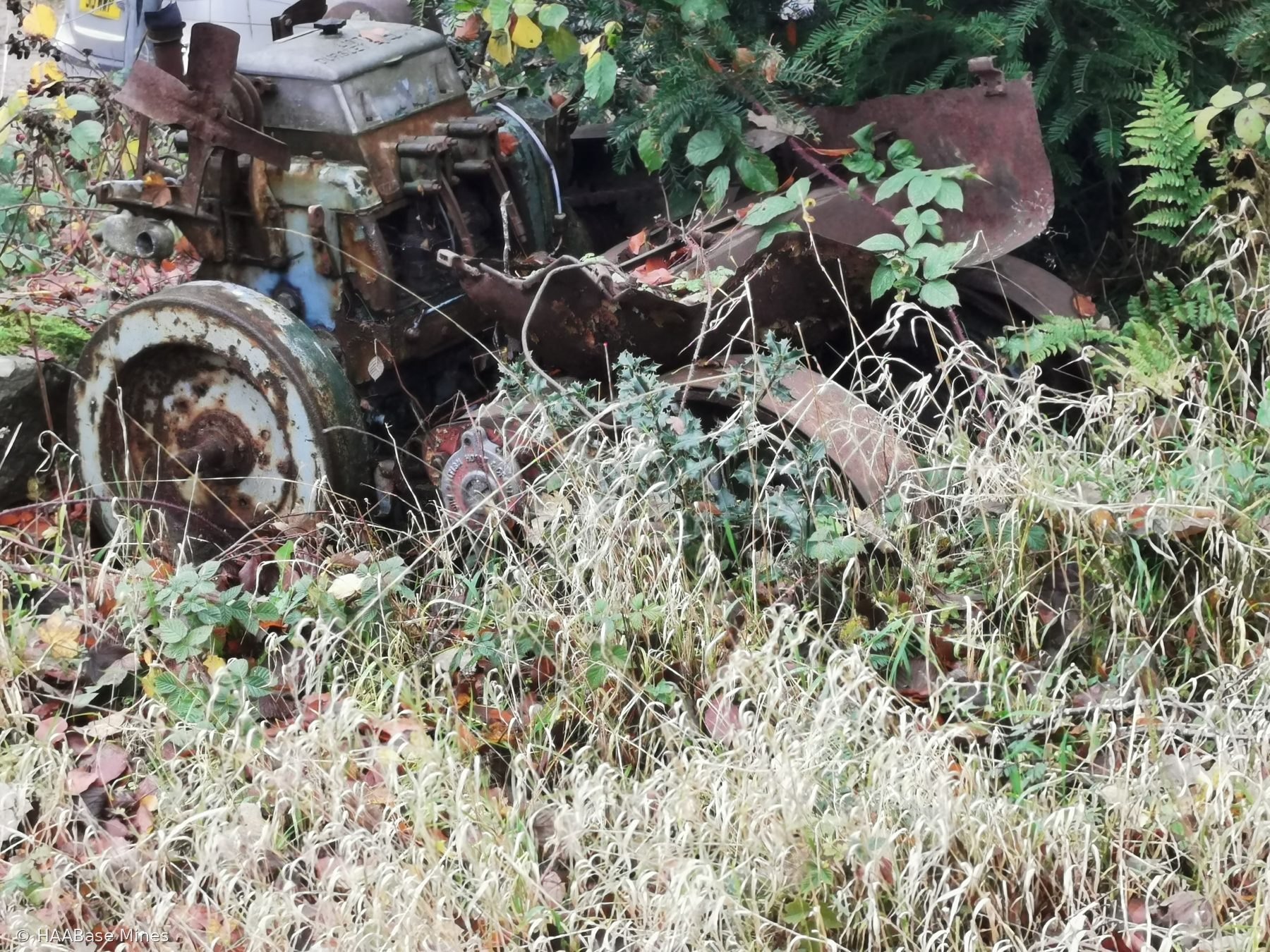
Mining at the Overton Mine site itself had closed by 1806 according to one source account, with geological and flooding problems being decisive. The site was reopened in the 1960s as a small private venture for fluorspar extraction. The fluorspar worked during this phase had originally been discarded as waste by earlier lead miners, and was recovered from the mine floor, bagged, and hauled to the surface. The operation employed an eighty-foot shaft fitted with headstocks, a winder, and a cage. When the fluorspar venture ceased — the precise date is not recorded in the consulted sources — the headstocks, winder, and cage remained in situ, described by a 2020 observer as a surviving headframe with the winder and cage still in place, noted as a rare industrial survivor. Former fluorspar workers were recorded on film revisiting the site more than thirty years after their employment there. The mine shaft was accessible to explorers via the private property of the mine owners at the time of the documentary recording.
Timeline

Closure

Fluorspar venture ceases; surface equipment left in situ

The twentieth-century fluorspar operation ceased at an unrecorded date. The headstocks, winder, and cage were left in place and remained in situ. A 2020 survey described these as a surviving headframe with winder and cage still in position.
Heritage

Documentary film record made; former workers revisit site

A documentary film record of the mine was made by David Webb of Underground Assignments, including a descent of the shaft and interviews with three former fluorspar workers revisiting the rusting headstocks more than thirty years after their working days at the mine.
1734
Legislation

Nether Sough Company formed; organised lead mining begins

The Nether Sough Company was formed in 1734 to exploit the lead vein associated with the Gregory family of Ravens Nest Farm, on land leased from the Banks family of Overton Hall. This marked the beginning of organised continuous lead mining in the Overton area.
1767
Operation

Peak output exceeded 1,000 tons; profits £15,024

Output topped 1,000 tons in 1767 and profits for that year were a recorded £15,024 8s. 10d., reflecting the height of the Gregory Mine's commercial success.
1768
Construction

First steam pumping engine erected

The first steam engine was erected in 1768 to lift floodwater from the mine to the drainage level by means of slide rods, addressing deepening flooding problems.
1779
Construction

Second, more powerful steam engine erected above Cocking Tor

Flooding worsened by 1779 and a more efficient steam pumping engine was erected above Cocking Tor on the site later occupied by Old Engine Farm, as the earlier engine could no longer cope.
1784
Operation

General decline in output and profits begins

From 1784 output and profits at the Gregory Mine were substantially reduced due to the impoverishment of the vein and the costs incurred during the search for richer ore.
1790
Construction

New shaft commenced west of New Engine Shaft

A last attempt to make the mine profitable was made in 1790 when a new shaft was commenced to the west of the New Engine Shaft.
1797
Exploration

New vein discovered but insufficient to restore profitability

A new vein was discovered in 1797 but it was not sufficient to offset the accumulated losses and reverse the decline of the operation.
1803–1806
Closure

Gregory Mine complex closed

The Gregory Mine formally closed in 1803 after more than seventy years of working; one source gives the final closure of the associated Overton workings as 1806. Geological exhaustion and persistent flooding were the decisive factors.
1918
Legislation

Clay Cross Company purchases Overton Hall estate

The Clay Cross Company purchased the Overton Hall estate in 1918 for its mineral resources, including fluorspar, barytes, and limestone. The Ashover Light Railway was built to transport these products to Clay Cross.
1960
Operation

Mine reopened for fluorspar extraction

The Overton Mine was reopened in the 1960s as a small private venture to recover fluorspar, originally discarded as waste by earlier lead miners. The material was collected from the mine floor, bagged, and hauled to the surface via an eighty-foot shaft fitted with headstocks, a winder, and a cage.

Sources and records

Underground Assignments documentary film record: Overton Mine: A Mine and its Miners, David Webb
Mindat.org locality record: Overton Hall Mine (Overton Mine), Overton Hall, Ashover
Mindat.org locality record: Gregory Mine, Overton Hall, Ashover
Derbyshire Postcards: Overton Hall historical notes
28DaysLater urban exploration forum: Headstocks survey report, 2020
Derbyshire Mines blog, May 2017: Gregory Mine, Ashover
Great British Life: Exploring the mines and minerals of Derbyshire
This researched site record is part of the HAABase Mines database. Normal personal research and browsing is welcome. Automated bulk extraction, republication, or harvesting of site text and images is not permitted without written consent.