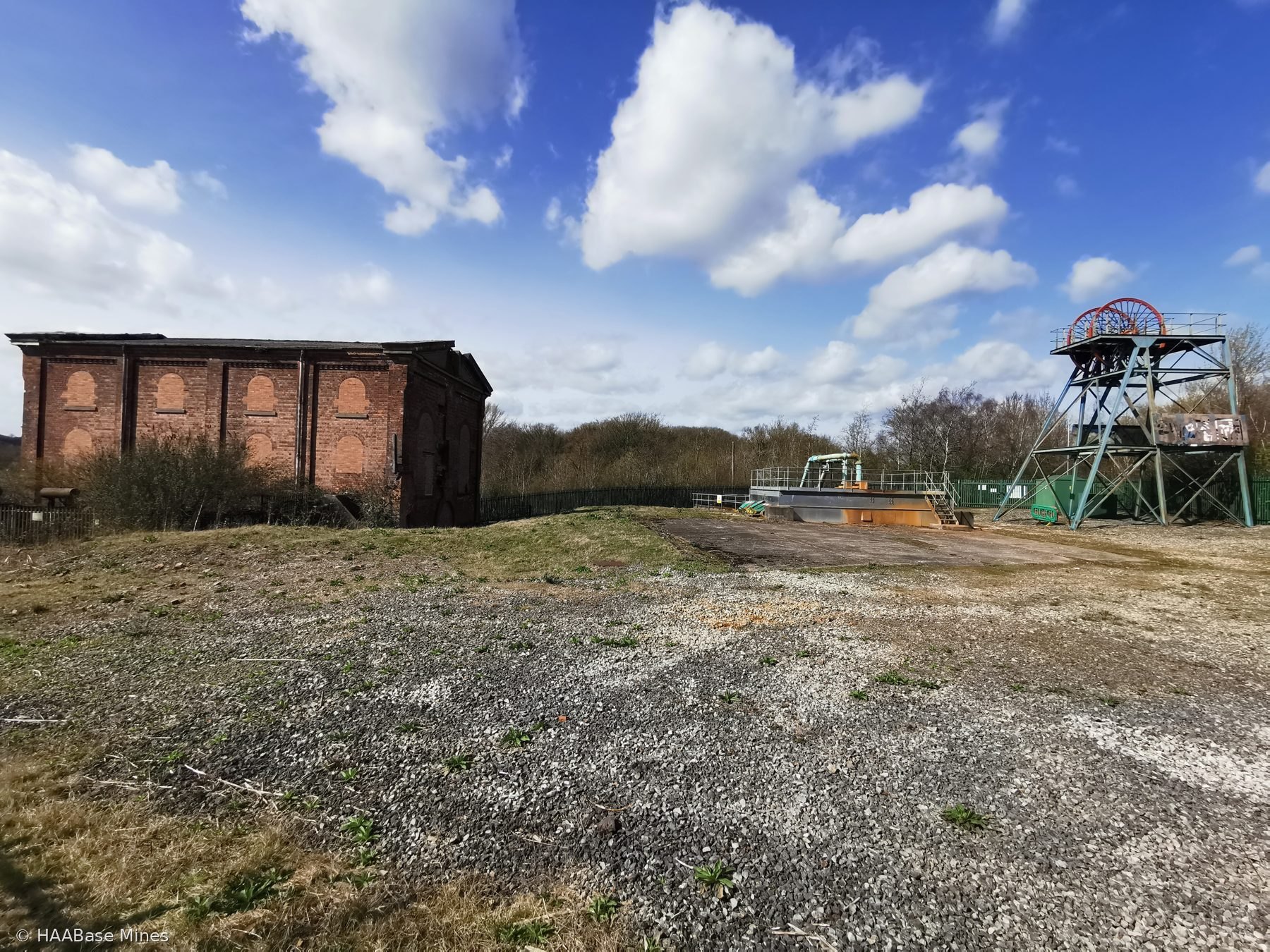
Site overview

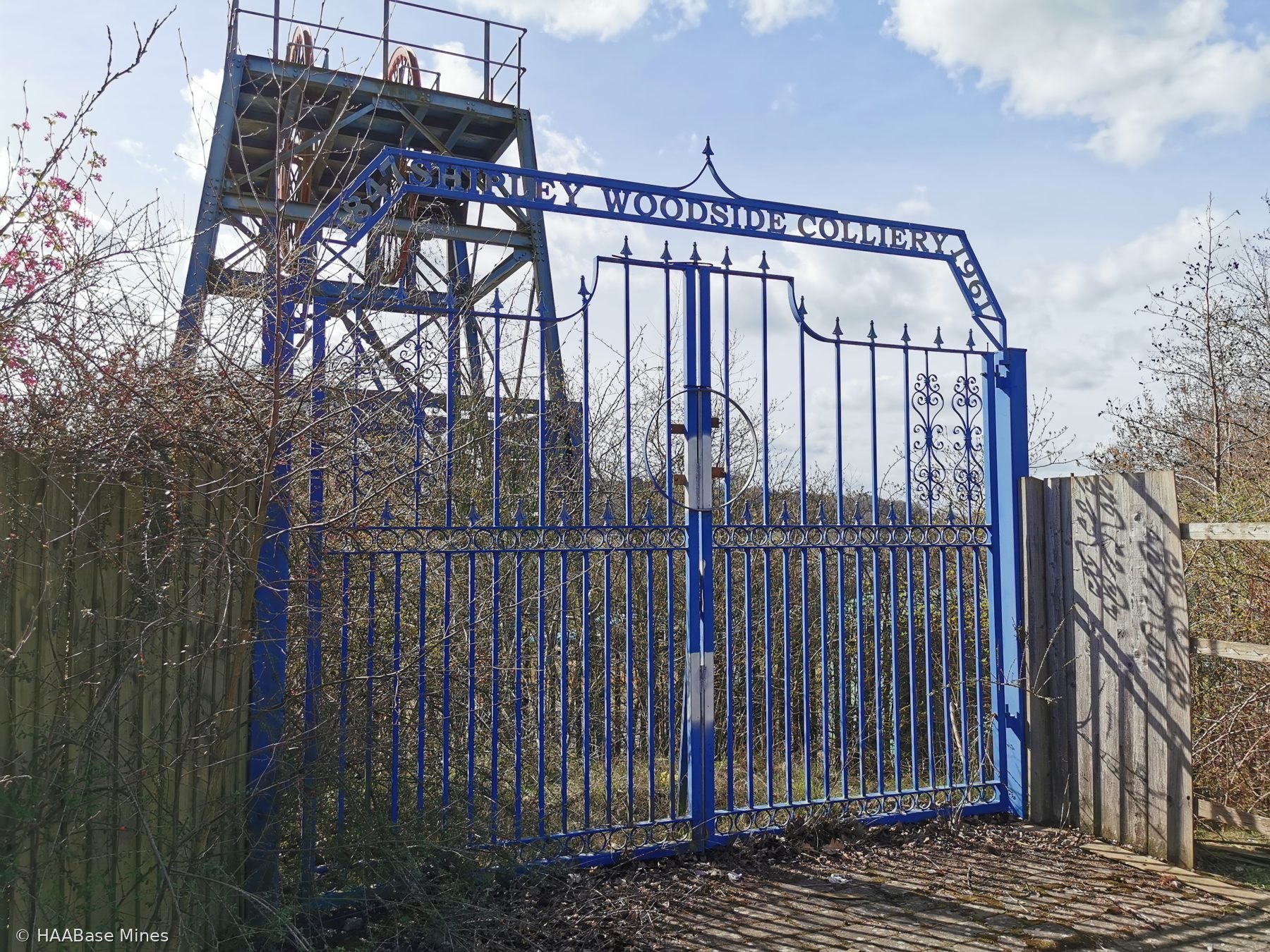
Woodside Colliery formed part of the Shipley Colliery complex in Amber Valley, Derbyshire, an estate with coal mining activity traceable from the sixteenth century on land belonging to the Miller-Mundy family. Large-scale organised extraction at Shipley expanded significantly from 1734 and further from 1830 when shafts were sunk to the Waterloo and Deep Hard seams. The colliery complex eventually comprised three pits working fifteen seams of coal across 176 acres with thirty railway sidings.

Following the death of Alfred Edward Miller Mundy in 1920, the Shipley Colliery Company assumed full control and operated the mines until nationalisation in 1947, when the National Coal Board took over. Woodside and the associated Coppice pit were closed in the 1960s as uneconomical, ending more than 250 years of deep mining at Shipley. The Woodside no.3 shaft was retained as a minewater control pumping station.

After reclamation works by the National Coal Board between 1970 and 1974, the land was transferred to Derbyshire County Council and opened as Shipley Country Park in 1976.

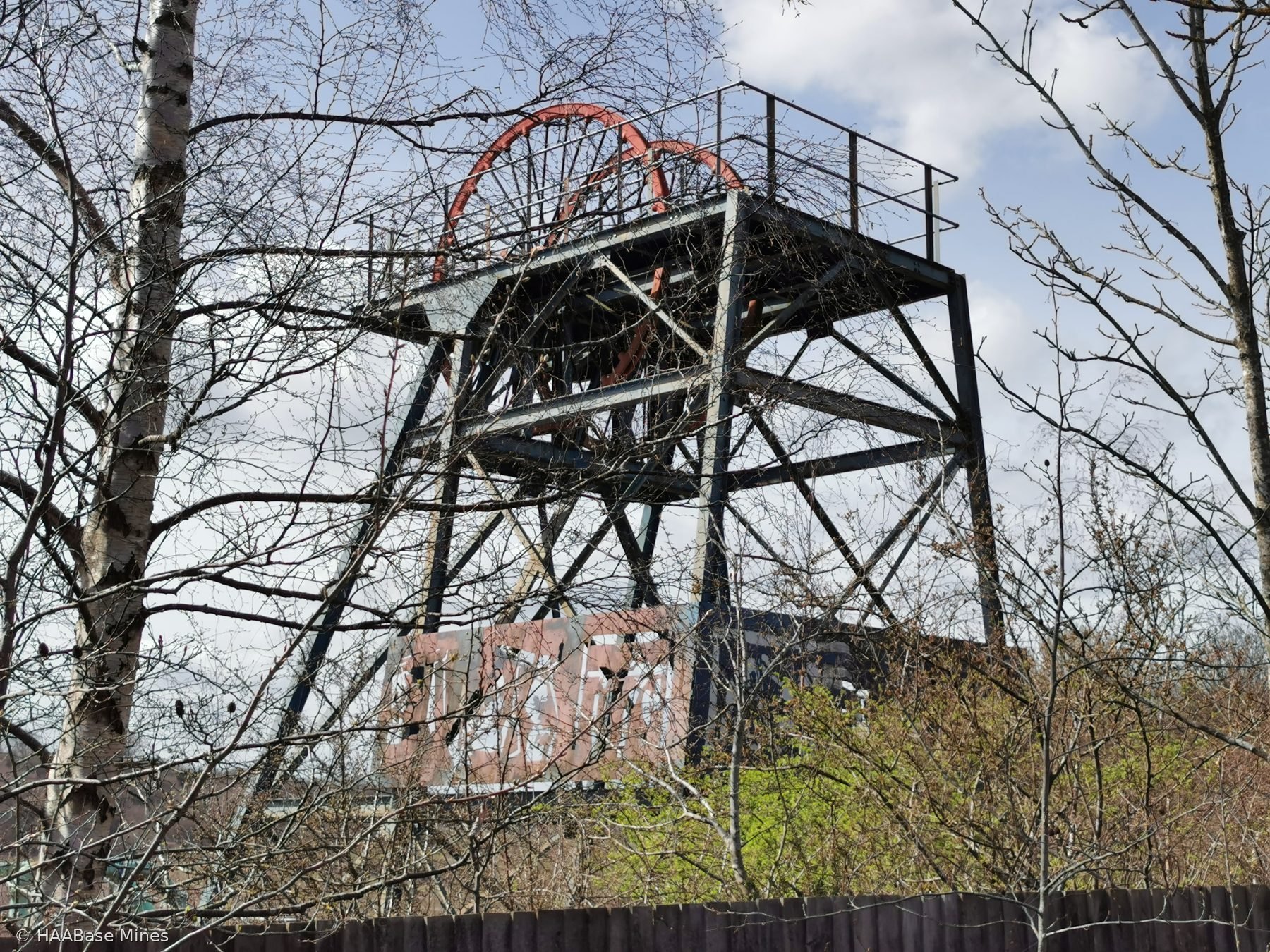
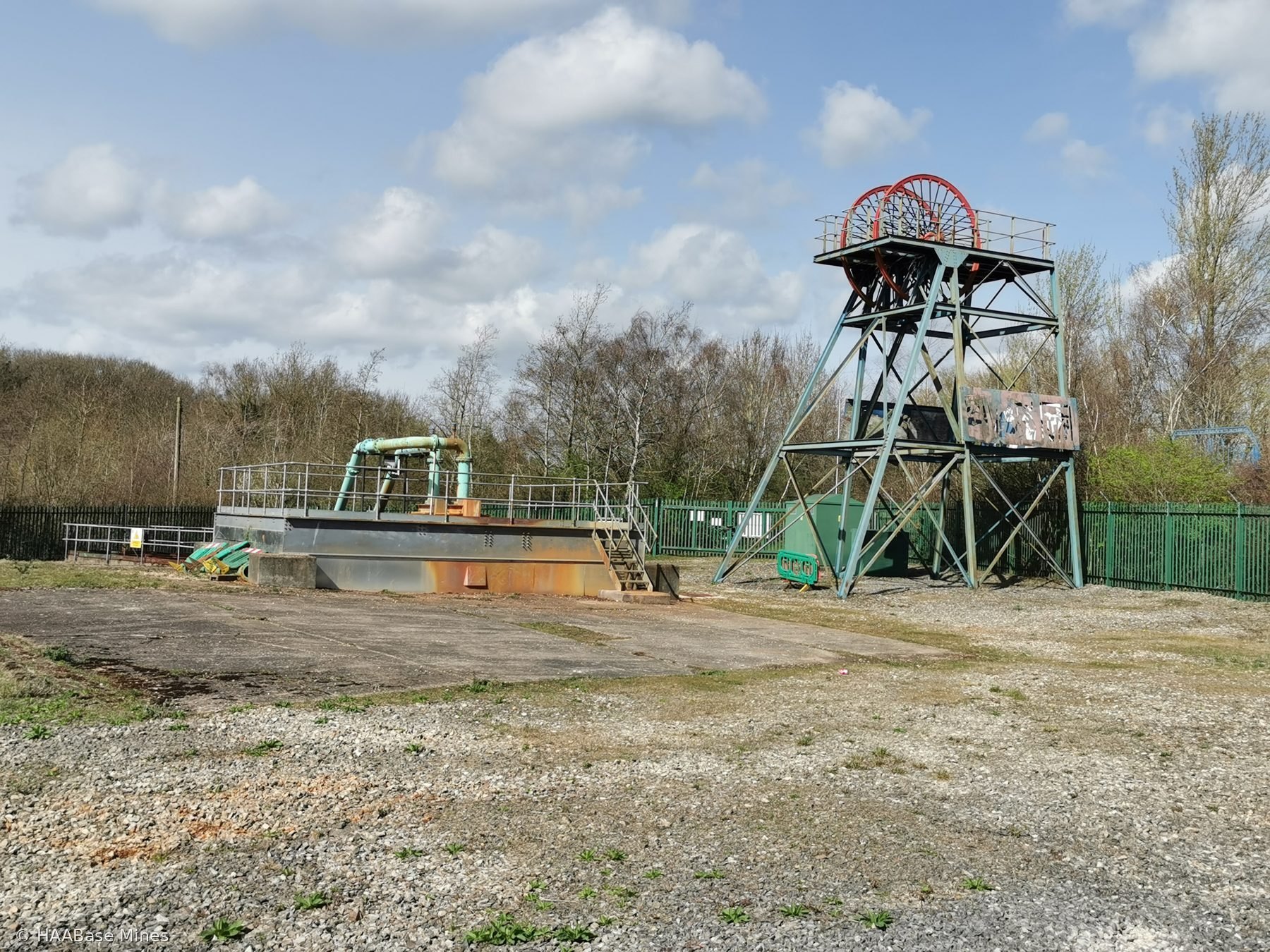
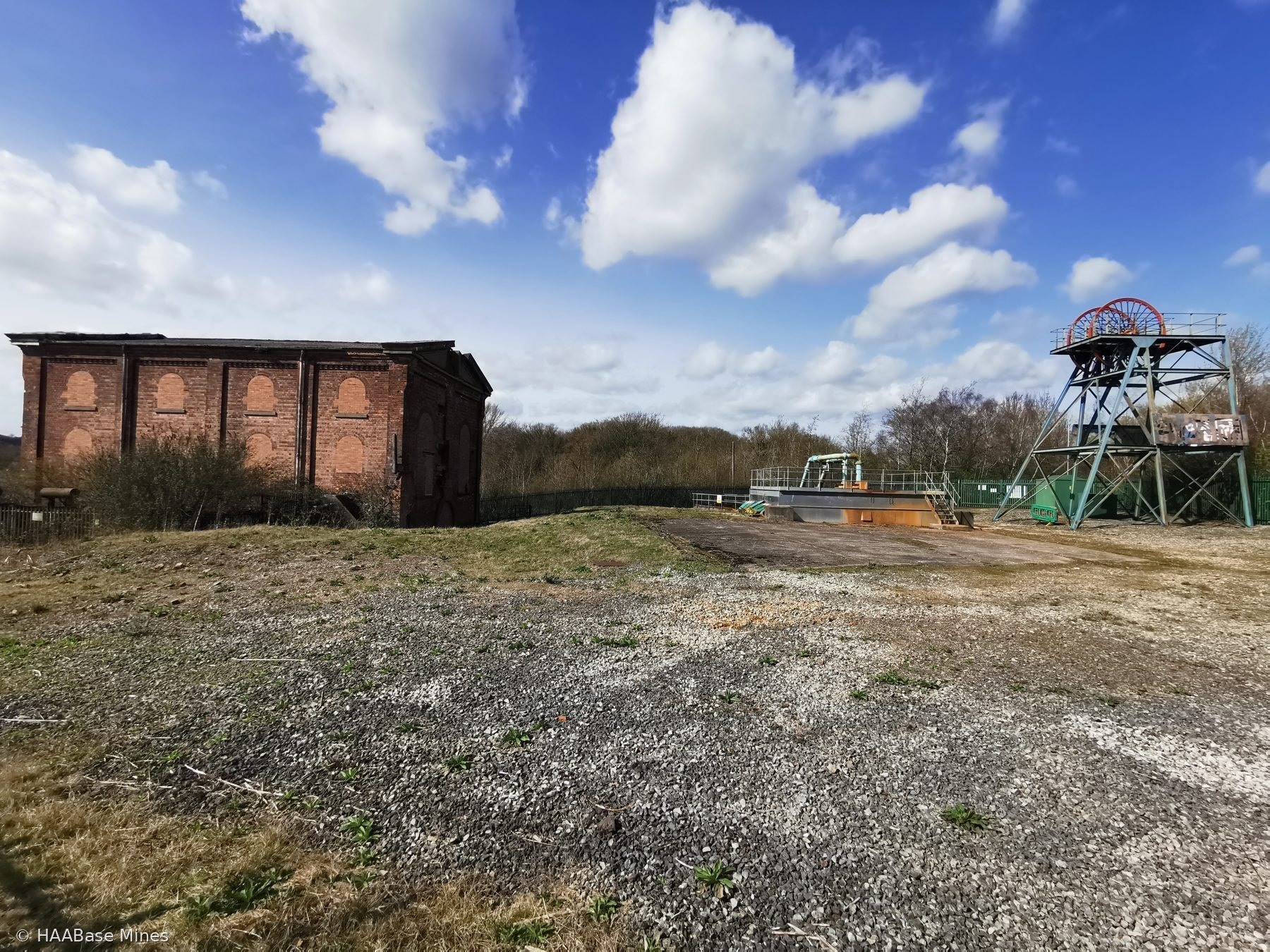
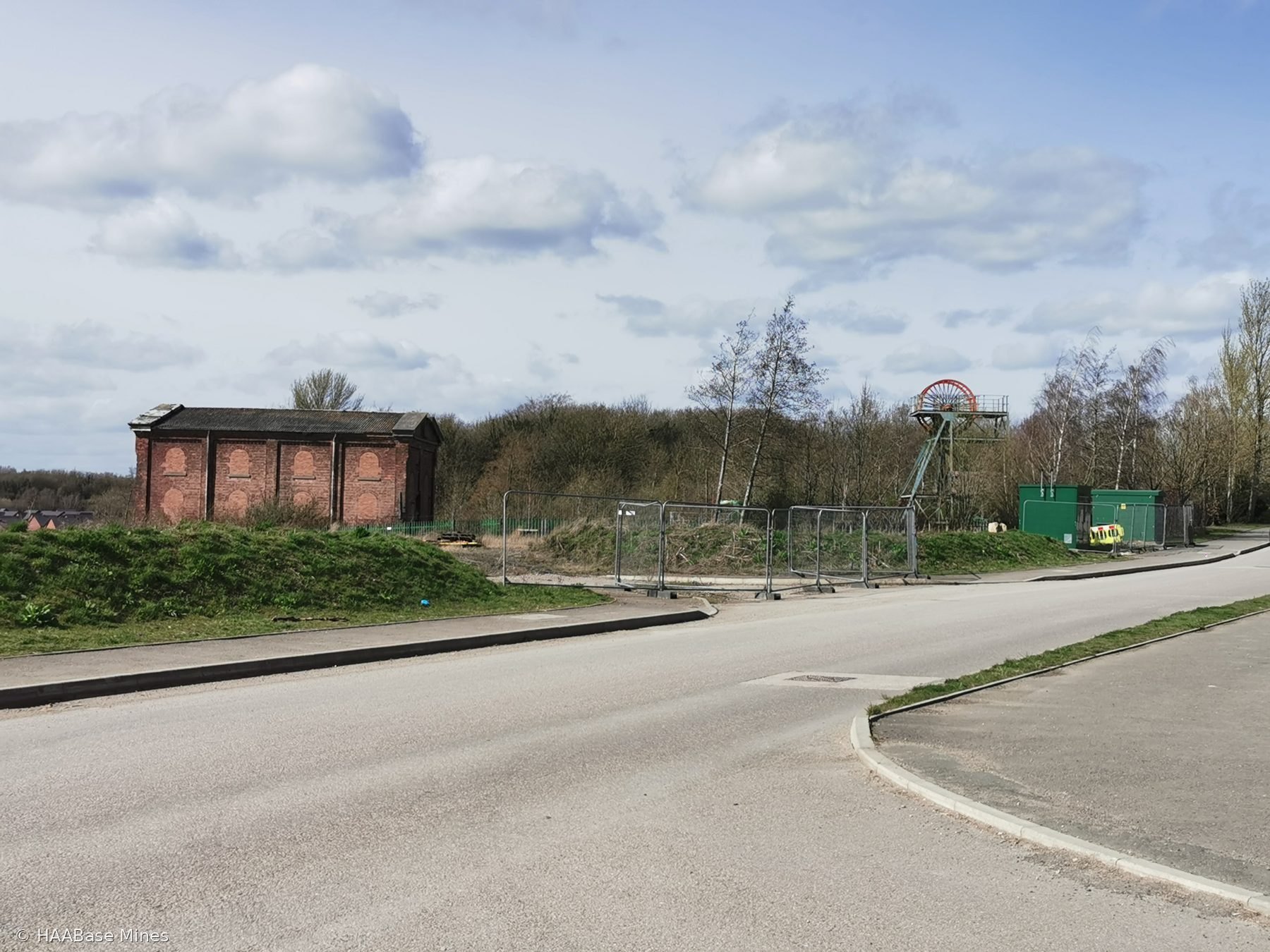
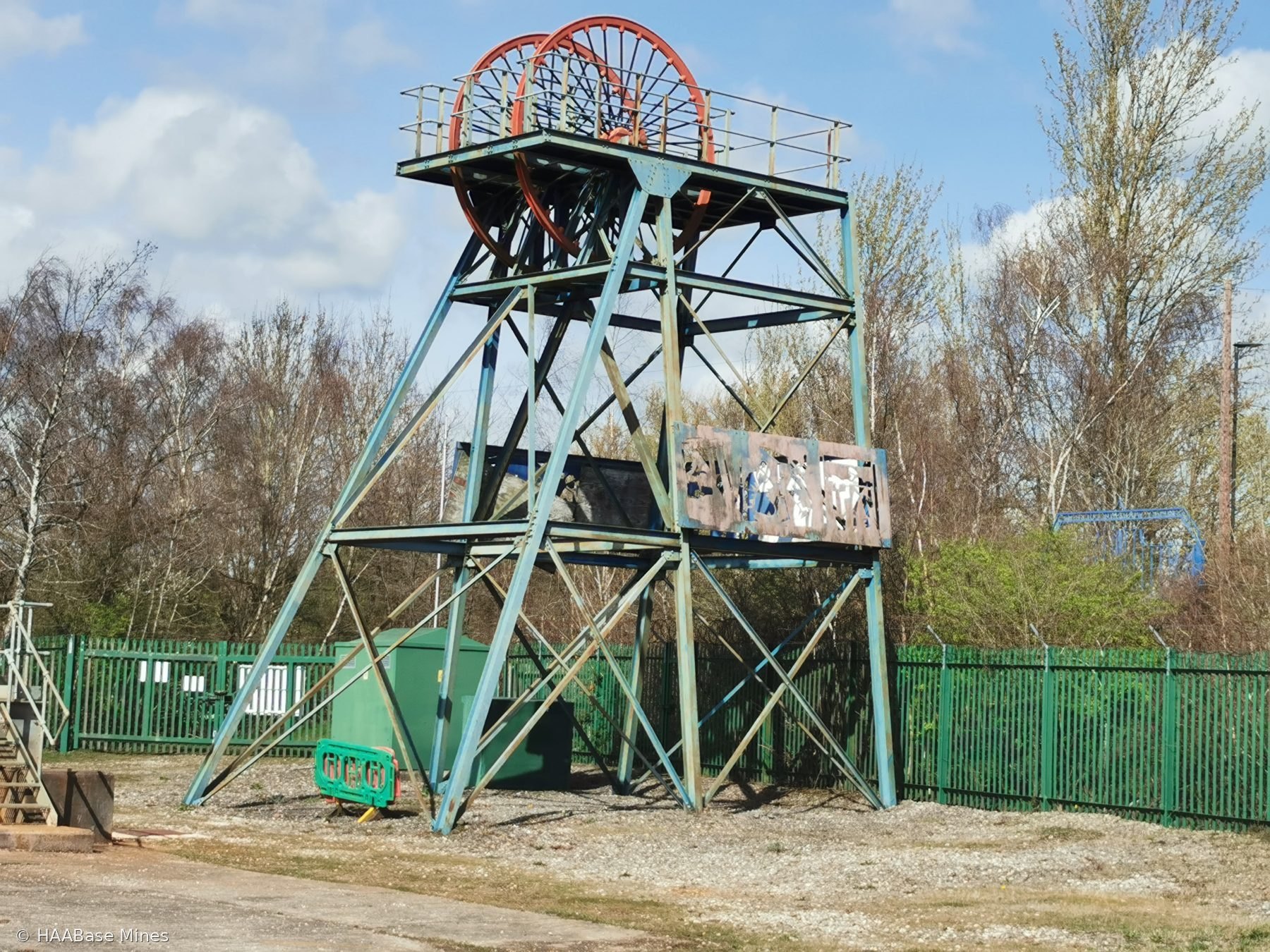
The site lies within reclaimed parkland, where little of the former colliery now reads above ground and the remaining shaft area sits quietly within a broader green landscape.

Map & photo

Shipley Colliery — Woodside Pit mine headframe or winding tower site
Photograph taken: 29 March 2025
Map markers and directions links are provided for location reference only and do not indicate public access or permission to enter a site.

History

Coal mining at Shipley has a long recorded history. The Shipley estate was mentioned in the Domesday Book, and records from the fourteenth century describe it as a sporting estate. From the sixteenth century, coal began to provide income for the owners. Large-scale organised mining commenced in 1734 when the estate passed to the Miller-Mundy family. By 1722 coal mining was already a significant activity, and around 1765 the Miller-Mundy family took direct control of running the mines. The Nutbrook Canal, engineered by Benjamin Outram, was opened in 1796 to carry coal from Shipley to the Erewash Canal; it measured 4.5 miles in length with thirteen locks and was funded in part by the colliery owners. In 1830 shafts were sunk to the Waterloo and Deep Hard seams, at depths of approximately 100 yards and 240 yards respectively. By 1832 the Shipley pits were producing coal for transport by rail, and by 1872 more than 90,000 tons were being dispatched annually by rail to the London Coal Exchange and other markets. By around 1880, according to Trueman's account, more than a thousand people were employed at the collieries with an average output of approximately 300,000 tons annually.

The Woodside Colliery formed part of this complex alongside the Coppice and Shipley pits. In 1857 an explosion of gas at the Shipley Colliery, owned at the time by A.M. Mundy, killed eight people. The complex worked fifteen seams of coal and at its peak, Woodside alone produced one million tons of coal in 1959. In February 1881 approximately a thousand Ilkeston miners employed at the Mundy collieries came out on strike in an unsuccessful attempt to resist an increase in working hours. With the death of Alfred Edward Miller Mundy in 1920, his family divested personal control in favour of the Shipley Colliery Company, which the family had founded and which administered the three pits of Shipley, Coppice, and Woodside. The Shipley Colliery Company ran the complex until nationalisation in 1947, when control passed to the National Coal Board.

Under the National Coal Board, the Woodside and Coppice pits continued in production. The two pits eventually merged their operations, and Coppice mined its last coal on 26 August 1966. The Woodside and Coppice pits were closed in the 1960s as uneconomical, bringing to a close more than 250 years of deep mining at Shipley. This left a legacy of spoil heaps, derelict buildings, polluted lakes, and thirty abandoned mine shafts. The Woodside no.3 shaft was retained after closure and has since been operated as a minewater control pumping station. In the 1950s and 1960s, in parallel with the decline of deep mining, the National Coal Board began opencast working that significantly altered the landscape; this programme continued from 1970 to July 1974 under formal permission, with a further two years spent contouring the site, seeding fields and meadows, and planting trees. The reclaimed land was transferred to Derbyshire County Council, and Shipley Country Park opened in May 1976 as a memorial to the mining history of the area. The park encompasses the former colliery landscape, the remains of the Nutbrook Canal, and the water features created during the mining era. The site of the former Woodside Colliery has subsequently been developed as part of the Shipley Lakeside scheme.
Timeline

Operation

Woodside no.3 shaft retained as minewater pumping station

The Woodside no.3 shaft was retained after closure and continues to operate as a minewater control pumping station, with treatment ponds located to the south of the site.
1734
Operation

Large-scale mining begins under Miller-Mundy family

Large-scale organised coal extraction at Shipley commenced in 1734 when the estate passed to the Miller-Mundy family. By 1722 coal mining was already a significant activity on the estate.
1765
Operation

Miller-Mundy family takes direct control of mines

Around 1765 the Miller-Mundy family began running the mines directly rather than through lessees.
1796
Construction

Nutbrook Canal opened

The Nutbrook Canal, engineered by Benjamin Outram, opened in 1796, connecting the Shipley collieries to the Erewash Canal and providing the primary transport route for coal output.
1830
Construction

Shafts sunk to Waterloo and Deep Hard seams

In 1830 shafts were sunk to the Waterloo Seam at approximately 100 yards depth and to the Deep Hard Seam at approximately 240 yards depth, extending the range of seams being worked at Shipley.
1857
Operation

Gas explosion kills eight miners

On 4 March 1857 an explosion of gas at the Shipley Colliery, owned by A.M. Mundy, killed eight men and boys.
1872
Operation

Annual output exceeds 90,000 tons by rail

By 1872 the Shipley pits were dispatching over 90,000 tons of coal annually by rail, including to the London Coal Exchange.
1881
Operation

Strike by Ilkeston miners at Mundy collieries

In February 1881 approximately one thousand Ilkeston miners employed at the Mundy collieries struck unsuccessfully against an increase in working hours.
1920
Operation

Shipley Colliery Company assumes full control

With the death of Alfred Edward Miller Mundy in 1920, the family divested personal control in favour of the Shipley Colliery Company, which took over administration of the three pits: Shipley, Coppice, and Woodside.
1947
Legislation

Nationalisation; National Coal Board takes over

In 1947 the Shipley collieries were nationalised and passed to the National Coal Board.
1959
Operation

Woodside reaches peak output of one million tons

At its peak in 1959, Woodside Colliery produced one million tons of coal, all extracted by hand.
1966
Closure

Coppice Colliery mines last coal; Woodside and Coppice closed

After the Woodside and Coppice pits merged their operations, Coppice mined its last coal on 26 August 1966. Both Woodside and Coppice were subsequently closed as uneconomical, ending more than 250 years of deep mining at Shipley.
1970–1974
Redevelopment

National Coal Board opencast reclamation works

The National Coal Board obtained permission in 1970 to reclaim the land near the closed collieries by opencast methods. Work was completed by July 1974, with a further two years spent contouring the site, seeding and planting.
1976
Redevelopment

Shipley Country Park opened

Derbyshire County Council opened Shipley Country Park in May 1976 on the reclaimed colliery land, as a memorial to the mining history of the area.

Sources and records

Shipley Country Park facilities and history, Derbyshire County Council website
The Shipley Estate: Studies in History (Shipley Country Park heritage pages)
Shipley Hall, Wikipedia
Shipley Lakeside development history page
Nutbrook Canal, Wikipedia
Ilkeston and District Local History Society: The Local Mining Industry
Ilkeston and District Local History Society: Shipley
Northern Mine Research Society: Shipley Colliery Explosion, Derby, 1857
Picture the Past image library: Shipley Lake and the remains of Shipley (Woodside) Colliery, 1984
Geograph: Shipley Woodside Colliery photograph and notes
This researched site record is part of the HAABase Mines database. Normal personal research and browsing is welcome. Automated bulk extraction, republication, or harvesting of site text and images is not permitted without written consent.