History
St Hilda's Colliery began as the Chapter Main Colliery, sunk on land belonging to the Dean and Chapter of Durham by Simon Temple. Coal was first raised on 23 April 1810, amid recorded celebrations. The original company encountered financial difficulties and the colliery passed through the hands of Messrs. Brown of London, proprietors also of Jarrow Colliery, and then to Messrs. Devey, before coming under the ownership of Robert, William, and John Brandling. The Brandlings sank a new shaft from 1822 and the colliery reached the Bensham Coal Seam in July 1825, by which time the shaft stood 143 fathoms deep, divided into an upcast and a downcast by wooden brattice. The coal seam was approximately six feet thick, with workings extending southwards from the shaft towards the sea. At the time of its deepening, the colliery was equipped with a pumping engine of 90 horsepower, two drawing engines each of 30 horsepower, and a further 20 horsepower engine underground. A wagonway, St Hilda's Wagonway, was constructed by 1822 to connect the colliery to the Templetown Wagonway for coal transport.
On 28 June 1839, at approximately nine in the morning, an explosion in the western workings killed fifty-one men and boys, the youngest aged nine. The mine had been worked by candlelight, with Davy lamps used only in softer coal sections. The inquest returned a verdict of accidental death and recommended that the use of candles in mines be abolished. In the aftermath, the South Shields Committee on Accidents in Mines was formed; its report, published in 1843, examined safety lamp design and proposed reforms that later contributed to improvements in mine safety legislation. Many of the dead were buried at St Hilda's Church, which stood close to the shaft.
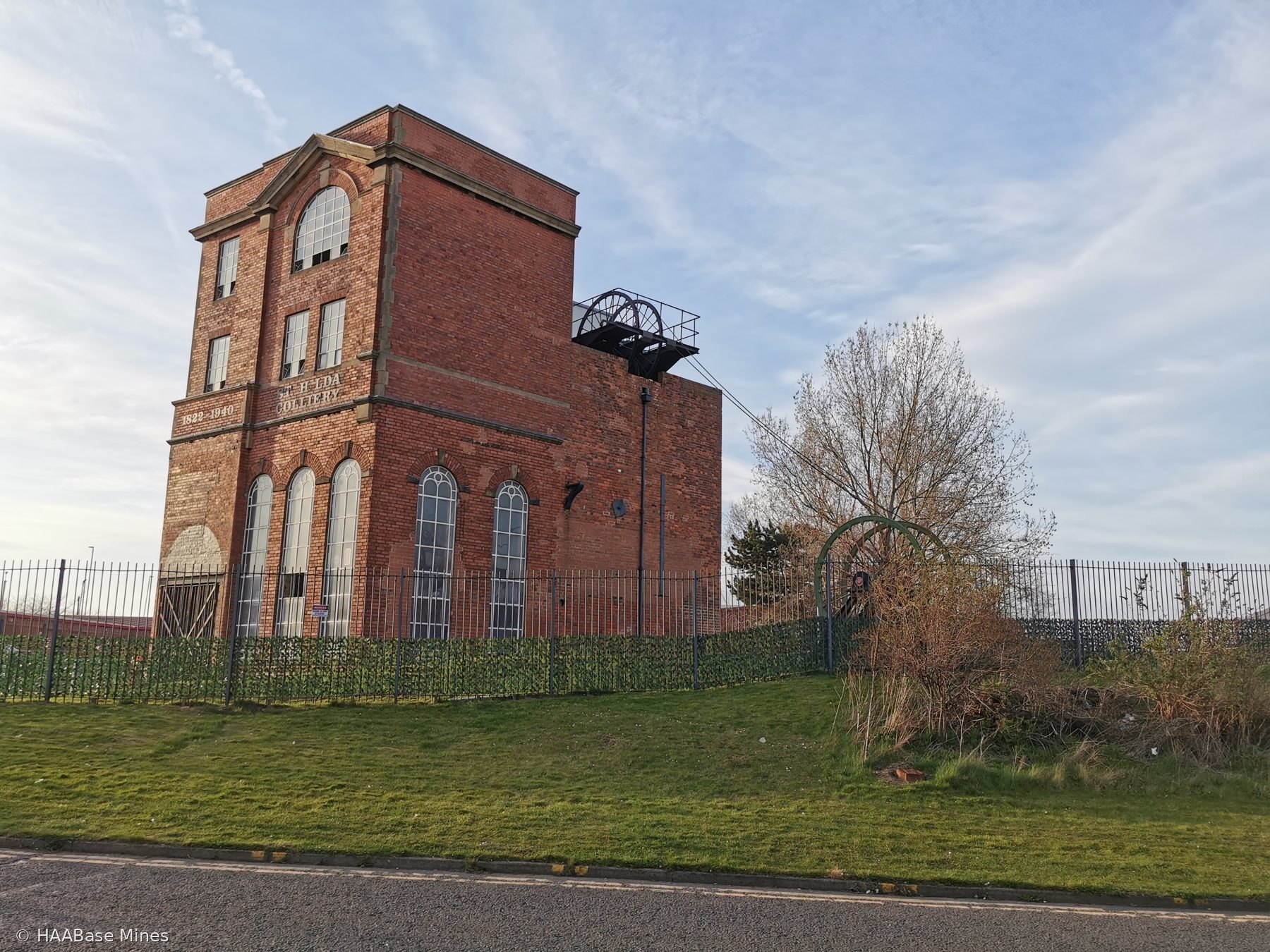
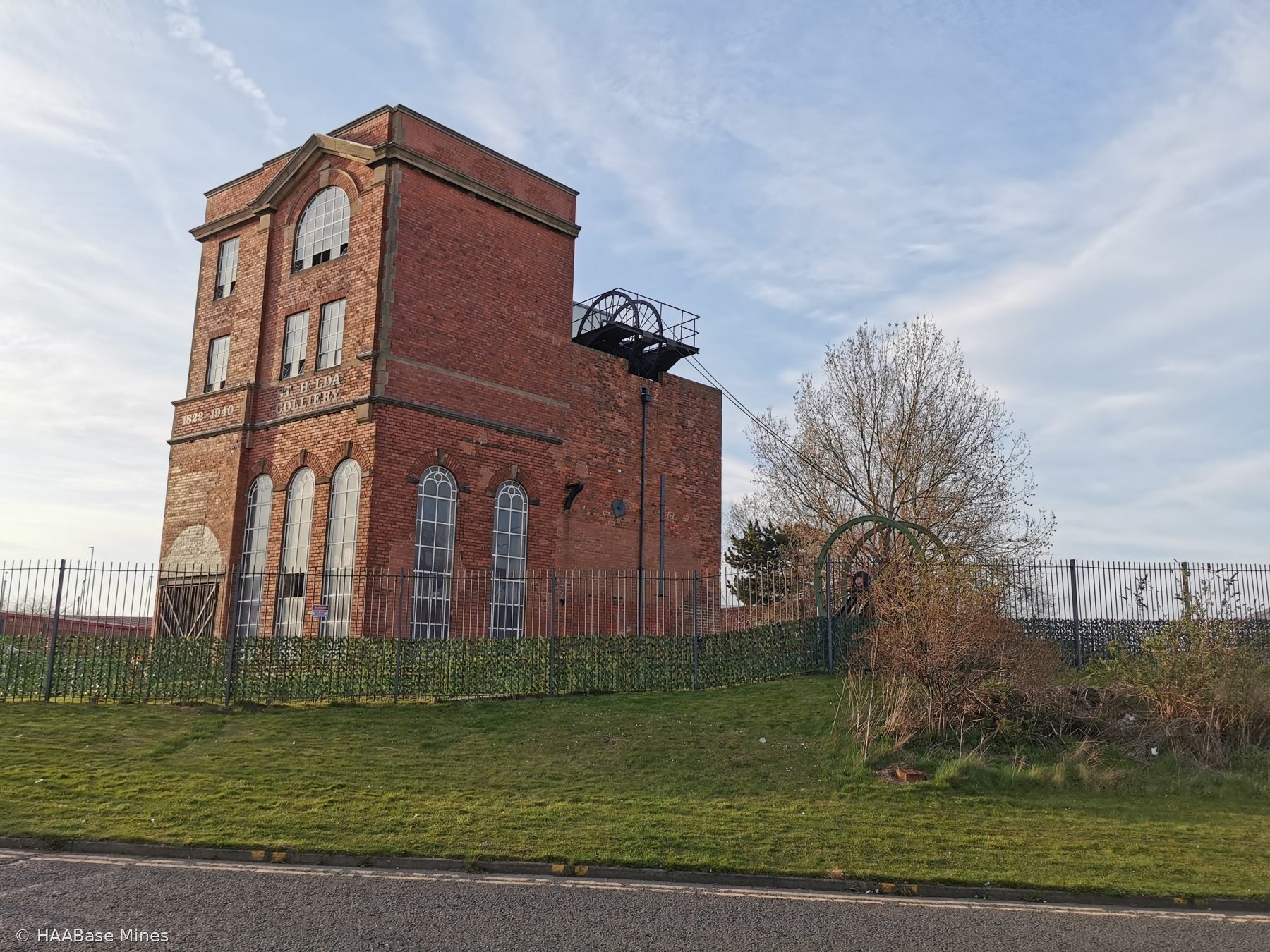
By the 1880s the colliery was under the ownership of Harton Coal Company. New surface structures were constructed in the late nineteenth and early twentieth centuries, including alterations to the pithead and the addition of a new pumping engine house adjacent to the shaft. In 1908 the Harton Electric Railway was developed to transport coal from St Hilda's and other Harton Company mines in the area. By 1921 the colliery employed 2,134 people, of whom 1,722 worked below ground and 412 on the surface. The colliery closed temporarily in 1925. It was permanently closed in 1940, with production transferred to the neighbouring Westoe Colliery.
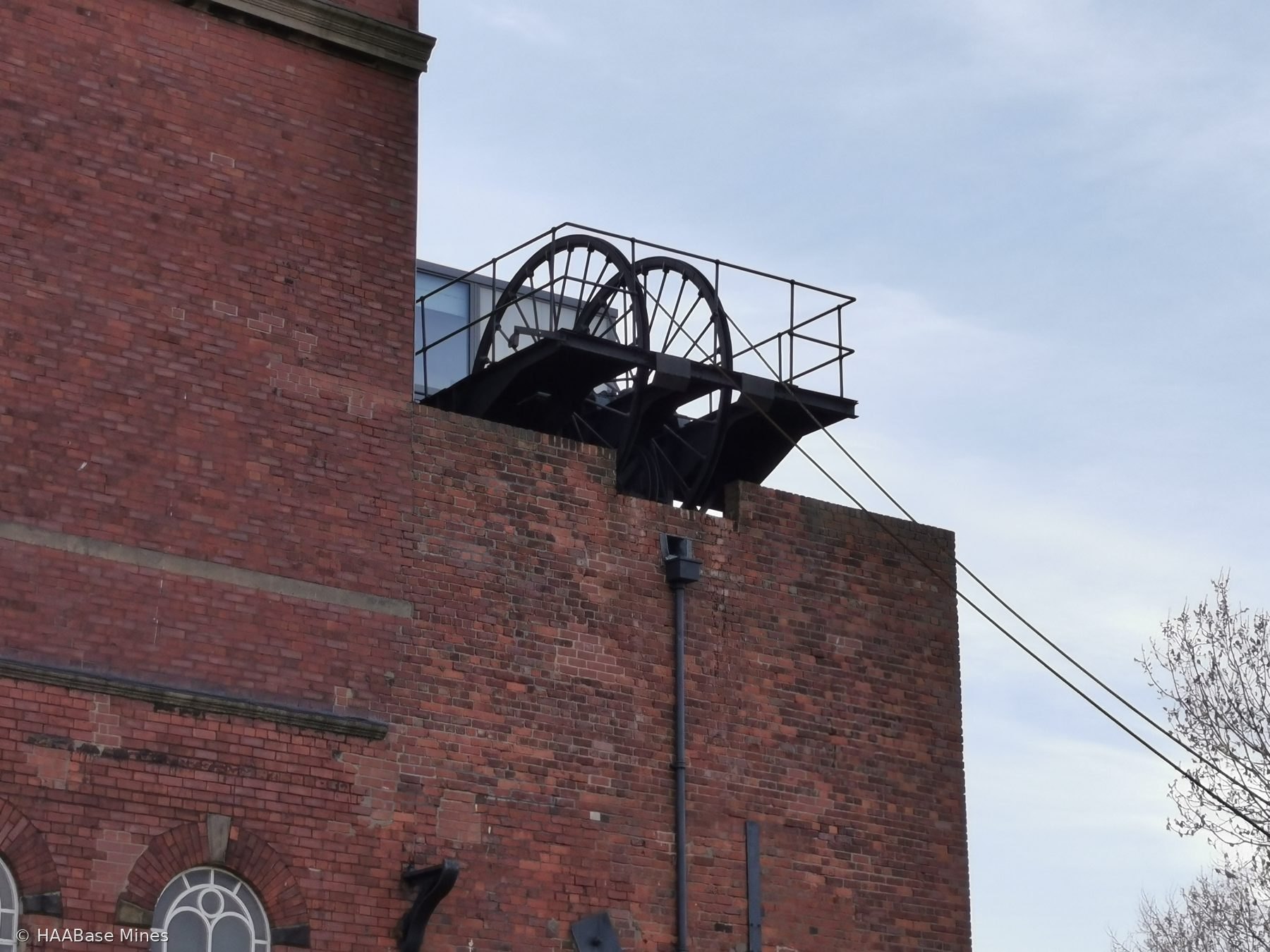
Following permanent closure, the main complex of pithead buildings was demolished. The pumping engine house and winding house were retained, however, serving as ventilation and emergency access infrastructure for Westoe Colliery. When Westoe itself closed in 1993, the operational need for these structures ended. The pumping engine house had been partially renovated in 1989 to mark the 150th anniversary of the 1839 explosion. In 1990 the remaining colliery head stocks — comprising the winding house and pumping station — were designated as Grade II listed buildings on the National Heritage List for England. The structures have since been renovated and converted to office use, preserving original interior features including miners' token hooks. In 2018 a blue plaque was installed on the pit head to commemorate St Hilda's Colliery Band, which had been associated with the colliery from 1906 and had won the National Championship of Great Britain five times between 1912 and 1926.