Site overview

St Hilda's Colliery in High Shields, South Shields, was established by Simon Temple on land belonging to the Dean and Chapter of Durham, originally under the name Chapter Main Colliery. Coal was first raised on 23 April 1810. The shaft was sunk by the Brandling family from 1822, reaching the Bensham Coal Seam at a depth of 143 fathoms in July 1825.

The mine worked through the nineteenth century under a succession of owners, passing to the Harton Coal Company by the 1880s. In 1908 the Harton Electric Railway was developed to transport coal from St Hilda's and neighbouring mines. By 1921, 2,134 people were employed at the colliery.

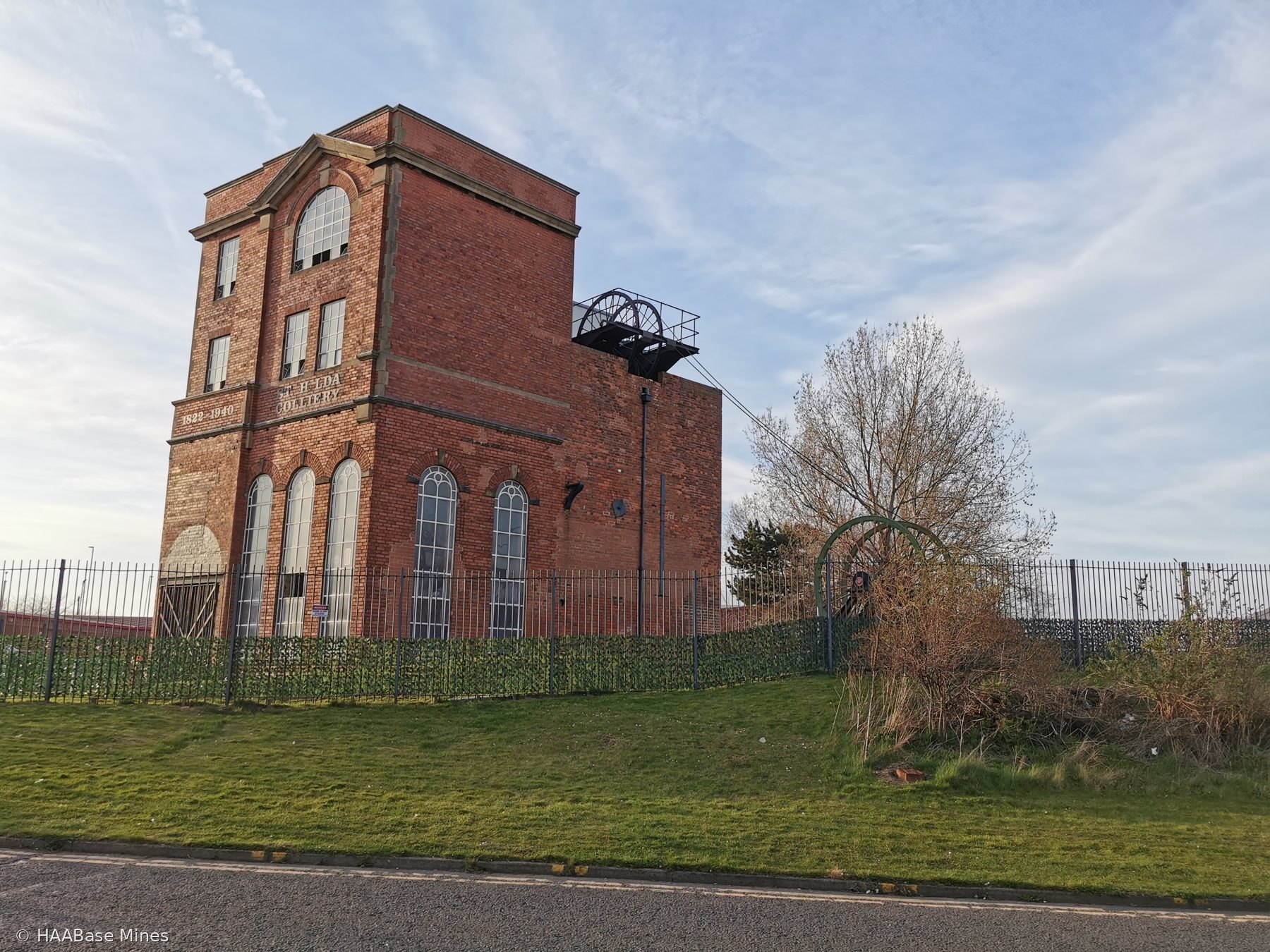
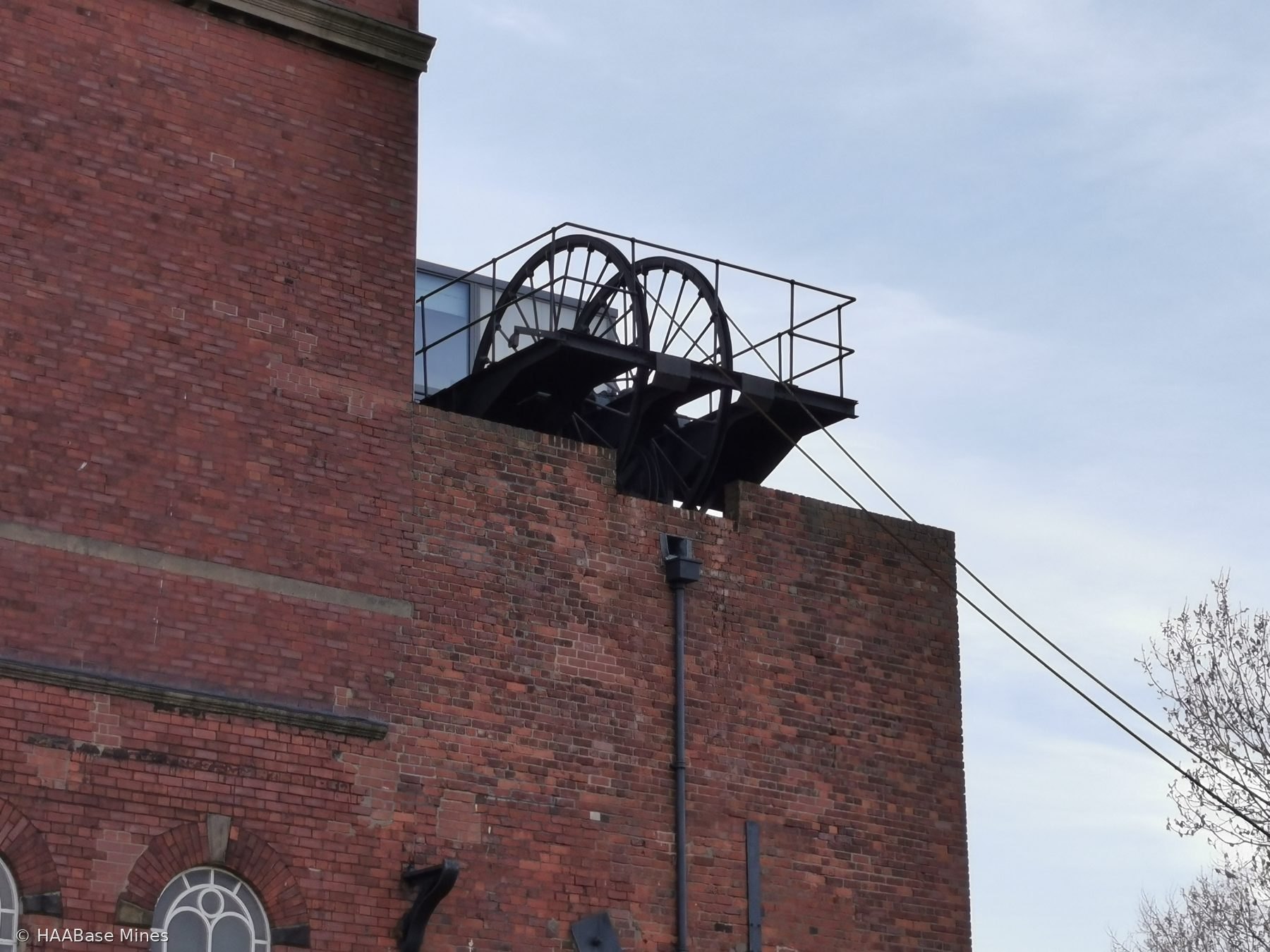
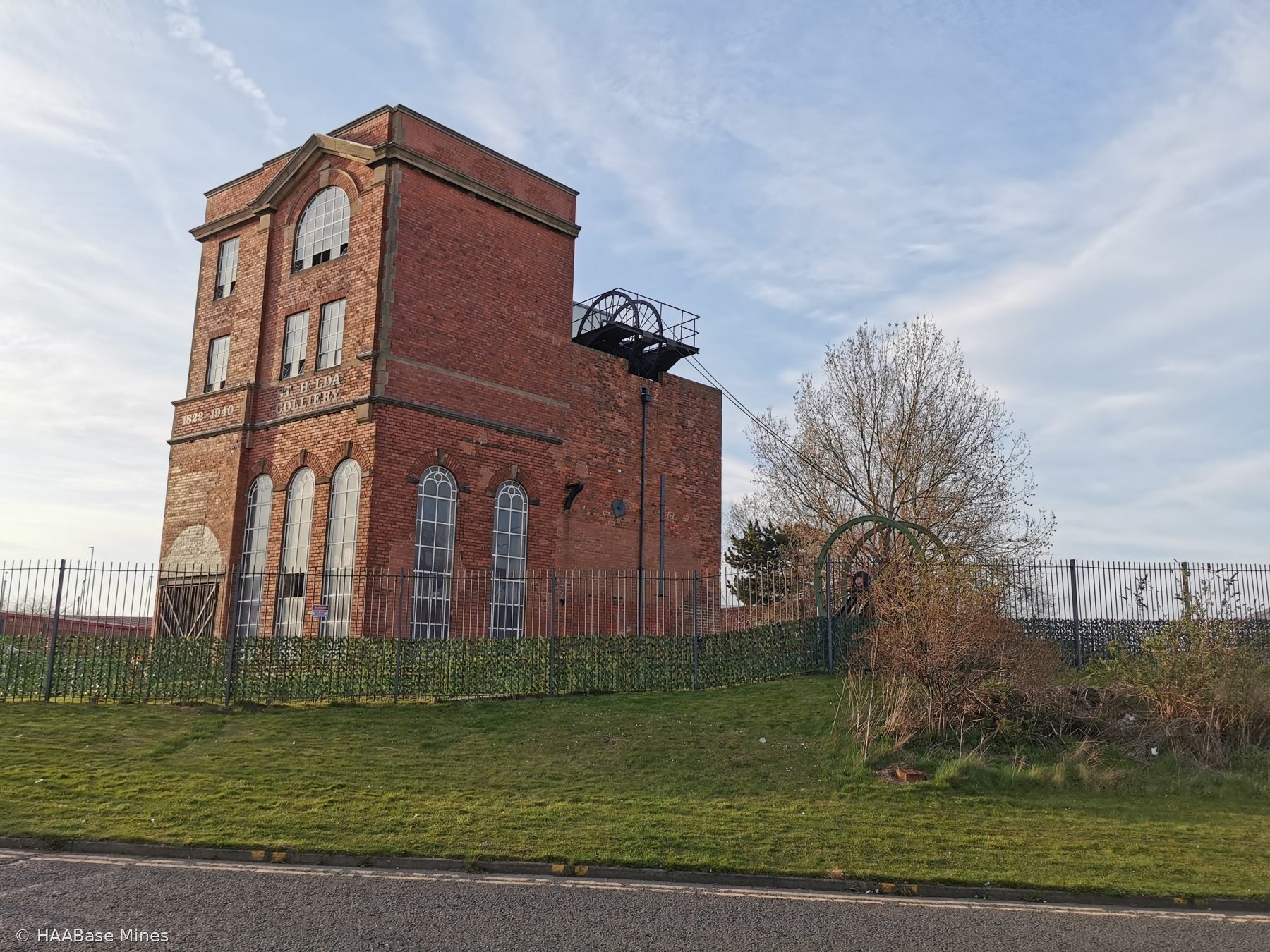
The pit closed temporarily in 1925 and permanently in 1940, with production transferred to Westoe Colliery. The main buildings were demolished after closure, but the pumping engine house and winding house survived, retained for ventilation and emergency access to Westoe until its closure in 1993. The remaining structures were listed at Grade II in 1990 and have since been renovated and converted to office use.

Set within dense urban surroundings, the surviving engine and winding houses read as enclosed remnants of the former colliery, partly absorbed into later commercial development.

Map & photo

St Hilda Colliery mine headframe or winding tower site
Photograph taken: 26 March 2025
Map markers and directions links are provided for location reference only and do not indicate public access or permission to enter a site.

History

St Hilda's Colliery began as the Chapter Main Colliery, sunk on land belonging to the Dean and Chapter of Durham by Simon Temple. Coal was first raised on 23 April 1810, amid recorded celebrations. The original company encountered financial difficulties and the colliery passed through the hands of Messrs. Brown of London, proprietors also of Jarrow Colliery, and then to Messrs. Devey, before coming under the ownership of Robert, William, and John Brandling. The Brandlings sank a new shaft from 1822 and the colliery reached the Bensham Coal Seam in July 1825, by which time the shaft stood 143 fathoms deep, divided into an upcast and a downcast by wooden brattice. The coal seam was approximately six feet thick, with workings extending southwards from the shaft towards the sea. At the time of its deepening, the colliery was equipped with a pumping engine of 90 horsepower, two drawing engines each of 30 horsepower, and a further 20 horsepower engine underground. A wagonway, St Hilda's Wagonway, was constructed by 1822 to connect the colliery to the Templetown Wagonway for coal transport.

On 28 June 1839, at approximately nine in the morning, an explosion in the western workings killed fifty-one men and boys, the youngest aged nine. The mine had been worked by candlelight, with Davy lamps used only in softer coal sections. The inquest returned a verdict of accidental death and recommended that the use of candles in mines be abolished. In the aftermath, the South Shields Committee on Accidents in Mines was formed; its report, published in 1843, examined safety lamp design and proposed reforms that later contributed to improvements in mine safety legislation. Many of the dead were buried at St Hilda's Church, which stood close to the shaft.

By the 1880s the colliery was under the ownership of Harton Coal Company. New surface structures were constructed in the late nineteenth and early twentieth centuries, including alterations to the pithead and the addition of a new pumping engine house adjacent to the shaft. In 1908 the Harton Electric Railway was developed to transport coal from St Hilda's and other Harton Company mines in the area. By 1921 the colliery employed 2,134 people, of whom 1,722 worked below ground and 412 on the surface. The colliery closed temporarily in 1925. It was permanently closed in 1940, with production transferred to the neighbouring Westoe Colliery.

Following permanent closure, the main complex of pithead buildings was demolished. The pumping engine house and winding house were retained, however, serving as ventilation and emergency access infrastructure for Westoe Colliery. When Westoe itself closed in 1993, the operational need for these structures ended. The pumping engine house had been partially renovated in 1989 to mark the 150th anniversary of the 1839 explosion. In 1990 the remaining colliery head stocks — comprising the winding house and pumping station — were designated as Grade II listed buildings on the National Heritage List for England. The structures have since been renovated and converted to office use, preserving original interior features including miners' token hooks. In 2018 a blue plaque was installed on the pit head to commemorate St Hilda's Colliery Band, which had been associated with the colliery from 1906 and had won the National Championship of Great Britain five times between 1912 and 1926.
Timeline

Legislation

Ownership transfers from Temple to Brandlings

Following financial difficulties for the original company, the colliery passed to Messrs. Brown of London, then to Messrs. Devey, before coming under the ownership of Robert, William, and John Brandling.
1810
Operation

First coal raised at Chapter Main Colliery

Simon Temple's colliery on Dean and Chapter of Durham land raised its first coal on 23 April 1810, originally operating under the name Chapter Main Colliery.
1822
Construction

New shaft sinking begun and wagonway constructed

The Brandling family commenced sinking a new shaft from 1822. St Hilda's Wagonway was also built by 1822 to connect the colliery to the Templetown Wagonway for coal transport.
1825
Construction

Shaft reaches Bensham Coal Seam

In July 1825 the shaft reached the Bensham Coal Seam at a depth of 143 fathoms (approximately 260 metres). The shaft was divided into upcast and downcast sections by wooden brattice. The seam was approximately six feet thick, with workings extending southwards towards the sea.
1839
Operation

Underground explosion kills fifty-one

An explosion in the western workings at approximately 9 a.m. killed fifty-one men and boys, the youngest aged nine. The mine was worked by candlelight, with Davy lamps used only in softer coal sections. The inquest recommended abolition of candles underground and led to the formation of the South Shields Committee on Accidents in Mines.
1843
Heritage

South Shields Committee on Accidents in Mines publishes report

The committee formed in the aftermath of the 1839 explosion published its report in 1843, examining safety lamp design and advocating reforms that contributed to later improvements in mine safety legislation.
1880–1889
Construction

Colliery passes to Harton Coal Company

By the 1880s the colliery was under the ownership of Harton Coal Company. New surface structures were built in the late nineteenth century and the pithead was altered.
1908
Construction

Harton Electric Railway developed

In 1908 the Harton Coal Company developed the Harton Electric Railway to transport coal from St Hilda's Colliery and the company's other mines in the area.
1921
Operation

Workforce recorded at 2,134

In 1921 the colliery employed 2,134 people in total, of whom 1,722 worked below ground and 412 on the surface.
1925
Closure

Temporary closure

The colliery closed temporarily in 1925.
1940
Closure

Permanent closure; main buildings demolished

The colliery was permanently closed in 1940, with production transferred to Westoe Colliery. The main complex of pithead buildings was demolished. The pumping engine house and winding house were retained for ventilation and emergency access to Westoe Colliery.
1989
Heritage

Pumping engine house partially renovated

The pumping engine house was partially renovated in 1989 to mark the 150th anniversary of the 1839 explosion.
1990
Heritage

Colliery head stocks designated Grade II listed buildings

The surviving pithead structures — the winding house and pumping station — were listed at Grade II on the National Heritage List for England in December 1990.
1993
Closure

Westoe Colliery closure ends operational need for St Hilda's structures

When Westoe Colliery closed in 1993, the need to maintain the St Hilda's shaft and buildings for ventilation and emergency access ended.
2018
Heritage

Blue plaque installed commemorating St Hilda's Colliery Band

In 2018 a blue plaque was installed on the pit head to commemorate St Hilda's Colliery Band, which won the National Championship of Great Britain five times between 1912 and 1926.
Sources and records

Co-Curate project, Newcastle University: St. Hilda's Colliery (1810–1940)
Northern Mine Research Society: St Hilda's Colliery Explosion, South Shields, 1839
Tyne and Wear Sites and Monuments Record (Sitelines): HER 2355, St. Hilda's Colliery
North East Heritage Library: St Hilda's Colliery record
Tyne and Wear Building Preservation Trust: St Hilda's Pit Head, South Shields mining heritage
Durham Mining Museum: St. Hilda's Colliery entry
Historic England: List entry 1277144, St Hilda's Colliery Head Stocks
Co-Curate project: St Hilda's Colliery Band (1869–1937)
History of Information: Colliery Explosion at St. Hilda's Pit, 1839
This researched site record is part of the HAABase Mines database. Normal personal research and browsing is welcome. Automated bulk extraction, republication, or harvesting of site text and images is not permitted without written consent.