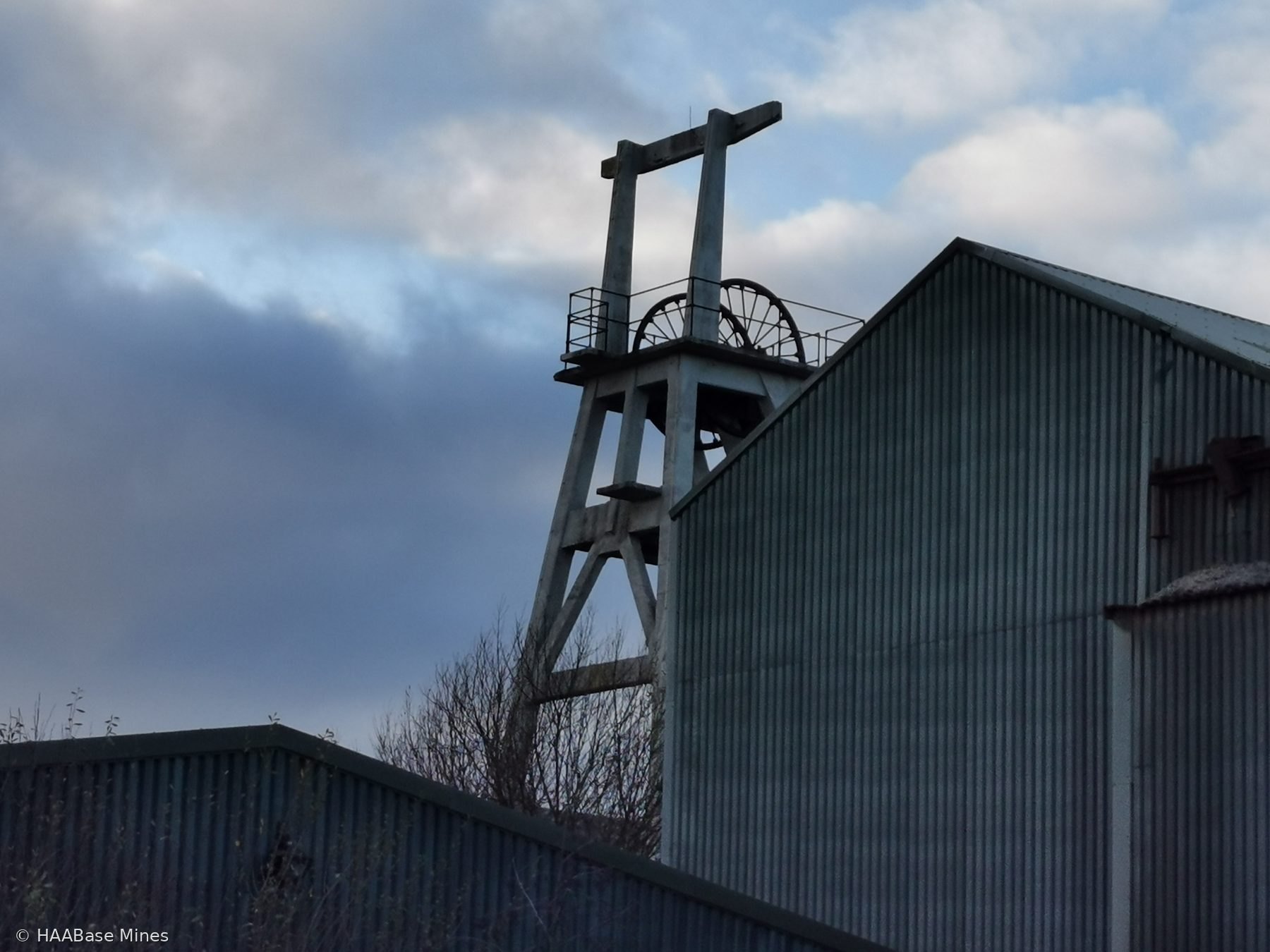
Foxfield Colliery, located at Godley Brook near Dilhorne in Staffordshire, was the last and largest deep mine in the Cheadle Coalfield. Mining in the Dilhorne and Godley Brook area had taken place on a small scale for many years before large-scale shaft sinking commenced. Samuel Bamford had mined coal on the site eventually selected for Foxfield Colliery.
Work under the direction of John and Enoch Mann of Blakeley House, Cresswellford began in the early 1880s. By 1884 coal was being mined, initially from the Dilhorne and Woodhead Seams, but shaft sinking was not completed until 1888. The original shaft was sunk to a depth of 725 feet.
A second shaft was also sunk to the Woodhead Seam level, which remained the coal drawing level for the life of the mine. As production gradually increased, the company constructed a private railway some three and a half miles long to connect with the North Staffordshire Railway Stoke to Derby line at Blythe Bridge. Because a local landowner would not permit the line to cross his land, the railway was diverted through Dilhorne Wood, entering the colliery from the opposite direction to Blythe Bridge.
The total cost of building the branch was approximately £3,000. The railway opened in 1892–93. A landsale wharf was opened at Cash Heath on Caverswall Road.
A narrow gauge branch ran northward from a point near the current Dilhorne Park station to Bank Top (later converted to standard gauge), while a second narrow gauge tramway ran eastward toward Cheadle. In May 1893 the enterprise was registered as a private limited company, Foxfield Colliery Co. Ltd., with a share capital of £25,000. By 1893 Foxfield was the first mine in Cheadle to have its own connection to the national rail network.
The Dilhorne and Woodhead seams were worked during the early decades of the company's existence. The company went into voluntary liquidation on 23 August 1927 and all freehold, leasehold, and mining rights were sold to Parkhall Colliery Co. Ltd. of Cheadle; the final meeting of the old company was held on 3 October 1927. Parkhall Colliery Co. Ltd. continued to operate both Parkhall and Foxfield Collieries independently, even though they were connected underground.
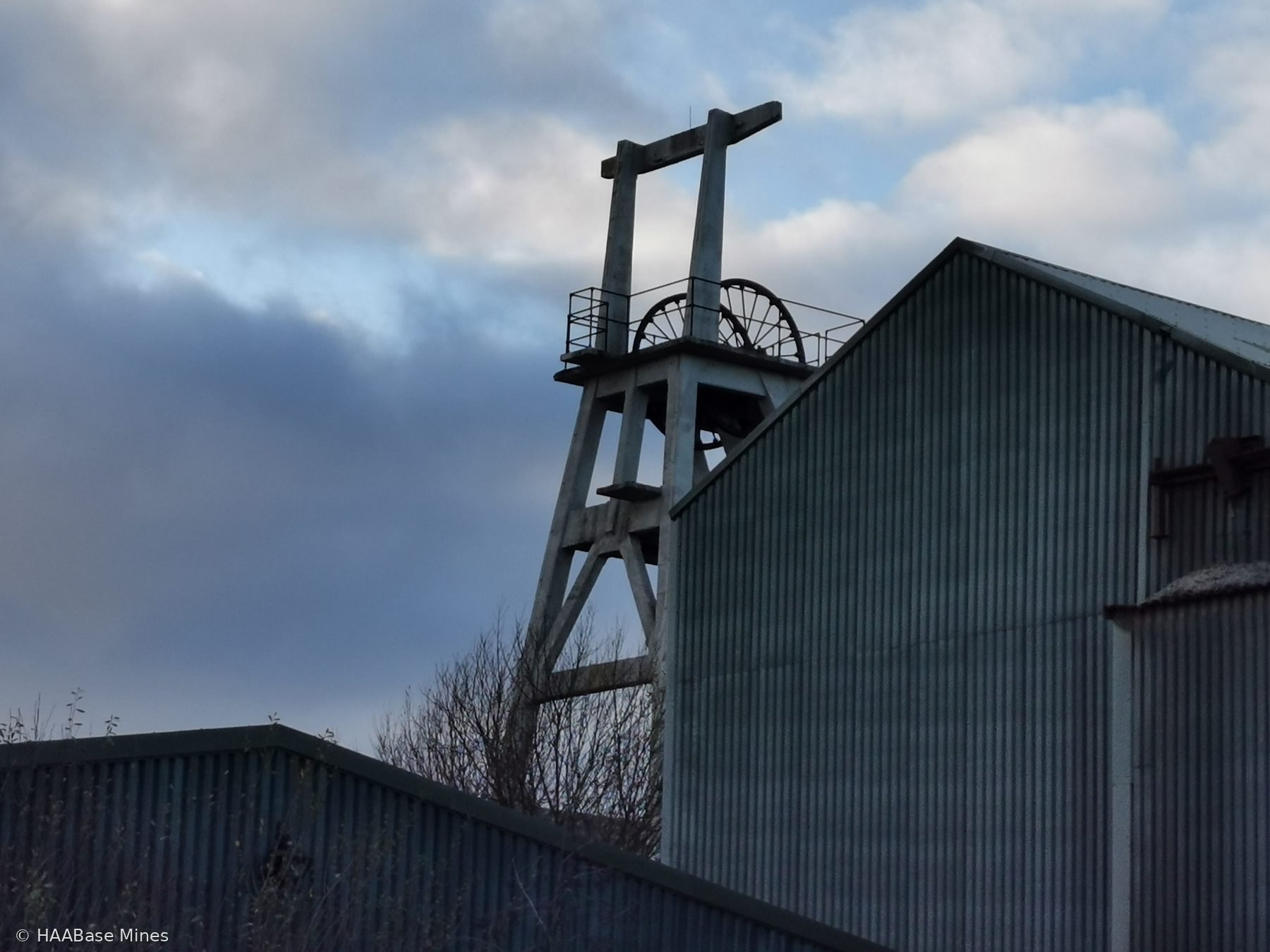
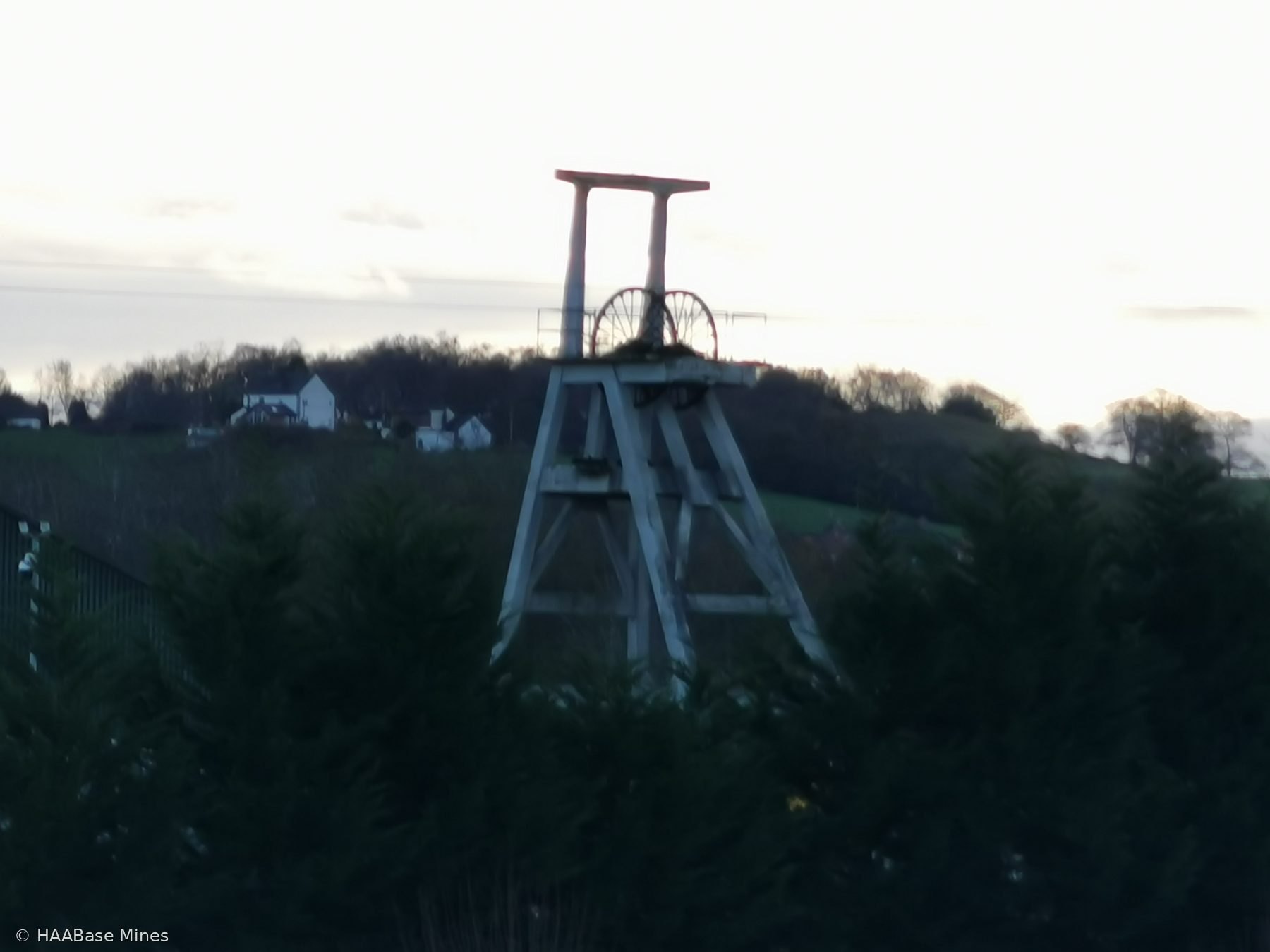
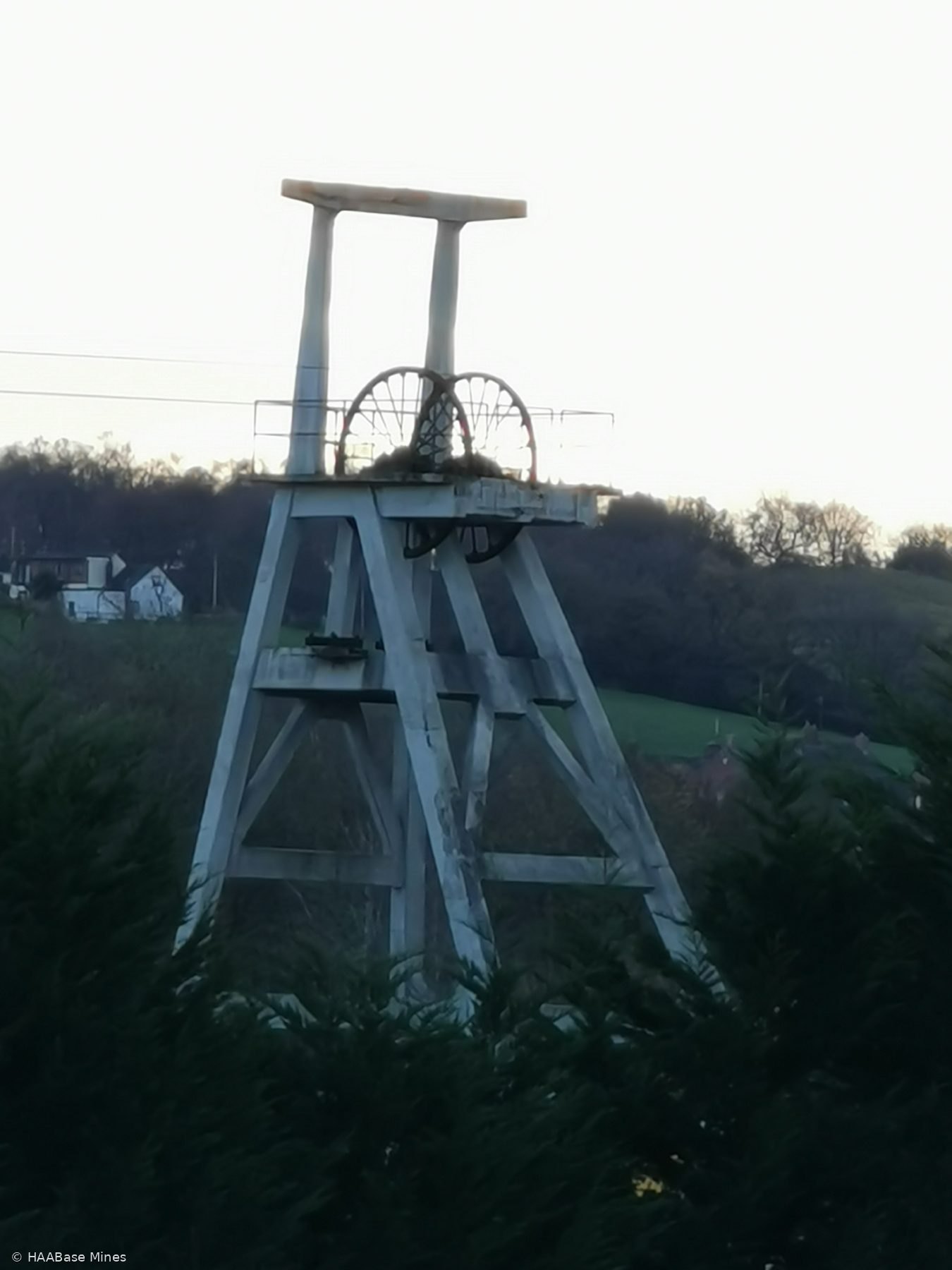
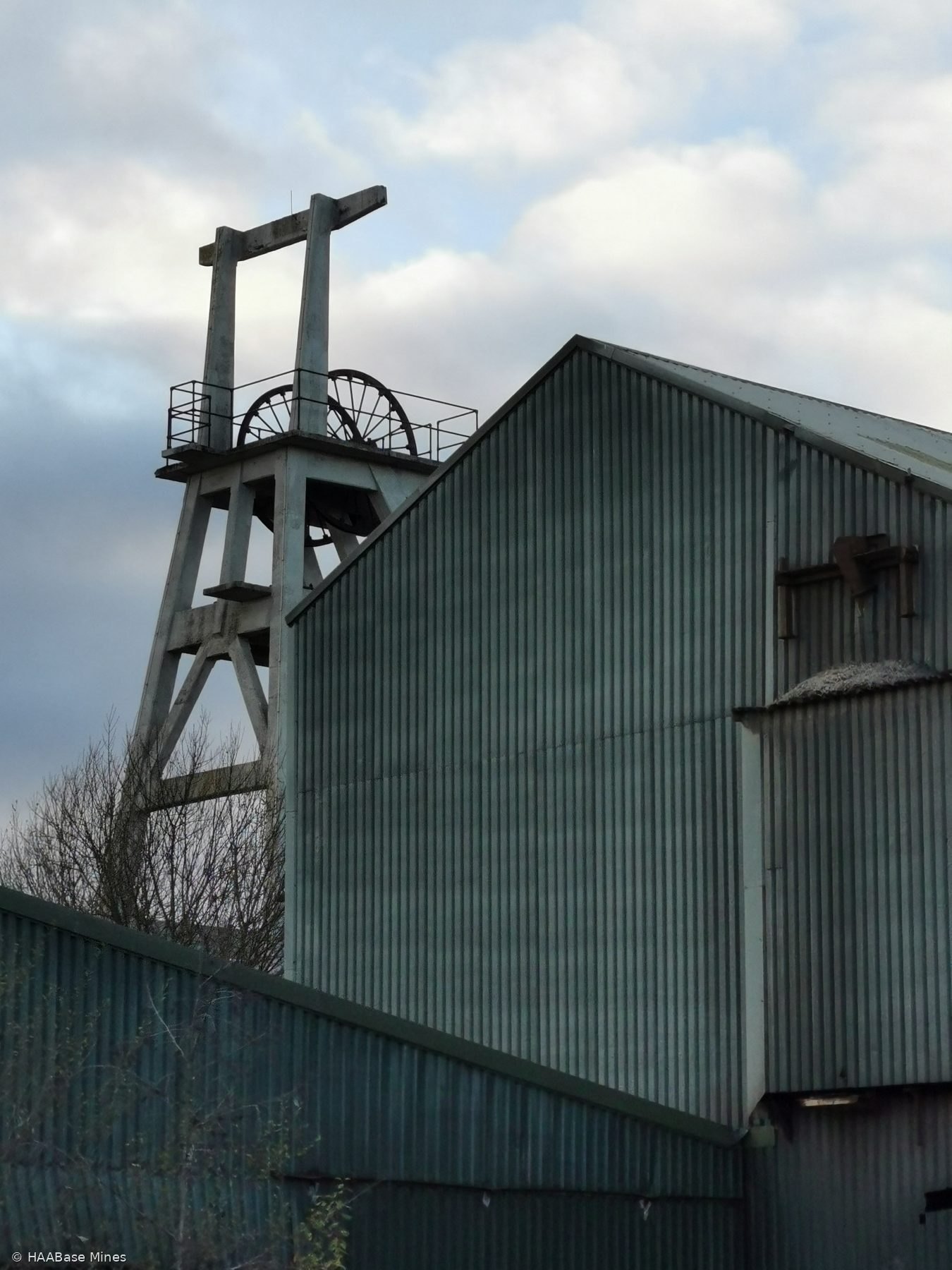
Under the Coal Mines Act 1930 the combined annual output of Parkhall and Foxfield was confirmed at 160,000 tons, and plans to substantially increase output in line with Potteries Coalfield capacity were abandoned. Foxfield was extensively modernised in the 1930s when it was decided to close Parkhall Colliery and concentrate production at Foxfield, principally because of the site's rail connection. New coal screens were built and concrete headgears were constructed at this time.
Production from the Dilhorne, Four Foot, and Woodhead Seams continued. Parkhall Colliery was retained as a pumping pit until its final abandonment around the time of the Second World War. Around 1946 Foxfield employed approximately 390 men underground and 150 on the surface.
The colliery was nationalised as part of the National Coal Board on 1 January 1947, at which point it was the last deep mine in the Cheadle Coalfield. Cash Heath Wharf closed in 1949 following nationalisation, and all landsale operations were concentrated at the colliery. Pithead baths were not erected until July 1949.
A new spoil tip was brought into operation around 1950. The pit's surface buildings were further modernised and a new shower block was constructed along with improvements to the coal screens and washing facilities. The workforce grew steadily under the National Coal Board to nearly 600 men by the mid-1950s, and output peaked at 210,813 tons in 1954.
Thereafter output and manpower declined. The last seam worked was the Big Dilhorne in the Dilhorne 19 and 20's faces, and the final face worked was Dilhorne 21's. The National Coal Board decided to close the colliery in 1965 as it had nearly exhausted its economic reserves and was not fully mechanised.
The majority of the workforce was transferred to Florence Colliery in Longton, where a fully mechanised face in the Moss Seam had been prepared; some miners were also transferred to Hem Heath Colliery in Trentham. Foxfield Colliery closed in August 1965. On closure the site was sold to Tean Minerals and later to Fergusson Wilde.
The Foxfield Light Railway Society was formed in early 1967 to preserve the branch railway. The inaugural general meeting of the Foxfield Light Railway Society was held in the old colliery canteen at Foxfield on 12 February 1967. The railway section from Dilhorne Park to Blythe Bridge was preserved and operated by the society; the steep section from the colliery to Dilhorne Park, with its 1-in-19 gradient out of the colliery yard, passed out of regular passenger use in the early 1980s.
The majority of the surface buildings, including the concrete headgears of both shafts, survived and the site passed to the ownership of the Foxfield Railway. Since April 2024 a team of volunteers has been working to restore the colliery buildings in preparation for reopening the site for public visits. The Foxfield Railway is fundraising to restore the winding house roof, restore the headgears, establish a museum, and return passenger trains to the Foxfield Bank section of the line.