Site overview

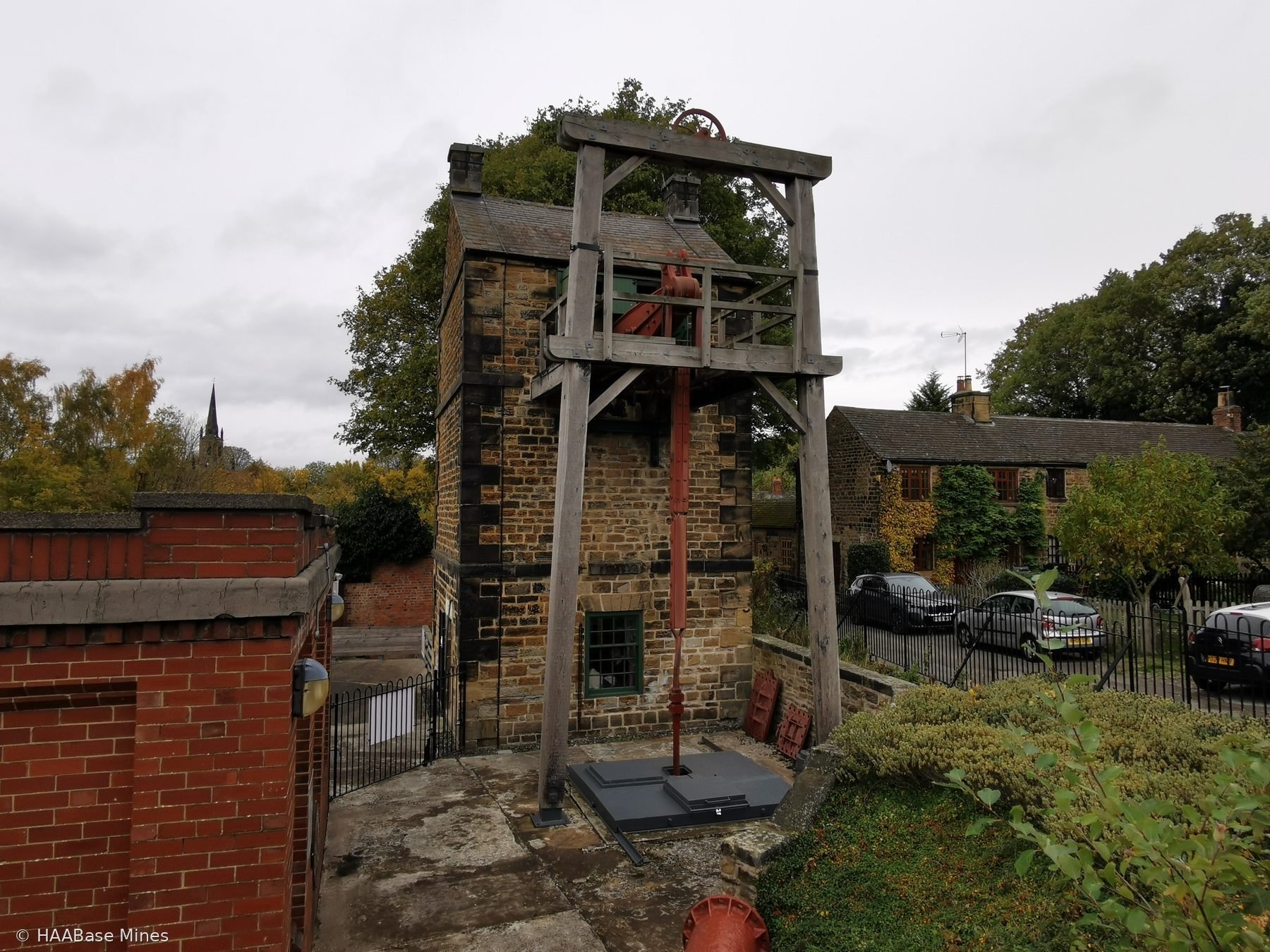
Elsecar Colliery, centred on Elsecar New Colliery in the village of Elsecar near Barnsley, was the first deep colliery developed in the village, sunk around 1794–5 by the 4th Earl Fitzwilliam. It was part of a series of Fitzwilliam-owned collieries in and around Elsecar that produced coal for over two centuries, beginning with shallow workings started in 1750 and ending with the closure of Elsecar Main Colliery in October 1983. Elsecar New Colliery is best known for its Newcomen-type atmospheric beam engine, installed in 1795, which pumped water from the colliery workings until 1923 when electric pumps replaced it.

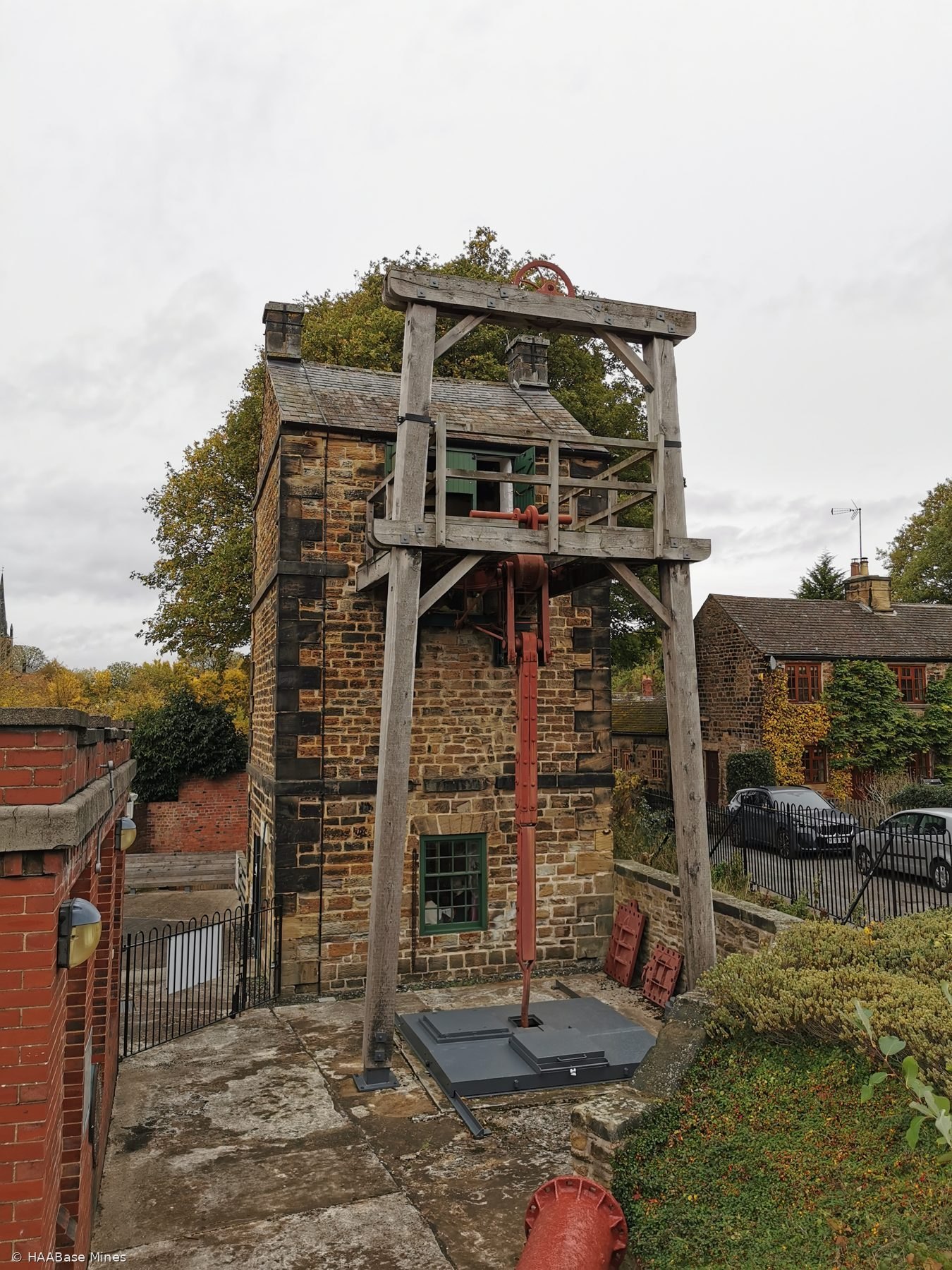
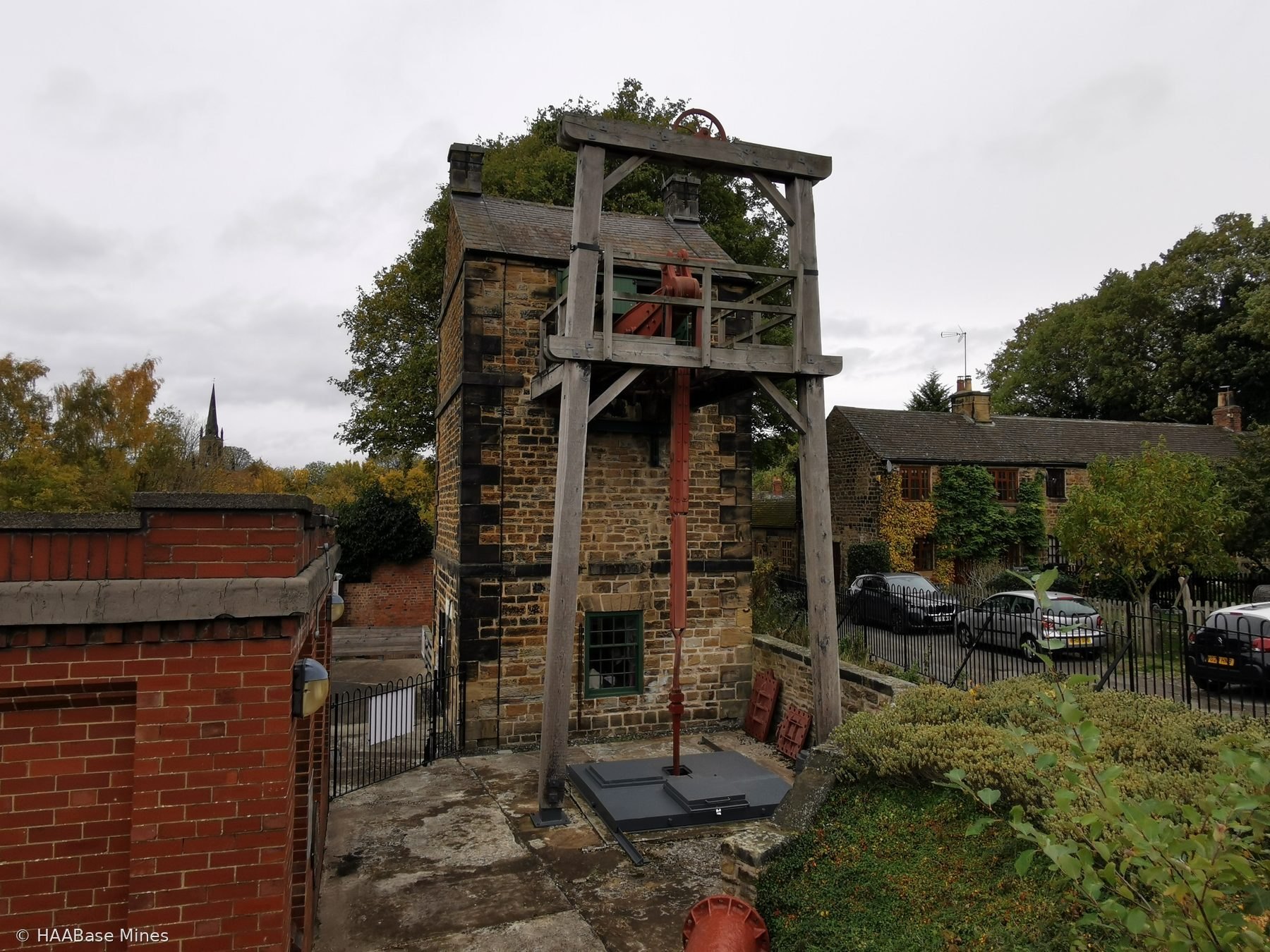
The engine is the only atmospheric engine of its type remaining in its original location in the world and is a Scheduled Ancient Monument (list entry 1004790). The engine was conserved and restored to working order between 2012 and 2014 with support from Barnsley Council, the National Lottery Heritage Fund, and Historic England. It now operates on hydraulics and is open to visitors at the Elsecar Heritage Centre, run by Barnsley Museums.

Elsecar Main Colliery, the last of the Elsecar pits, closed in October 1983 and was demolished by 1987.

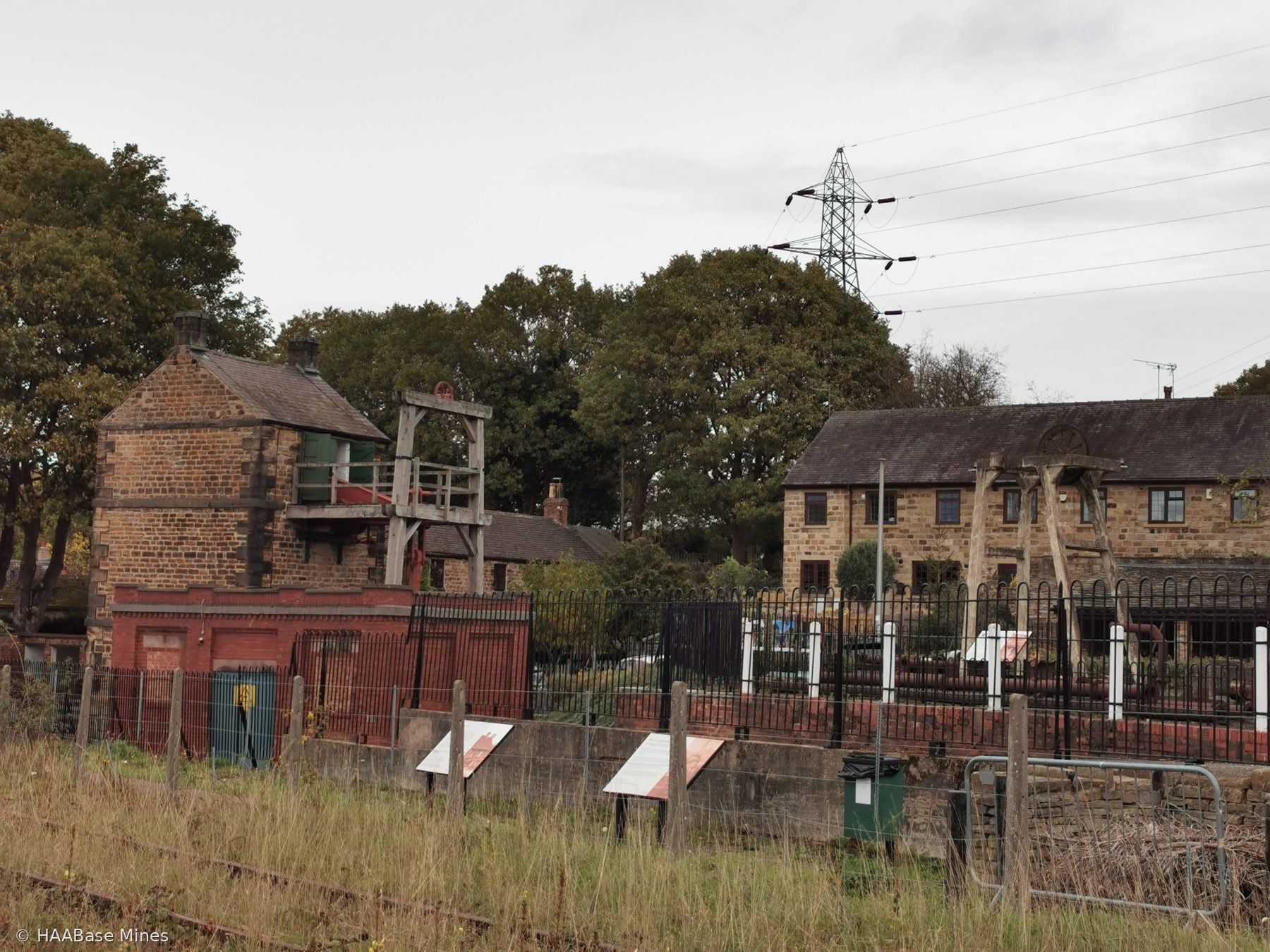
Set within the village of Elsecar, the surviving engine house reads as a compact historic remnant embedded in a broader heritage landscape shaped by former industry and later reuse.

Map & photo

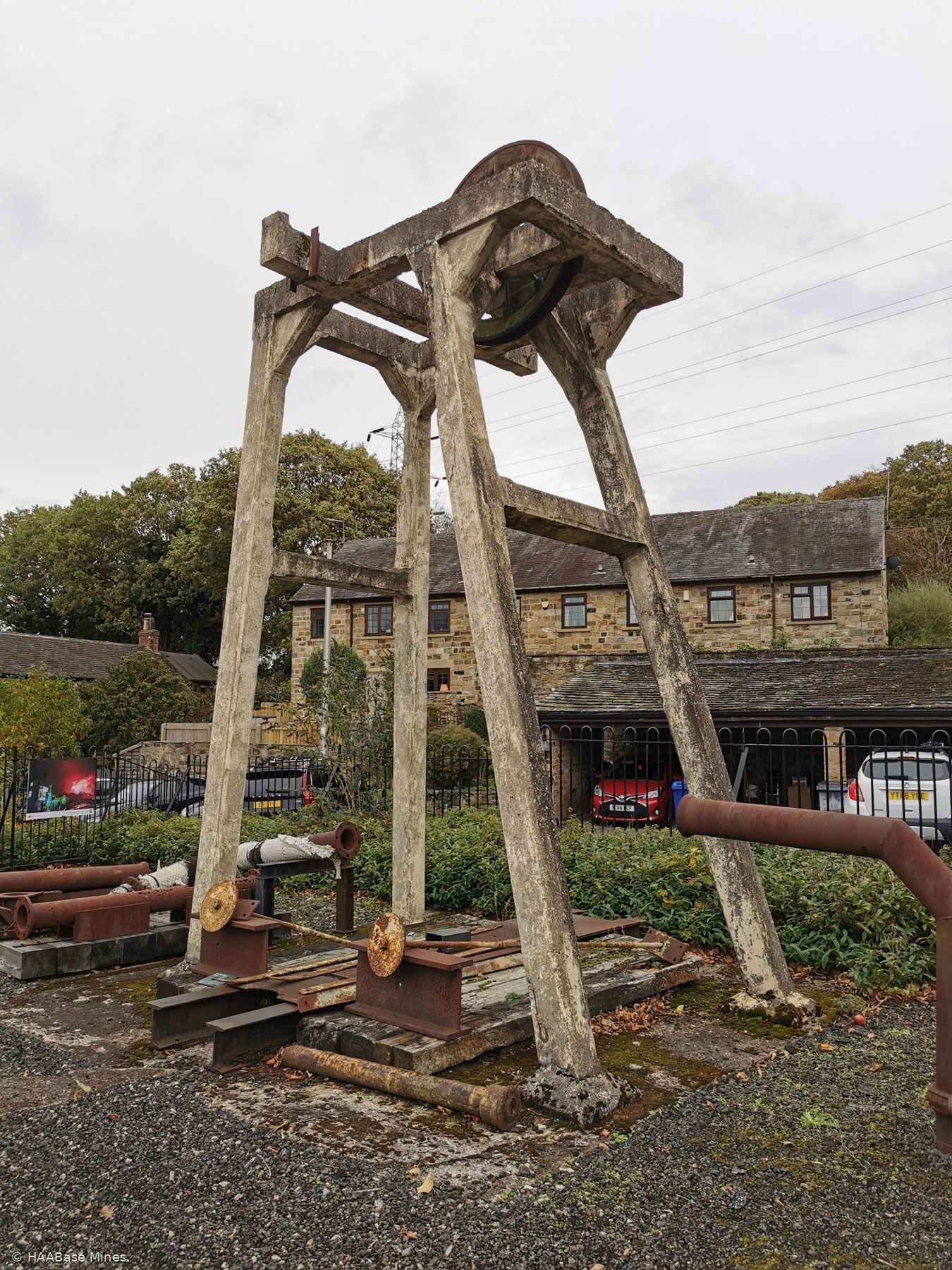
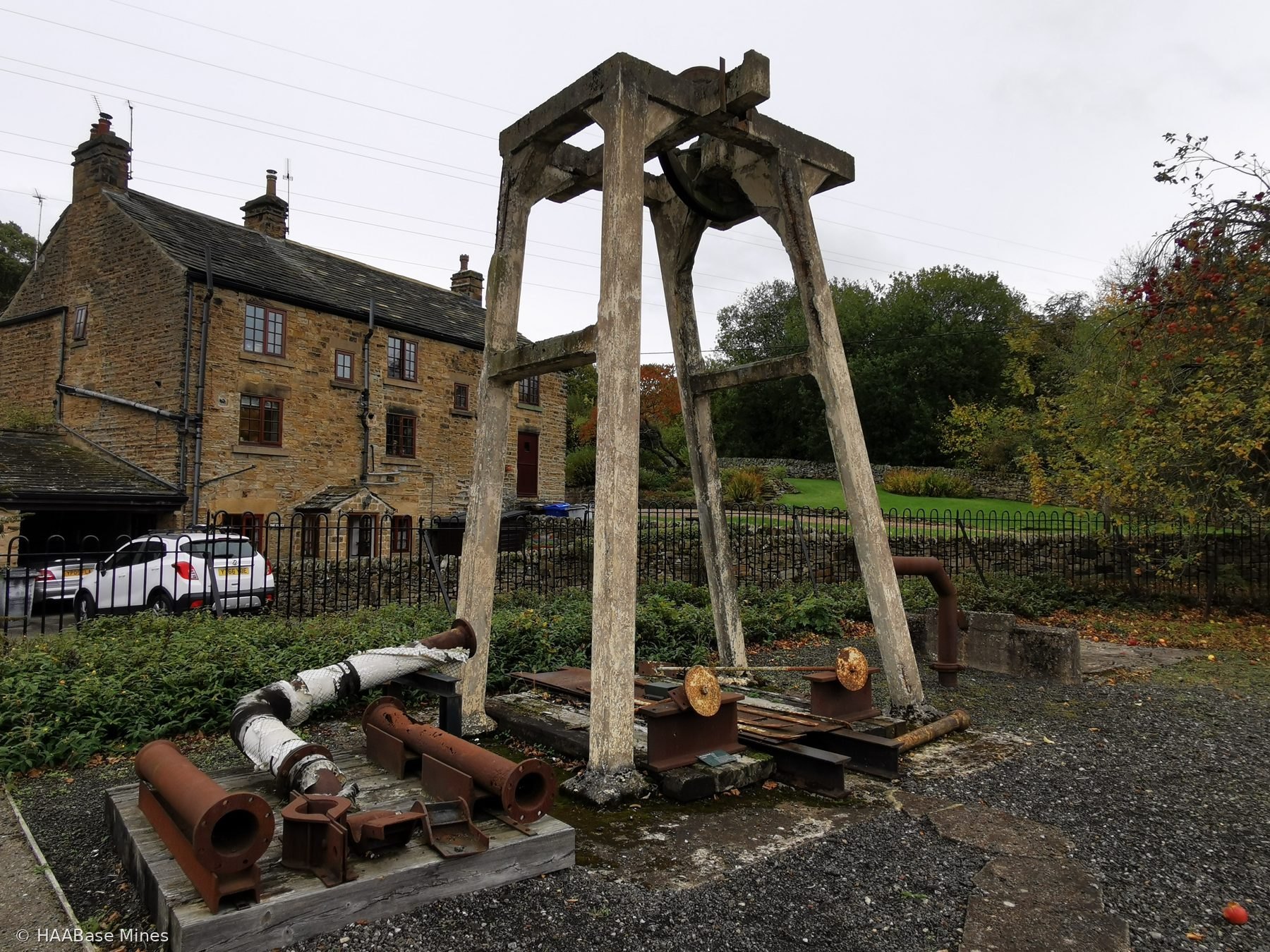
Elsecar New Colliery mine headframe or winding tower site
Photograph taken: 26 October 2025
Map markers and directions links are provided for location reference only and do not indicate public access or permission to enter a site.

History

Coal mining in Elsecar began around 1750 when Richard Bingley started the first colliery, Elsecar Old Colliery, at a depth of around 15 metres to exploit the Barnsley Bed. By 1752 the 2nd Marquis of Rockingham had taken over the colliery and by 1757 it comprised eight pits in and around Elsecar Green, worked using horse-powered gins. From 1750 until around 1795 the pits employed approximately nine men. Following the death of the 2nd Marquis of Rockingham in 1782, his estates were inherited by his cousin, the 4th Earl Fitzwilliam. The 4th Earl expanded Elsecar Old Colliery, adding steam winding engines in 1796; by 1848 the pit employed 87 men and boys and was renamed Elsecar High Colliery. It closed when its reserves were exhausted in 1888.

Elsecar New Colliery, the first deep colliery in the village, was sunk around 1794–5 to the south of the existing Elsecar Workshops. The sinking was undertaken to allow the Fitzwilliams to expand coal production and exploit the new transport opportunities presented by the Elsecar branch of the Dearne and Dove Canal, which received parliamentary approval in 1793 and reached Elsecar by 1799. The colliery had three shafts: two coal-winding shafts and one pumping shaft. The shafts reached the Barnsley seam at a depth of 120 feet. A Newcomen-type atmospheric beam engine, known as the Great Engine, was installed in 1795 to pump water from the colliery and allow the extraction of coal from deeper seams. The engine ran from 1795 to 1923 when it was replaced by electric pumps installed by the South Yorkshire Pumping Association. A second pumping engine was added in 1823 when the shafts were deepened to reach the Parkgate seam. The colliery was expanded in 1837 with the addition of a new shaft at Jump known as the Jump Pit, connected to the canal by an inclined plane in 1836 with infrastructure supplied by the Milton Ironworks. In 1808 the workforce numbered 95 men and boys. A 1796 ledger, the earliest known record of operations at the colliery, shows it made a clear profit of £975 that year. In 1928 Henry Ford visited Elsecar and attempted to purchase the Newcomen engine to take it to his museum in America; his request was refused by Earl Fitzwilliam.

Elsecar Mid Colliery, which by 1848 employed 121 men and boys, was abandoned in the mid-1850s as Simon Wood Colliery started production. Simon Wood Colliery was sunk in 1853 to a depth of 85 metres to the Barnsley seam and had three shafts. It was equipped with a steam-powered ventilating fan invented by Benjamin Biram, the Fitzwilliams' superintendent of mines. Simon Wood closed in 1903.

Elsecar Main Colliery, the last and deepest pit in the Elsecar complex, was sunk by the 7th Earl Fitzwilliam starting in July 1905 to work the Parkgate seam with a take covering 2,880 acres. No. 1 shaft was 16 feet in diameter and reached the Parkgate coal at 344 yards. No. 2 shaft was 18 feet in diameter and 400 yards to the sump bottom. Both shafts were brick-lined and had Bradley and Craven winding engines. The colliery generated its own electricity using steam from ten Lancashire boilers. The boilerhouse had a 184-foot chimney. Coal extraction proper began between 1905 and 1908. By 1923 the colliery employed 2,400 workers, 2,000 underground and 400 on the surface. The Parkgate seam became exhausted in 1942–43 and in 1924–25 the colliery was deepened to 534 yards to access the Silkstone seam. Seams worked over the colliery's lifetime included the Parkgate, Silkstone, Thorncliffe, Swallow Wood (Haigh Moor), Lidgett, and Kents Thick. The colliery's output was 1.3 million tons in 1967. Pit head baths were built in 1938 when 1,500 men were employed. King George V visited and went underground at Elsecar Main on 9 July 1912. The Fitzwilliam era ended in 1947 when the colliery was nationalised. Elsecar Main Colliery closed in October 1983 and the surface plant was demolished by 1985.

The Newcomen engine at Elsecar New Colliery became a Scheduled Ancient Monument in 1972 or 1973 (the monument number is SY1146). Following major conservation work funded by the National Lottery Heritage Fund (£425,000) and English Heritage (£60,000), the engine was restored to working order by 2014. It now operates using a hydraulic ram, allowing the beam, cylinder piston, and pump rods to be worked without the need to replace large amounts of historic ironwork. The engine is understood to be the oldest steam engine in the world still in its original building and over its original mine shaft. The scheduled monument has since been extended to include important remains of the associated colliery pithead that were revealed by excavation. Elsecar Heritage Centre, which now occupies the former New Yard colliery workshops built for Earl Fitzwilliam in 1850, is operated by Barnsley Museums and is open to visitors; the Newcomen engine compound is open every day except Christmas Day, Boxing Day, and New Year's Day, with guided tours operating between Easter and October each year.
Timeline

1750

Elsecar Old Colliery founded by Richard Bingley

Around 1750 Richard Bingley started the first colliery at Elsecar, comprising shallow pits to a depth of approximately 15 metres worked by horse-powered gins. In 1752 the 2nd Marquis of Rockingham took over; by 1757 the colliery comprised eight pits. From 1750 to around 1795 it employed approximately nine men.
1794–1795
Construction

Elsecar New Colliery sunk; Newcomen engine installed

Elsecar New Colliery, the first deep colliery in the village, was sunk around 1794–5 by the 4th Earl Fitzwilliam. The colliery had three shafts reaching the Barnsley seam at 120 feet. The Newcomen-type atmospheric beam engine, known as the Great Engine, was installed in 1795 to pump water from the workings.
1796
Construction

Elsecar Old Colliery steam winding engines added; New Colliery ledger records first operations

In 1796 the 4th Earl Fitzwilliam added steam winding engines to Elsecar Old Colliery. The earliest dated record of operations at Elsecar New Colliery, a ledger for 1796, shows a clear profit of £975 that year.
1823
Construction

New Colliery deepened to Parkgate seam; second pumping engine added

In 1823 the shafts at Elsecar New Colliery were deepened to reach the Parkgate seam and a second pumping engine was added.
1837
Construction

Jump Pit shaft added as extension of Elsecar New Colliery

The colliery was expanded in 1837 with the addition of a new shaft at Jump known as the Jump Pit. This shaft was connected to the canal by an inclined plane completed in 1836 with infrastructure supplied by the Milton Ironworks.
1853–1903
Construction

Simon Wood Colliery sunk and operated

Simon Wood Colliery was sunk in 1853 to 85 metres to the Barnsley seam, with three shafts. It was equipped with a steam-powered ventilating fan invented by Benjamin Biram. It replaced Elsecar Mid Colliery and continued production until 1903 when it was in turn replaced by Elsecar Main Colliery.
1888
Closure

Elsecar High Colliery (Old Colliery) closed

Elsecar High Colliery, the former Elsecar Old Colliery, closed when its reserves were exhausted in 1888. By 1848 it had employed 87 men and boys.
1905–1908
Construction

Elsecar Main Colliery sunk

Elsecar Main Colliery was sunk by the 7th Earl Fitzwilliam starting in July 1905 to replace Simon Wood Colliery. No. 1 shaft (16 feet diameter) reached the Parkgate coal at 344 yards; No. 2 shaft (18 feet diameter) reached 400 yards to the sump bottom. Both had Bradley and Craven winding engines. Coal extraction began between 1905 and 1908.
1923
Construction

Newcomen engine ceases pumping; electric pumps installed

The Newcomen engine at Elsecar New Colliery, which had pumped water from the workings from 1795, was replaced by electric pumps installed by the South Yorkshire Pumping Association in 1923.
1924–1925
Construction

Elsecar Main deepened to Silkstone seam

Elsecar Main Colliery was deepened in 1924–25 to 534 yards to access the Silkstone seam, extending its working depth beyond the original Parkgate seam.
1928
Heritage

Henry Ford refused permission to purchase the Newcomen engine

In 1928 Henry Ford visited Elsecar and attempted to purchase the Newcomen engine to take it to his museum in America. His request was refused by Earl Fitzwilliam.
1947
Legislation

Nationalisation of Elsecar Main

Elsecar Main Colliery was nationalised in 1947, ending the Fitzwilliam era of ownership. In 1949 the pit employed 1,760 workers.
1967
Operation

Elsecar Main output reaches 1.3 million tons

In 1967 the output of Elsecar Main Colliery was 1.3 million tons. The National Coal Board had invested in the colliery in the 1960s.
1972–1973
Heritage

Newcomen engine designated a Scheduled Ancient Monument

The Newcomen engine and its engine house at Elsecar New Colliery became a Scheduled Ancient Monument (monument number SY1146) in 1972 or 1973.
1983
Closure

Elsecar Main Colliery closed

Elsecar Main Colliery closed in October 1983 due to diminishing coal reserves, ending over 230 years of mining in Elsecar. The surface plant was demolished by 1985.
2012–2014
Heritage

Newcomen engine conserved and restored to working order

The Newcomen engine at Elsecar New Colliery was conserved and restored to working order between 2012 and 2014, supported by £425,000 from the National Lottery Heritage Fund and £60,000 from English Heritage. The engine now operates using a hydraulic ram. The scheduled area was also extended to include excavated colliery pithead remains.

Sources and records

Wikipedia: Elsecar Collieries
Wikipedia: Elsecar
Wikipedia: Elsecar Heritage Centre
Grace's Guide to British Industrial History: Elsecar Collieries
Elsecar Heritage Centre website: The village and people of Elsecar from the 1900s
Barnsley Museums blog: Being accountable – Elsecar Colliery Ledger 1796
Friends of Hemingfield Colliery website: History page (Elsecar Main section)
Historic England: The former Elsecar New Colliery including the Elsecar Newcomen Engine, Scheduled Monument list entry 1004790
Historic England: 16 Historic Sites Listed and Upgraded in Village of Elsecar article
Historic England educational images: Elsecar Colliery Newcomen Engine
Historic England Elsecar Heritage Centre: Engine description and opening times
Heritage Calling (Historic England blog): Elsecar's Historic Past in 10 Images
Friends of Hemingfield Colliery: Unveiling of the restored Newcomen-type engine at Elsecar (2014)
Geograph image description: Elsecar Colliery Newcomen Engine
Grokipedia: Elsecar Collieries
Engole.info: Elsecar Collieries (Northern Mine Research Society derived)
This researched site record is part of the HAABase Mines database. Normal personal research and browsing is welcome. Automated bulk extraction, republication, or harvesting of site text and images is not permitted without written consent.