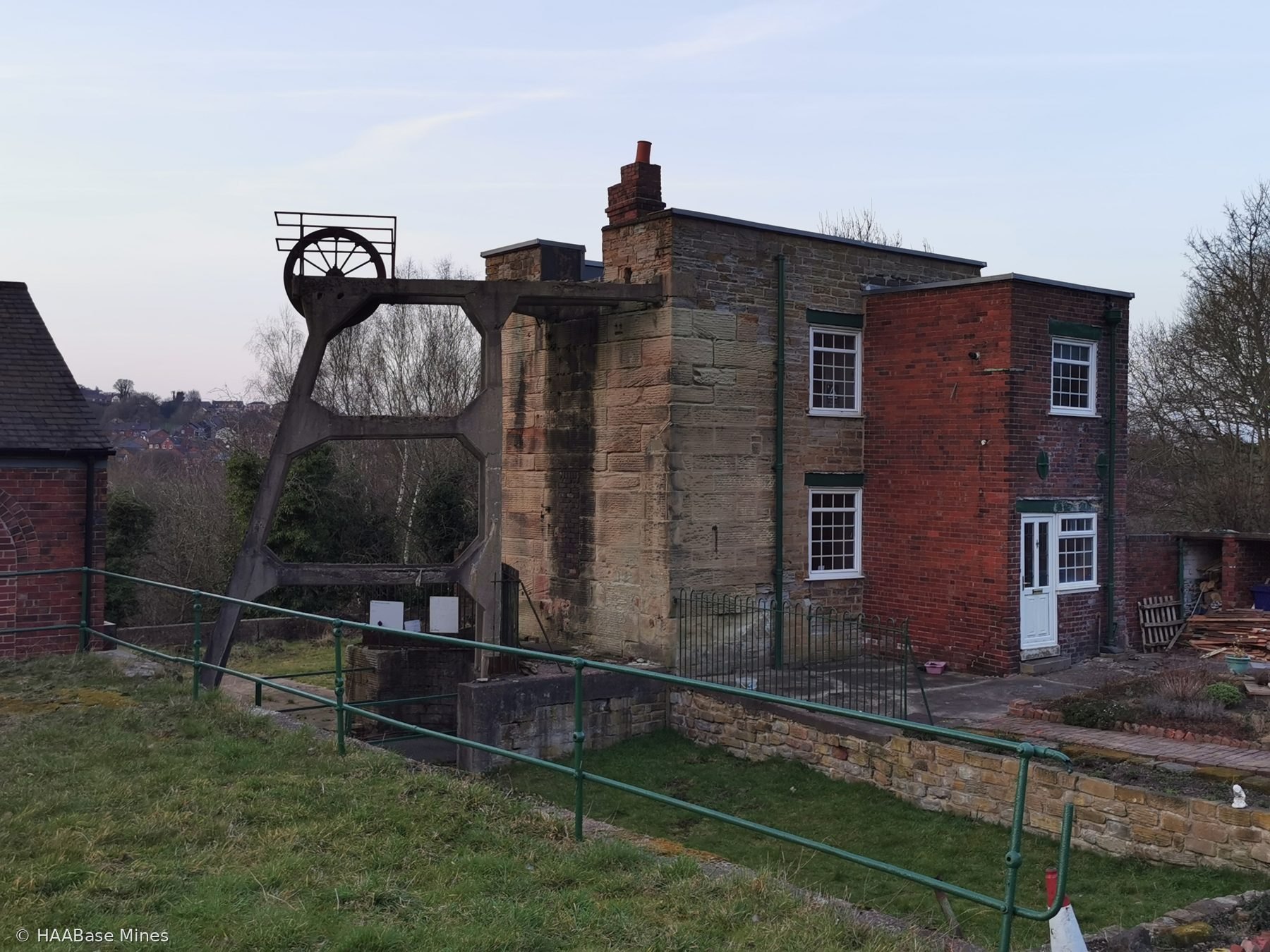
Site overview

Hemingfield Colliery, also known as Low Elsecar Colliery, was developed for Earl Fitzwilliam in the 1840s under the management of Benjamin Biram, his steward and mineral agent. Shaft sinking began in earnest in 1842 and the winding shaft reached the Barnsley seam at a depth of 157 yards in late 1847. The colliery worked the Barnsley coal for Earl Fitzwilliam until 15 May 1920, when coal drawing ceased.

The site was then converted into a pumping station, operated successively by the South Yorkshire Pumping Association, the National Coal Board's Mines Drainage Unit, and British Coal, to prevent water from abandoned mine workings flooding active collieries in the area. Pumping was discontinued in October 1989. The site subsequently suffered neglect and theft before the Friends of Hemingfield Colliery purchased it in June 2014.

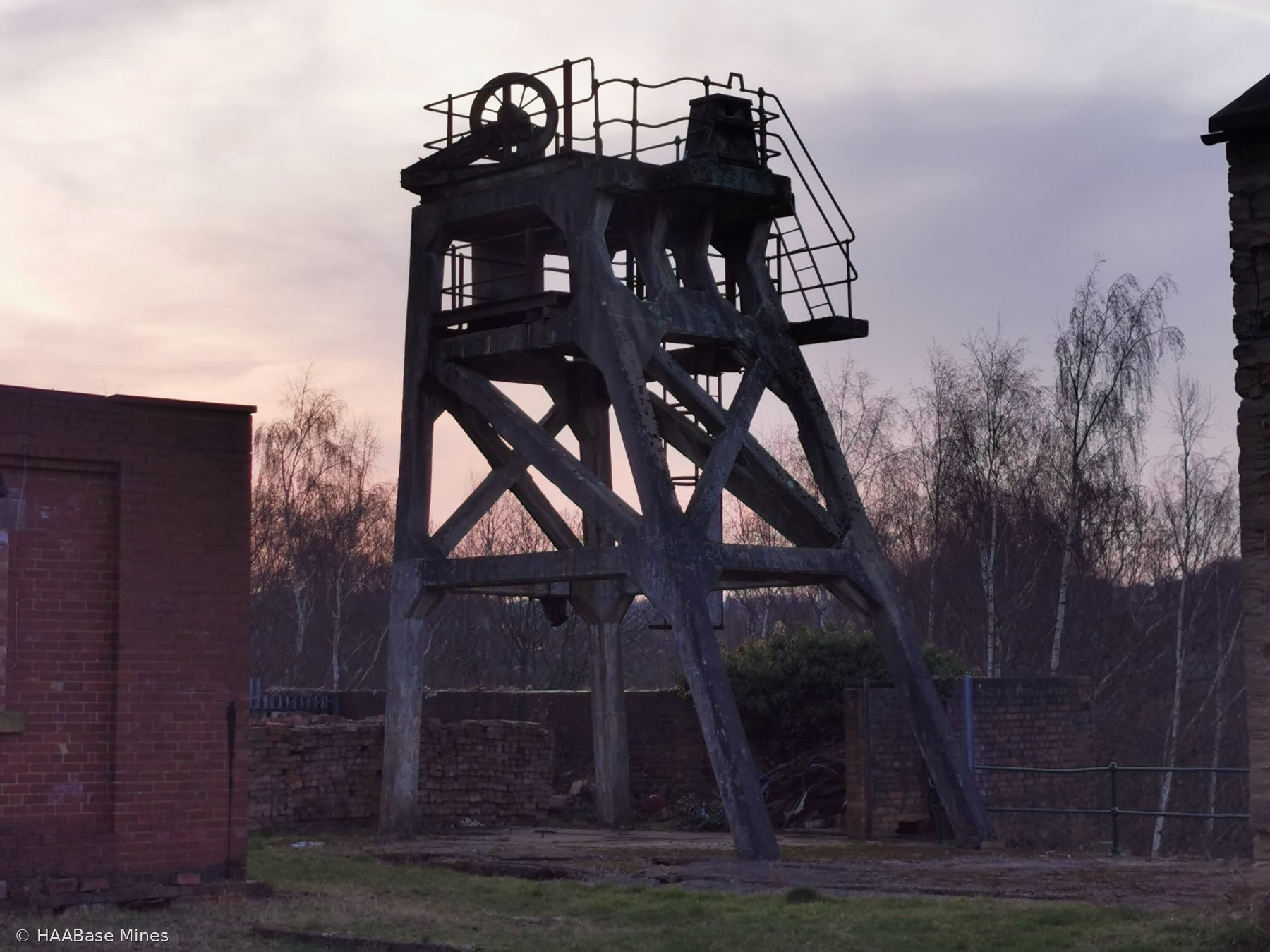
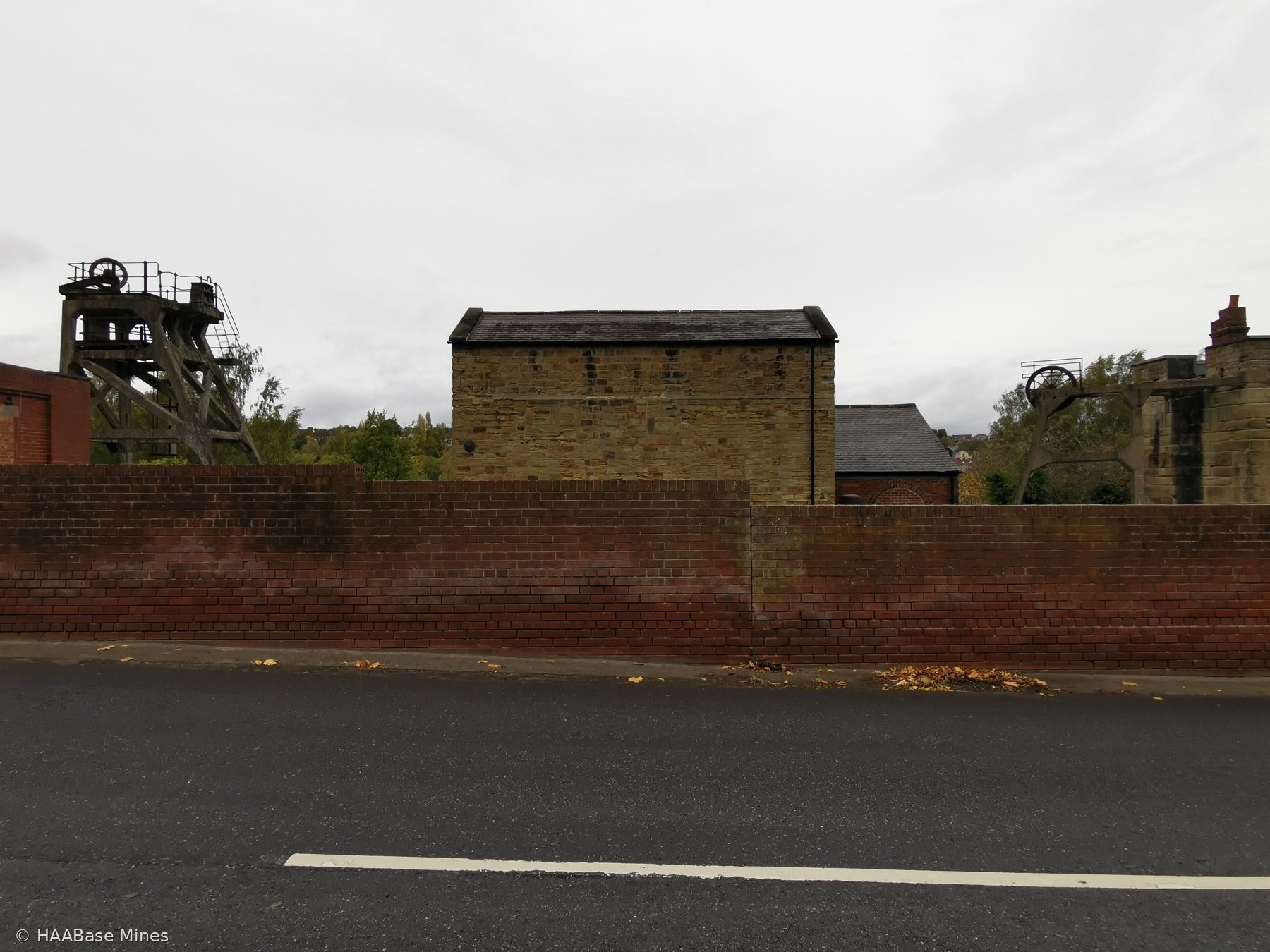
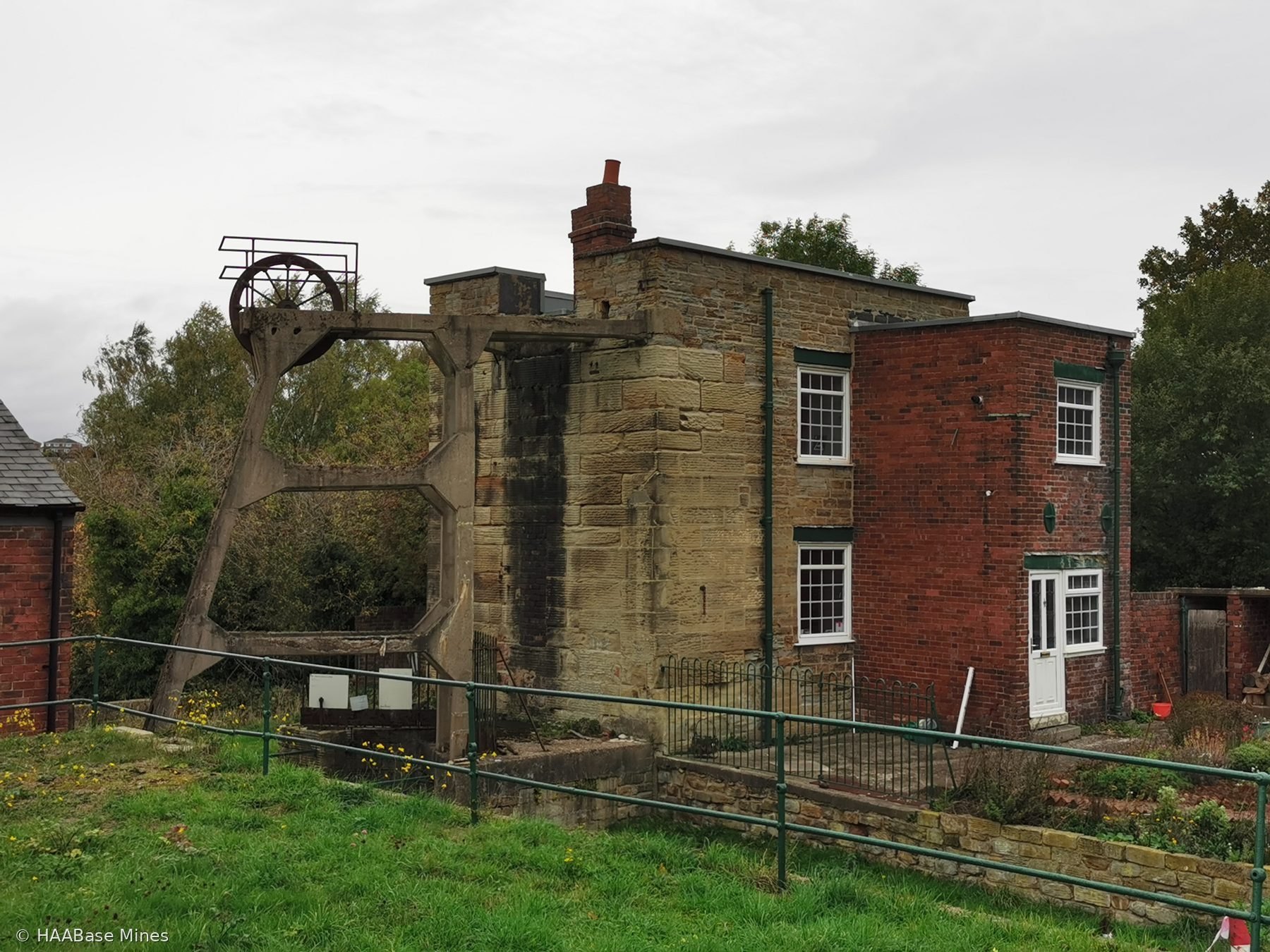
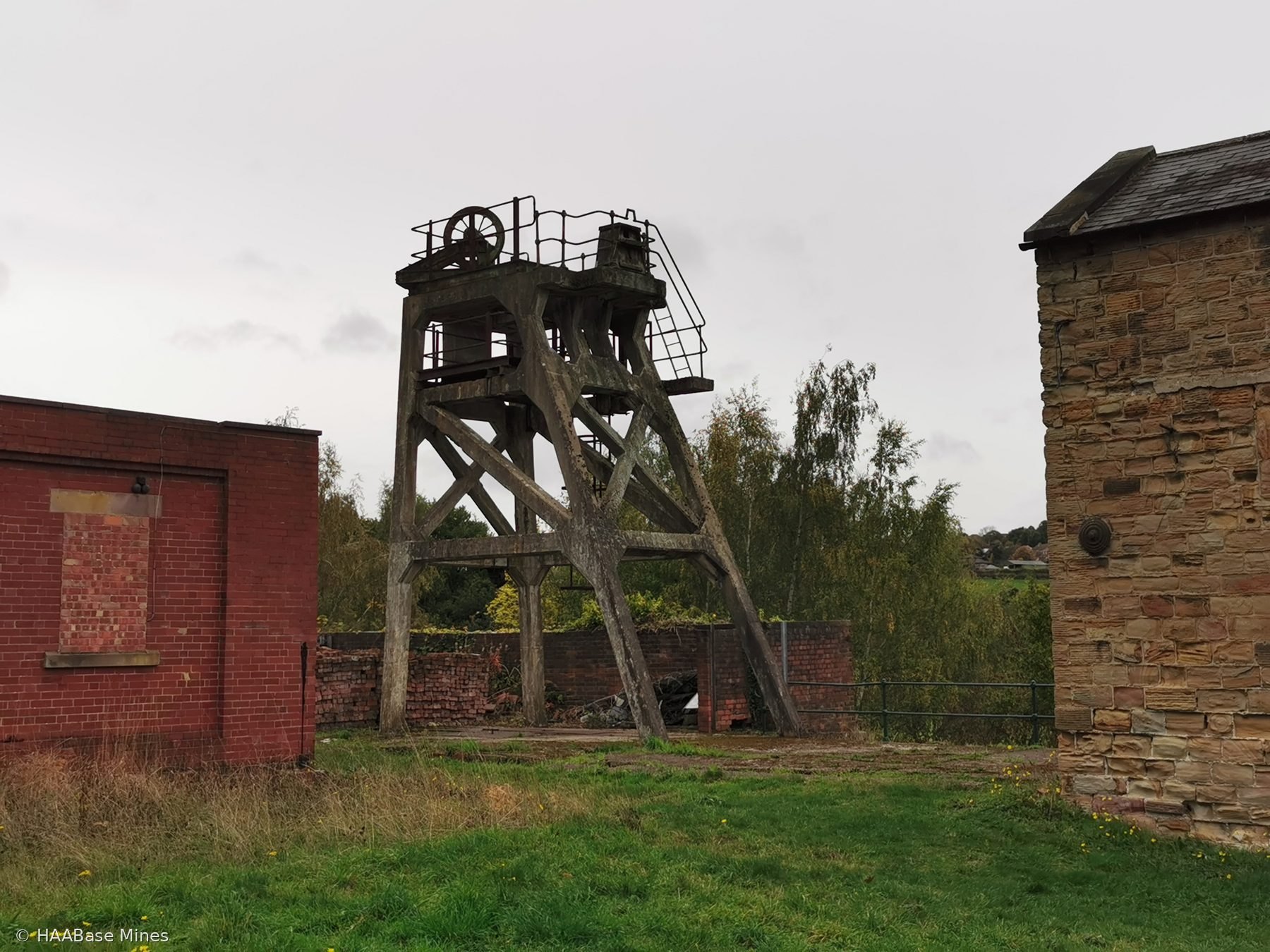
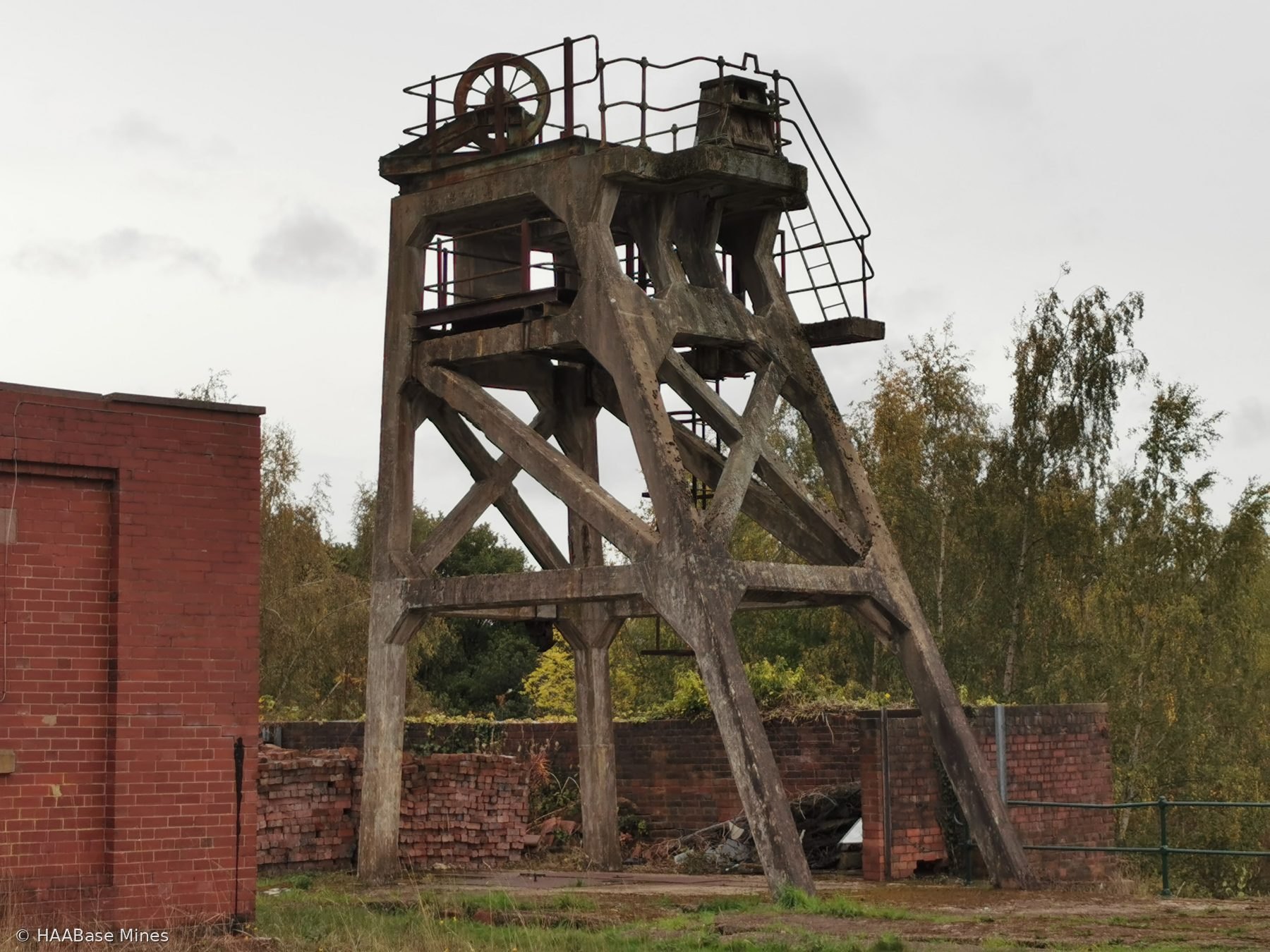
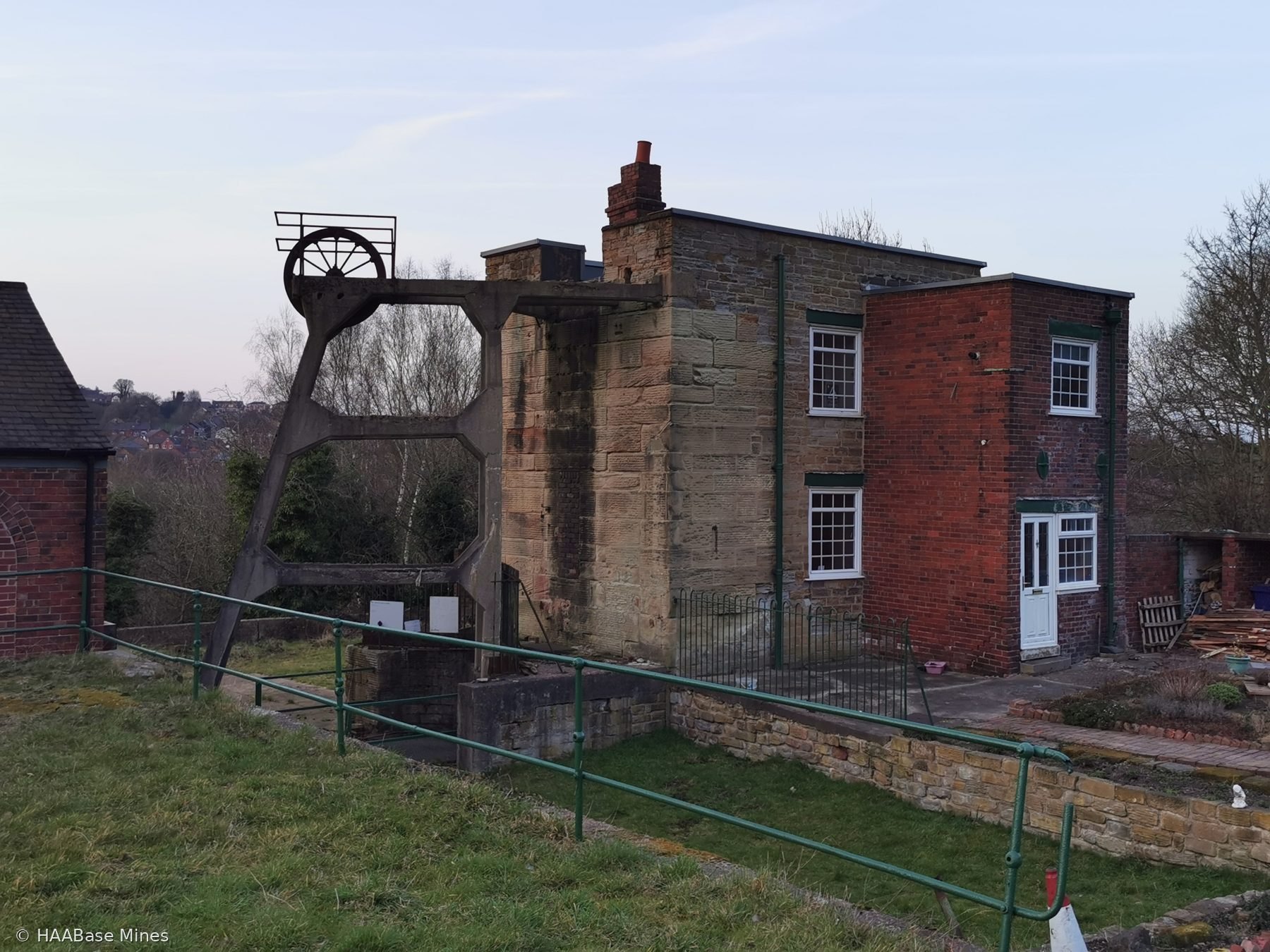
In October 2020 the colliery site was designated a Scheduled Monument and the Pump House Cottage, a converted section of the former Cornish pumping engine house, was listed Grade II*. The surviving structures include two concrete headgears, a winding engine house, a Cornish pumping engine house converted to residential use, an electrical substation building, and a row of pit cottages.

The site lies on the edge of a village in a mixed settled landscape, where the surviving headgears, buildings, and cottages still read as a distinct and coherent historic site.

Map & photo

Hemingfield Colliery mine headframe or winding tower site
Photograph taken: 26 October 2025
Map markers and directions links are provided for location reference only and do not indicate public access or permission to enter a site.

History

Hemingfield Colliery, also known as Low Elsecar Colliery, was developed for Earl Fitzwilliam in the 1840s. It formed part of the Earl's Elsecar Collieries, consisting of Elsecar High, Mid, and Low pits. Shaft sinking began in earnest in 1842 under the management of Benjamin Biram (1803–1857), the Earl's steward, mineral agent, and general manager. The work encountered problems with gas and water before the winding pit finally reached the coal of the Barnsley seam in late 1847, at a depth of 157 yards. This seam was approximately 9 feet 5 inches thick and was also referred to as the Elsecar coal.

When at work, the colliery consisted of several shafts. The two downcast pits were each 468 feet deep: the first was a circular engine or pumping pit, served by a 130 horsepower Cornish engine fired by three boilers and raising water in three lifts; the second was an elliptical 10-foot-diameter winding shaft worked by a 30 horsepower vertical cylinder engine with flat hemp ropes, later replaced by flat wire ropes, over a winding drum. One upcast arrangement (effectively two shafts later joined into one at the surface) was sunk circa 1852–3 to improve ventilation; this comprised a 9-foot-diameter circular shaft and a 7-foot-diameter circular shaft. An additional downcast, the Rainborough shaft, 14 feet in diameter and 175 yards deep in total, was sunk between 1864 and 1865. When first opened the colliery already had a connection to the Elsecar branch of the Dearne and Dove Canal, with its own loading basin, the Hemingfield Basin, which survives today. In 1851 coal from Hemingfield was sent to the Museum of Practical Geology to be tested for its suitability for fuelling Royal Navy steam ships. The coal was described as easy to light and free burning, though it produced considerable quantities of ash.

On 22 December 1852 an explosion underground at 1.30 pm claimed ten lives and injured a further twelve miners. An inquest followed, led by coroner Thomas Badger, and the Mines Inspector for Yorkshire, Charles Morton, admonished the management and the men. Printed rules for the safety of the miners were thereafter required. The explosion had been caused by firedamp ignited when some miners removed the tops of their safety lamps. After 1852 the colliery enjoyed a relatively good record of operations under Biram's management. In 1850 the colliery also gained a connection to the South Yorkshire Railway when the Elsecar branch was opened.

The 1850s and 1860s saw significant investment in improved ventilation, including two additional ventilation shafts sunk shortly after the pit began working, topped by a ventilating fan with boiler plant, engine house, and chimney. In the 1860s a further large-diameter shaft was sunk towards Rainborough Grange to increase airflow in the workings. Superintendence passed from Benjamin Biram to John Hartop (1815–1902) following Biram's death in 1857. By 1869 Hemingfield was raising 500 tons of coal per day, and was then the busiest of the three Elsecar pits at work.

On 23 July 1883 the old wooden pit headgear at Hemingfield was taken down and a new headgear was in place by 4 August 1883, with coal winding recommencing on 6 August. John Hartop retired as general manager in June 1886 and was replaced by Thomas Newbould (1845–1933) on 1 July 1886. In 1937 the original steam winding engine with its flat rope drum was replaced with electrical equipment and a smaller round rope drum. Hemingfield Colliery ceased drawing coal for Earl Fitzwilliam on 15 May 1920.

From 15 May 1920 the South Yorkshire Pumping Association, formed by fifteen local collieries alarmed at the flooding of old abandoned mine workings in the Barnsley seam, took over the pumping operations at Hemingfield. The three Fitzwilliam water drainage sites were formally conveyed to the Association on 4 October 1920. Under the nationalisation of the coal industry in 1947 pumping passed to the National Coal Board and its Mines Drainage Unit. In 1987 the National Coal Board was rebranded as the British Coal Corporation, and Hemingfield was managed directly from Silverwood Colliery. Pumping was finally discontinued in October 1989. The site was retained as a pumping station by the South Yorkshire Group of British Coal after pumping ceased. Following the Coal Industry Act 1994 and the privatisation of the industry, the site passed through successive ownerships: Central and Northern Mining Limited (established November 1994), then RJB Mining (UK) Ltd (renamed December 1994), then UK Coal Mining Ltd (renamed May 2001). Following a major underground fire at Daw Mill Colliery in February 2013, UK Coal entered insolvency and the site passed to the liquidators BDO.

In December 2013 the Friends of Hemingfield Colliery made an offer to purchase the site. The purchase was completed on 27 June 2014. The Friends had purchased the winding engine house, a roofless electrical house, two reinforced concrete headgears, and the surrounding land. Pump House Cottage, a truncated section of the former Cornish pumping engine house converted to residential use, was at that time separately owned. In September 2016 funding was secured for conservation reconstruction of the roof of the original 1846 winding engine house. In November 2018 the Friends received support from the National Lottery Heritage Fund for their project, Hemingfield Colliery Restoration – saving, sharing and celebrating Hemingfield's hidden history. In October 2020 Historic England scheduled the colliery site as a Scheduled Monument and listed Pump House Cottage at Grade II*, providing national recognition of the importance of the surviving historic buildings. The surviving structures include two concrete headgears, the winding engine house, a Cornish pumping engine house converted to residential use as Pump House Cottage, an electrical substation building, and a row of pit cottages known as Pit Row.
Timeline

1842–1847
Exploration

Shaft sinking begun for Earl Fitzwilliam; Barnsley seam reached

Shaft sinking began in earnest in 1842 under the management of Benjamin Biram. The work encountered problems with gas and water before the winding pit finally reached the Barnsley seam in late 1847, at a depth of 157 yards. The seam was approximately 9 feet 5 inches thick.
1848
Operation

Coal production at 1,000 tons per day

By 1848 approximately 1,000 tons of coal per day were being extracted from the Barnsley seam.
1850
Construction

South Yorkshire Railway Elsecar branch connection obtained

In 1850 the Elsecar branch of the South Yorkshire Railway was opened, providing the colliery with a railway connection in addition to its existing canal link.
1852
Operation

Firedamp explosion kills ten miners

On 22 December 1852 a firedamp explosion underground at 1.30 pm killed ten miners and injured twelve more. The explosion was caused by miners removing the tops of their safety lamps. An inquest was held and printed safety rules were thereafter required.
1852–1853
Construction

Upcast ventilation shafts sunk

Circa 1852–3 two further shafts were sunk to improve ventilation: a 9-foot-diameter circular upcast shaft and a 7-foot-diameter circular upcast shaft, later joined into one at the surface.
1864–1865
Construction

Rainborough shaft sunk

An additional downcast shaft, the Rainborough shaft, 14 feet in diameter and 175 yards deep, was sunk between 1864 and 1865 to increase airflow in the expanding underground workings.
1869
Operation

Production reaches 500 tons of coal per day

By 1869 Hemingfield was raising 500 tons of coal per day and was the busiest of the three Elsecar pits then at work.
1883
Construction

Old wooden headgear replaced

On 23 July 1883 the old wooden pit headgear at Hemingfield was taken down. A new headgear was in place by 4 August 1883 and coal winding recommenced on 6 August.
1920
Closure

Coal drawing ceases; South Yorkshire Pumping Association takes over

Hemingfield Colliery ceased drawing coal for Earl Fitzwilliam on 15 May 1920. The three Fitzwilliam drainage sites were formally conveyed to the South Yorkshire Pumping Association on 4 October 1920. The Association, formed by fifteen local collieries, operated the site as a pumping station to prevent rising water from abandoned workings flooding active collieries.
1937
Construction

Steam winding engine replaced with electrical winding equipment

In 1937 the original steam winding engine with its flat rope drum in the winding engine house was replaced with electrical equipment and a smaller round rope drum.
1947
Legislation

Nationalisation; pumping passes to National Coal Board Mines Drainage Unit

At nationalisation in 1947 pumping at Hemingfield passed to the National Coal Board and its Mines Drainage Unit.
1989
Closure

Pumping discontinued

Pumping was finally discontinued in October 1989. The site was retained as a pumping station by the South Yorkshire Group of British Coal after pumping ceased.
2014
Heritage

Friends of Hemingfield Colliery purchase site

The Friends of Hemingfield Colliery completed the purchase of the winding engine house, roofless electrical house, two reinforced concrete headgears, and surrounding land on 27 June 2014, following an offer made in December 2013.
2016
Heritage

Funding secured for winding engine house roof restoration

In September 2016 funding was secured for conservation reconstruction of the roof of the original 1846 winding engine house. Funders included the Dearne Valley Landscape Partnership, the Association for Industrial Archaeology, and Subterranea Britannica.
2018
Heritage

National Lottery Heritage Fund grant awarded

In November 2018 the Friends of Hemingfield Colliery received National Lottery Heritage Fund support for their project, Hemingfield Colliery Restoration – saving, sharing and celebrating Hemingfield's hidden history.
2020
Heritage

Colliery site scheduled; Pump House Cottage listed Grade II*

In October 2020 Historic England scheduled the colliery site as a Scheduled Monument (list entry 1465079) and listed Pump House Cottage, the truncated former Cornish pumping engine house, at Grade II* (list entry 1470733).

Sources and records

Friends of Hemingfield Colliery website: History page
Friends of Hemingfield Colliery website: Our Future page
Friends of Hemingfield Colliery website: Saving Sharing and Celebrating Hemingfield's Hidden History page
Friends of Hemingfield Colliery website: South Yorkshire Pumping Association Origins page
Friends of Hemingfield Colliery website: Celebrating 10 years post (2024)
Heritage Open Days listing: Hemingfield Colliery
Historic England: Hemingfield Colliery Scheduled Monument, list entry 1465079
Historic England: Former Cornish Pumping Engine House at Hemingfield Colliery, list entry 1470733
Wikitree: Hemingfield Low Elsecar Pit Colliery Disaster
Discover Dearne: Hemingfield Colliery
This researched site record is part of the HAABase Mines database. Normal personal research and browsing is welcome. Automated bulk extraction, republication, or harvesting of site text and images is not permitted without written consent.