History
The puits Gérard stands at Mimet, one of the highest villages in the Bouches-du-Rhône at 500 metres altitude, overlooking the bassin minier de Provence. The lignite of Mimet's subsoil, the same Fuvélien deposit exploited throughout the broader Provence basin, was worked through a succession of descenderies from the seventeenth century onward, eventually driving into the geology to reach the couches at depth. The puits Biver, established at Mimet in the early twentieth century, was a predecessor shaft at the site; following its abandonment, a junction was made to ensure the puits Gérard was connected to the Galerie de la Mer.
The Galerie de la Mer itself — authorised by decree of 21 March 1889 for the Société Anonyme de Charbonnages des Bouches-du-Rhône — was constructed to drain the endemic water problem of the basin by directing mine water via a continuous underground gallery to the sea at Marseille. It departs from the Mimet side of the basin at altitude +229 metres above sea level and remains operational. Sinking of the puits Gérard began in 1941 or 1942 (sources differ by a year) under the Société Nouvelle des Charbonnages des Bouches-du-Rhône, with the explicit purpose of concentrating all extraction for the Gardanne-Gréasque sector.
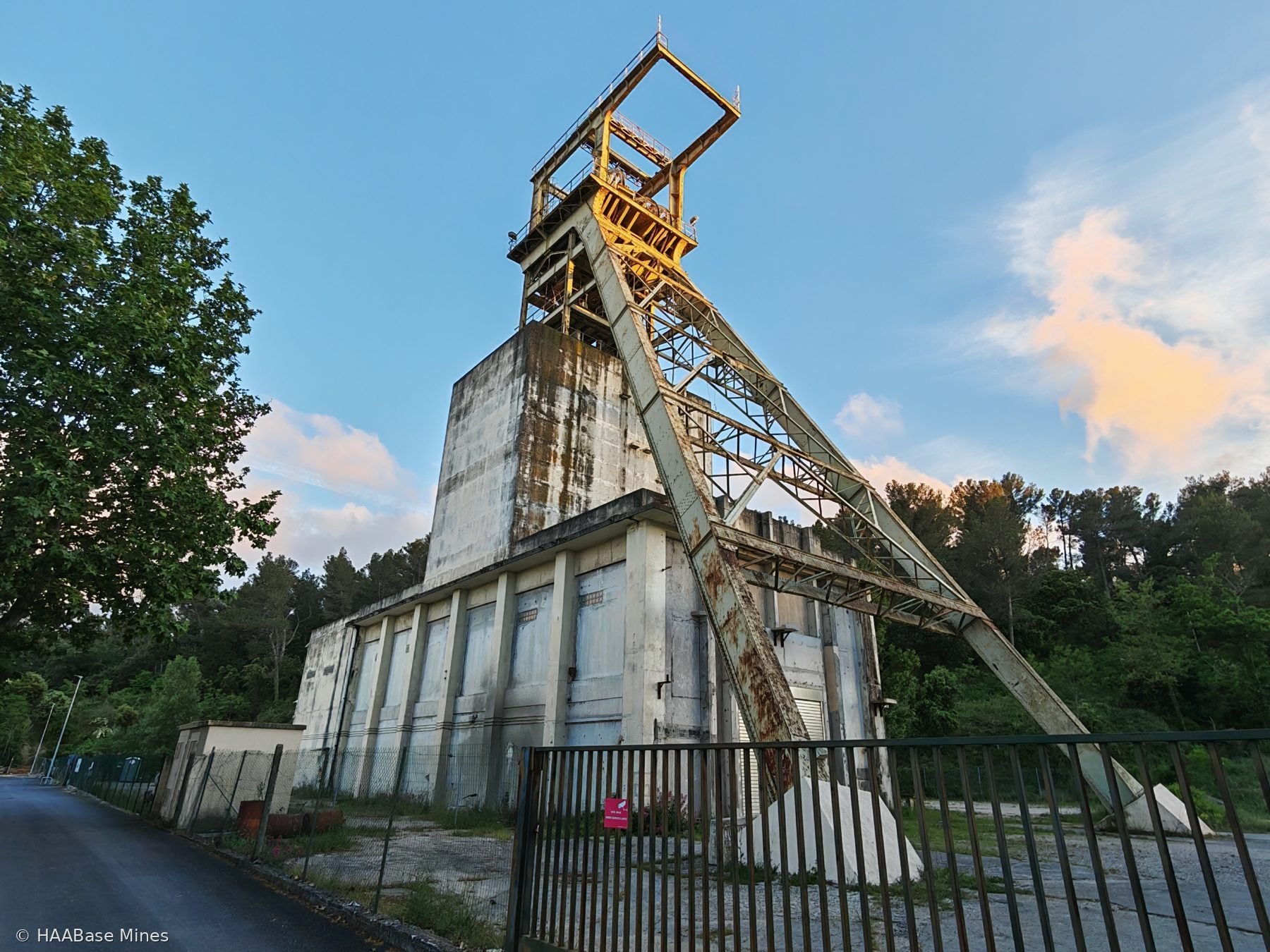
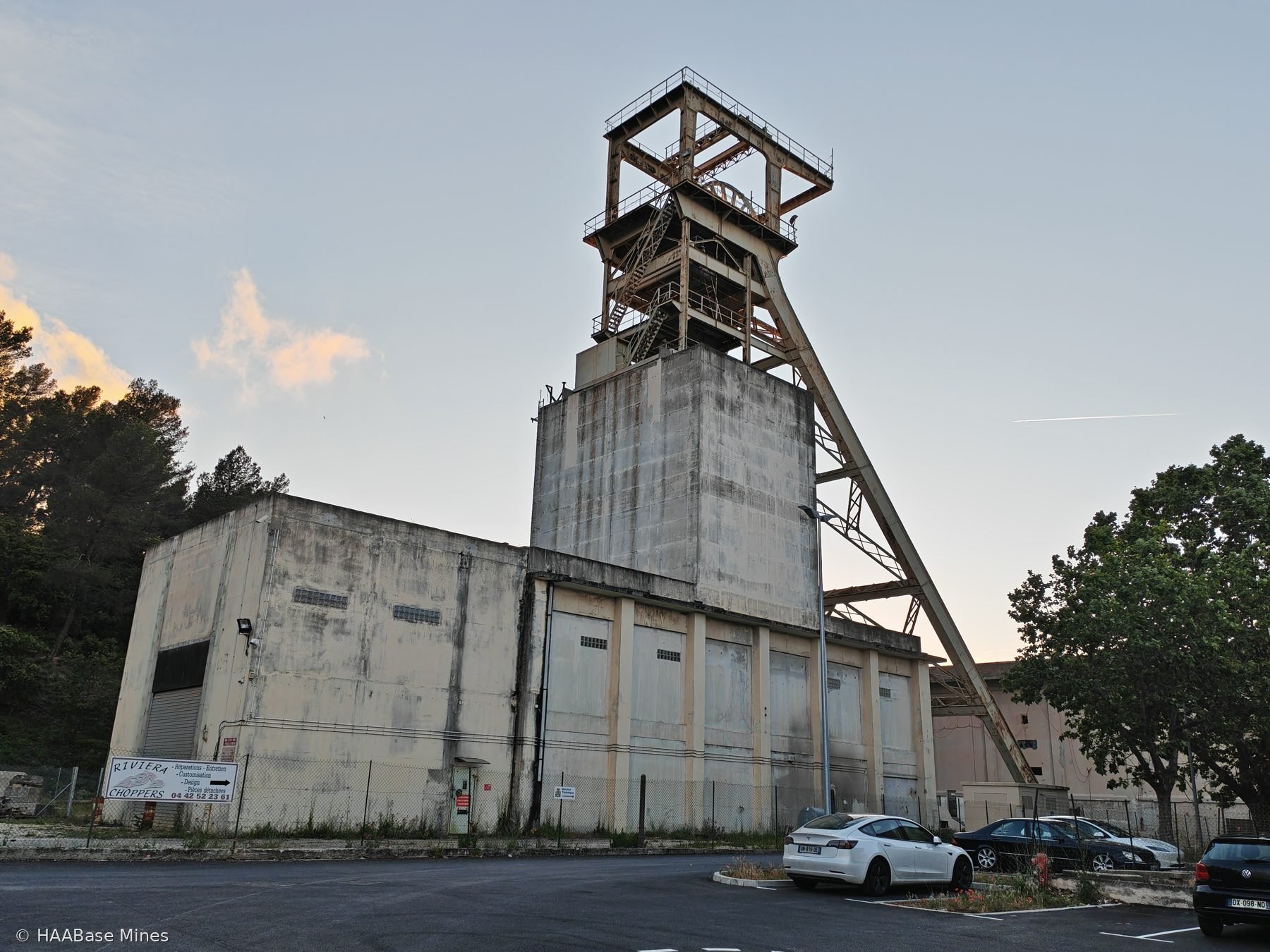
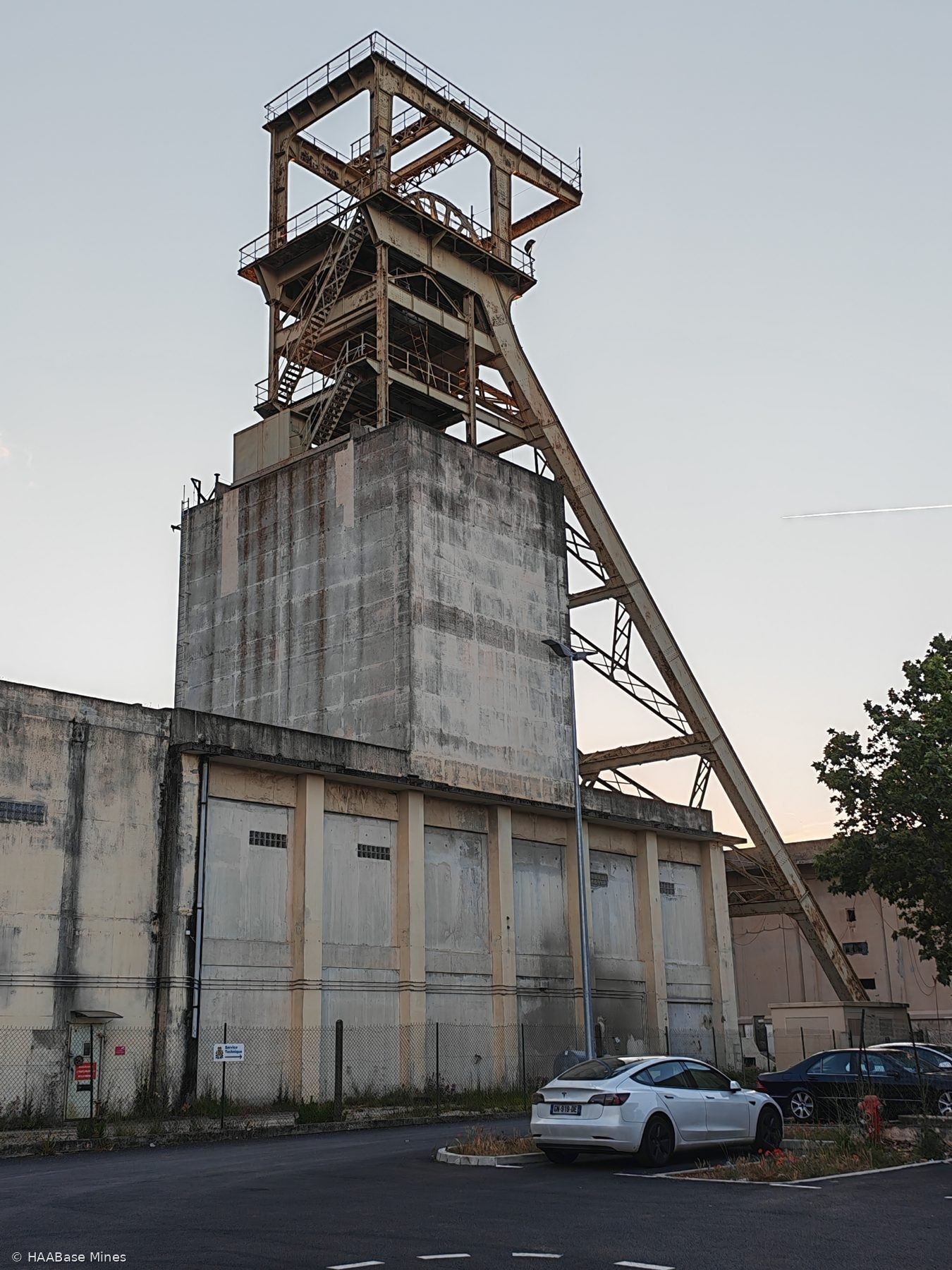
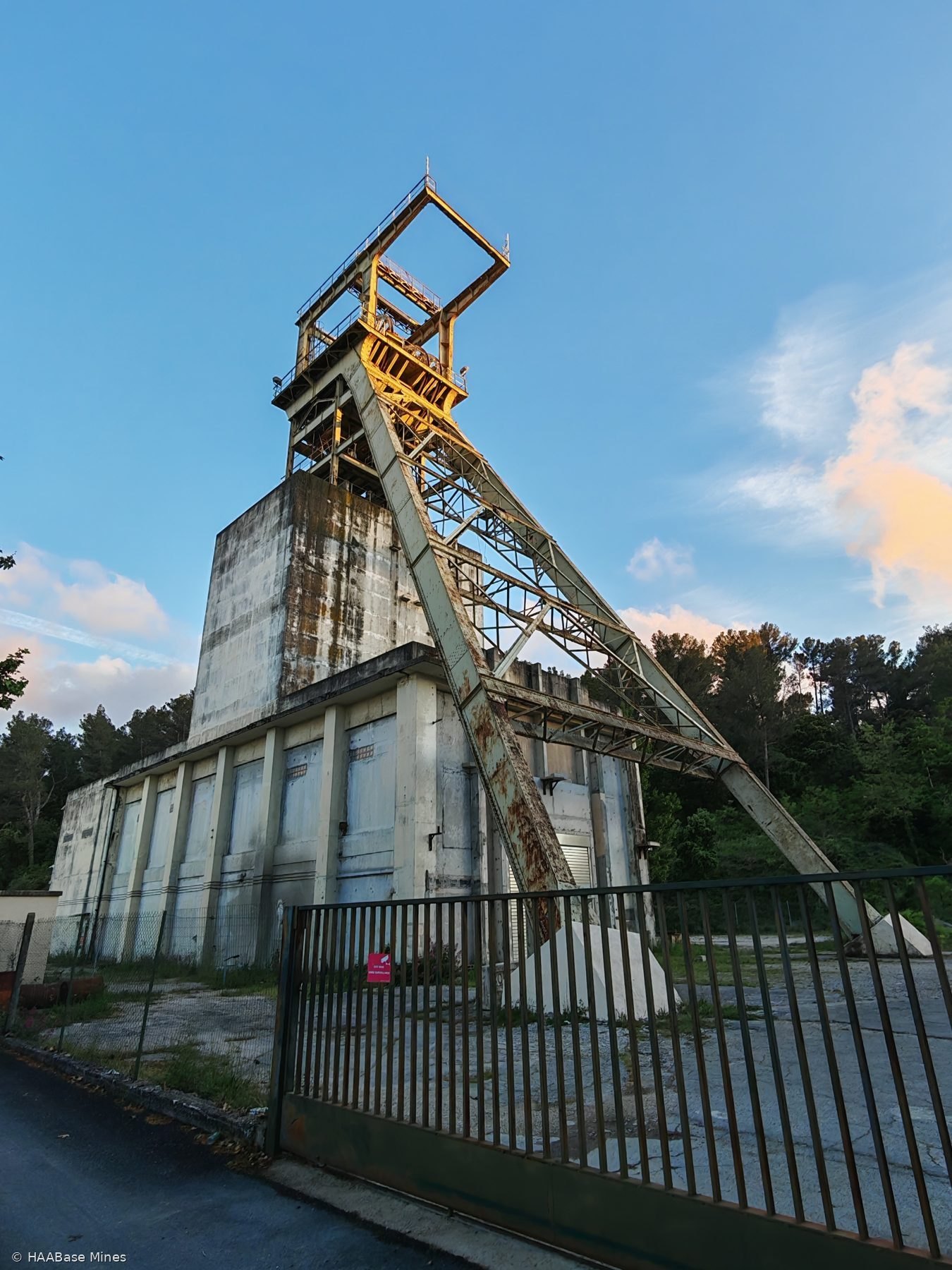
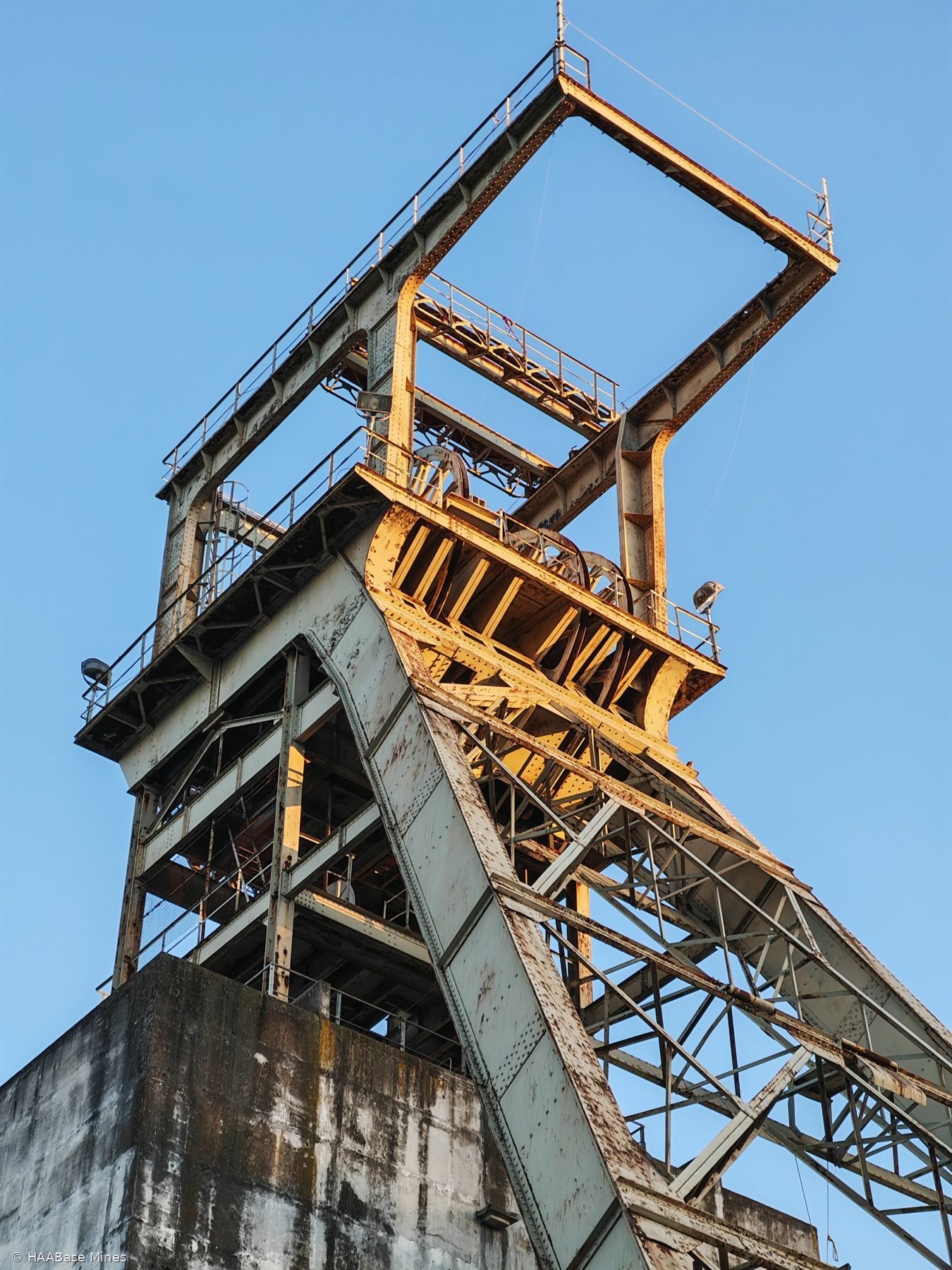
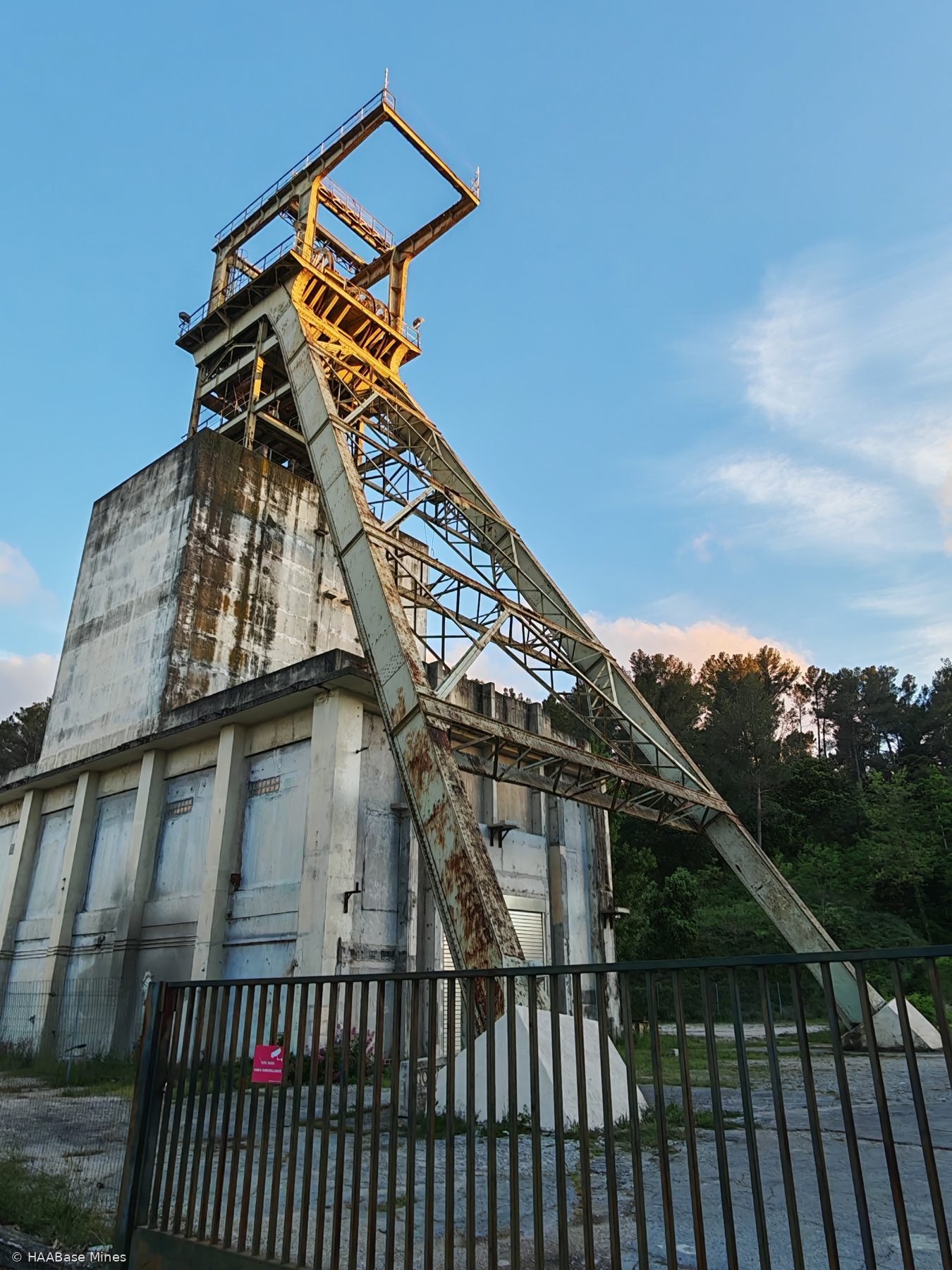
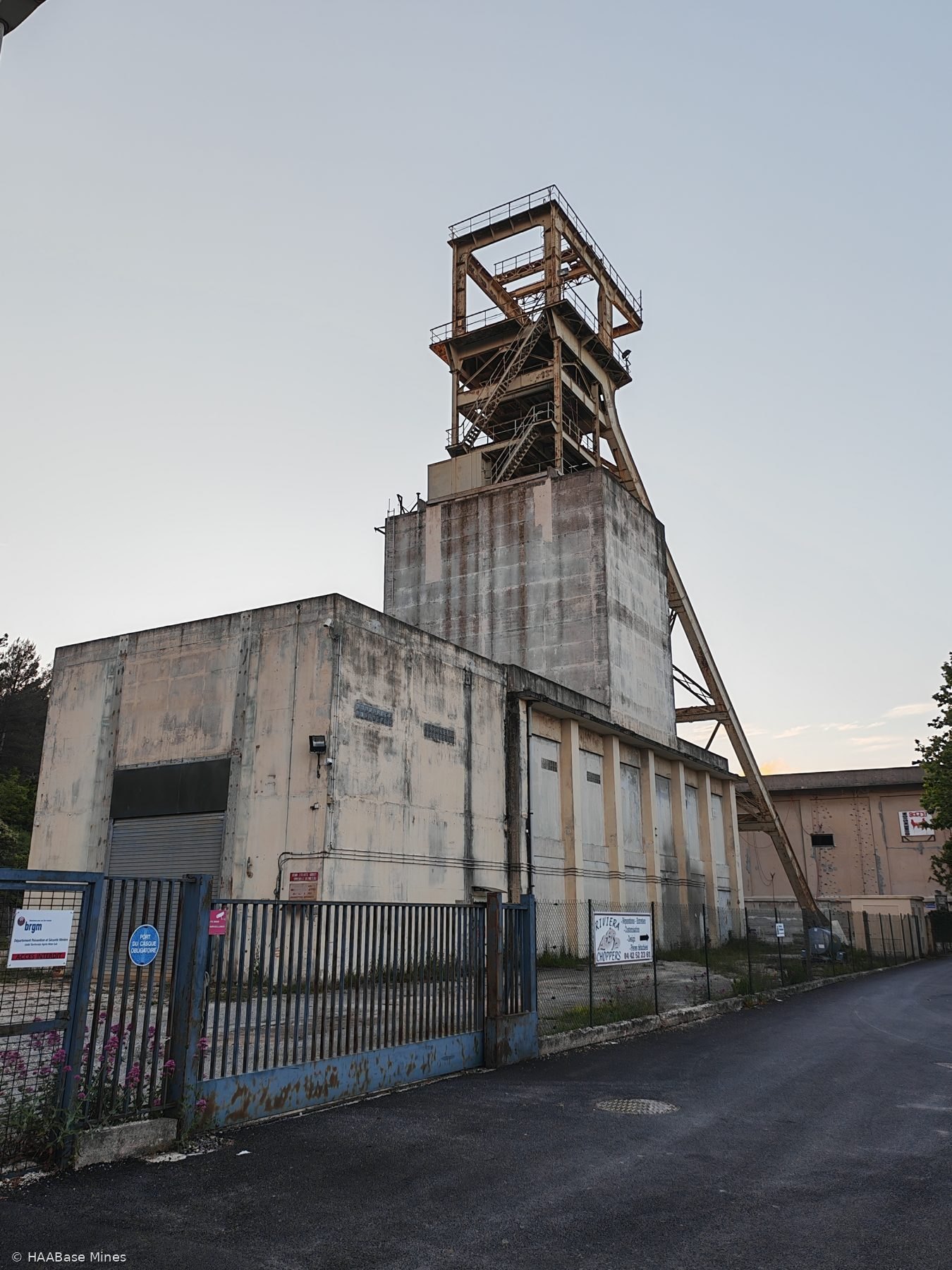
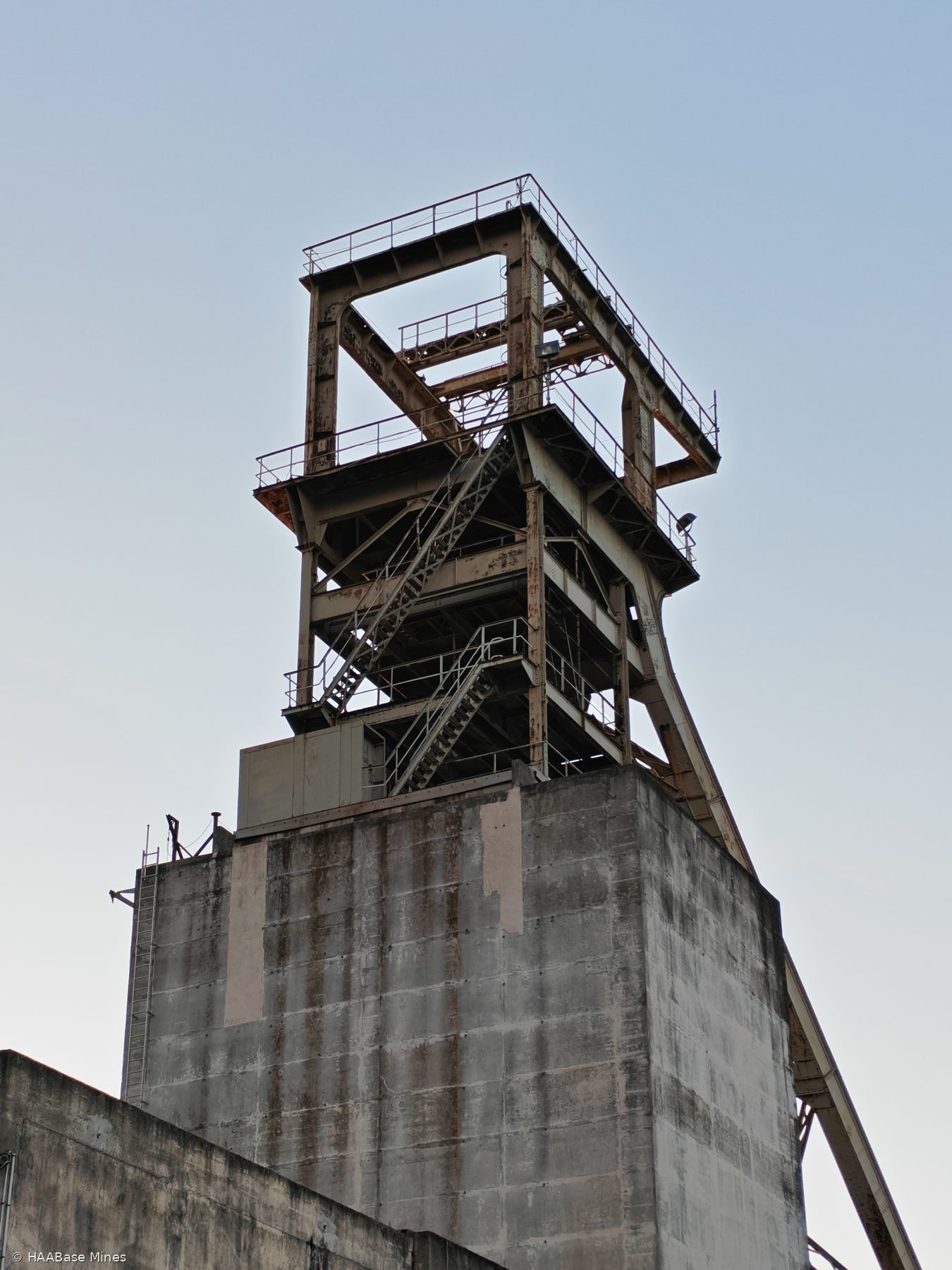
The shaft was arrested at 615 metres depth in 1945 and the steel headframe was supplied in approximately 1945 by the Société Construction Mécanique et Entreprise; it is a faux-carré porteur structure with two bigues in box-beam girders and the sheave axis at 34 metres, the sheaves each with a diameter of 5.5 metres. The shaft was commissioned for extraction service in 1950, and as a puits d'extraction et de service it served five landing levels, one of which connected with the Galerie de la Mer. The nationalisation of 17 May 1946 had by this time created the Houillères du Bassin de Provence; following a restructuring in 1969, the seven central and southern houillères were grouped under the Houillères du Bassin Centre Midi.
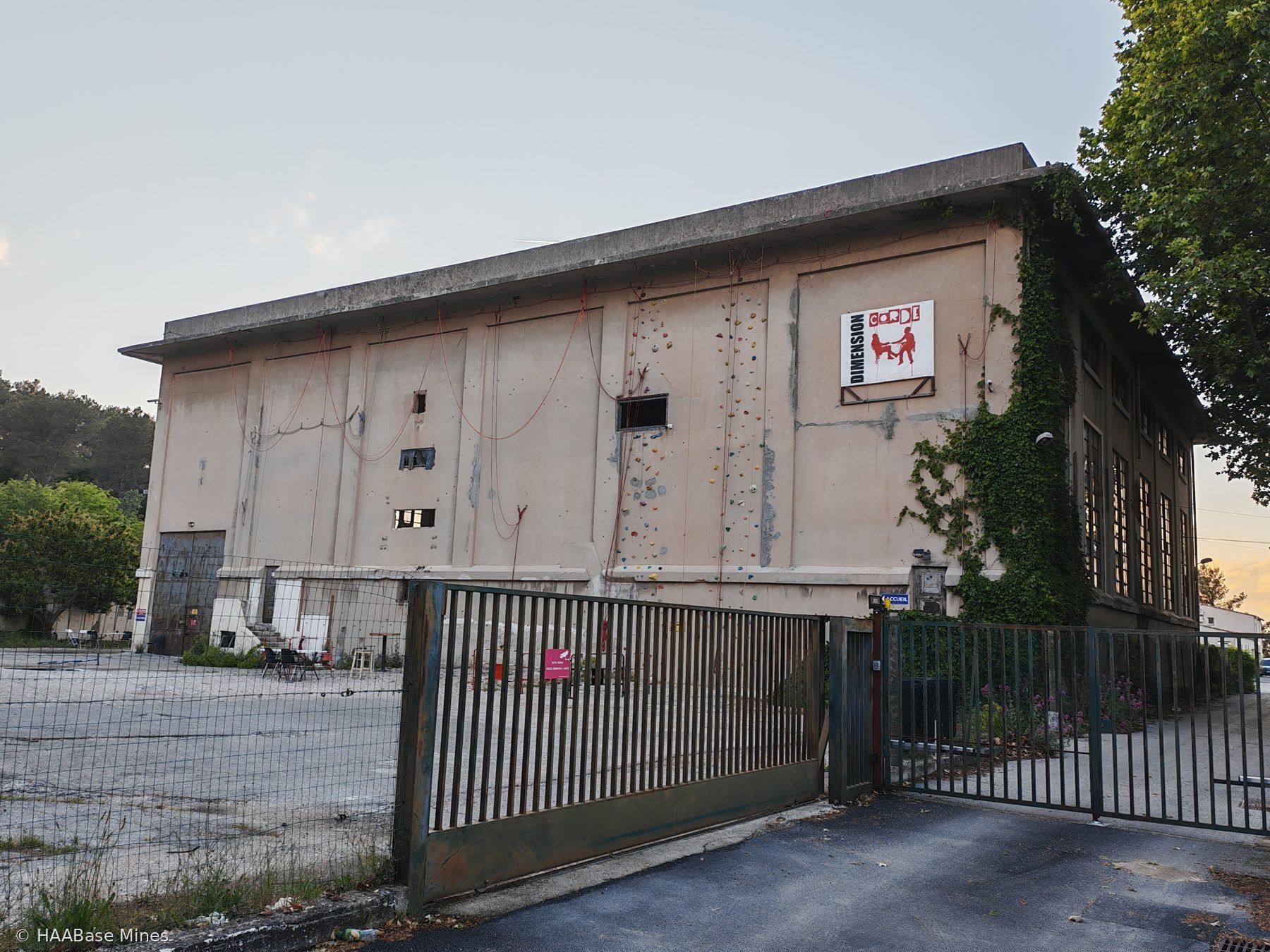
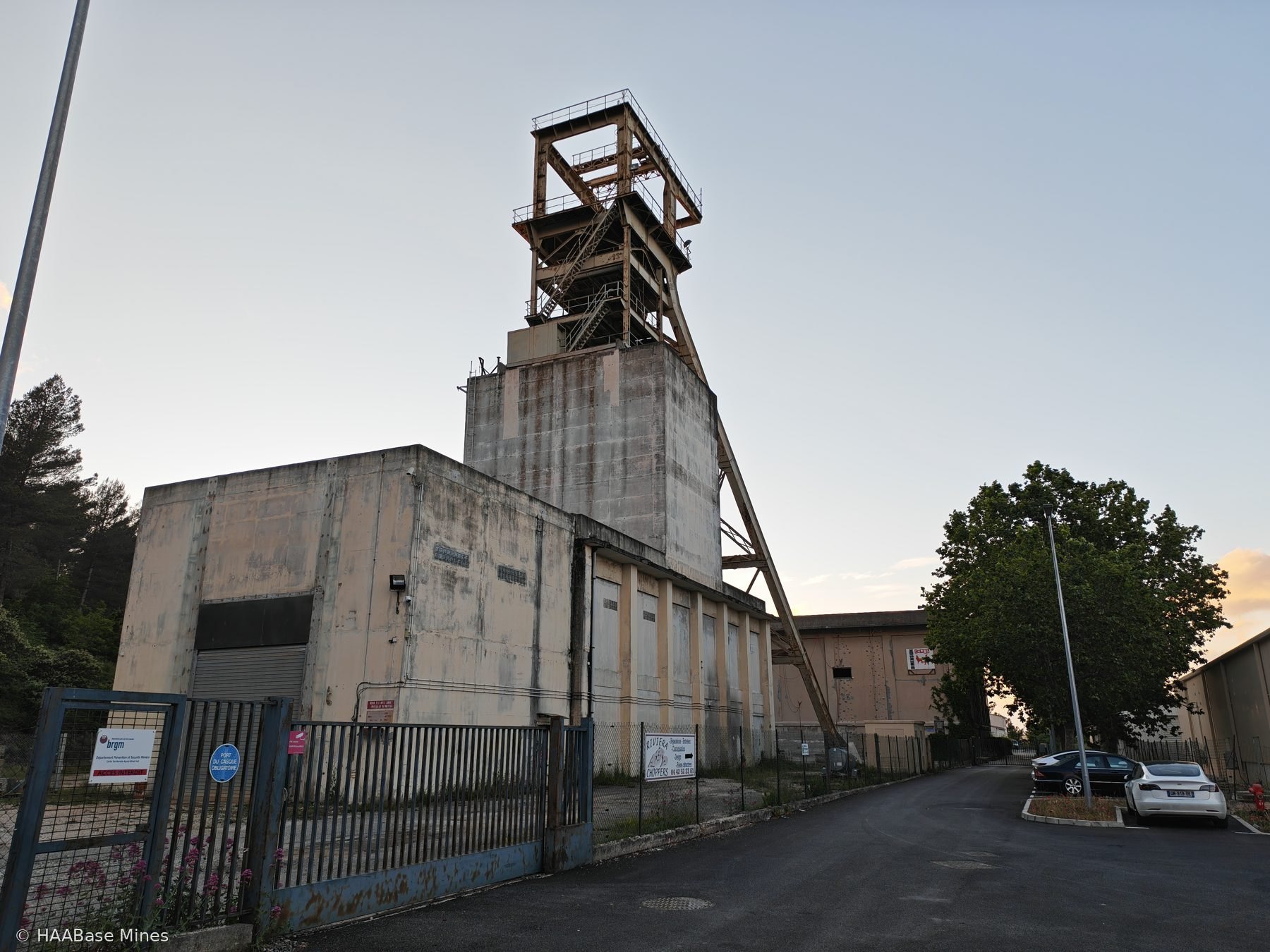
Between 1974 and 1979, major works were carried out at the puits Gérard: the shaft was deepened, extraction equipment was reinforced, the recette was enlarged, a new ventilator building was constructed, and a new repair workshop with industrial hangar was erected. The shaft was later deepened to its final depth of 726.36 metres. In 1960 the puits Courau at Meyreuil became the principal extraction shaft for the basin, and the puits Gérard was progressively devoted to material handling, personnel transport, and air return.
In 1971 this transfer was complete, and the puits Gérard henceforth served only as a service and ventilation shaft. The puits Gérard recorded national and European productivity records jointly with the wider basin four times (1952, 1963, 1971, 1974). With the launch of the Grand Ensemble de Provence from 1980 and the commissioning of the puits Yvon Morandat in 1989, the puits Gérard remained in service for ventilation and exhaure until the definitive closure of the Provence basin on 31 January 2003.
The extraction installations were dismantled in 2004; the steel headframe was preserved. The ennoyage of the galleries followed, and since the ennoyage, pumps immersed at the bottom of the shaft maintain the water level at minus 350 metres and route mine water via the Galerie de la Mer to the sea.