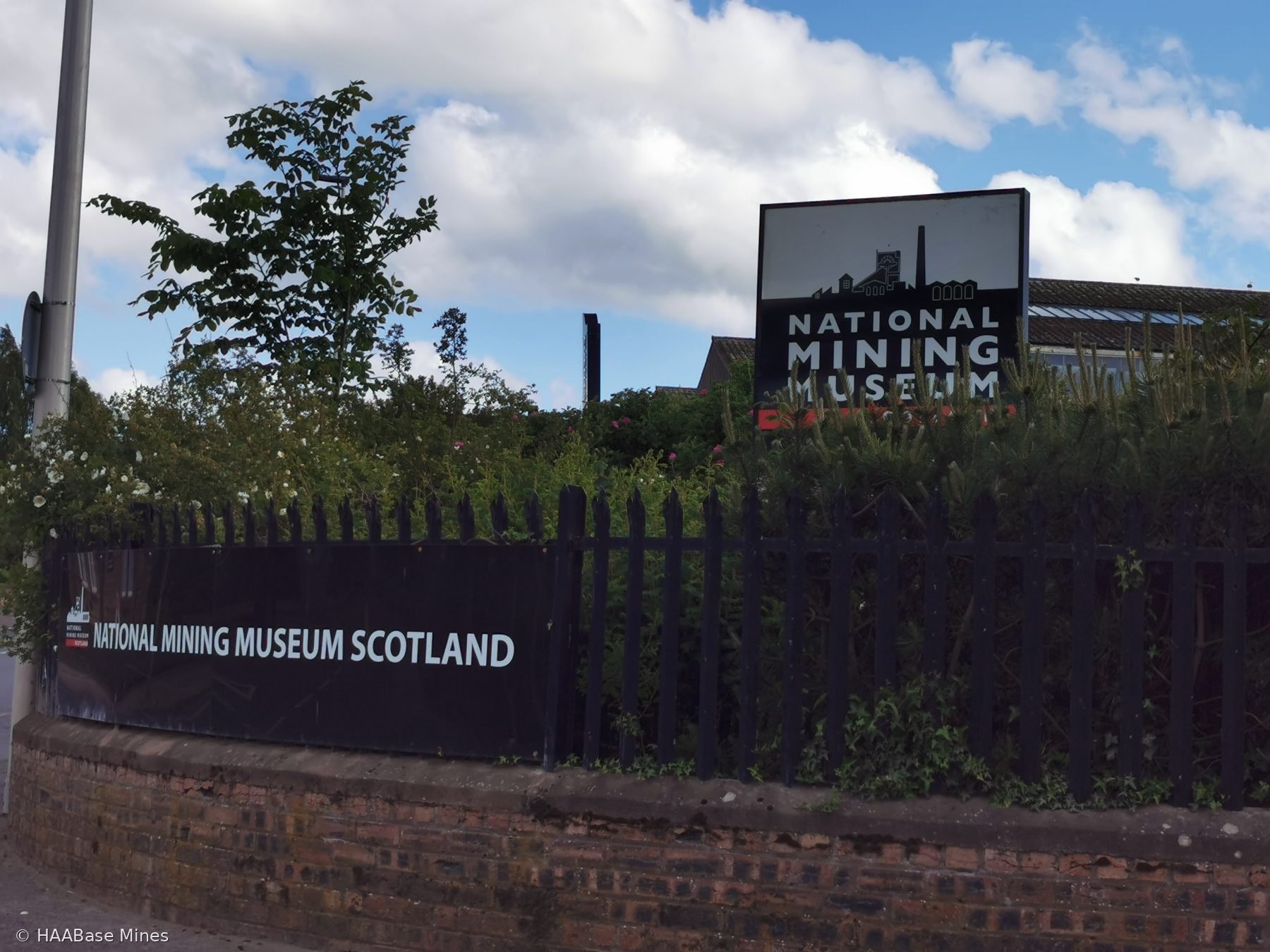
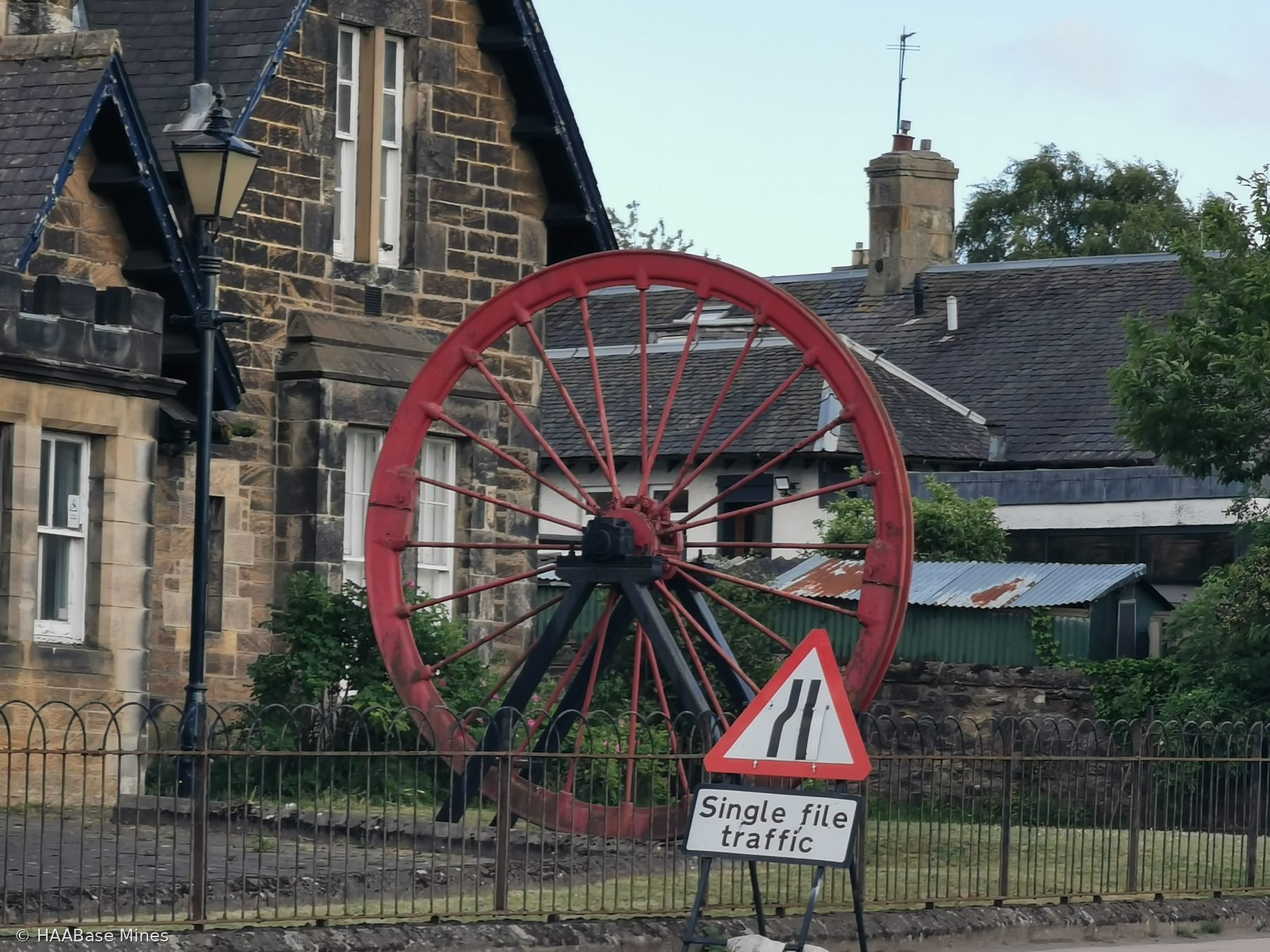
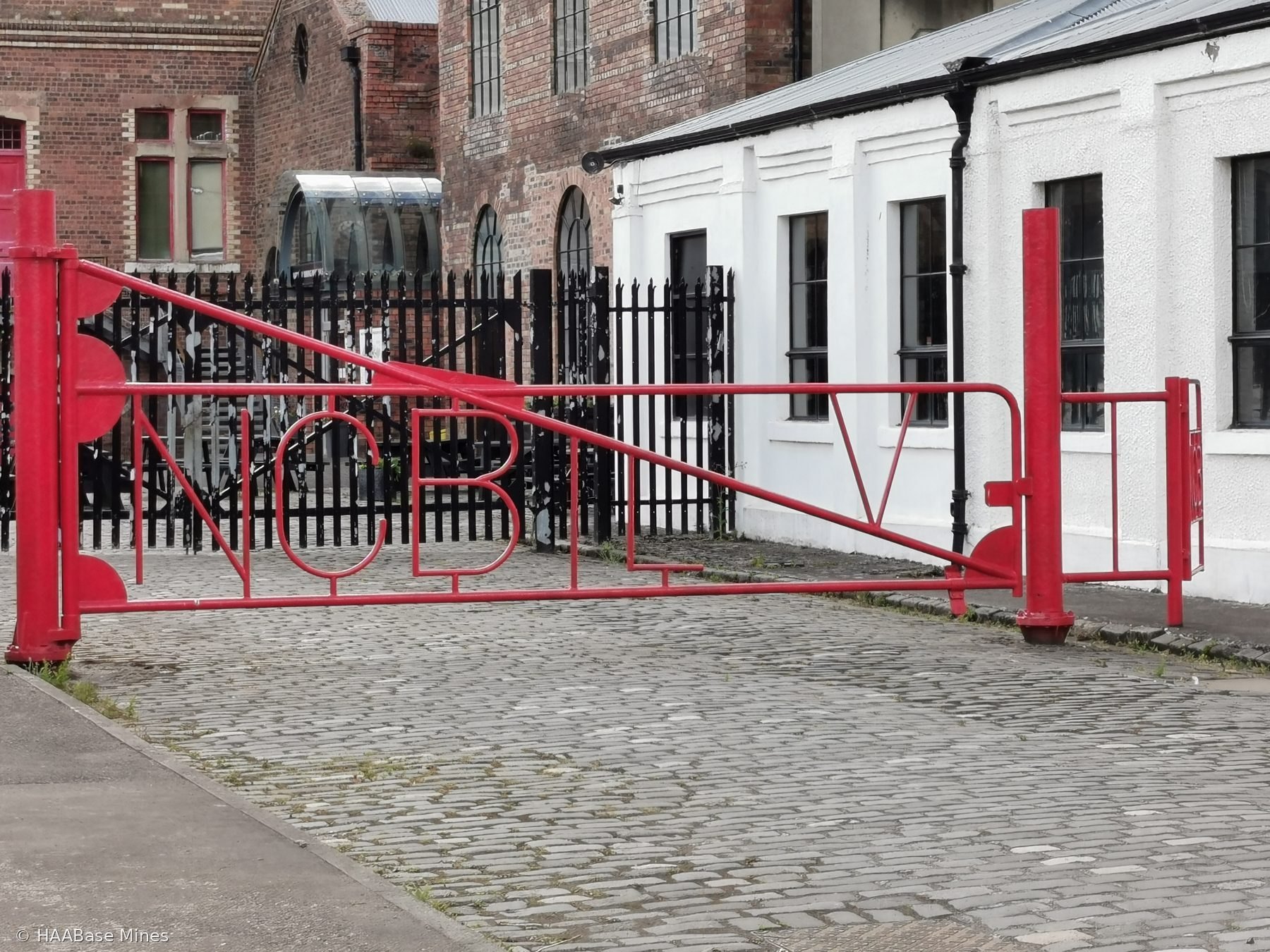
Site overview

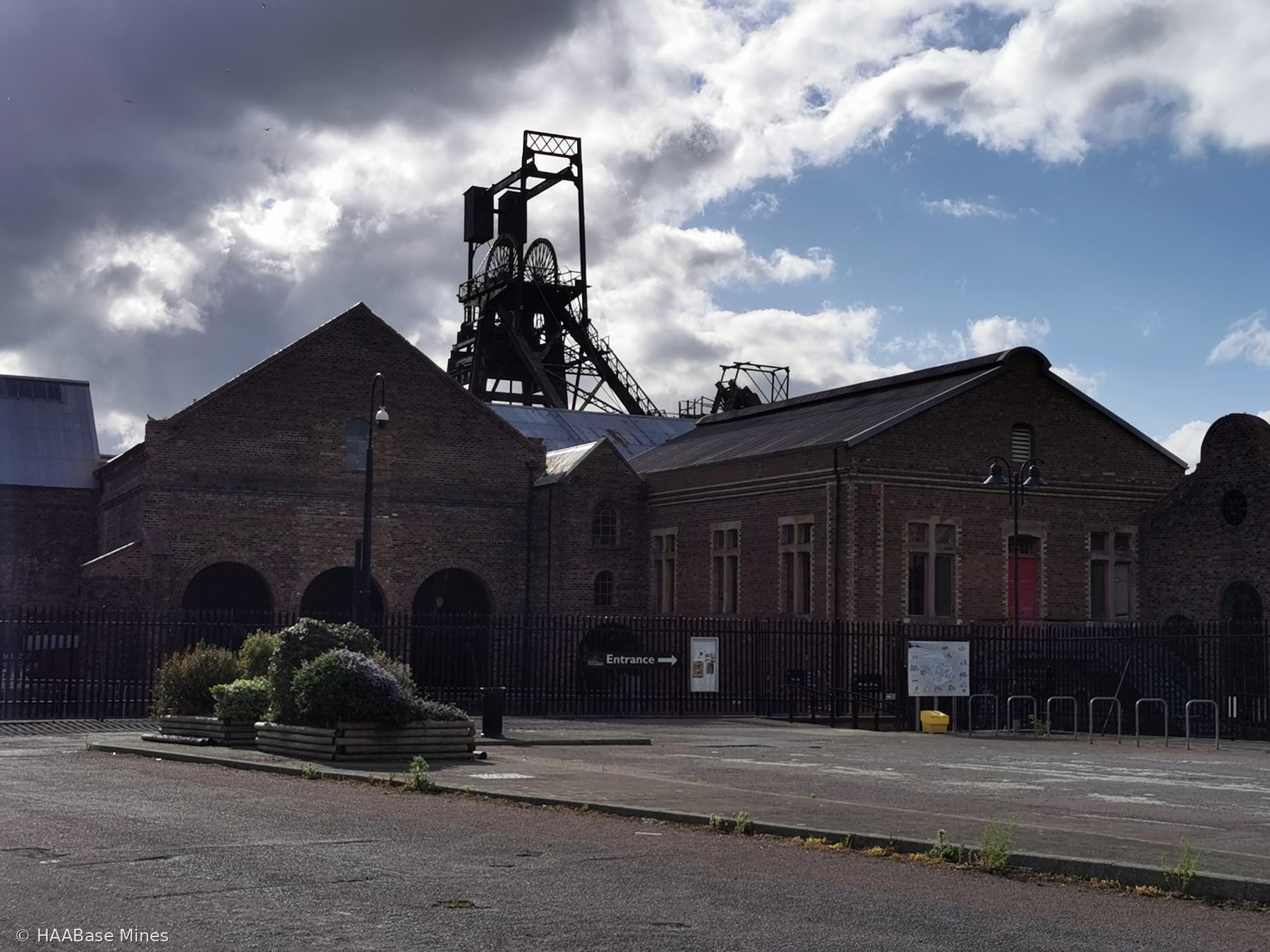
Lady Victoria Colliery at Newtongrange, Midlothian, was sunk by the Lothian Coal Company from 1890 and came into production in 1894. It was Scotland's first purpose-built super-pit, with the largest-diameter shaft in Scotland at the time, originally sunk to 1,740 feet before being part-filled to an operational depth of 1,650 feet. The winding engine, built by Grant, Ritchie & Company of Kilmarnock in 1894, is the largest steam winding engine to survive in Scotland.

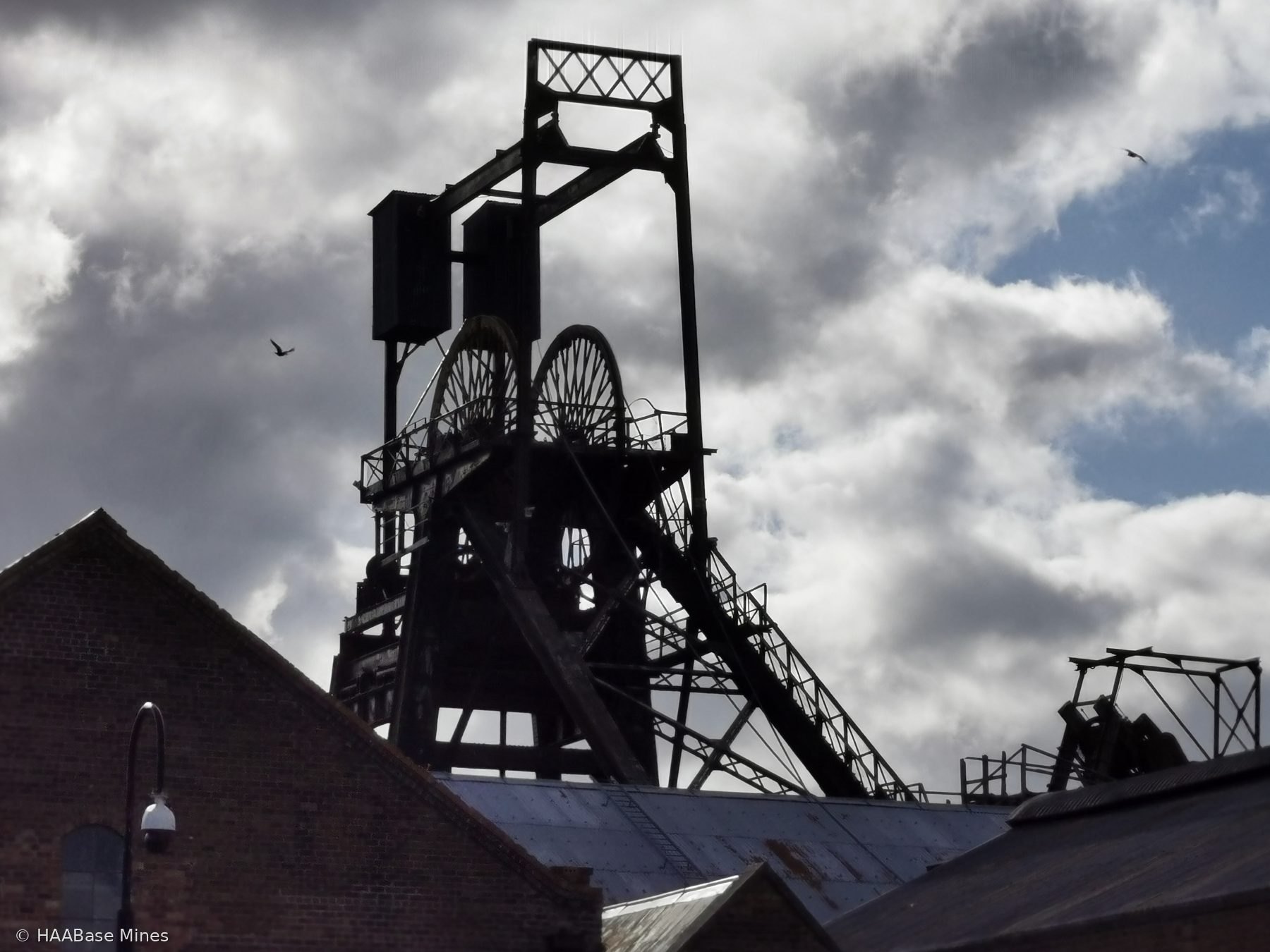
The colliery headstocks were built by Sir William Arrol & Co. of Glasgow. The colliery worked six seams, the deepest being the Jewel Seam, and in its lifetime produced over 40 million tons of coal. It passed to the National Coal Board on nationalisation in 1947 and employed a peak workforce of 1,765 in 1953.

It closed in 1981. The surface buildings, recognised as forming an almost complete survival of a major Victorian colliery, were preserved and the National Mining Museum Scotland formally opened at the site in 1984. The colliery complex is category A listed.

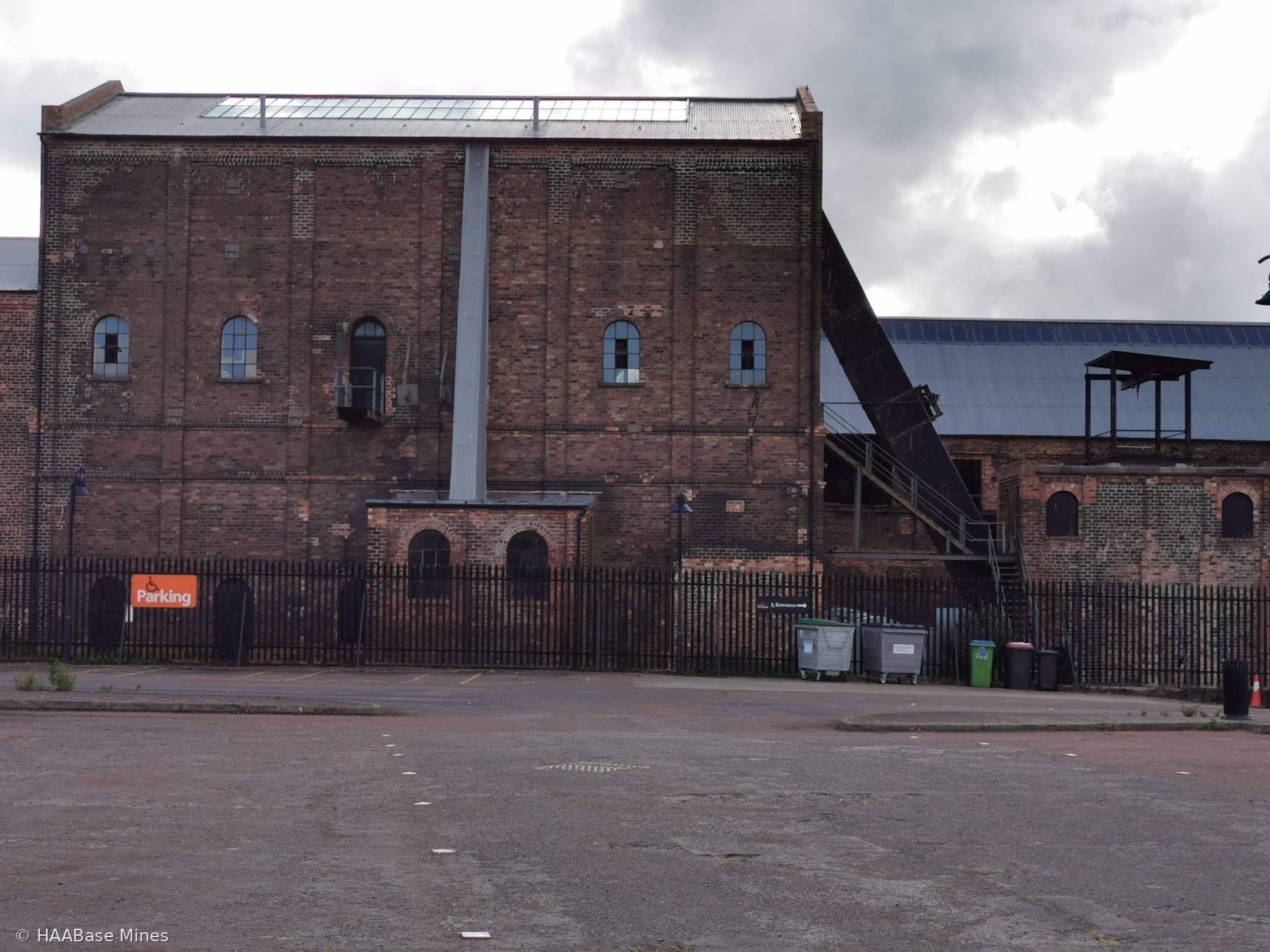
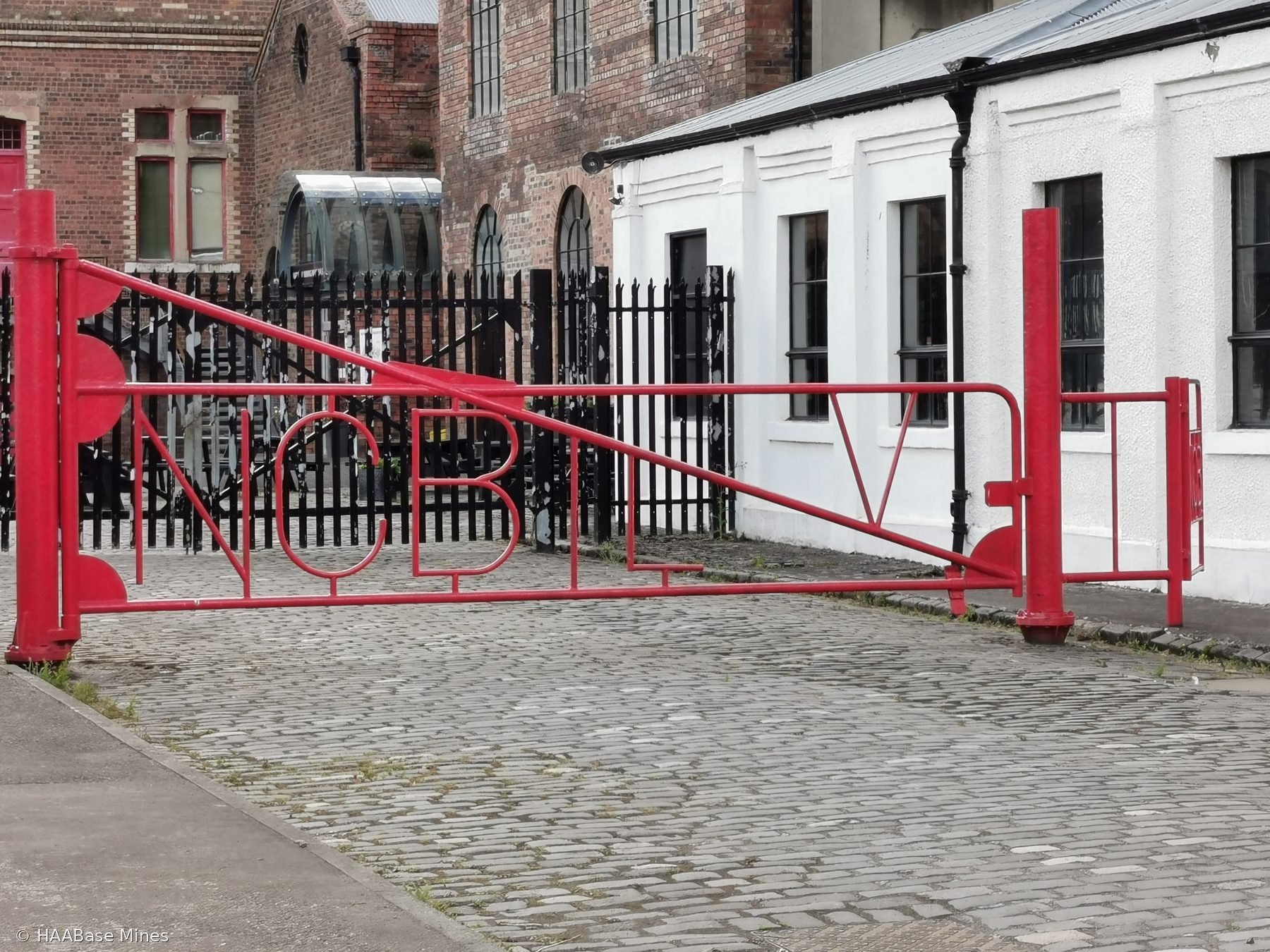
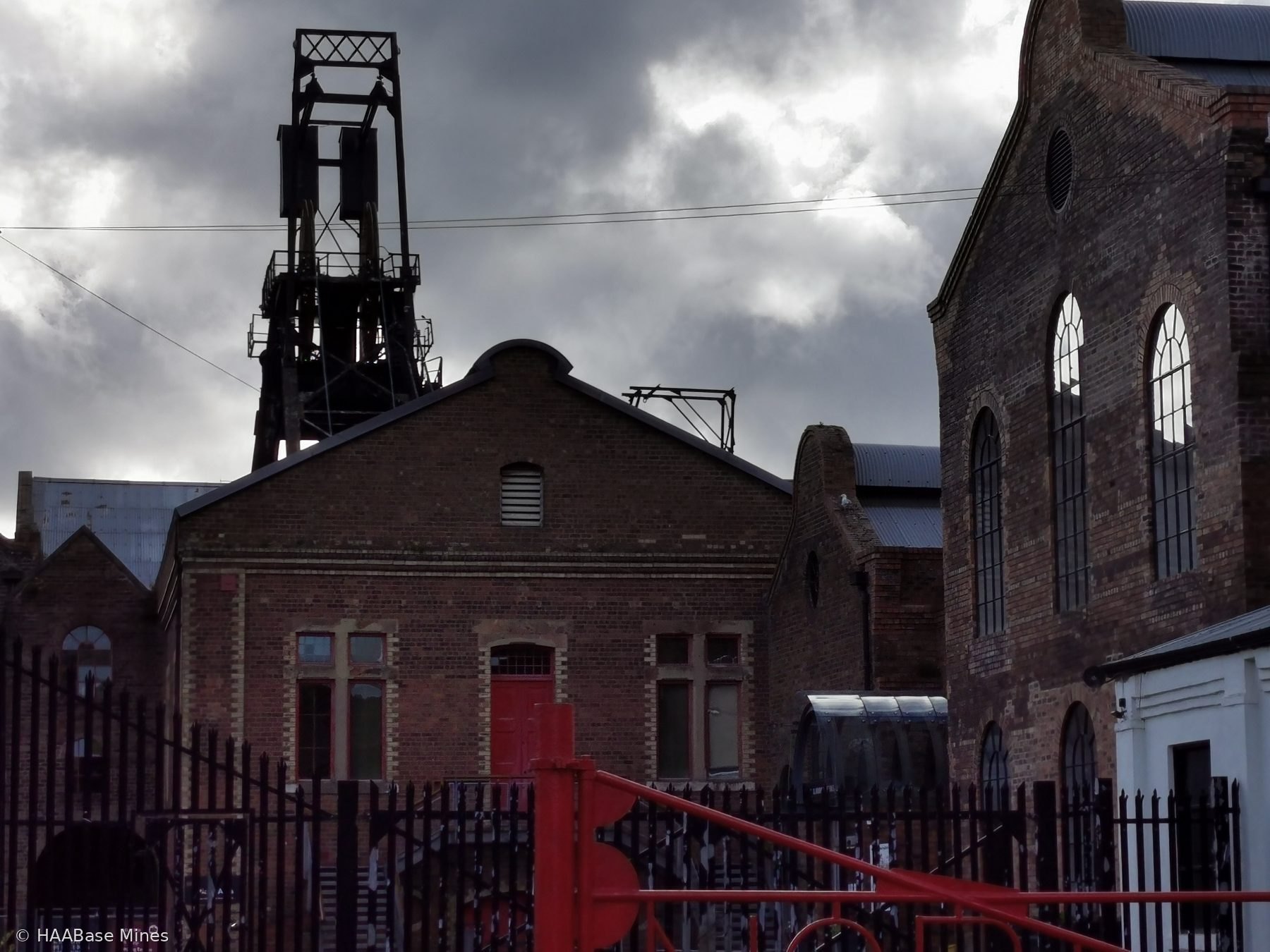
Set within an urban-edge landscape at Newtongrange, the surviving pit buildings form a large and coherent complex that still reads clearly as a major historic colliery site.

Map & photo

Lady Victoria Colliery mine headframe or winding tower site
Photograph taken: 25 May 2025
Map markers and directions links are provided for location reference only and do not indicate public access or permission to enter a site.

History

The Lothian Coal Company Ltd was formed in March 1890 through the combination of the Newbattle and Rosewell collieries, with the aim of sinking a showpiece pit. The company acquired the site at Newtongrange, Midlothian, and commenced sinking the Lady Victoria shaft in 1890 under the supervision of mining engineer John Morison and managing director Archibald Hood. Steelwork of the headgear, and probably of the rest of the colliery structure, was supplied by Sir William Arrol & Co.

The colliery was named in honour of Lady Victoria Alexandrina, wife of Schomberg Henry Kerr, the ninth Marquess of Lothian. The neighbouring village of Newtongrange was built by the Marquess of Lothian to house the miners. The shaft was sunk simultaneously with brick lining to render it watertight. Originally taken to its planned depth of 1,740 feet in 1894, the shaft was subsequently part-filled to an operational depth of 1,650 feet, making it one of the deepest coal mine shafts in Scotland at the time. The shaft diameter was the largest in Scotland at the time of sinking.

The winding engine, supplied by Grant, Ritchie & Company of Kilmarnock, was installed in 1894. It has cylinders of 3 feet 6 inches (1.06 metres) by 7 feet (2.13 metres) with Cornish drop valves, and was the most powerful winding engine fitted at any Scottish colliery. It is supplied with steam by a bank of Lancashire boilers. The colliery entered production in 1894, with the core complex of chimney, engine house, power station, and pithead built during 1890 to 1894.

The Lady Victoria Colliery worked six coal seams. The Jewel Seam provided high-class household coal; the Newbattle Cannel was worked for gas-making; the Splint and Kailblades seams produced steam coal; and the Coronation and Diamond seams gave household coal. The colliery was connected underground with the neighbouring Lingerwood Mine, which served as the upcast shaft and supplied ventilation, preventing the need for a second surface shaft at Lady Victoria.

From its earliest years the colliery was a proving ground for innovations, including new brick-lining techniques for shaft sinking, and among the first extensive uses of electric plant in Scotland. Steel pit props were introduced between approximately 1911 and 1919. A bad fire in the winding engine house in 1903 led to rebuilding in 1904, with new cylinders installed. The boilerhouse was later re-equipped with twelve war-surplus Lancashire boilers dating from around 1920. A washer and hopper were added to the surface complex around 1906 to 1914; the boilerhouse and power station were extended around 1924; the picking tables were extended in the 1930s.

The colliery's railway connections were critical to its commercial operation. The Lady Victoria served as the chief coal preparation plant for the Newbattle Collieries group, with direct connections to the Edinburgh and Hawick Railway (the North British Railway's Waverley Route). Coal also came from neighbouring collieries at Easthouses and Lingerwood, transported to Lady Victoria for washing and dispatch. In 1909 the Easthouses Extension Pit was opened, served by a cable tramway that the National Coal Board rebuilt in 1949 and converted to locomotive operation in 1955. Prior to the mechanisation of underground haulage, 120 ponies were employed underground.

The colliery passed to the National Coal Board on nationalisation of the coal industry in 1947. In the NCB era it became a major engineering workshop centre for the Lothians area. Pithead baths serving both Lady Victoria and Lingerwood were opened in 1954, with a reinforced concrete heated walkway over the A7 trunk road connecting them to the pithead, designed by NCB Scottish Division architect Egon Riss. The tub circuit was reconstructed in the 1960s, with a reduction from double to single decking. A modern coal washery was constructed at the southern end of the pithead, eventually rendering the old washer and dredger redundant. The peak workforce of 1,765 was reached in 1953. In its lifetime the colliery produced more coal than any other colliery in Scotland, with a total of over 40 million tons recorded.

The colliery closed in 1981. Following closure the shaft was blocked and all underground workings became inaccessible. The engine house was listed by Historic Scotland on 10 April 1981. The surface buildings were recognised as forming an almost complete survival of a major pre-First World War model colliery complex in the United Kingdom, with later additions. Some structures including the 1950s canteen and medical centre were subsequently demolished, but the vast bulk of the complex survived. With the assistance of Lothian Region, the site was transformed into the Scottish Mining Museum, initially operating as a dual site with Prestongrange in East Lothian from 1984. The National Mining Museum Scotland was formally opened at the site on 28 September 1984. From 1998 several of the main structures were stabilised and new visitor facilities opened. In 2008, to mark the centenary of the Royal Commission on the Ancient and Historical Monuments of Scotland, a drawing of Lady Victoria Colliery won an online vote as Scotland's Most Treasured Place. The museum was renamed National Mining Museum Scotland in 2011. The entire surface complex is listed category A by Historic Environment Scotland (LB14604), and the site holds a collection recognised as Nationally Significant by Museums Galleries Scotland.
Timeline

1890
Construction

Lothian Coal Company Formed and Shaft Sinking Commenced

The Lothian Coal Company Ltd was formed in March 1890 through the combination of Newbattle and Rosewell collieries. Sinking of the Lady Victoria shaft began the same year under mining engineer John Morison and managing director Archibald Hood. Steelwork of the headgear was by Sir William Arrol & Co.
1890–1894
Construction

Core Colliery Complex Constructed

The core complex of chimney, engine house, power station, and pithead was built between 1890 and 1894. The shaft was sunk to 1,740 feet then part-filled to 1,650 feet operational depth, with the largest shaft diameter in Scotland at the time.
1894
Construction

Production Commenced; Winding Engine Installed

The colliery entered production in 1894. The Grant, Ritchie & Company steam winding engine — the most powerful fitted at any Scottish colliery — was installed, with cylinders of 3ft 6in by 7ft and Cornish drop valves, supplied by a bank of Lancashire boilers.
1903–1904
Construction

Winding Engine House Fire and Rebuilding

A bad fire in the winding engine house occurred in 1903, requiring rebuilding. New winding engine cylinders were installed in 1904.
1906–1914
Construction

Washer, Hopper and Pithead Extensions Added

The washer and hopper were added to the surface complex around 1906 to 1914. The east elevation of the pithead was extended to house a first-floor smithy and switch house.
1911–1919
Operation

Steel Pit Props Introduced

Steel pit props were introduced at Lady Victoria Colliery, among the first uses of this innovation in Scotland.
1924
Construction

Boilerhouse and Power Station Extended

The boilerhouse and power station were extended around 1924. The boilerhouse was equipped with twelve war-surplus Lancashire boilers dating from around 1920.
1930
Construction

Picking Tables Extended

The picking tables were extended in the 1930s.
1947
Legislation

Nationalisation — Transfer to National Coal Board

Lady Victoria Colliery passed to the National Coal Board on nationalisation of the coal industry in 1947.
1949
Construction

Cable Tramway Rebuilt by National Coal Board

The National Coal Board rebuilt the cable tramway connecting Lady Victoria with the Easthouses Extension Pit.
1953
Operation

Peak Workforce of 1,765 Reached

The colliery's peak recorded workforce of 1,765 was reached in 1953.
1954
Construction

Pithead Baths Opened; Covered Walkway Constructed

Pithead baths serving both Lady Victoria and Lingerwood were opened in 1954. A reinforced concrete heated walkway over the A7 trunk road, designed by NCB Scottish Division architect Egon Riss, connected the baths to the pithead.
1955
Construction

Cable Tramway Converted to Locomotive Operation

The cable tramway between Lady Victoria and Lingerwood was converted for locomotive operation in 1955, with lines between the two sites reversed and a new locomotive shed added.
1960
Construction

Tub Circuit Reconstructed

The tub circuit was reconstructed in the 1960s, with a reduction from double to single decking at the pithead and pit bottom.
1981
Closure

Colliery Closed; Shaft Blocked

Lady Victoria Colliery ceased production in 1981. The shaft was subsequently blocked and all underground workings became inaccessible. The colliery had produced over 40 million tons of coal in its lifetime, more than any other Scottish colliery.
1981
Heritage

Engine House Granted Statutory Listed Building Status

The winding engine house at Lady Victoria Colliery was statutorily listed by Historic Scotland on 10 April 1981.
1984
Heritage

National Mining Museum Formally Opened

The Scottish Mining Museum (later renamed National Mining Museum Scotland) was formally opened at Lady Victoria Colliery on 28 September 1984, initially operating as a dual site with Prestongrange in East Lothian.
1998
Heritage

Main Structures Stabilised; New Visitor Facilities Opened

From 1998 several of the main colliery structures were stabilised and new visitor facilities were opened. The colliery complex received category A listed building status (LB14604) as the best-preserved pre-First World War model colliery complex in the United Kingdom.
2011
Heritage

Museum Renamed National Mining Museum Scotland

The Scottish Mining Museum was renamed National Mining Museum Scotland in 2011.

Sources and records

Wikipedia article: National Mining Museum Scotland
Trove.scot / Historic Environment Scotland site record: Newtongrange, Lady Victoria Colliery
Trove.scot / Historic Environment Scotland designation record: LB14604
Railscot: Lady Victoria Colliery
Scottish Mining Museum final report on cultural values of Lady Victoria Colliery (Slideshare PDF)
Scottish Mining Artifacts website: Lady Victoria Colliery
National Mining Museum Scotland official website
Undiscovered Scotland: National Mining Museum Scotland feature
Oglethorpe M K, Scottish Collieries, 2006 (chapter on Lady Victoria Colliery)
Hume J R, The industrial archaeology of Scotland, 1, Lowlands and Borders, London, 1976
This researched site record is part of the HAABase Mines database. Normal personal research and browsing is welcome. Automated bulk extraction, republication, or harvesting of site text and images is not permitted without written consent.