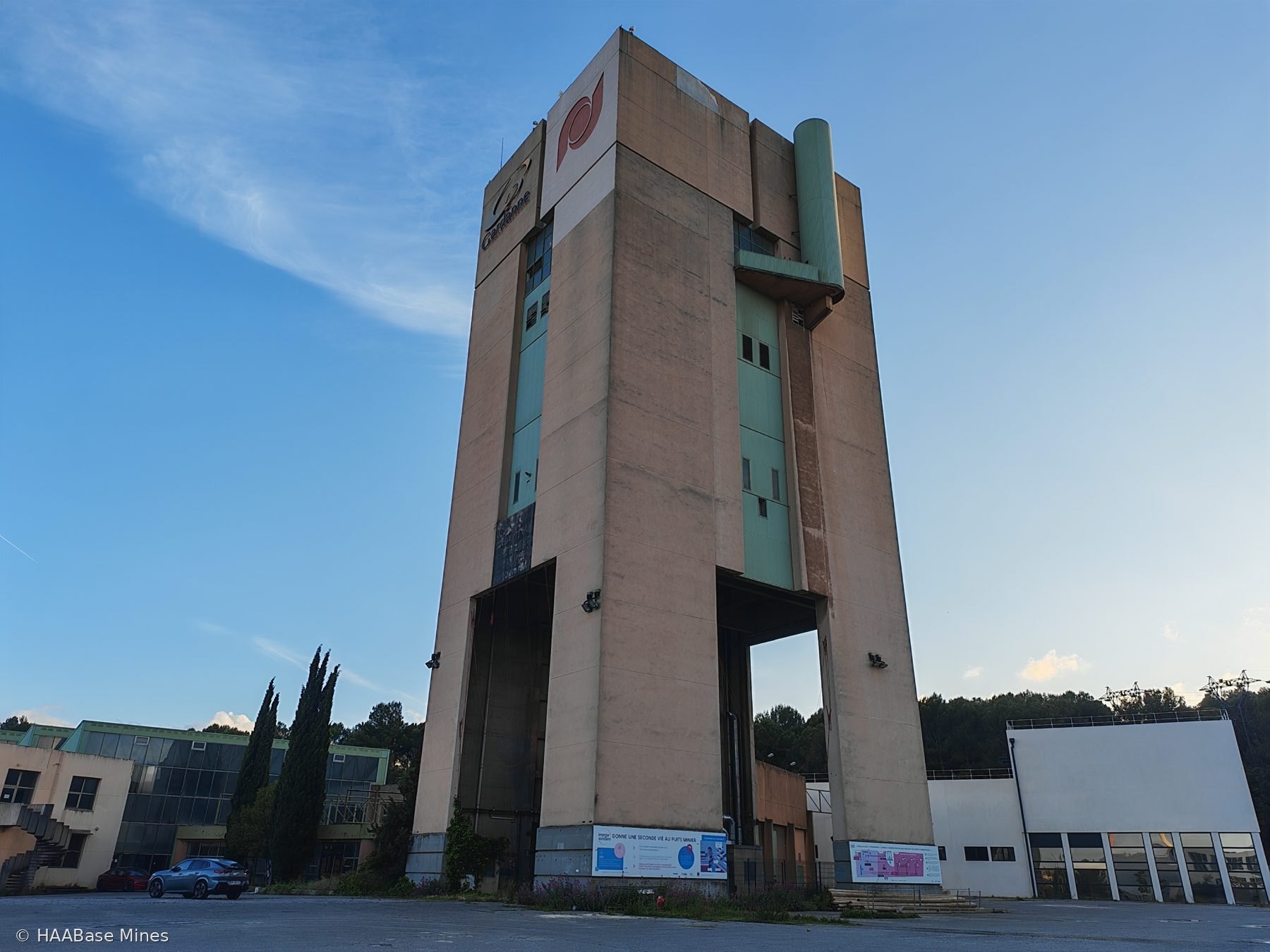
The bassin minier de Provence is the seventh-largest coalfield in France by total output, the only non-Carboniferous French basin, and was the penultimate to close (in 2003), just before the Lorraine basin (2004). The deposit is lignite of the Fuvélien stage (Campanien supérieur, approximately 76 million years old), situated in the Bouches-du-Rhône around Gardanne between Aix-en-Provence and Marseille. The first documented interest in mining dates from October 1443 in the basin of Fuveau, and one of the oldest exploitation records is dated 30 March 1584 at Saint-Zacharie.
The history of mining at Gardanne proper begins in 1605. In 1818 the comte de Castellane received a concession at Gardanne and became the principal producer of the département. By the late nineteenth century the Société Lhuillier, founded in 1855 and established at Gardanne in 1876, had become the Société Anonyme des Charbonnages des Bouches-du-Rhône.
Production multiplied from 45,000 tonnes in 1856 to 402,000 tonnes in 1892 and 694,000 tonnes in 1913. The Galerie de la Mer, authorised by decree of 21 March 1889, was built to drain the basin's endemic water problem by conveying mine water to the sea at Marseille. Following the nationalisation of French coal mines in 1946 under the law of 17 May 1946, the bassin de Provence became one of nine coal basin EPICs, the Houillères du Bassin de Provence, which in 1969 was integrated into the Houillères du Bassin Centre Midi (HBCM), a subsidiary of Charbonnages de France.
In 1941 sinking of the puits Gérard at Mimet had begun, and it entered service in 1949, consolidating extraction for the Gardanne-Gréasque sector. In 1960 the puits Courau at Meyreuil became the principal extraction shaft. In 1969 a restructuring redefined roles across the basin.
Between 1976 and 1979, new borehole surveys revealed a deposit of approximately 60 million tonnes to the west of Gardanne under the plateau de l'Arbois. On 23 January 1980, the decision to launch the Grand Ensemble de Provence was announced. The project entailed sinking two new shafts: the puits Z for coal extraction and air return, and the puits Yvon Morandat (designated puits Y, its code name) for all other functions.
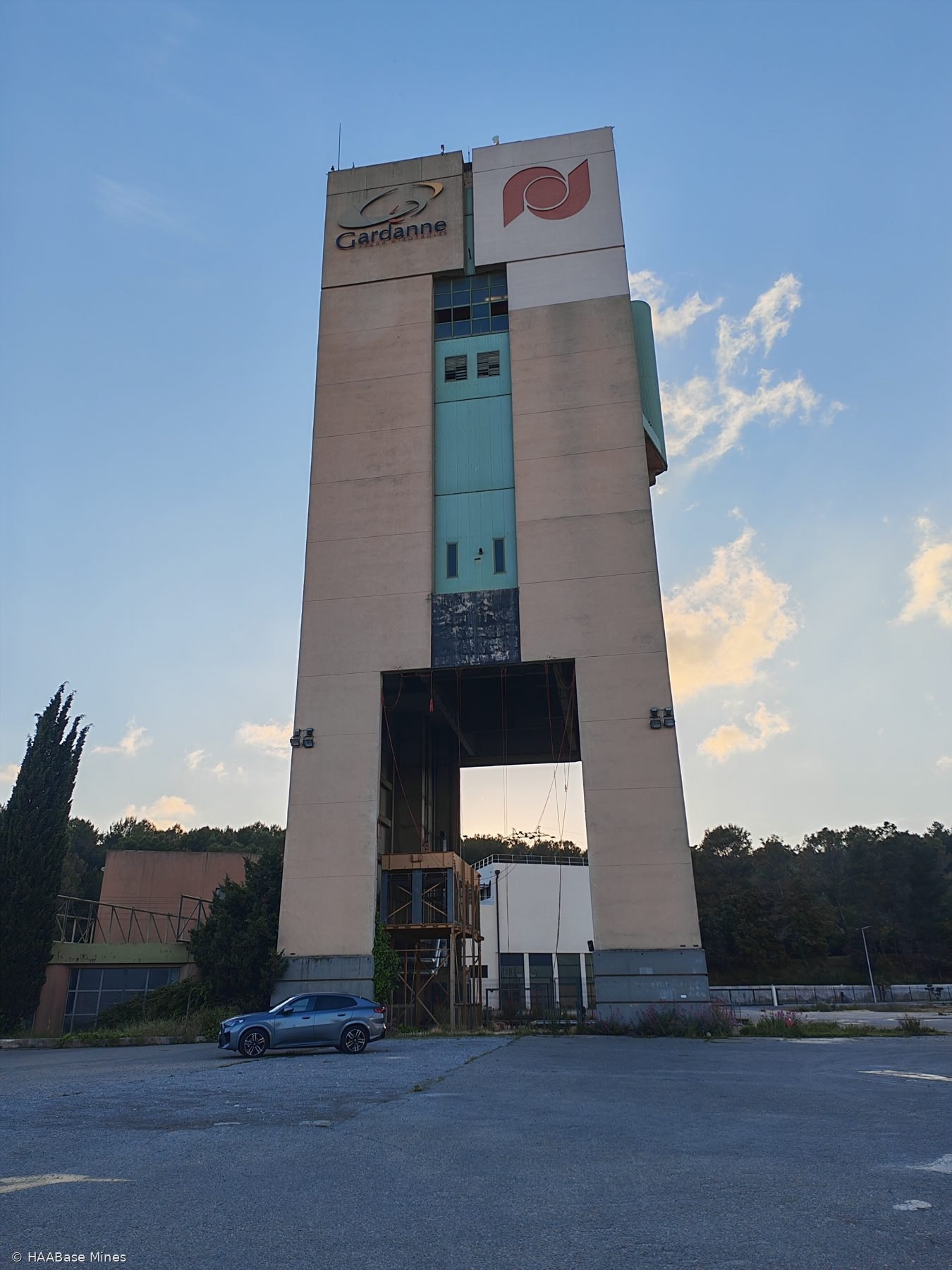
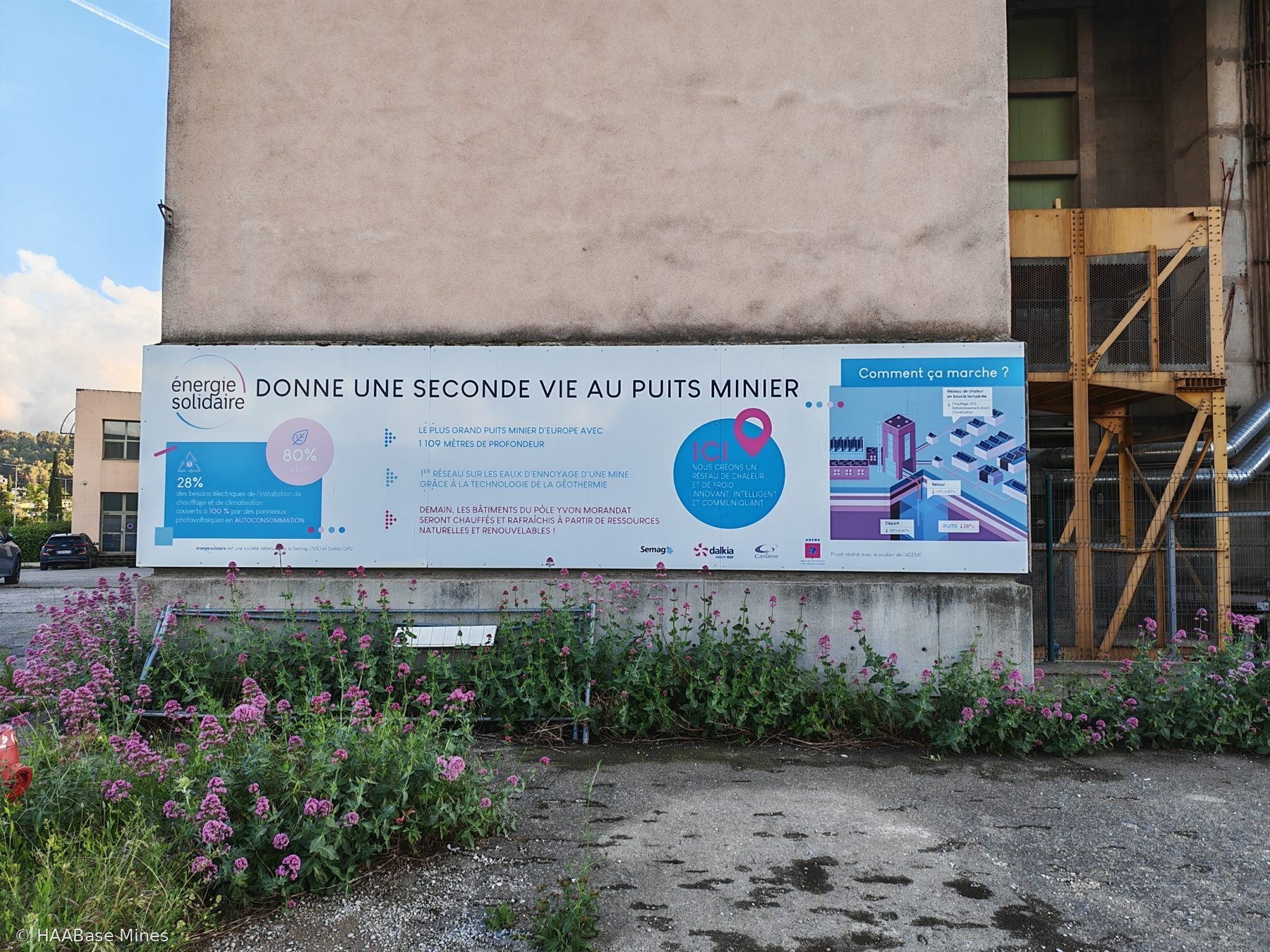
Sinking of the puits Yvon Morandat lasted from 1981 to 1983, positioning the shaft to the vertical of the prospecting boreholes, on high ground west of the basin at the site of a sugar-beet field. At 1,109 metres depth and 10 metres diameter, it was the most powerful personnel shaft in the basin and at the time the largest mine shaft in Europe by volume. Its functions encompassed exhaure, personnel and material transport, compressed air supply, potable water, and electrical supply underground.
A cage could descend 180 persons in a single lift at 12 metres per second. The puits Z, sunk between 1982 and 1984, was 879 metres deep with a diameter of 6.5 metres and was equipped with a 66-metre steel headframe, an exact replica of the headframe of the puits de Staffelfelden in the mines de potasse d'Alsace; it entered service in January 1986. The puits Yvon Morandat entered service on 16 January 1989 according to Wikipedia, replacing the puits Gérard and Boyer, which were subsequently closed; the puits Gérard continued in service for ventilation, exhaure, and personnel until 2003.
The sole output of the Provence basin's lignite was the central thermique de Gardanne, which the coal powered for electricity generation. The basin set national and European productivity records four times: in 1952, 1963, 1971, and 1974. Effective total production across the basin's history amounted to approximately 130 million tonnes.
The decision to close the basin was driven by the high cost of underground extraction at depth, the low cost of imported coal and petroleum products, and the development of nuclear power. Mining at the puits Yvon Morandat ceased on 31 January 2003 — two years ahead of the projected closure schedule — largely because of the prohibitive cost of ground support at extreme depth. The installations were dismantled in 2004.
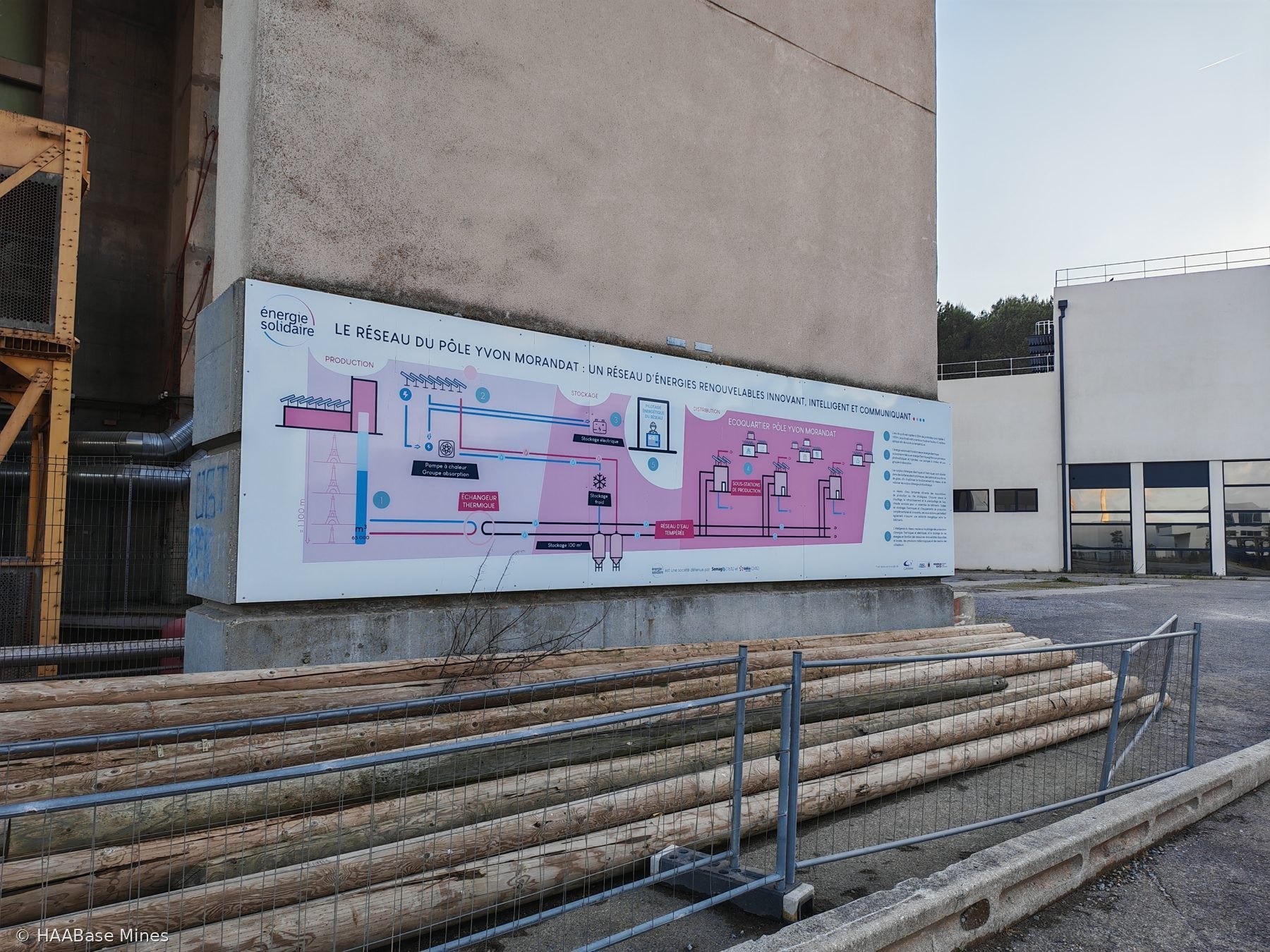
The flooded galleries created an underground water reserve of 35 million cubic metres beneath Gardanne. The city of Gardanne acquired the carreaux of both the puits Yvon Morandat and the puits Z from Charbonnages de France in 2006 for a combined price of 2.1 million euros. From 2005 onward, rooms at the puits Morandat were made available to the Centre Microélectronique de Provence.
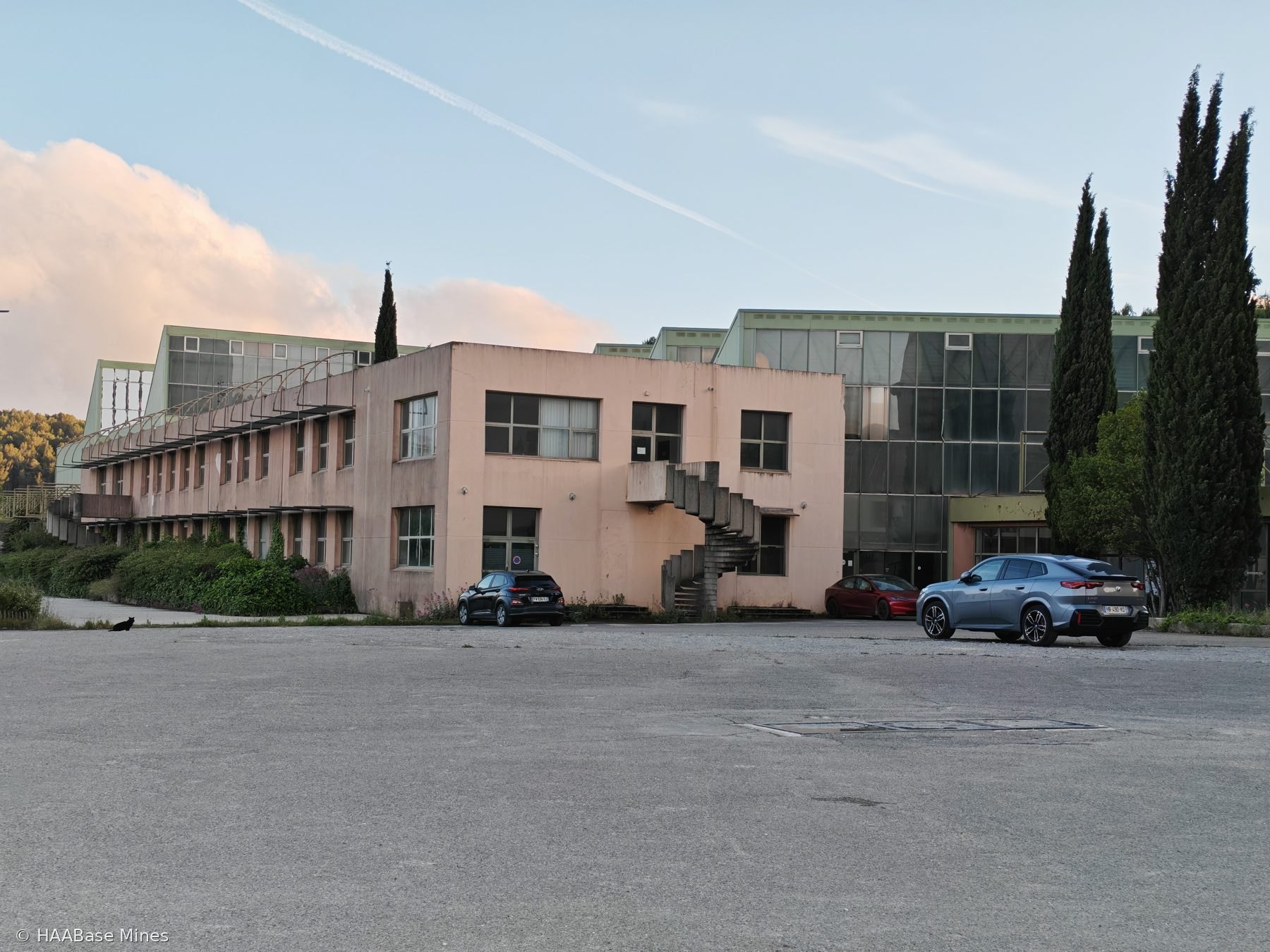
From 2009, the hall des mineurs was converted into a hôtel d'entreprises. The site's conversion as the Pôle Yvon Morandat was developed by the city through the SEMAG (Société d'Économie Mixte d'Aménagement de Gardanne et sa région). By 2023 the site had 37,000 square metres of developed floorspace and accommodated approximately 700 users.
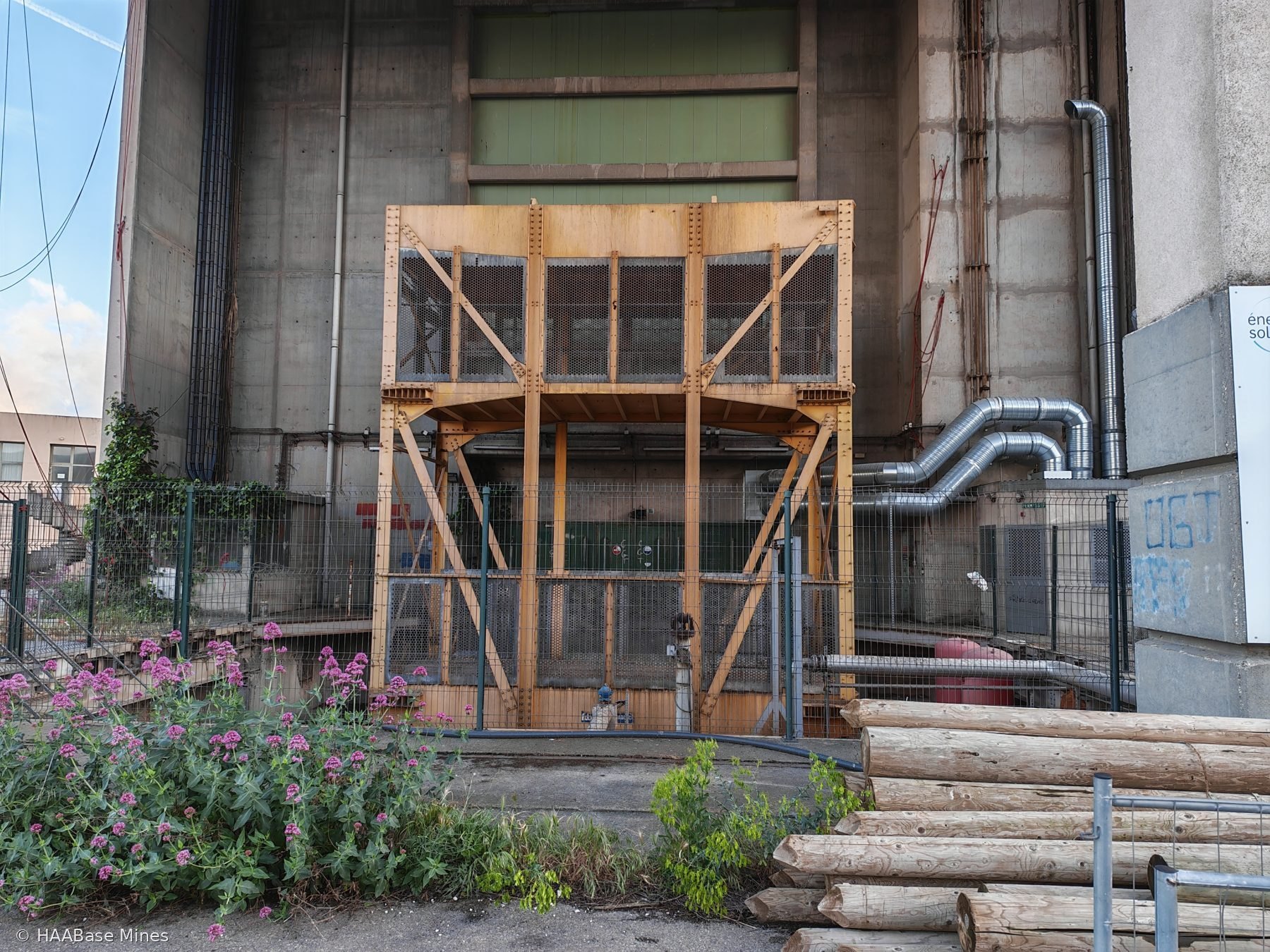
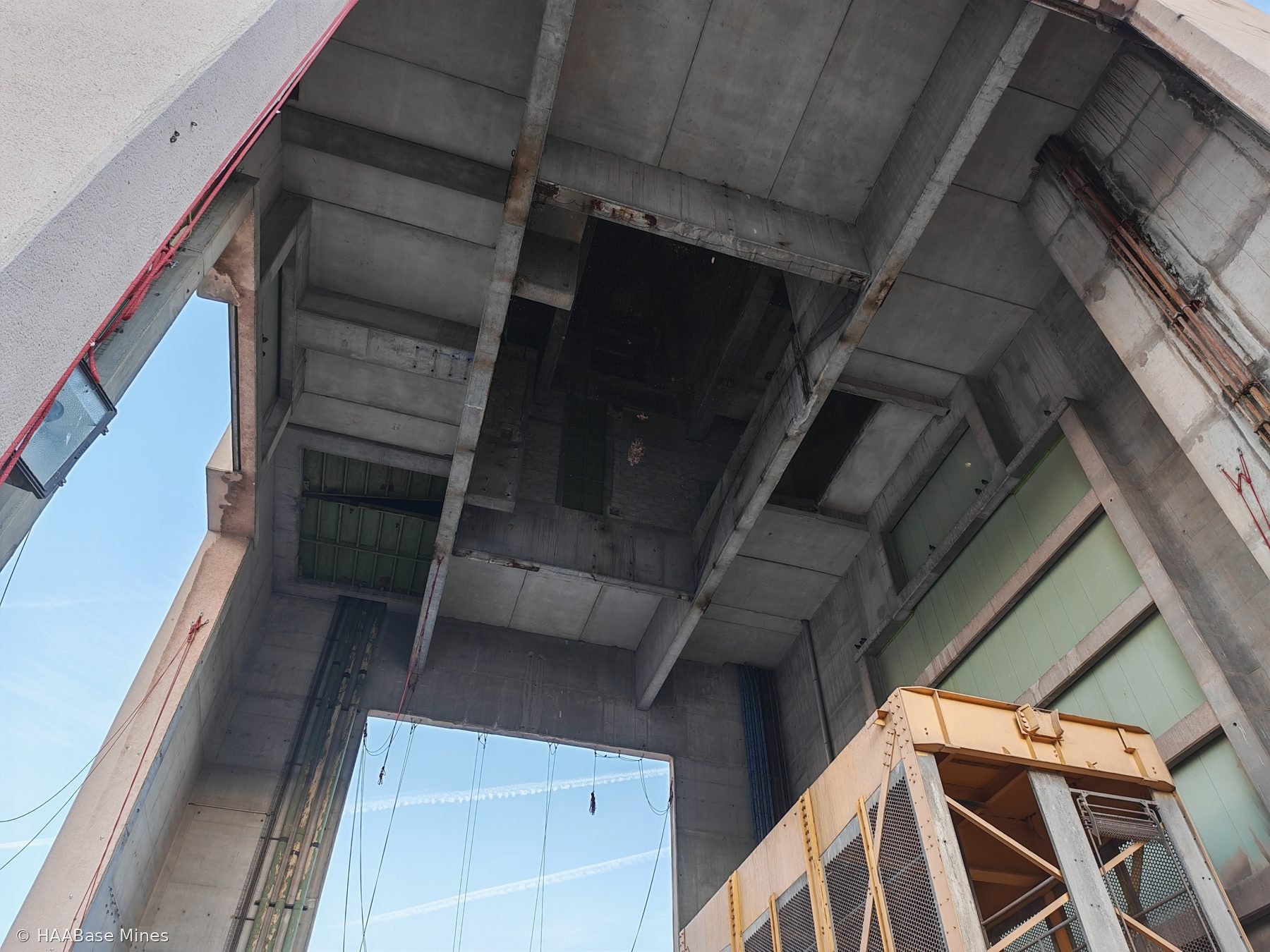
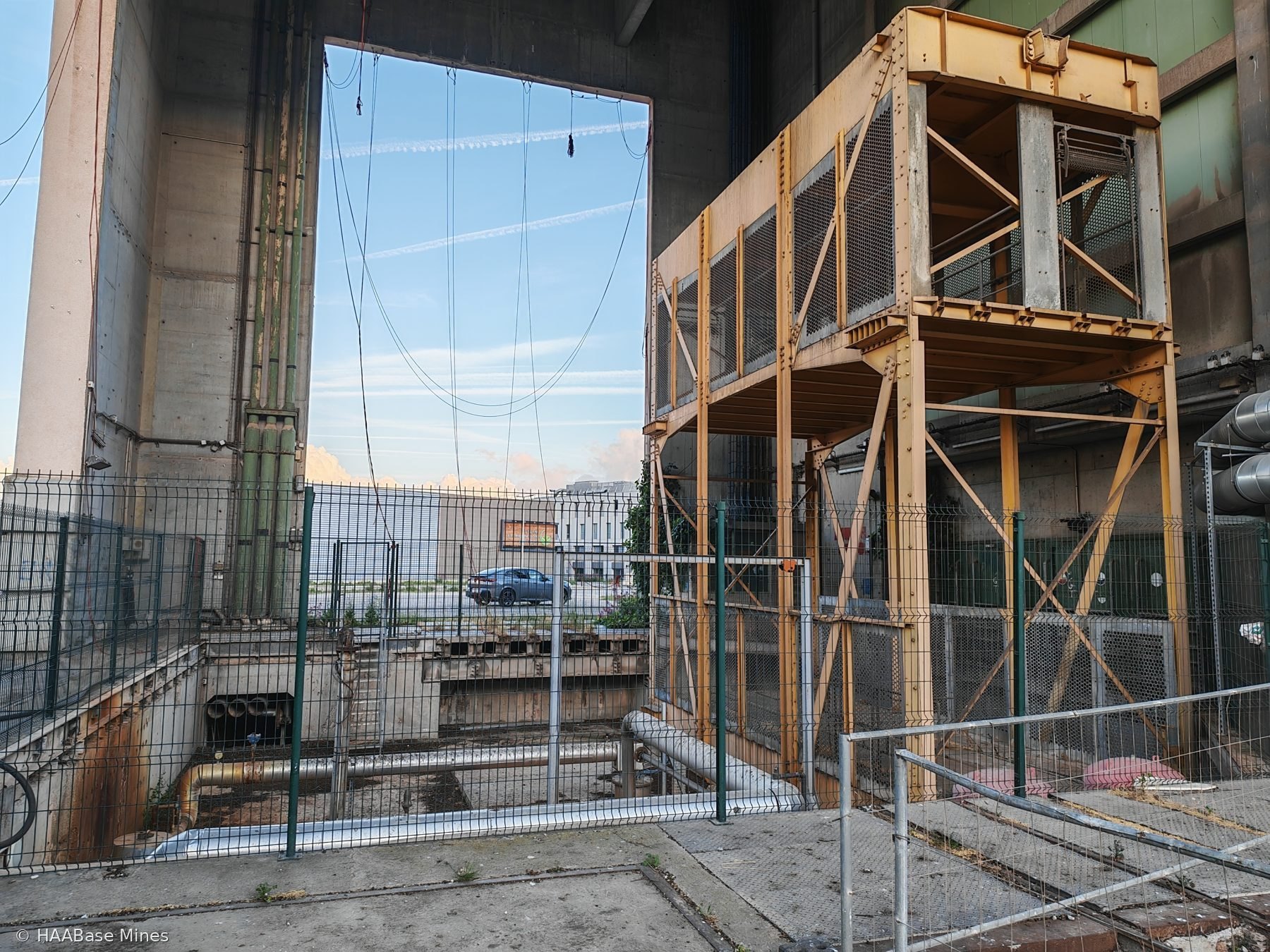
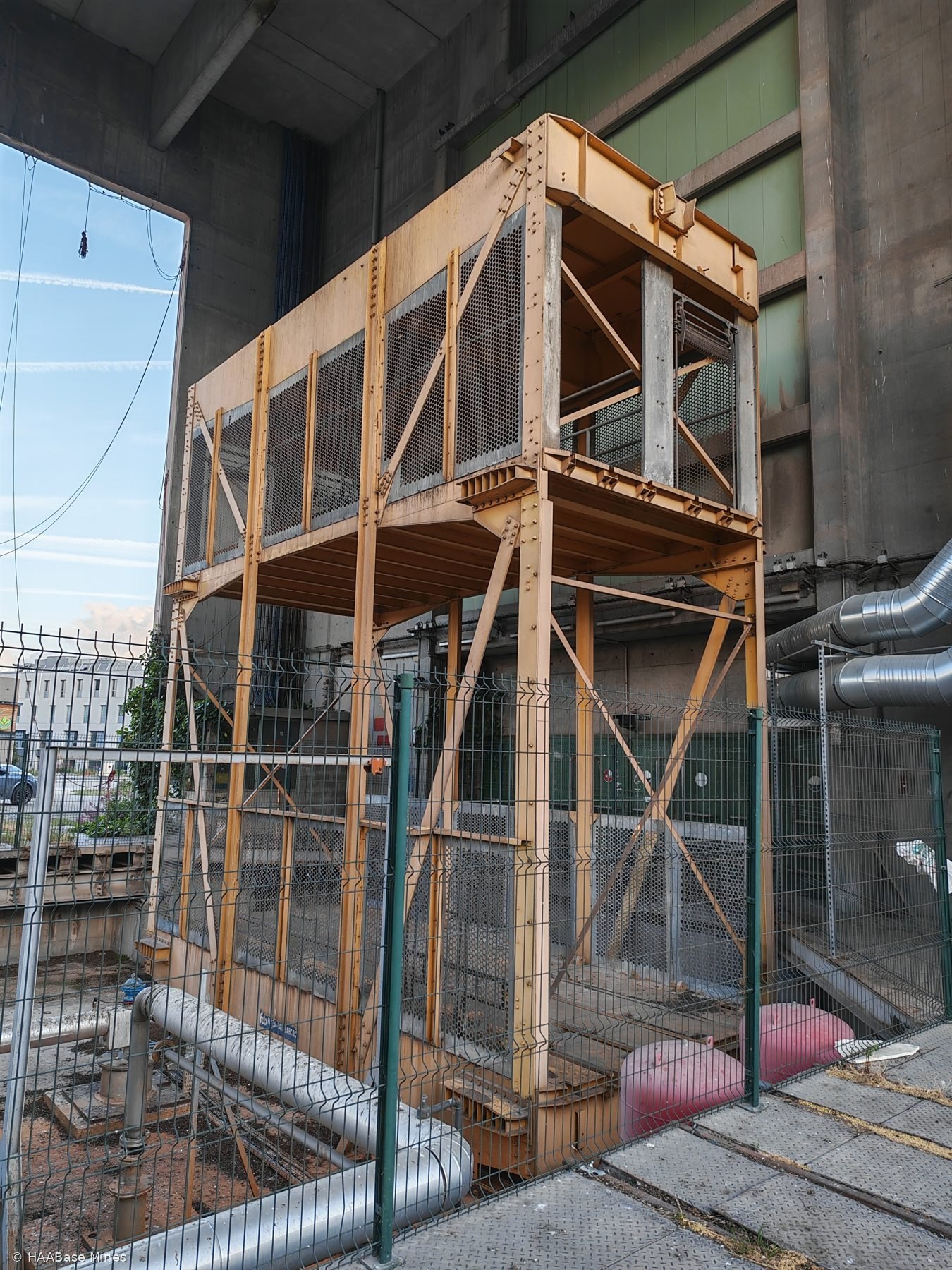
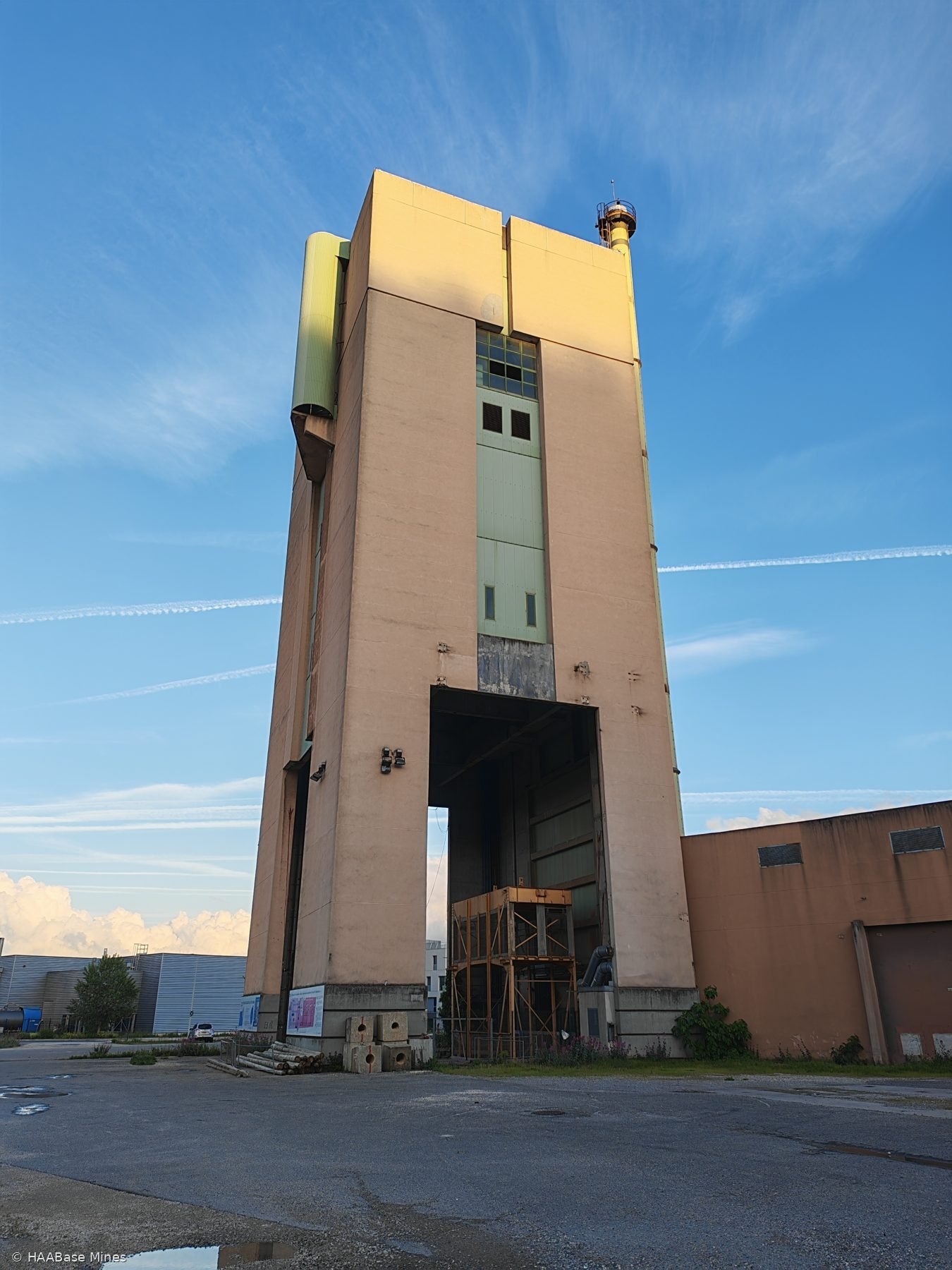
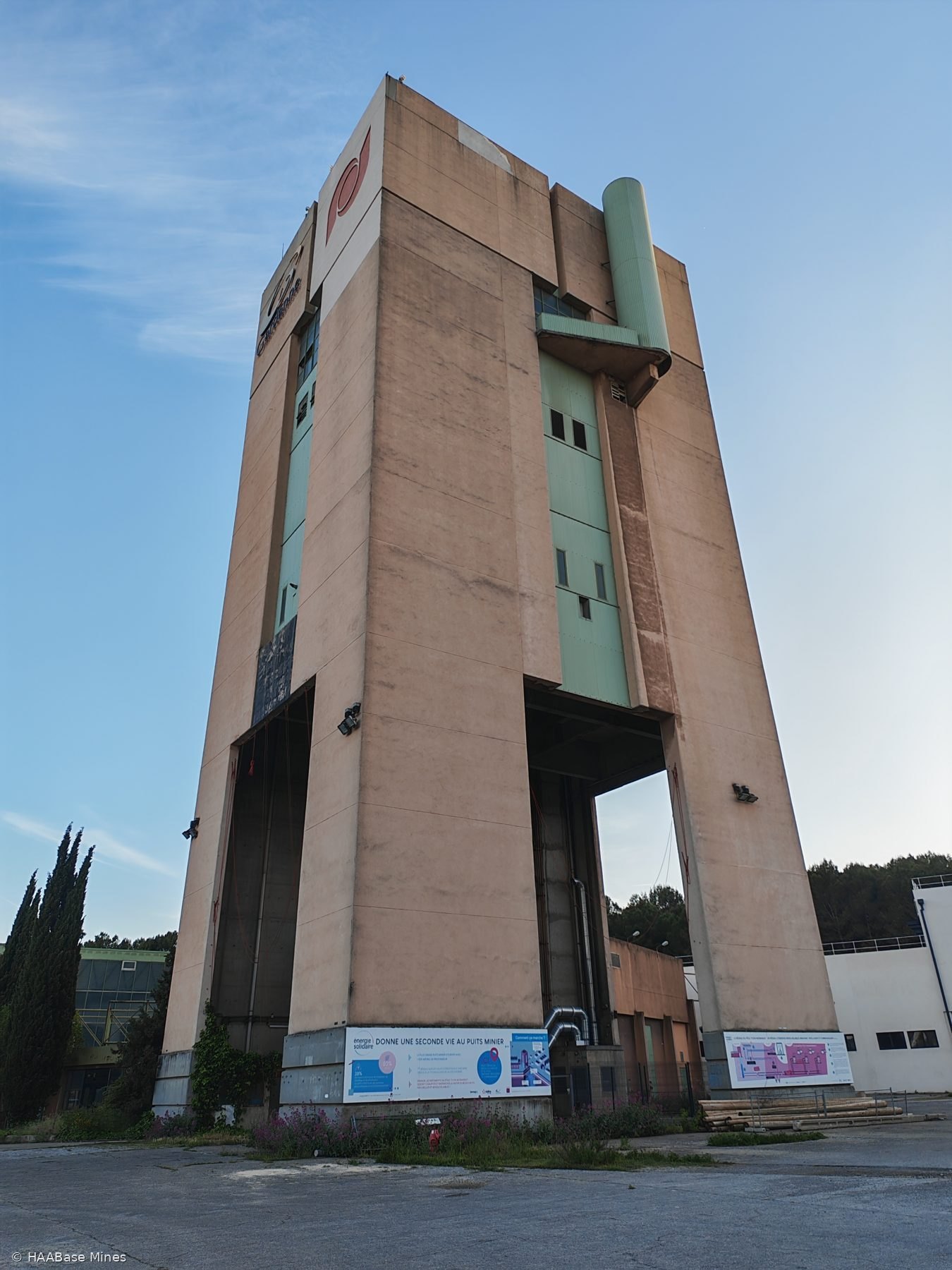
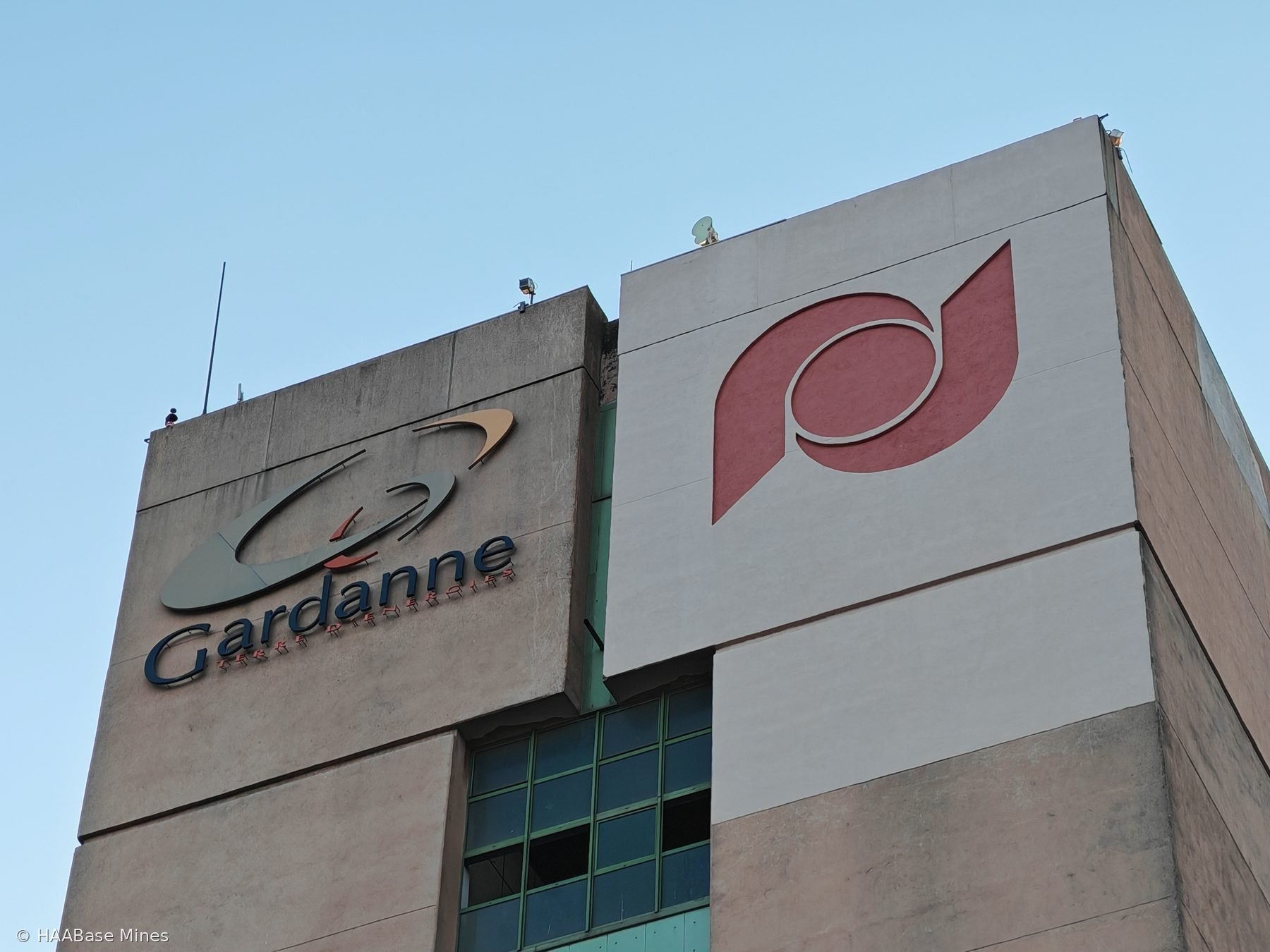
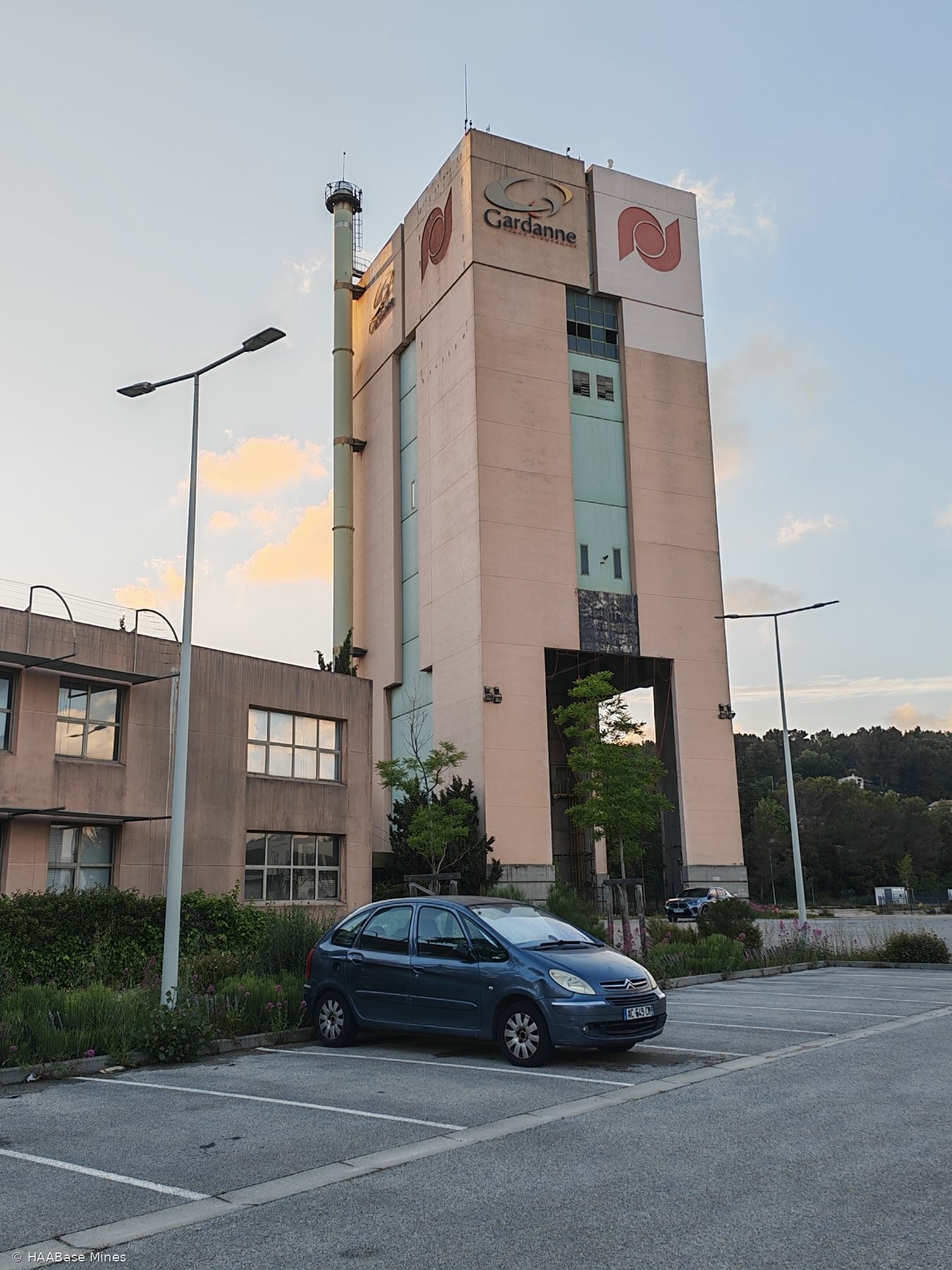
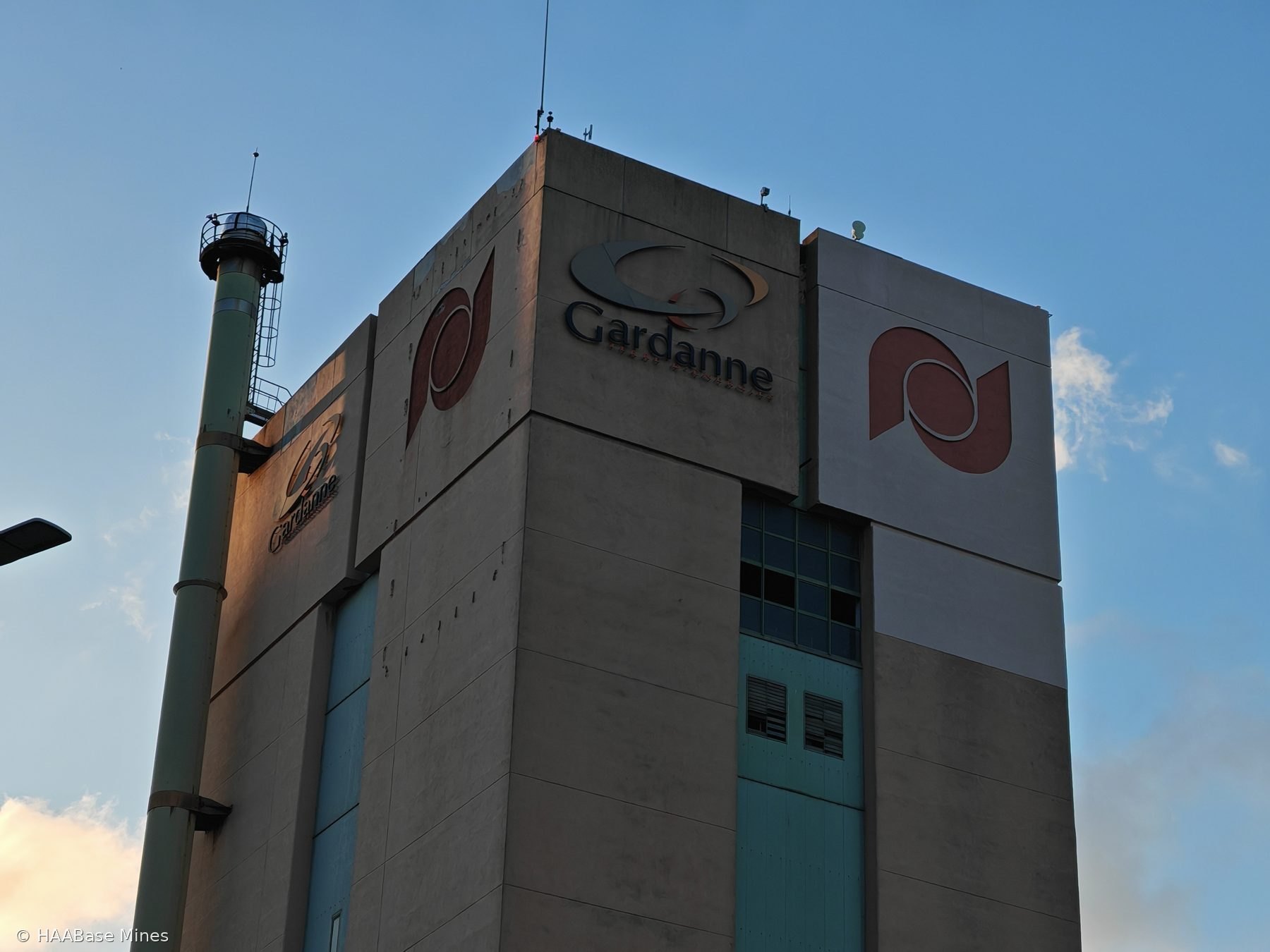
The 50-metre extraction tower of the puits Yvon Morandat and the hall des mineurs building survive as the site's principal landmarks.