Site overview

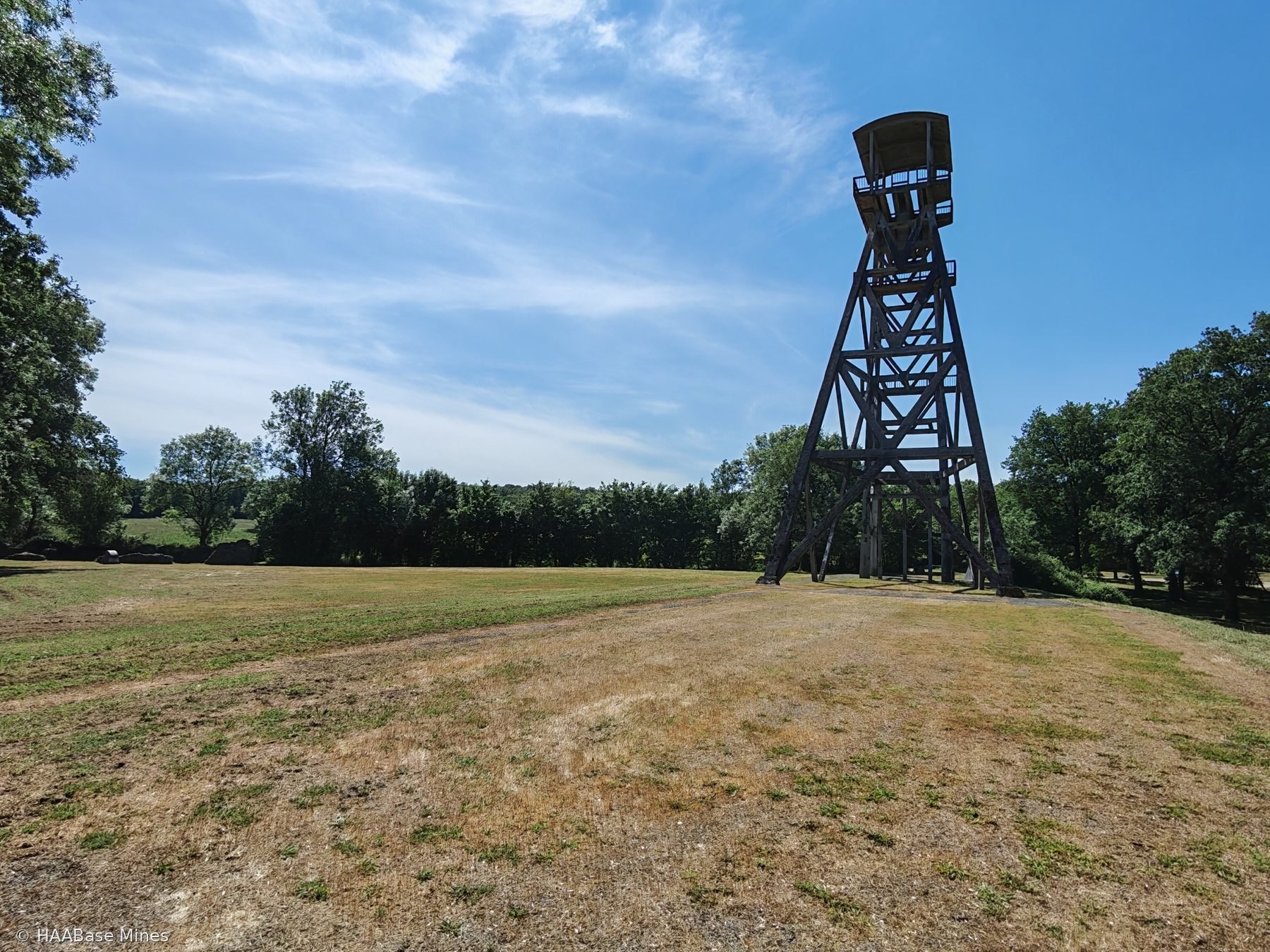
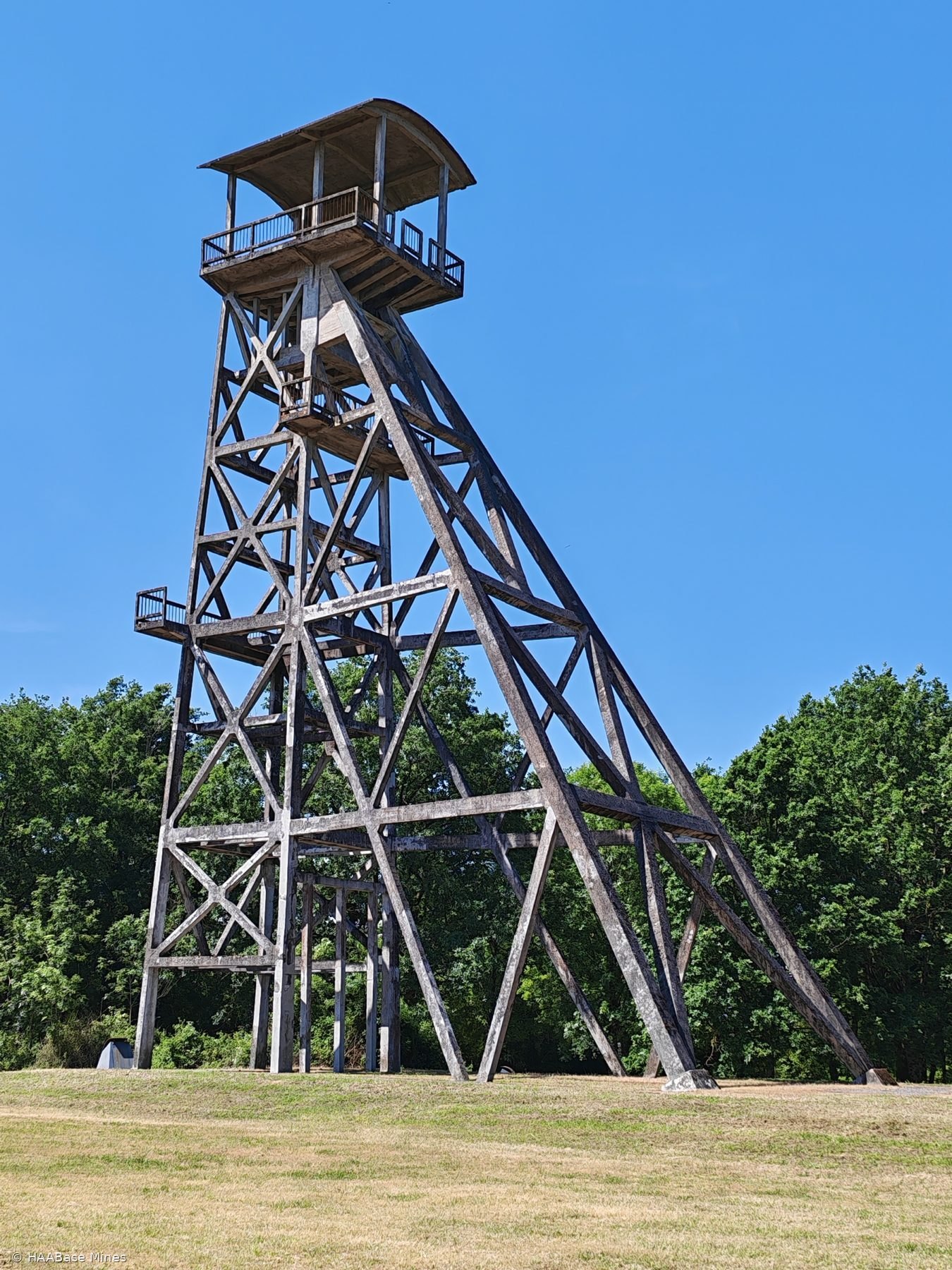
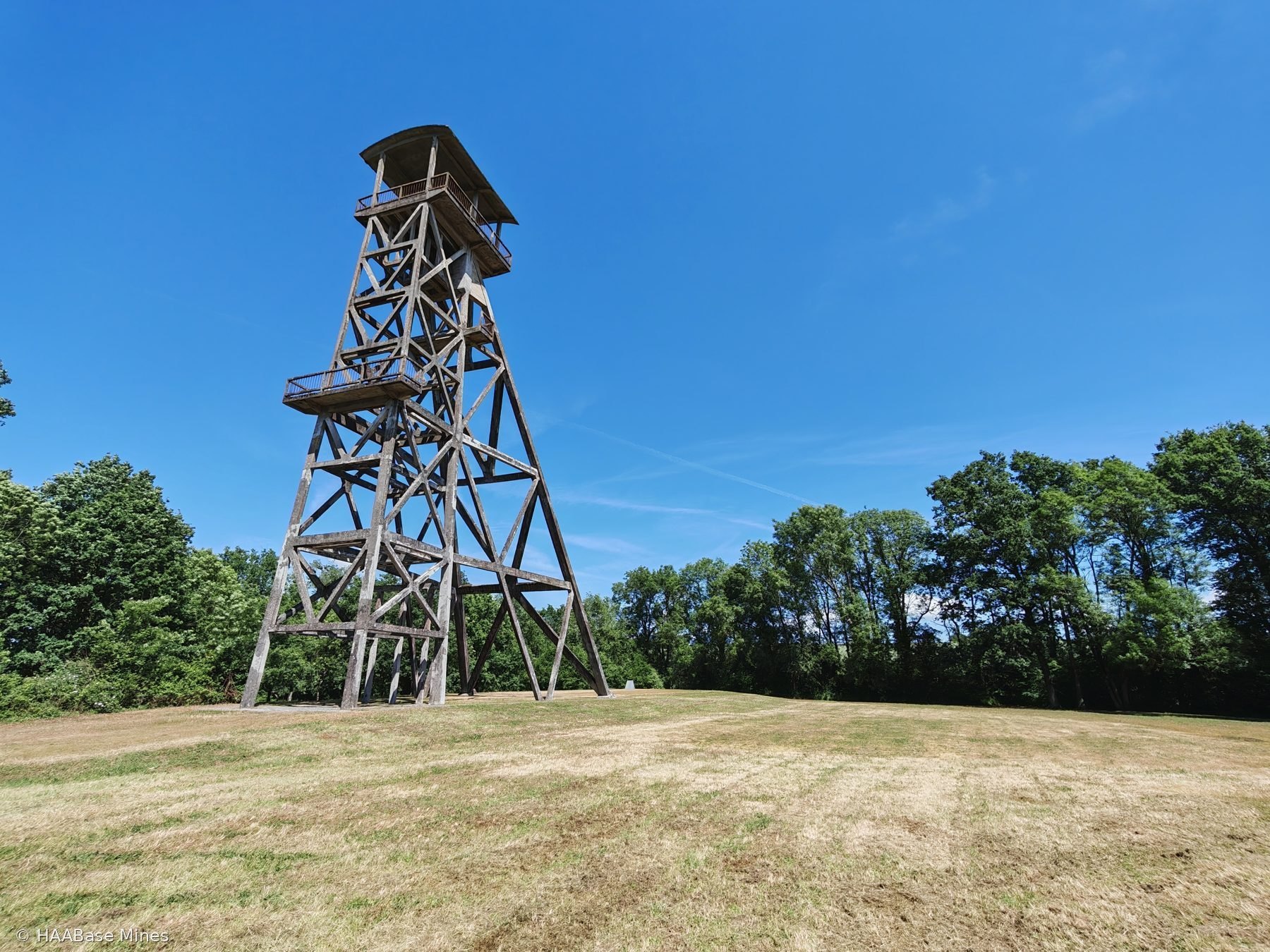
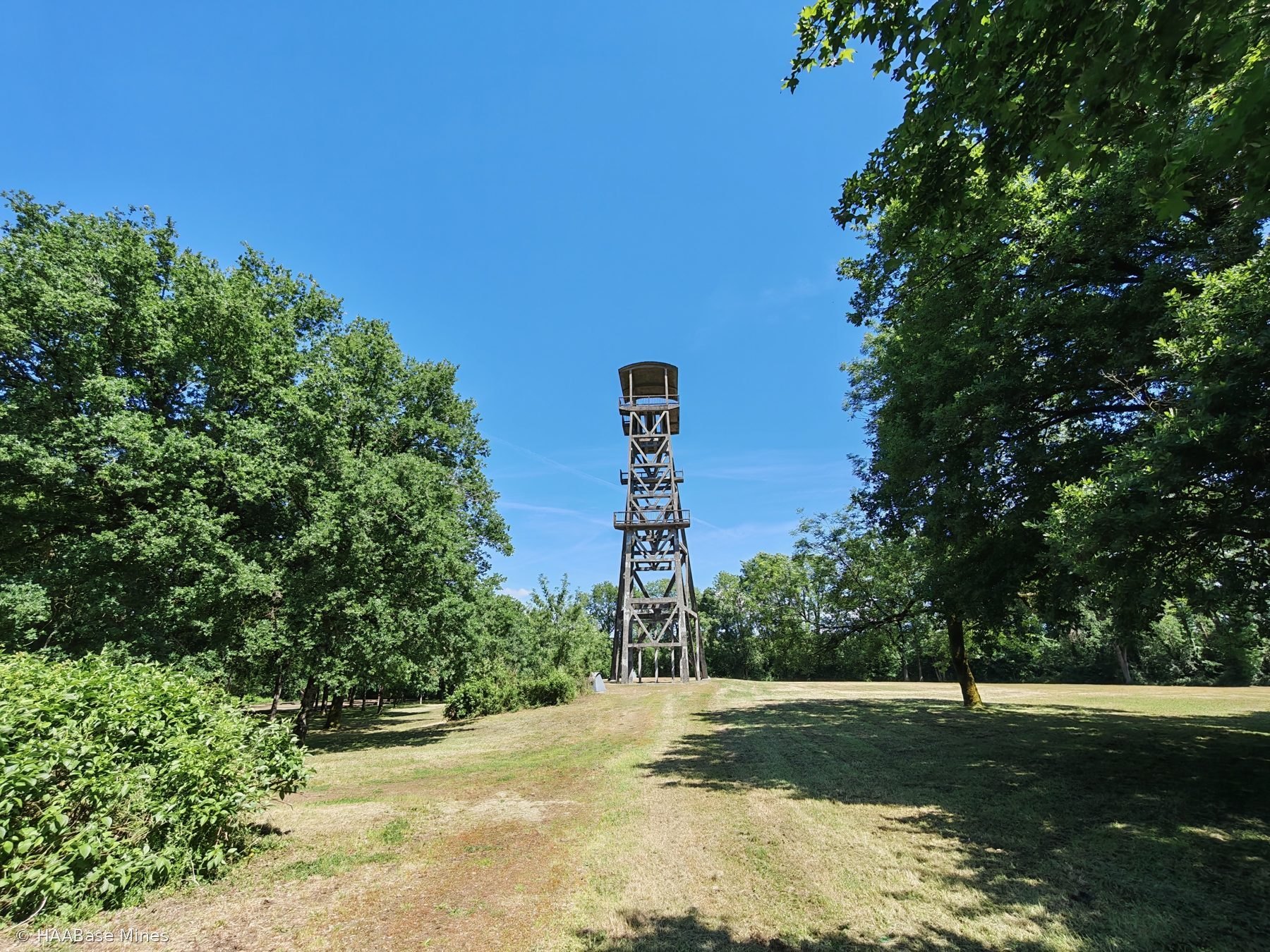
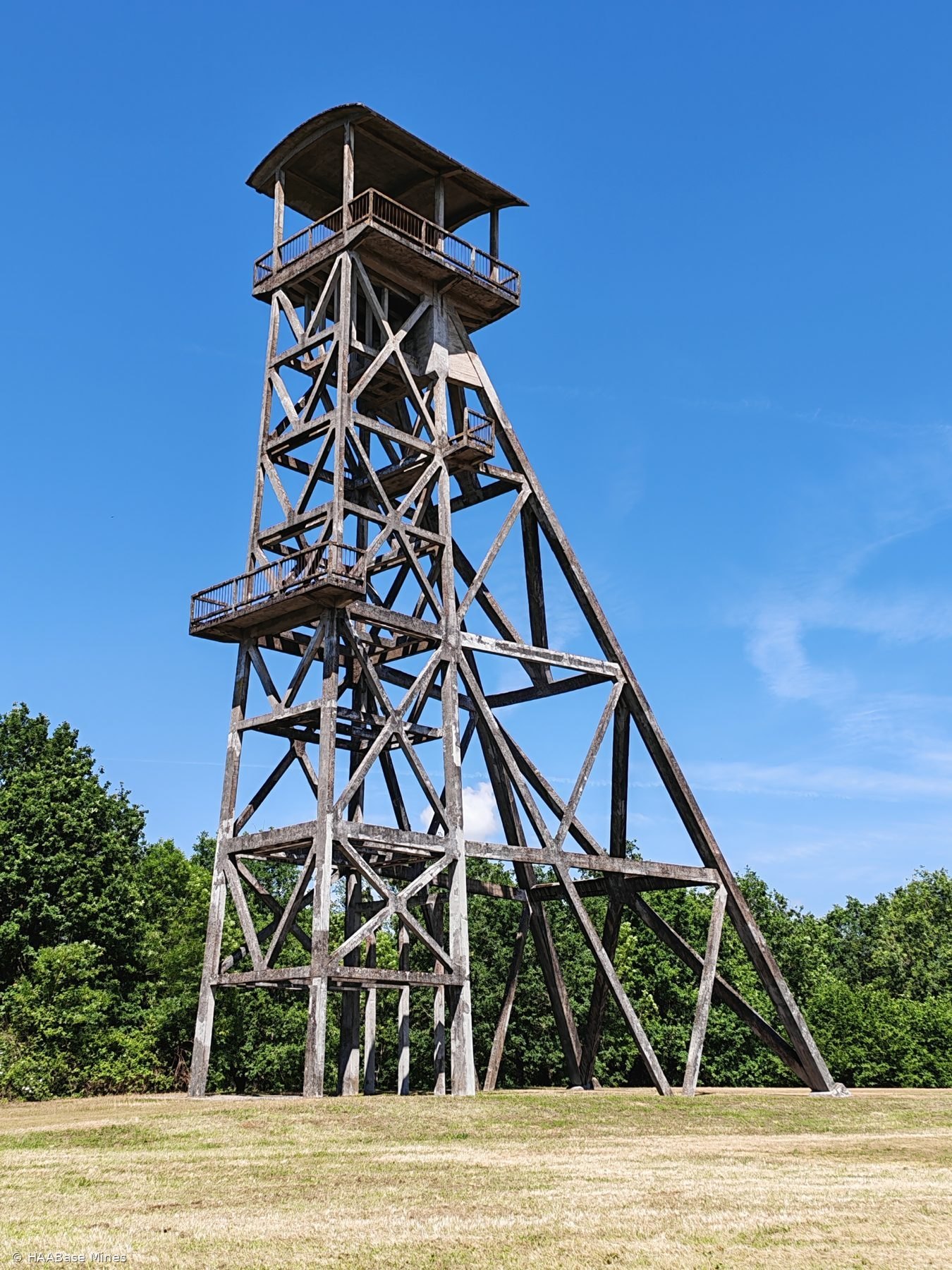
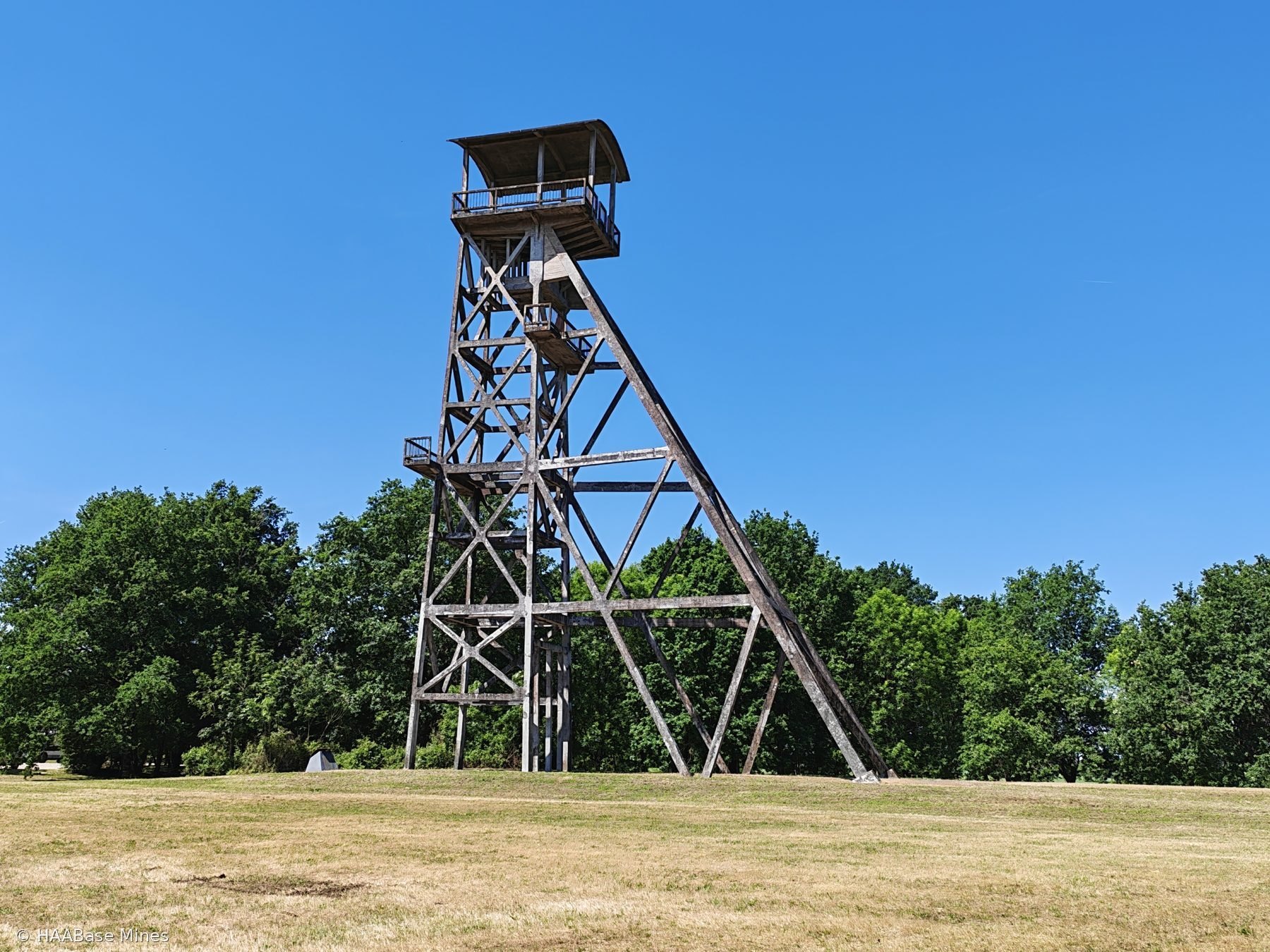
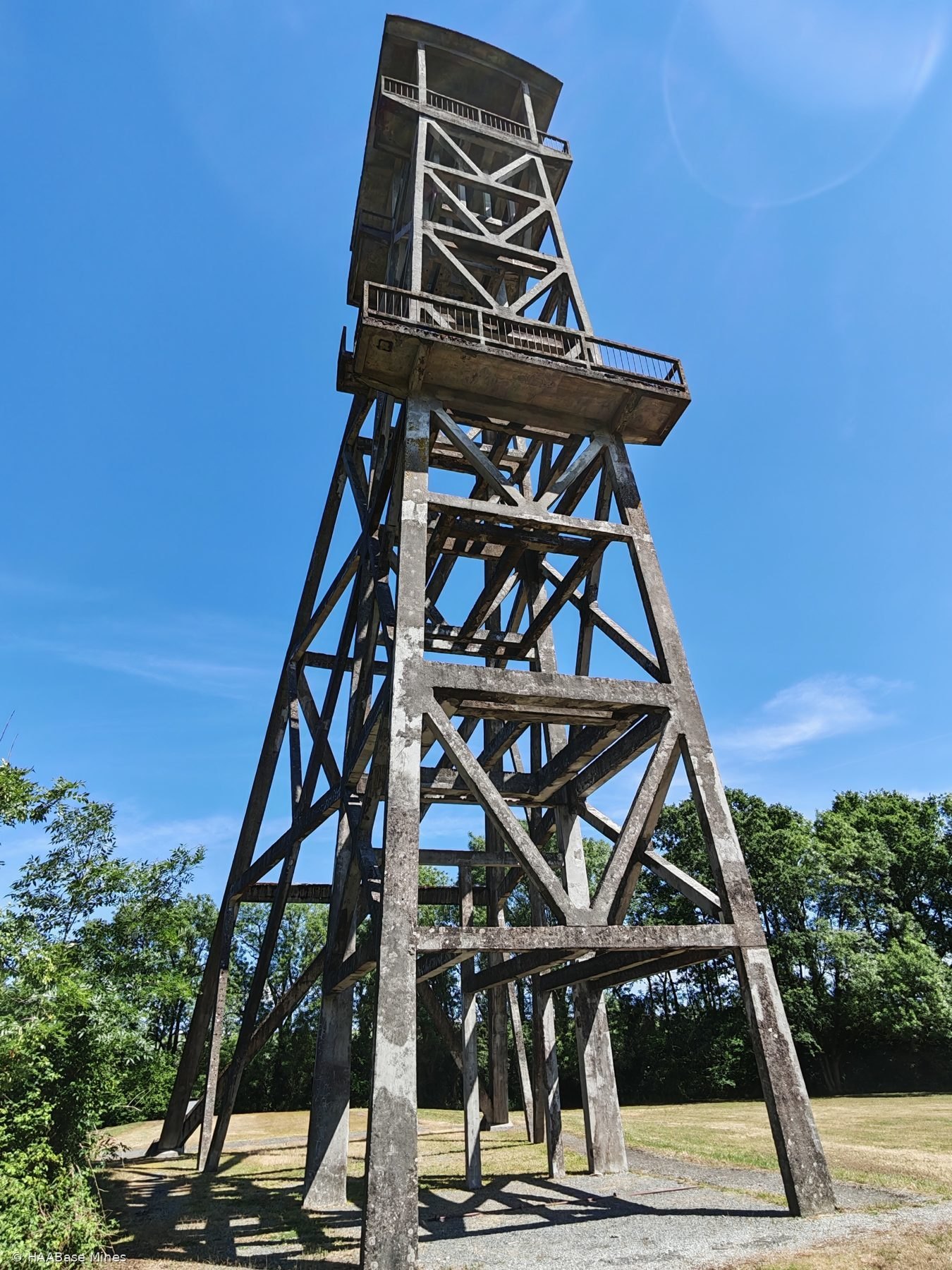
The puits Saint-Michel at the lieu-dit Épagne in the commune of Saint-Maurice-des-Noues, Vendée, carries a reinforced concrete headframe of 25 metres described as unique in France for its form. The shaft belongs to the concession d'Épagne, one of the minor concessions of the bassin houiller de Faymoreau in the Vendée coalfield, which was coal-bearing in the houiller supérieur. The concession d'Épagne was accorded in 1847 with an area of 4.33 square kilometres.

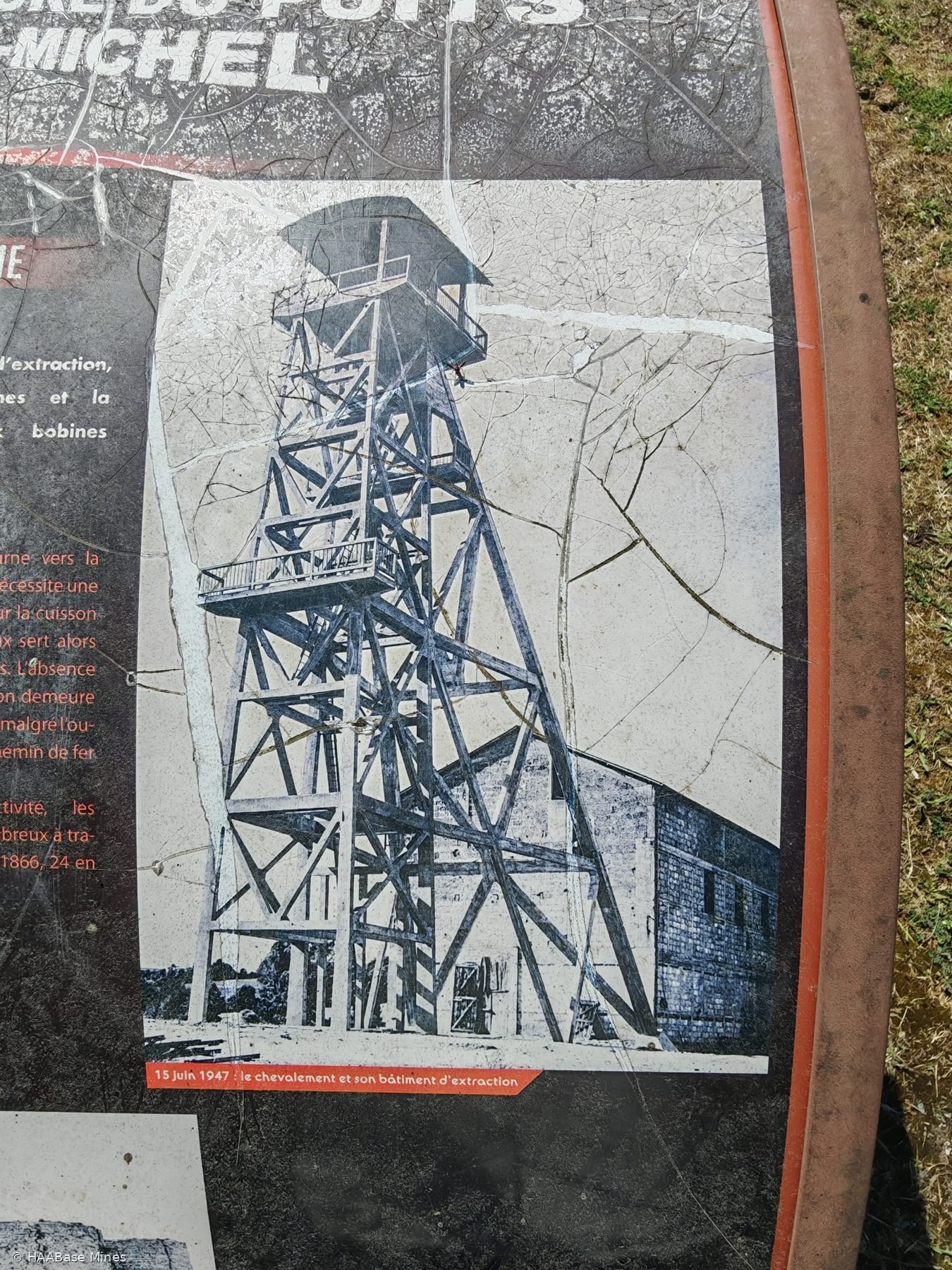
The first puits was sunk in 1847 to 200 metres and closed in 1869. After two further short periods of activity — 1917 to 1921 and 1923 to 1925 — the site was recommissioned in 1943. A reinforced concrete headframe replaced the former wooden chevalement and is the structure visible today; it replaced what had been described as one of only three wooden chevalements surviving in France.

The puits was definitively abandoned in 1950. The shaft is fully flooded; a hydrogéological investigation in 2000 found the boiseries perfectly preserved in clear water at 206-208 metres depth. The headframe stands at Épagne as the primary surviving industrial monument of the concession.

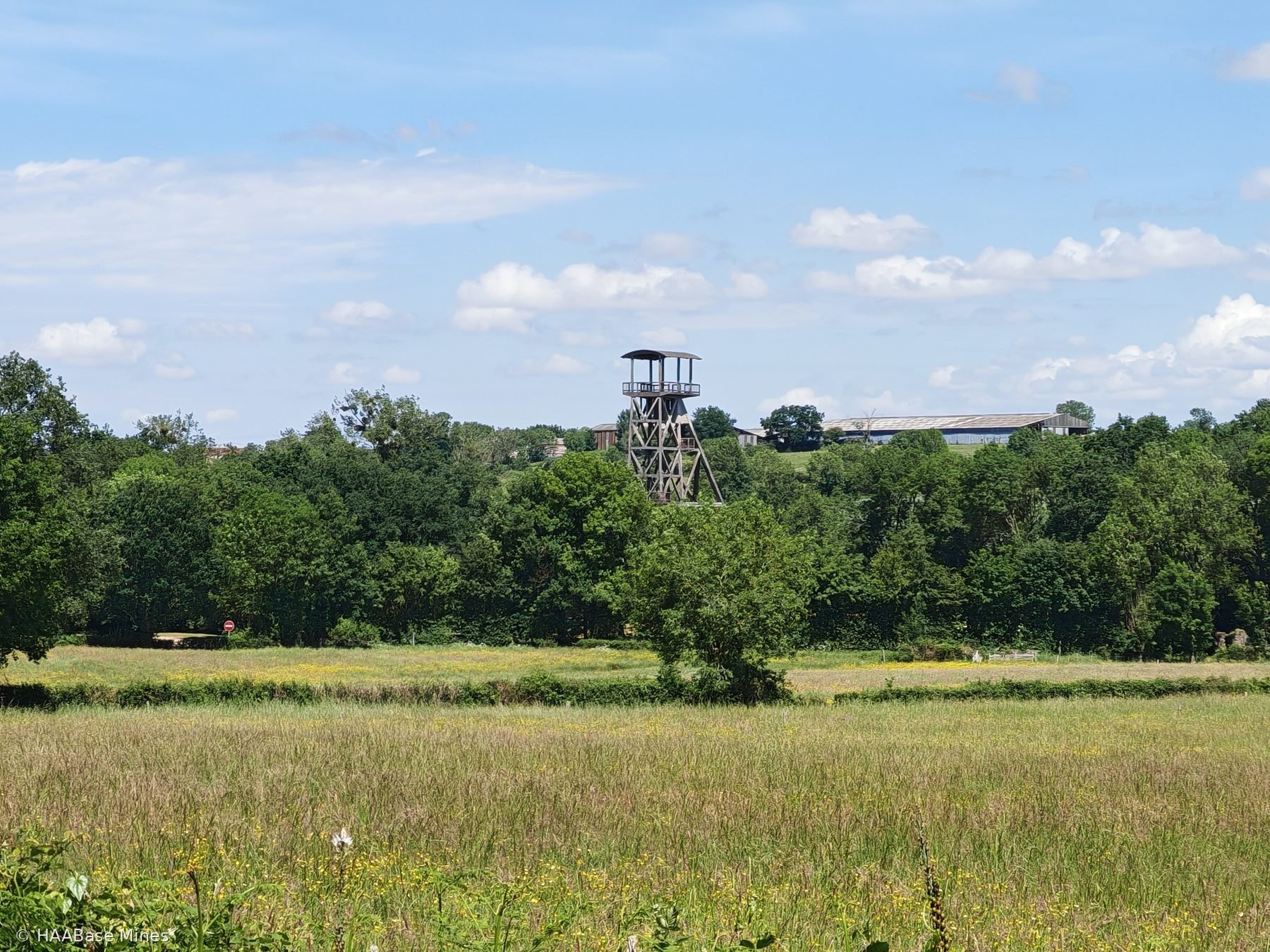
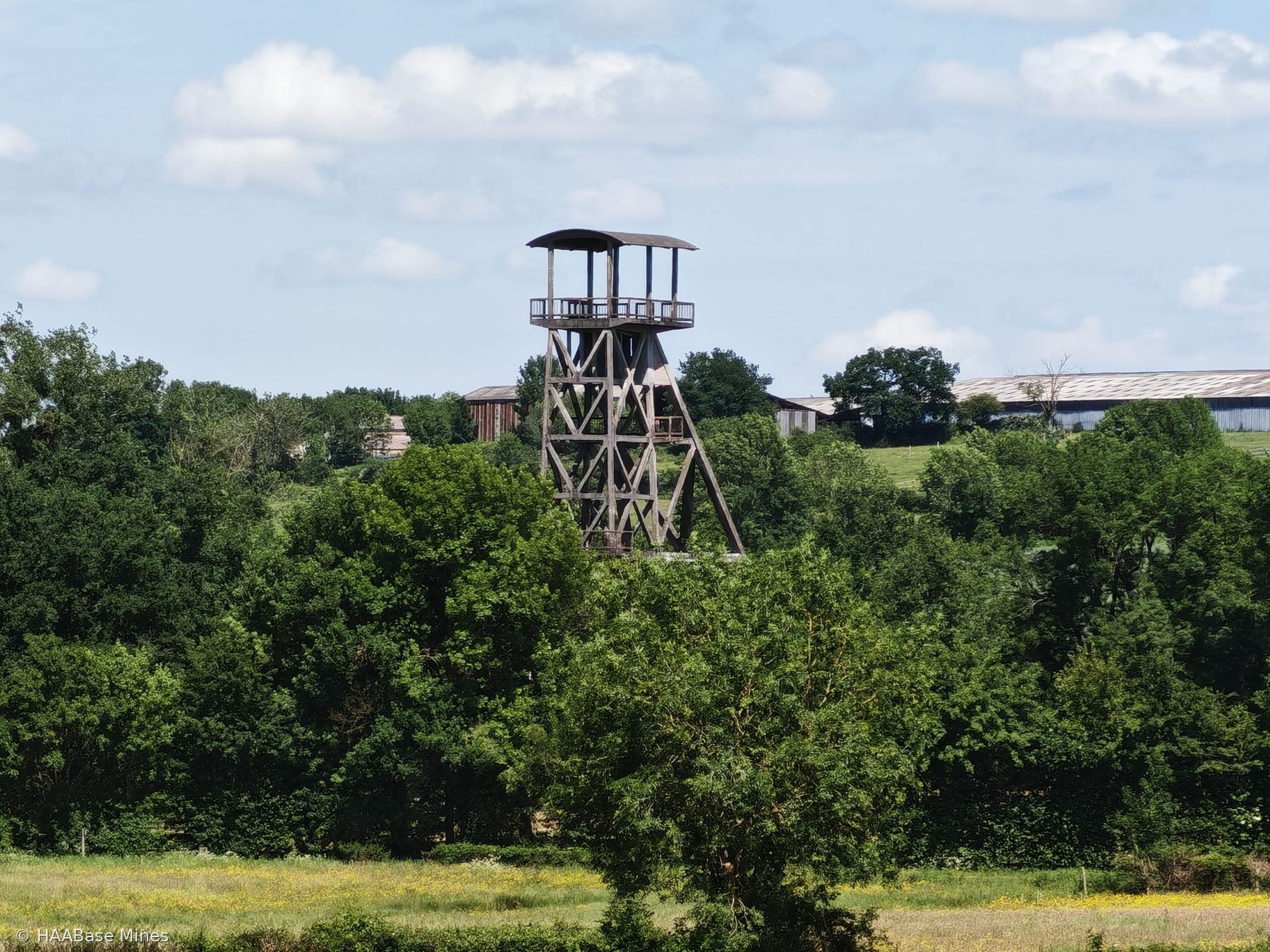
The headframe stands in open rural surroundings, where the former pit site reads as an isolated industrial remnant within farmland and scattered settlement.

Map & photo

Concession d’Épagne — Puits Saint-Michel mine headframe or winding tower site
Photograph taken: 9 May 2026
Map markers and directions links are provided for location reference only and do not indicate public access or permission to enter a site.

History

The concession d'Épagne at the lieu-dit Épagne in the commune of Saint-Maurice-des-Noues is one of the several concessions that formed the bassin houiller de Faymoreau in the southern Vendée and the Deux-Sèvres. The coal of the basin was first discovered by a sabotier who encountered it by chance while digging a well at Marillet near Faymoreau, and the resulting exploitation extended from Saint-Maurice-des-Noues to Saint-Laurs in the Deux-Sèvres over 130 years. The concession d'Épagne was accorded in 1847 with a surface area of 4.33 square kilometres.

The coal of the concession was of slightly better quality than that of the neighbouring Puyrinsant and Cézais concessions, but still described as mediocre. The principal seam exploited was the veine Nord. A first puits was sunk in 1847 at the lieu-dit Épagne to a depth of 200 metres.

The exploitation was organised as a rectangular, timbered shaft with a ventilation chimney in the veine Nord. Given the poor quality of the coal, the lack of communications, and the discovery of the richer gisement of the houiller inférieur at the puits du Centre on the Niort-Bressuire railway, the mine was closed in 1869. Between 1845 and 1894, 33 deaths were recorded at the Épagne workings, pointing to persistently poor safety conditions.

A bâtiment d'extraction was constructed in 1914, housing showers, a lampisterie, bases, and ventilators. Two bobines were installed for cable winding; the site was successively equipped with three or four steam engines and later with electric extraction machinery. In 1917 the siège d'Épagne was taken up again and significant works were undertaken.

The shaft was deepened to 200 metres in view of exploiting the four known layers of the houiller supérieur between the 100-metre level and deeper; but these works were again abandoned in 1921. The site was reopened in 1923 before being abandoned once more in 1925. In 1943 the exploitation was recommissioned.

A reinforced concrete headframe was constructed to replace the former wooden chevalement; its distinctive form makes it unique in France. The puits was definitively abandoned in 1950 for want of financial means. The shaft remains fully flooded.

A hydrogéological investigation carried out in 2000 found the shaft accessible to a depth of 206 to 208 metres, with the boiseries preserved in clear water. The reinforced concrete headframe of 25 metres stands at the lieu-dit Épagne as the enduring visible testament of the concession. The coron village at Épagne housed miners of diverse European nationalities, and the commune retains the character of a former mining village.

The bassin houiller de Faymoreau is commemorated at the Centre Minier de Faymoreau museum, opened in 2001 and refurbished in 2018, situated on the site of the former puits Bernard, the principal shaft of the principal concession de Faymoreau.
Timeline

1847
Legislation

Concession d'Épagne accorded; puits sunk to 200 metres

The concession d'Épagne was accorded in 1847, covering 4.33 square kilometres. A puits was sunk the same year to a depth of 200 metres; the shaft was rectangular and timbered, with a ventilation chimney in the veine Nord.
1847–1869
Operation

First phase of coal extraction; 33 deaths recorded 1845-1894

The first phase of extraction ran from 1847 to 1869, when the mine was closed owing to poor coal quality and the discovery of the richer houiller inférieur gisement at the puits du Centre. Between 1845 and 1894, 33 deaths were recorded at the Épagne workings.
1914
Construction

Bâtiment d'extraction constructed with showers, lampisterie, and ventilators

In 1914 a bâtiment d'extraction was constructed at the Épagne site, equipped with showers, a lampisterie, bases, and ventilators. Two bobines for cable winding were installed; the site was equipped with three or four steam engines and later with electric extraction machinery.
1917–1925
Operation

Second and third phases of extraction: 1917-1921 and 1923-1925

In 1917 the siège d'Épagne was reopened and the shaft deepened to 200 metres to exploit the houiller supérieur seams. Works were abandoned in 1921. Extraction was recommenced in 1923 and again abandoned in 1925.
1943–1950
Construction

Fourth and final phase: reinforced concrete headframe built 1943; puits abandoned 1950

In 1943 the exploitation was recommissioned. A reinforced concrete headframe of 25 metres, unique in France for its form, was constructed to replace the former wooden chevalement. The puits was definitively abandoned in 1950 for want of financial means.
1950
Closure

Puits Saint-Michel definitively abandoned; shaft fully flooded

The puits was definitively abandoned in 1950. The shaft became fully flooded. A hydrogéological investigation in 2000 confirmed the shaft accessible to 206-208 metres, with boiseries preserved in clear water.
1950
Heritage

Reinforced concrete headframe survives as unique industrial monument at Épagne

The 25-metre reinforced concrete headframe of the puits Saint-Michel remains standing at the lieu-dit Épagne in Saint-Maurice-des-Noues, described as unique in France. It is listed on minespatrimoine.fr as a surviving chevalement.

Sources and records

Wikipedia (French): Bassin houiller de Faymoreau
Accueil Vendée website, Chevalement d'Epagne exploitation du charbon entry
Mairie de Saint-Maurice-des-Noues via Pays de la Châtaigneraie website
Archives de Vendée, bibliographic references: La mine d'Epagne, en Saint-Maurice-des-Noues (Jean-Louis Lermite, 2003); Plongée à 206 mètres de profondeur dans le puits Saint-Michel de l'ancienne mine d'Epagne (Claude Roy)
Minespatrimoine.fr, chevalements subsistants en France, Puits Sain-Michel entry
Centre Minier de Faymoreau website, history section
INA Fresques Pays de la Loire, Olonne-sur-mer, Anciennes mines de charbon à Saint-Laurs et à Faymoreau, 1996 reportage
This researched site record is part of the HAABase Mines database. Normal personal research and browsing is welcome. Automated bulk extraction, republication, or harvesting of site text and images is not permitted without written consent.