—
Earliest attested slate working in the Renazé-Congrier area
A perrière at Congrier is signalled in 1450; in 1454 a purchase of ardoise is recorded from Congrier.
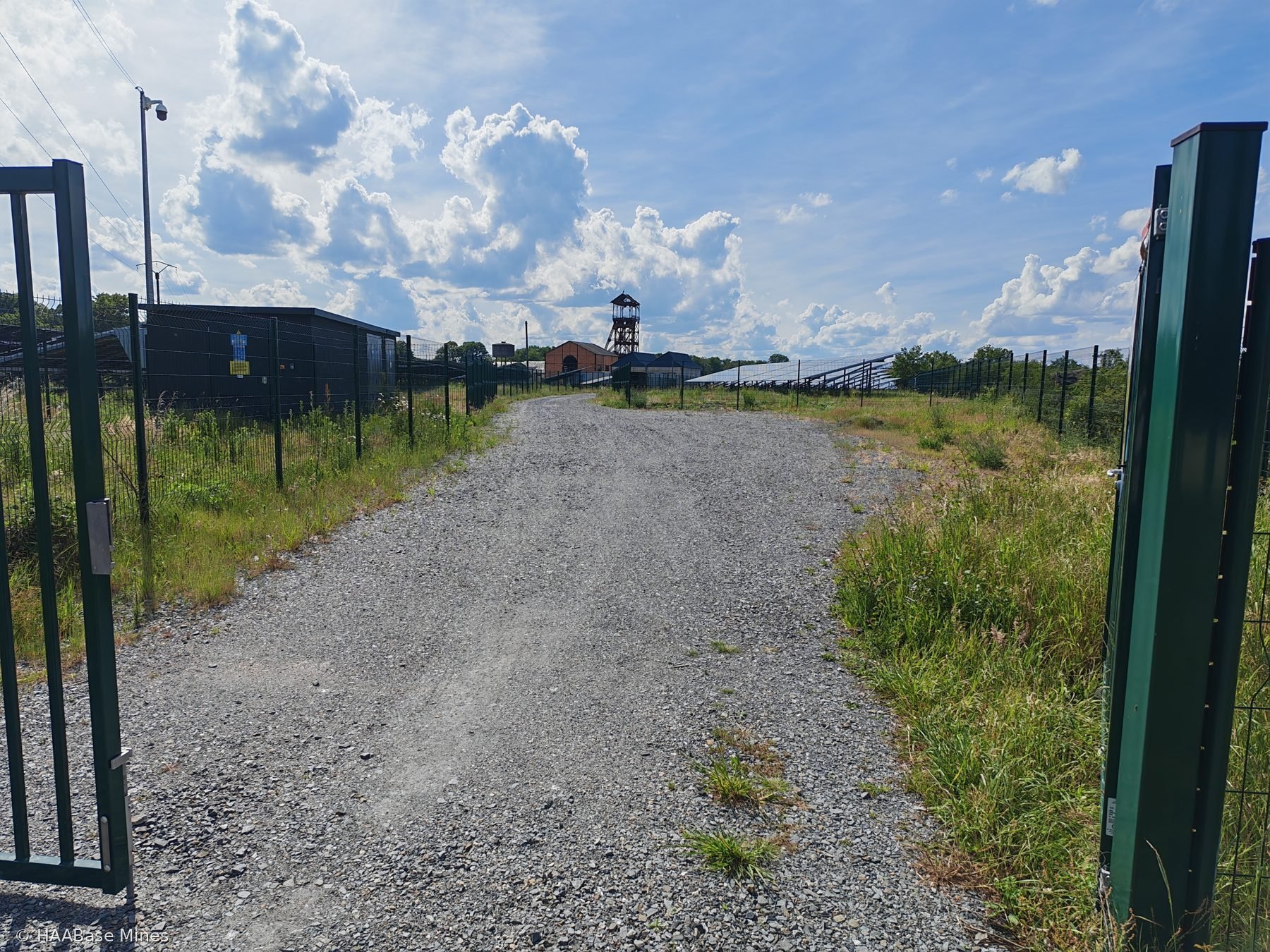
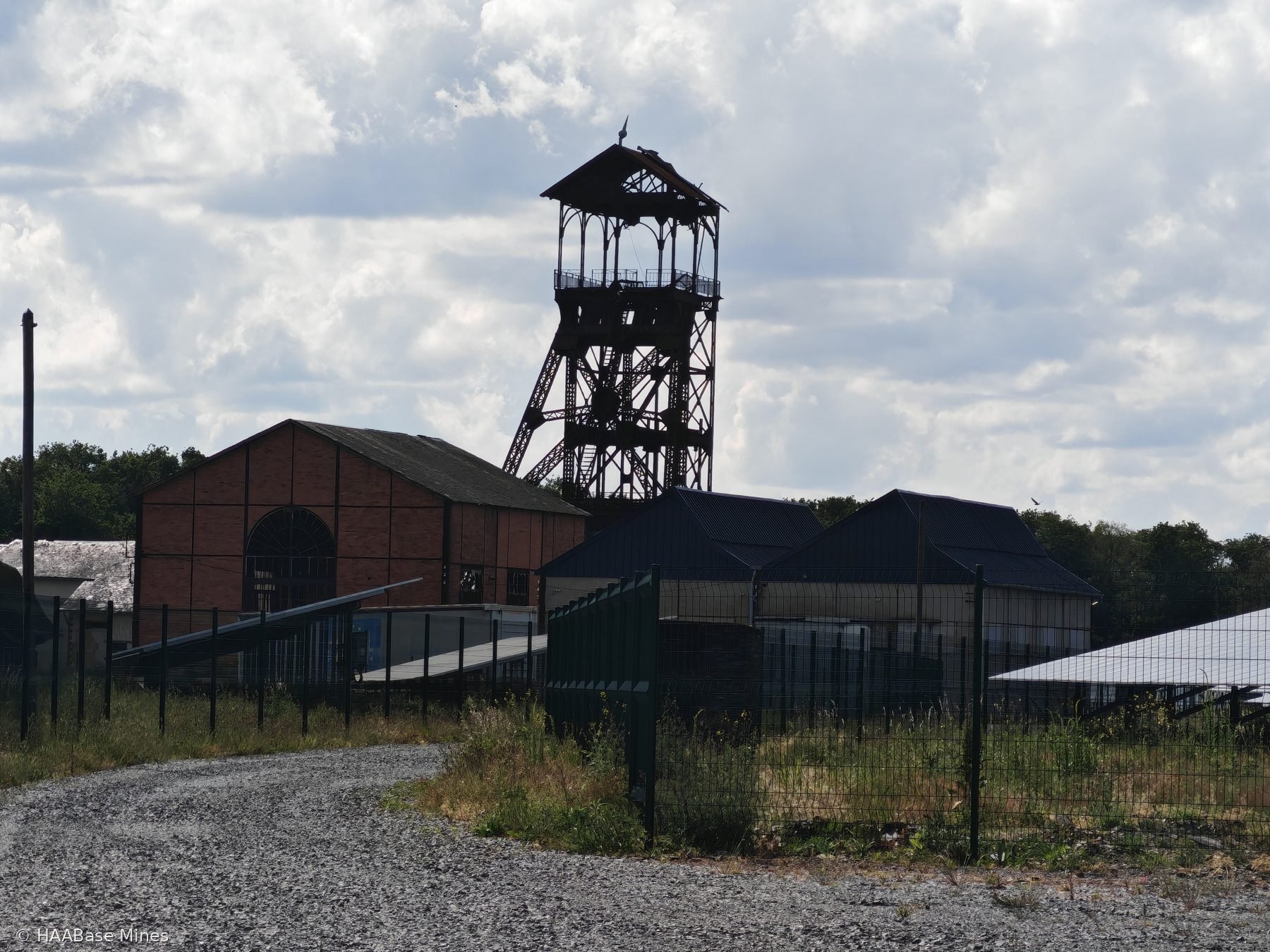
Surviving metal headframe of the puits Saint-Aignan N°2 at Renazé, one of three remaining chevalements in the Mayenne slate basin, standing on the former primary extraction site of the Renazé ardoisières.
This record is based on the research currently available to HAABase Mines. It has not yet completed the site's formal source-by-source fact-checking process, so the history and timeline should be regarded as a well-researched provisional account and may be refined as further evidence is reviewed.
The puits Saint-Aignan N°2 at Renazé, Mayenne, bears a surviving metal chevalement and is one of three metal headframes identified by Wikipedia as remaining from the ardoisières of Renazé. The Saint-Aignan sector formed the primary extraction area of the Renazé basin during the final decades of active working: from 1946 when the puits de Laubinière was recommissioned, the latter served as the puits de secours for the production running from the puits de Saint-Aignan N°2. By 1950 all quartiers of the basin were connected underground.
The last quartier to cease operations was Laubinière in December 1975, with the puits de Saint-Aignan N°2 among the earlier closures. The Société des Ardoisières de l'Anjou operated the Saint-Aignan sector as part of its broader Renazé operation. The BRGM cartographic report identifies the Saint-Aignan site as the Découvert de Malagué / Saint-Aignan quartier.
The surviving metal headframe of the puits Saint-Aignan N°2 remains in situ at Renazé alongside the headframes of the puits de Longchamps and the puits de Laubinière.
The ardoisières of Renazé form the principal slate mining territory of Mayenne, with documented extraction from at least 1450-1454. The puits Saint-Aignan N°2 was the primary extraction shaft for the Saint-Aignan sector, one of six principal exploitation sites in the Renazé basin (la Gautrie, la Rivière, Saint-Aignan, Laubinière, la Touche, and Longchamps). The Société des Ardoisières de l'Anjou was formed in 1894 and became the principal operator, acquiring the Renazé operations from 1895 to 1896.
Industrial exploitation of the Saint-Aignan sector was part of the rationalisation of the basin following World War One, when powerful mechanised methods were introduced. The BRGM cartographic report on the Renazé exploitations (2000) specifically identifies the Découvert de Malagué / Saint-Aignan quartier as one of the principal underground extraction areas. The puits de Saint-Aignan N°2 served as the primary production shaft.
From 1946, when the former puits N°4 of the earlier Laubinière workings was recommissioned as the puits des Malécots N°2, the puits de Laubinière served explicitly as the puits de secours for the production running from the puits de Saint-Aignan N°2. By 1950 all quartiers of the Renazé basin were connected underground, with the puits de Longchamp reaching 305 metres as the deepest shaft. Production in the basin reached its apogee between 1870 and 1920 and began its definitive decline from around 1960, as enterprises reduced exports and then production.
The Saint-Aignan sector ceased before the ultimate closure of the Renazé basin, which came with the closure of the Laubinière quartier in December 1975 and the stopping of exhaure at end of March 1976. The metal headframe of the puits Saint-Aignan N°2 survives at Renazé and is listed by Wikipedia among the three metal chevalements remaining in the Renazé basin: puits Saint-Aignan, puits de Longchamps, and puits de Laubinière.