History
The ardoisières of Trélazé occupy Silurian schist deposits in Maine-et-Loire. Slate extraction at Trélazé is documented from the ninth century for tombstones and the eleventh century for roofing, with the first open-cast quarry at Tire-Poche recorded in 1406. The Hermitage sector is one of the historic ardoisière sites of Trélazé, named after its locality; the carrière de l'Hermitage and its associated works are documented from the nineteenth century.
In 1882 a second electric power installation was established at Trélazé specifically to serve the carrières des Grands Carreaux and de l'Hermitage, pointing to the Hermitage as already a significant extraction site by that date. In 1891 the principal producers of Trélazé merged to form the Commission des Ardoisières d'Angers, which became the Société des Ardoisières d'Angers in 1963. The last open-cast quarries at Trélazé closed in 1899, leaving all extraction entirely underground.
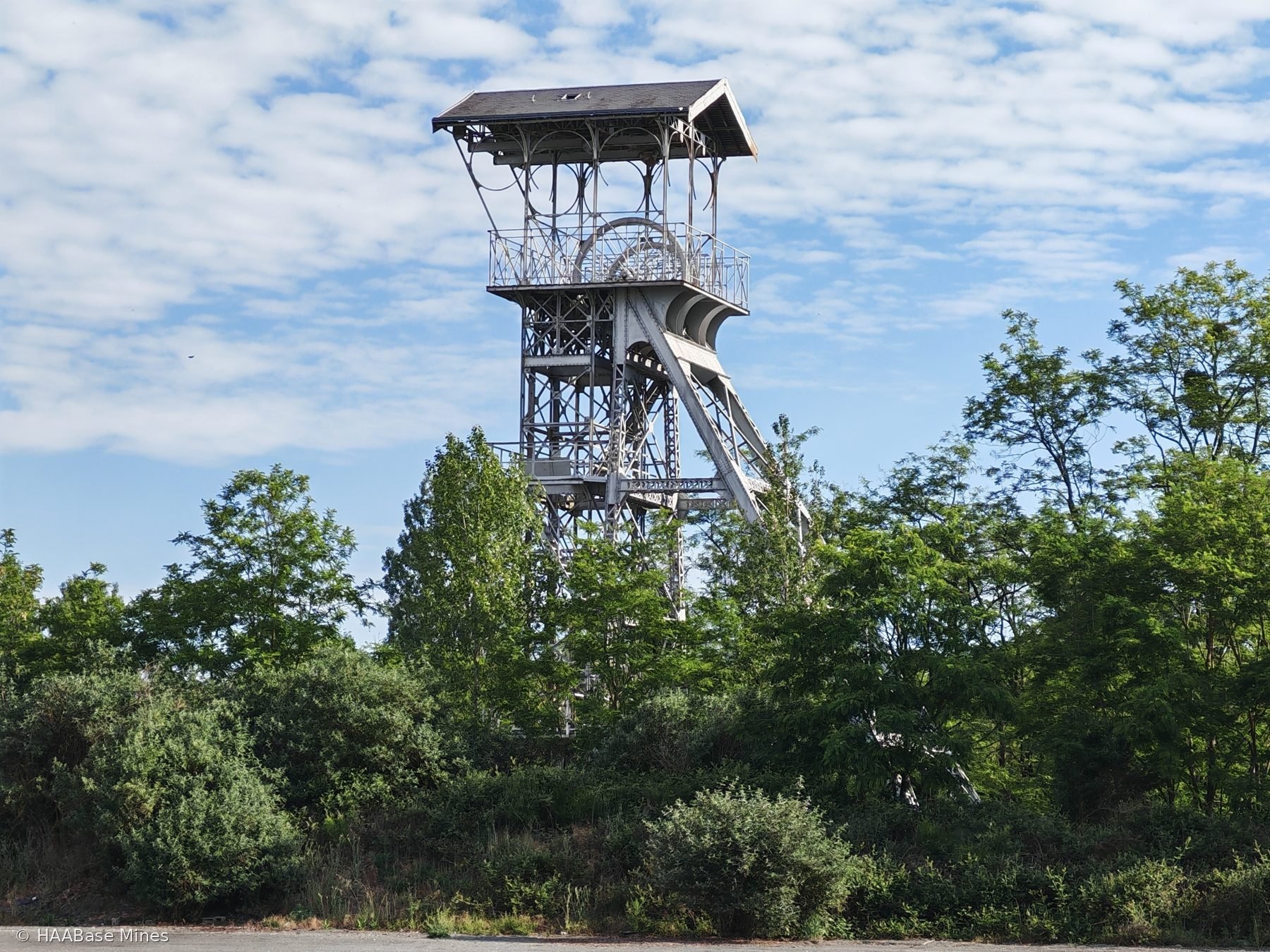
The first metal headframe in the basin was installed in 1909-1910 at the puits N°6 de Grand'Maison. The metal headframe of the puits N°8 bis de l'Hermitage was constructed in 1922 by the Eiffel company. Its extraction engine is a Laboulais steam machine.
An accident at the carrière de l'Hermitage on 7 July 1914 generated a report by the ingénieur en chef, indicating an industrial incident of sufficient gravity to require formal inspection. The puits N°8 bis formed part of the Hermitage sector of the Grands-Carreaux complex. The Hermitage site was also home to the puits N°6 de l'Hermitage, with a headframe dating from 1932, which served as a safety shaft for the puits N°7 de Monthibert in the final decades of active extraction.
In late 2005 the then owner of the ardoisière friche undertook a demolition campaign that affected approximately one-third of the buildings across the site, including most significantly the ateliers of the puits de l'Hermitage. The campaign was contested by local heritage associations but proceeded. The metal headframe of the puits N°8 bis was retained, as were the headframe and complete surface ensemble of the puits N°6 de l'Hermitage.
Production at the Ardoisières d'Angers declined from 80,000 tonnes in 1982 to 40,000 tonnes in 1990 and 25,000 tonnes in 1997. By 2007 the company employed 220 workers, 60 underground, producing 9,000 tonnes from the Grands-Carreaux puits and 6,000 tonnes from the Fresnais descenderie. On 25 November 2013, citing exhaustion of the gisement, the Ardoisières d'Angers — then controlled by Imerys — announced closure.
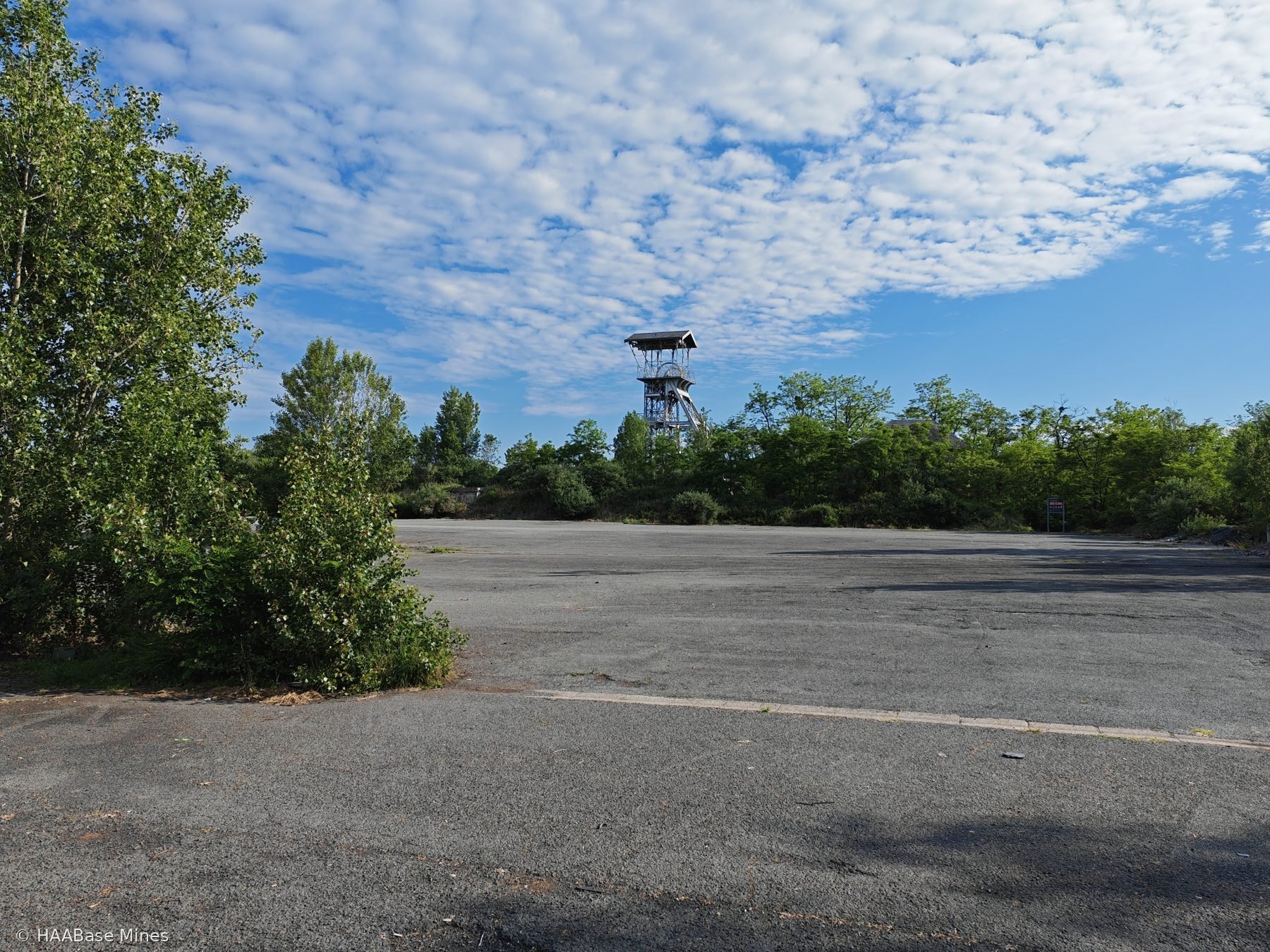
The plan social was signed on 28 March 2014 and the definitive closure took effect on 29 March 2014, ending 123 years of activity. The metal headframe of the puits N°8 bis de l'Hermitage, with its Laboulais steam extraction engine in a degraded state, survives as one of the few standing chevalements of the former Trélazé ardoisières. The former ardoisière site was classified as a zone naturelle d'intérêt écologique, faunistique et floristique following closure.