Site overview

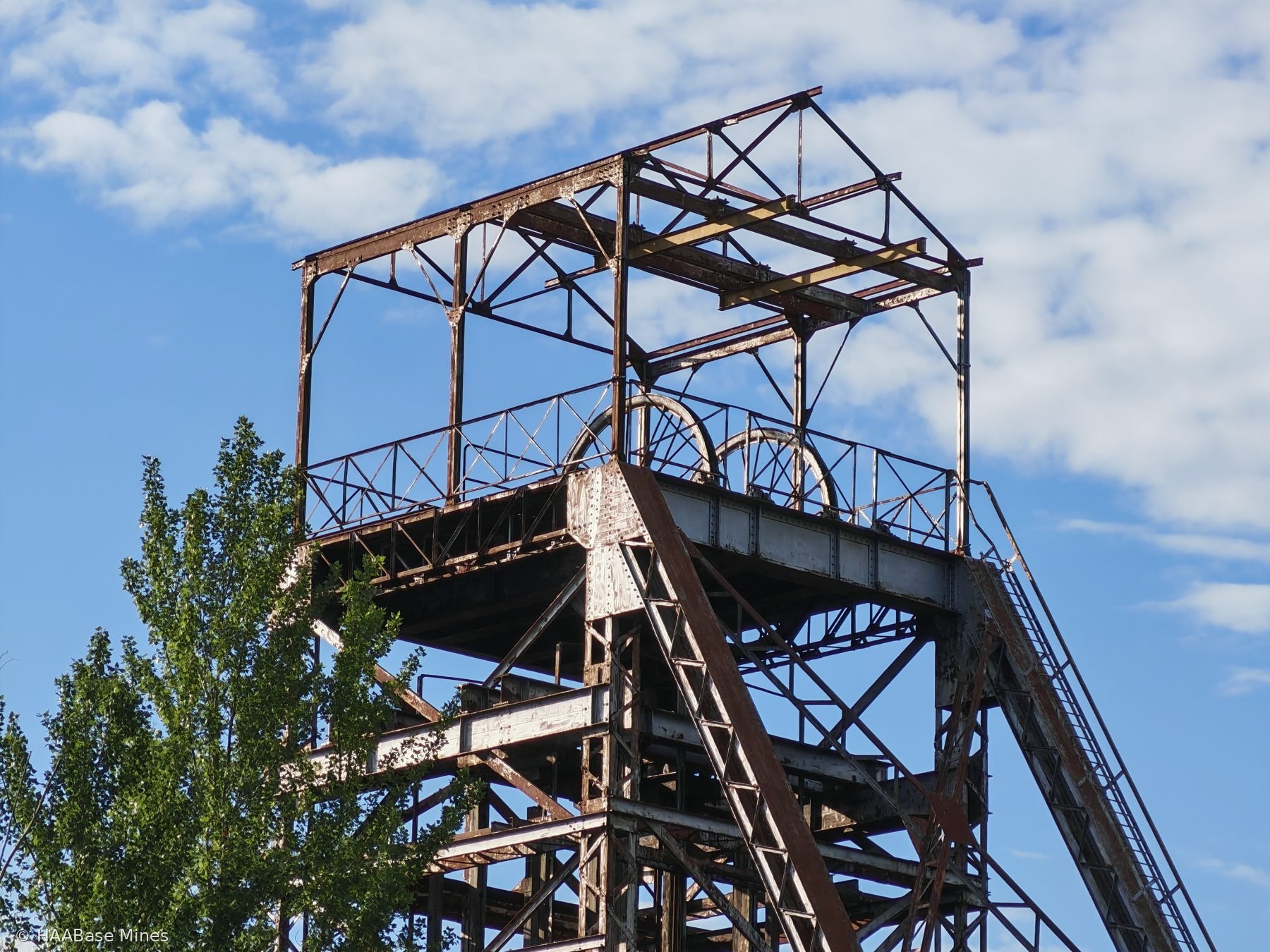
The puits de l'Oudon at Segré, now part of Segré-en-Anjou Bleu, is the former extractive site of the concession des Mines de fer de l'Oudon, one of the four magnetite ore concessions that formed the Haut-Anjou iron basin. The concession was authorised on 3 January 1875 for the Société des Hauts-Fourneaux de Denain, extending across the communes of Segré, Sainte-Gemmes-d'Andigné, and la Chapelle-sur-Oudon. From 1874 small gallery mines had been opened on the south bank of the Oudon river at the lieux-dits Vaududon and Minguet.

When the modern carreau was opened in 1907 it took the distinctive form of a descenderie inclined at 36 degrees. From 1881 the Oudon concession joined the basin-wide company, ultimately becoming part of the Société des Mines de Fer de Segré in 1911. Before the crisis of 1929 the carreau de l'Oudon produced approximately 960,000 tonnes of magnetite.

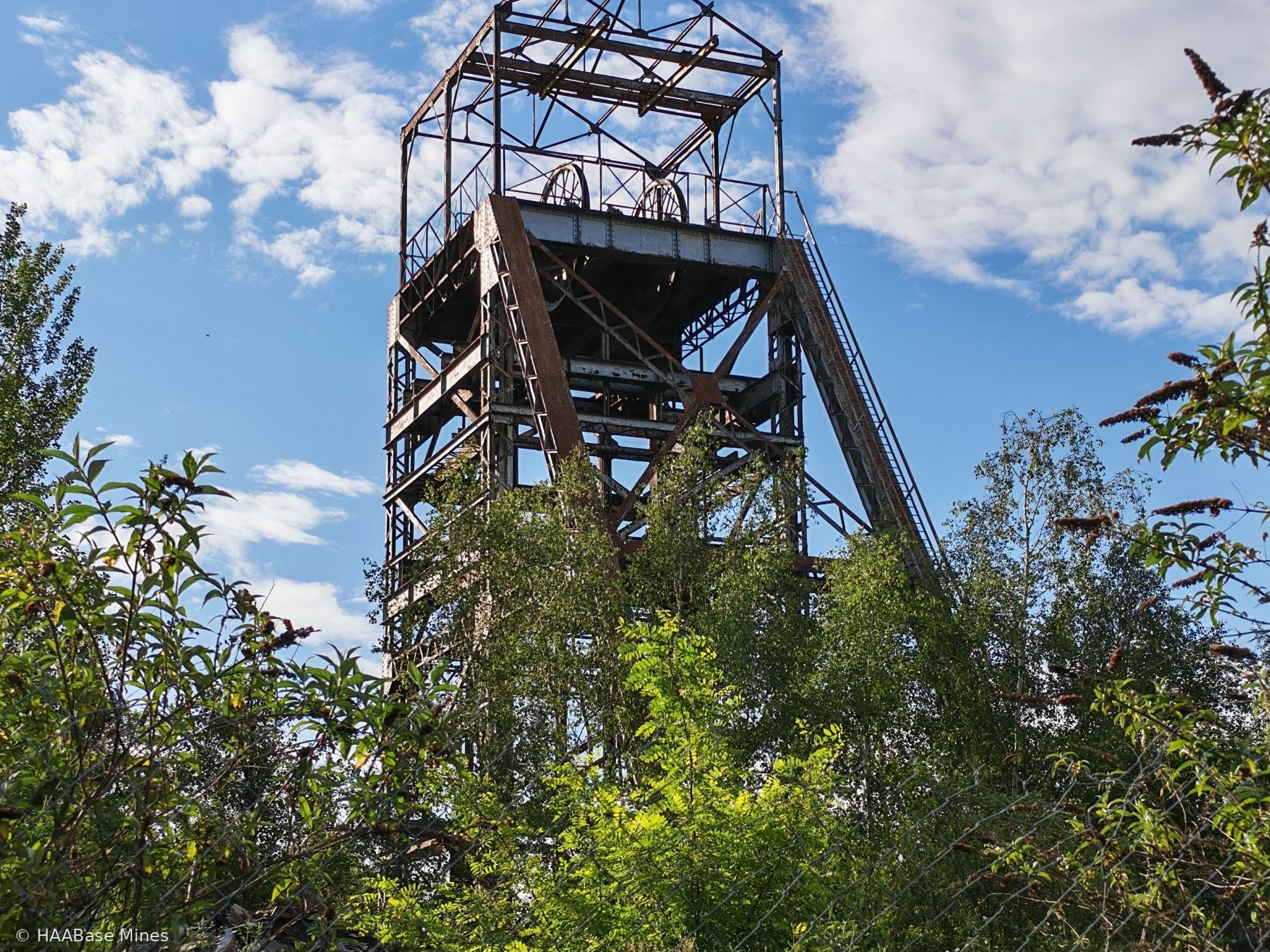
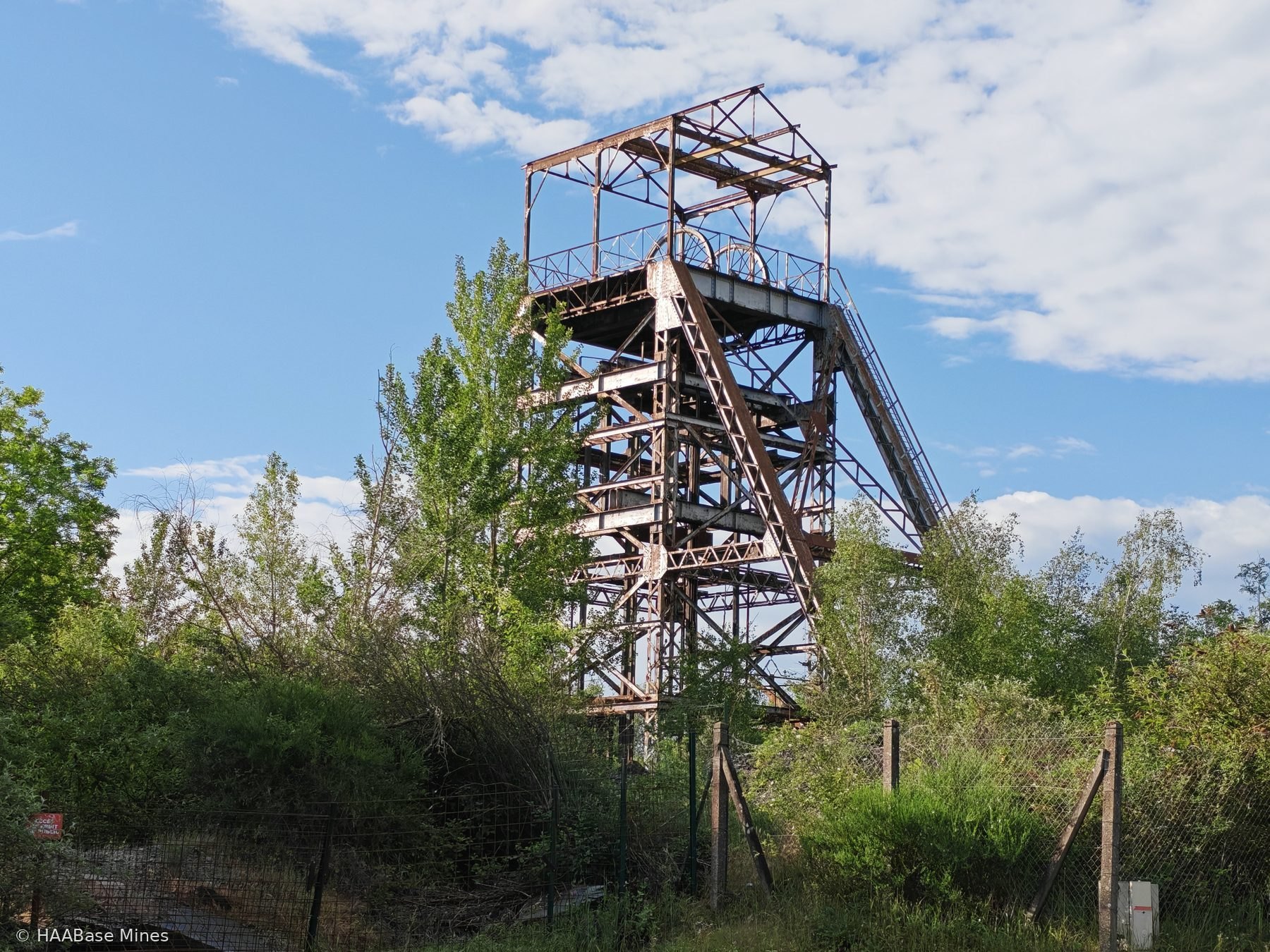
Depressed prices and unsold stock caused closure in 1934. The surviving structures of the carreau — a metal headframe, the descenderie entrance, buildings from 1911 to 1916, and the masonry arches of a former aerial ore conveyor — remain on the site, which is now in partial civic and commercial use. The laboratory building of 1912, constructed in reinforced concrete with a flat roof at the lieu-dit Baugé, has been converted into a centre médico-social.

The former mine stands beside the Oudon in a mixed settled and industrial landscape, where the surviving structures remain clearly legible despite later civic and commercial reuse.

Map & photo

Mines de Segré — Puits de l’Oudon mine headframe or winding tower site
Photograph taken: 9 May 2026
Map markers and directions links are provided for location reference only and do not indicate public access or permission to enter a site.

History

The bassin ferrifère du Haut-Anjou is formed within Ordovician strata of the Segré area in Maine-et-Loire, in which magnetite ore beds occur within Armorican sandstone and schist. The concession des Mines de fer de l'Oudon was authorised on 3 January 1875 and attributed to the Société des Hauts-Fourneaux de Denain at Anzin, extending across the communes of Segré, Sainte-Gemmes-d'Andigné, and la Chapelle-sur-Oudon. As early as 1874, two small exploitations had been opened from galleries cut into the hillside on the south bank of the Oudon river at the lieux-dits Vaududon and Minguet.

In 1881 the concession de l'Oudon joined the other three Anjou concessions — La Ferrière, les Aulnais, and Le Bois — that had grouped in 1878 to form the Société des Mines de Fer de l'Anjou et des Forges de Saint-Nazaire, with Louis-Paul Davy as director. After the faillite of this company and subsequent reconstitutions, the Société des Mines de Fer de Segré was formally constituted on 8 May 1911. When the principal modern extraction site at the Oudon was opened in 1907 it presented in the distinctive form of a descenderie, a plan incliné at 36 degrees, rather than a vertical shaft.

This descenderie reached the magnetite layers at approximately minus 250 metres. The construction of the surface buildings at the carreau de l'Oudon is dated from the archives of the Mines de Fer de Segré to between 1911 and 1916; the programme included a railway connection to the gare de Segré and, after 1914, an aerial ore conveyor. At the lieu-dit Baugé, on the north bank of the Oudon, the laboratory was fitted out in 1912 using the structure of the former moulin des Aulnais, with the adjacent administrative offices of the same period.

From 1907 to the closure in 1934, the carreau de l'Oudon produced approximately 960,000 tonnes of magnetite in total. Production was routed first by cart and later by aerial conveyor directly to the gare de Segré. The depressed prices caused by the 1929 economic crisis, combined with the specific pressure of the German metallurgical crisis and accumulated unsold stock, led to the definitive closure of the carreau de l'Oudon in 1934.

After 1934, the Société des Mines de Fer de Segré concentrated exclusively on the Bois and Aulnais concessions. The buildings of the carreau de l'Oudon — the metal headframe, the descenderie entrance, an atelier in stone rubble masonry with a metal frame, a further industrial building identified as the recette and triage building, and a bureau to the north-west — together with the masonry arch piers that supported the aerial ore conveyor, remain on the site today. The conveyor arch elements visible as preserved structures in a jardin public form a distinctive legacy of the pre-closure infrastructure.

At the lieu-dit Baugé, the laboratory and administrative building — long buildings in reinforced concrete with flat roofs — have been restored and converted: the laboratory into a centre médico-social and the administrative building into a residential dwelling. The cité ouvrière adjacent to the Baugé site, begun before 1914 and developed through the 1920s, has also survived. A workers' cité on the rue de la Paix in Segré and the cité Baugé, more commonly known as the cité des mines, together represent the residential infrastructure of the Oudon concession.

The 1931 administrative building constructed in concrete at the site, together with the laboratory, exemplify the reinforced concrete architecture of the period.
Timeline

1874
Exploration

First small gallery mines opened on the south bank of the Oudon

In 1874 two small exploitations were opened from galleries cut into the hillside on the south bank of the Oudon river at the lieux-dits Vaududon and Minguet.
1875
Legislation

Concession des Mines de fer de l'Oudon authorised

The concession was authorised on 3 January 1875 and attributed to the Société des Hauts-Fourneaux de Denain at Anzin, extending across Segré, Sainte-Gemmes-d'Andigné, and la Chapelle-sur-Oudon.
1878–1881
Legislation

Oudon concession integrated into basin-wide company

In 1881 the Oudon concession joined the three other Anjou concessions grouped from 1878 in the Société des Mines de Fer de l'Anjou et des Forges de Saint-Nazaire. The Société des Mines de Fer de Segré was formally constituted on 8 May 1911.
1907
Construction

Modern extraction site opened as a 36-degree descenderie

The principal extraction site at the carreau de l'Oudon was opened in 1907 as a descenderie inclined at 36 degrees, reaching the magnetite layers at approximately minus 250 metres.
1907–1934
Operation

Production reaches approximately 960,000 tonnes before closure

From 1907 to 1934 the carreau de l'Oudon produced approximately 960,000 tonnes of magnetite in total. Ore was conveyed by aerial transporteur directly to the gare de Segré.
1911–1916
Construction

Surface buildings constructed; laboratory and offices built at Baugé

The surface buildings of the carreau de l'Oudon were constructed between 1911 and 1916, including a railway link to the gare de Segré and infrastructure for an aerial ore conveyor after 1914. At the lieu-dit Baugé the laboratory was installed in 1912 in the former moulin des Aulnais, with offices of the same period.
1934
Closure

Carreau de l'Oudon closed definitively

In 1934 the carreau de l'Oudon was closed definitively following depressed ore prices resulting from the 1929 economic crisis, the German metallurgical crisis, and accumulated unsold stock.
1934
Redevelopment

Surviving structures incorporated into civic and commercial uses; arches preserved in public garden

After closure, the metal headframe, descenderie entrance, industrial buildings, and masonry arch piers of the former aerial ore conveyor survived on the site. The former laboratory and administrative buildings at Baugé were restored and converted to a centre médico-social and a residential dwelling respectively. The arch elements were preserved in a jardin public.

Sources and records

Mérimée / POP heritage inventory notice IA49001368, mine de fer de la Société des mines de fer de Segré, concession de l'Oudon
Patrimoine-minier.fr, Mines de fer du Haut-Anjou section
Exxplore website, Les mines de fer du Haut-Anjou section, carreau de l'Oudon
Marc Bergère, Un siècle de fer dans le Segréen, Annales de Bretagne et des Pays de l'Ouest, t. 104, n°3, 1997
FranceArchives, Fonds de la société minière des mines de fer de Segré
Wikipedia (French): Segré (mines de fer)
Le blog de Jielka, Segré mines de fer, 2022
Wiki-Anjou: Nyoiseau commune article
This researched site record is part of the HAABase Mines database. Normal personal research and browsing is welcome. Automated bulk extraction, republication, or harvesting of site text and images is not permitted without written consent.