History
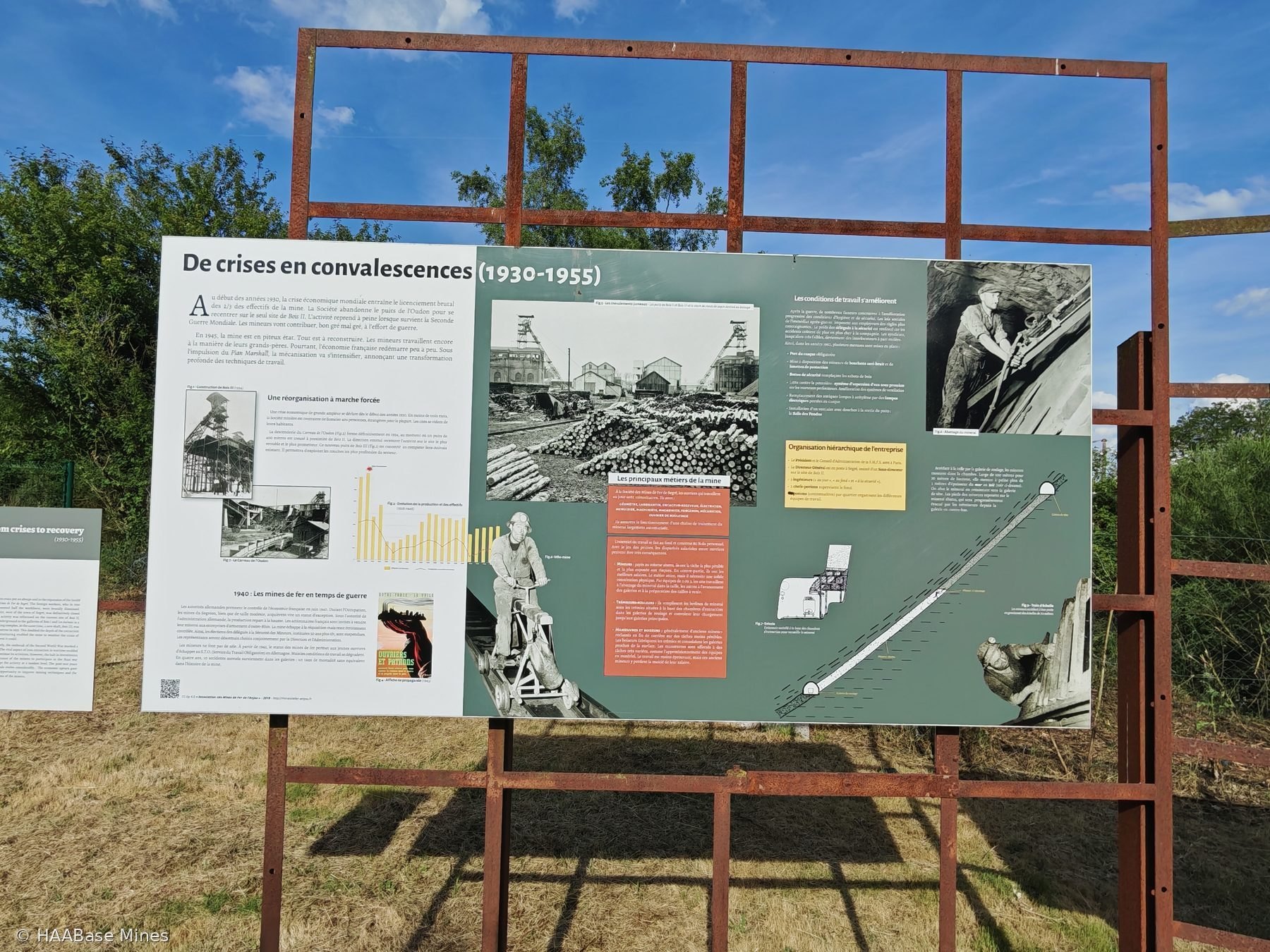
The puits Bois III is the second shaft of the carreau de Bois II/III at Nyoiseau, within the concession du Bois of the Société des Mines de Fer de Segré. The concession was instituted by decree on 21 October 1874 across the communes of Noyant-la-Gravoyère and Nyoiseau. Following the same corporate history as the puits Bois II — the concession's passage through the Société des Mines de Fer de l'Anjou et des Forges de Saint-Nazaire from 1878, the addition of the Oudon concession in 1881, the faillite of the parent company, and the reconstitution as the Société des Mines de Fer de Segré on 8 May 1911 — the site entered its industrial exploitation phase from the early twentieth century.
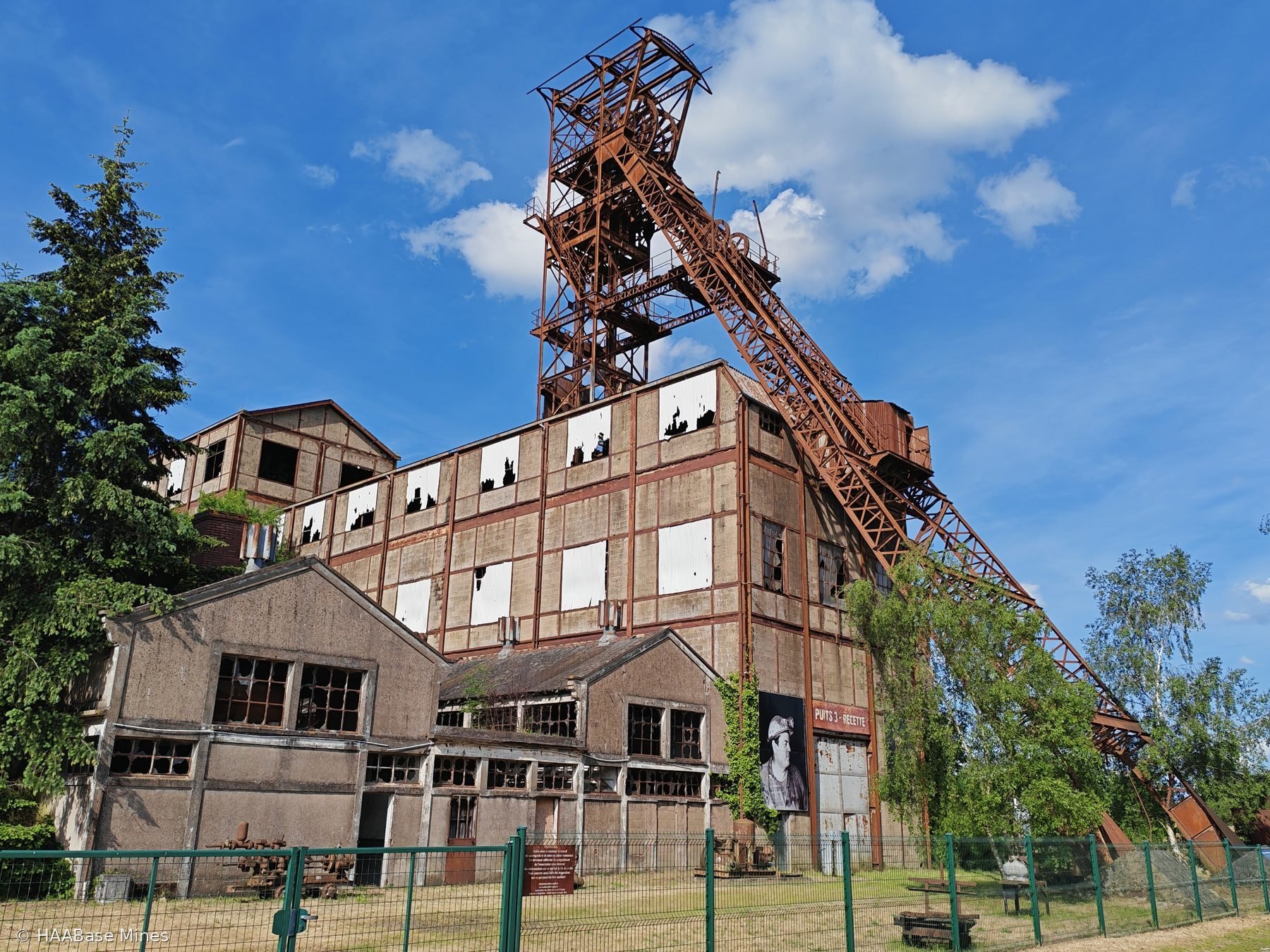
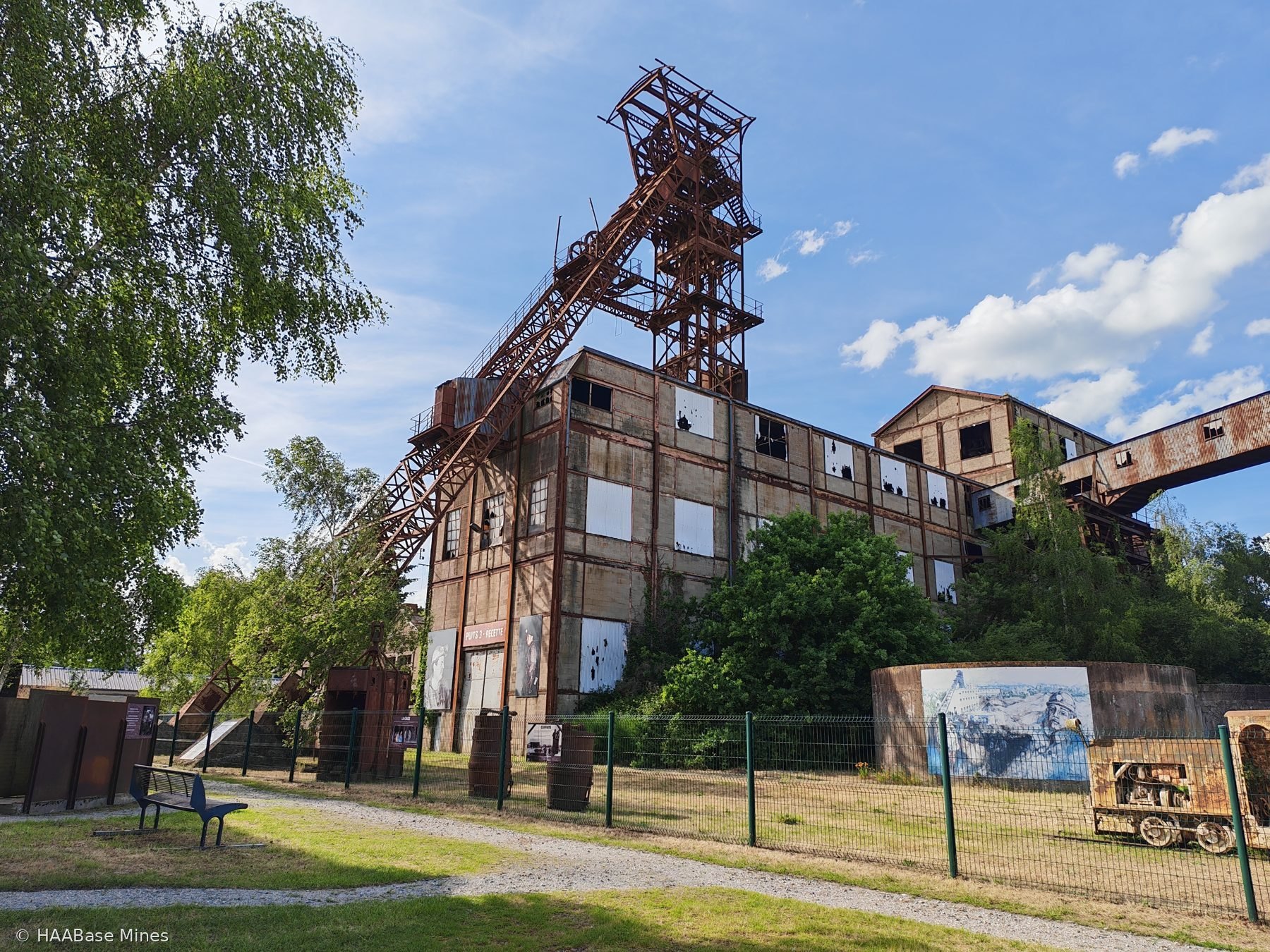
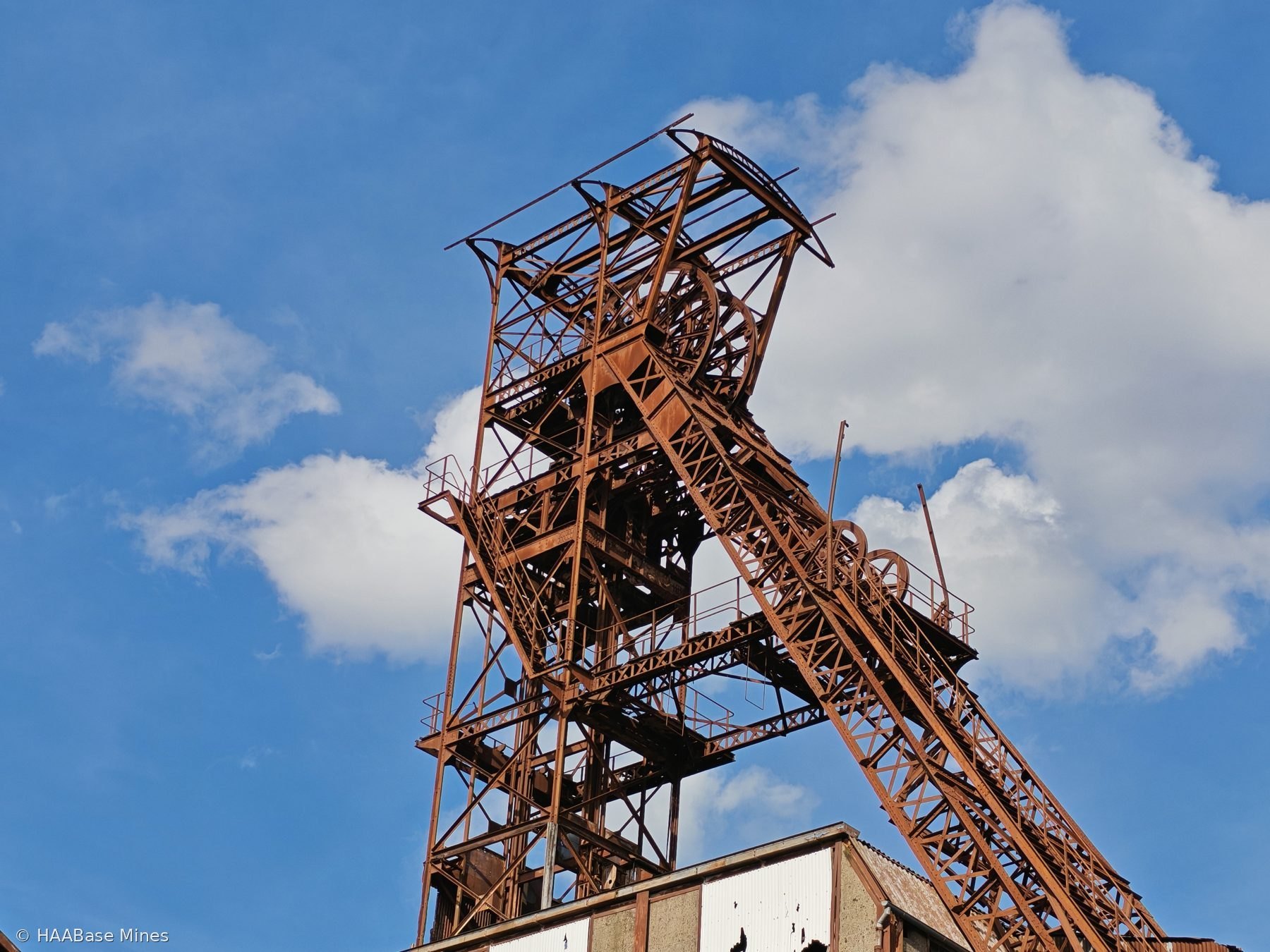
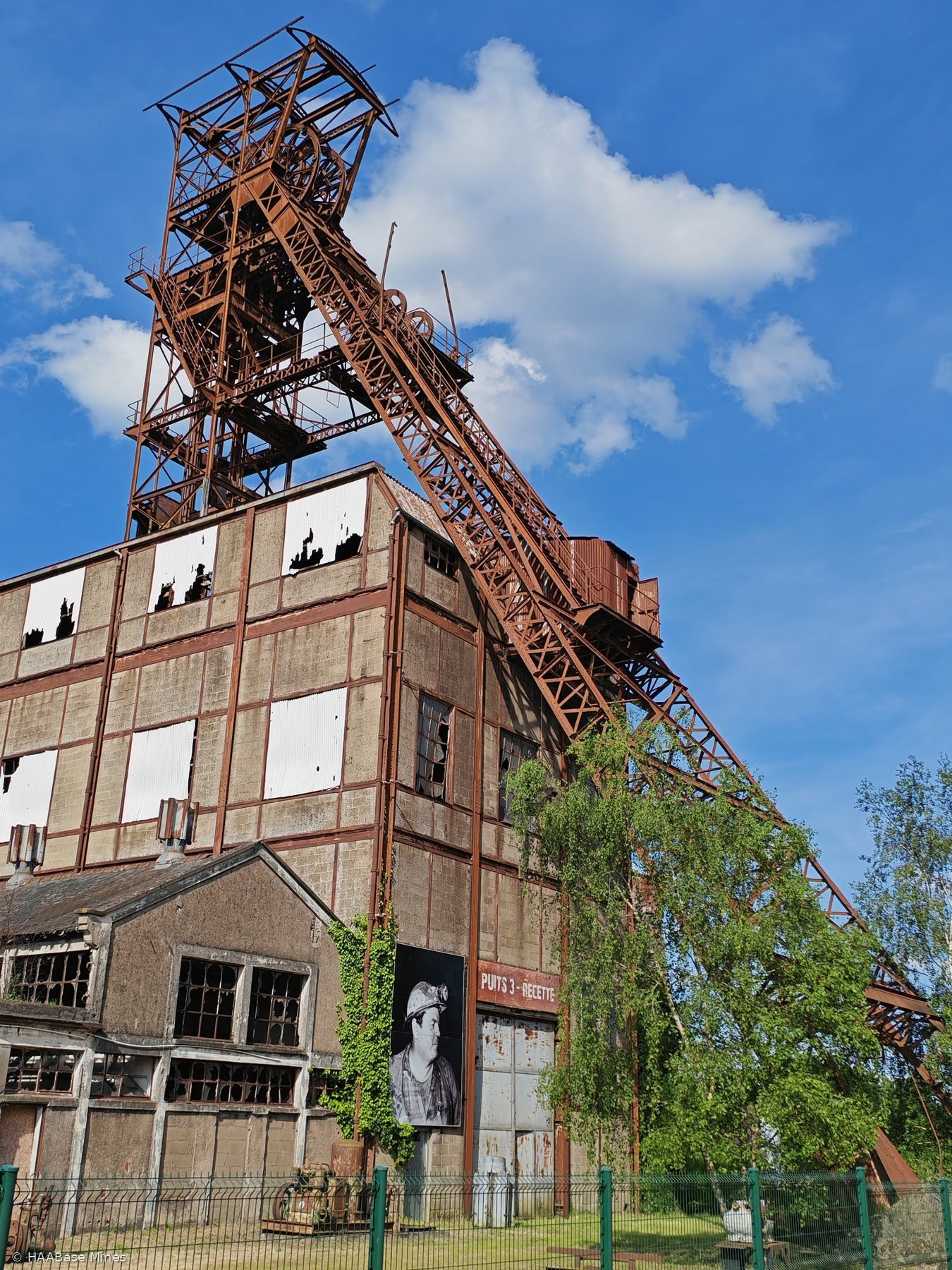
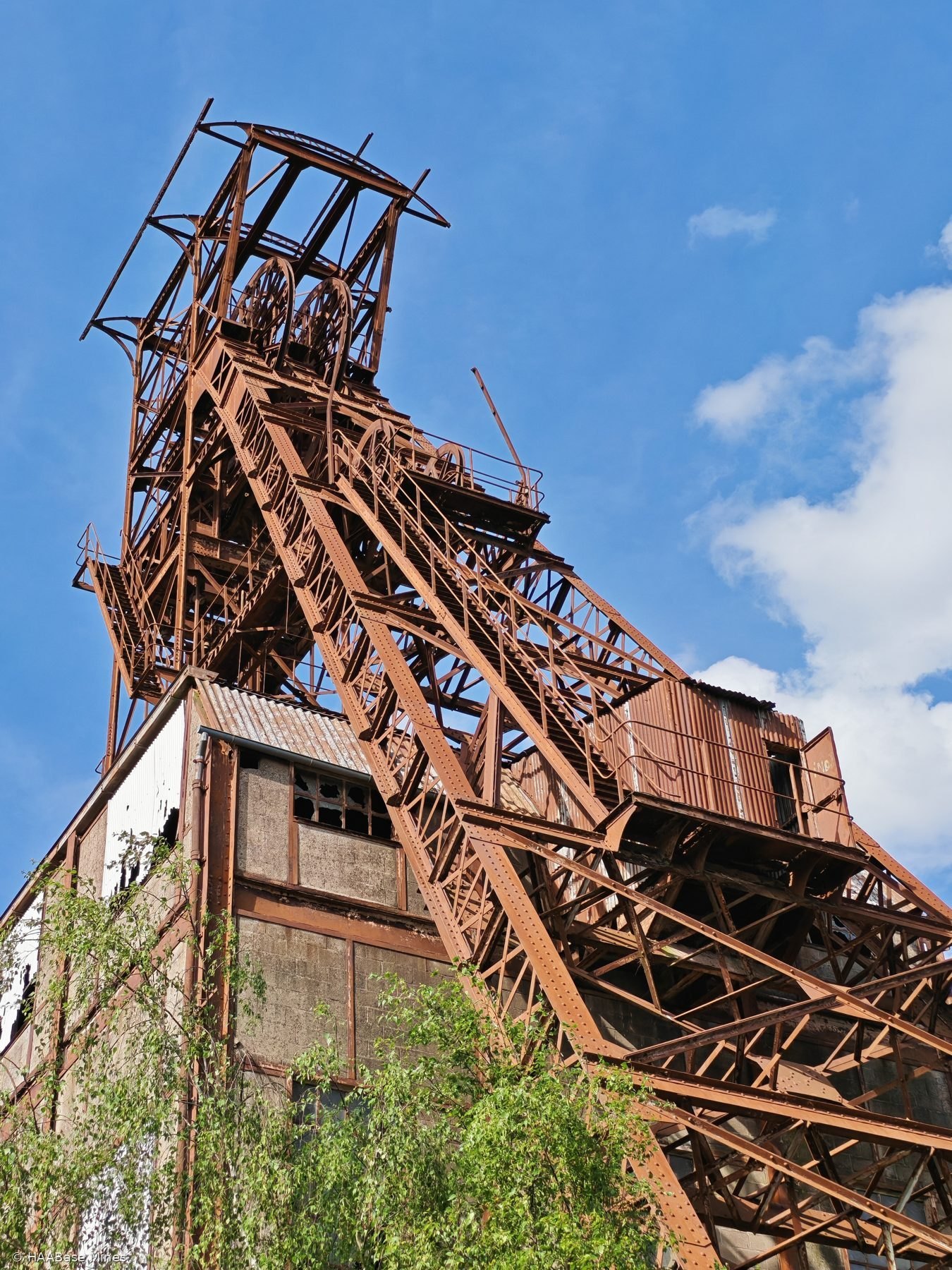
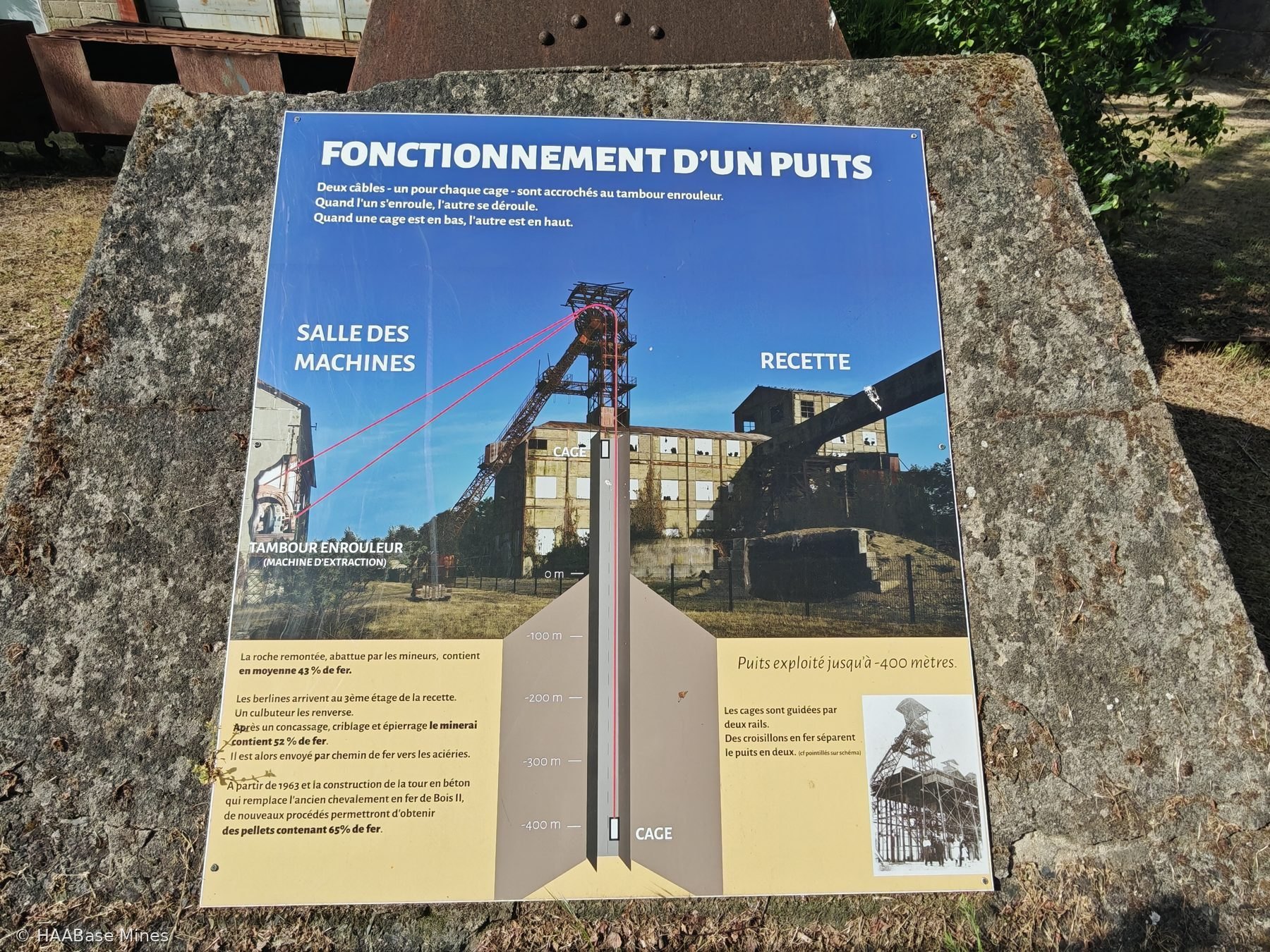
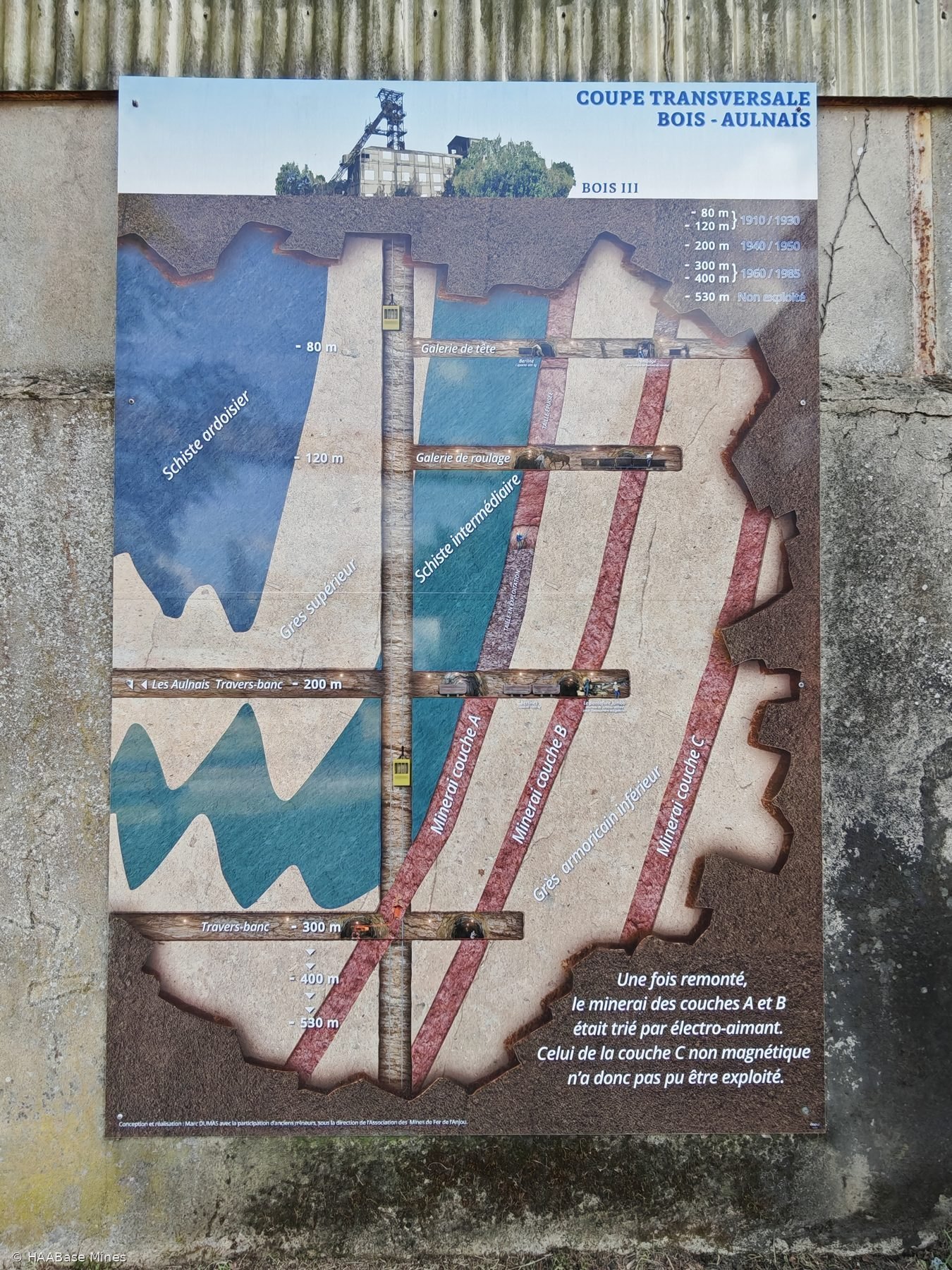
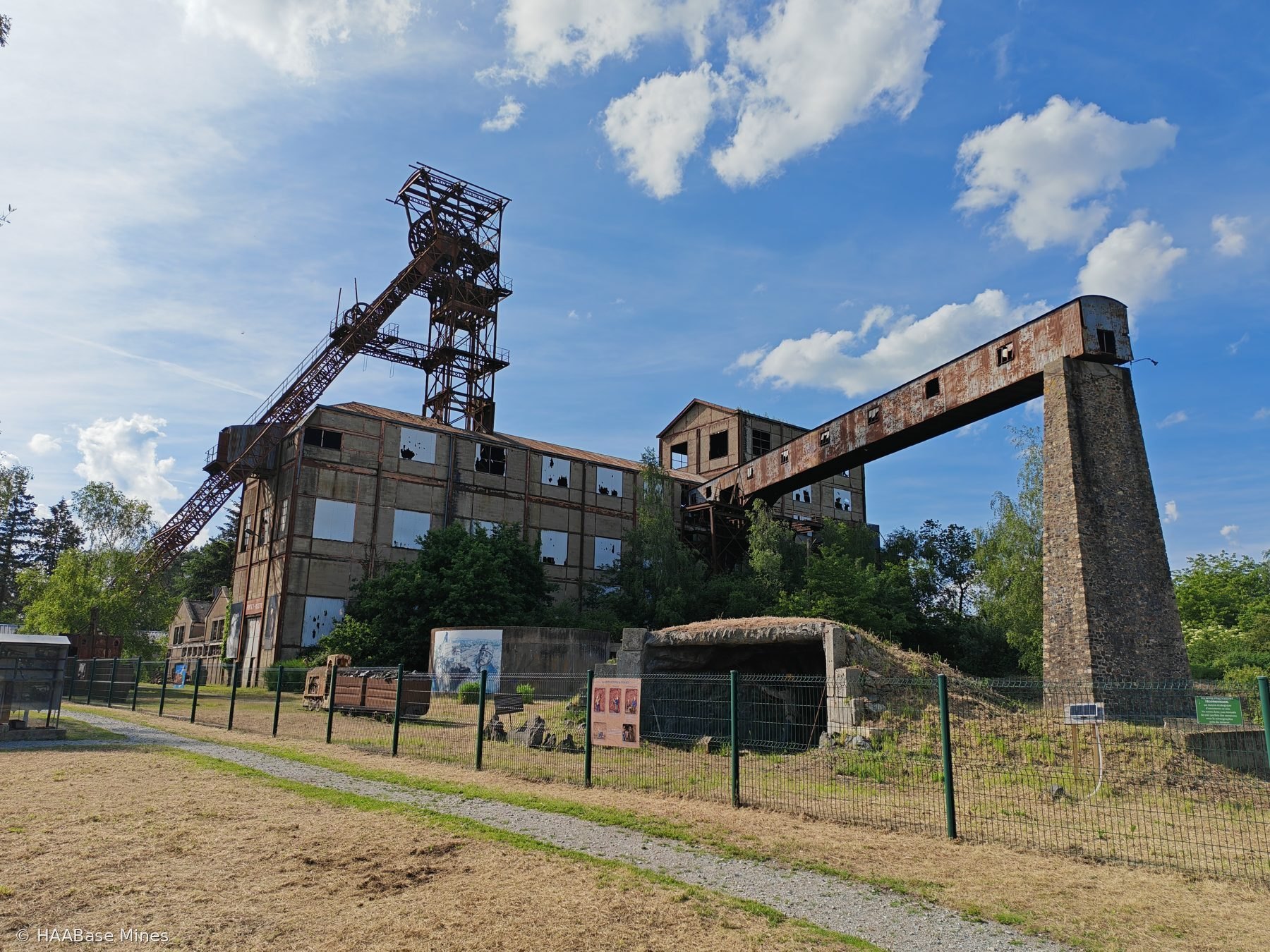
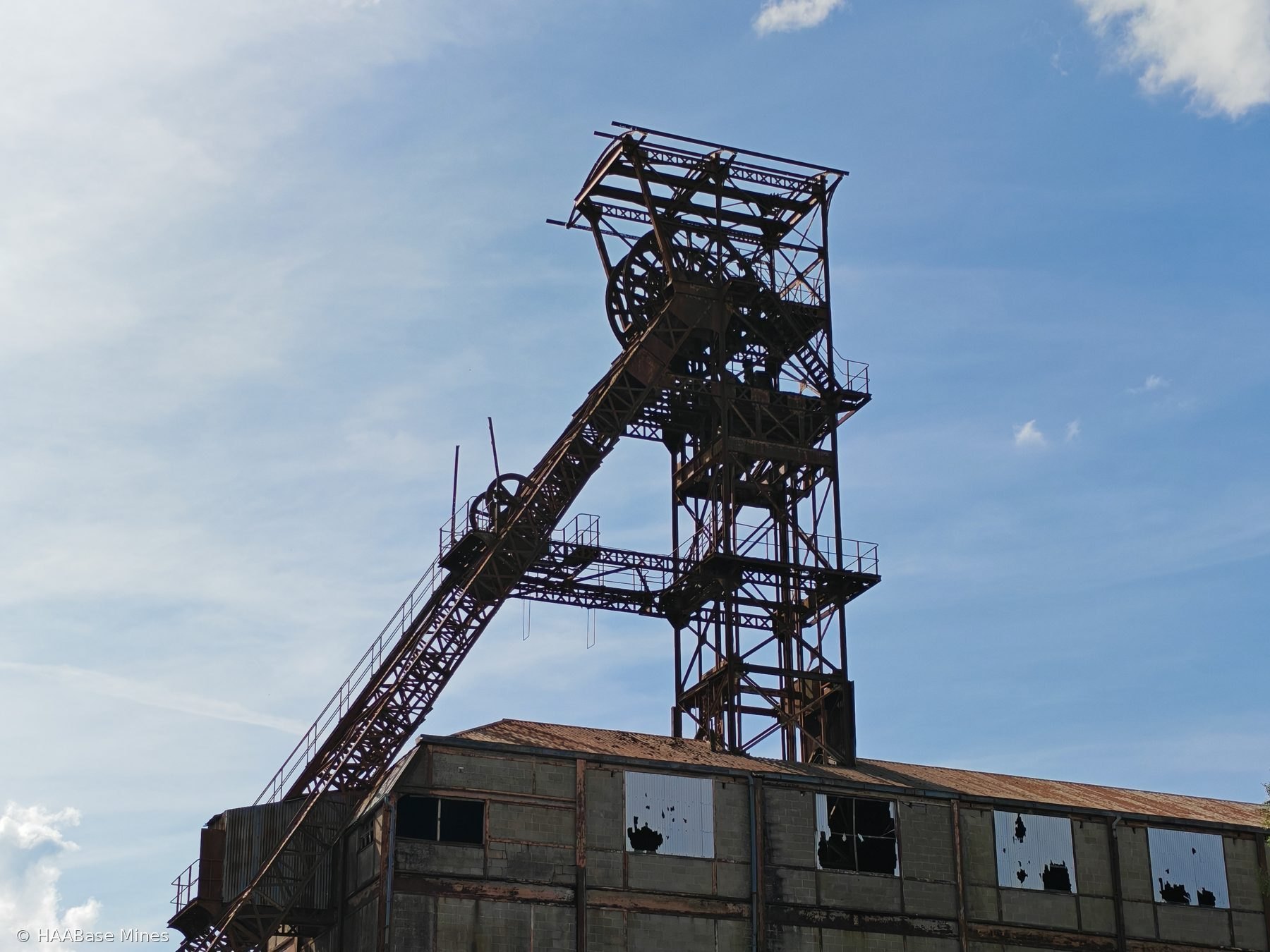
The puits Bois I was sunk in 1911 to minus 80 metres. The puits Bois II was sunk in 1916. In 1935 the Société des Mines de Fer de Segré sunk the puits Bois III to a depth of minus 400 metres and equipped it with a metal headframe of 42 metres in height.
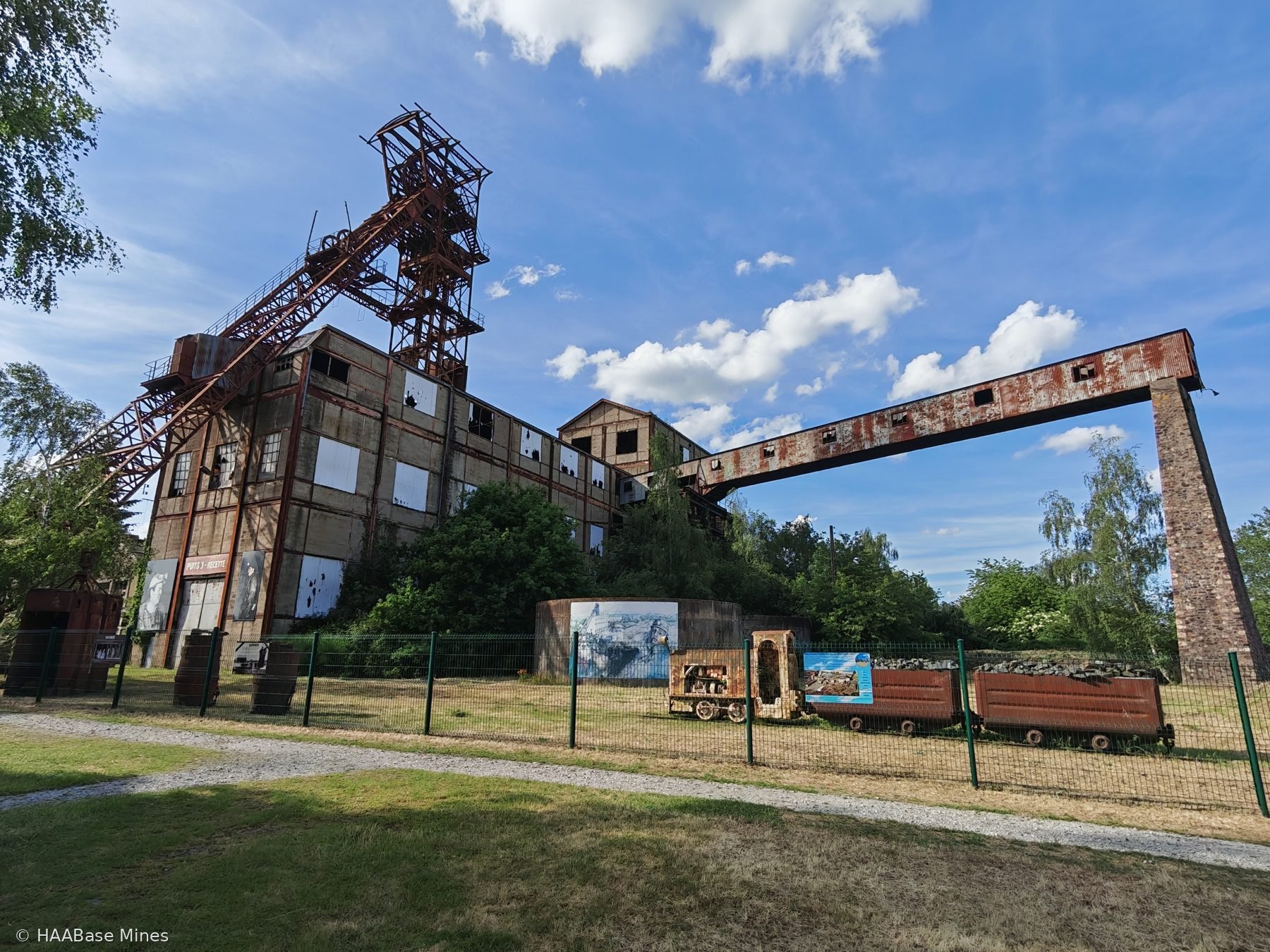
The surface infrastructure of the puits Bois III at construction date was described as identical to that of the original puits Bois II: the same type of metal headframe, the same layout of extraction and treatment buildings. A triage and a new recette were subsequently built for the puits Bois III, and the equipment of the crushing and screening posts was modernised between 1956 and 1959. The salle des machines of the puits Bois III, though damaged by metal theft and pigeons in later years, retains two Ingersoll-Rand compressors, an Atlas-Copco compressor, and a bicylindroconical drum winding engine with its machiniste's control post — a substantially intact ensemble.
Once the ore was extracted and brought to surface, the wagonnets were culbutés, turned around via a mechanical chain haulage, and returned to the shaft. The ore was elevated by norias to the cribles (screens), the norias also driving an arbre de transmission by belt to operate the screening machinery. The puits Bois III served the Société des Mines de Fer de Segré as an active extraction shaft up to the closure of the entire Bois II/III site on 31 July 1985, when the last ore was raised from the puits Bois II and the basin's iron mining ended definitively.
The 15 million tonnes of magnetite extracted from the basin in total represent the cumulative output of all four concessions. After closure, the carreau de Bois II/III was acquired by the commune of Nyoiseau. The Centrale 7 arts collective occupied the former industrial buildings of the site, preventing their degradation and enabling their use for cultural events and activities.
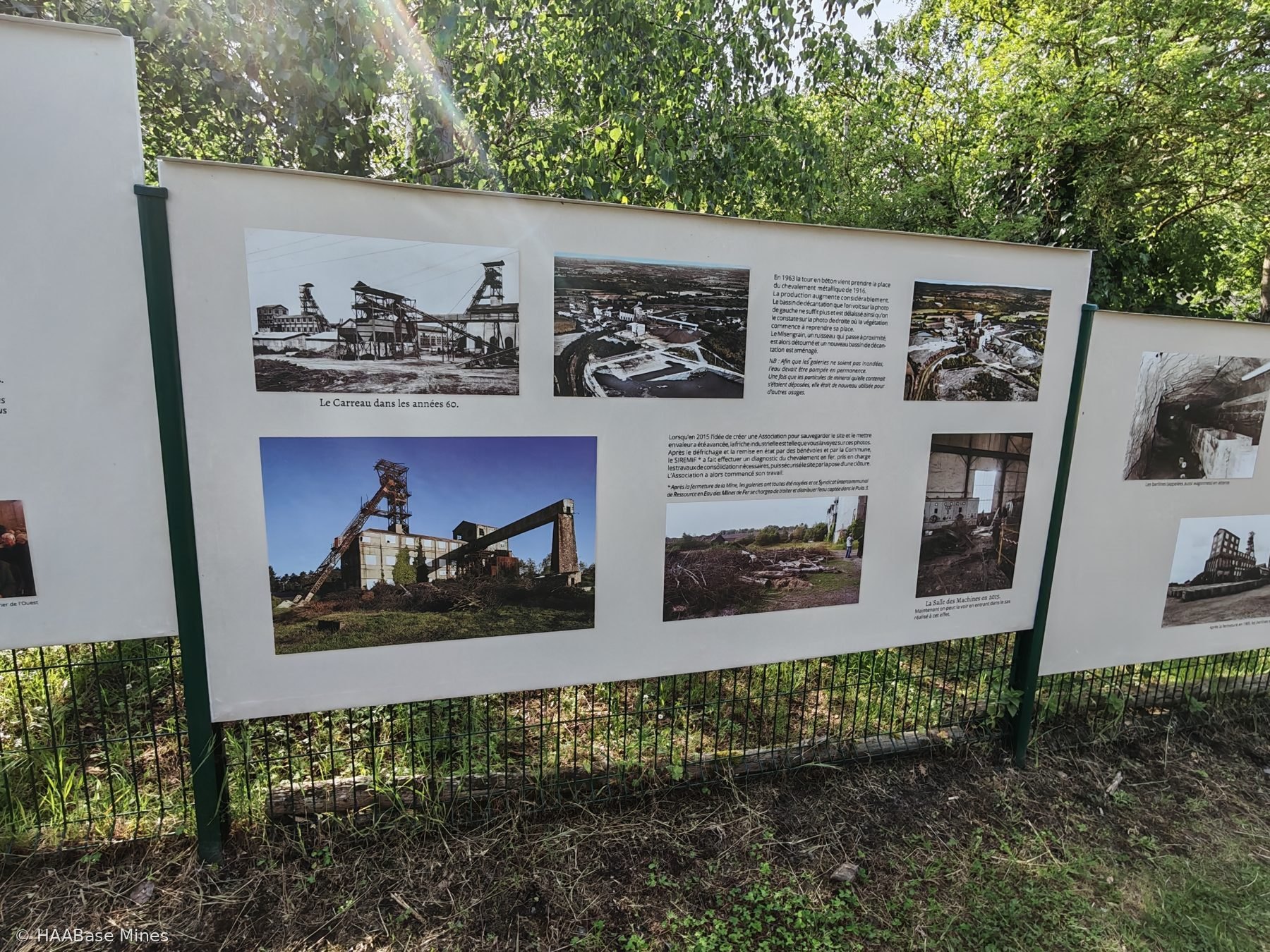
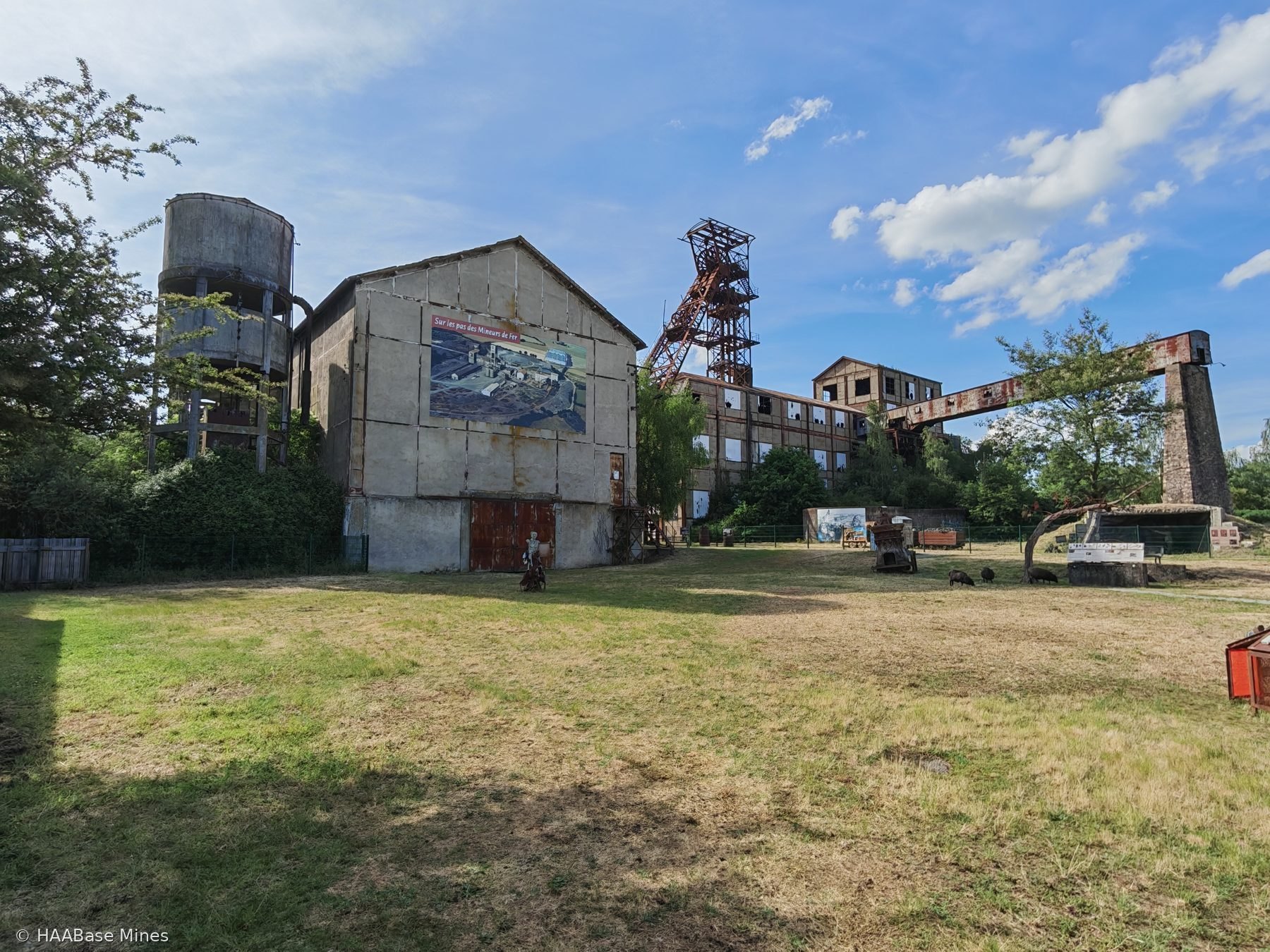
The Association des Mines de Fer de l'Anjou developed the outdoor heritage exhibition route 'Sur les pas des Mineurs de Fer' around the metal headframe of the puits Bois III and the adjacent buildings, with panel displays covering the history of iron ore extraction in the Segréen and guided visits available on reservation. The puits Bois III headframe is the chevalement en fer referred to in the exhibition as the focal reference point; a concasseur of some ten tonnes, formerly exhibited at Centrale 7, was returned to its original location near the recette of the puits Bois III as part of the outdoor display.