History
The Ardoisières de Misengrain occupy the Misengrain valley on the commune of Noyant-la-Gravoyère, now part of the commune of Segré-en-Anjou Bleu since the 2016 municipal merger. The site sits within the Segré syncline, the same Precambrian schist complex that extends westward from the principal Anjou slate basin. The Misengrain workings are attested from the seventeenth century, when isolated workers extracted schiste ardoisier from surface outcrops.
In 1833 a company was formally founded, enlarging the operation to approximately one hundred workers. In 1860 an éboulement in the quarry caused the company to cease activity and dissolve. In 1864 an English company purchased the site and attempted to establish underground extraction by sinking the first shaft to 70 metres, but the technique remained too elementary to be profitable.
A catastrophic accident on 15 November 1888 — the collapse of an underground chamber — killed 18 workers outright and left 15 bodies unrecovered at depth; the memorial of this disaster is central to the later heritage presentation of the site. The site subsequently passed through the hands of the Société des Ardoisières de l'Ouest, then was purchased in 1894 by the Société Ardoisière de l'Anjou for 425,000 francs. Following the faillite of 1896, the site was acquired by the Ardoisières d'Angers, which created for its management the Société des Ardoisières du Haut-Anjou.
Under this company the site developed substantially. The bâtiment d'extraction of the puits N°2 was constructed; it survives today, converted to an entrepôt industriel. Multiple shafts were progressively sunk: puits N°1 through to puits N°7, of which the puits N°7 was foncé to 194 metres depth and equipped with an electric extraction machine in 1934.
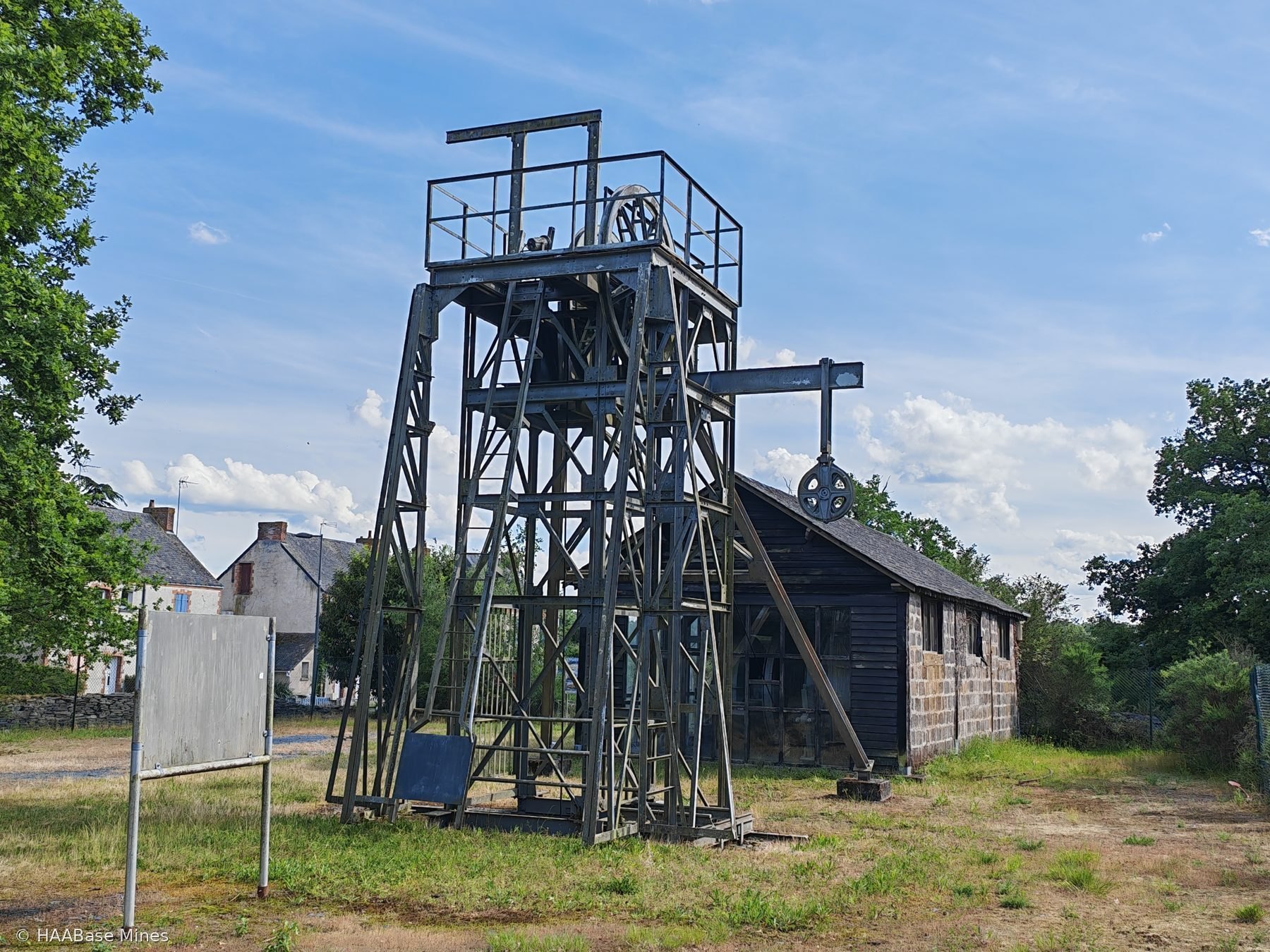
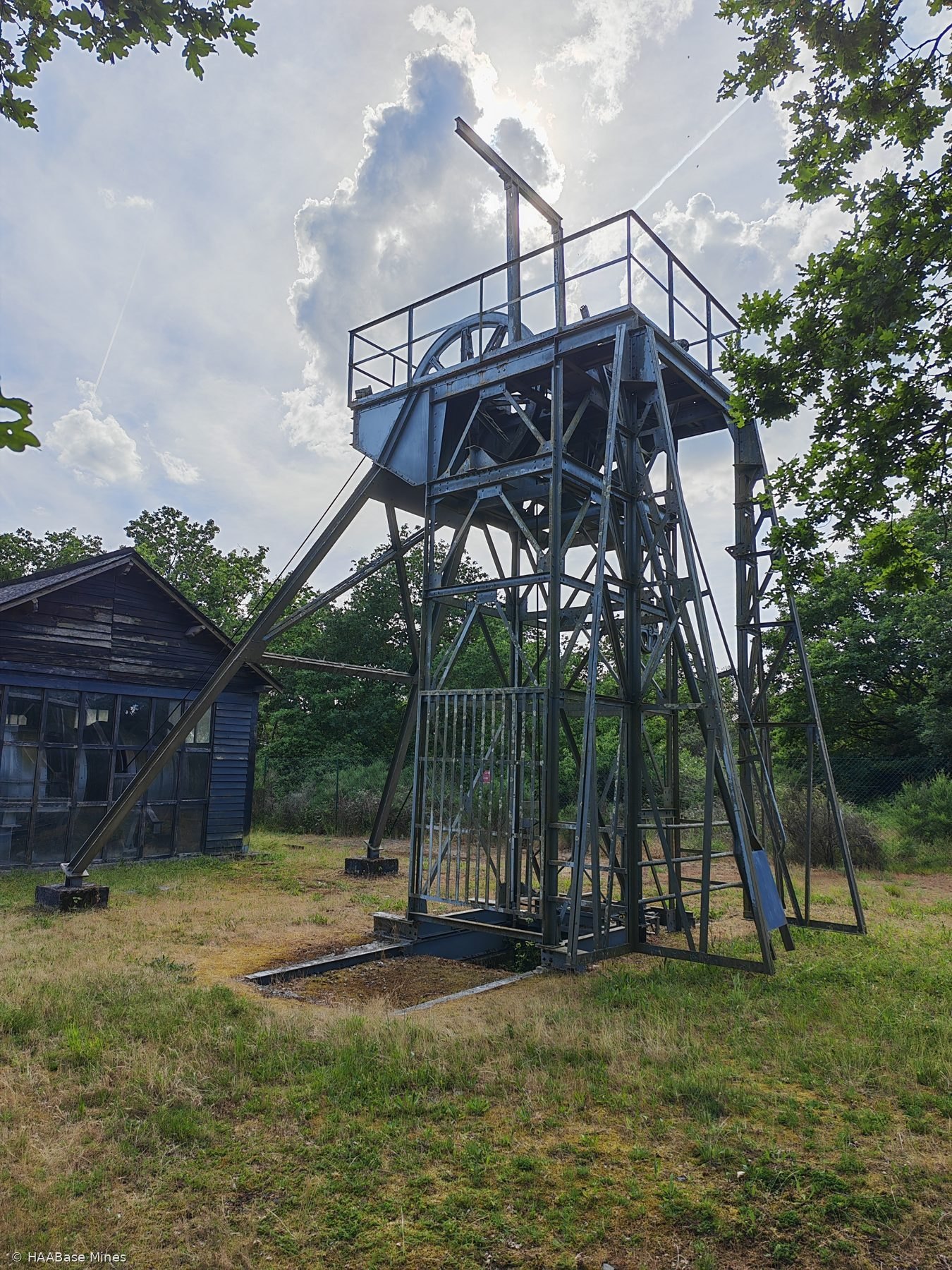
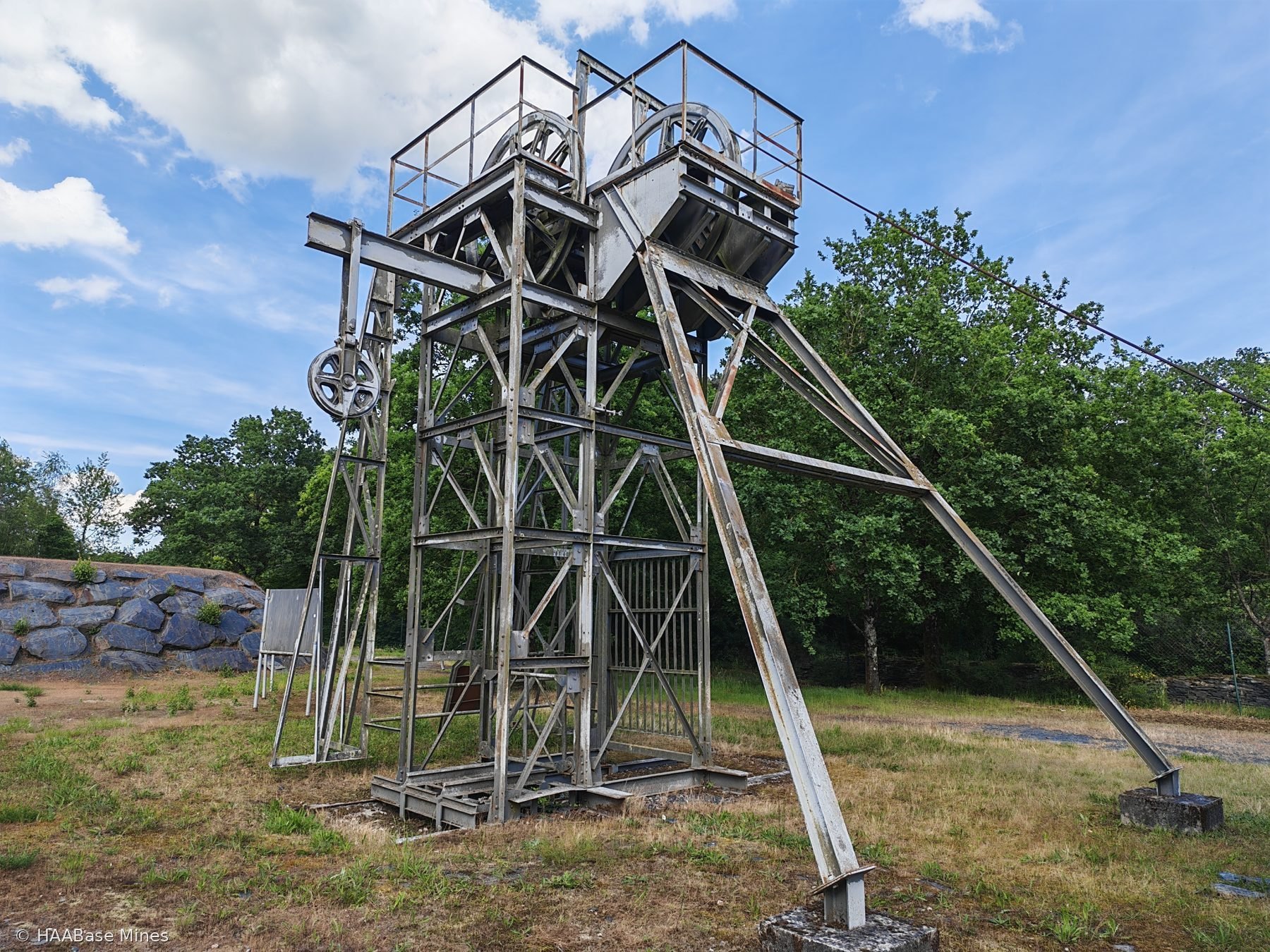
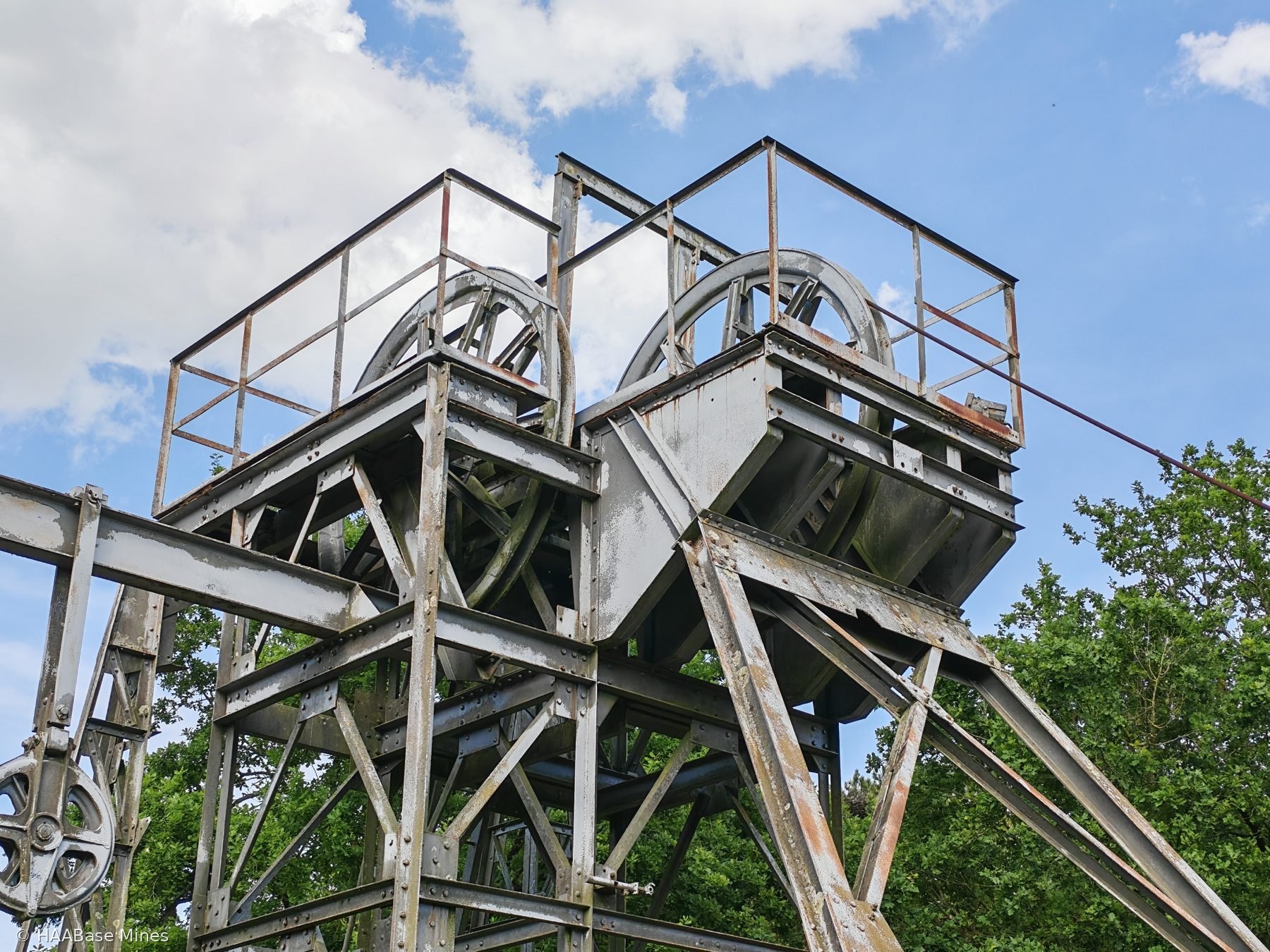
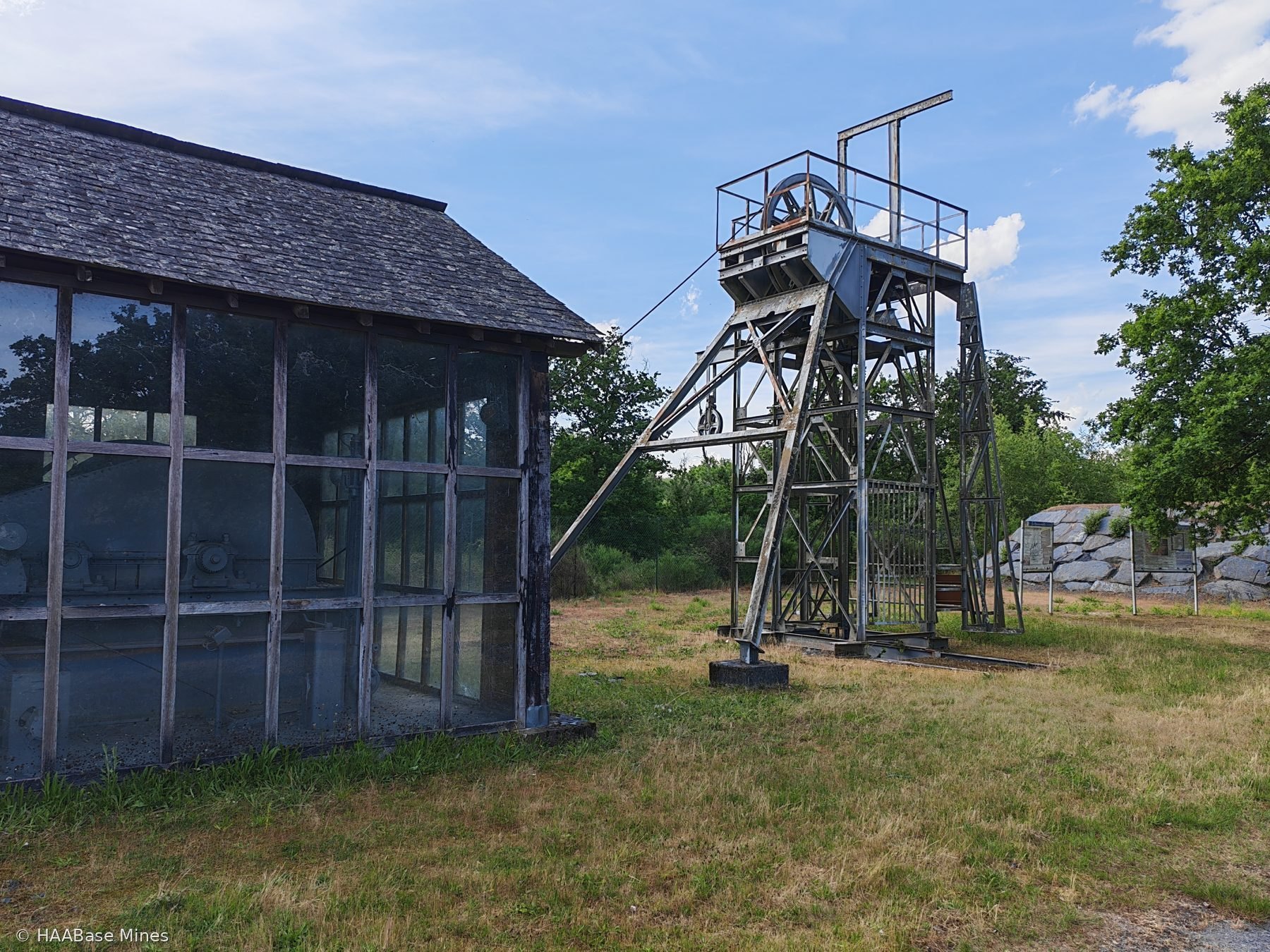
The puits N°6 served principally as a safety and ventilation shaft, equipped with a small metal headframe. Up to 800 workers were employed on the site at peak. In the second half of the twentieth century, extraction techniques evolved considerably: the ascending method of working chambers was progressively replaced in the 1960s by the descending method, allowing much larger chambers — extending over more than 1,000 square metres and descending more than 20 metres in depth — to be worked by mechanical saws, a meilleuse, and a haveuse.
Explosive was retained only for opening new chambers. In the mid-1980s, the Société Ardoisière de l'Anjou, facing competition from cheaper Spanish slate, attempted to reduce costs to match Spanish pricing but found it impossible. The company filed for bilan in 1986, triggering approximately 300 redundancies on the Misengrain and Bois sites.
In 1987 the Ardoisières d'Angers acquired the Misengrain workings — by then operating on puits N°7 alone — and continued a reduced operation. From 1999 the workings closed definitively. The commune of Noyant-la-Gravoyère had meanwhile purchased the adjacent Saint-Blaise ardoisière and converted it into the Mine Bleue tourist mine, which opened in 1991, closed in faillite in 1999, and reopened on 17 May 2007.
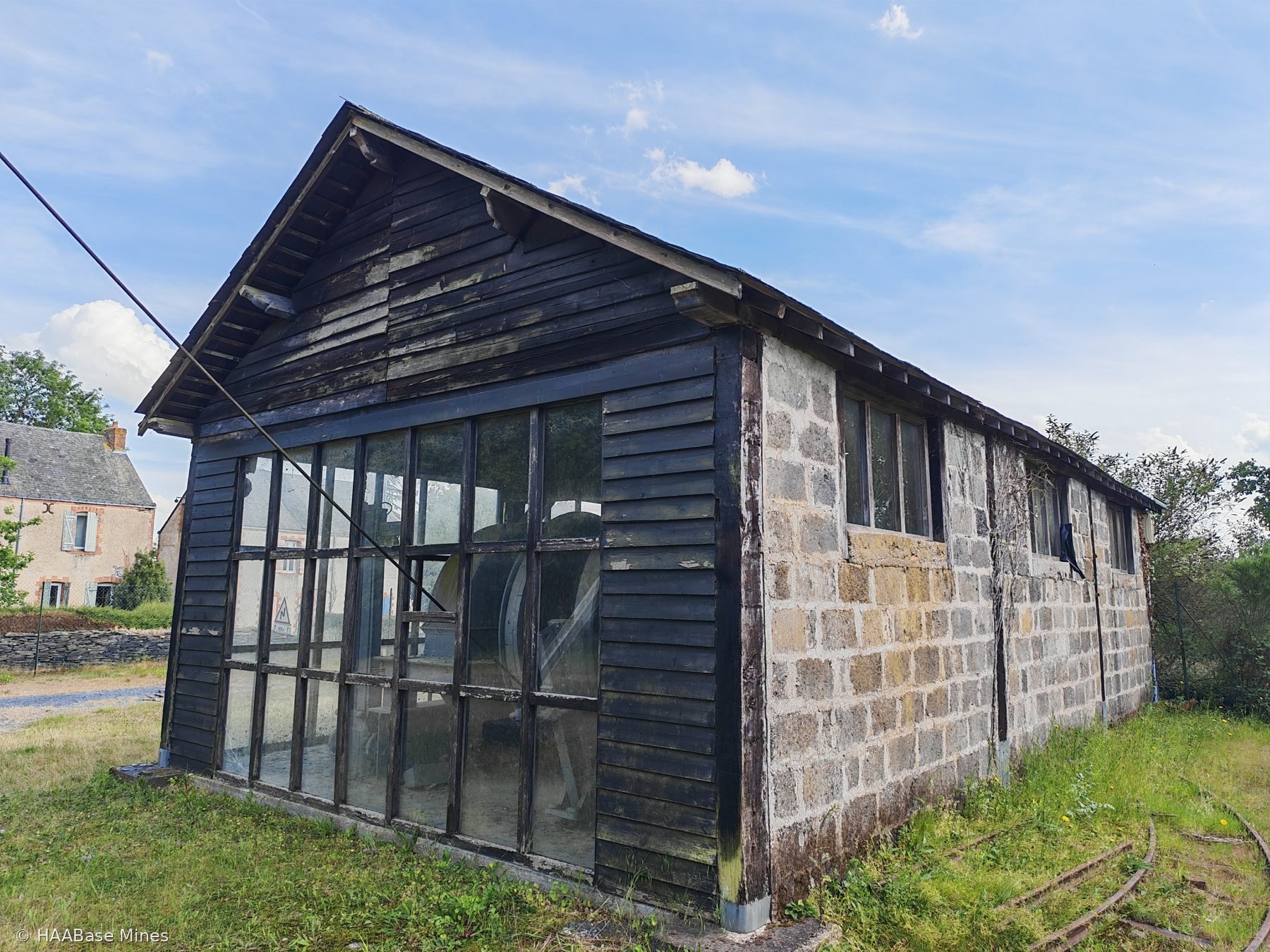
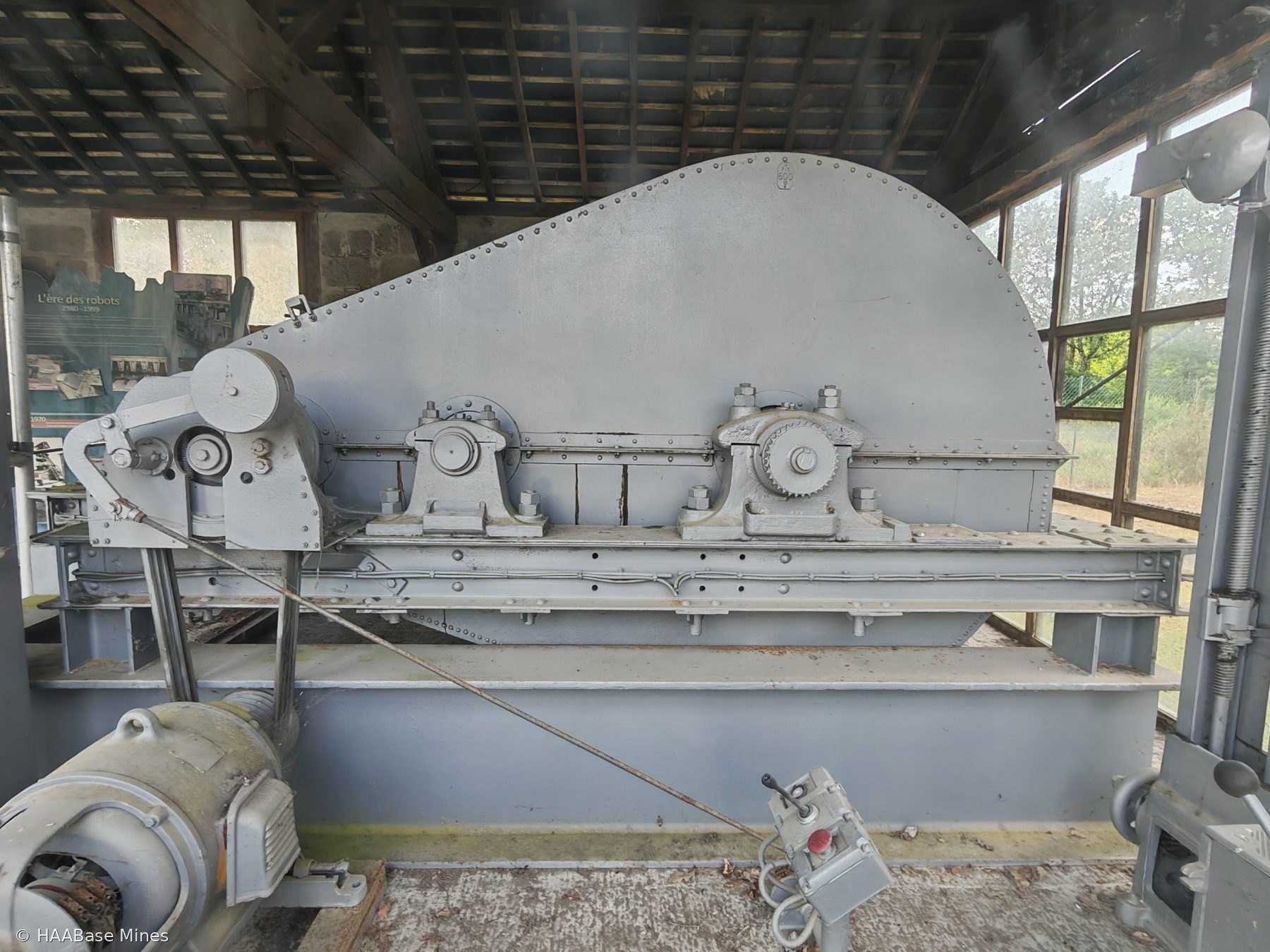
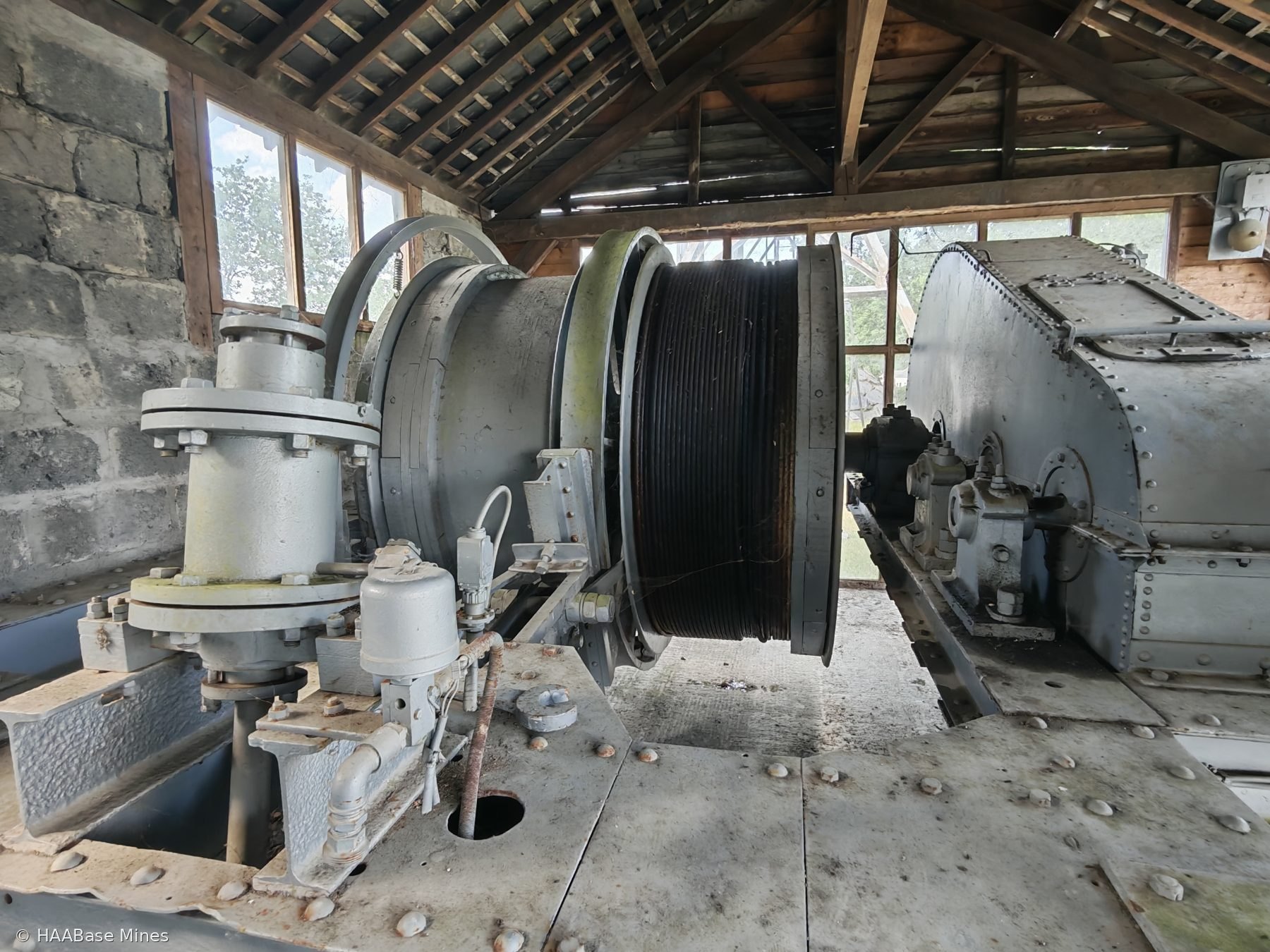
At the puits N°6 site, a Mémorial ardoisier was constructed in the former salle des machines; it was inaugurated on 26 May 2012 under the presidency of the mayor and the president of the Conseil Régional des Pays de la Loire, as a tribute to the workers killed at Misengrain over the centuries. The small metal headframe of the puits N°6 stands beside the Mémorial, with stèles bearing the names of workers who died at the ardoisière. The Mémorial is located on the Parcours d'interprétation Sur le chemin des Ardoisières.