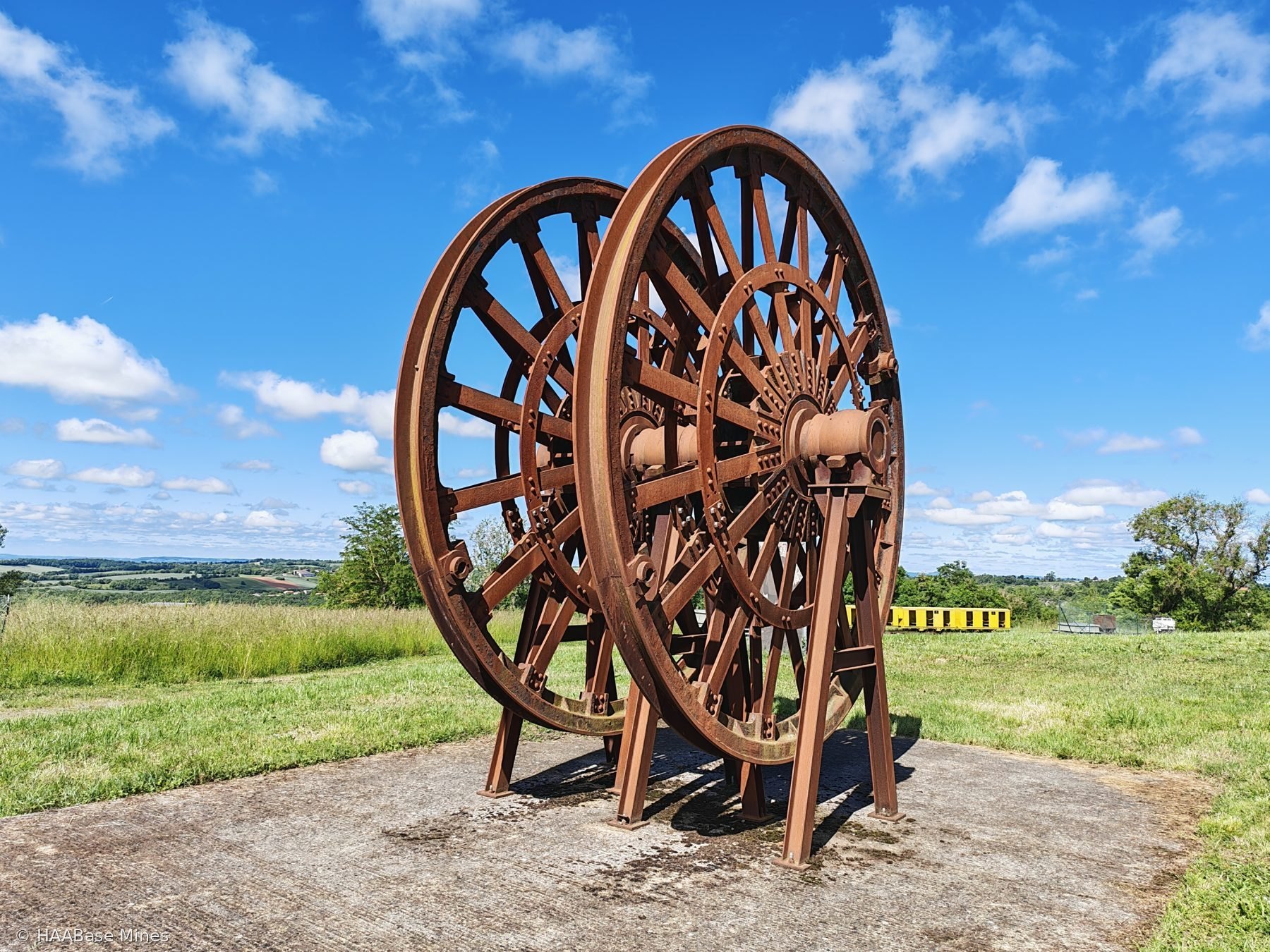
Site overview

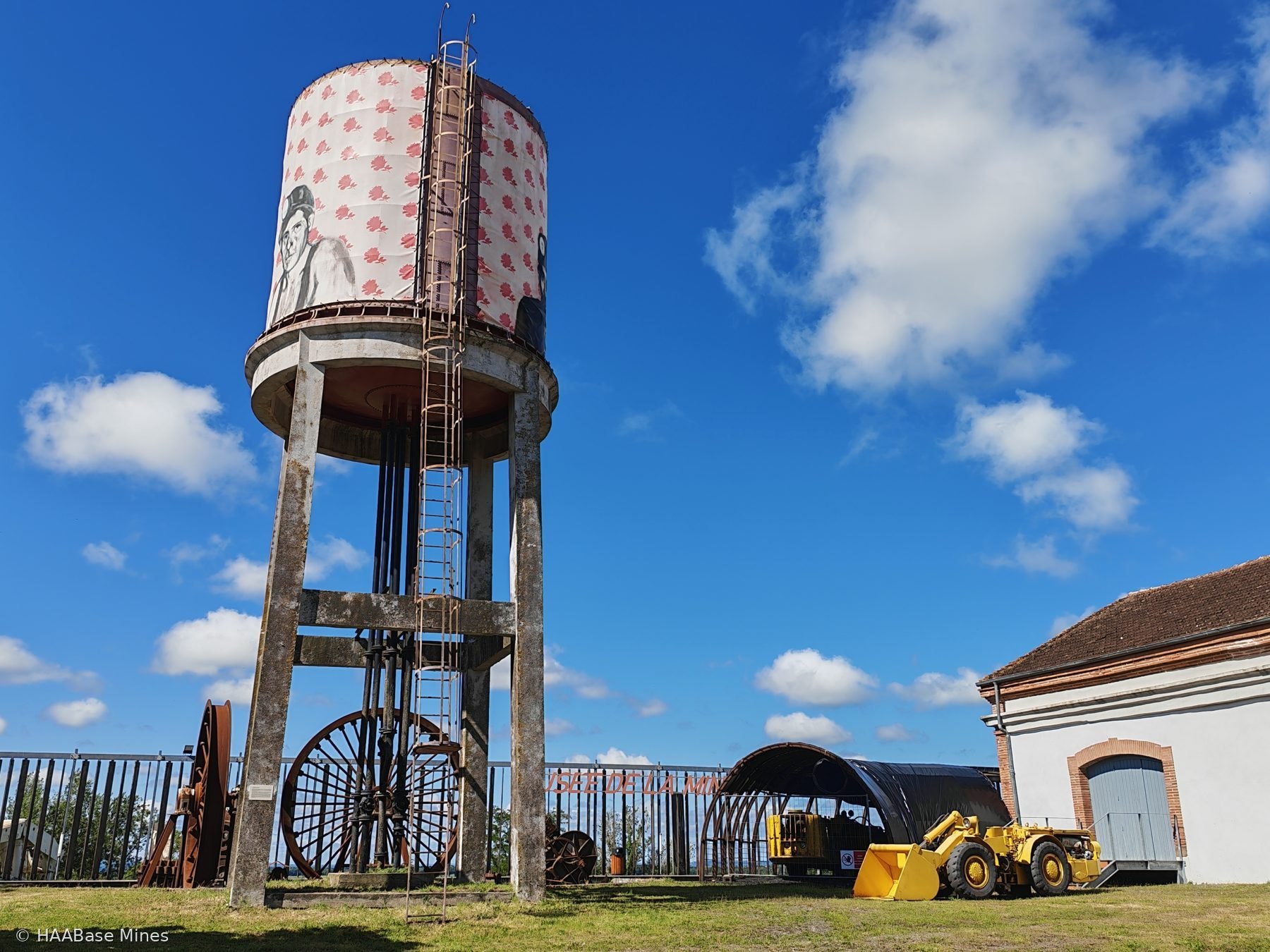
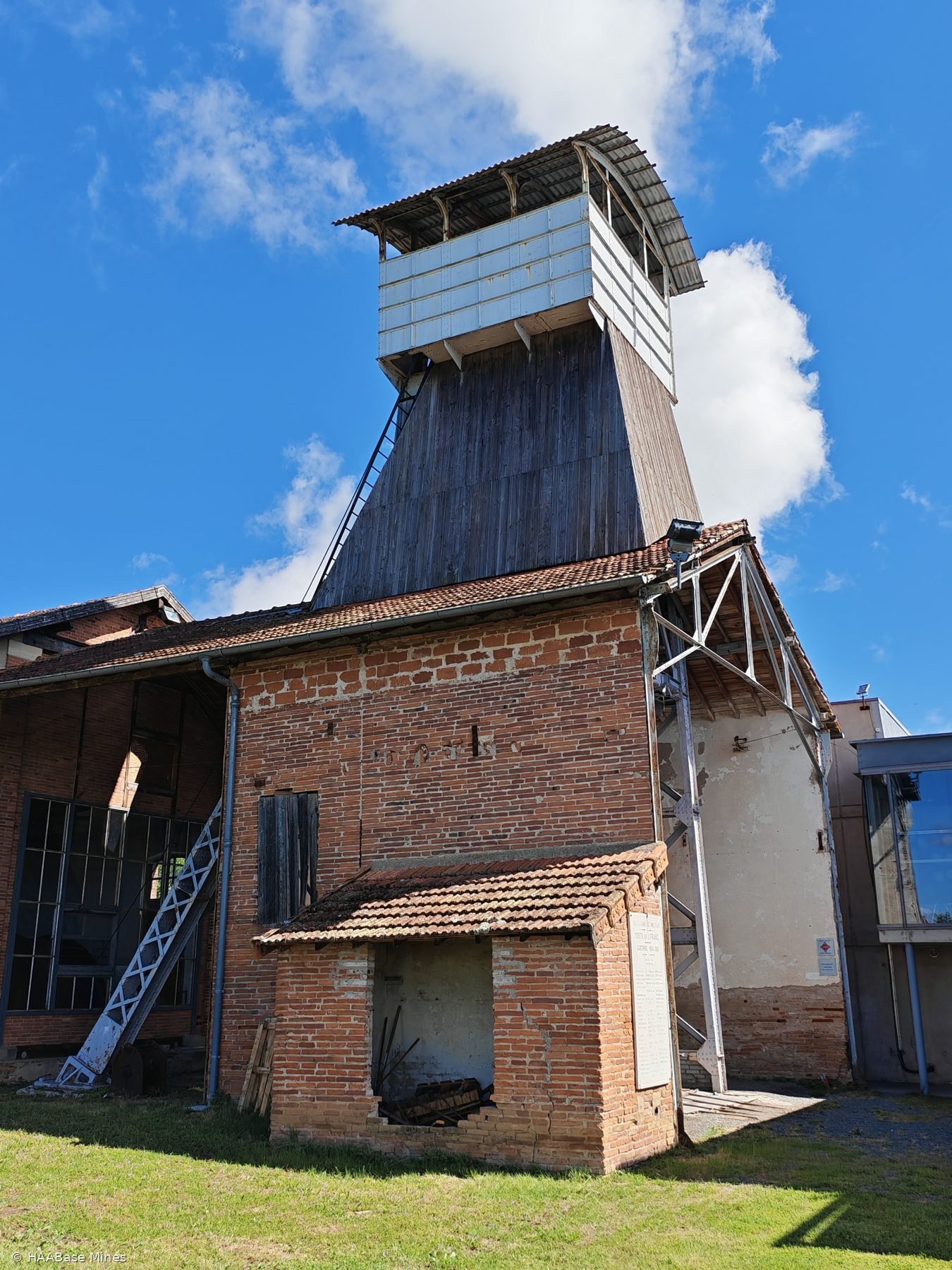
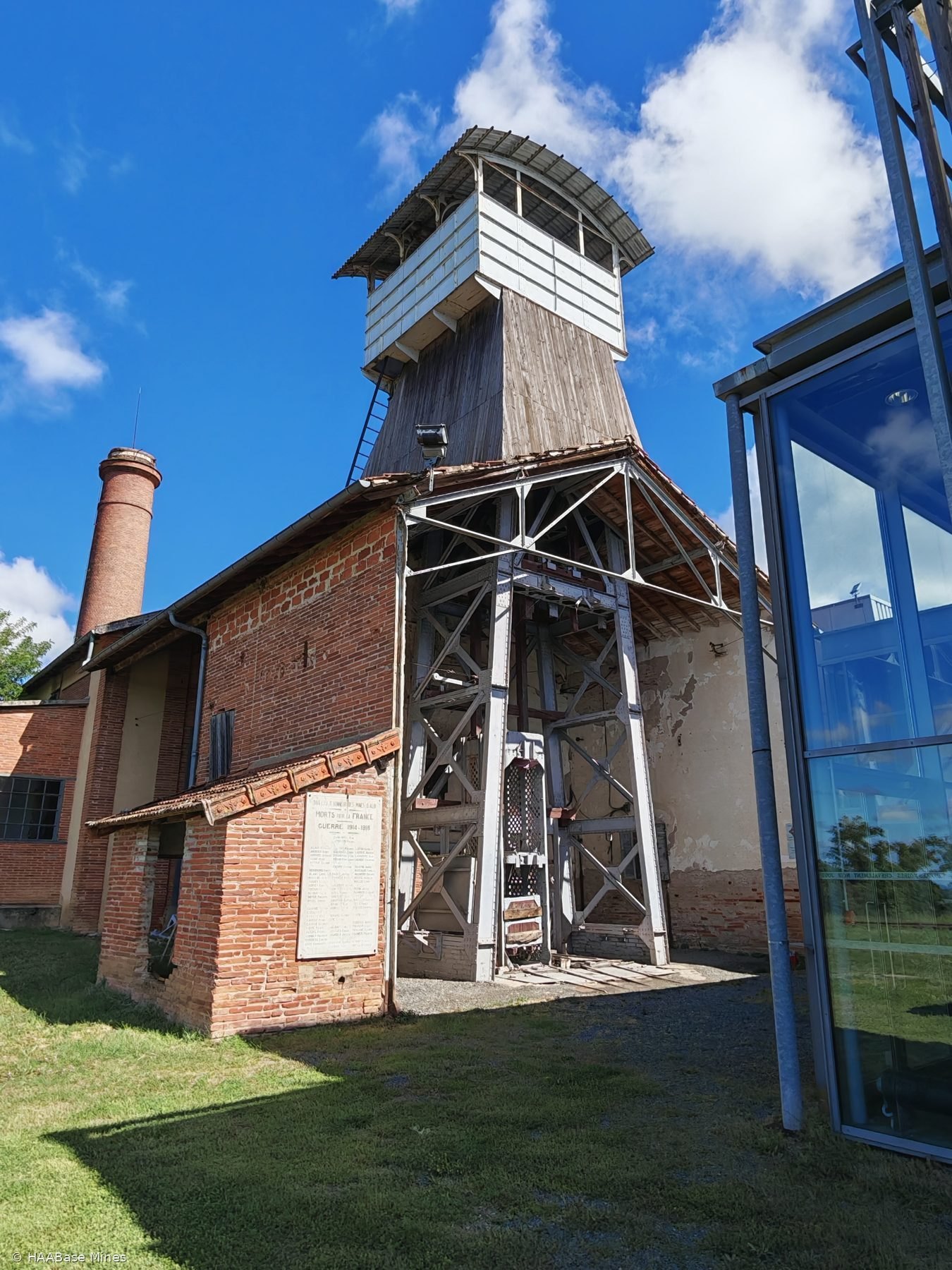
The puits de Campgrand No.2 at Cagnac-les-Mines forms the core of the musée-mine départemental de Cagnac-les-Mines, established on the former colliery site at the lieu-dit of Campgrand in the southern part of the Carmaux-Albi coalfield. The shaft was sunk by the Société des Mines d'Albi in 1892 to a depth of 202 metres, entering service in 1896 alongside the companion puits N°1. Both were developed to exploit the southern extension of the Carmaux basin discovered by the engineer Émile Grand from 1882 onward.

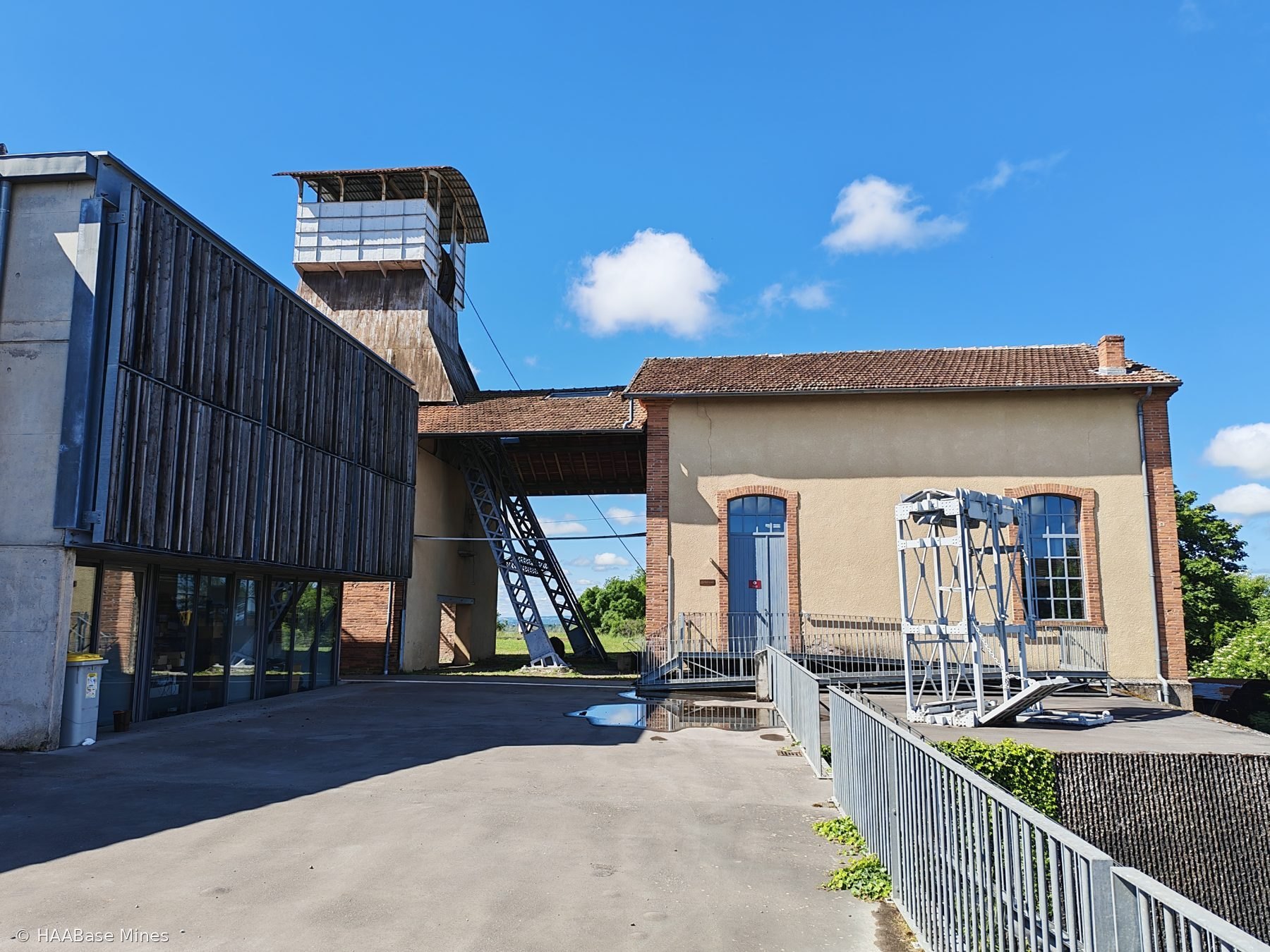
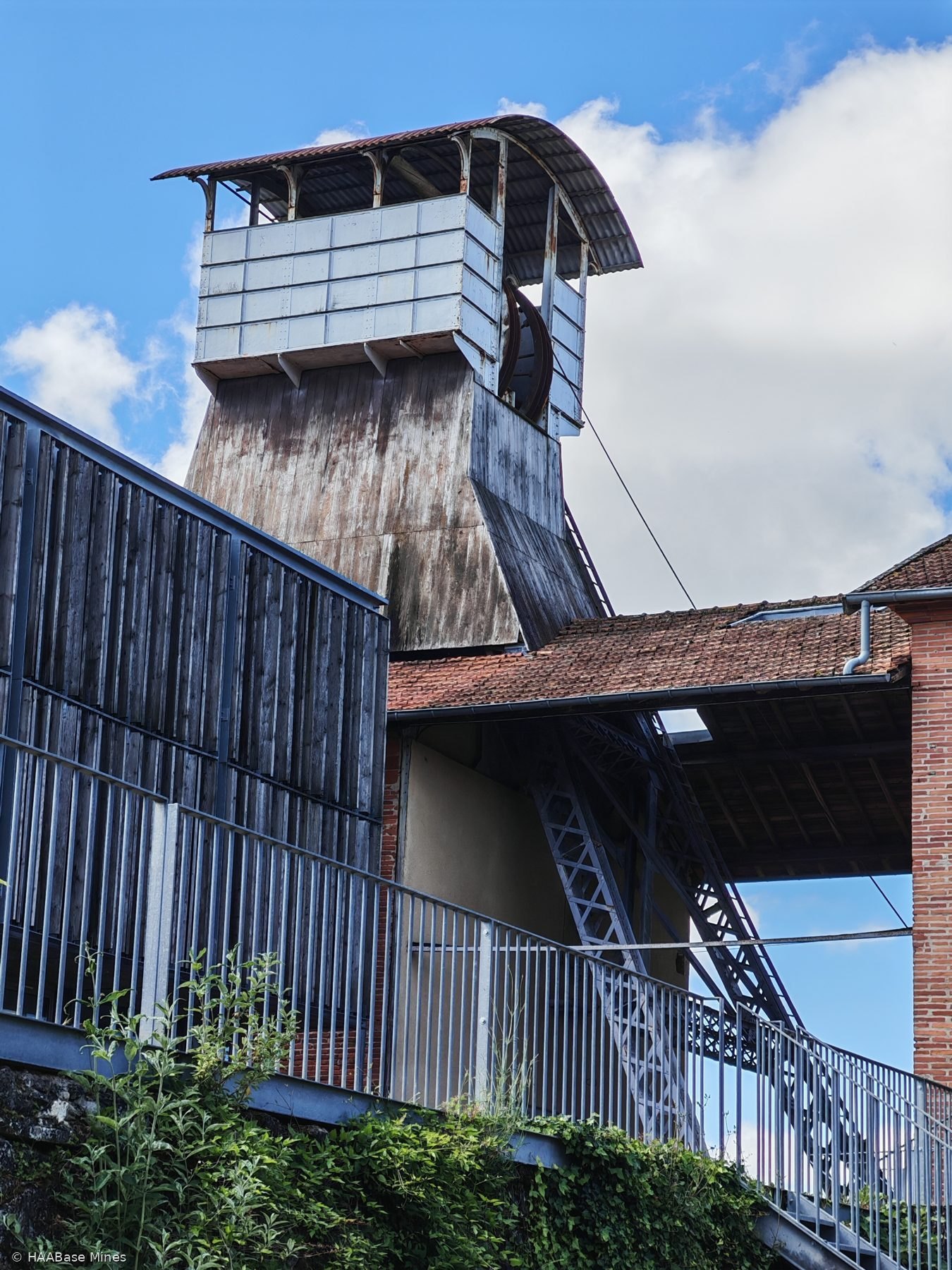
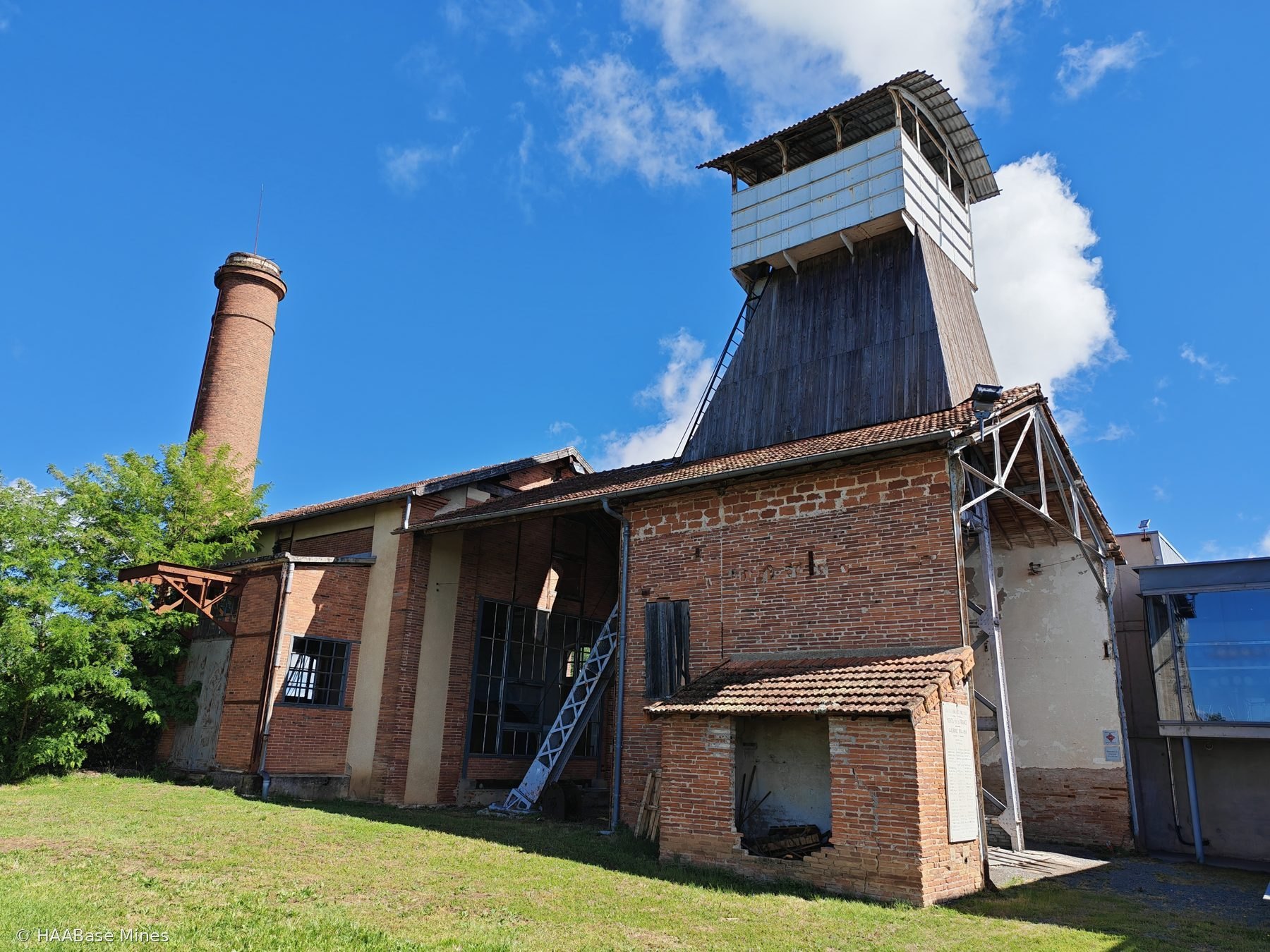
The puits N°2 was equipped with a trellised steel headframe and a winding engine house. Production from the two shafts ceased in 1905 upon the opening of the larger puits N°3. The puits N°2 then served for personnel, materials, and ventilation until 1979, and subsequently as a safety shaft until final closure in 1985.

The surface structures of the puits N°2 were inscribed on the Monuments Historiques by arrêté of 7 December 1993. The musée-mine opened on the site in 1989, becoming a departmental museum in 2009.

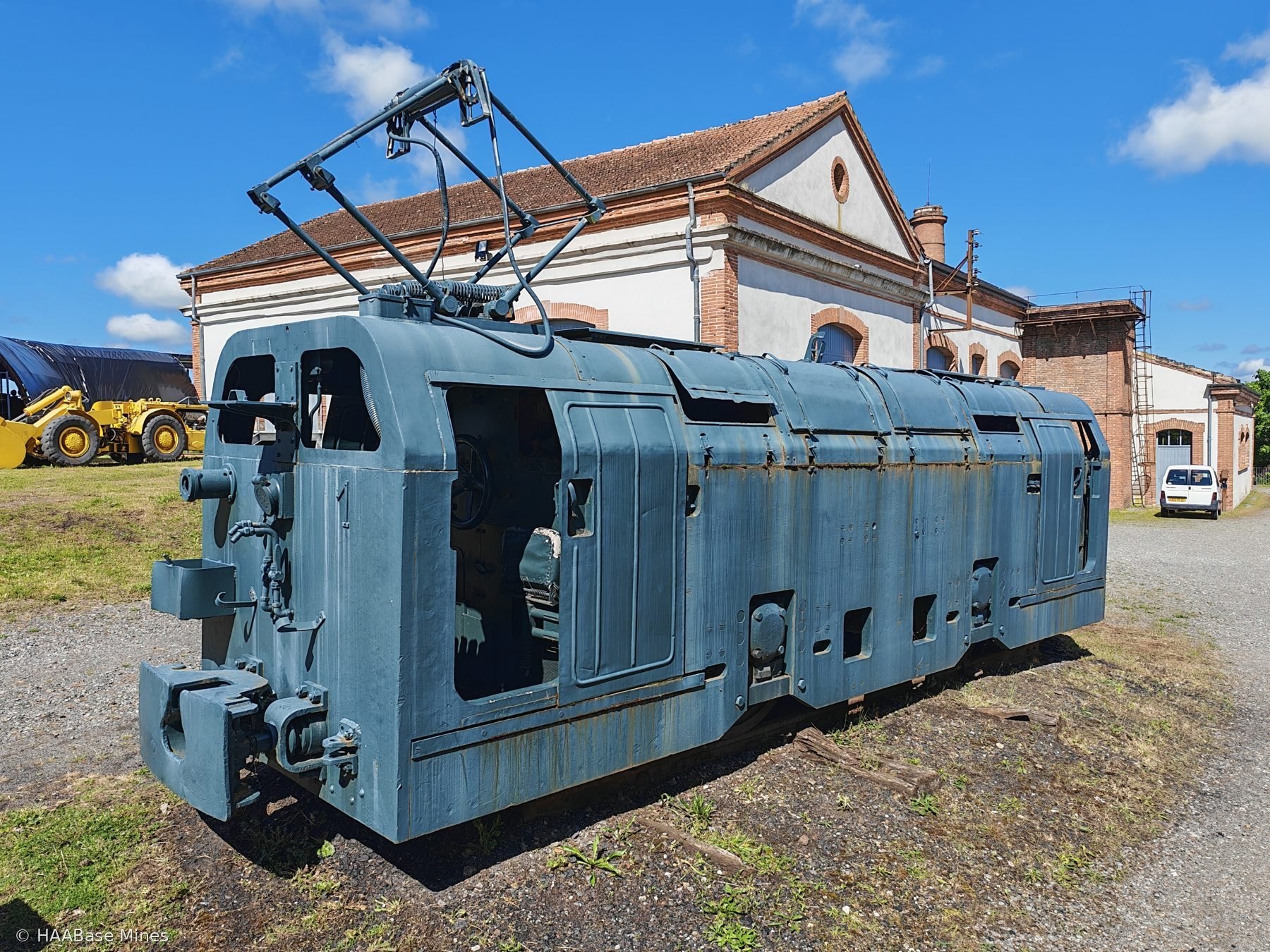
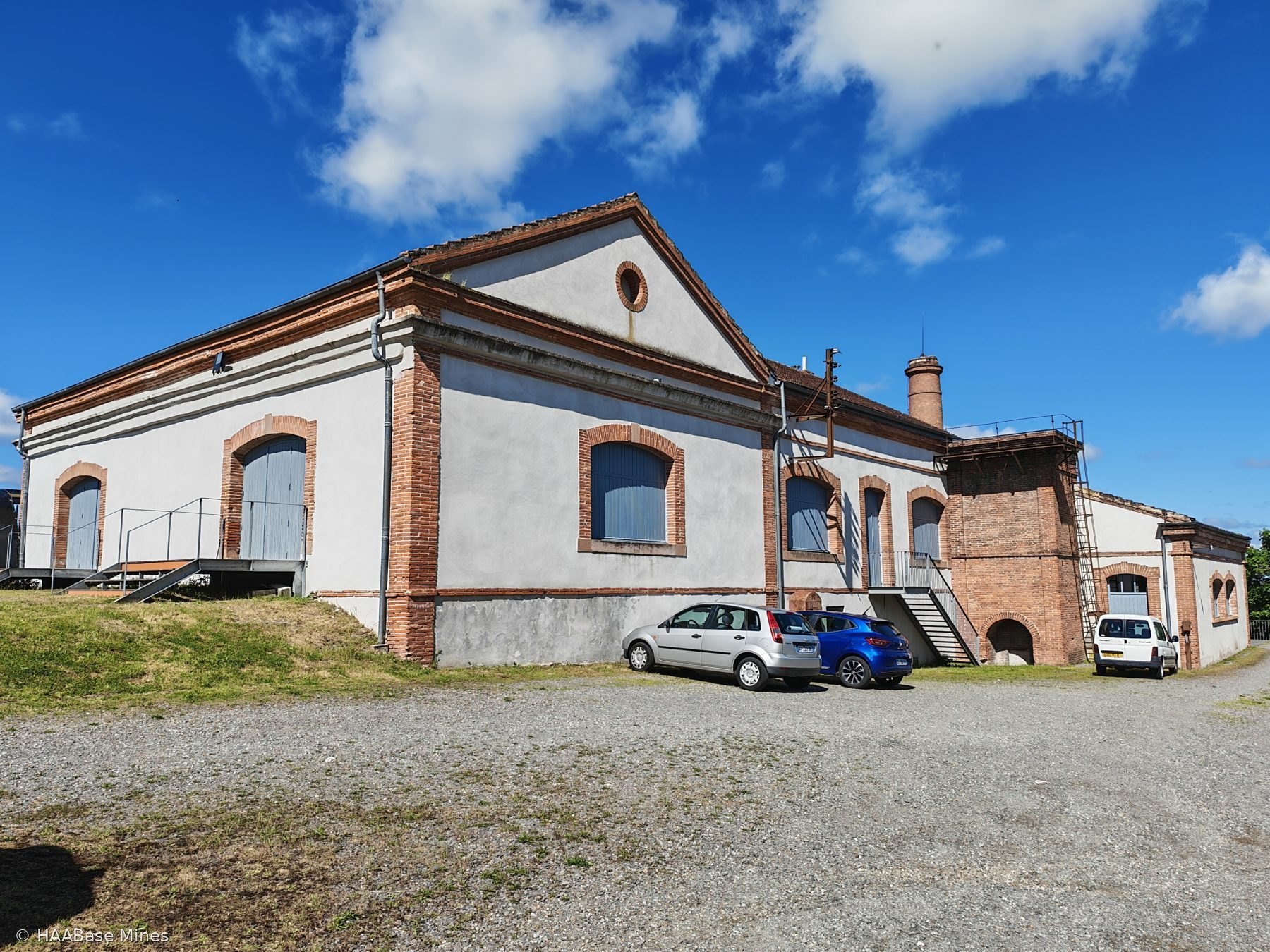
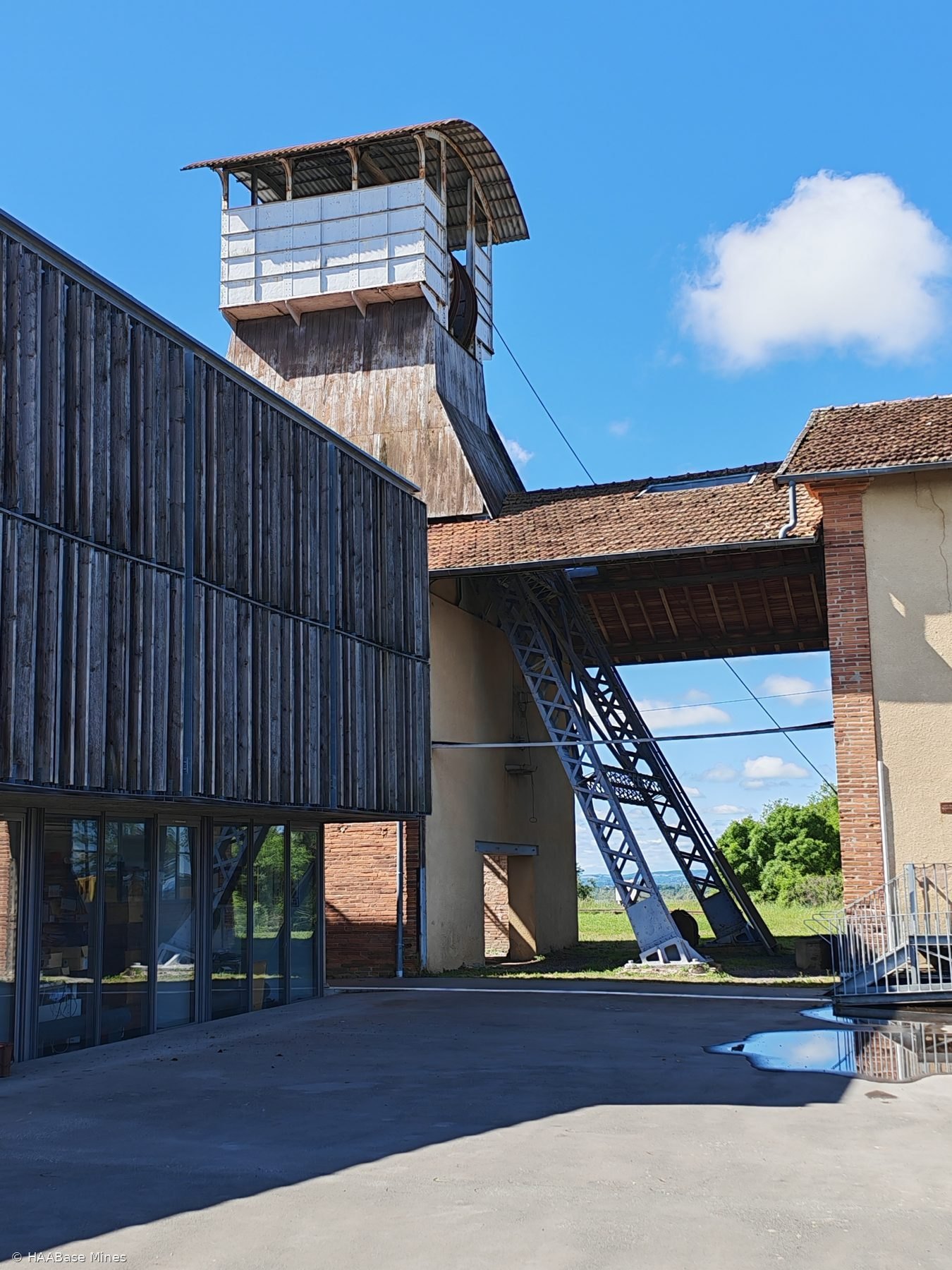
The surviving headframe and museum buildings stand in a settled former mining landscape at Cagnac-les-Mines, where the site reads as a compact and clearly legible pit-head group.

Map & photo

Puits n° 2 de Campgrand mine headframe or winding tower site
Photograph taken: 10 May 2026
Map markers and directions links are provided for location reference only and do not indicate public access or permission to enter a site.

History

The Carmaux-Albi coalfield, located north of Albi in the Tarn, had been exploited on a small scale from at least the twelfth century, with the organised concession system beginning in 1752 when the Chevalier Gabriel de Solages obtained a royal concession. It was not until the engineer Jean-Émile Grand began systematic prospecting in the 1870s and early 1880s that the full southern extent of the basin was revealed. Grand had noted by 1879 that the workings of the puits de la Tronquié, sunk south of the Carmaux concession, showed a clear tendency to enrichment in that direction.

In 1882 he established a first borehole on the plateau calcaire of the Grand-Camp, then on the commune of Saint-Sernin-lès-Mailhoc, a kilometre south of the Carmaux concession boundary. On 31 July 1883 this bore entered the coal measures at 155 metres depth. In 1884 it encountered an exceptional seam at 263 metres depth — the grande couche — measuring 16.25 metres in thickness.

Exploration confirmed a total coal thickness of 25.35 metres. With this discovery secured, a new company was formed: the Société des Mines d'Albi, with Grand confirmed as director. His associate was the young engineer Gustave Petitjean.

In 1886, despite reduced capital of only 131,000 francs remaining on the company's books, the decision was taken to begin sinking a shaft at Camp Grand and to carry out preliminary underground investigation. Work on the puits N°1 — designated a recherche shaft — began in 1889. On 18 June 1889 the first coal seam was encountered.

The second seam, the Veine Marmottan, proved to be excellent quality coal. A companion puits N°2 was subsequently sunk alongside the puits N°1. The puits N°2 was foncé by the Société des Mines d'Albi in 1892 at a depth of 202 metres.

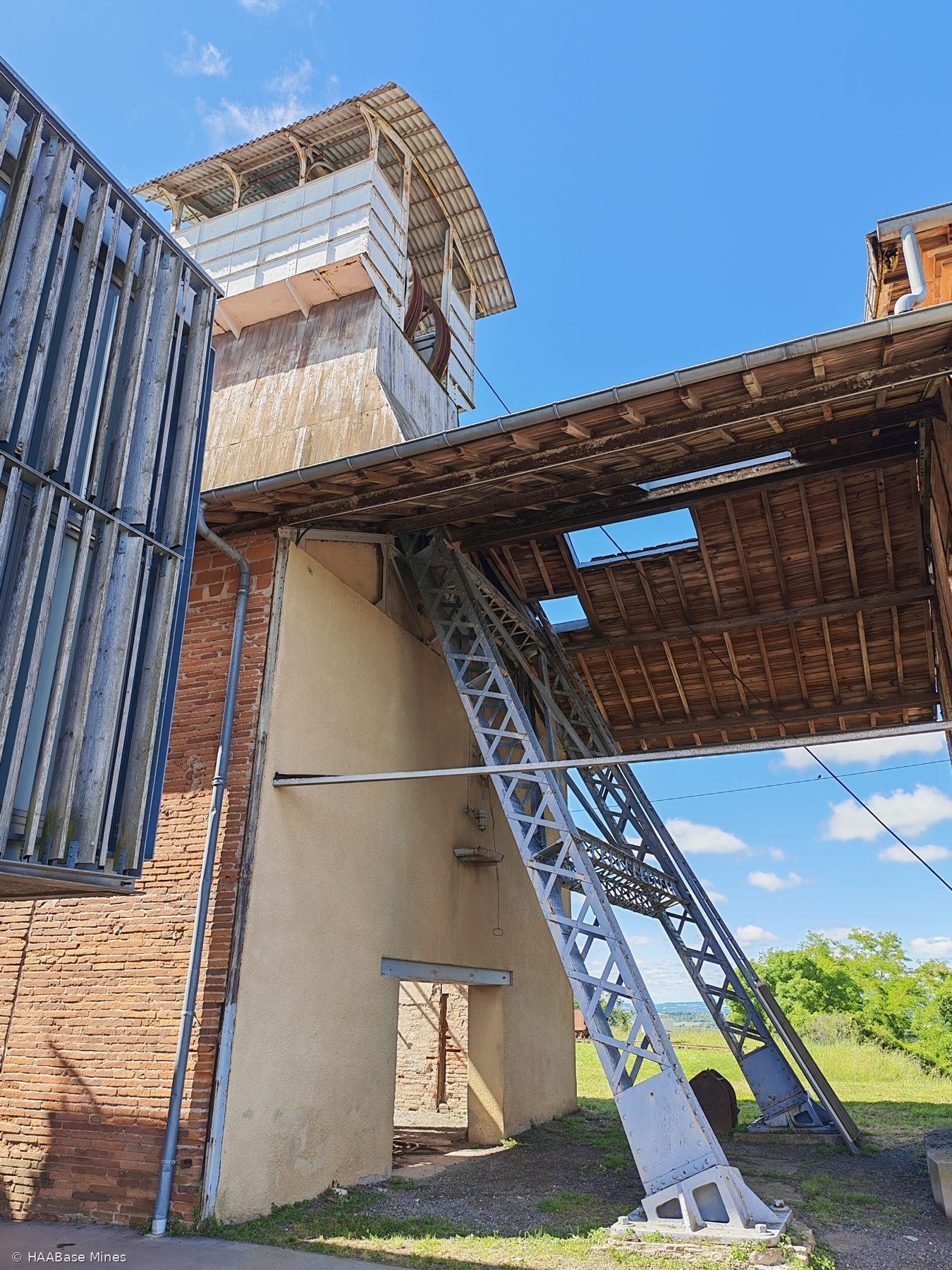
Both puits were inaugurated in 1896. At that point annual production reached 96,000 tonnes. The puits N°2 was equipped with a trellised riveted steel headframe.

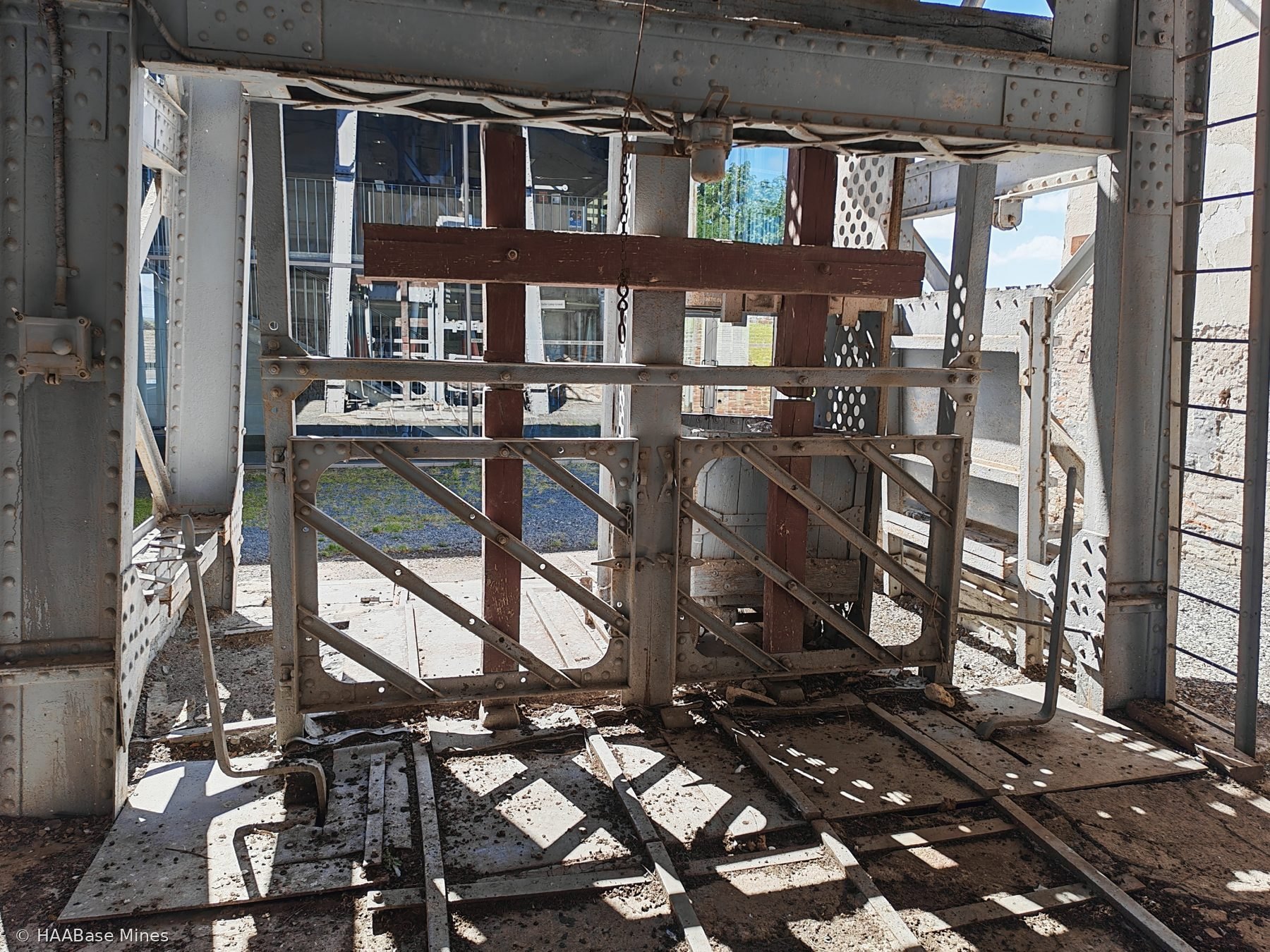
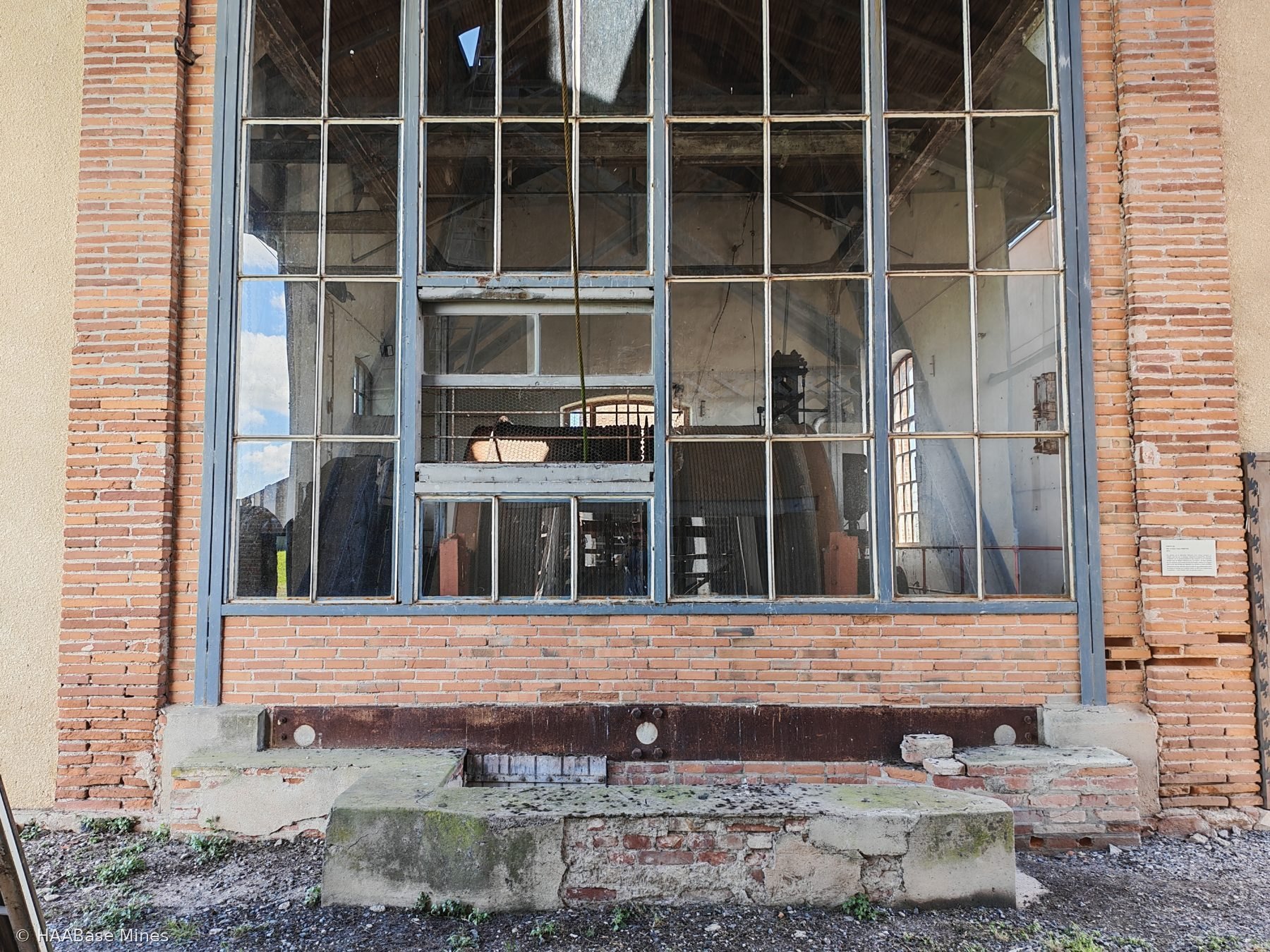
The lower portion of the headframe was enclosed within a structure of metal-framed brickwork, the upper portion carrying the winding wheels covered by timber boards and corrugated sheet beneath a curved roof. Contiguous with it was the salle des machines, a brick building at basement level, housing the winding engine — a Fournier Mouillon machine — with a chequerboard floor of red and yellow tiles. At the rear, separated by a few metres, stood a circular brick chimney of nearly 30 metres in height, a remnant of the original steam winding engine.

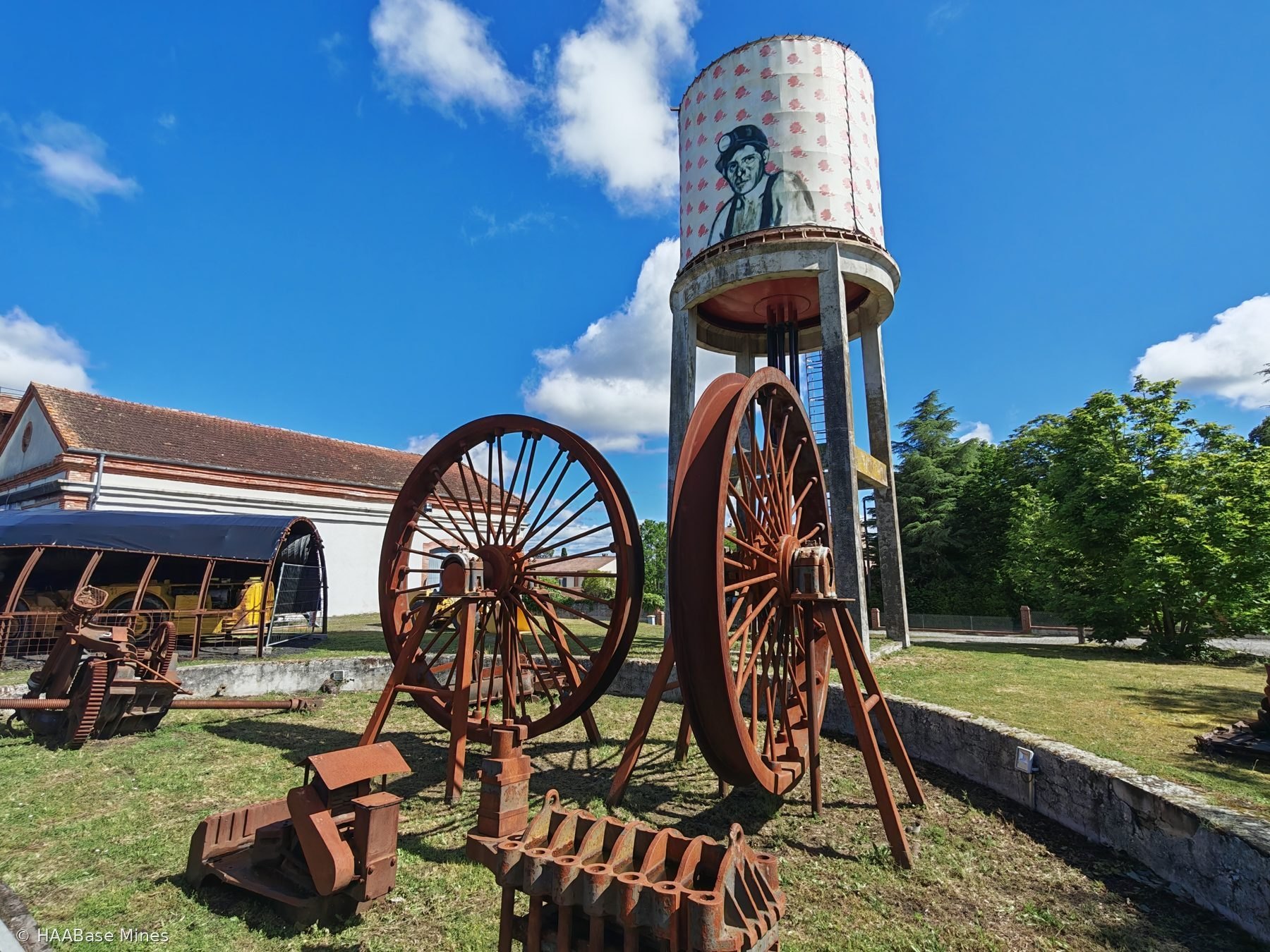
A ventilator, a weigh-bridge building, and a water reservoir were also associated with the puits N°1 site. Coal transported from Camp Grand travelled by internal railway to the lieu-dit Pélissier near Albi, where it was washed, screened, and processed by distillation. In 1900 Émile Grand began sinking the puits N°3, sometimes called the puits de la Gare, with a useful diameter of 5 metres — larger than the first two puits at 3.10 metres — which was completed in 1903 and entered service in 1905.

With the opening of the puits N°3, both the puits N°1 and puits N°2 were taken out of extraction service. The puits N°2 was retained for the passage of personnel and materials and served as a ventilation shaft. Exploitation continued under the Société des Mines d'Albi, later absorbed into the structures of the nationalised Houillères du Bassin d'Aquitaine following the requisition and nationalisation of French mines in 1944 and 1946.

By 1979 the puits N°2 was brought back into service, this time as a safety and evacuation shaft. It continued in this capacity until the closure of all mining operations in the Carmaux-Albi basin in 1985. At the end of 1985, the mayor and former miners of Cagnac-les-Mines began planning a museum on the site of the puits N°1 and N°2.

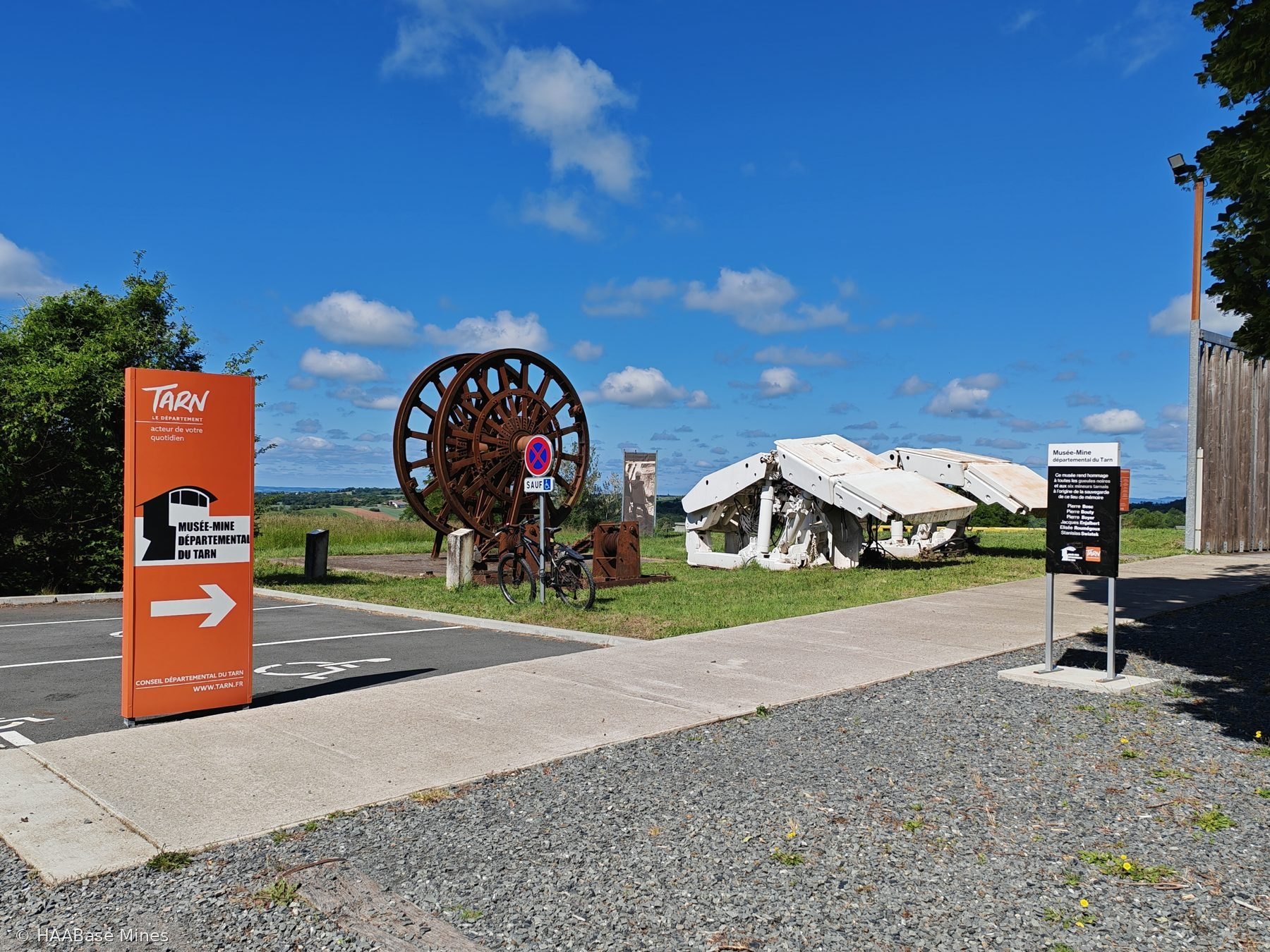
Former miners excavated 350 metres of gallery, assembled machinery and tools, and constructed a reconstructed underground circuit accessible by a cage descent. The musée-mine de Cagnac opened in 1989, four years after final closure. A new exhibition building was added, and the site was integrated into the broader Cap'Découverte multi-leisure complex developed on the former Découverte Sainte-Marie open-cast site.

The musée-mine became a departmental institution in 2007, administered by the office de la conservation départementale du Tarn, and in 2009 became the musée-mine départemental. The surface structures of the former puits N°2 — comprising the headframe, the winding engine house, the chimney stack, and associated buildings — were inscribed on the Monuments Historiques by arrêté of 7 December 1993, with the exclusion of the newly added exhibition room.
Timeline

1882–1884
Exploration

Grand's boreholes confirm the Cagnac coal basin

In 1882 Émile Grand placed a borehole on the plateau calcaire of Grand-Camp south of the Carmaux concession. On 31 July 1883 it entered the coal measures at 155 metres. In 1884 an exceptional seam, the grande couche, was encountered at 263 metres depth, measuring 16.25 metres in thickness.
1889
Legislation

Société des Mines d'Albi formed; puits N°1 reaches first seam

Following the discovery of the coal measures at Camp Grand, the Société des Mines d'Albi was formed with Émile Grand as director and Gustave Petitjean as engineer. On 18 June 1889 the puits N°1, the recherche shaft, encountered the first coal seam. The Veine Marmottan was identified as excellent quality coal.
1892–1896
Construction

Puits N°2 sunk and both shafts inaugurated

The puits N°2 was sunk by the Société des Mines d'Albi in 1892 to a depth of 202 metres. Both the puits N°1 and puits N°2 were inaugurated in 1896. The puits N°2 was equipped with a trellised riveted steel headframe with an enclosed brick lower section, a Fournier Mouillon winding engine, and a brick chimney of nearly 30 metres serving the original steam winding plant.
1896–1905
Operation

Coal extraction from puits N°1 and N°2; production reaches 96,000 tonnes

From 1896 the two shafts were in extraction service. Annual production at inauguration reached 96,000 tonnes. Coal was conveyed by internal railway to Pélissier near Albi for washing, screening, and distillation processing.
1900–1905
Construction

Puits N°3 sunk and brought into service

In 1900 Émile Grand began sinking the puits N°3 (also called the puits de la Gare), with a useful diameter of 5 metres, completed in 1903 and entering service in 1905. This larger shaft replaced the puits N°1 and N°2 as the primary extraction point.
1905–1979
Operation

Puits N°2 serves as personnel, materials, and ventilation shaft

From 1905, with extraction concentrated on the puits N°3, the puits N°2 was retained for the passage of personnel and materials and served as a ventilation shaft.
1979–1985
Operation

Puits N°2 reopened as safety and evacuation shaft

In 1979 the puits N°2 was reopened, serving solely as a safety and evacuation shaft for the basin's remaining active workings. This role continued until final closure of all operations in 1985.
1985
Closure

Final closure of puits N°2 and all Cagnac mining operations

In 1985 the puits N°2 was closed definitively along with all remaining mining operations in the Carmaux-Albi basin.
1989
Heritage

Musée-mine de Cagnac opens on the puits N°2 site

In 1989, four years after closure, the musée-mine de Cagnac opened on the puits N°1 and N°2 site. Former miners had excavated 350 metres of gallery and assembled machinery and tools. The museum included a new exhibition building and a reconstructed underground gallery accessible by cage descent.
1993
Heritage

Puits N°2 surface structures inscribed on Monuments Historiques

By arrêté of 7 December 1993 the surface buildings of the former puits N°2 of Campgrand were inscribed on the Monuments Historiques, covering the headframe, the winding engine house, the chimney, and associated structures, excluding the recently added exhibition room.
2007–2009
Heritage

Musée-mine becomes departmental institution

From 2007 the musée-mine was administered by the office de la conservation départementale du Tarn. In 2009 it formally became the musée-mine départemental de Cagnac-les-Mines. The site was integrated into the Cap'Découverte multi-leisure complex as the centrepiece of its pôle mémoire.

Sources and records

Wikipedia (French): Puits de Campgrand
Wikipedia (French): Musée de la mine de Cagnac-les-Mines
Mérimée / POP heritage inventory notice IA81000125, usine d'extraction dit puits de mine n° 2 de Campgrand
Monumentum heritage listing PA00125611
Larousse encyclopédie, Cagnac-les-Mines entry
ASNAT (Association de Science Naturelle Albigeoise Tarnaise), article: Émile Grand et la découverte du Bassin houiller d'Albi-Cagnac
ASNAT, article: Histoire du Bassin houiller de Carmaux
Culturez-vous, Le bassin minier de Carmaux-Cagnac : une épopée de 8 siècles
Annales de Géographie, t. 38, n°216 (1929): A. Monnié, Le bassin houiller de Carmaux-Albi (Persée archive)
This researched site record is part of the HAABase Mines database. Normal personal research and browsing is welcome. Automated bulk extraction, republication, or harvesting of site text and images is not permitted without written consent.