Site overview

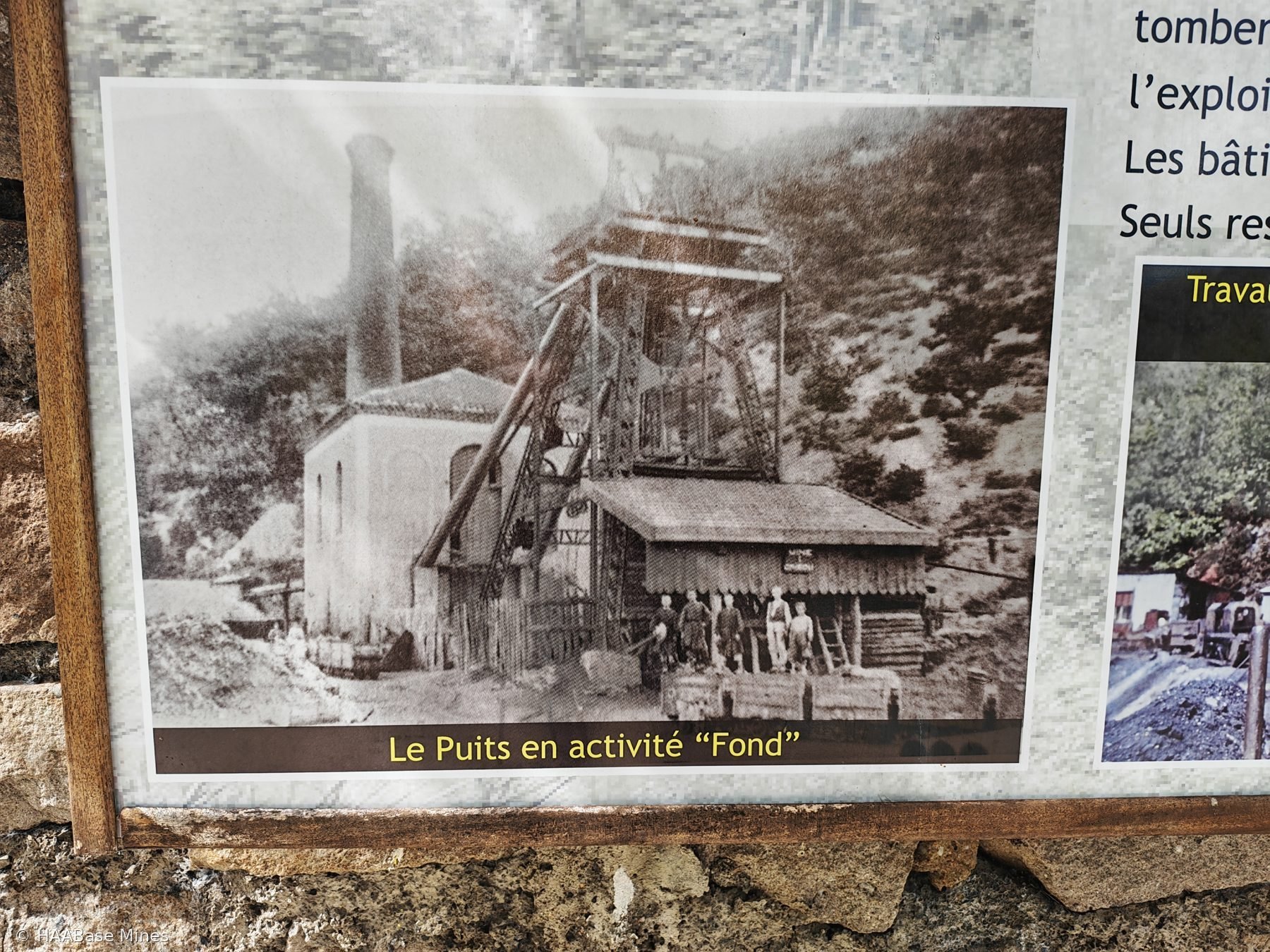
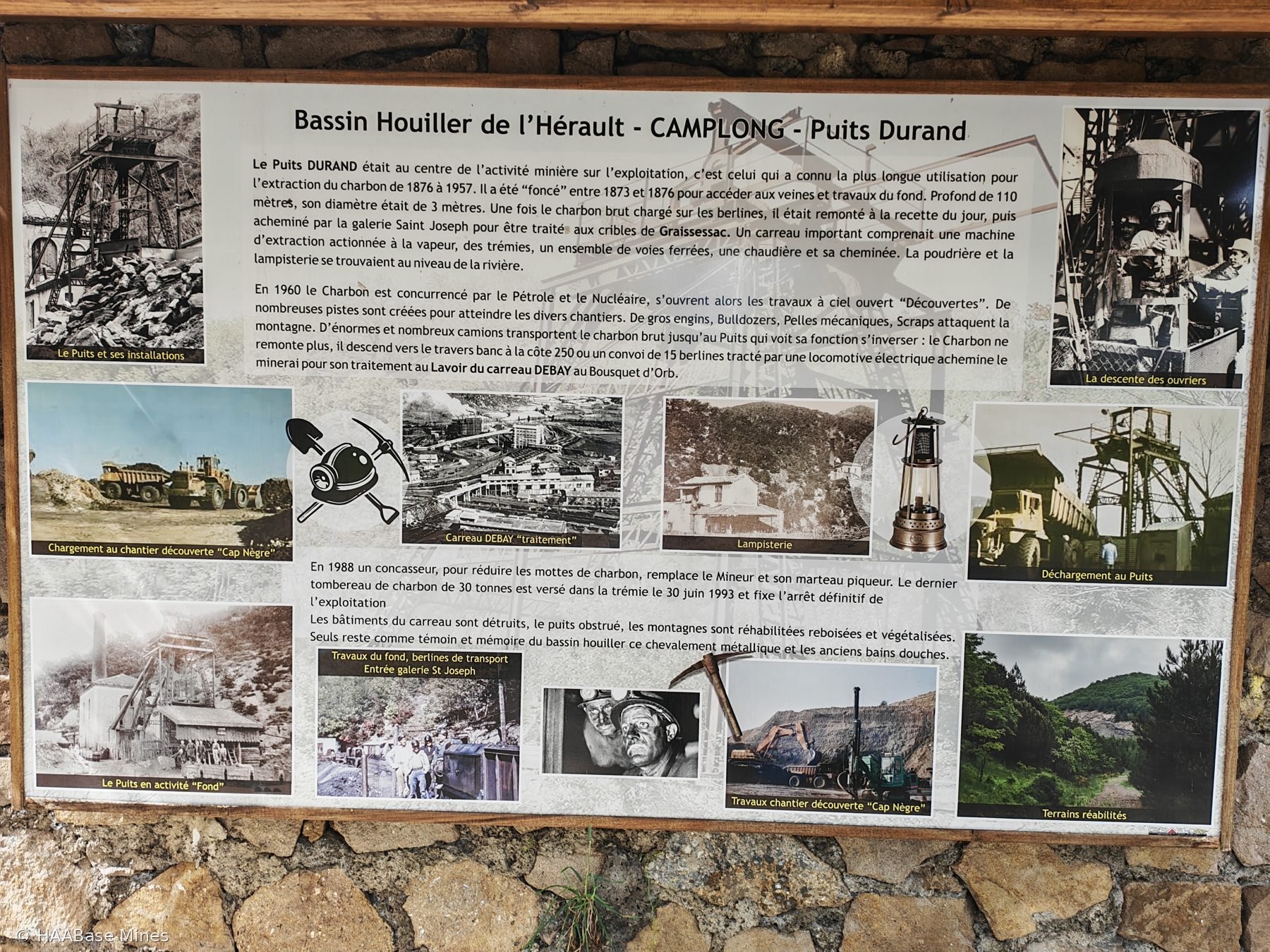
The puits Durand at Camplong is the principal mine shaft of the Graissessac coalfield in the Hérault and the only headframe to have been preserved across the entire basin. Sinking began in 1873, and by 1876 the shaft had reached a depth of 110 metres with a diameter of 3 metres. As the second shaft sunk in the Graissessac basin, it served both extraction and, from the 1960s onward, the transit of coal from open-cast workings via an underground route to the carreau Debay at Le Bousquet-d'Orb.

The shaft communicated underground with the mine Adèle at 18 metres and with the travers-banc Durand at 68 metres. Three coal seams were successively accessed: the couche Giral between 1883 and 1890, the couche Poupon from 1925, and the couche Pilate from 1950. Extraction at depth ceased in 1957, though the shaft continued in use as the transfer point for open-cast coal until final closure on 31 July 1993.

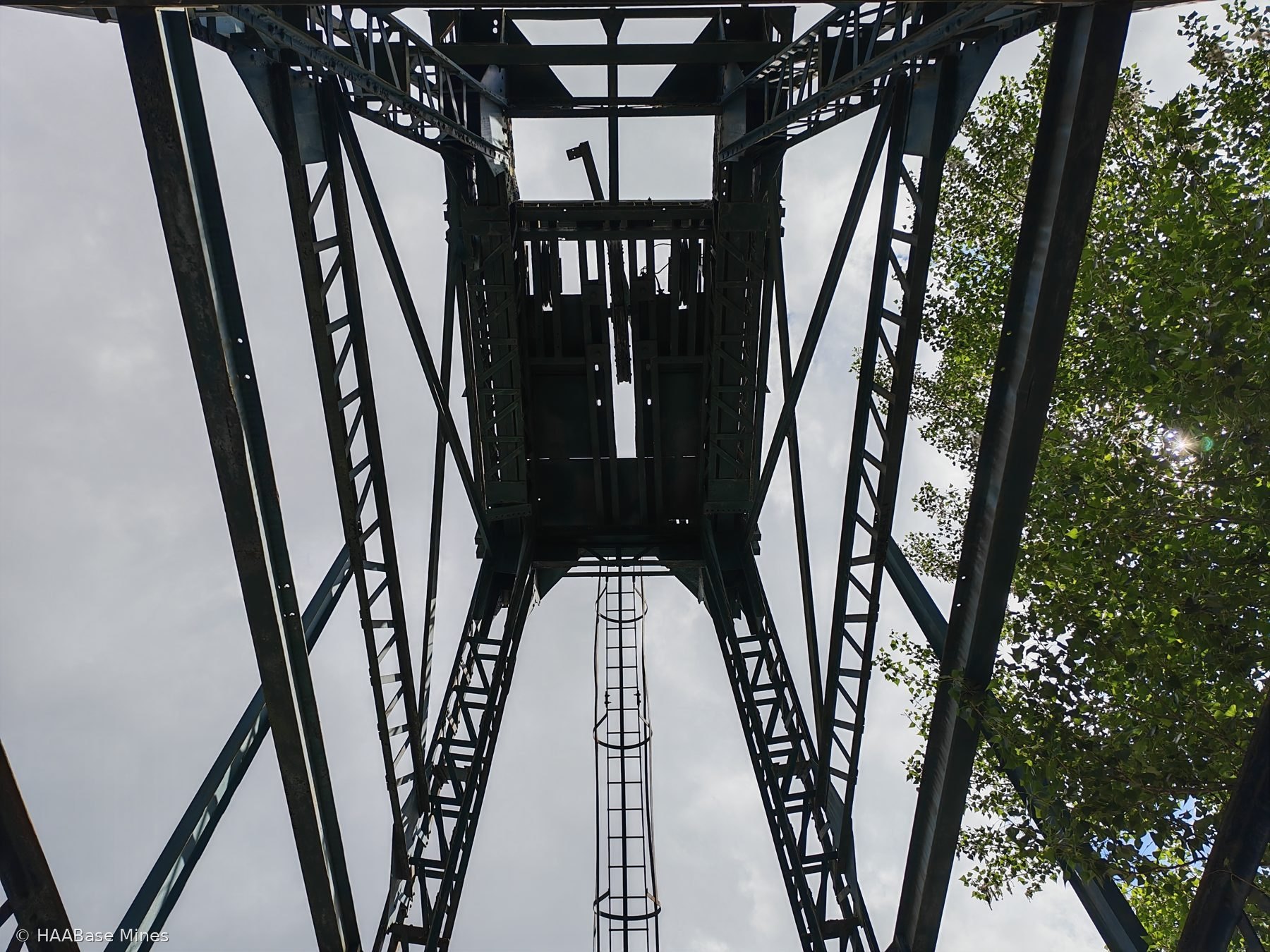
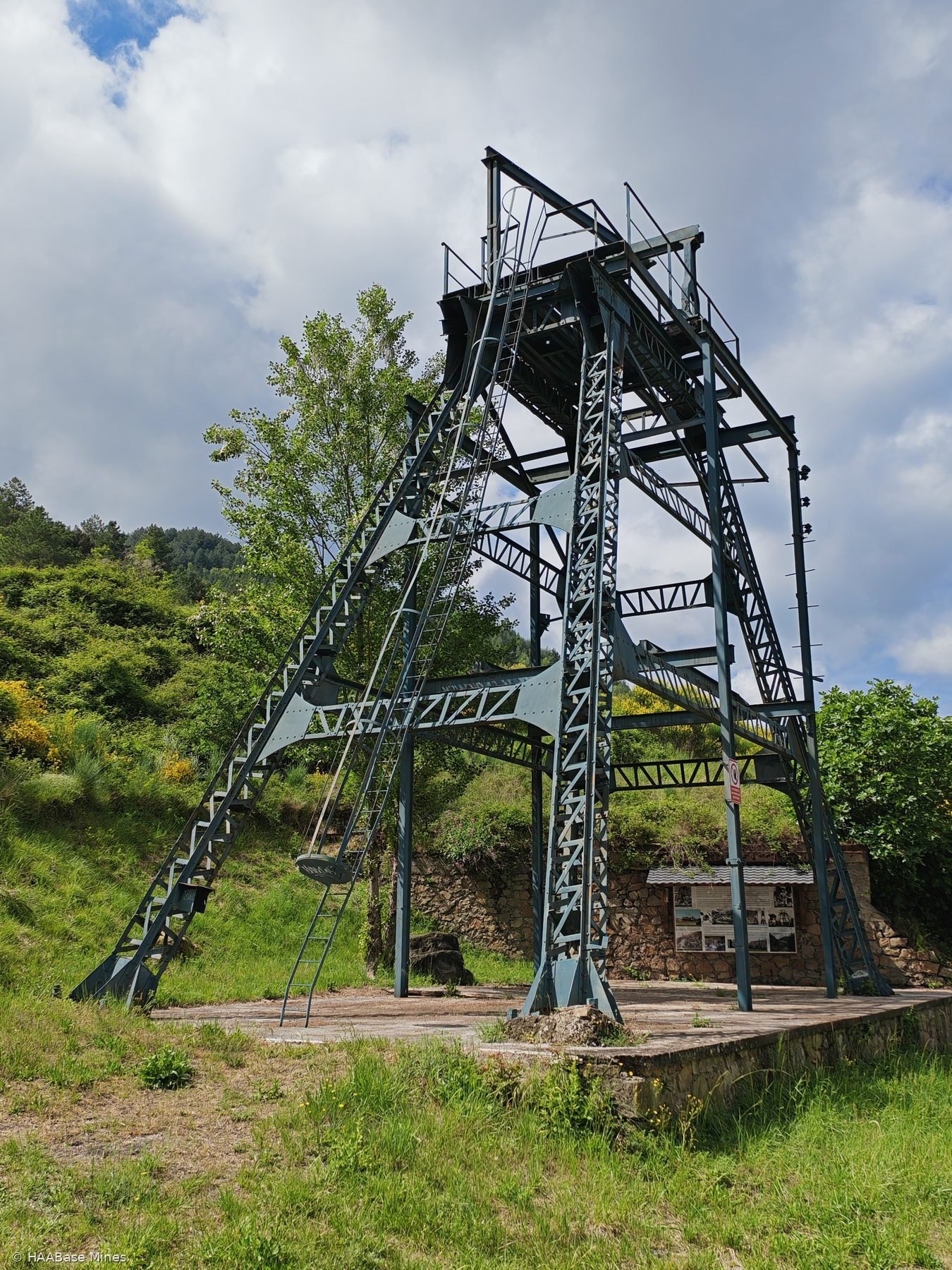
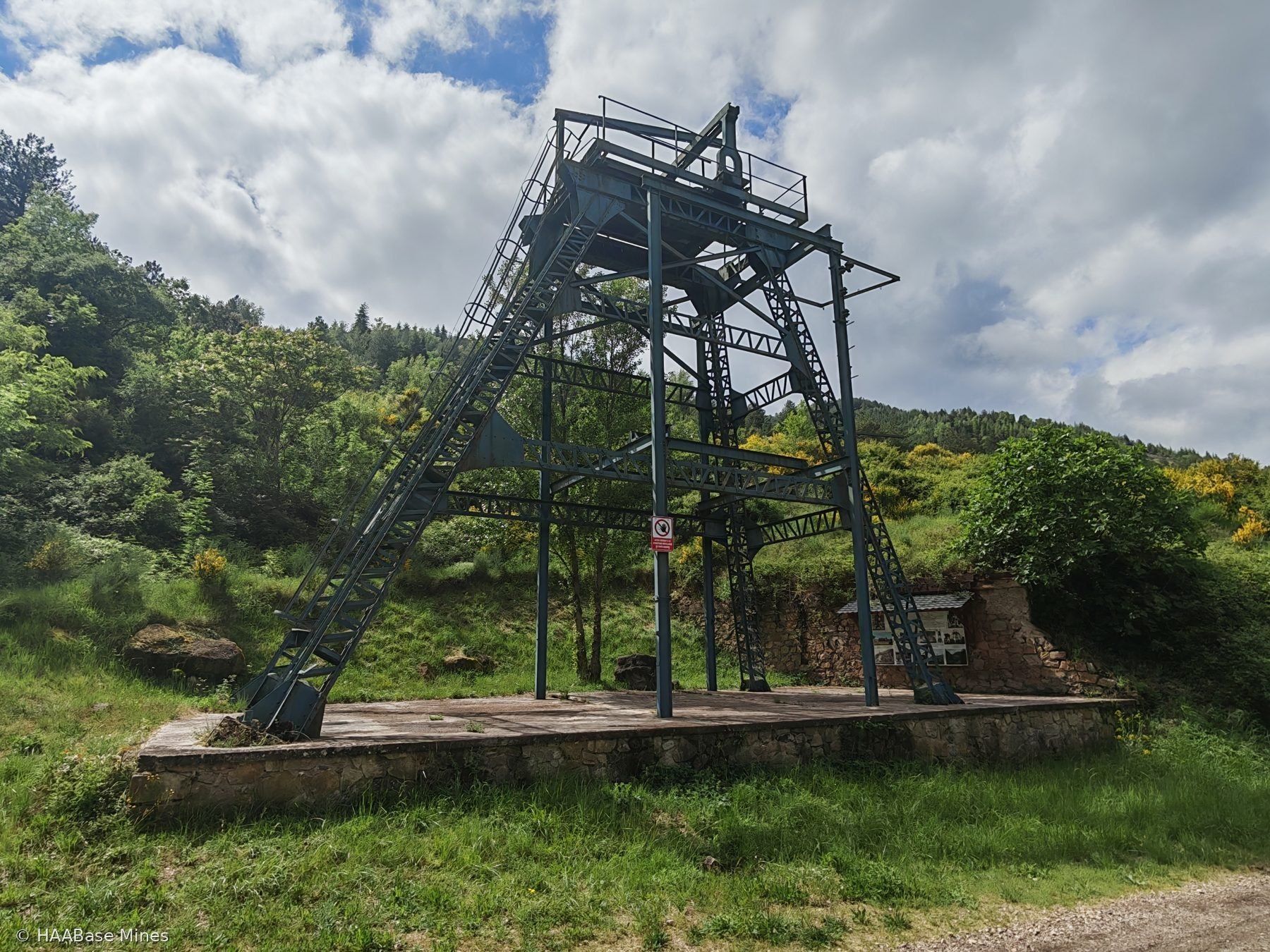
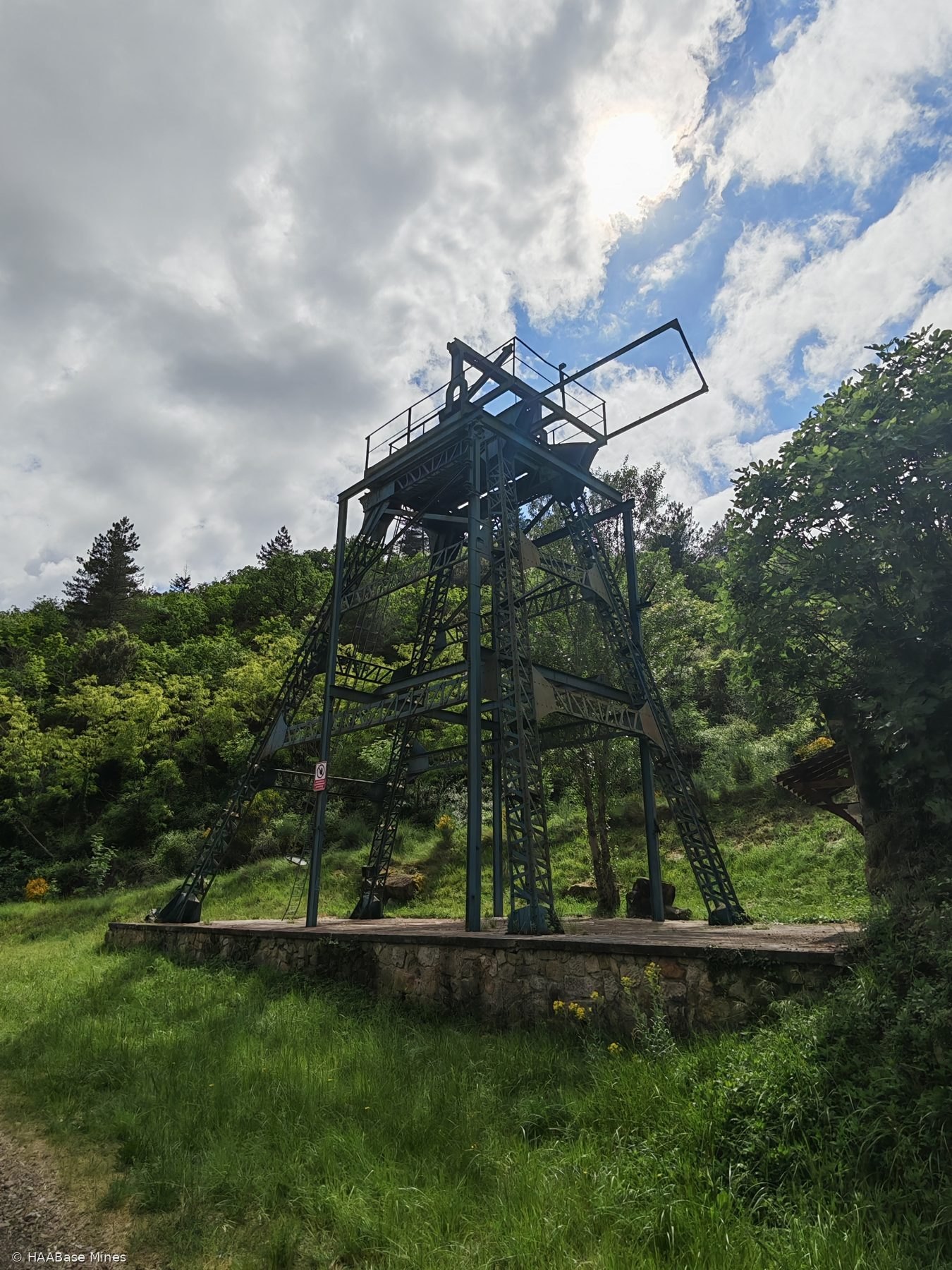
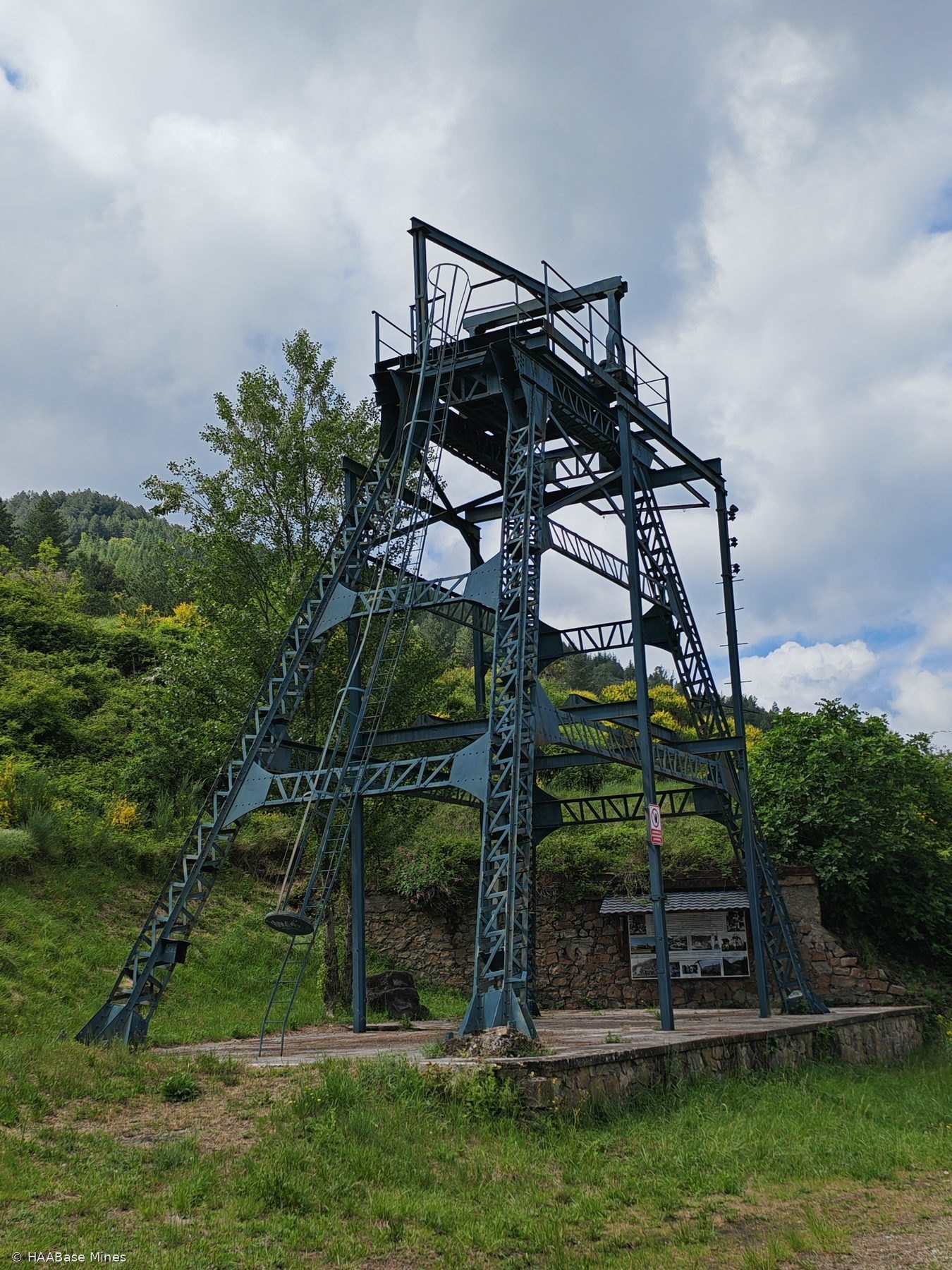
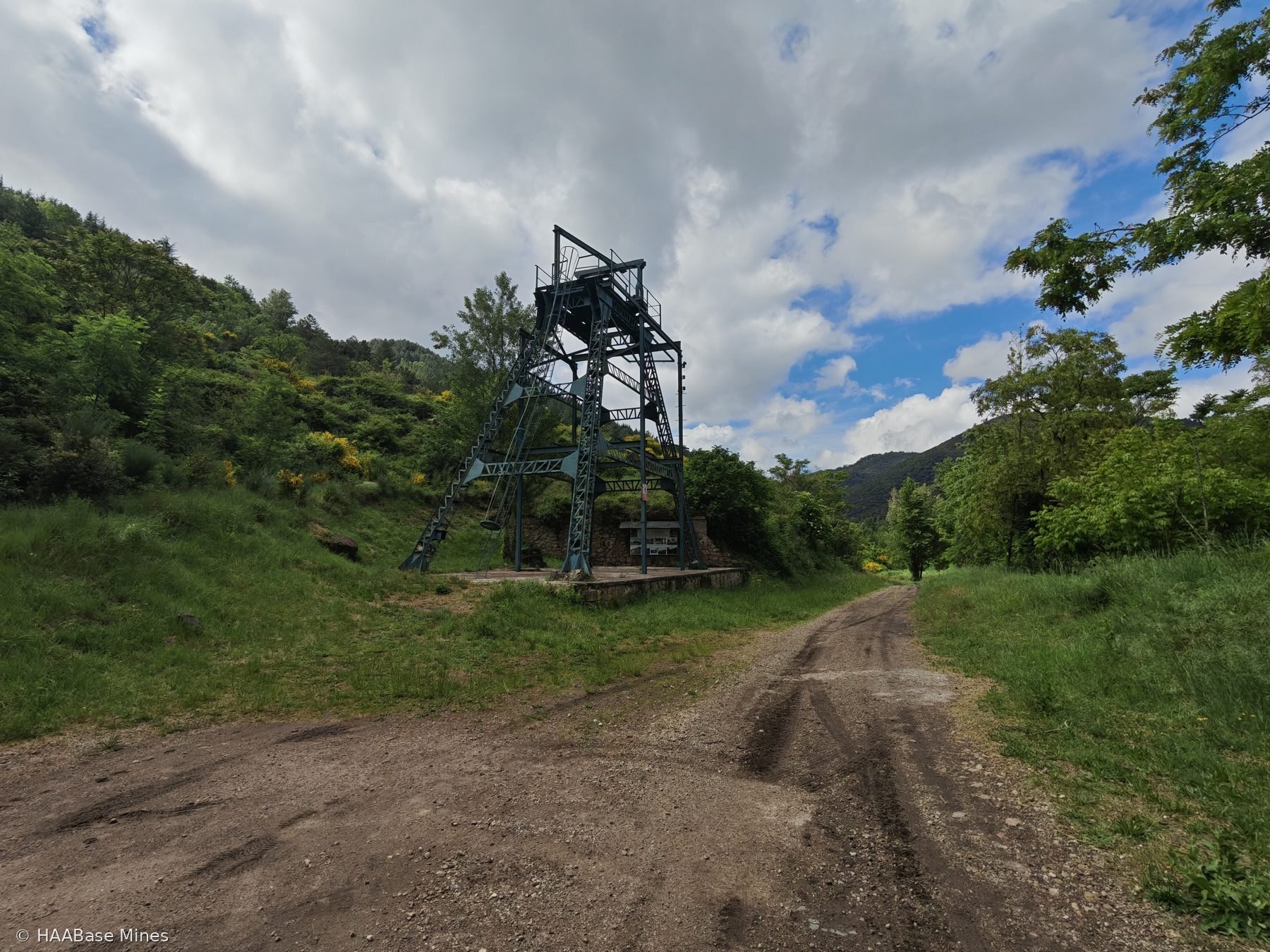
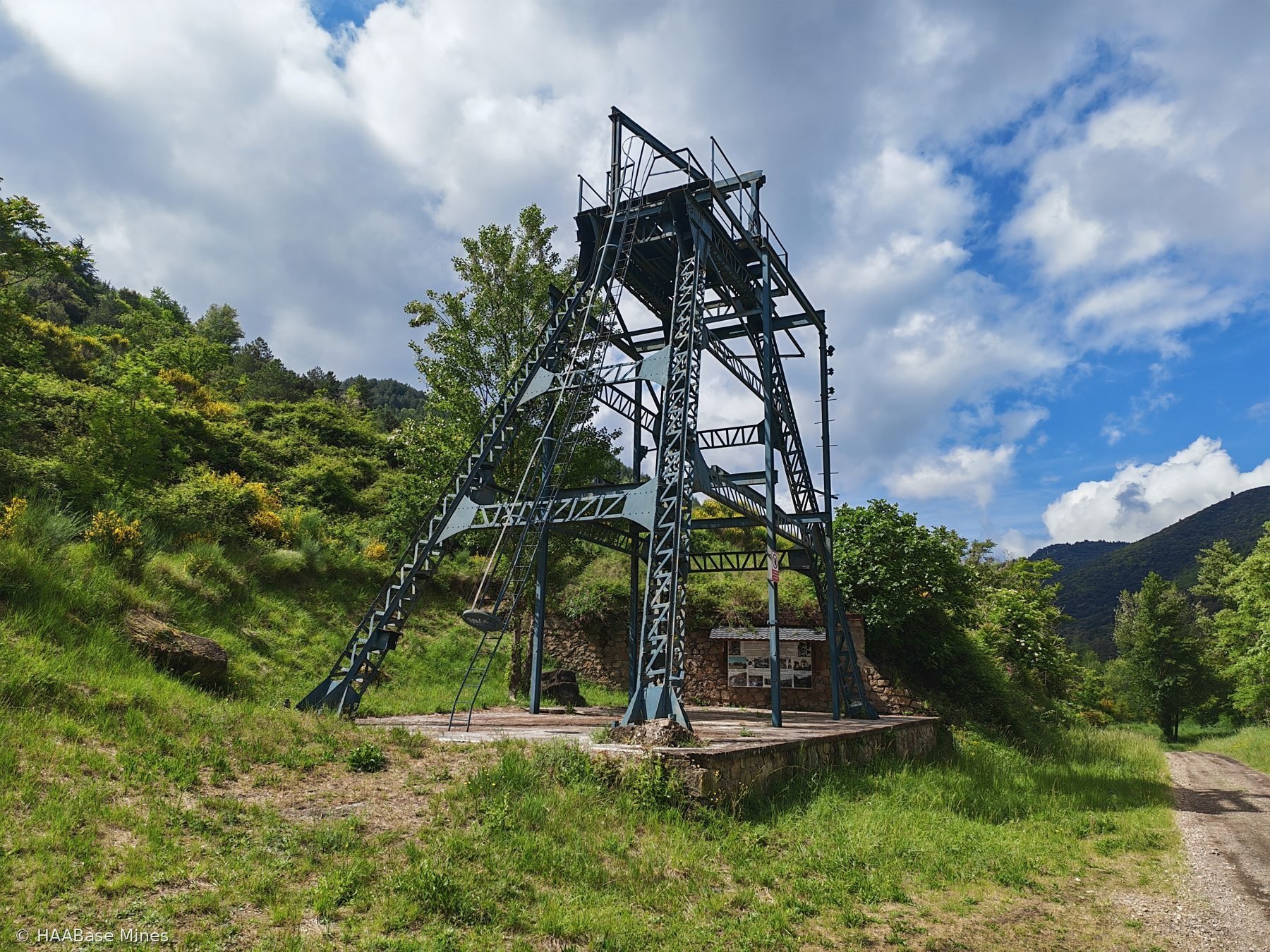
The steel portal headframe survives as the sole representative of the seven headframes that once stood across the Graissessac basin.

Set in a narrow valley landscape at Camplong, the preserved headframe reads as an isolated and prominent remnant within the former coalfield.

Map & photo

Mines de Camplong — Puits Durand mine headframe or winding tower site
Photograph taken: 10 May 2026
Map markers and directions links are provided for location reference only and do not indicate public access or permission to enter a site.

History

The commune of Camplong lies in the narrow valley of the Espaze, within the Graissessac coalfield, a Stéphanien basin stretching some twenty kilometres through the Hérault between Le Bousquet-d'Orb and La Tour-sur-Orb. Coal extraction in the area had begun in the eighteenth century from gallery workings driven into the valley sides, both on the right bank — the rive droite — and later on the left bank of the Espaze. The south of the communal territory formed part of the concession de Boussagues, created in the year XII of the Revolutionary calendar (1803) and operated initially by the sieurs Moulinier and Giral under the Société des Mines de Boussagues.

In the 1840s these operators joined with the Compagnie Usquin and together formed, in 1845, the Compagnie générale du bassin houiller de Graissessac, which became the Compagnie des Mines de Graissessac in 1860 and then the Compagnie des Quatre mines réunies de Graissessac in 1863. By 1826 four gallery mines on Camplong territory were recorded on the Napoleonic cadastral survey: mine de la Goutine, mine Adèle, mine Saint-Etienne, and mine Poupon. By 1843 a fifth, mine Sainte-Marguerite, was identified.

The gallery mines descended progressively into the valley floor, but once the workings reached the valley bottom it was necessary to sink vertical shafts to access the deeper seams. Two shafts were sunk on the rive droite of the Espaze: the puits Durand from 1873, and the puits Sans in 1888. The latter served only for exploratory reconnaissance of the faisceau de Castelnau to a depth of 145 metres and was never exploited for production.

The puits Durand, by contrast, was sunk from 1873 and completed in 1876 at a depth of 110 metres and a diameter of 3 metres, making it the second shaft in the entire Graissessac basin. It communicated underground with the mine Adèle at 18 metres depth, with the travers-banc Durand at 68 metres, and with the recette and pump chamber at 92 metres. Three successive seams were developed from it: the couche Giral between 1883 and 1890, the couche Poupon from 1925, and the couche Pilate from 1950.

Coal extracted underground at the puits Durand was transported via a gallery running north of the shaft to the mine Saint-Joseph on the commune of Graissessac. In the early 1880s an aerial ropeway (plan aérien) linked the mines of the rive gauche to the mine Poupon on the opposite bank. Around the same period, a narrow-gauge underground railway was established departing from the vicinity of the puits Durand and connecting to the mine Saint-Joseph at Graissessac, replacing mule transport.

From 1960 onward, as open-cast workings replaced underground extraction across the basin, the puits Durand was repurposed as the transfer point for the bassin's output. Raw coal extracted by open-cast methods was transported by truck to the puits Durand, where it was discharged onto a grid installed against the shaft collar to break up lumps. In 1985 this grid was replaced by a purpose-built screening installation.

From there the crushed material was conveyed by belt to a concrete hopper, directed into a helical chute 70 centimetres wide, and lowered to an inclined platform 60 metres below. Electric locomotives then hauled trains of 15 wagons carrying a total of 6 cubic metres each, making seven return trips per shift across two shifts daily, conveying the coal through the 6.5-kilometre travers-banc 250 to the carreau Debay at Le Bousquet-d'Orb. The concessions of the Devois de Graissessac and Boussagues were thus both linked to the Bousquet treatment site through this underground connection.

Mining across the basin was nationalised in 1946 and integrated into the Houillères du Bassin des Cévennes, which were absorbed in 1968 into the Houillères de Bassin du Centre-Midi as the Unité d'exploitation de l'Hérault. The underground workings were progressively abandoned after 1960 and the last gallery mines at Camplong closed in 1967. The puits Durand and the open-cast connections it served continued until the definitive closure of 31 July 1993, which ended all extraction in the Hérault.

The central thermal power station at Le Bousquet had already closed in 1981 and was demolished in 1989; the lavoir nearby closed with the mines in 1993 and was demolished in 1995. At Camplong, the ancillary surface buildings and surface treatment infrastructure of the rive gauche were cleared, as were the structures at other former colliery sites across the basin. The steel portal headframe of the puits Durand was preserved.

It is the only headframe to have survived from the seven that were erected across the Graissessac basin, and the only surviving headframe in the entire territory of the Parc naturel régional du Haut-Languedoc, which also encompasses the anthracite mines of the Minervois. The former baths and lamp room building at the site is noted for its architectural character, representative of the post-war utilitarian buildings constructed by the Houillères. Both structures were identified as significant vestiges in a 2011 survey conducted by the Parc naturel régional du Haut-Languedoc, which recorded 104 extraction sites and 92 buildings across the former mining area.
Timeline

Operation

Early gallery mining on Camplong territory

From the eighteenth century onward, coal seams were exploited by galleries driven into the valley sides on both banks of the Espaze. By the Napoleonic cadastral survey of 1826, four gallery mines were recorded: mine de la Goutine, mine Adèle, mine Saint-Etienne, and mine Poupon. A fifth, mine Sainte-Marguerite, was recorded by 1843.
1845
Legislation

Formation of Compagnie générale du bassin houiller de Graissessac

The sieurs Moulinier and Giral of the Société des Mines de Boussagues joined with the Compagnie Usquin in 1845 to form the Compagnie générale du bassin houiller de Graissessac, which became the Compagnie des Mines de Graissessac in 1860 and the Compagnie des Quatre mines réunies de Graissessac in 1863.
1873–1876
Construction

Puits Durand sunk

Sinking of the puits Durand began in 1873 on the rive droite of the Espaze. By 1876 the shaft had been completed to a depth of 110 metres with a diameter of 3 metres, making it the second shaft in the Graissessac basin. Underground connections were established: to the mine Adèle at 18 metres, to the travers-banc Durand at 68 metres, and to the recette and pump chamber at 92 metres.
1883–1890
Operation

Couche Giral exploited from puits Durand

The couche Giral was accessed and exploited from the puits Durand between 1883 and 1890. Coal was transported via a gallery north of the shaft to the mine Saint-Joseph at Graissessac.
1925
Operation

Couche Poupon exploited from puits Durand

The couche Poupon was put into exploitation from the puits Durand from 1925.
1946
Legislation

Nationalisation and integration into Houillères du Bassin des Cévennes

The Graissessac mines were nationalised in 1946 and integrated into the Houillères du Bassin des Cévennes, which were absorbed in 1968 into the Houillères de Bassin du Centre-Midi as the Unité d'exploitation de l'Hérault.
1950
Operation

Couche Pilate exploited from puits Durand

The couche Pilate was accessed and put into exploitation from the puits Durand from 1950.
1957
Closure

Underground extraction from puits Durand ceases

Underground coal extraction from the puits Durand ceased in 1957. The shaft subsequently served as the transit point connecting open-cast workings to the carreau Debay at Le Bousquet-d'Orb.
1960–1993
Redevelopment

Puits Durand repurposed as transit point for open-cast coal

From 1960, as open-cast workings replaced underground extraction across the basin, the puits Durand served as the transit hub connecting the Devois de Graissessac and Boussagues concessions to the carreau Debay at Le Bousquet-d'Orb via the 6.5-kilometre travers-banc 250. Raw coal was trucked to the shaft, screened, and conveyed underground by electric locomotive trains.
1985
Construction

Screening installation replaces original grid at shaft collar

In 1985 the original breaking grid at the puits Durand shaft collar was replaced by a new screening installation to process open-cast coal more efficiently.
1993
Closure

Final closure of puits Durand and end of Hérault mining

The puits Durand and the associated open-cast operations closed definitively on 31 July 1993, marking the end of all coal extraction in the Hérault department.
1993
Heritage

Steel headframe of puits Durand preserved

Following closure, the steel portal headframe of the puits Durand was preserved as the sole surviving headframe from the seven that had stood across the Graissessac basin, and the only surviving headframe in the Parc naturel régional du Haut-Languedoc territory.
2011
Heritage

Parc naturel régional du Haut-Languedoc survey records surviving mining vestiges

In 2011 the Parc naturel régional du Haut-Languedoc conducted a survey of the former mining area, recording 104 extraction sites and 92 buildings. The headframe of the puits Durand, the former baths and lamp room building, and the Grand Café were identified as significant vestiges of the mining past at Camplong.

Sources and records

Camplong commune website (camplong34.fr), Le passé Minier section
Exxplore website, Houillères de Graissessac section, puits Durand entry
Parc naturel régional du Haut-Languedoc, publication: Le Bassin Houiller de Graissessac Haut Languedoc et Vignobles (Livret Focus 2021)
Parc naturel régional du Haut-Languedoc, Partie 1 - Développement Industriel document
Patrimoine Industriel Minier website (patrimoine-minier.fr), Mines du Sud-Ouest section
Archives départementales de l'Hérault, Mines et Energie inventory
France Bleu, Les mines de Graissessac interview with Jean Tuffou, 2023
This researched site record is part of the HAABase Mines database. Normal personal research and browsing is welcome. Automated bulk extraction, republication, or harvesting of site text and images is not permitted without written consent.