Site overview

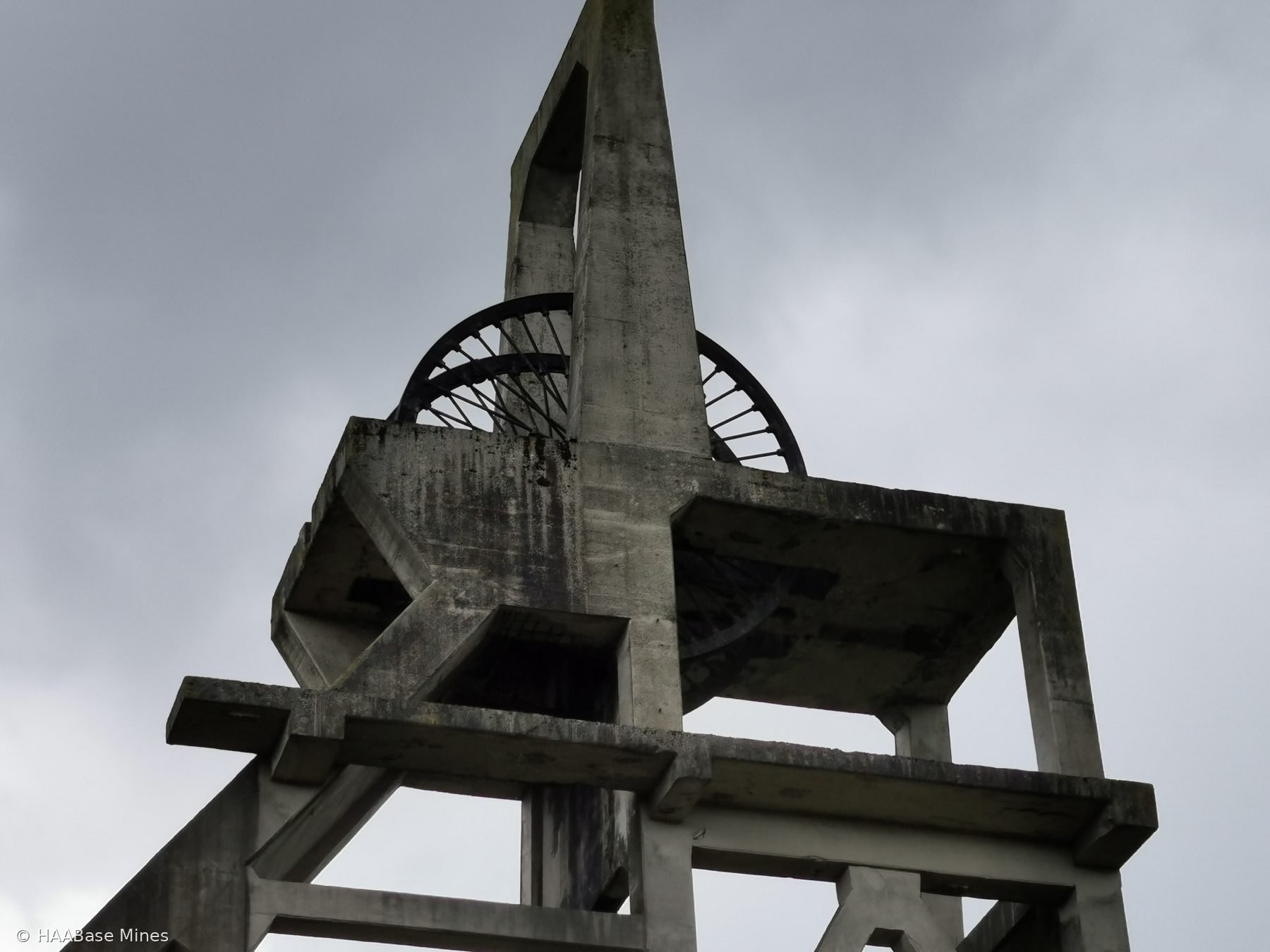
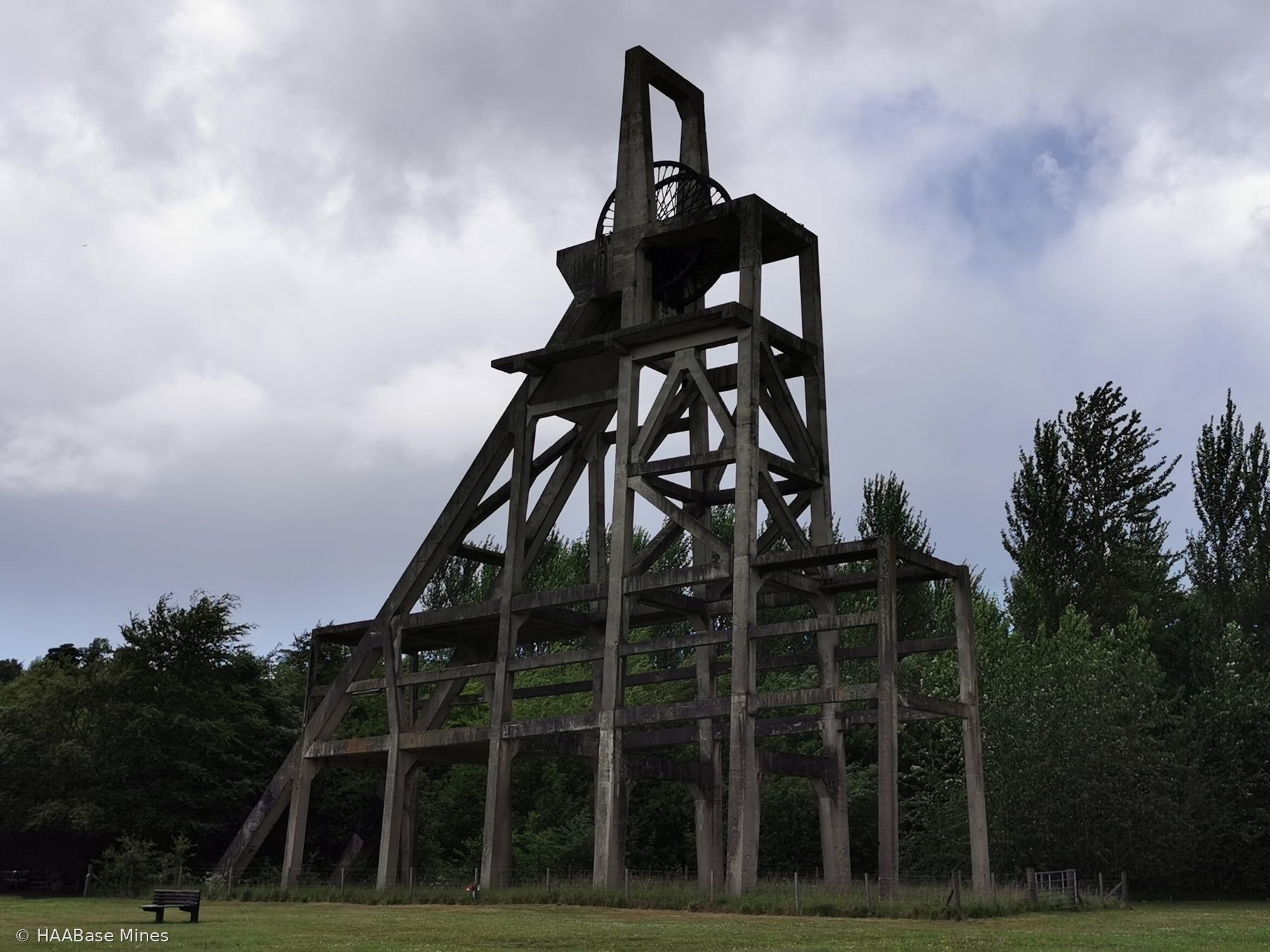
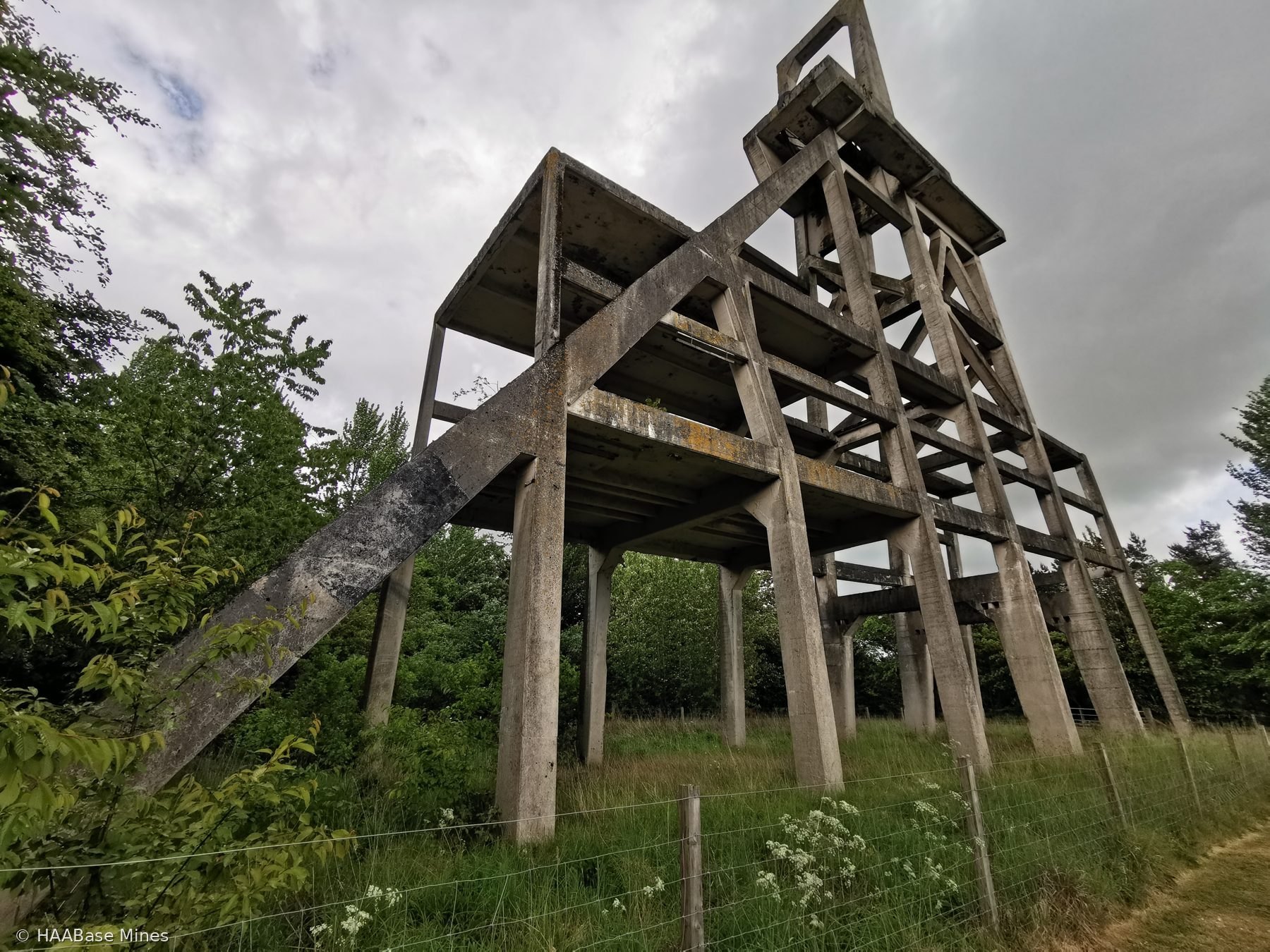
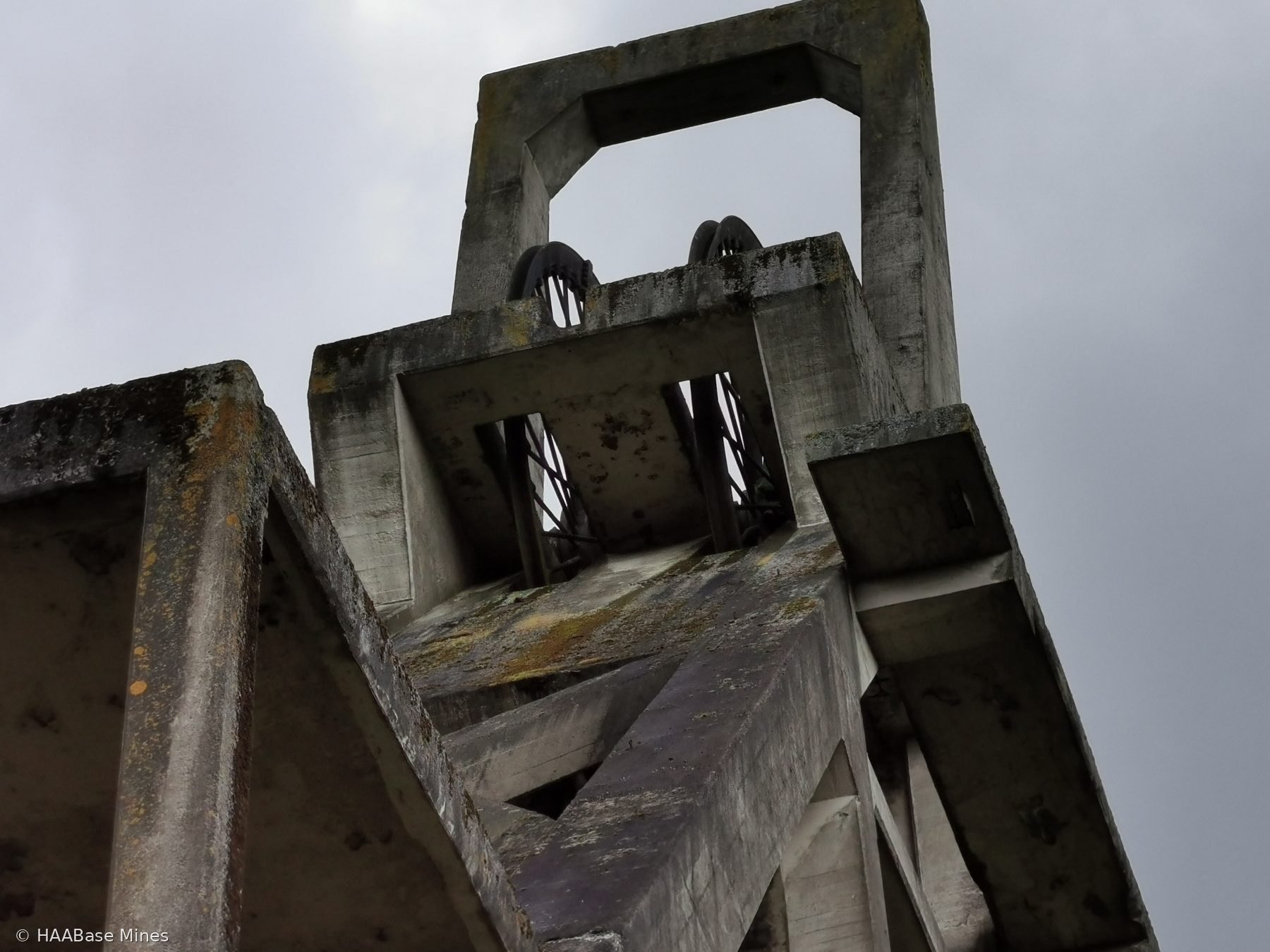
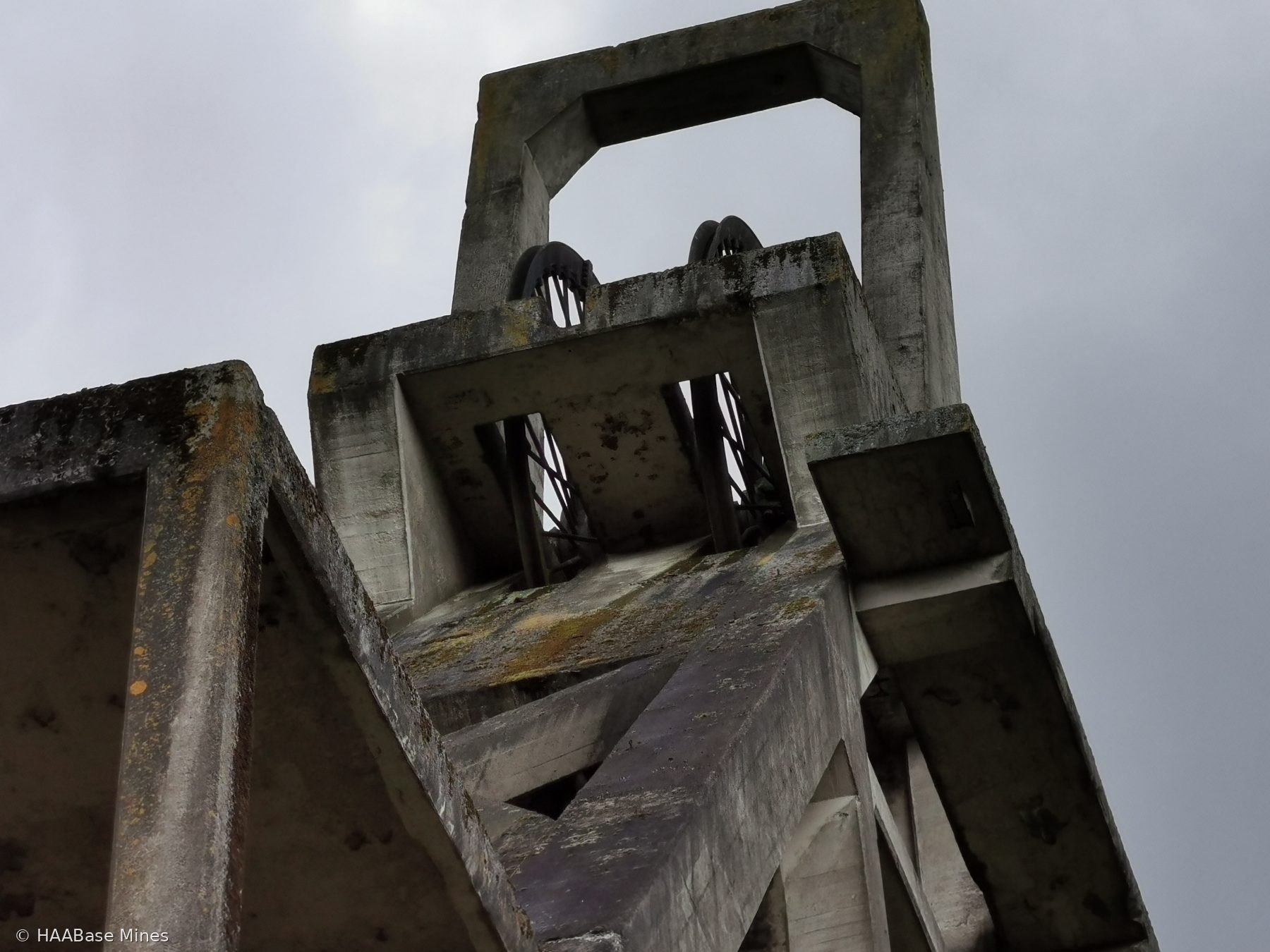
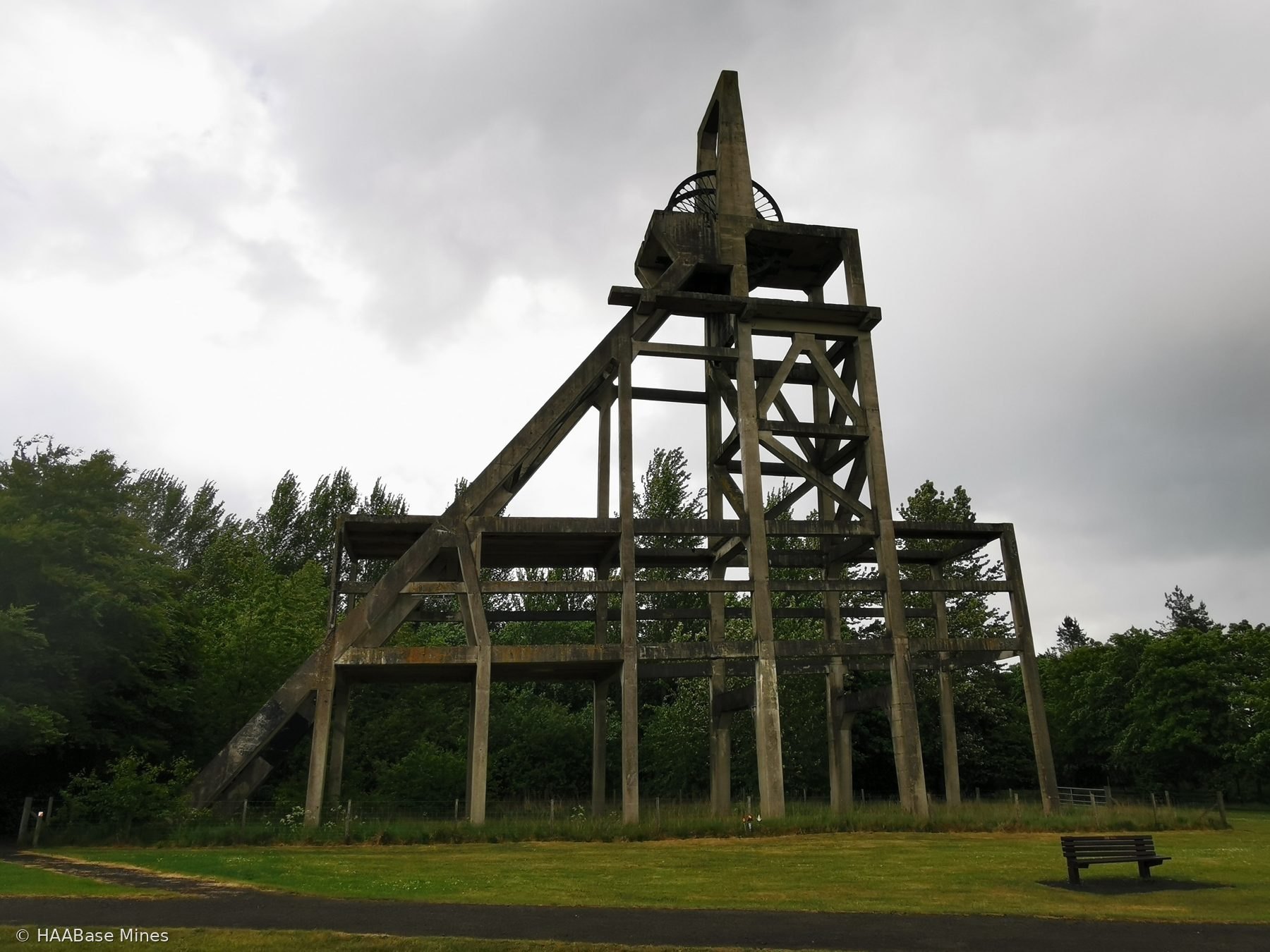
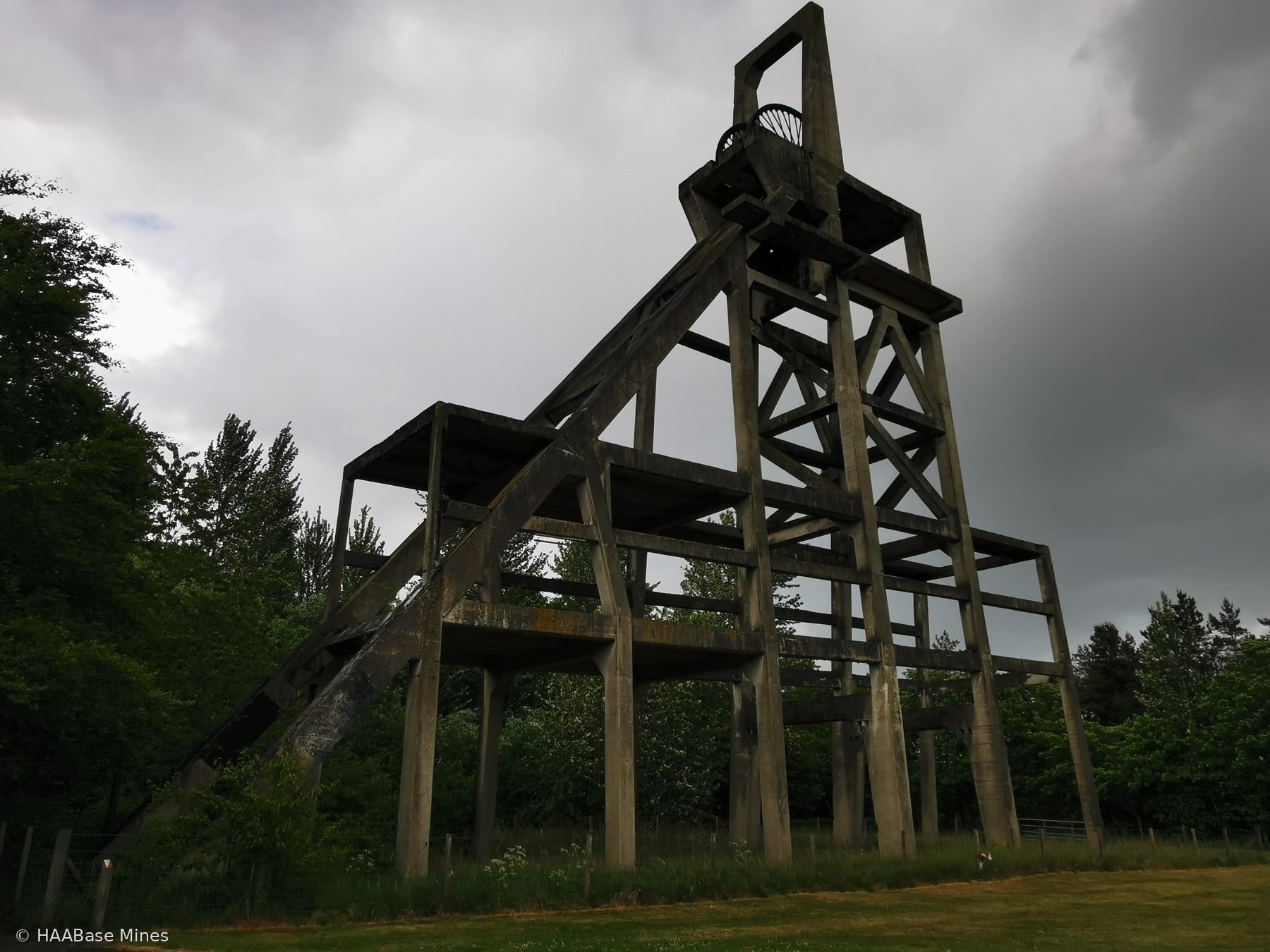
Mary Pit (also known as Lochore Colliery) was a two-shaft coal mine near Ballingry in Fife, sunk and operated by the Fife Coal Company from around 1902 on the recently acquired Lochore Estate. No. 1 shaft, sunk from around 1902 to a depth of approximately 613 metres, was at the time the deepest coal mine shaft in Fife. No. 2 shaft, 521 metres deep, was sunk in 1923 and equipped with Scotland's first reinforced concrete headframe, built using the Kahn system by the Trussed Concrete Steel Company.

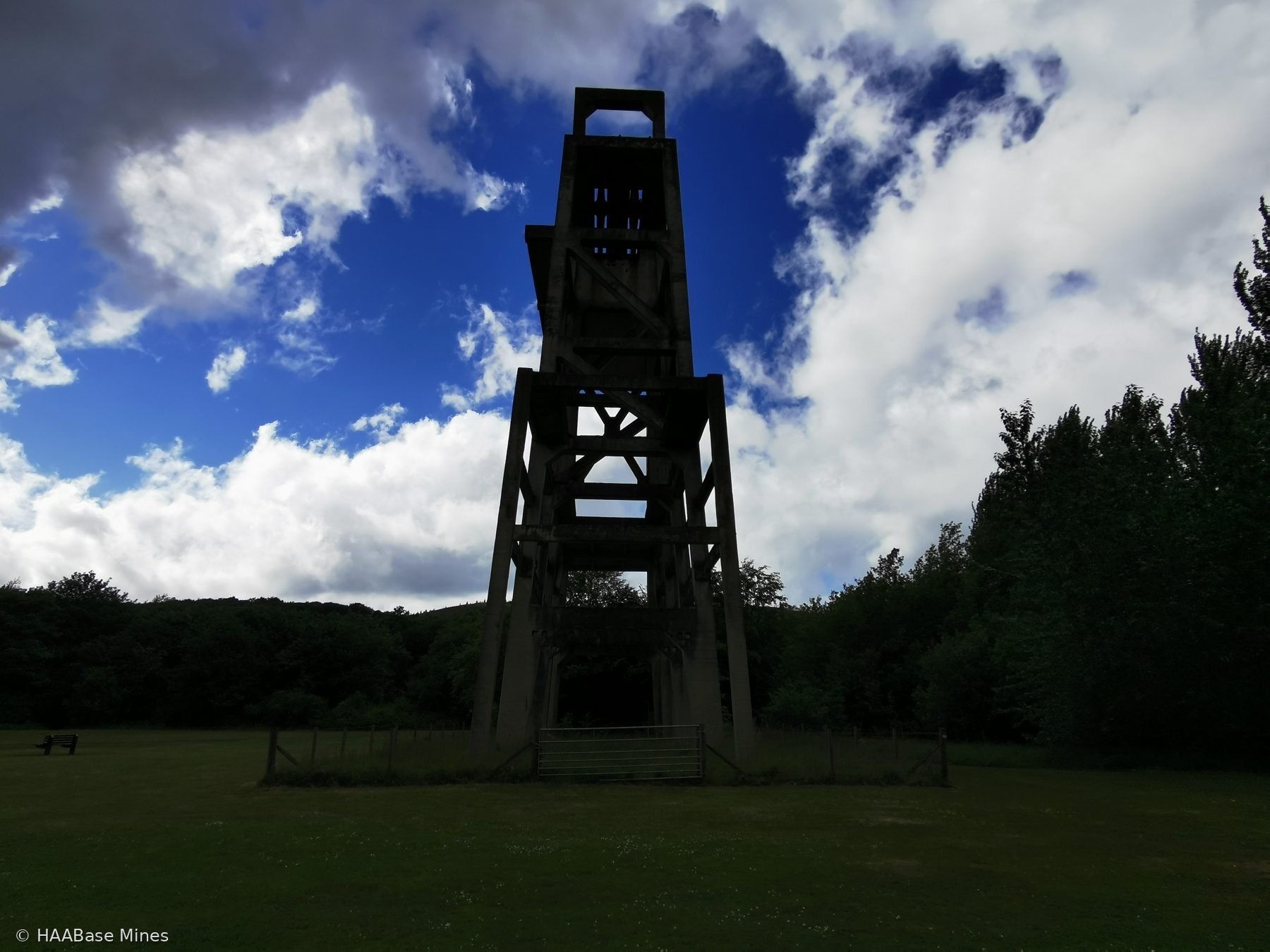
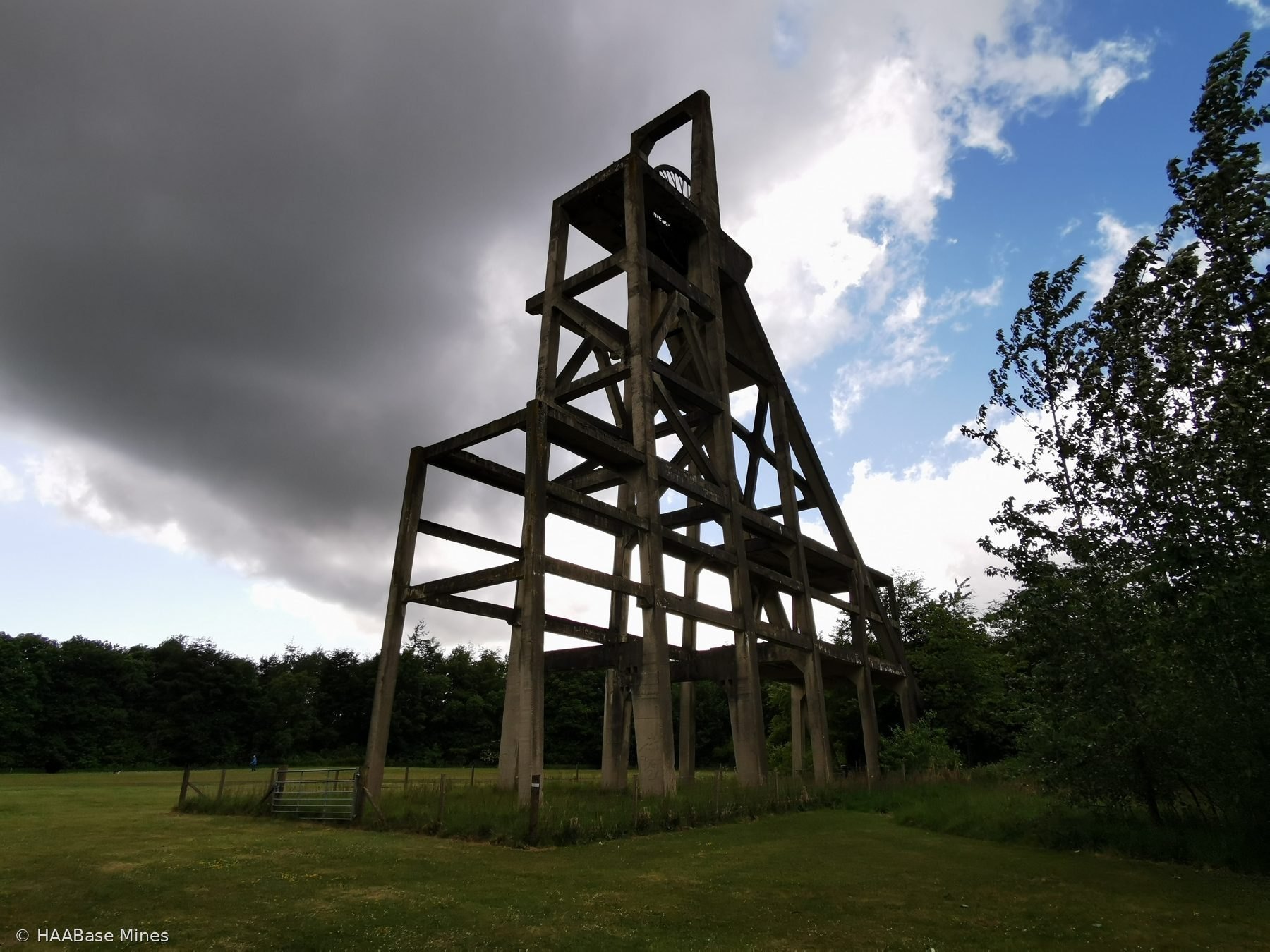
The colliery produced both house and navigation coal and passed to the National Coal Board on nationalisation in 1947. It employed a peak workforce of 780 in 1957 and closed in 1966. The reinforced concrete headframe of No. 2 shaft survives as a scheduled monument within Lochore Meadows Country Park.

By the early 2020s the structure had fallen into serious disrepair, with concrete coming loose from the crossbeams; active campaigns and engagement with Historic Environment Scotland and Heriot-Watt University were under way to secure its conservation.

Set within open parkland and reclaimed colliery ground, the surviving headframe stands as an isolated but visually prominent remnant in a broad post-industrial landscape.

Map & photo

Mary Pit / Lochore Colliery mine headframe or winding tower site
Photograph taken: 25 May 2025
Map markers and directions links are provided for location reference only and do not indicate public access or permission to enter a site.

History

Coal and ironstone had been extracted from the Lochore area through a number of shallow pits and mines in the nineteenth century, with leases believed to have been granted around 1867. The earlier Lochore Colliery worked gas coals in the district, exploiting seams in the grounds around Lochore House and between Lochore village and Chapel Farm. Around 1900 the Fife Coal Company acquired the Lochore Estate and resolved to sink a new pit — the Mary — to reach the deeper navigation coal seams of the Lochore Coalfield.

Sinking of Mary No. 1 shaft commenced around 1902 to 1903. The shaft reached a depth of approximately 613 metres (around 300 fathoms), making it at the time the deepest coal mine shaft in Fife. The colliery is variously described as having opened in 1902 or 1904 in the consulted sources; the Canmore record associates its opening with 1904, while Blipfoto and other sources cite sinking beginning around 1902. The pit was named after Mary Carlow, the wife of Charles Carlow, managing director and chairman of the Fife Coal Company, who had married Mary Lindsay, daughter of the company's first chairman. The Mary Pit represented one of the most important events in the Fife Coal Company's first decade of expansion. With an eventual output of 250,000 tons a year, it helped drive a doubling of the company's output during the 1900s, contributing to the company reaching 4.4 million tons of output in 1911 with 14,500 employees across its operations.

In 1919 construction began on a second headframe for No. 2 shaft, built using the Kahn system of reinforced concrete by the Trussed Concrete Steel Company (later TRUSCON). The No. 2 shaft was sunk to around 521 metres (approximately 280 fathoms) and entered production in 1923. The reinforced concrete headframe erected over this shaft was the first of its type in Scotland. Electricity was first used at Mary Colliery in 1922. No. 2 shaft was fitted with an electric winding engine, itself an innovation at the time as an alternative to steam winding.

The colliery passed to the National Coal Board on nationalisation of the coal industry in 1947. A reconstruction programme then under way included the introduction underground of large mine cars and locomotive haulage; new car handling plant and a redd disposal plant were added at the surface. The colliery produced both house and navigation coal and at its peak in 1957 employed 780 people. The average recorded workforce over the operational period was 614. The colliery closed in 1966, having produced coal for over sixty years.

After closure, the surrounding landscape was reclaimed on a massive scale. Spoil tips and mineheads were cleared, and the area was transformed into Lochore Meadows Country Park. No. 1 shaft and a second shaft visible on earlier Ordnance Survey maps were capped with concrete slabs. The reinforced concrete headframe of No. 2 shaft survived and was preserved in the north-west corner of what became Lochore Golf Course, within the country park. A board near the structure lists the names of the 78 men who lost their lives at Mary Colliery during its operational life. The headframe is a scheduled monument. By the early 2020s the structure had entered serious disrepair, with large chunks of concrete reportedly coming loose and falling from the crossbeams, safety fencing being erected around its base, and a public campaign to secure its repair gaining over 1,800 signatures. Fife Council engineers worked in partnership with the council's archaeologist and Historic Environment Scotland on plans for maintenance and repair, while Heriot-Watt University's civil engineering department expressed interest in the structure as a conservation research project.
Timeline

1902–1904
Construction

Sinking of Mary No. 1 Shaft Commenced

The Fife Coal Company began sinking Mary No. 1 shaft on the recently acquired Lochore Estate around 1902 to 1903. The shaft reached approximately 613 metres depth, making it at the time the deepest coal mine shaft in Fife. The colliery is cited as opening in 1902 or 1904 in different sources.
1919–1923
Construction

Construction of Reinforced Concrete Headframe and Sinking of No. 2 Shaft

Construction of the reinforced concrete headframe for No. 2 shaft began in 1919, built using the Kahn system by the Trussed Concrete Steel Company (later TRUSCON). This was the first reinforced concrete pit winding headgear in Scotland. No. 2 shaft was sunk to approximately 521 metres and entered production in 1923.
1922
Operation

Electricity First Used at Mary Colliery

Electricity was first used at Mary Colliery in 1922, described as the Jubilee year of its owner, the Fife Coal Company. No. 2 shaft was fitted with an electric winding engine.
1946–1950
Construction

Post-nationalisation Reconstruction Programme

A reconstruction programme at the colliery included the introduction of large mine cars and locomotive haulage underground. New car handling plant and a redd disposal plant were added at the surface.
1947
Legislation

Nationalisation — Transfer to National Coal Board

Mary Colliery passed to the National Coal Board on nationalisation of the coal industry in 1947.
1957
Operation

Peak Workforce of 780 Reached

The colliery's peak workforce of 780 was reached in 1957. The average recorded workforce over the operational life was 614.
1966
Closure

Closure of Mary Colliery

The National Coal Board closed Mary Colliery in 1966. Following closure, No. 1 shaft and a further shaft were capped with concrete slabs. The surrounding area was reclaimed on a large scale, with spoil tips and mineheads cleared.
1966
Redevelopment

Lochore Meadows Country Park Established on Reclaimed Land

The former colliery site and surrounding reclaimed landscape were transformed into Lochore Meadows Country Park. The reinforced concrete headframe of No. 2 shaft was preserved within the park as a monument, sited in the north-west corner of Lochore Golf Course.
2022
Heritage

Conservation Campaign Launched for Deteriorating Headframe

Large chunks of concrete were reportedly coming loose from the headframe crossbeams, with safety fencing erected around the structure. A public petition, 'Save the Mary', gained over 1,800 signatures. Fife Council engaged Historic Environment Scotland and Heriot-Watt University on plans for repair. The structure is a scheduled monument.

Sources and records

Canmore record: Lochore, Mary Colliery (Historic Environment Scotland)
Fife Photos & Art blog: Mary Colliery – Lochore Meadows
Fifepits.co.uk: Pit-M-4, Mary Nos. 1 and 2 Pits, Lochore
Wikipedia article: Fife Coal Company
Blipfoto: The Mary Colliery (Colin McLean)
Scotland Off the Beaten Track: Mary Colliery
Fife Today: Save the Mary — fears over future of crumbling mining pithead, 2022
Fife Today / Central Fife Times: Fife Council update on Mary Pit winding wheel project, 2022 and 2024
STV News: Bid to save Mary Pit Head Frame with Heriot-Watt University help, 2022
Glasgow Punter blog: Fife Pilgrim Way Part 2
This researched site record is part of the HAABase Mines database. Normal personal research and browsing is welcome. Automated bulk extraction, republication, or harvesting of site text and images is not permitted without written consent.