History
The asphalte deposit at Saint-Jean-de-Maruéjols-et-Avéjan was granted as the concession de Saint-Jean-de-Maruéjols by imperial decree of 4 June 1859, signed by the Empress Eugénie in the absence of Napoleon III, to three concessionaires: Jean-Baptiste Puech, Hilarion Rogier, and Étienne-Joseph Jouve. Early exploitation was conducted at outcrops and by cross-cut galleries, with the Petit Puits as the first shaft approximately 500 metres north of the village. The concession was purchased in 1872 by the Société Française des Asphaltes (SFA), directed by Monsieur Vian.
Exploitation migrated progressively northward. The puits Bond was sunk to 54 metres and became the principal extraction hub with important associated buildings. The puits Vian was sunk in 1908 to 120 metres, operated from 1910 to 1914, and was subsequently permanently flooded and unrecoverable after 1918. Following the abandonment of the noyée zone of puits Bond and puits Vian, the SFA purchased the adjacent Rebésou concession on 30 December 1925 and commenced sinking the puits Goldney in 1931 on the opposite side of the road. Puits Bond was retained for ventilation from 1936 and was formally closed in 1943.
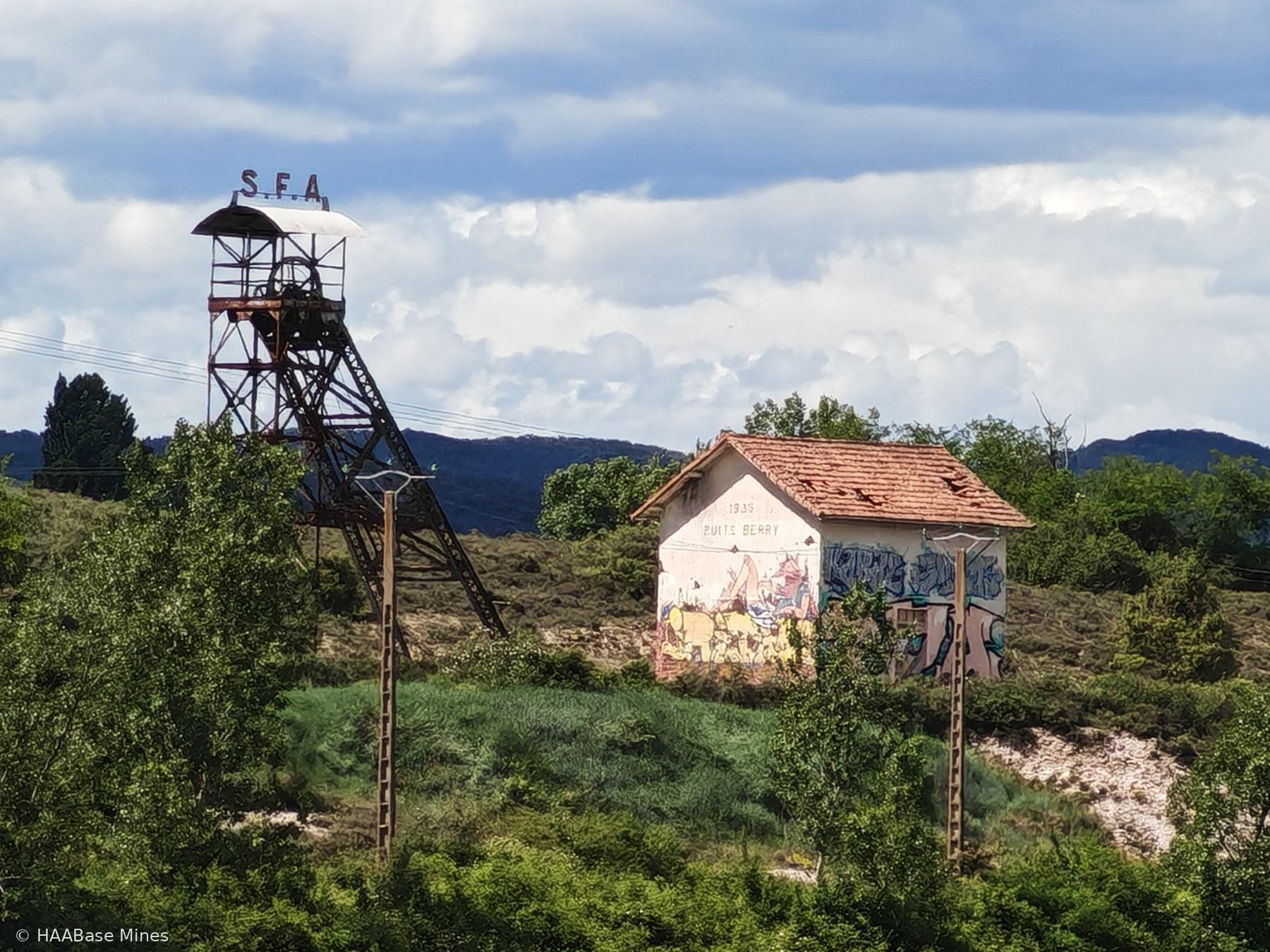
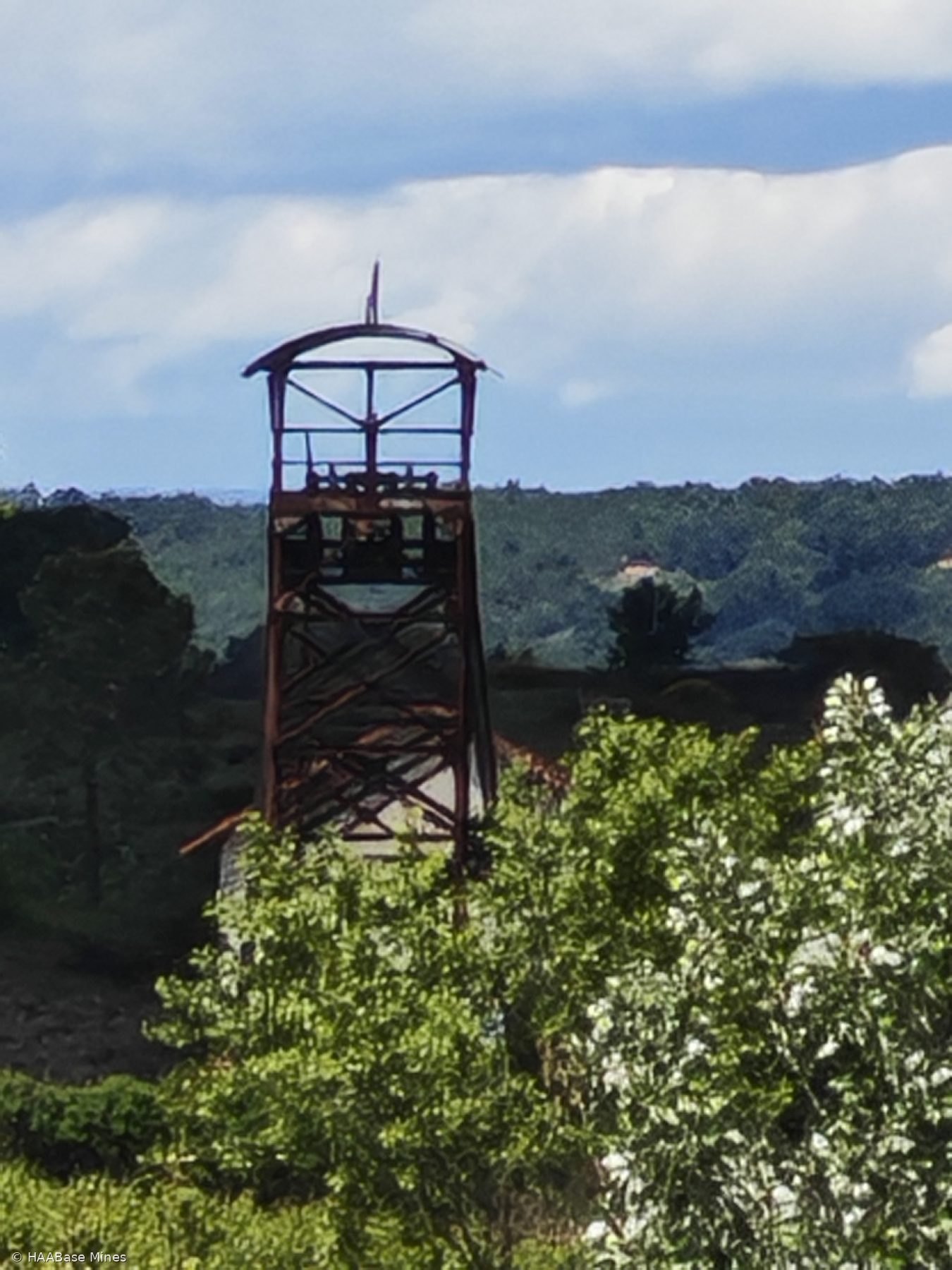
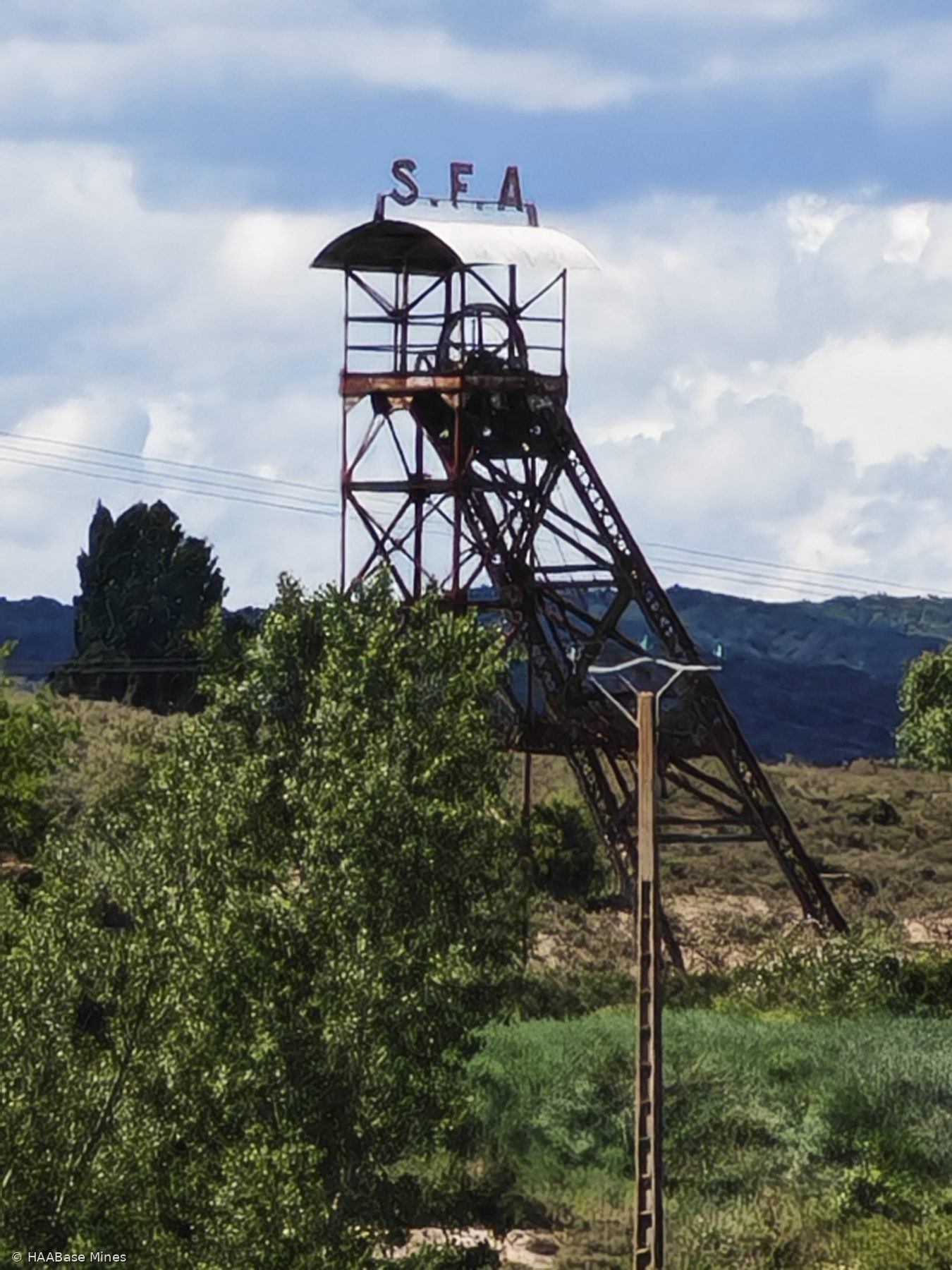
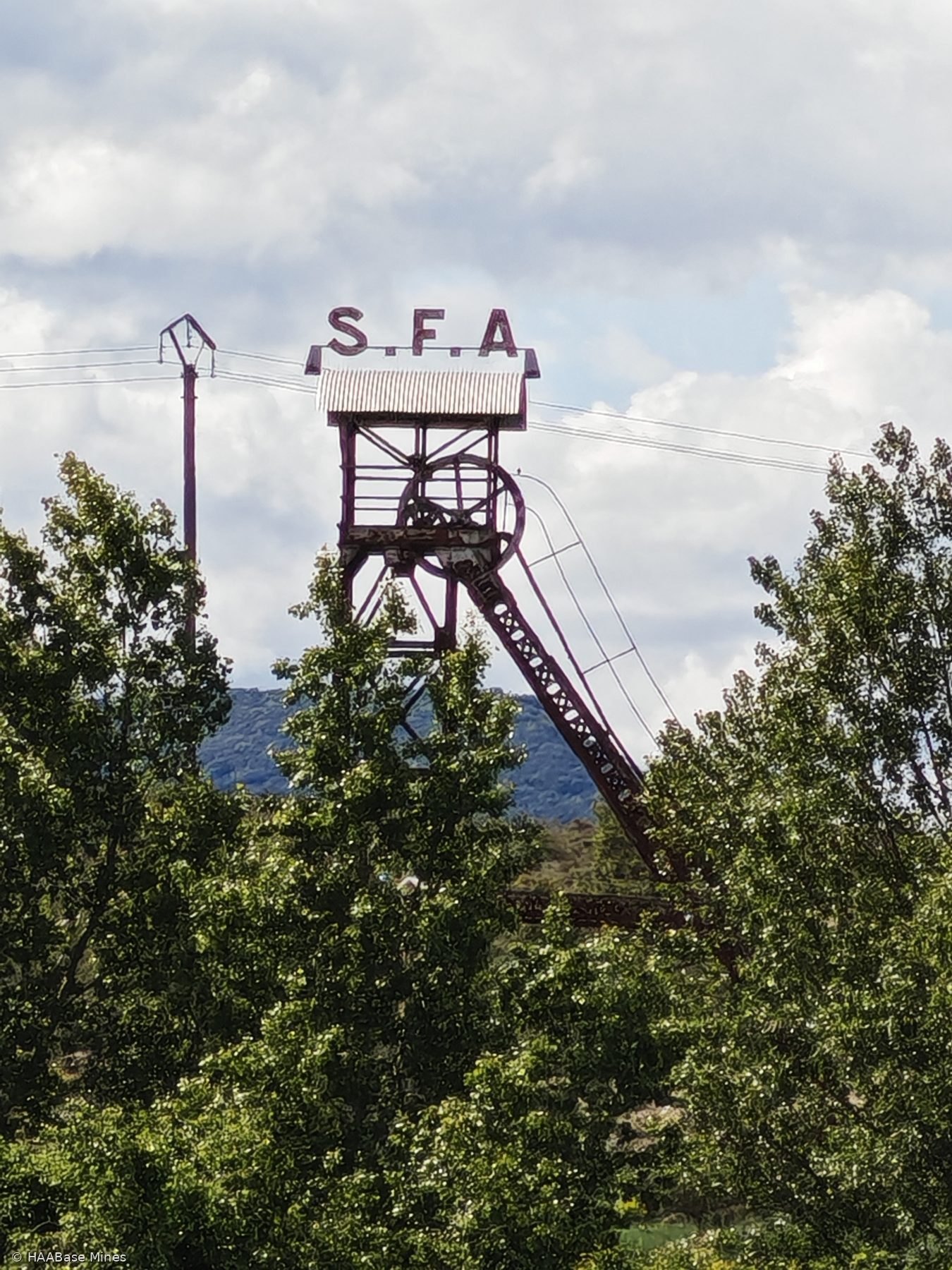
The puits Berry was sunk in 1935 to a depth of 210 metres. It entered service in 1935, one year before the puits Goldney which was put into service in 1936. The puits Berry was connected to the puits Goldney by an underground cross-cut (travers-bancs) of 500 metres. Within this operational pairing, the puits Berry served as the safety shaft and air return; the puits Goldney served as the primary extraction shaft, access shaft for personnel and materials, and winding shaft. The extraction installation at the puits Berry comprised a small surface building housing a winch (treuil d'extraction).
At the beginning of the 2000s, extraction from the concession was severely disrupted by problems of water inrush (ennoyage). The activity of the SFA ceased definitively in 2004. The total production of the concession from 1949 to 2004 was 1,250,000 tonnes of asphalte; the total combined production of both Saint-Jean-de-Maruéjols and Rebésou concessions over approximately 140 years of activity was 1,765,000 tonnes. Formal administrative closure of both puits Berry and puits Goldney was completed in 2008. Following closure, the puits Berry site was acquired by the commune of Saint-Jean-de-Maruéjols-et-Avéjan. The small building housing the former extraction winch is preserved, though the winch itself has been dismantled. The site awaits a heritage valorisation project.