Site overview

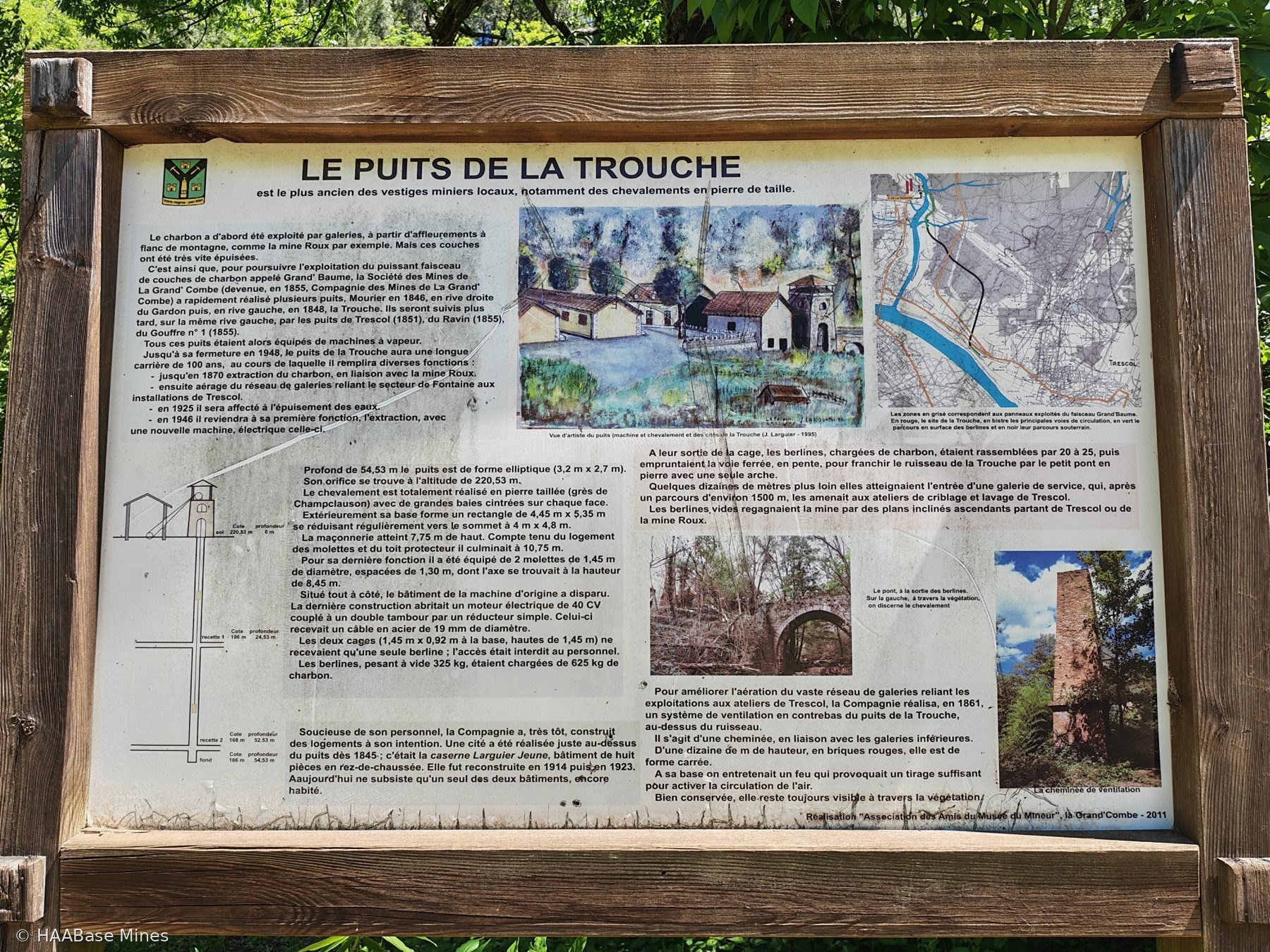
The puits de la Trouche forms part of the mining context of the Bassin Houiller des Cévennes, located in the La Levade district of La Grand-Combe in the Gard department. Coal extraction in the La Levade district is documented from the eighteenth century, with the mine de la Trouche recorded as a leased operation by 1758. The puits de la Trouche as a vertical shaft was sunk in 1848 by the Compagnie des Mines de la Grand-Combe and operated for the extraction of anthracite and for drainage, with coal transported to the Trescol processing works by a narrow-gauge railway using a small viaduct and connecting gallery.

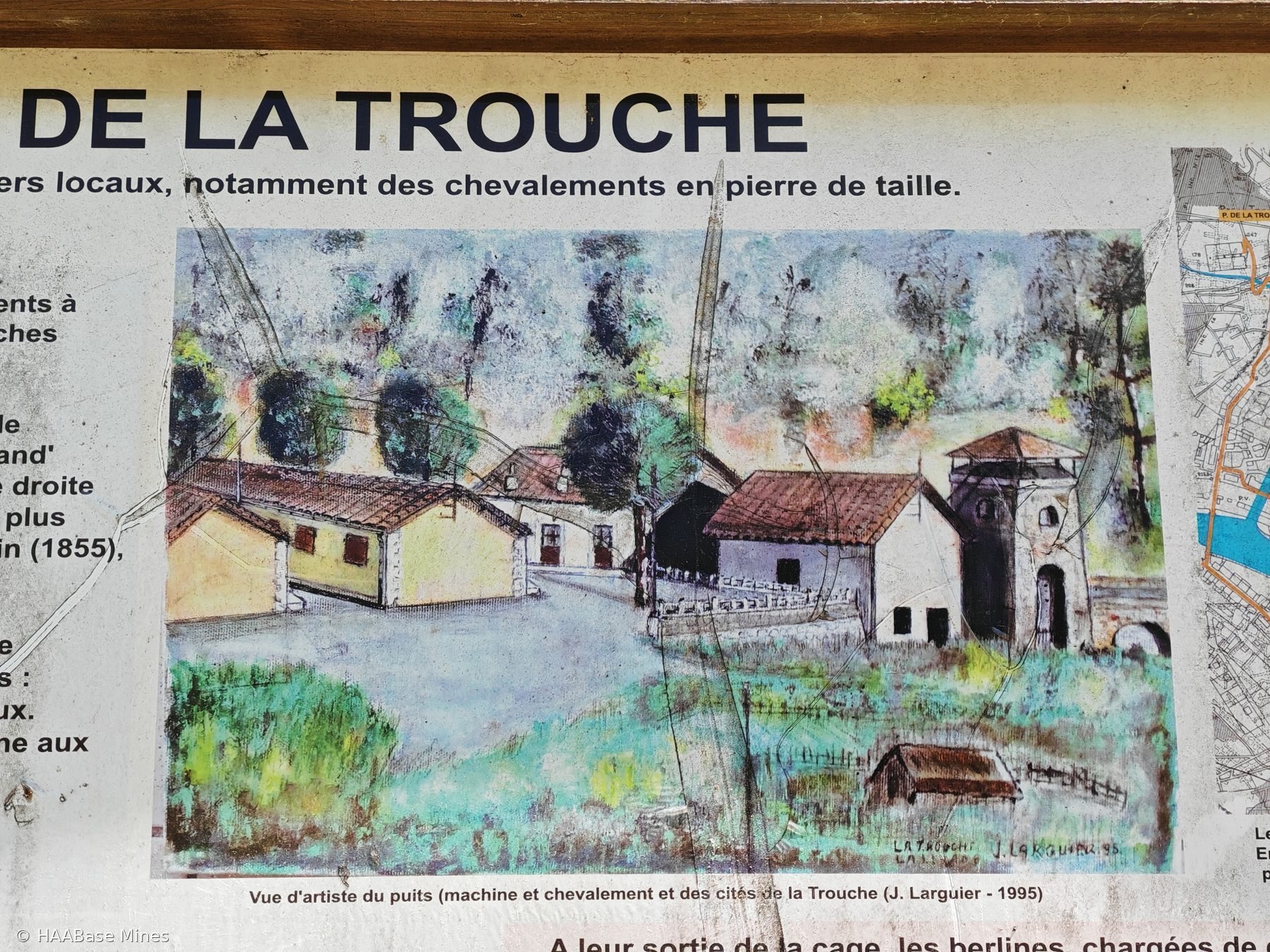
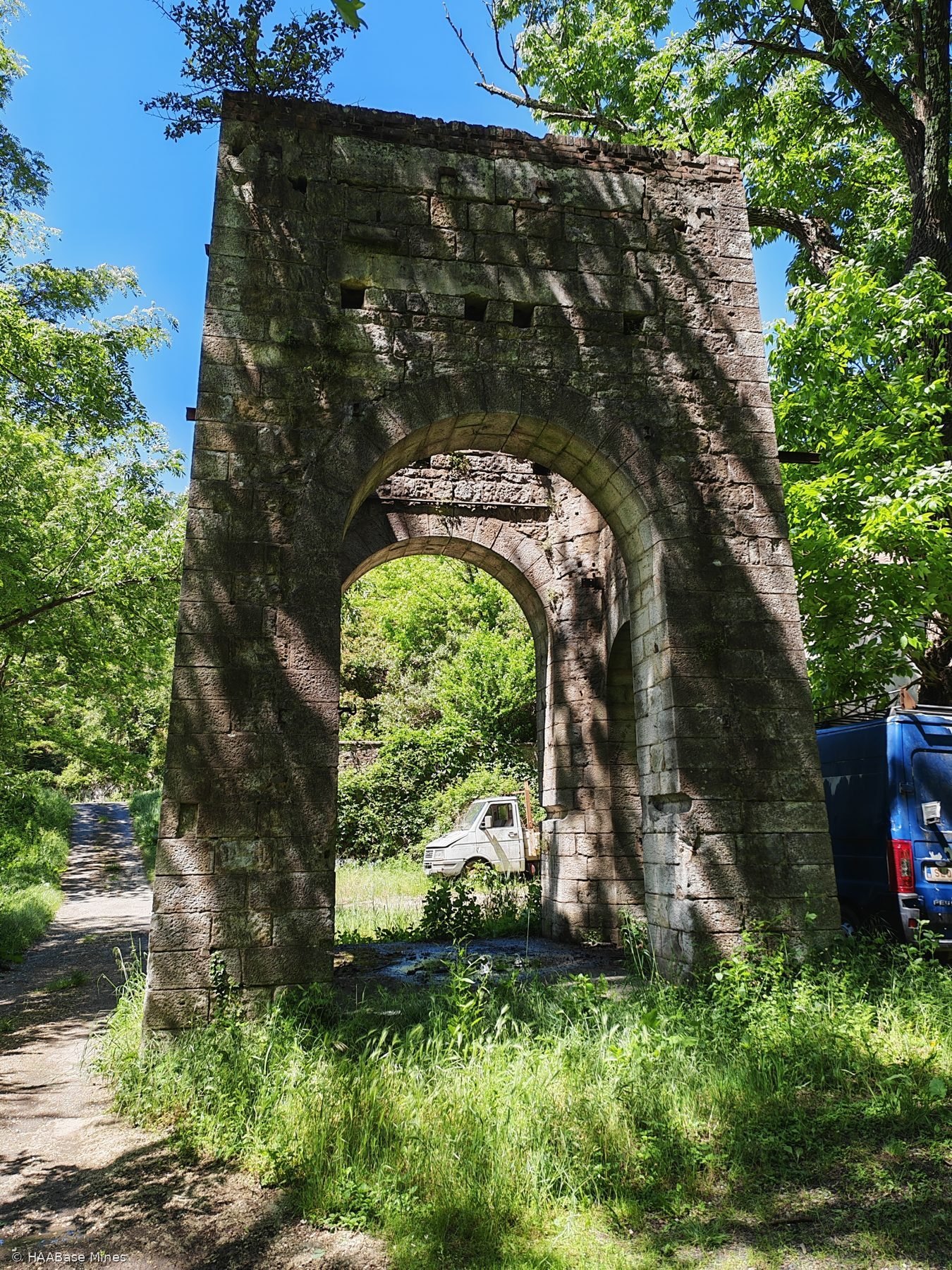
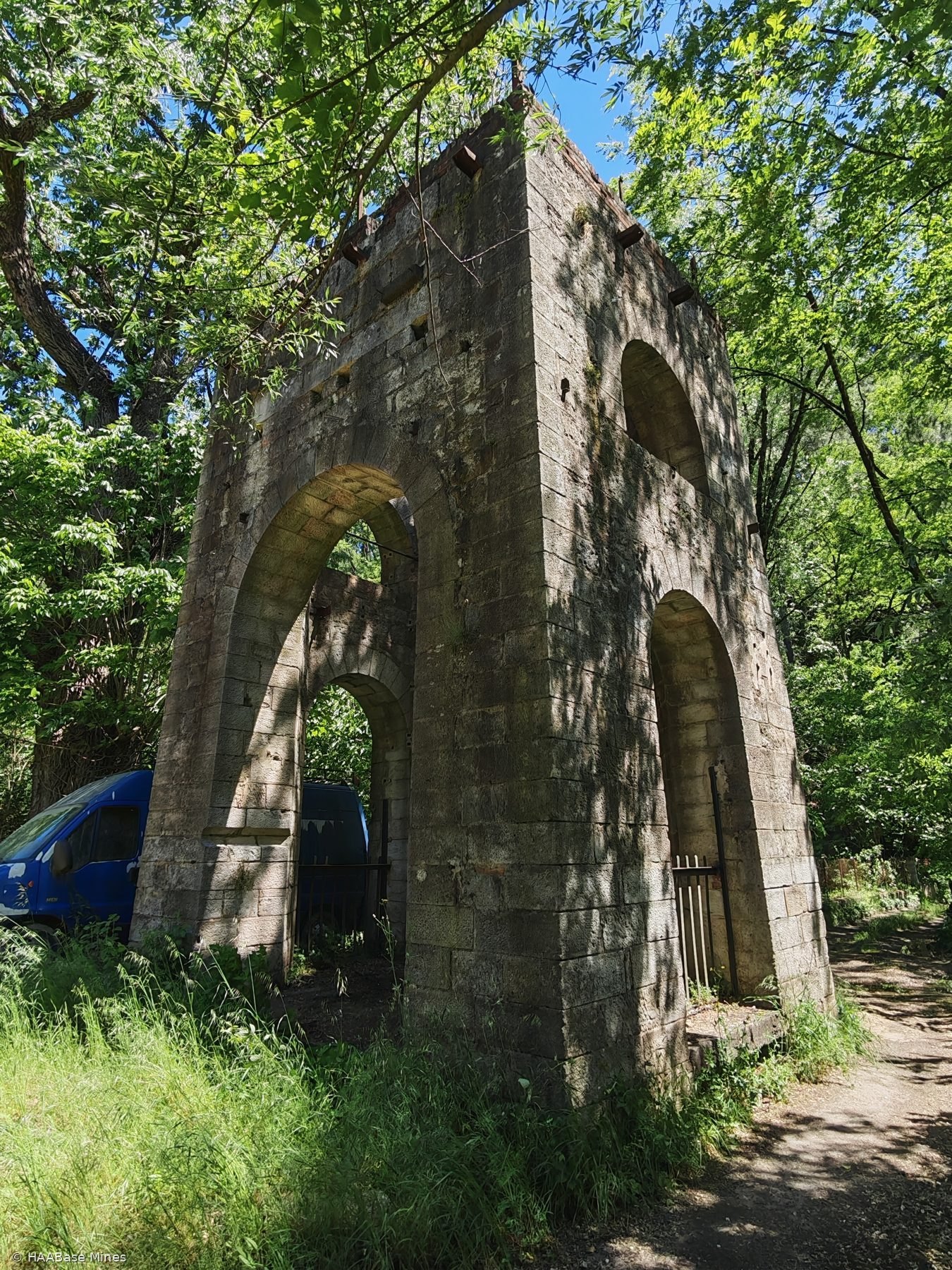
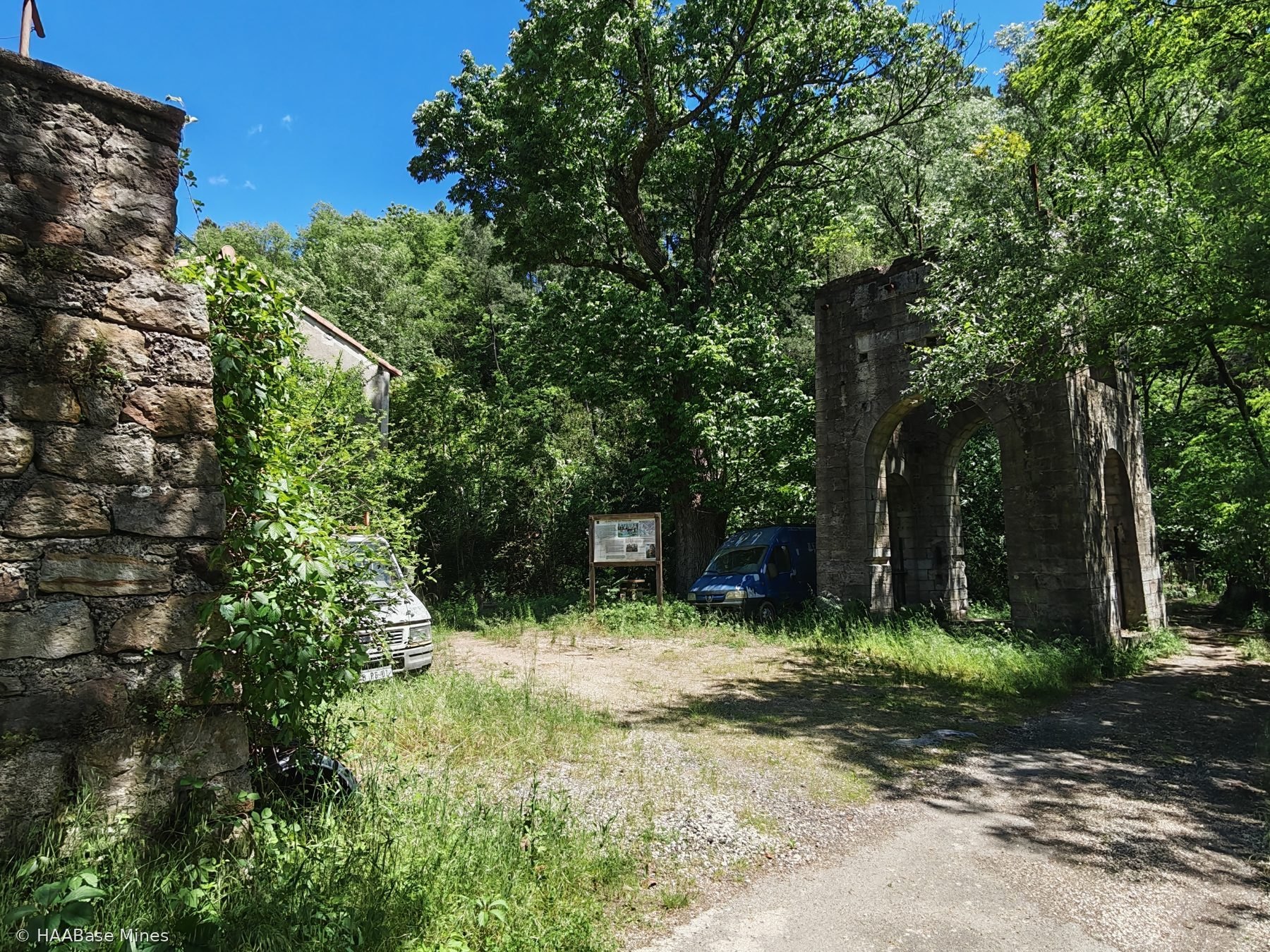
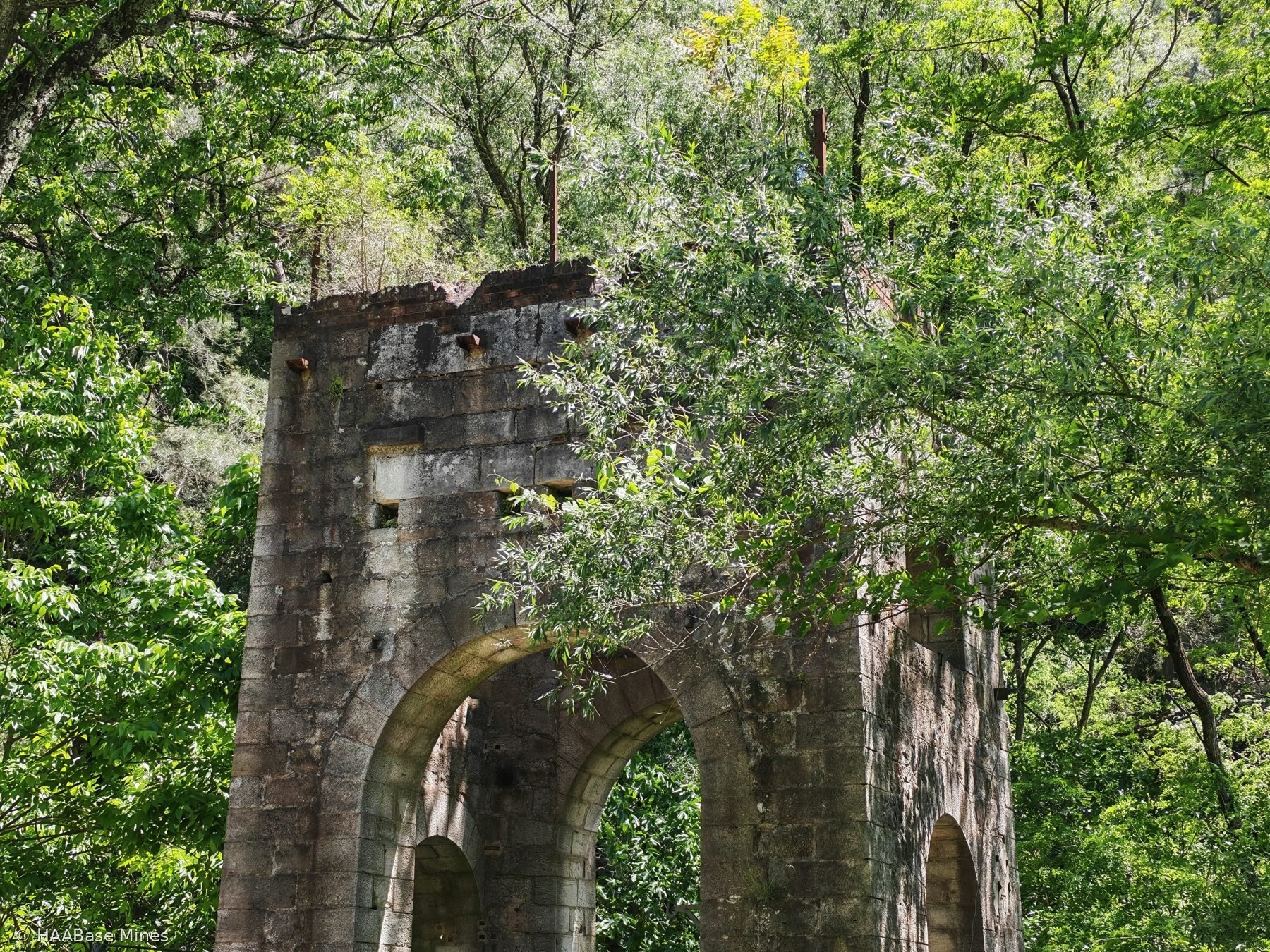
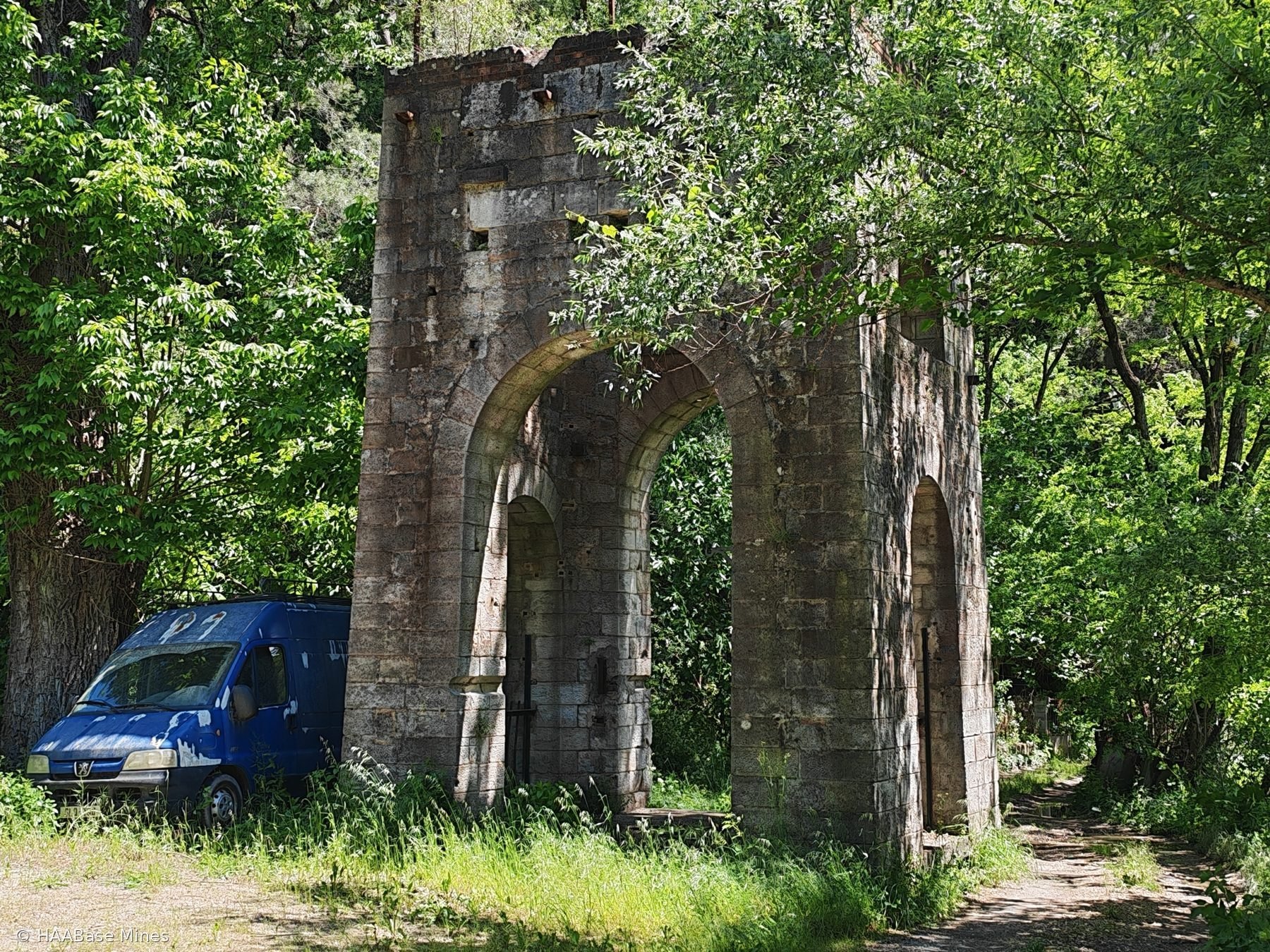
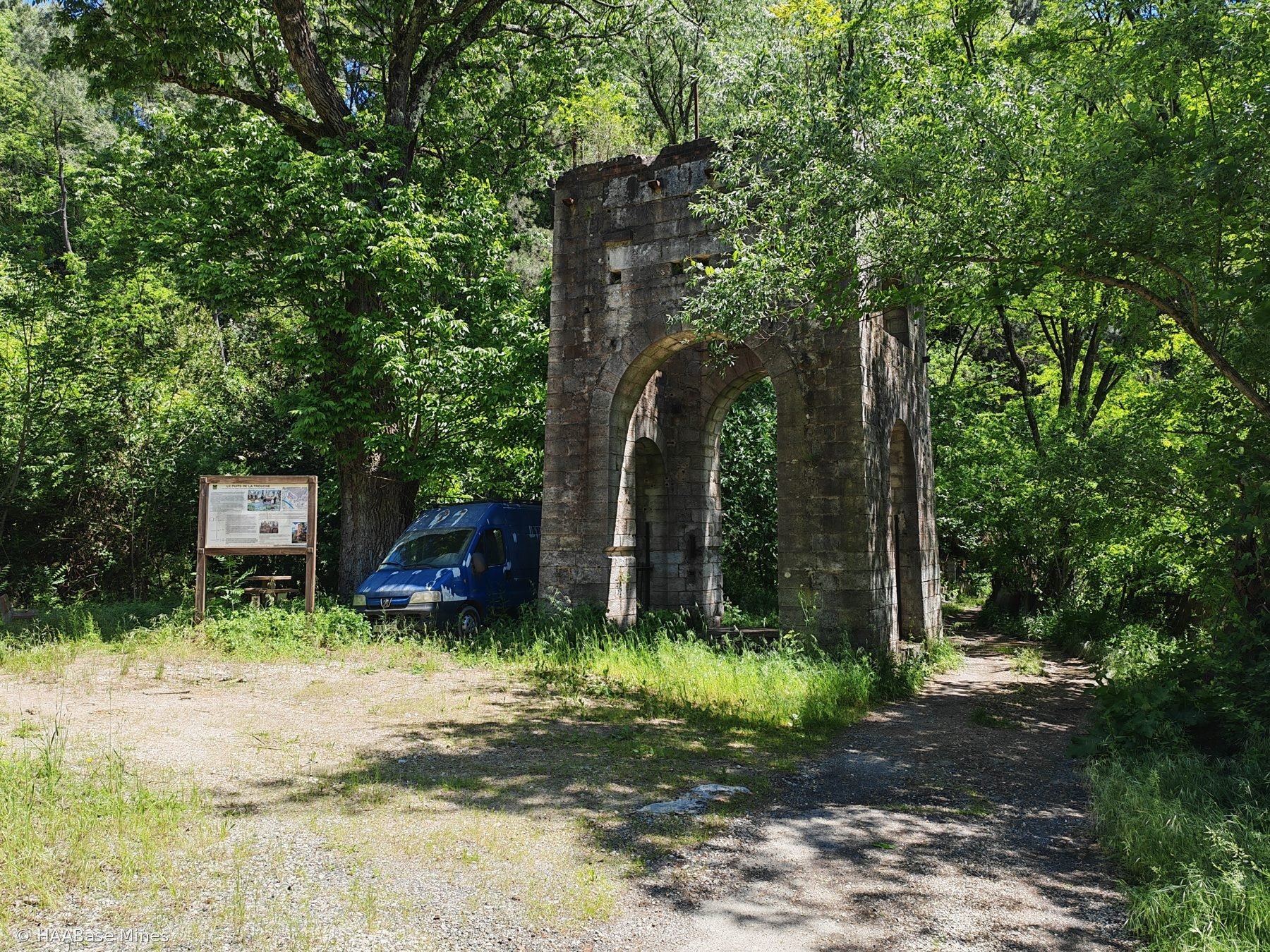
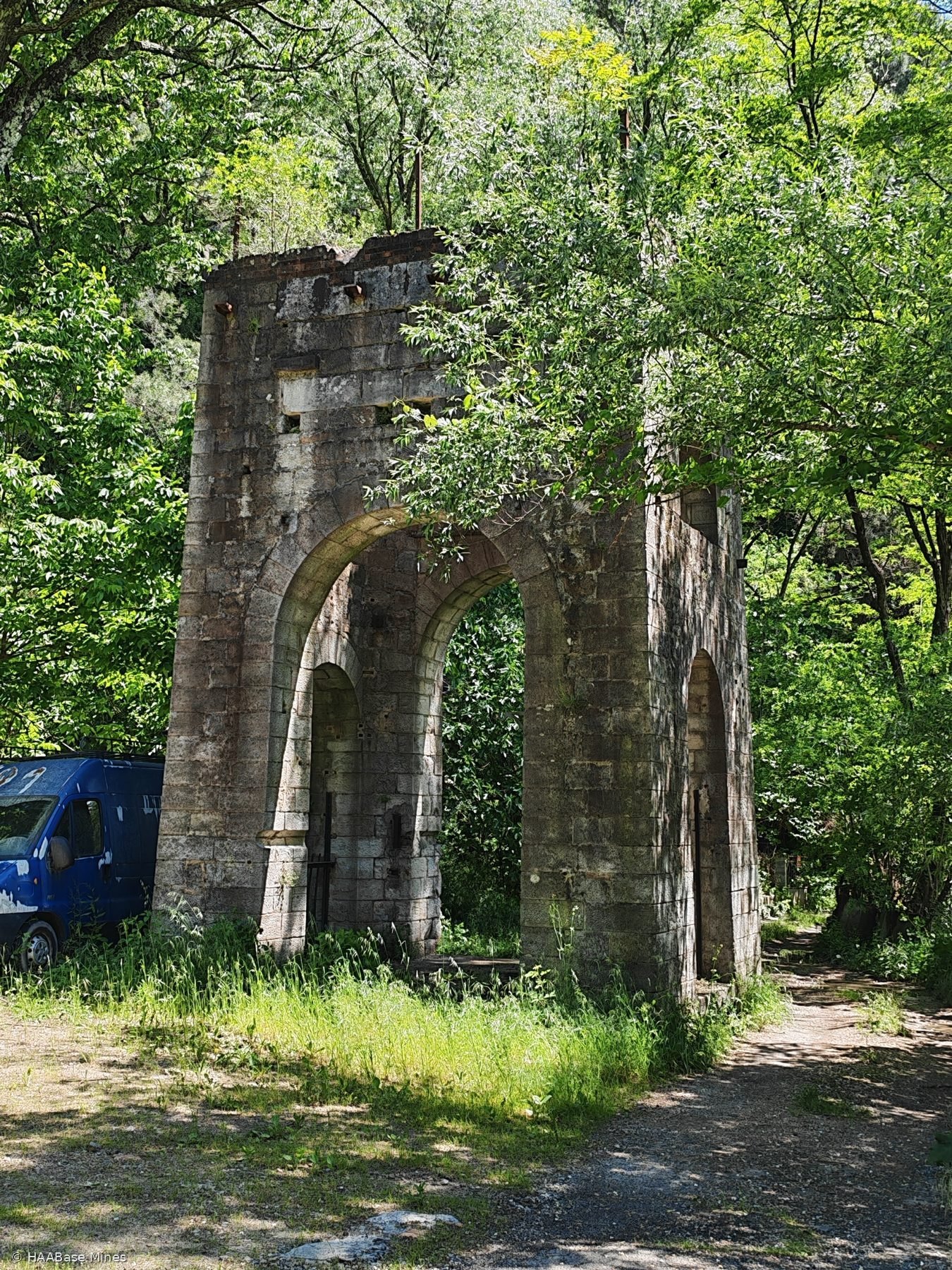
The shaft was later deepened and rearmed on several occasions, the final period of service ending in 1949. The shaft was backfilled in 1973. The masonry headframe — a squared tower of stone and brick, nine metres in height, with four large semicircular arched openings on each face — is one of only two surviving examples of the Cévennes masonry headframe type in the basin.

Workers' housing associated with the site dates from 1914 and 1923.

The masonry tower stands in the former mining district of La Levade, where it reads as a compact and clearly legible remnant within a settled valley landscape.

Map & photo

Puits de la Trouche mine headframe or winding tower site
Photograph taken: 11 May 2026
Map markers and directions links are provided for location reference only and do not indicate public access or permission to enter a site.

History

The mining context of the La Levade district within the Compagnie des Mines de la Grand-Combe concession has deep roots. A document of 1758 records a lease by which the fermiers généraux of the prince de Conti let the mine de la Trouche to Dautin père et fils for 400 livres, with the exploitation yielding a revenue of 200 livres per year. In 1763, the Dautin associates joined with a bourgeois of Alais, Pierre Deleuze, who subsequently brought in four further inhabitants of the town to form a commercial society. Coal extraction in the Levade district was conducted across this early period on a modest, artisanal scale.

The vertical puits de la Trouche as an industrial shaft was sunk in 1848 by the Compagnie des Mines de la Grand-Combe, as part of a programme to develop extraction of the Grand-Baume coal seam as surface outcrops were approaching exhaustion. Five shafts were sunk in this programme. The puits de la Trouche served for extraction and drainage. Coal extracted was transported to the Trescol processing works by a narrow-gauge railway using a small viaduct and a connecting gallery, subsequently obstructed. The headframe erected on the shaft was a squared masonry tower. The shaft served extraction until approximately 1870 with two accrochages at −24 metres and −52 metres, for a total depth of −54 metres.

From approximately 1860 the puits de la Trouche operated in conjunction with the mine Roux at La Levade. From approximately 1870 the shaft served primarily for ventilation of the connection between the puits de la Fontaine no. 1 and the Trescol pit yard. The shaft was rearmed for drainage purposes in 1925. A further provisional reinstatement took place in 1946, when a new engine house was installed to accommodate an electric motor, allowing the shaft to resume limited service. This final period of use ended in 1949.

A second sinking is recorded in 1883 at la Trouche, sunk to provide ventilation and extraction service for the Levade, Trescol, and Ricard districts. This shaft was sited ten metres from a former furnace ventilation point, and was equipped with a masonry headframe, an induced-draught ventilation fan, and a winding machine. In 1927 new ventilation equipment was installed: two Monnet et Moyne fans manufactured by Fournier et Mouillon, with a diesel supplementary motor of Alster Thomson Houston type. This siège closed in 1962.

The French Ministry of Culture heritage inventory records the puits de la Trouche as an industrial site served by a private railway. The surviving headframe is a squared masonry tower of five metres per side and nine metres in height, with a brick crown. The lampisterie and the machine house, the latter at one upper square floor, survive. Workers' housing was constructed in 1914 and 1923 in replacement of the earlier Caserne Larguier barracks of approximately 1855, built in rubble stone, brick, cement, and dressed stone with render. The shaft was backfilled in 1973. The masonry headframe is one of two surviving examples of the traditional Cévennes masonry tower headframe type in the basin, the other being the puits Saint-Germain at Saint-Jean-du-Pin dating from approximately 1870.
Timeline

1758
Operation

Mine de la Trouche leased to Dautin père et fils

A document of 1758 records the mine de la Trouche leased by the fermiers généraux of the prince de Conti to Dautin père et fils for 400 livres, with a revenue yield of 200 livres per year.
1848
Construction

Vertical shaft sunk by Compagnie des Mines de la Grand-Combe

The vertical puits de la Trouche was sunk in 1848 by the Compagnie des Mines de la Grand-Combe as part of a five-shaft development programme. The shaft was equipped with a squared masonry headframe tower. Coal was transported to the Trescol works by narrow-gauge railway via a small viaduct.
1848–1870
Operation

Extraction serving two accrochages at −24 m and −52 m

From 1848 the shaft served extraction with two accrochages at −24 metres and −52 metres, reaching a total depth of −54 metres.
1860
Operation

Shaft operates in conjunction with mine Roux at La Levade

From approximately 1860 the puits de la Trouche operated in conjunction with the mine Roux located at La Levade.
1870
Operation

Shaft reassigned to ventilation role

From approximately 1870 the shaft served primarily for ventilation of the underground connection between the puits de la Fontaine no. 1 and the Trescol pit yard.
1883
Construction

Second shaft sunk at la Trouche for ventilation and extraction

A second sinking at la Trouche in 1883 produced a shaft equipped with a masonry headframe, an induced-draught ventilation fan, and a winding machine, serving the Levade, Trescol, and Ricard districts.
1914
Construction

First workers' housing constructed

Workers' housing was constructed in 1914 in replacement of the earlier Caserne Larguier barracks of approximately 1855.
1923
Construction

Second phase of workers' housing constructed

A second phase of workers' housing was constructed in 1923.
1925
Construction

Shaft rearmed for drainage

The original 1848 shaft was rearmed for drainage purposes in 1925.
1927
Construction

New ventilation equipment installed at 1883 shaft

In 1927 two Monnet et Moyne fans manufactured by Fournier et Mouillon were installed at the 1883 shaft to serve ventilation of La Fontaine no. 2, with a supplementary diesel motor of Alster Thomson Houston type.
1946–1949
Construction

Provisional reinstatement of 1848 shaft with electric motor

In 1946 a new engine house was installed at the 1848 shaft to accommodate an electric motor. This provisional reinstatement ended in 1949 when the shaft ceased all activity.
1949
Closure

1848 shaft ceases all activity

The 1848 puits de la Trouche ceased all activity in 1949.
1962
Closure

1883 siège closes

The 1883 siège de la Trouche closed in 1962.
1973
Closure

Shaft backfilled

The puits de la Trouche was backfilled in 1973.
1973
Heritage

Masonry headframe survives as one of two remaining Cévennes tower headframes

Following backfilling, the masonry headframe of the puits de la Trouche remained standing. It is one of two surviving examples of the traditional Cévennes masonry tower headframe type in the basin, the other being the puits Saint-Germain at Saint-Jean-du-Pin.

Sources and records

Exxplore industrial heritage dossier: Houillères du Bassin des Cévennes
Mas de la Regordane blog: Histoire des puits de charbon de La Grand-Combe (detailed local history, 2017)
APPHIM (Association pour la Préservation du Patrimoine Historique Industriel et Minier): Puits La Trouche
French Ministry of Culture heritage inventory (pop.culture.gouv.fr): Mine de houille du puits de la Trouche (IA00128344)
Patrimoine Industriel Minier (patrimoine-minier.fr): Bassin Houiller des Cévennes
Mineur Cévennes (mineur.cevennes.free.fr): Les puits — La Trouche
Wikipedia article (French): Mines de charbon des Cévennes
This researched site record is part of the HAABase Mines database. Normal personal research and browsing is welcome. Automated bulk extraction, republication, or harvesting of site text and images is not permitted without written consent.