History
The mining context of the La Levade district within the Compagnie des Mines de la Grand-Combe concession has deep roots. A document of 1758 records a lease by which the fermiers généraux of the prince de Conti let the mine de la Trouche to Dautin père et fils for 400 livres, with the exploitation yielding a revenue of 200 livres per year. In 1763, the Dautin associates joined with a bourgeois of Alais, Pierre Deleuze, who subsequently brought in four further inhabitants of the town to form a commercial society. Coal extraction in the Levade district was conducted across this early period on a modest, artisanal scale.
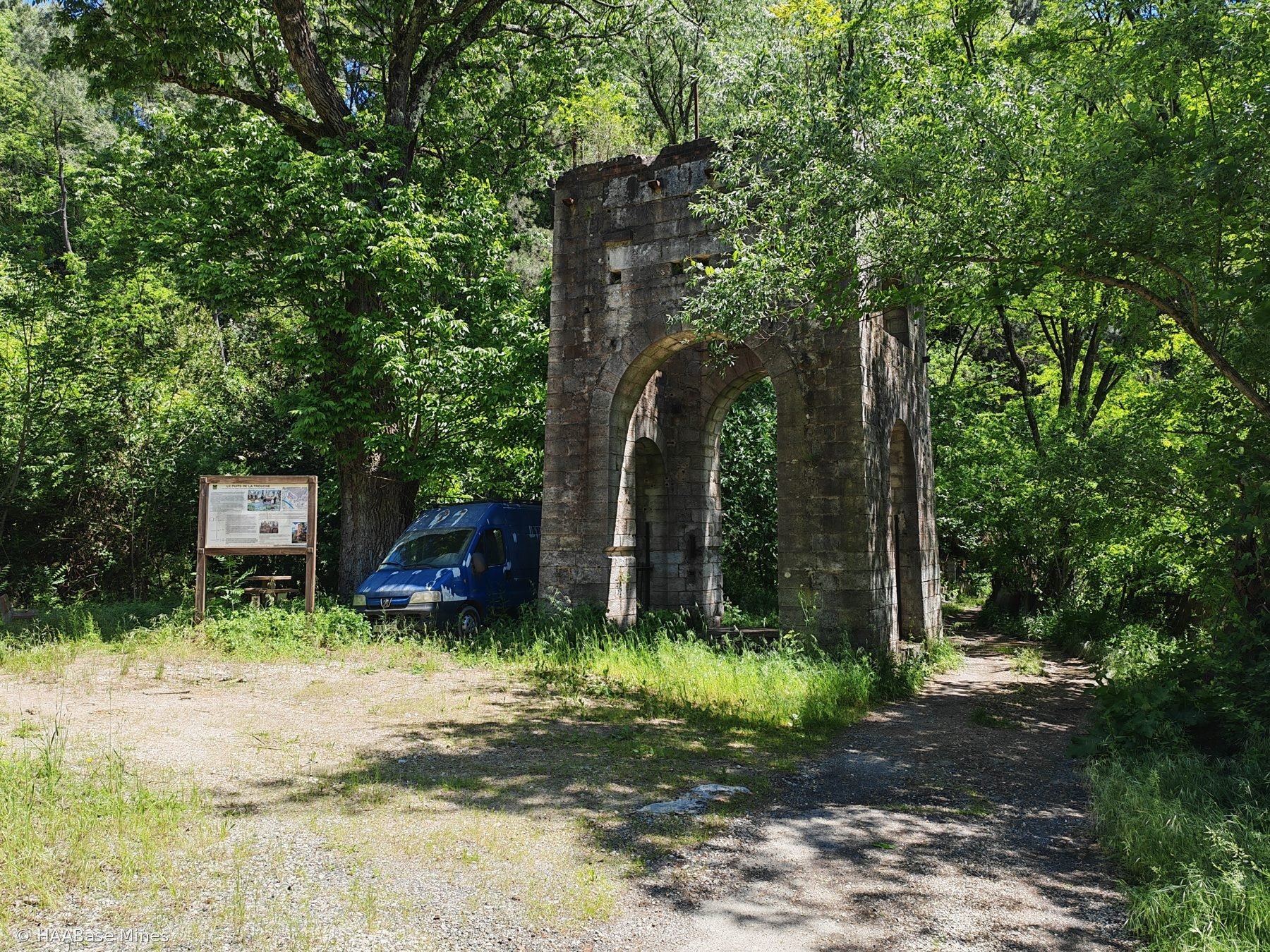
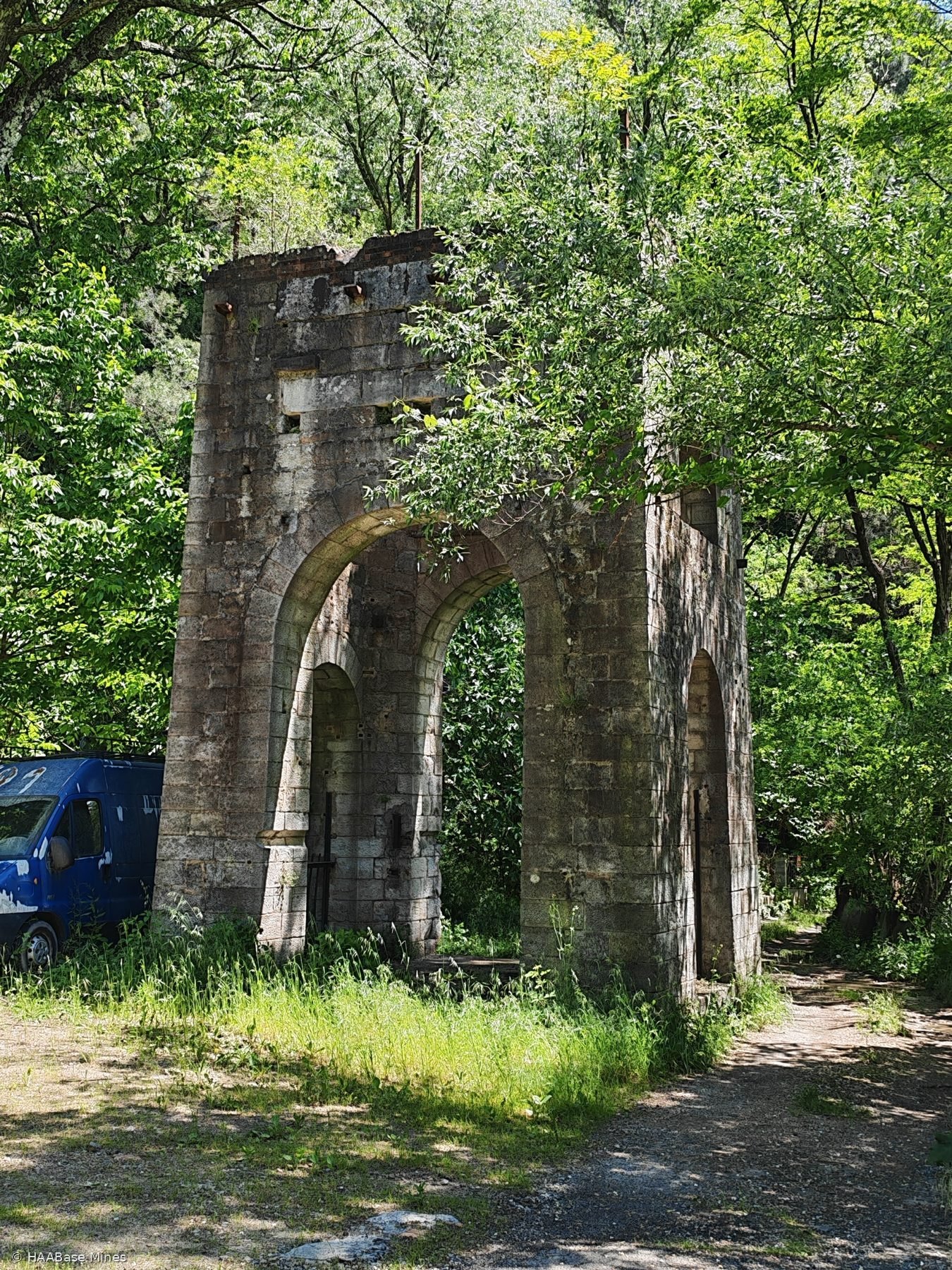
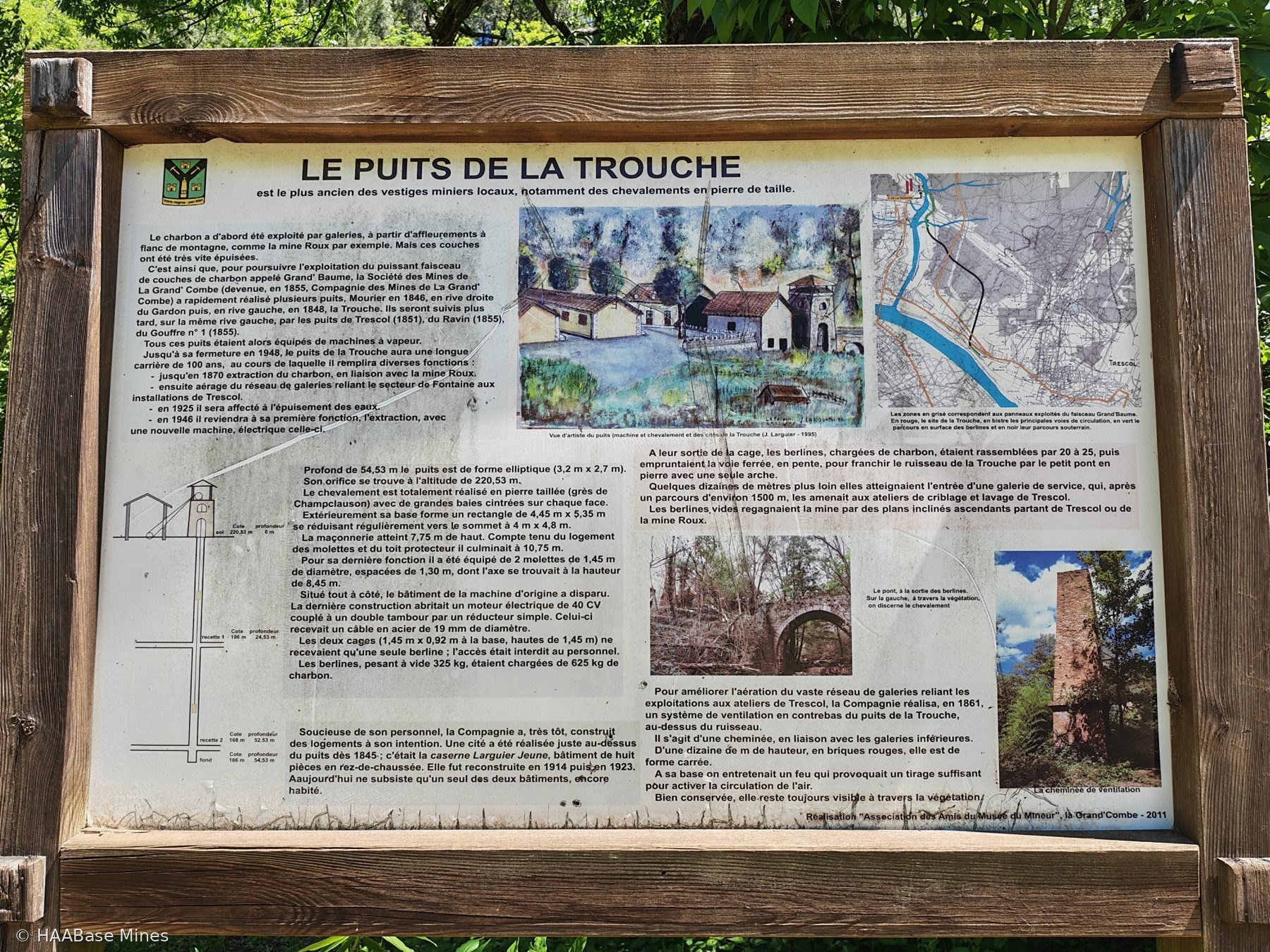
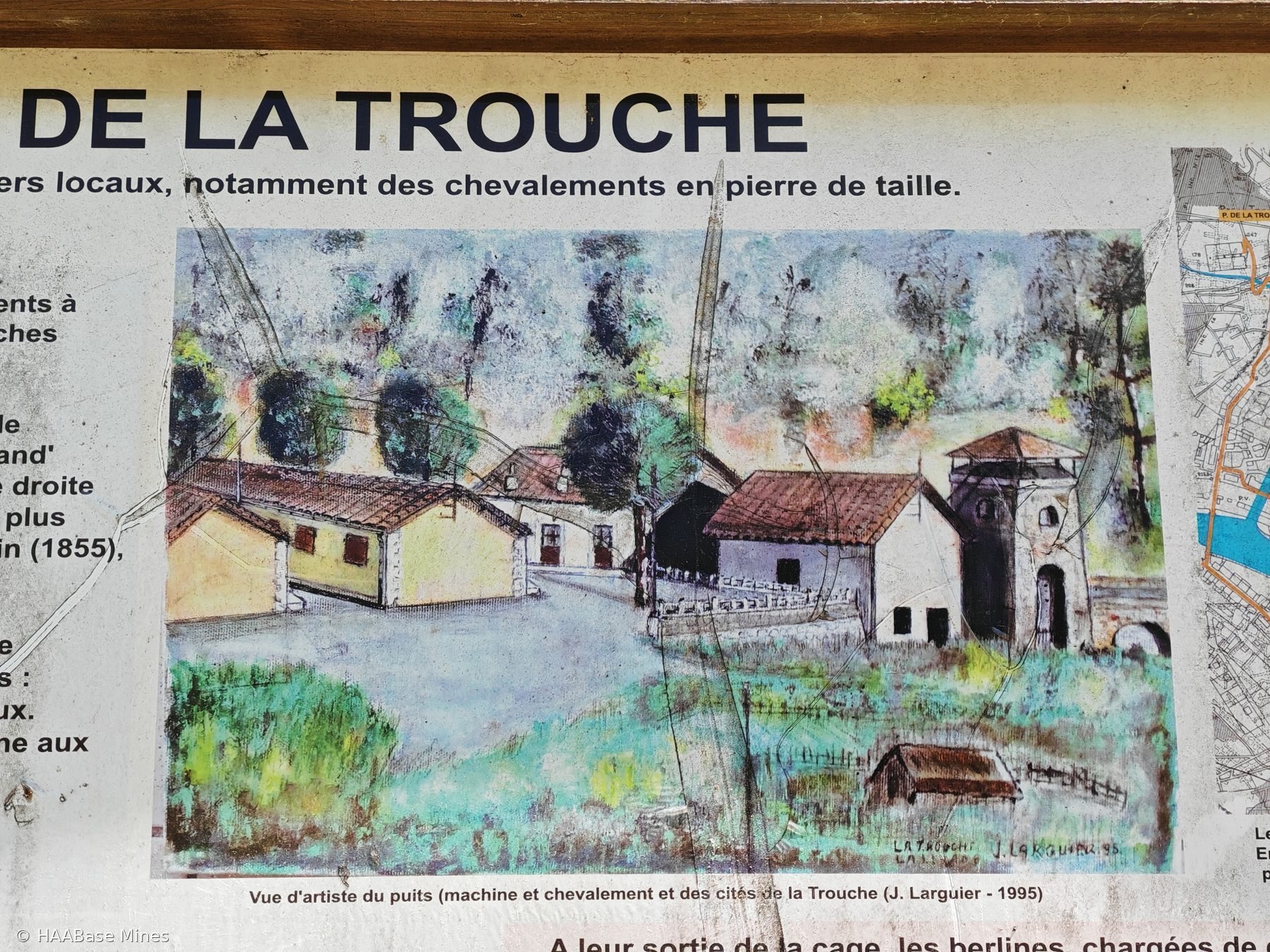
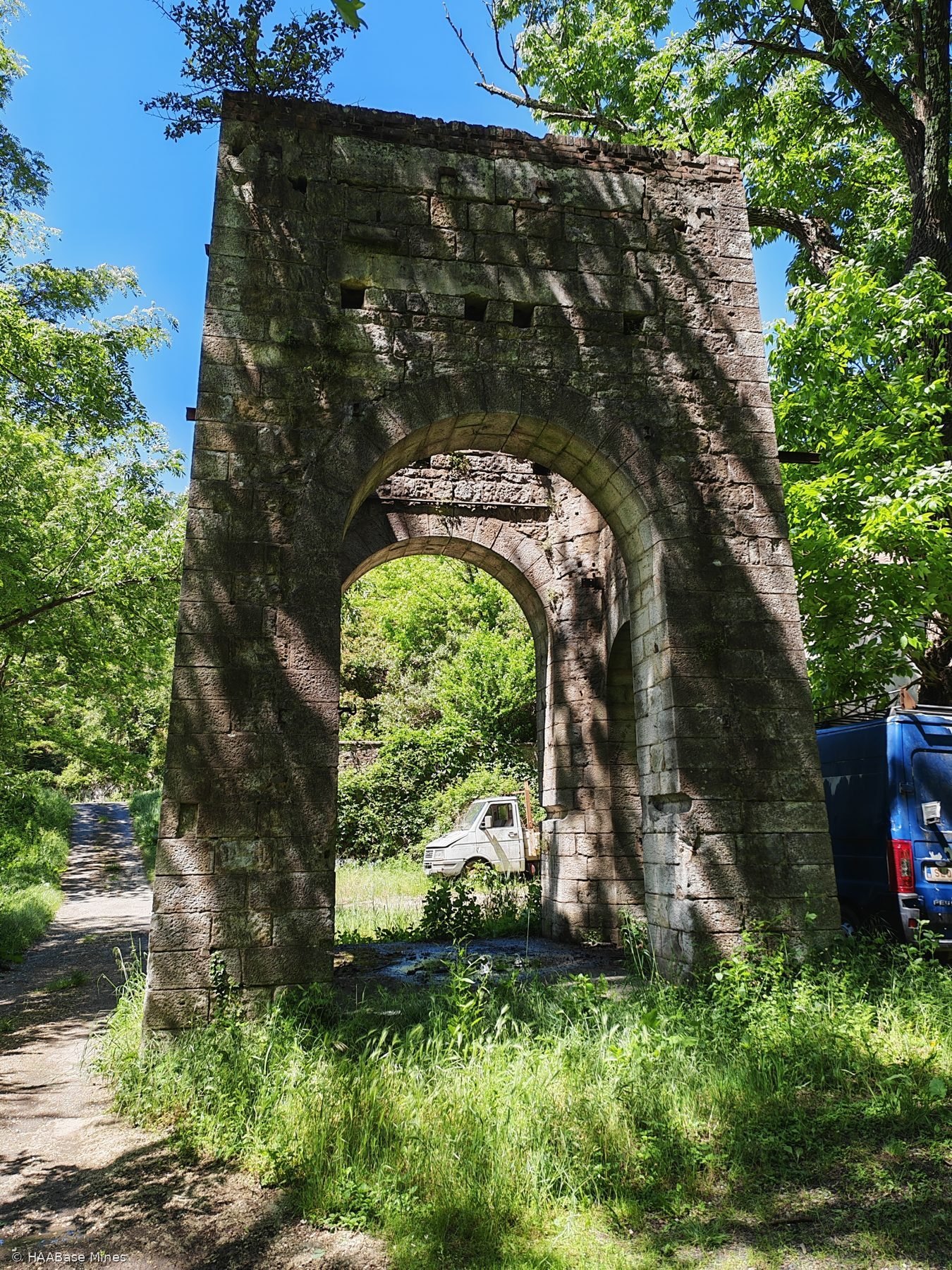
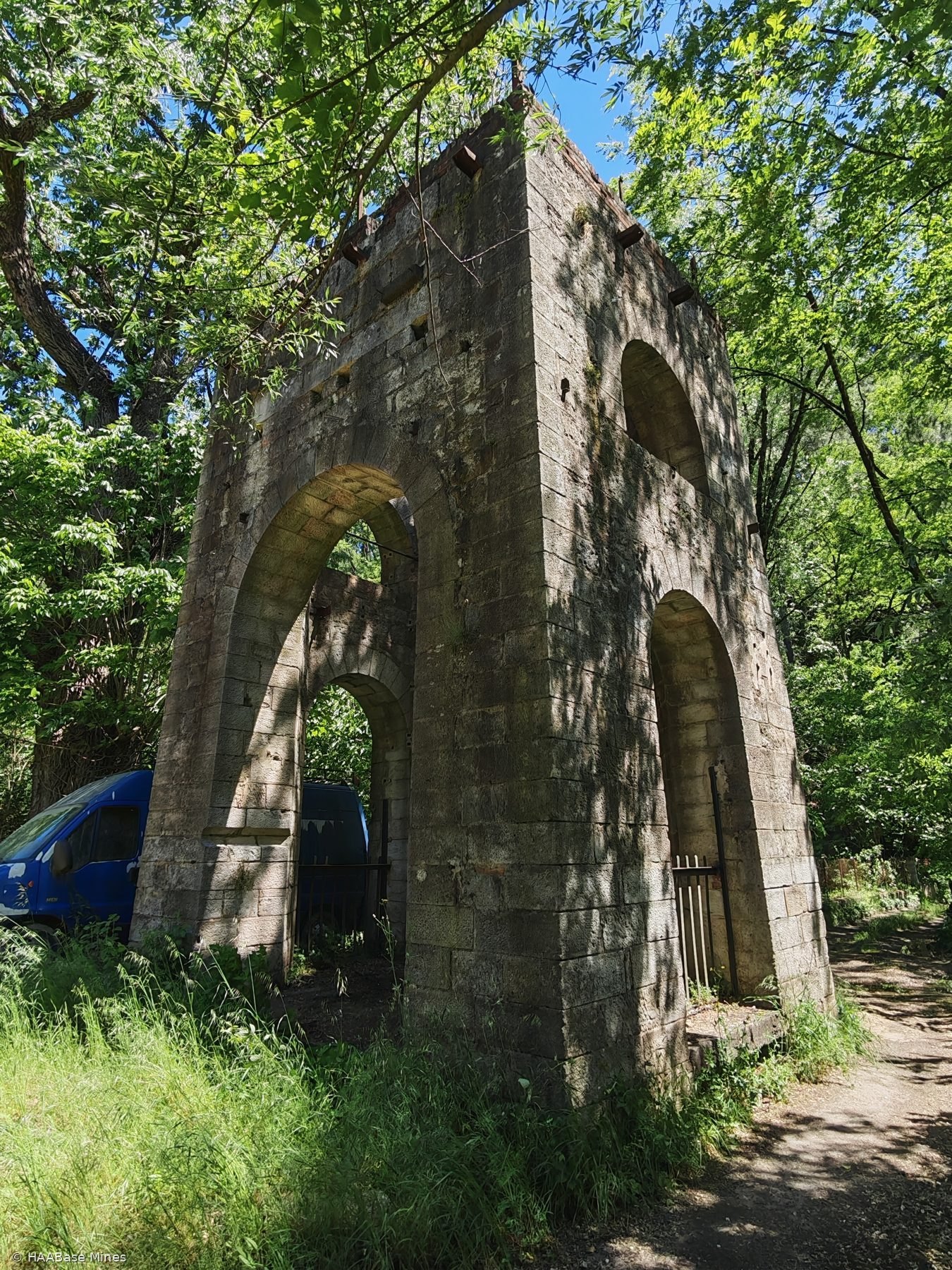
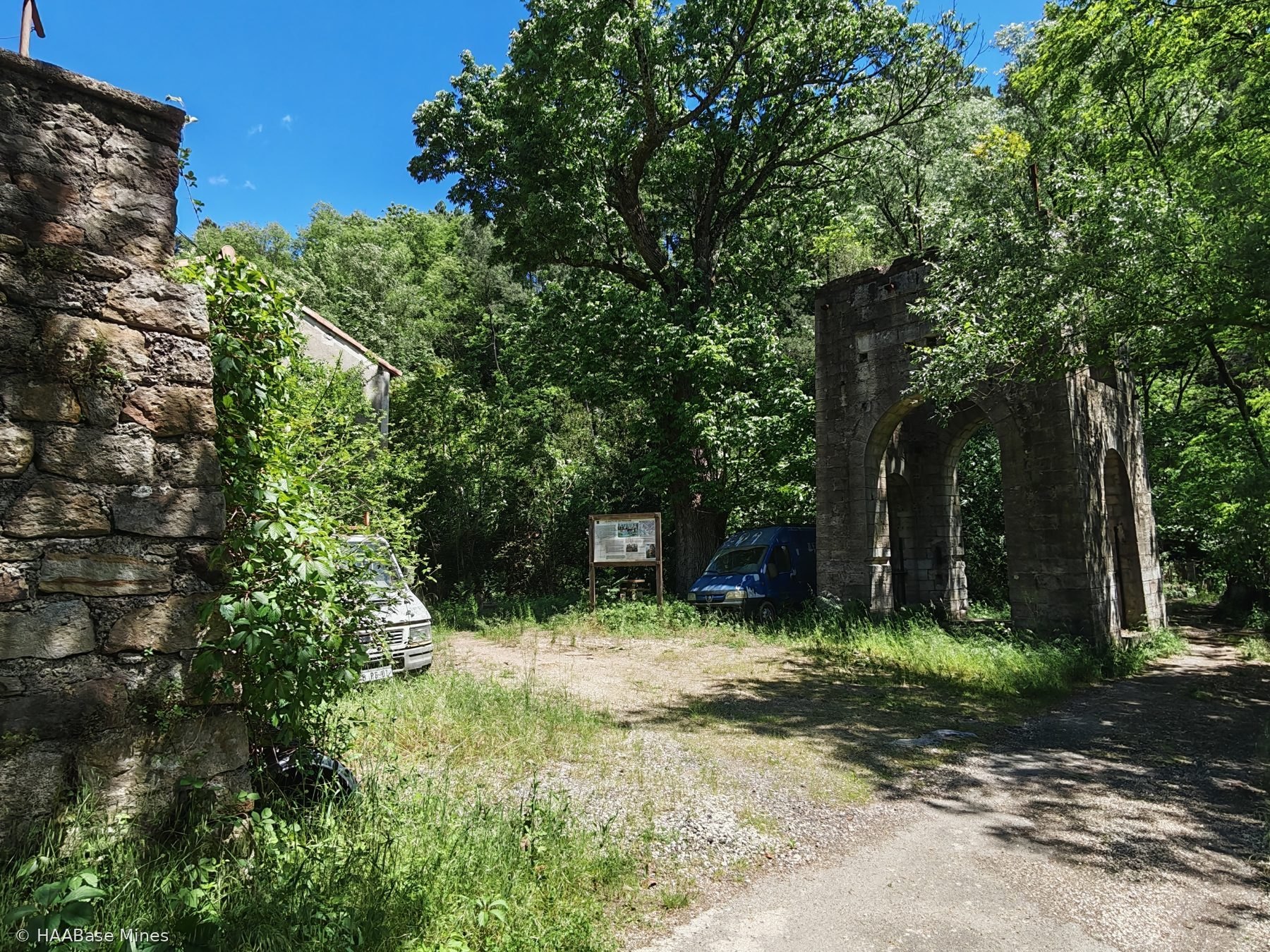
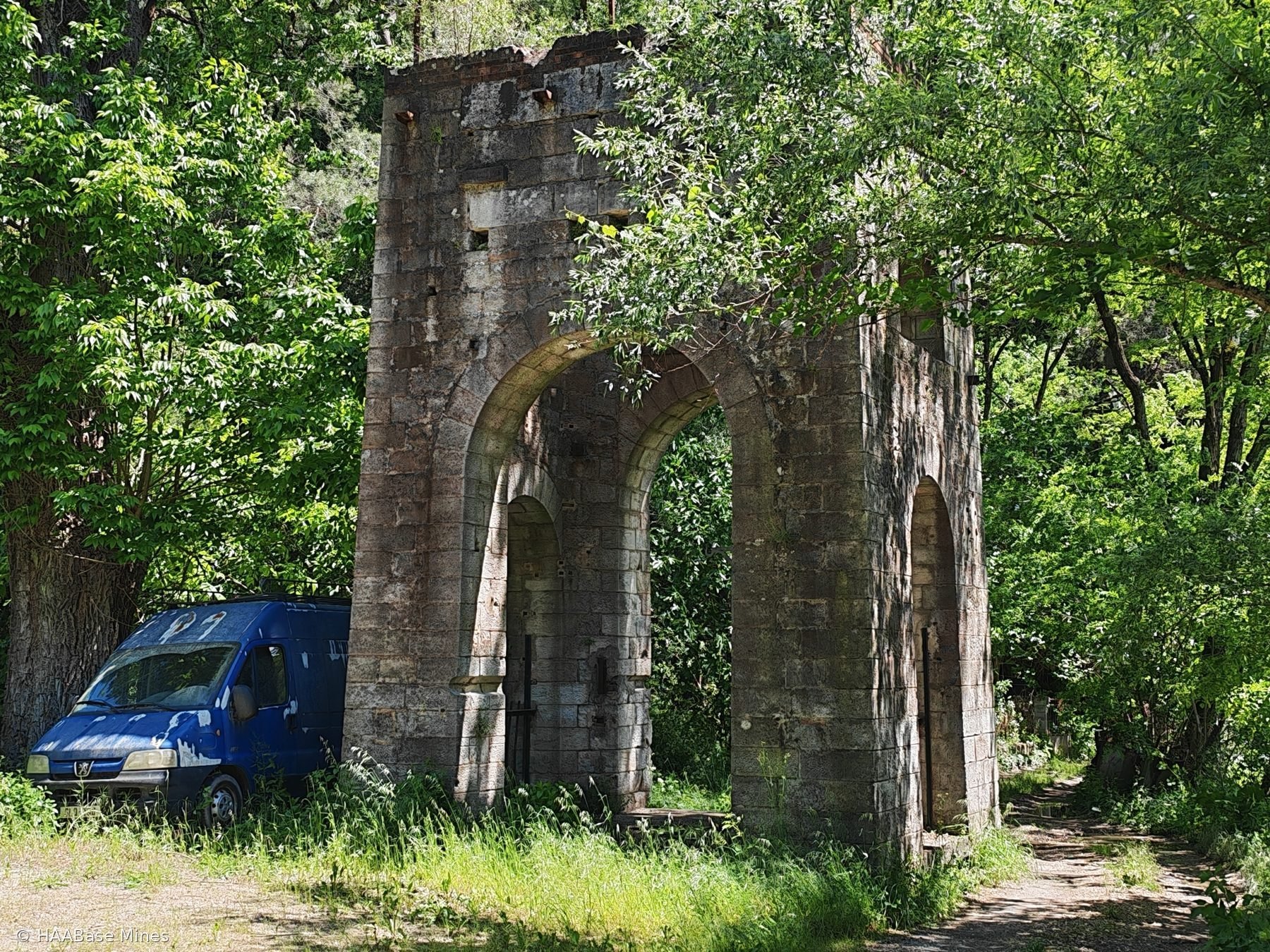
The vertical puits de la Trouche as an industrial shaft was sunk in 1848 by the Compagnie des Mines de la Grand-Combe, as part of a programme to develop extraction of the Grand-Baume coal seam as surface outcrops were approaching exhaustion. Five shafts were sunk in this programme. The puits de la Trouche served for extraction and drainage. Coal extracted was transported to the Trescol processing works by a narrow-gauge railway using a small viaduct and a connecting gallery, subsequently obstructed. The headframe erected on the shaft was a squared masonry tower. The shaft served extraction until approximately 1870 with two accrochages at −24 metres and −52 metres, for a total depth of −54 metres.
From approximately 1860 the puits de la Trouche operated in conjunction with the mine Roux at La Levade. From approximately 1870 the shaft served primarily for ventilation of the connection between the puits de la Fontaine no. 1 and the Trescol pit yard. The shaft was rearmed for drainage purposes in 1925. A further provisional reinstatement took place in 1946, when a new engine house was installed to accommodate an electric motor, allowing the shaft to resume limited service. This final period of use ended in 1949.
A second sinking is recorded in 1883 at la Trouche, sunk to provide ventilation and extraction service for the Levade, Trescol, and Ricard districts. This shaft was sited ten metres from a former furnace ventilation point, and was equipped with a masonry headframe, an induced-draught ventilation fan, and a winding machine. In 1927 new ventilation equipment was installed: two Monnet et Moyne fans manufactured by Fournier et Mouillon, with a diesel supplementary motor of Alster Thomson Houston type. This siège closed in 1962.
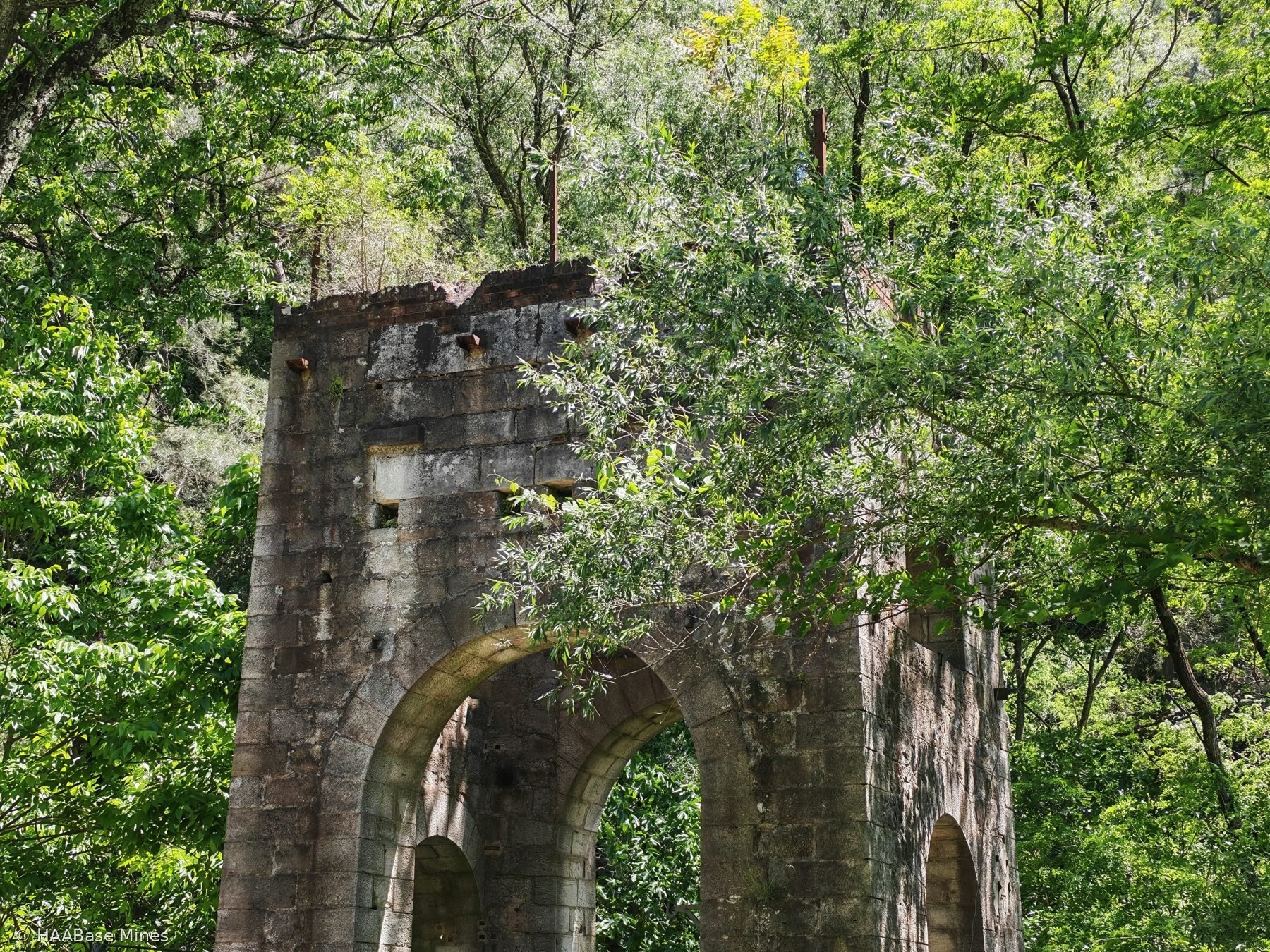
The French Ministry of Culture heritage inventory records the puits de la Trouche as an industrial site served by a private railway. The surviving headframe is a squared masonry tower of five metres per side and nine metres in height, with a brick crown. The lampisterie and the machine house, the latter at one upper square floor, survive. Workers' housing was constructed in 1914 and 1923 in replacement of the earlier Caserne Larguier barracks of approximately 1855, built in rubble stone, brick, cement, and dressed stone with render. The shaft was backfilled in 1973. The masonry headframe is one of two surviving examples of the traditional Cévennes masonry tower headframe type in the basin, the other being the puits Saint-Germain at Saint-Jean-du-Pin dating from approximately 1870.