Site overview

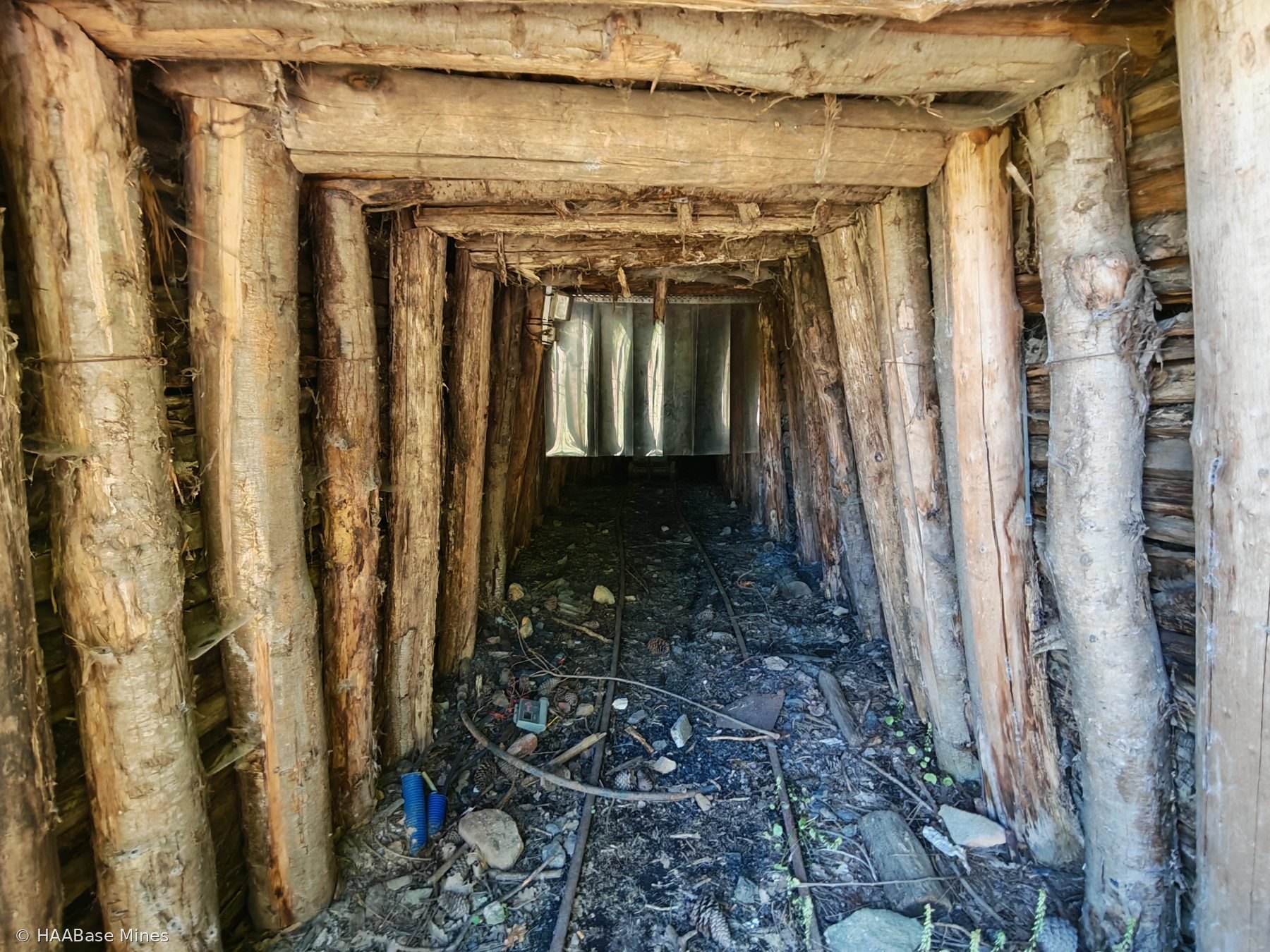
The Mine Témoin d'Alès, situated in the Rochebelle district of Alès in the Gard department, was created in 1945 as the training centre of the Houillères des Cévennes following the nationalisation of the French coalfields. Known originally under the designation QMT (quartier mine témoin), it served from 1945 to 1968 as the principal facility for the practical training of apprentice miners in the Bassin Houiller d'Alès–La Grand-Combe. The galleries, 700 metres in total length and excavated by successive cohorts of trainees aged 14 to 18, constitute the largest naturally visitable underground network in France.

Raymond Aubaret, a training technician at the Houillères des Cévennes with a passion for industrial archaeology, anticipated from the 1960s the impending closure of underground mining in the Cévennes and oversaw the progressive equipping of the galleries with rescued machinery representing the evolution of extraction techniques from 1880 to 1960. The site was opened to the public in 1985. Following damage in the flooding of 2014, the Mine Témoin underwent six years of renovation works and reopened on 11 July 2020.

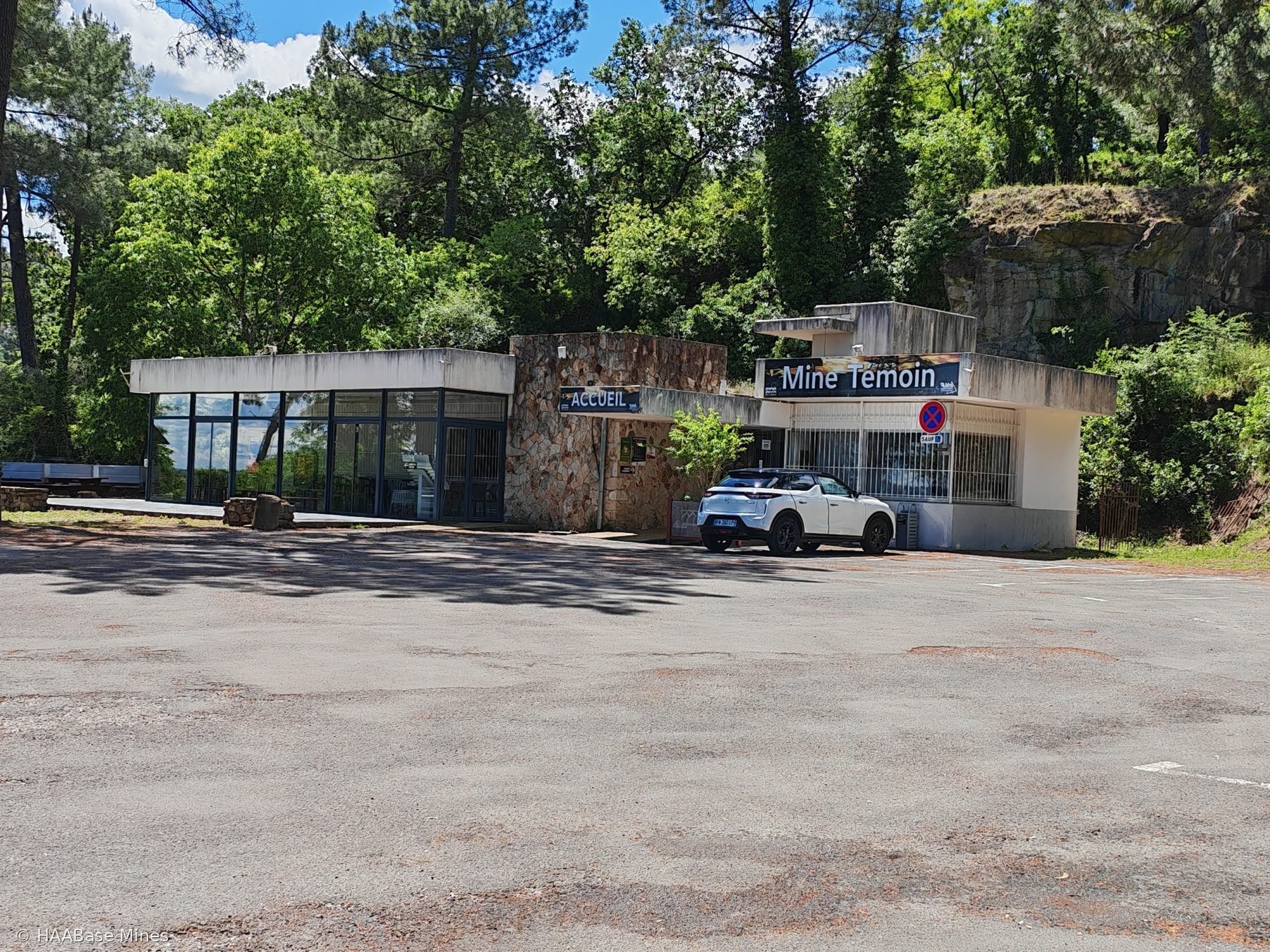
It is managed by Alès Agglomération.

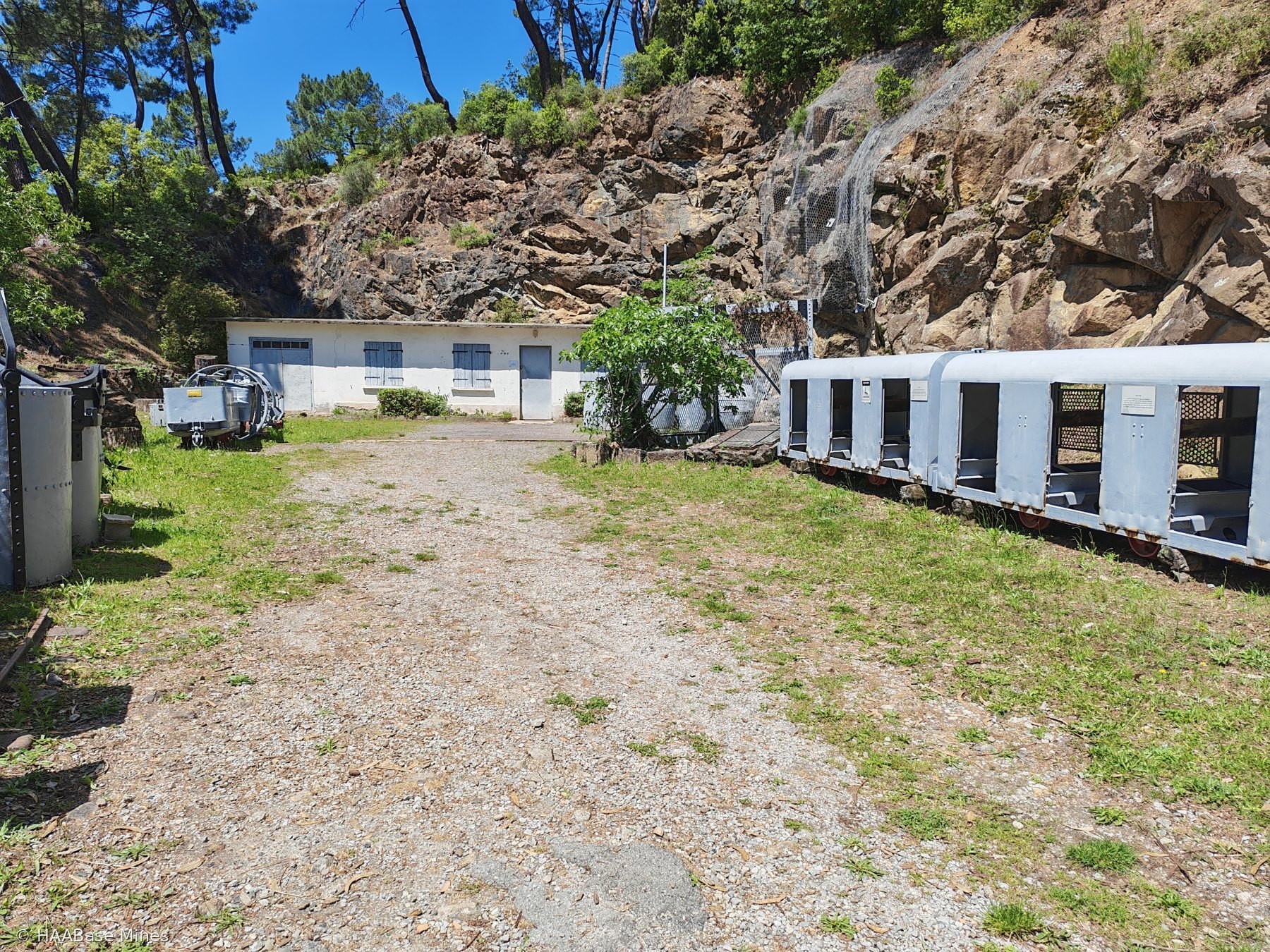
The site stands within the settled Rochebelle district of Alès, where the mine buildings form a compact heritage complex embedded in the urban landscape.

Map & photo

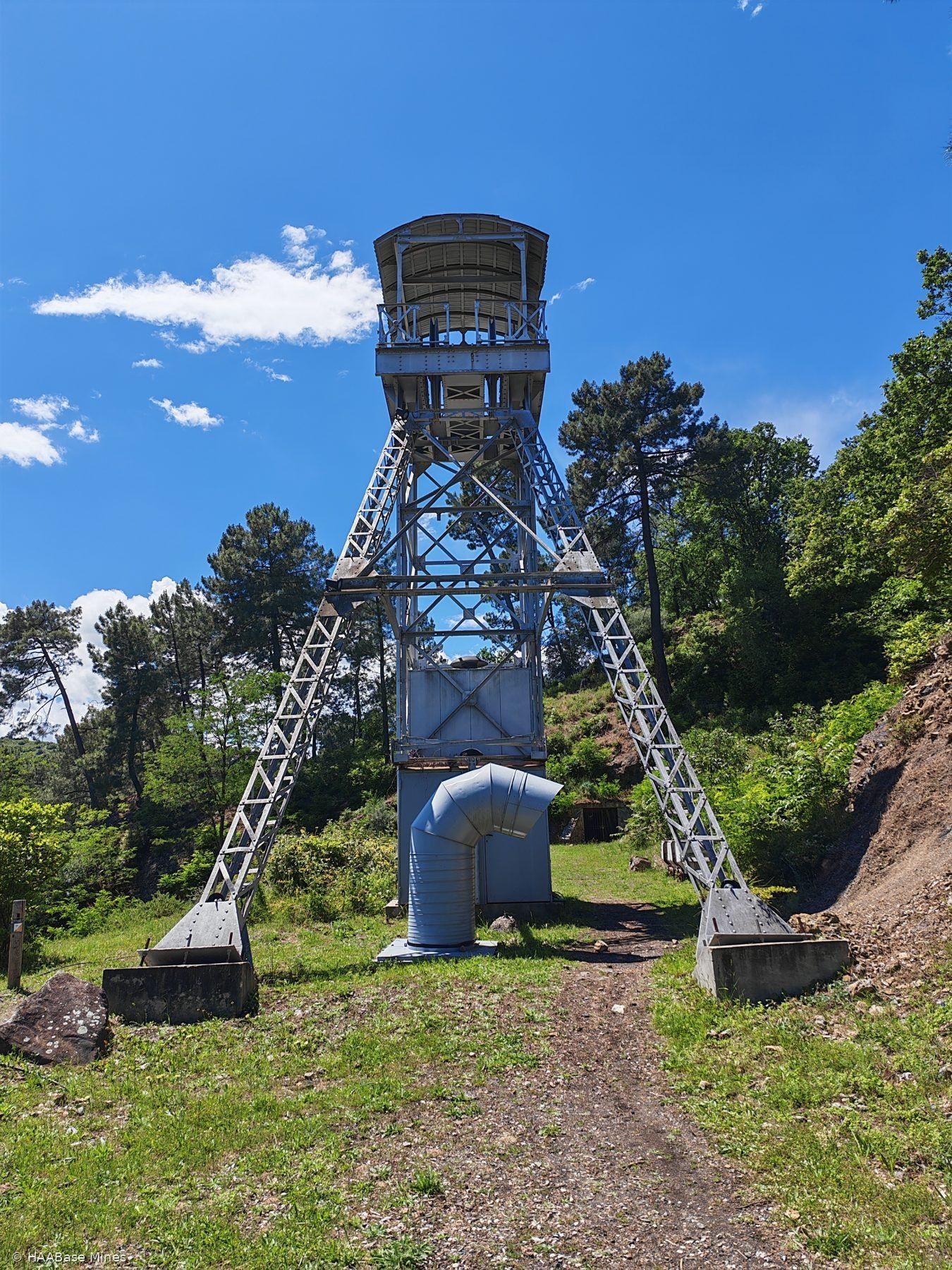
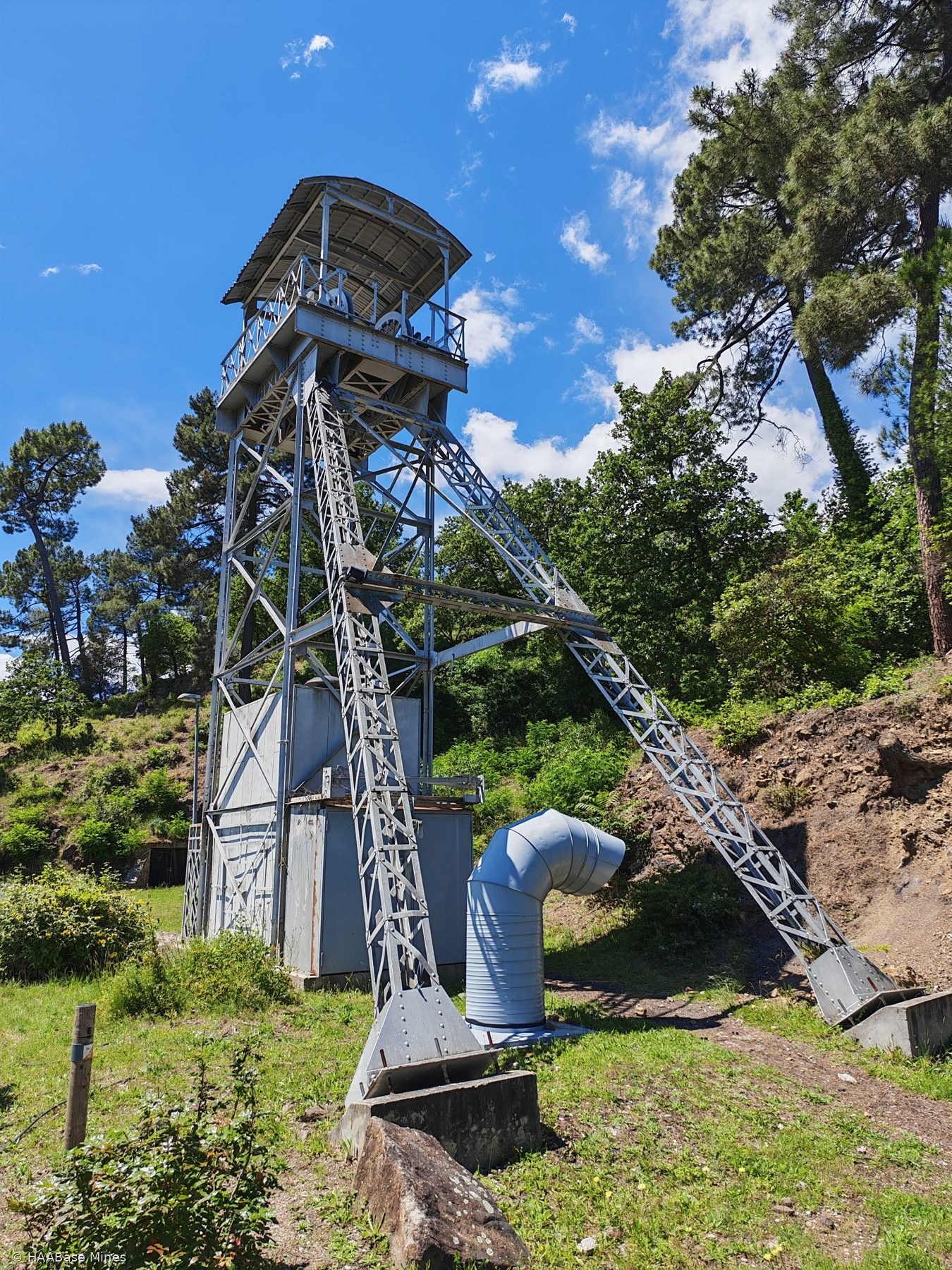
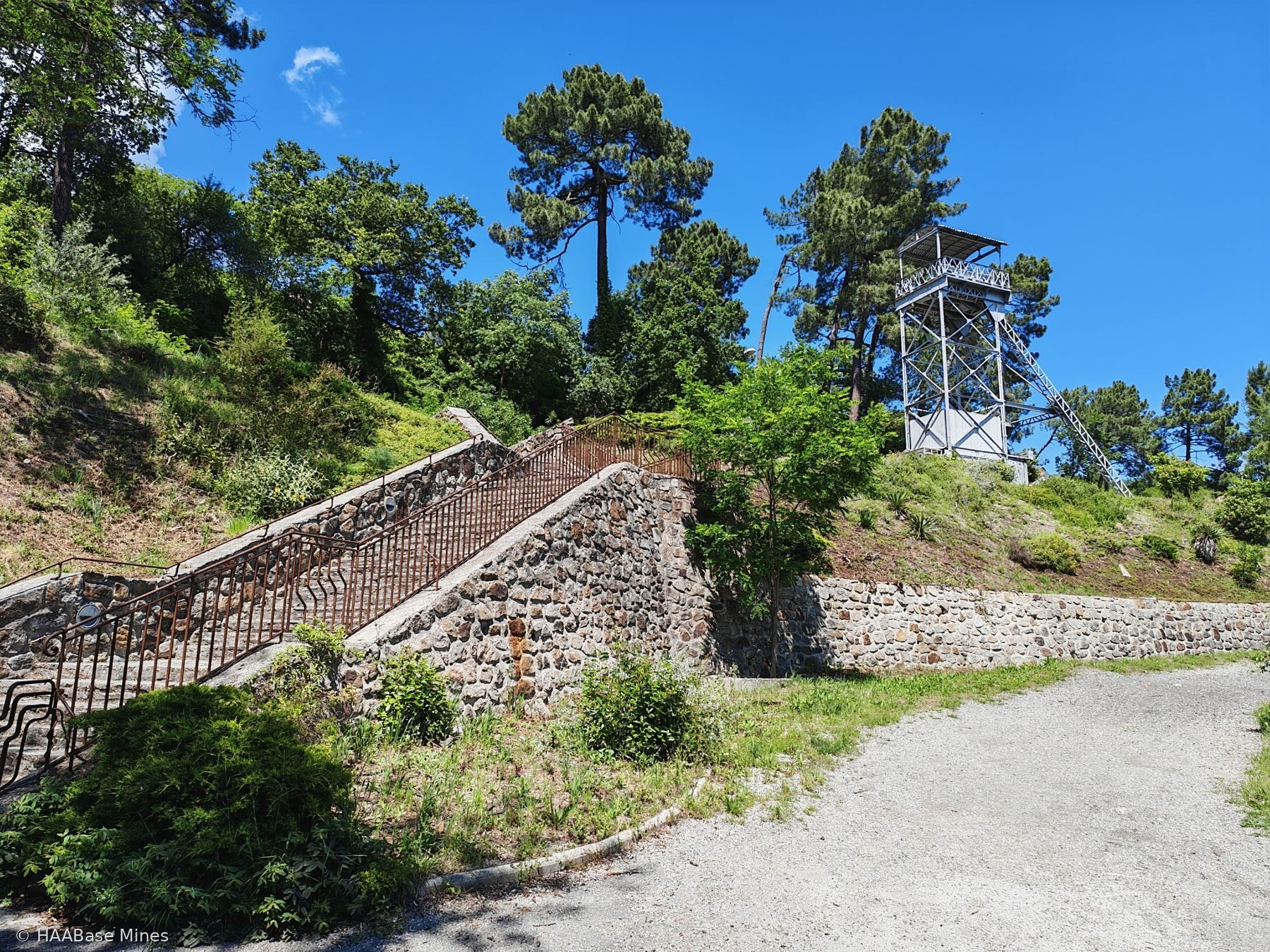
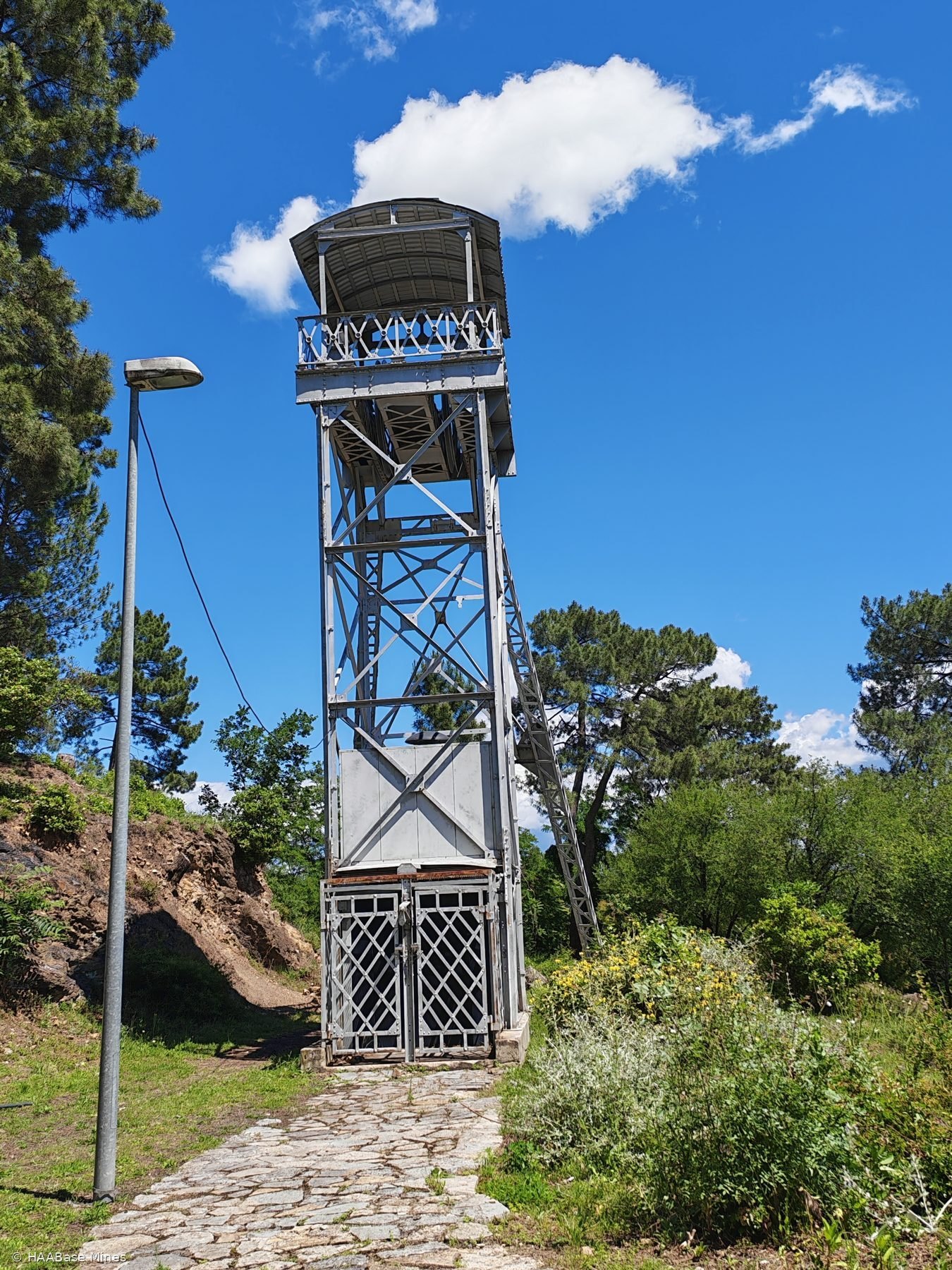
Mine Témoin d'Alès mine headframe or winding tower site
Photograph taken: 11 May 2026
Map markers and directions links are provided for location reference only and do not indicate public access or permission to enter a site.

History

The Bassin Houiller d'Alès–La Grand-Combe is one of the principal coalfields of the Cévennes, situated in the Gard department of Occitanie. The coal of the Cévennes has been recognised as a fuel from at least the thirteenth century. The bassin housiller encompasses the area of Alès, La Grand-Combe, and adjoining communes, where extraction developed progressively from the seventeenth century and accelerated substantially from the nineteenth century with the arrival of rail transport. Following nationalisation by decree of 28 June 1946, the Houillères du Bassin des Cévennes (HBC) were created. From 1946, more than 22,000 persons were employed in the bassin and extracted approximately 2.4 million tonnes of coal. A record production of 3.3 million tonnes was achieved in 1958, with an associated workforce of 20,000 across the Alès–La Grand-Combe basin.

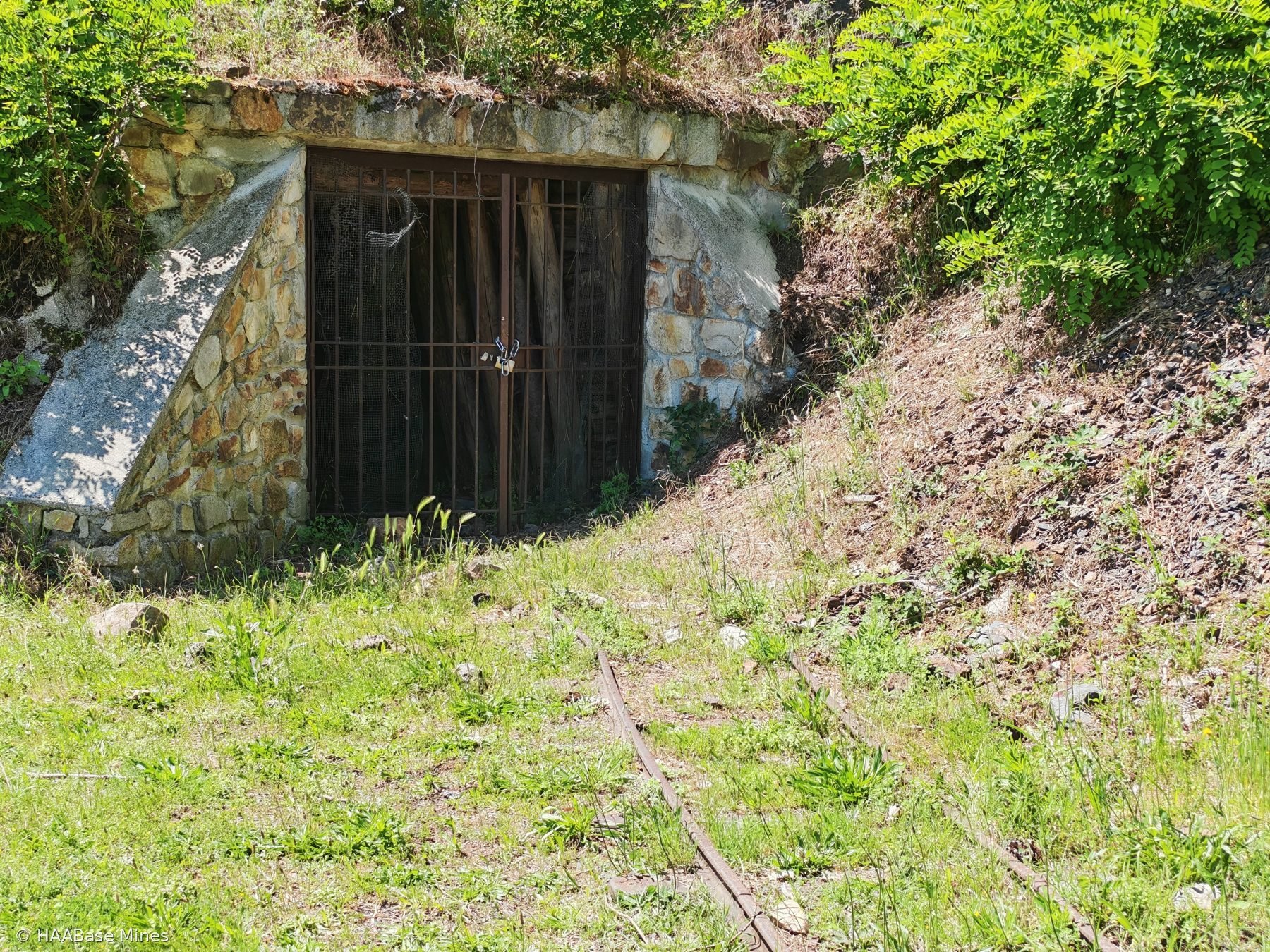
The rapid modernisation of extraction technologies following nationalisation, and the consequent large workforce employed at the face, created an urgent need for structured practical training for apprentice miners. The Mine Témoin d'Alès was created in 1945 to meet this need, on the heights of the Rochebelle district above the city. It was known under the sigle QMT (quartier mine témoin) and constituted the Centre de Formation of the Houillères des Cévennes. The installation is an authentic mining structure, built and used as a working training mine and not as a reconstruction: it responded rigorously to all the professional rules and norms governing underground extraction. From 1945 to 1968, successive cohorts of apprentices aged 14 to 18, often the sons and grandsons of miners, entered the QMT to learn their profession. The trainees themselves excavated the galleries: the 700 metres of underground workings were created by the practical work of these apprentices under the direction of experienced instructors. Training covered the complete range of extraction techniques then in use in the Cévennes mines, including drilling and blasting, setting of timber supports, installation of mechanical and hydraulic props, and haulage.

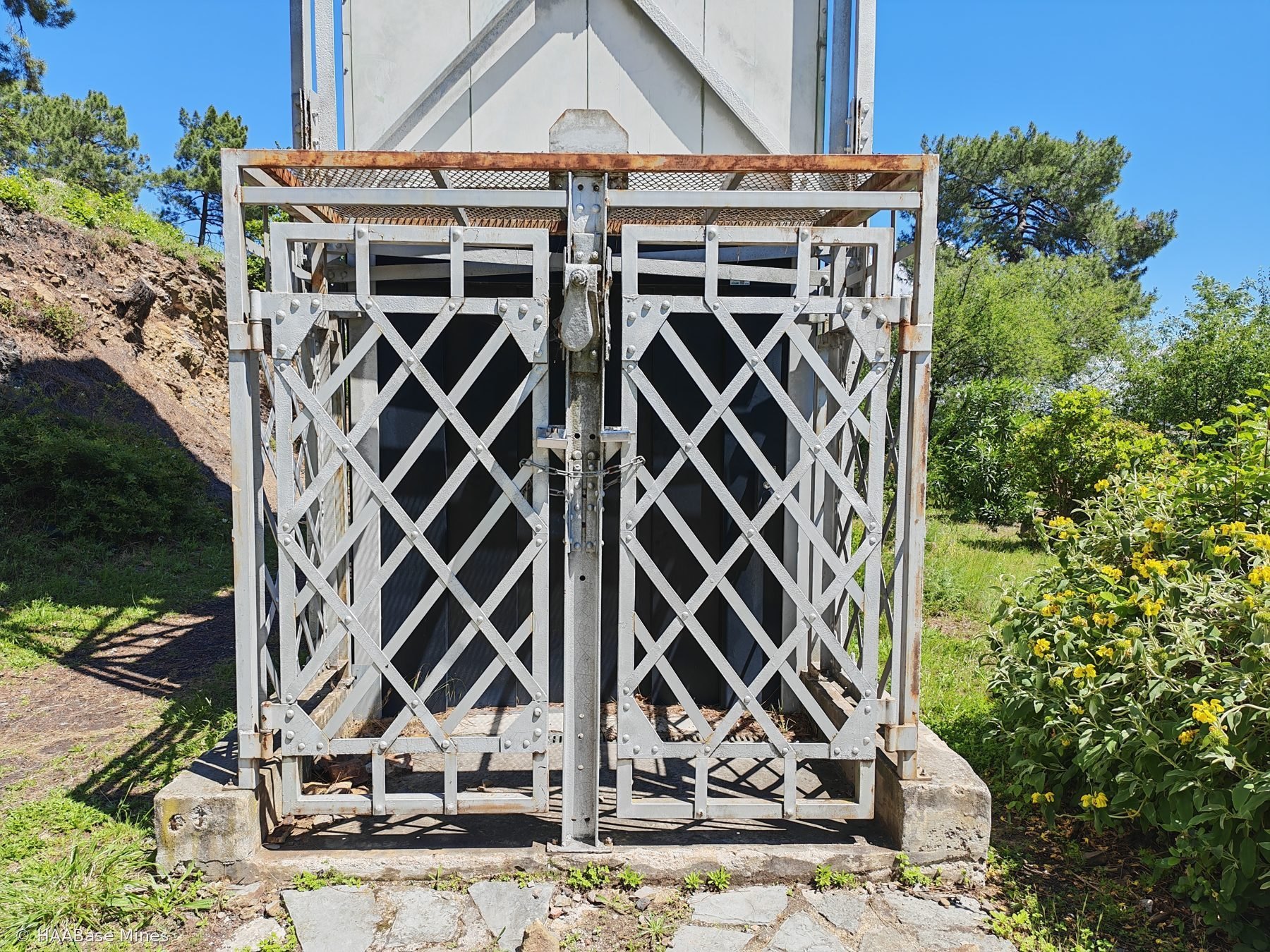
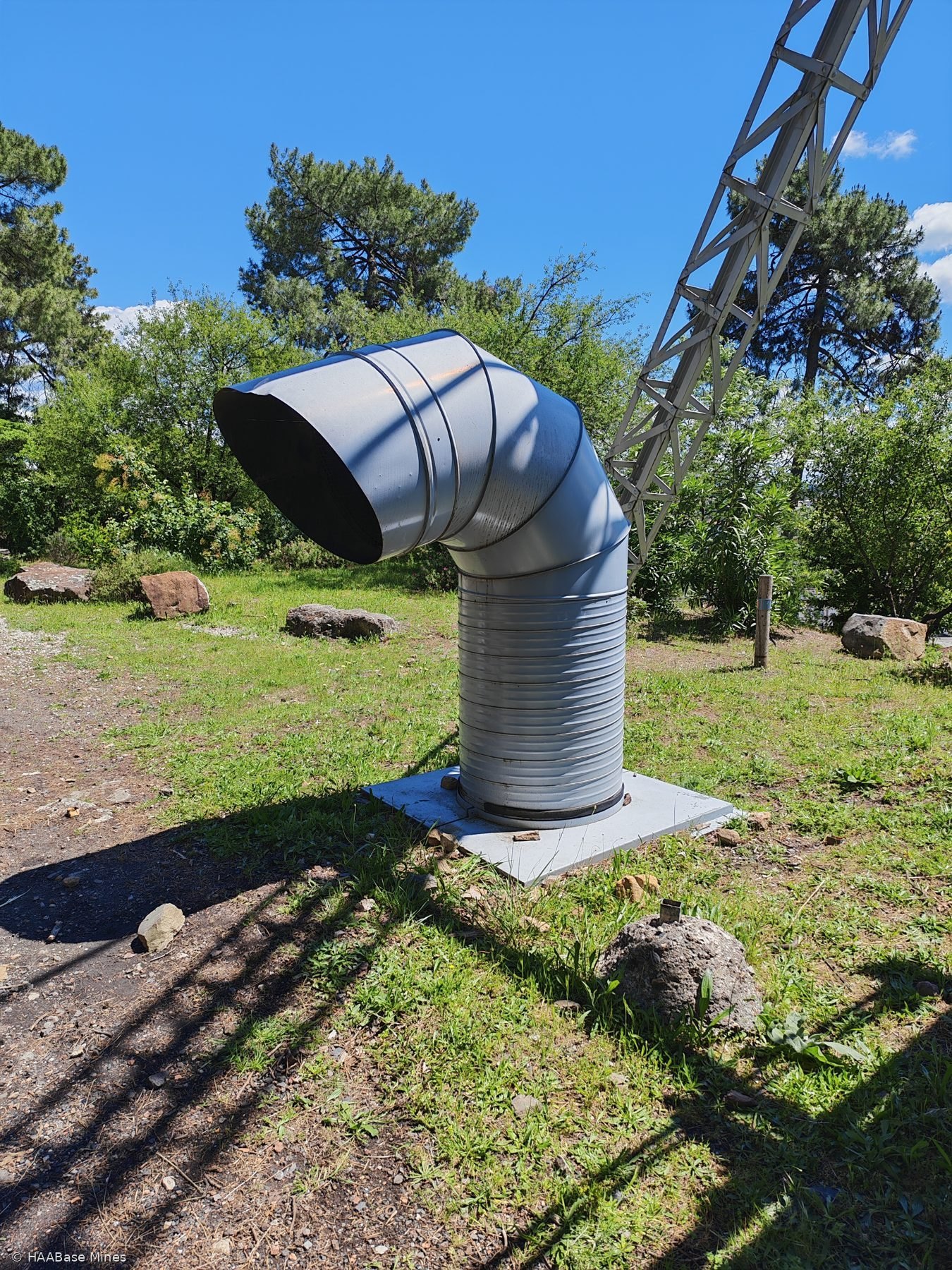
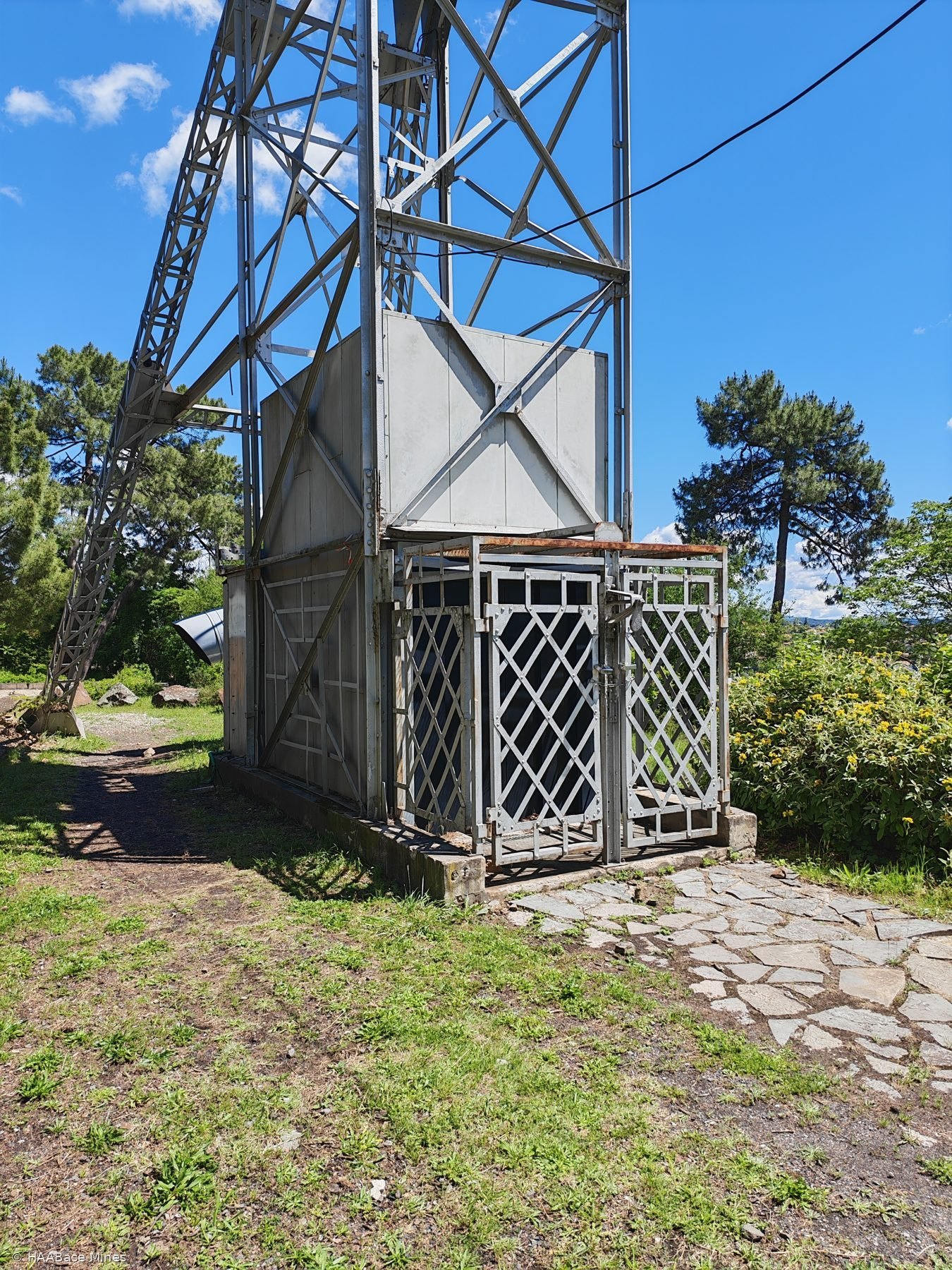
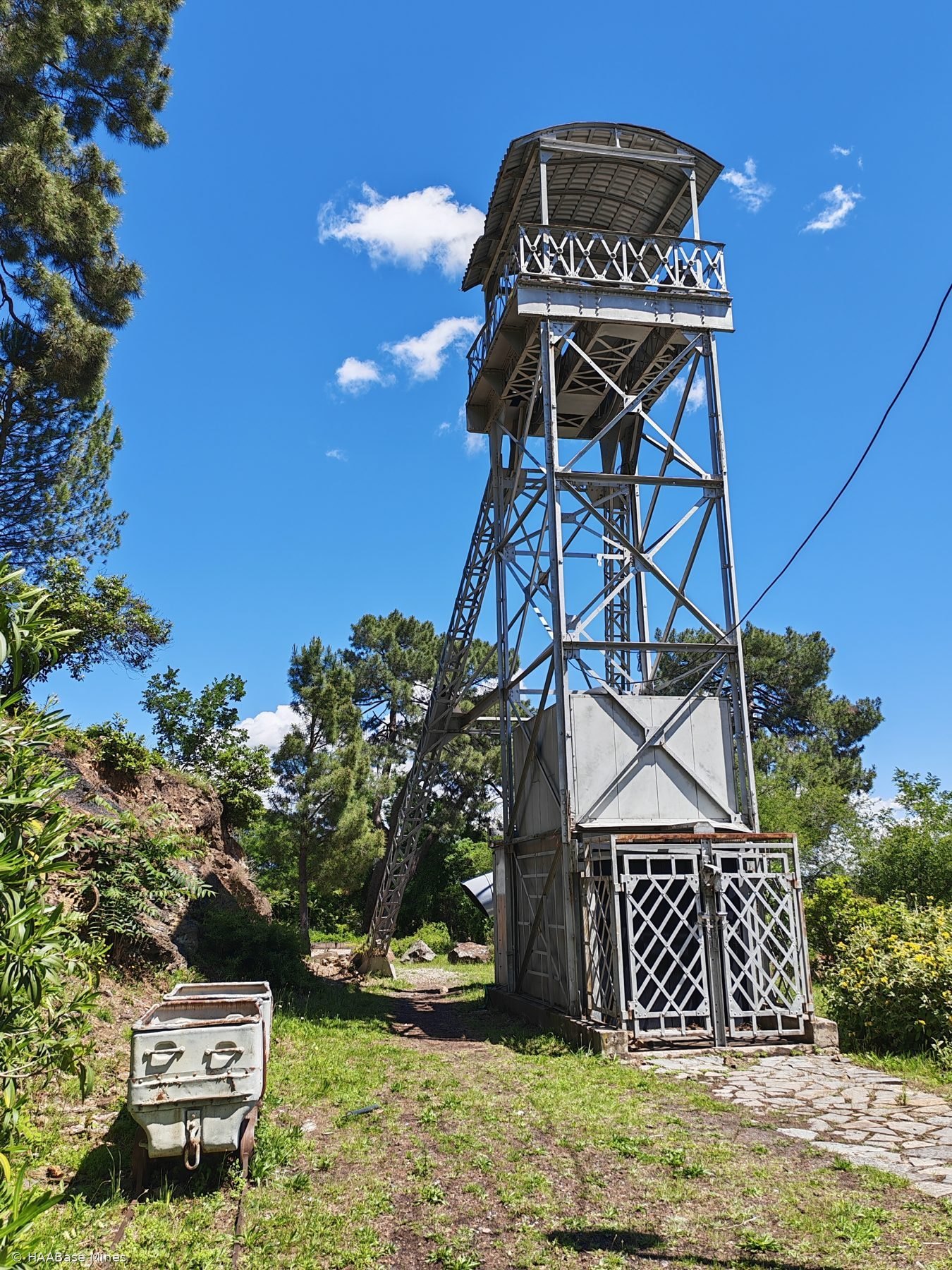
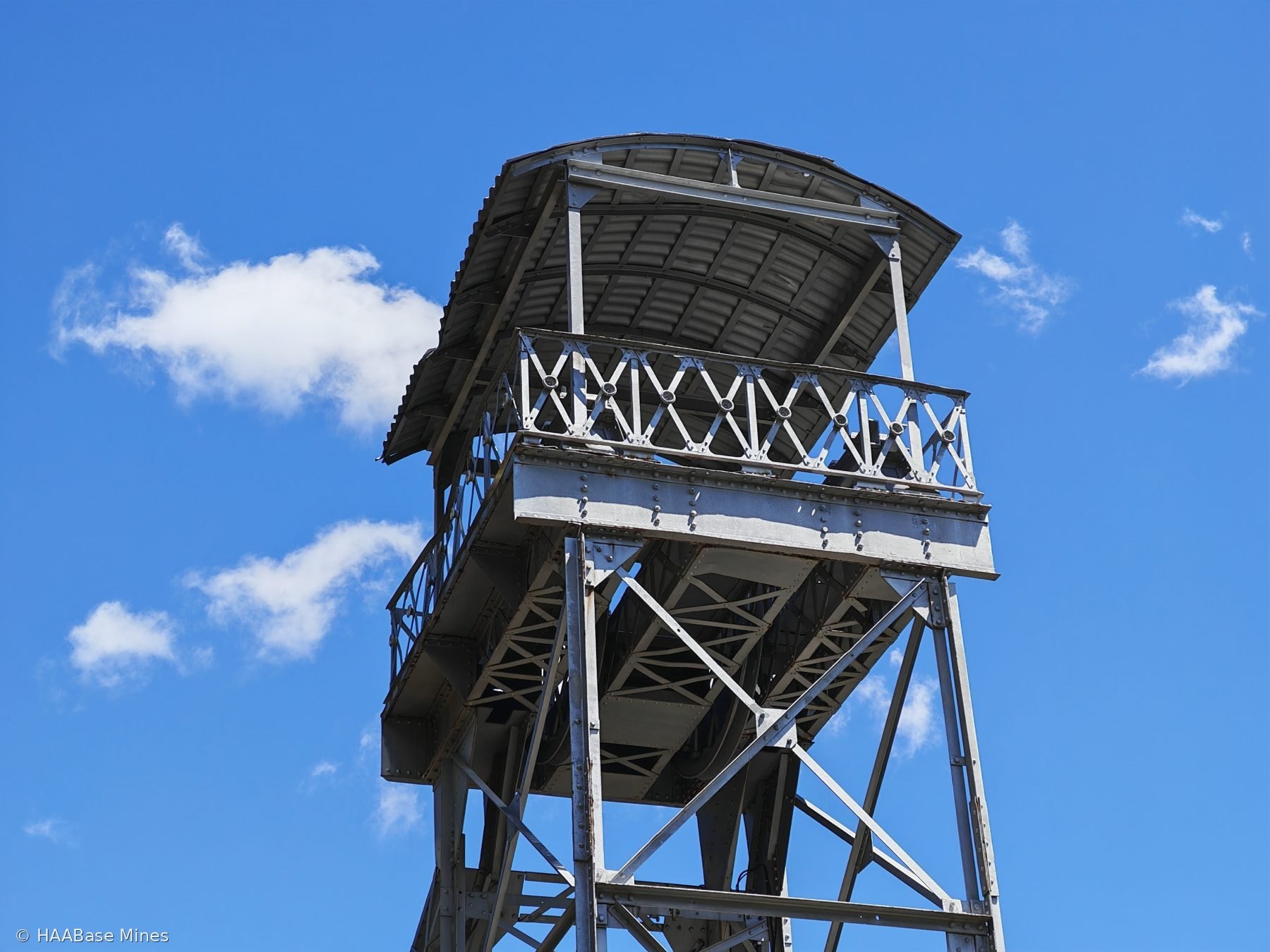
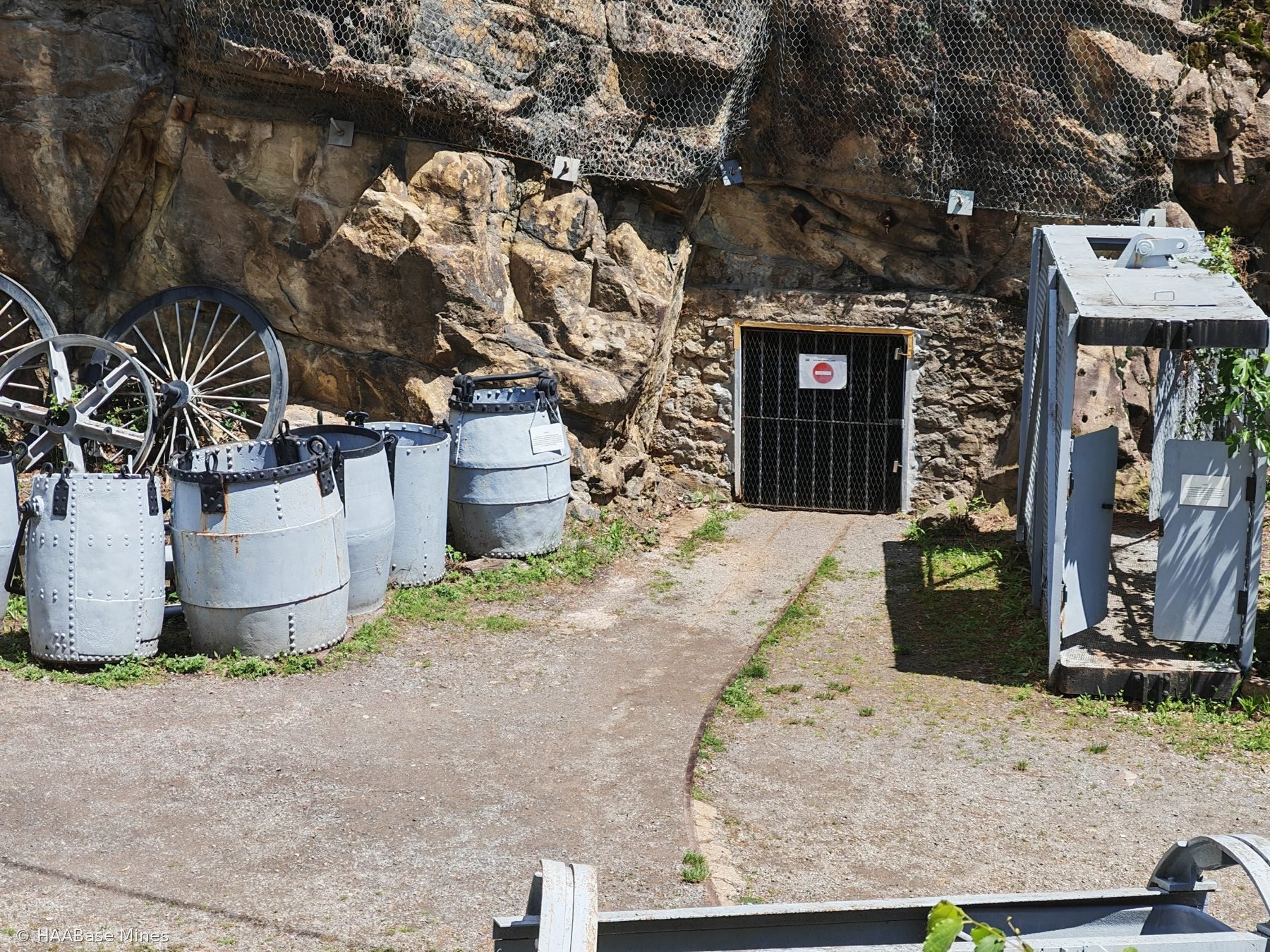
At the surface, the Mine Témoin is equipped with a metal headframe over the descent shaft, with a cage at its foot providing access to the galleries below. The galleries were organised into five working faces (tailles) equipped respectively with machinery and methods corresponding to five successive periods of technological development from 1880 to 1960. Raymond Aubaret, a formation technician at the Houillères des Cévennes and an industrial archaeologist, anticipated from the 1960s the coming closure of underground extraction in the Cévennes and systematically recovered and installed in the QMT galleries machines and equipment from closing mines across the Alès–La Grand-Combe basin. The five tailles were equipped with: a taille representing 1880-era hand-working methods; a taille illustrating early twentieth-century pneumatic drilling; a taille illustrating compressed air cutting equipment of the 1930s; a taille representing 1950s mechanised face equipment; and a taille representing 1960s fully mechanised long-wall working. The site also preserves a Deutz locotracteur described as rare, horse-working, and realistically posed mannequins.

The QMT was closed in 1968 when the Rochebelle mine ceased operations. The Mine Témoin was subsequently opened to the public in 1985. In 2014, flooding caused severe damage to the galleries and surface installations. Renovation works lasting approximately six years were undertaken. The mine reopened to the public on 11 July 2020. The Mine Témoin is currently managed by Alès Agglomération and offers guided visits of the 700-metre gallery network, with tours lasting one hour to one hour fifteen minutes and departing from the cage at the foot of the surface headframe. Evening theatrical visits are offered in summer months. The Mine Témoin operates in partnership with the Maison du Mineur at La Grand-Combe.
Timeline

1945
Construction

Mine Témoin created as training centre of the Houillères des Cévennes

The Mine Témoin d'Alès (QMT — quartier mine témoin) was created in 1945 as the Centre de Formation of the Houillères des Cévennes in the Rochebelle district of Alès, to provide practical underground training for apprentice miners.
1945–1968
Operation

Successive cohorts of apprentice miners trained in the QMT galleries

From 1945 to 1968, generations of apprentice miners aged 14 to 18 trained in the QMT galleries, excavating the 700-metre gallery network as practical work and learning all techniques of underground extraction then in use in the Cévennes.
1960–1968
Construction

Raymond Aubaret recovers and installs mining machinery in the galleries

From the 1960s, Raymond Aubaret, formation technician at the Houillères des Cévennes, systematically recovered machinery from closing mines across the Alès–La Grand-Combe basin and had it installed in the QMT galleries, equipping five tailles to represent five periods of mining technology from 1880 to 1960.
1968
Closure

QMT closed following closure of Rochebelle mine

The Mine Témoin (QMT) closed in 1968 when the Rochebelle mine ceased operations.
1985
Heritage

Mine Témoin opened to the public

The Mine Témoin was opened to the public in 1985, offering guided visits to the 700-metre gallery network.
2014
Heritage

Flooding causes severe damage to galleries and surface installations

In 2014 flooding caused severe damage to the Mine Témoin galleries and surface installations, necessitating closure for renovation.
2014–2020
Heritage

Six years of renovation works undertaken

Renovation works lasting approximately six years were carried out on the Mine Témoin galleries and surface installations following the 2014 flood damage.
2020
Heritage

Mine Témoin reopened to the public

The Mine Témoin reopened to the public on 11 July 2020 following completion of renovation works, managed by Alès Agglomération.

Sources and records

Wikipedia article (French): Mine témoin d'Alès
Mine-temoin.fr official website
Ales.fr municipal website: Mine Témoin
Exxplore industrial heritage dossier: Houillères du Bassin des Cévennes
Grottesdefrance.org: Mine Témoin d'Alès — description and history
Objectifgard.com: Alès — descendre, voir et comprendre le passé des mineurs à la Mine Témoin (2013)
France 3 Occitanie: Mine Témoin d'Alès rouverte après 6 ans de travaux (July 2020)
Journal Toulousain / Le Mag Alès: Vestige de l'ère minière locale, la Mine Témoin d'Alès rouvre ses portes (July 2020)
Tourisme Gard: Mine Témoin d'Alès — fiche site
Cévennes Tourisme: Mine Témoin d'Alès
This researched site record is part of the HAABase Mines database. Normal personal research and browsing is welcome. Automated bulk extraction, republication, or harvesting of site text and images is not permitted without written consent.