1884
Concession de Halouze obtained by Mines de Fer de Saint-Rémy
On 8 April 1884 the Mines de Fer de Saint-Rémy obtained the concession de Halouze.
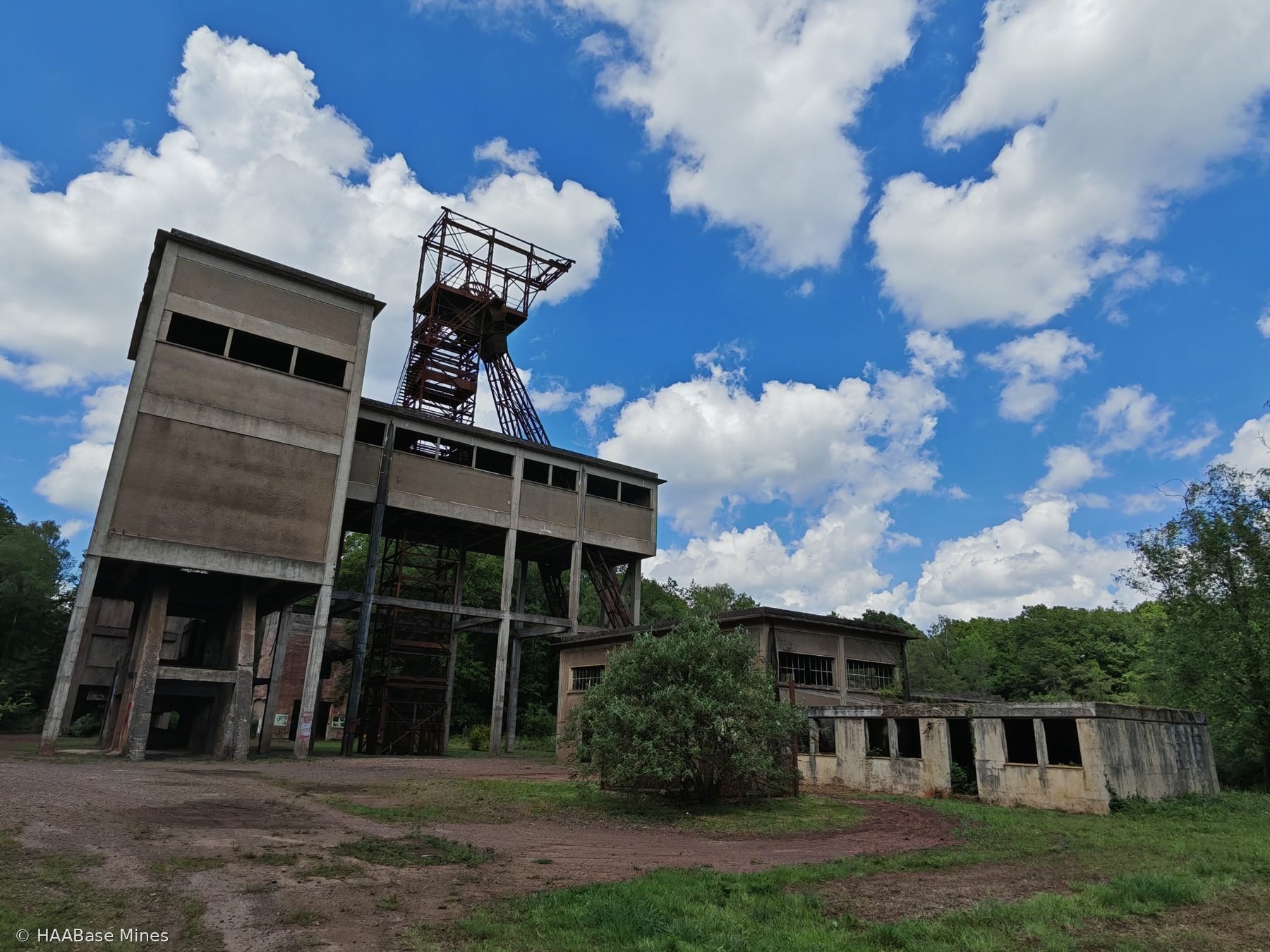
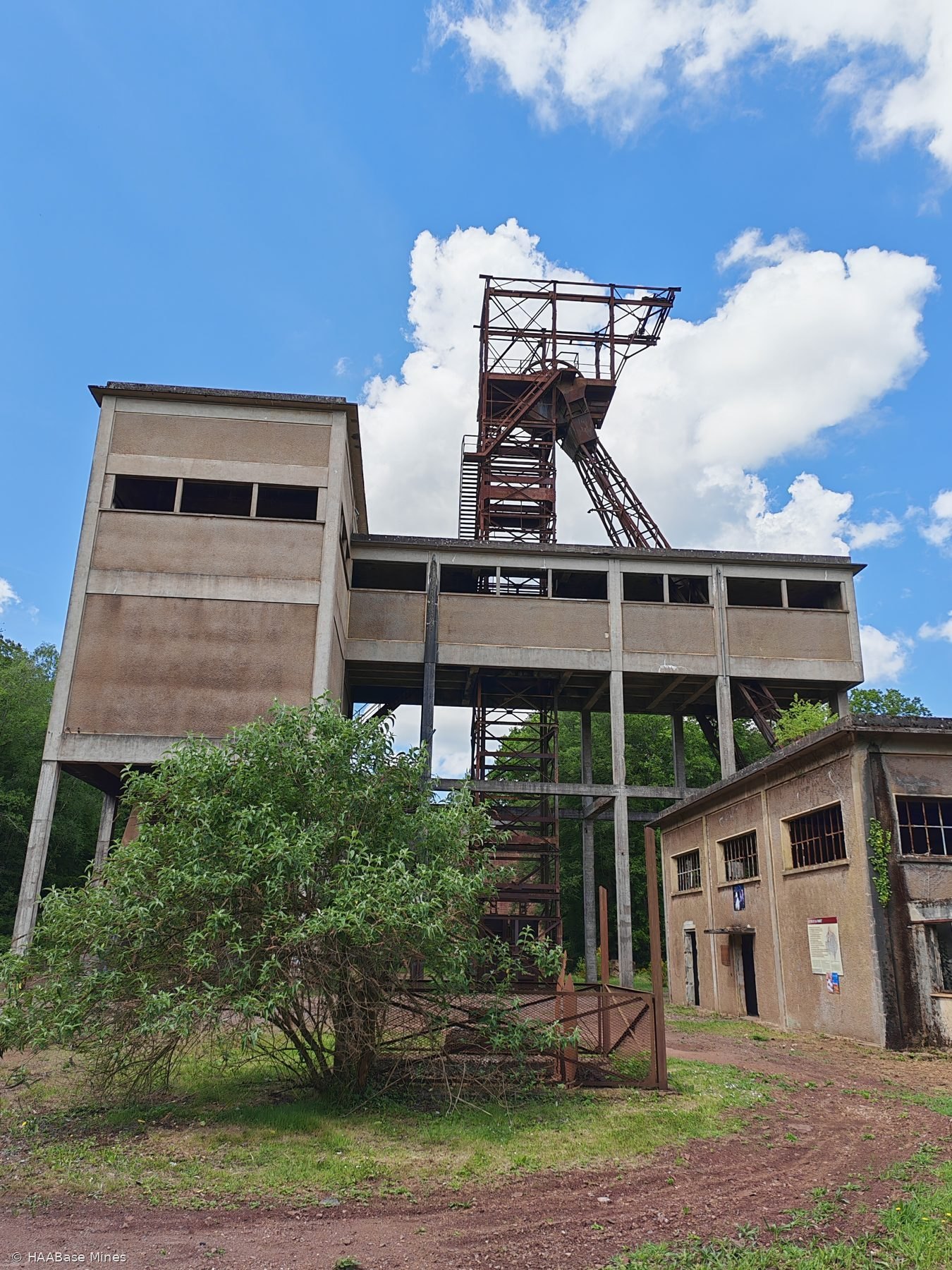
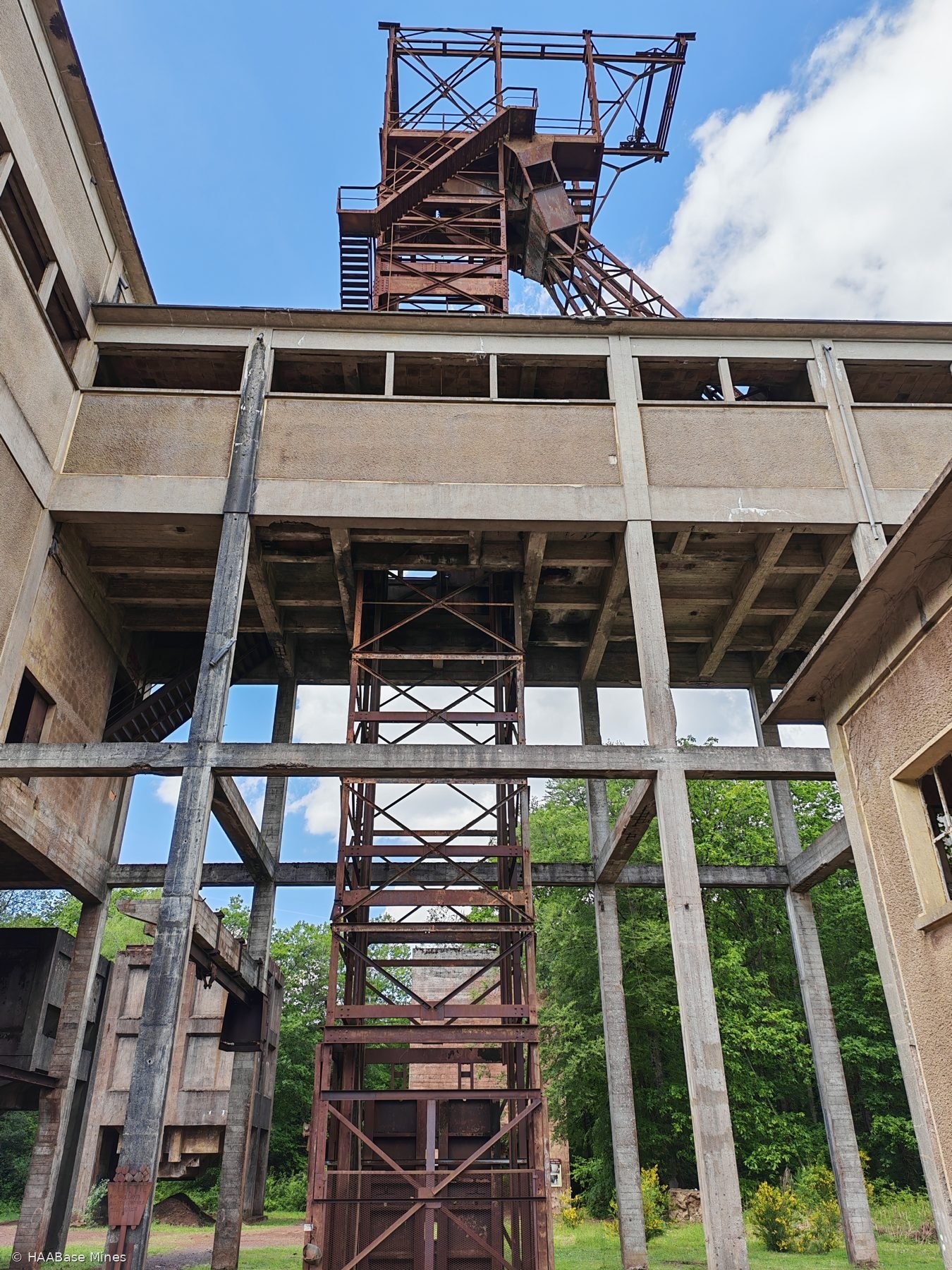
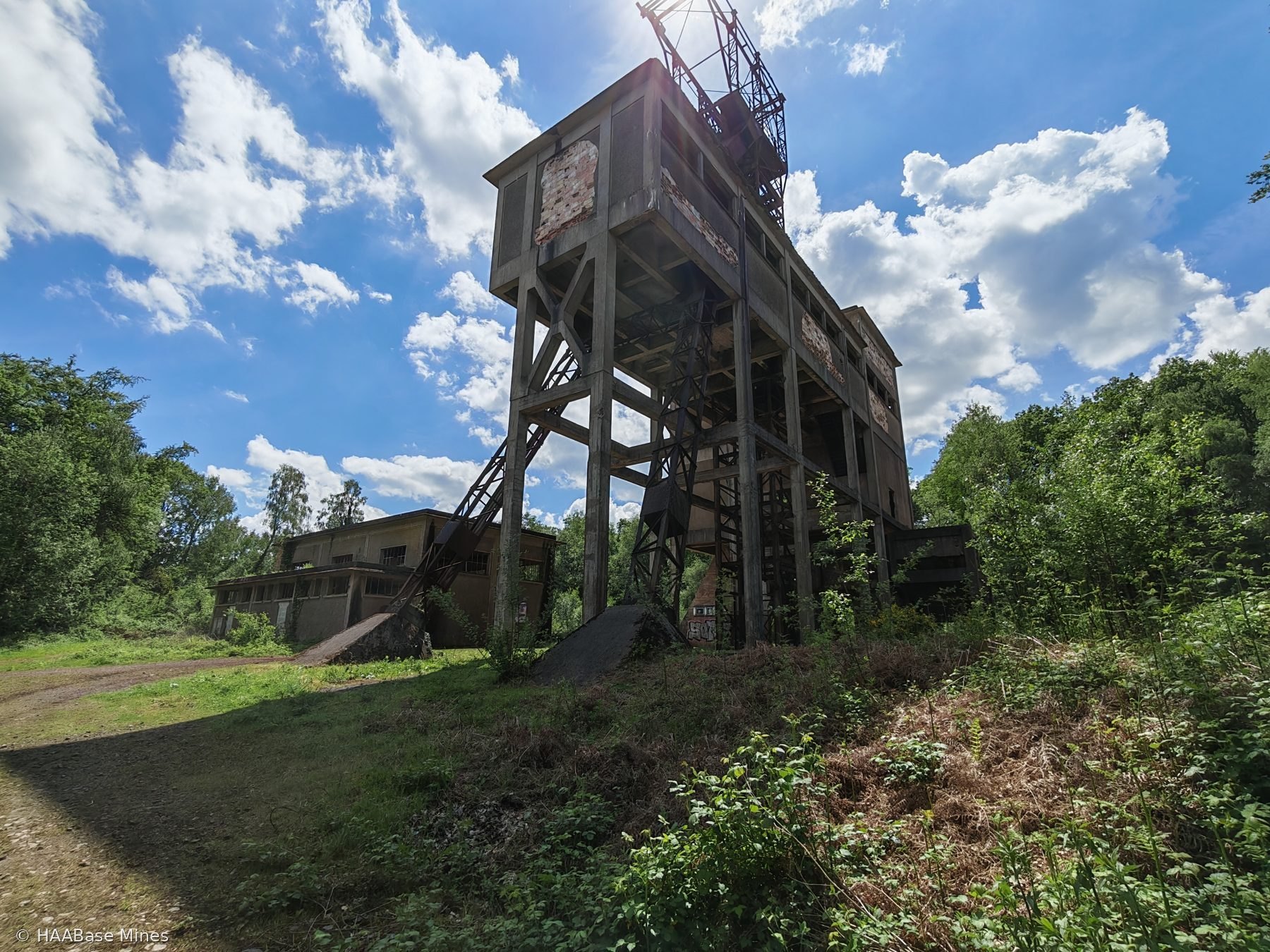
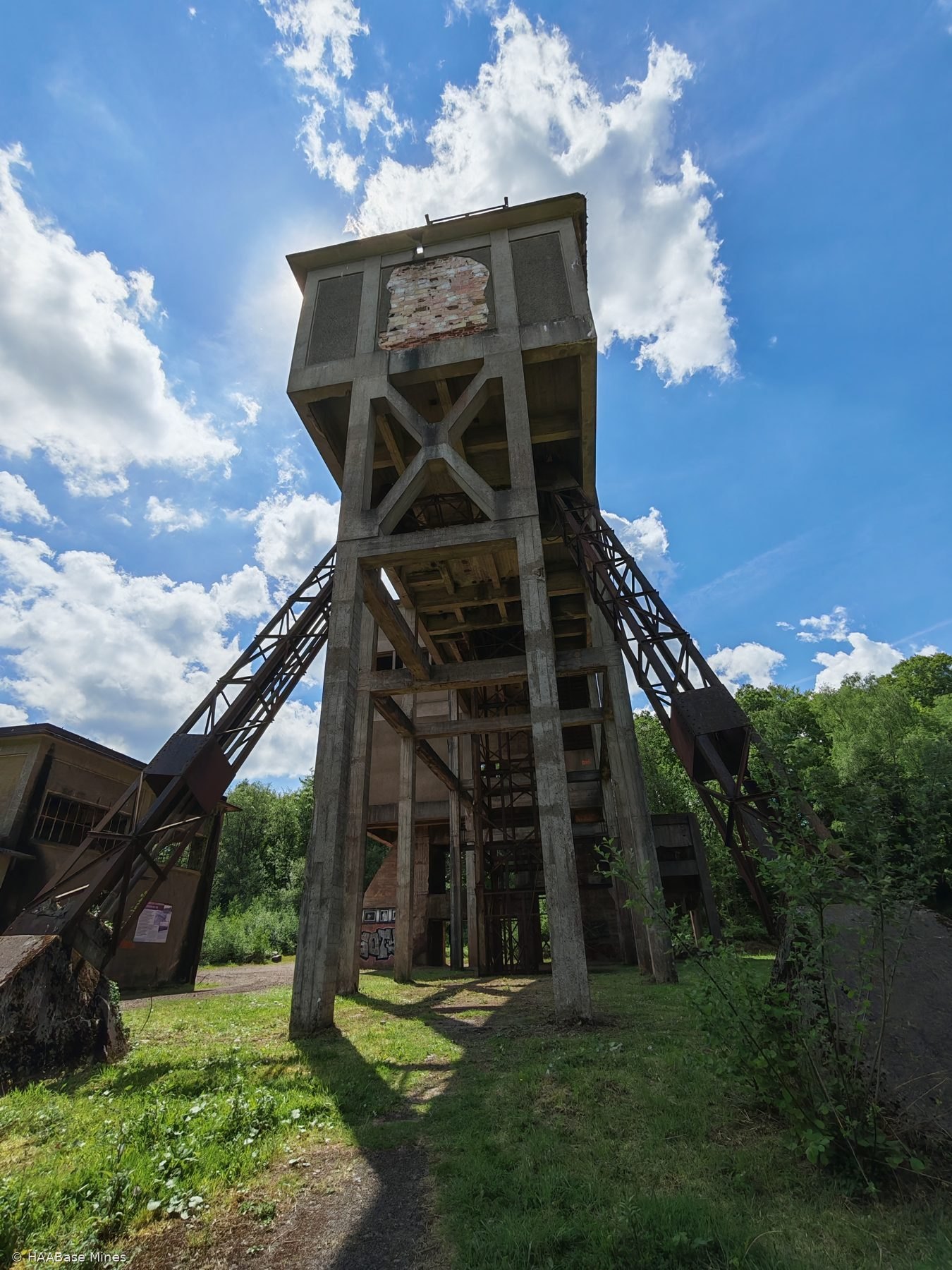
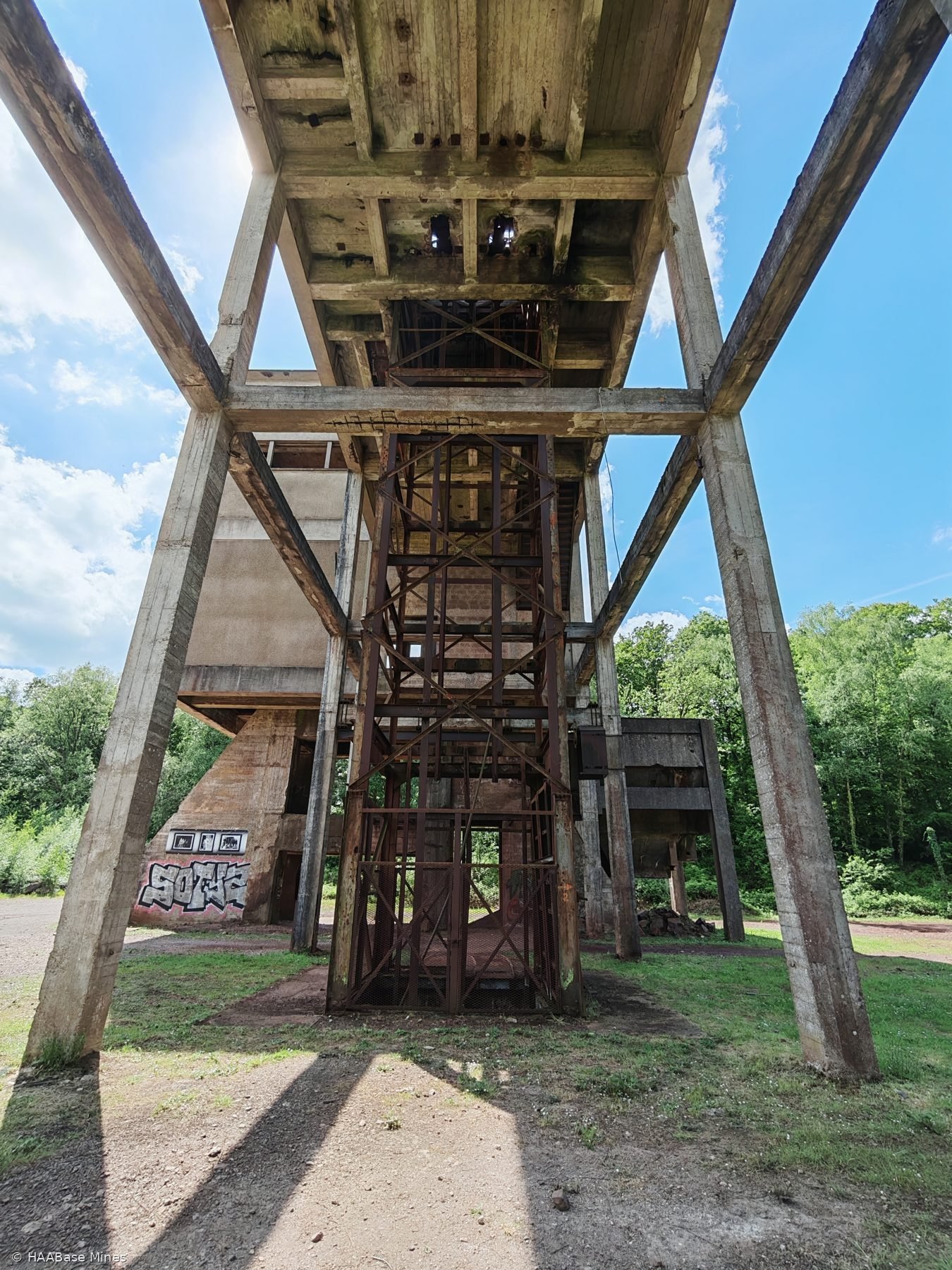
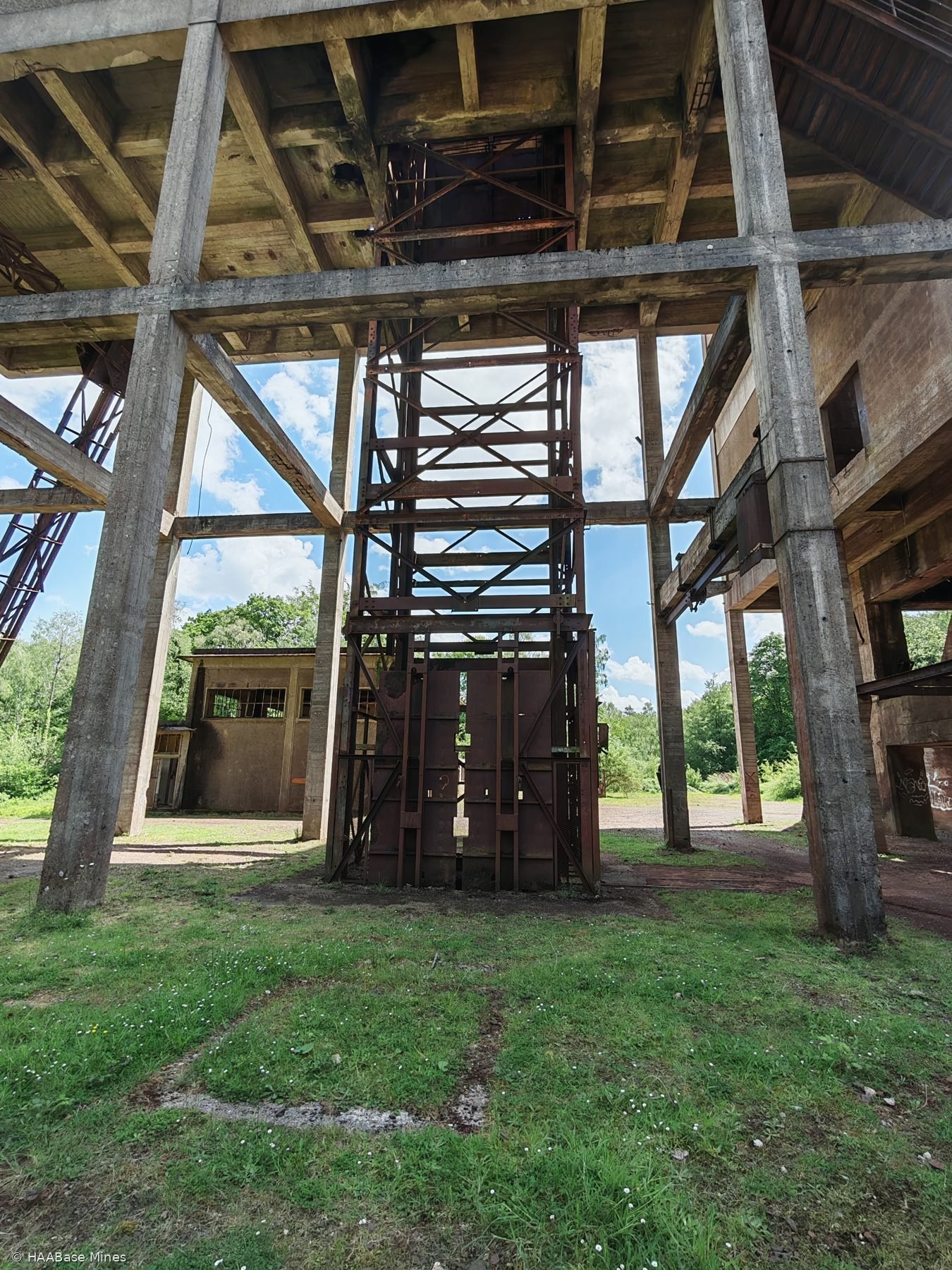
Former iron ore mine at Saint-Clair-de-Halouze retaining the last mine headframe standing over a shaft in Normandy, with pit buildings open to external visit.
This record is based on the research currently available to HAABase Mines. It has not yet completed the site's formal source-by-source fact-checking process, so the history and timeline should be regarded as a well-researched provisional account and may be refined as further evidence is reviewed.
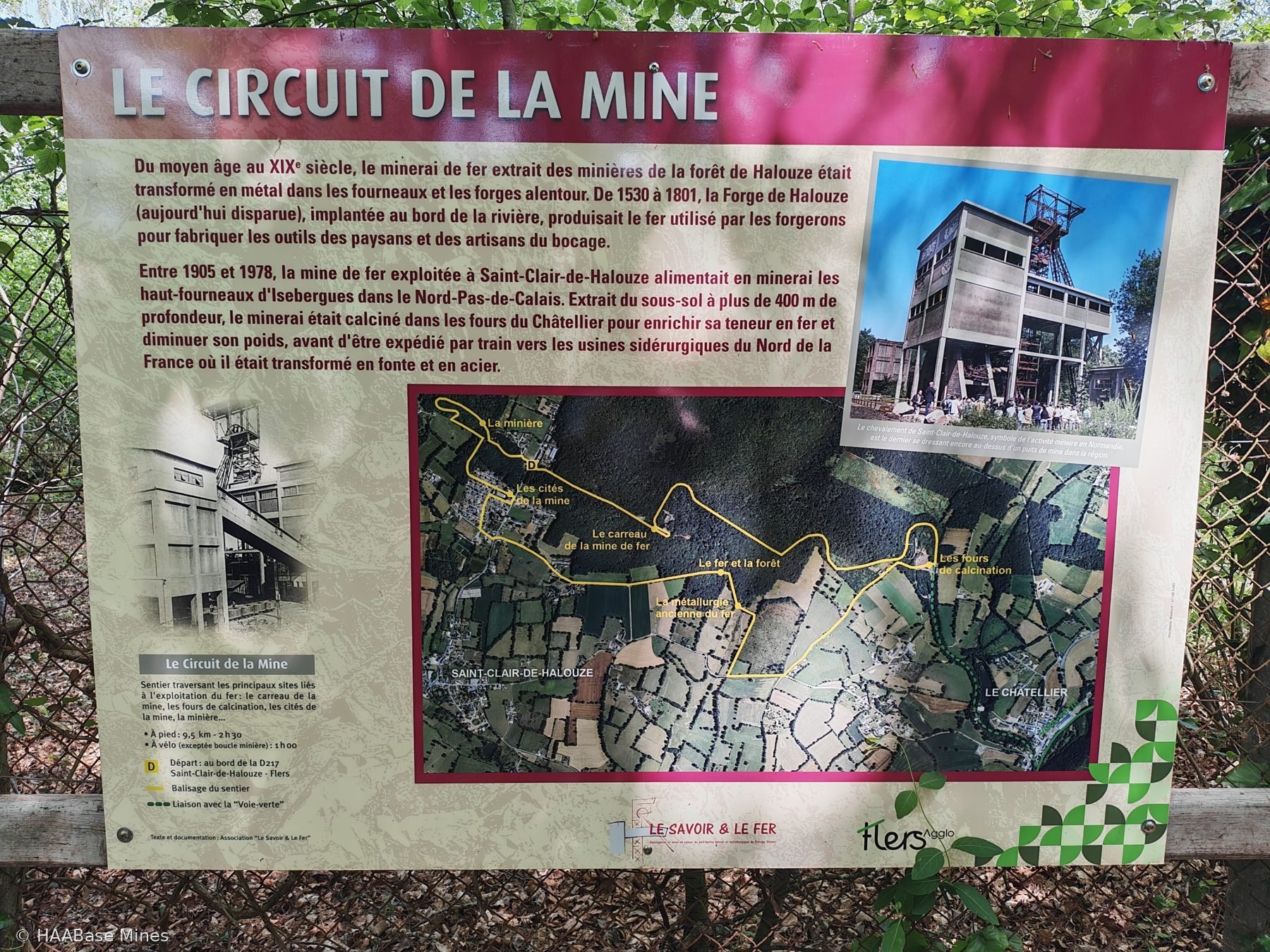
The Mines de Saint-Clair-de-Halouze form part of the iron ore mining context of the Bocage Ornais in the Orne department, where iron extraction dates from antiquity through open-cast minières. The concession de Halouze was obtained on 8 April 1884 by the Mines de Fer de Saint-Rémy, and underground extraction under the Société des Aciéries de France began in 1905 at the puits no. 1 at the lieu-dit Les Noës. A narrow-gauge electrified railway of 630 mm gauge connected the pit yard to calcination furnaces at La Bocagerie and onward to the gare du Châtellier.
In 1928 the Société des Forges et Aciéries de Châtillon-Neuves-Maisons absorbed the operator; the mine was flooded during the Second World War and dewatered only in March 1945. The puits 1 bis, sunk from 1931 and completed in 1949, became the principal shaft, with its headframe taken as war reparation from Germany and installed in 1949. The mine closed in 1978.
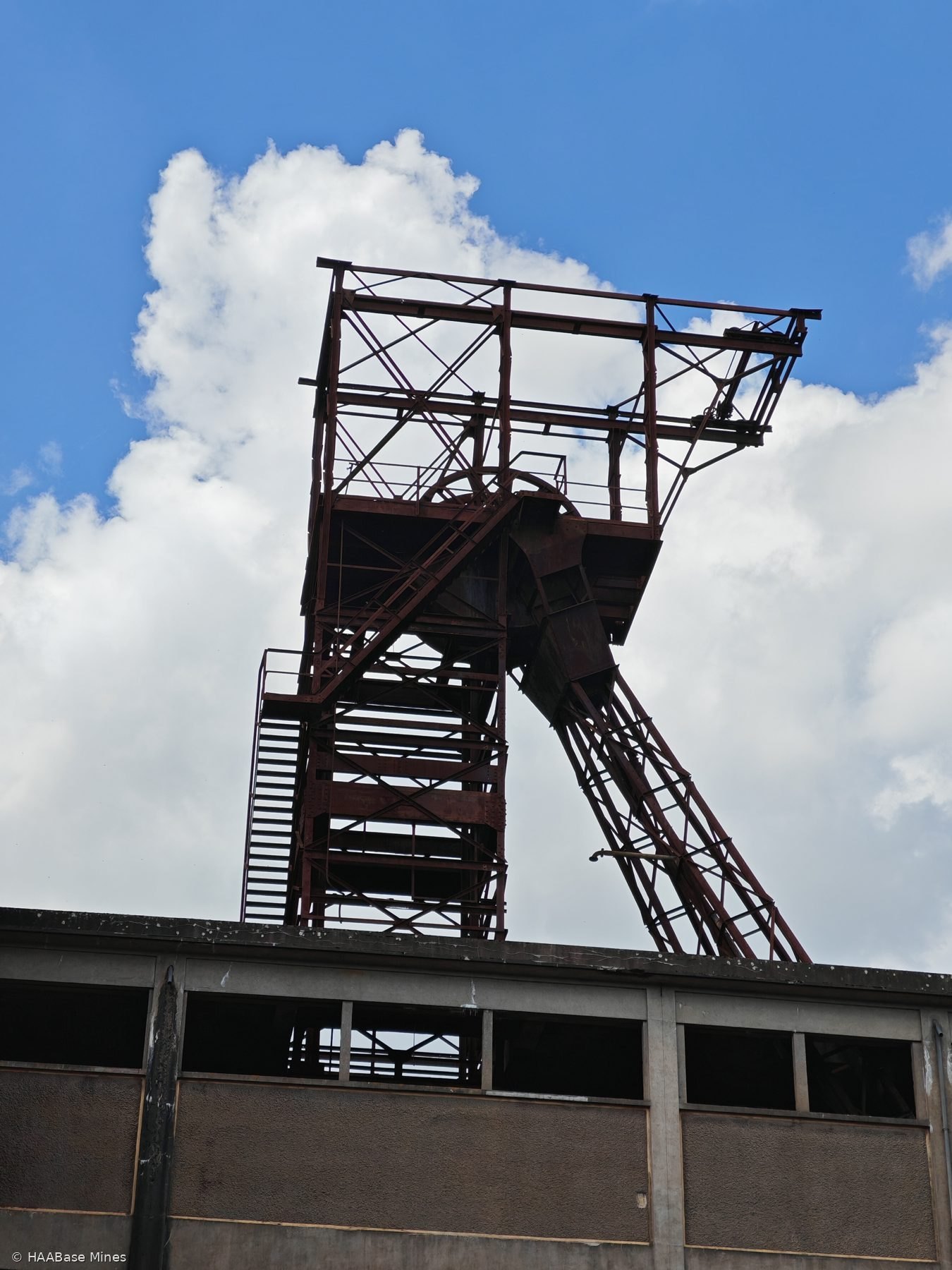
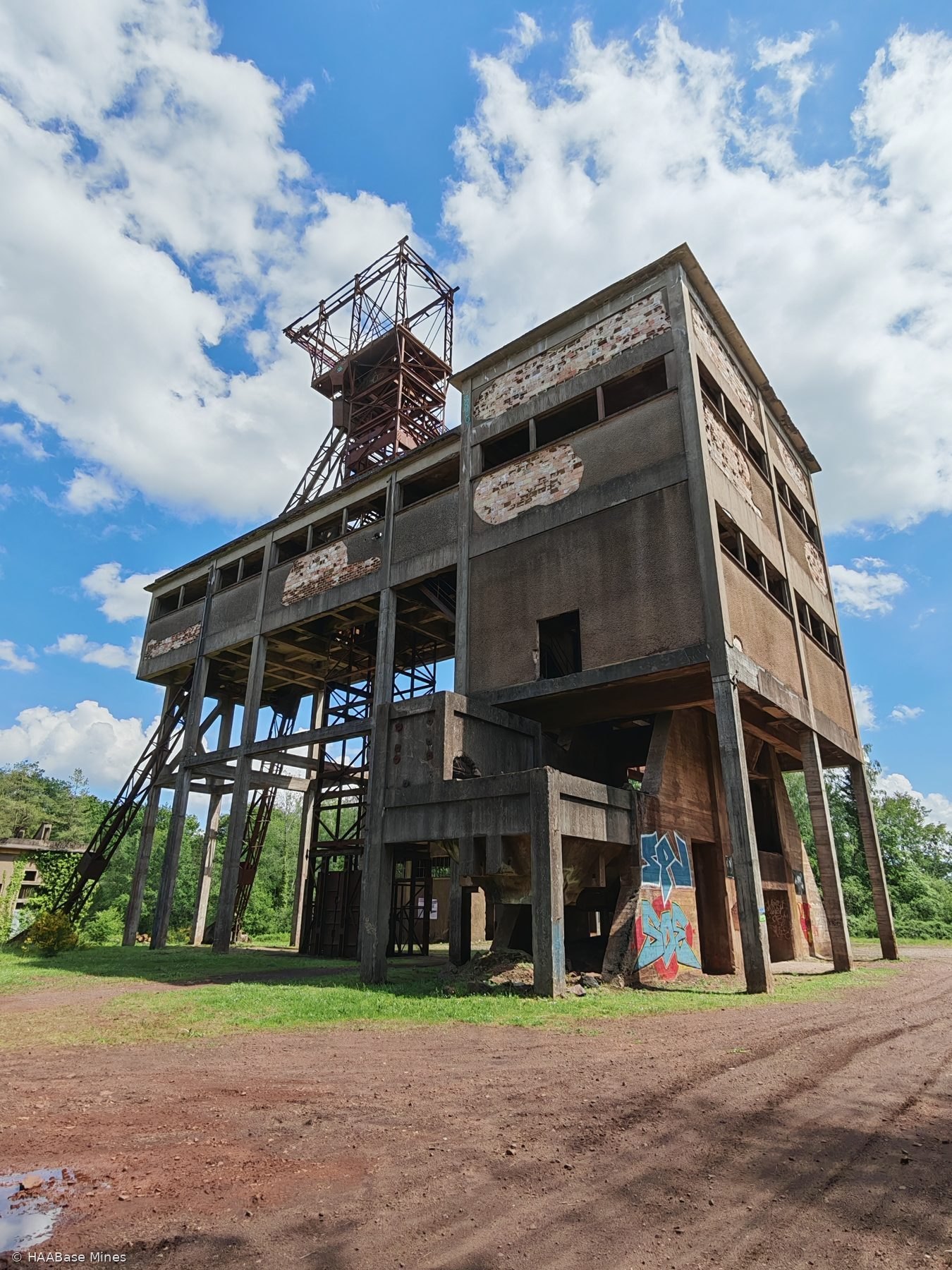
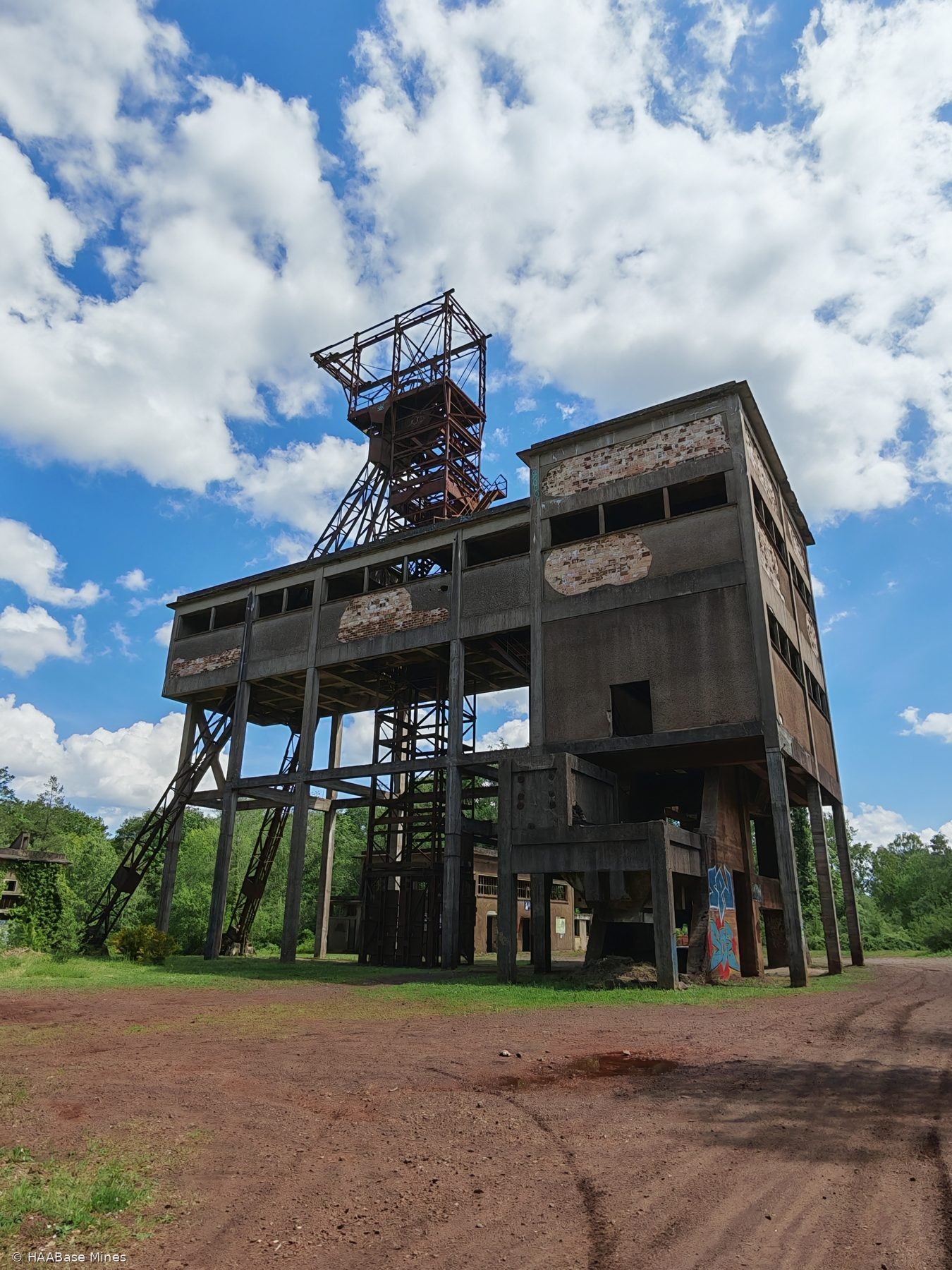
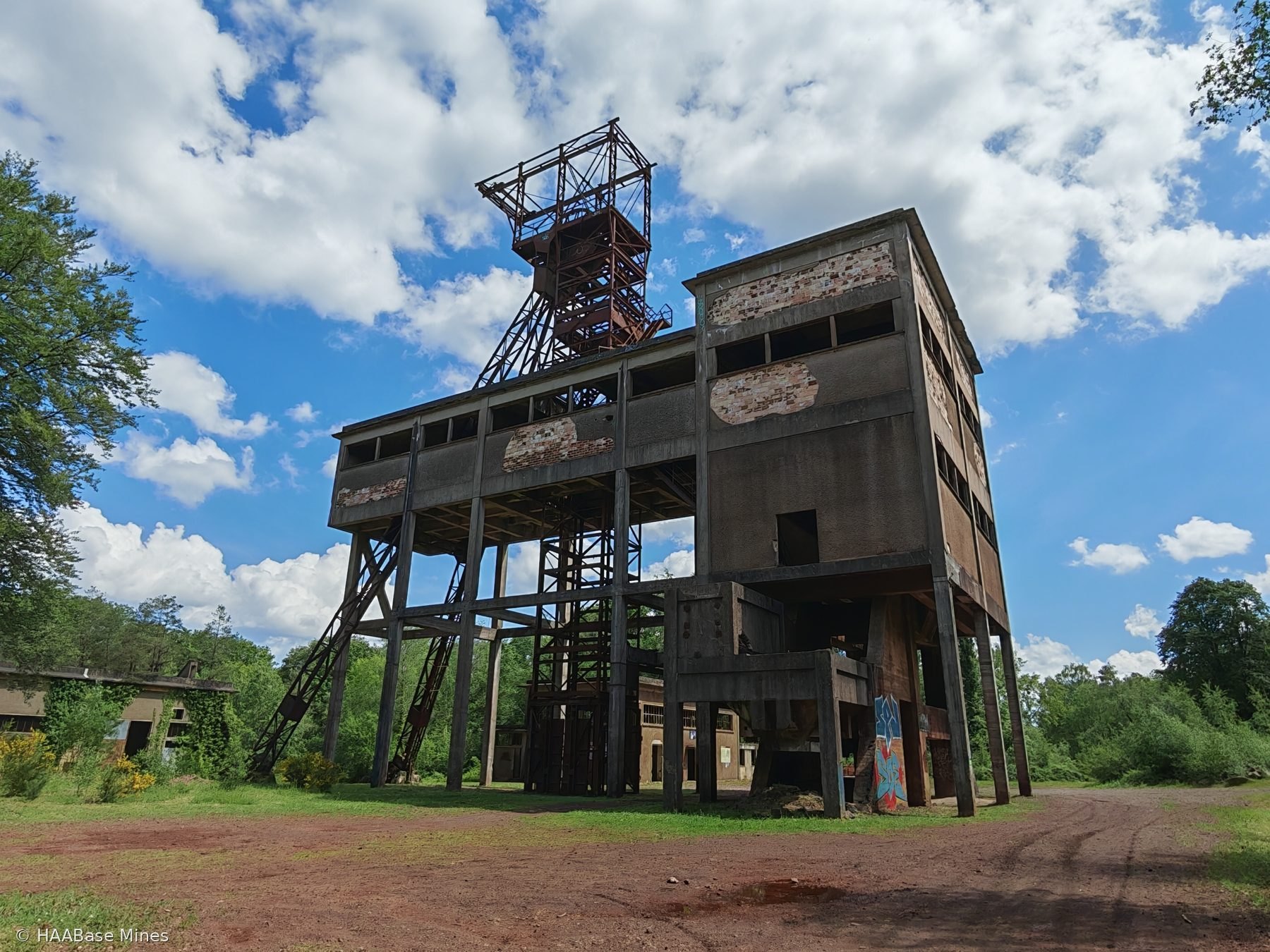
The puits 1 bis headframe, dated 1949–1978 by heritage sources, is the last mine headframe standing over a shaft in Normandy and is accessible externally with associated pit buildings.
Iron ore extraction in the Bocage Ornais is documented from antiquity, with open-cast minières worked through the medieval and post-medieval periods. The seam of carbonate of iron at Saint-Clair-de-Halouze has a thickness of between 5.5 and 7.5 metres, and the flanks of the seam vary in dip between 30° and 60°. The flanc sud was exploited first by open-cast minières, and exploitation extended to the flanc nord by vertical shafts.
The modern concession history began on 8 April 1884, when the Mines de Fer de Saint-Rémy obtained the concession de Halouze. A decree of 1888 united the concessions of Saint-Rémy and Saint-Clair-de-Halouze. A further cession to the société Larzac-Veiller was made in 1900, before retrocession to the Société des Aciéries de France (SAF) in 1905 allowed the commencement of underground extraction at the puits no. 1, situated at the lieu-dit Les Noës. The SAF simultaneously constructed calcination furnaces at the lieu-dit La Bocagerie and an electrified narrow-gauge railway of 630 mm gauge, 3.4 kilometres long, electrified at 500 V, to transport ore from puits nos. 1 and 2 to the furnaces and onward over a 1.4-kilometre section of standard gauge to the gare du Châtellier on the Caen–Laval line. Traction on the narrow-gauge section was provided by Thomson-Houston MJ6 locomotives of two axles, weighing eight tonnes and rated at 40 CV. A second site at La Bocagerie was exploited from 1908 to 1914 by means of an inclined roadway (descenderie) directly into the seam.
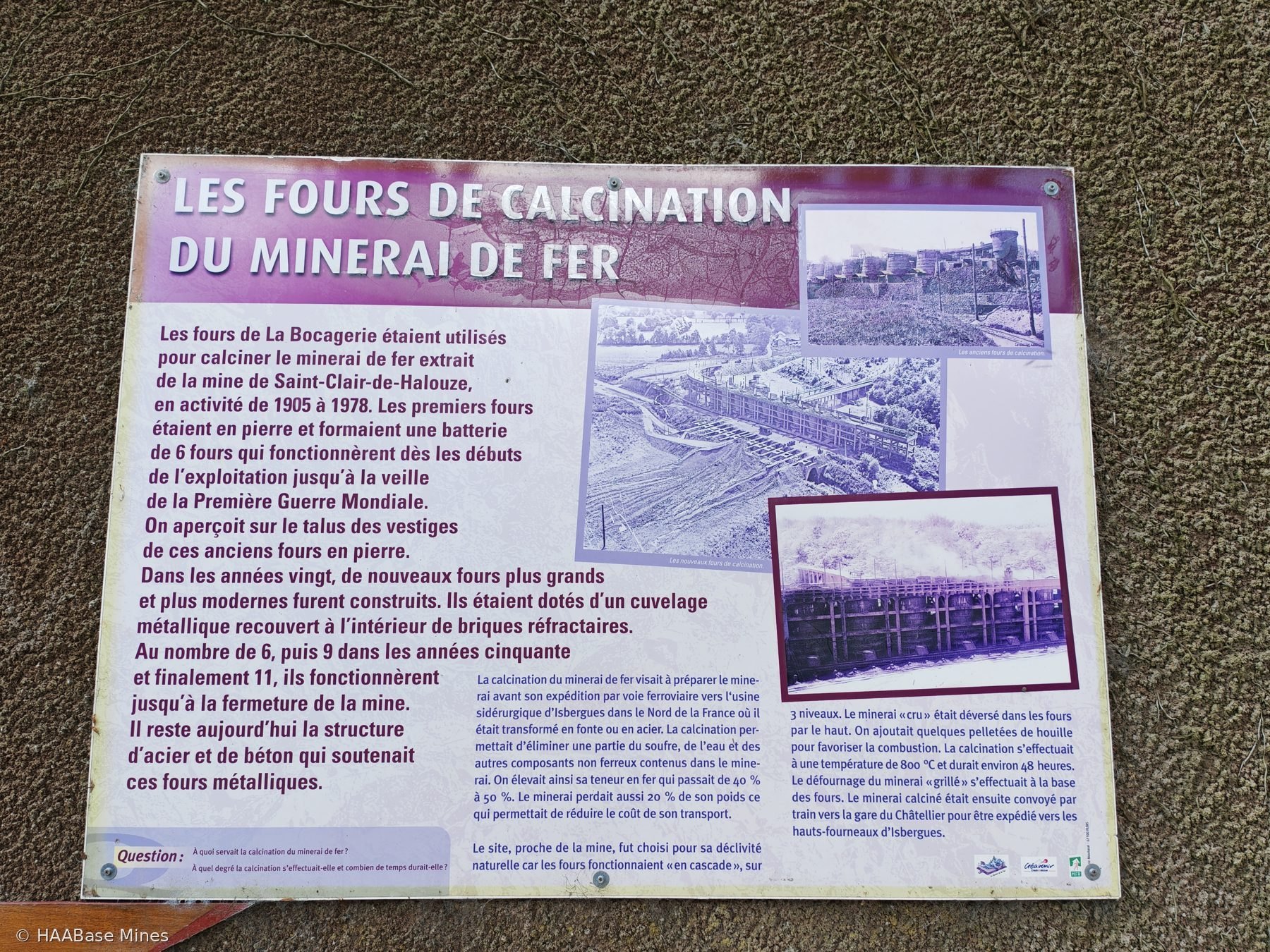
The calcination furnaces at La Bocagerie were initially built in stone, numbering six. From the 1920s, the original stone furnaces were progressively replaced by shaft furnaces with metal casings and refractory brick interiors; the number rose to nine and subsequently to eleven. Raw ore contained 42 to 45% iron oxide, a figure raised to 48–50% after calcination.
In 1928, the Société des Forges et Aciéries de Châtillon-Neuves-Maisons absorbed the Société des Aciéries de France, thereby taking over the Saint-Clair-de-Halouze concession. A plan of the mine established in the name of the Compagnie de Châtillon, Commentry et Neuves-Maisons dates from after 1930. Following this acquisition, ore from Saint-Clair-de-Halouze was directed to the blast furnaces at Isbergues in the Pas-de-Calais. Puits no. 1 was filled in 1939.
Sinking of the puits 1 bis began on the carreau du puits 1 in 1931. The shaft has a diameter of 4.5 metres and was sunk to a final depth of 365 metres with six accrochages. The Second World War interrupted works: pumping at the mine ceased and the workings were flooded. Dewatering was completed in March 1945, after which works resumed. The puits 1 bis was completed in 1949. The headframe installed over the shaft in 1949 was obtained as war reparations (dommages de guerre) from Germany.
Following the installation of the headframe and the re-equipment of the mine with electric haulage using 760 mm gauge track and Fenwick battery locomotives drawing 1,800-litre and subsequently 2,000-litre wagons, production increased substantially. Inter-war production of approximately 170,000 tonnes per year rose to 400,000 tonnes in the 1960s and 500,000 tonnes in the years preceding closure. The mine remained in extraction until 1978, when it closed in the context of a regional steel industry crisis that had progressively eliminated competing operations in the basin from 1962.
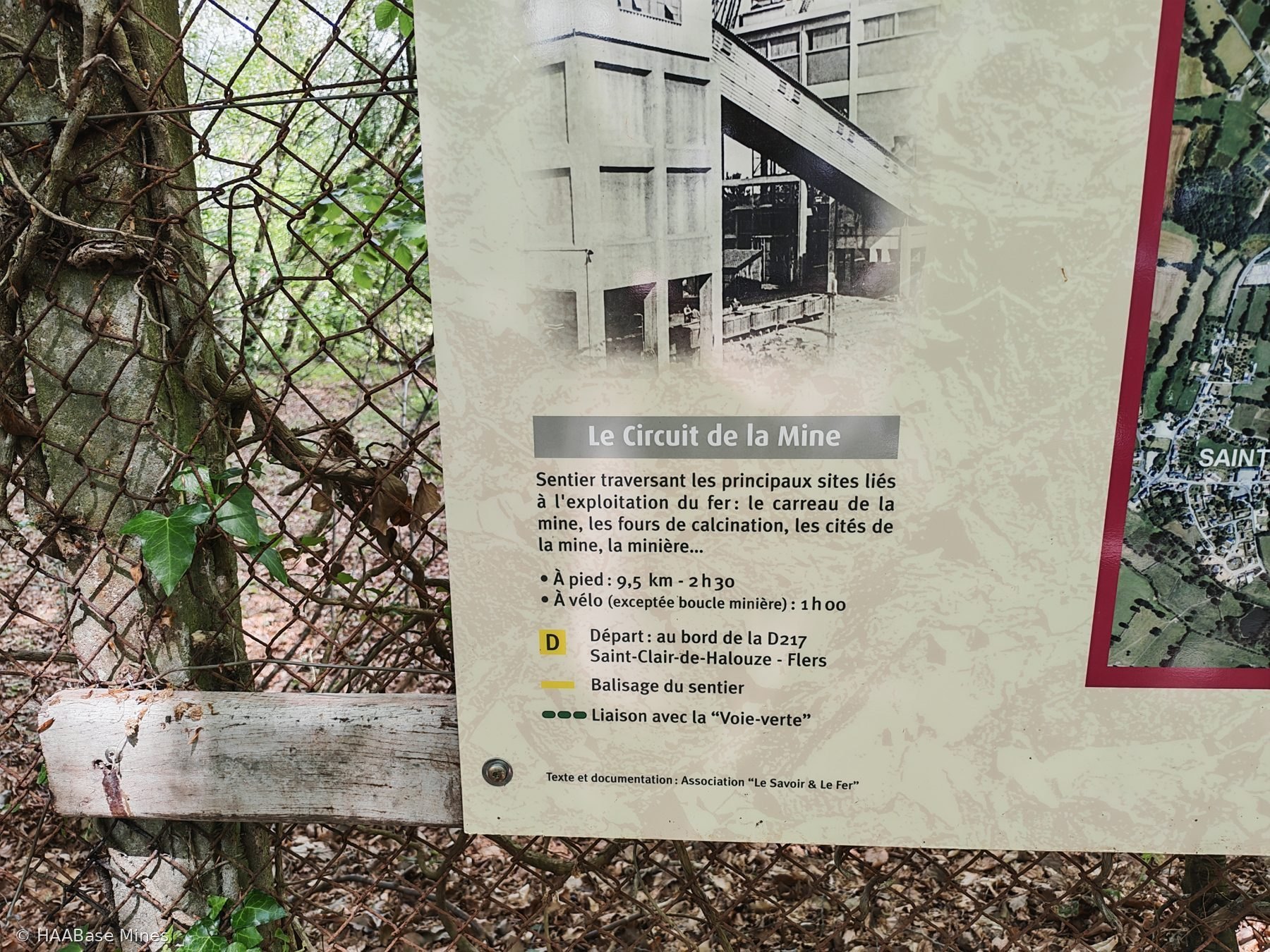
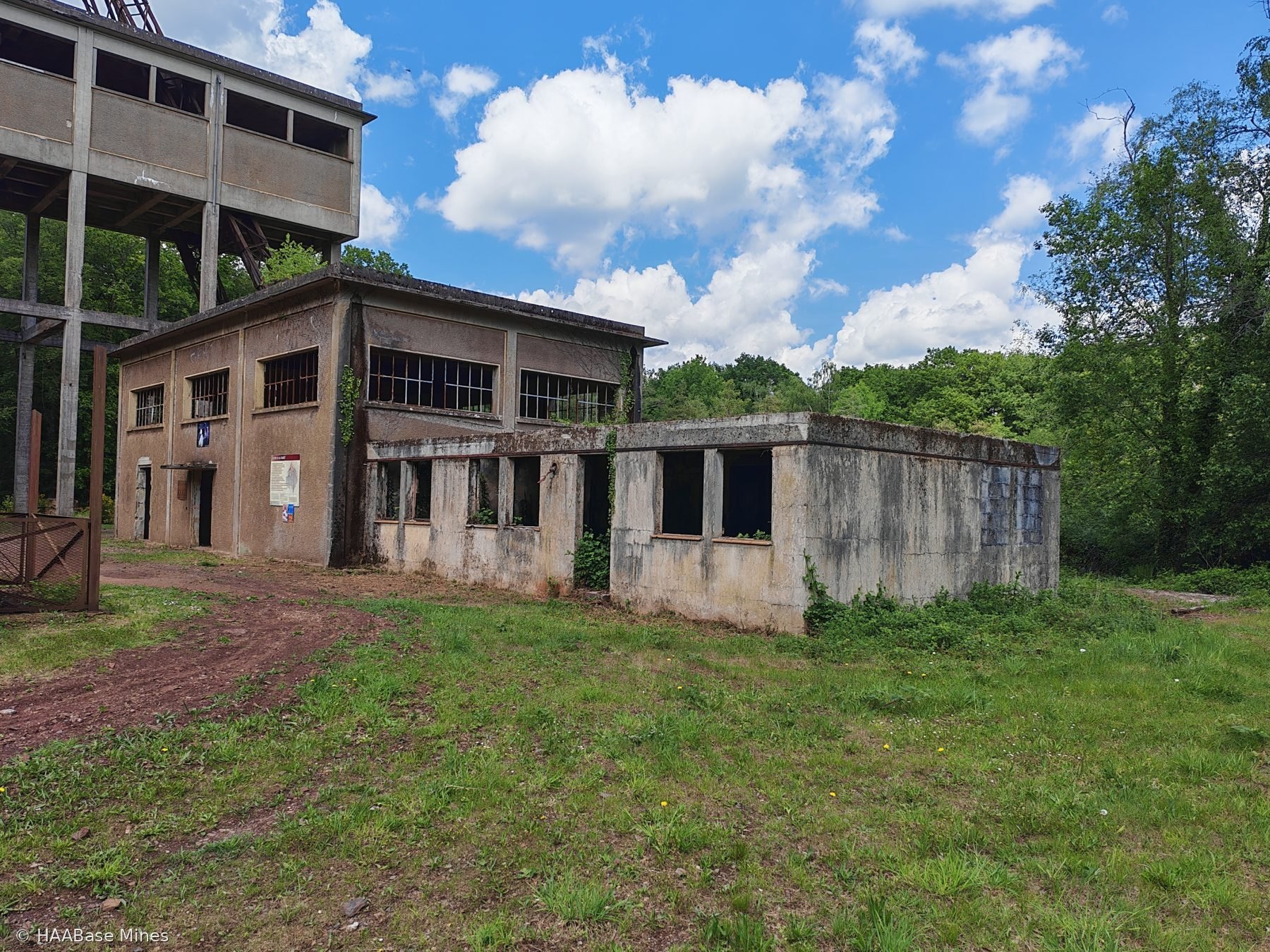
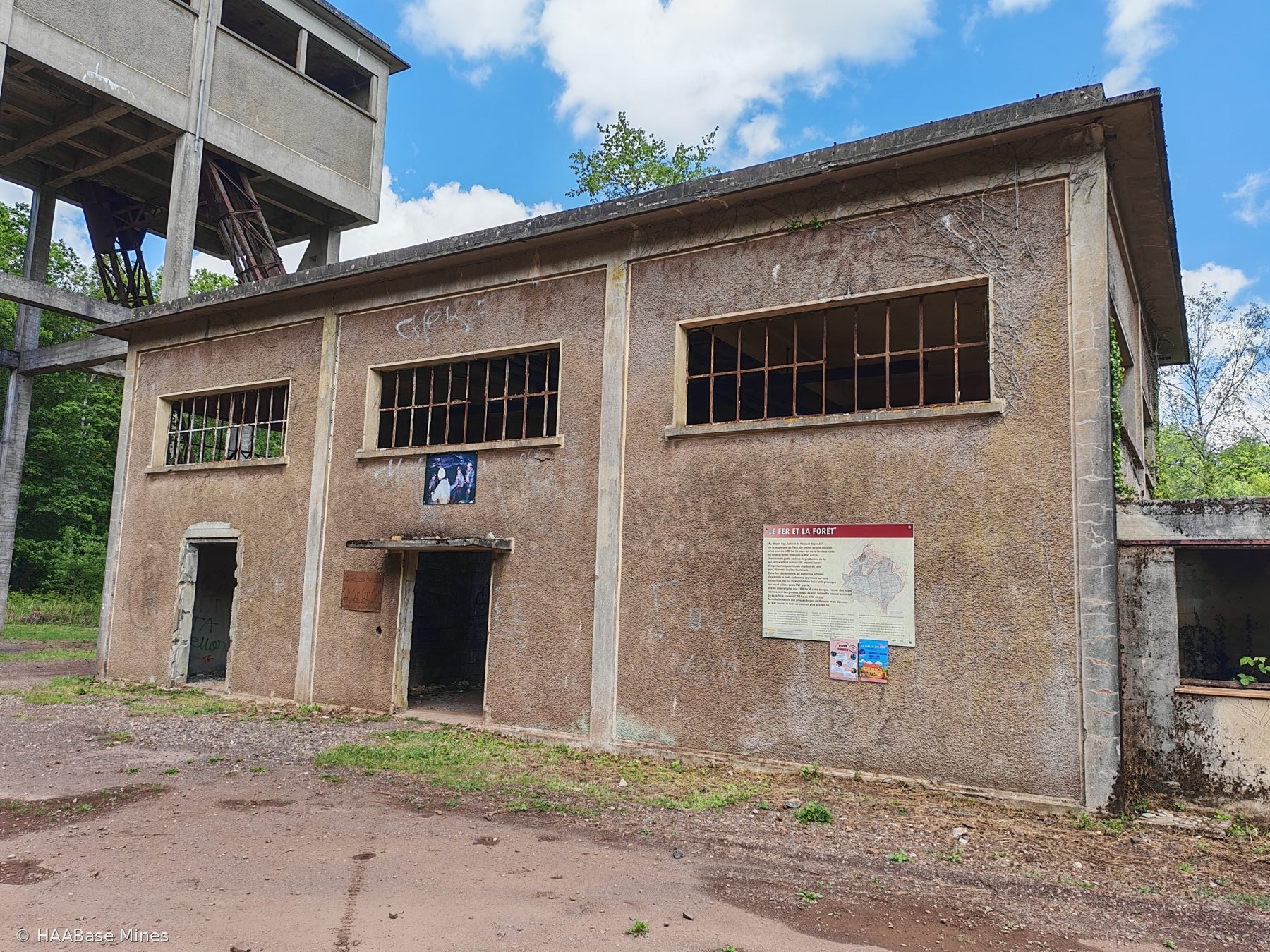
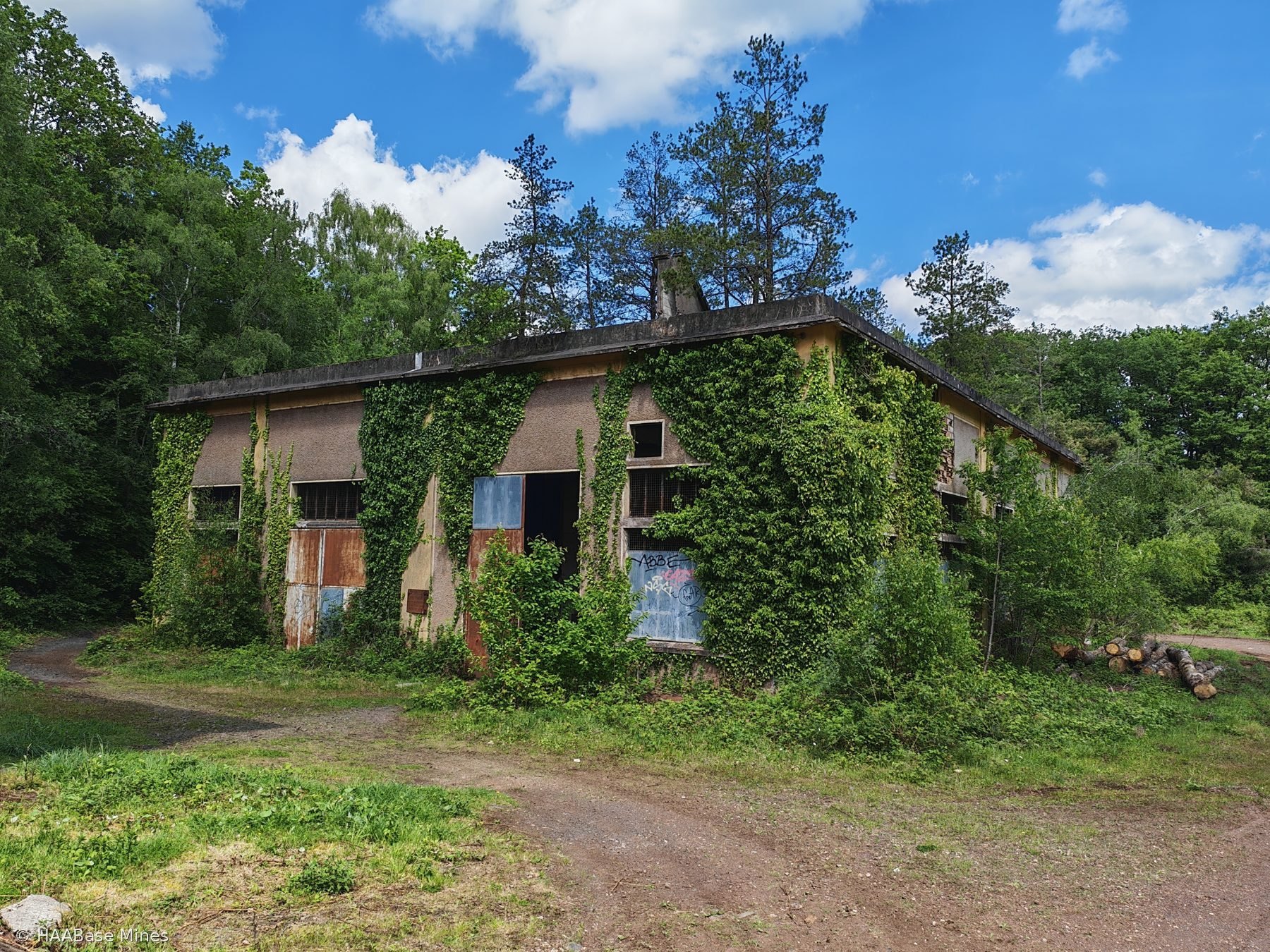
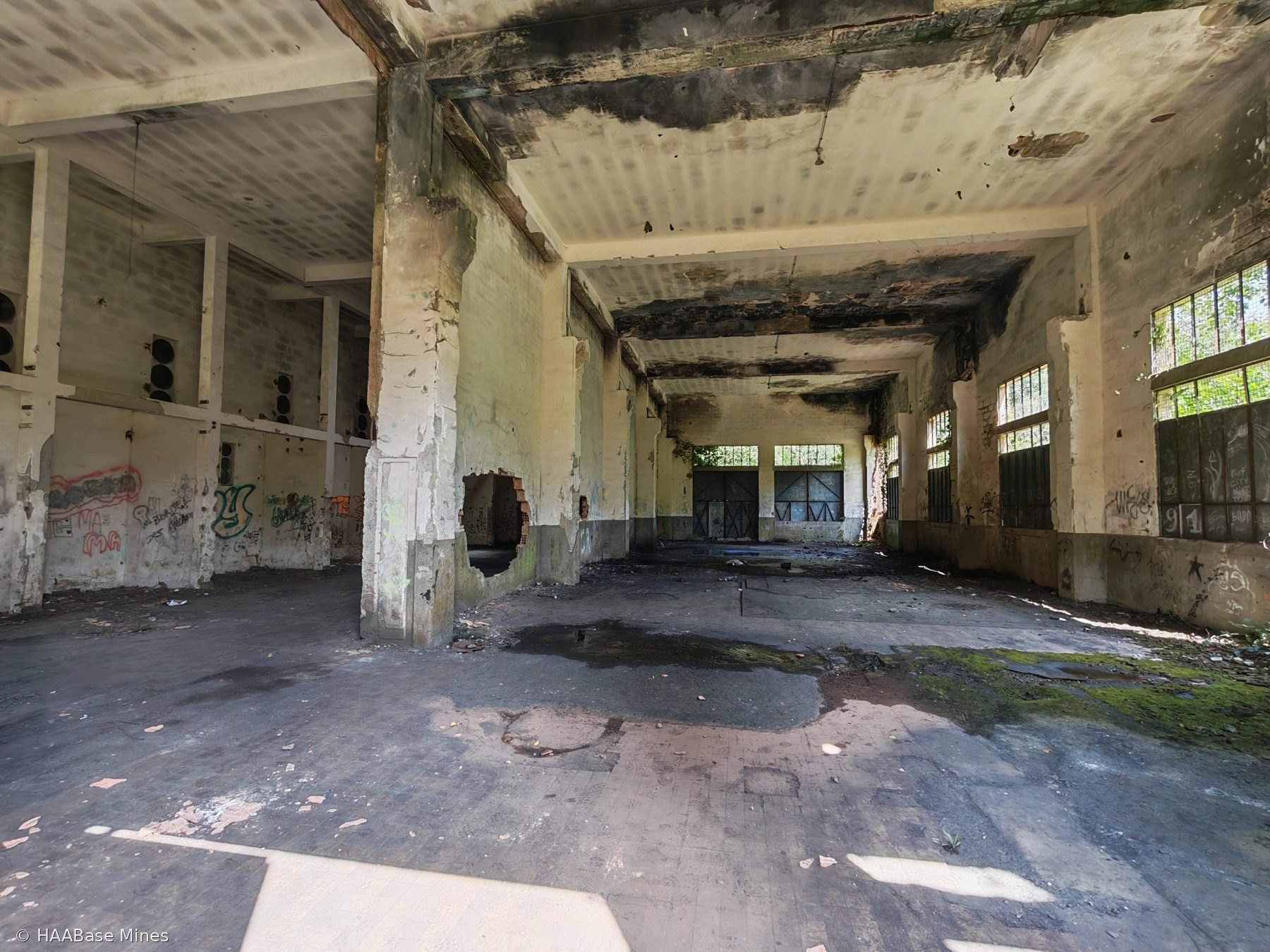
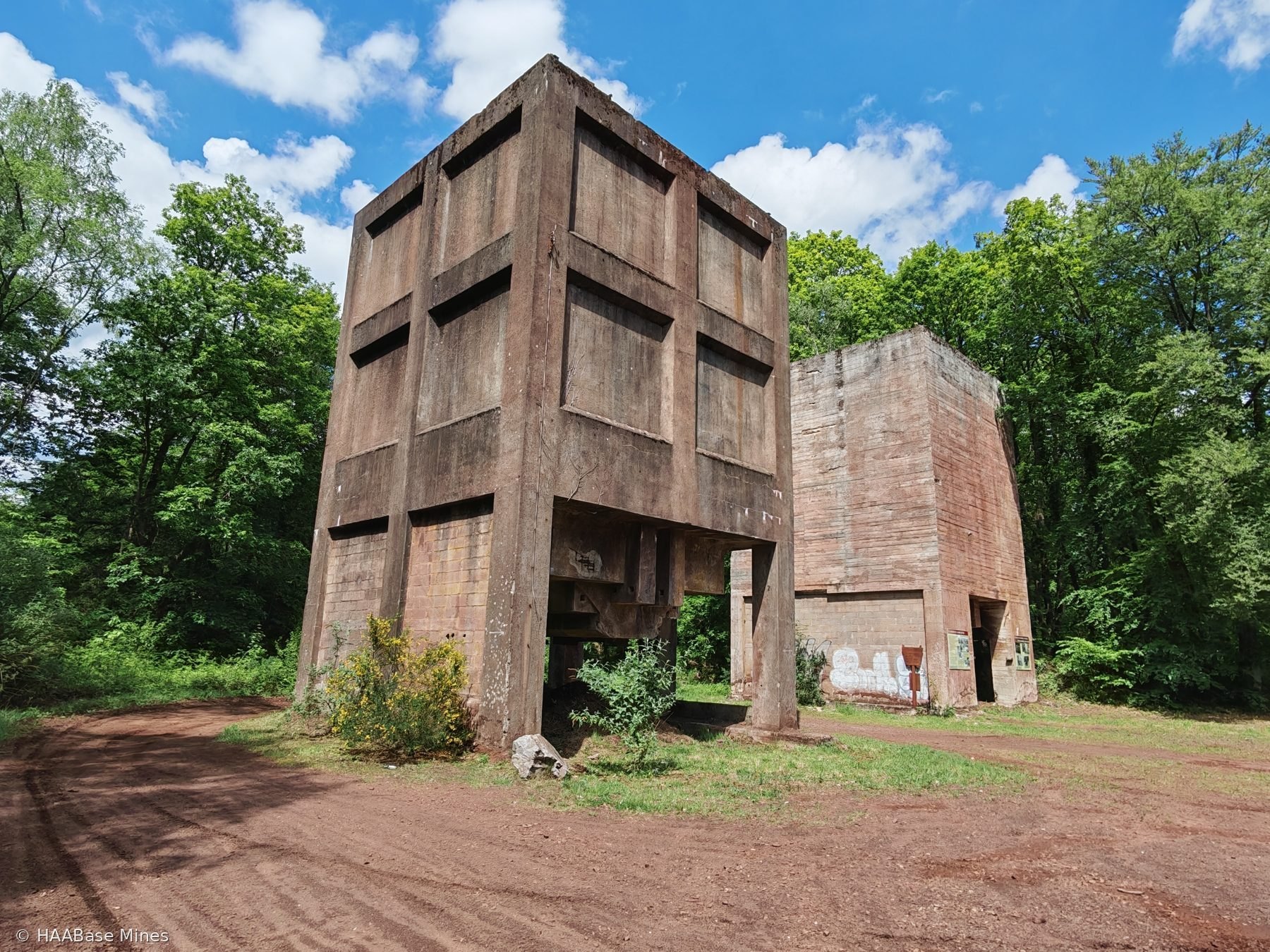
The carreau du puits 1 bis has been preserved following closure. The headframe, described by heritage sources as the last mine headframe standing above a shaft in Normandy, remains in place. The site retains the concassage and criblage buildings, the salle des machines, and the mineurs' changing rooms and showers, all accessible externally. The site is served by a tourist driving circuit (Circuit des forges et des mines) and a walking circuit of 9.5 kilometres departing from the carreau.