Fact-checked record

This record has completed the HAABase Mines source-by-source fact-checking process.

Show fact-check assessment and classification

The history, timeline and surviving-site classification shown here reflect the reviewed account.

Assessment

The record identifies this site as Frances Colliery at Dysart, centred on the surviving 1943 steel tandem-pulley headframe at the main shaft. The history is supported principally by the official Historic Environment Scotland designation and national monument record, supplemented by Coal Authority material, a peer-reviewed mine-water study and established specialist mining-history sources. The evidence establishes the colliery's undersea workings, local name 'The Dubbie', Fife Coal Company takeover in 1923, 1924–25 development, 1943 headframe and electric winding installation, nationalisation, 1957 peak workforce, connection with Seafield, production ending in 1985, final closure in 1988 and the continuing mine-water management role of the former site.

Uncertainty remains over whether the principal sinking date should be about 1850 or 1878, the exact final-production date in February 1985, the precise status of Lady Blanche within the Dysart colliery group and the present survival of the winding engine house described in the listing. The core identity, twentieth-century history, surviving headframe and mine-water function are strongly evidenced; the earlier chronology and a small number of linked-pit details are supported with qualification.

Surviving-site classification

The surviving site comprises the original 1943 Dickson Mann steel tandem-pulley headframe at the Frances main shaft, together with the wider former colliery land now used for mine-water management and industrial purposes. It is classified as a former mine site with active water-management and control because the Coal Authority operates a pumping and treatment scheme at Frances to manage water across the connected East Fife workings. The headframe is an original colliery structure and remains included in Category B designation LB13638.

Most of the former production complex has been lost; the current national monument record describes the headframe as the principal survivor after demolition. The designation also describes a 1943 winding engine house and machinery, but their present physical survival is not established by the current evidence checked here, so they are not included in the surviving label.

Published 4 August 2026 · Overall confidence 92/100 · Classification confidence High
Sources added or confirmed during the review are included in Sources and records where available.

Site overview

Frances Colliery stood on the clifftop at Dysart, Fife, and worked coal seams extending beneath the Firth of Forth. It was known locally as 'The Dubbie' because of its wet underground conditions. The precise date of the deep colliery's establishment is uncertain: Canmore records sinking or production from about 1850, while the official listed-building record gives 1878.

The Fife Coal Company took over the colliery in 1923, drove a 732-metre surface mine in 1924 and added a Simon Carves washery in 1925. Further redevelopment culminated in the 1943 Dickson Mann steel tandem-pulley headframe and electric winding installation. The colliery passed to the National Coal Board in 1947, reached a recorded peak workforce of 1,482 in 1957 and was linked underground with Seafield by 1981.

Spontaneous-combustion fires during the 1984–85 strike preceded the end of production in early February 1985; final closure followed in 1988. Most of the surface complex was subsequently demolished. The original 1943 headframe survives as the principal mining landmark, while the former colliery site remains active in mine-water pumping and treatment.

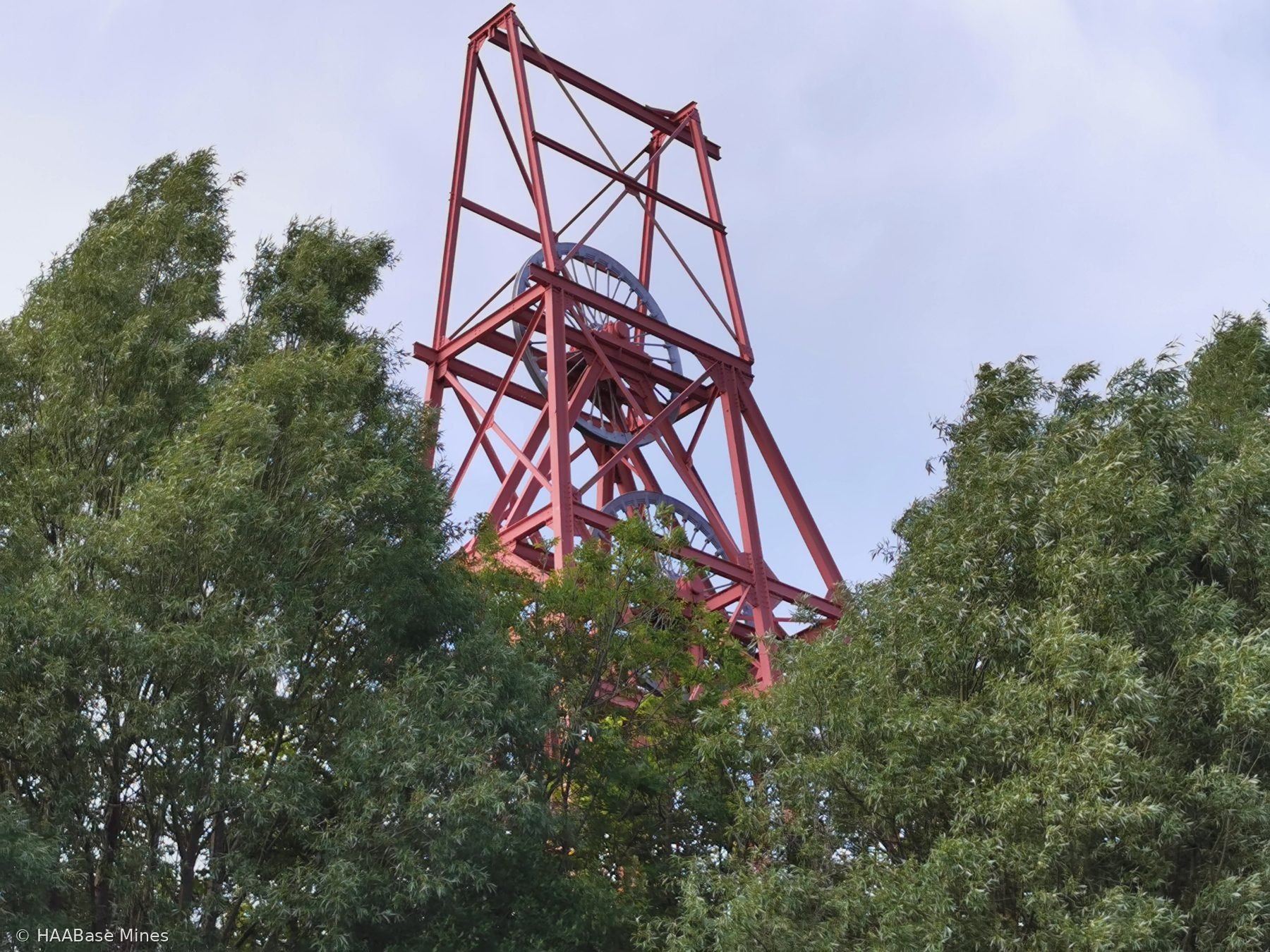
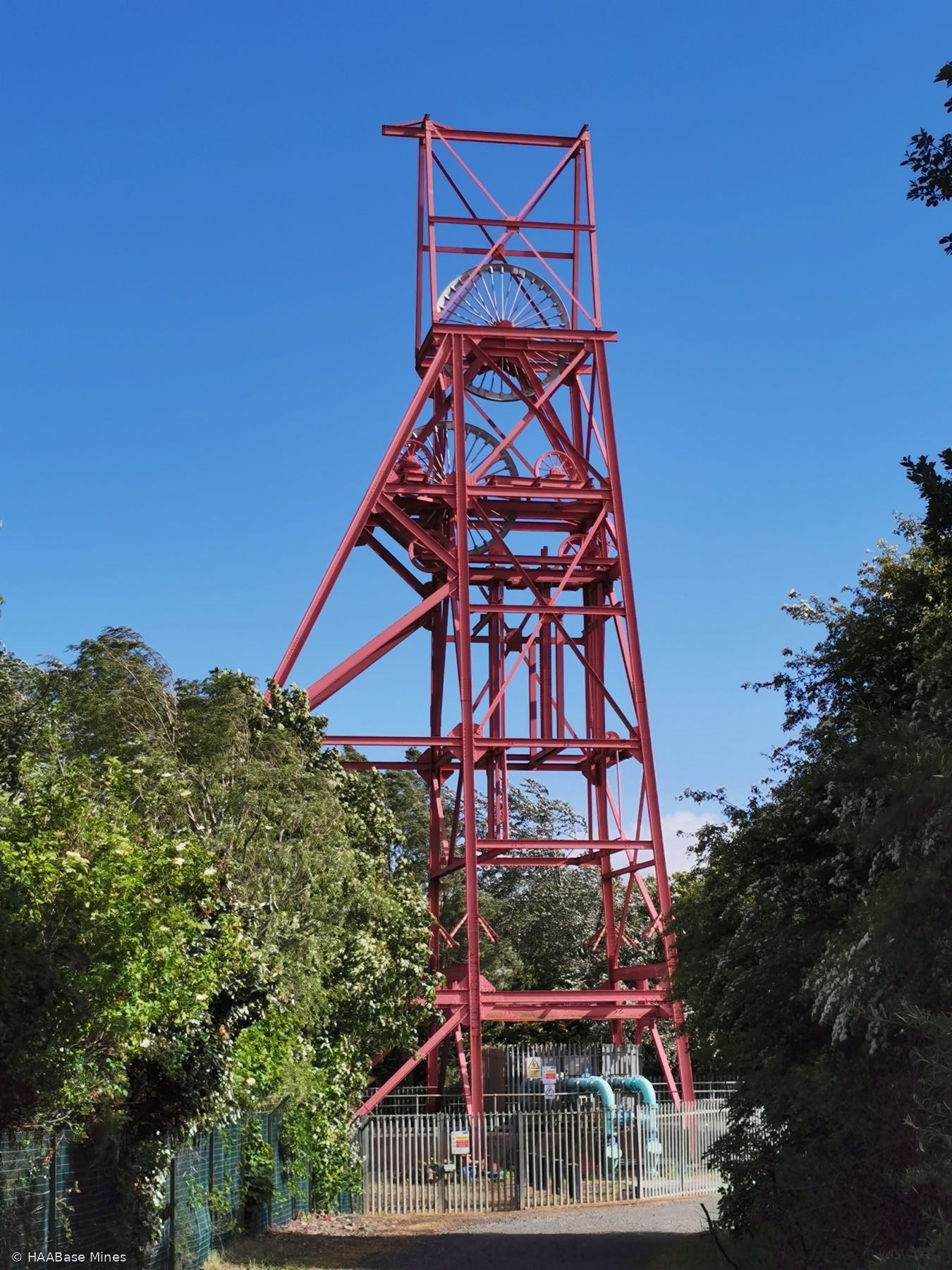
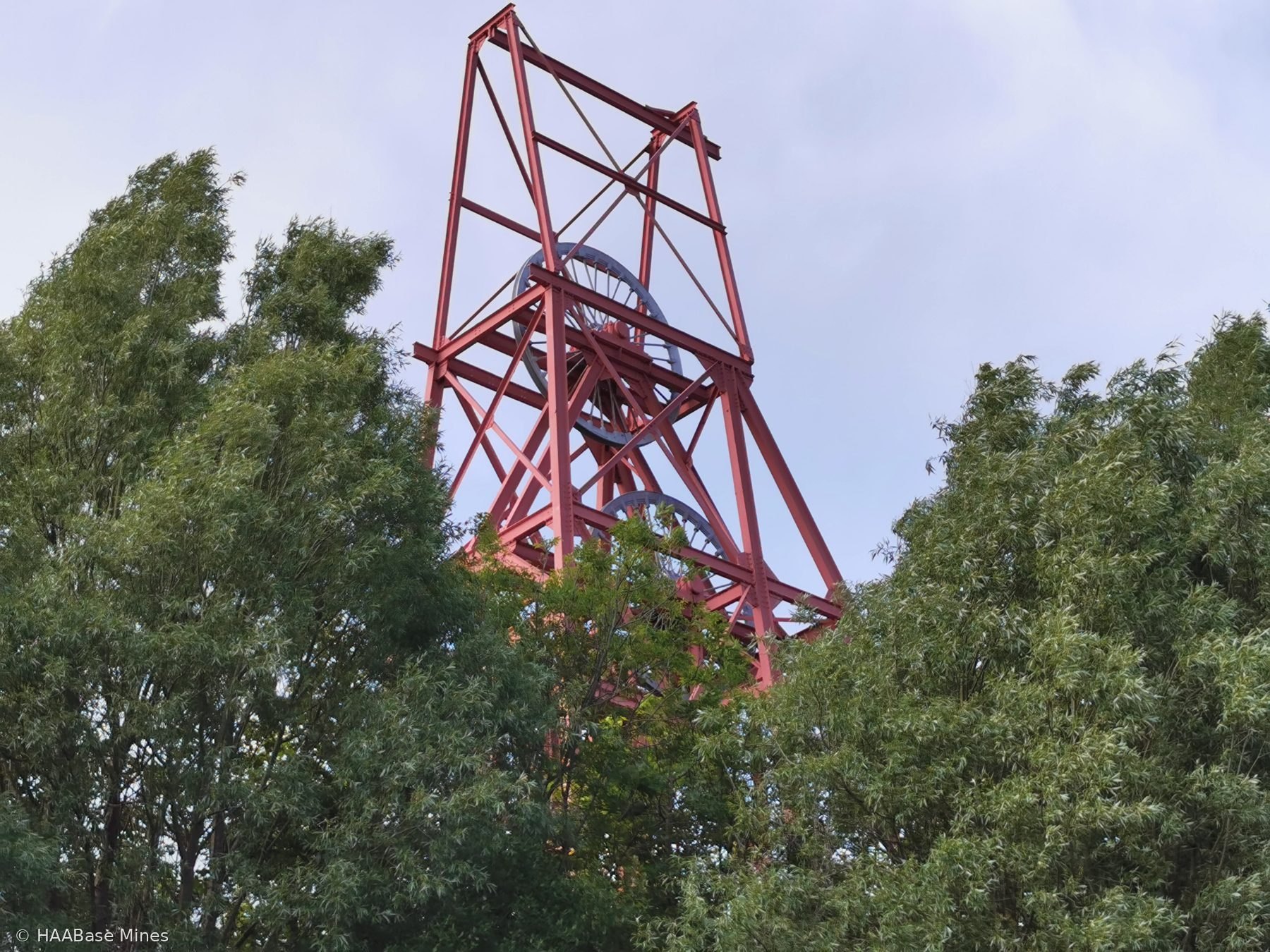
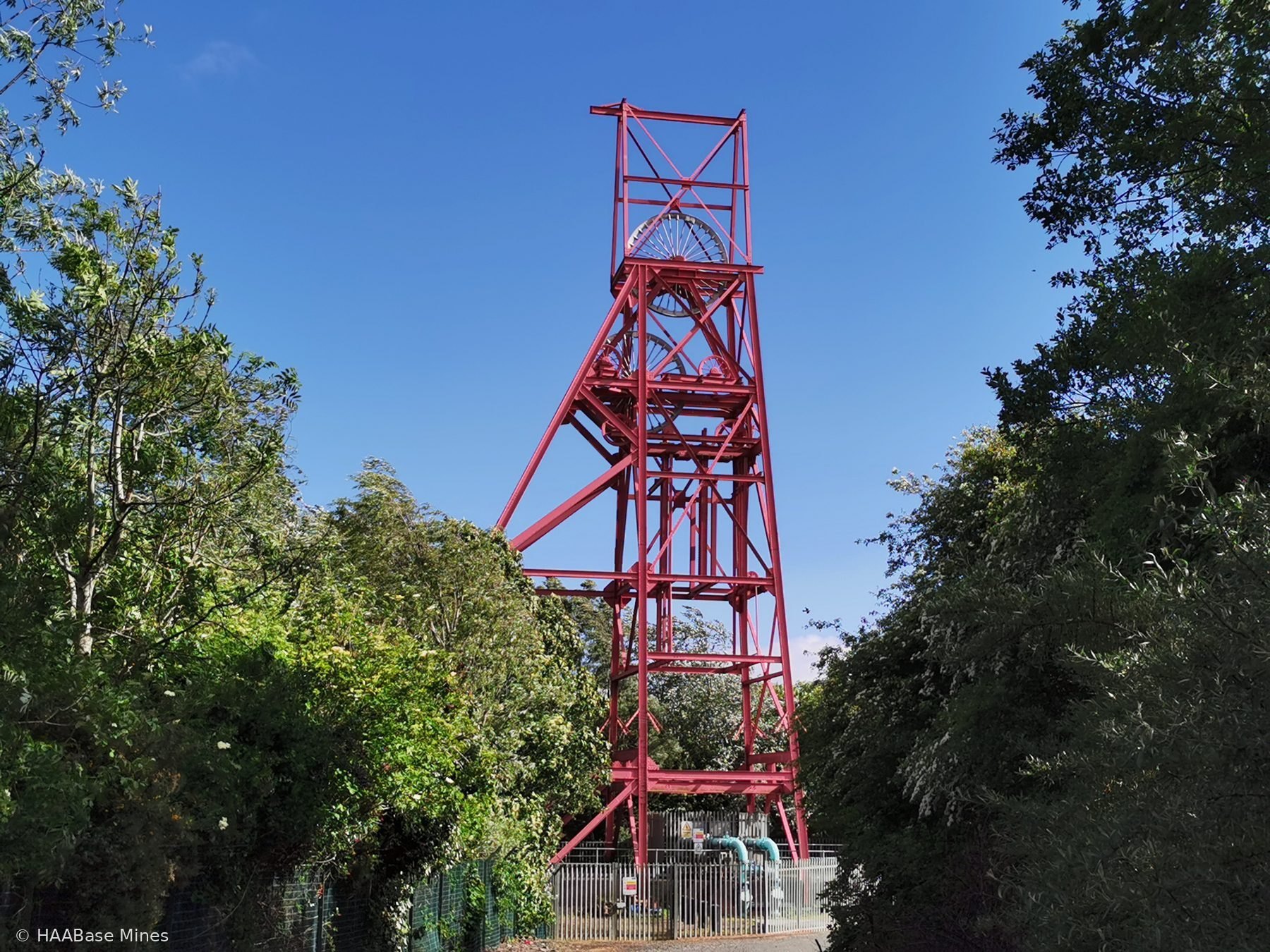
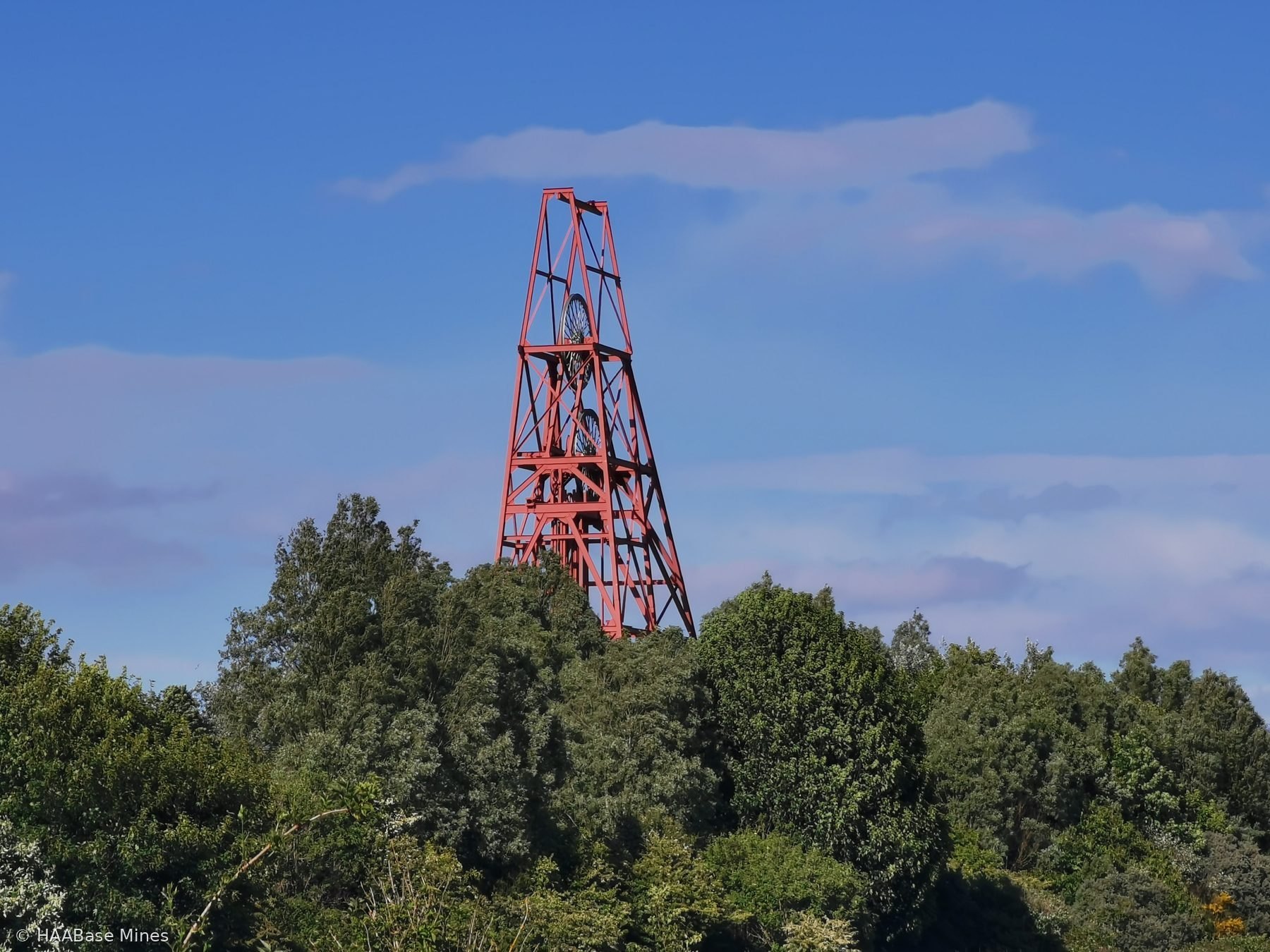
The headframe stands on a coastal edge site above the Firth of Forth, where the exposed setting gives the surviving structure a strong visual presence in the landscape.

Map & photo

Frances Colliery mine headframe or winding tower site
Photograph taken: 25 May 2025
Map markers and directions links are provided for location reference only and do not indicate public access or permission to enter a site.

History

Coal mining around Dysart long pre-dated the nineteenth-century deep colliery, but the surviving Frances headframe belongs to the later main-shaft site on the clifftop above the Firth of Forth. The mine worked undersea coal seams and became known locally as 'The Dubbie' because of its persistently wet underground conditions. Sources disagree over the date at which the deep colliery was established. Canmore and specialist mining records give about 1850, while the official listed-building record states that Frances Colliery was sunk in 1878. These dates may reflect different stages of development, but the surviving evidence does not fully resolve the discrepancy.

The Frances shaft was recorded as 460 metres deep, elliptical for its upper 183 metres and circular below. The national record also associates the 73-metre Lady Blanche shaft with the Dysart colliery group, although Lady Blanche is also treated in historical accounts as a distinct nearby pit. Frances worked house and steam coal from seams extending beneath the Firth of Forth.

The Fife Coal Company took over Frances Colliery in 1923. A 732-metre surface mine at a gradient of 1 in 4 was driven in 1924, followed by a Simon Carves washery in 1925 using a Baum-type cleaning system. Further redevelopment took place during the 1930s. A 1948 report recorded output of 1,250 tons per day and 916 employees, together with baths, a canteen and an ambulance room. Underground transport was reconstructed in the mid-1940s using larger mine cars, direct-rope haulage and locomotives.

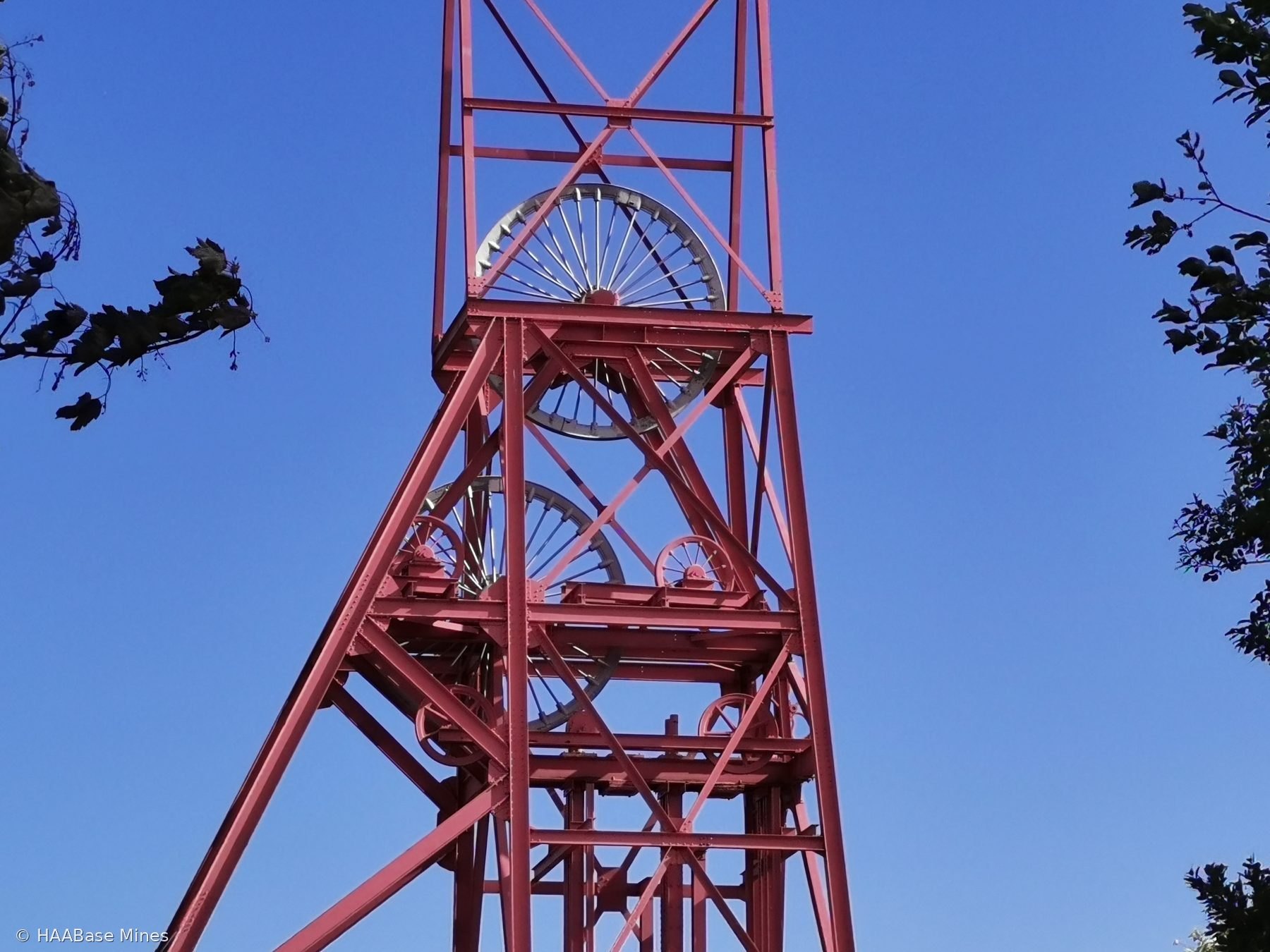
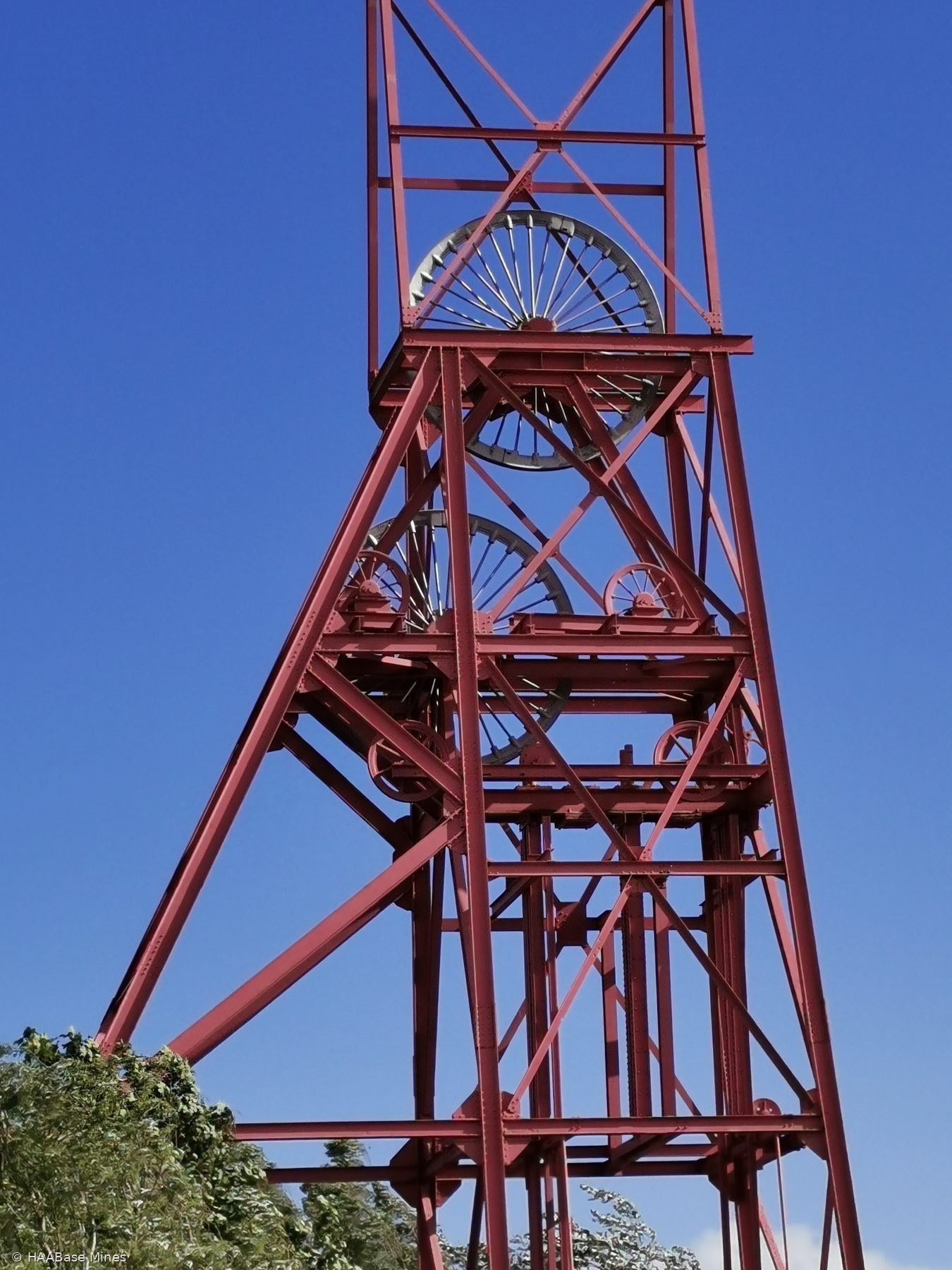
The most important surviving phase of reconstruction dates from 1943. Dickson Mann Ltd erected a 111-foot steel tandem-pulley headframe around the existing structure but on a different alignment. This allowed the pulleys and winding ropes to be transferred on a Sunday with only a few hours' interruption. The associated electric winding installation used Metro Vickers electrical equipment and Robey mechanical components; Canmore records the ground-mounted winder at 1,600 horsepower. The official designation describes the headframe and winding machinery as the last traditional equipment of its type used in Scotland.

Frances passed to the National Coal Board when the coal industry was nationalised in 1947. The recorded workforce peaked at 1,482 in 1957. The colliery formed part of an increasingly connected East Fife mining system. After Michael Colliery closed in 1967, its retained unit was used to drain the connected Frances workings. Frances was linked underground with Seafield Colliery by 1981.

Spontaneous-combustion fires broke out underground during the 1984–85 miners' strike. Production ended in early February 1985, although checked sources differ between 2 and 3 February for the precise date. Frances then remained on care and maintenance before final closure in 1988. A later redevelopment proposal known as the Frances Project did not proceed.

Most of the former surface complex was demolished after closure, leaving the 1943 headframe as the dominant mining structure. It was included in the Category B designation LB13638 on 10 September 1995. The former colliery remains important to the connected East Fife mine-water system: pumping and treatment at Frances control rising mine water and reduce iron pollution before discharge to the Firth of Forth. The headframe therefore stands above a site that retains both a clear industrial monument and an active environmental role.
Timeline

1850
Construction

Development of Frances Colliery

Work on the deep Frances Colliery began during the nineteenth century. Canmore and specialist records give about 1850, while the listed-building record gives 1878; the difference may represent separate phases of shaft development.
1850–1923
Operation

Operation under the Earl of Rosslyn's Collieries

Frances Colliery operated under the Earl of Rosslyn's Collieries before its takeover by the Fife Coal Company in 1923. It worked house and steam coal beneath the Firth of Forth and was known locally as 'The Dubbie' because of wet underground conditions.
1923
Operation

Taken over by the Fife Coal Company

The Fife Coal Company took over Frances Colliery in 1923 as part of its acquisition of the Earl of Rosslyn's collieries.
1924–1925
Construction

Surface Mine Driven and Washery Constructed

A 732-metre surface mine at a gradient of 1 in 4 was driven in 1924. A Simon Carves washery using a Baum-type coal-cleaning system followed in 1925.
1929
Closure

Lady Blanche Pit Closed

The nearby Lady Blanche pit in the Dysart colliery group closed in 1929.
1943
Construction

New Tandem Headframe and Electric Winding Installation

Dickson Mann Ltd erected a 111-foot steel tandem-pulley headframe in 1943. Built around the old frame on a different alignment, it allowed the ropes and pulleys to be transferred on a Sunday. The associated electric winding installation used Metro Vickers electrical equipment and Robey mechanical components; Canmore records a 1,600-horsepower winder.
1947
Legislation

Transfer to the National Coal Board

Frances Colliery passed to the National Coal Board when the coal industry was nationalised in 1947.
1957
Operation

Peak Workforce of 1,482

The recorded workforce at Frances Colliery peaked at 1,482 in 1957.
1967
Operation

Michael Workings Used in the Connected Frances System

After Michael Colliery closed in 1967, its retained unit was used to drain the underground workings connected with Frances Colliery.
1981
Construction

Underground Link with Seafield Colliery

Frances Colliery was linked underground with Seafield Colliery by 1981.
1985
Closure

Production Ends after Underground Fires

Spontaneous-combustion fires broke out during the 1984–85 miners' strike, and production at Frances ended in early February 1985.
1985–1988
Closure

Care and Maintenance after Production Ended

After production ended in 1985, Frances Colliery remained on care and maintenance until final closure in 1988. A later redevelopment proposal known as the Frances Project did not proceed.
1988
Closure

Final Closure of Frances Colliery

Frances Colliery finally closed in 1988. Most of the former surface complex was subsequently demolished, leaving the 1943 headframe as the principal surviving mining structure.
1995
Heritage

Category B Listing of the Headframe and Winding Engine House

The Frances Colliery headframe and winding engine house, including associated fixtures and fittings, were added to the statutory list at Category B on 10 September 1995 as LB13638.

Sources and records

This list includes live sources already held for the record and any additional sources added or confirmed during the published fact-check review.

Official heritage records

Further sources

Research bibliography

Trove.scot / Historic Environment Scotland site record: Dysart, Frances Colliery (NT39SW 25)
Historic Environment Scotland listed building record: LB13638 (Dysart, Frances Colliery, Headframe and Winding Engine House)
British Listed Buildings record: 200346827
Canmore record for Frances Colliery, Dysart (including RCAHMS Coastal Assessment Survey 1996)
Fifepits.co.uk: Frances (Dubbie) Pit, Dysart
Wikipedia article: Dysart, Fife
Wikipedia article: Fife Coal Company
Fife Today (National World Publishing Ltd): 'Black Sunday' — the day the pits faced closure, 2018
Fife Today: Open-cast and shut case for reaching Fife pit reserves, 2018
Oglethorpe M K, Scottish Collieries, 2006
Hume J R, The industrial archaeology of Scotland, 1, Lowlands and Borders, London, 1976
McAdam R, Frances Colliery Reconstruction Schemes, Colliery Engineering, 1946–1947
This researched site record is part of the HAABase Mines database. Normal personal research and browsing is welcome. Automated bulk extraction, republication, or harvesting of site text and images is not permitted without written consent.