Site overview

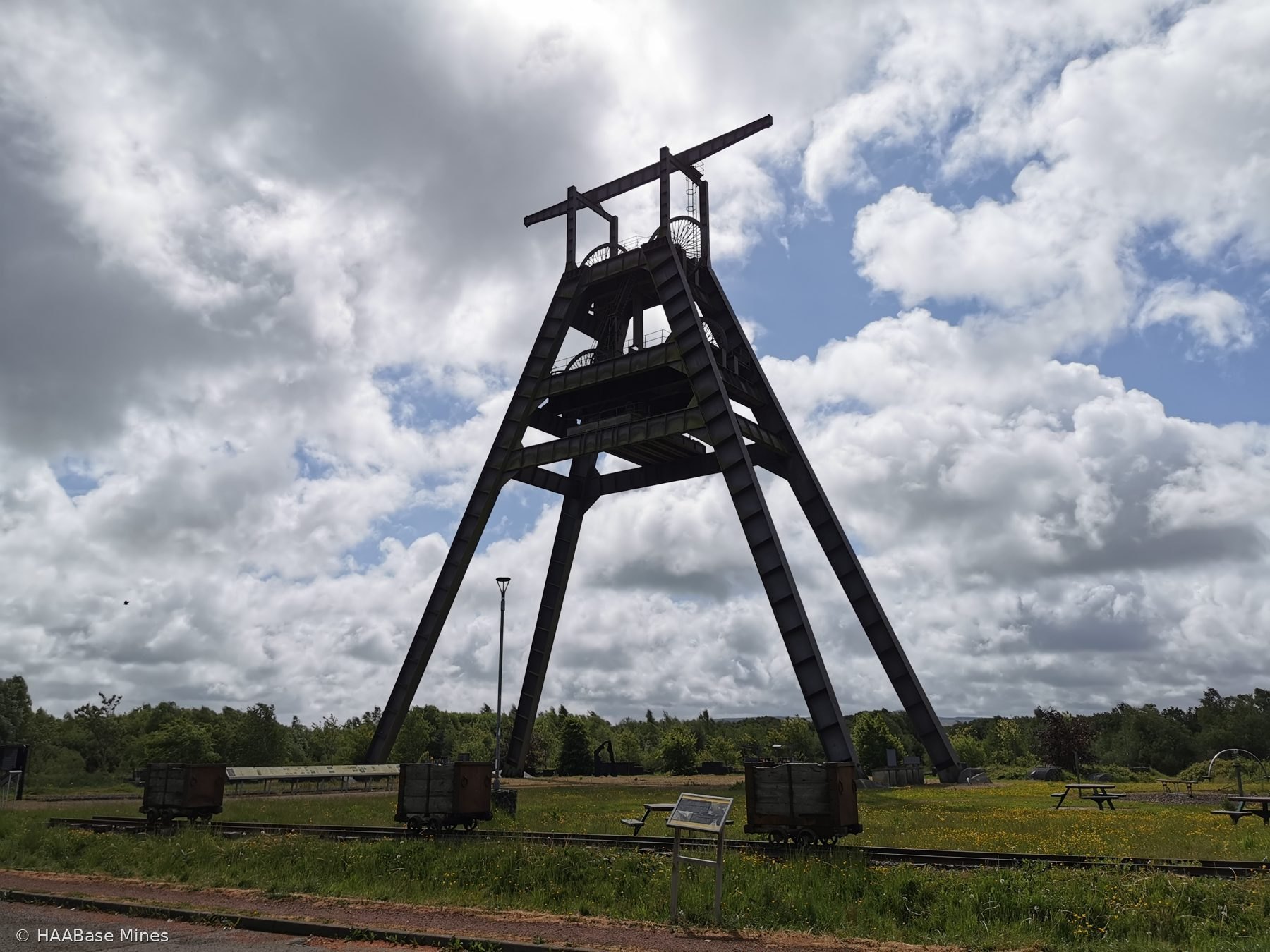
Barony Colliery, located west of Auchinleck in East Ayrshire, was an Ayrshire coal mine that operated from 1907 until its final closure in 1989. Sinking of Nos. 1 and 2 shafts was begun by William Baird & Company in 1906 to supply coal to the Lugar Ironworks, with the first coal extracted in 1912. The company merged with the Dalmellington Iron Company in 1931 to form Bairds & Dalmellington Ltd, which held the colliery until nationalisation in 1947.

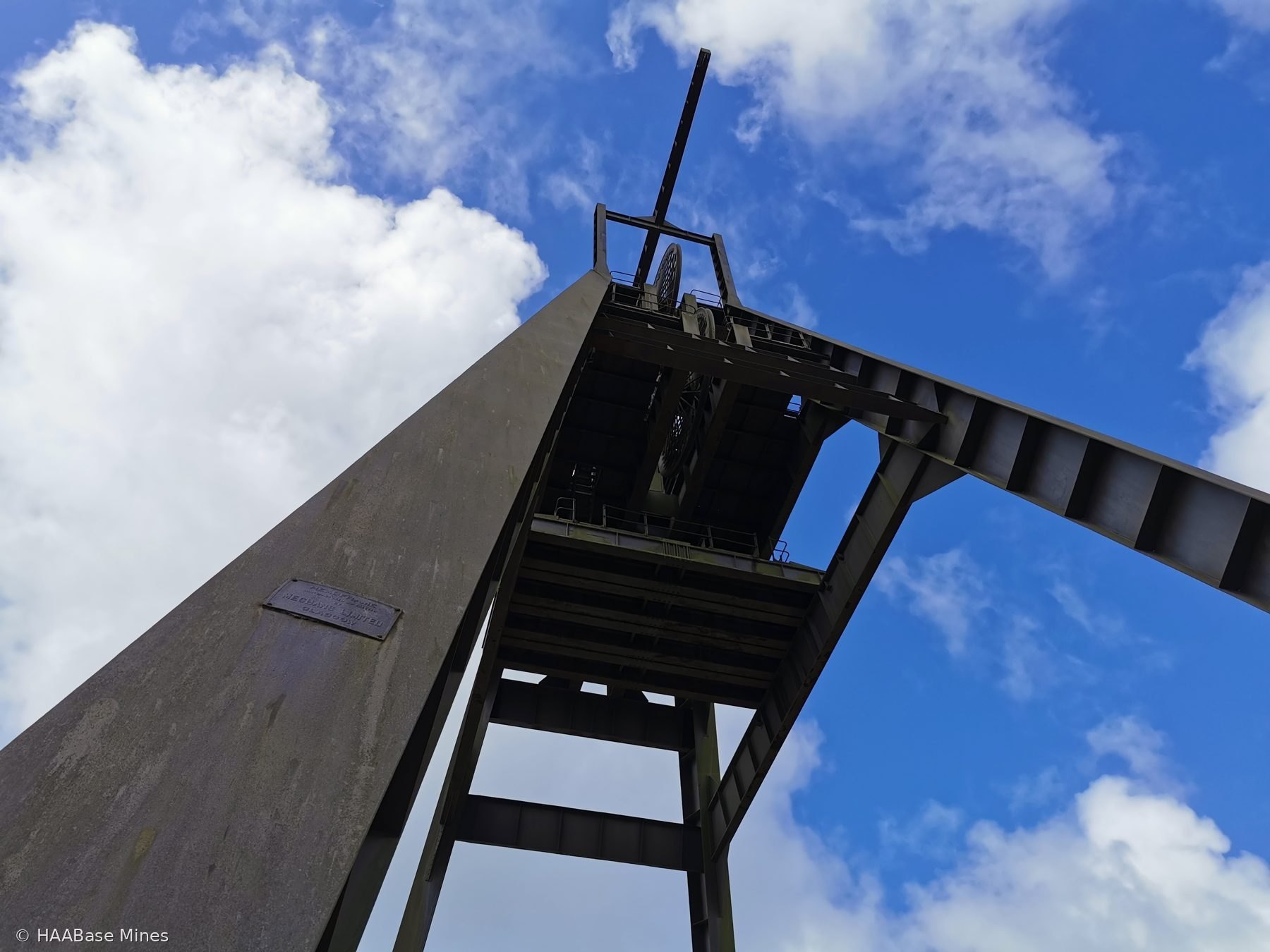
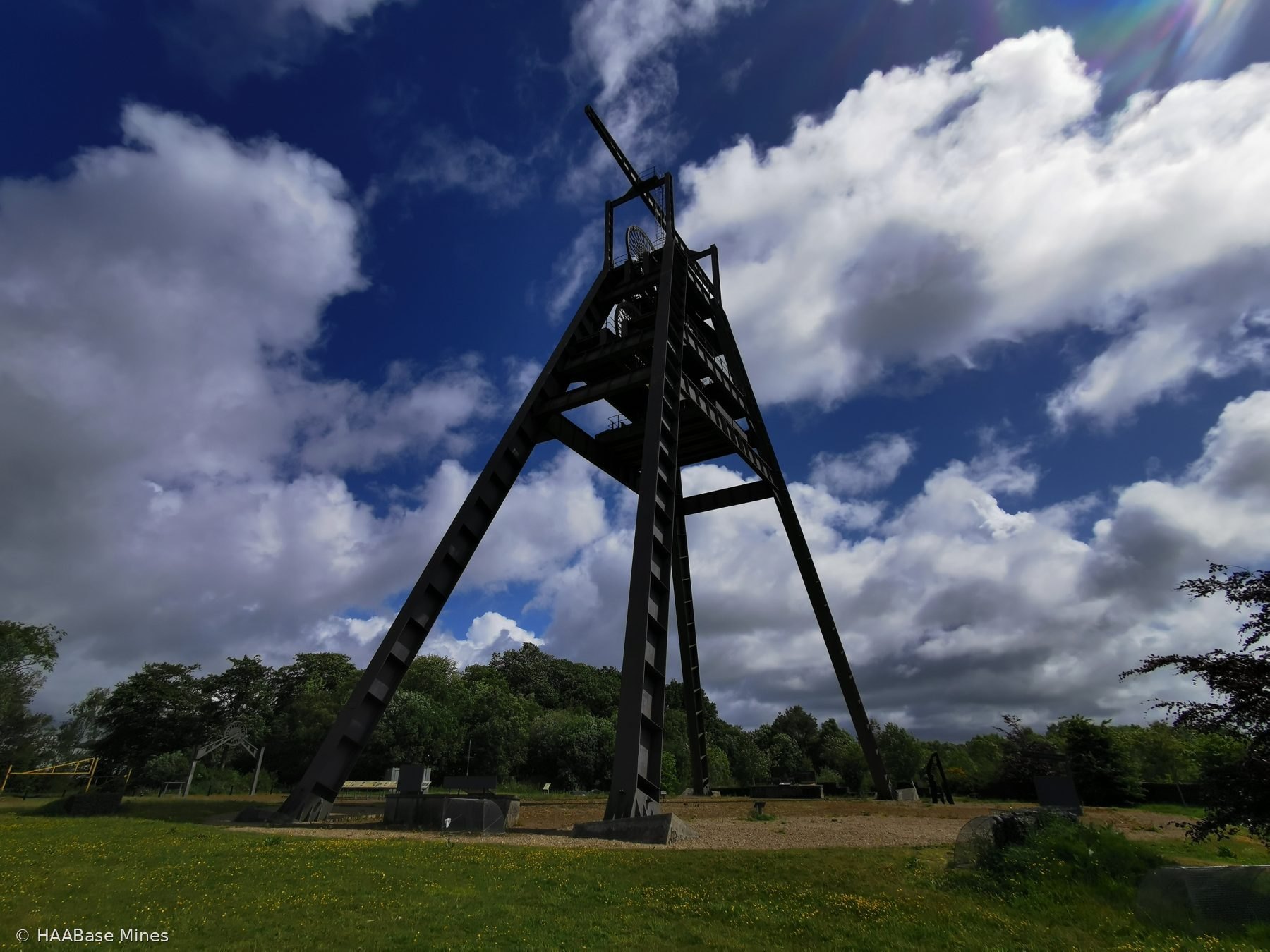
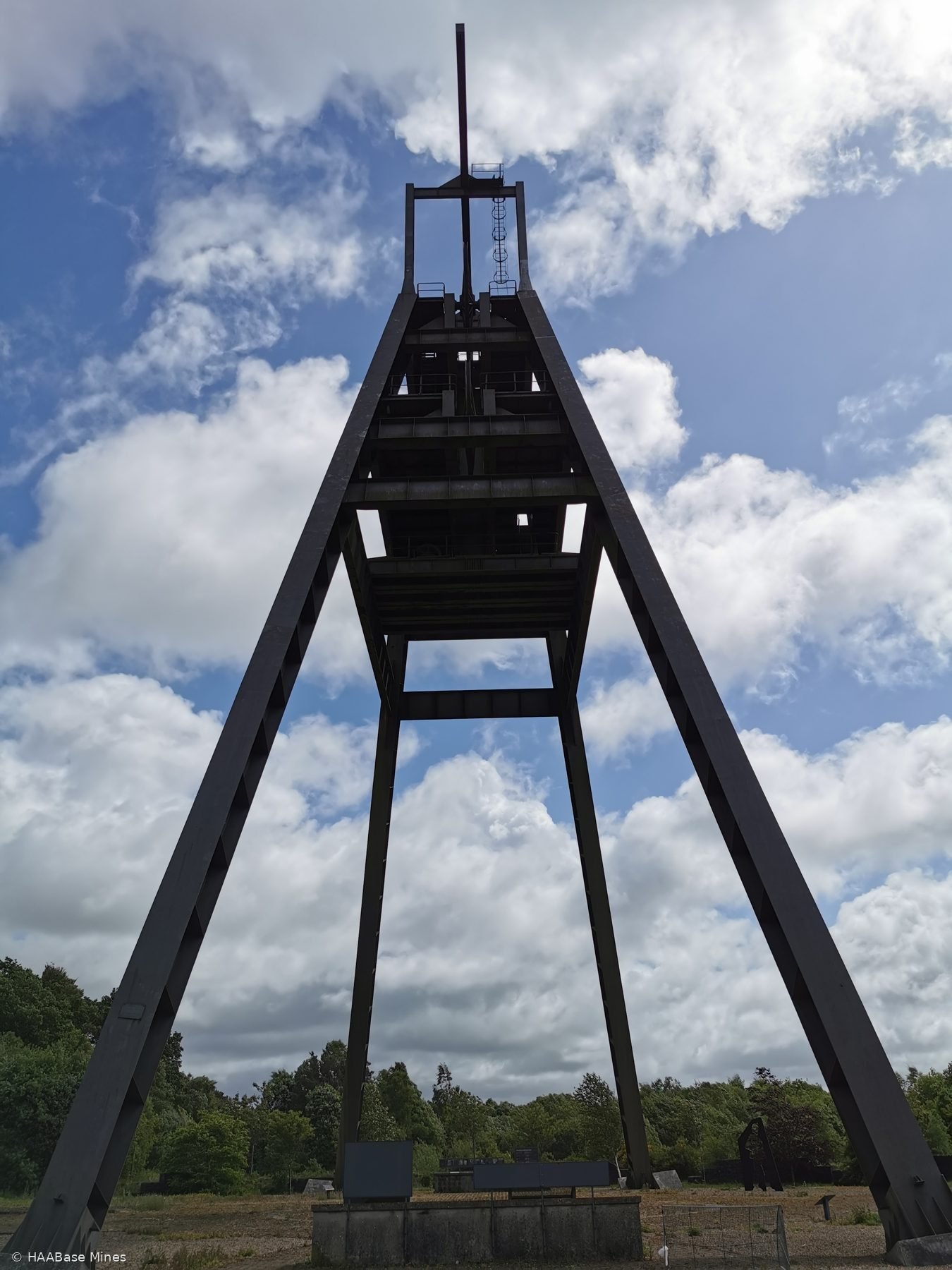
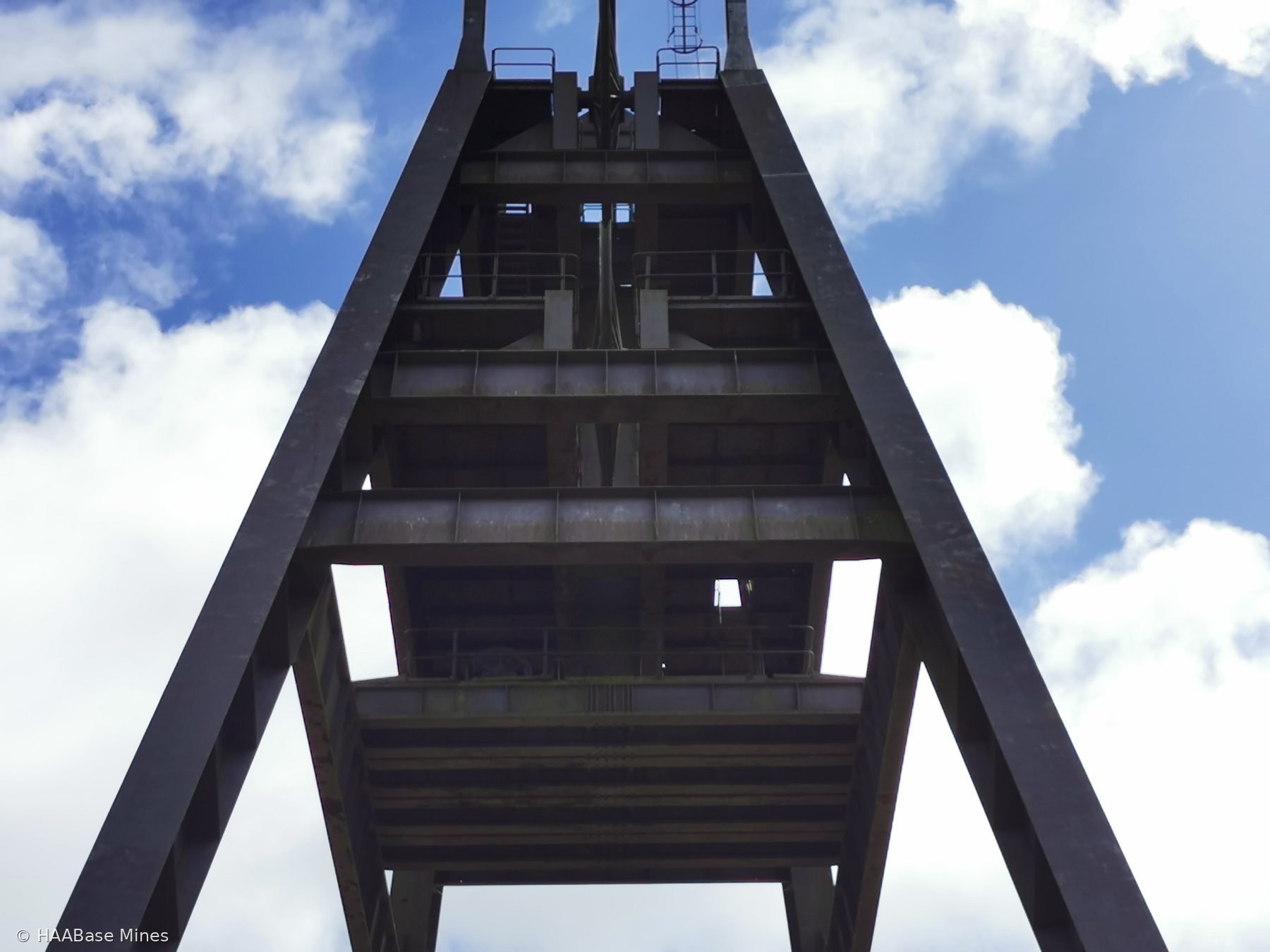
Reconstruction, including the sinking of No. 3 shaft, was begun in 1937 and completed by the National Coal Board in 1949. A distinctive steel A-frame headgear was erected by Mechans Limited of Glasgow in 1954 over No. 3 shaft. The colliery's peak workforce of 1,695 was reached in 1958.

A shaft collapse in 1962 killed four men. No. 4 shaft was sunk in 1965. Geological difficulties and understaffing dogged the colliery through the 1970s and 1980s, and it closed in 1989.

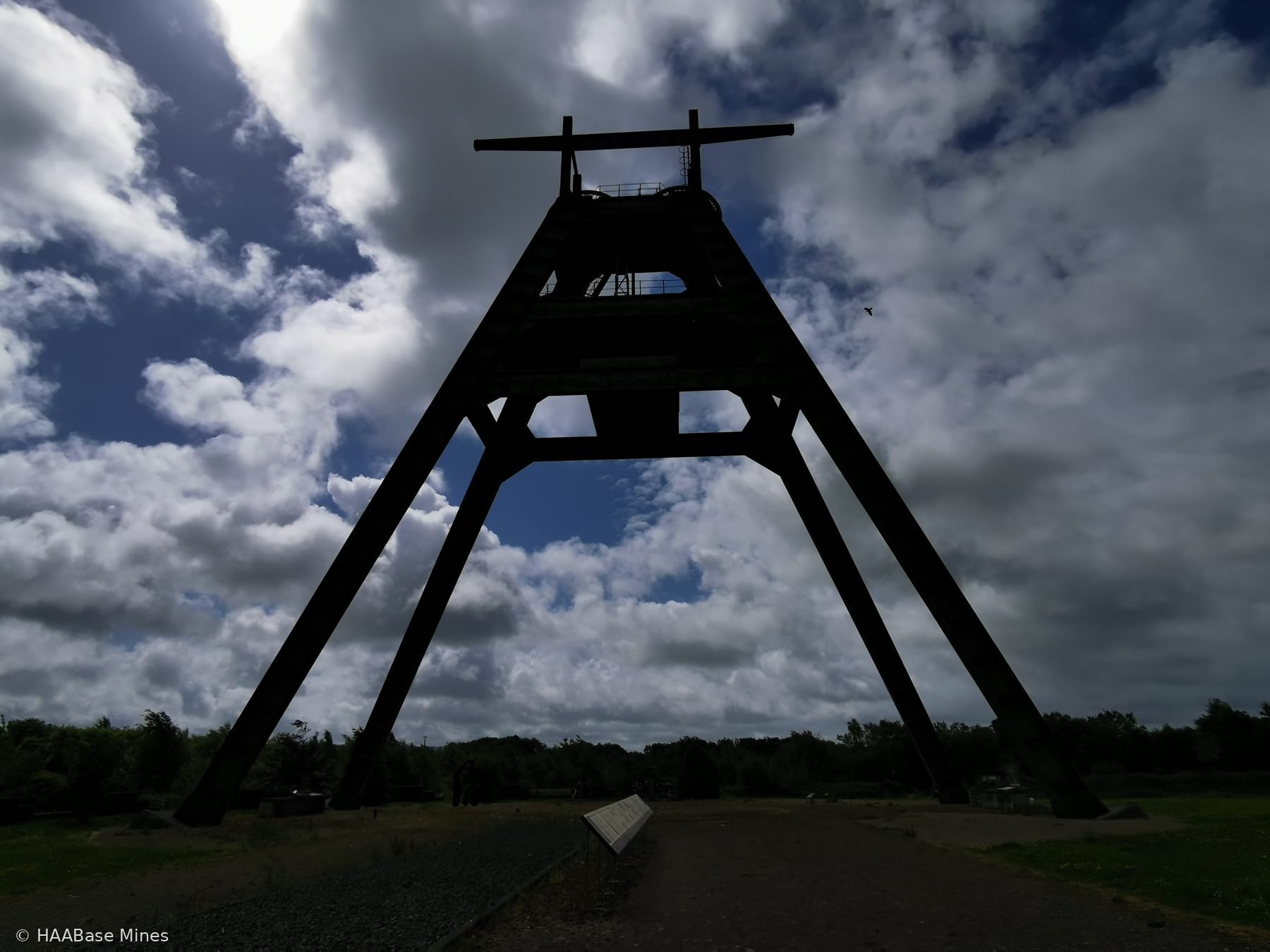
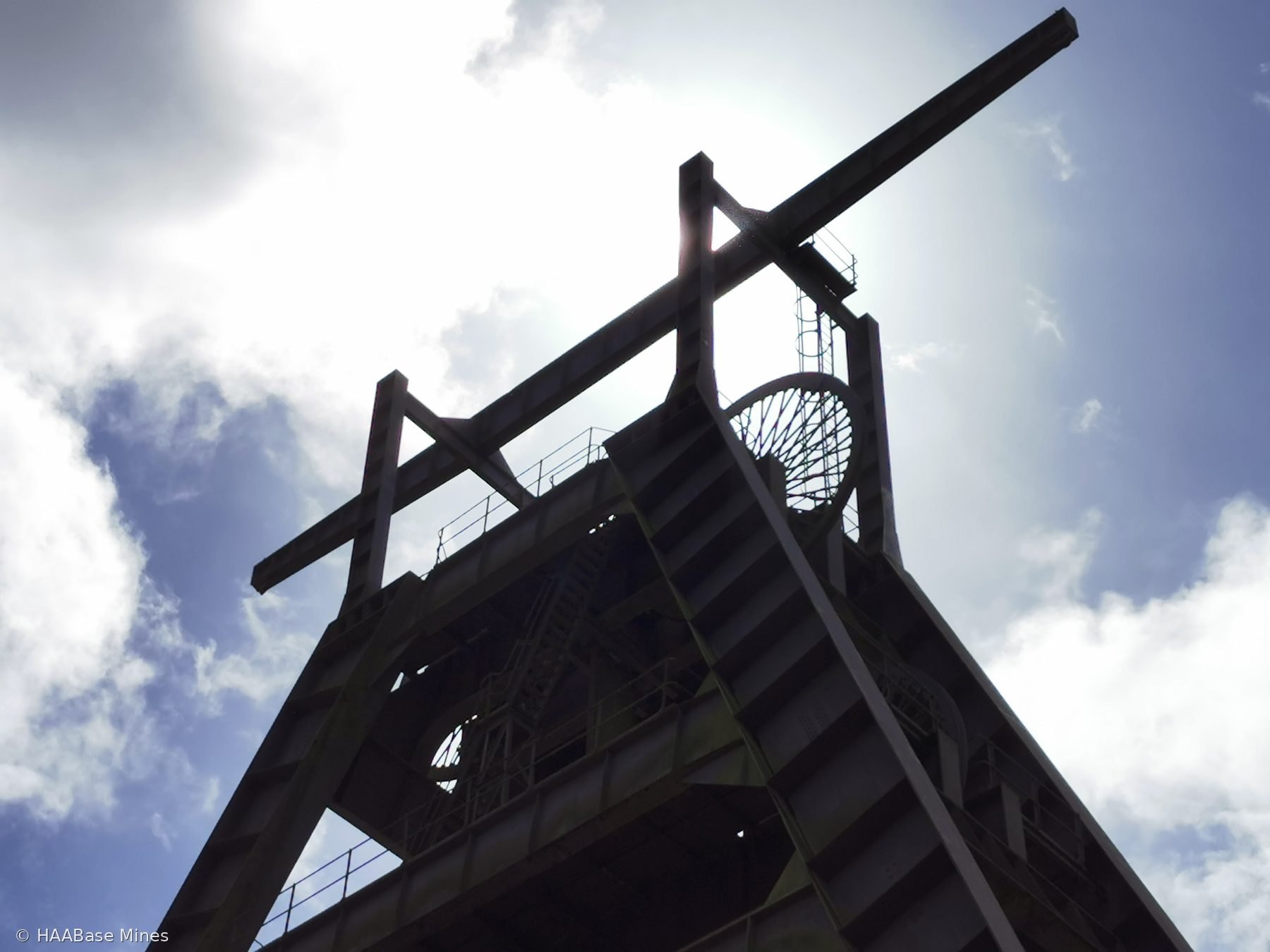
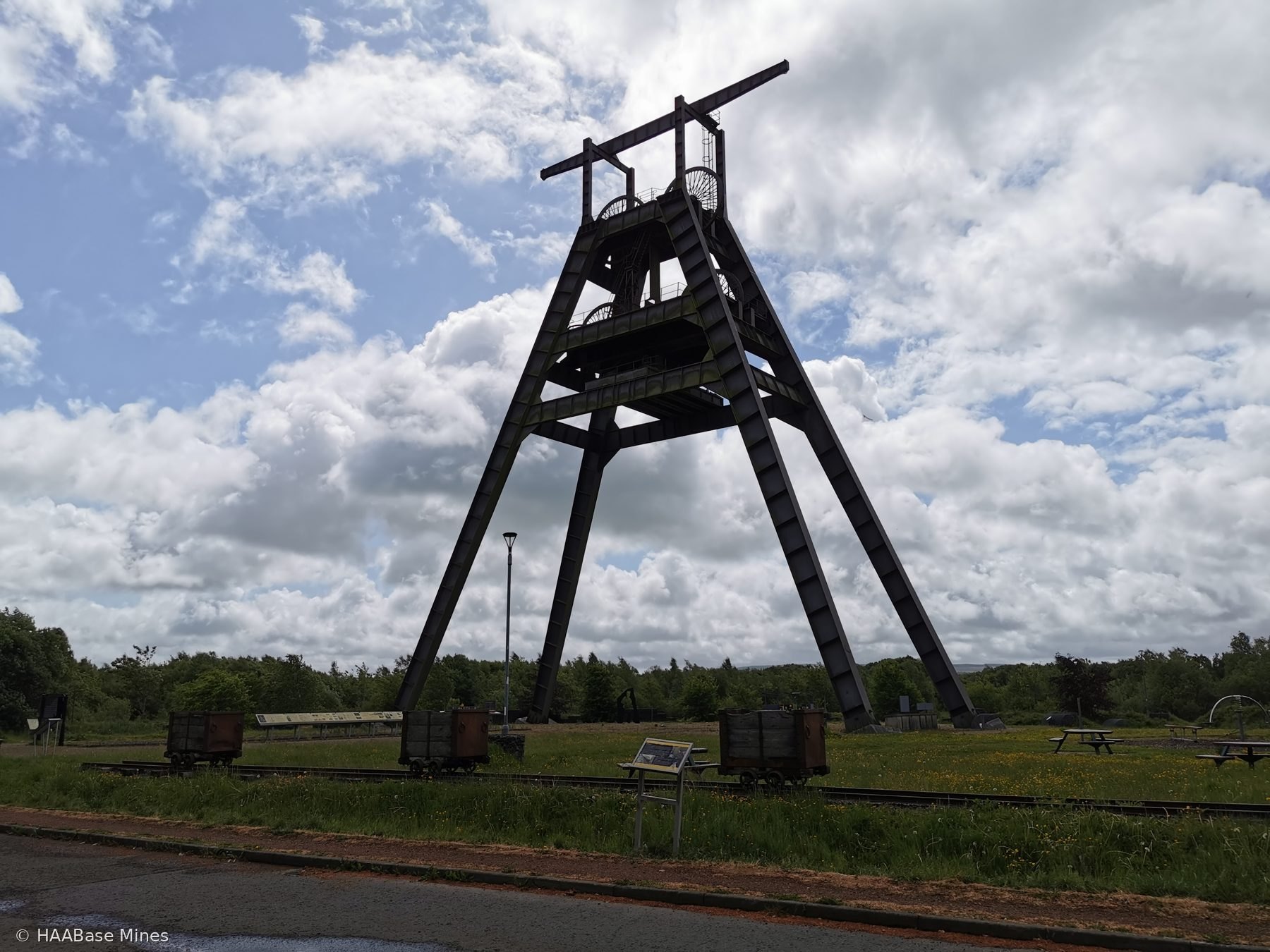
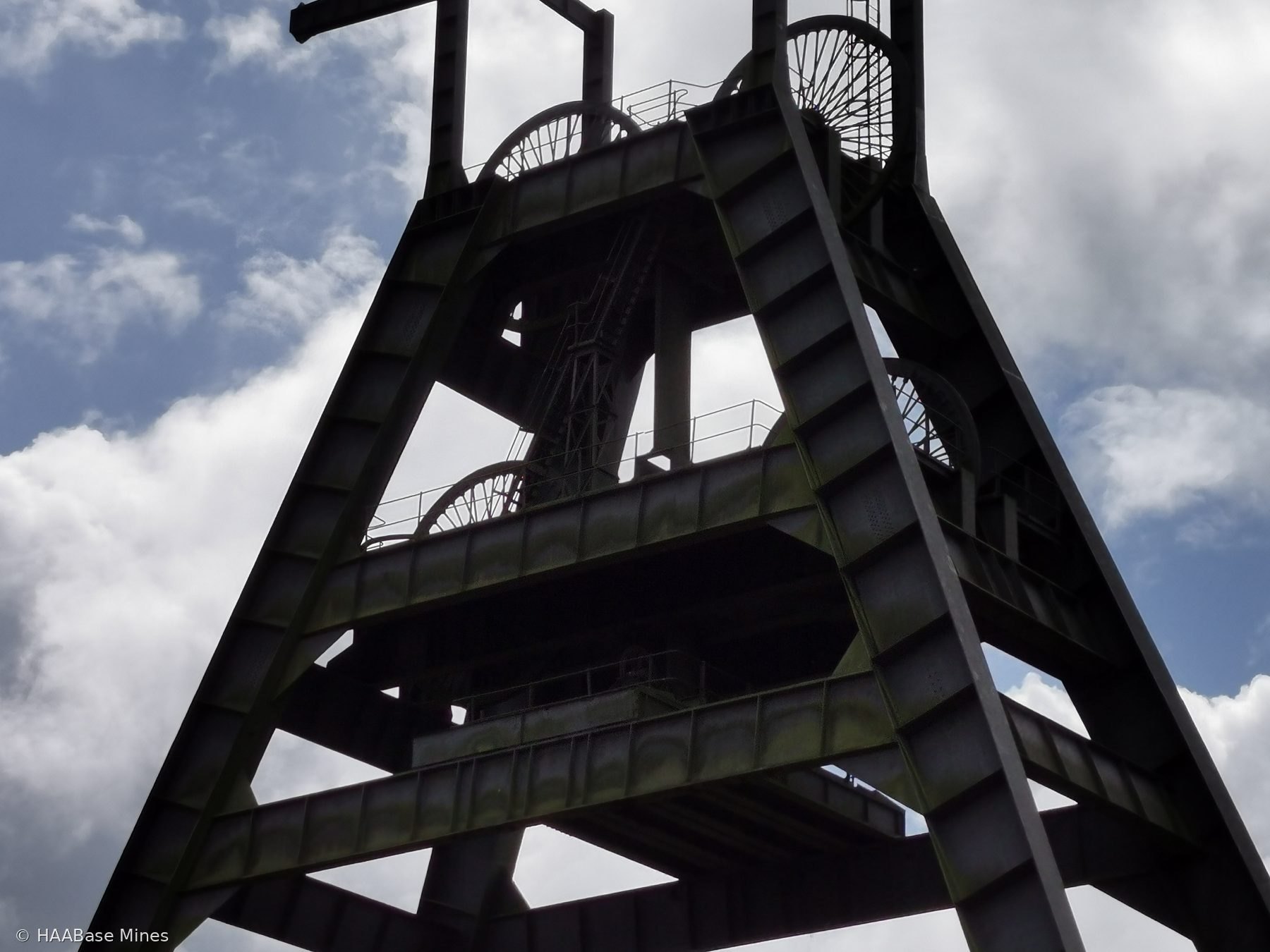
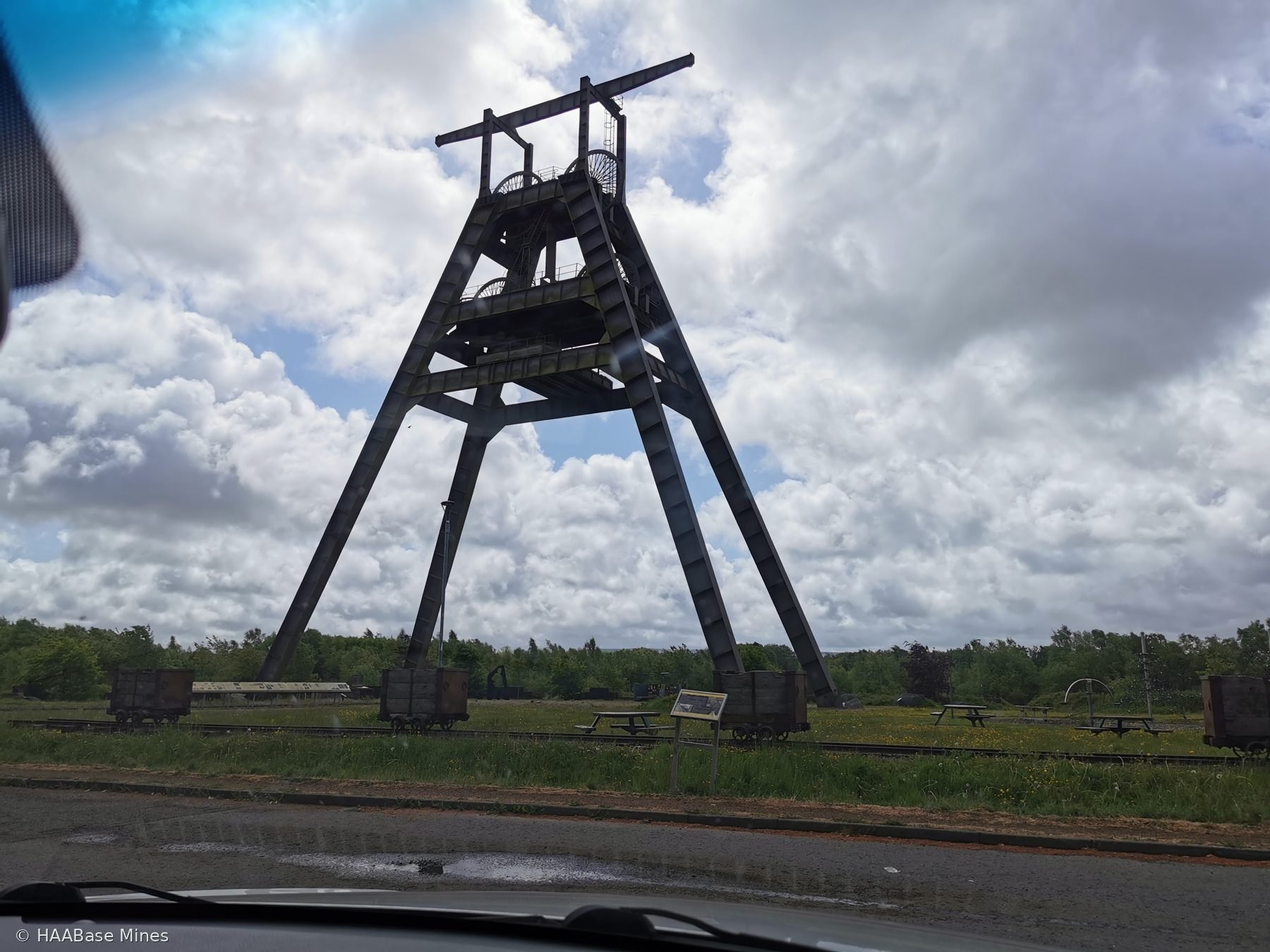
The 180-foot A-frame, the sole surviving structure, is a category B listed building and was restored and reopened as a public heritage site in 2008.

The headgear stands in open ground on the edge of Auchinleck, where the surrounding landscape is now more mixed and developed, but the structure remains highly prominent and unmistakable.

Map & photo

Barony Colliery mine headframe or winding tower site
Photograph taken: 25 May 2025
Map markers and directions links are provided for location reference only and do not indicate public access or permission to enter a site.

History

Barony Colliery was established to exploit the coalfield to the west of the Ayrshire mining village of Auchinleck. William Baird & Company began sinking Nos. 1 and 2 shafts in 1906 with the intention of supplying coal to the Lugar Ironworks. Production from these shafts commenced in 1910, though the first coal extraction is recorded as beginning in 1912 in some accounts. Nos. 1 and 2 shafts were both sunk to a depth of 626 metres and were located at grid reference NS 5276 2173. The colliery worked house and steam coal seams.

In 1931 William Baird & Company merged with the Dalmellington Iron Company to form Bairds & Dalmellington Ltd, which thereafter held ownership of Barony until nationalisation. As demand shifted from ironworking to coal in the 1920s following a slump in the iron industry, the company focused increasingly on colliery production. In 1937 Bairds & Dalmellington commenced reconstruction of the colliery and the sinking of a third shaft, No. 3, at grid reference NS 5267 2187, to a depth of 623 metres. This programme of reconstruction was continued after nationalisation transferred the colliery to the National Coal Board in 1947, with work completed in 1949. The NCB's intention was that Barony, alongside the planned Killoch Colliery, would employ miners displaced from other closing Ayrshire pits and replace lost output by exploiting the richest seams of the Mauchline basin.

By 1948 the colliery employed 1,264 workers and produced 1,520 tons of coal per day, equivalent to around 380,000 tons per annum. Working methods included both longwall and stoop and room operations. Coal preparation was carried out using five screens and a Jig washer built by Campbell Binnie and Reid. Welfare facilities including canteen and baths had been built in 1931, and a morphia administration scheme was in operation. All steam and electricity were generated at the mine's own power station. The workforce was drawn from the mining villages of Auchinleck, Cumnock, New Cumnock, Ochiltree, Catrine, and from as far as Sanquhar in Dumfries and Galloway. At its height the colliery employed some 1,200 people, and for most of Auchinleck's male population it was the primary employer.

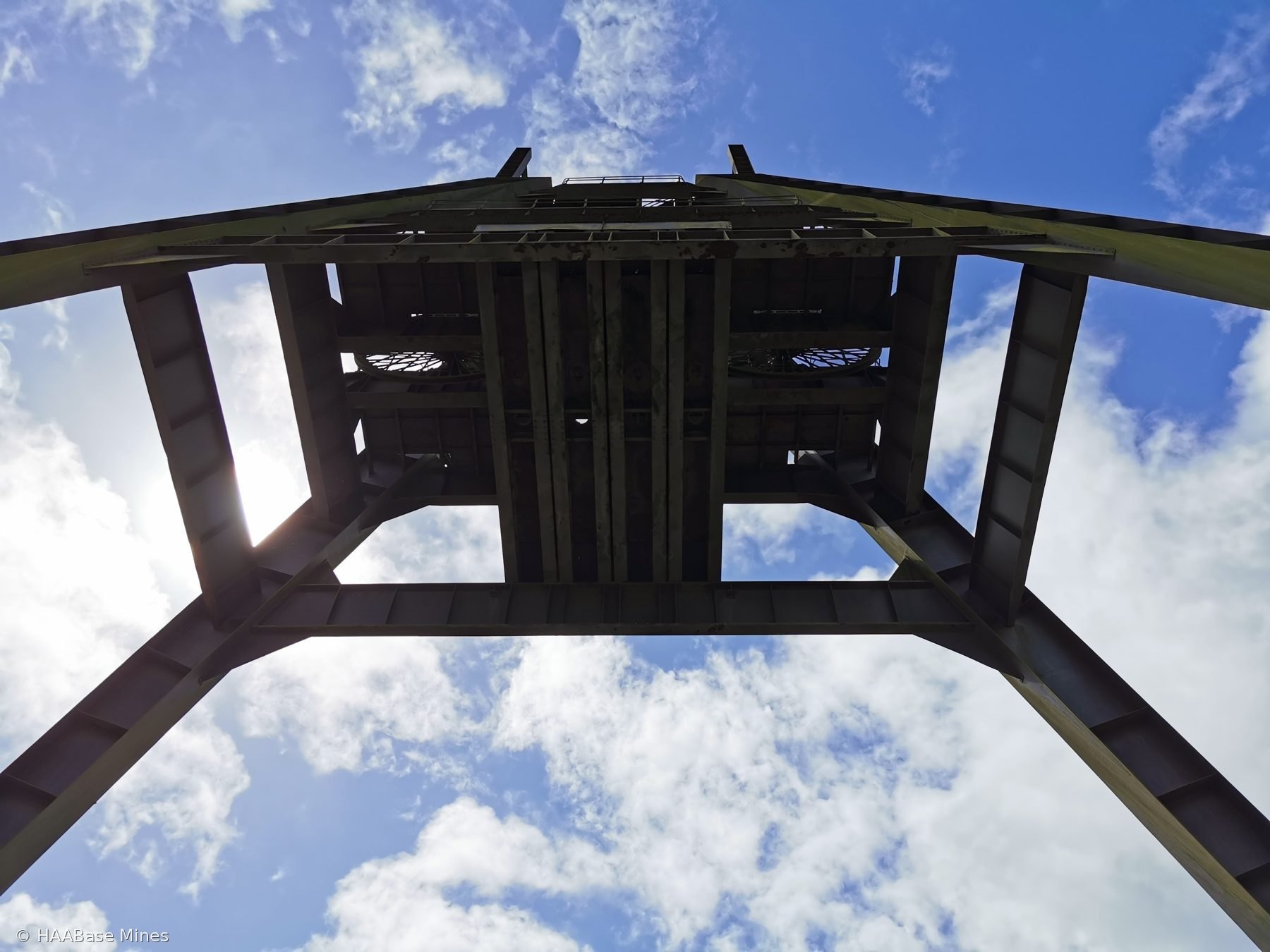
A steel A-frame headgear was erected over No. 3 shaft in 1954 by Mechans Limited of Glasgow as part of a programme of modernisation. Standing 180 feet in height, it was one of only two such frames ever built in Britain and remains the only surviving example of its type. Barony Power Station, operated by the South of Scotland Electricity Board on an adjacent site, opened in 1953 burning slurry from the washery. The colliery's peak workforce of 1,695 was reached in 1958.

On 8 November 1962, disaster struck when No. 2 shaft collapsed, entombing four men: Henry Green, oversman; George Wade, contractor; Thomas Fyvie, contractor; and John McNeil, deputy. The headframe fell into the shaft opening, blocking it and preventing rescue attempts. The bodies of all four men were never recovered. The collapse effectively shut down a substantial part of the colliery's production capacity, and a prolonged community and political campaign was mounted to save the colliery from closure, ultimately succeeding through civic action, trades council intervention, and political support. No. 4 shaft, dedicated to ventilation and emergency winding, was sunk in 1965 at grid reference NS 5264 2134 to a depth of 509 metres, following the loss of Nos. 1 and 2 shafts.

In 1957 a power station had been built beside the mine generating electricity by burning coal slurry; this station closed in 1983 and was later demolished to make way for a chipboard manufacturing plant. Throughout the 1970s and 1980s Barony was beset by geological difficulties and understaffing that affected output and led to significant losses. Its neighbouring collieries, Highhouse and Killoch, closed in 1983 and 1986 respectively. During the 1984–85 miners' strike the union membership at Barony held firm until December 1984, when a steady drift back to work began. Scottish Coal closed the colliery in 1989.

On closure, all mine buildings were demolished with the exception of the A-frame headgear above No. 3 shaft. In 1990 the winding engine houses, generating station, water-treatment works, and the A-frame were granted category B listed building status under Historic Environment Scotland. Despite this designation, the accompanying structures were subsequently demolished, leaving only the A-frame standing. The site lay derelict and the frame faced demolition until a local charitable trust, the Barony A Frame Trust, was established in 1997 to save the structure and create a monument to mining heritage. Over £1.3 million was spent restoring the A-frame and landscaping the surrounding area, with funding contributions from Historic Scotland and the Heritage Lottery Fund. The restored site was officially reopened by Prince Charles in his capacity as Duke of Rothesay in January 2008. The site now incorporates interpretation panels, a heritage garden serving as a memorial to those who lost their lives at the mine since 1906, and a memorial to the four men killed in the 1962 shaft collapse.

Timeline

1906–1910
Construction

Sinking of Nos. 1 and 2 Shafts

William Baird & Company began sinking Barony Nos. 1 and 2 shafts in 1906 to supply coal to the Lugar Ironworks. Both shafts were sunk to 626 metres. Production from these shafts commenced in 1910.
1912
Operation

First Coal Extraction

The first coal was extracted from Barony Colliery in 1912.
1931
Legislation

Formation of Bairds & Dalmellington Ltd

William Baird & Company merged with the Dalmellington Iron Company to form Bairds & Dalmellington Ltd, which thereafter owned Barony Colliery.
1937–1949
Construction

Colliery Reconstruction and Sinking of No. 3 Shaft

Bairds & Dalmellington commenced reconstruction of the colliery and sinking of No. 3 shaft (623 metres deep) in 1937. Reconstruction continued after nationalisation in 1947 and was completed by the National Coal Board in 1949.
1947
Legislation

Nationalisation — Transfer to National Coal Board

The coal industry was nationalised in 1947. Barony Colliery passed from Bairds & Dalmellington Ltd to the National Coal Board.
1953
Operation

Barony Power Station Opened

Barony Power Station, operated by the South of Scotland Electricity Board on an adjacent site, opened in 1953 burning slurry from the colliery washery.
1954
Construction

A-Frame Headgear Erected over No. 3 Shaft

A steel A-frame headgear, 180 feet in height, was manufactured and erected by Mechans Limited of Glasgow over No. 3 shaft as part of colliery modernisation. It was one of only two such frames ever constructed in Britain.
1958
Operation

Peak Workforce of 1,695 Reached

The colliery reached its peak recorded workforce of 1,695 in 1958.
1962
Operation

Collapse of No. 2 Shaft — Four Men Killed

On 8 November 1962, No. 2 shaft collapsed, entombing four men: Henry Green (oversman), George Wade (contractor), Thomas Fyvie (contractor), and John McNeil (deputy). The headframe fell into the shaft, blocking it and preventing rescue. The bodies were never recovered.
1965
Construction

Sinking of No. 4 Shaft

No. 4 shaft, dedicated to ventilation and emergency winding, was sunk to 509 metres at grid reference NS 5264 2134 following the permanent loss of Nos. 1 and 2 shafts in the 1962 collapse.
1983
Closure

Barony Power Station Closed

Barony Power Station, which had been burning coal slurry from the washery since 1953, closed in 1983. The station was subsequently demolished to make way for a chipboard manufacturing plant.
1989
Closure

Final Closure of Barony Colliery

Scottish Coal closed Barony Colliery in 1989. All mine buildings were subsequently demolished with the exception of the A-frame headgear over No. 3 shaft.
1990
Heritage

Category B Listed Building Status Granted

In 1990 the A-frame headgear, winding engine houses, generating station, and water-treatment works were granted category B listed building status under Historic Environment Scotland. Despite the listing, only the A-frame itself survived demolition.
1997
Heritage

Barony A Frame Trust Established

A local charitable trust, the Barony A Frame Trust, was established in 1997 to save the A-frame from demolition and create a monument to mining heritage and the communities that depended on the colliery.
2007–2008
Heritage

A-Frame Restored and Site Reopened

The A-frame was restored at a cost of over £1.3 million, with funding from Historic Scotland and the Heritage Lottery Fund. The restored site was officially reopened by Prince Charles in his capacity as Duke of Rothesay in January 2008.

Sources and records

Barony A Frame Trust website
Wikipedia article: Barony A Frame
Historic Environment Scotland listing record (category B, LB971)
Trove.scot / Historic Environment Scotland site record: Barony Colliery 1, 2, 3 and 4
Canmore record for Barony Colliery (RCAHMS)
Coal and Community project, University of Wolverhampton: Barony colliery profile
Coal and Community project: Barony: A Fight for Life (Andrew Perchard)
BritainExpress: Barony A-Frame Mining Heritage Site
National Coal Board, Reorganisation of Barony Colliery near Auchinleck, c.1952 (RCAHMS)
Oglethorpe M K, Scottish Collieries, 2006
This researched site record is part of the HAABase Mines database. Normal personal research and browsing is welcome. Automated bulk extraction, republication, or harvesting of site text and images is not permitted without written consent.