1817–1849
Soundings identify the coal-bearing formation
A series of soundings conducted between 1817 and 1849 identified the coal-bearing formation beneath the Forbach area.
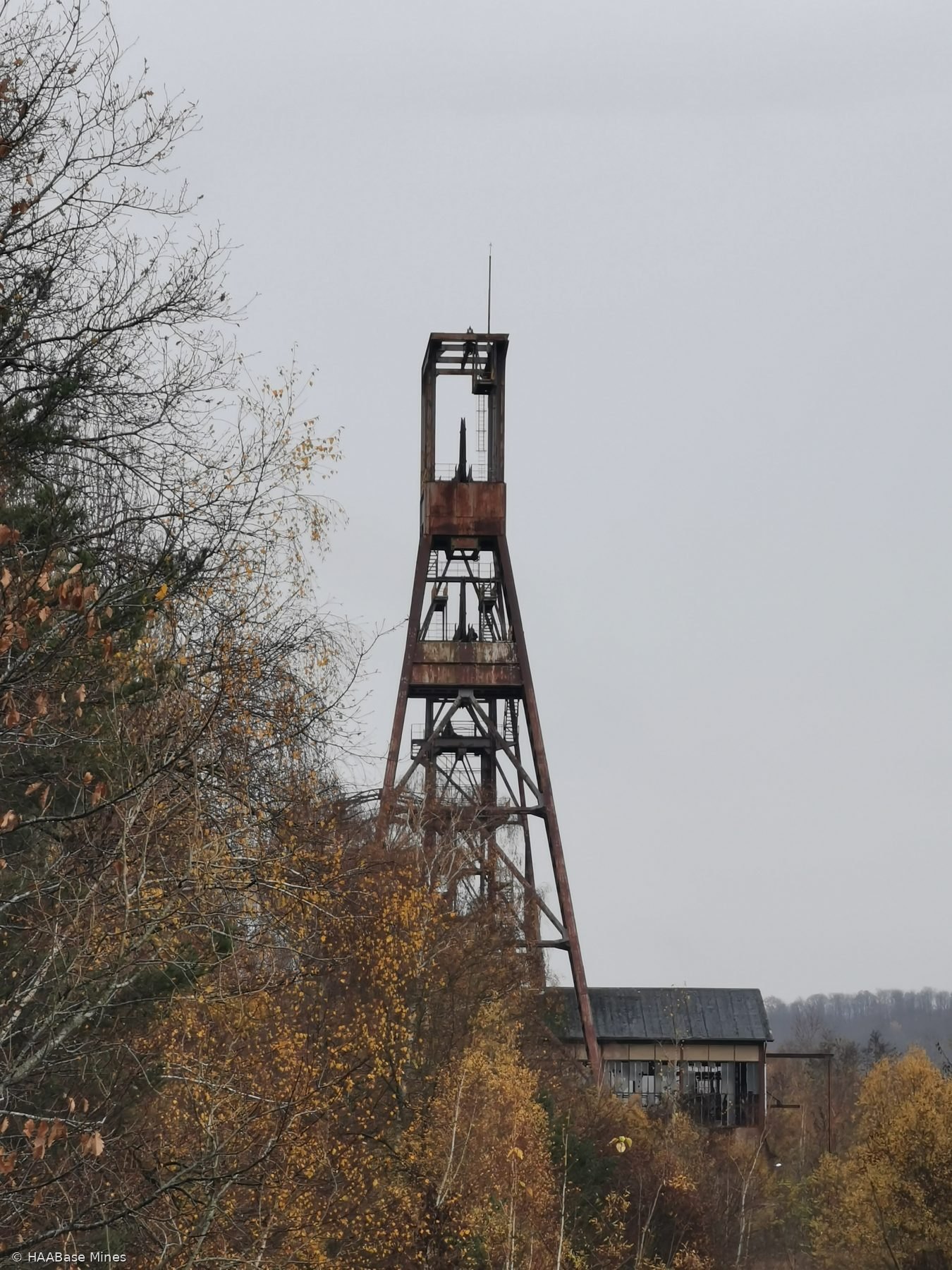
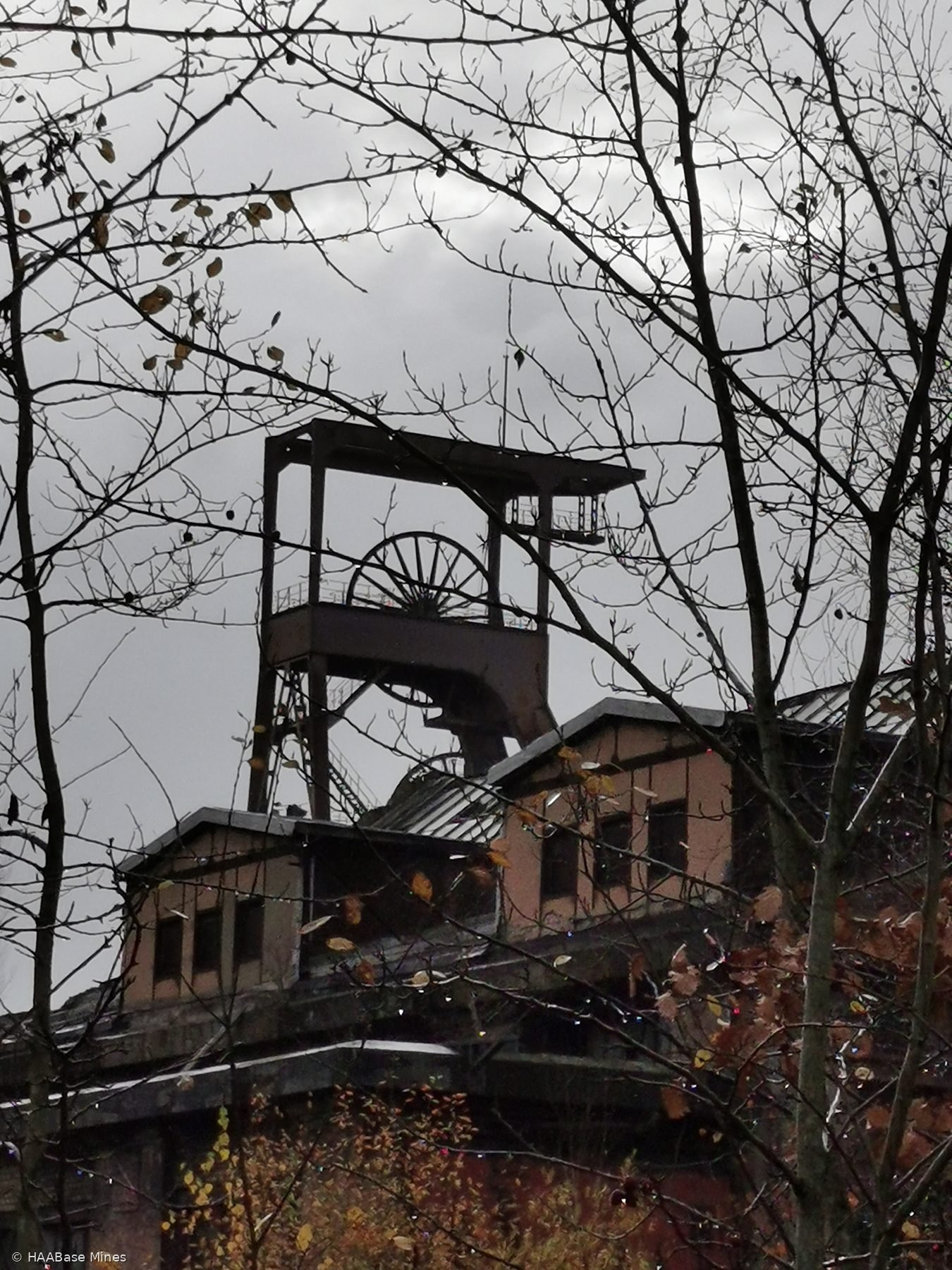
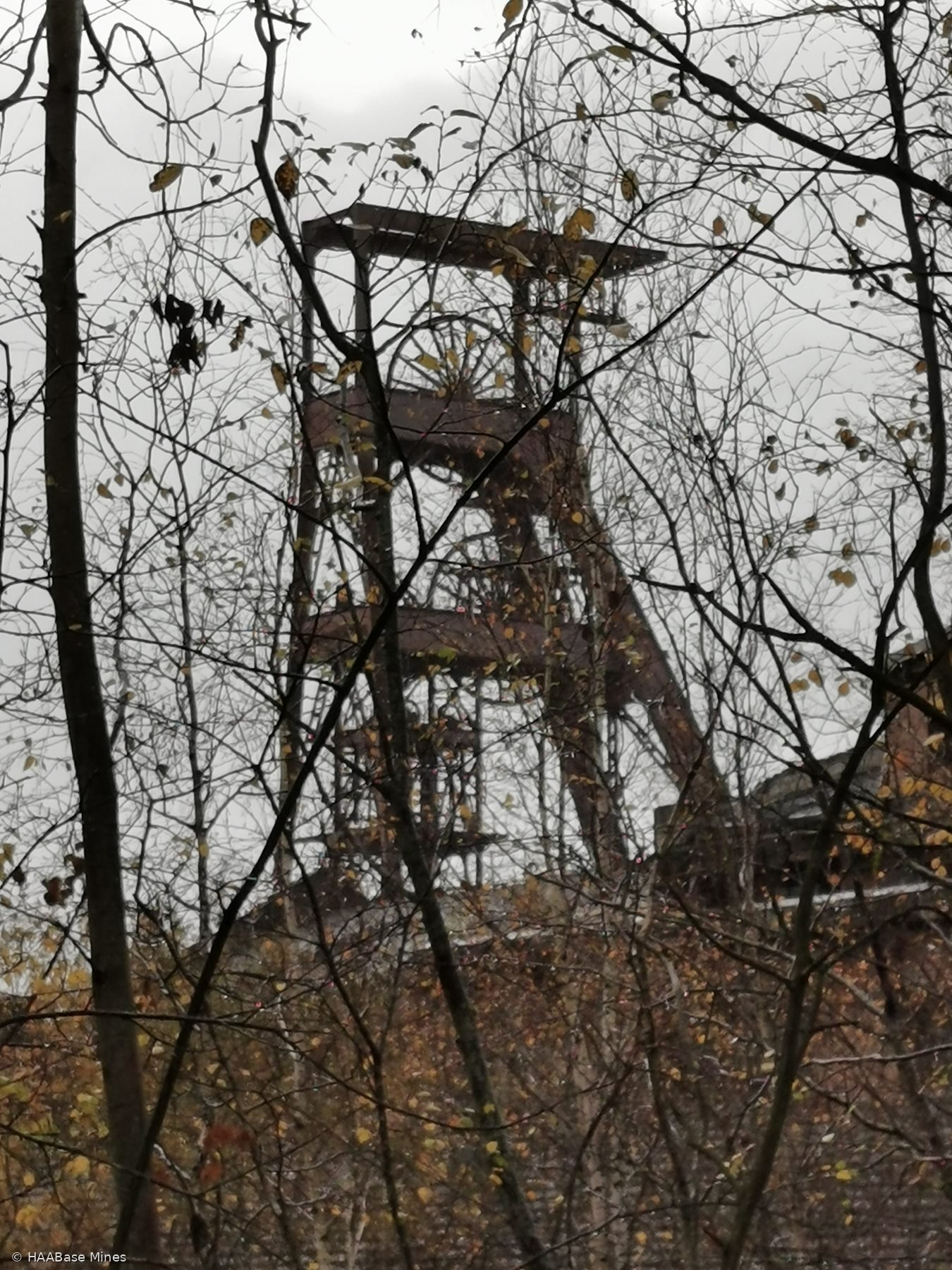
The listed carreau of Puits Simon no 1 and no 2 at Forbach, a deteriorating but substantially intact Lorraine colliery complex bearing the oldest surviving headframe in the Bassin Houiller Lorrain.
The Siège Simon at Forbach was one of the principal charbonnages of the Houillères du Bassin Lorrain, exploiting hard coal from 1907 to 1997. Named in honour of Guillaume Simon, director-general of the Houillères de Petite-Rosselle, the installation was built from 1905 by the architect Choret for the Société des Houillères de Stiring, in which the Wendel family held a majority interest. The site was electrified from the outset, and the Siemens-Schuckert extraction machine at Puits no 1, dating from 1908 or 1910, remains in working order.
The headframe over Puits no 1, erected in 1905 or 1907, is the oldest surviving headframe in the Bassin Houiller Lorrain. The carreau of Puits 1 and 2, together with numerous associated buildings, was listed as a monument historique by arrêté of 11 July 2002. The last coal from the siège was raised on 5 December 1997.
Despite the listing, the complex has continued to deteriorate significantly, with vandalism and water infiltration causing progressive damage, and no confirmed conversion plan had been established as of the time of research.
The Siège Simon is situated on the territory of the commune of Forbach in Moselle, in the region of Grand Est. The coal-bearing formation underlying the area had been located through a series of soundings conducted between 1817 and 1849, but it was not until 1904 that the Société des Houillères de Stiring, in which the Wendel family held a majority of capital, undertook the fonçage of Puits Simon no 1. The shaft was sunk to 478.65 metres at 6 metres diameter, with a cast-iron tubbing lining inserted to deal with water-bearing ground using the freezing method. Extraction began in 1907. The first surface buildings on the carreau were erected between 1905 and 1910 by the architect Choret (Henri or Eugène) of Saint-Germain-en-Laye. These buildings present a consistent architectural quality in the style characteristic of the Wendel world at the turn of the twentieth century, with polychrome brick banding, depressed-arch openings, and chamfered detailing. The installation was electrified from the outset.
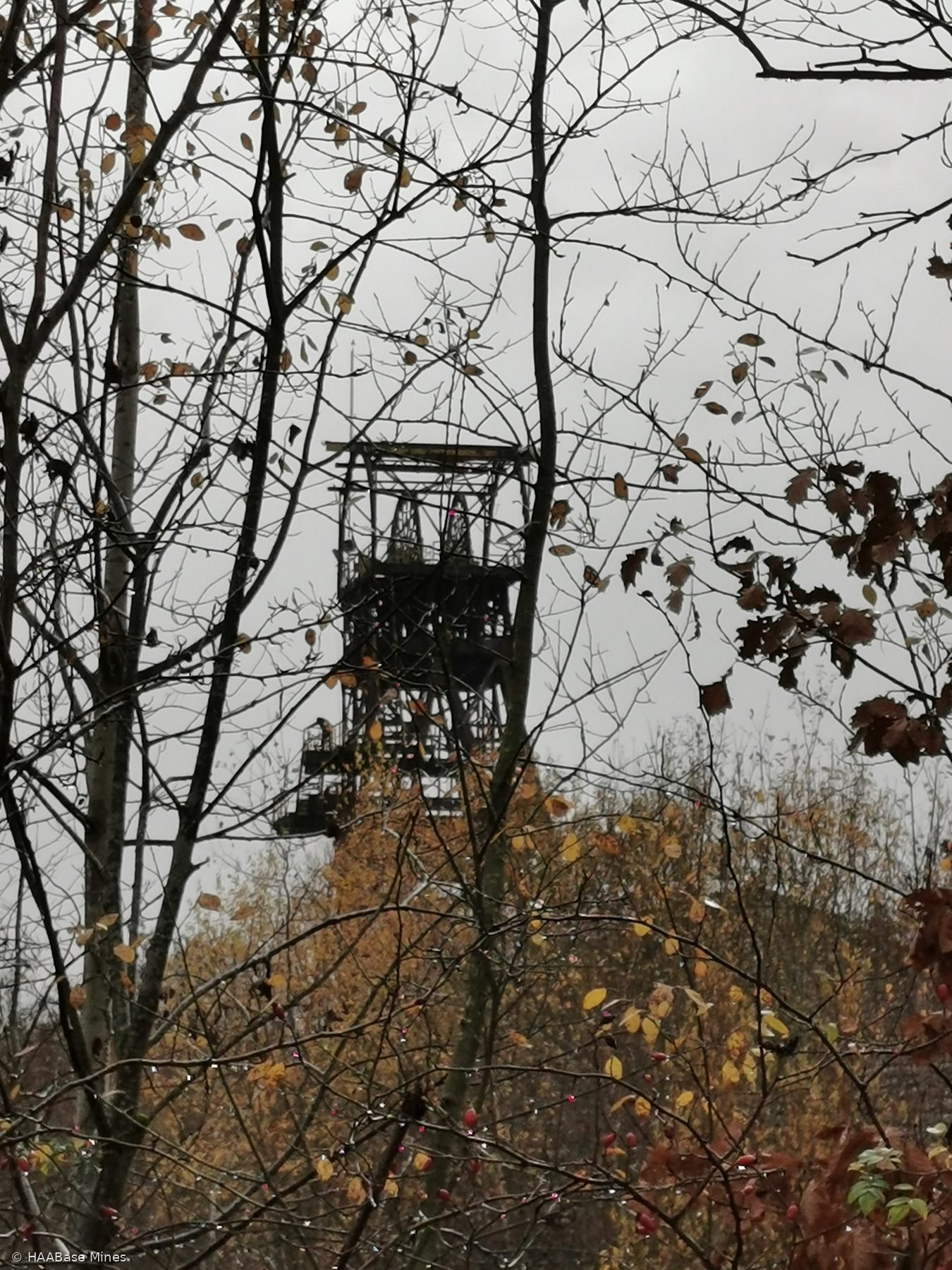
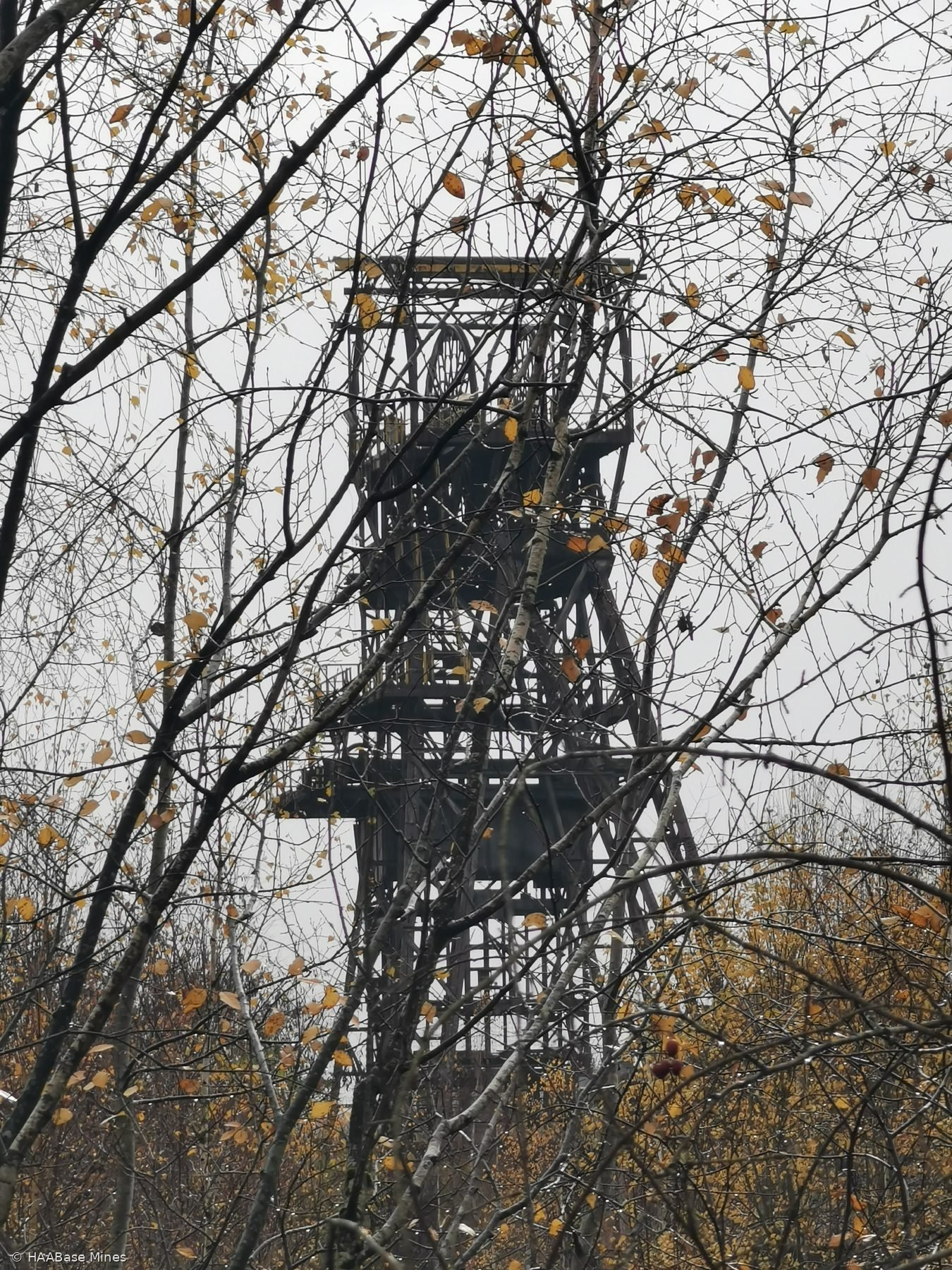
Fonçage of Puits Simon no 2 began in 1908; the shaft reached 498.84 metres at a diameter of 5.8 then 6 metres, and entered service in 1914. The headframe over Puits no 1, erected in 1905 or 1907, is a metal structure approximately 33 metres high and the oldest surviving headframe in the Bassin Houiller Lorrain. The extraction machine at Puits no 1 is a Koepe pulley of 1,030 kW manufactured by Siemens-Schuckert, dating from 1908 or 1910, and remains in working order. The headframe of Puits no 2 stands 55.20 metres high, and the extraction machine is a Koepe pulley of 2,800 kW. The first fonçage of Puits no 3 took place in 1932–1933 in the centre of Forbach.
During and after the Second World War, the colliery sustained severe damage: after the liberation of Forbach by American forces, workings were found flooded to 70 metres from the surface and surface installations in ruins. Pumping operations were completed by 1 July 1946, allowing extraction to resume. Fonçage of Puits no 4 began in 1947 and was completed in 1951, located at Schœneck. Fonçage of Puits no 5 began on 1 January 1958; its concrete extraction tower, 57.35 metres high, was completed between 1964 and 1966. Puits no 5 reached 1,136.50 metres depth at 8 metres diameter and was equipped for extraction in 1974.
From 1973 extraction was concentrated on puits 1, 2, and 5; puits 3 and 4 continued to serve ventilation after ceasing extraction. Following the closure of the Siège Wendel in 1985, the Siège Simon became the principal extraction carreau in the east of the basin. In 1989 the siège and the Siège Marienau merged to form the Unité d'Exploitation Forbach. The last tonne of coal from the siège was raised by Puits no 2 on 5 December 1997, marking the end of the UE Forbach. Puits 1, 5, and Marienau remained active for water pumping, methane capture, and ventilation until 2006 to maintain safety for operations at Merlebach and in the Saar.
The concrete extraction tower of Puits no 5 was demolished on 27 November 2009. At the main carreau, the recette of Puits no 1, the forge, and post-war installations including cooling towers, the coal washery, the marshalling yard, silos, and conveyor belts were demolished in 1998, one year after the cessation of extraction. The carreau of puits 1 and 2 retains the two headframes, the large machine hall, the baths and changing rooms, workshops, and numerous other historic buildings, forming one of the most complete surviving mine carreaux in the Lorraine basin.
The entire installations of puits 1 and 2 were listed as monuments historiques by arrêté of 11 July 2002, modifying an earlier arrêté of 11 December 1998. The protected elements include: the canteen, the magasin and workshop, the main building including its hall, the lamp-room, the headframe of Puits no 1 in its entirety, the machine room of Puits no 1 including its machinery as immoveable by destination, the electrical power station, the headframe and landing stage of Puits no 2 in their entirety, and the former machine room of Puits no 2. Despite the protection, the buildings have continued to deteriorate severely, with vandalism and water infiltration causing progressive structural damage, including a partial roof collapse caused by arson in June 2020 affecting the hall des mineurs. No confirmed conversion plan had been established as of the time of research.