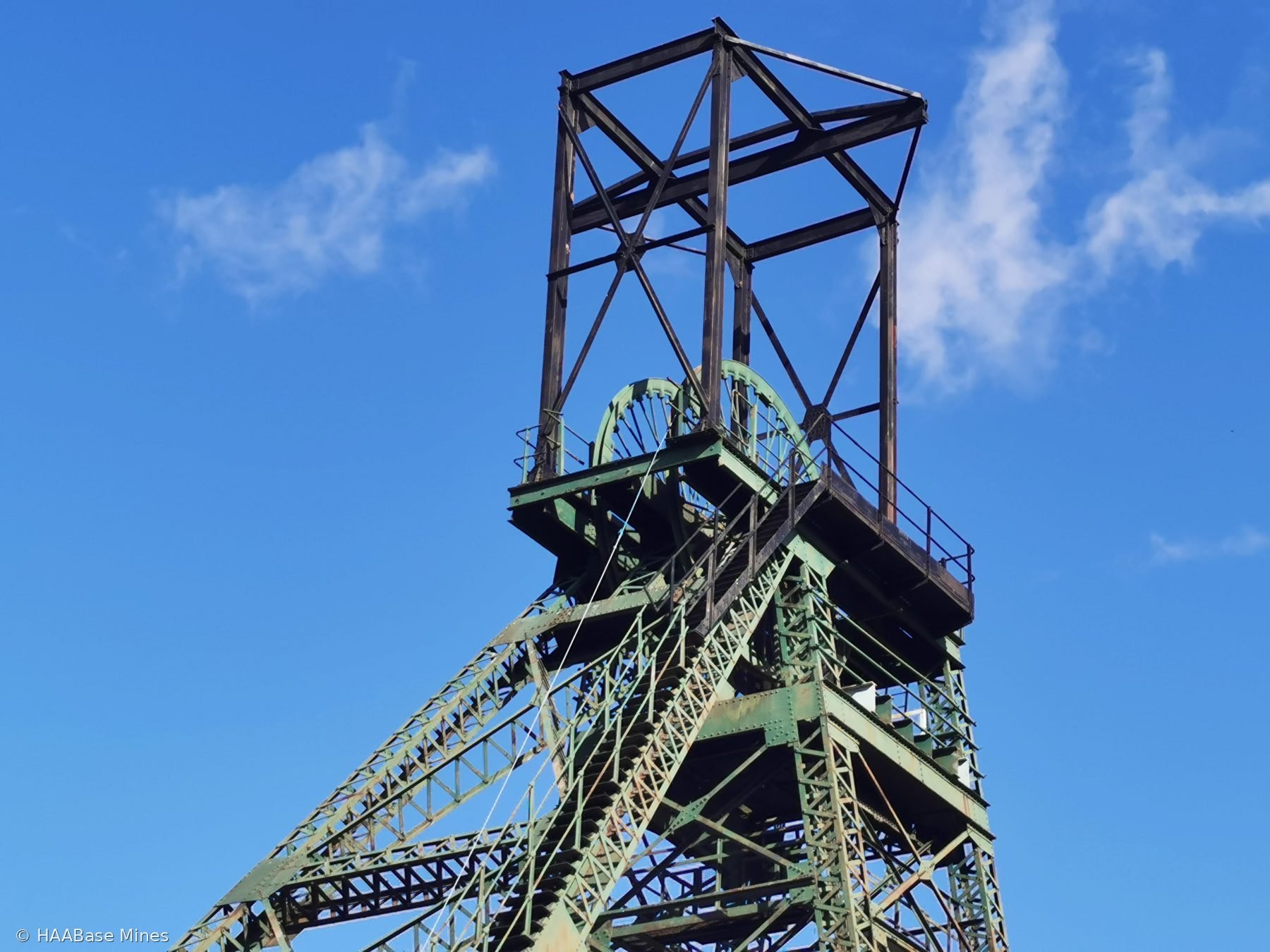
Bersham Colliery stands on the east side of Wrexham Road, Rhostyllen, adjacent to the Shrewsbury to Chester railway line. Shaft sinking commenced in 1864 when the Bersham Coal Company sank the first shaft on the site of a former brickworks. The sinking encountered difficulties and did not reach the main coal seams; the site was then left abandoned.
In 1871 the pit was deepened by new owners, the Barnes family of Liverpool, and coal production started in 1874. Two shafts were operational: No. 1 at 10 feet diameter and 420 yards depth, and No. 2 at 12 feet diameter and 421 yards depth. In the early years the colliery worked without major incident until 1880, when a major underground explosion during the night of 3 August killed eight men, with a ninth dying of his injuries later.
Those killed included the colliery manager, William Pattison, and a number of firemen and colliers. By 1896 there were 711 men working at both shafts. By 1902 the original owners, the Barnes family, employed 675 men below ground and 94 on the surface.
In February 1913 the engine house was partially wrecked when the engine driver fell in a dead faint, pulling the lever as he fell, causing a cage to ascend past the normal landing stage into the gearing above. Another explosion killed a number of men in 1909. By 1908 there were 848 men working at the colliery.
By 1918 the workforce was 878. In 1923 the mine employed 808 men. During this period ownership oscillated between Broughton & Plas Power Coal Co. Ltd and Bersham Colliery Company Ltd on several occasions, with Broughton & Plas Power Coal Co. Ltd finally retaining ownership until nationalisation.
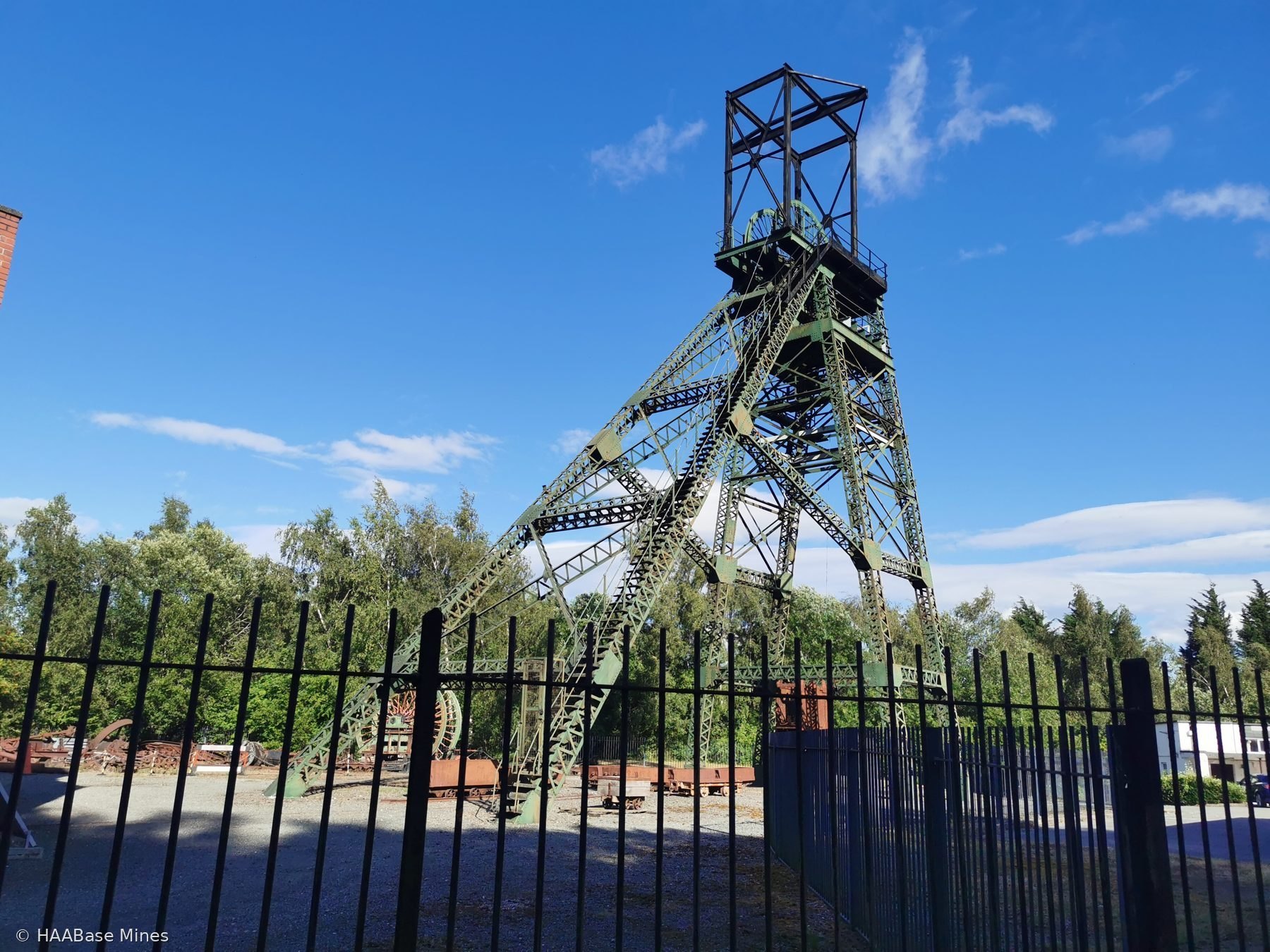
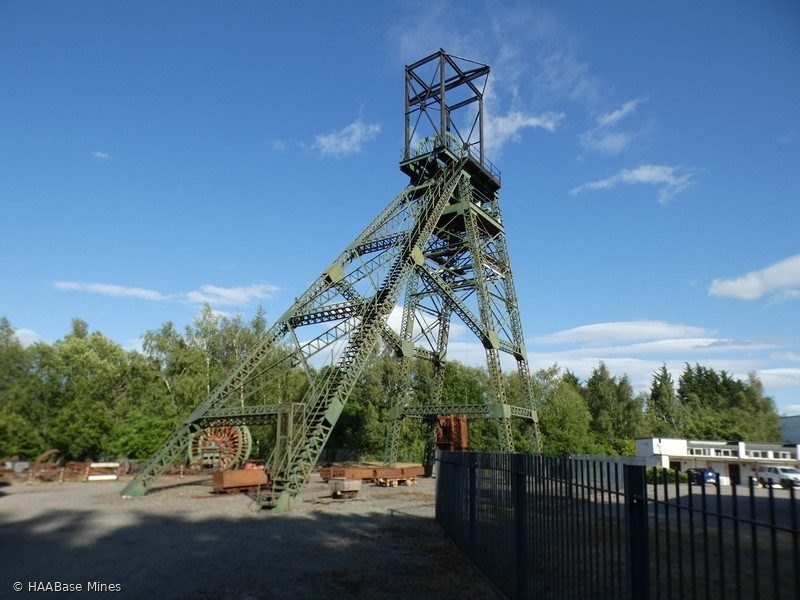
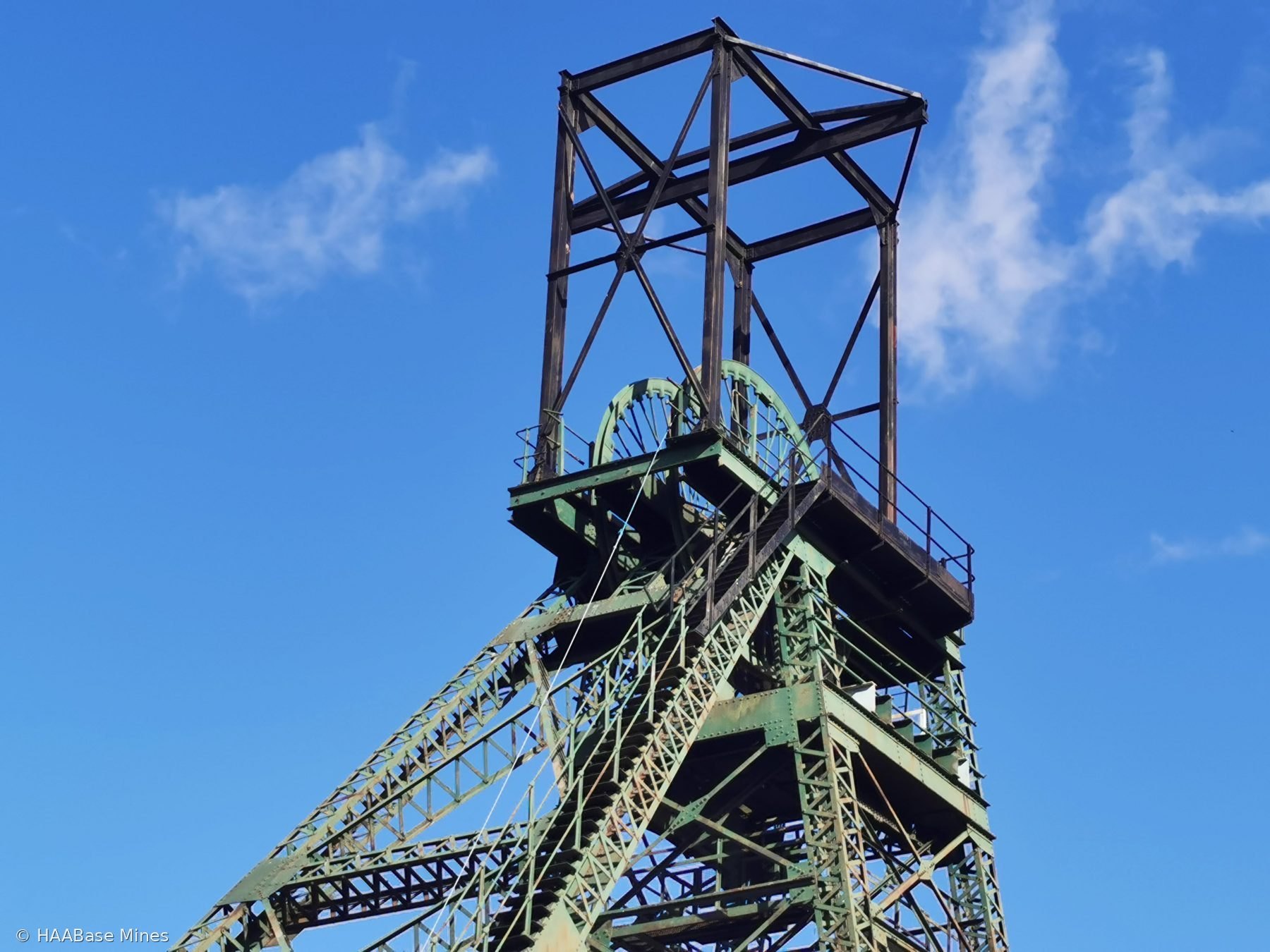
In 1933 the timber headgear over the No. 2 shaft burned to the ground. Replacement headgear, a lattice girder structure, was purchased and moved from the nearby Gatewen Colliery at Broughton, Wrexham and installed in 1935. Before 1935 all mining at the colliery had been done by hand; mechanisation was introduced in that year.
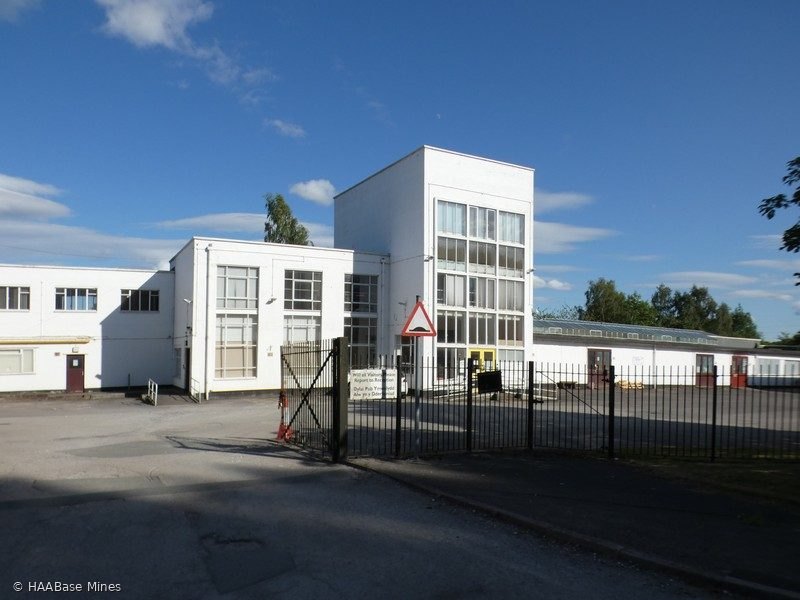
On 1 January 1947 the colliery was nationalised and placed under the National Coal Board. Modernisation followed immediately and was completed in 1954 with a new block housing pithead baths, canteen, and offices designed to cater for up to 1,100 men. In the same year, approximately 100 pit ponies, which had spent most or all of their lives underground, were retired and replaced with mechanical traction.
An electric winding engine was installed in 1962. The colliery reached its largest recorded size in 1958 with 1,011 workers. In 1961 further mechanisation was introduced, including conveyor belts.
In 1946 the colliery had employed 600 men underground and 200 on the surface, working the Quaker, Two Yard, Main, and Powell seams. By 1957 there were 730 men underground and 180 on the surface, working the Quaker, Two Yard, and Main seams. Bersham Colliery was closed in December 1986 with the loss of 480 jobs, on the grounds of unfavourable economic conditions and loss of markets.
It was the last working coal mine in the Denbighshire coalfield. Salvage operations continued into 1987 but a great deal of equipment was left in place underground. Most surface buildings were demolished shortly after closure.
The No. 2 headframe with its wheel, and the engine house complete with its electric winding gear, were retained. The lattice girder headframe, installed in 1935, is scheduled. The 1930s winding engine house with its electric winding engine installed in 1962 and the 1952 baths building are listed.
Remaining buildings on site have continued in use as part of a small industrial estate known as the Bersham Enterprise Centre. In 1999 the Shropshire Mines Trust arranged with Wrexham County Borough Council to clean the site and create a museum, forming the Bersham Colliery Trust for this purpose; however the Trust was disbanded due to lack of local interest, having cleared the site and moved mining artefacts to it. The site is owned by Wrexham County Borough Council.
The most prominent surviving landscape feature is the Bersham Tip, the colliery spoil heap, which has been the subject of planning controversy regarding its potential removal.