1848
Construction begins at Gyfeillion Pit by John Calvert
John Calvert began construction of Gyfeillion Pit in August 1848 on the site near Hopkinstown, Pontypridd.
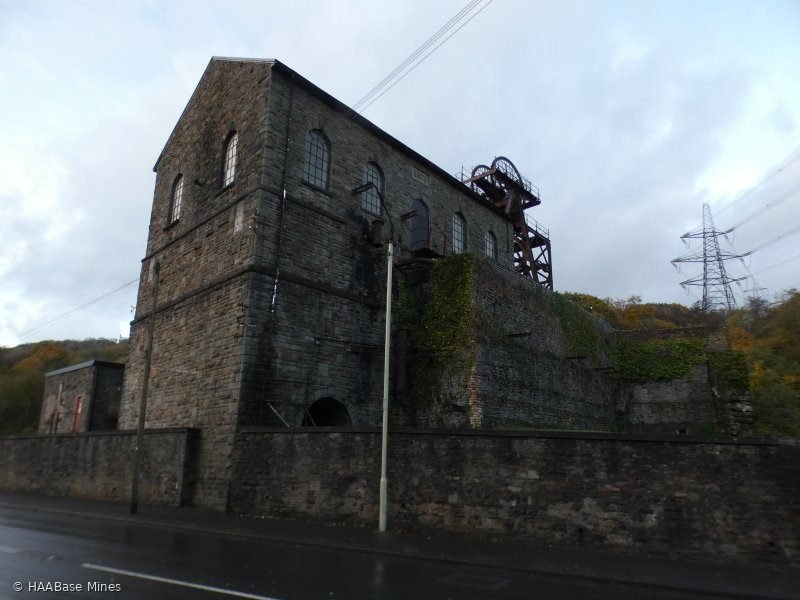
Former colliery site preserving the Grade I listed Hetty Pit engine house and headframe, home to the oldest working deep-mining winding engine in Wales, under active volunteer restoration.
This record is based on the research currently available to HAABase Mines. It has not yet completed the site's formal source-by-source fact-checking process, so the history and timeline should be regarded as a well-researched provisional account and may be refined as further evidence is reviewed.
Great Western Colliery was a coal mine at Hopkinstown near Pontypridd, operating from 1851 to 1983. Founded by Yorkshire contractor John Calvert as the Gyfeillion Pit, it was sold to the Great Western Railway in 1854 and subsequently operated by a series of companies under the name Great Western Colliery. The Hetty shaft was sunk by the late 1870s and its associated engine house and winding engine were built in 1875.
On 11 April 1893 a fire killed 63 miners, one of the worst disasters in Welsh mining history. The colliery reached a combined workforce of 3,162 by 1918. Coal production at the Hetty ceased in 1923 but the shaft was retained as an emergency exit for the Tymawr and Lewis Merthyr collieries until final closure on 26 November 1983.
The Hetty Engine House and headframe were listed Grade I on 3 August 1984 and scheduled as a monument on 28 July 1994. The Great Western Colliery Preservation Trust, formed in 2010, carries out ongoing restoration. The Hetty winding engine is the only large steam engine in Wales in working order not dependent on an electric motor, and the oldest two-cylinder horizontal winding engine in the United Kingdom still on its original site.
Great Western Colliery was established by John Calvert, a Yorkshire railway contractor who had built the Taff Vale Railway for Isambard Kingdom Brunel in the 1840s. Calvert had already demonstrated his mining credentials at the Newbridge Colliery at Gelliwion, Pontypridd, sunk in 1844 to the No. 3 Rhondda seam at 55 yards depth. Construction of the new colliery began in August 1848, with coal first struck in May 1851 at 149 yards depth.
The successful opening was marked by a lavish celebration in August 1851, including a roasted Hereford ox. Calvert initially named the operation Gyfeillion Pit after the local area. After only three years, financial difficulties led Calvert to sell the colliery and its coke oven plant to the Great Western Railway Company, which had been its major customer, after a three-month trial period in 1854.
The Great Western Railway worked the colliery until advertising it for sale on 19 March 1864. Following considerable delay, the colliery passed to new purchasers on 1 April 1865, who formed the Great Western & Fowlers United Collieries Ltd, registered 1 June 1865 and renamed the Great Western Colliery Co. Ltd on 16 October 1866. This company went into voluntary liquidation on 18 March 1878 for reconstruction, and a new Great Western Colliery Co. Ltd was registered on 1 November 1878.
The new company sank the Hetty shaft by 1875, when the engine house was built. The Hetty Pit was 16 feet in diameter and served as the downcast shaft. The winding engine was supplied by Barker and Cope of Kidsgrove, Staffordshire.
The Hetty shaft was sunk to the Six Feet seam at a depth of 392 yards, with the Four Feet seam lying 25 yards above. The upcast shafts were the No. 2 Pit and the Tymawr Pit, each fitted with Schiele fans of 15 feet 3 inches diameter for ventilation. By 1893 the colliery employed approximately 1,460 workers of whom around 950 were underground on the day shift.
On 11 April 1893 a fire broke out at a haulage engine in the East Hard Heading, about 120 yards from the Hetty Pit, where compressed air powered underground machinery. Sparks from the wooden brake blocks of the haulage engine set fire to nearby brattice sheets; the fire spread rapidly, fanned by ventilation, and ignited timber supports, sending smoke and fumes through the workings. Rescue efforts saved approximately 150 men, but 63 men and boys aged between 14 and 61 lost their lives.
Fifty-three bodies had been recovered by 14 April. District fireman Thomas Prosser ventured into the smoke and diverted noxious fumes by opening a set of air doors, preventing a greater loss of life. By 1896 the Inspector of Mines recorded 475 men working at the Great Western No. 2 pit and 604 men at Tymawr.
The Great Western Colliery Company Limited was incorporated in 1890 to sink pits in the Pontypridd area to supply steam coals for the Great Western Railway. In 1894 the Great Western Colliery Company purchased the adjacent Maritime Colliery. By 1918 a combined workforce of 3,162 men was employed across the Great Western collieries.
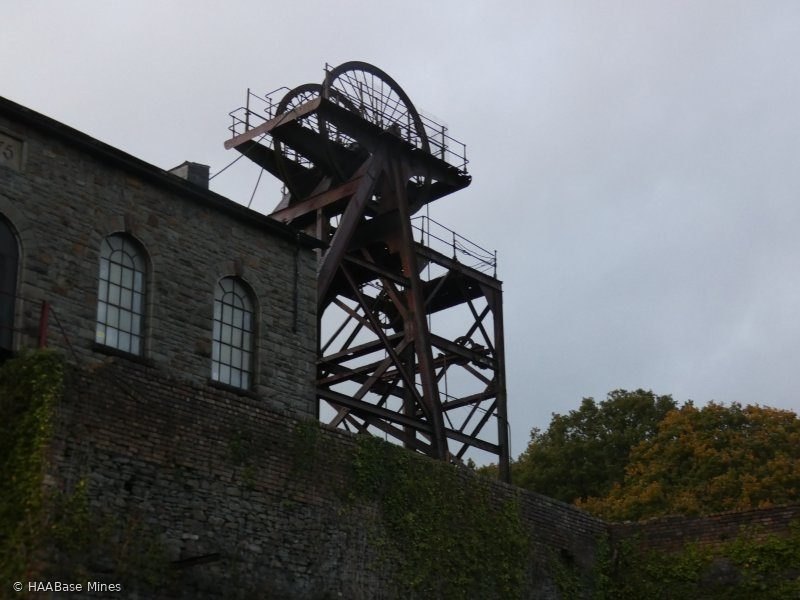
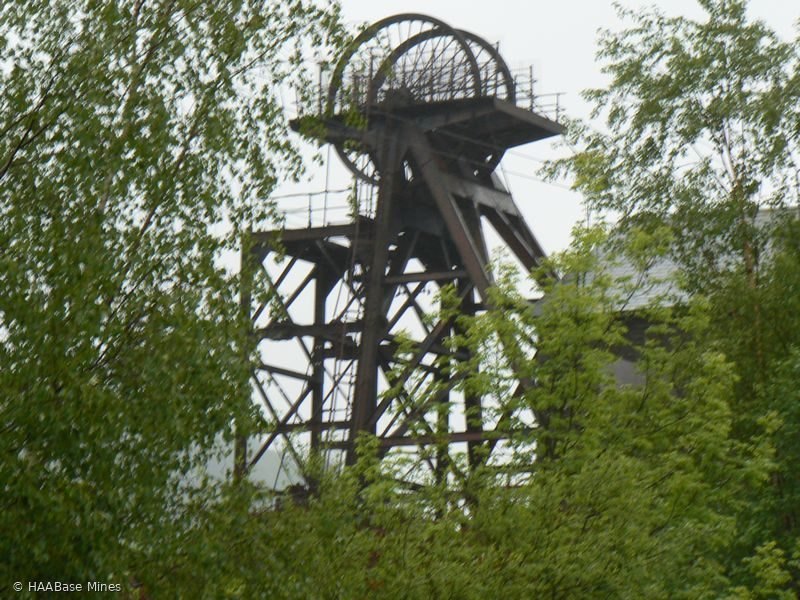
In 1902 alterations were carried out to the Hetty winding engine; the original flat rope drums were replaced with round steel rope drums, the cylinders were replaced by Worsley Mesnes of Wigan with new 36-inch cylinders with a 6-foot stroke, and the original wooden headframe was replaced with a steel structure. Coal production at the Hetty shaft ceased in 1923 when the seams worked from that shaft were exhausted, but the Hetty was retained open as a secondary means of exit for the adjacent Tymawr and Lewis Merthyr collieries to which it was linked underground. The winding engine was converted for use with compressed air and kept on standby.
In 1928 the Great Western Colliery came under the ownership of the Powell Duffryn Coal Company. By 1934, as a subsidiary of Powell Duffryn, the Great Western Colliery Company controlled three collieries employing 2,270 men producing 650,000 tons of coal annually. On nationalisation in 1947 the colliery passed to the National Coal Board.
The final phase of operations continued until 21 June 1983, when the last coal was raised at the Tymawr colliery. The Hetty Pit structures finally ceased working on 26 November 1983. The colliery infrastructure was demolished soon after closure, though the Hetty Pit structures were preserved due to their historical significance.
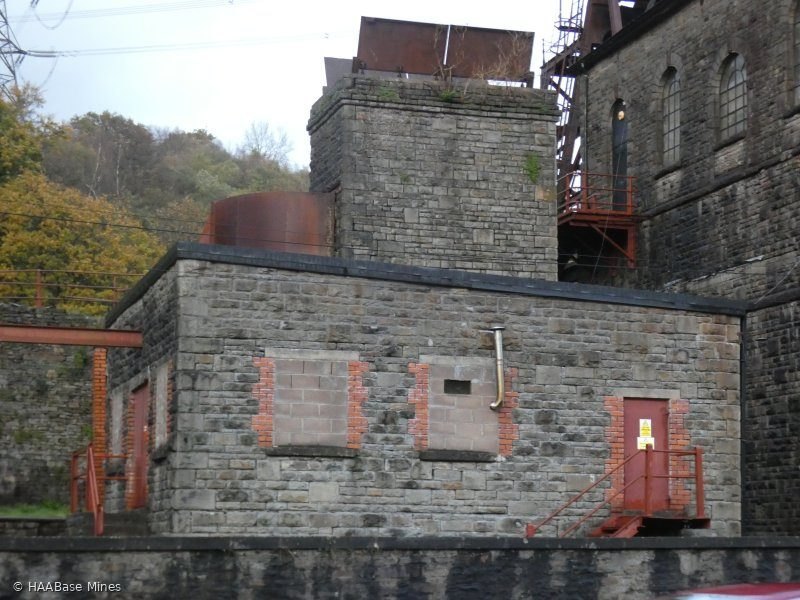
On 3 August 1984 both the Hetty Engine House and the Headframe were designated Grade I listed buildings by Cadw. The Fan House received Grade II* listing. On 28 July 1994 the entire Hetty Engine House, Headframe, Fan House, and surrounding area were granted Scheduled Monument status.
In the mid-1990s a dedicated team of volunteers led by Brian Davies, curator of Pontypridd Museum, gained access to the abandoned site and began restoring the winding engine. The Great Western Colliery Preservation Trust was formed in 2010 to continue this work. In December 2024 a National Lottery Heritage Fund grant of more than £300,000 was awarded to refurbish the Grade I listed headframe, install a permanent air compressor to operate the winding engine on demand, and improve visitor facilities.
The Hetty winding engine is the only large steam engine in Wales in working order not dependent on an electric motor, and is the oldest two-cylinder horizontal winding engine in the United Kingdom still on its original site.