1261
Earliest written record of coal in the Matheysine
A declaration by inhabitants of La Mure, contemporary with Saint Louis, makes mention of coal mines in the Matheysine.
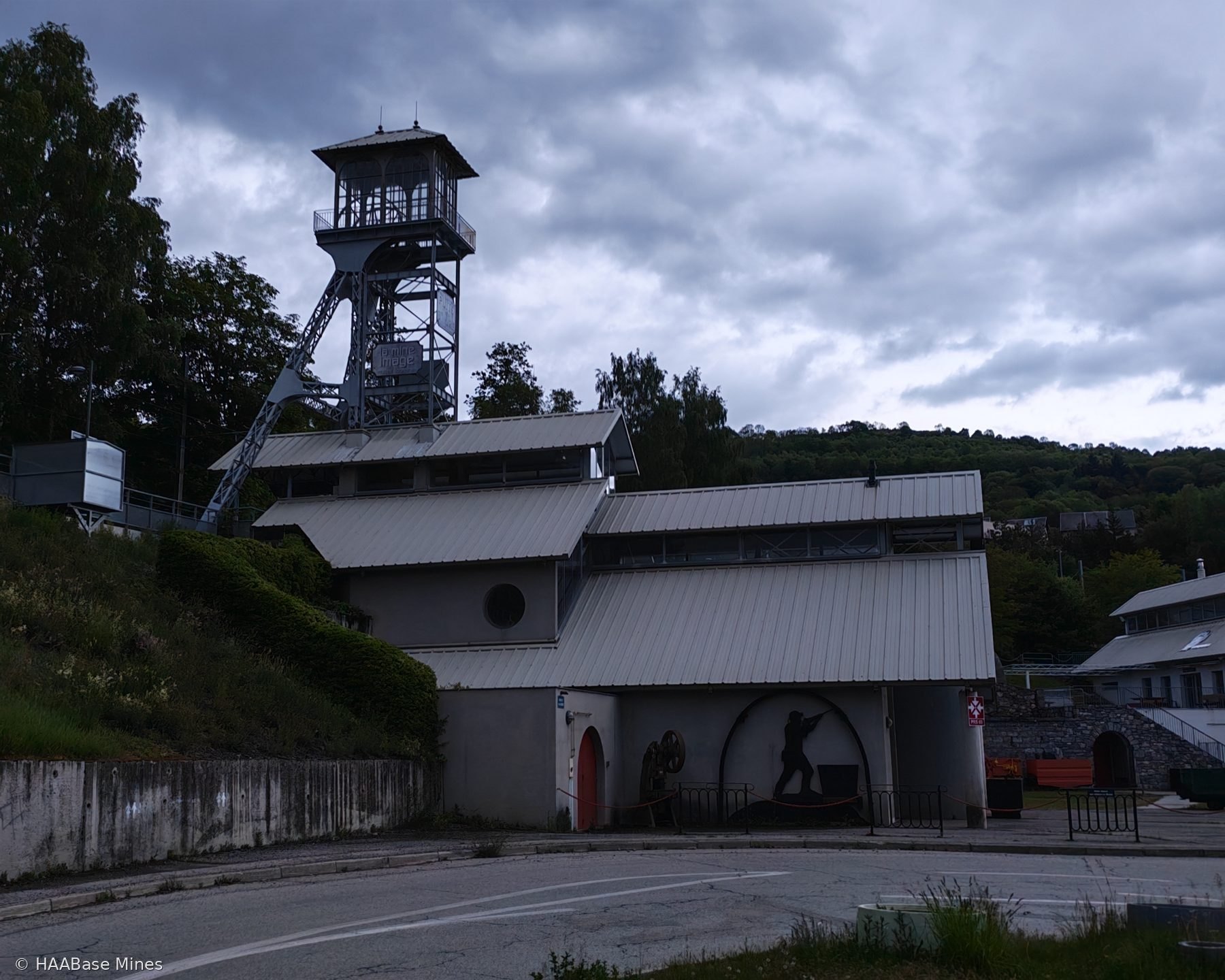
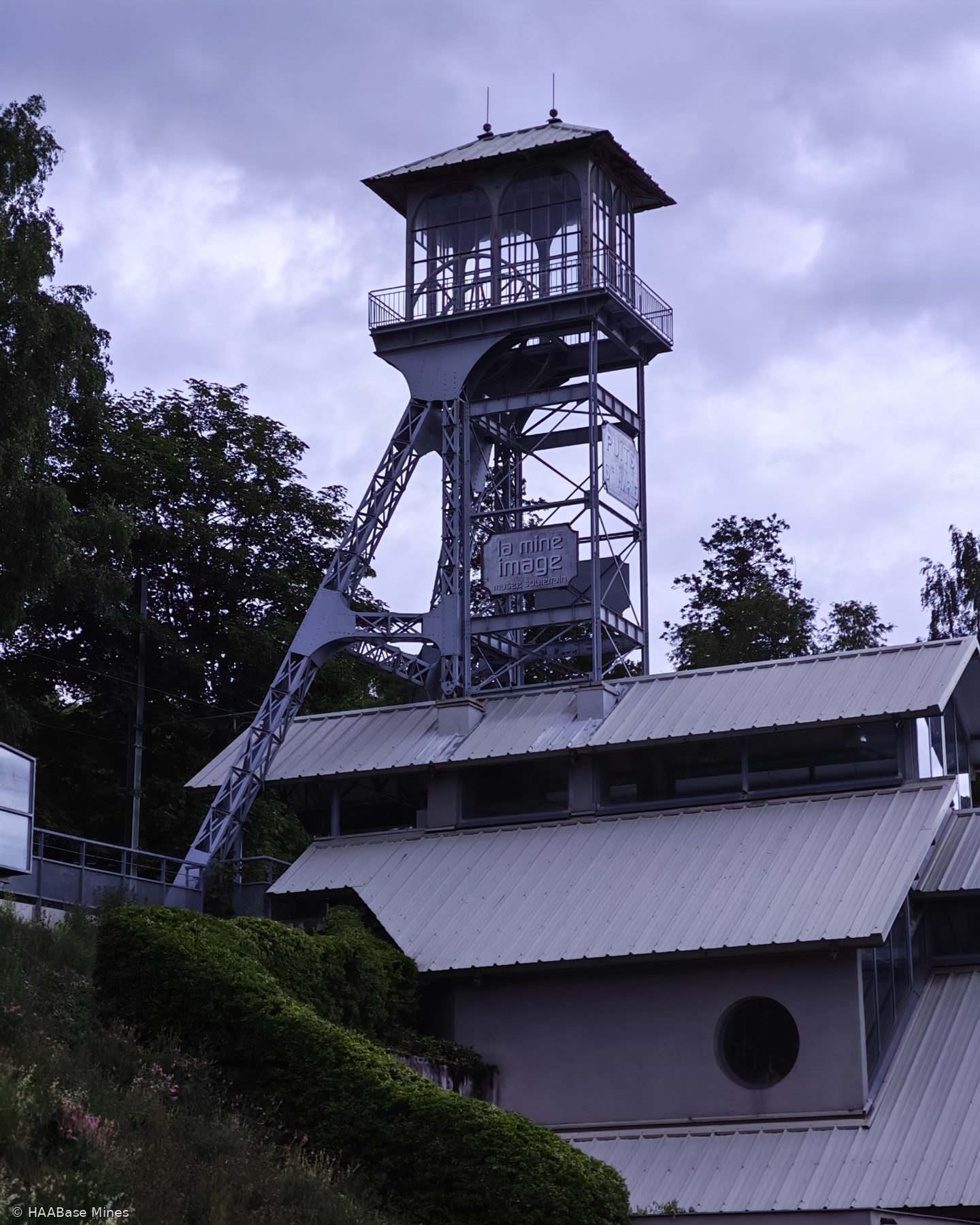
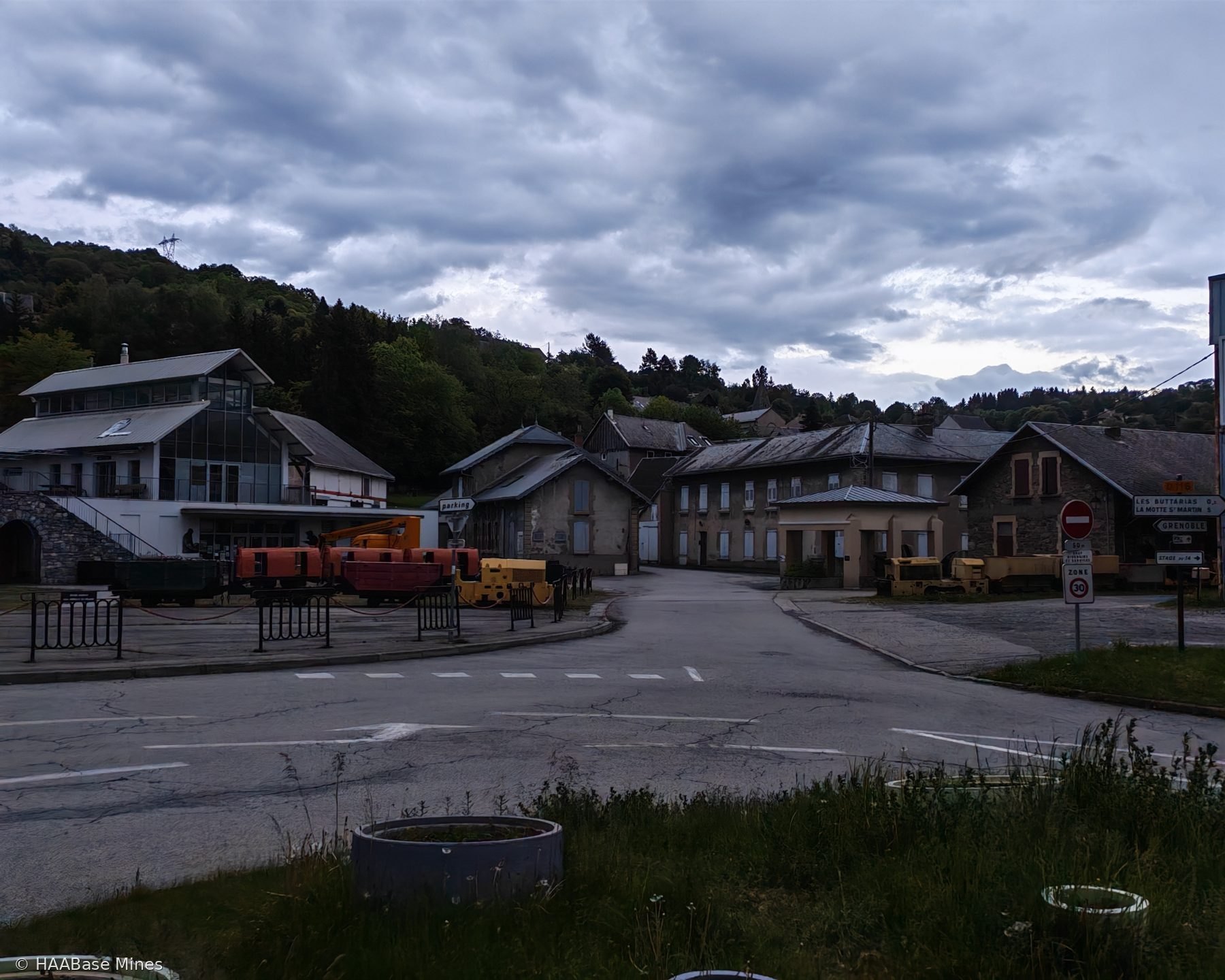
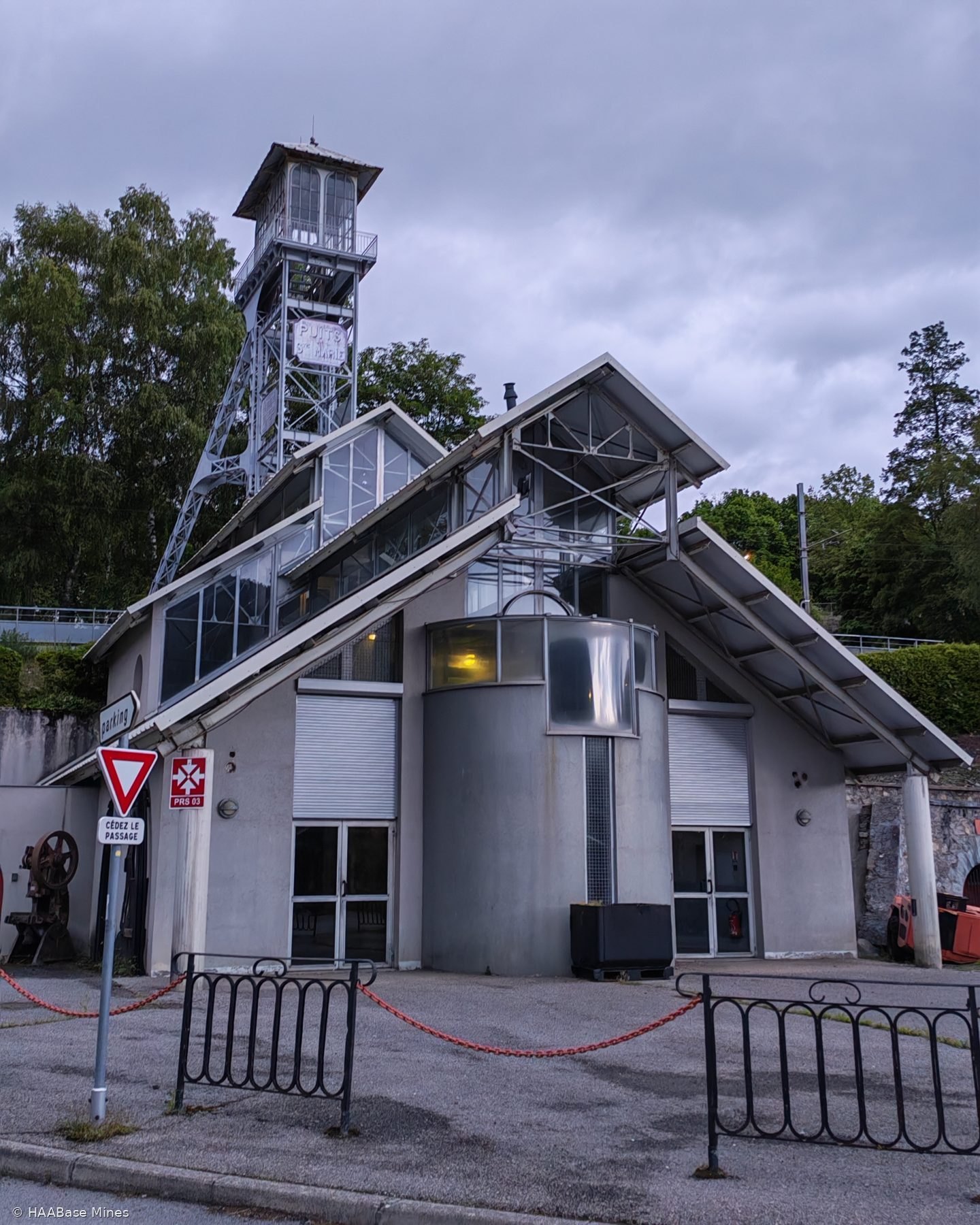
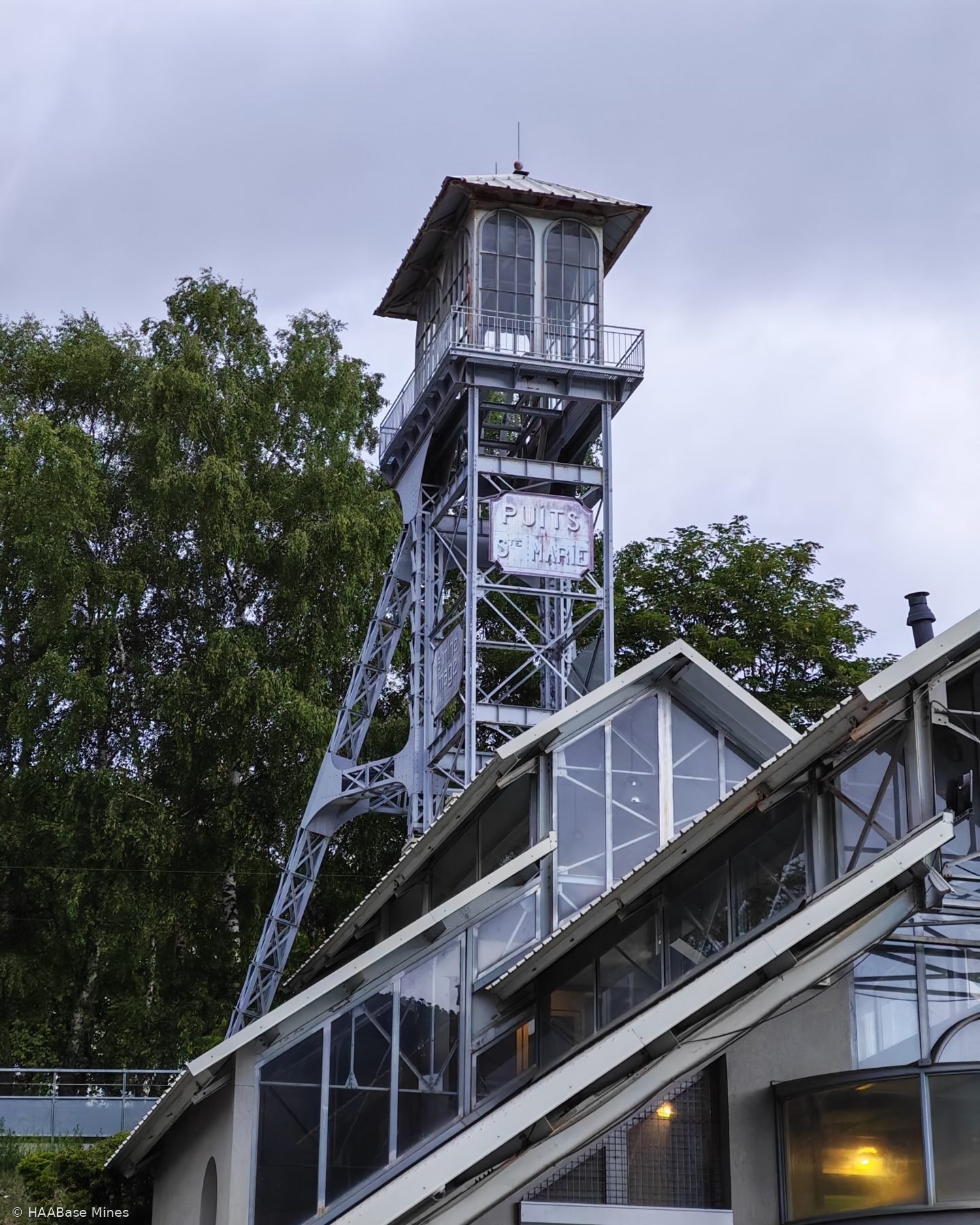
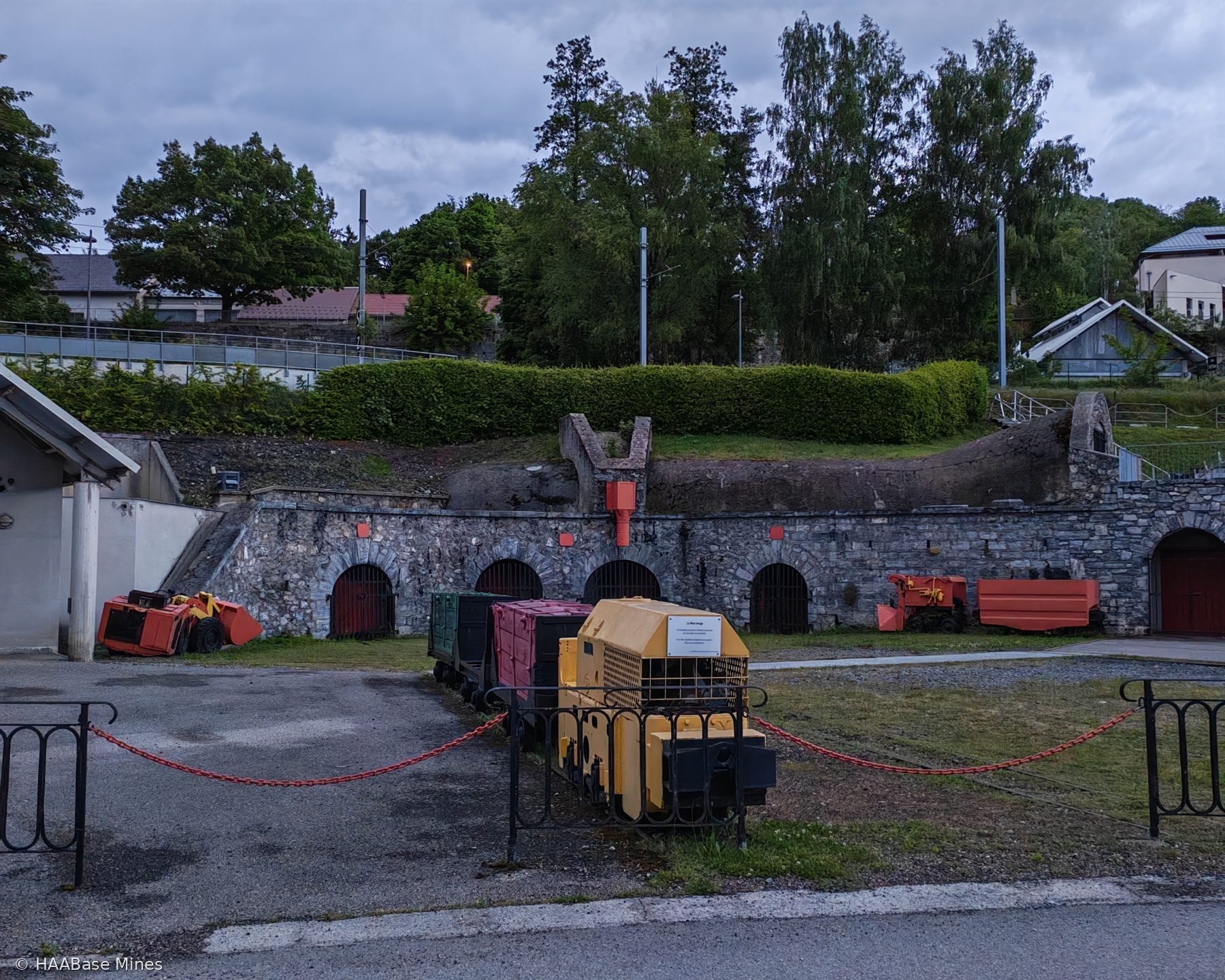
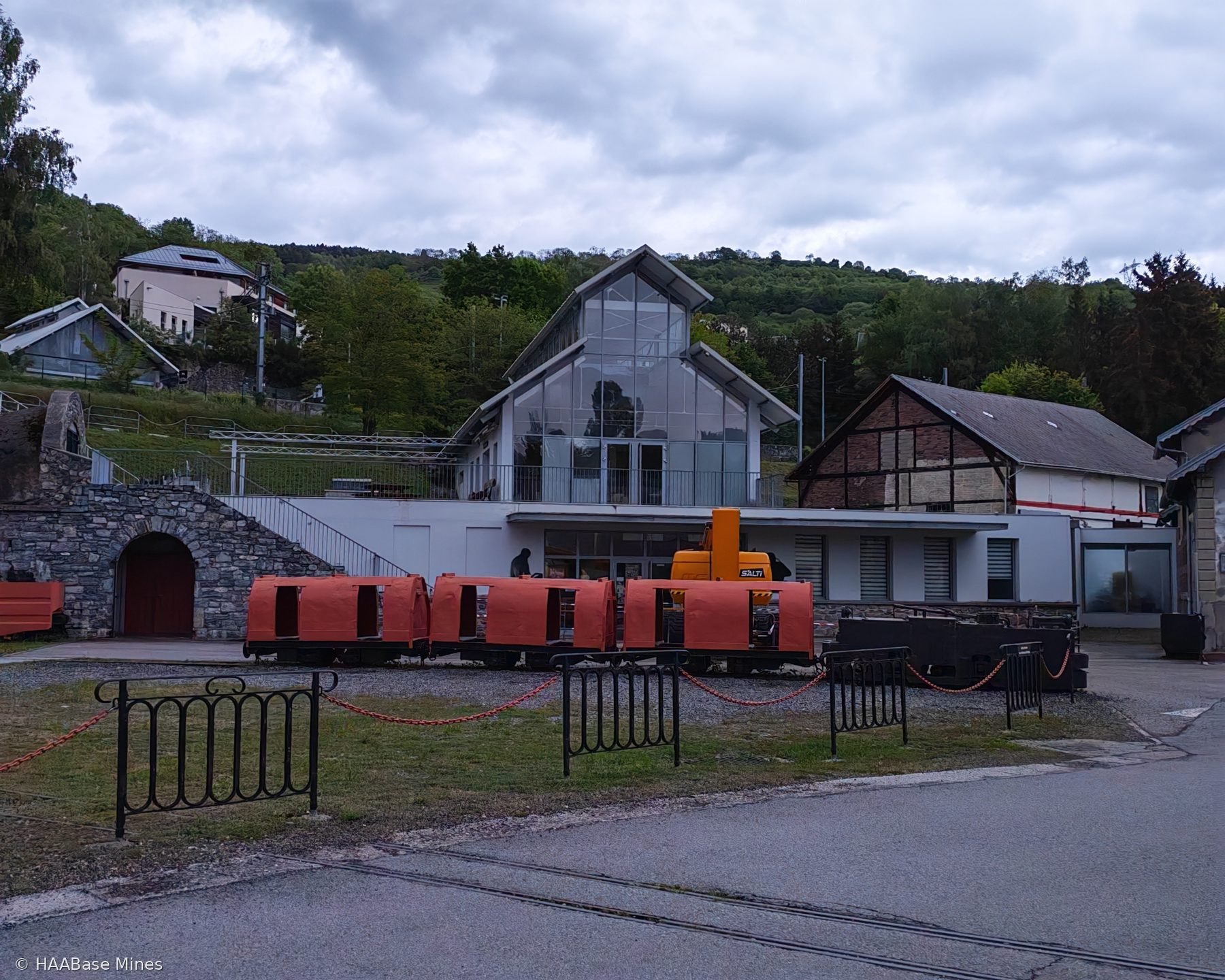
Former anthracite mine at La Motte-d'Aveillans preserved as the Musée La Mine Image, with restored galleries open to visitors.
This record is based on the research currently available to HAABase Mines. It has not yet completed the site's formal source-by-source fact-checking process, so the history and timeline should be regarded as a well-researched provisional account and may be refined as further evidence is reviewed.
The Mines de La Mure at La Motte-d'Aveillans form part of the Houillères du Dauphiné coalfield on the Matheysine plateau in the Isère department, where anthracite extraction is documented from at least the thirteenth century. Formal concessions were granted from 1805, and the three principal early concessions were united in 1856 to form the Compagnie des Mines d'Anthracite de La Mure. The puits Sainte-Marie was sunk in 1902 and brought into service in 1905 as the principal shaft at La Motte-d'Aveillans, reaching a depth of 217 metres with a diameter of four metres.
Following nationalisation by decree of 28 June 1946, the site passed to the Houillères du Bassin du Dauphiné. Extraction at La Motte-d'Aveillans ceased in 1956 as production was concentrated at the puits du Villaret at Susville. The headframe of the puits Sainte-Marie was demolished in 1959.
From 1986, former miners and local volunteers began rehabilitating galleries on the site, and the Musée La Mine Image opened in 1995.
The Matheysine plateau, situated approximately thirty kilometres south of Grenoble at an altitude of around 900 metres, contains a deposit of high-quality anthracite whose presence was recorded as early as 1261. The first documented exploitation dates to 1640, when coal from La Motte-d'Aveillans was used for lime-burning in connection with the fortifications of Grenoble. In 1768, the baron de Venterol, seigneur de La Motte, had the first horizontal gallery opened at La Motte-d'Aveillans. Following the Revolution, the deposit was conceded under Napoleonic legislation. The first formal concession was granted at Peychagnard on 1 November 1805 to Louis Perrin. Further concessions followed in 1806, including the Grande Draye concession to Jules Giroud, a geometer and public works contractor of La Mure, and the Béthoux concession. Jules Giroud became director of the associated company formed by the three principal concessionaires. By 1813 annual production had reached 5,648 tonnes. Giroud died in 1813 and his widow continued the operation under the name Les Héritiers de Jules Giroud et Cie. His son Henri Giroud eventually acquired the majority of the concession shares and proposed in 1856 the creation of a single company. In 1856, the three principal concessions united to form the Compagnie des Mines d'Anthracite de La Mure, with production at that time reaching approximately 75,000 tonnes per year.
The principal seam, known as the Grande Couche, had an average thickness of six to seven metres, reaching twelve to fifteen metres in places. It was exploited under several names corresponding to the different concessions. The opening of the railway between Saint-Georges-de-Commiers and La Mure in 1888, passing through La Motte-d'Aveillans, transformed the economics of production and gave the coalfield effective transport access for the first time.
In 1902 sinking began at the puits Sainte-Marie at the lieu-dit Les Quatre Galeries at La Motte-d'Aveillans, known as Le Pontet. The shaft was brought into service in 1905. It had a depth of 217 metres and a diameter of four metres, and desservait the Béthoux and Faurie levels. It was surmounted by a metal headframe with a glazed cab housing two large winding wheels, and was equipped with screening and washing workshops. At its peak output in 1930 the puits Sainte-Marie produced 405,000 tonnes of anthracite. From 1904, additional concessions were progressively acquired: the concession of Le Mollard de Vaulx was attributed to the Compagnie des Mines d'Anthracite de La Mure on 16 September 1904. By decree of 25 April 1912, five concessions — La Grand'Draye, Les Béthoux, Serre-Leycon, Châtelard, and Le Mollard — were fused into a single concession of 1,943 hectares named La Motte-d'Aveillans and attributed to the Compagnie des Mines d'Anthracite de La Mure. In 1919 the company acquired the Jonche concession and the Marais de La Mure concession, these mutations being formalised by decrees of 12 August 1919 and 21 February 1925. By 1913 overall basin production had reached 300,000 tonnes.
Nationalisation was effected by decree of 28 June 1946, with effect from 1 July 1946. The decree created the Houillères du Bassin du Dauphiné (HBD), which in 1968 was integrated into the Houillères du Bassin du Centre-Midi. At the point of nationalisation the La Motte-d'Aveillans deposit was approaching exhaustion. The HBD concentrated new investment on the puits des Rioux at Prunières (sunk 1942) and the puits du Villaret at Susville (sunk 1948). From 1956 extraction at La Motte-d'Aveillans was abandoned and production transferred to the Villaret site at Susville. The puits Sainte-Marie was used until 1953, then demolished in 1959. The original metal headframe was removed; only the metal nameplate survived, remaining for many years on a wall near the site before being transferred to the Musée La Mine Image for preservation.
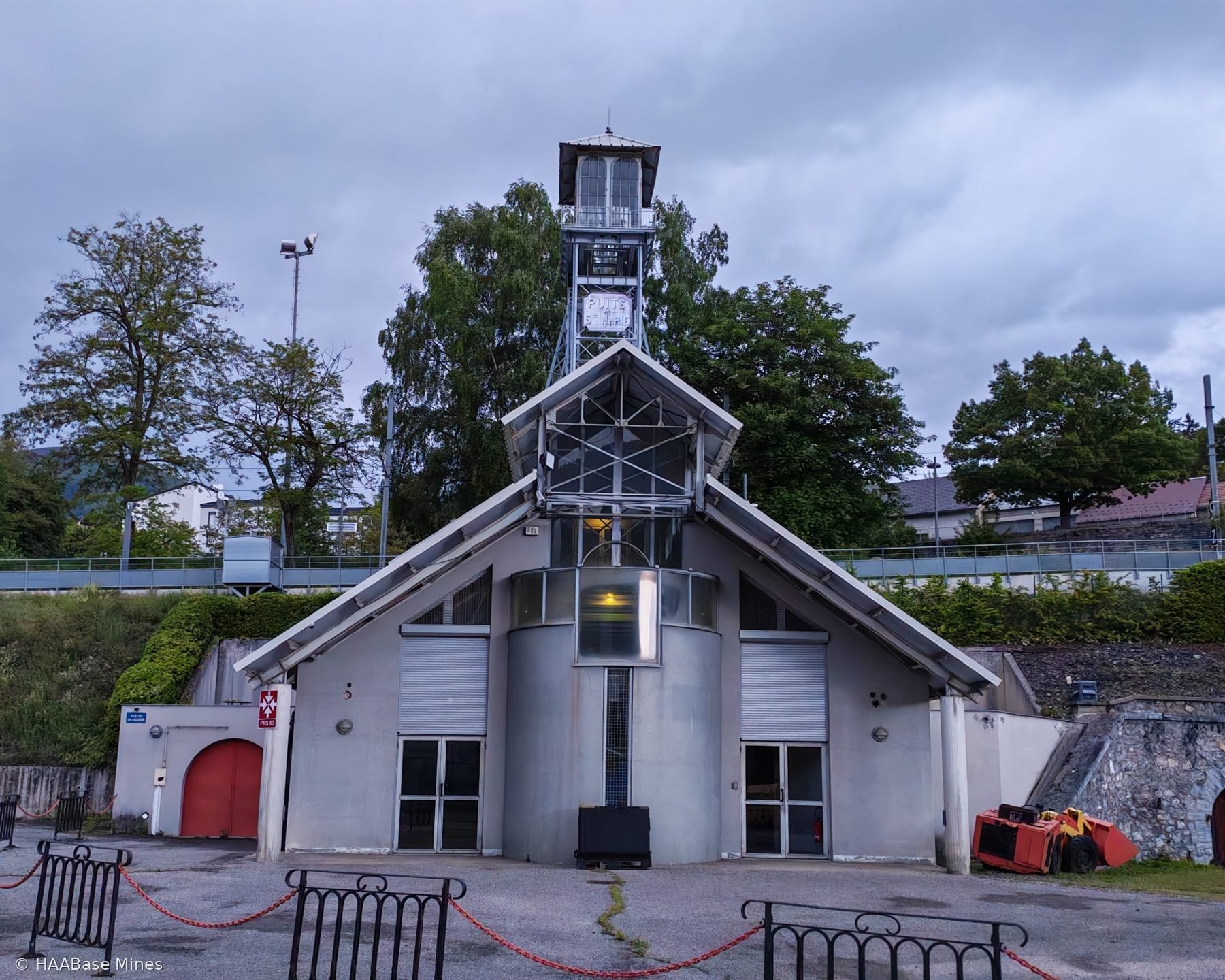
In February 1986 the Association de Sauvegarde et de Mise en Valeur du Patrimoine Mottois was formed by former miners and local volunteers with the aim of rehabilitating the mine galleries at La Motte-d'Aveillans. The association progressively cleared and restored galleries for public access, reconstructing scenes of underground working. The first museum building, surmounted by a replica of the headframe of the puits Sainte-Marie, opened in 1995. The Musée La Mine Image offers visitors access to restored underground galleries as well as a permanent exhibition covering mining history, miners' working life, and the role of women in the mining community. The museum is served by a halt on the Chemin de fer de la Mure.