Site overview

Big Pit National Coal Museum is a former deep coal mine in Blaenavon, Torfaen, now operating as a publicly accessible heritage museum and part of the Blaenavon Industrial Landscape, a UNESCO World Heritage Site. The site occupies the location of an earlier iron mine active around 1810. The Big Pit shaft was sunk on the site of an earlier working known as Kearsley's Pit around 1860, deepened in 1880 to its present depth of approximately 300 feet (90 metres), and first described in an inspector's report of 1881.

It was the most important colliery in Blaenavon, employing around 1,300 men in the early 1920s. Pithead baths were installed in 1939. On nationalisation in 1947 the National Coal Board took over the mine from Blaenavon Co. Ltd. By 1973 windings at Big Pit had ceased as coal was extracted via an associated drift mine.

The pit closed on 2 February 1980. It reopened as a museum in April 1983 under the Big Pit (Blaenavon) Trust and was incorporated into National Museum Wales on 1 February 2001. The Blaenavon Industrial Landscape, including Big Pit, was inscribed as a UNESCO World Heritage Site in 2000.

The museum won the Gulbenkian Prize in 2005.

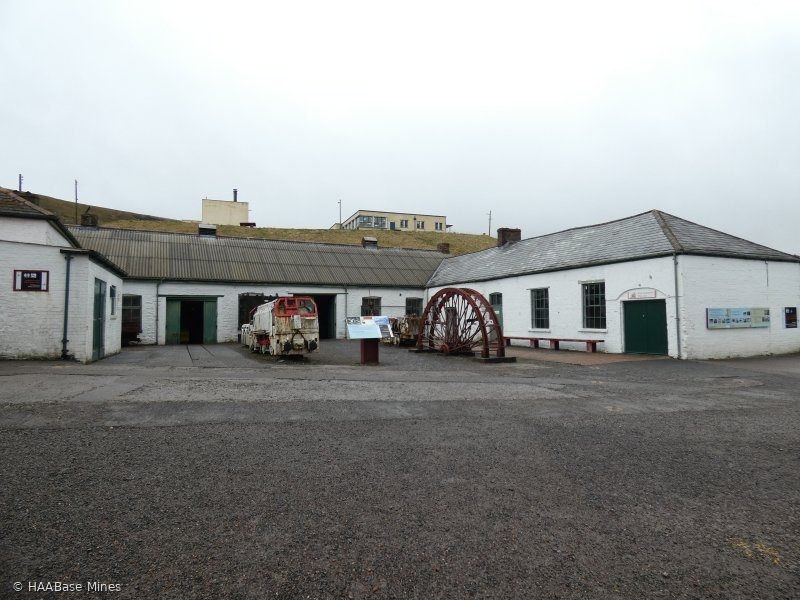
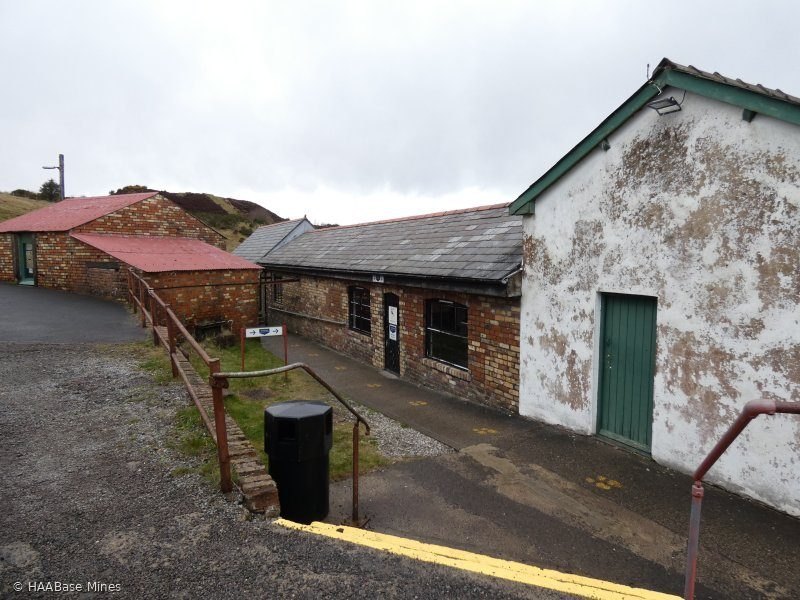
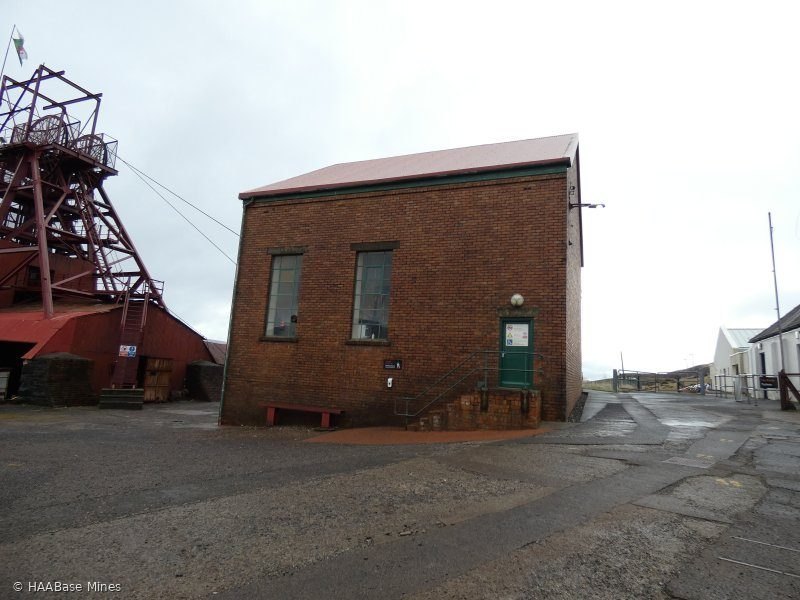
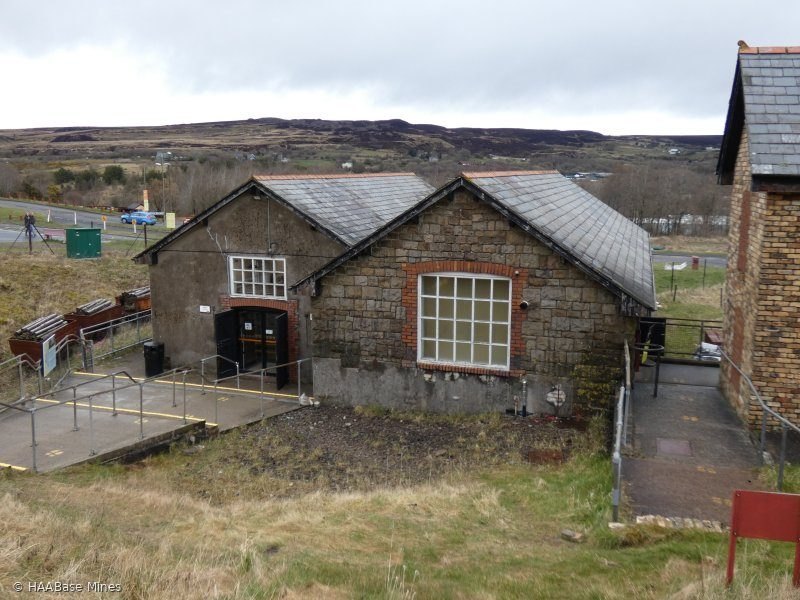
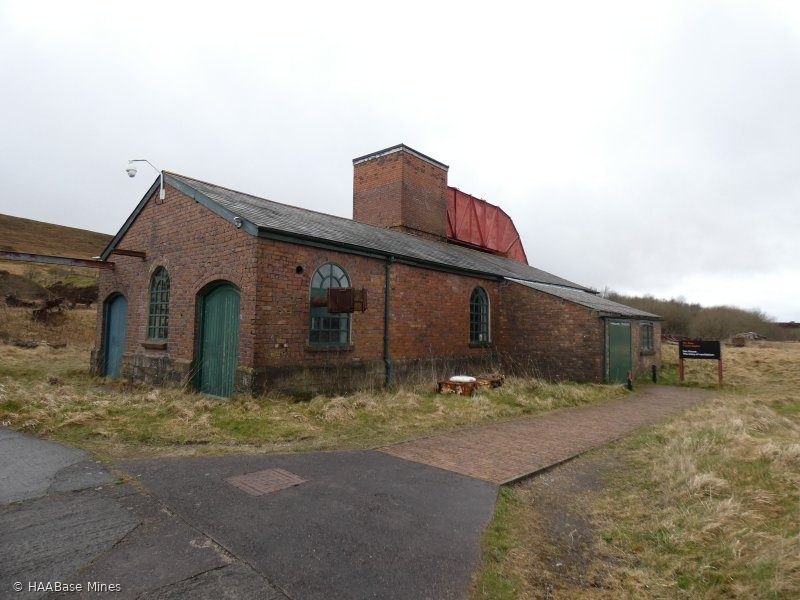
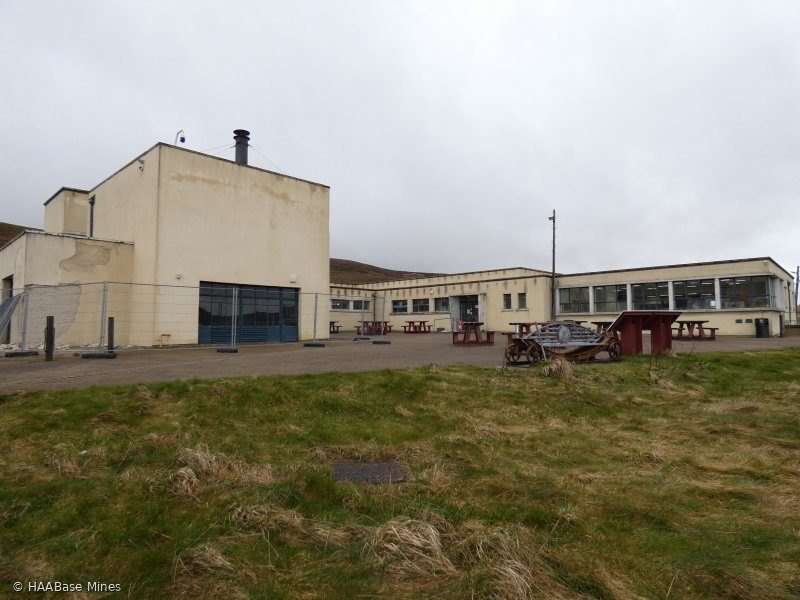
The site stands on elevated ground above Blaenavon, where the surviving pithead buildings and headgear read clearly within an open upland landscape shaped by industry and later reclamation.

Map & photo

Big Pit National Coal Museum mine headframe or winding tower site
Photograph taken: 4 April 2022
Map markers and directions links are provided for location reference only and do not indicate public access or permission to enter a site.

History

The earliest industrial activity at the Big Pit site predates the coal mine. An iron mine, driven into the side of the mountain not far from the surface to exploit shallow iron deposits, is recorded around 1810. The level of this iron mine, called Engine Pit Level, can still be seen on the bridge connecting Blaenavon and Garn Road.

Big Pit formed part of a network of coal workings established in the first half of the nineteenth century by the Blaenavon Iron and Coal Company in connection with the development of the Blaenavon Ironworks. The current Big Pit shaft was sunk on the site of an earlier working known as Kearsley's Pit around 1860 to an initial depth of 200 feet. The shaft has an elliptical shape with dimensions of 18 feet by 13 feet, making it the first shaft in Wales large enough to allow two tramways.

It was deepened in 1880 to its present depth of approximately 300 feet (90 metres), becoming the coal-winding shaft on completion. The first mines inspector's report to describe a mine called Big Pit dates from 1881. Big Pit was an amalgamation of several mines including Coity Pits, Dodd's Slope, Coity Level, Blaenavon New Mine, Elled Drift, Forge Pit, Forge Slope, and Forge Level.

The neighbouring Coity shaft was subsequently incorporated and used for ventilation. Other workings including Mine Slope and Forge Level were also incorporated into the site. In 1866 the Brynmawr and Blaenavon Railway opened with access sidings to the mine workings; the line was immediately leased to the London and North Western Railway, enabling coal to be transported directly to the Midlands.

By 1880 the line had extended south to meet the Great Western Railway at Abersychan and Talywain, connecting to Newport Docks for overseas markets. Over its lifetime the workings at Big Pit exploited nine different coal seams and produced first-class steam coal from an area of about twelve square miles, with annual output exceeding 100,000 tonnes. The colliery employed around 1,300 men in the early 1920s, its peak workforce.

Between 1857 and 1880 more than 60 deaths were recorded by mine inspectors in the Blaenavon coal and ironworks. From 1880 regular reports of accidents at the Big Pit are found. In 1891 a boy, Thomas Oliver Jones, was crushed to death in a roof fall.

In 1894 and 1896 two further miners lost their lives in fatal accidents. On 11 December 1908 three men were killed in an explosion caused by a naked light. On 7 April 1913 three men, including a fireman, the face manager, and the under manager, lost their lives in a localised underground fire.

In 1922 the London and North Western Railway was grouped into the London, Midland and Scottish Railway. In 1939 pithead baths were installed at the mine. During the Second World War, surface extraction of coal at Blaenavon began in November 1941 using equipment and men from the Canadian Army.

On nationalisation in 1947 the National Coal Board took over the mine from Blaenavon Co. Ltd, at which time 789 men were employed. By 1966 Big Pit was the only surviving deep mine in the Blaenavon area. By 1970 the workforce numbered only 494, with operations focused solely on the Garw seam at a maximum thickness of only 30 inches.

The National Coal Board agreed the development of a drift mine, and by 1973 windings at Big Pit had ceased, with coal extracted close to the refurbished Black Lion coal washery. The Coity shaft was abandoned and the Big Pit shaft used for upcast air ventilation and emergency extraction. For some years before final closure a working group comprising the National Coal Board, local government, the National Museum, the Welsh Development Agency, and the Welsh Office had been planning a possible heritage conversion.

The pit finally closed on 2 February 1980 with a loss of more than 250 jobs. Torfaen Borough Council purchased the site for £1 and transferred it to a charitable trust, the Big Pit (Blaenavon) Trust. The initial development cost £1.5 million, funded by the Welsh Tourist Board, the European Regional Development Fund, the borough council, and Gwent County Council.

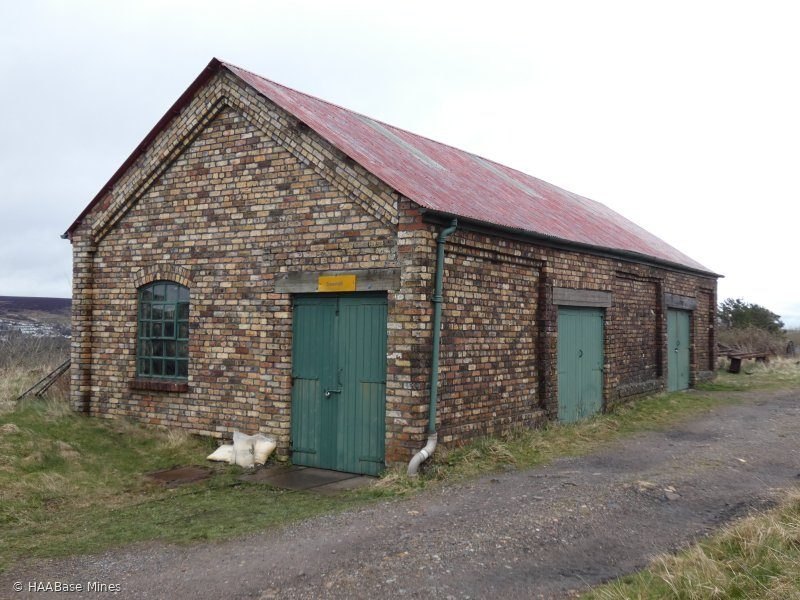
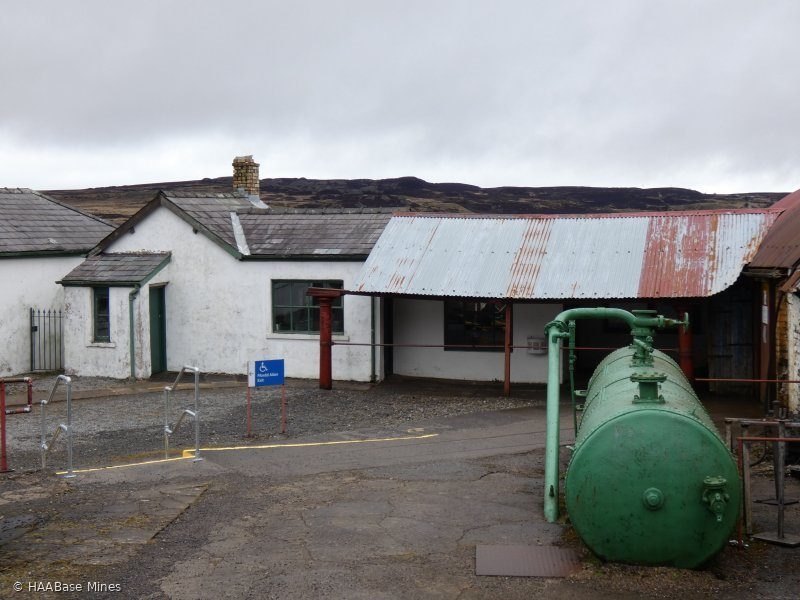
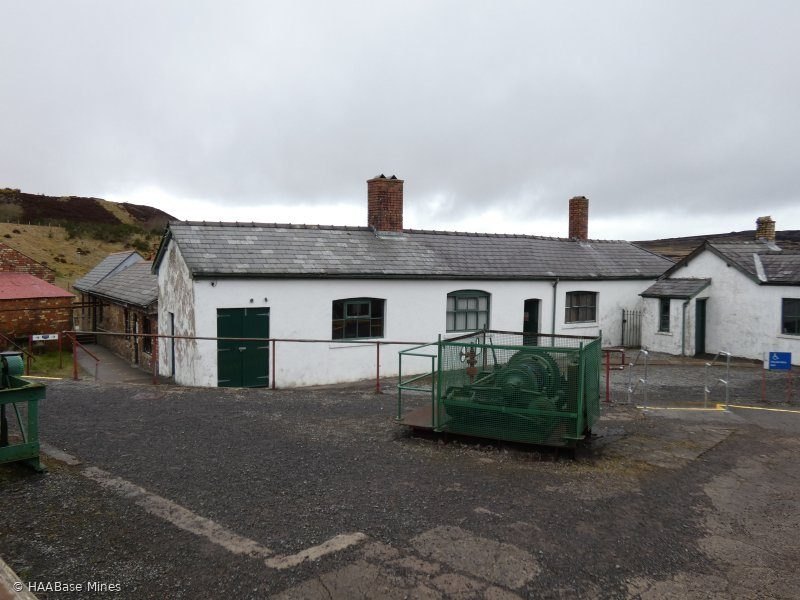
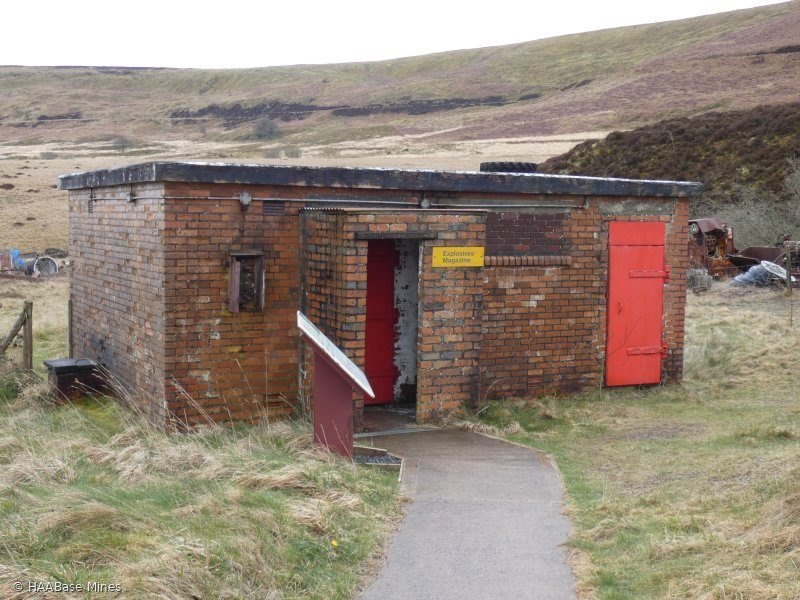
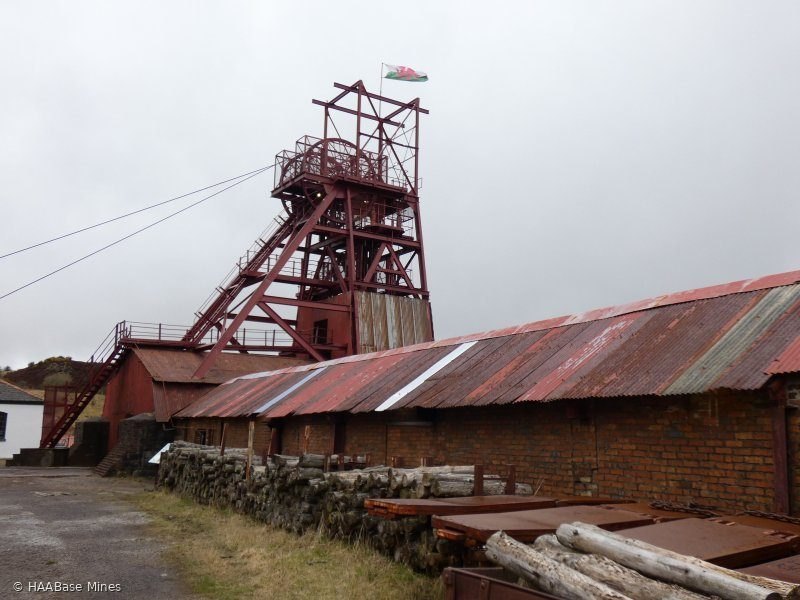
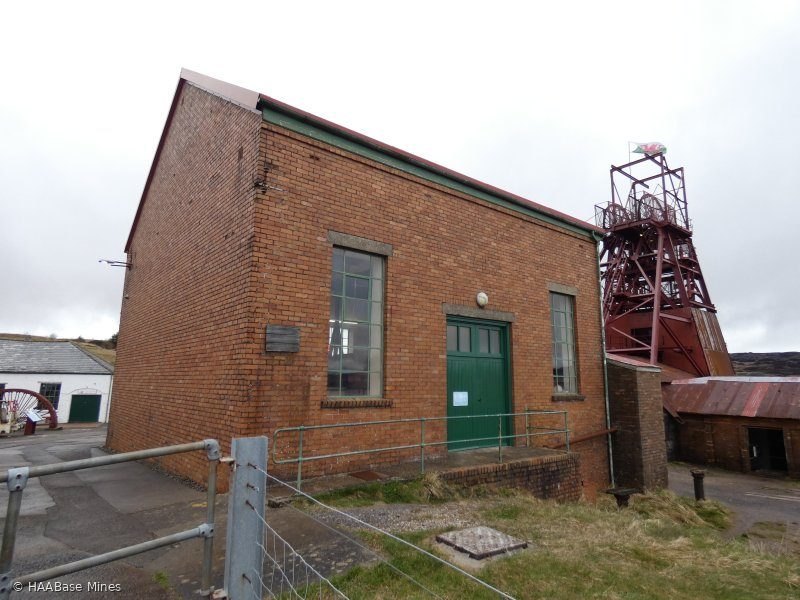
The mine reopened for visitors in April 1983, creating 71 jobs. The pit bank, steel headframe, and tram circuit date from 1921; the electric winding engine dates from 1952; and the fan house from 1910. The Powder House, Saw Mill, Office, Electrical Workshop, Pit Head Building and Headframe, and Miners' Bathhouse were given Grade II listed building status on 2 September 1995.

The Miners' Bathhouse and the Pit Head Building are listed Grade II*. On 1 February 2001 the museum was incorporated into Amgueddfa Cymru – National Museum Wales, initially as the National Mining Museum of Wales and now known as Big Pit: National Coal Museum. The Blaenavon Industrial Landscape, including Big Pit, was inscribed as a UNESCO World Heritage Site in December 2000.

In 2005 the museum won the Gulbenkian Prize. Big Pit is also an Anchor Point of the European Route of Industrial Heritage. The site was redeveloped in 2003 with design work by TACP/Brooke Millar Partnership.

In April 2025 the museum introduced a charge of £8 for pre-booked underground tours, with admission to the rest of the museum remaining free.
Timeline

1810
Exploration

Early iron mine driven at Engine Pit Level

An iron mine, driven into the hillside to exploit shallow iron deposits, is recorded at the site around 1810. It was part of the network of workings connected with the Blaenavon Ironworks. The level, known as Engine Pit Level, can still be seen on the bridge connecting Blaenavon and Garn Road.
1860
Construction

Sinking of Big Pit shaft on site of Kearsley's Pit

The Big Pit shaft was sunk on the site of an earlier working known as Kearsley's Pit, to an initial depth of 200 feet (approximately 60 metres). The elliptical shaft measures 18 feet by 13 feet, the first in Wales large enough to allow two tramways.
1866
Construction

Opening of Brynmawr and Blaenavon Railway

The Brynmawr and Blaenavon Railway opened in 1866 with access sidings to the mine workings. The line was immediately leased to the London and North Western Railway, enabling coal to be transported to the Midlands.
1880
Construction

Shaft deepened to 300 feet; becomes coal-winding shaft

The Big Pit shaft was deepened in 1880 to its present depth of approximately 300 feet (90 metres) and became the coal-winding shaft. The first mines inspector's report to describe a mine called Big Pit dates from 1881.
1908
Operation

Underground explosion kills three men

Three men were killed in an explosion on 11 December 1908. A coroner's court found that the explosion had been caused by a naked light held by one of the miners.
1913
Operation

Underground fire kills three men

Three men lost their lives on 7 April 1913 in a localised underground fire, including a fireman, the face manager, and the under manager.
1921
Construction

Pit bank and steel headframe constructed

The present pit bank, steel headframe, and tram circuit date from 1921.
1923
Operation

Peak workforce of approximately 1,300

Around 1,300 men worked at Big Pit during the early 1920s, the peak of its workforce.
1939
Construction

Installation of pithead baths

Pithead baths were installed at the mine in 1939.
1947
Legislation

Nationalisation; National Coal Board takes over from Blaenavon Co. Ltd

On nationalisation in 1947 the National Coal Board took over the mine from Blaenavon Co. Ltd, which at that time employed 789 men.
1952
Construction

Electric winding engine installed

The electric winding engine installed in 1952 replaced the earlier steam-powered winder.
1966
Operation

Big Pit the only surviving deep mine in Blaenavon

By 1966 Big Pit was the only surviving deep mine remaining in the Blaenavon area.
1973
Closure

Coal windings cease at Big Pit; drift mine adopted

The National Coal Board agreed the development of a drift mine, and by 1973 windings at Big Pit had ceased. Coal was extracted close to the refurbished Black Lion coal washery. The Coity shaft was abandoned and the Big Pit shaft used for upcast air ventilation and emergency extraction.
1980
Closure

Final closure of Big Pit

Big Pit closed on 2 February 1980 with a loss of more than 250 jobs. It was one of the last working coal mines in Blaenavon.
1983
Heritage

Reopening as Big Pit museum

Big Pit reopened for visitors in April 1983 under the Big Pit (Blaenavon) Trust. Torfaen Borough Council had purchased the site for £1 and transferred it to the trust. Initial development cost £1.5 million funded by the Welsh Tourist Board, the European Regional Development Fund, the borough council, and Gwent County Council. The museum created 71 jobs.
1995
Heritage

Grade II and Grade II* listing of principal site structures

The Powder House, Saw Mill, Office, Electrical Workshop, Pit Head Building and Headframe, and Miners' Bathhouse were given listed building status on 2 September 1995. The Miners' Bathhouse and Pit Head Building carry Grade II* designation.
2000
Heritage

UNESCO World Heritage Site inscription

The Blaenavon Industrial Landscape, including Big Pit, was inscribed as a UNESCO World Heritage Site in December 2000 in recognition of the area's importance to the Industrial Revolution. Big Pit is also designated an Anchor Point of the European Route of Industrial Heritage.
2001
Legislation

Incorporation into Amgueddfa Cymru – National Museum Wales

On 1 February 2001 Big Pit was incorporated into Amgueddfa Cymru – National Museum Wales, initially designated as the National Mining Museum of Wales. Admission became free as part of National Museum Wales policy.
2005
Heritage

Museum wins the Gulbenkian Prize

Big Pit National Coal Museum won the Gulbenkian Prize (now known as Museum of the Year) in 2005.

Sources and records

Wikipedia article: Big Pit National Coal Museum
Wikishire: Big Pit National Coal Museum
Visit Blaenavon PDF: Big Pit: A Brief History
Cadw / GGAT Historic Landscape Character Area Assessment: Blaenavon HLCA005
British Listed Buildings (Cadw): Pit Head Building, Headframe and Tram Circuit; Miners' Bathhouse; Pow house; Saw Mill; Office; Electrical Workshop
Grokipedia: Big Pit National Coal Museum
History Hit: Big Pit National Coal Museum
Bite Sized Britain: Blaenavon's Big Pit
Only Natural Energy: Big Pit Blaenavon
Kiddle Encyclopedia: Big Pit National Coal Museum facts
This researched site record is part of the HAABase Mines database. Normal personal research and browsing is welcome. Automated bulk extraction, republication, or harvesting of site text and images is not permitted without written consent.