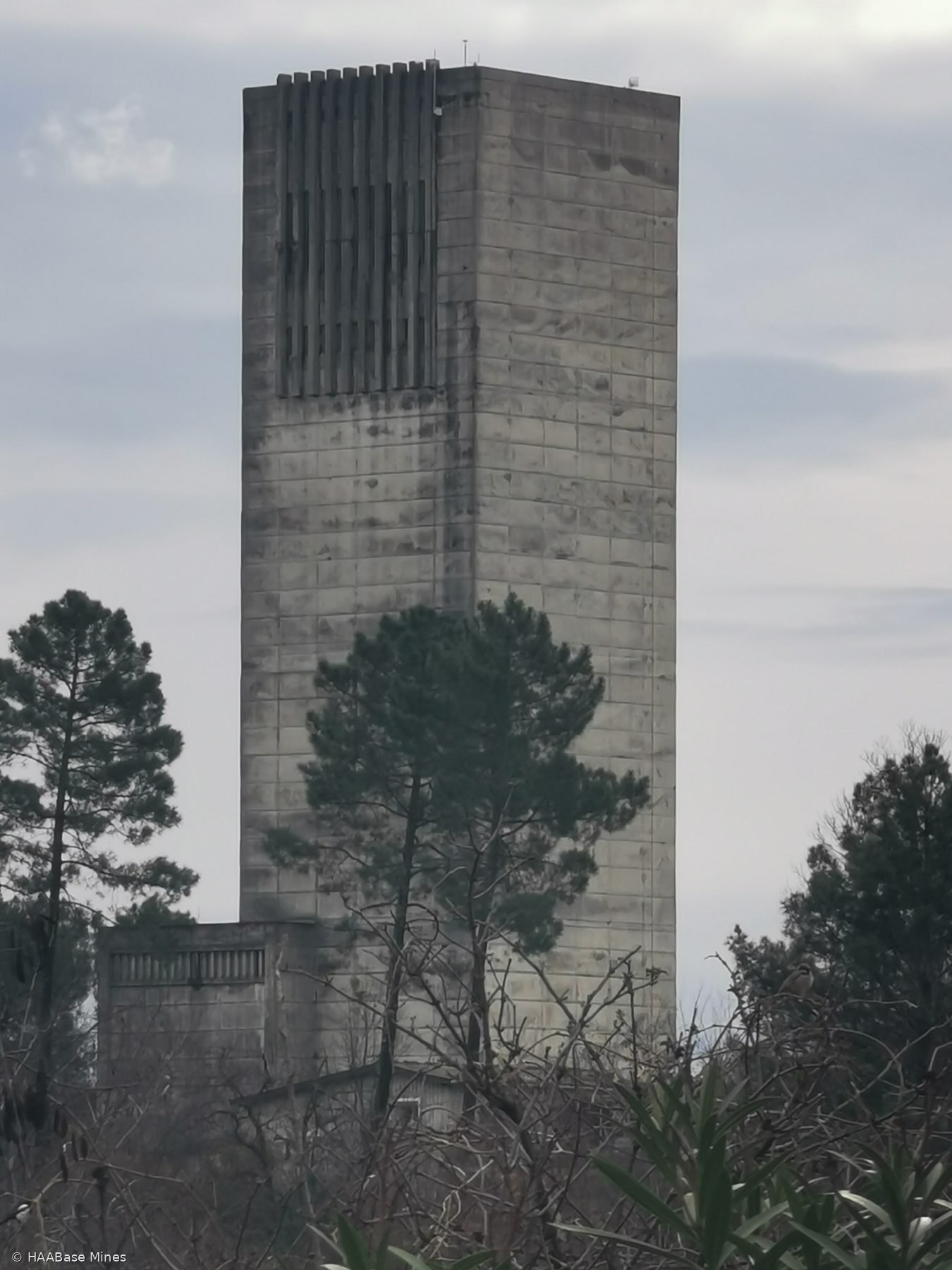
Site overview

The Mine de Montredon at Largentière, in the Ardèche department, was the principal modern extraction shaft of a lead, zinc, and silver deposit known since the medieval period and systematically exploited by the Société Minière et Métallurgique de Peñarroya from 1964 to 1983. Silver mining in the Largentière area is documented from at least the tenth century, when the argentiferous deposit gave the town its name and provided wealth for the bishops of Viviers, who used the silver to mint coins. Exploitation ceased around the end of the fourteenth century.

In the nineteenth century, fresh searches led to a brief revival of lead and silver extraction between 1875 and 1883. The modern exploitation began when Peñarroya launched a systematic prospecting campaign from 1952, completing it around 1960. The Montredon shaft was sunk starting in 1961 in the commune of Largentière, with a second shaft at Chassiers following in 1962.

Surface installations including the concrete headframe, ore processing building, laverie, and workshops were completed in 1964. At peak production the mine employed 153 people. Total output over the working life was approximately 9.6 million tonnes of ore, yielding 356,203 tonnes of lead, 68,569 tonnes of zinc, and 750 tonnes of silver.

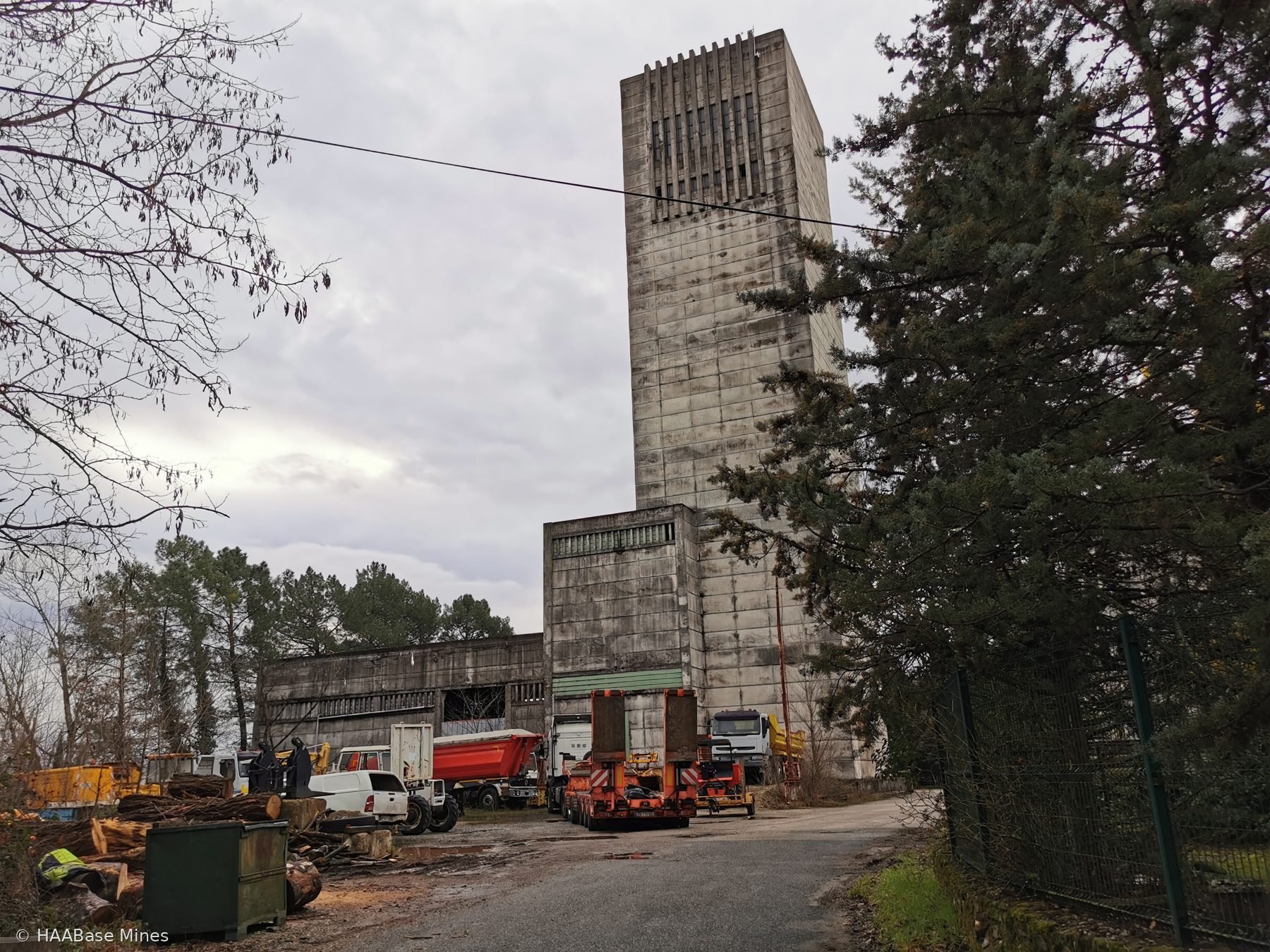
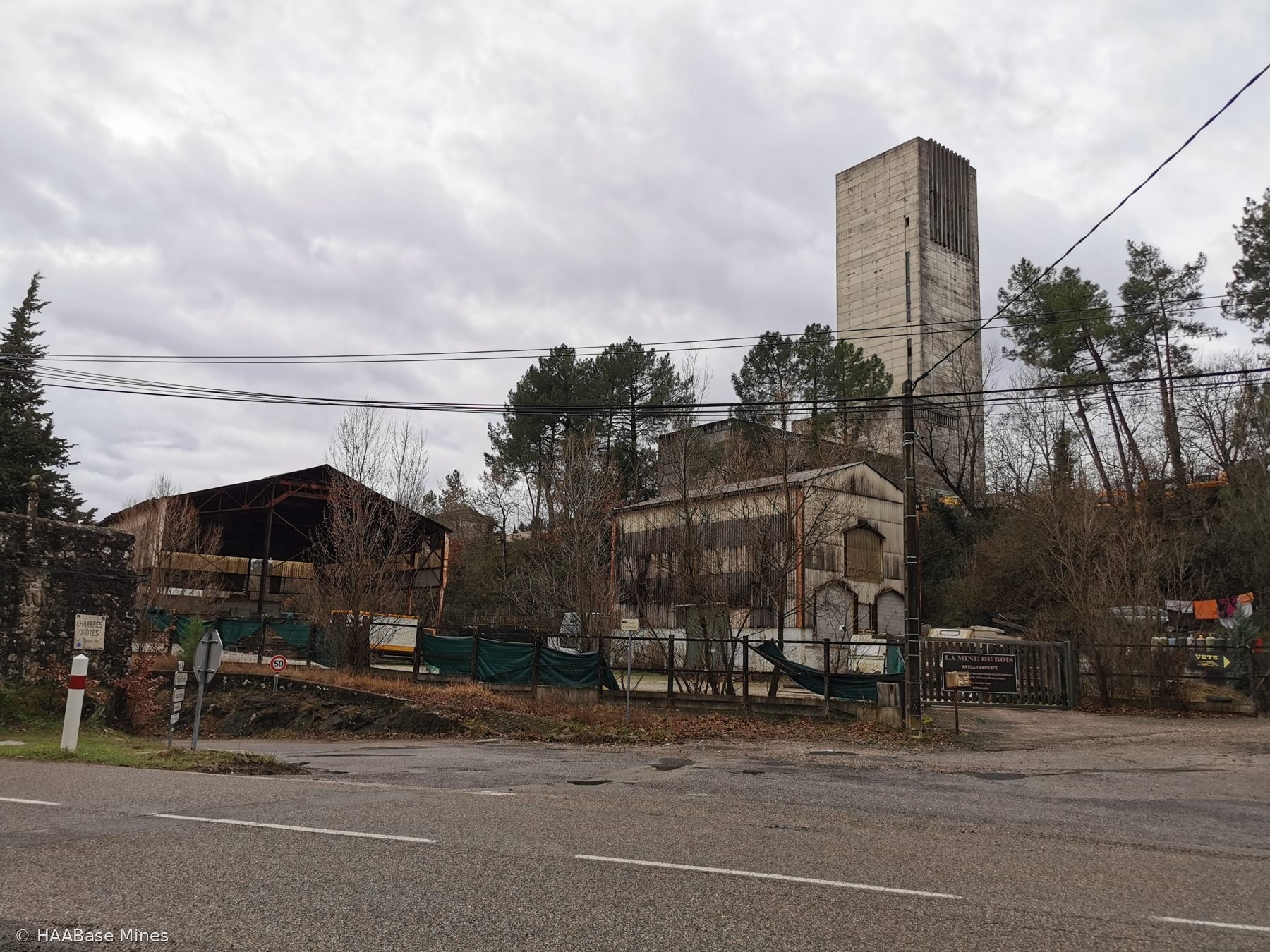
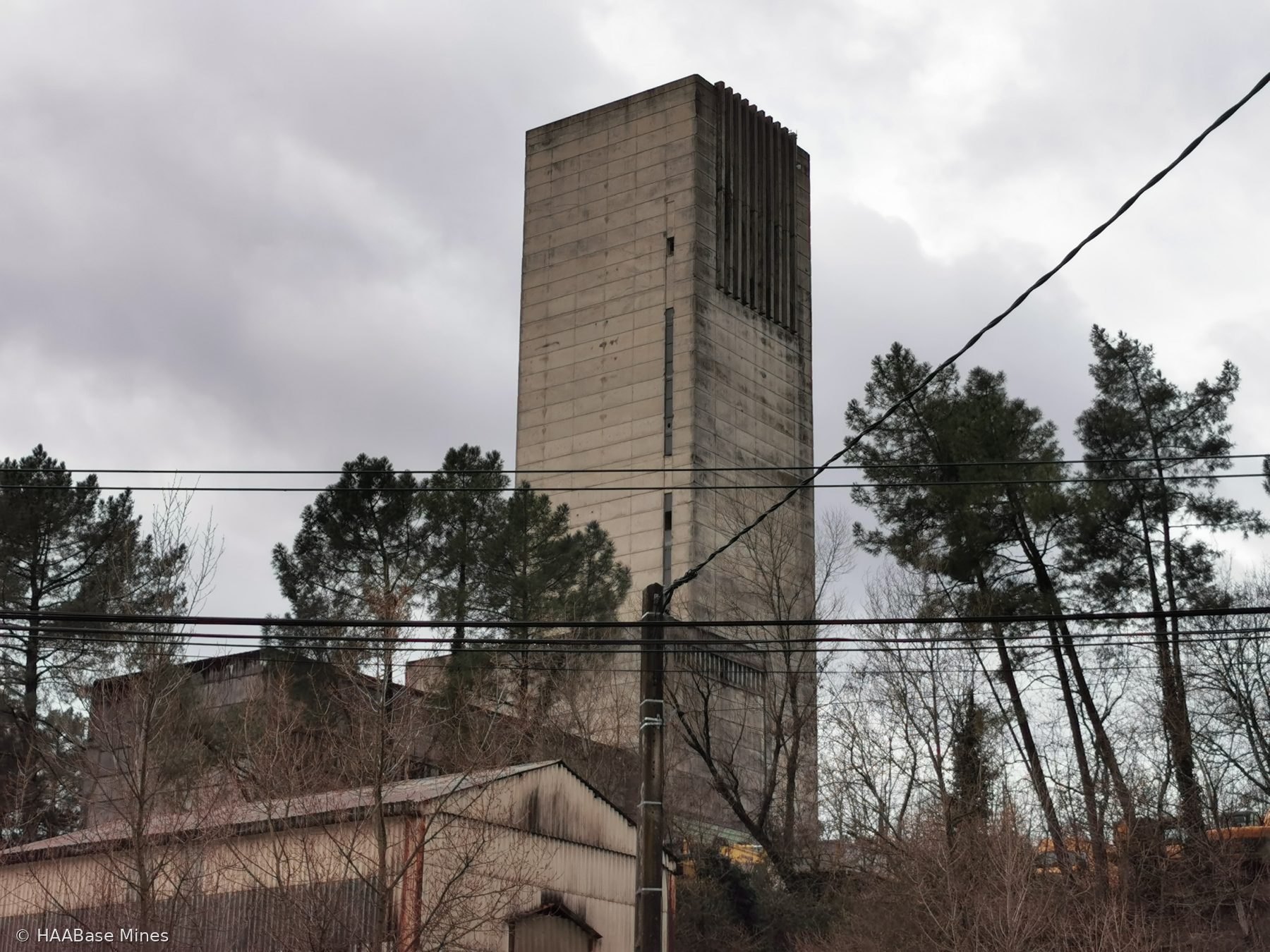
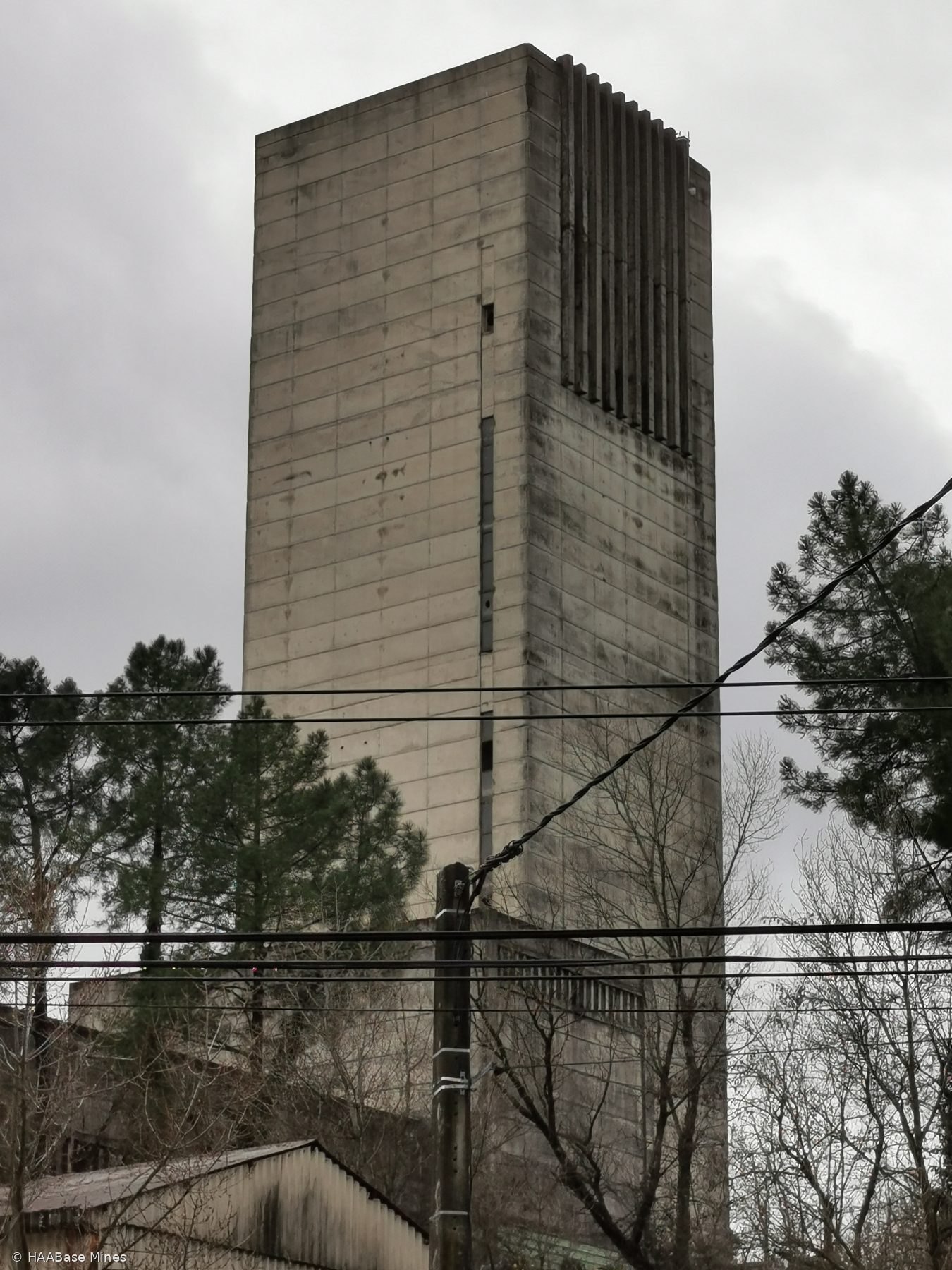
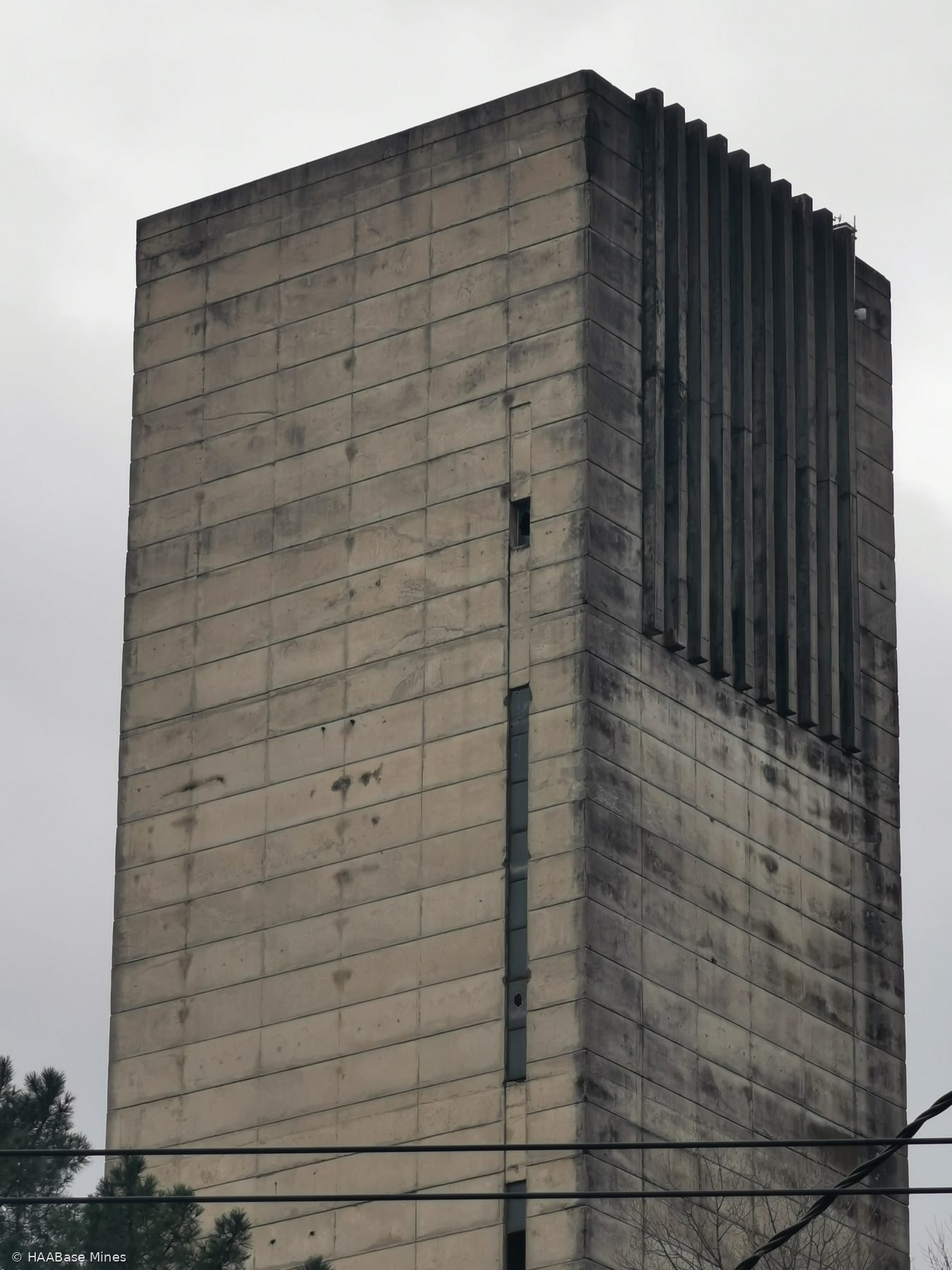
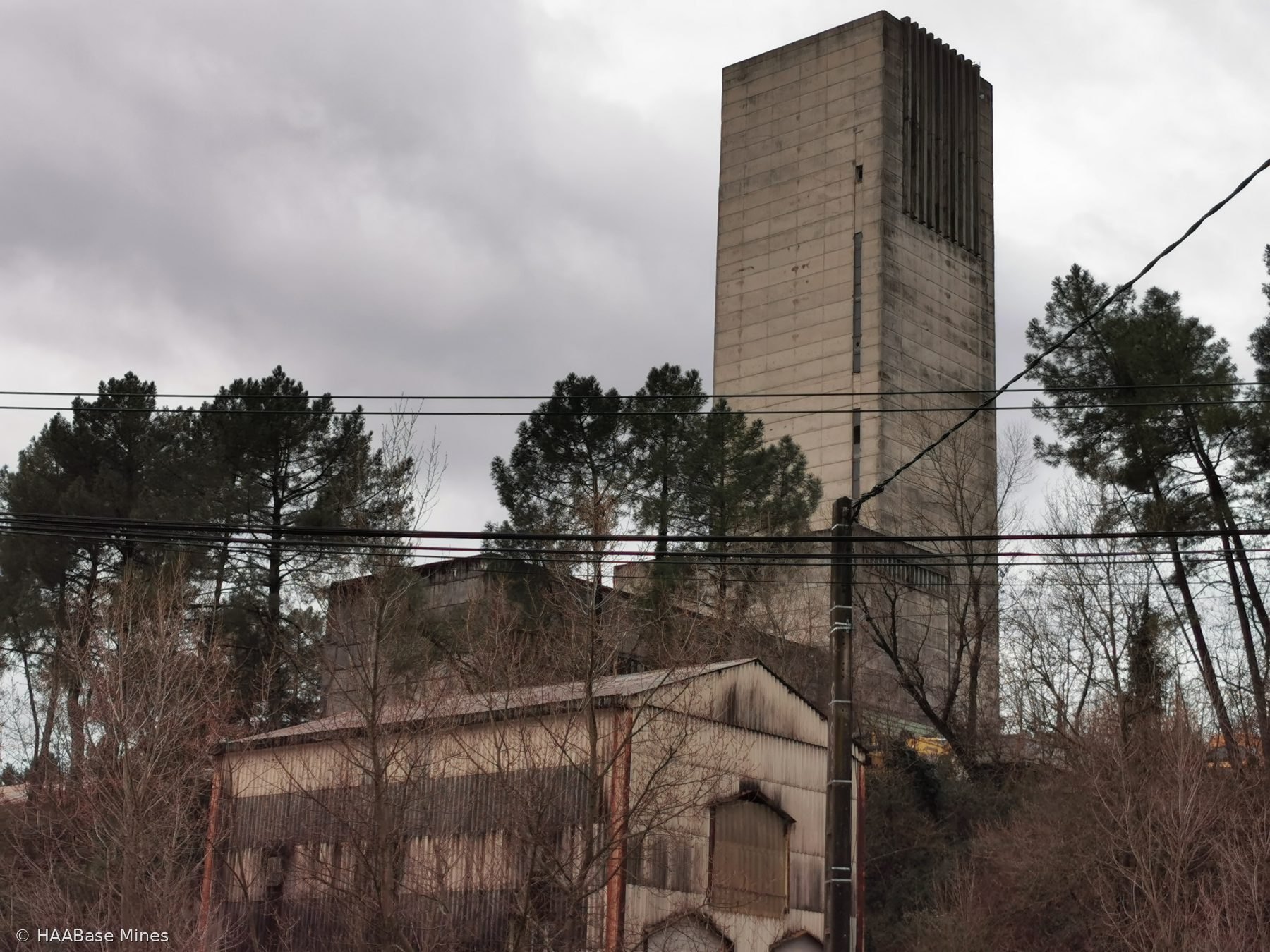
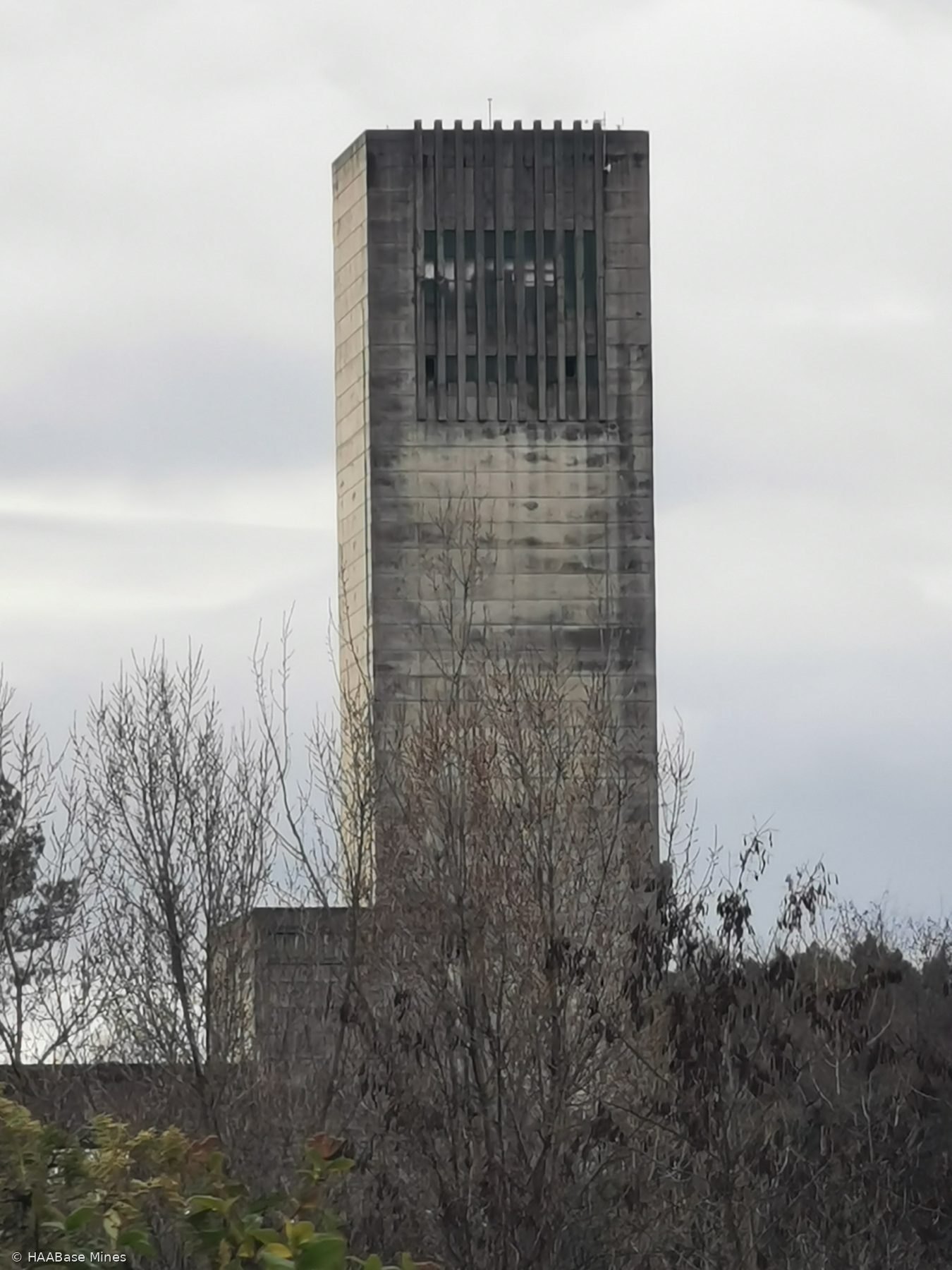
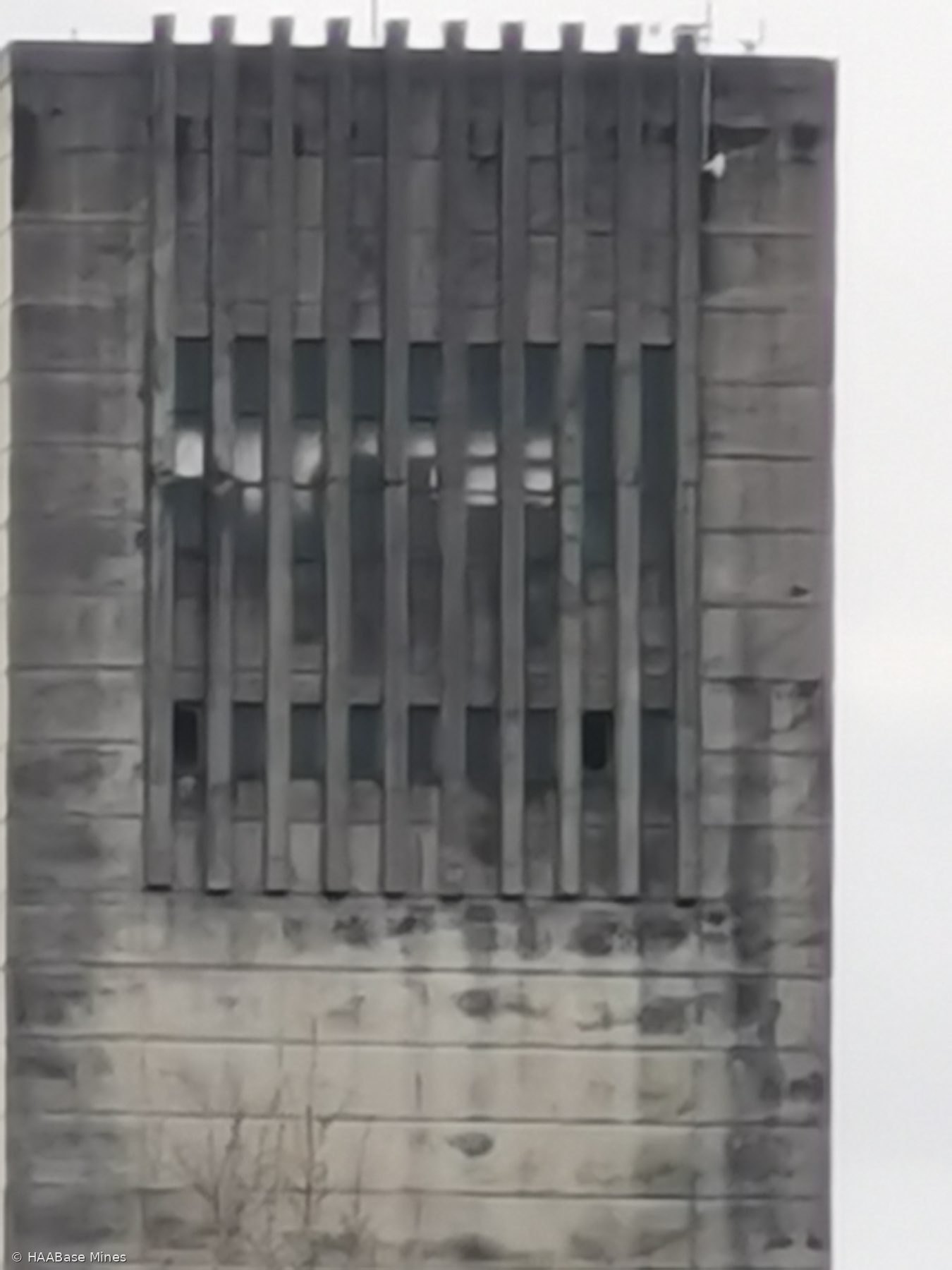
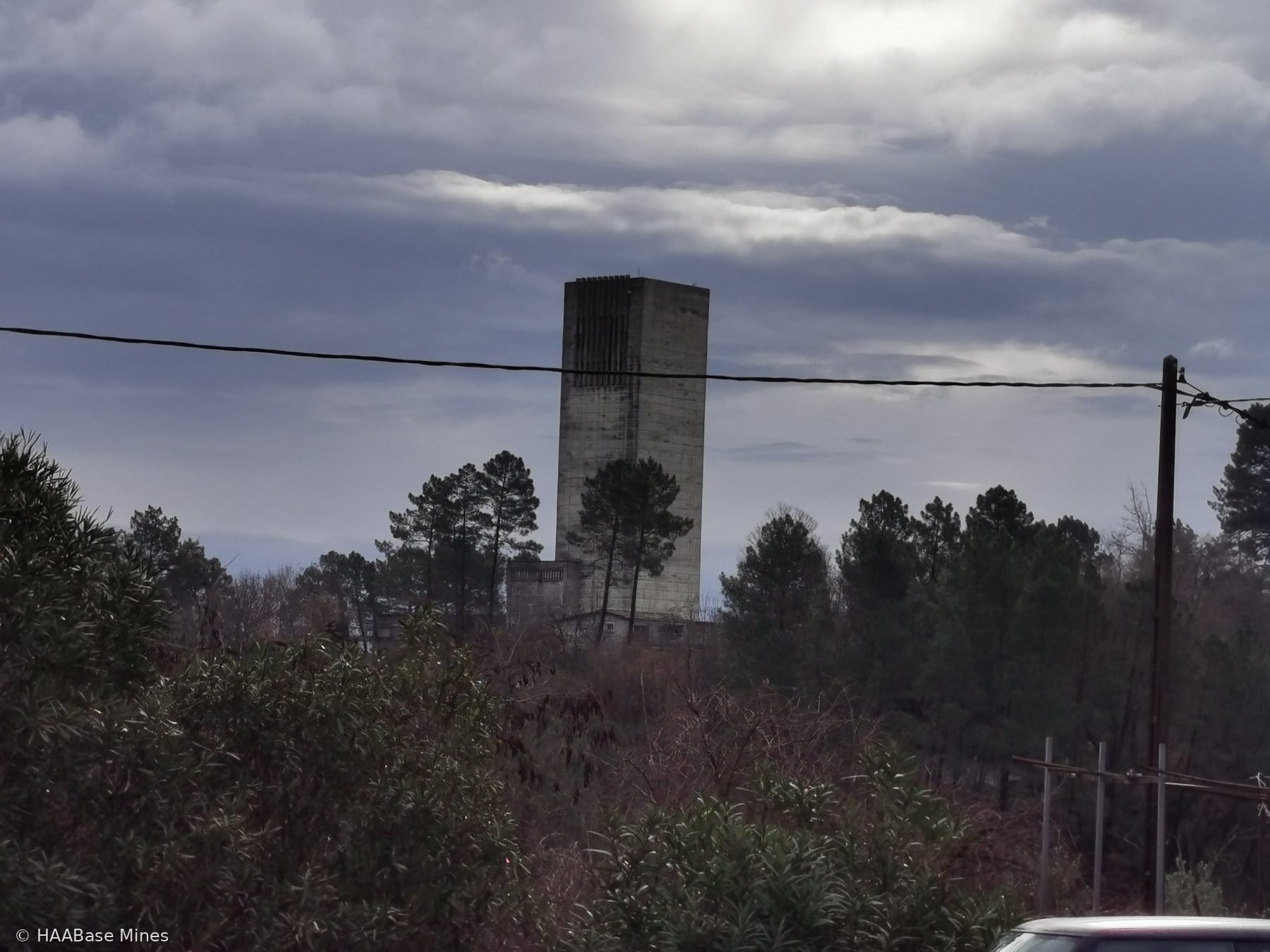
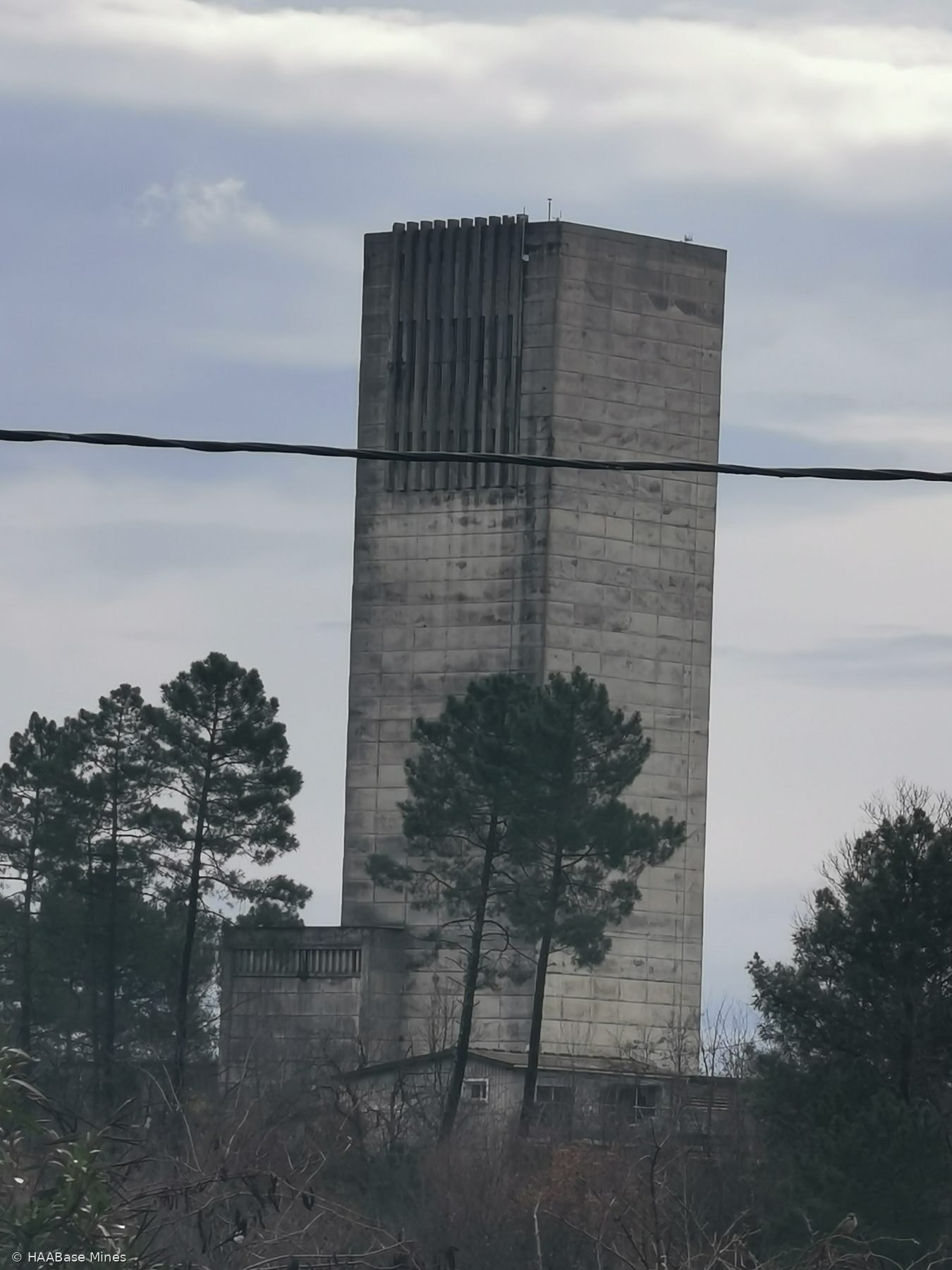
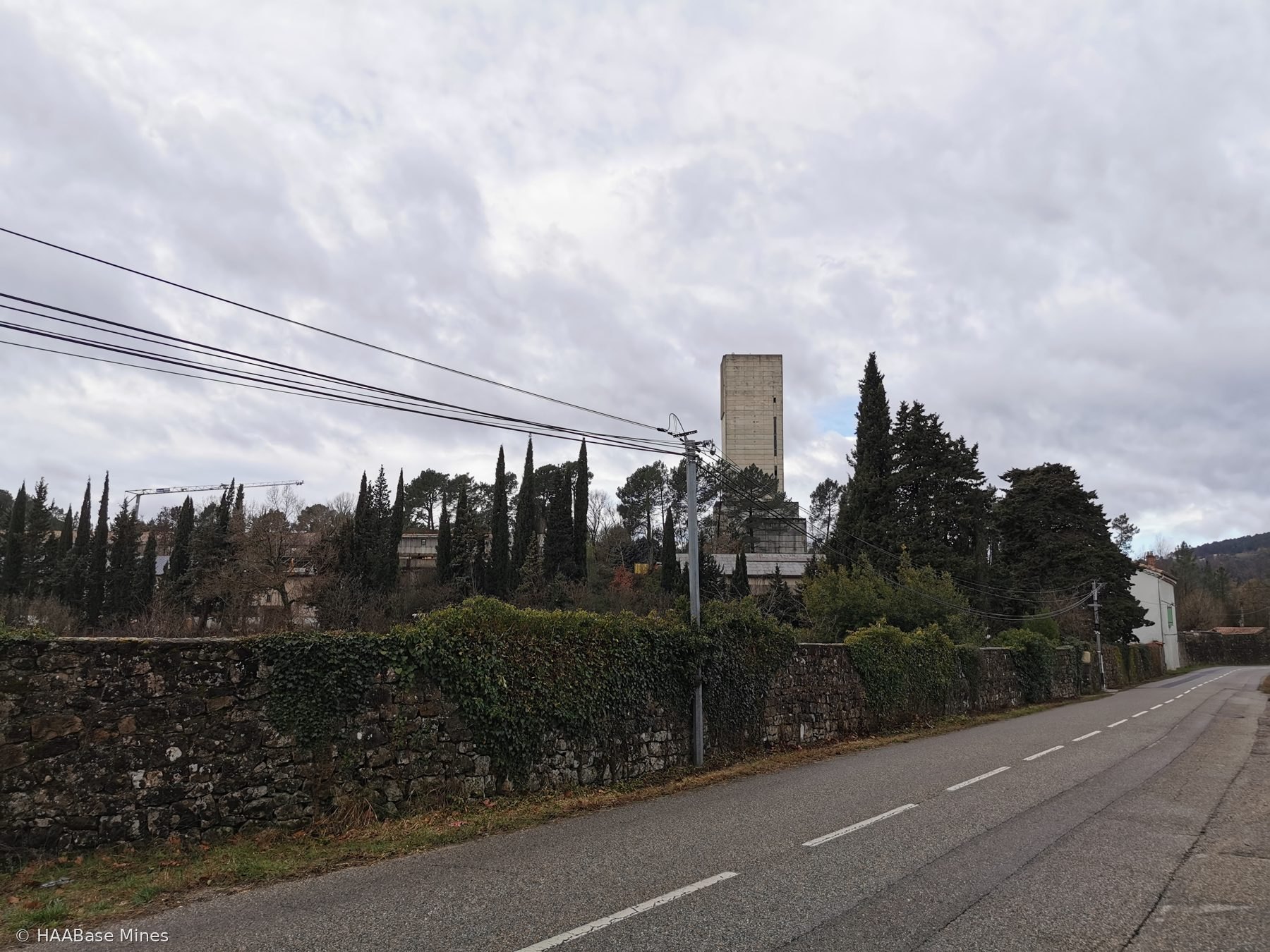
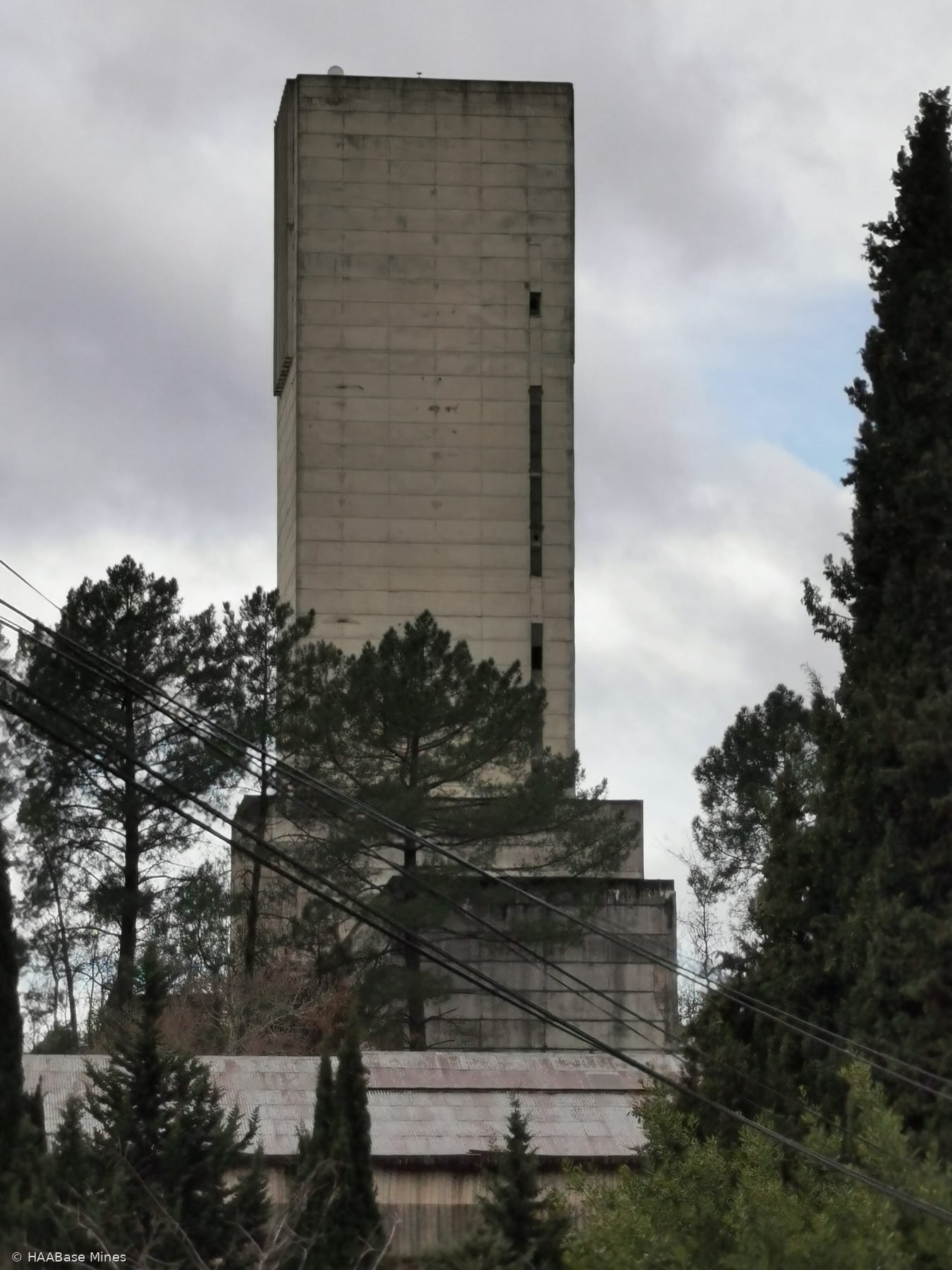
Exploitation ended in 1983. After closure, around 800 kilometres of underground workings were flooded. The imposing 47-metre concrete headframe tower of the puits de Montredon, together with the surrounding processing buildings, remains standing today, as does partial workers' housing.

The former tailings pond at the Colombier site is now covered by a 24-hectare photovoltaic installation.

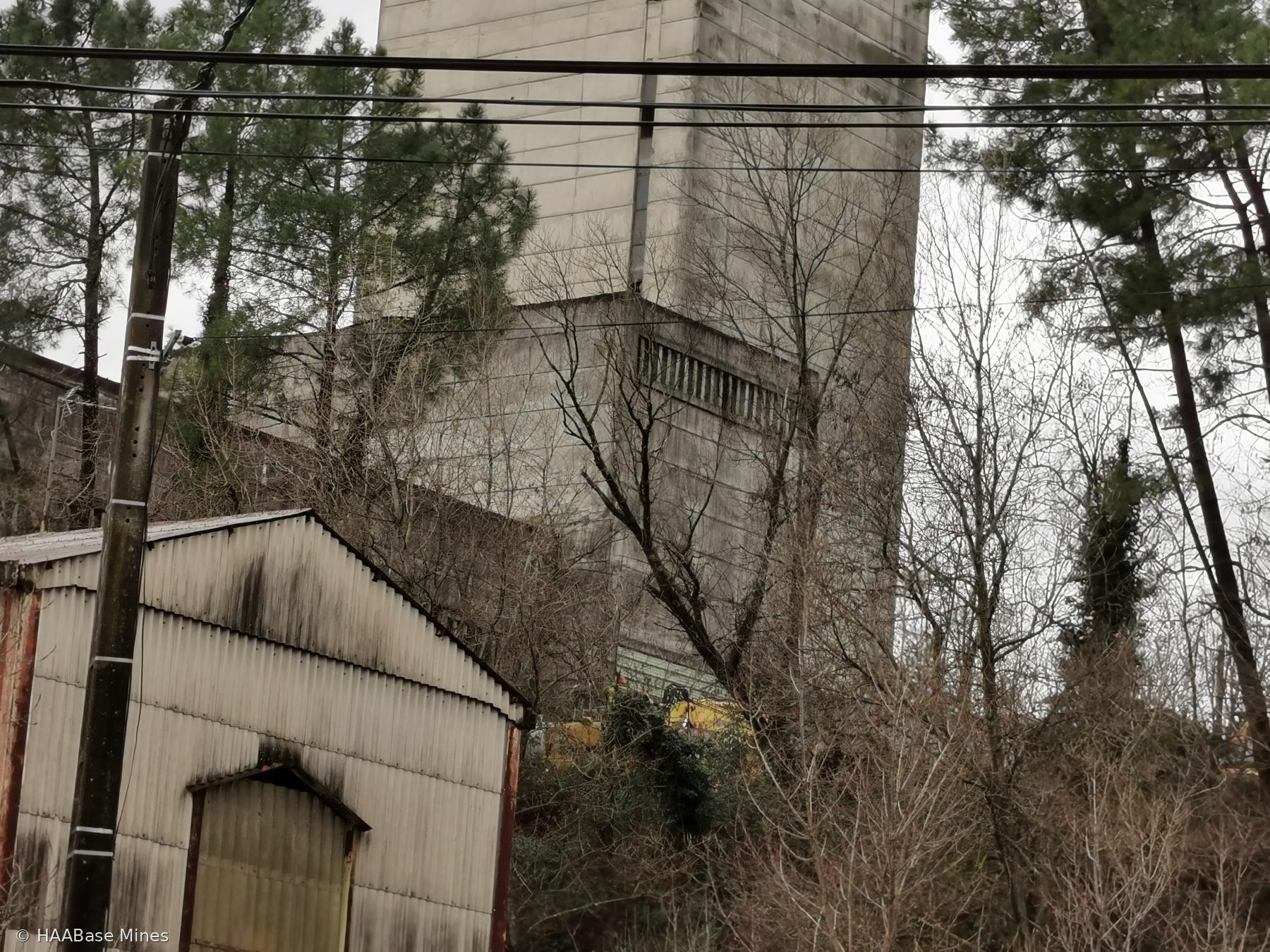
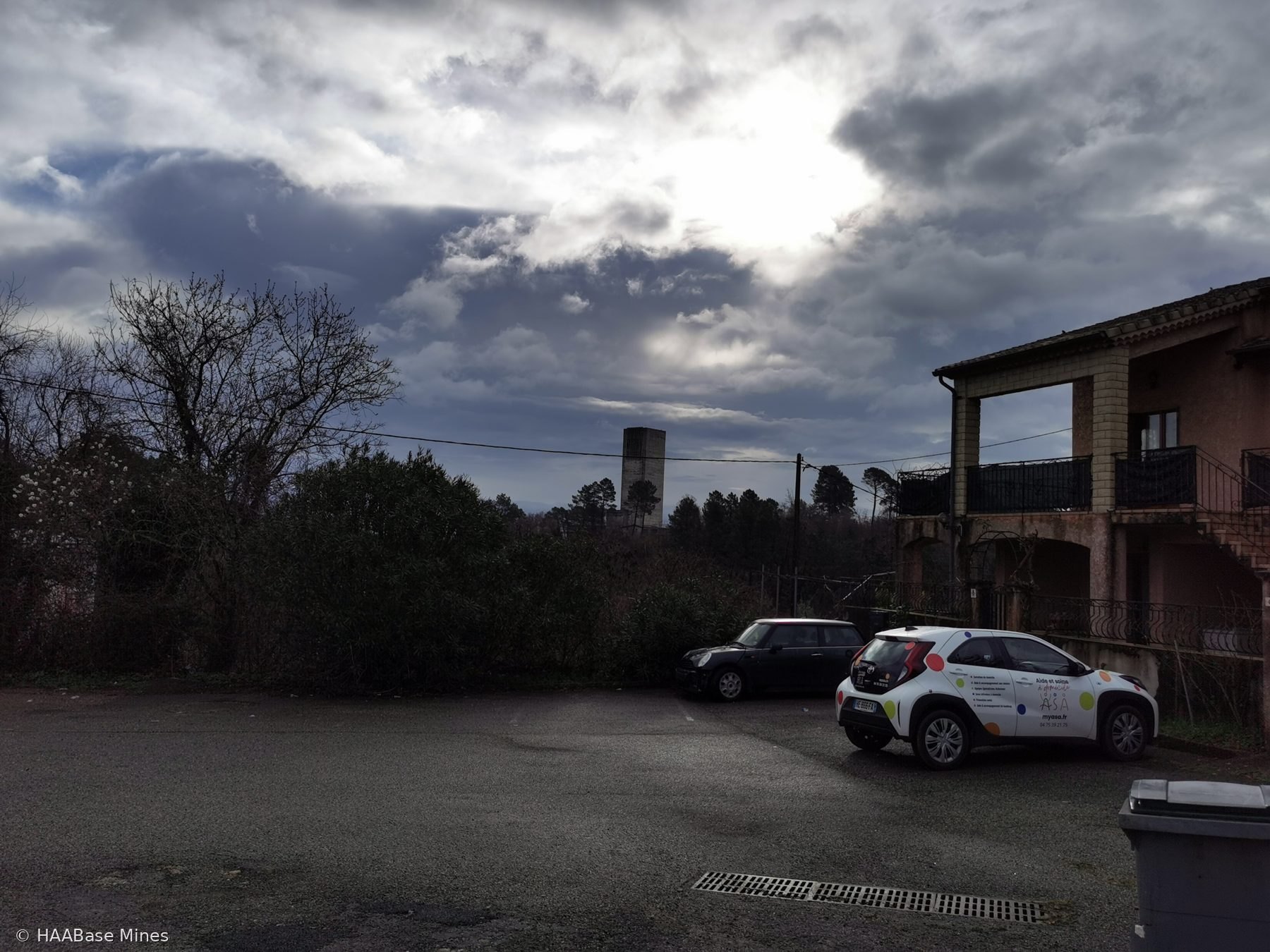
Set in the steep-sided valley landscape at Largentière, the headframe and processing buildings form a large and clearly legible industrial group against the surrounding hillsides.

Map & photo

Mine de Montredon — Puits de Montredon mine headframe or winding tower site
Photograph taken: 19 February 2026
Map markers and directions links are provided for location reference only and do not indicate public access or permission to enter a site.

History

The Largentière lead deposit is a large stratiform accumulation of baryte and lead-zinc-silver ore hosted in Triassic sandstones in the valley of the Ligne, a tributary of the Ardèche, in the southern Cévennes piedmont. The deposit has been known and exploited in successive phases spanning more than a thousand years.

Medieval exploitation began no later than the tenth century, when the valley's silver resources gave rise to the town of Largentière — a name deriving from Argentaria. During the eleventh and twelfth centuries the silver mines were important enough for the bishops of Viviers to mint coins with their produce, and the rights over the deposit were contested between the bishops, the counts of Toulouse, and other powerful lords. A document of 1146 is the earliest textual reference specifically to these mines. Extraction appears to have ceased around the end of the fourteenth century, though substantial spoil heaps (haldes) persisted on the landscape for centuries. Archaeological surveys have established that extraction was active between the eleventh and fourteenth centuries in the valley of the Ligne.

No significant production is documented for several centuries after the medieval closure. In the nineteenth century the expansion of industrial demand stimulated new prospecting. A brief period of lead and silver extraction took place between 1875 and 1883, with ore processing conducted at a washing plant established on the right bank opposite the Sigalière. These works were abandoned in 1885 or shortly thereafter.

In 1952, the Société Minière et Métallurgique de Peñarroya — a major French mining company — initiated a systematic prospecting campaign at Largentière. Extensive drilling continued until approximately 1960, when the gisement was confirmed as economically exploitable. Infrastructure construction commenced in 1961 with the sinking of the puits de Montredon, located in the Montredon quarter approximately two kilometres east of Largentière towards Chassiers. A second shaft was sunk at Chassiers in 1962. The surface installations — including the concrete headframe, ore crushing and processing building, laverie, and workshops — were completed and commissioned in 1964, the year in which full extraction and ore processing commenced.

The ore is composed of lead and zinc sulphides (galena and blende) accompanied by silver. Drilling and blasting were the principal extraction methods underground, using pneumatic percussion drills. The broken ore was loaded by mechanical shovels onto trams and hauled by horizontal gallery to the extraction shafts. At the laverie, ore processing used a flotation system in which finely ground ore suspended in water was treated with organic reagents causing the galena grains to attach to air bubbles and rise to the surface as a mineralised froth, which was collected and dewatered to produce a concentrate containing approximately 75 per cent lead metal. The concentrate was dispatched to the lead smelter at Noyelles-Godault. Tailings were pumped to a settling pond behind a dam at the Colombier lieu-dit south of the Mas du Bosc.

From 1964 extraction was conducted by the initial method of chamber-and-pillar working. From 1973 a selective method was adopted, combining backfill and timbering in high-grade fractures and faults with galleries opening to surface. Production in 1965 already reached 275,000 tonnes of raw ore. After 1973, and particularly following the first oil crisis, the mine enjoyed its most profitable years. At peak operation the workforce reached approximately 153 people. Total output from the start of extraction in 1964 to final closure amounted to 9.6 million tonnes of ore, yielding 356,203 tonnes of lead, 68,569 tonnes of zinc, and 750 tonnes of silver, making the Largentière mine the largest lead mine in France during its operational period.

Economic deterioration and resource exhaustion led to a decision to close the mine. The Compagnie ended extraction definitively in 1983. After closure, approximately 800 kilometres of underground workings were flooded; entrances were sealed, with eighty per cent of the workings inundated. One gallery entrance on the old Chassiers road remains visible.

The principal surviving surface structure is the imposing 47-metre concrete tower of the puits de Montredon, which stands surrounded by the buildings of the ore crushing plant, laverie, and workshops. These industrial structures, characteristic of their period, remain largely intact but show deterioration from minimal maintenance over five decades since closure. Part of the collective workers' housing built by Peñarroya also survives. The tailings dam at the Colombier is still visible, and the former decantation lake covering approximately 24 hectares has been overlaid by a photovoltaic installation. Environmental studies conducted between 2018 and 2021 by Géodéris identified the former Largentière mine concession as one of the highest-risk former mining sites in the Ardèche department, recommending monitoring, soil covering, water treatment, and other measures.
Timeline

1000–1400
Operation

Medieval silver and lead mining in the Ligne valley

Silver and lead mining is documented in the valley of the Ligne at Largentière from no later than the tenth century. The bishops of Viviers mint coins from the silver, and the deposit is contested between powerful lords. Exploitation continues through the eleventh to fourteenth centuries and the mine gives the town its name.
1400
Closure

Medieval extraction ceases

Exploitation of the silver deposit at Largentière appears to cease around the end of the fourteenth century. Large spoil heaps persist on the landscape for centuries.
1875–1885
Operation

Nineteenth-century revival of lead and silver extraction

A brief period of lead and silver extraction is conducted between 1875 and 1883, with a washing plant established on the right bank of the Ligne opposite the Sigalière. Works are abandoned by 1885.
1952–1960
Exploration

Peñarroya systematic prospecting campaign

The Société Minière et Métallurgique de Peñarroya begins a systematic drilling and prospecting campaign in 1952. The programme continues until approximately 1960, when the gisement is confirmed as economically exploitable.
1961
Construction

Puits de Montredon sunk

The first extraction shaft — the puits de Montredon — is sunk in 1961 in the Montredon quarter approximately two kilometres east of Largentière, in the commune of Largentière.
1962
Construction

Second shaft sunk at Chassiers

A second extraction shaft is sunk at Chassiers in 1962.
1964
Operation

Surface installations complete; extraction begins

By 1964, the concrete headframe, ore processing building, laverie, and workshops are complete. Full extraction and ore processing commence. In 1965 the mine already produces 275,000 tonnes of raw ore.
1973
Operation

Selective extraction method adopted

From 1973, the mining method shifts from chamber-and-pillar working to selective extraction with backfill and timbering in high-grade fractures and faults, alongside galleries opening to surface.
1983
Closure

Exploitation ends definitively

The Société Minière et Métallurgique de Peñarroya ends extraction at Largentière definitively in 1983. Total output over the working life amounted to 9.6 million tonnes of ore, yielding 356,203 tonnes of lead, 68,569 tonnes of zinc, and 750 tonnes of silver.
1983
Closure

Underground workings flooded; gallery entrances sealed

After closure, approximately 800 kilometres of underground workings are flooded. Eighty per cent of the underground entries are sealed, with one gallery entrance remaining visible on the old Chassiers road.
2018–2021
Heritage

Environmental and health study conducted by Géodéris

A detailed environmental and health study of the former Largentière mine concession is conducted by Géodéris between 2018 and 2021, commissioned by the Ministry. The Largentière site is identified as one of the highest-risk former mining sites in the Ardèche, with recommendations including soil covering, water treatment continuity, and signage around the Montredon tailings deposit.

Sources and records

Tourisme Val de Ligne: Les Mines de Largentière (PDF document)
Atelier Patrimoine / Parc des Monts d'Ardèche: Mines de plomb de Largentière
Patrimoine-minier.fr: Mines de l'Ardèche (Largentière section)
Patrimoine Aurhalpin: Mines de plomb argentifère de Largentière
Mindat.org: Largentière Mines locality record
Préfecture de l'Ardèche: Étude environnementale et sanitaire sur les anciennes exploitations minières de Largentière
Minespatrimoine.fr: Puits Montredon listing
Bibert.fr: Mine de Largentière, Peñarroya, photos and captions 1967–1968
Visite de Largentière (patrimoine-ardeche.com): historical account
This researched site record is part of the HAABase Mines database. Normal personal research and browsing is welcome. Automated bulk extraction, republication, or harvesting of site text and images is not permitted without written consent.