1774
First concession granted
The first concession for the Prades et Nieigles (Champgontier) coalfield is granted in 1774.
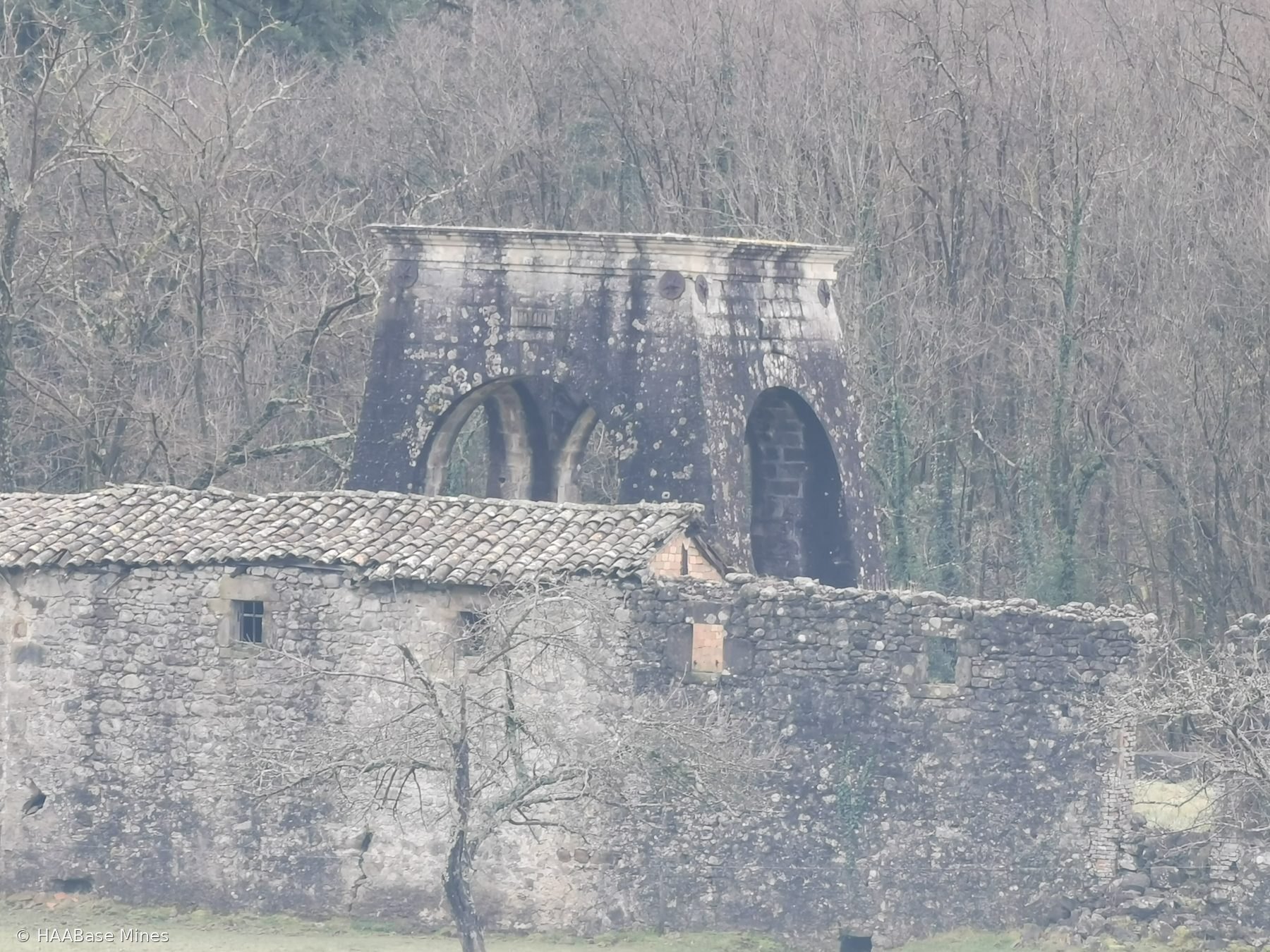
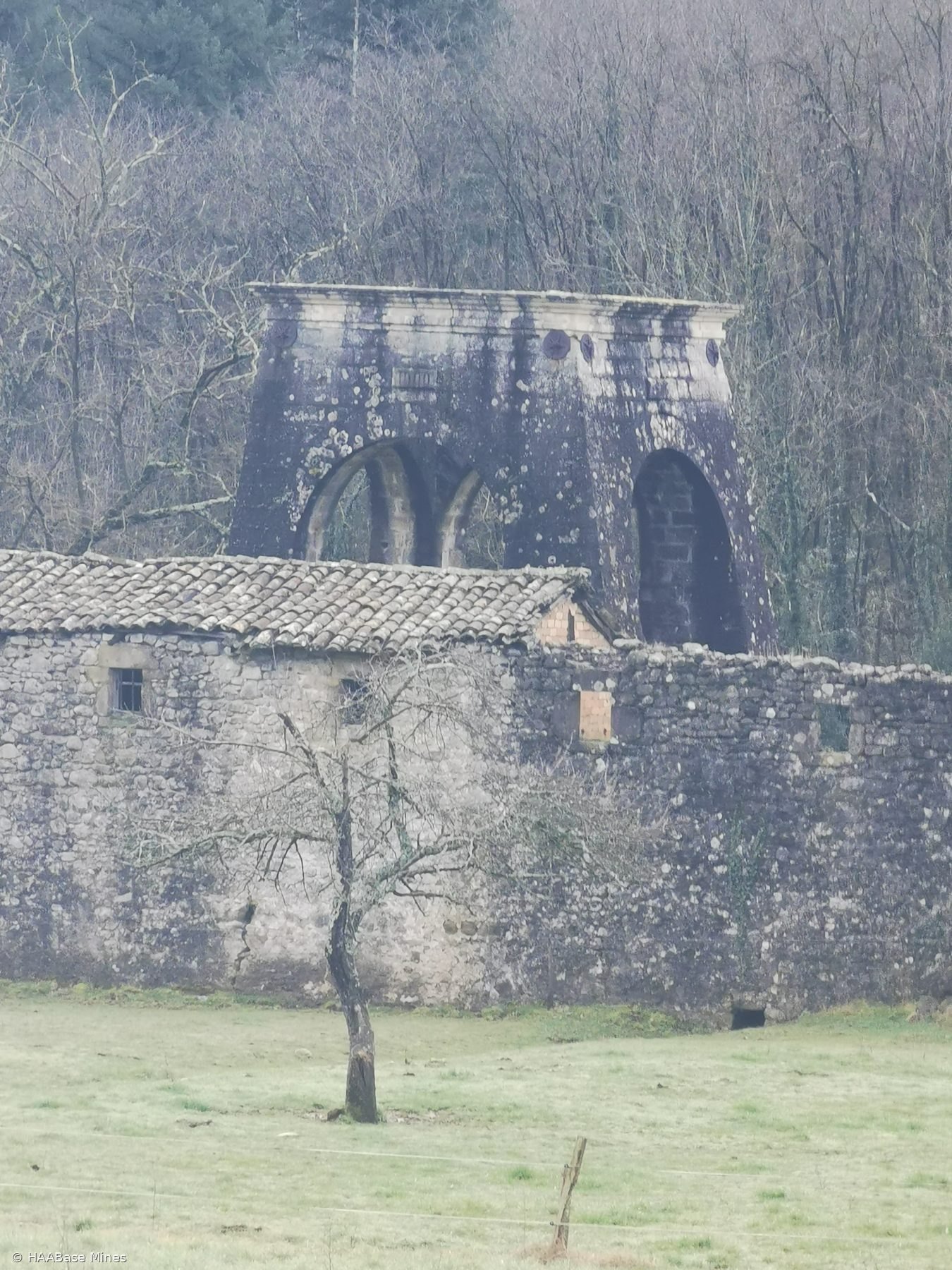
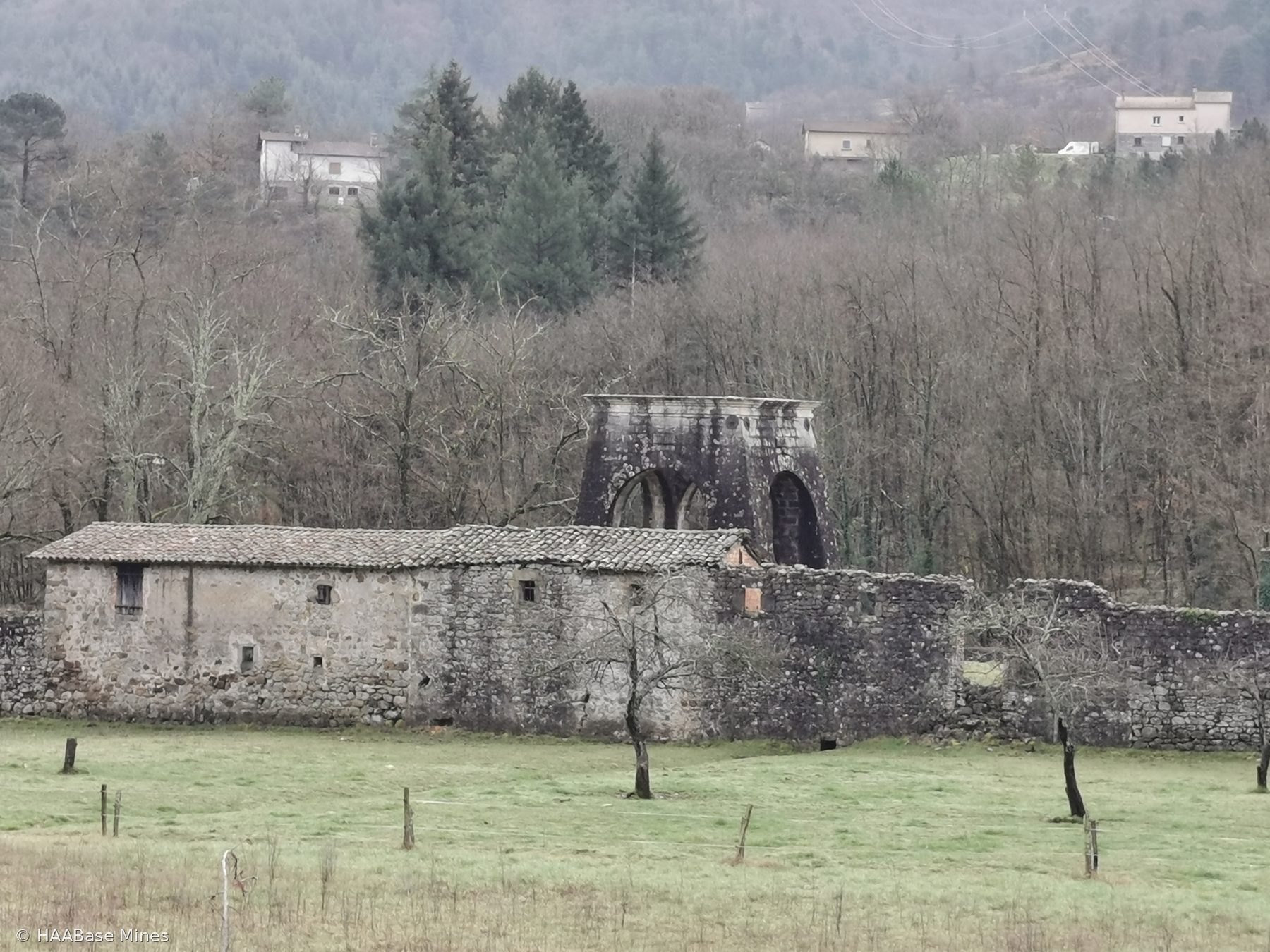
Inscribed nineteenth-century coal mine pithead at Prades, Ardèche, with a rare masonry headframe of 1900 surviving intact on a largely unaltered carreau.
This record is based on the research currently available to HAABase Mines. It has not yet completed the site's formal source-by-source fact-checking process, so the history and timeline should be regarded as a well-researched provisional account and may be refined as further evidence is reviewed.
The Mine de Champgontier at Prades, in the Ardèche department, is one of the best-preserved colliery surface complexes of the nineteenth century in France and the principal surviving industrial monument of the Prades–Lalevade coalfield. The first concession for the area was granted in 1774. Coal extraction in the basin is referenced as early as the fourteenth century, with organised industrial working developing from the late eighteenth century onwards.
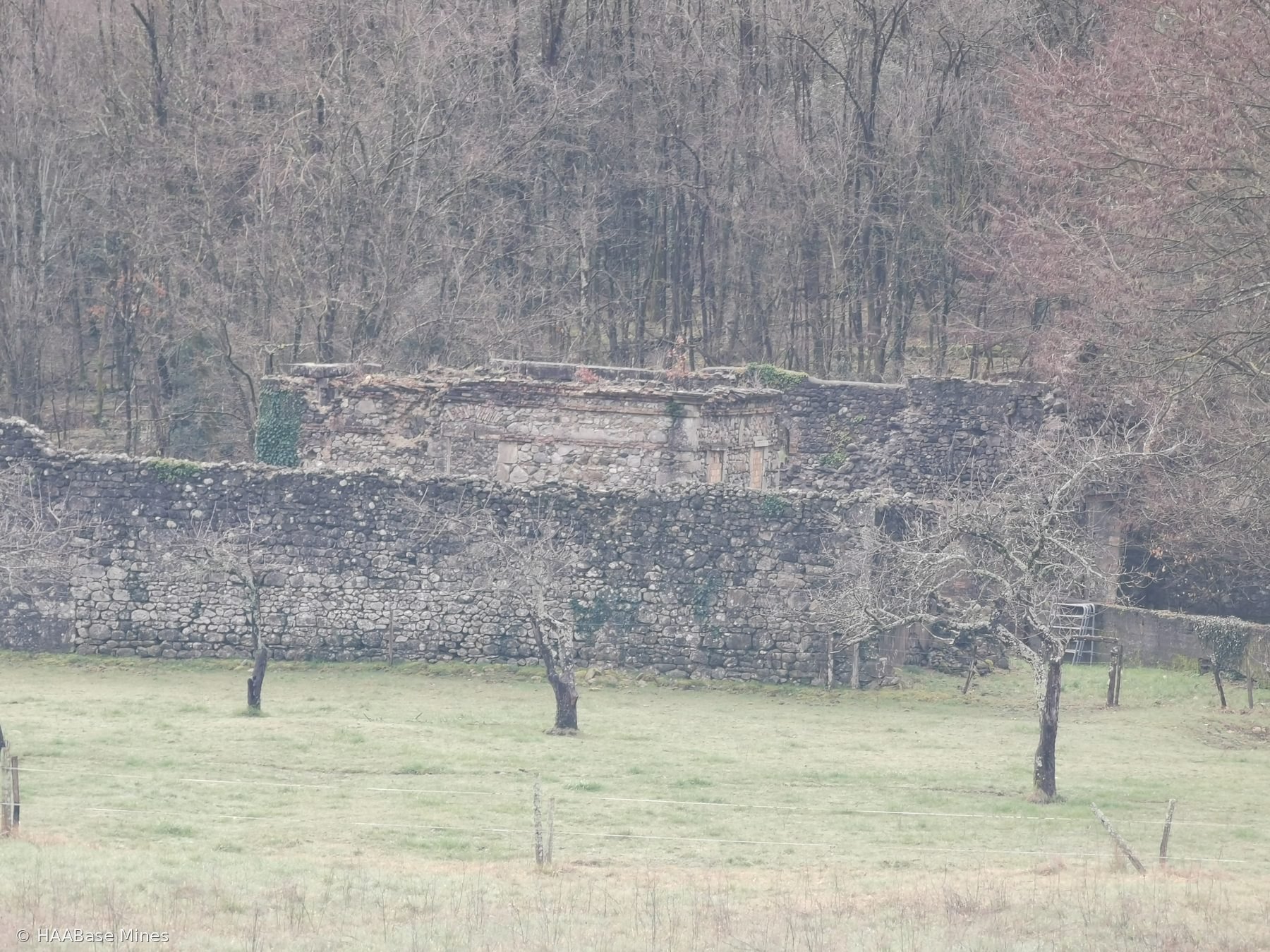
The carreau at Champgontier contains the pithead buildings of the puits Armand — including the masonry headframe of 1900, the forge and lamproom, the machine room, and the owners' dwelling — laid out in a rectangular form oriented east-west on the bank of the Salyndre. Following an underground fire in 1856, a new concession was granted in 1872 and the field was reorganised under the name Compagnie Houillère de Prades et Nieigles. The puits Armand was the main operating shaft between 1873 and 1930.
Subsequent ownership changes continued extraction into the 1950s. The mine was finally flooded by a catastrophic flood of the Salyndre on 6 August 1963, which irrecoverably inundated the workings and brought extraction to a permanent end. The concession was formally classified inactive in 1965.
The site was partially inscribed as a monument historique on 7 December 2010.
Coal extraction in the valley of the Salyndre at Prades, in the southern Ardèche, can be traced back to documentary references of the fourteenth century, but organised and industrial exploitation only began in the late eighteenth century. The gisement of Prades forms a roughly parallelogram-shaped basin some two kilometres wide and ten kilometres long, oriented north-east to south-west, centred on the communes of Lalevade-d'Ardèche and Prades. The coal extracted is an anthracite of high quality with approximately ten per cent volatile matter.
The basin gave rise to two competing concessions: the eastern Prades et Nieigles concession (also known as the mines de Champgontier), dating from 1774, and the western Jaujac concession, attributed in 1865. Early exploitation at the Champgontier site progressed through a series of pits including the puits de Chalmeton at Lalevade, the puits Taillade near the pont de Prades, the puits de la Charbonnière on the right bank of the Salyndre, and the higher puits Armand sector. Practical exploitation developed through the early nineteenth century as the carreau at Champgontier took shape, with a concession granted for fifty years and over sixty square kilometres.
In 1856 an underground fire severely disrupted operations. A new concession was granted in 1872, leading to a reorganisation of the operation under the name Compagnie Houillère de Prades et Nieigles. New puits were opened and the site underwent an industrial renewal. In 1873, the puits Armand sector began operating under its formal name and continued as the main shaft until 1930.
By the late nineteenth and early twentieth centuries the mining activity formed a significant part of the local economy. The coal from Champgontier was used notably for the lime kilns at Le Teil, including by the Lafarge company. Around 1920, Lalevade-d'Ardèche and the surrounding commune had more than 600 workers employed in the mines and associated industries. The grand-père of a later observer served as maître minier at Champgontier from 1906 to 1928.
The masonry headframe of the puits Armand dates to 1900 and was in use until 1920. It is of squared stone construction on a terraced platform. Following the closure of the puits Armand as an active extraction shaft in 1920, successive ownership changes and fresh concessions kept portions of the field in intermittent production. Around 1872, the operation was restructured as the Compagnie Houillère de Prades et Nieigles, and the concession dimensions were revised in 1883. The company operated under different names and was acquired on 20 June 1931 by a banker, Monsieur Marze. Only the Armand sector remained in activity, via the Société des Mines de Champgontier, until 1932. In 1933 the operation was acquired by Monsieur Monteil, who worked it until 1956; his successors then operated it as the Société Nouvelle des Mines de Champgontier.
The definitive end of extraction was not the result of depletion or economic closure but of a natural catastrophe. On 6 August 1963 a major flood of the Salyndre inundated the workings irreversibly. The mine was classified inactive in 1965.
The carreau de mine de Champgontier presents a rectangular plan oriented east-west, set on the bank of the Salyndre. The surviving buildings include: the masonry headframe of the puits Armand with its terrace; the bâtiment de la forge et de la lampisterie; the salle des machines; the owner's dwelling (which contained two lodgings in the early twentieth century) with stone-framed window openings and a tiled roof; the administrative buildings and infirmery; surviving elevations of the workshops and ore preparation rooms; the terrace, its historic enclosure wall, and supporting retaining walls; and the pile centrale of the footbridge across the Salyndre. The constructions in concrete dating from the 1950s are excluded from the protection. The site also includes the dynamite store on a separate parcel. The site is on private land and not publicly accessible for visiting, though it is visible from the road. The mine de Champgontier was partially inscribed as a monument historique by arrêté of 7 December 2010.