1913
Sinking of the Puits des Graves begins
Sinking of the Puits des Graves commences in 1913. The shaft has a diameter of five metres.
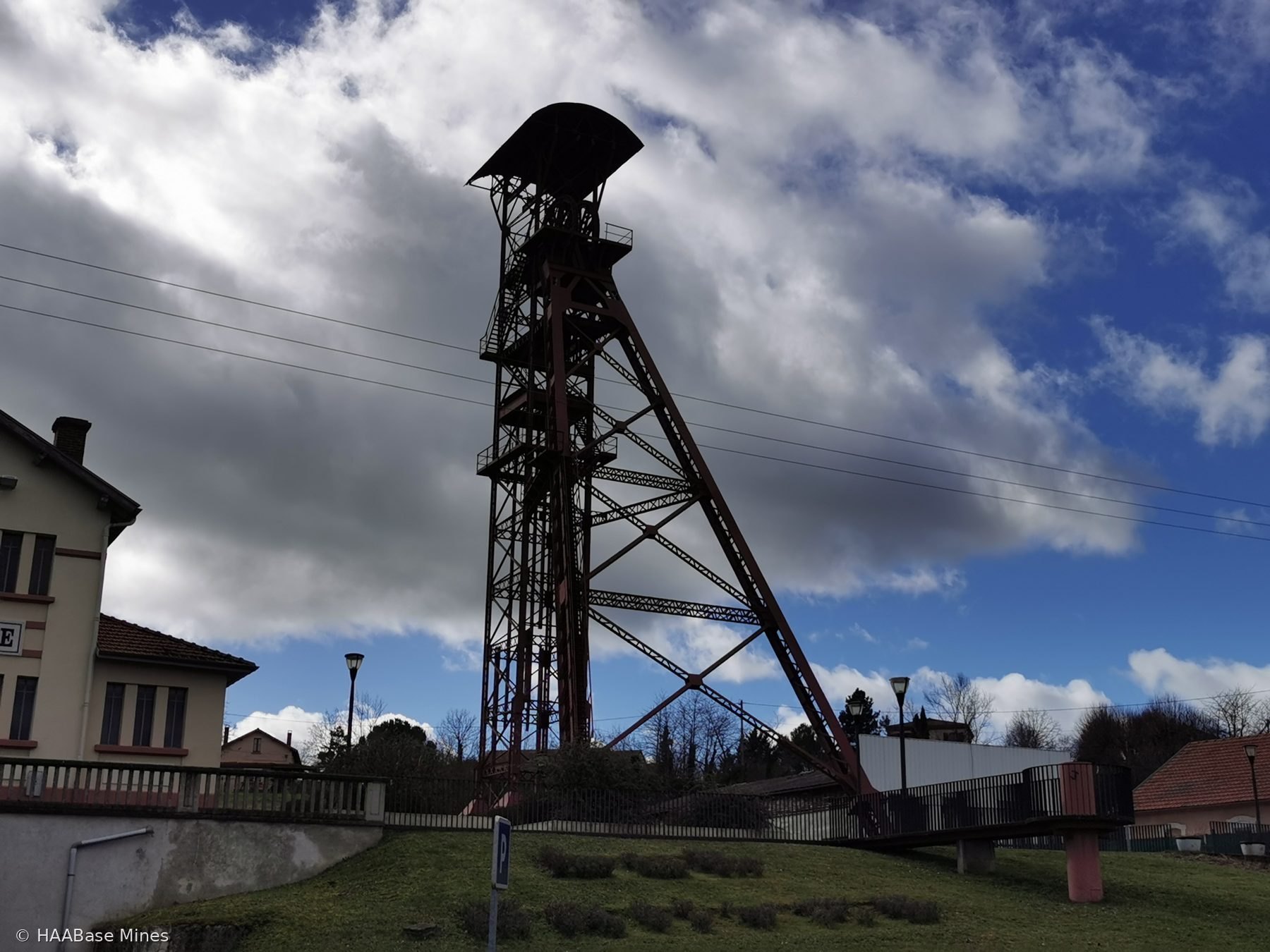
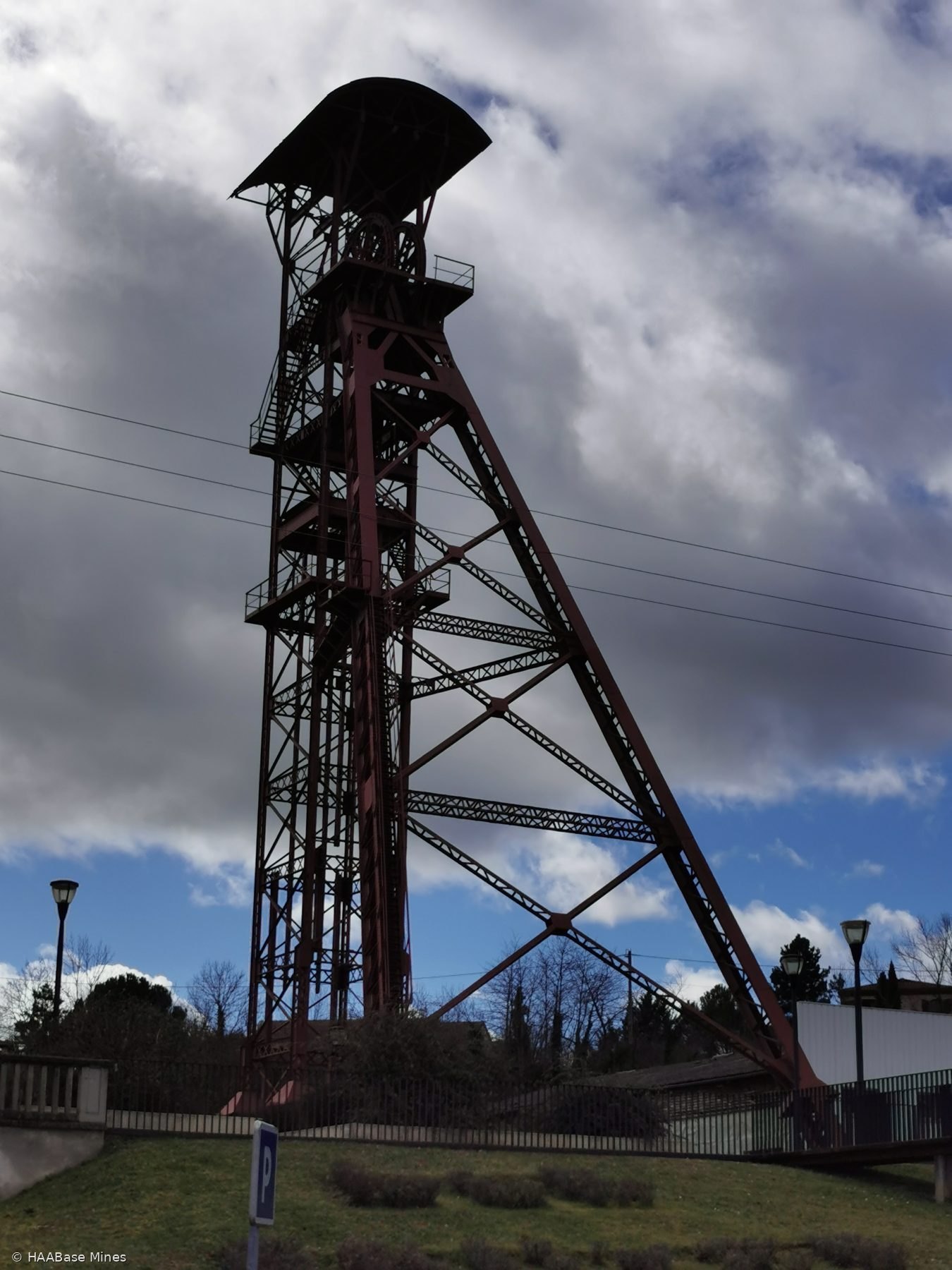
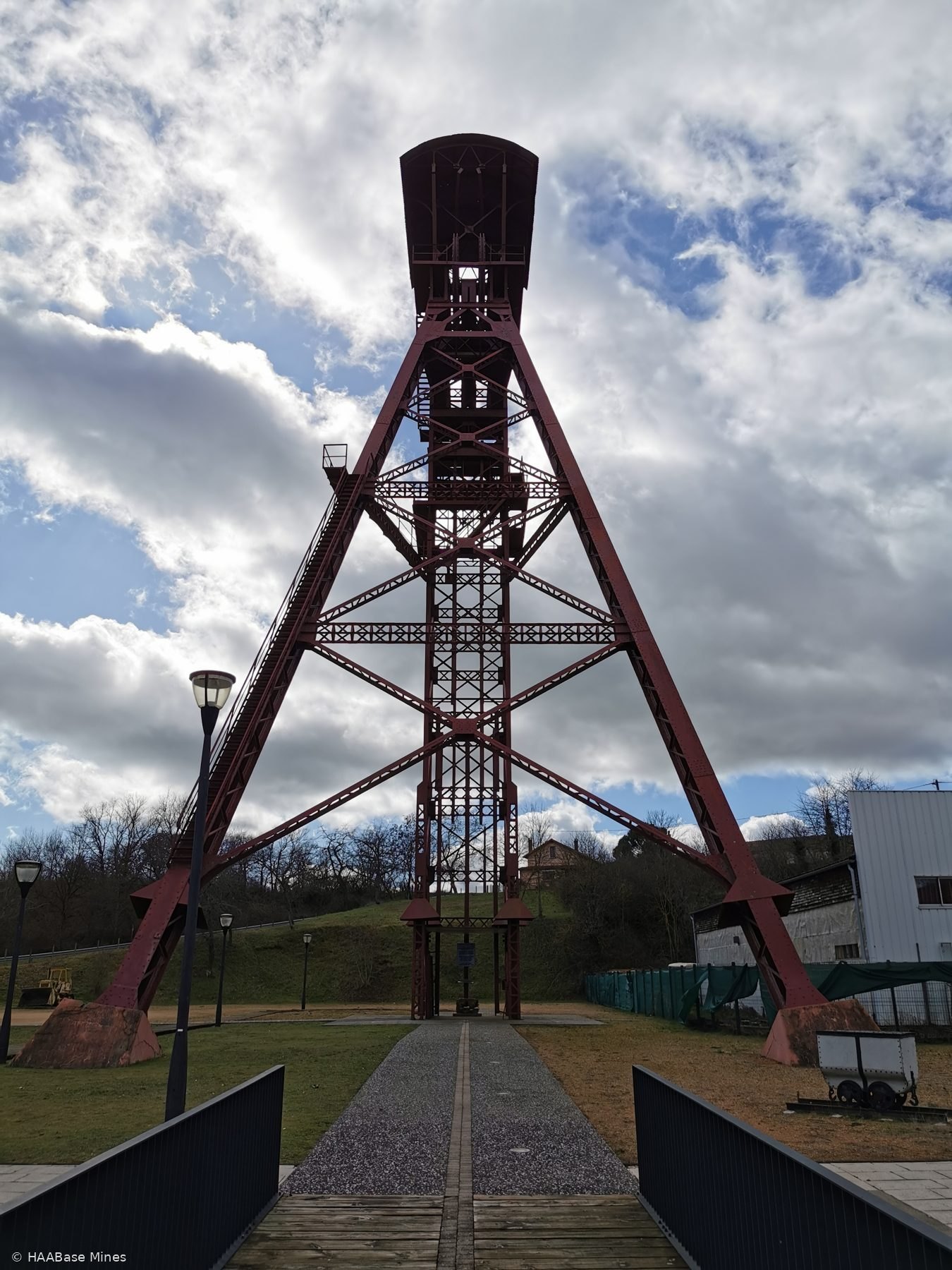
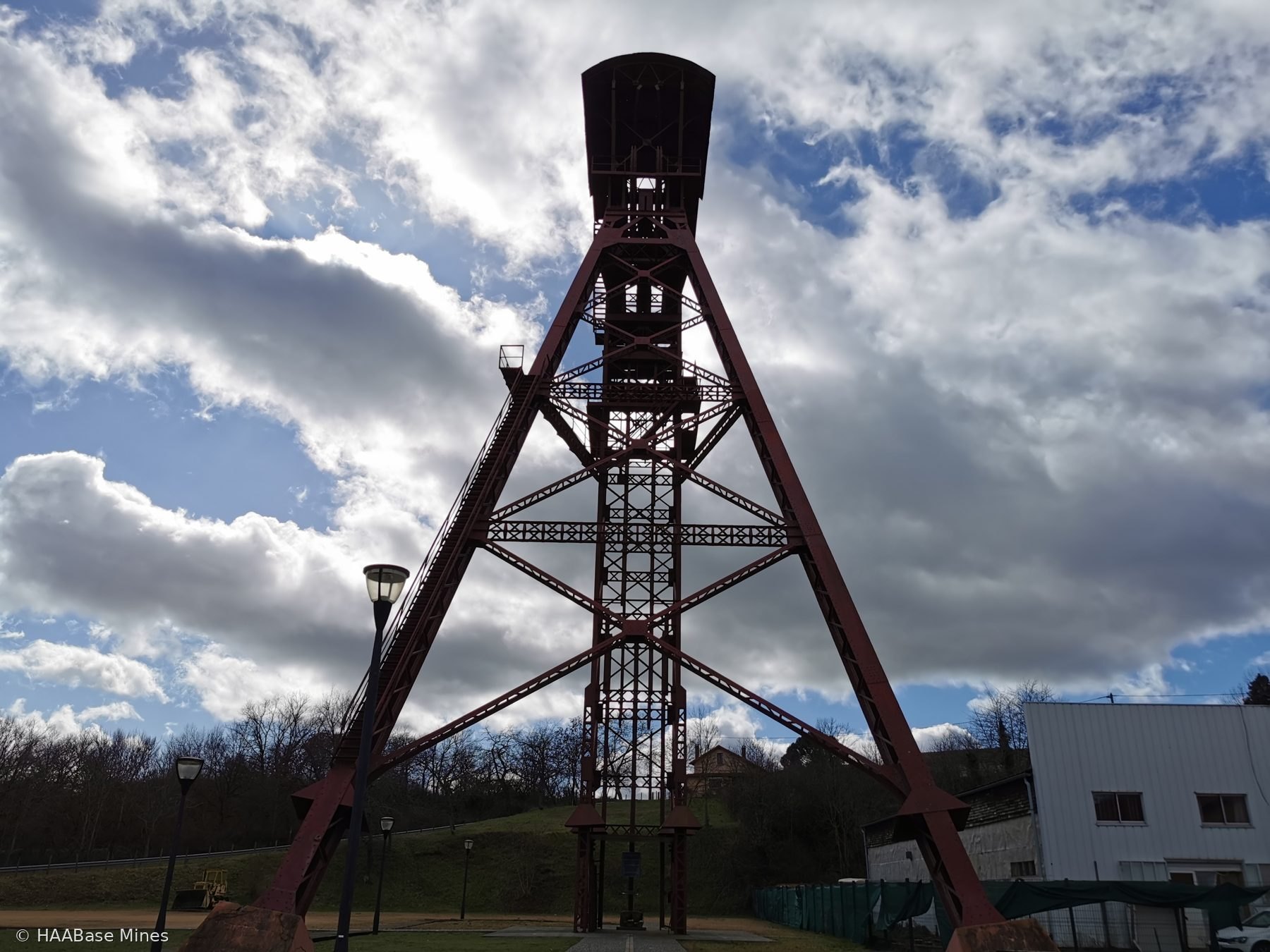
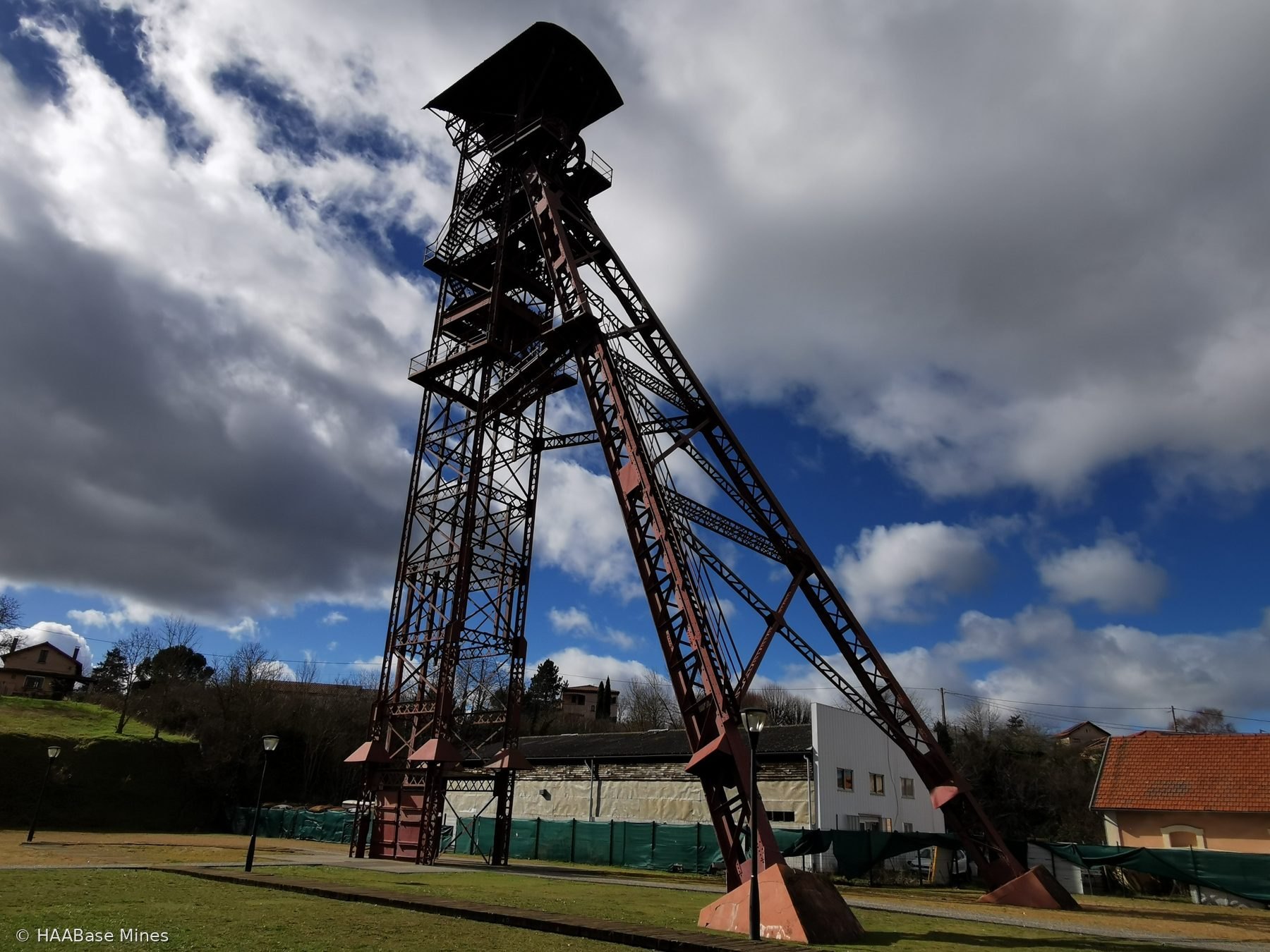
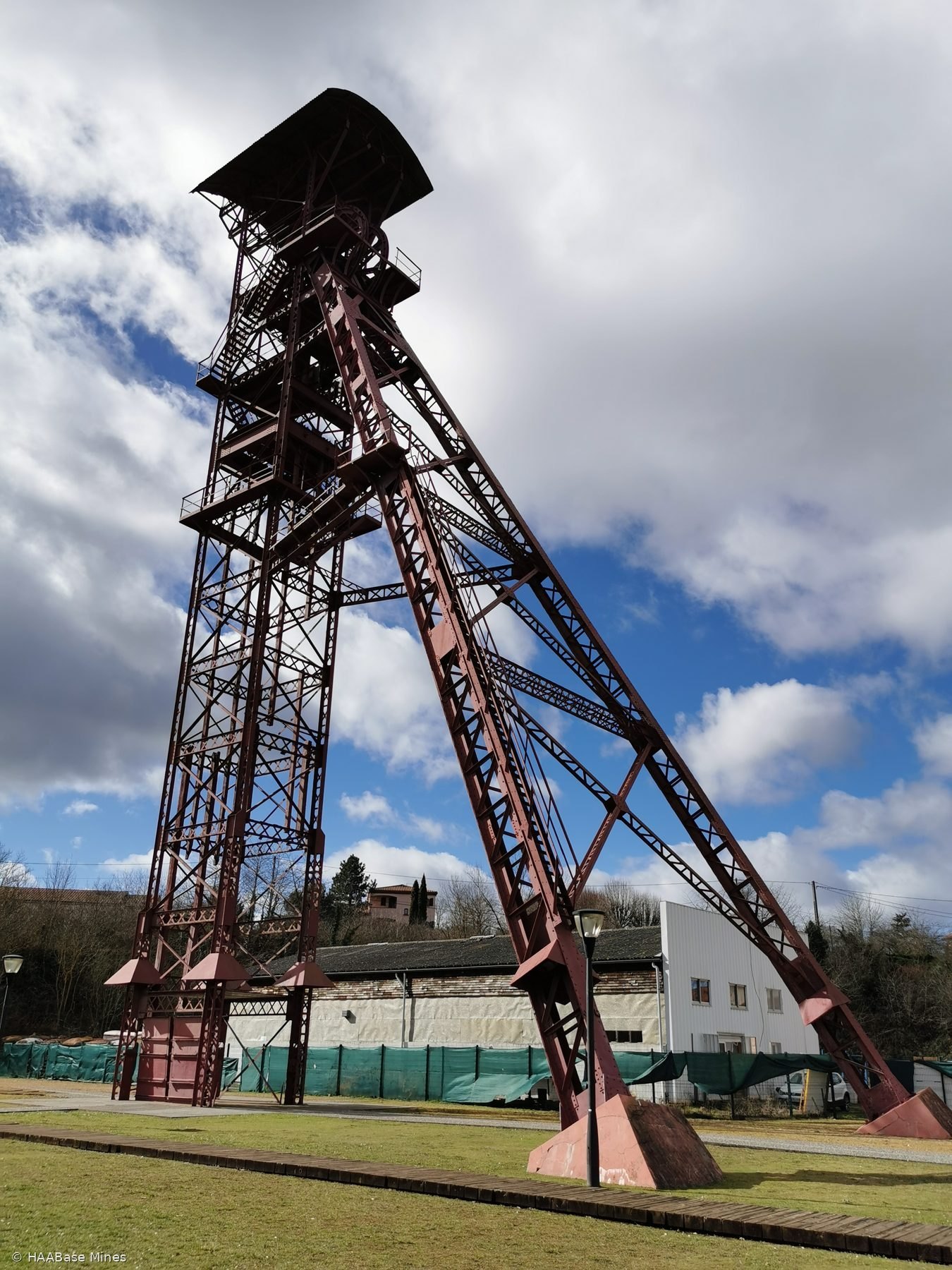
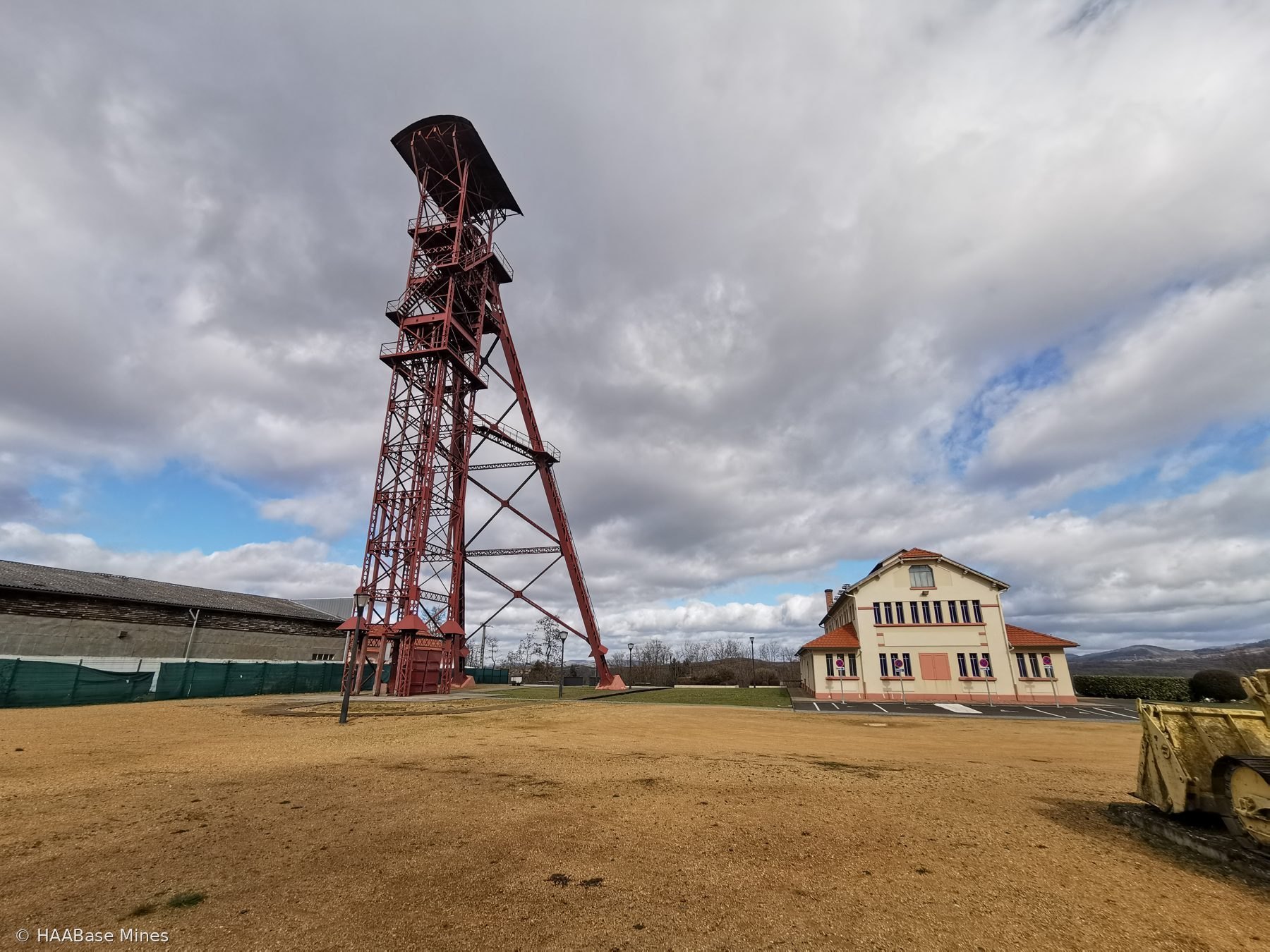
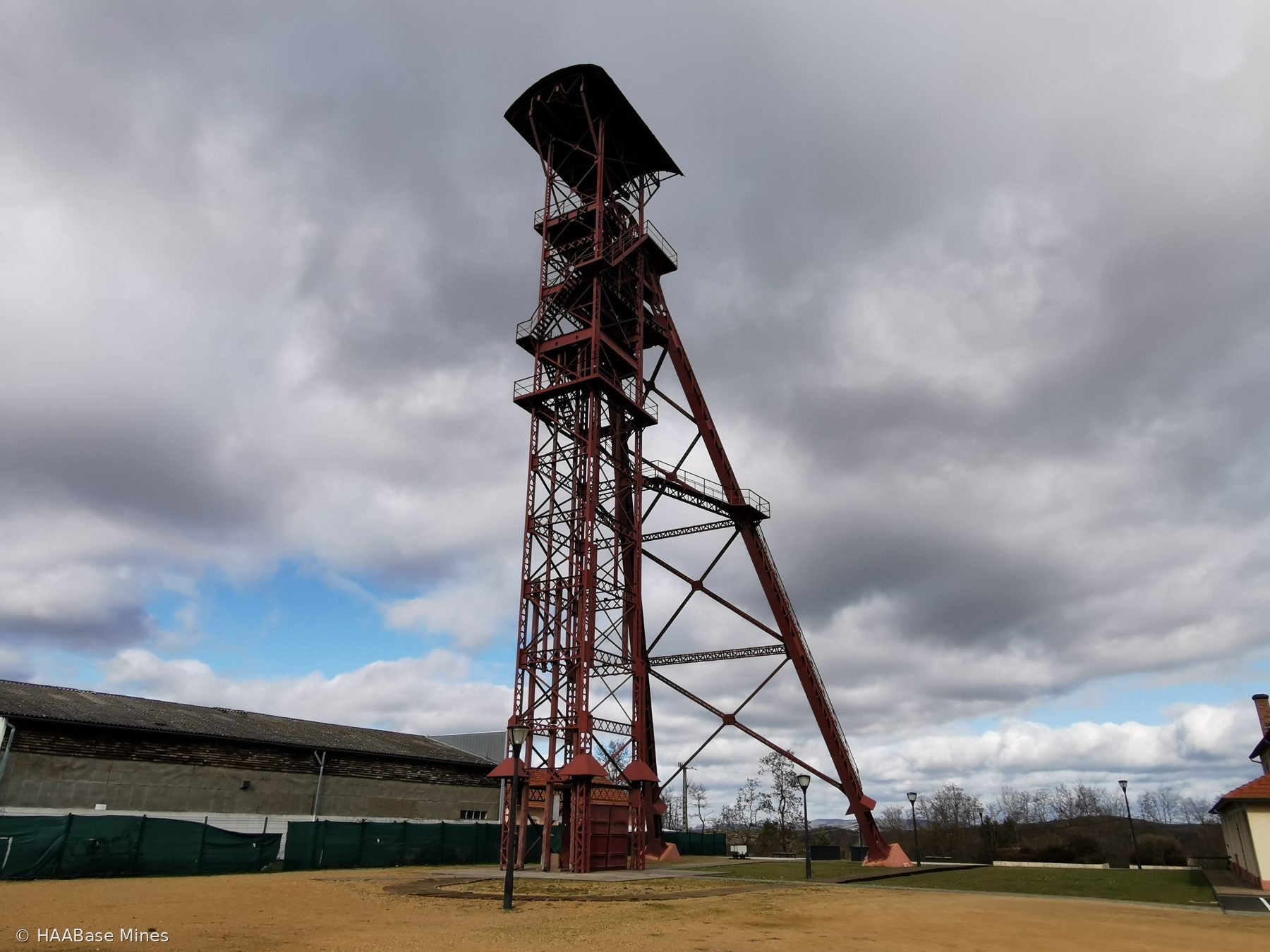
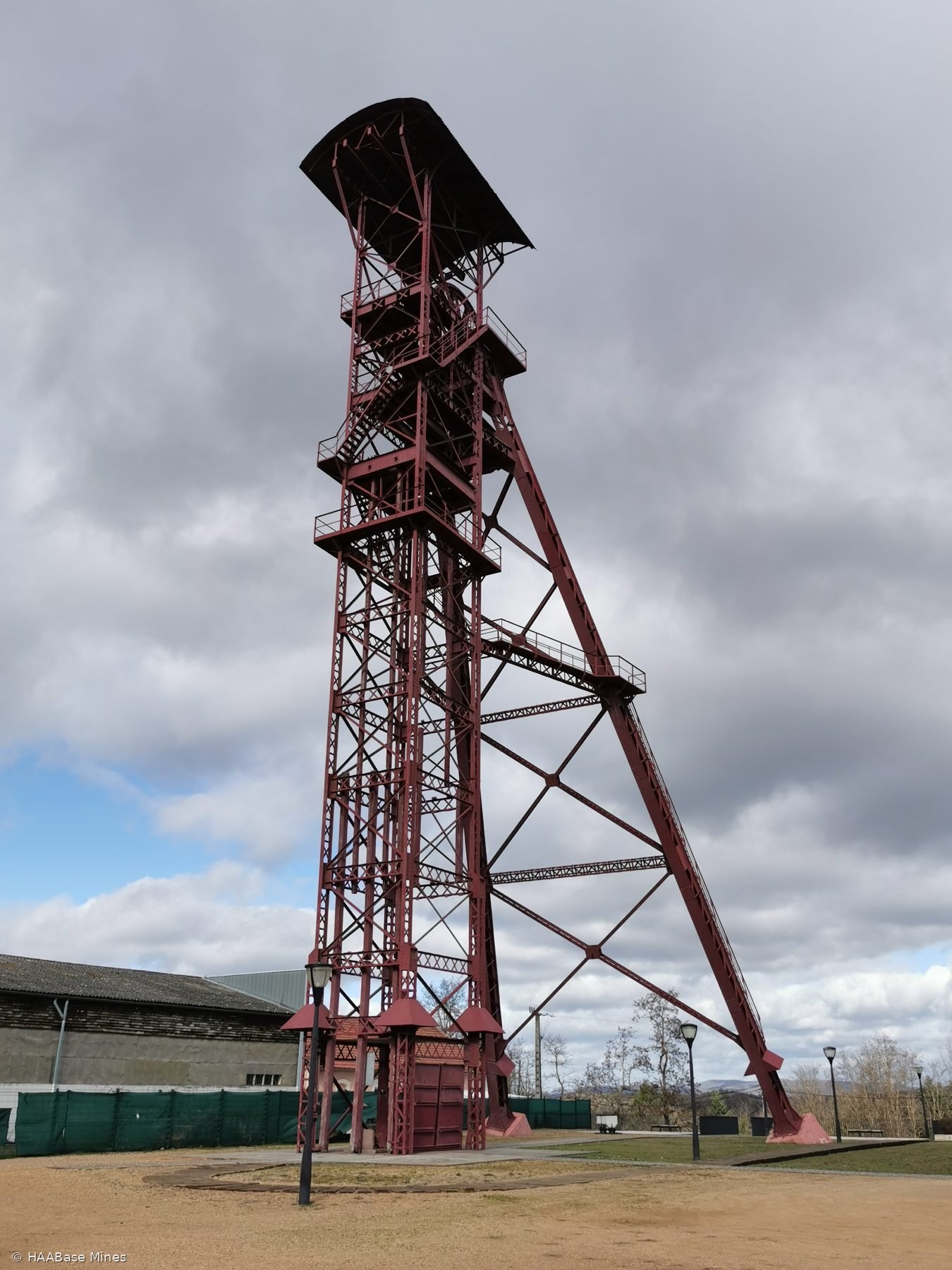
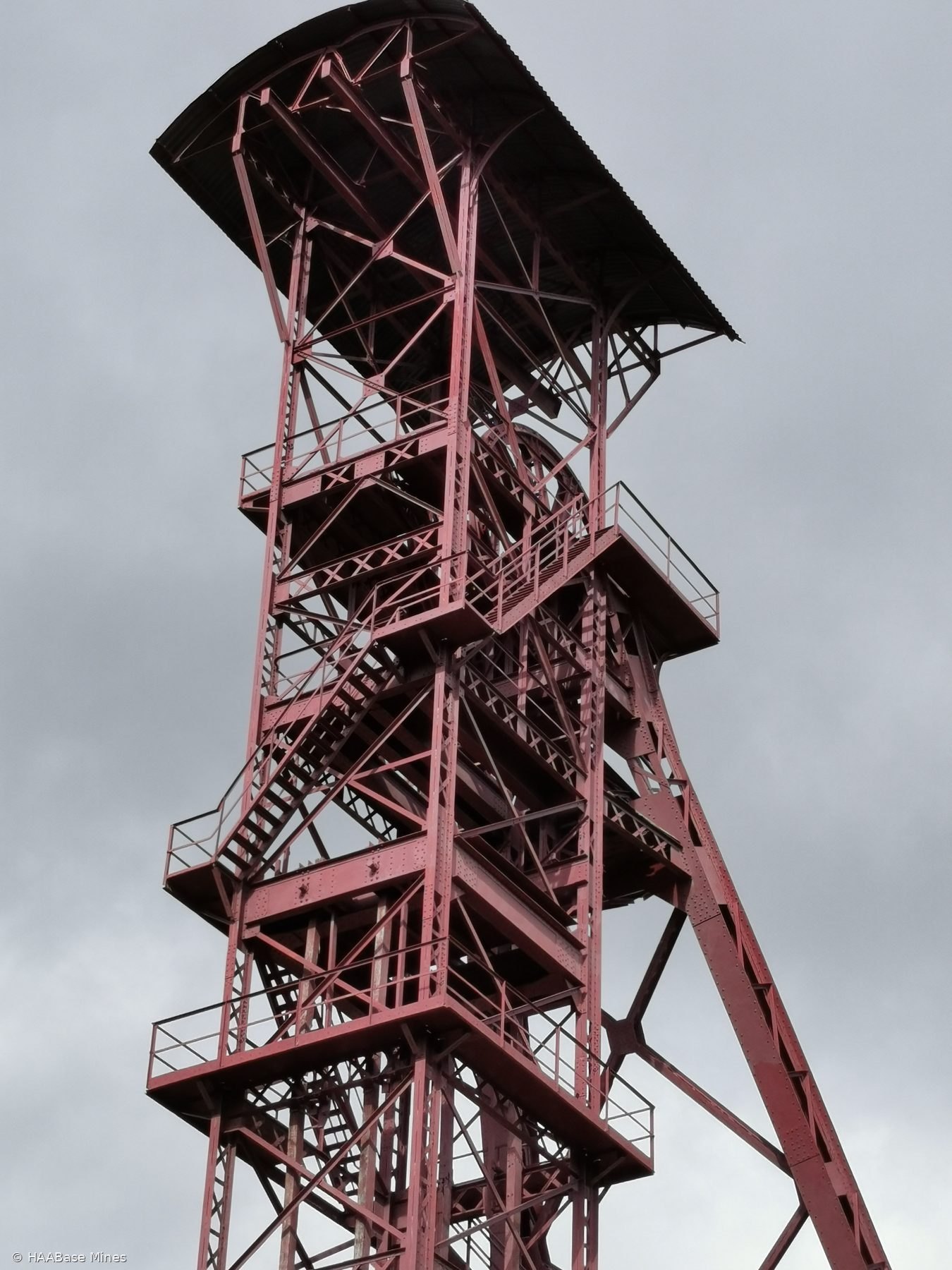
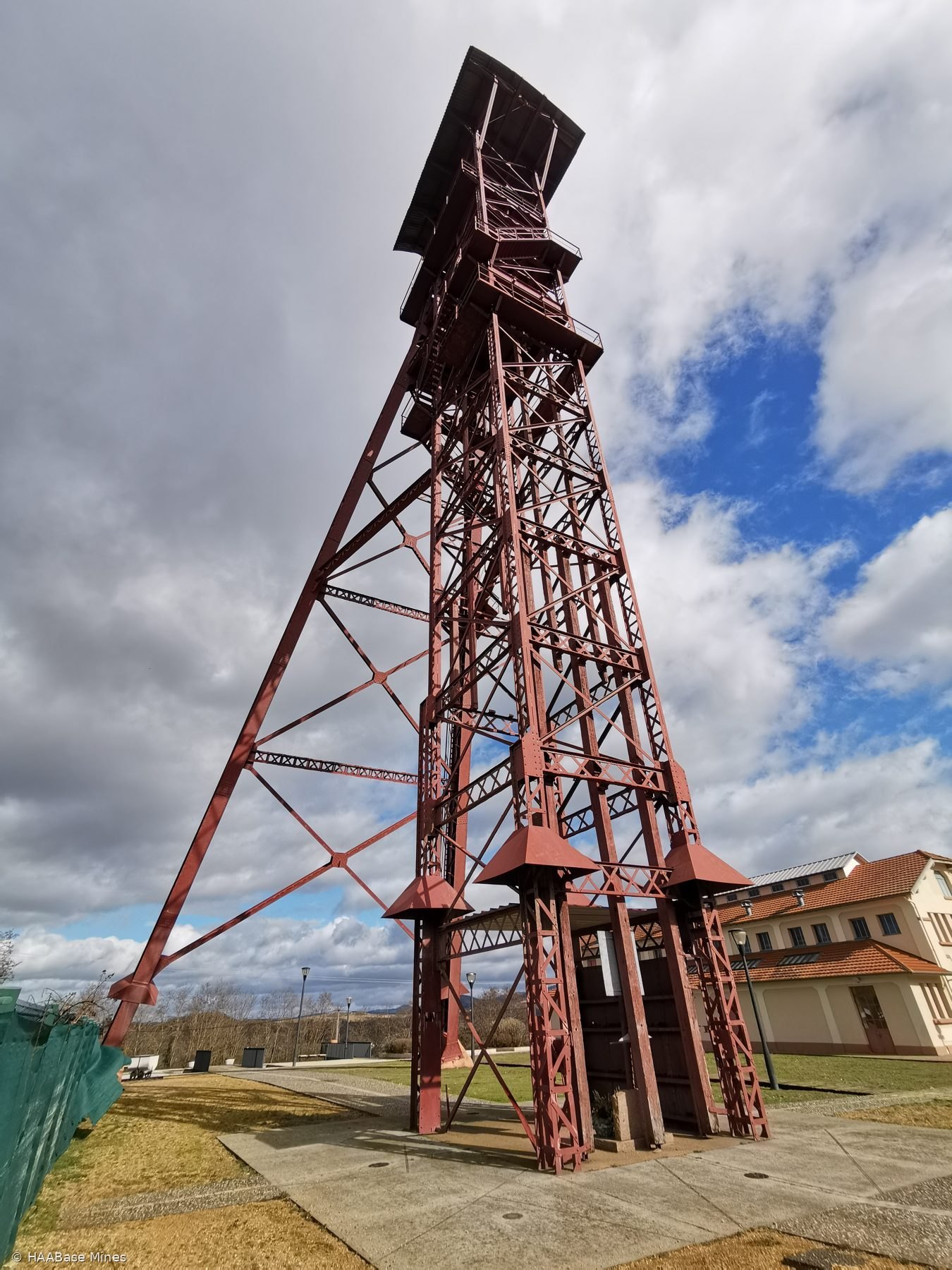
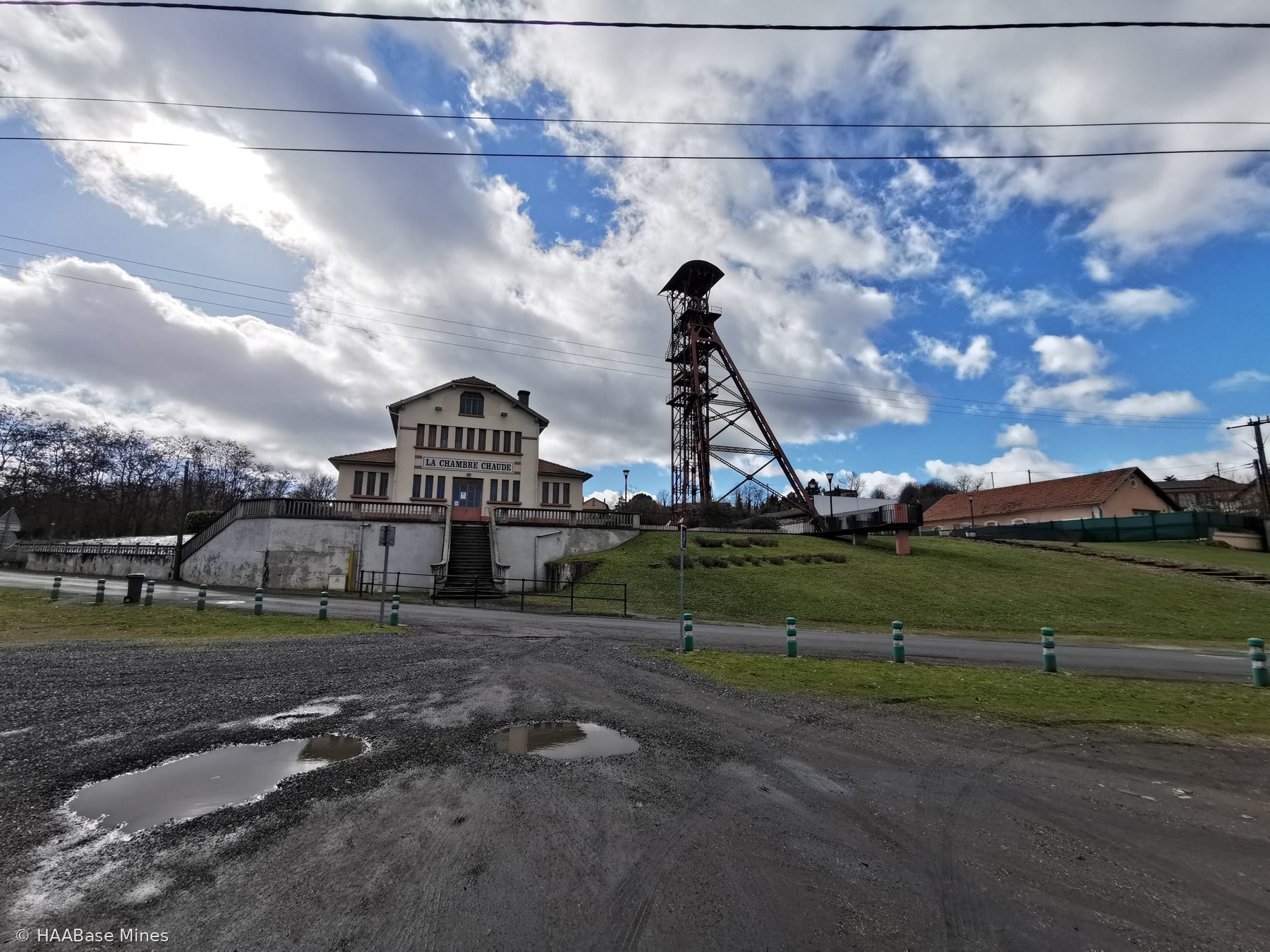
Preserved metal headframe and chambre chaude at Auzat-la-Combelle, the only two surviving structures from the La Combelle colliery site.
This record is based on the research currently available to HAABase Mines. It has not yet completed the site's formal source-by-source fact-checking process, so the history and timeline should be regarded as a well-researched provisional account and may be refined as further evidence is reviewed.
The Puits des Graves at Auzat-la-Combelle, in the Puy-de-Dôme department, was the principal extraction shaft of the La Combelle sector of the Brassac coalfield. Sinking began in 1913 and was halted in September 1914 at 140 metres, then resumed in November 1915. The shaft reached 680 metres in July 1920 and was put into service in October 1924.
With a diameter of five metres and a steel headframe 39 metres in height — described as the first metal headframe constructed in the basin — the shaft produced coal from the La Combelle concession, which contained the veins de Bure, Verrerie, Sole, and Combelle. Annual output averaged approximately 120,000 tonnes, reaching a recorded peak of 151,834 tonnes in 1935, with a workforce of around 500 miners. From 1954 the Puits Bayard at Brassac-les-Mines became the sole extraction shaft; the Puits des Graves was thereafter used only for ventilation.
Both shafts closed on 31 July 1978 when the Brassac basin ceased production. Of the roughly twenty headframes that once stood in the basin, only those of the Puits Bayard and the Puits des Graves were preserved. The chambre chaude — the miners' changing and shower building — was purchased by a heritage association in 1989 and transferred to the commune in 1997 following emergency repair works.
The headframe and chambre chaude survive today as the two principal monuments of the La Combelle site.
The La Combelle sector of the Brassac coalfield lies in the Puy-de-Dôme department, in the valley of the rivers Allier and Alagnon. The Brassac coalfield straddles the boundary between the Puy-de-Dôme and the Haute-Loire and had been exploited since at least the seventeenth century, with coal transported initially by river barge on the Allier to downstream markets, and from 1854 by railway following the line's arrival at Brassac-les-Mines.
The La Combelle concession, operated under the name Auzat-la-Combelle, was divided geologically into a series of sectors: from east to west, the Graves sector, the Basse-Combelle and Cellamine sectors, and the Bayard sector to the south-west. The gisement contained four named veins: de Bure, Verrerie, Sole, and Combelle. The coal is a maigre anthracitic type with eight to nine per cent volatile matter. By 1863, the Compagnie des mines de Brassac was working the La Combelle basin from three shafts: the puits d'Orléans (exploiting the Verrerie seam between 264 and 205 metres), the puits de Verrerie (the same seam between 205 metres and surface), and a third.
Development of the Graves sector began in earnest with the decision to sink a new deep shaft. Sinking of the Puits des Graves began in 1913 but was suspended at 140 metres in September 1914 due to wartime conditions. Work resumed in November 1915. The shaft was completed in July 1920 at 680 metres depth, making it the deepest shaft in the basin. The shaft has a diameter of five metres. During the interval between the completion of sinking and commissioning, the galeries at Basse-Combelle were advanced to recover the western coalfield that had been abandoned since 1888 and had only been worked to 250 metres. The Puits des Graves was put into service in October 1924. From 1926, the puits de Basse-Combelle exploited the étage 252/300 of the western massif while the Puits des Graves exploited the étage 300/400 of the eastern massif.
The metal headframe of the Puits des Graves, 39 metres in height, is described in sources as the first metal headframe constructed in the Brassac basin. The shaft was equipped with two-deck cages each carrying three wagonnets of 550 litres. Average annual output from the Puits des Graves was approximately 120,000 tonnes, with a recorded peak production of 151,834 tonnes in 1935. The adjacent chambre chaude — the building housing miners' lockers, changing facilities, and showers — formed part of the surface installations. By the late 1950s, total production from the La Combelle field was approaching 300,000 tonnes per year.
After nationalisation in 1946, the mining interests of the basin were grouped under the Houillères du Bassin d'Auvergne within Charbonnages de France, later integrated into the Houillères du Bassin du Centre et du Midi (HBCM). In 1954, the Puits Bayard became the concentration shaft for the entire concession: all coal was thereafter extracted through Bayard, and the Puits des Graves was reduced to a ventilation function alone. The Puits Bayard was itself subsequently deepened from its initial 305 metres to 530 metres and equipped with a 34-metre headframe.
Both shafts — the Puits des Graves and the Puits Bayard — closed on 31 July 1978, which marked the definitive end of production in the Brassac basin. Of the approximately twenty headframes that had stood across the basin from Brassac to Charbonnier-les-Mines and Frugères-les-Mines, only those of the Bayard and La Combelle sites were subsequently conserved and restored, by the Association de Sauvegarde des Chevalements Les Graves-Bayard.
The chambre chaude at the Puits des Graves had fallen into severe disrepair by the late 1980s, with the roof failing to protect the structure from water ingress. In 1989 a heritage association purchased the building and undertook remedial work. The building was subsequently ceded to the commune of Auzat-la-Combelle in 1997, after which further works definitively saved the structure. Today the surviving elements at the La Combelle site are the steel headframe, the chambre chaude, and the maison de la forge. The headframe stands above the shaft top in its original position and is the most visible industrial landmark of the commune. The broader site also retains the château d'eau (water tower), which served the mining operations and whose siren announced the end of miners' shifts and signalled accidents.